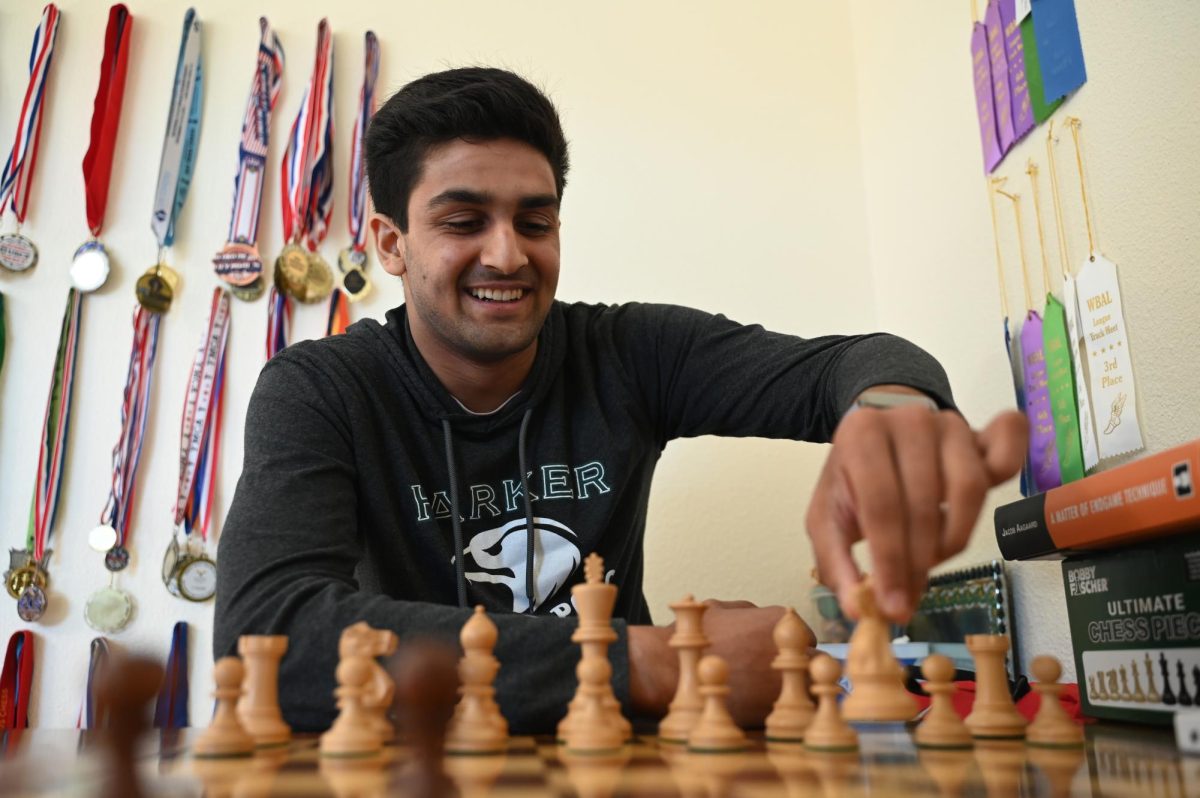
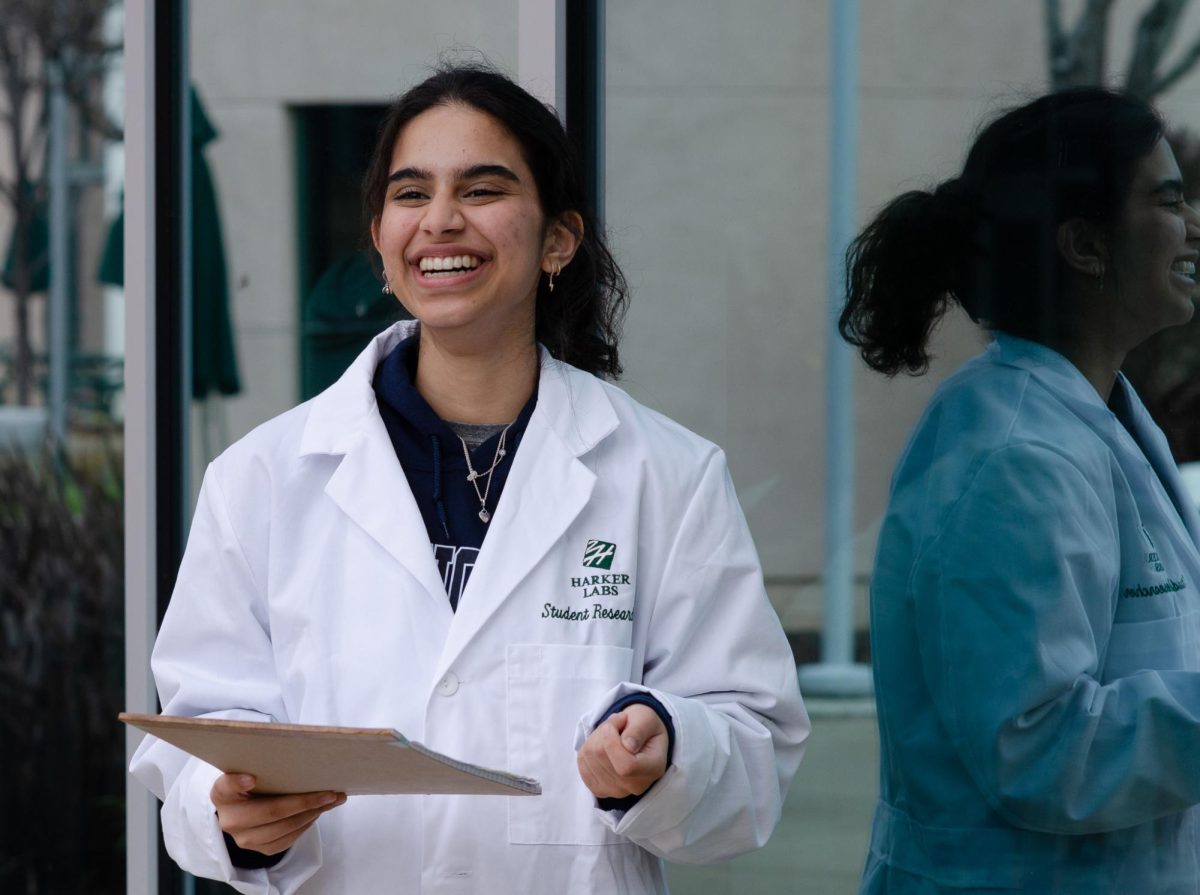
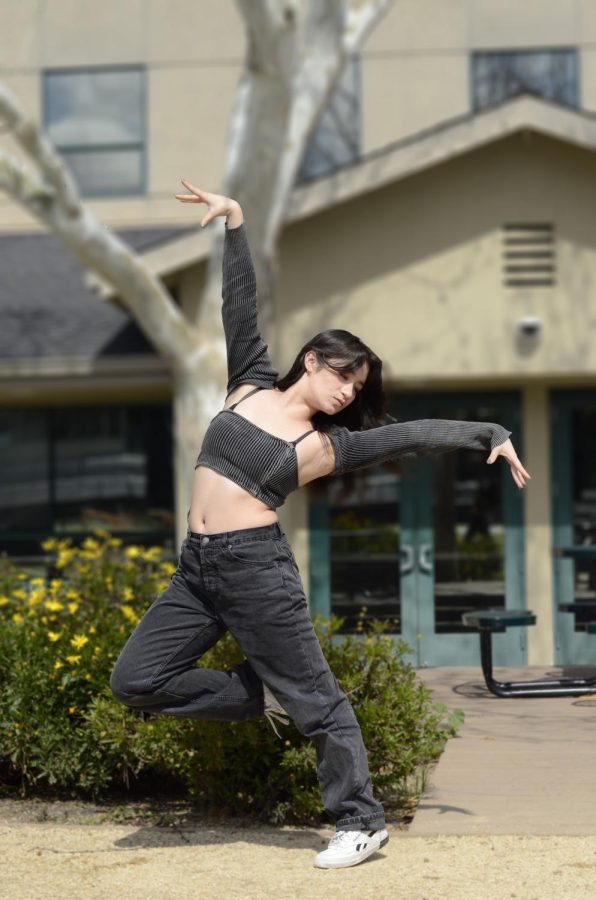
![“I wasn't discouraged by some of the obstacles we faced. I learned a lot from the leadership. I found that different people need different ways of receiving feedback — you can't [just] tell them to do something and expect the best. [Some] people needed more incentive. A large part of my role was to figure out what worked for everyone and to figure out how to lead all these separate individuals as a team,” Suhana Bhandare (’26) said.](https://harkeraquila.com/wp-content/uploads/2026/06/SuhanaBhandare_JasmineHansra-1-1200x798.jpg)
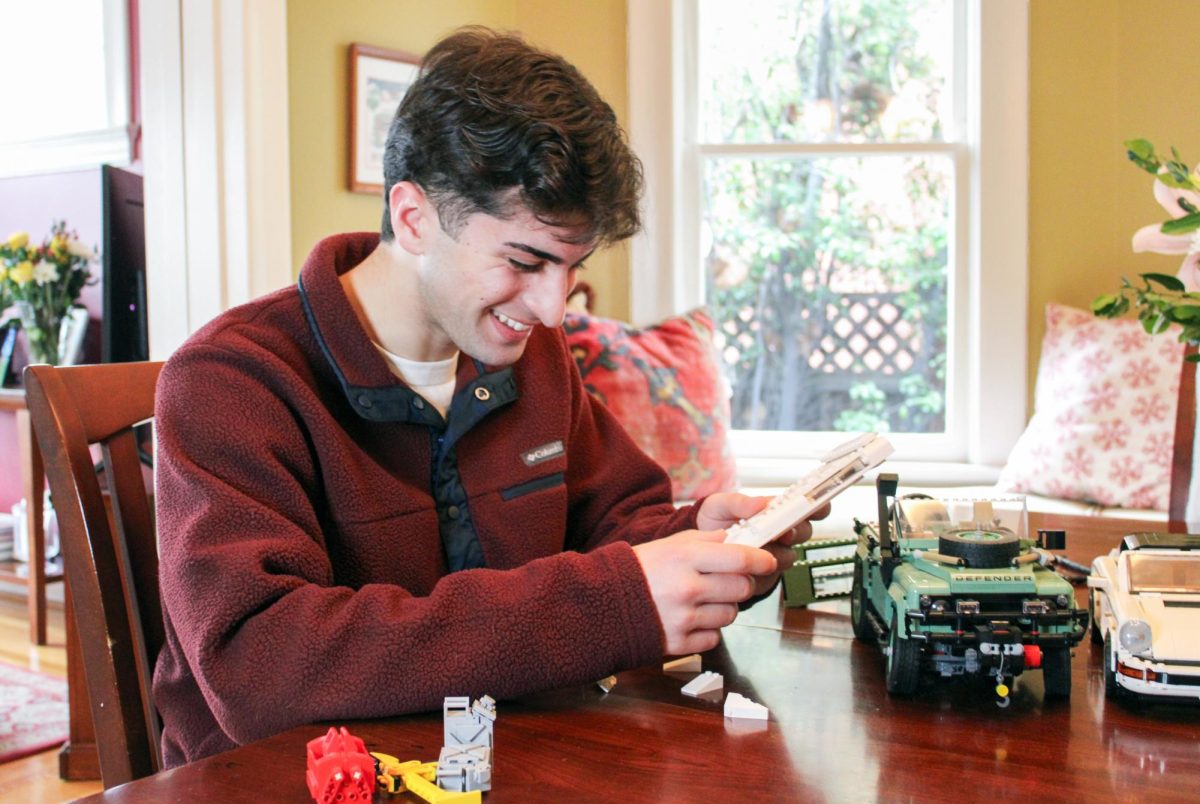
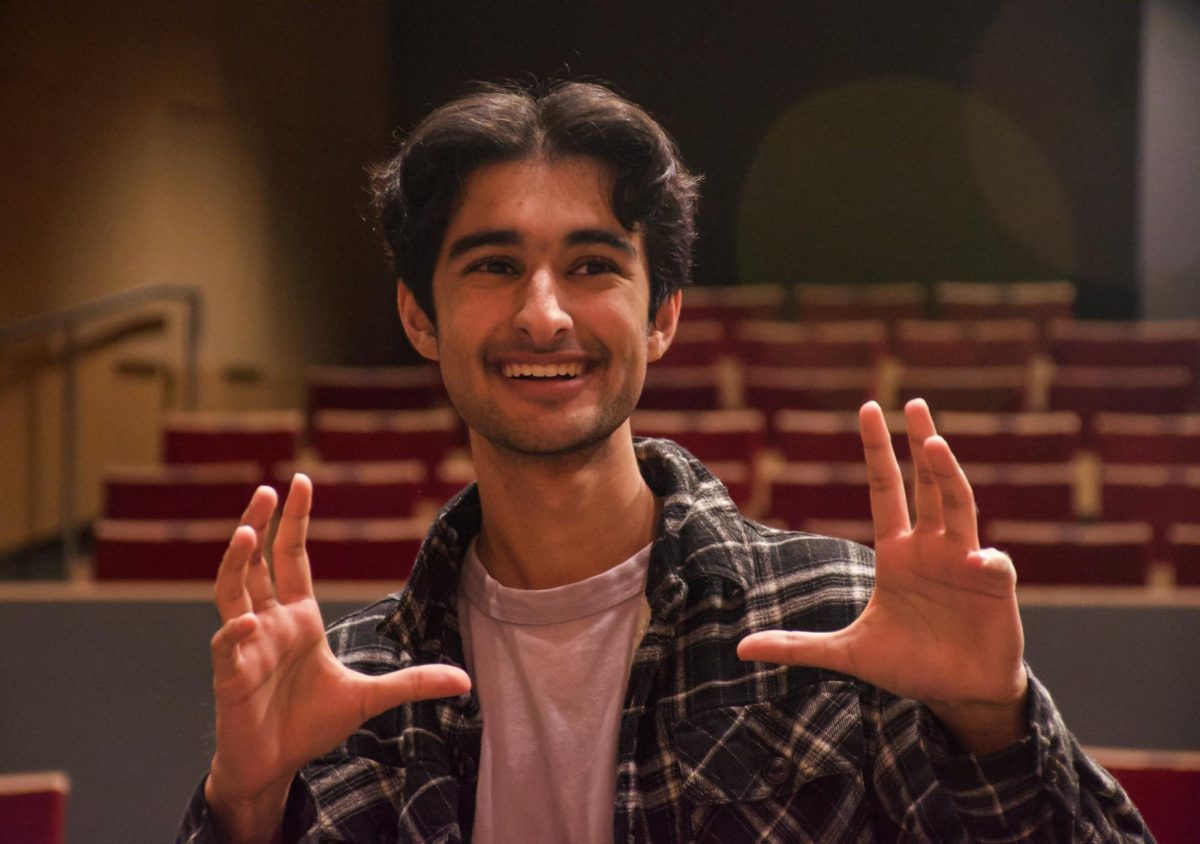
![“This is actually from Randy Pausch Randy P. Brick: ‘Walls are there for a reason. You have to show how much you want to overcome them.’ You have to show how much you want something. That's what I've always been able to do with tennis, Link Crew and getting that internship [with Kushy Baby]. It’s important pushing through that — getting around that brick wall, climbing over it or clawing through it,” Yash Sachdeva (’26) said.](https://harkeraquila.com/wp-content/uploads/2026/05/YashSachdeva_RamBatchu-copy-1200x1002.jpg)










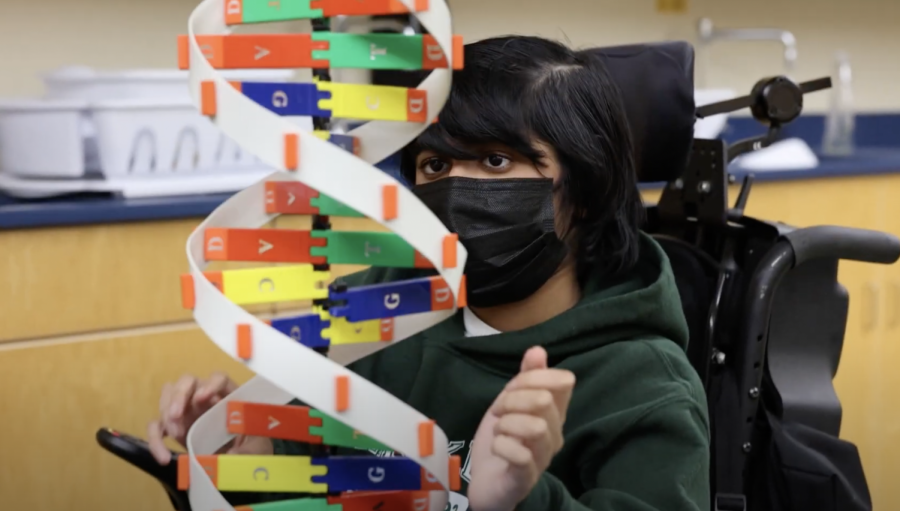
![“[Building nerf blasters] became this outlet of creativity for me that hasn't been matched by anything else. The process [of] making a build complete to your desire is such a painstakingly difficult process, but I've had to learn from [the skills needed from] soldering to proper painting. There's so many different options for everything, if you think about it, it exists. The best part is [that] if it doesn't exist, you can build it yourself," Ishaan Parate said.](https://harkeraquila.com/wp-content/uploads/2022/08/DSC_8149-900x604.jpg)
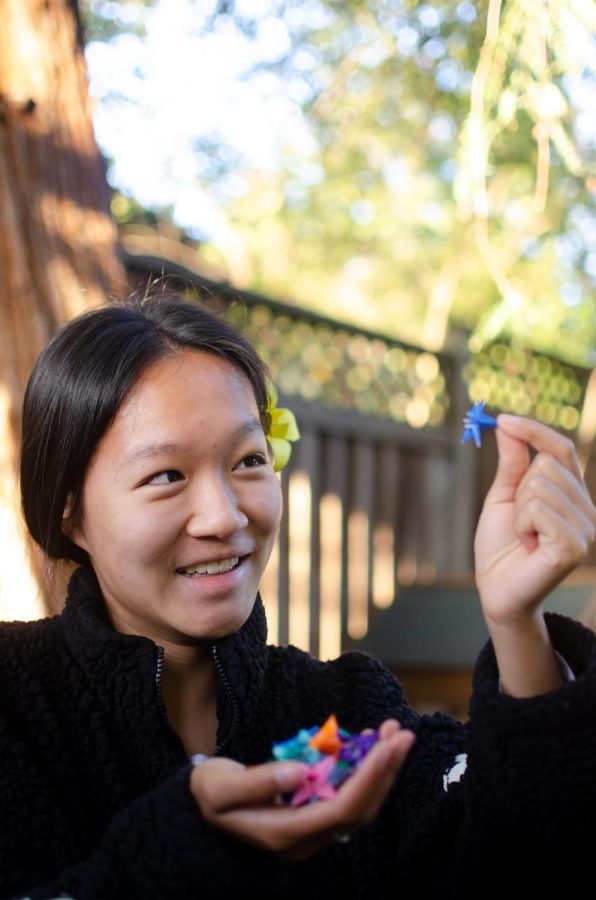



![“When I came into high school, I was ready to be a follower. But DECA was a game changer for me. It helped me overcome my fear of public speaking, and it's played such a major role in who I've become today. To be able to successfully lead a chapter of 150 students, an officer team and be one of the upperclassmen I once really admired is something I'm [really] proud of,” Anvitha Tummala ('21) said.](https://harkeraquila.com/wp-content/uploads/2021/07/Screen-Shot-2021-07-25-at-9.50.05-AM-900x594.png)


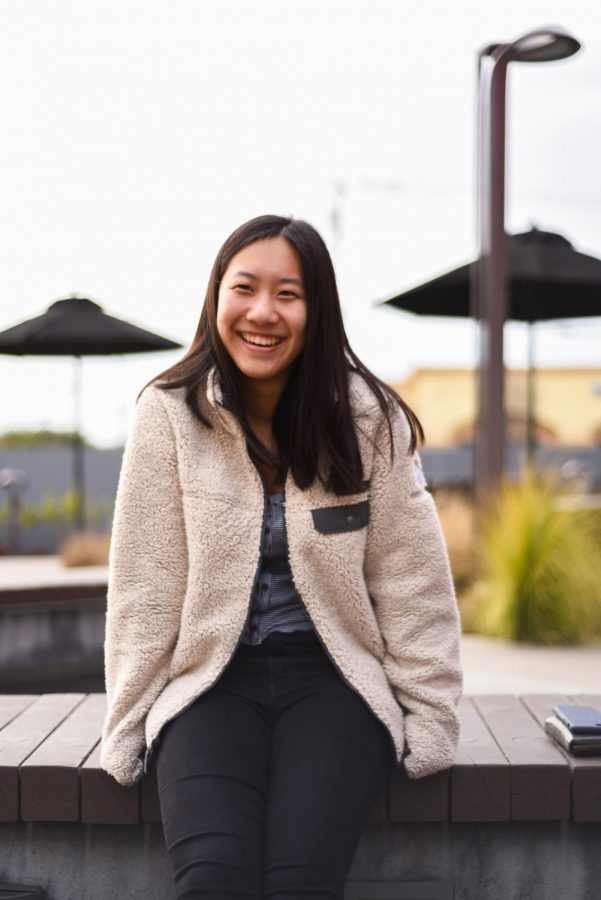



![“I think getting up in the morning and having a sense of purpose [is exciting]. I think without a certain amount of drive, life is kind of obsolete and mundane, and I think having that every single day is what makes each day unique and kind of makes life exciting,” Neymika Jain (12) said.](https://harkeraquila.com/wp-content/uploads/2017/06/Screen-Shot-2017-06-03-at-4.54.16-PM.png)
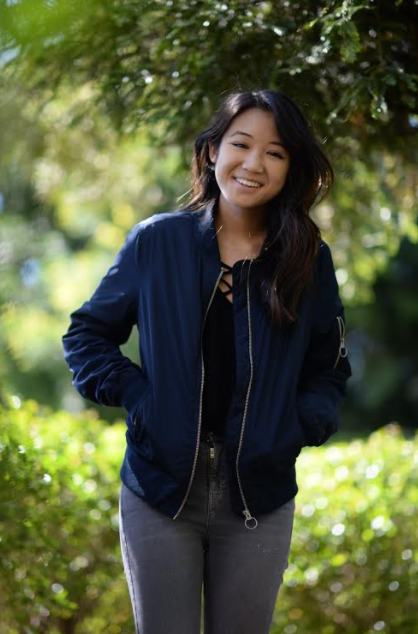


![“My slogan is ‘slow feet, don’t eat, and I’m hungry.’ You need to run fast to get where you are–you aren't going to get those championships if you aren't fast,” Angel Cervantes (12) said. “I want to do well in school on my tests and in track and win championships for my team. I live by that, [and] I can do that anywhere: in the classroom or on the field.”](https://harkeraquila.com/wp-content/uploads/2018/06/DSC5146-900x601.jpg)
![“[Volleyball has] taught me how to fall correctly, and another thing it taught is that you don’t have to be the best at something to be good at it. If you just hit the ball in a smart way, then it still scores points and you’re good at it. You could be a background player and still make a much bigger impact on the team than you would think,” Anya Gert (’20) said.](https://harkeraquila.com/wp-content/uploads/2020/06/AnnaGert_JinTuan_HoHPhotoEdited-600x900.jpeg)

![“I'm not nearly there yet, but [my confidence has] definitely been getting better since I was pretty shy and timid coming into Harker my freshman year. I know that there's a lot of people that are really confident in what they do, and I really admire them. Everyone's so driven and that has really pushed me to kind of try to find my own place in high school and be more confident,” Alyssa Huang (’20) said.](https://harkeraquila.com/wp-content/uploads/2020/06/AlyssaHuang_EmilyChen_HoHPhoto-900x749.jpeg)



Global reset: the darker side of light

August 28, 2016
In the fight to protect the environment, countless organizations and groups have spoken out about the impacts of the pollution of air, water and chemicals on the natural world. But while light pollution has substantial environmental consequences for both humans and wildlife, it remains a topic often less acknowledged than other types of contamination.
Light pollution, also known as photopollution or luminous pollution, occurs when natural levels of brightness are altered by sources of artificial light. As cities are often more illuminated than rural areas, light pollution is more commonly found in metropolitan regions. However, the reach of light pollution is surprisingly far; the International Dark-Sky Association reports that the lights of Los Angeles can be observed from an airplane up to 200 miles away from the city.
Disruptions of normal light levels affect plants and animals. Both rely on the circadian cycle, an internal clock regulating biological processes such as brain wave activity, hormone production and cell regeneration, to function. While organisms living in environments with natural levels of light are able to thrive, the interference of artificial light can change the way they develop and reproduce.
By altering organisms’ circadian clocks, artificial light can prevent nocturnal animals from being able to hunt effectively and cause trees to continue leaf growth throughout autumn, risking branch breakage caused by snow buildup in the winter. Animals that rely on natural sources of light for guidance, such as birds on migratory courses or baby sea turtles on their way to the ocean, can be driven off course by artificial light.
The impacts of artificial light on humans include its negative effects on human behavior and sleep patterns. A 2015 Harvard University study discovered that blue light, which is emitted by many digital devices, suppresses the production of melatonin, a hormone that prepares the body for sleep. The study also reported that blue light wavelengths boost attention and mood, inhibiting an individual’s ability to fall asleep naturally.
“Studies have shown that even if teenagers have an electronic device in their bedroom but are not using it, the presence of the device can affect their sleep because they’re constantly thinking about receiving notifications and texts,” pediatrician Dr. Karen Chiu said. “Teenagers’ brains naturally release melatonin later in the night in comparison to children, so screen time can further disrupt their circadian clocks.”
Another of the many problems caused by light pollution is decreased star visibility, which is a direct result of skyglow. Skyglow is a phenomenon that occurs when light directed upwards is scattered and reflected back towards the ground by the atmosphere, reducing the contrast between stars and the sky and making it more difficult to see distant objects in the sky. According to the “World Atlas of Artificial Night Sky Brightness,” one-third of the world’s population is unable to see the Milky Way at night.
Although light pollution is widespread, there are ways to mitigate its effects. People can reduce the negative impacts of artificial light on their health by increasing their exposure to natural light during the daytime and by avoiding usage of electronic devices for two to three hours before bedtime.
To prevent artificial sources of light from competing with the light of stars in the night sky, the International Dark-Sky Association recommends using fully shielded lights, or lights pointing straight downwards, with a warm yellow color.
Nichols Hall was awarded Leadership in Energy and Environmental Design (LEED) Gold status in 2009 by the United States Green Building Council, an organization dedicated towards promoting sustainable building and construction. Some of Nichols Hall’s light-friendly features include shielded lamps, low-temperature yellow lighting and a lighting calendar to turn off lights in rooms during school breaks.
The upper school also hopes to achieve LEED Gold status for its new performing arts and athletics building, the construction of which began near the end of last school year. The new buildings will include low-energy LED lighting, high-performance window glass and quality wall and roof insulation to provide facilities with adequate lighting.
“With regard to LEED requirements, I think the main lighting issue is exterior lighting, because what LEED is interested in is not adding light to the sky and not wasting the light by shining it upwards,” Kevin Hart, one of the architects designing the new performing arts and athletics building, said. “We’re picking light fixtures that have a strict cutoff so that the light from the fixture is all directed at the ground rather than towards the horizon.”
To reduce the amount of energy Harker would buy from energy companies, the new gymnasium will also feature solar panels on the roof, which will provide around 22 percent of the energy needed by the gym and 19 percent of the energy required by the theater. The new buildings will also be constructed using materials with low emissions of odors or contaminants to improve air quality inside the gymnasium and theater.
Both facilities will utilize an air conditioning system designed to monitor carbon dioxide levels and provide 30 percent more outside air than the current American Society of Heating, Refrigerating and Air-conditioning Engineers (ASHRAE) standard.
Acquisition of LEED status on the new buildings will continue the building ideas first demonstrated in Nichols Hall and cement school policy of being environmentally conscious and responsible.
This piece was originally published in the pages of the Winged Post on August 26, 2016.