


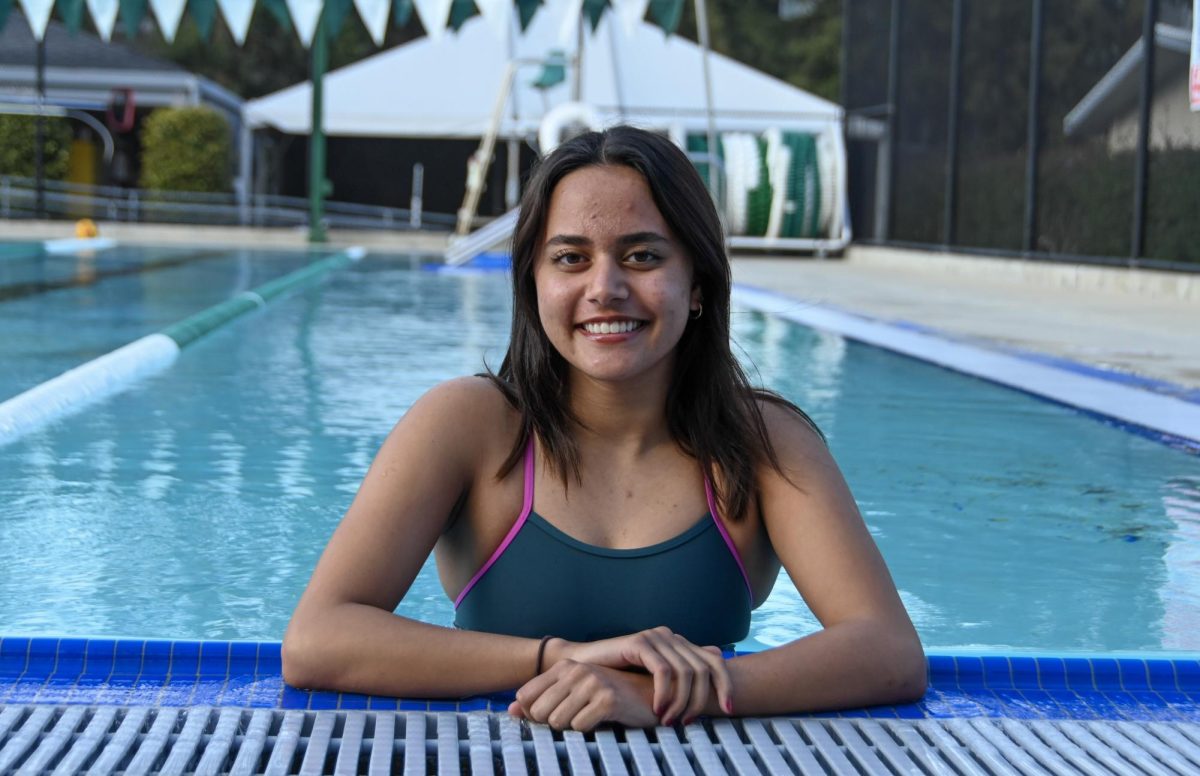
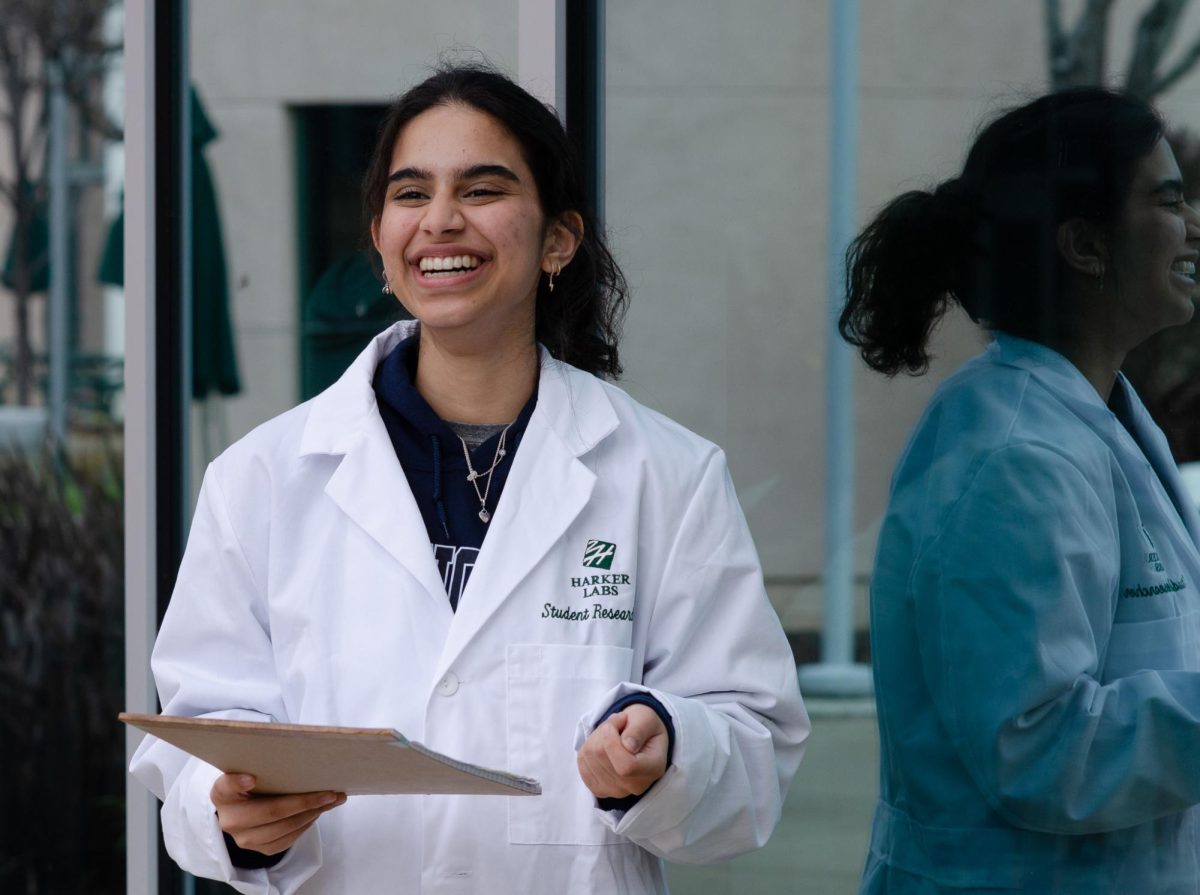
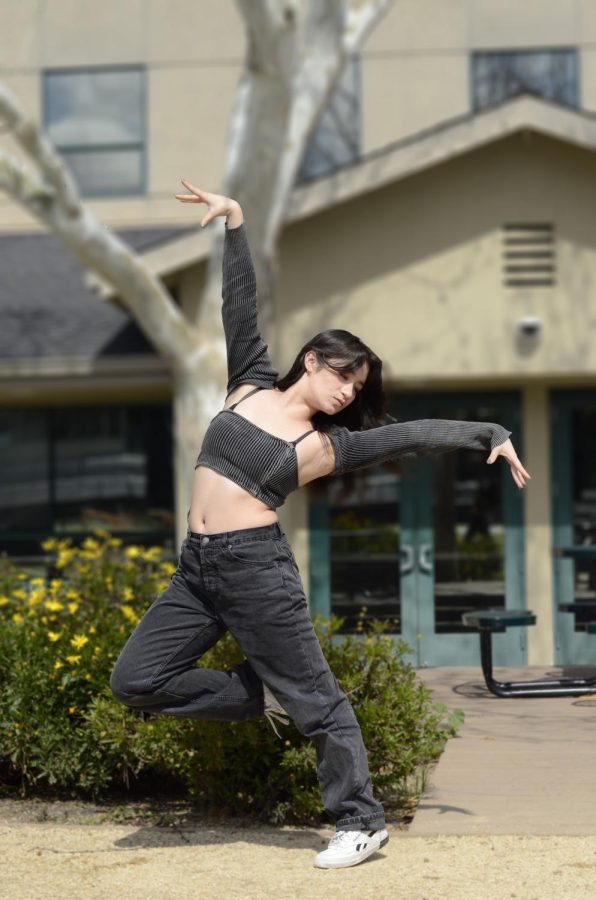
![“I wasn't discouraged by some of the obstacles we faced. I learned a lot from the leadership. I found that different people need different ways of receiving feedback — you can't [just] tell them to do something and expect the best. [Some] people needed more incentive. A large part of my role was to figure out what worked for everyone and to figure out how to lead all these separate individuals as a team,” Suhana Bhandare (’26) said.](https://harkeraquila.com/wp-content/uploads/2026/06/SuhanaBhandare_JasmineHansra-1-1200x798.jpg)
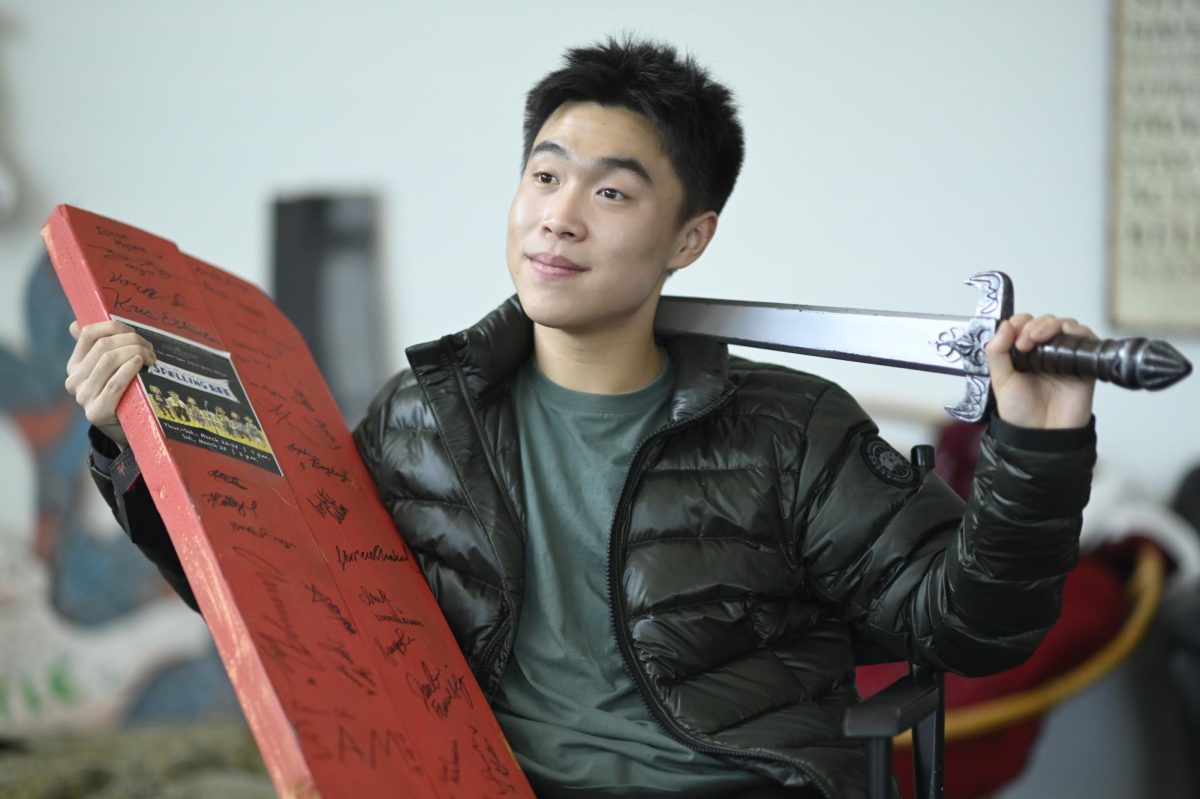
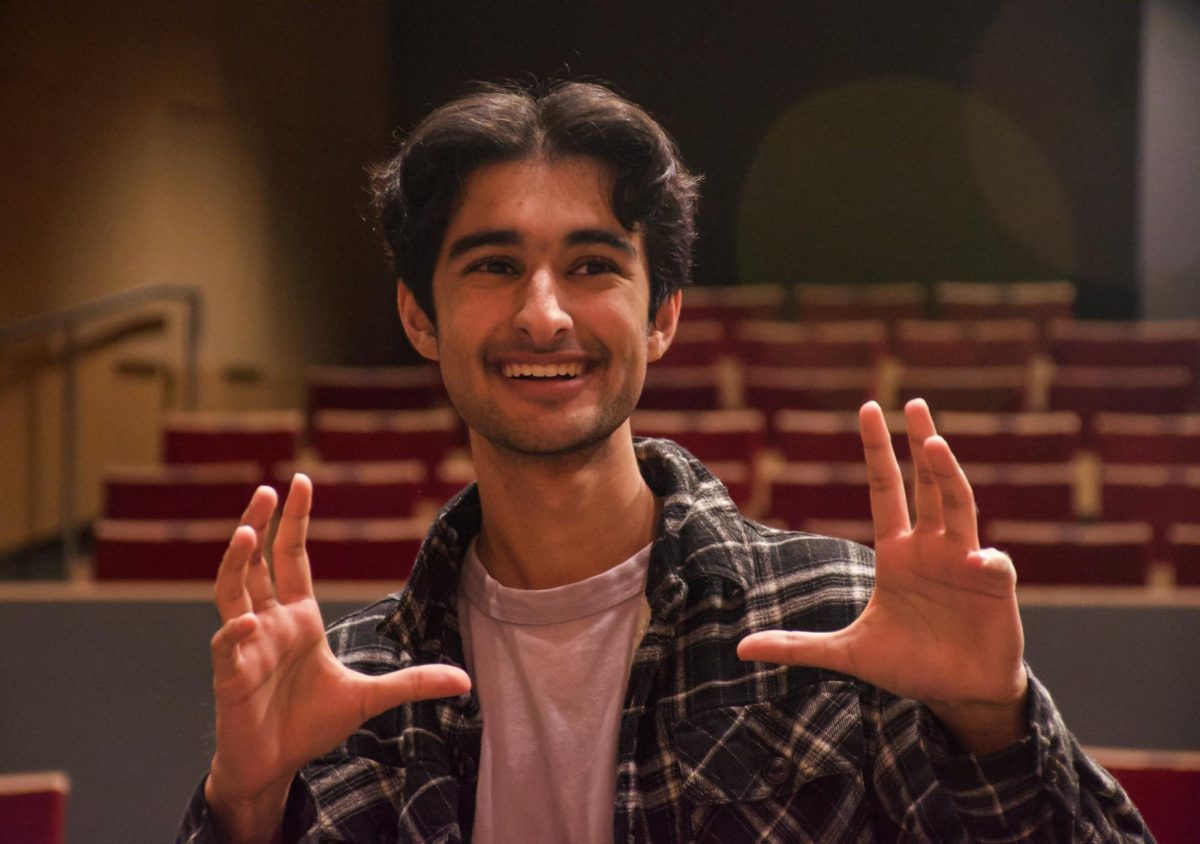
![“This is actually from Randy Pausch Randy P. Brick: ‘Walls are there for a reason. You have to show how much you want to overcome them.’ You have to show how much you want something. That's what I've always been able to do with tennis, Link Crew and getting that internship [with Kushy Baby]. It’s important pushing through that — getting around that brick wall, climbing over it or clawing through it,” Yash Sachdeva (’26) said.](https://harkeraquila.com/wp-content/uploads/2026/05/YashSachdeva_RamBatchu-copy-1200x1002.jpg)

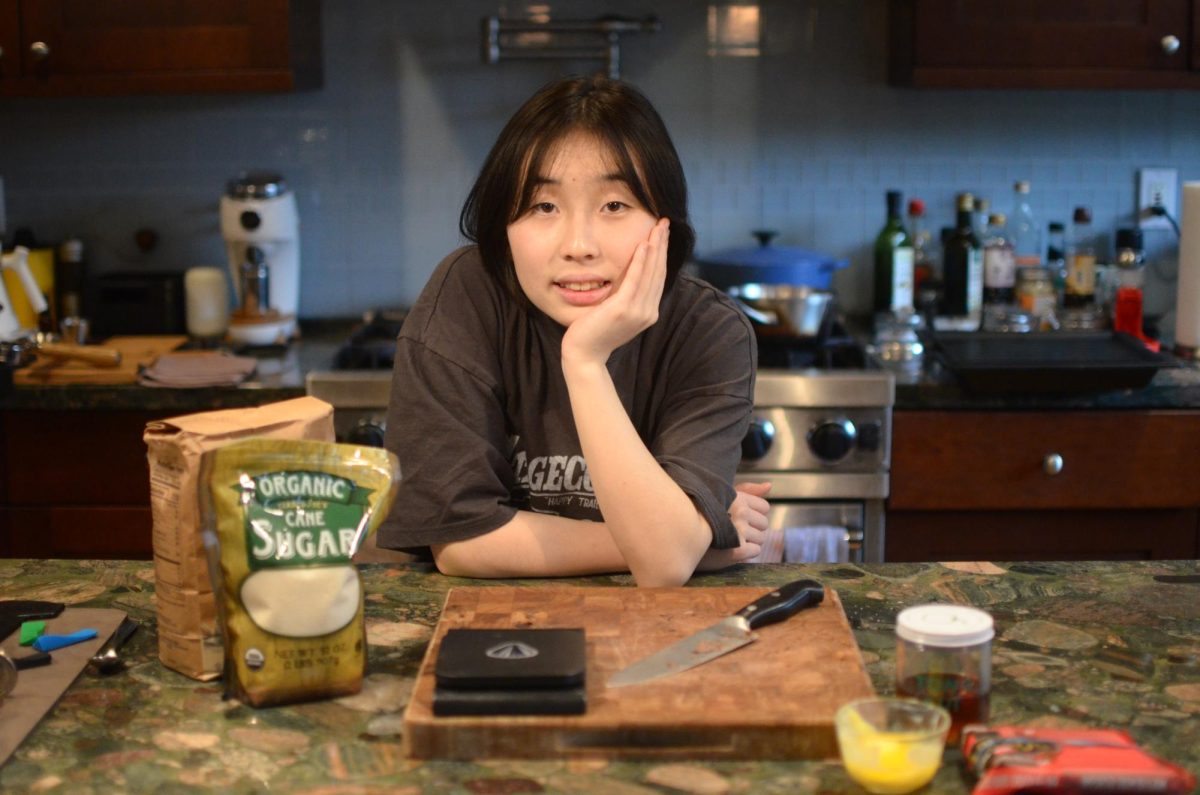
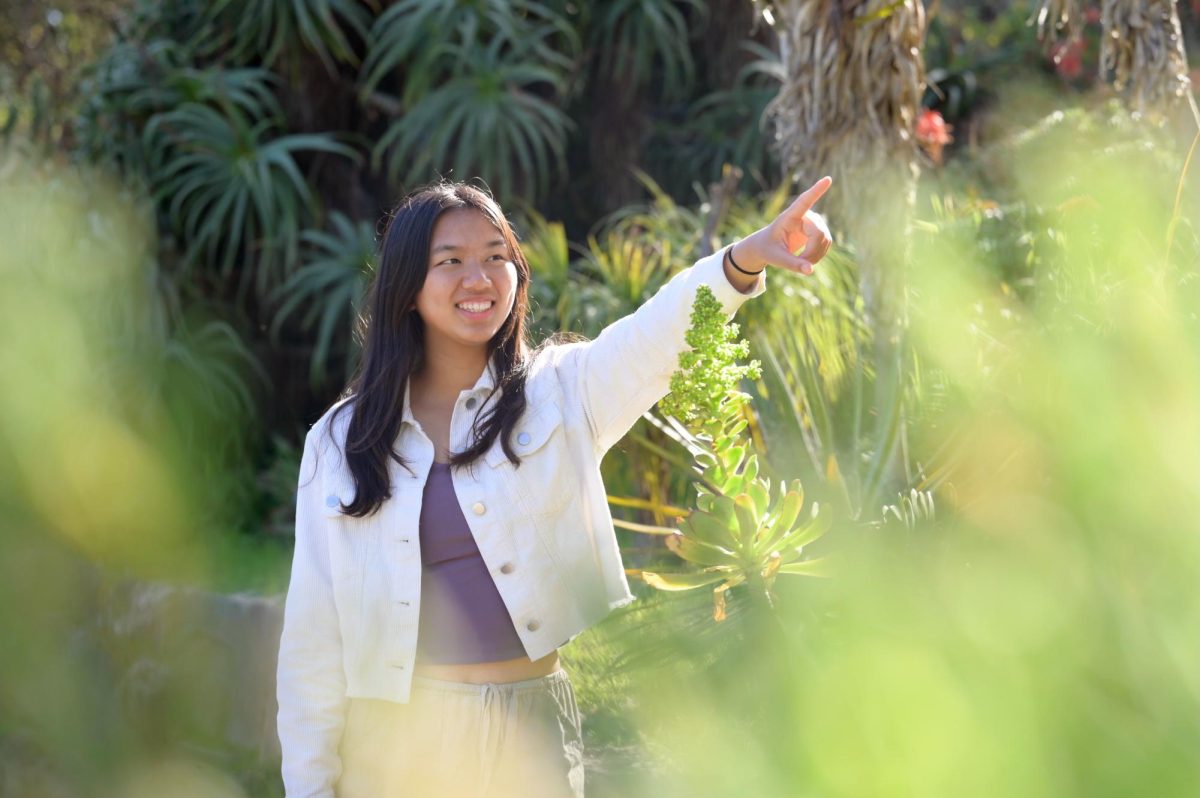

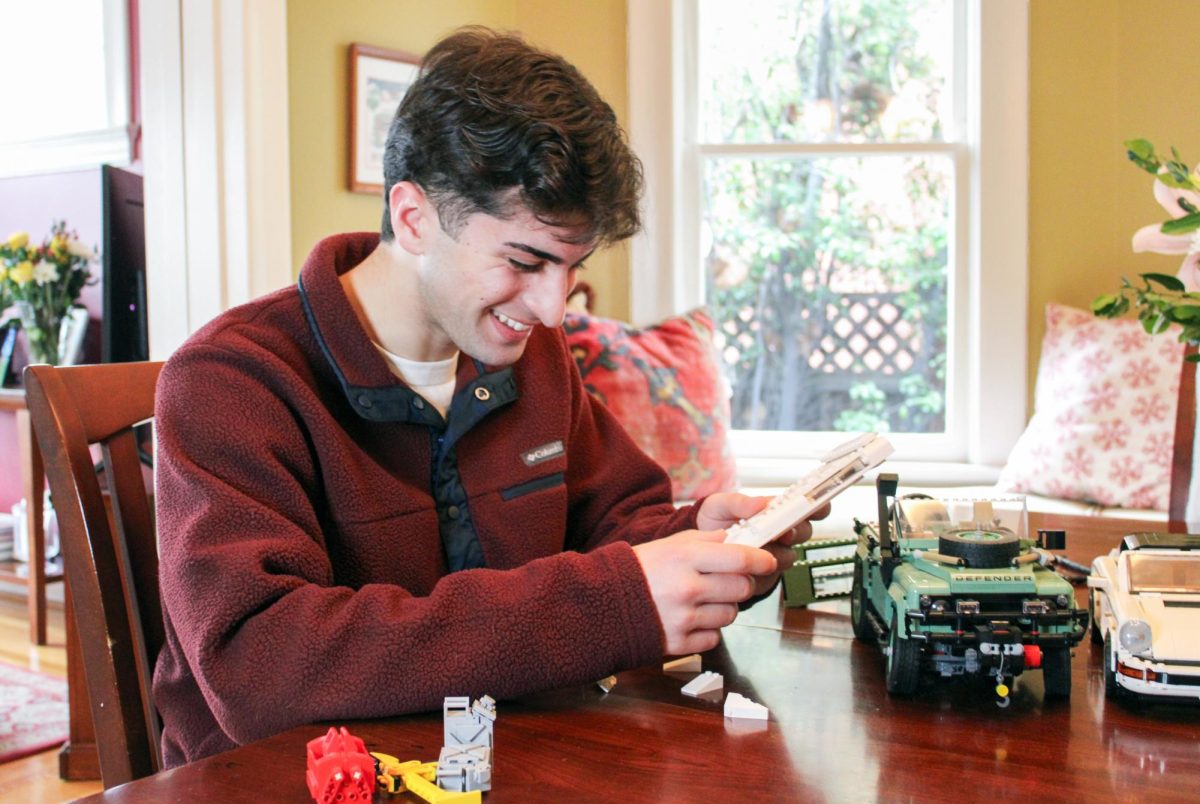

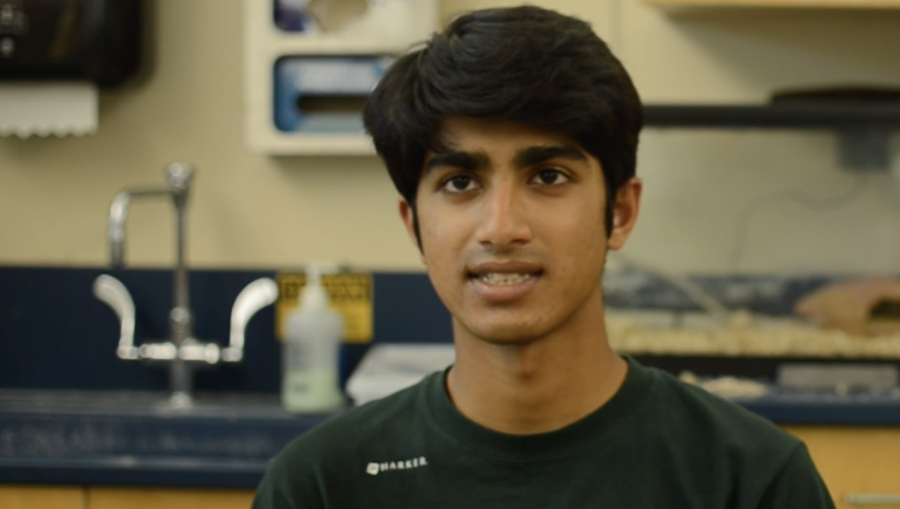
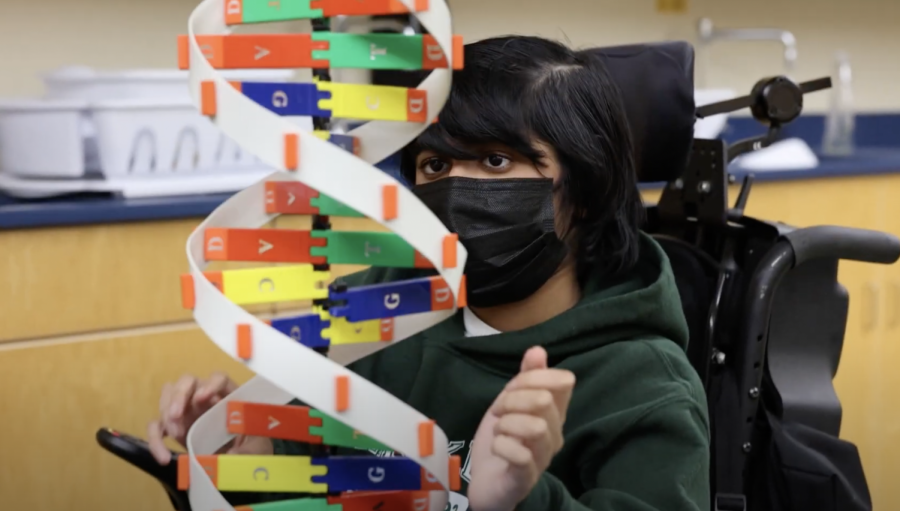
![“[Building nerf blasters] became this outlet of creativity for me that hasn't been matched by anything else. The process [of] making a build complete to your desire is such a painstakingly difficult process, but I've had to learn from [the skills needed from] soldering to proper painting. There's so many different options for everything, if you think about it, it exists. The best part is [that] if it doesn't exist, you can build it yourself," Ishaan Parate said.](https://harkeraquila.com/wp-content/uploads/2022/08/DSC_8149-900x604.jpg)
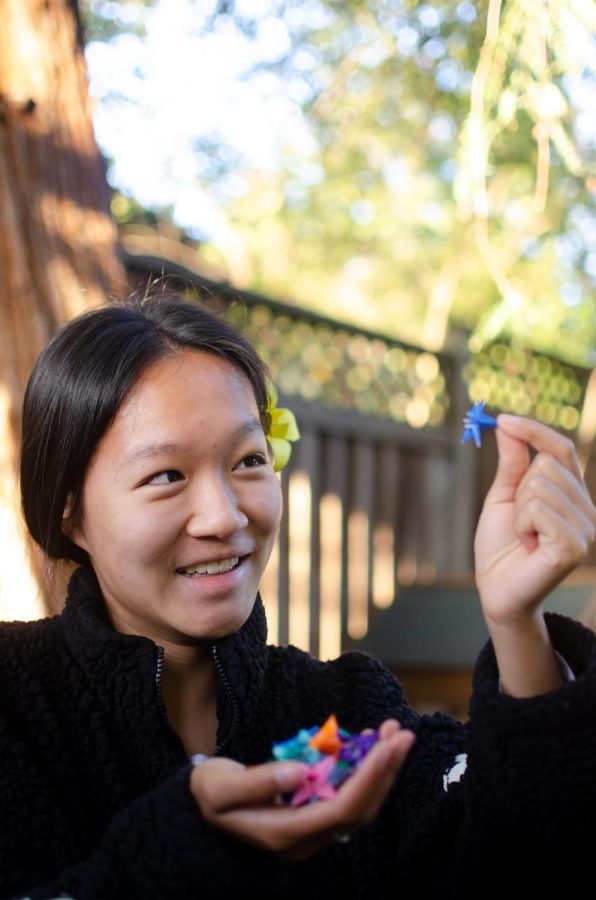
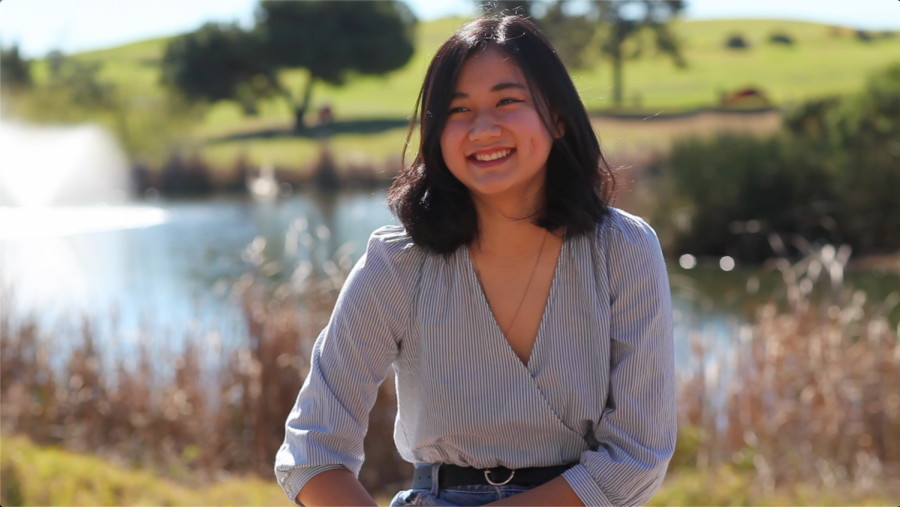
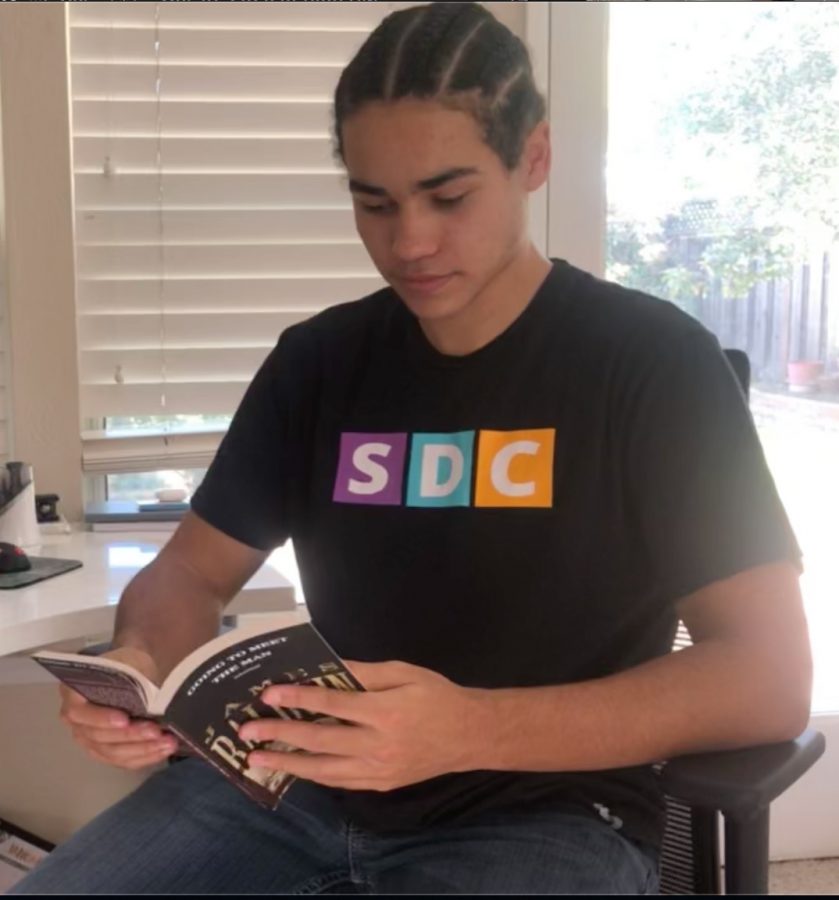
![“When I came into high school, I was ready to be a follower. But DECA was a game changer for me. It helped me overcome my fear of public speaking, and it's played such a major role in who I've become today. To be able to successfully lead a chapter of 150 students, an officer team and be one of the upperclassmen I once really admired is something I'm [really] proud of,” Anvitha Tummala ('21) said.](https://harkeraquila.com/wp-content/uploads/2021/07/Screen-Shot-2021-07-25-at-9.50.05-AM-900x594.png)
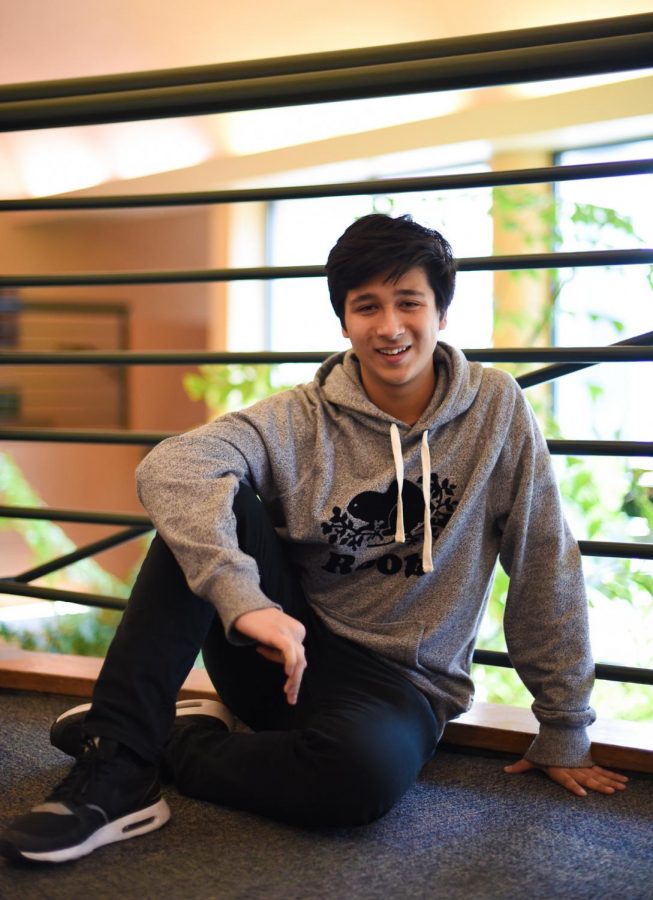
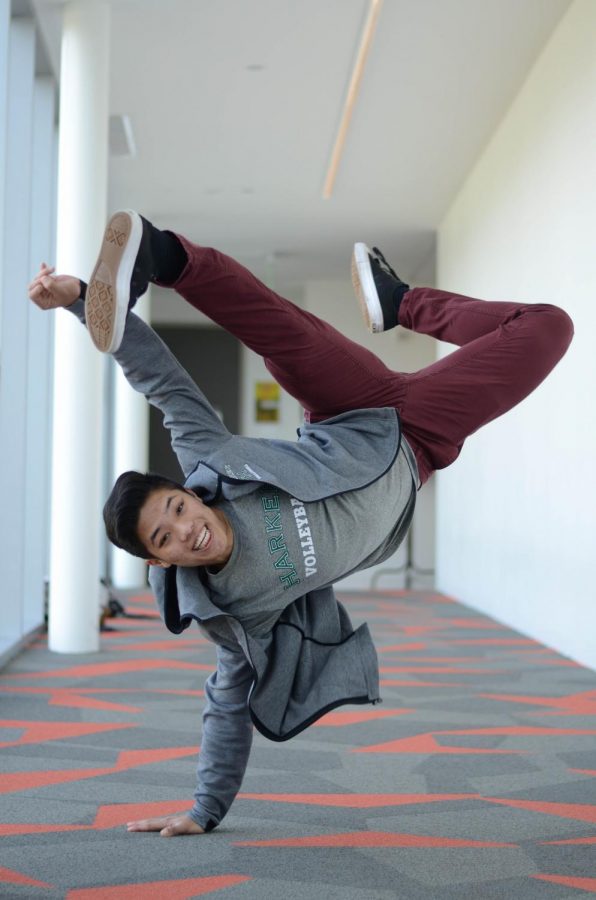
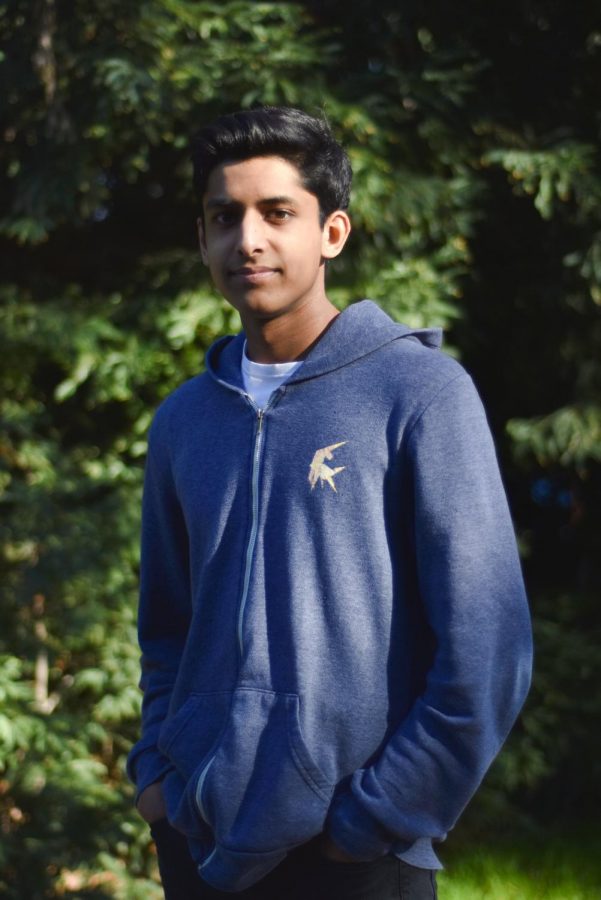

![“I think getting up in the morning and having a sense of purpose [is exciting]. I think without a certain amount of drive, life is kind of obsolete and mundane, and I think having that every single day is what makes each day unique and kind of makes life exciting,” Neymika Jain (12) said.](https://harkeraquila.com/wp-content/uploads/2017/06/Screen-Shot-2017-06-03-at-4.54.16-PM.png)
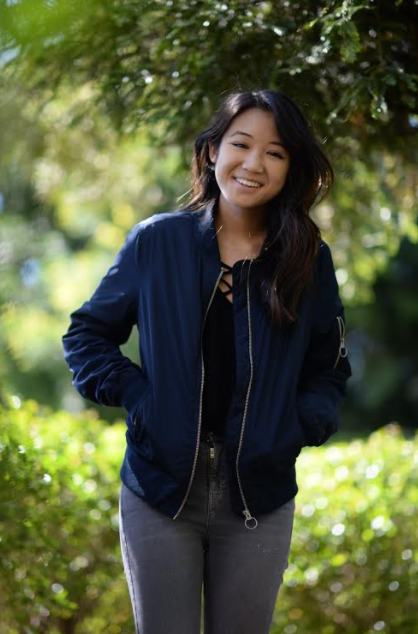
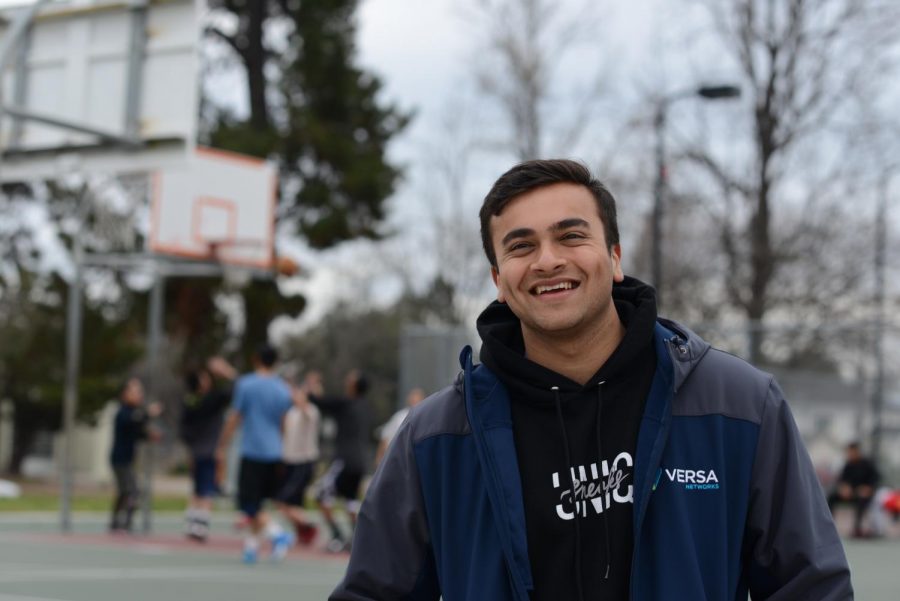
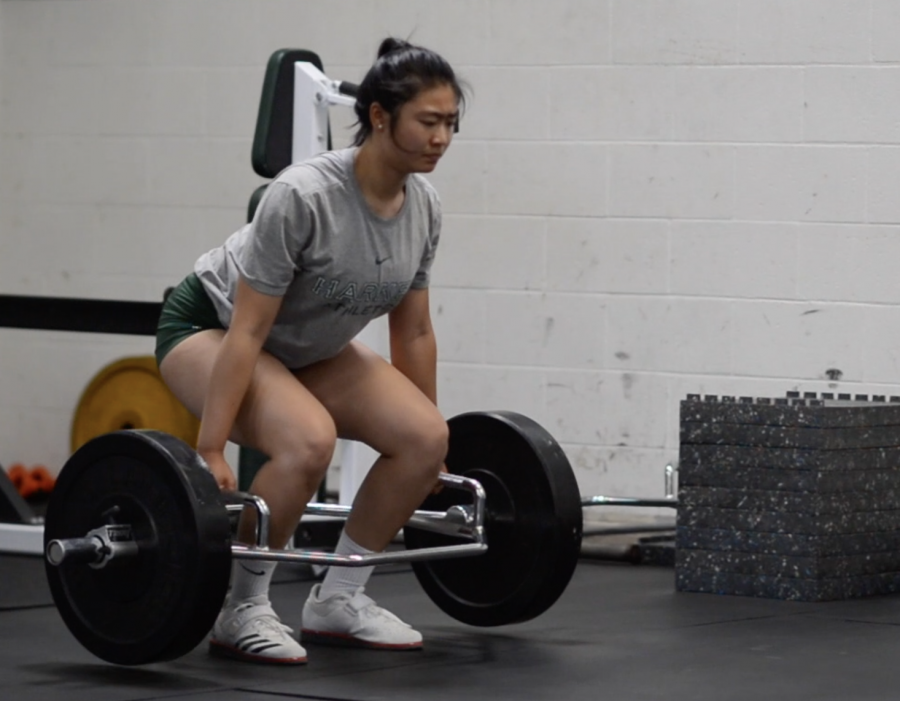
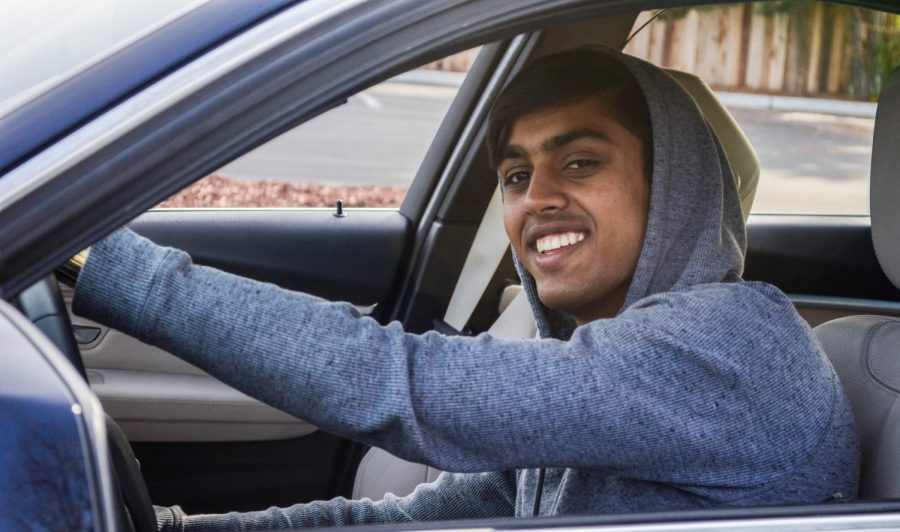
![“My slogan is ‘slow feet, don’t eat, and I’m hungry.’ You need to run fast to get where you are–you aren't going to get those championships if you aren't fast,” Angel Cervantes (12) said. “I want to do well in school on my tests and in track and win championships for my team. I live by that, [and] I can do that anywhere: in the classroom or on the field.”](https://harkeraquila.com/wp-content/uploads/2018/06/DSC5146-900x601.jpg)
![“[Volleyball has] taught me how to fall correctly, and another thing it taught is that you don’t have to be the best at something to be good at it. If you just hit the ball in a smart way, then it still scores points and you’re good at it. You could be a background player and still make a much bigger impact on the team than you would think,” Anya Gert (’20) said.](https://harkeraquila.com/wp-content/uploads/2020/06/AnnaGert_JinTuan_HoHPhotoEdited-600x900.jpeg)
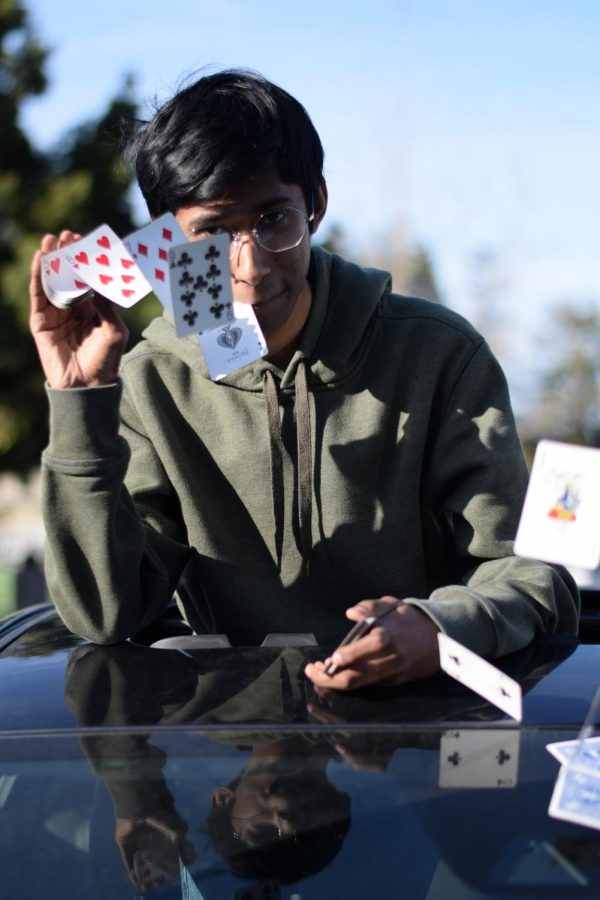
![“I'm not nearly there yet, but [my confidence has] definitely been getting better since I was pretty shy and timid coming into Harker my freshman year. I know that there's a lot of people that are really confident in what they do, and I really admire them. Everyone's so driven and that has really pushed me to kind of try to find my own place in high school and be more confident,” Alyssa Huang (’20) said.](https://harkeraquila.com/wp-content/uploads/2020/06/AlyssaHuang_EmilyChen_HoHPhoto-900x749.jpeg)

Humans of Harker: The perfect pitch
Mark Hu blossoms into a leader through baseball
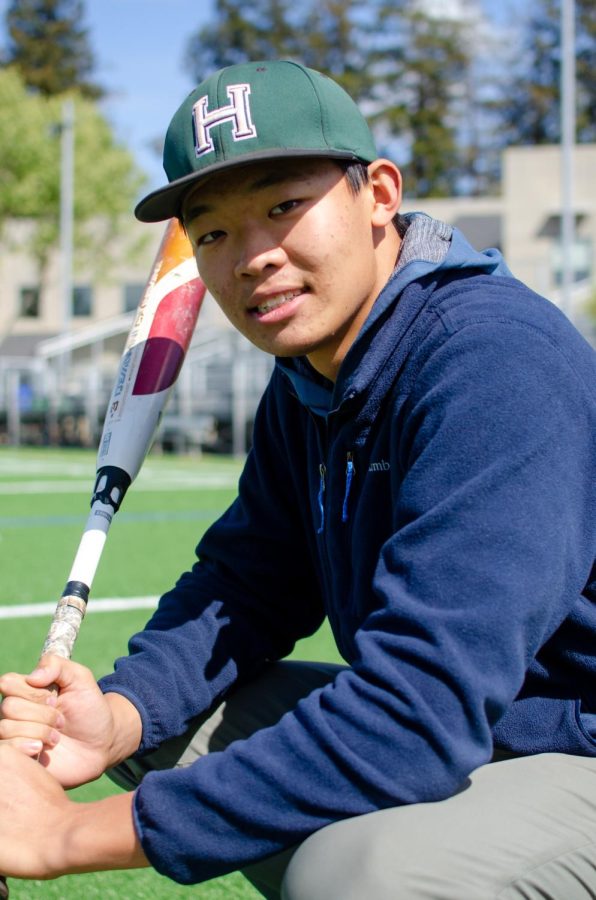
“Something I took away from baseball is that there’s always the opportunity to bounce back when things don’t go particularly right. Even the best hitters only go one for three, so being able to push through that is one of the most important parts of the game. Being able to identify what goes wrong and learning from that is important to being able to find success in the future,” Mark Hu (’22) said.
Mark Hu (‘22) recalls the perfect game he pitched against Woodside Priory, in which not a single batter from the opposing team managed to complete a home run. It was the seventh and last inning and the opposing team had already struck two outs. Mark recalls seeing number three — one of their best batters — step up to the plate. He knew that if he could strike him out, the game would be over. With well-practiced precision and absolute certainty, Mark released a 2-seam fastball. A crack rang out as the player swung, and the ball soared back to the pitching mound — an immediate throw to first base — an out! Harker had won.
Mark first began playing baseball in elementary school, drawn to the sport for the opportunity to form new friendships. Winning his first Little League championship only solidified and strengthened those connections, after which he joined a travel team and began to take the sport more seriously.
In his freshman year, Mark took on the position of pitcher, a transition that involved much trial and error. Reflecting on that experience, he credited failures as an important part of the learning process.
“Learning how to pitch was definitely something that I had to dedicate time to,” Mark said. “A big part of how I was able to learn was through my high school coaches. Experiencing failure and trial and error was also a really good way for me to know if throwing different types of pitches were good or not.”
As he grew into the position, Mark appreciated how playing pitcher provided him with a level of independence. With each play, it was up to him to evaluate and decide the best strategy for the team.
“With pitching, you’re basically in control of how the game is played,” Mark said. “You get to call all your shots, and that ability to control what you’re going to do is really cool and something that you can’t really find in other aspects of the game.”
With this control comes a sense of responsibility. Through baseball, Mark realized the importance of tenacity in leadership — a lesson he carries with him both on and off the field.
“A lot of [baseball] is not really physical, but more mental because if you give up a hard hit or a home run, you can’t just give up because the game is still going,” Mark said. “Knowing how to bounce back from a setback and being able to go back and get the next batter out is really important.”
Mark also built a close friendship with his teammates, a connection he believes translates onto stronger communication and teamwork on the field. As co-captain of the Harker baseball team, Mark has taken on a more team-oriented approach, focusing on helping his teammates improve instead of just his own individual growth.
“During games and practices, it’s not really about how well I can do everything; it’s about how I can help others improve as well,” Mark said. “Whether it’s guiding the underclassmen during practice, like teaching them how to field a ground ball or how to hit a ball, being able to teach someone else is going to help the team more than taking a few extra swings myself.”
Upper school baseball coach Michael Delfino noted Mark’s growth in both team leadership and self-improvement throughout high school and as he grew into the position of co-captain.
“You could really see him blossom into a leader and lead the other guys through example,” Delfino said. “He always gives a great effort. He combines his on field abilities with his growing leadership and just really is a complete player.”
Mark’s willingness to put forth his full effort translates to his interactions off the field as well, specifically friendships.
“He’d always just give his full attention,” close friend Kailash Ranganathan (‘22) said. “And I think that’s very special because he’d always put the needs of the other person first. He’s been able to balance the pressure of academics and with keeping a friendship going and caring about someone. And I think that balance is really special, and something that’s unique to him.”
Through baseball, Mark developed into a resilient leader and hard worker, adapting to challenges and bouncing back from difficulties, no matter what.
“Baseball taught me how to become a better person overall not only through the relationships I’ve made with my teammates, but also through the lessons I’ve learned, and seeing how I can adapt to different situations that might not be familiar to me at first,” Mark said. “I’ve learned so much from this sport, so I’m really grateful for that.”
Nicholas Wei (11) is the managing editor of Humans of Harker. During his third year on staff, Nicholas looks forward to bonding and working with the cubs...
Michelle Wei (12) is a co-managing editor for Humans of Harker, and this is her fourth year on staff. Through her writing, she hopes to explore topics...
Tiffany Chang (12) is the editor-in-chief of Humans of Harker, and this is her fourth year on staff. She’s looking forward to telling the story of the...

Esha Gohil (12) is the co-editor-in-chief of Humans of Harker and the photo editor of Harker Aquila. This is her fourth year on staff, and this year she...