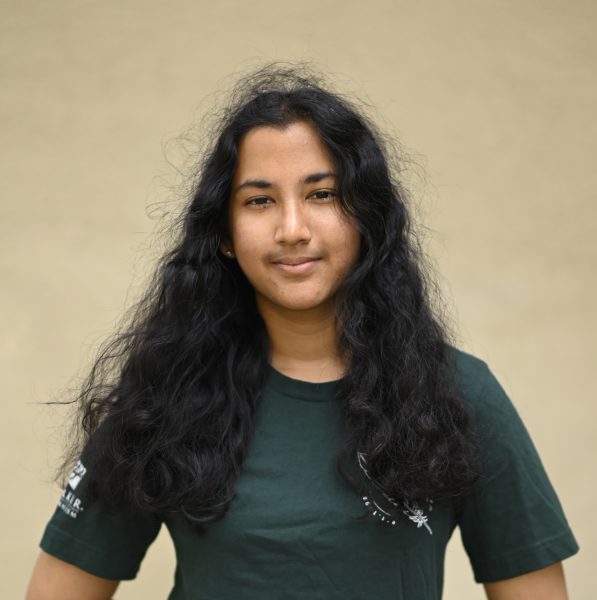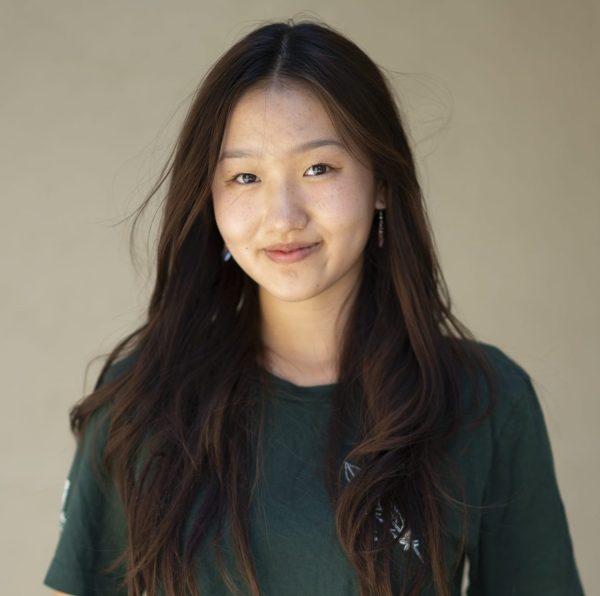
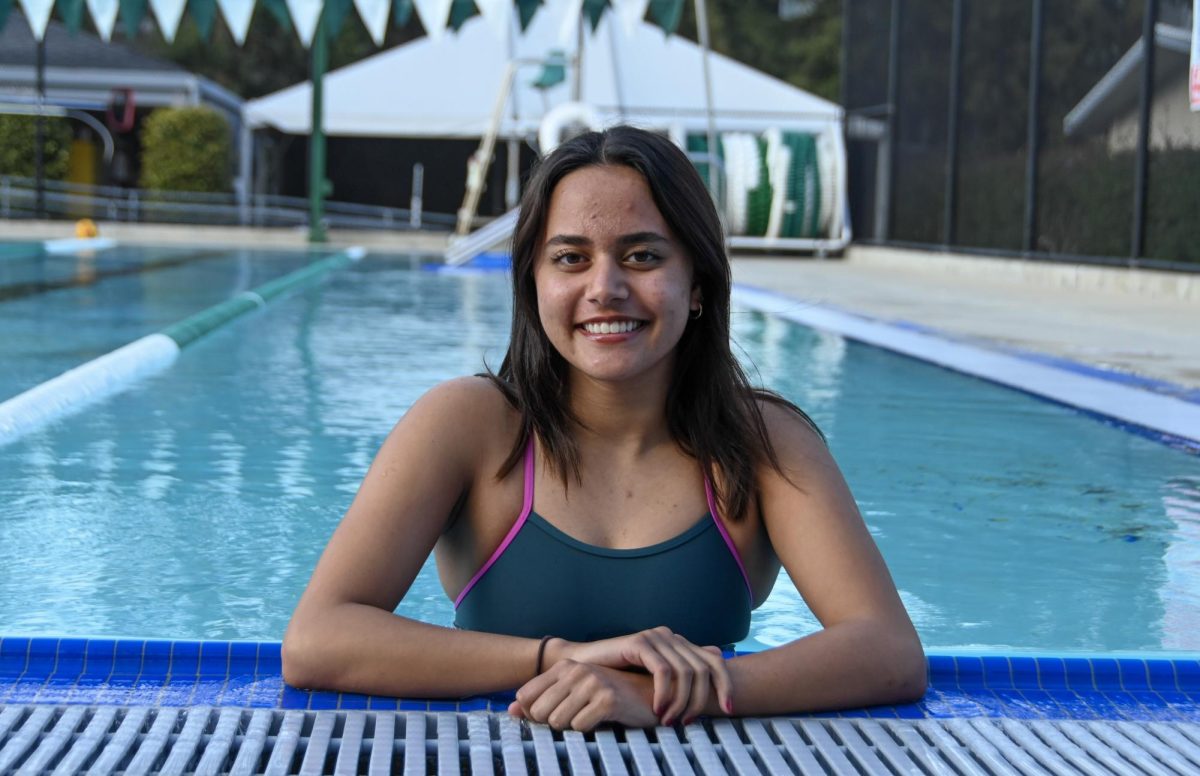
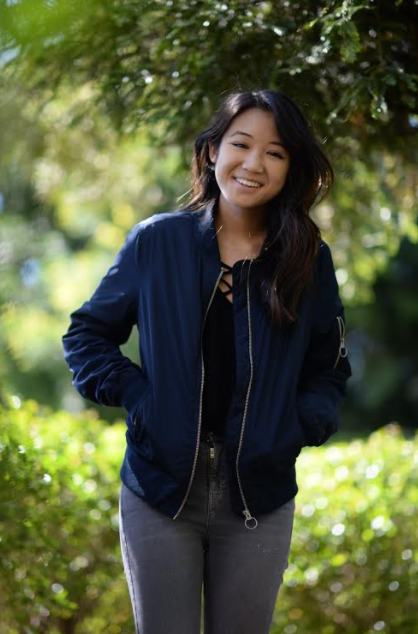
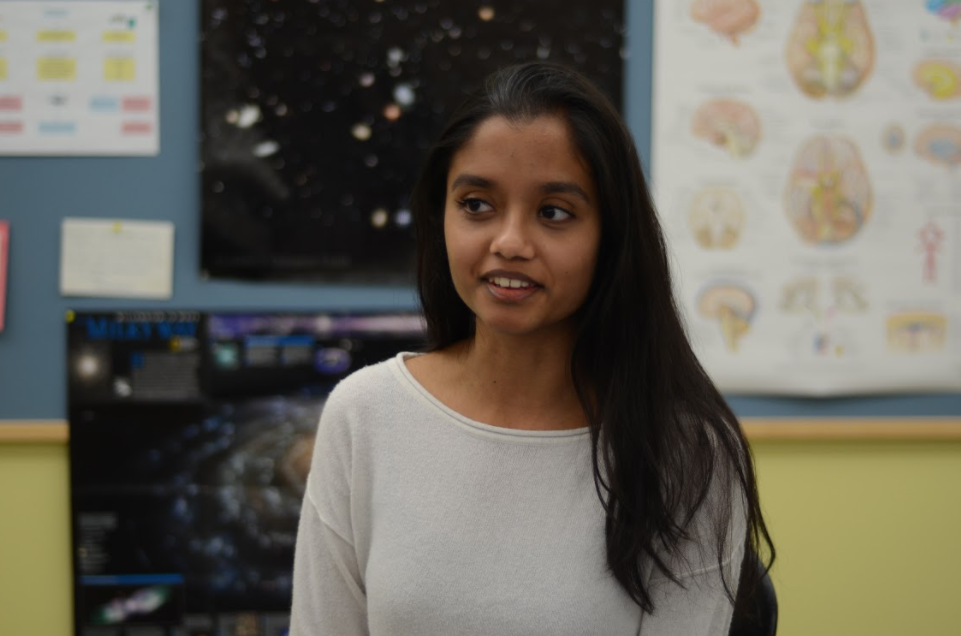
![“I wasn't discouraged by some of the obstacles we faced. I learned a lot from the leadership. I found that different people need different ways of receiving feedback — you can't [just] tell them to do something and expect the best. [Some] people needed more incentive. A large part of my role was to figure out what worked for everyone and to figure out how to lead all these separate individuals as a team,” Suhana Bhandare (’26) said.](https://harkeraquila.com/wp-content/uploads/2026/06/SuhanaBhandare_JasmineHansra-1-1200x798.jpg)
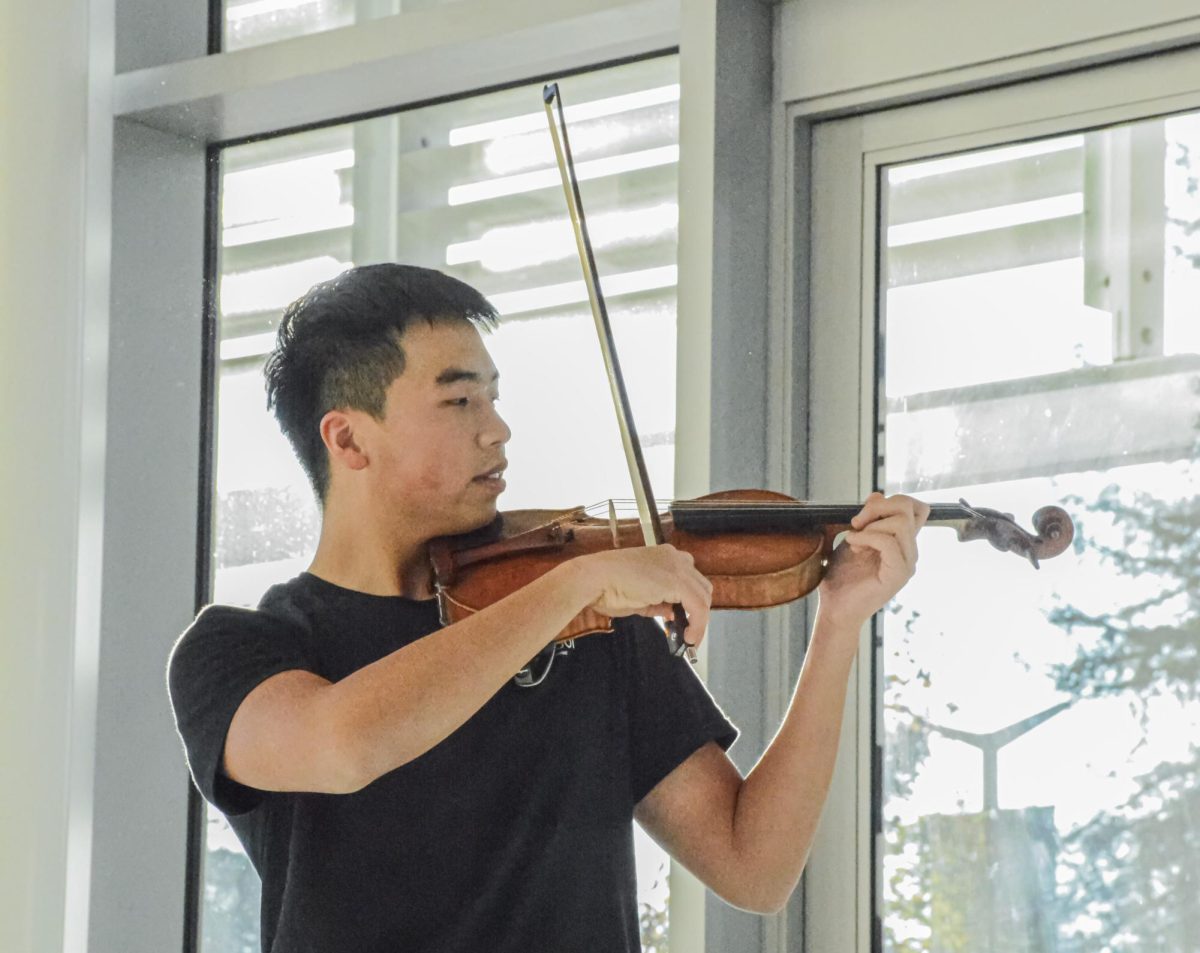
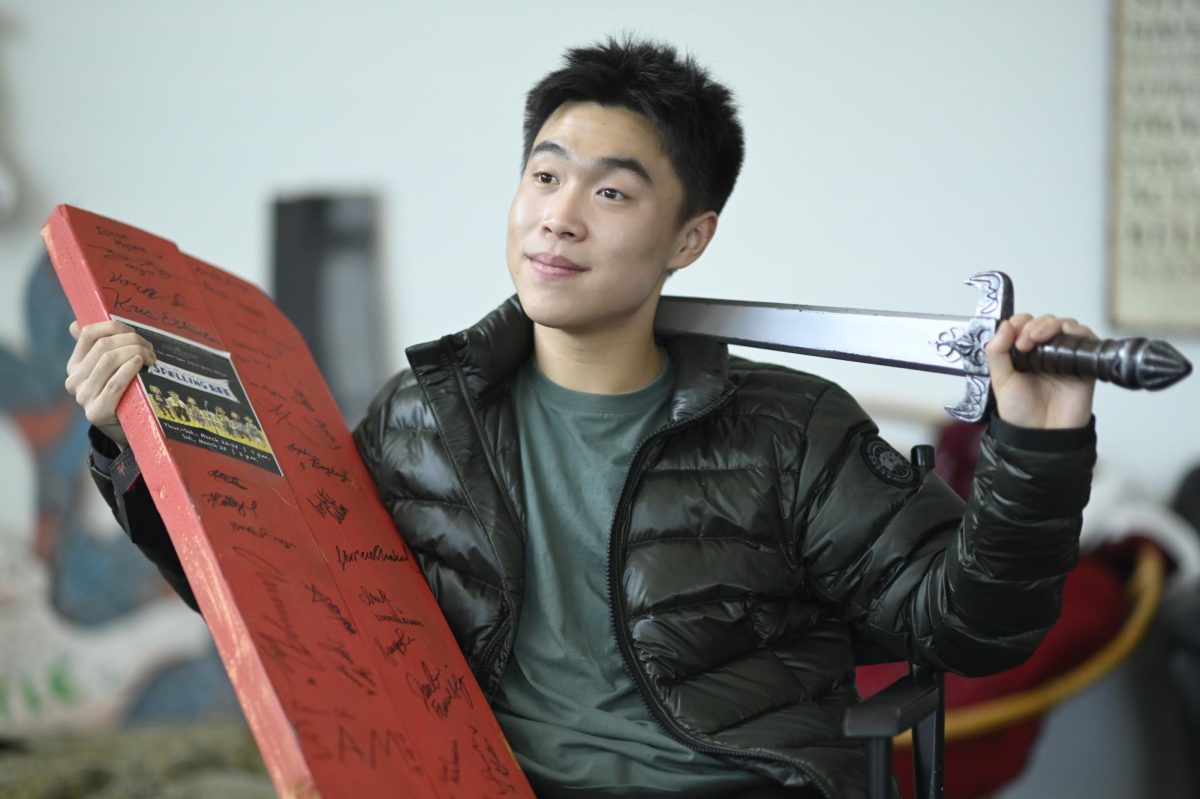
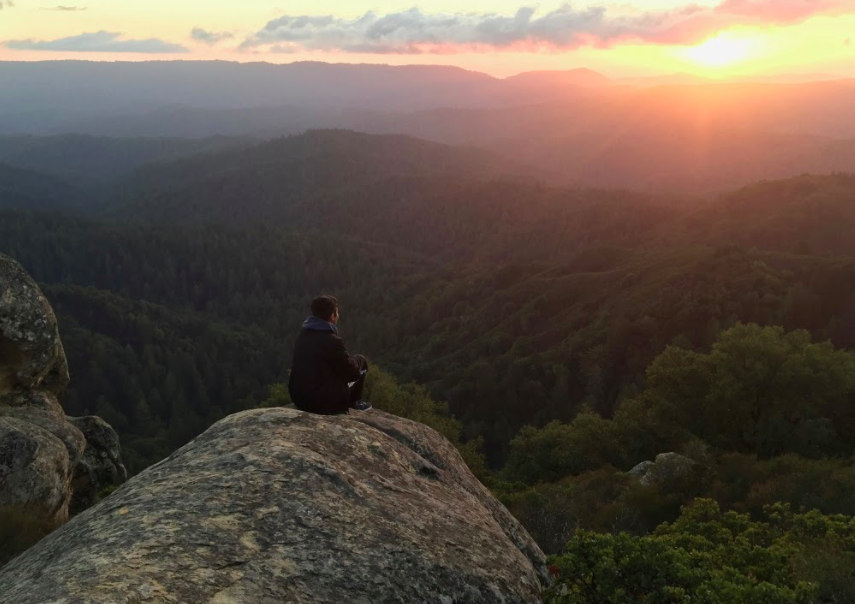
![“This is actually from Randy Pausch Randy P. Brick: ‘Walls are there for a reason. You have to show how much you want to overcome them.’ You have to show how much you want something. That's what I've always been able to do with tennis, Link Crew and getting that internship [with Kushy Baby]. It’s important pushing through that — getting around that brick wall, climbing over it or clawing through it,” Yash Sachdeva (’26) said.](https://harkeraquila.com/wp-content/uploads/2026/05/YashSachdeva_RamBatchu-copy-1200x1002.jpg)
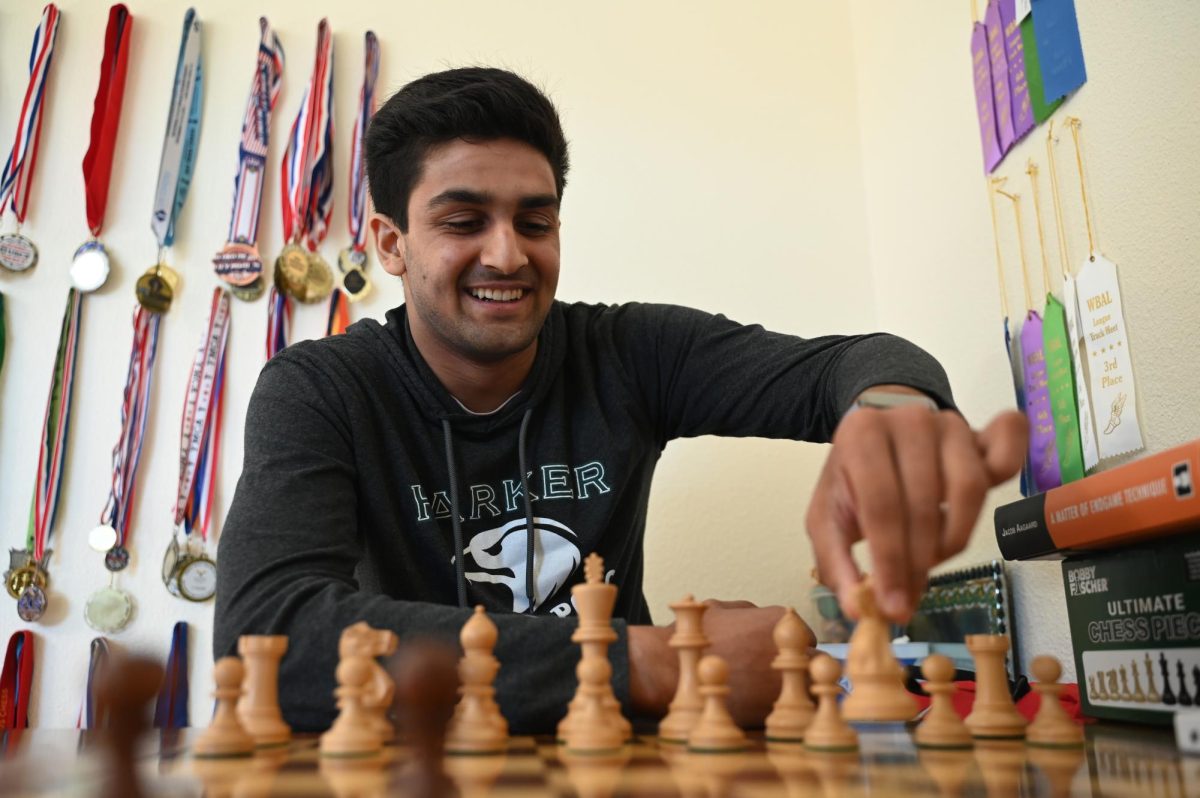

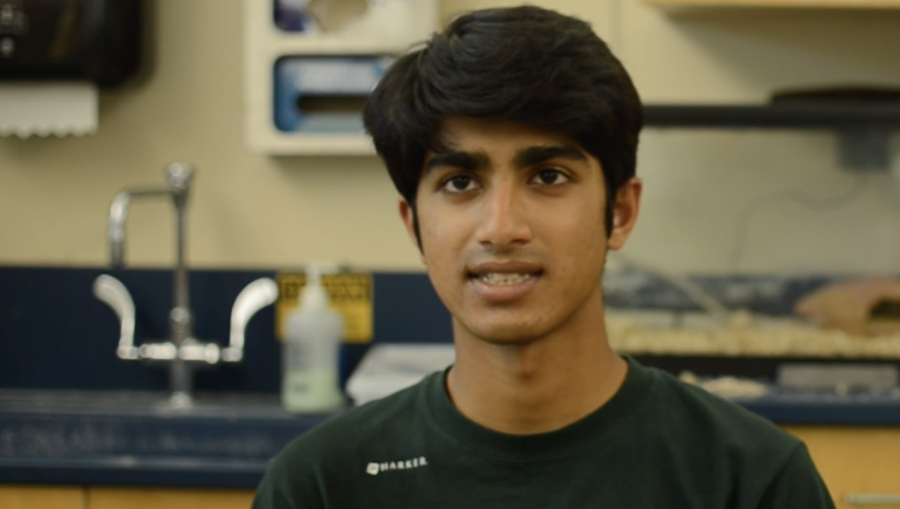
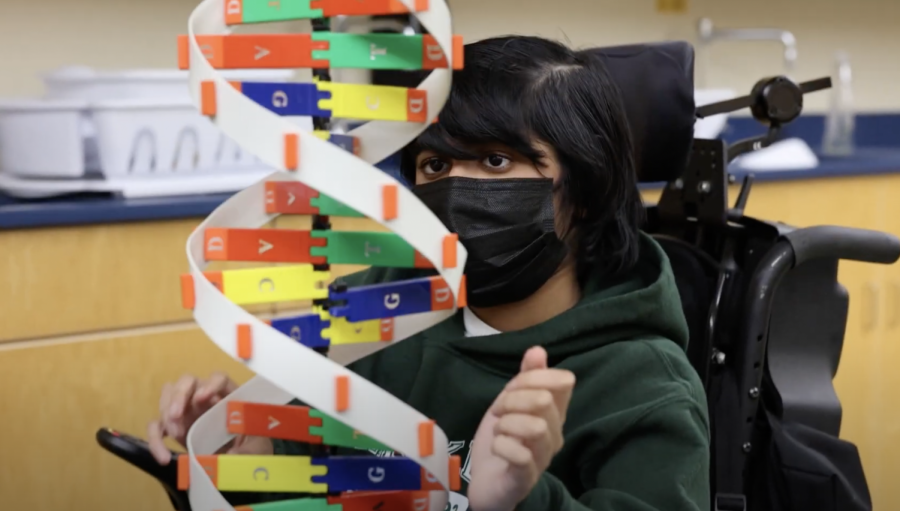
![“[Building nerf blasters] became this outlet of creativity for me that hasn't been matched by anything else. The process [of] making a build complete to your desire is such a painstakingly difficult process, but I've had to learn from [the skills needed from] soldering to proper painting. There's so many different options for everything, if you think about it, it exists. The best part is [that] if it doesn't exist, you can build it yourself," Ishaan Parate said.](https://harkeraquila.com/wp-content/uploads/2022/08/DSC_8149-900x604.jpg)
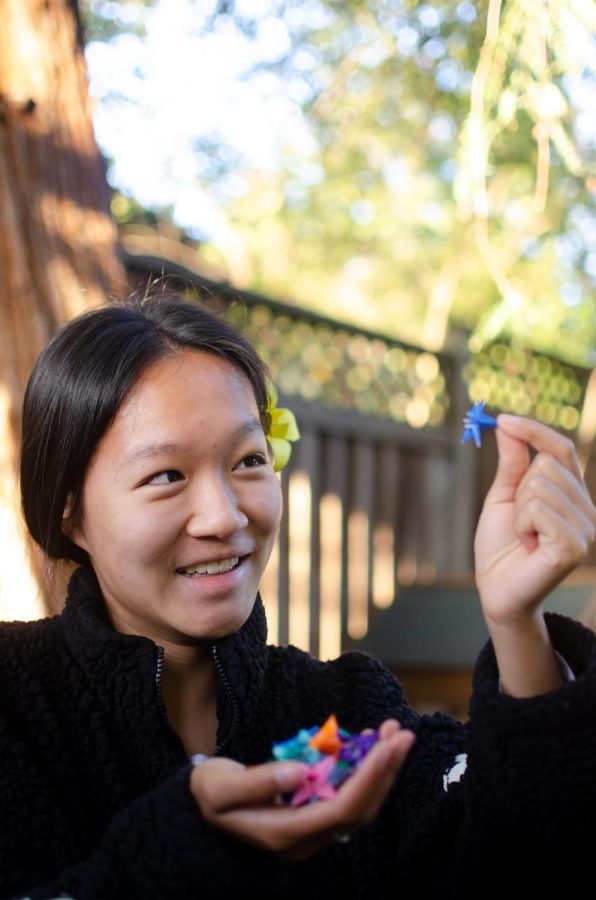
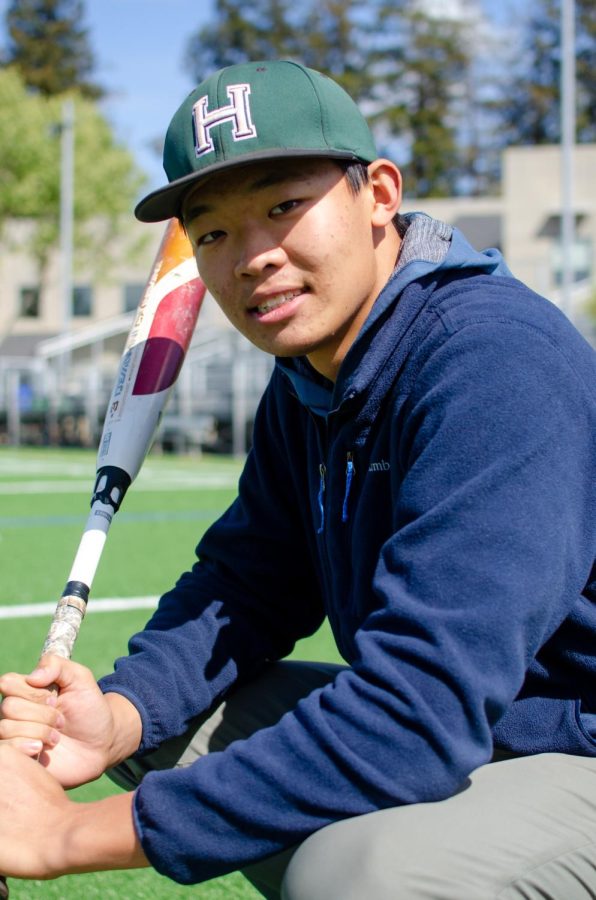
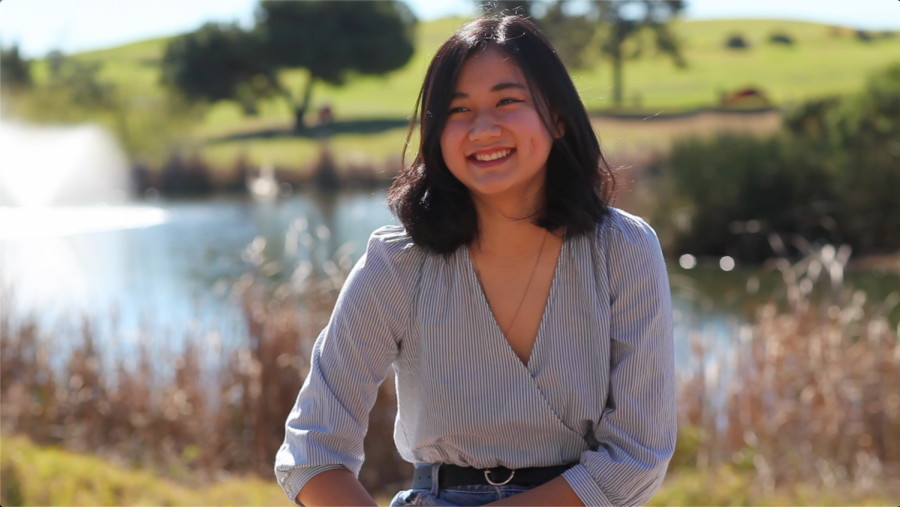
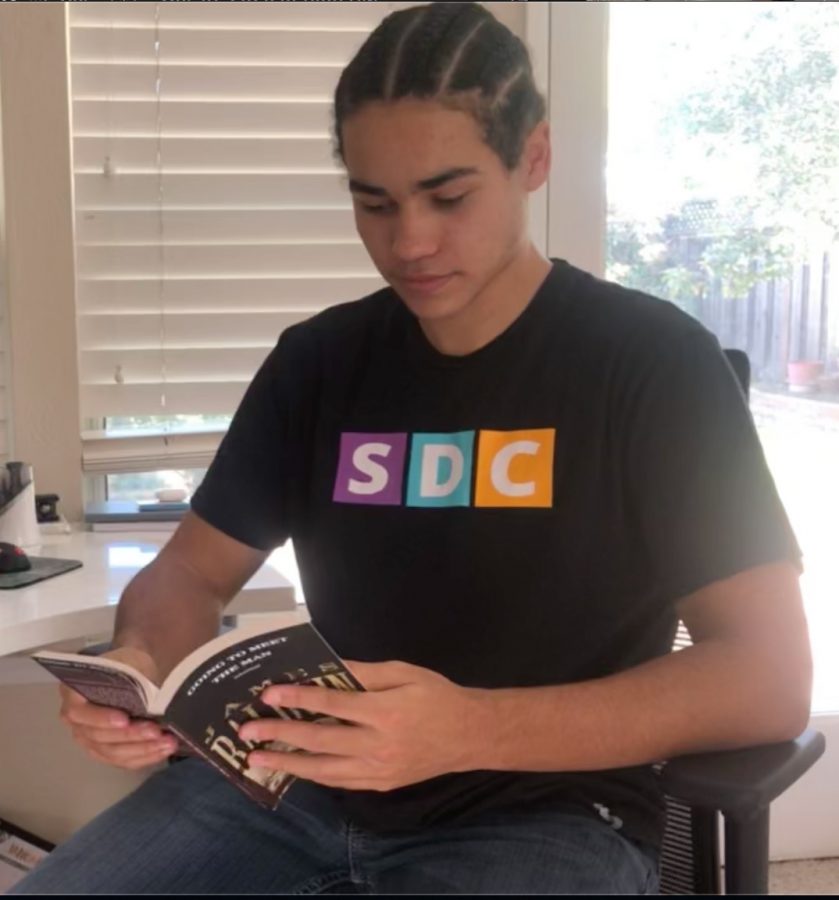
![“When I came into high school, I was ready to be a follower. But DECA was a game changer for me. It helped me overcome my fear of public speaking, and it's played such a major role in who I've become today. To be able to successfully lead a chapter of 150 students, an officer team and be one of the upperclassmen I once really admired is something I'm [really] proud of,” Anvitha Tummala ('21) said.](https://harkeraquila.com/wp-content/uploads/2021/07/Screen-Shot-2021-07-25-at-9.50.05-AM-900x594.png)
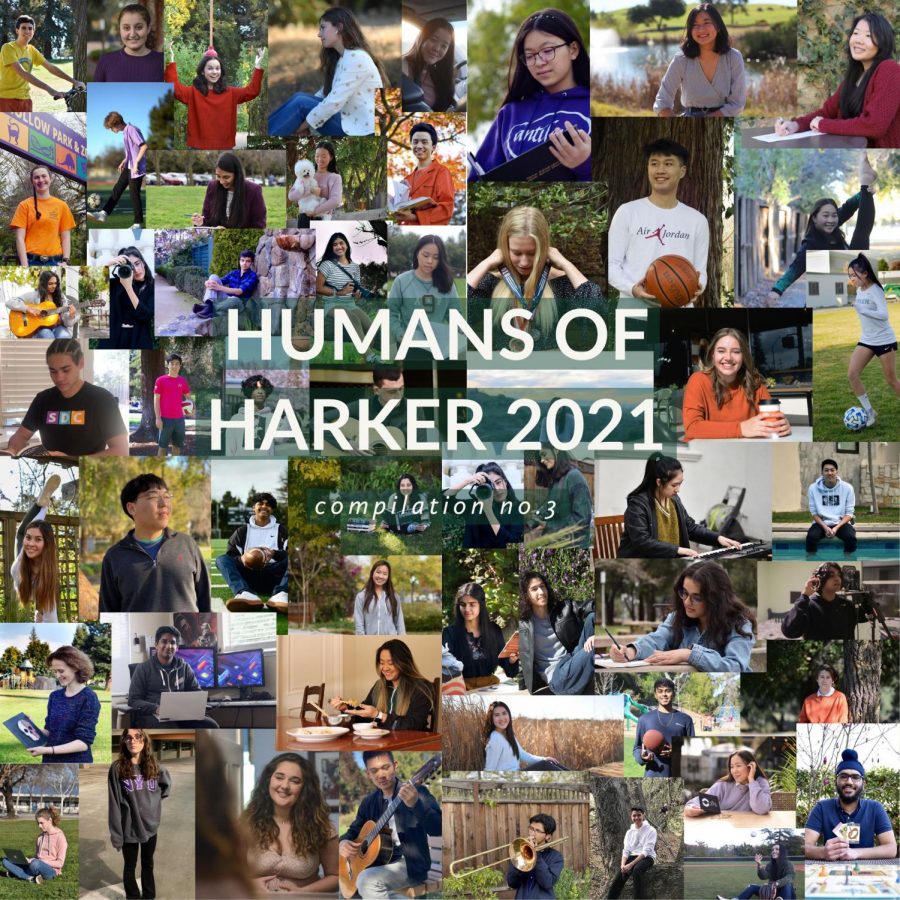
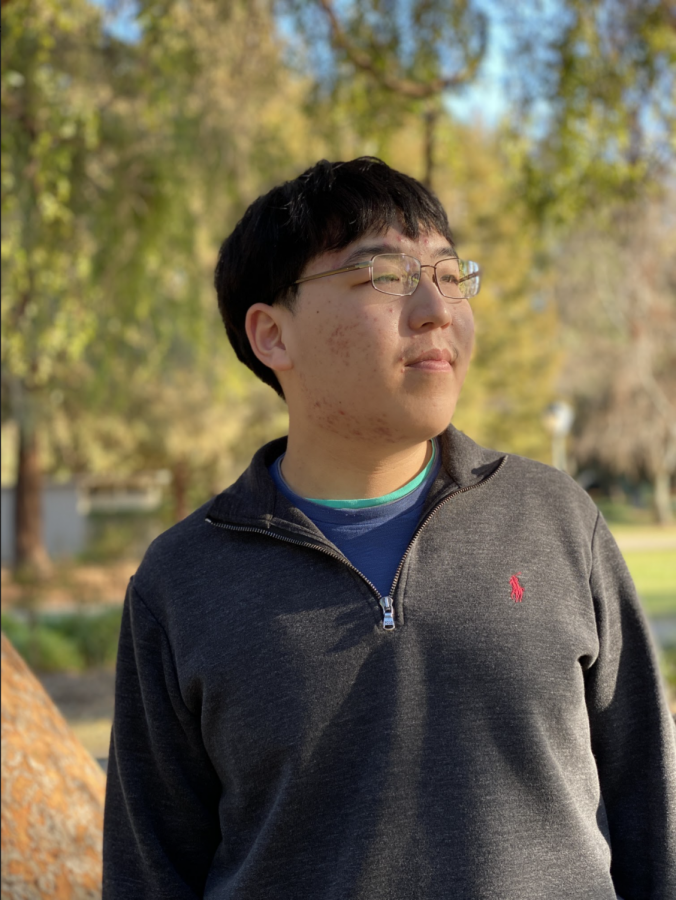
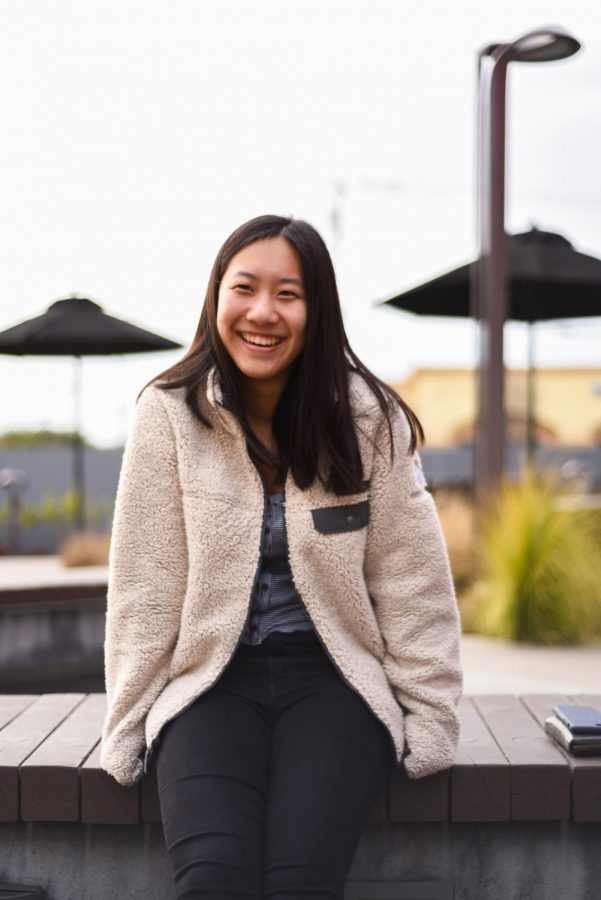
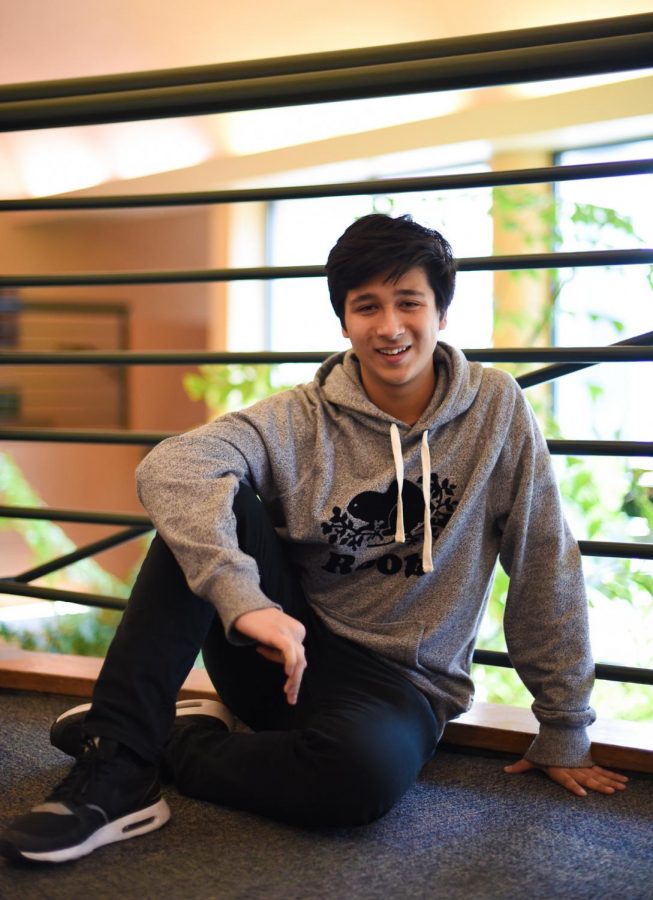
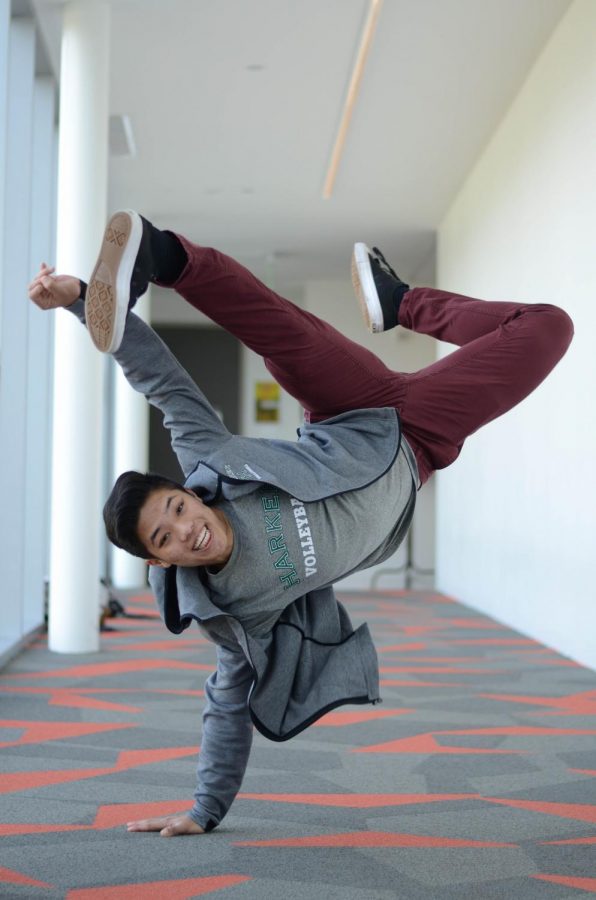
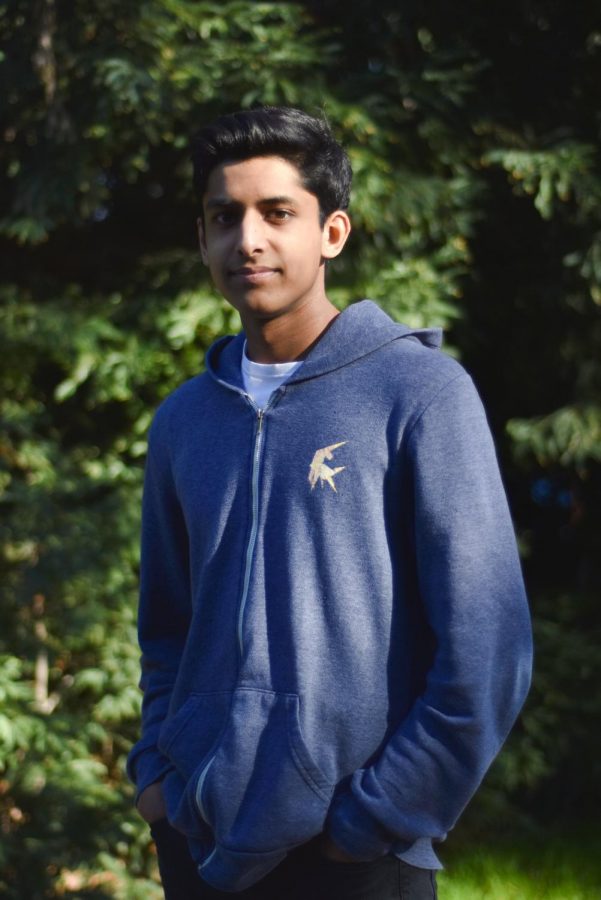

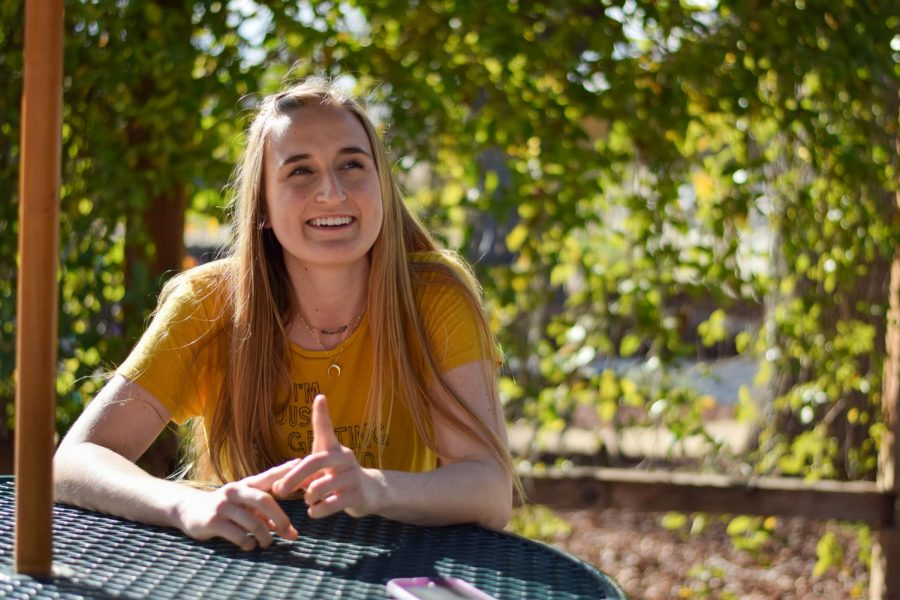
![“I think getting up in the morning and having a sense of purpose [is exciting]. I think without a certain amount of drive, life is kind of obsolete and mundane, and I think having that every single day is what makes each day unique and kind of makes life exciting,” Neymika Jain (12) said.](https://harkeraquila.com/wp-content/uploads/2017/06/Screen-Shot-2017-06-03-at-4.54.16-PM.png)



![“My slogan is ‘slow feet, don’t eat, and I’m hungry.’ You need to run fast to get where you are–you aren't going to get those championships if you aren't fast,” Angel Cervantes (12) said. “I want to do well in school on my tests and in track and win championships for my team. I live by that, [and] I can do that anywhere: in the classroom or on the field.”](https://harkeraquila.com/wp-content/uploads/2018/06/DSC5146-900x601.jpg)
![“[Volleyball has] taught me how to fall correctly, and another thing it taught is that you don’t have to be the best at something to be good at it. If you just hit the ball in a smart way, then it still scores points and you’re good at it. You could be a background player and still make a much bigger impact on the team than you would think,” Anya Gert (’20) said.](https://harkeraquila.com/wp-content/uploads/2020/06/AnnaGert_JinTuan_HoHPhotoEdited-600x900.jpeg)
![“I'm not nearly there yet, but [my confidence has] definitely been getting better since I was pretty shy and timid coming into Harker my freshman year. I know that there's a lot of people that are really confident in what they do, and I really admire them. Everyone's so driven and that has really pushed me to kind of try to find my own place in high school and be more confident,” Alyssa Huang (’20) said.](https://harkeraquila.com/wp-content/uploads/2020/06/AlyssaHuang_EmilyChen_HoHPhoto-900x749.jpeg)


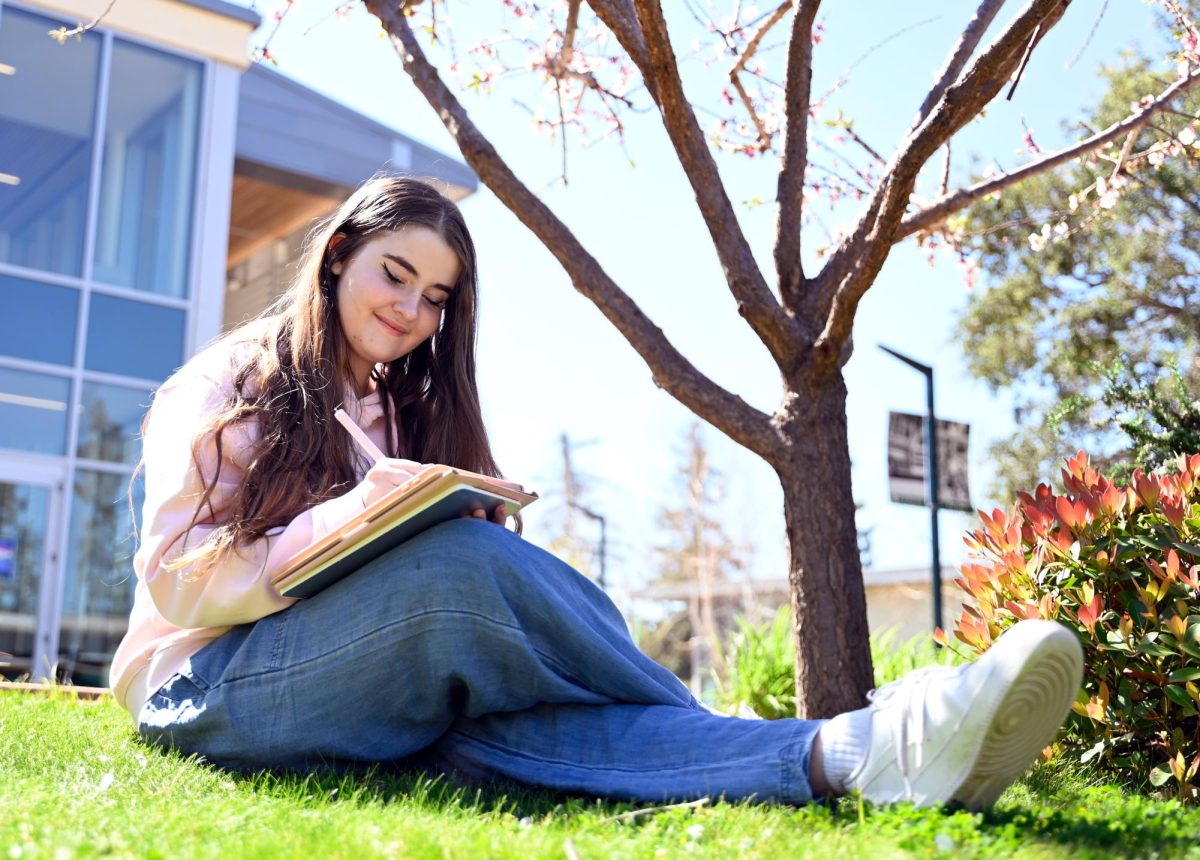
A volcanic eruption on a small island. A ballet costume sewn by contestants on “Project Runway.” These snippets of the world that spark the imagination of Claire Bauschlicher (12) before she starts writing originate from eclectic sources. Once she begins to brainstorm, the plot comes together in her mind. The eruption becomes part of the backstory of her main character in a fantasy story. The costume transforms into the attire of students in a novel about a ballet school. And though she may not initially know much about the inspirations for her stories, her love for creative writing drives her to research more about these unfamiliar aspects.
“Sometimes I write about things that I never really knew about,” Claire said. “If I write about characters who are in a particular sport or a particular field, oftentimes, I’m not in that field myself. And so I have to physically take the time to spend all that energy learning about that field, that sport. I definitely learn a lot more in that way because I’m a lot more motivated to learn about different things, and I think the knowledge that I gained from that is very rewarding.”
Claire started creating stories in elementary school but was initially hesitant to put her ideas to paper. However, after taking Expository Writing in seventh grade, she began to understand that writing could be enjoyable outside of analytical essays written for class. Through her characters and worlds of imagination, Claire observed her own growth as a writer.
A story Claire worked on since middle school particularly reflects the evolution Claire’s writing underwent. In early versions of the story, Claire noticed she tended to place more emphasis on superficial aspects of the characters, such as their appearances. But over the years, her own personal growth influenced the maturity of her storytelling as well, leading her to holistically assess her characters’ personalities and thought processes before writing any character-driven plot events.
“If I had a very, for example, intellectual character, all of their actions would be intellectual just because they were an intellectual person,” Claire said. “But now I feel like that’s not all that encompasses a person. If you have someone who’s very intellectual, very artistic, very creative, all these different kinds of intelligences, that’s not all the reason why they make a decision, why they act a certain way.”
Just as Claire learned to understand the complexity of others’ personalities through writing, she gained insight into unique perspectives through representing various countries in Model UN, which she joined in sophomore year. Though she may hold different political viewpoints from the people she speaks with at conferences, she came to value hearing the backgrounds and reasonings behind others’ opinions.
“What I like is that I get to take on a role that I wouldn’t get the chance to take on if I weren’t doing that,” Claire said. “For example, I almost never represent the U.S. It’s ideals or customs, so I have to take on a country that I know literally nothing about. Sometimes the country’s morals are completely different from mine. I can’t go with my own perspective, because then I’m just representing me. Even though I’m representing something that I disagree with, I learn a lot from it.”
Upper school history and social science teacher Carol Green, who taught Claire in U.S. History, Civics, and AP United States Government, appreciates the cheerful presence Claire brings to the classroom. Green observes how Claire’s warm, empathetic nature towards others manifests itself not only in the classroom but also at Model UN conferences.
“Even when we have a Model UN conference, yeah, she’s got her own things that she’s got to do, but she’s always looking out for other people, too,” Green said. “And I think that’s really just this genuine compassion for others. And an eagerness to learn — regardless of which class I’ve seen her in, or if it’s been in extracurriculars, she’s always enthusiastic about learning things.”
Claire’s friends admire her considerate personality as well. Close friend Katelyn Hsu (12) acknowledges her ability to listen and empathize with others which helps her navigate the situations she encounters in Model UN.
“She seems very outgoing, and you would expect her to be loud or talkative because of that, but she’s really good at listening, and she’s very intuitive,” Katelyn said. “She has really good people skills or EQ, that kind of thing. She understands social cues really well.”
Close friend Trisha Iyer (12) admires Claire’s dedication to her interests, which range from K-pop to international policy. Trisha, who met Claire in fifth grade, highlighted her bright, optimistic personality as one of her strengths.
“When I think of her, I always think bubbly,” Trisha said. “Her nature is to be cheerful. She goes through stuff just like we all do. Sometimes life gets her down. But I don’t think it really gets her down for very long ever.”
Whether in storytelling or Model UN, Claire’s empathetic nature helps her value the complexities and unique qualities of the people she meets. Going forward, she hopes to apply what she’s learned through creative writing and Model UN to International Relations, as well as to the nonprofit humanitarian organization she aspires to work at one day.
“International law, international politics doesn’t have a constitution, where it’s like, this is what you do and this is why you do it,” Claire said. “You just go with what’s there. And I think that’s kind of how we should go about helping people. You don’t have a set of rules of how to help crises; you go to the situation, you figure out what’s wrong, why it’s wrong, and you try to fix it, based off of the context there.”