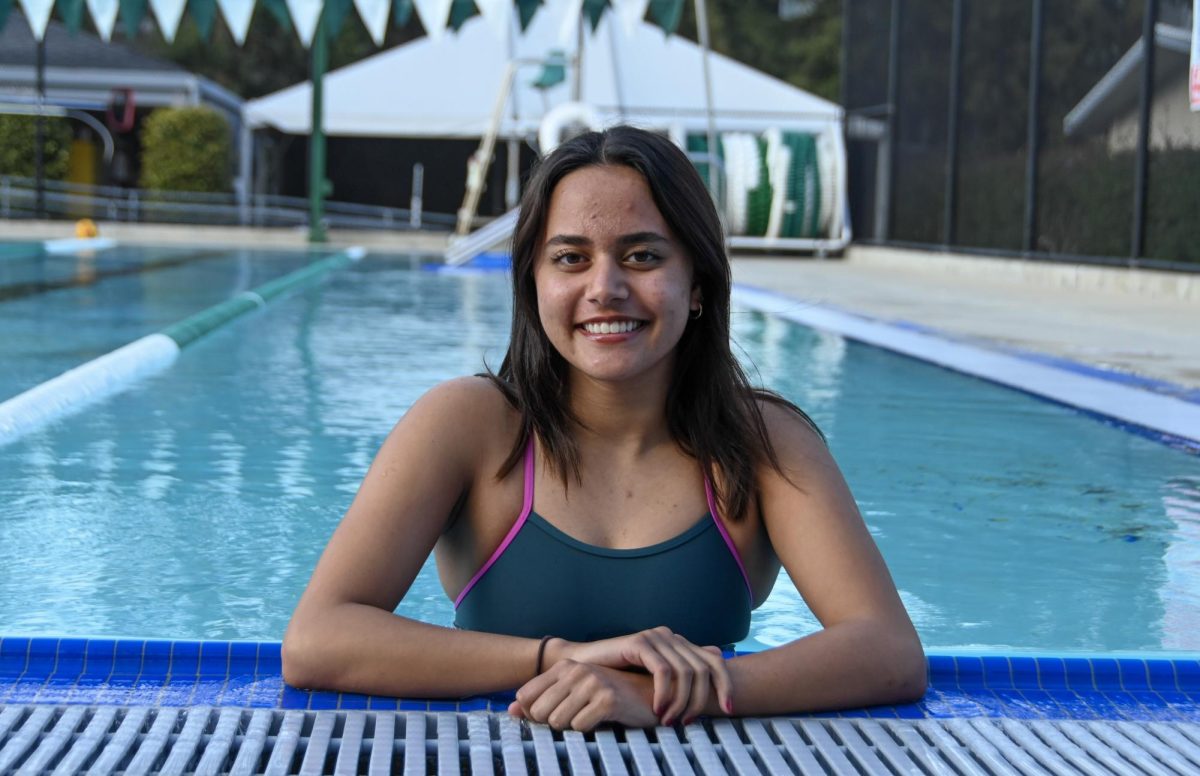
![“I wasn't discouraged by some of the obstacles we faced. I learned a lot from the leadership. I found that different people need different ways of receiving feedback — you can't [just] tell them to do something and expect the best. [Some] people needed more incentive. A large part of my role was to figure out what worked for everyone and to figure out how to lead all these separate individuals as a team,” Suhana Bhandare (’26) said.](https://harkeraquila.com/wp-content/uploads/2026/06/SuhanaBhandare_JasmineHansra-1-1200x798.jpg)

![“This is actually from Randy Pausch Randy P. Brick: ‘Walls are there for a reason. You have to show how much you want to overcome them.’ You have to show how much you want something. That's what I've always been able to do with tennis, Link Crew and getting that internship [with Kushy Baby]. It’s important pushing through that — getting around that brick wall, climbing over it or clawing through it,” Yash Sachdeva (’26) said.](https://harkeraquila.com/wp-content/uploads/2026/05/YashSachdeva_RamBatchu-copy-1200x1002.jpg)

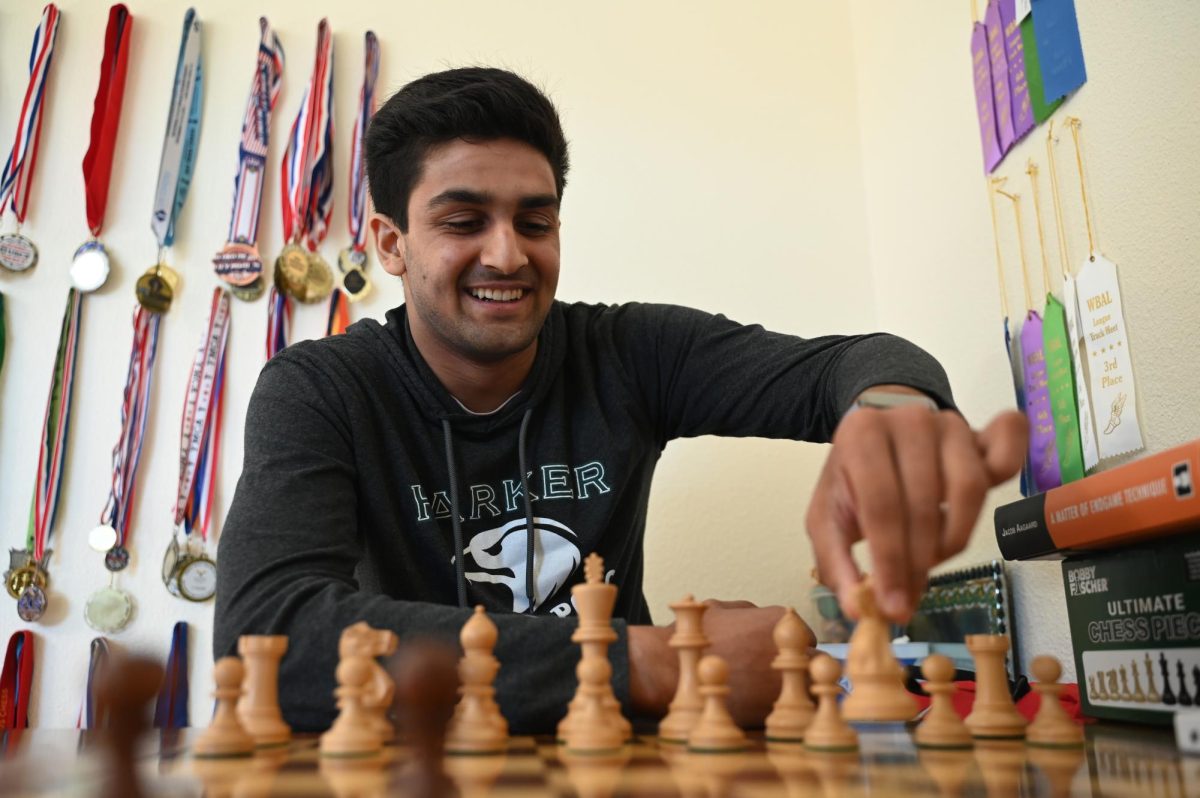
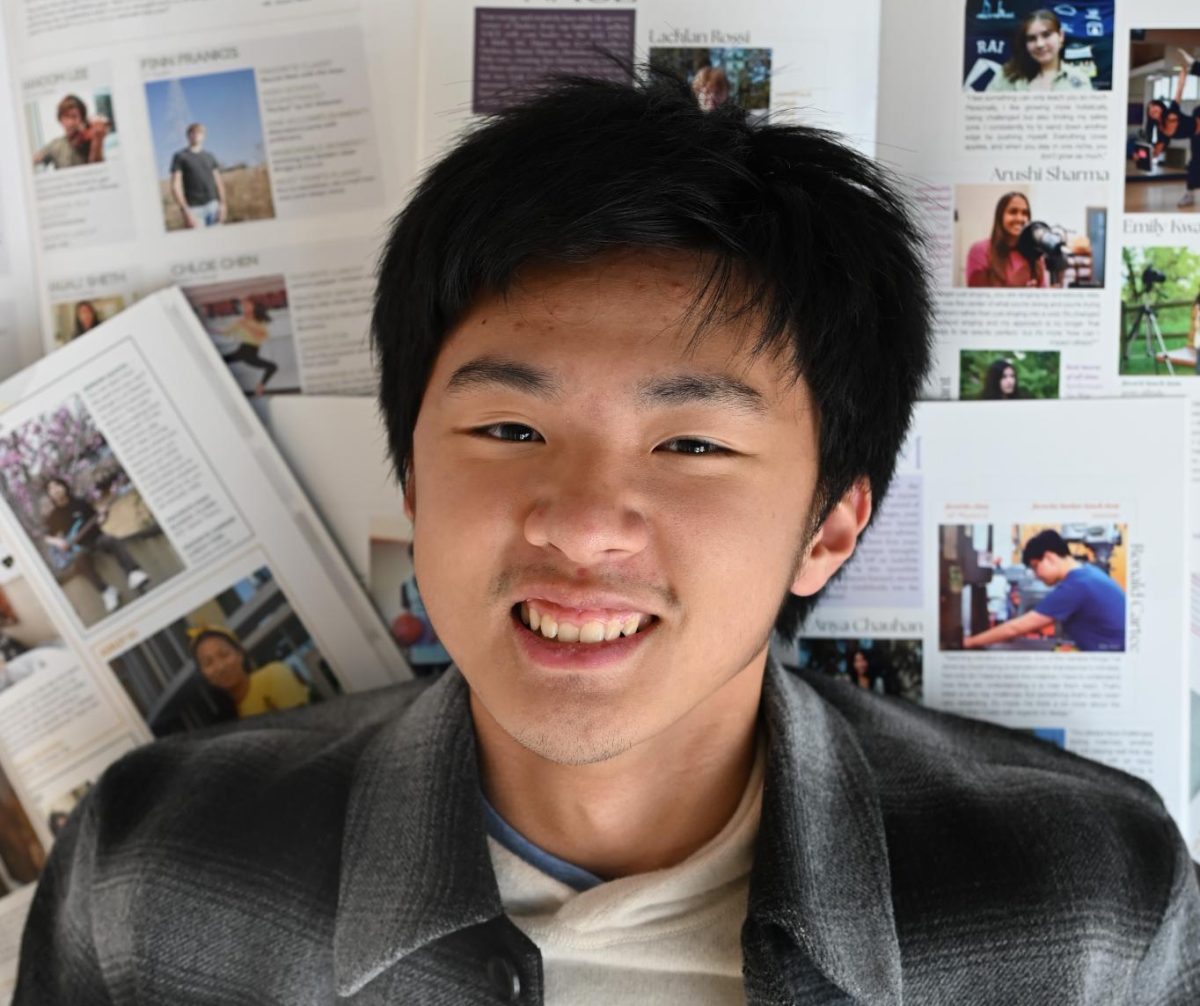



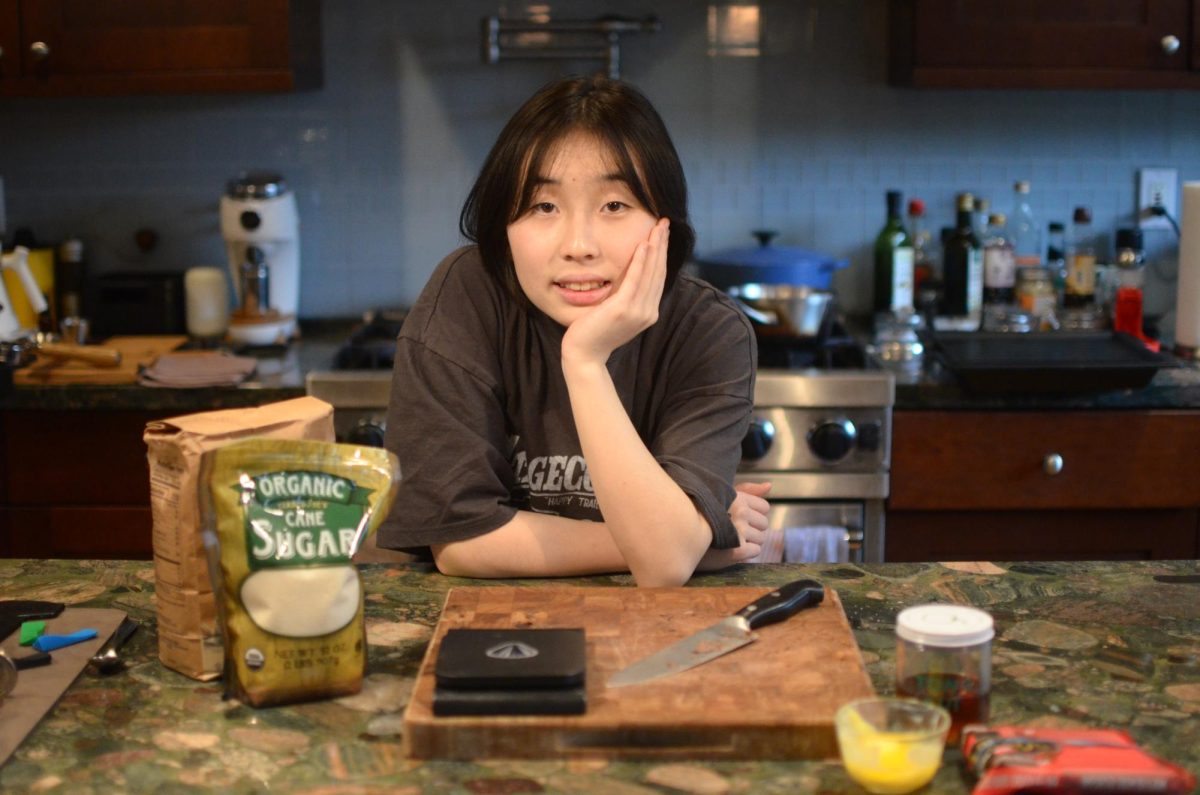


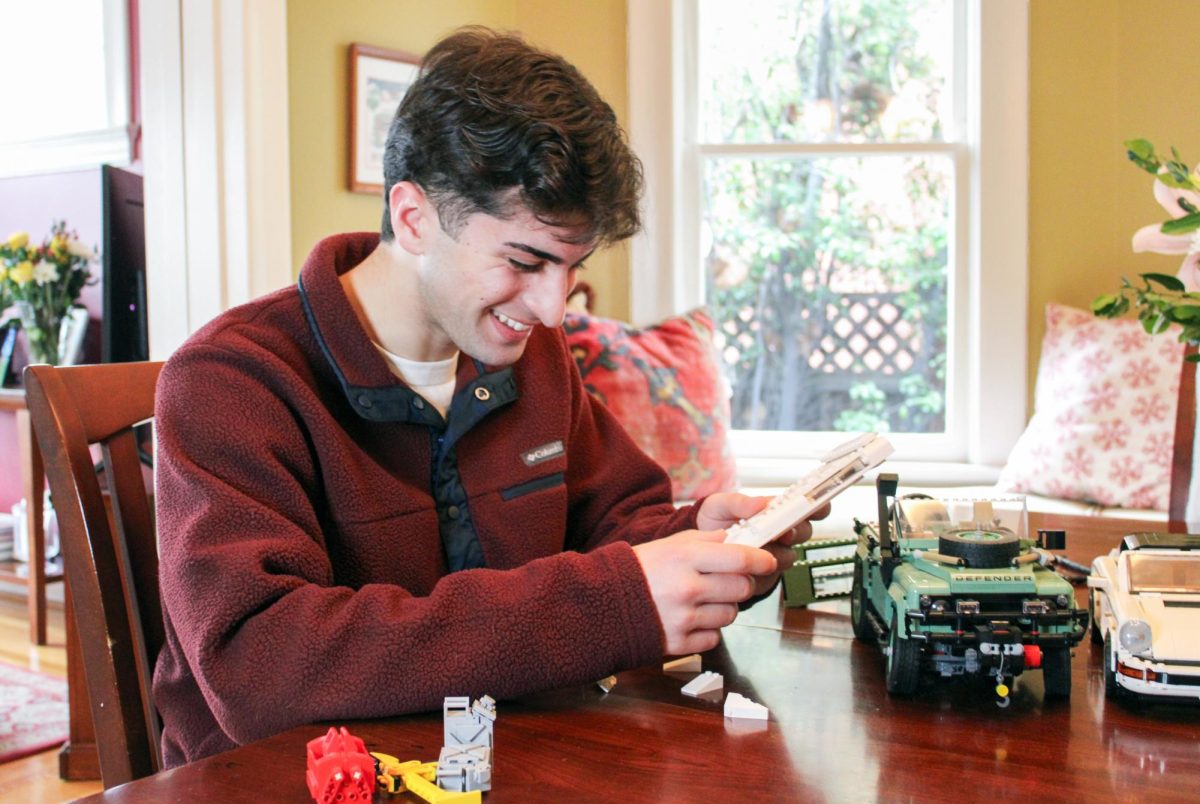

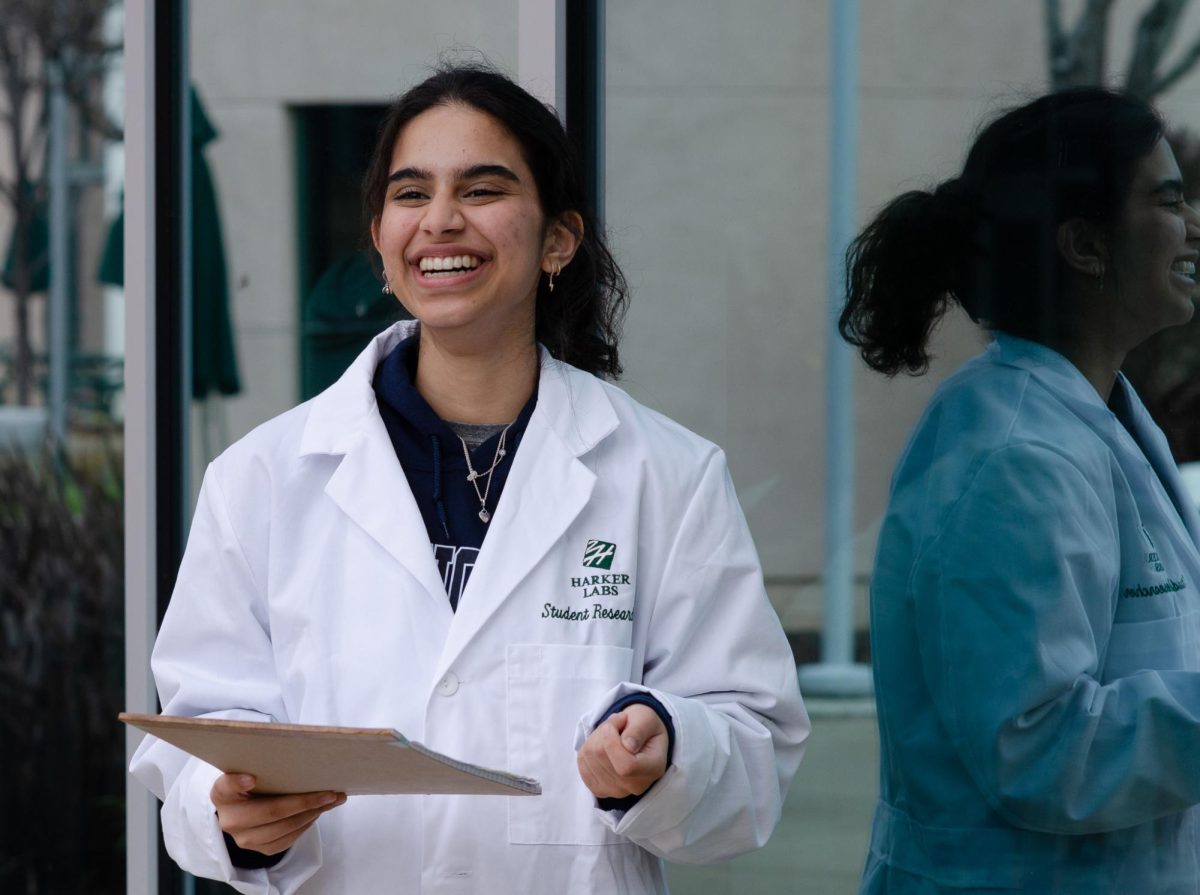

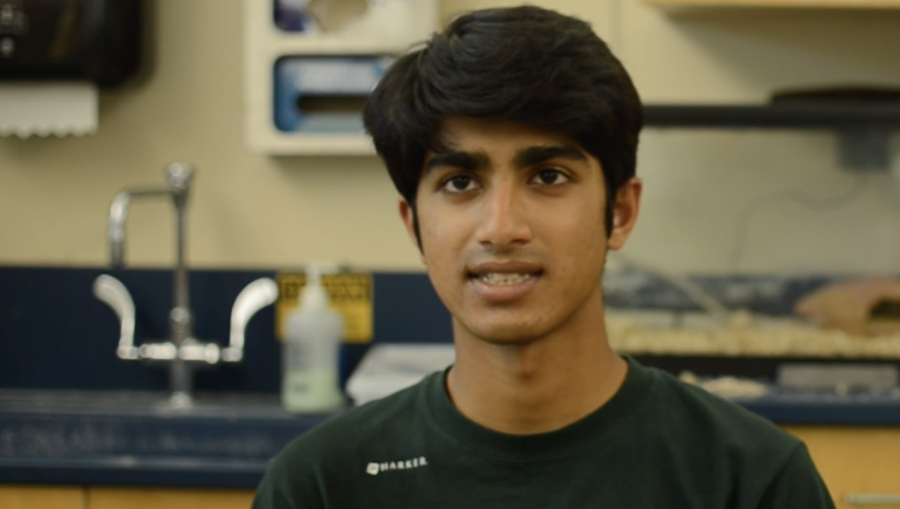
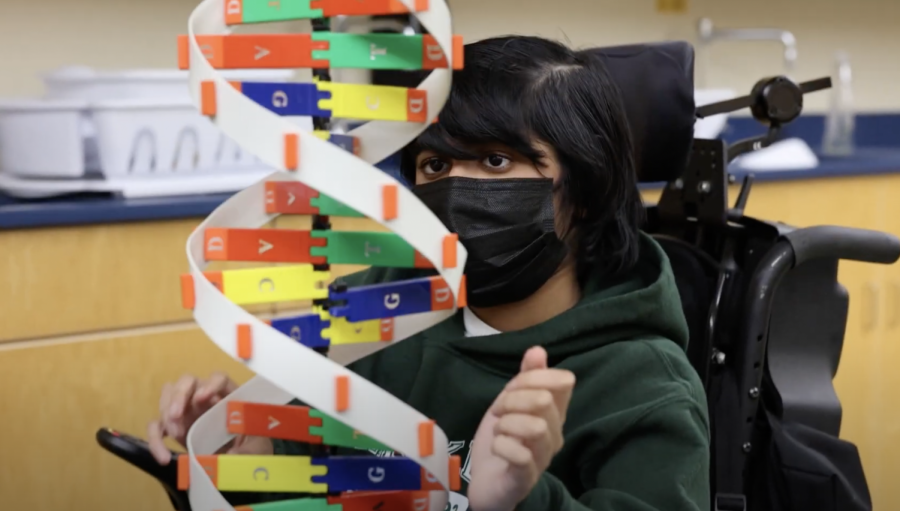
![“[Building nerf blasters] became this outlet of creativity for me that hasn't been matched by anything else. The process [of] making a build complete to your desire is such a painstakingly difficult process, but I've had to learn from [the skills needed from] soldering to proper painting. There's so many different options for everything, if you think about it, it exists. The best part is [that] if it doesn't exist, you can build it yourself," Ishaan Parate said.](https://harkeraquila.com/wp-content/uploads/2022/08/DSC_8149-900x604.jpg)
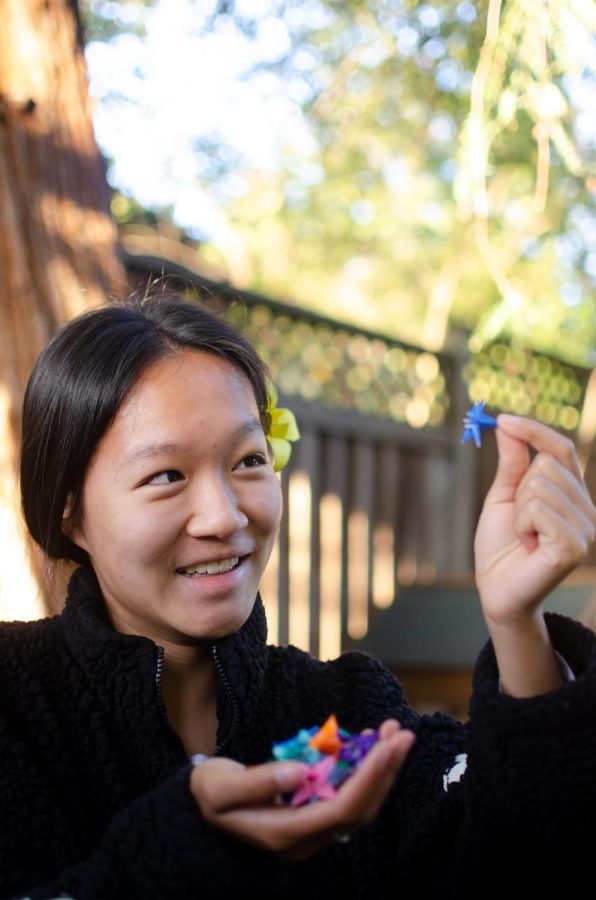
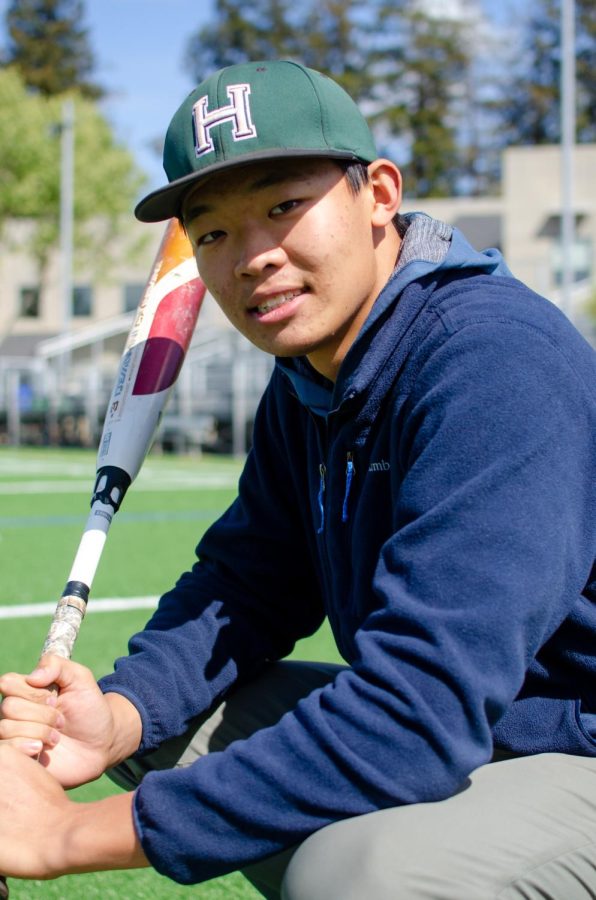

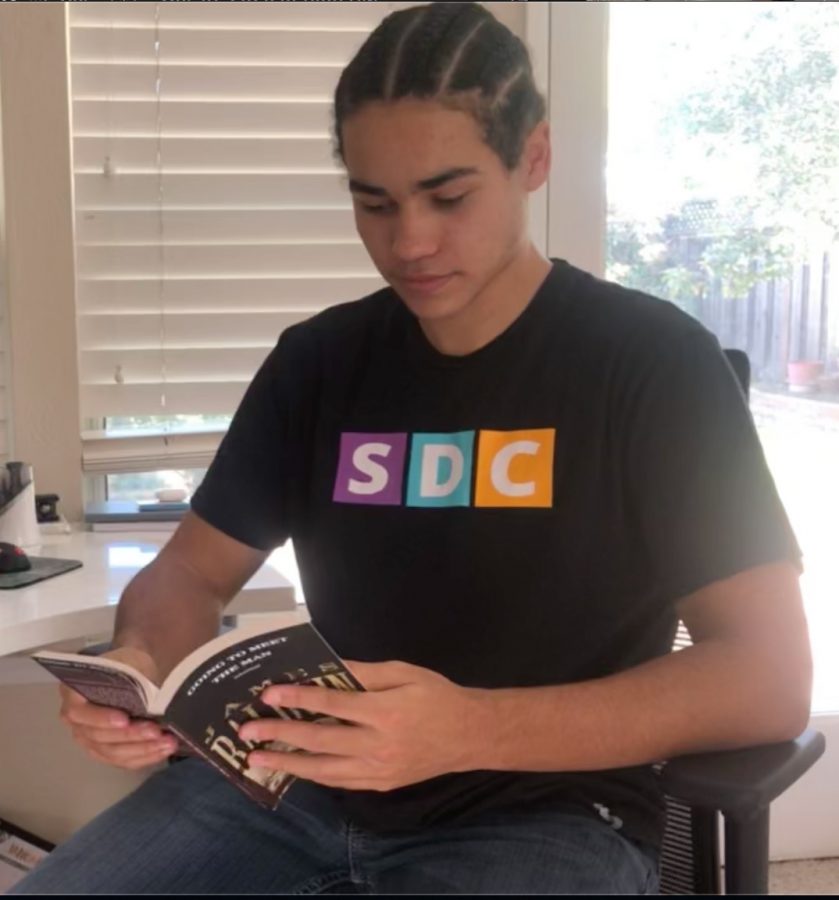
![“When I came into high school, I was ready to be a follower. But DECA was a game changer for me. It helped me overcome my fear of public speaking, and it's played such a major role in who I've become today. To be able to successfully lead a chapter of 150 students, an officer team and be one of the upperclassmen I once really admired is something I'm [really] proud of,” Anvitha Tummala ('21) said.](https://harkeraquila.com/wp-content/uploads/2021/07/Screen-Shot-2021-07-25-at-9.50.05-AM-900x594.png)
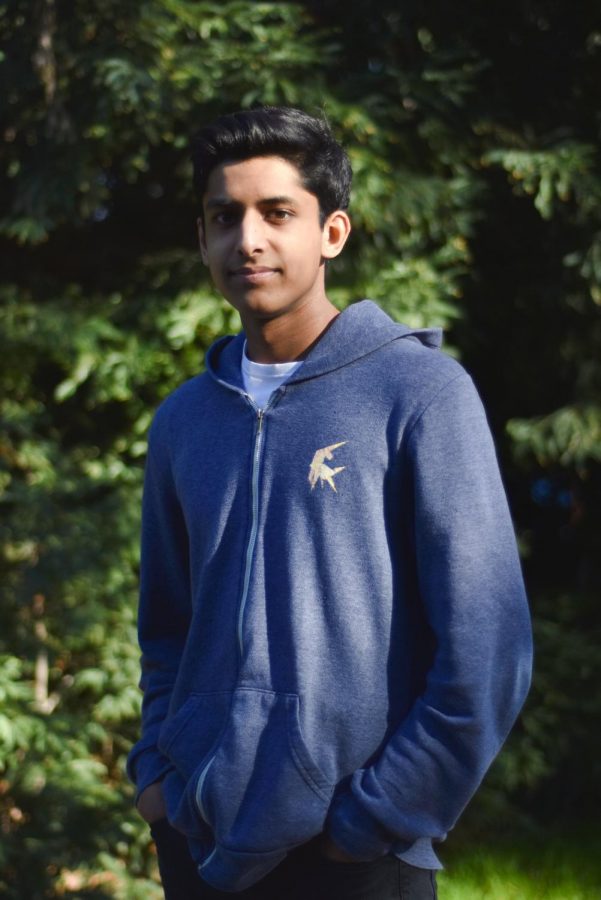

![“I think getting up in the morning and having a sense of purpose [is exciting]. I think without a certain amount of drive, life is kind of obsolete and mundane, and I think having that every single day is what makes each day unique and kind of makes life exciting,” Neymika Jain (12) said.](https://harkeraquila.com/wp-content/uploads/2017/06/Screen-Shot-2017-06-03-at-4.54.16-PM.png)
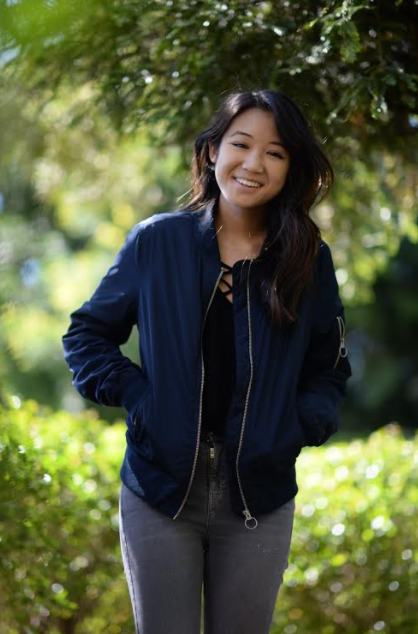
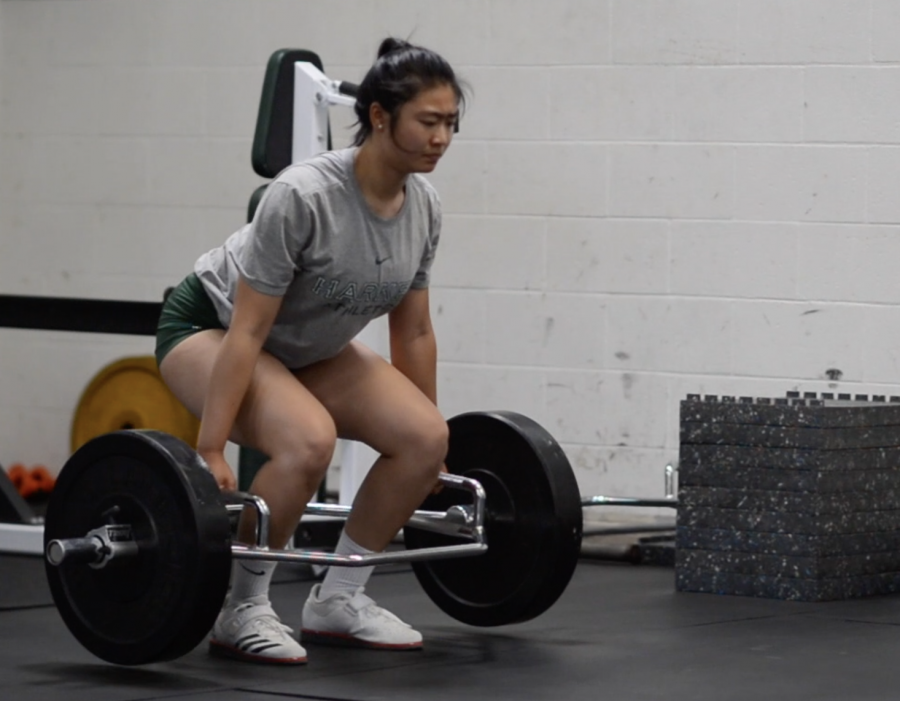
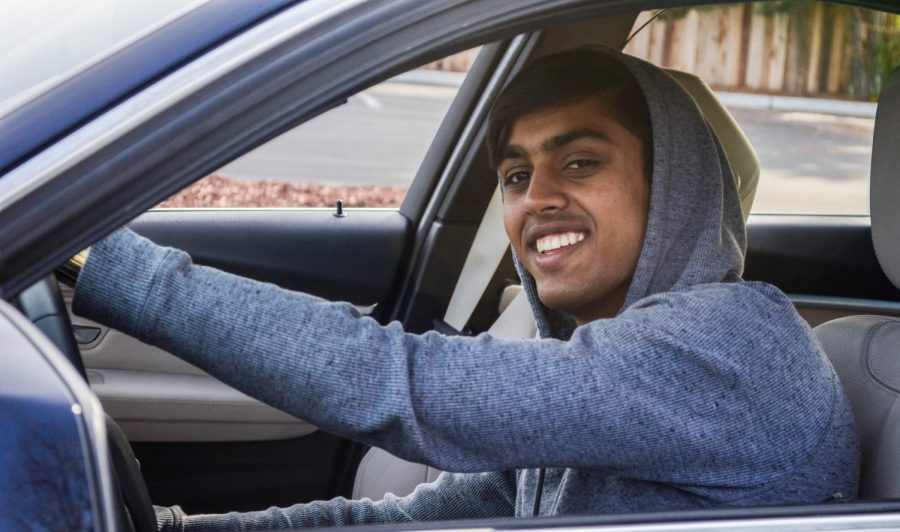
![“My slogan is ‘slow feet, don’t eat, and I’m hungry.’ You need to run fast to get where you are–you aren't going to get those championships if you aren't fast,” Angel Cervantes (12) said. “I want to do well in school on my tests and in track and win championships for my team. I live by that, [and] I can do that anywhere: in the classroom or on the field.”](https://harkeraquila.com/wp-content/uploads/2018/06/DSC5146-900x601.jpg)
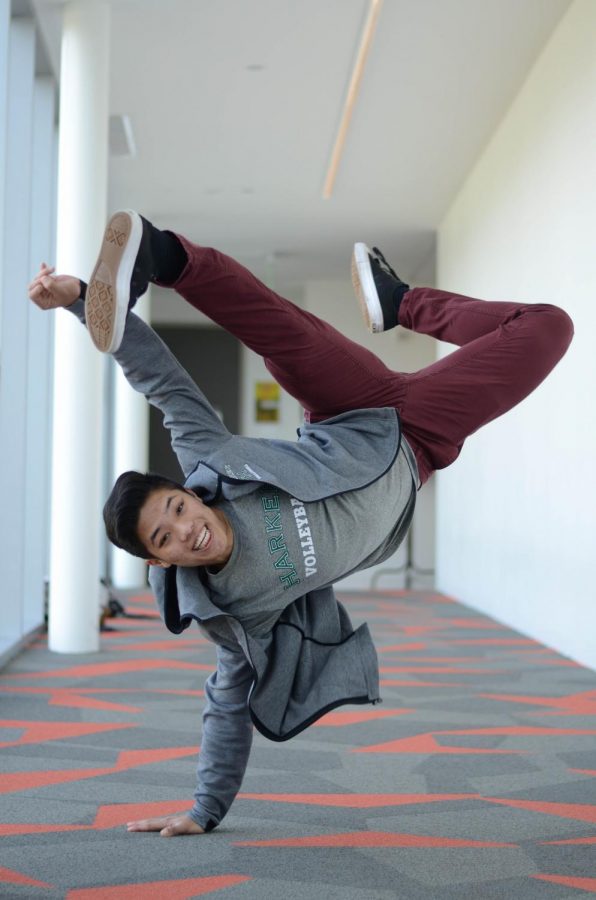
![“[Volleyball has] taught me how to fall correctly, and another thing it taught is that you don’t have to be the best at something to be good at it. If you just hit the ball in a smart way, then it still scores points and you’re good at it. You could be a background player and still make a much bigger impact on the team than you would think,” Anya Gert (’20) said.](https://harkeraquila.com/wp-content/uploads/2020/06/AnnaGert_JinTuan_HoHPhotoEdited-600x900.jpeg)
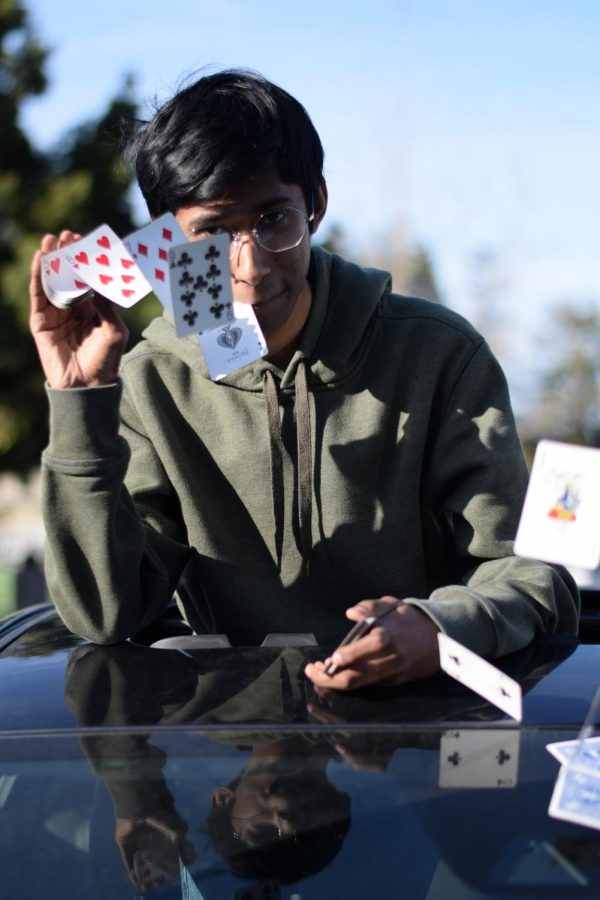
![“I'm not nearly there yet, but [my confidence has] definitely been getting better since I was pretty shy and timid coming into Harker my freshman year. I know that there's a lot of people that are really confident in what they do, and I really admire them. Everyone's so driven and that has really pushed me to kind of try to find my own place in high school and be more confident,” Alyssa Huang (’20) said.](https://harkeraquila.com/wp-content/uploads/2020/06/AlyssaHuang_EmilyChen_HoHPhoto-900x749.jpeg)


The San Jose City Council voted on and approved an ordinance in an effort to make San Jose the largest city in the country to ban plastic bags. The ban needs to go through an environmental impact study and will take effect in early 2011.
Abandoned plastic bags litter San Jose’s rivers and roads, sparking discussion over the development of the ban.
The ban was passed nine to one, with the only dissenter being District 1 councilman Pete Constant.
Although Constant considers himself to be environmentally friendly, he is firmly opposed to the ban, and believes spreading awareness is a better alternative.
“I think we really need to get at the root behavior, which is littering,” Constant said. “[A better plan would be] to educate people on the proper way to handle plastics. I think it’s important to point out that cities like San Francisco, that have done litter studies before and after imposing a ban, saw no reduction in litter… and that’s one of the reasons that [this ban] is a little bit misguided.”
Sierra Lincoln (9) believes that increased recycling might be beneficial, but that banning plastic bags would be more effective. “If [they] ban plastic bags, it will force companies to be more eco-friendly,” she said.
Patty Moore, CEO of Moore Recycling Associates, believes the problem is more complex.
“I don’t think it will do much for the things that [it’s] trying to stop, like litter or resource use,” Moore said. “It’s going to do more damage than good, I think it’s an easy ‘band-aid,’ if you will, to a very complex problem … the ban will end up using more total resources than recycling does. “
Moore believes that the energy and materials used to make reusable bags may not, in the long run, be less than those used to create one-use bags.
“If you look at a canvas bag, if you look at the energy that went into creating that canvas bag … how much diesel and water and land use and energy went into creating that cotton bag, then manufacturing the cotton … and finally getting it into consumers’ hands. How many times are you going to have to reuse that bag before you’ve used the same amount of resources to produce a thin plastic bag?”
Moore argues that reusable bags may not necessarily be more environmentally friendly than plastic bags.
“The issue is much more complex. On the surface, a reusable bag is better, but only if you use it a certain amount of times,” Moore said.
California passed a six-year pilot program in 2007 that mandated recycling bins outside most pharmacies and grocery chains that provided plastic bags, a law that Constant believes may be undermined by efforts to ban plastic bags.
“[The program] has only been in effect for just under two years,” Constant said, “and now independent communities like San Jose are changing laws before we see if the [recycling] program works, and I don’t really think that is a good way to go.”
Ben Yurman-Glaser, a policy analyst working in the office of San Jose Mayor Chuck Reed, feels differently.
“I would argue that the law has been in effect for a few years… and still, only a few percent of those plastic bags are being recycled,” Yurman-Glaser said.
Yurman-Glaser and Constant did agree, however, that businesses and consumers would be financially impacted by the ban due to the possible fee that will be placed on the 40 percent recycled materials bags. Also potentially costly would be the potential loss of customers to businesses outside of San Jose that would still provide free plastic bags.
“Ultimately the consumers [are the most impacted], since businesses pass the costs onto the consumers,” Constant said, “…we are in a fairly deep recession right now, and there have been numerous things that … have been added to individual families and consumers, and this will just be one more thing.”
One way the San Jose City Council was hoping to combat the financial strains is making the ban a more regional effort.
“It’s silly to have just San Jose [ban bags], when a store on the other side of the street that’s not in San Jose is giving away plastic bags,” Yurman-Glaser said. “We want everyone to acknowledge that this is a concern … we want to work with the neighboring cities to make sure that they are all on board with some type of ordinance.”
Anshul Jain (11) believes the ban would have little impact on his grocery shopping habits.
“[The ban] is good for the environment,” Jain said, “[but] I wouldn’t really care – there’s no significant impact since I can always bring my own reusable bag. “
“[The ban] still needs to go through an environmental impact study,” Yurman-Glaser said. “Basically, we hold some public meetings, and you actually start determining what impacts this potential ban would have … making sure that a type of ban like this doesn’t make things worse … there is still ample time for small businesses that are concerned or have questions to come to the city, and to weigh in on the ordinance. [They all] very much have a voice in the room.”