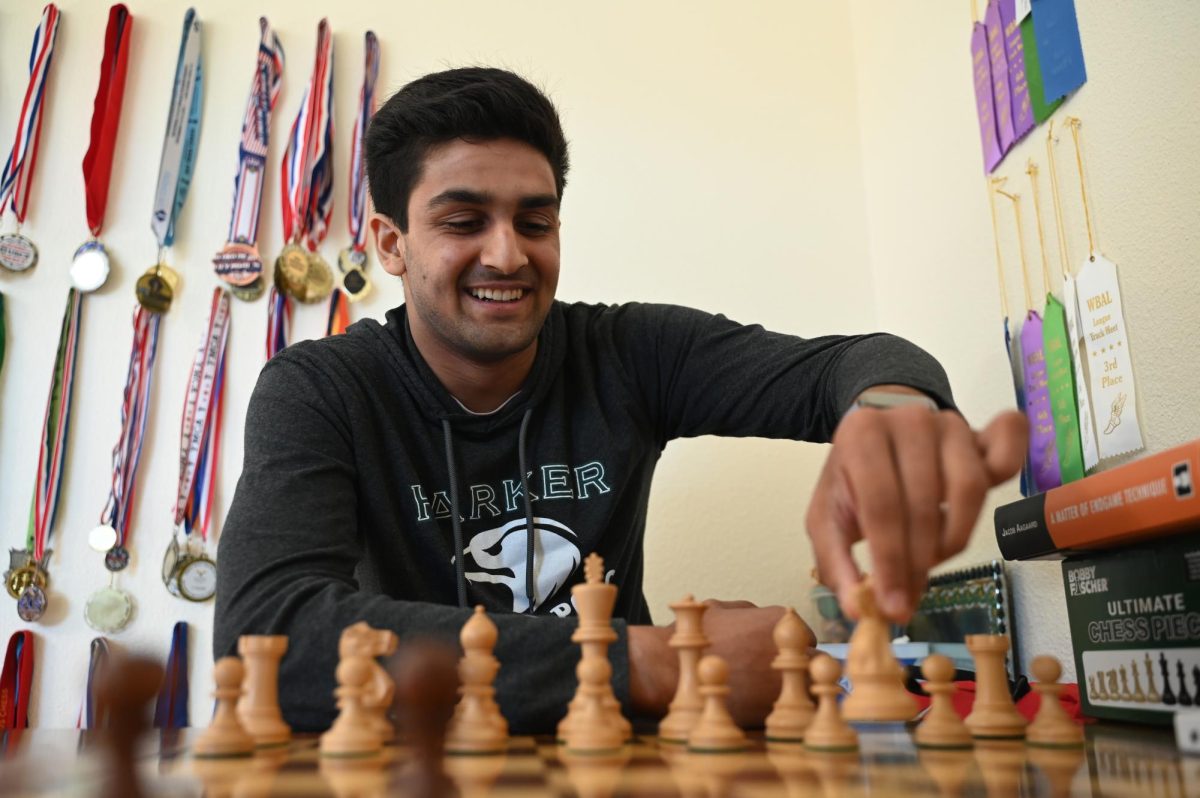
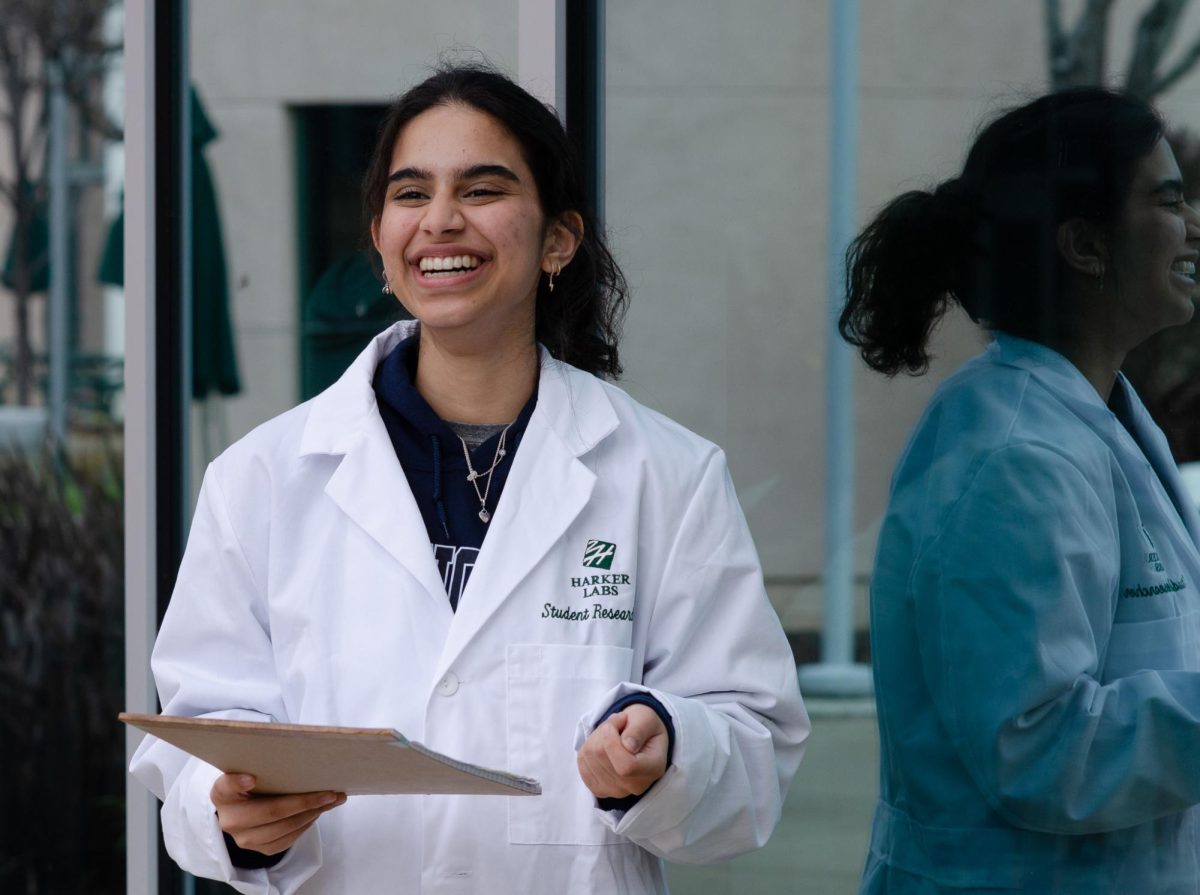
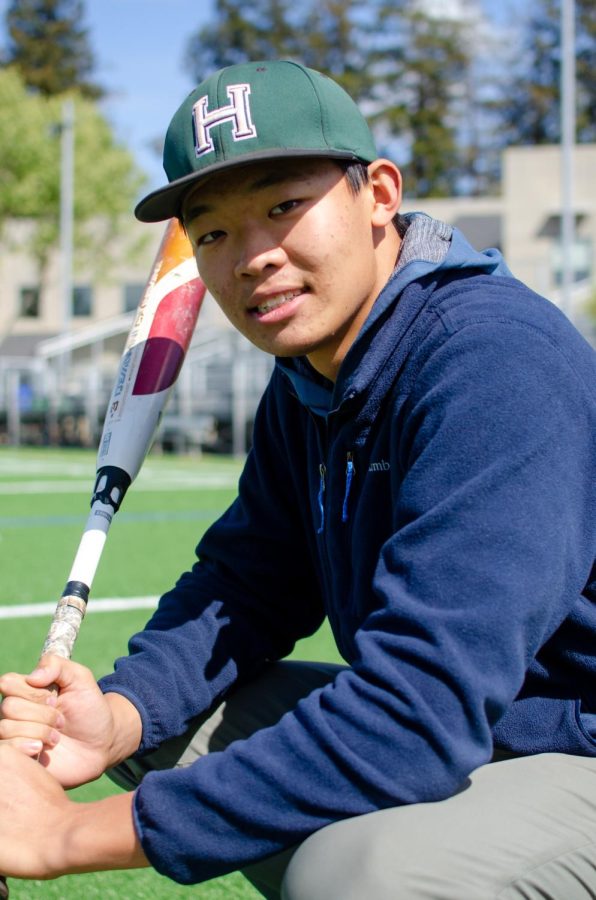
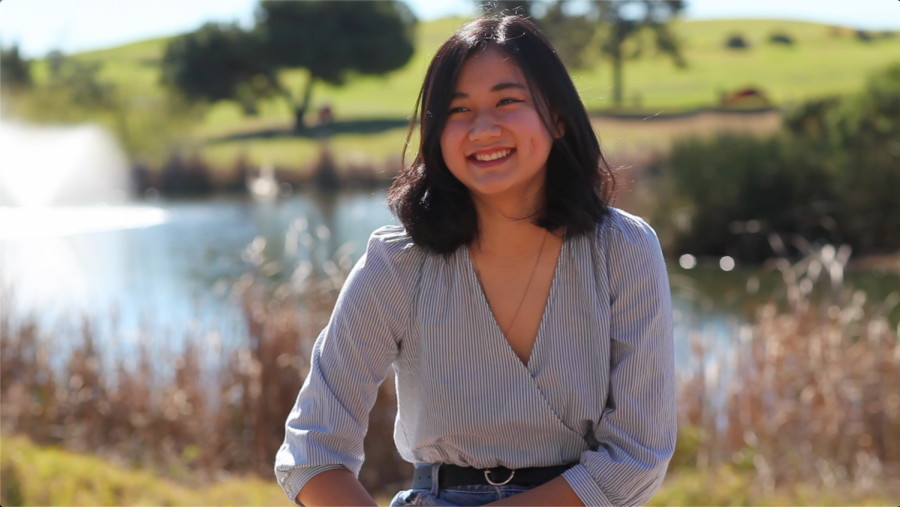
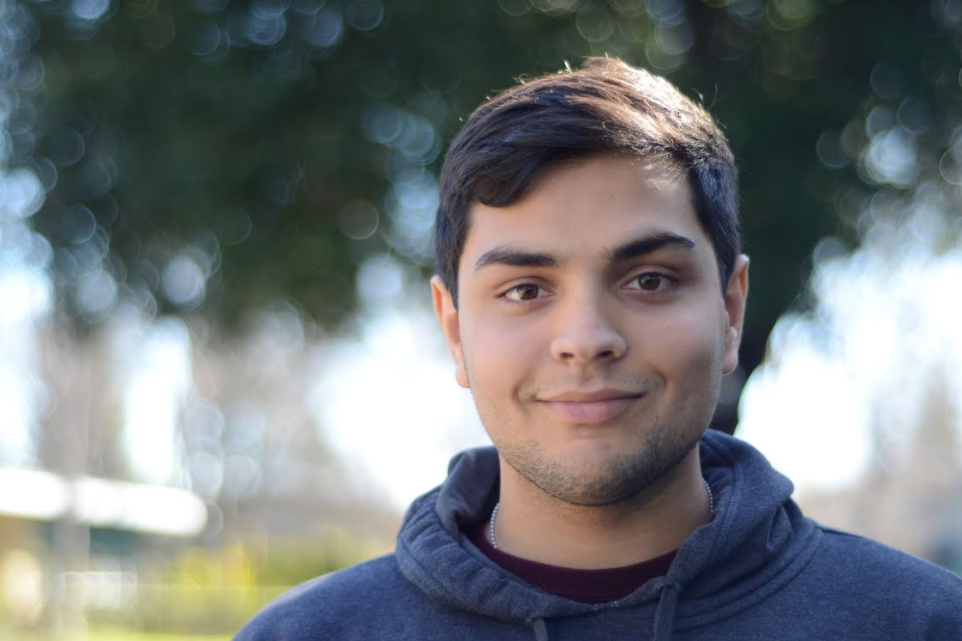
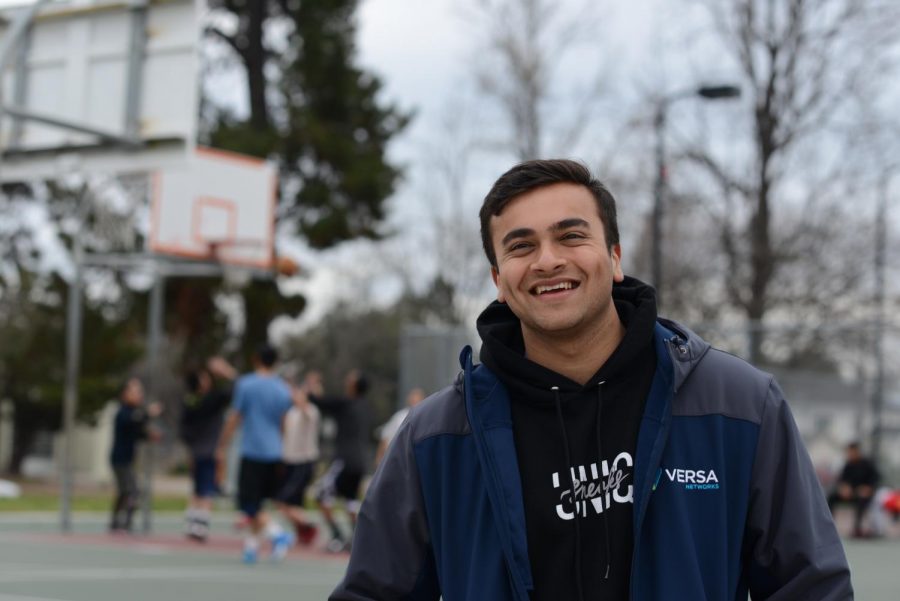
![“I wasn't discouraged by some of the obstacles we faced. I learned a lot from the leadership. I found that different people need different ways of receiving feedback — you can't [just] tell them to do something and expect the best. [Some] people needed more incentive. A large part of my role was to figure out what worked for everyone and to figure out how to lead all these separate individuals as a team,” Suhana Bhandare (’26) said.](https://harkeraquila.com/wp-content/uploads/2026/06/SuhanaBhandare_JasmineHansra-1-1200x798.jpg)
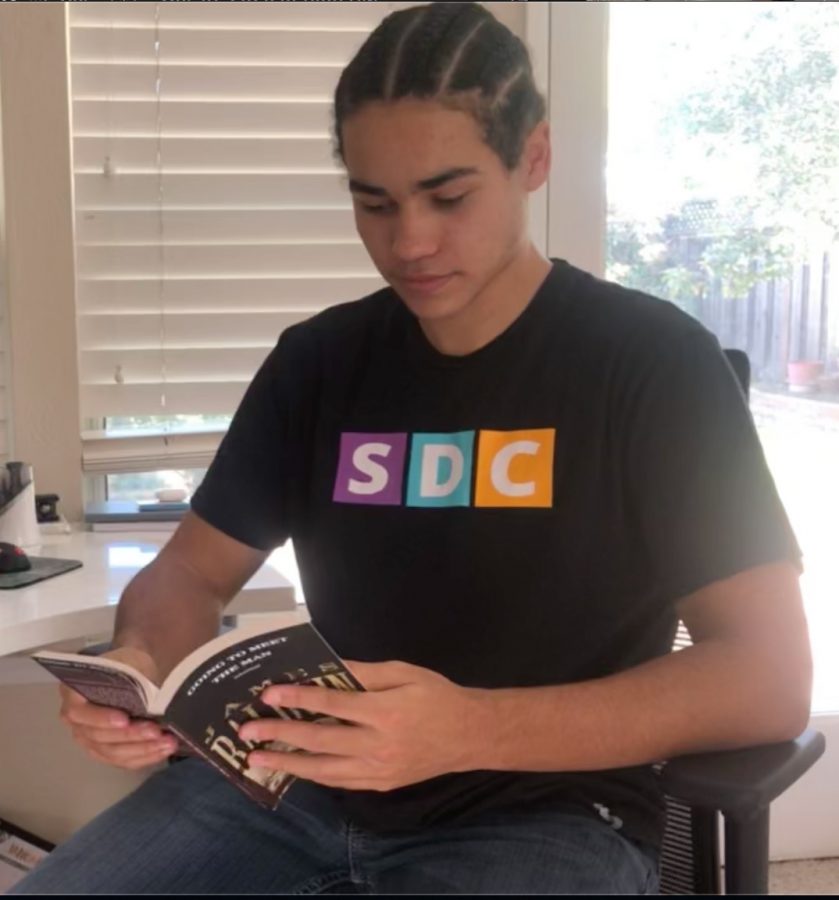
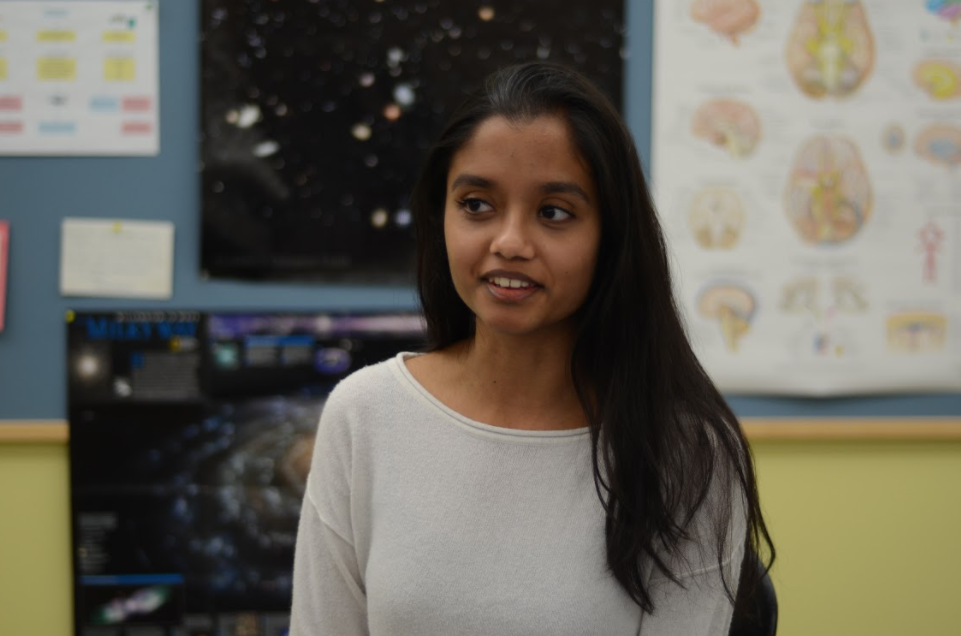
![“This is actually from Randy Pausch Randy P. Brick: ‘Walls are there for a reason. You have to show how much you want to overcome them.’ You have to show how much you want something. That's what I've always been able to do with tennis, Link Crew and getting that internship [with Kushy Baby]. It’s important pushing through that — getting around that brick wall, climbing over it or clawing through it,” Yash Sachdeva (’26) said.](https://harkeraquila.com/wp-content/uploads/2026/05/YashSachdeva_RamBatchu-copy-1200x1002.jpg)




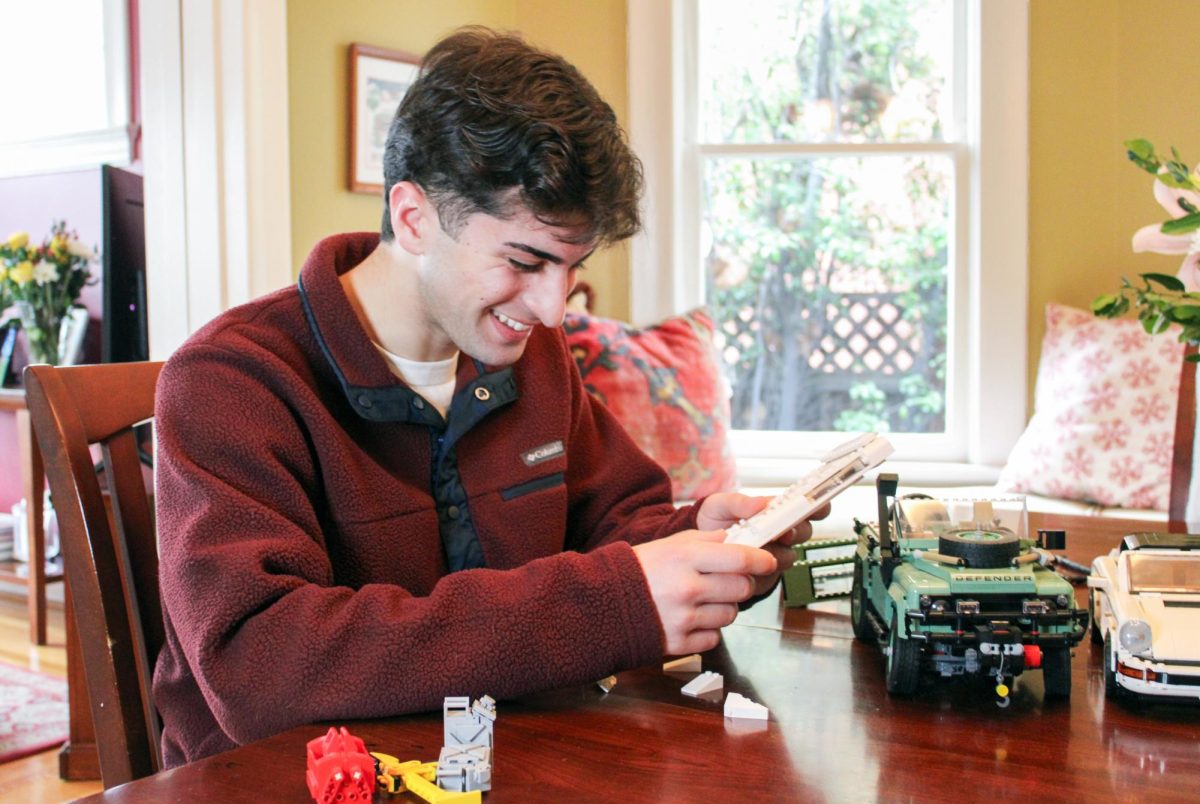


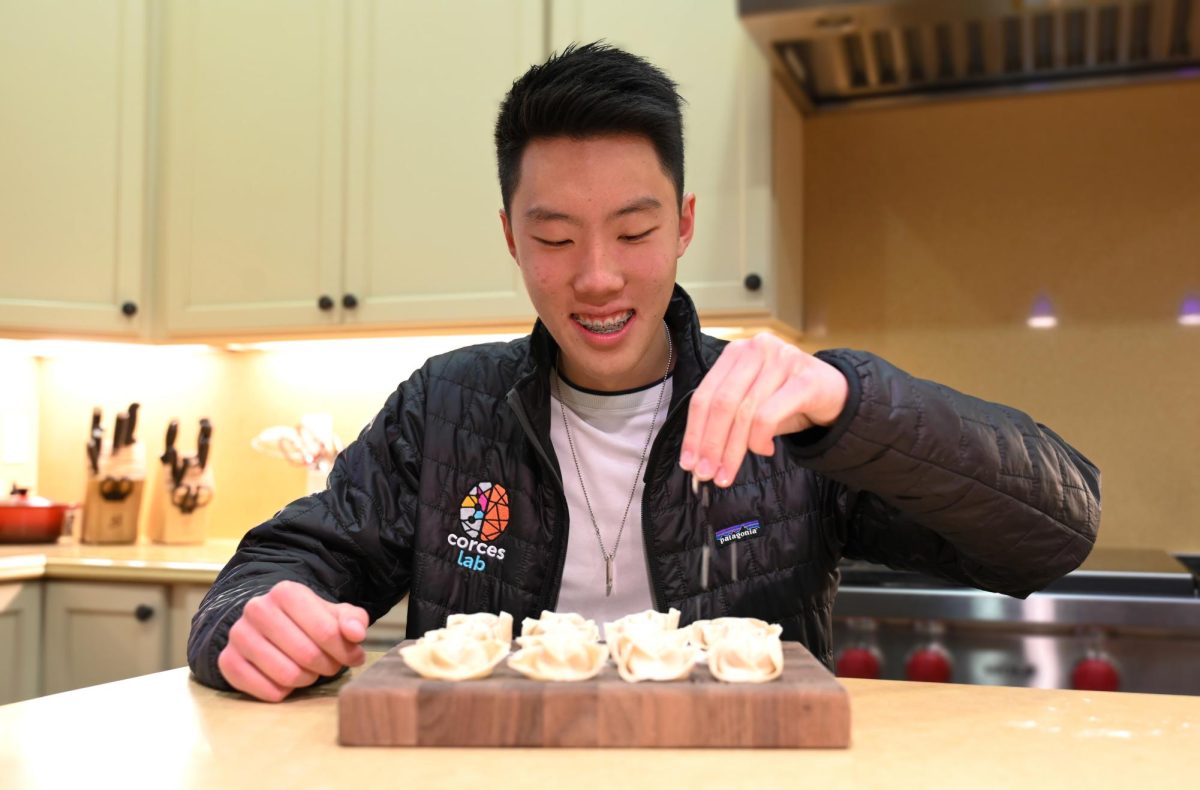
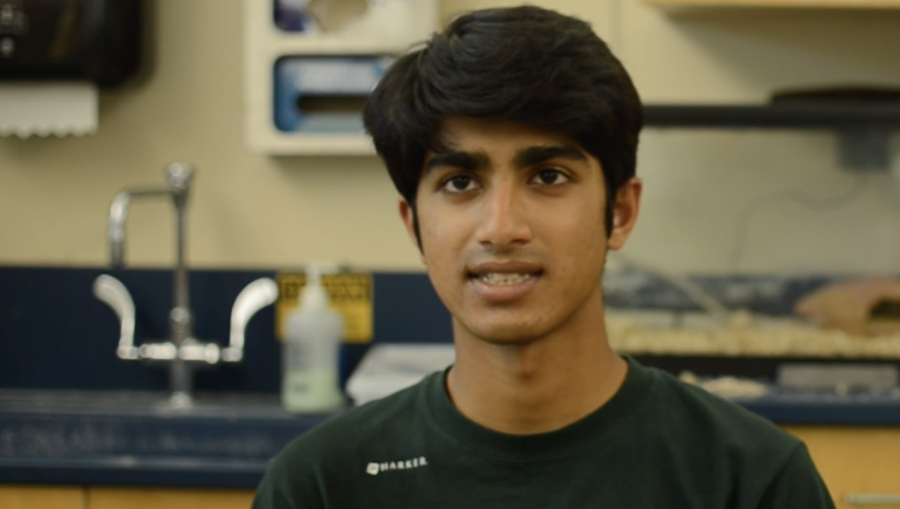
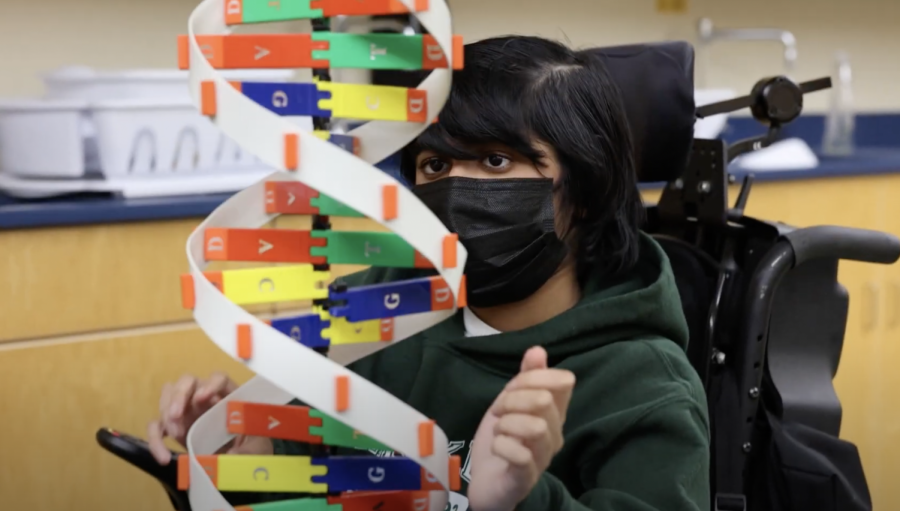
![“[Building nerf blasters] became this outlet of creativity for me that hasn't been matched by anything else. The process [of] making a build complete to your desire is such a painstakingly difficult process, but I've had to learn from [the skills needed from] soldering to proper painting. There's so many different options for everything, if you think about it, it exists. The best part is [that] if it doesn't exist, you can build it yourself," Ishaan Parate said.](https://harkeraquila.com/wp-content/uploads/2022/08/DSC_8149-900x604.jpg)
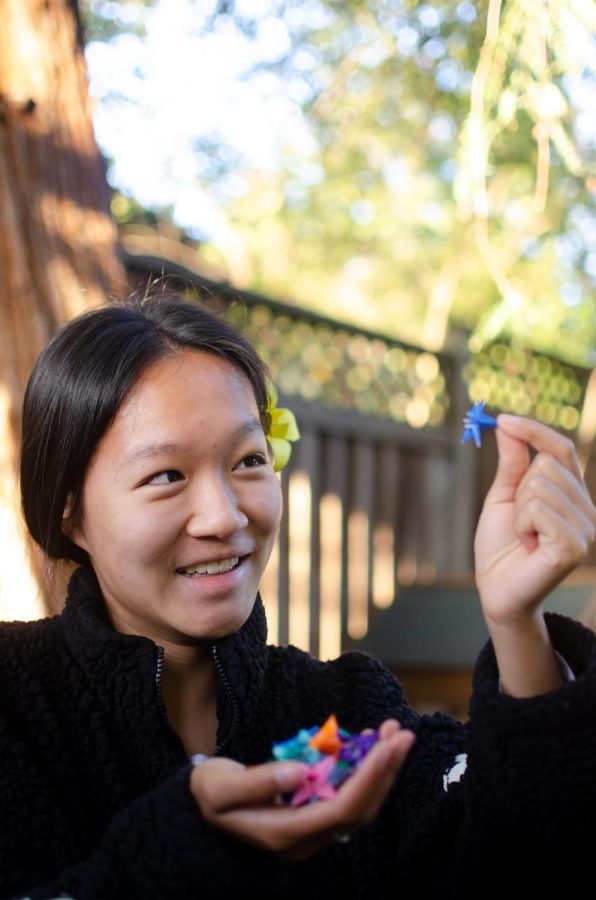
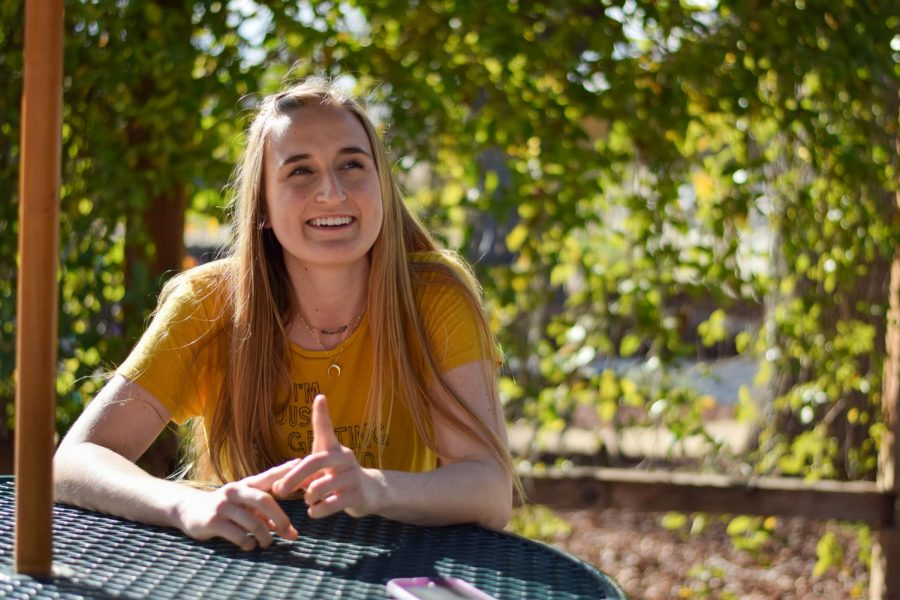
![“When I came into high school, I was ready to be a follower. But DECA was a game changer for me. It helped me overcome my fear of public speaking, and it's played such a major role in who I've become today. To be able to successfully lead a chapter of 150 students, an officer team and be one of the upperclassmen I once really admired is something I'm [really] proud of,” Anvitha Tummala ('21) said.](https://harkeraquila.com/wp-content/uploads/2021/07/Screen-Shot-2021-07-25-at-9.50.05-AM-900x594.png)

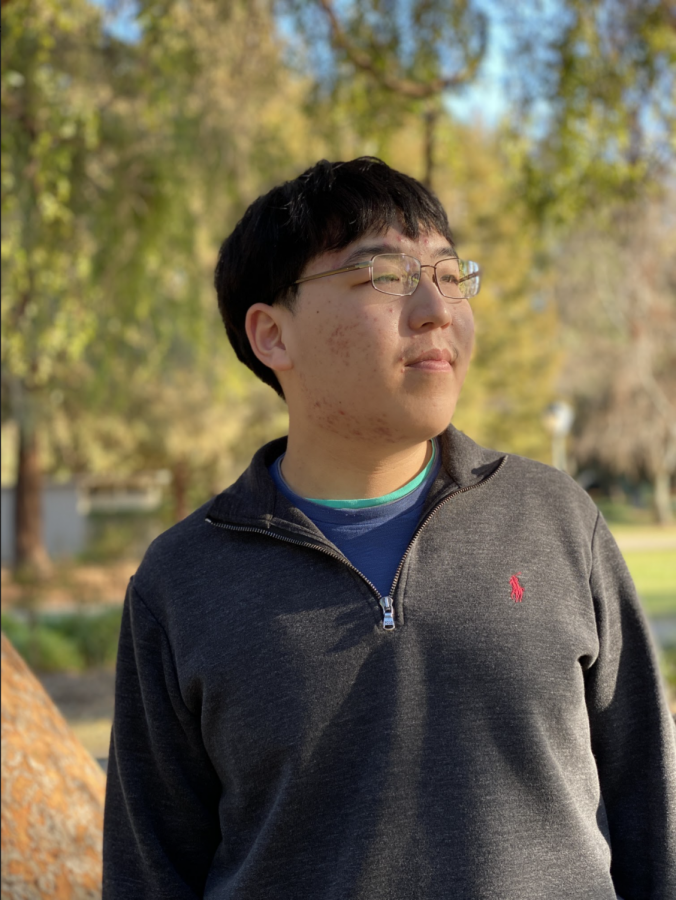

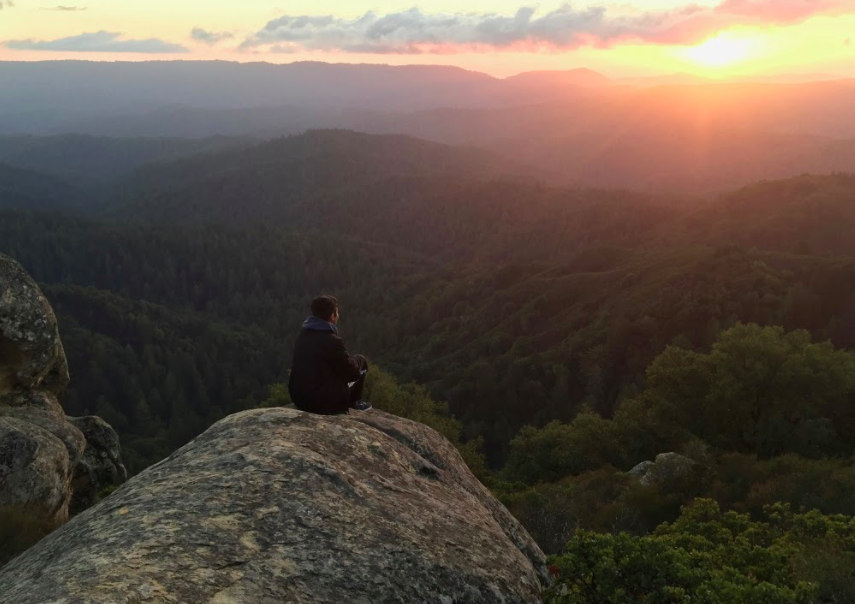
![“I think getting up in the morning and having a sense of purpose [is exciting]. I think without a certain amount of drive, life is kind of obsolete and mundane, and I think having that every single day is what makes each day unique and kind of makes life exciting,” Neymika Jain (12) said.](https://harkeraquila.com/wp-content/uploads/2017/06/Screen-Shot-2017-06-03-at-4.54.16-PM.png)

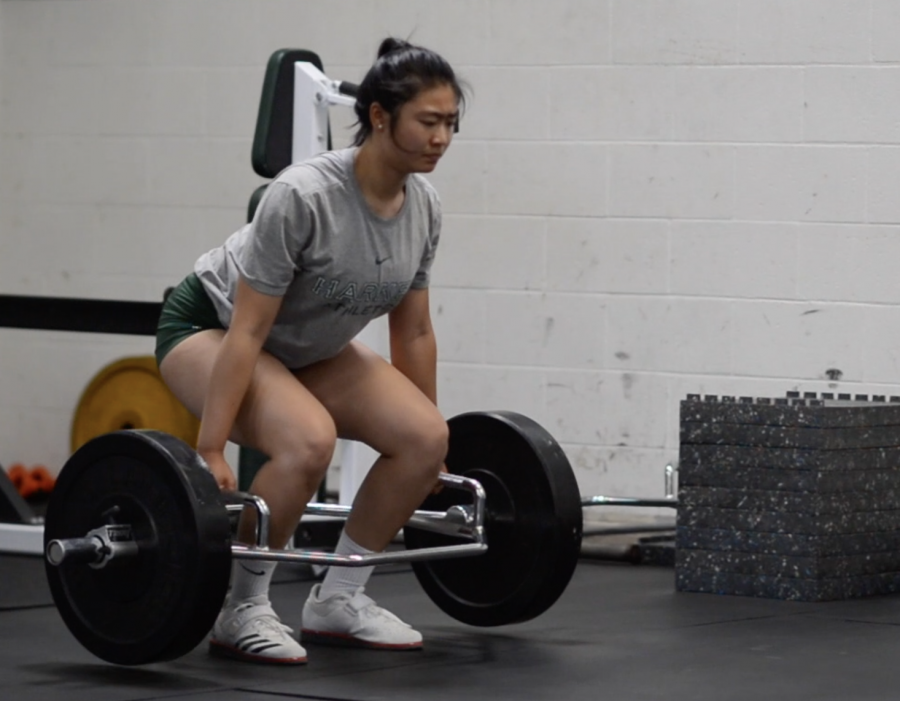
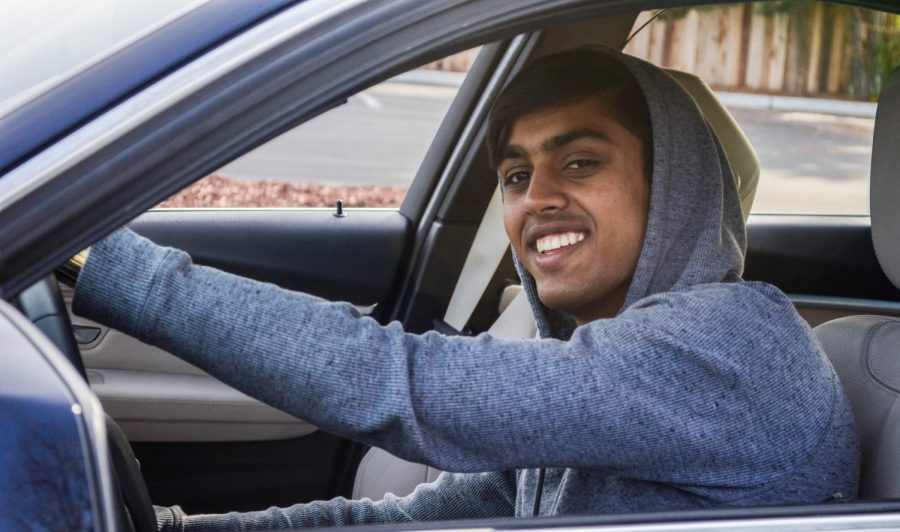
![“My slogan is ‘slow feet, don’t eat, and I’m hungry.’ You need to run fast to get where you are–you aren't going to get those championships if you aren't fast,” Angel Cervantes (12) said. “I want to do well in school on my tests and in track and win championships for my team. I live by that, [and] I can do that anywhere: in the classroom or on the field.”](https://harkeraquila.com/wp-content/uploads/2018/06/DSC5146-900x601.jpg)
![“[Volleyball has] taught me how to fall correctly, and another thing it taught is that you don’t have to be the best at something to be good at it. If you just hit the ball in a smart way, then it still scores points and you’re good at it. You could be a background player and still make a much bigger impact on the team than you would think,” Anya Gert (’20) said.](https://harkeraquila.com/wp-content/uploads/2020/06/AnnaGert_JinTuan_HoHPhotoEdited-600x900.jpeg)
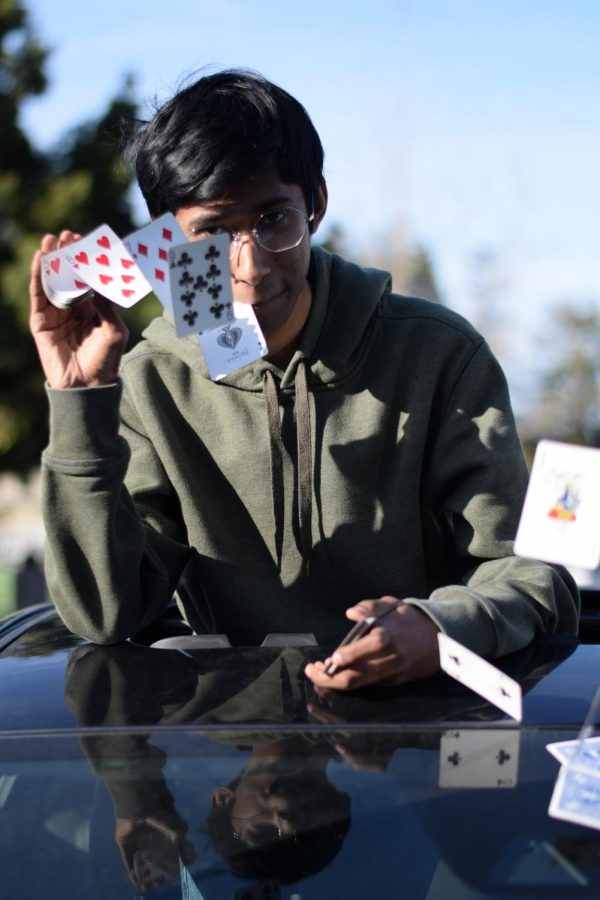
![“I'm not nearly there yet, but [my confidence has] definitely been getting better since I was pretty shy and timid coming into Harker my freshman year. I know that there's a lot of people that are really confident in what they do, and I really admire them. Everyone's so driven and that has really pushed me to kind of try to find my own place in high school and be more confident,” Alyssa Huang (’20) said.](https://harkeraquila.com/wp-content/uploads/2020/06/AlyssaHuang_EmilyChen_HoHPhoto-900x749.jpeg)

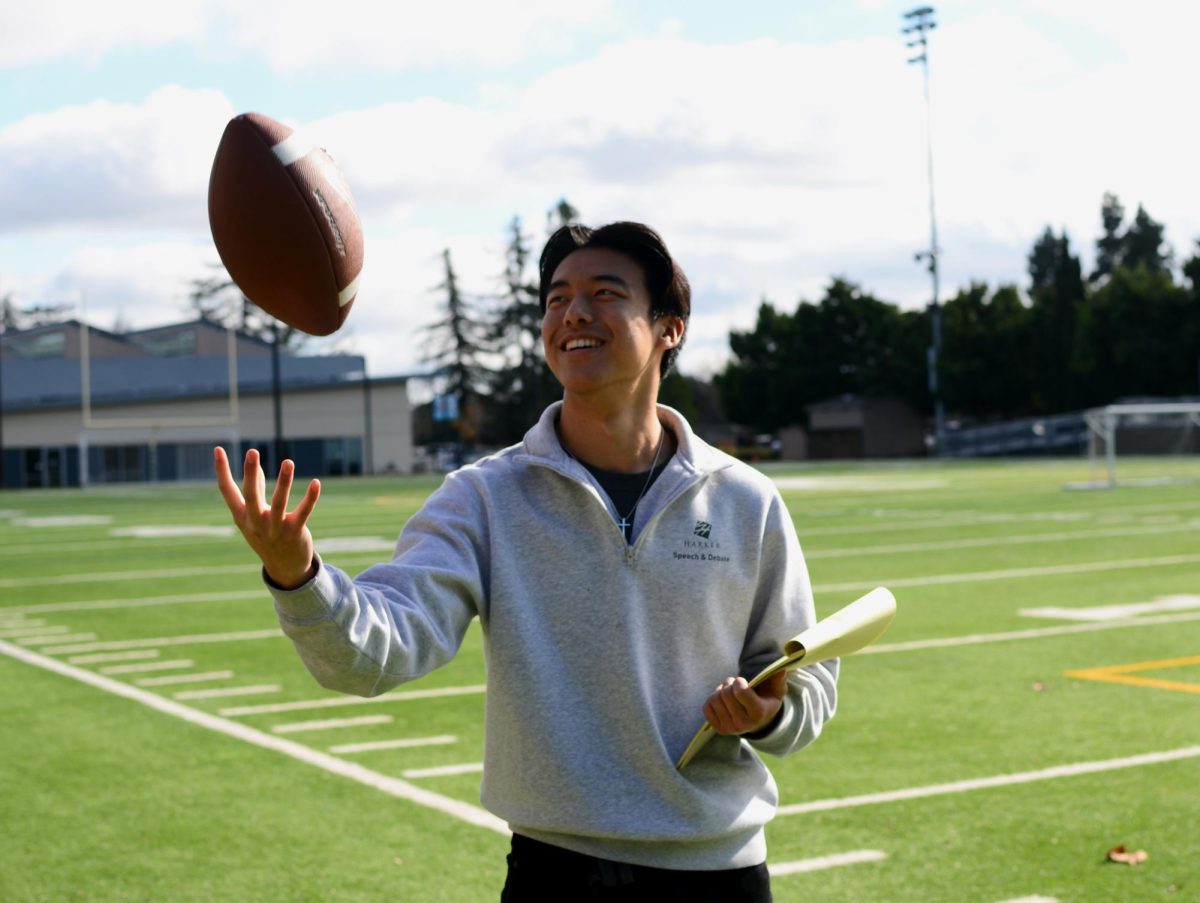
Bright floodlights cast down on Daniel Lin (12) as he steps onto the line of scrimmage, crouching down in a receiver stance. “DOWN.” He lifts his head to look at the defender in front of him. “SET.” He glances around at the opposing team’s formation. “HIKE!” Daniel bolts forward and dashes out ten yards. With one solid step and turn of the hip, he suddenly changes direction, throwing off the defender. Within seconds, the silhouette of a football emerges, growing larger and larger in his field of vision until it finally lands into his outstretched hands. Ball tucked under one arm, Daniel turns downfield, dashing toward the bright orange pylons of the endzone.
Unlike some of his teammates, Daniel didn’t start playing football until his freshman year in high school. Inspired by the 49er’s super bowl run in 2020, he decided to give the sport a shot. In the beginning, Daniel, normally a gentle person, found it difficult to muster the aggressiveness that football required. But gradually, through both experience and encouragement from his coaches, he learned to flip an internal switch on the field, tackling fierce competition and playing his best.
“Being someone who’s not naturally super aggressive, I’ve really been able to embrace this fearlessness side of me,” Daniel said. “Both in and out of football, I’ve been able to conquer feelings of anxiety or worry from nerves and everything.”
Throughout his experience playing football, Daniel especially cherishes the familial nature of the sport. In these four years, he grew closer to his teammates, practicing and playing through sweat and tears together.
“Football helped me get really close to all of my teammates super fast, especially because we’re all going through really exhausting drills or moments of fierce competition,” Daniel said. “Even after the football season, I’m still good friends with a lot of my teammates.”
Close friend Anish Jain (12) respects his commitment to friends regardless of his own stresses, lending a helping hand in any situation and making time for others. Just as he values his teammates in football, Daniel carries the same level of dedication in day-to-day life, from relationships to ASB.
“Daniel prioritizes others over himself,” Anish said. “Sometimes when you’re really swamped, it’s hard to try to prioritize someone else’s needs, but he always finds a way to do that, which is really admirable. At the end of the day, he’ll still come to school with the same energy as he usually would.”
Daniel continued to build his confidence through debate. He initially started out in ninth grade, signing up for an online debate retreat over the summer. Similar to football, he entered into the world of debate with little experience. Gradually, as he put in hours of work, he grew more confident in his speaking and developed his own style, adding humorous elements to his delivery that made him more relatable to the audience.
In the beginning, Daniel preoccupied himself with high standards, pushing himself to his limit. But with the approach, his excitement for debate faded away over time, leaving him with the unpleasant remnants of stress and frustration.
“Going into my freshman year, I had very ambitious goals for myself, like, ‘Oh, I want to qualify, get this trophy, get this medal’,” Daniel said. “And in doing so, I realized that I wasn’t even having fun in any of these tournaments anymore. I was more stressed about the debate than any test or AP exam.”
Seeing Daniel overwhelmed, upper school debate coach Scott Odekirk encouraged him to not obsess over the numbers and the results, while still embracing the spirit of competition. Mentoring him in debate for four years, Odekirk admires Daniel’s unwavering work ethic and his journey to the top.
“A lot of kids say they’ll put in the work, but he actually stayed really committed to it,” Odekirk said. “His commitment to incremental improvement has been truly inspirational. He got really good and became one of the nation’s elite congressional debaters. I wouldn’t have said that would have happened when I first met him, but once I saw how he worked, it made sense.”
Nowadays, Daniel doesn’t obsess over results and instead tackles competitions head on, accepting what happens in the end. Debate rounds don’t stress him anymore because he knows he put in his best effort.
“The difference between embracing competition and obsessing over competition in my mind is once you’re done with the debate and once the results come out, not having the results ruin your day or your entire attitude about debate,” Daniel said.
In his four years of high school, he also grew closer to the community around him. Whether it be in his role as ASB president or in daily interactions, he approaches every situation with genuine care and consideration for others. Arissa Huda (‘23), who met Daniel through debate, reflects on how he values the people in his life.
“Daniel understands the type of person that he needs to be for the other people in his life,” Arissa said. “He can acknowledge that there’s a finite amount of things that you can do, but that the relationships you make with people matter significantly more.”
Through his experiences in football and debate, Daniel not only learned to have faith in himself but also to have faith in those around him. While individual effort is important, he came to understand the significance of believing in others, as it’s often impossible to play every role.
“Do your job and trust the process,” Daniel said. “This really stems from my time playing football because I can’t necessarily worry about the performance of another player. I shouldn’t have to worry about my teammates as long as I do my role and work as hard as I can to achieve my role on the team. I’ll have trust in the rest of the team to carry on and pursue everything.”