![“I wasn't discouraged by some of the obstacles we faced. I learned a lot from the leadership. I found that different people need different ways of receiving feedback — you can't [just] tell them to do something and expect the best. [Some] people needed more incentive. A large part of my role was to figure out what worked for everyone and to figure out how to lead all these separate individuals as a team,” Suhana Bhandare (’26) said.](https://harkeraquila.com/wp-content/uploads/2026/06/SuhanaBhandare_JasmineHansra-1-1200x798.jpg)
![“This is actually from Randy Pausch Randy P. Brick: ‘Walls are there for a reason. You have to show how much you want to overcome them.’ You have to show how much you want something. That's what I've always been able to do with tennis, Link Crew and getting that internship [with Kushy Baby]. It’s important pushing through that — getting around that brick wall, climbing over it or clawing through it,” Yash Sachdeva (’26) said.](https://harkeraquila.com/wp-content/uploads/2026/05/YashSachdeva_RamBatchu-copy-1200x1002.jpg)


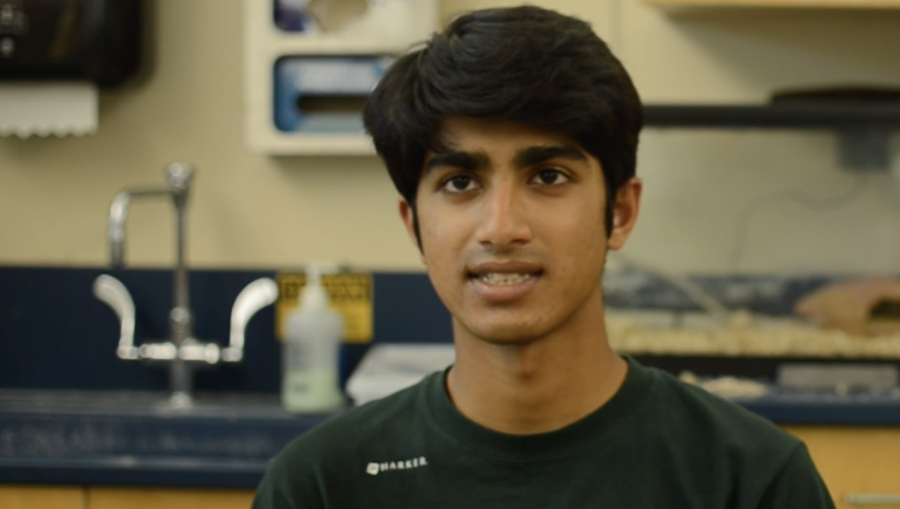
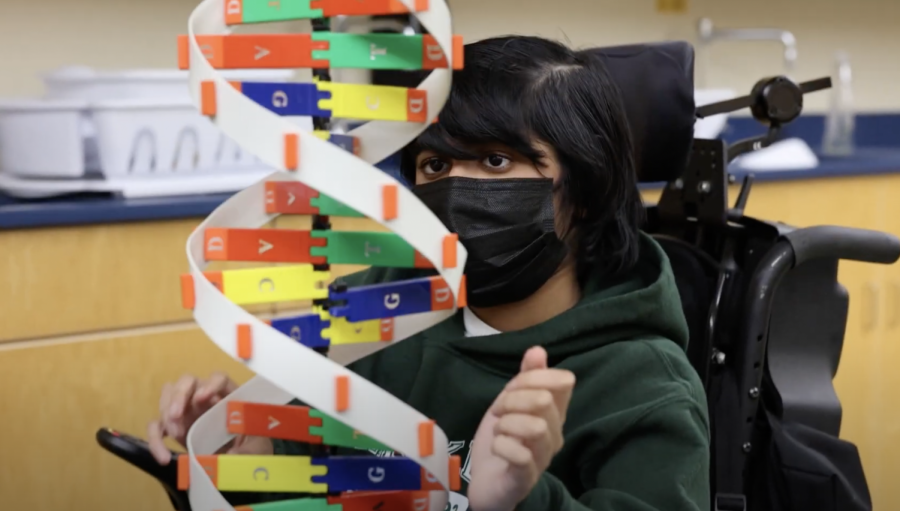
![“[Building nerf blasters] became this outlet of creativity for me that hasn't been matched by anything else. The process [of] making a build complete to your desire is such a painstakingly difficult process, but I've had to learn from [the skills needed from] soldering to proper painting. There's so many different options for everything, if you think about it, it exists. The best part is [that] if it doesn't exist, you can build it yourself," Ishaan Parate said.](https://harkeraquila.com/wp-content/uploads/2022/08/DSC_8149-900x604.jpg)
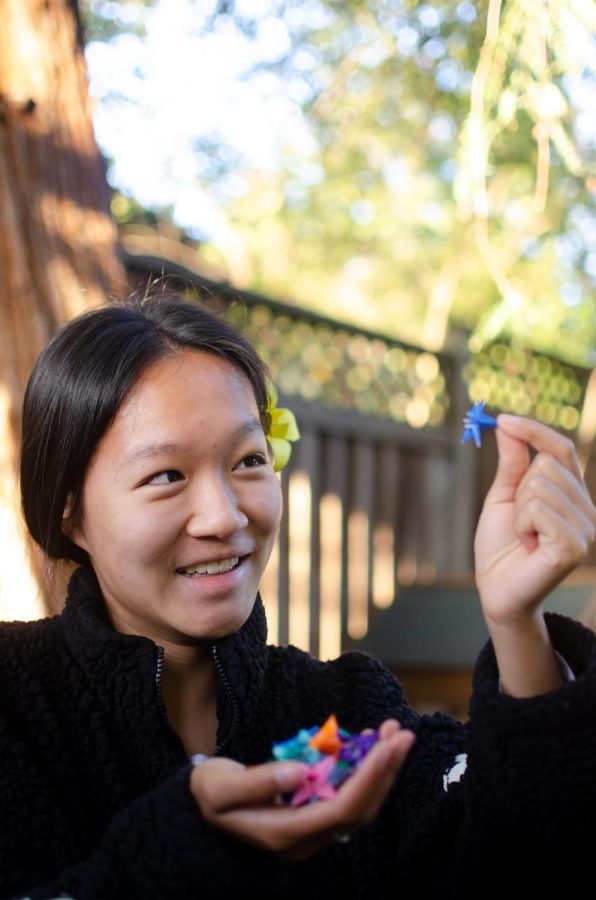
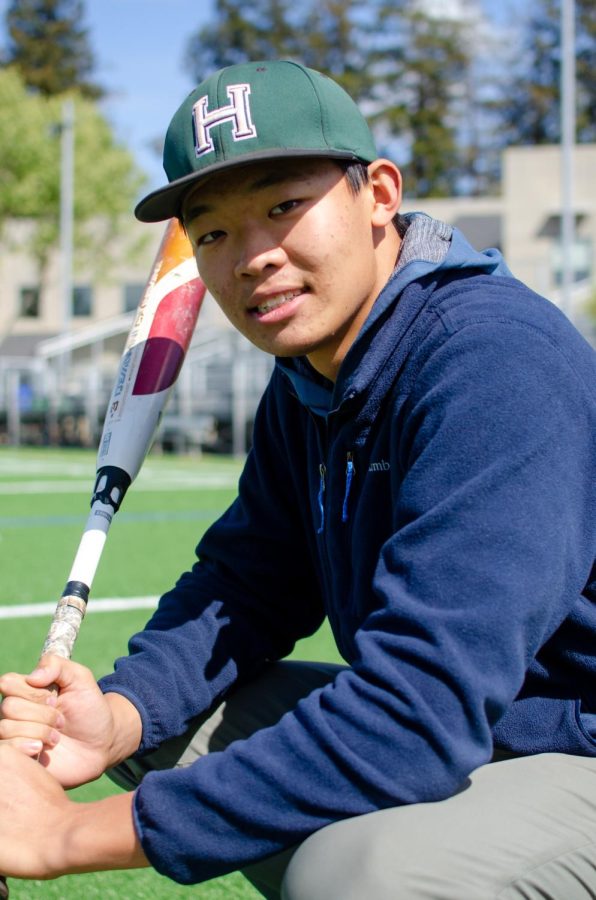
![“When I came into high school, I was ready to be a follower. But DECA was a game changer for me. It helped me overcome my fear of public speaking, and it's played such a major role in who I've become today. To be able to successfully lead a chapter of 150 students, an officer team and be one of the upperclassmen I once really admired is something I'm [really] proud of,” Anvitha Tummala ('21) said.](https://harkeraquila.com/wp-content/uploads/2021/07/Screen-Shot-2021-07-25-at-9.50.05-AM-900x594.png)

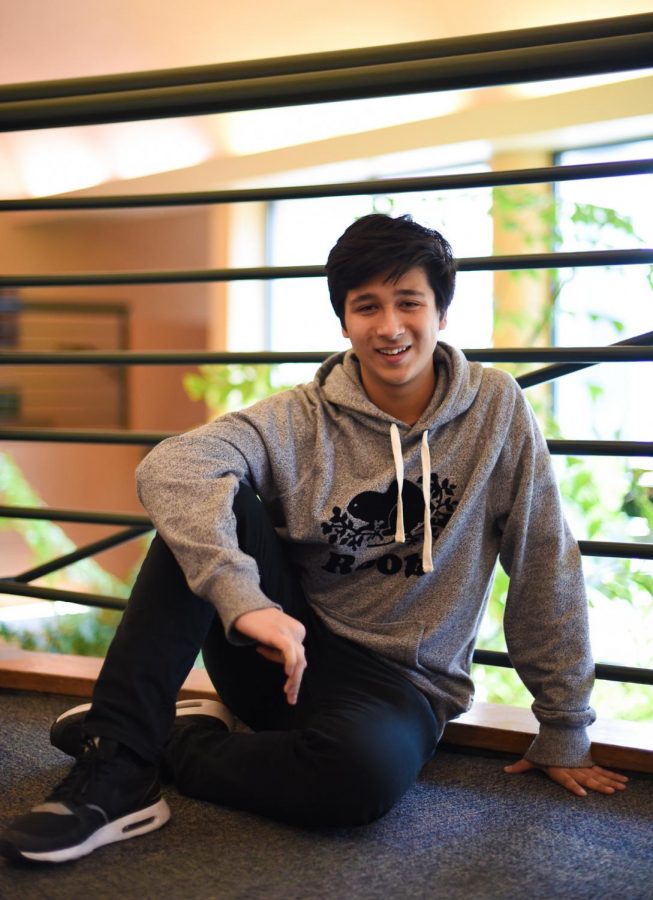
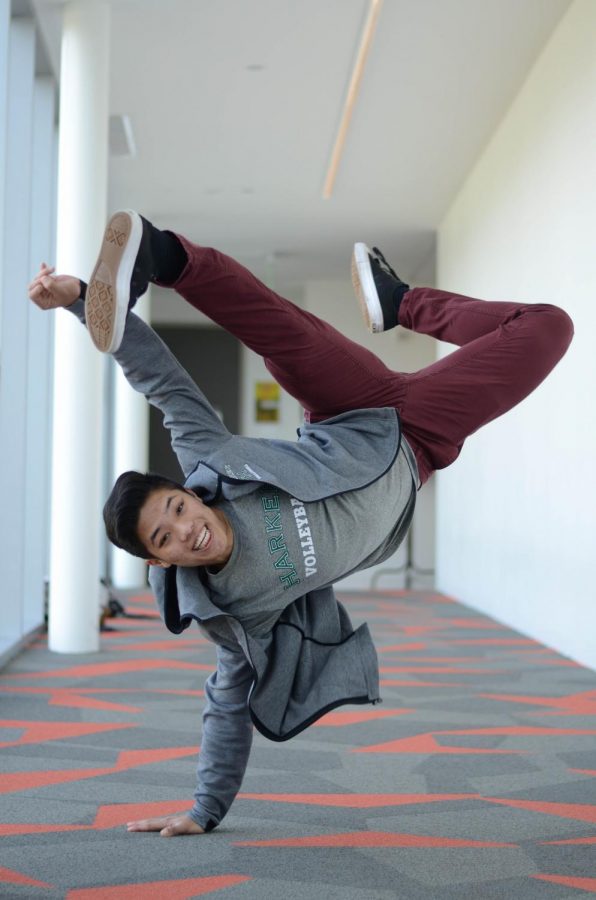
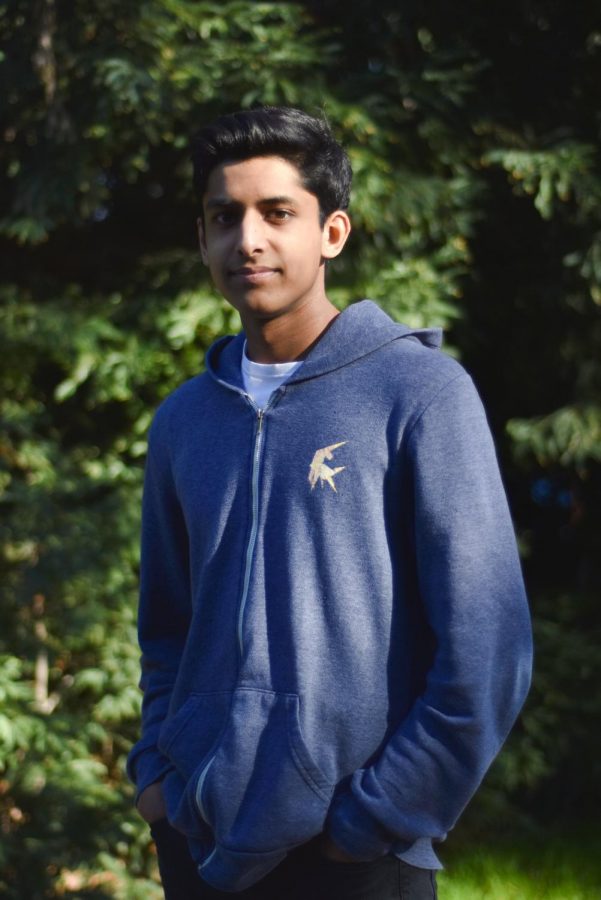

![“I think getting up in the morning and having a sense of purpose [is exciting]. I think without a certain amount of drive, life is kind of obsolete and mundane, and I think having that every single day is what makes each day unique and kind of makes life exciting,” Neymika Jain (12) said.](https://harkeraquila.com/wp-content/uploads/2017/06/Screen-Shot-2017-06-03-at-4.54.16-PM.png)
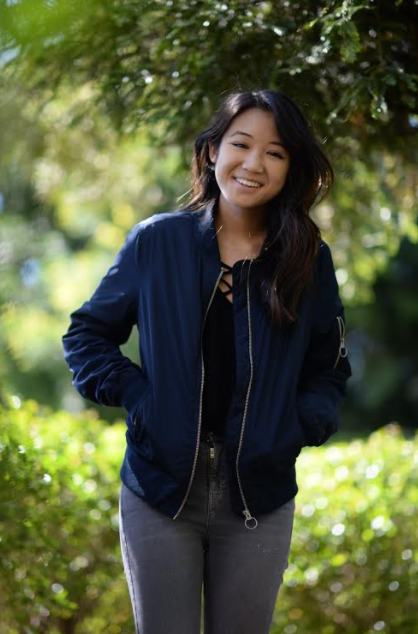
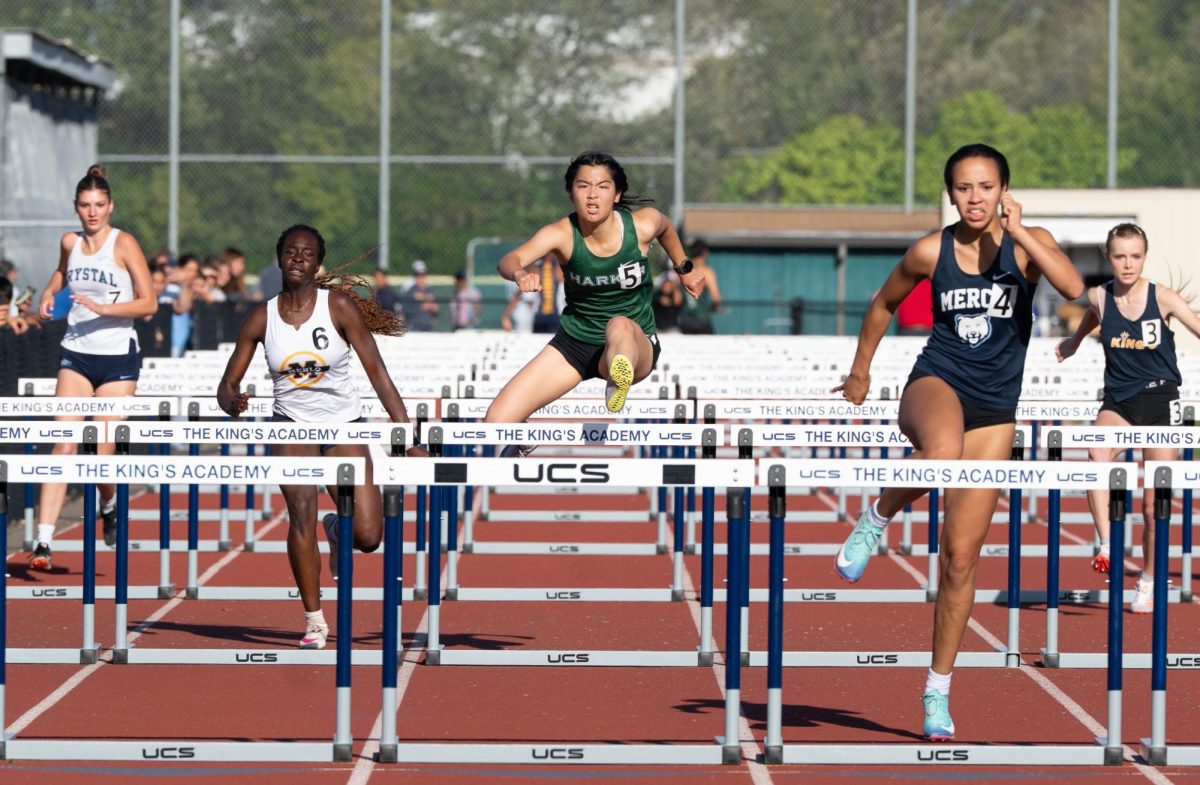
![“My slogan is ‘slow feet, don’t eat, and I’m hungry.’ You need to run fast to get where you are–you aren't going to get those championships if you aren't fast,” Angel Cervantes (12) said. “I want to do well in school on my tests and in track and win championships for my team. I live by that, [and] I can do that anywhere: in the classroom or on the field.”](https://harkeraquila.com/wp-content/uploads/2018/06/DSC5146-900x601.jpg)
![“[Volleyball has] taught me how to fall correctly, and another thing it taught is that you don’t have to be the best at something to be good at it. If you just hit the ball in a smart way, then it still scores points and you’re good at it. You could be a background player and still make a much bigger impact on the team than you would think,” Anya Gert (’20) said.](https://harkeraquila.com/wp-content/uploads/2020/06/AnnaGert_JinTuan_HoHPhotoEdited-600x900.jpeg)
![“I'm not nearly there yet, but [my confidence has] definitely been getting better since I was pretty shy and timid coming into Harker my freshman year. I know that there's a lot of people that are really confident in what they do, and I really admire them. Everyone's so driven and that has really pushed me to kind of try to find my own place in high school and be more confident,” Alyssa Huang (’20) said.](https://harkeraquila.com/wp-content/uploads/2020/06/AlyssaHuang_EmilyChen_HoHPhoto-900x749.jpeg)
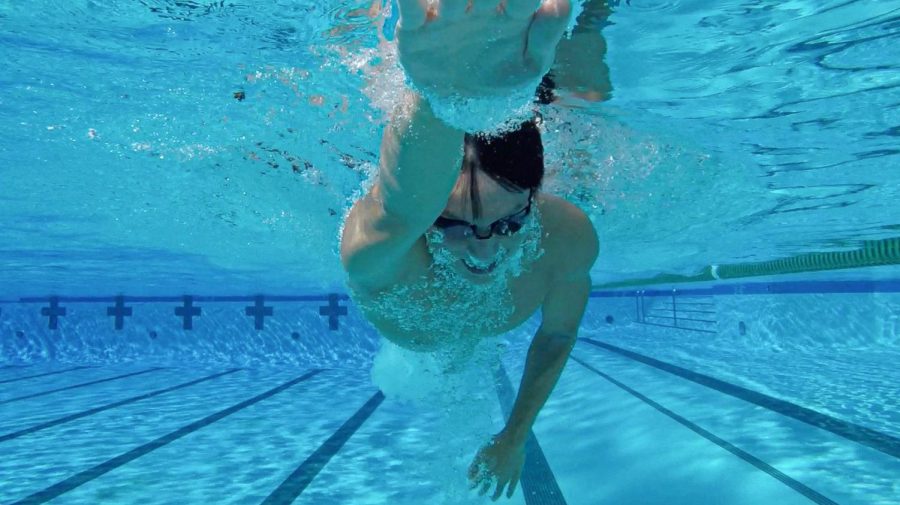


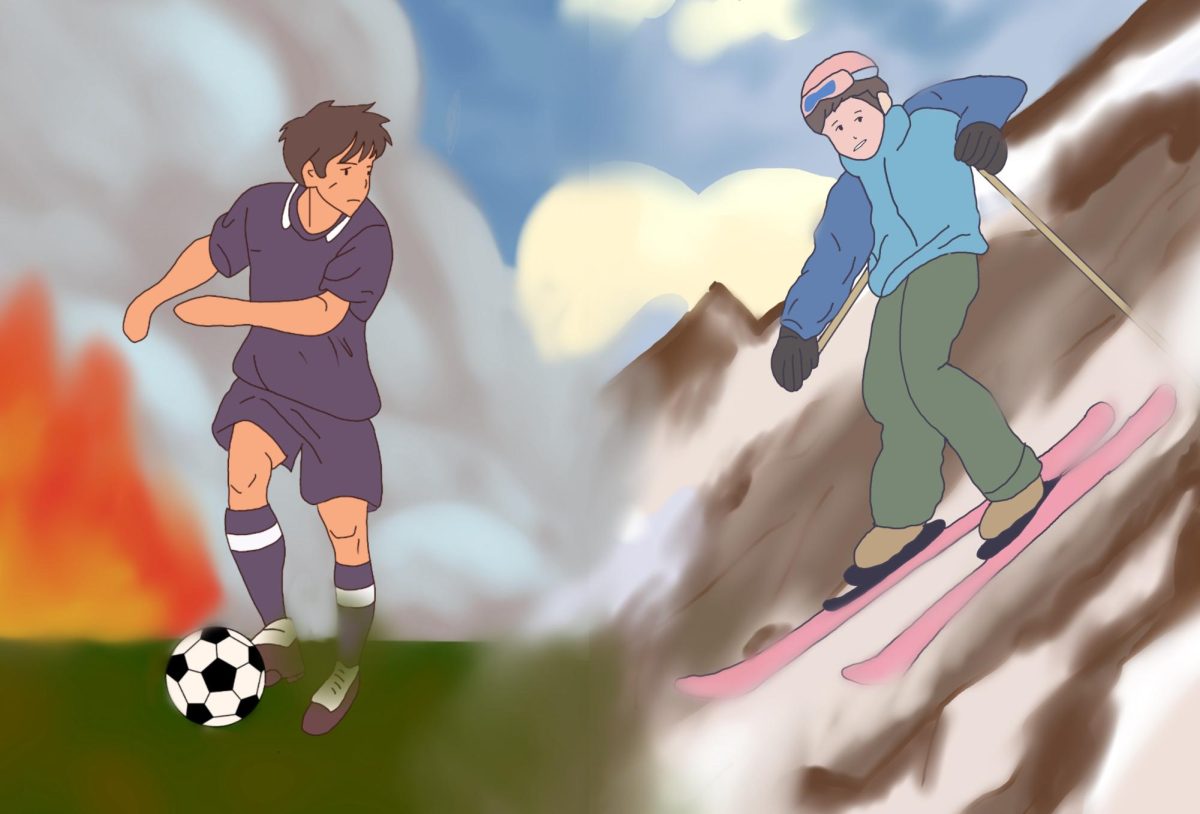
Temperatures fluctuate, rising and falling by unprecedented degrees. Wildfire smoke fills the air. Sports practices are canceled. These realities may seem apocalyptic, but it remains true that outdoor sports face an imminent risk of decline — and climate change is the culprit.
Climate change significantly impacts sports, with temperature changes reshaping the way outdoor athletes practice and compete. Upper school math teacher Chris Davies, an ice hockey player and occasional skier, notes the dire state of outdoor sports in the face of climate change.
“Athletes outdoors are going to be challenged and frustrated,” Davies said. “People who are surfing are going to find more dangerous conditions and tidal surges, and people who run are going to find more drought and temperatures in the triple digits. People who rely on snow might have years where there’s not much snow.”
Snowfall’s decline over the past few years is attributed to more rain falling instead of snow due to global warming, which causes the melting of snow before it reaches land. The global decrease by nearly 2 feet in snow since 1950 challenges and raises concerns for winter sports.
For upper school long-term biology substitute teacher Kayo Hartenbaum, a regular winter backpacker and snow camper, the diminished snowfall carries disastrous effects. In recent years, the unpredictability of snow availability hindered her trip schedules.
“Aside from being inconsistent in terms of the snow quality, or what time of year it happens, you could get less snow in different places over time,” Hartenbaum said. “Some locations are getting less than places that wouldn’t have previously really been expected to get as much snow. There’s just been a lot of different situations.”
Greenhouse gasses and human activities are the main contributors to Earth’s consistent warming. Due to the increase of two degrees Fahrenheit since 1880, ice is also melting across the globe. Skier Naiya Daswani (11) highlights the significant hazards that accompany this change.
“When I was younger, the problem was that it was too cold and snowy, and so it was difficult to go out,” Naiya said. “But recently, the problem’s changed, where there’s shorter seasons or it’ll be really hot during the day. The snow gets really slushy, and overnight, ice is back again. It’s really icy the next day, which is a little bit harder to navigate as a skier.”
The peak times for winter sports lie between December and February; however, projections from NASA researchers indicate a potential decrease in this winter window. Their visualization of seasonal durations over the year predicts that in 2100 the winter season may dwindle significantly, only lasting from December to mid-January. As the climate starts to favor the summer season, winter sports players have to grapple with determining the best time to practice, both recreationally and competitively.
The earth is warming and zones that have cold winters that are conducive to snowfall, like New England or Colorado might really dwindle,” Davies said. “We might have to go to Canada to find snow eventually.”
But snow isn’t the only factor that can affect athletes. Per capita exposure to fine particle smoke pollution alone has already doubled from 25 million people in 2020 to 50 million people in 2023. The average number of wildfire smoke days peaks in the westernmost parts of the U.S. including California, Oregon, Arizona, Texas, Louisiana and Florida with 90 to 111 total smoke days per year.
Sports practices and games are being canceled more frequently due to the deteriorating air quality. But when events are not canceled, athletes face the dangers associated with exercising in polluted air. Student-athletes like soccer player MacEnzie Blue (10) are hit hard by the effects of smoke.
“Last year, we had a practice in the smoke, and I know we weren’t playing as well as we usually do,” she said. “The next practice was canceled, and we definitely missed a couple of chances to play more soccer, which was difficult for the team.”
The evolving climate demands a more proactive approach from outdoor sports players. According to Hartenbaum, this includes remaining flexible and adapting to their surroundings as they navigate through new training conditions.
“Athletes should stay on top of weather conditions as they come,” Hartenbaum said. “They should be able to be flexible in terms of deciding to go to a different location, which may not be as easy as it sounds. The world just is not what you would expect for athletes.”