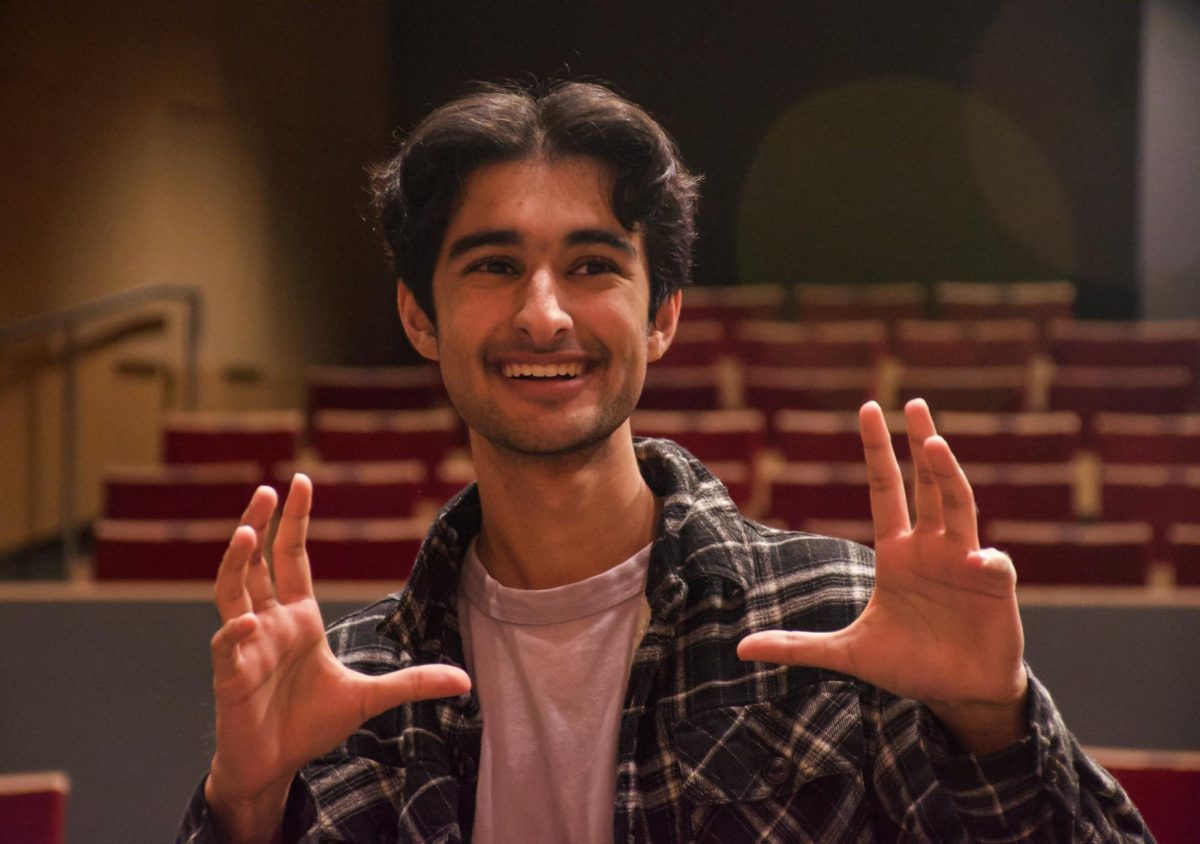
![“I wasn't discouraged by some of the obstacles we faced. I learned a lot from the leadership. I found that different people need different ways of receiving feedback — you can't [just] tell them to do something and expect the best. [Some] people needed more incentive. A large part of my role was to figure out what worked for everyone and to figure out how to lead all these separate individuals as a team,” Suhana Bhandare (’26) said.](https://harkeraquila.com/wp-content/uploads/2026/06/SuhanaBhandare_JasmineHansra-1-1200x798.jpg)
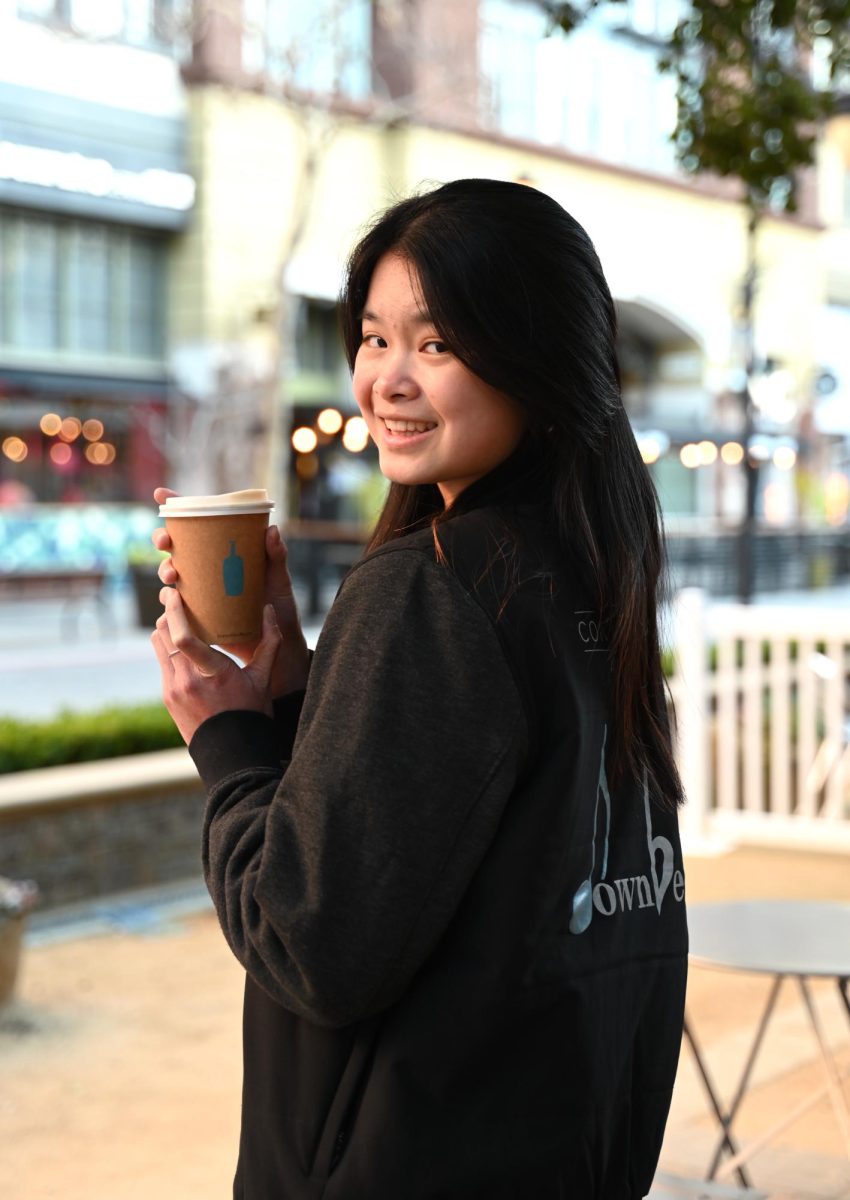
![“This is actually from Randy Pausch Randy P. Brick: ‘Walls are there for a reason. You have to show how much you want to overcome them.’ You have to show how much you want something. That's what I've always been able to do with tennis, Link Crew and getting that internship [with Kushy Baby]. It’s important pushing through that — getting around that brick wall, climbing over it or clawing through it,” Yash Sachdeva (’26) said.](https://harkeraquila.com/wp-content/uploads/2026/05/YashSachdeva_RamBatchu-copy-1200x1002.jpg)
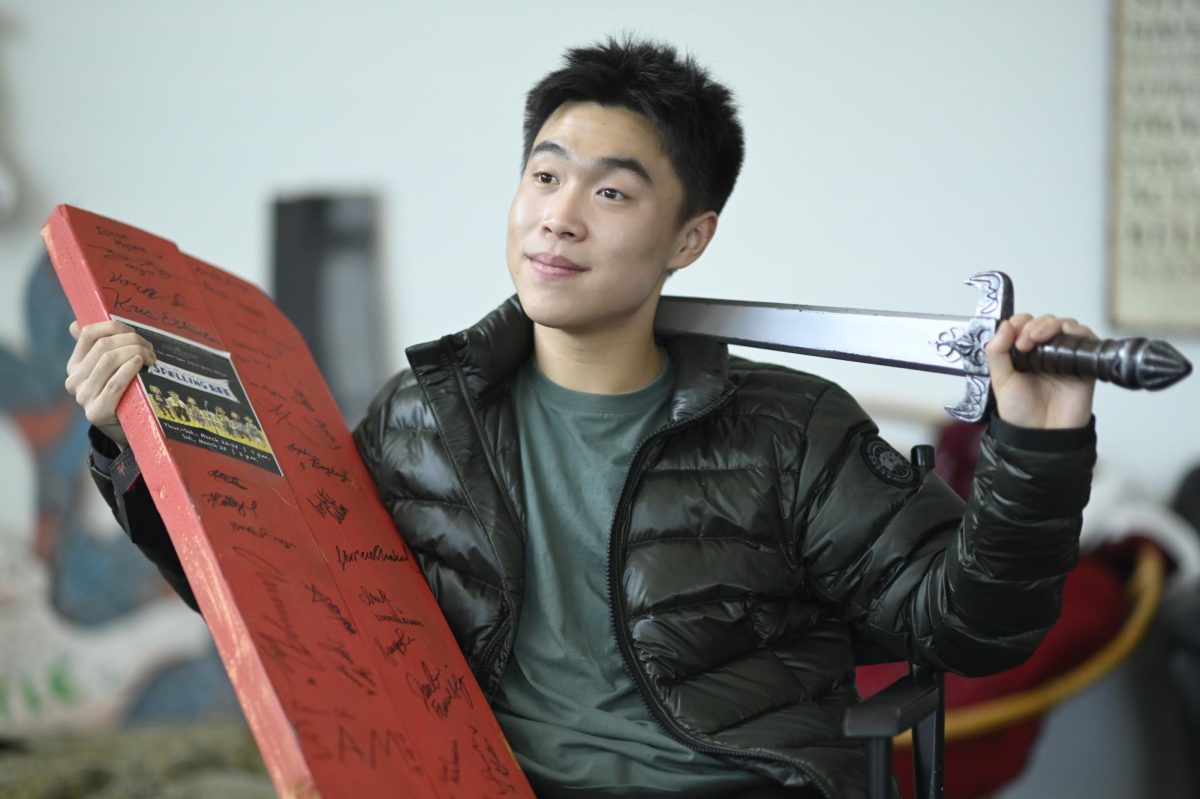
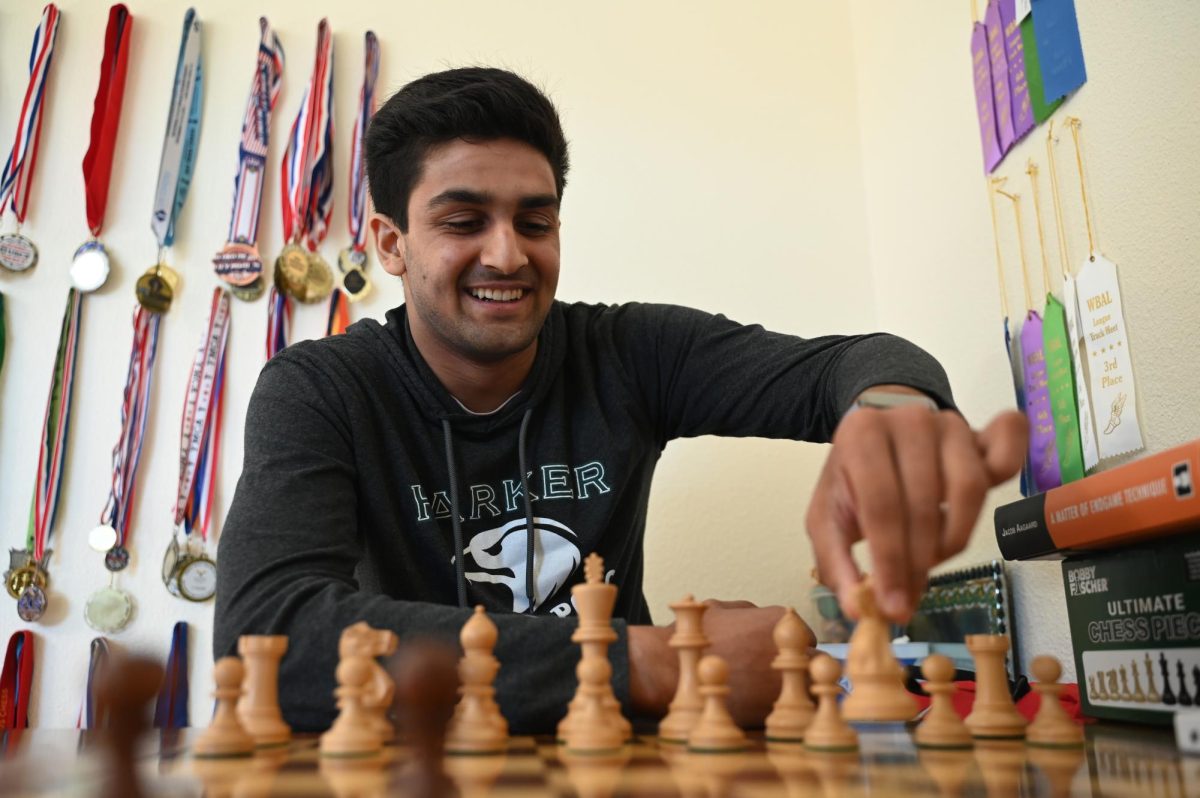
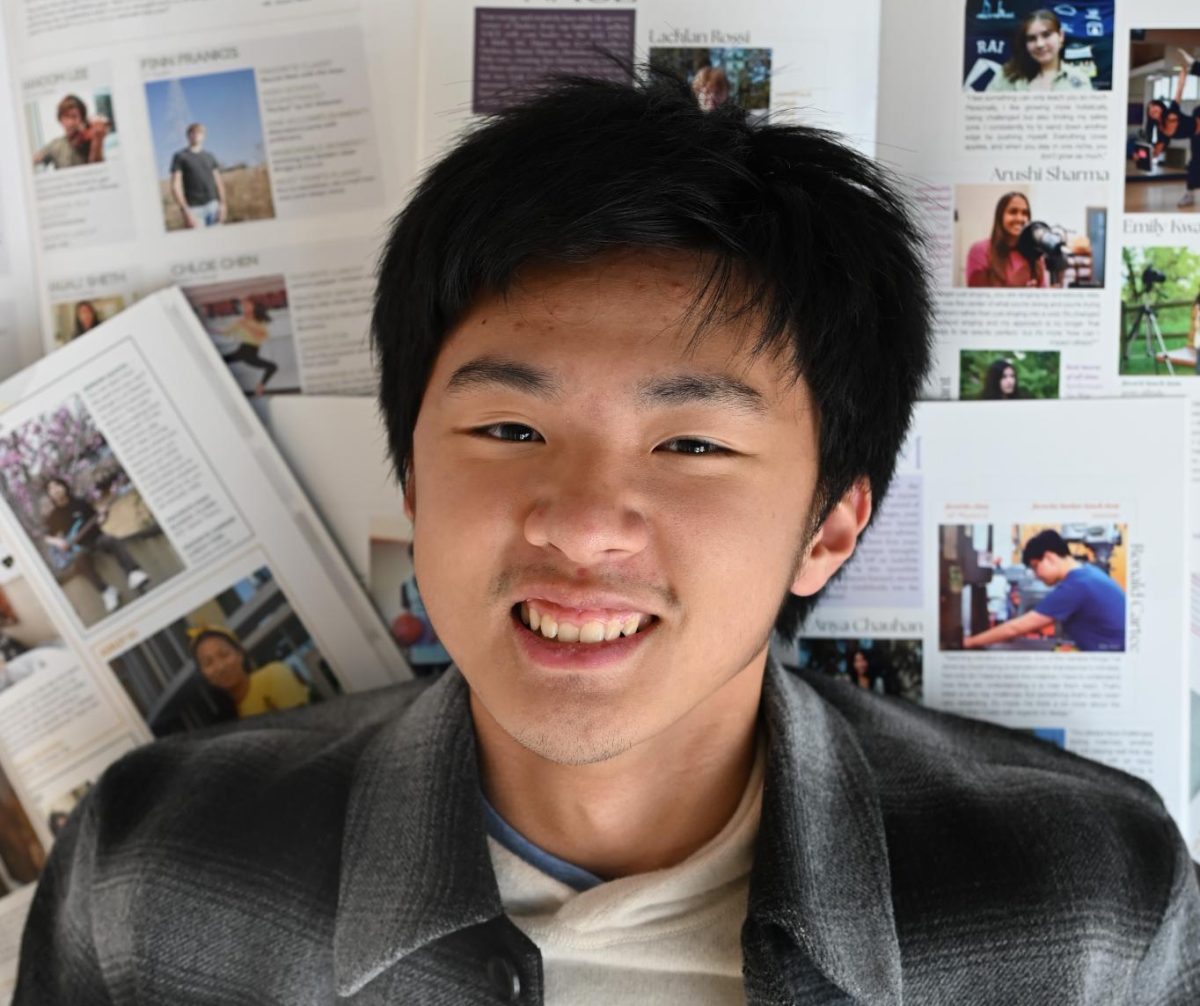

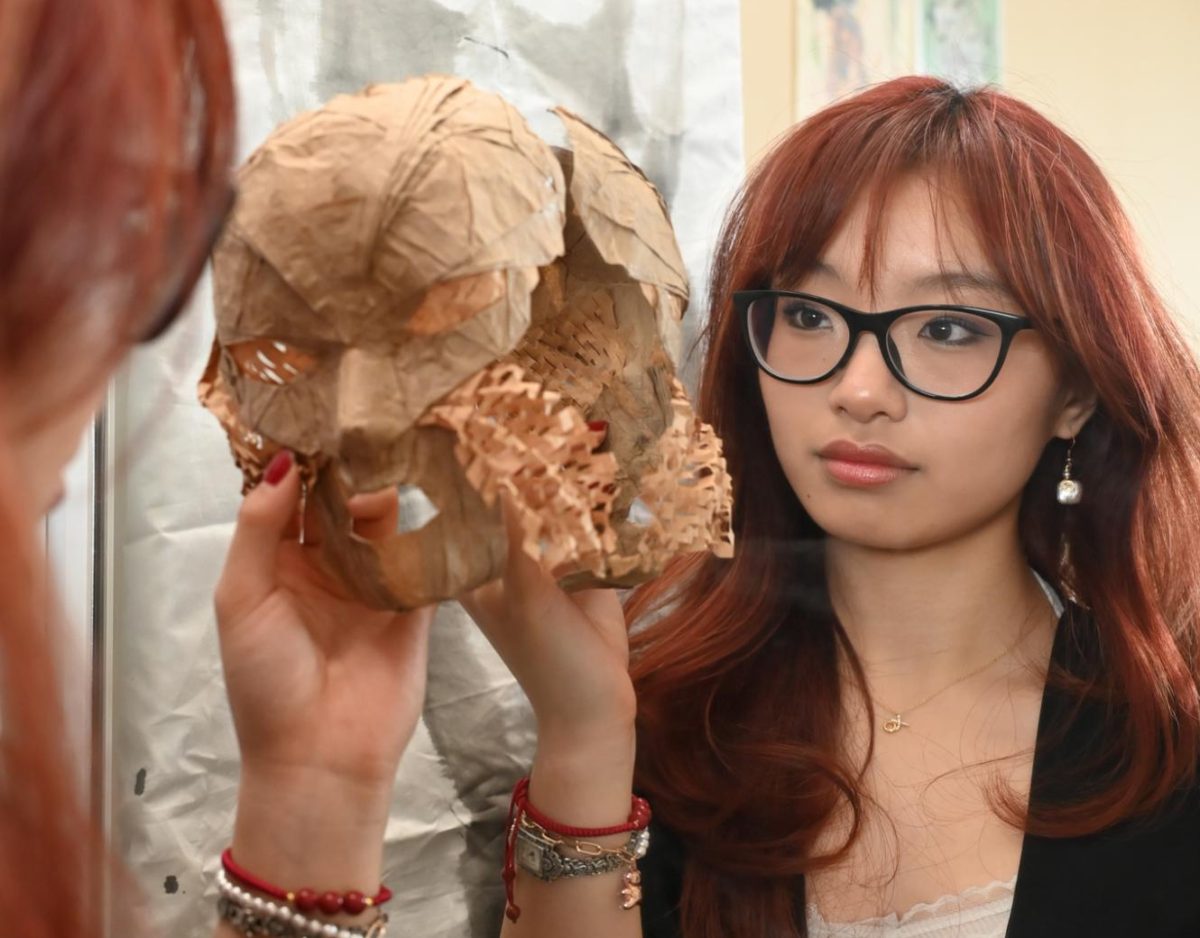
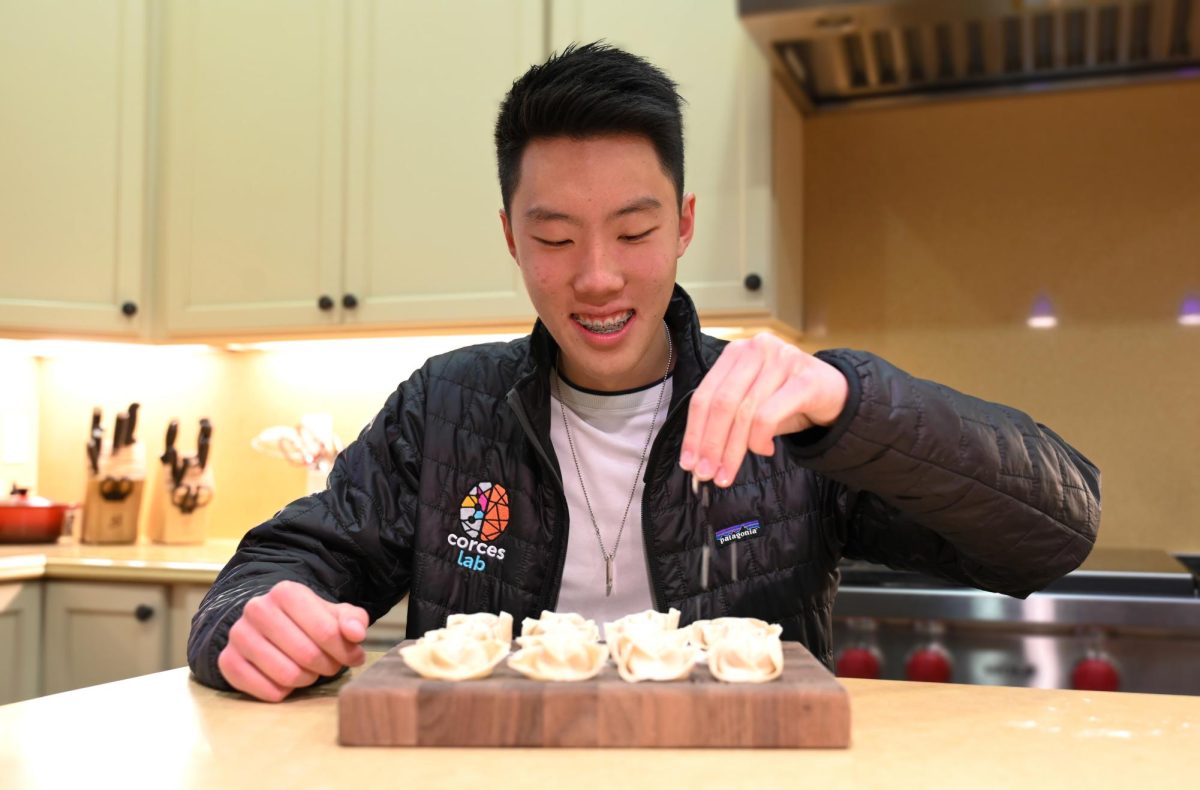
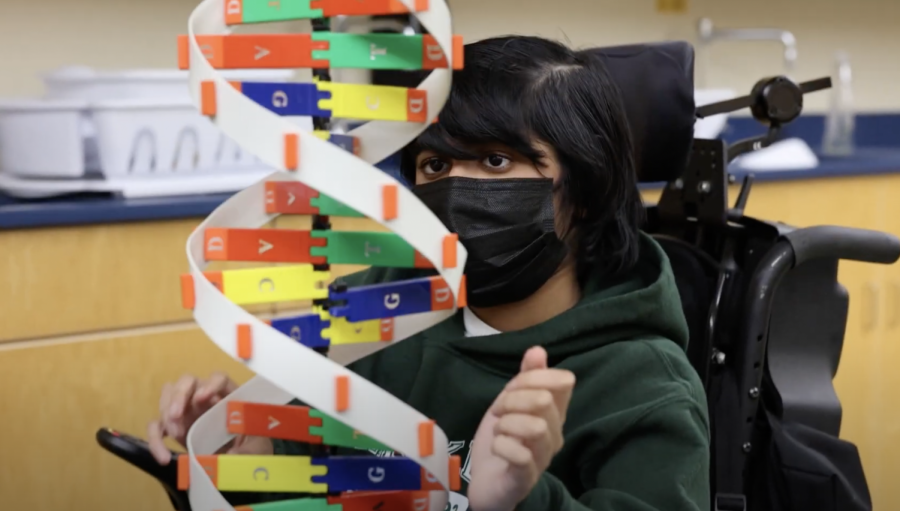
![“[Building nerf blasters] became this outlet of creativity for me that hasn't been matched by anything else. The process [of] making a build complete to your desire is such a painstakingly difficult process, but I've had to learn from [the skills needed from] soldering to proper painting. There's so many different options for everything, if you think about it, it exists. The best part is [that] if it doesn't exist, you can build it yourself," Ishaan Parate said.](https://harkeraquila.com/wp-content/uploads/2022/08/DSC_8149-900x604.jpg)
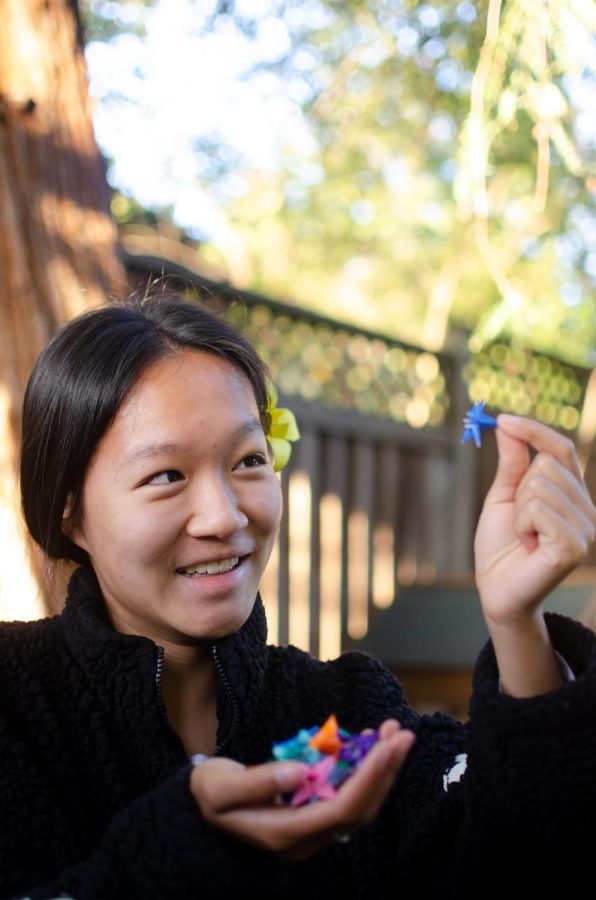
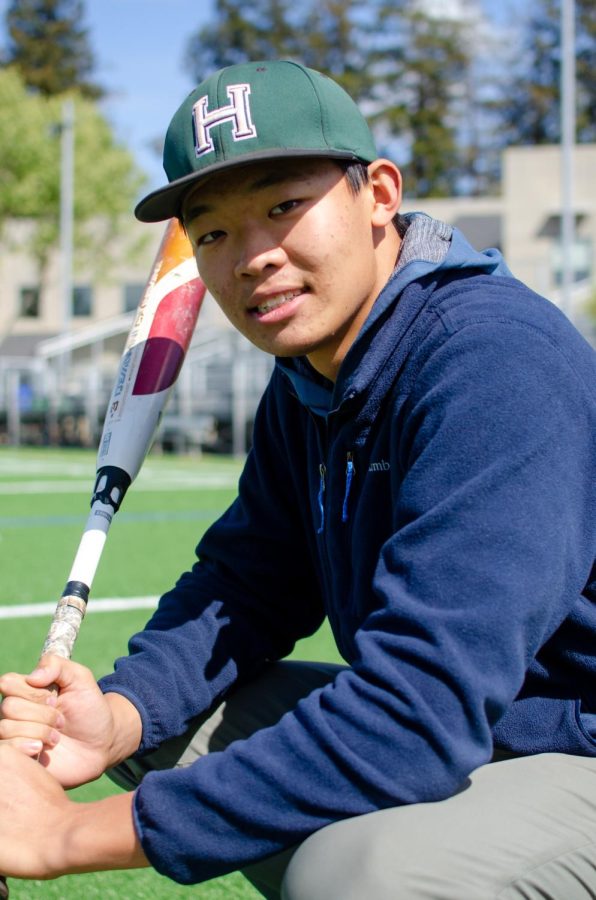
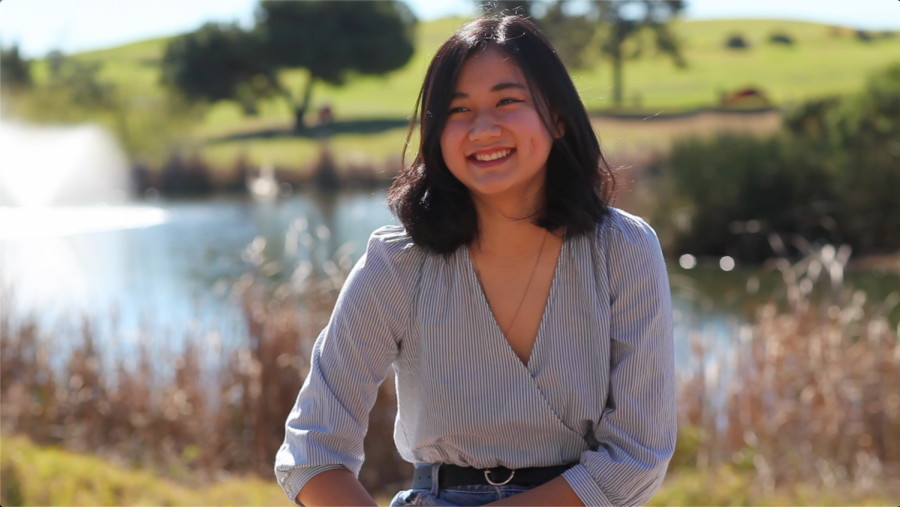
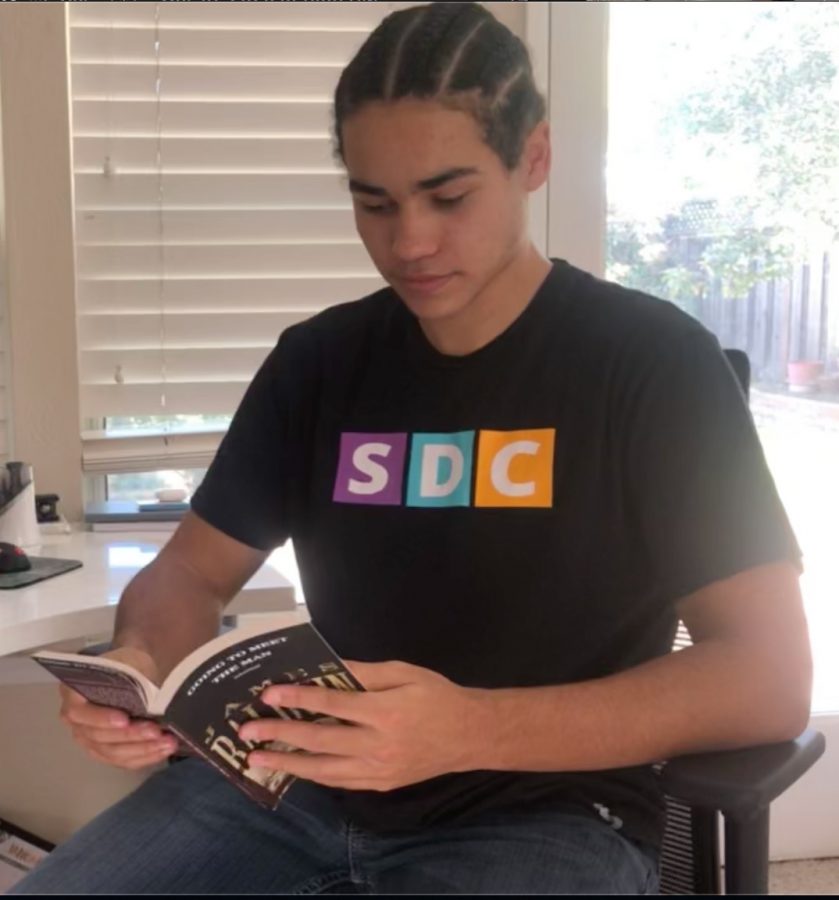
![“When I came into high school, I was ready to be a follower. But DECA was a game changer for me. It helped me overcome my fear of public speaking, and it's played such a major role in who I've become today. To be able to successfully lead a chapter of 150 students, an officer team and be one of the upperclassmen I once really admired is something I'm [really] proud of,” Anvitha Tummala ('21) said.](https://harkeraquila.com/wp-content/uploads/2021/07/Screen-Shot-2021-07-25-at-9.50.05-AM-900x594.png)
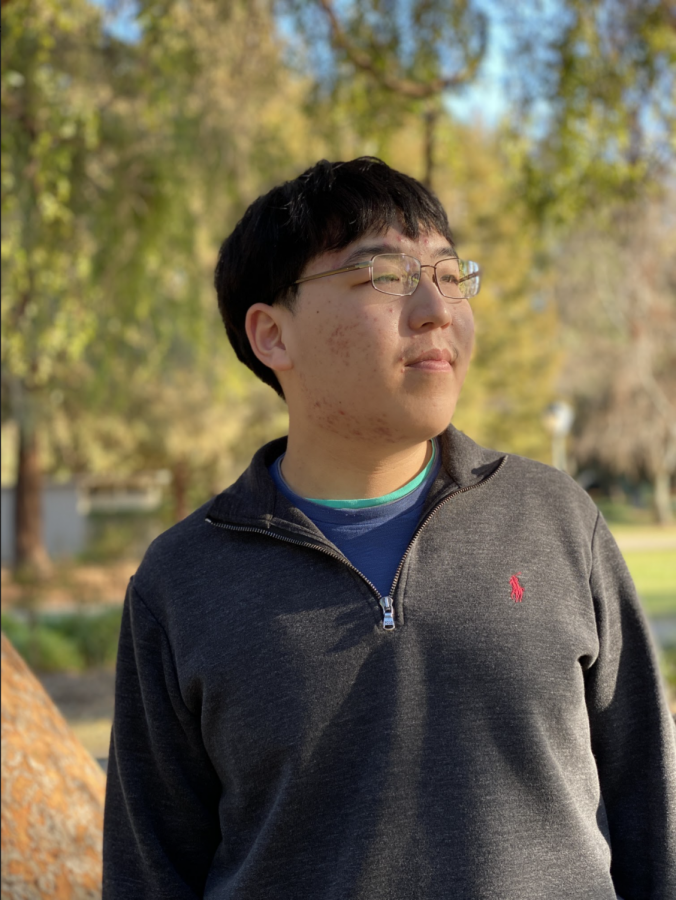
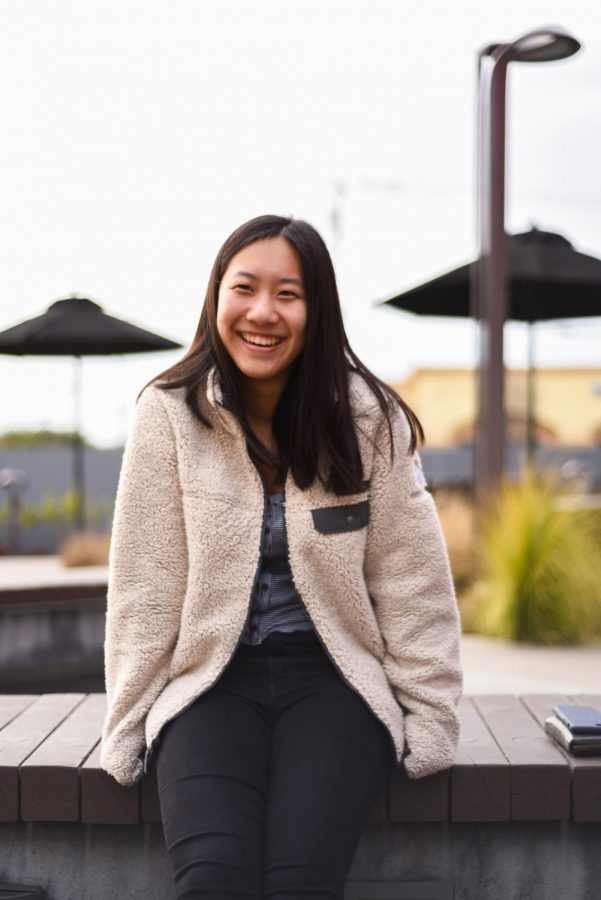
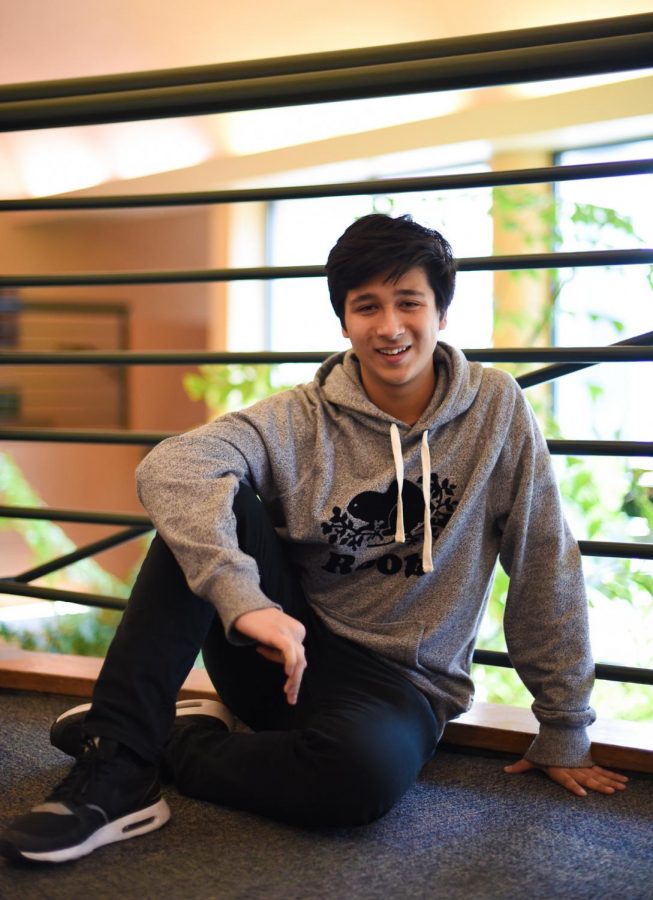
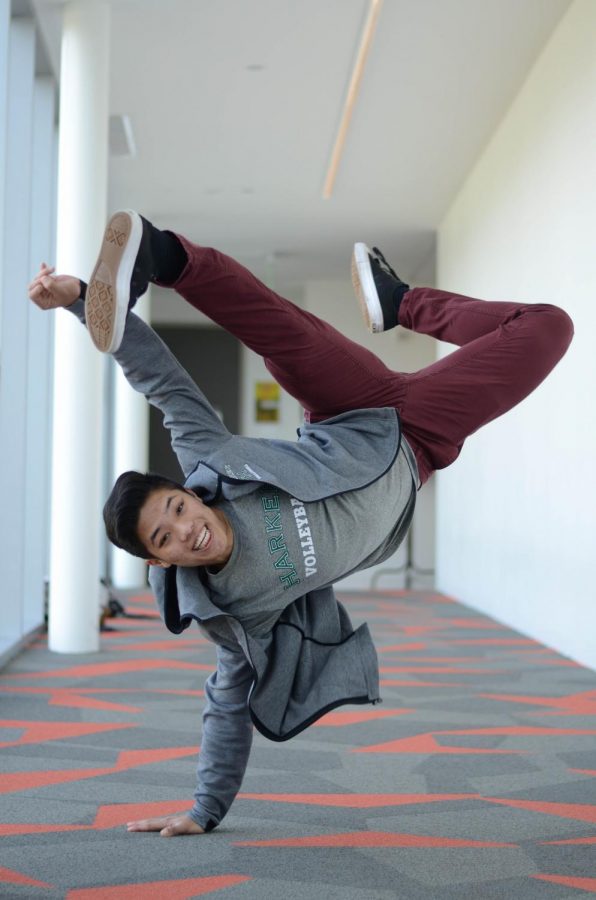
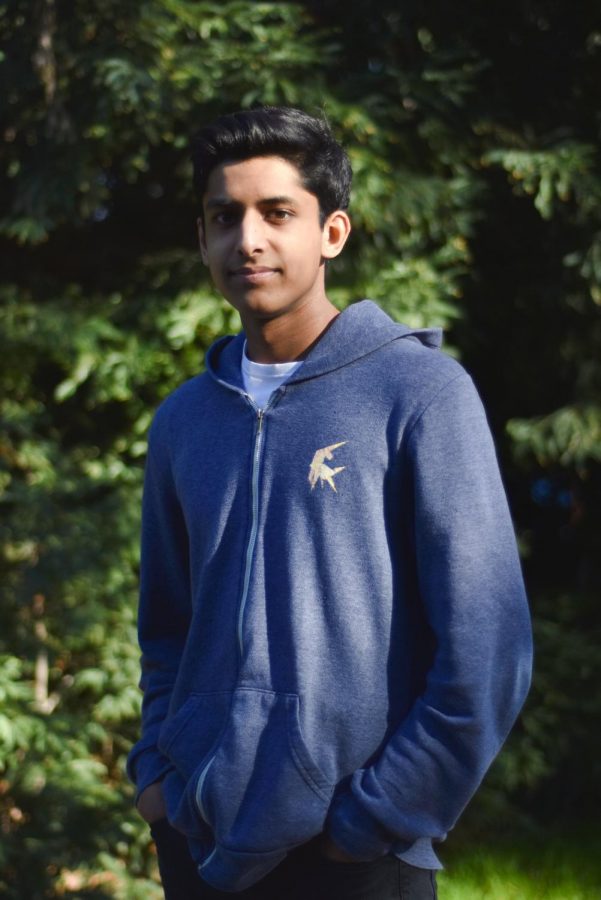

![“I think getting up in the morning and having a sense of purpose [is exciting]. I think without a certain amount of drive, life is kind of obsolete and mundane, and I think having that every single day is what makes each day unique and kind of makes life exciting,” Neymika Jain (12) said.](https://harkeraquila.com/wp-content/uploads/2017/06/Screen-Shot-2017-06-03-at-4.54.16-PM.png)
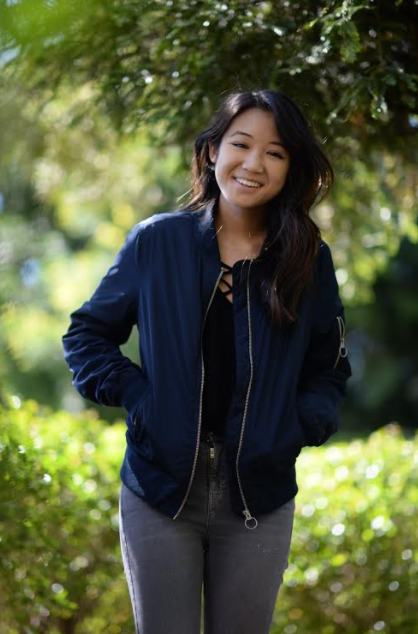
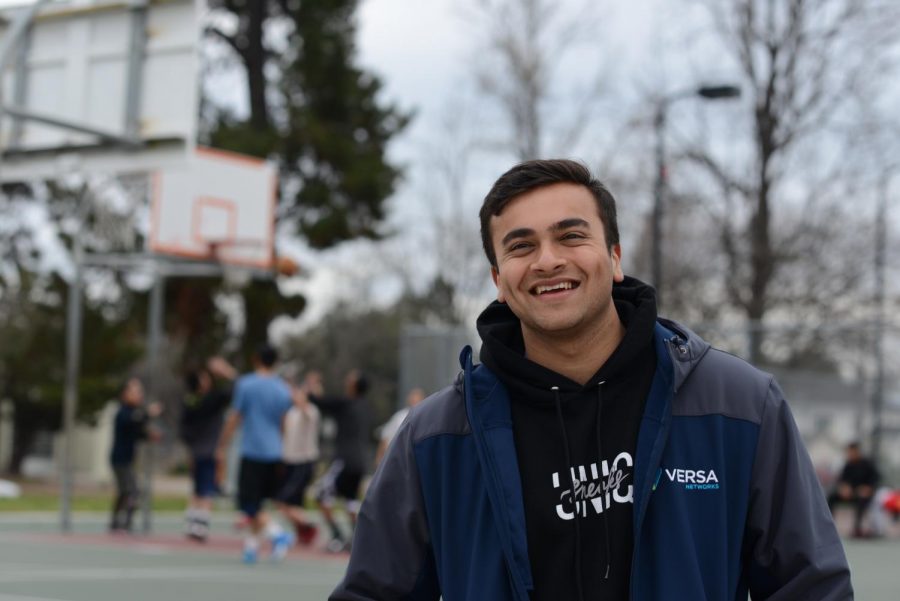
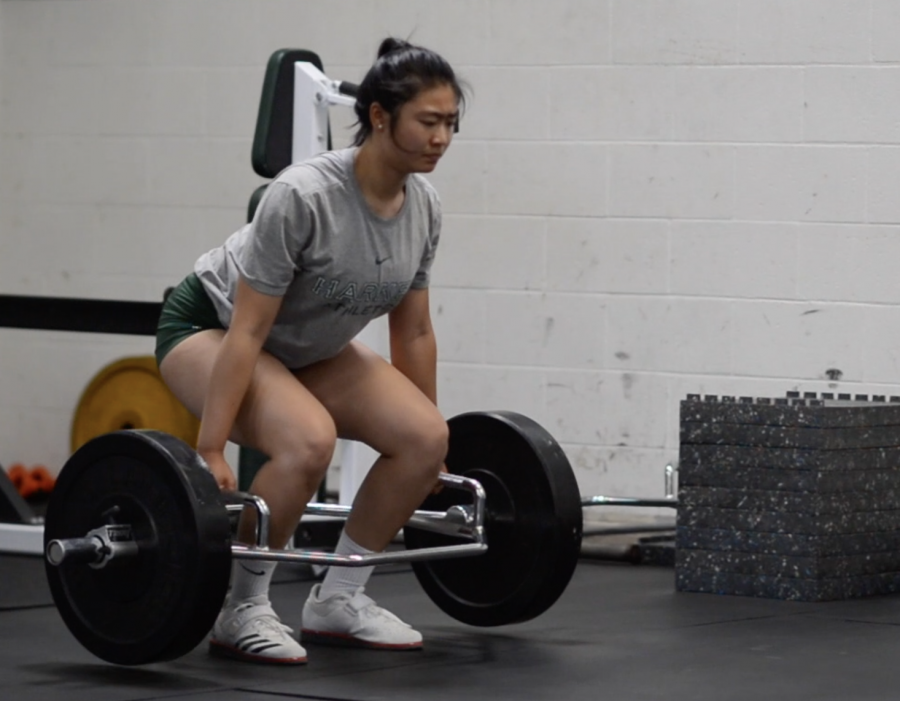

![“My slogan is ‘slow feet, don’t eat, and I’m hungry.’ You need to run fast to get where you are–you aren't going to get those championships if you aren't fast,” Angel Cervantes (12) said. “I want to do well in school on my tests and in track and win championships for my team. I live by that, [and] I can do that anywhere: in the classroom or on the field.”](https://harkeraquila.com/wp-content/uploads/2018/06/DSC5146-900x601.jpg)
![“[Volleyball has] taught me how to fall correctly, and another thing it taught is that you don’t have to be the best at something to be good at it. If you just hit the ball in a smart way, then it still scores points and you’re good at it. You could be a background player and still make a much bigger impact on the team than you would think,” Anya Gert (’20) said.](https://harkeraquila.com/wp-content/uploads/2020/06/AnnaGert_JinTuan_HoHPhotoEdited-600x900.jpeg)
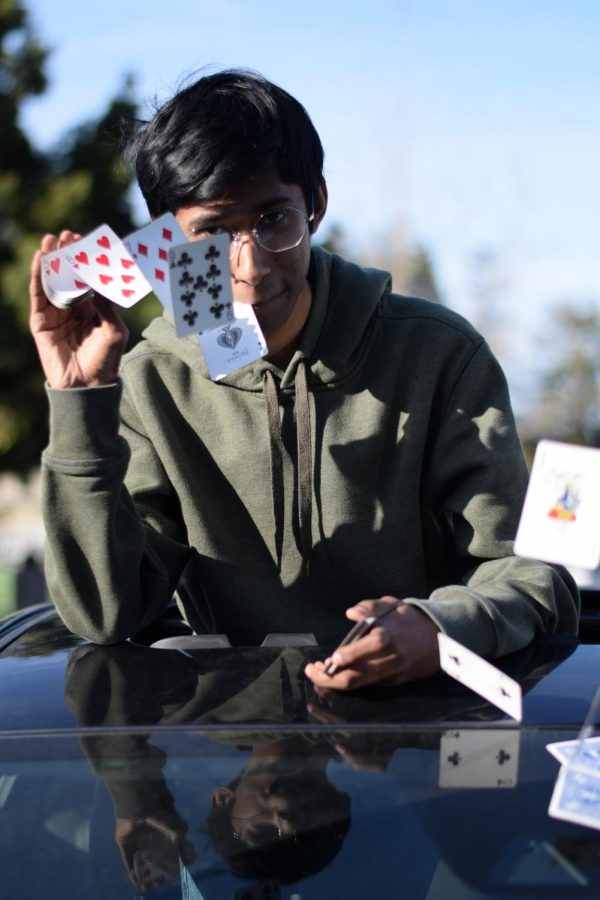
![“I'm not nearly there yet, but [my confidence has] definitely been getting better since I was pretty shy and timid coming into Harker my freshman year. I know that there's a lot of people that are really confident in what they do, and I really admire them. Everyone's so driven and that has really pushed me to kind of try to find my own place in high school and be more confident,” Alyssa Huang (’20) said.](https://harkeraquila.com/wp-content/uploads/2020/06/AlyssaHuang_EmilyChen_HoHPhoto-900x749.jpeg)
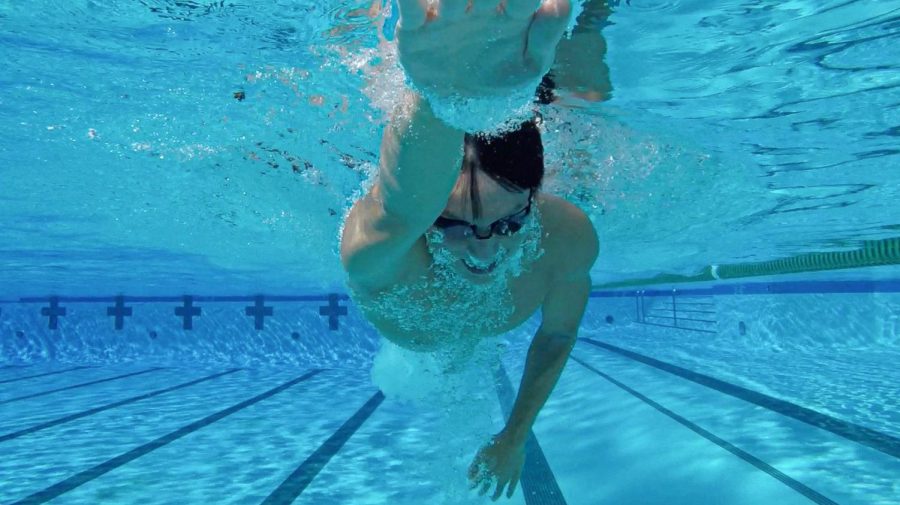


A laser penetrates through a flask of nanogold solution, casting a bright red line that traces the laser’s path through the fluid due to scattering from colloidal particles in the fluid. The same principles explain everyday phenomena, from why the sky appears blue to how smoke makes light rays visible at concerts.
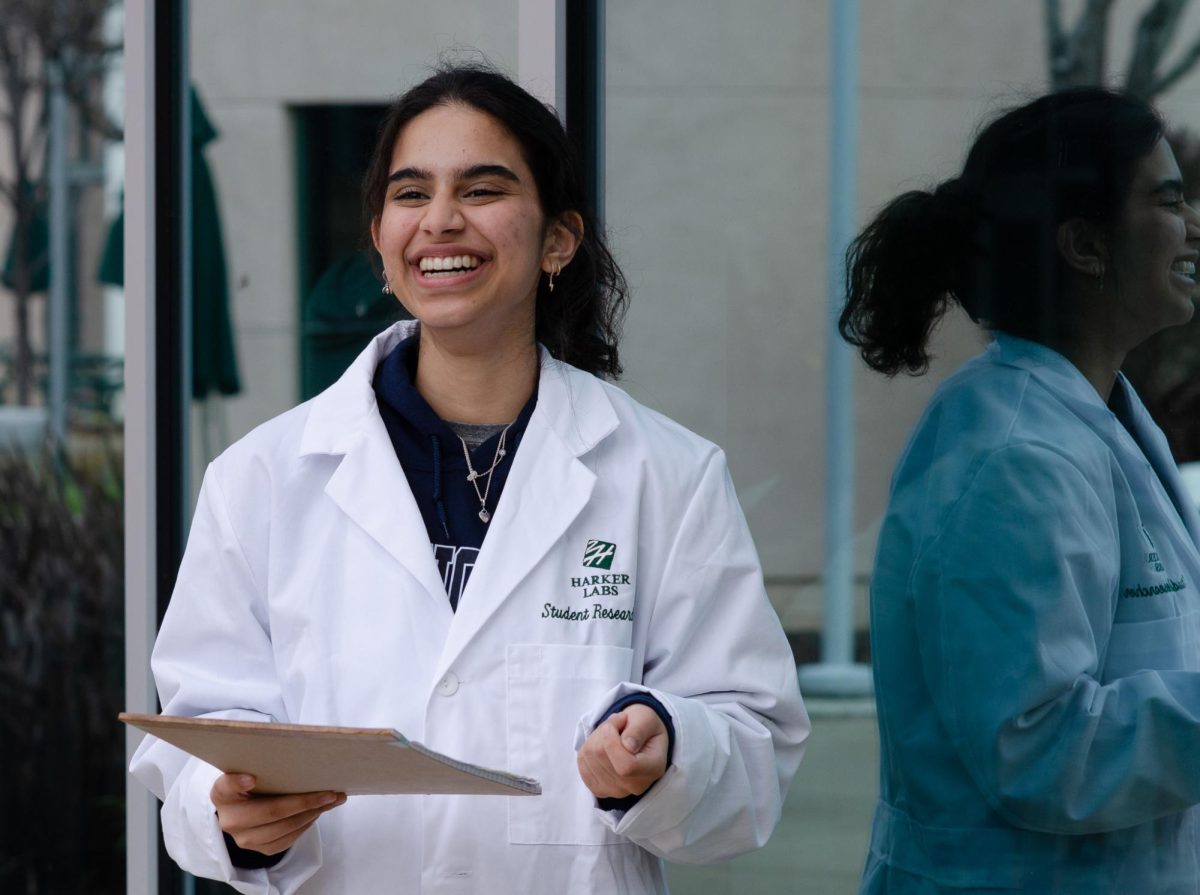
“In nanoscience, you learn what’s happening at the nano level, but it’s usually hard to see a visual like you would in the macro world,” nanoscience student Ethan Lei (12) said. “But making the nanogold was really fun because when you add HCl, you can see the color change from red to blue and you know why. You can also see that when you shine a laser through the nanogold solution, it’s different from when you shine a laser through a red food coloring solution.”
Created by chemistry teacher Mala Raghavan, the elective centers on nanoscience: the study of materials at the “nano” scale, between one and 100 nanometers. The course is driven by hands-on labs, like the nanogold lab, where students learn concepts by working with nano-sized materials.
“This is such a science-heavy school, and kids have taken every possible science class,” Dr. Raghavan said. “For the seniors, nanoscience is a perfect combination of all their knowledge to understand what’s really happening in nanoscience. It has all these weird, funky labs that you can try and do and explain the concepts of all these things.”
Dr. Raghavan began teaching the class in 2015, motivated by the exploding popularity of nanoscience at the time. She wanted students to understand how breakthroughs at the nanoscale shape the innovations of the modern world.
“The applications of nanoscience are enormous — it’s basically life-changing,” Dr. Raghavan said. “AI would not have been possible if it wasn’t for nanotechnology. Computers are much better now because of nanotechnology, and the same thing with mRNA vaccines, CRISPR and all of these techniques that are learning how to manipulate things that are smaller and smaller scale and control atoms.”
Beyond the nanogold lab, students conduct a wide range of experiments to see how nanoscale principles play out in real time. Labs include testing the hydrophobicity of self-assembled monolayers and “magic sand,” creating paper models of carbon nanotubes and buckyballs and watching deformed nitinol wires return to their original shape in boiling water to test the properties of shape-memory alloys.

Ethan took the class because he wanted to dig deeper into topics he encountered on social media and learn how they actually work on the nanometer level.
“I’ve read science fiction about nanoscience, so then I wanted to know the actual science,” Ethan said. “I wanted to learn more about shape memory alloys because I learned about it on Instagram, but I didn’t get a formal understanding of it yet.”
For nanoscience student Sylvia Chen (11), the most interesting concept she has learned in the class is molecular orbital theory, used to analyze the complex behaviors of atoms and molecules by incorporating concepts that extend far beyond the simplified rules taught in AP Chemistry.
“You have regular bonding theory, which is like octets and SPDF orbitals,” Sylvia said. “What actually happens in molecules is more complicated. When you have two orbitals that overlap, they become two different orbitals that have different energy levels, and molecular orbital theory can describe a lot better what actually happens.”
While designing the course, Dr. Raghavan wanted to challenge students beyond the basic nanoscience content available online for high schoolers. Drawing inspiration from the University of Wisconsin-Madison’s material science video labs, she built the class curriculum using the labs to introduce nanoscience concepts like magnetism, interaction of particles, molecular structure and the optical properties of nanomaterials.
“There’s less of a set curriculum because nanoscience is a broad field and it’s not possible to cover all of it in a year,” Sylvia said. “She can pick and choose what she thinks is most important and most interesting, so sometimes we can do some extra things.”
Beyond the labs themselves, Dr. Raghavan enjoys seeing how students apply their scientific backgrounds to the challenges and experiments in the class. She hopes that the course can open doors for students to consider fields that they might not have thought about before, like materials science and nanoscience.
“It’s really fun for me to watch kids who are strong in physics, math and biology and all kinds of things come together for this course,” Dr. Raghavan said. “It’s a way for me to get the seniors excited before they go to college, like ‘look what’s out there for you, look how much fun you can have with science.’”