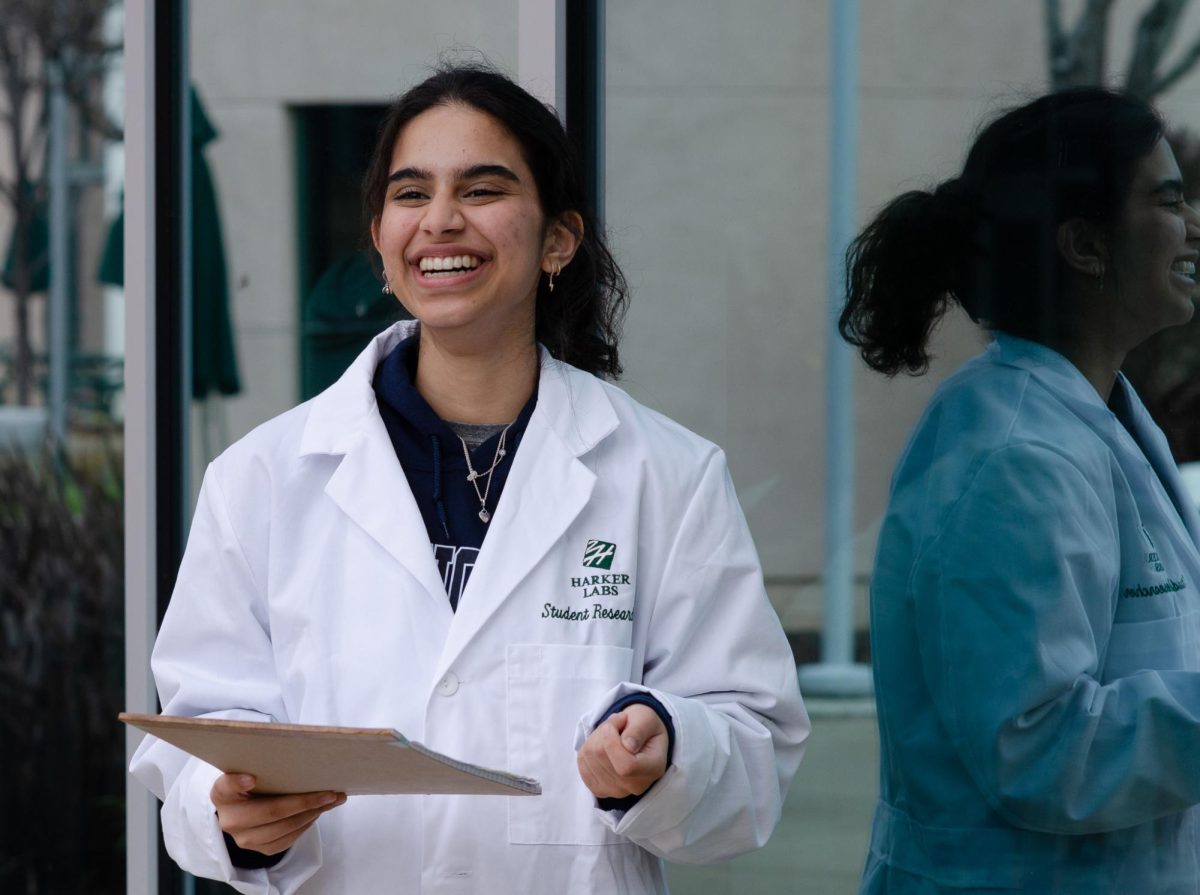
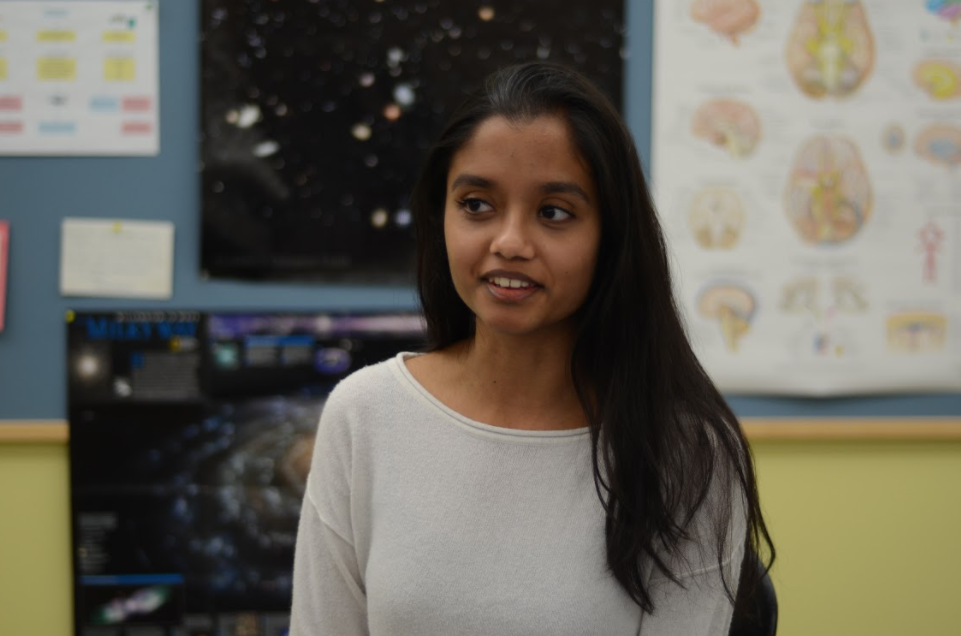
![“I wasn't discouraged by some of the obstacles we faced. I learned a lot from the leadership. I found that different people need different ways of receiving feedback — you can't [just] tell them to do something and expect the best. [Some] people needed more incentive. A large part of my role was to figure out what worked for everyone and to figure out how to lead all these separate individuals as a team,” Suhana Bhandare (’26) said.](https://harkeraquila.com/wp-content/uploads/2026/06/SuhanaBhandare_JasmineHansra-1-1200x798.jpg)
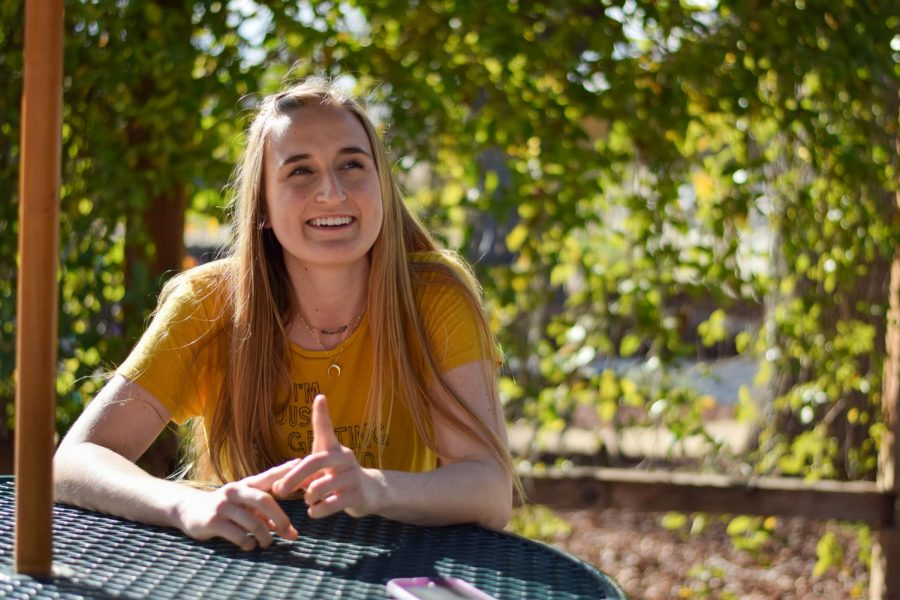
![“This is actually from Randy Pausch Randy P. Brick: ‘Walls are there for a reason. You have to show how much you want to overcome them.’ You have to show how much you want something. That's what I've always been able to do with tennis, Link Crew and getting that internship [with Kushy Baby]. It’s important pushing through that — getting around that brick wall, climbing over it or clawing through it,” Yash Sachdeva (’26) said.](https://harkeraquila.com/wp-content/uploads/2026/05/YashSachdeva_RamBatchu-copy-1200x1002.jpg)


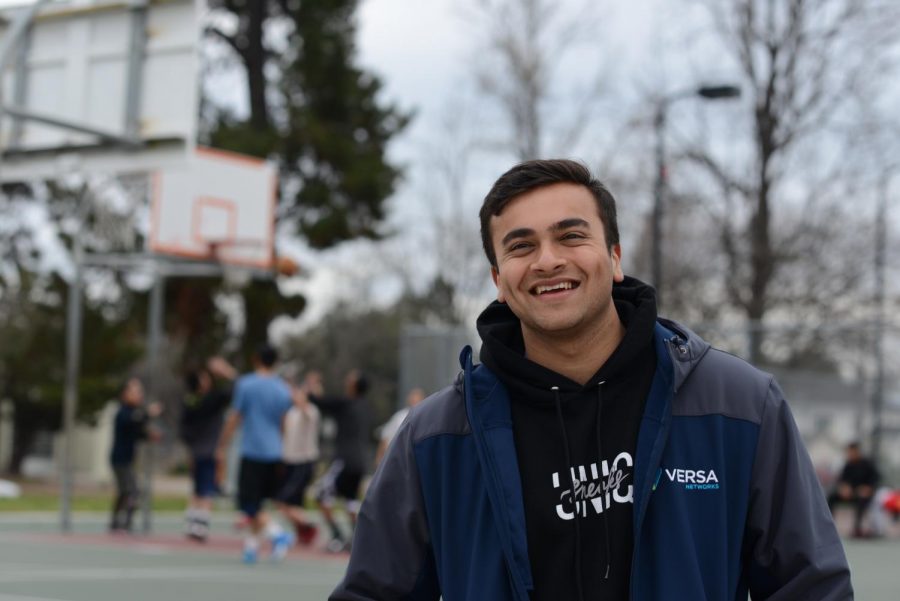
![“[Building nerf blasters] became this outlet of creativity for me that hasn't been matched by anything else. The process [of] making a build complete to your desire is such a painstakingly difficult process, but I've had to learn from [the skills needed from] soldering to proper painting. There's so many different options for everything, if you think about it, it exists. The best part is [that] if it doesn't exist, you can build it yourself," Ishaan Parate said.](https://harkeraquila.com/wp-content/uploads/2022/08/DSC_8149-900x604.jpg)
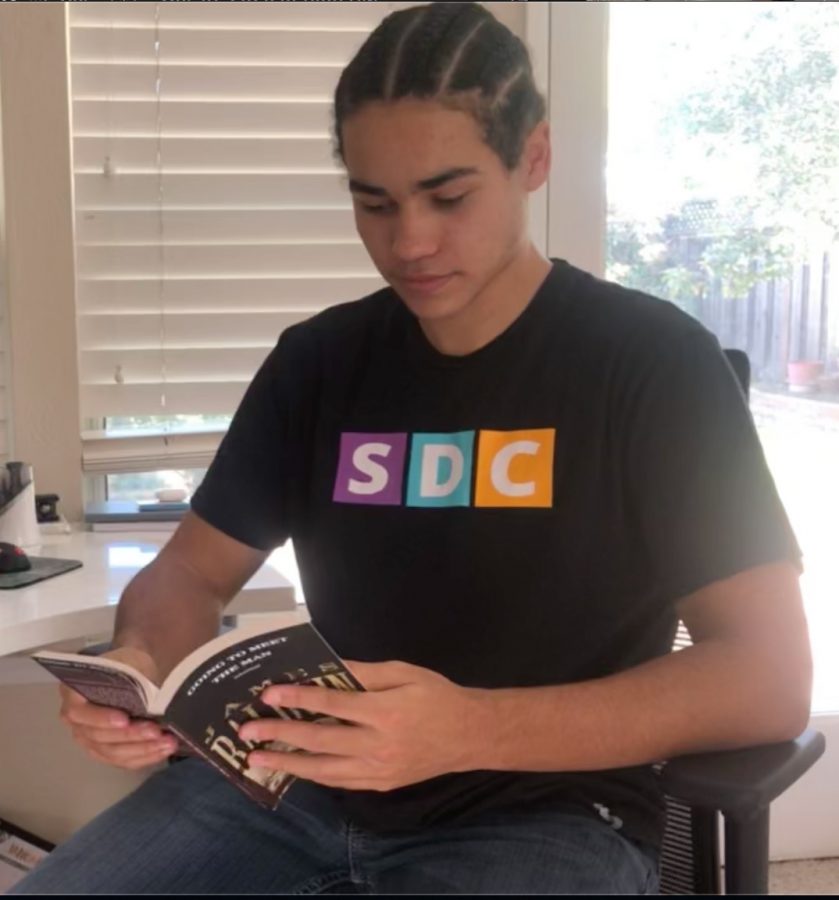
![“When I came into high school, I was ready to be a follower. But DECA was a game changer for me. It helped me overcome my fear of public speaking, and it's played such a major role in who I've become today. To be able to successfully lead a chapter of 150 students, an officer team and be one of the upperclassmen I once really admired is something I'm [really] proud of,” Anvitha Tummala ('21) said.](https://harkeraquila.com/wp-content/uploads/2021/07/Screen-Shot-2021-07-25-at-9.50.05-AM-900x594.png)
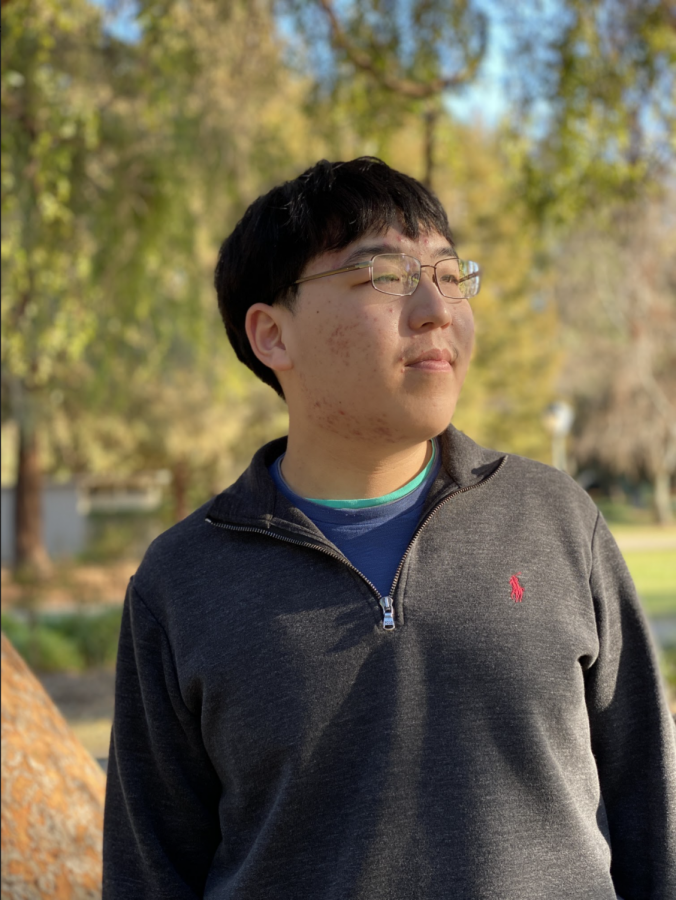
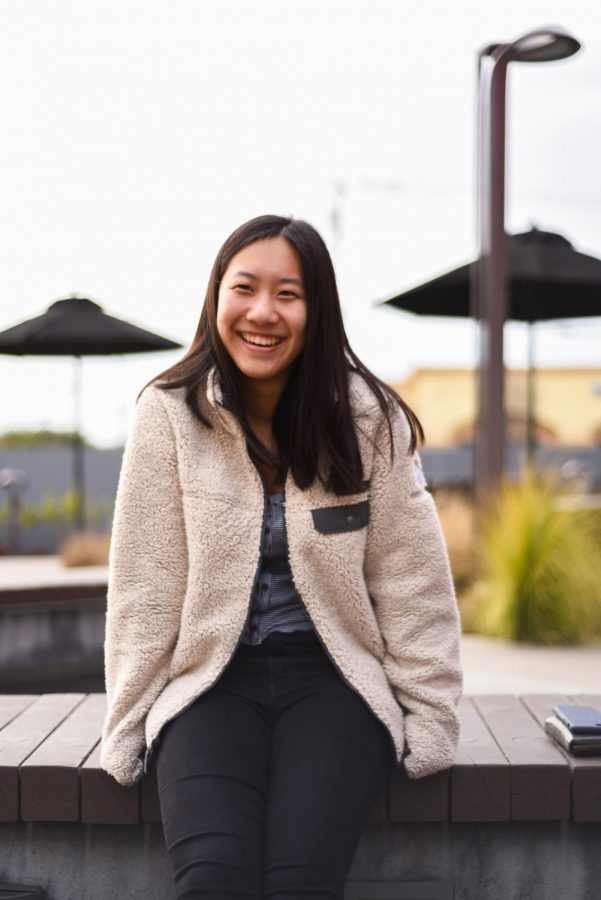
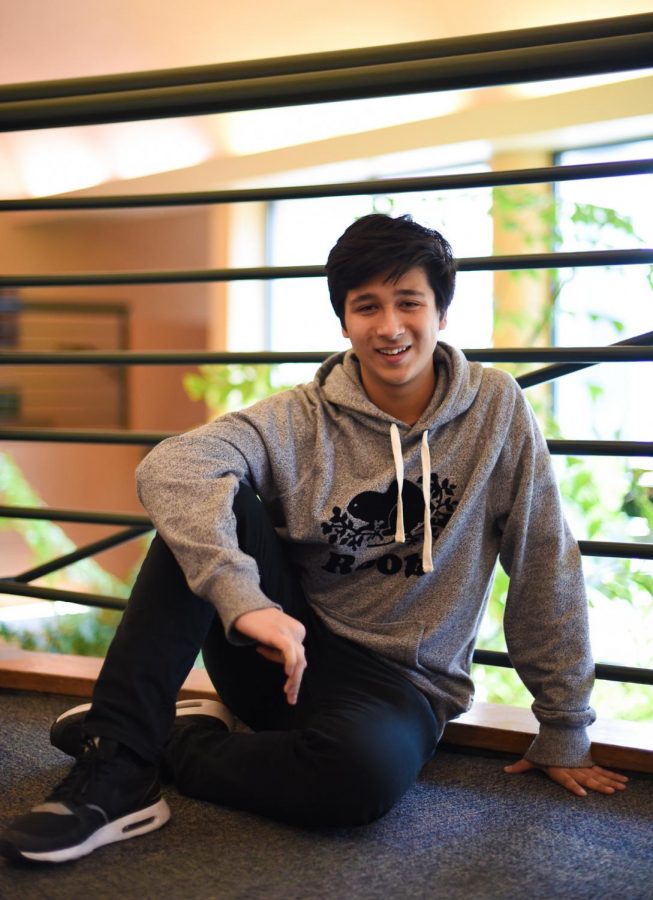
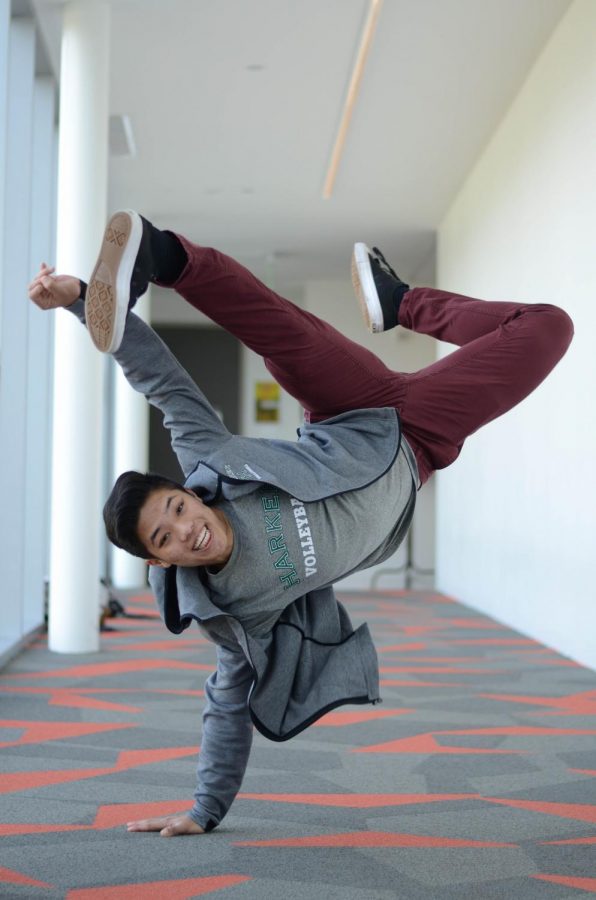

![“I think getting up in the morning and having a sense of purpose [is exciting]. I think without a certain amount of drive, life is kind of obsolete and mundane, and I think having that every single day is what makes each day unique and kind of makes life exciting,” Neymika Jain (12) said.](https://harkeraquila.com/wp-content/uploads/2017/06/Screen-Shot-2017-06-03-at-4.54.16-PM.png)
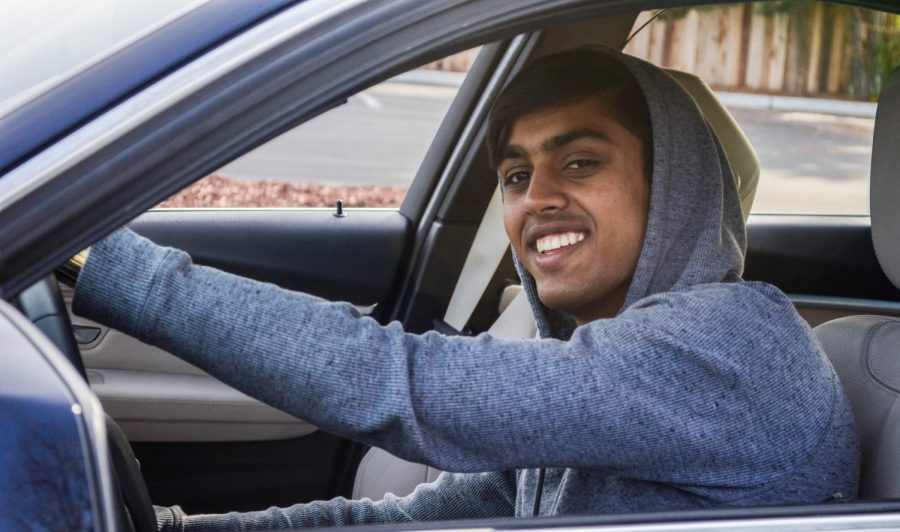
![“My slogan is ‘slow feet, don’t eat, and I’m hungry.’ You need to run fast to get where you are–you aren't going to get those championships if you aren't fast,” Angel Cervantes (12) said. “I want to do well in school on my tests and in track and win championships for my team. I live by that, [and] I can do that anywhere: in the classroom or on the field.”](https://harkeraquila.com/wp-content/uploads/2018/06/DSC5146-900x601.jpg)
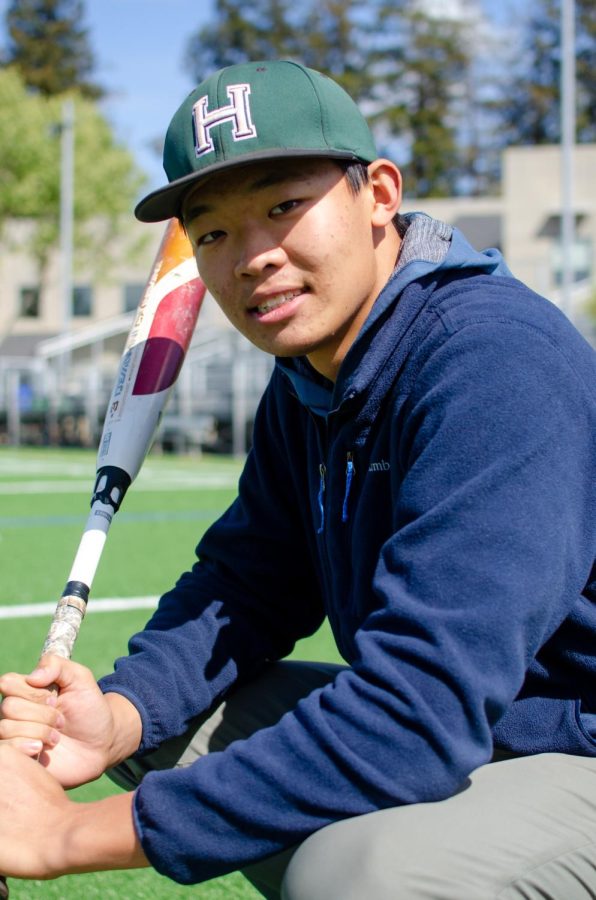
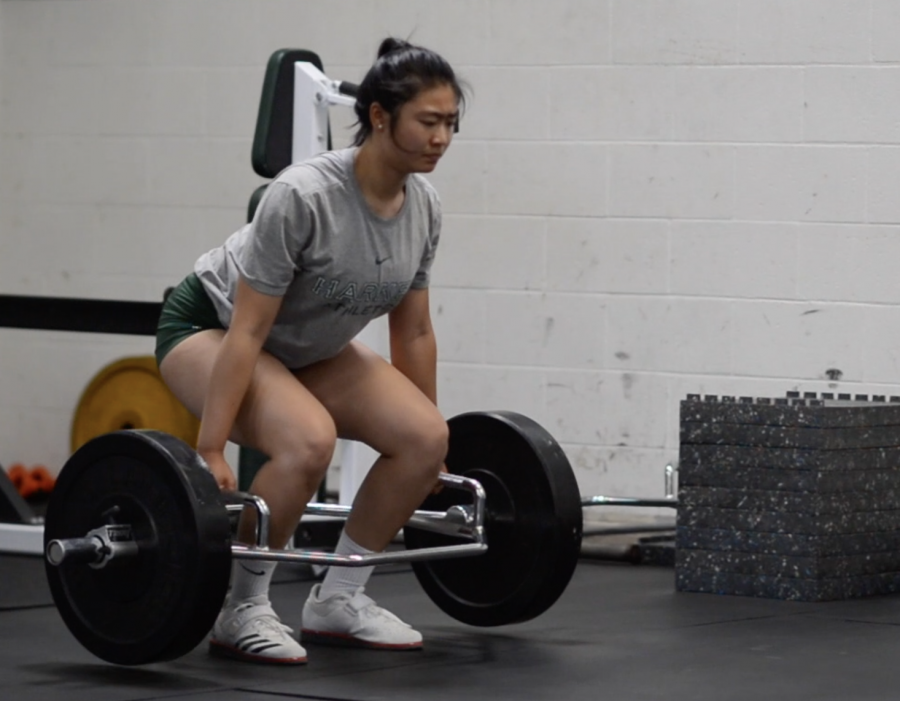
![“[Volleyball has] taught me how to fall correctly, and another thing it taught is that you don’t have to be the best at something to be good at it. If you just hit the ball in a smart way, then it still scores points and you’re good at it. You could be a background player and still make a much bigger impact on the team than you would think,” Anya Gert (’20) said.](https://harkeraquila.com/wp-content/uploads/2020/06/AnnaGert_JinTuan_HoHPhotoEdited-600x900.jpeg)
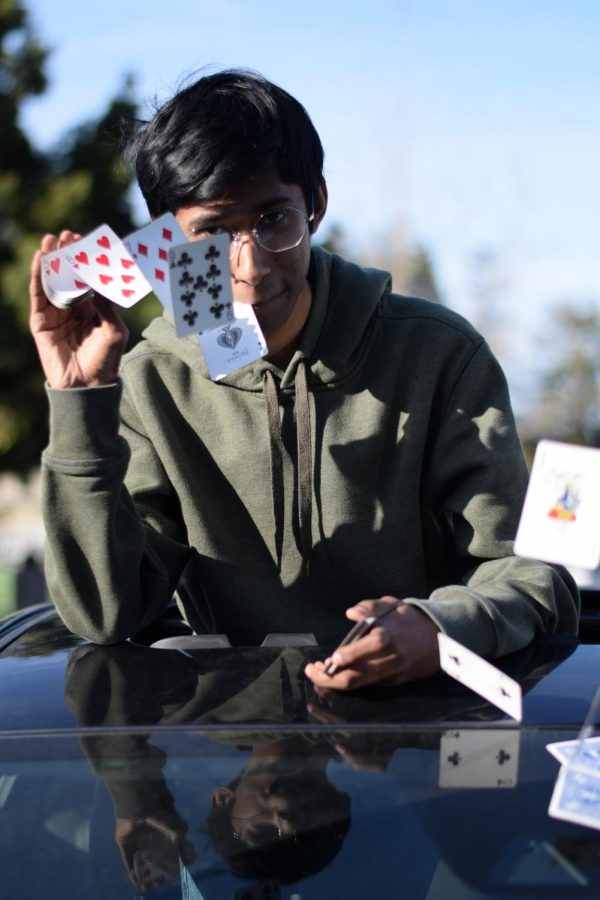
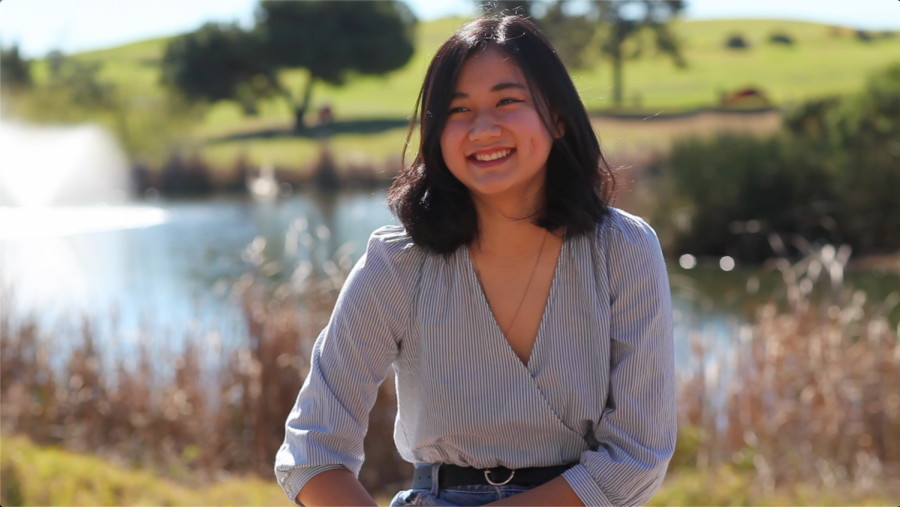
![“I'm not nearly there yet, but [my confidence has] definitely been getting better since I was pretty shy and timid coming into Harker my freshman year. I know that there's a lot of people that are really confident in what they do, and I really admire them. Everyone's so driven and that has really pushed me to kind of try to find my own place in high school and be more confident,” Alyssa Huang (’20) said.](https://harkeraquila.com/wp-content/uploads/2020/06/AlyssaHuang_EmilyChen_HoHPhoto-900x749.jpeg)



Many modern medicines can treat causes of vision loss, but not all patients receive that care. For Nathan Kim Dhablania (’14), M.S., addressing patients’ access to basic vision care has become central to his work.
Now a fourth-year ophthalmology student at Loyola University Chicago Stritch School of Medicine, Dhablania focuses on the intersection of science and human impact. He traces that mission back to Harker, where biology and chemistry classes and volunteer work at Good Samaritan Hospital first exposed him to patient care.
“Medicine is one of the few fields where you can actually have a profound impact on someone’s life and some of your patients’ most vulnerable moments,” Dhablania said. “It is really powerful to be able to help people during those hard times.”
At the University of Southern California (USC) for his undergraduate degree, his interests broadened to ophthalmology. Majoring in health promotion and disease prevention, he explored public health while working in labs, with his research ranging from cardiothoracic studies on aortic aneurysms to stem cell work on kidney growth.
“What I really valued about that experience at USC was being able to develop my own experiments from start to finish,” Dhablania said. “I would figure out exactly what kind of research question I want to develop and how I want to set up my experiment. I really appreciated the fact that we had so many different projects to do.”
While studying stem cell applications for retinal cells, he began to see a new, undiscovered potential for treating degenerative eye diseases. This research, coupled with his uncle’s progressive vision loss from undiagnosed diabetic retinopathy, solidified his interest in ophthalmology.
That new curiosity carried into a research fellowship at the Southern California Eye Institute. Under the mentorship of Rohit Varma, Dhablania analyzed large datasets to study the prevalence and risk factors for various ocular diseases in underserved populations and published his results in prestigious journals, including JAMA Ophthalmology.
“There are patients out there who do not have access to a primary care physician to get a referral to an ophthalmologist, or have a lack of transportation or health insurance issues,” Dhablania said. “These factors prevent them from getting the refractive care that they need, for example, glasses, and that leads to uncorrected refractive error.”
At Loyola, he carried his knowledge into both his clinical training and research, including a project on screening for retinal toxicity in veterans taking hydroxychloroquine, an antibiotic used to treat autoimmune diseases like lupus and rheumatoid arthritis.
“Because my grandmother was on this medication to manage her lupus, even if she never developed any sort of retinal toxicity, I felt like I had a personal connection to it,” Dhablania said. “It gave me a sense of purpose to do it, and that is the type of research I do at Loyola.”
As he prepares for his ophthalmology residency, Dhablania reflects on his journey to the discipline, noting that he is drawn to the field’s combination of surgical accuracy and impact on patients.
“I took bits and pieces of my different clerkships, and it all led me back to ophthalmology,” Dhablania said. “It’s a field where you can help patients from birth all the way to the elderly — you’re doing surgeries, but you’re also managing chronic conditions. I really enjoy the fact that you can get dirty with your hands and you can see the impact your work is making.”
To young researchers, Dhablania suggests the value of not having a fixed plan, but staying open to where different experiences lead.
“Continue to work towards what you want to pursue,” Dhablania said. “Be curious, stay hungry and be open to different specialties. You may never know what you want to pursue, and that’s totally okay.”