


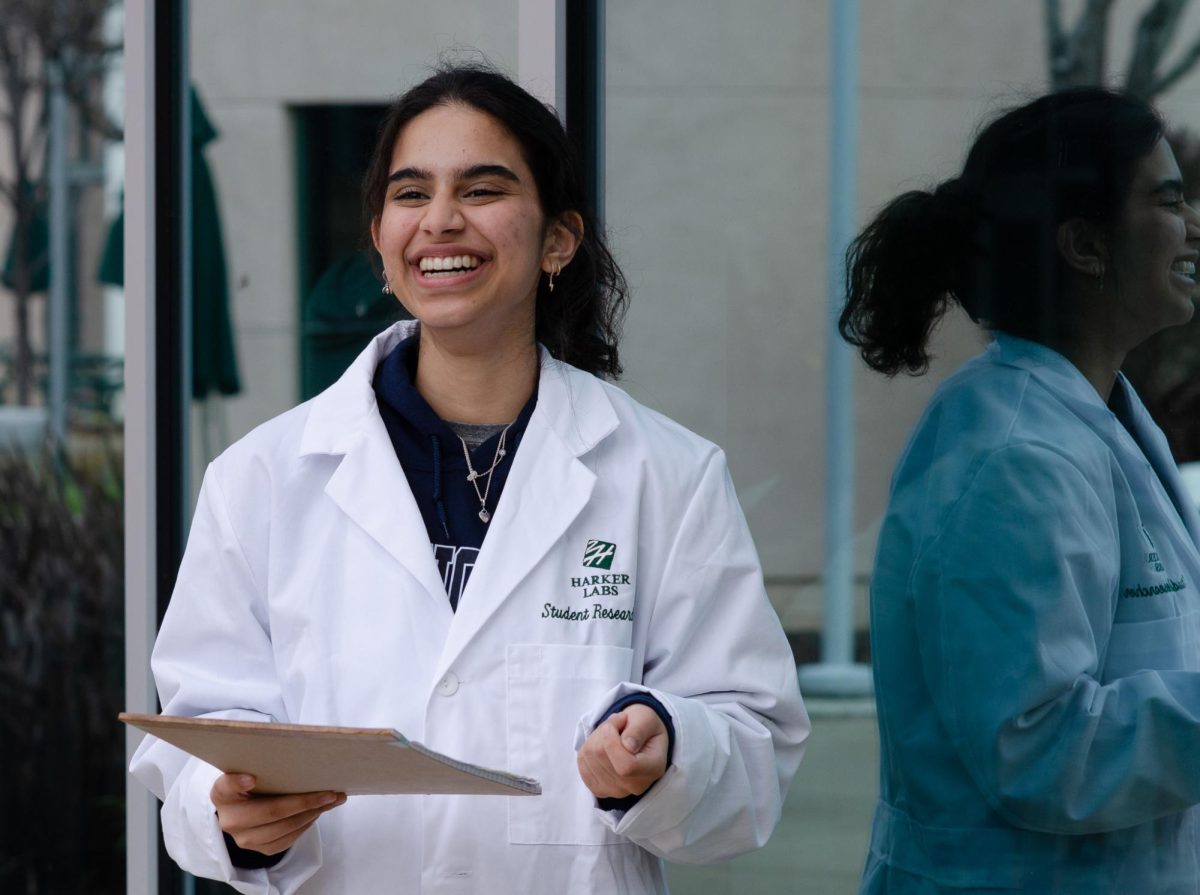
![“I wasn't discouraged by some of the obstacles we faced. I learned a lot from the leadership. I found that different people need different ways of receiving feedback — you can't [just] tell them to do something and expect the best. [Some] people needed more incentive. A large part of my role was to figure out what worked for everyone and to figure out how to lead all these separate individuals as a team,” Suhana Bhandare (’26) said.](https://harkeraquila.com/wp-content/uploads/2026/06/SuhanaBhandare_JasmineHansra-1-1200x798.jpg)


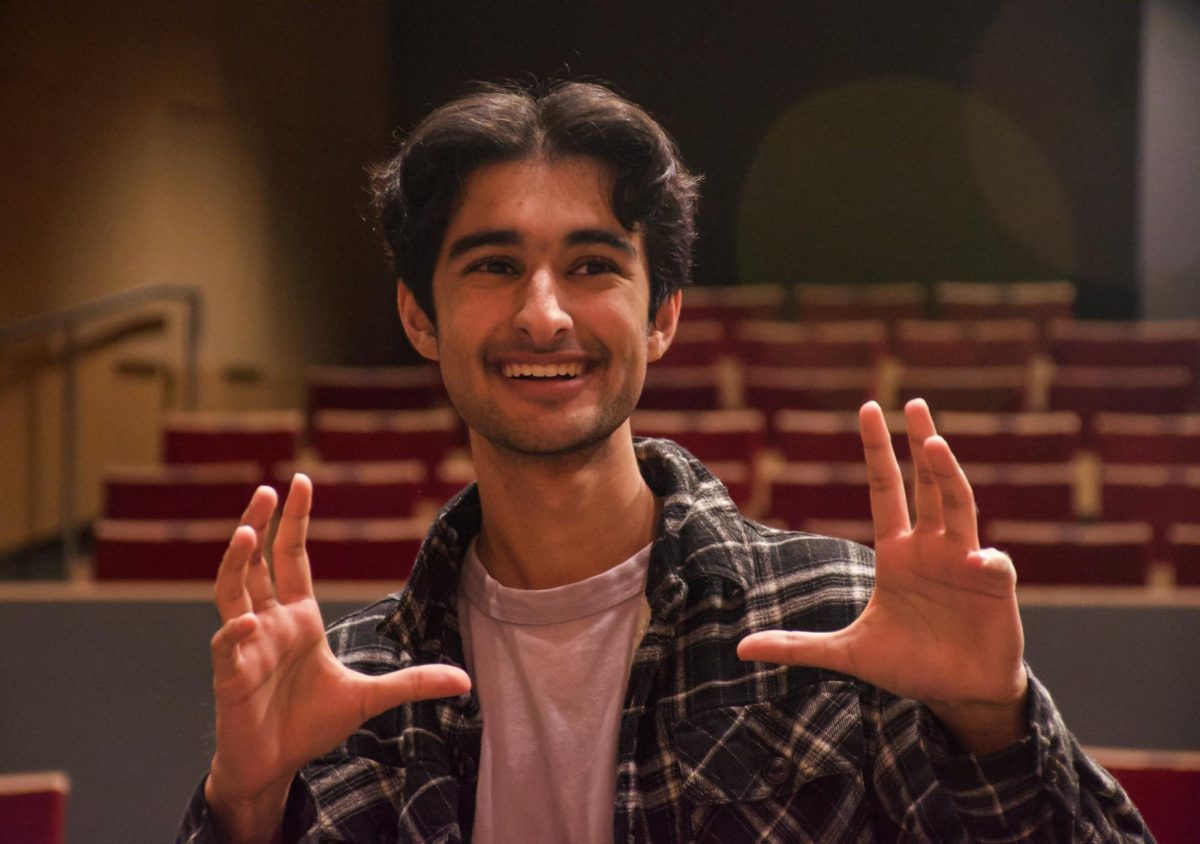
![“This is actually from Randy Pausch Randy P. Brick: ‘Walls are there for a reason. You have to show how much you want to overcome them.’ You have to show how much you want something. That's what I've always been able to do with tennis, Link Crew and getting that internship [with Kushy Baby]. It’s important pushing through that — getting around that brick wall, climbing over it or clawing through it,” Yash Sachdeva (’26) said.](https://harkeraquila.com/wp-content/uploads/2026/05/YashSachdeva_RamBatchu-copy-1200x1002.jpg)







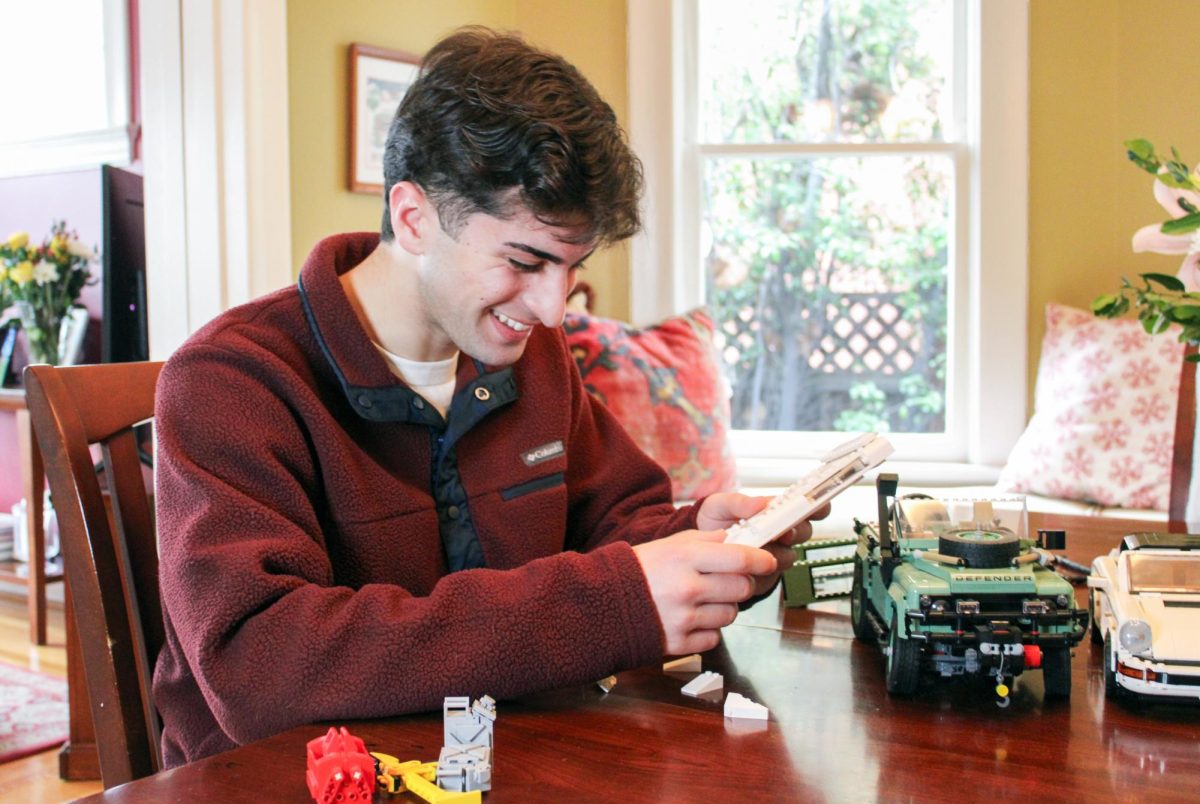




![“[Building nerf blasters] became this outlet of creativity for me that hasn't been matched by anything else. The process [of] making a build complete to your desire is such a painstakingly difficult process, but I've had to learn from [the skills needed from] soldering to proper painting. There's so many different options for everything, if you think about it, it exists. The best part is [that] if it doesn't exist, you can build it yourself," Ishaan Parate said.](https://harkeraquila.com/wp-content/uploads/2022/08/DSC_8149-900x604.jpg)
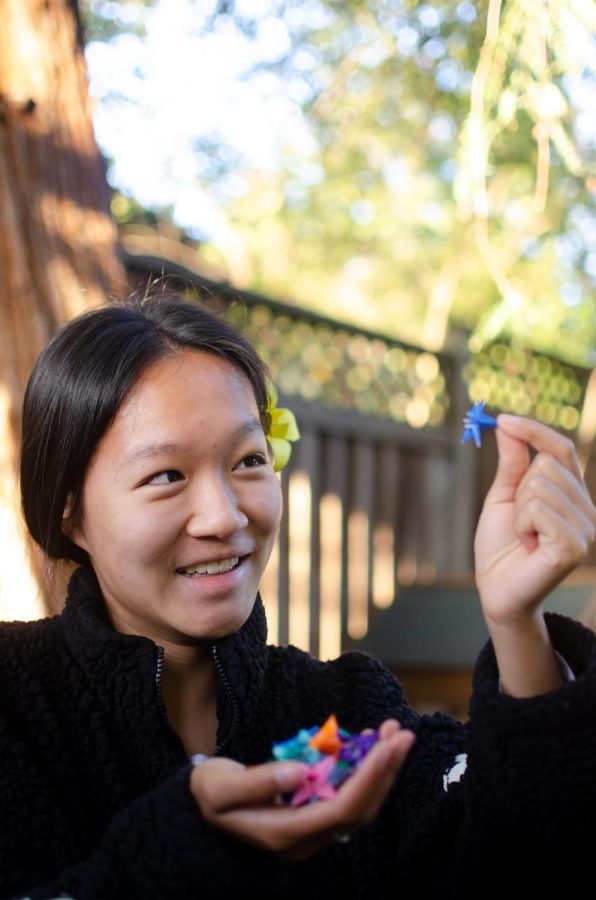


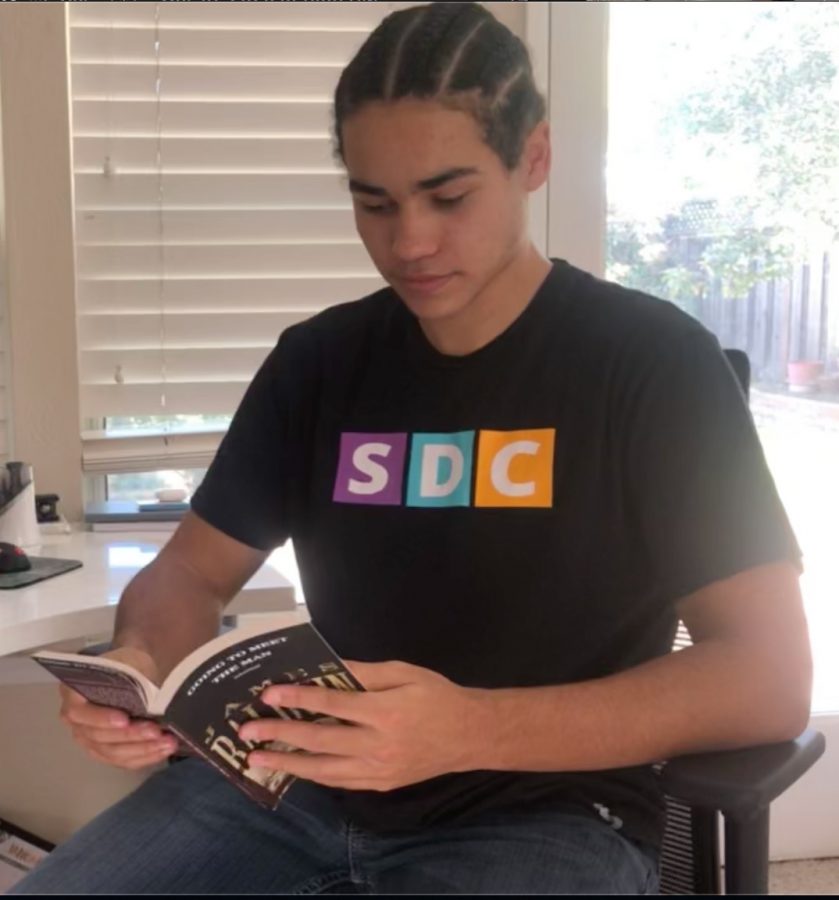
![“When I came into high school, I was ready to be a follower. But DECA was a game changer for me. It helped me overcome my fear of public speaking, and it's played such a major role in who I've become today. To be able to successfully lead a chapter of 150 students, an officer team and be one of the upperclassmen I once really admired is something I'm [really] proud of,” Anvitha Tummala ('21) said.](https://harkeraquila.com/wp-content/uploads/2021/07/Screen-Shot-2021-07-25-at-9.50.05-AM-900x594.png)

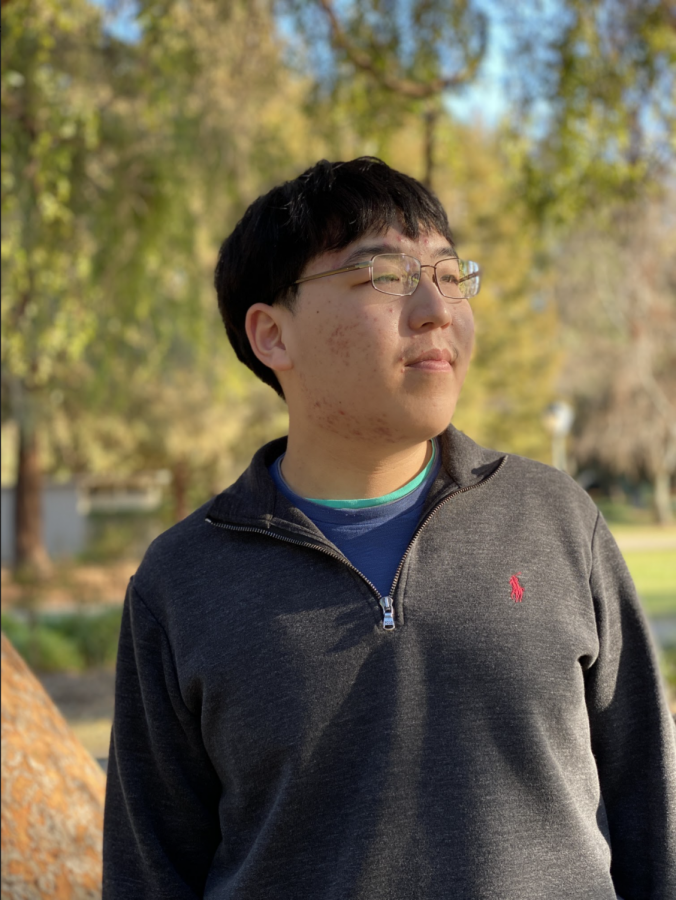


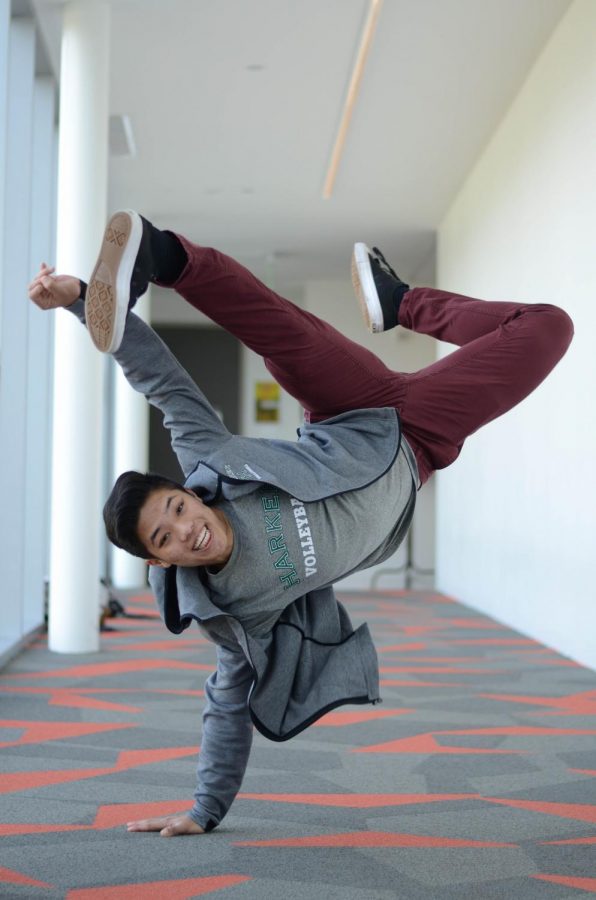
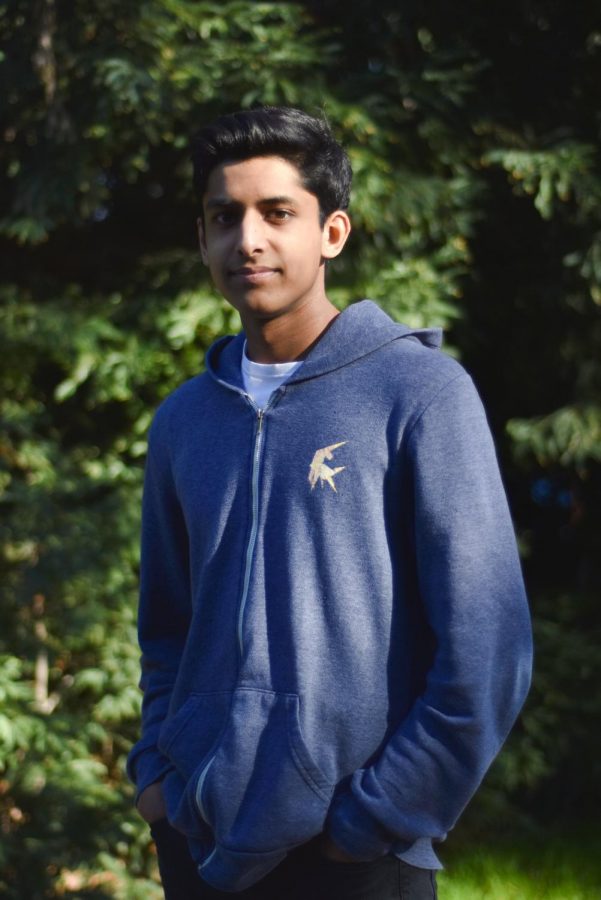

![“I think getting up in the morning and having a sense of purpose [is exciting]. I think without a certain amount of drive, life is kind of obsolete and mundane, and I think having that every single day is what makes each day unique and kind of makes life exciting,” Neymika Jain (12) said.](https://harkeraquila.com/wp-content/uploads/2017/06/Screen-Shot-2017-06-03-at-4.54.16-PM.png)

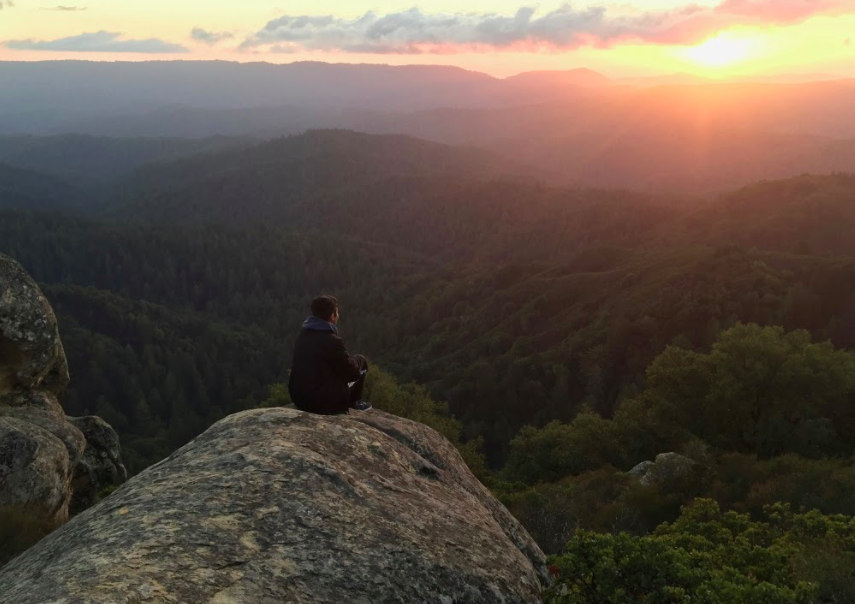




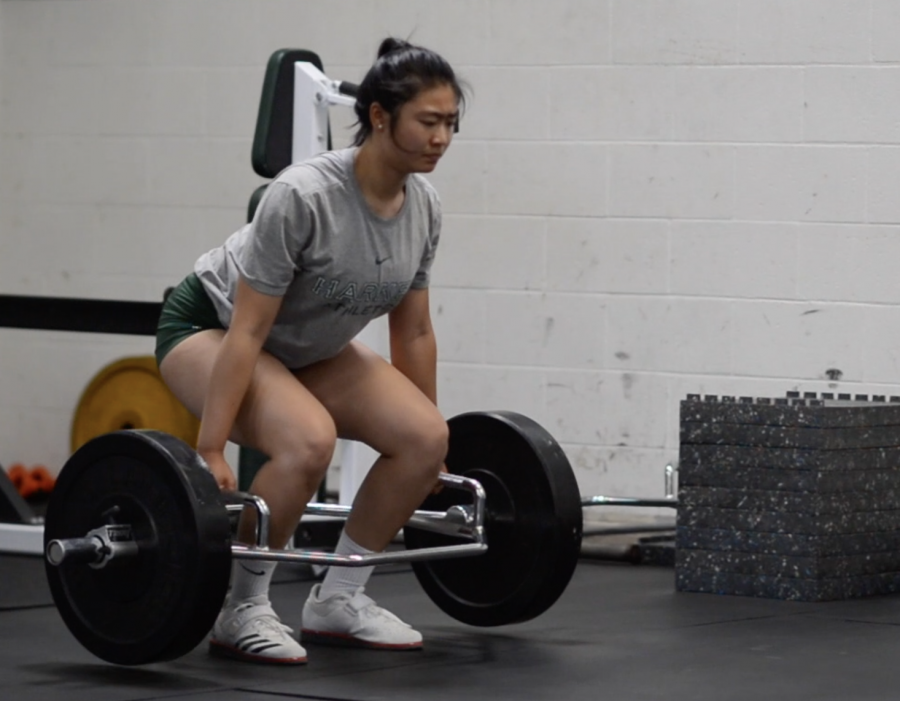

![“My slogan is ‘slow feet, don’t eat, and I’m hungry.’ You need to run fast to get where you are–you aren't going to get those championships if you aren't fast,” Angel Cervantes (12) said. “I want to do well in school on my tests and in track and win championships for my team. I live by that, [and] I can do that anywhere: in the classroom or on the field.”](https://harkeraquila.com/wp-content/uploads/2018/06/DSC5146-900x601.jpg)
![“[Volleyball has] taught me how to fall correctly, and another thing it taught is that you don’t have to be the best at something to be good at it. If you just hit the ball in a smart way, then it still scores points and you’re good at it. You could be a background player and still make a much bigger impact on the team than you would think,” Anya Gert (’20) said.](https://harkeraquila.com/wp-content/uploads/2020/06/AnnaGert_JinTuan_HoHPhotoEdited-600x900.jpeg)
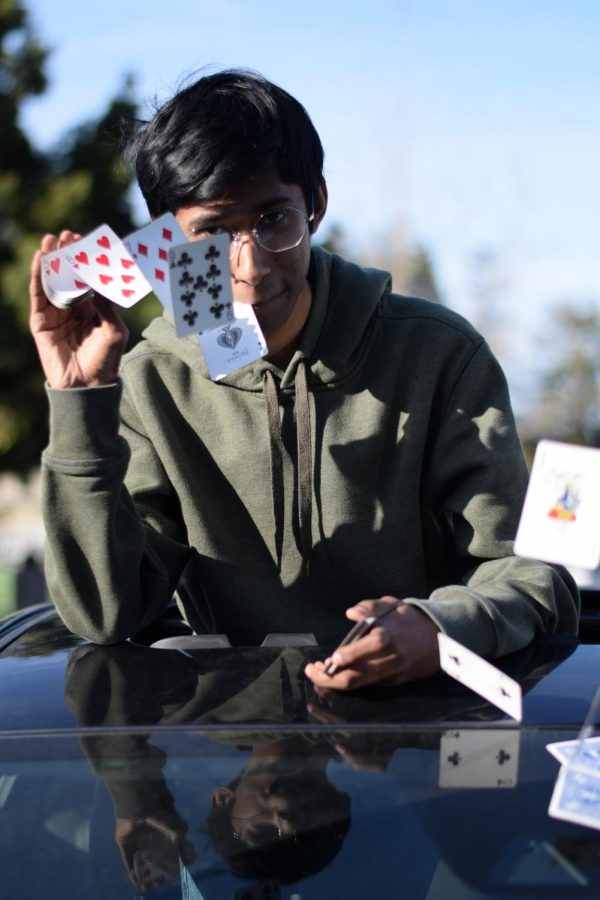
![“I'm not nearly there yet, but [my confidence has] definitely been getting better since I was pretty shy and timid coming into Harker my freshman year. I know that there's a lot of people that are really confident in what they do, and I really admire them. Everyone's so driven and that has really pushed me to kind of try to find my own place in high school and be more confident,” Alyssa Huang (’20) said.](https://harkeraquila.com/wp-content/uploads/2020/06/AlyssaHuang_EmilyChen_HoHPhoto-900x749.jpeg)

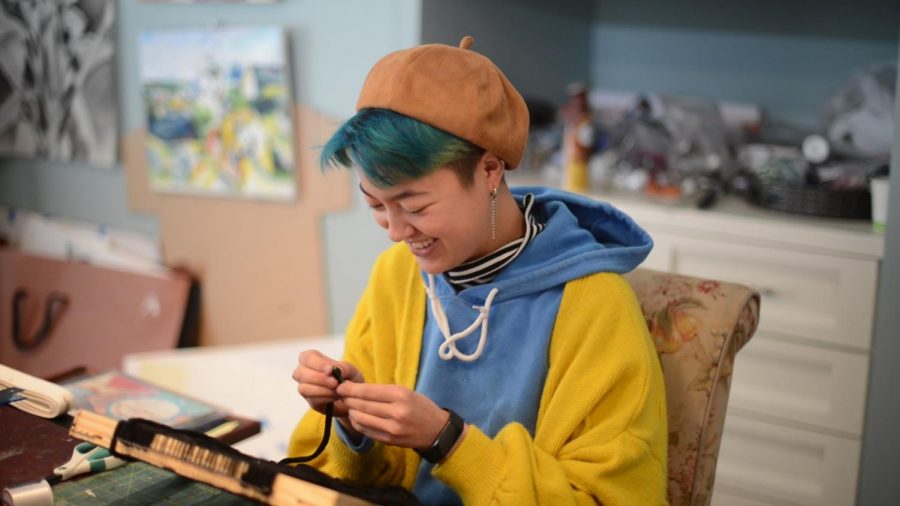



“Not to be racist, but your eyes are really big for an Asian.”
Despite being worded like compliments, statements like these reduce people to stereotypes — and that’s exactly what racism does, even when disguised in well-intentioned comments or jokes. These remarks prove that racism still permeates our casual conversations, no matter how “anti-racist” people claim to be.
At Harker, where the majority of the student body identifies as Asian — East Asian, Southeast Asian, Central Asian, South Asian or Pacific Islander descent or ancestry, casual racism is especially relevant. In fact, an online survey of 141 Harker students revealed 70.3% of respondents have made a casually racist joke.
The most common racism we see today doesn’t look like outward hatred or aggression. In high school communities, racism often shows up in more casual forms: reels on Instagram, accent impressions or jokes laced with innuendos circulating in our school community. 99.3% of survey respondents said that racism frequently manifests as jokes, and 62.7% named mocking accents as another manifestation of racism.
Many of these instances of casual racism at our school are instigated by the very victims of these comments: Asians. 60.6% of respondents said that they often hear casually racist comments made by people of the race that are being stereotyped in the joke. Even if they are mocking others in their own community and by extension themselves, it is still detrimental and contributes to harmful stereotypes.
Online culture has amplified this trend, especially on YouTube. Following the COVID-19 pandemic, East and Southeast Asian content creators Steven He and Uncle Roger built their platforms on social media around stereotypes of their cultures. These portrayals have only exacerbated existing racial caricatures. Although exaggerated portrayals of Asian stereotypes like “Tiger moms” or “Chinese uncles” may garner instant media attention due to their absurdity, they perpetuate an overgeneralization that gives people false impressions of Asians.
The same pattern shows up in how people talk about South Asians, sometimes coming up as viral short-form content on the internet. You might have heard people online, as well as students in our own community, mock the way Indian people maintain their hygiene, for instance.
Anti-Asian racism is frequently overlooked due to the “model minority myth,” which falsely frames Asians as uniformly successful and therefore immune to racism. We dismiss blatantly racist acts as seemingly individual incidents rather than the reality: a pattern that we’ve seen on social media over the years. 44.4% of respondents chose “not often” and 23.2% chose “never” when asked how often they feel uncomfortable because of racial comments, either at school or online. Normalization of these comments with racial undertones pushes us further and further away from the tide of equal treatment.
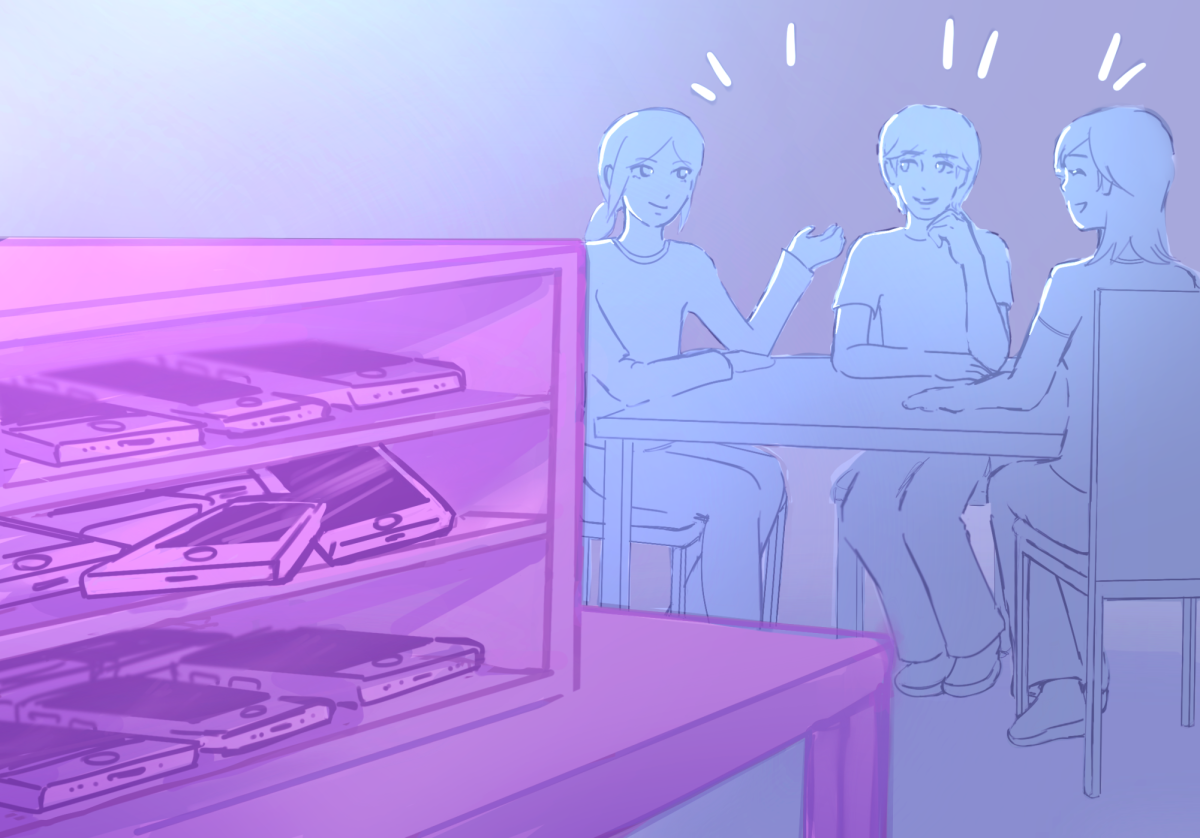
Casual racism remains socially acceptable only when we allow it to be. 50.4% of survey respondents said they do not intervene when they hear racist jokes directed toward any race, and only 4.4% of respondents said they always point them out or confront the speaker.
When someone makes a casually racist joke or remark, say something. Don’t stay silent or turn a blind eye in fear of upsetting a friend. Even statements as simple as “that’s racist” or “that’s not okay” can help others realize their insensitivity. If you encounter casually racist remarks online, don’t give the writers the engagement they want by liking or replying.
This is not to ignore racism that affects communities beyond Asians. On the contrary, these observations can be applied to how we address all kinds of casually racist and insensitive jokes.
May 1 is the first day of Asian American and Pacific Islander Heritage Month, a time to reflect on diversity, the historical contributions of AAPI individuals and the systemic barriers that remain. Without awareness and confrontation of casual stereotyping and racist comments, racism will continue to persist.










![“Probably the most important thing that I can do is to help raise awareness amongst youth because [students] are the ones that sadly are going to inherit this mess. It’s important for us, the people who helped take the planet to the place it is now, to really lean in and make a difference about this issue," Moss said.](https://harkeraquila.com/wp-content/uploads/2026/05/DSC_9315-e1778880890147-1200x873.jpg)

Reader • May 2, 2026 at 3:13 pm
Thank you thank you thank you for writing about this. I feel like this is something all of us know, but no one has said it until now out of taboo, which is surprising (and it is said well).