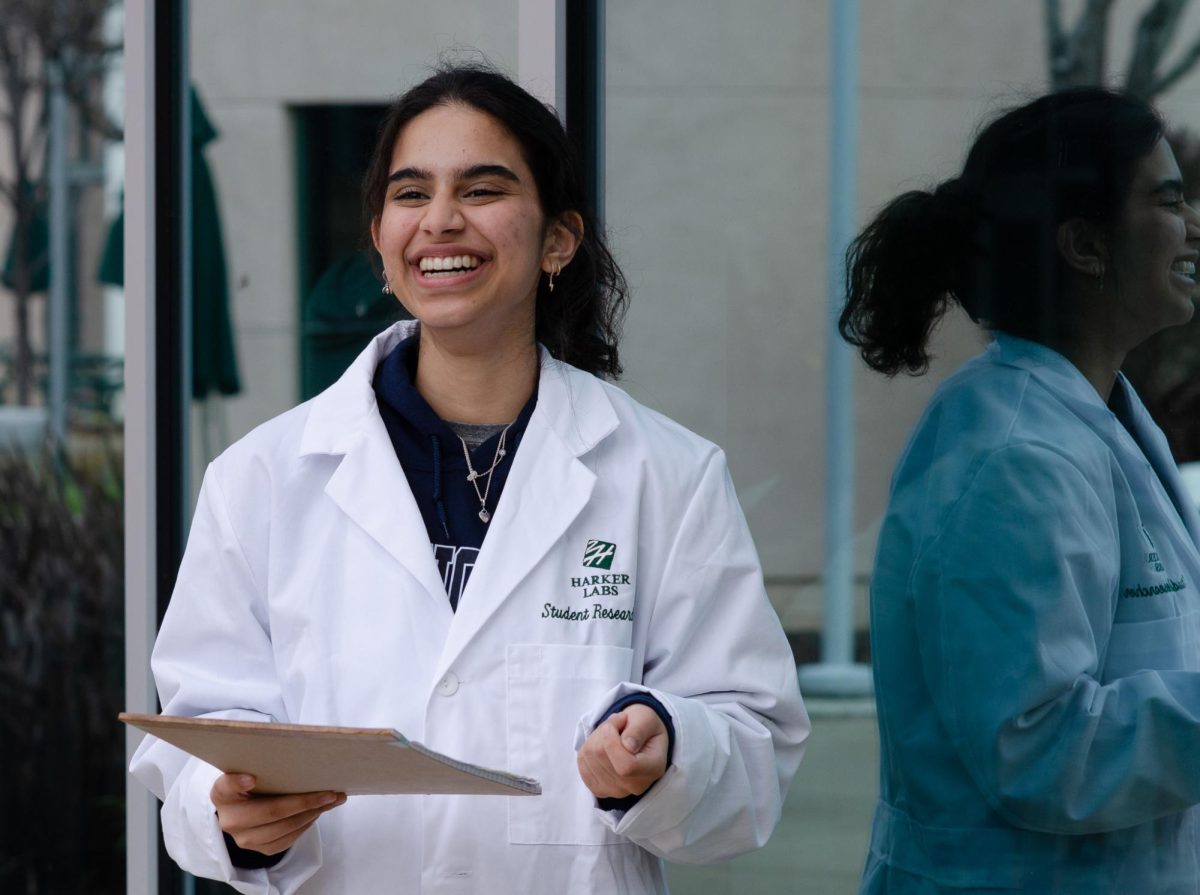
![“I wasn't discouraged by some of the obstacles we faced. I learned a lot from the leadership. I found that different people need different ways of receiving feedback — you can't [just] tell them to do something and expect the best. [Some] people needed more incentive. A large part of my role was to figure out what worked for everyone and to figure out how to lead all these separate individuals as a team,” Suhana Bhandare (’26) said.](https://harkeraquila.com/wp-content/uploads/2026/06/SuhanaBhandare_JasmineHansra-1-1200x798.jpg)


![“This is actually from Randy Pausch Randy P. Brick: ‘Walls are there for a reason. You have to show how much you want to overcome them.’ You have to show how much you want something. That's what I've always been able to do with tennis, Link Crew and getting that internship [with Kushy Baby]. It’s important pushing through that — getting around that brick wall, climbing over it or clawing through it,” Yash Sachdeva (’26) said.](https://harkeraquila.com/wp-content/uploads/2026/05/YashSachdeva_RamBatchu-copy-1200x1002.jpg)









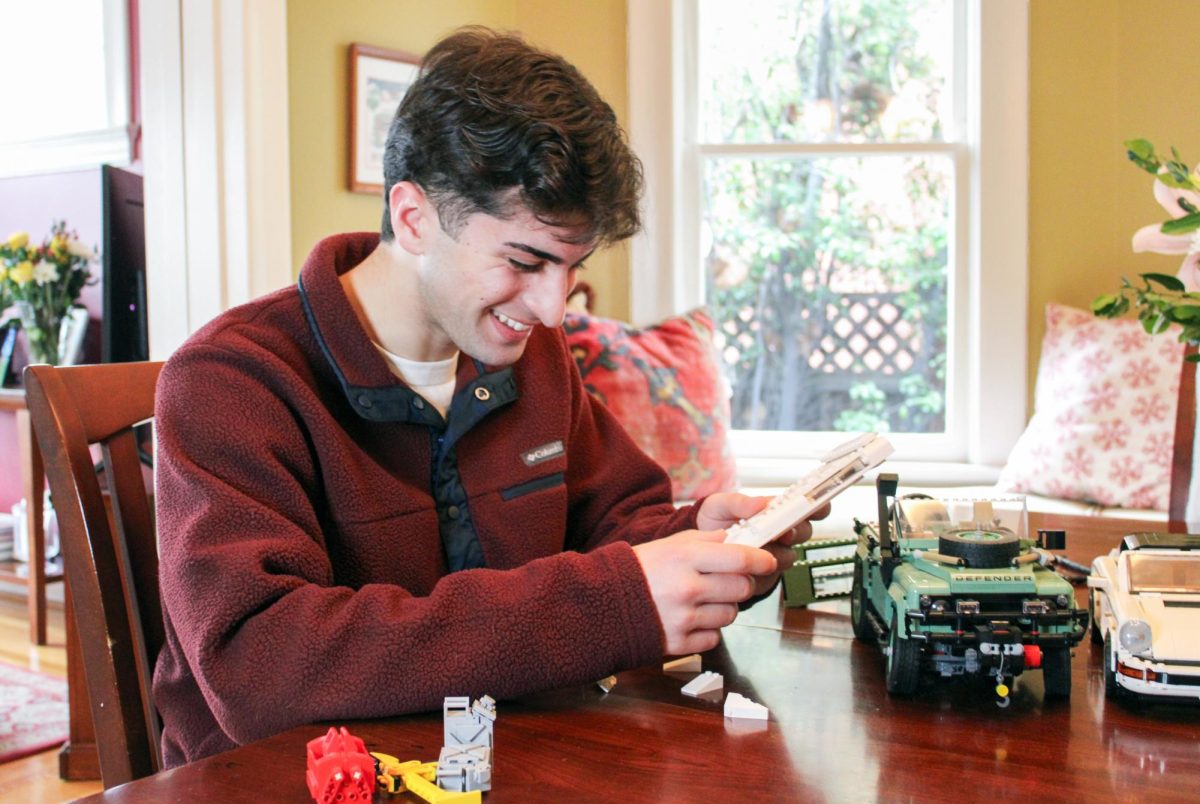




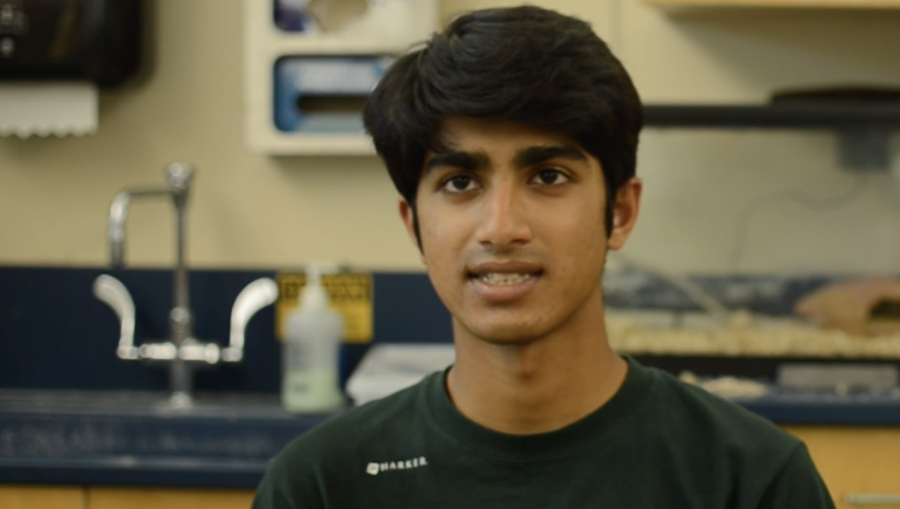
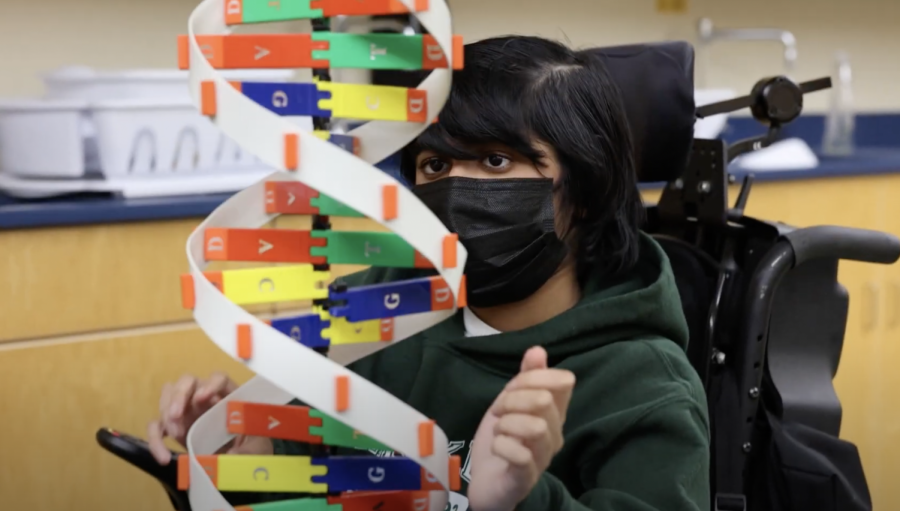
![“[Building nerf blasters] became this outlet of creativity for me that hasn't been matched by anything else. The process [of] making a build complete to your desire is such a painstakingly difficult process, but I've had to learn from [the skills needed from] soldering to proper painting. There's so many different options for everything, if you think about it, it exists. The best part is [that] if it doesn't exist, you can build it yourself," Ishaan Parate said.](https://harkeraquila.com/wp-content/uploads/2022/08/DSC_8149-900x604.jpg)
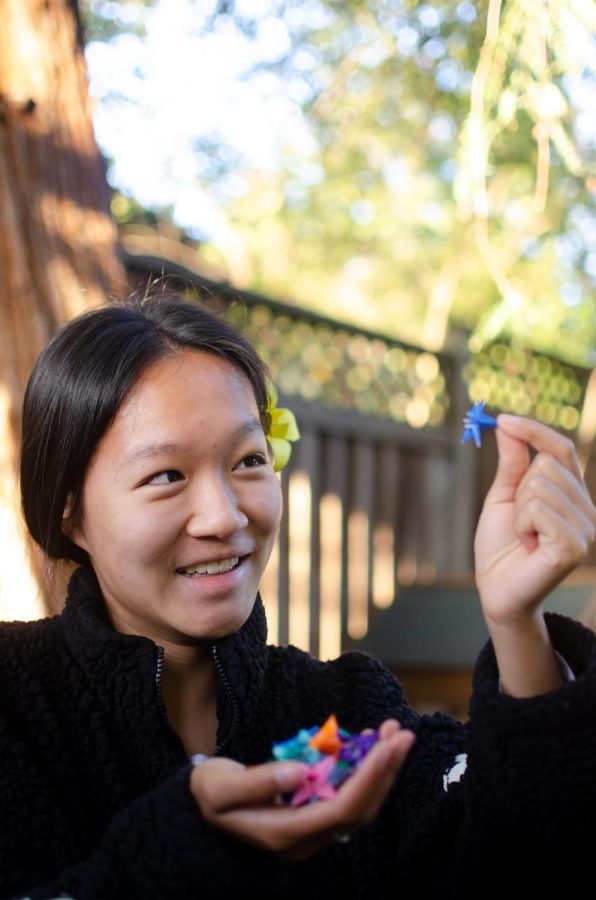


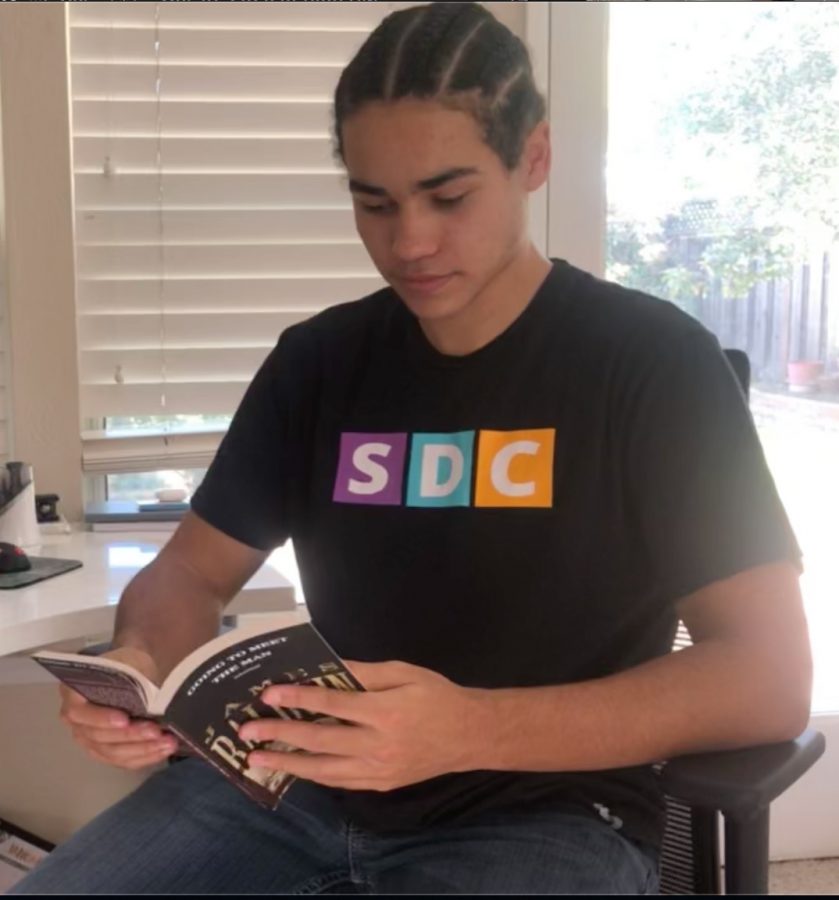
![“When I came into high school, I was ready to be a follower. But DECA was a game changer for me. It helped me overcome my fear of public speaking, and it's played such a major role in who I've become today. To be able to successfully lead a chapter of 150 students, an officer team and be one of the upperclassmen I once really admired is something I'm [really] proud of,” Anvitha Tummala ('21) said.](https://harkeraquila.com/wp-content/uploads/2021/07/Screen-Shot-2021-07-25-at-9.50.05-AM-900x594.png)







![“I think getting up in the morning and having a sense of purpose [is exciting]. I think without a certain amount of drive, life is kind of obsolete and mundane, and I think having that every single day is what makes each day unique and kind of makes life exciting,” Neymika Jain (12) said.](https://harkeraquila.com/wp-content/uploads/2017/06/Screen-Shot-2017-06-03-at-4.54.16-PM.png)





![“My slogan is ‘slow feet, don’t eat, and I’m hungry.’ You need to run fast to get where you are–you aren't going to get those championships if you aren't fast,” Angel Cervantes (12) said. “I want to do well in school on my tests and in track and win championships for my team. I live by that, [and] I can do that anywhere: in the classroom or on the field.”](https://harkeraquila.com/wp-content/uploads/2018/06/DSC5146-900x601.jpg)
![“[Volleyball has] taught me how to fall correctly, and another thing it taught is that you don’t have to be the best at something to be good at it. If you just hit the ball in a smart way, then it still scores points and you’re good at it. You could be a background player and still make a much bigger impact on the team than you would think,” Anya Gert (’20) said.](https://harkeraquila.com/wp-content/uploads/2020/06/AnnaGert_JinTuan_HoHPhotoEdited-600x900.jpeg)

![“I'm not nearly there yet, but [my confidence has] definitely been getting better since I was pretty shy and timid coming into Harker my freshman year. I know that there's a lot of people that are really confident in what they do, and I really admire them. Everyone's so driven and that has really pushed me to kind of try to find my own place in high school and be more confident,” Alyssa Huang (’20) said.](https://harkeraquila.com/wp-content/uploads/2020/06/AlyssaHuang_EmilyChen_HoHPhoto-900x749.jpeg)




On July 20, 1969, the astronauts of the Apollo 11 mission set foot on the moon. They became the first human crew to do so and established a precedent to push the bounds of spaceflight for decades to come. Even during the 1960s, a decade of great political turmoil, the mission brought a brief moment of perspective and hope back on Earth.
Now, 57 years later, the Artemis II flight has ignited a similar optimism, especially in online communities. Lasting from April 1 to April 11, the highly publicized mission and its crew garnered worldwide adoration. On launch day, I remember watching endless clips of the spacecraft, named Integrity by the crew, blasting off into the atmosphere from various angles. With inspiring music and an assortment of moving quotes by the crew members, each video carried a similar message: one of joy, wonder and celebration.
While some may argue that space exploration detracts from the issues we currently face on our home planet, problems like war, poverty and natural disaster, I believe the hope and optimism that the mission has incited is a reminder of what humanity can be capable of. Rather than being an expensive distraction, Artemis II has shown the world what creativity and collaboration can achieve. These moments of wonder are just as important in reminding us of what exactly we are fighting for.
Listening to a lecture in history class, I reflected on how eerily similar today’s circumstances are to the 1960s. Although the battles are over different issues now — immigration compared to civil rights, conflict in the Middle East versus in Vietnam — we are still in a period of division and uncertainty. Every day when I hop on to the New York Times, a new unbelievable headline about a new crisis going on in some corner of the world catches my eye.
Yet thanks to widespread media coverage of the event, I got to see heartwarming moments of the crew interacting with each other and laugh alongside them during their toilet troubles. The humanization of this mission through social media made the mission more accessible and emotionally connected to ordinary citizens, allowing them to unite over these silly moments.
One of the aspects of the mission that stood out most to me was the diversity of its crew. Watching Mission Specialist Christina Koch, the first woman to travel around the moon, interact so seamlessly with the other astronauts filled me up with warmth and hope for women in STEM in the future. Although I myself do not want to pursue a career in STEM, seeing representation at such a high level made me more optimistic about the expansion of women’s opportunities in these fields. Pilot Victor Glover is also the first Black man to travel around the moon. The inclusion of these two astronauts on the mission is important, and I admire them for taking up this mantle both for the world and for their own communities.
More important than the individual astronauts or the mission objective, Artemis II and space exploration in general teach us to look beyond borders and differences. From the presence of Canadian astronaut Jeremy Hansen to the guide of the European Space Agency’s service module for the Orion vessel, this mission exemplifies a joint effort by humanity.
However, we must continue this kind of effort and support these initiatives even in times without a major space mission. Even though NASA already consists of less than one percent of national spending, a proposal for further US science agency funding cuts by the Trump administration, released on April 3, threatens to demolish more than one-fifth of the agency’s budget. Despite the political or economic reasons that might have induced this maneuver, I strongly disagree with it. When weighing the costs against the benefits of space exploration, we must not think only in quantifiable measures, but in the potential of these missions to inspire future generations and encourage worldwide collaboration. For myself and thousands of others, NASA and space exploration offers a hope and excitement that cannot be matched with reducing the budget by a few measly percentage points.
Back on Earth, there were infinite ways that we could share in the excitement of the mission. The National Aeronautics and Space Administration (NASA) livestream of the launch garnered 10 million live viewers, becoming the most-watched launch in the agency’s history. On X, NASA coined the now-viral term “moon joy” to describe the infectious wonder that accompanies a mission to the moon. In a further attempt to engage the public, NASA’s “Send Your Name to Space” initiative allowed more than five million people from 56 different countries to sign up to have their name carried on an SD card aboard Artemis II.
For me, one of the most touching moments of the mission was when the rest of the crew proposed naming a moon crater after Commander Reid Wiseman’s late wife Carroll. Even hundreds of thousands of miles away from Earth, it is people and our relationships that we think of first and bring us together.
In traveling to the dark side of the moon and back, Artemis II set the record for farthest human distance from Earth, reaching a maximum distance of 252,756 miles. To me, this exploration was not just about numbers but exemplified the best part of humanity: that desire to keep reaching further, keep innovating, keep discovering, yet always return back to what makes us human. As Integrity turned back towards Earth after breaking the record, in one of my favorite quotes from the mission, Koch emphasized once more their central goal of connection.
“We will inspire,” Koch said. “But ultimately we will always choose Earth. We will always choose each other.”