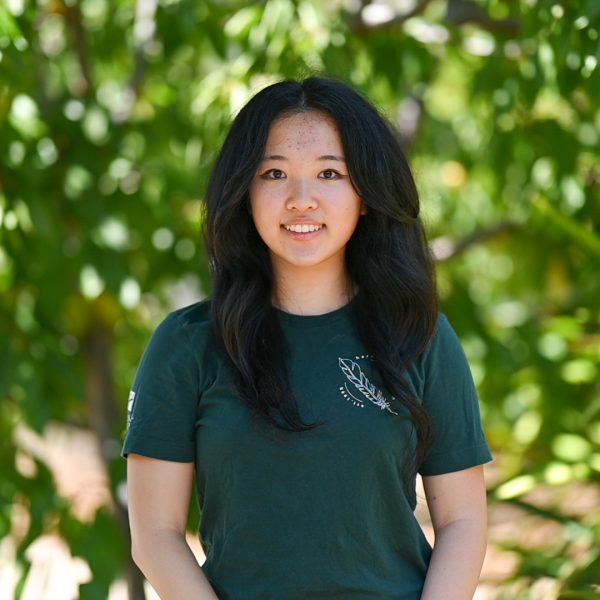
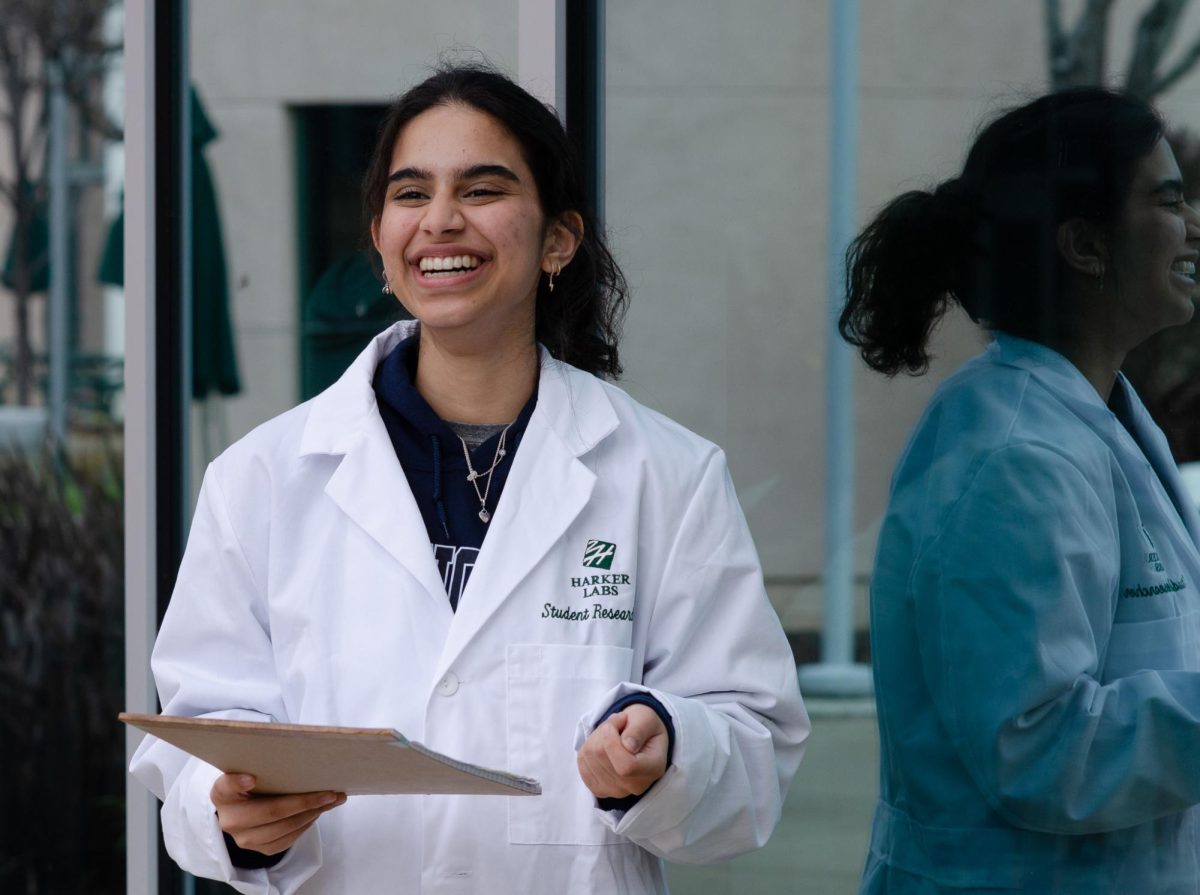
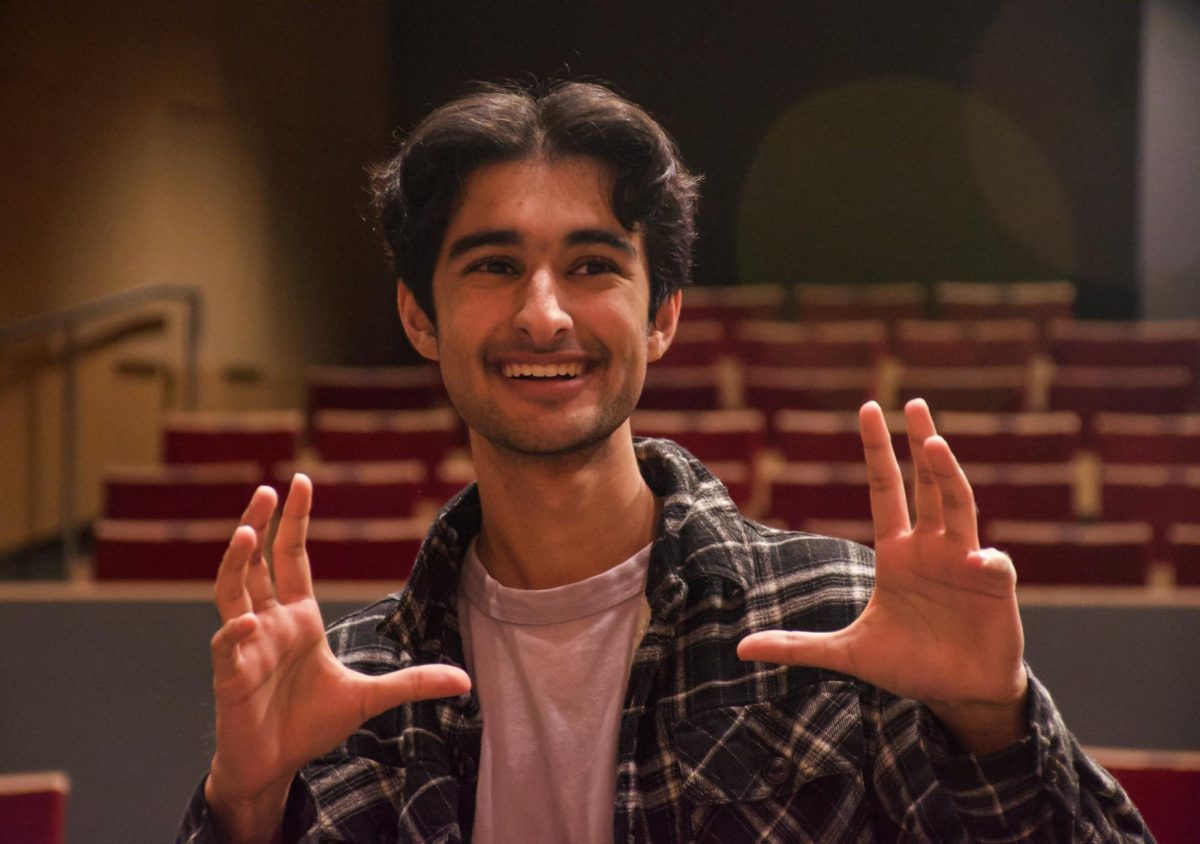
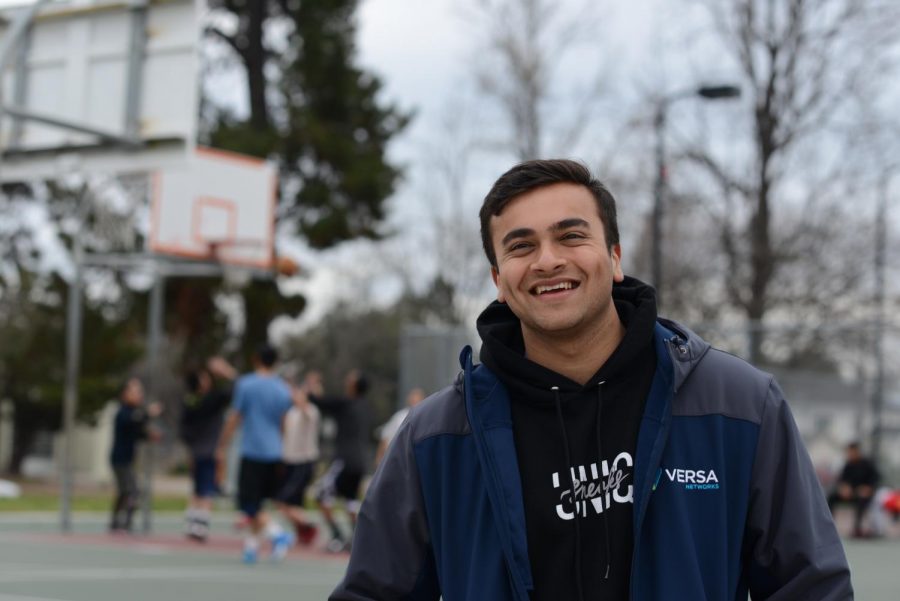
![“I wasn't discouraged by some of the obstacles we faced. I learned a lot from the leadership. I found that different people need different ways of receiving feedback — you can't [just] tell them to do something and expect the best. [Some] people needed more incentive. A large part of my role was to figure out what worked for everyone and to figure out how to lead all these separate individuals as a team,” Suhana Bhandare (’26) said.](https://harkeraquila.com/wp-content/uploads/2026/06/SuhanaBhandare_JasmineHansra-1-1200x798.jpg)
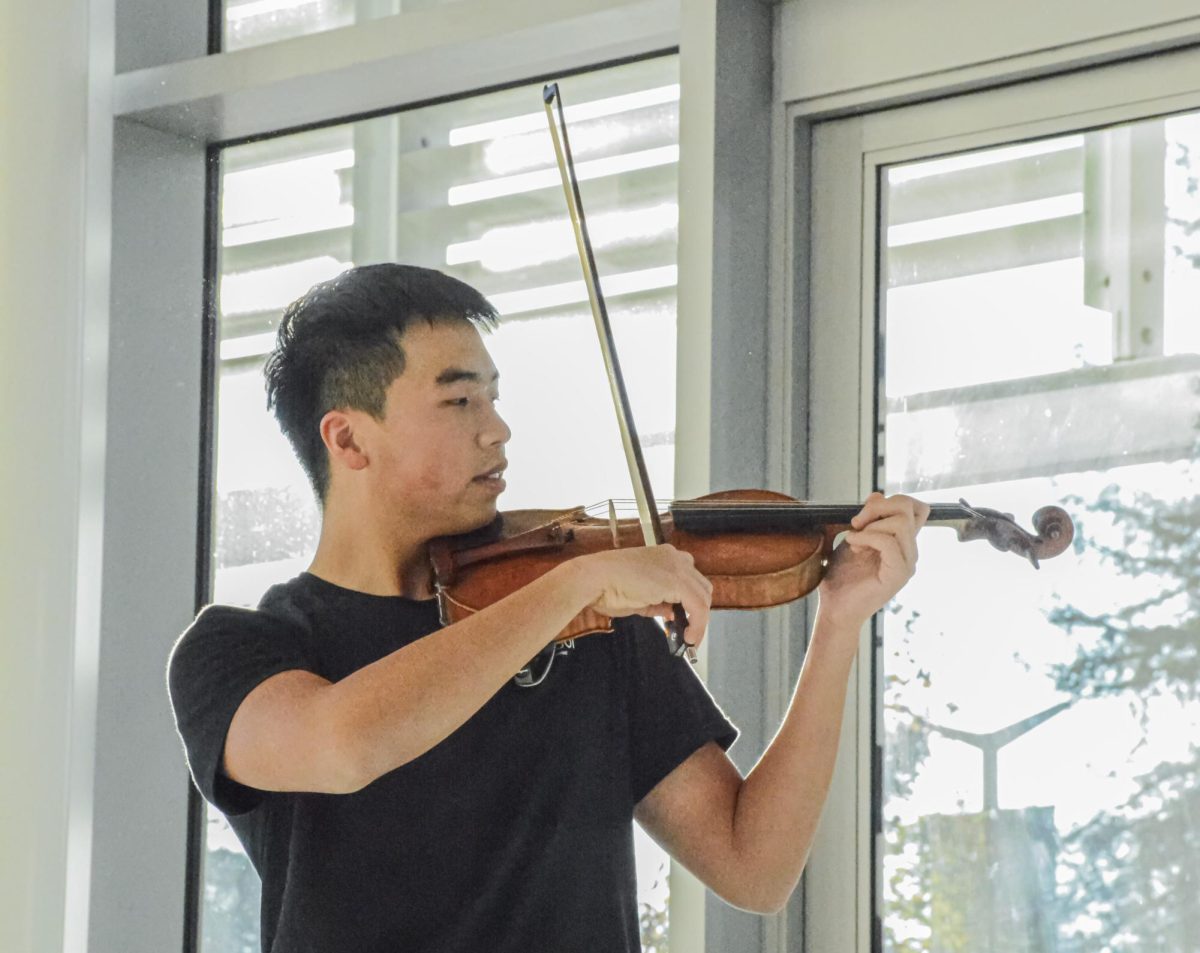
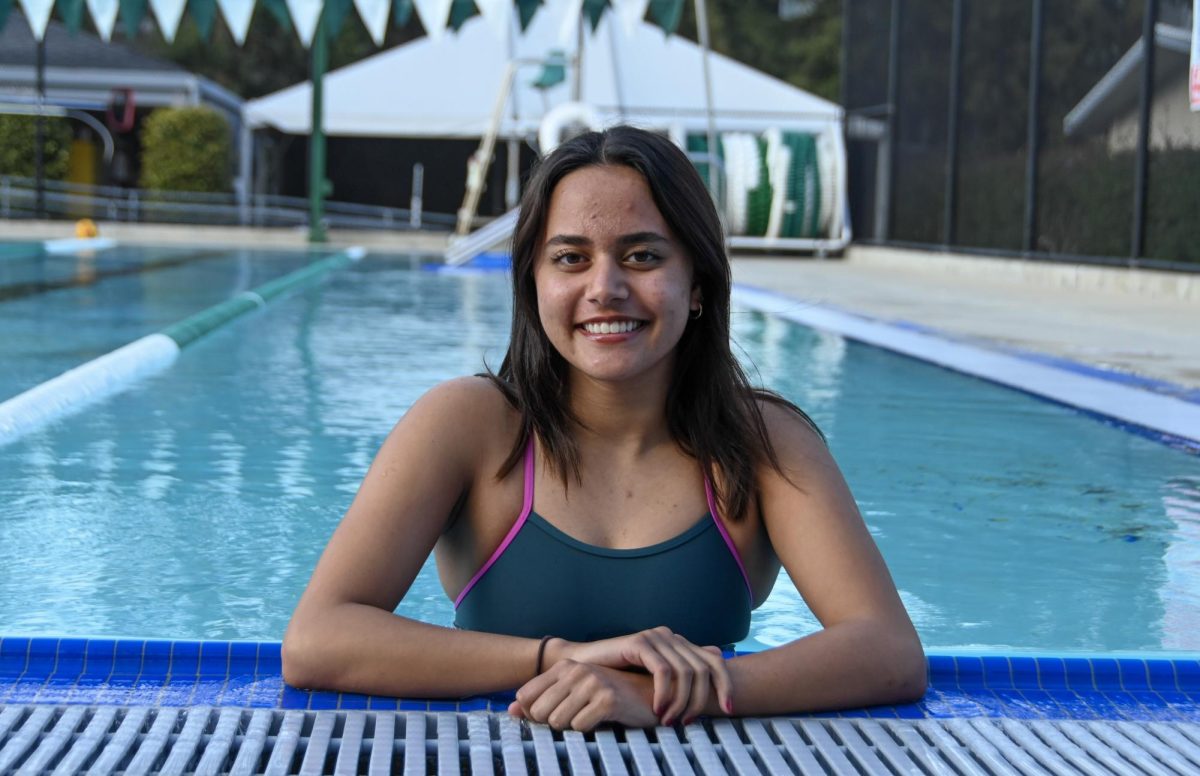
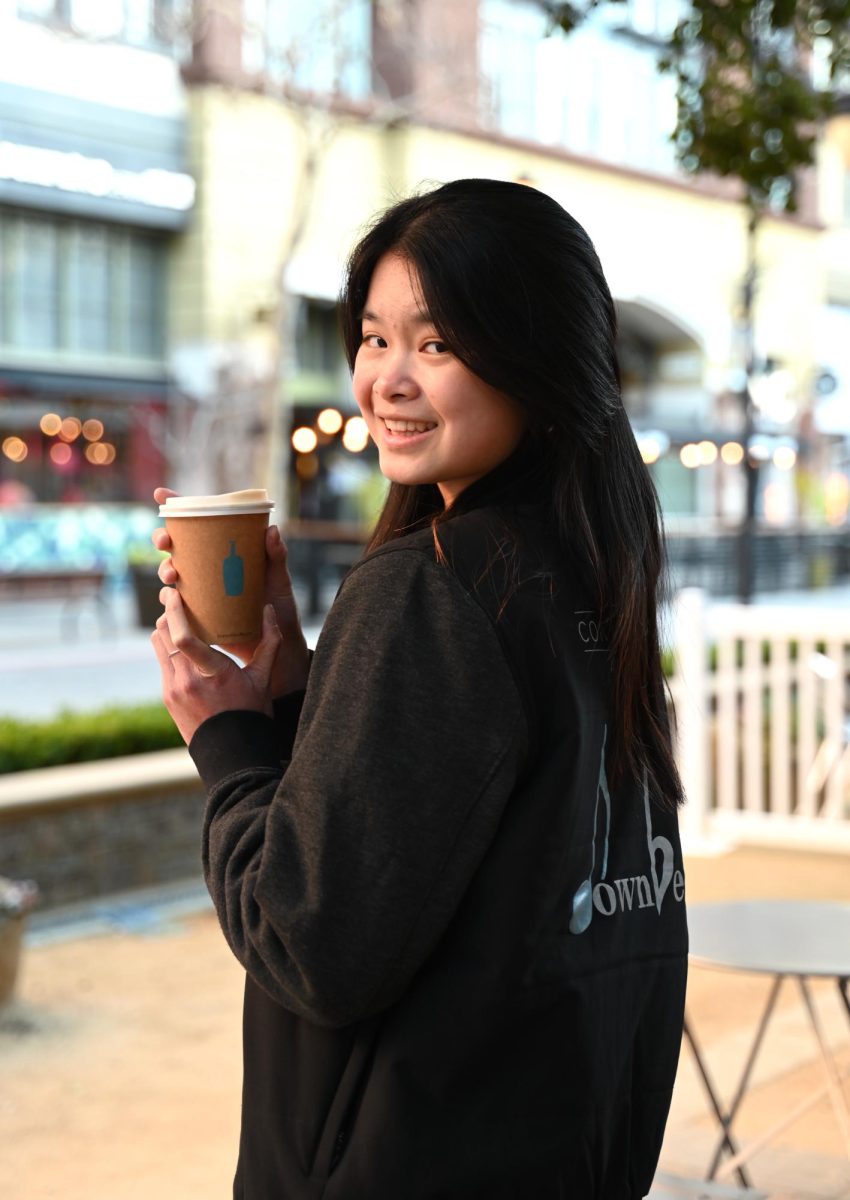
![“This is actually from Randy Pausch Randy P. Brick: ‘Walls are there for a reason. You have to show how much you want to overcome them.’ You have to show how much you want something. That's what I've always been able to do with tennis, Link Crew and getting that internship [with Kushy Baby]. It’s important pushing through that — getting around that brick wall, climbing over it or clawing through it,” Yash Sachdeva (’26) said.](https://harkeraquila.com/wp-content/uploads/2026/05/YashSachdeva_RamBatchu-copy-1200x1002.jpg)

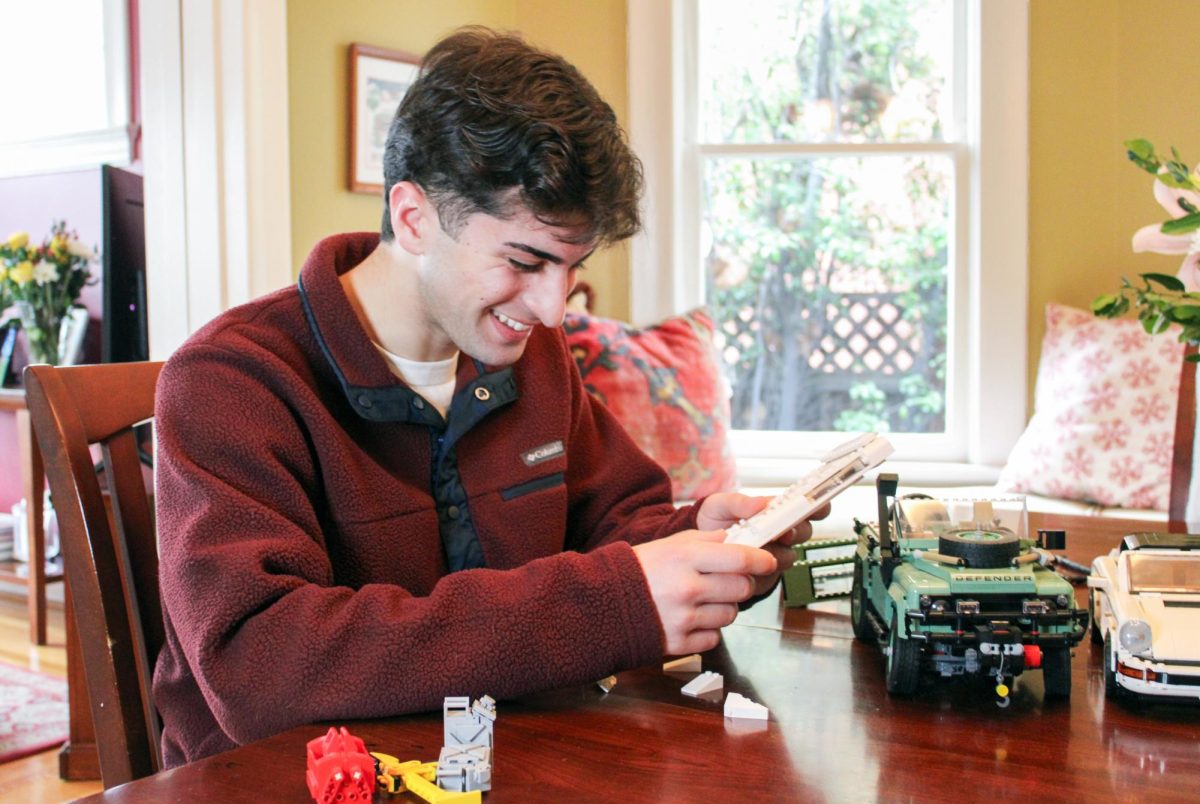
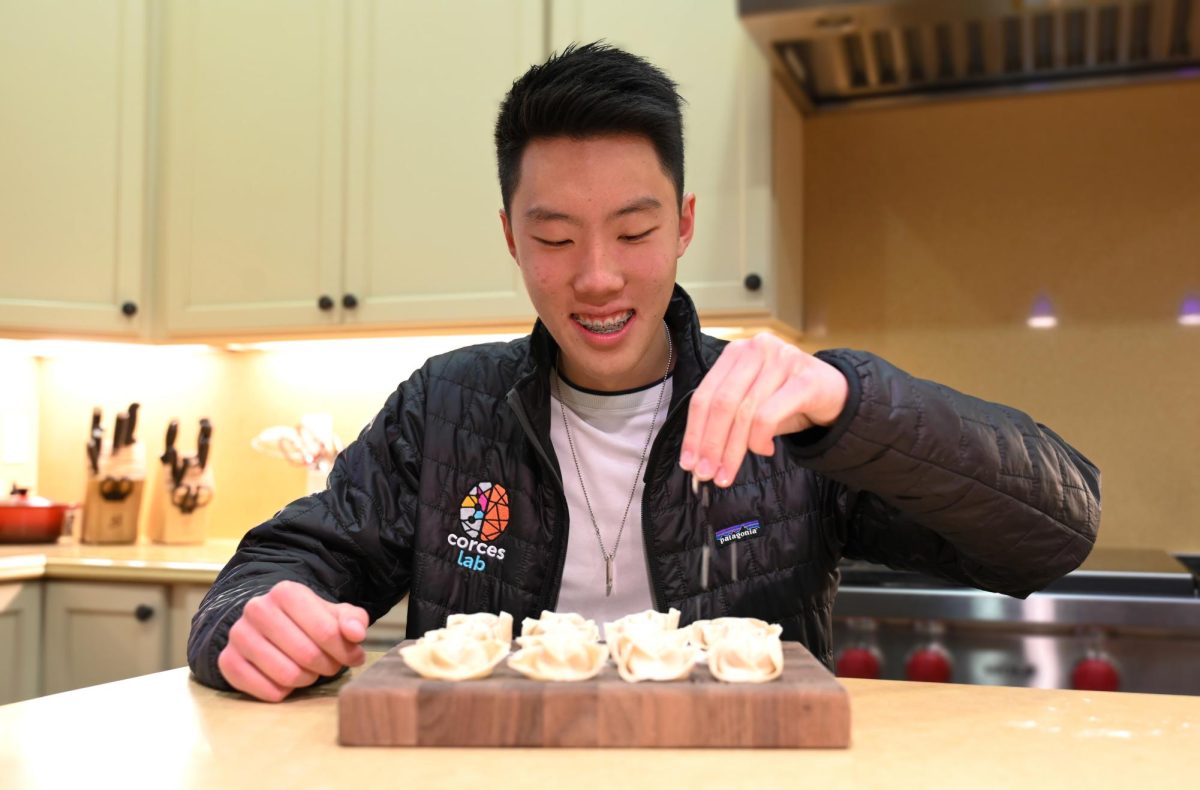
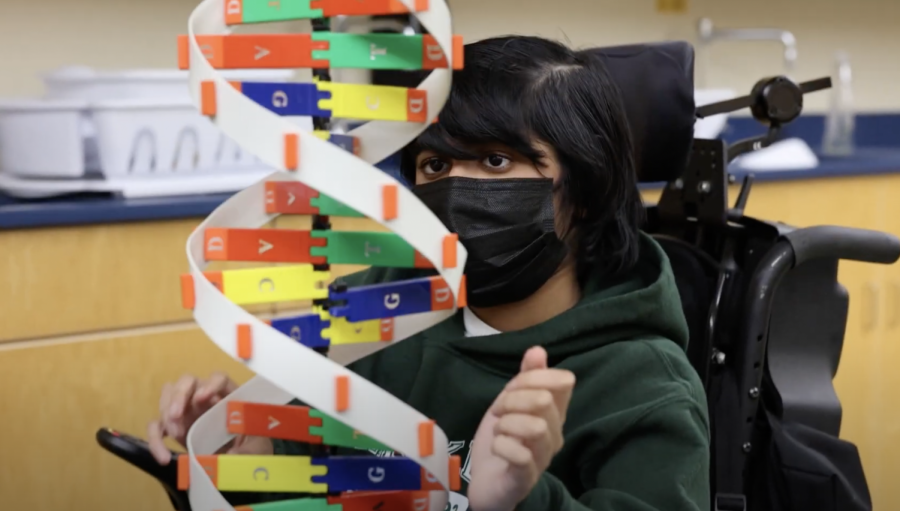
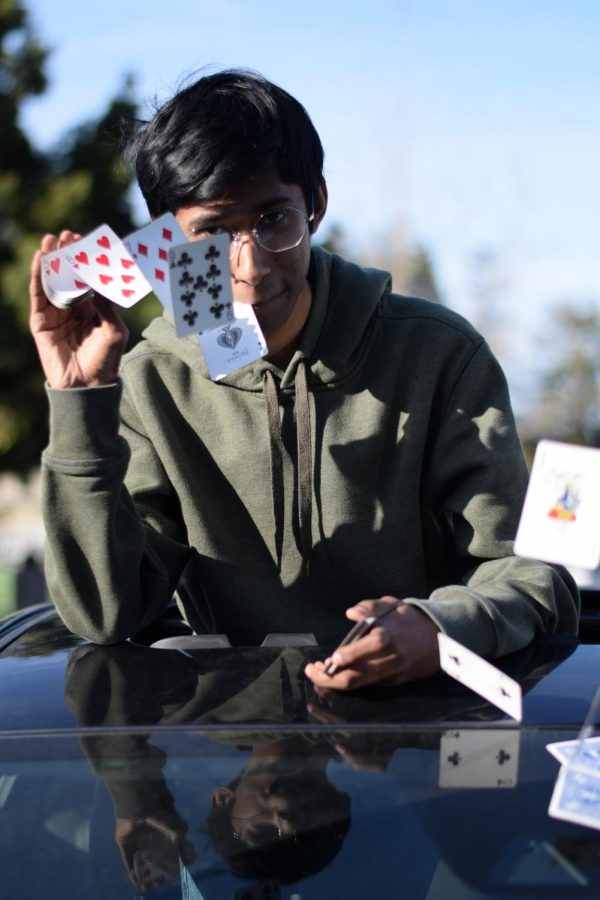
![“[Building nerf blasters] became this outlet of creativity for me that hasn't been matched by anything else. The process [of] making a build complete to your desire is such a painstakingly difficult process, but I've had to learn from [the skills needed from] soldering to proper painting. There's so many different options for everything, if you think about it, it exists. The best part is [that] if it doesn't exist, you can build it yourself," Ishaan Parate said.](https://harkeraquila.com/wp-content/uploads/2022/08/DSC_8149-900x604.jpg)
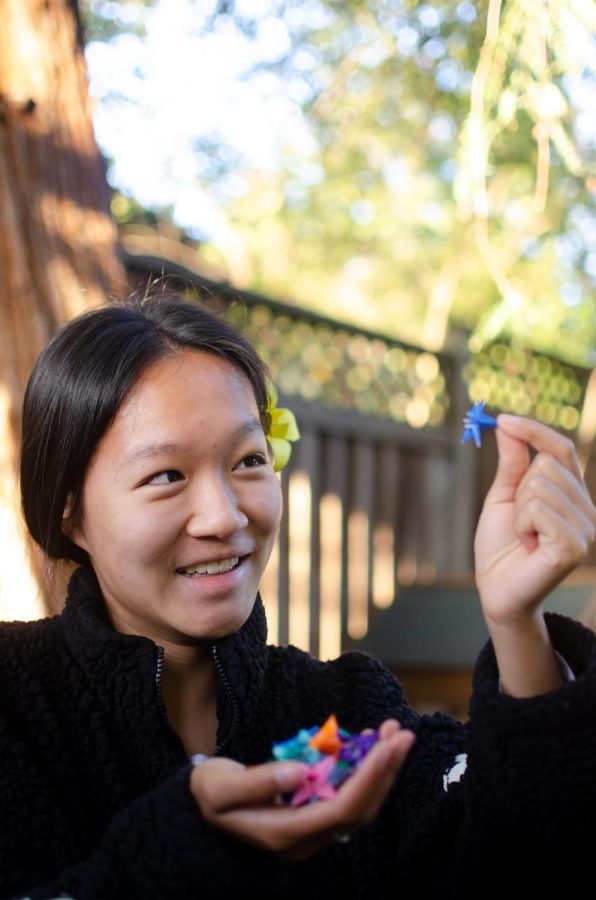
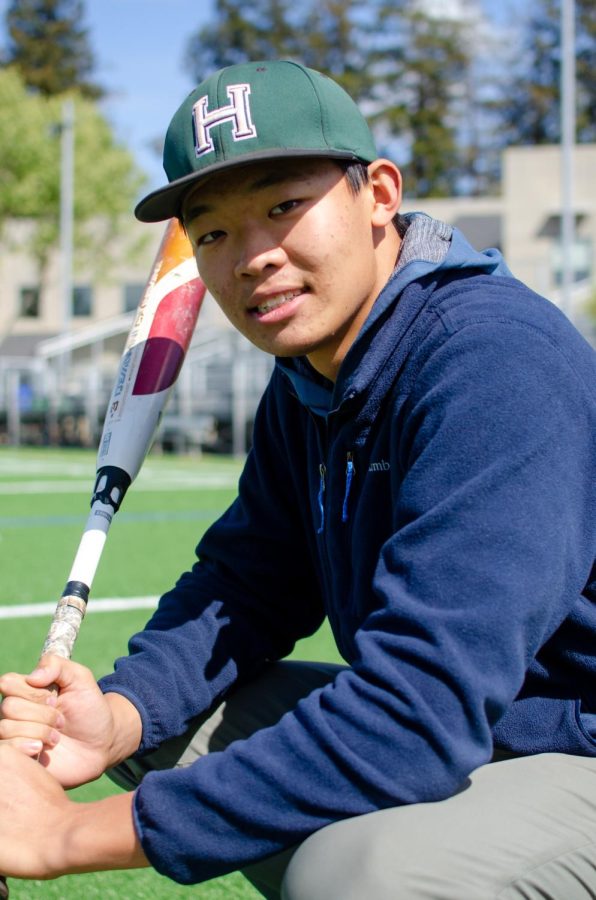
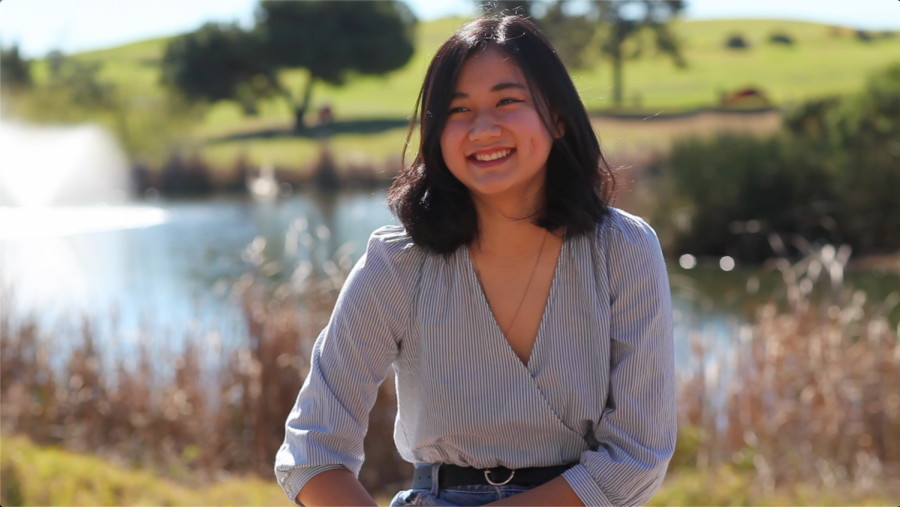
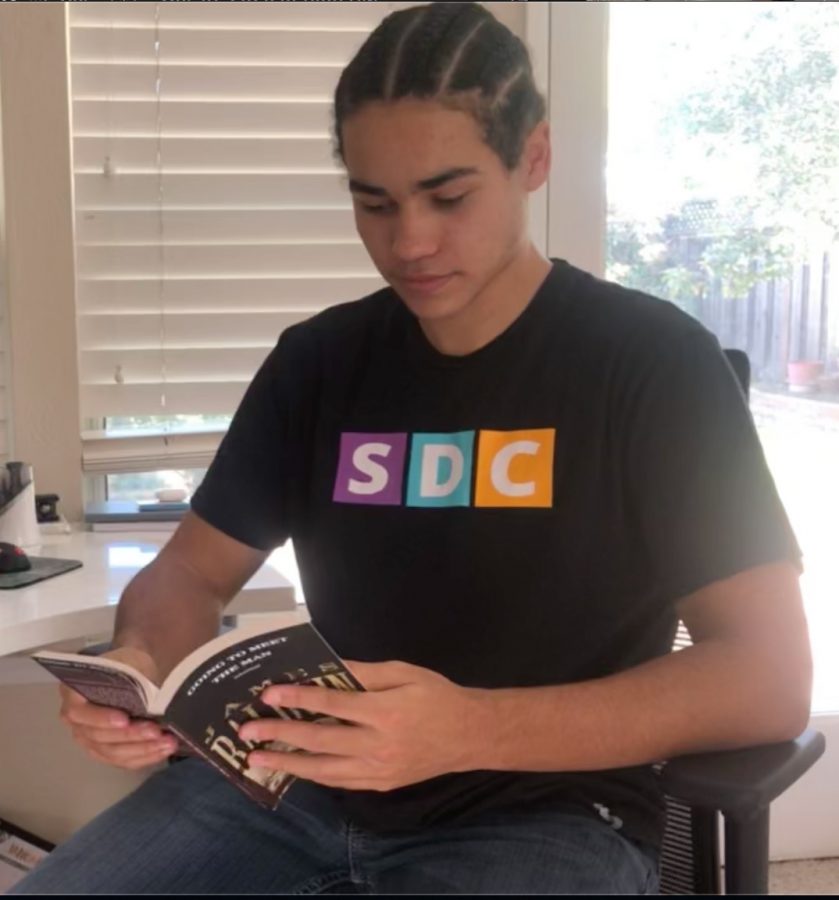
![“When I came into high school, I was ready to be a follower. But DECA was a game changer for me. It helped me overcome my fear of public speaking, and it's played such a major role in who I've become today. To be able to successfully lead a chapter of 150 students, an officer team and be one of the upperclassmen I once really admired is something I'm [really] proud of,” Anvitha Tummala ('21) said.](https://harkeraquila.com/wp-content/uploads/2021/07/Screen-Shot-2021-07-25-at-9.50.05-AM-900x594.png)
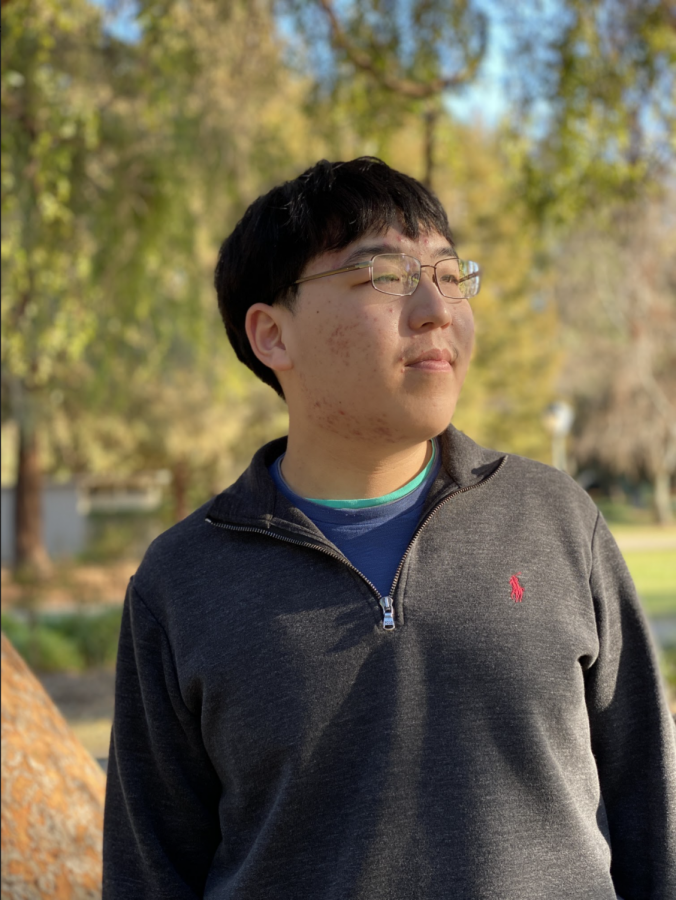
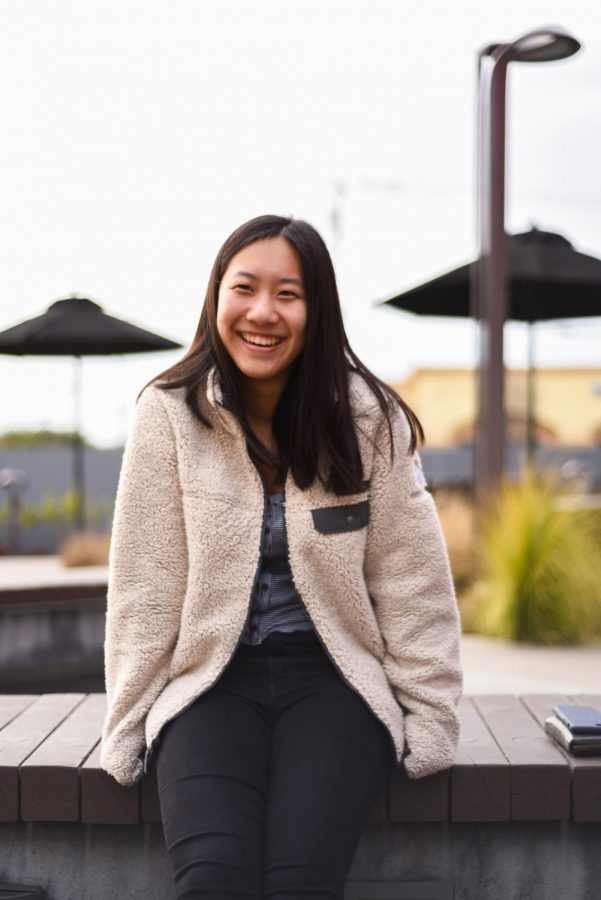
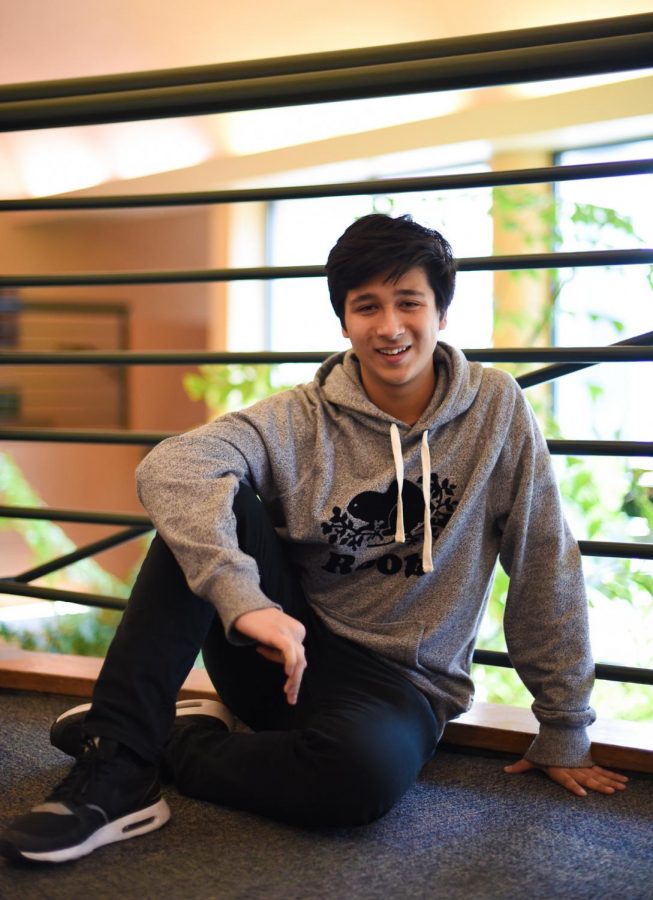
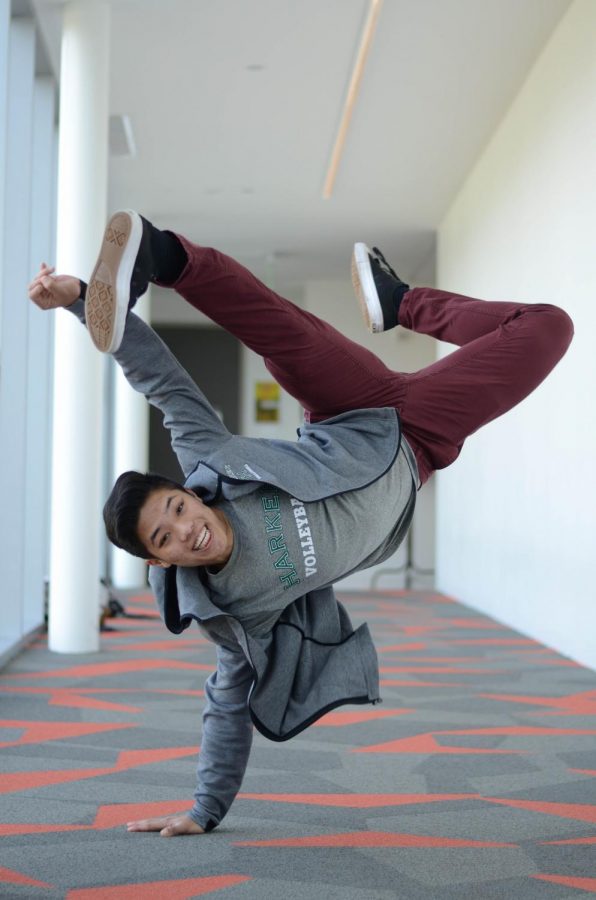
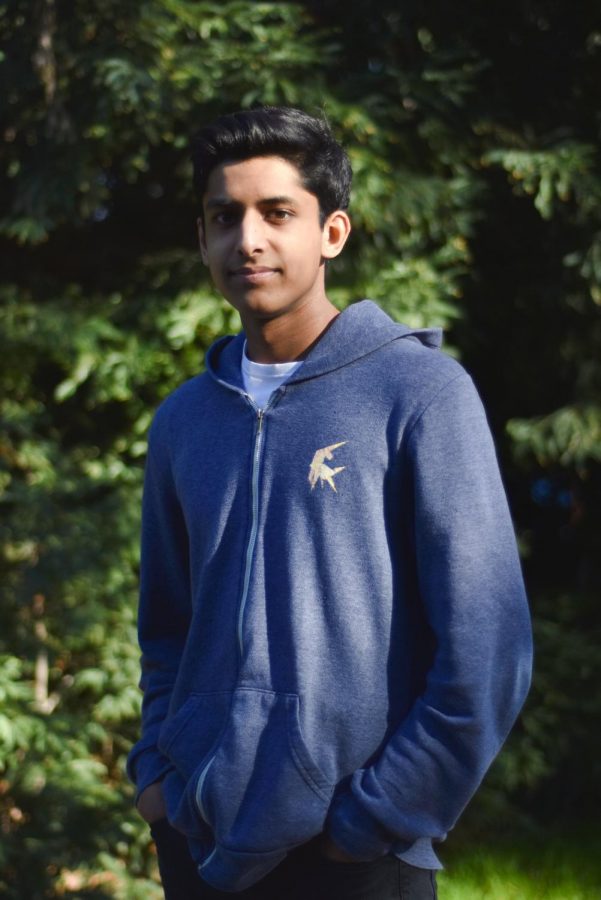

![“I think getting up in the morning and having a sense of purpose [is exciting]. I think without a certain amount of drive, life is kind of obsolete and mundane, and I think having that every single day is what makes each day unique and kind of makes life exciting,” Neymika Jain (12) said.](https://harkeraquila.com/wp-content/uploads/2017/06/Screen-Shot-2017-06-03-at-4.54.16-PM.png)
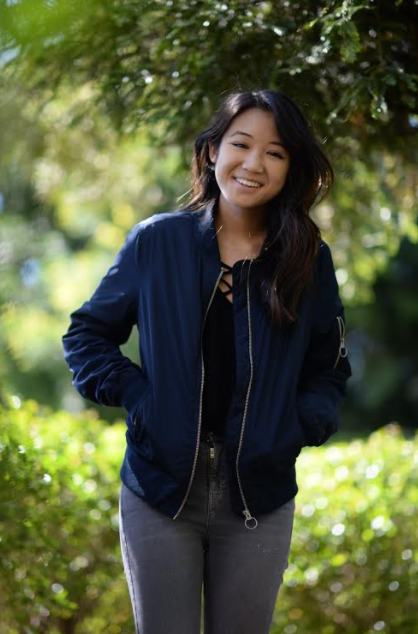
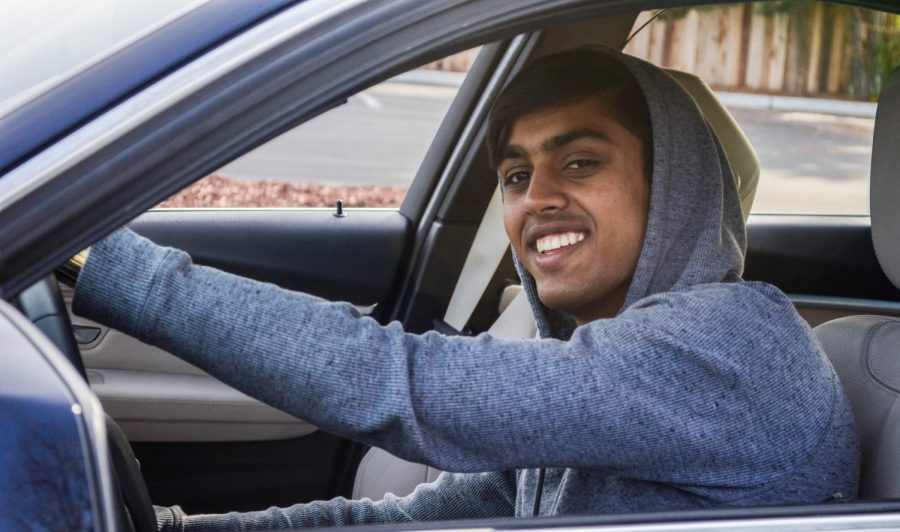
![“My slogan is ‘slow feet, don’t eat, and I’m hungry.’ You need to run fast to get where you are–you aren't going to get those championships if you aren't fast,” Angel Cervantes (12) said. “I want to do well in school on my tests and in track and win championships for my team. I live by that, [and] I can do that anywhere: in the classroom or on the field.”](https://harkeraquila.com/wp-content/uploads/2018/06/DSC5146-900x601.jpg)
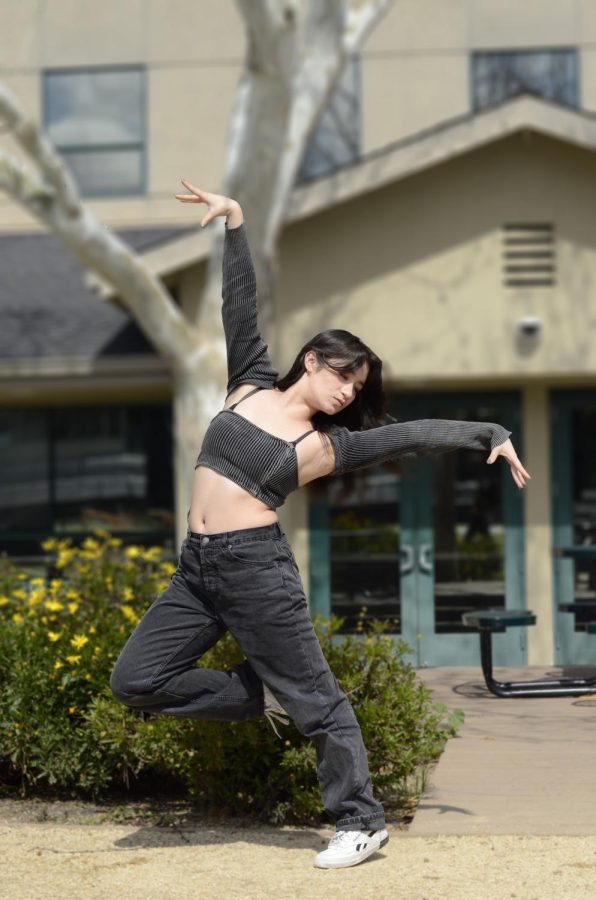
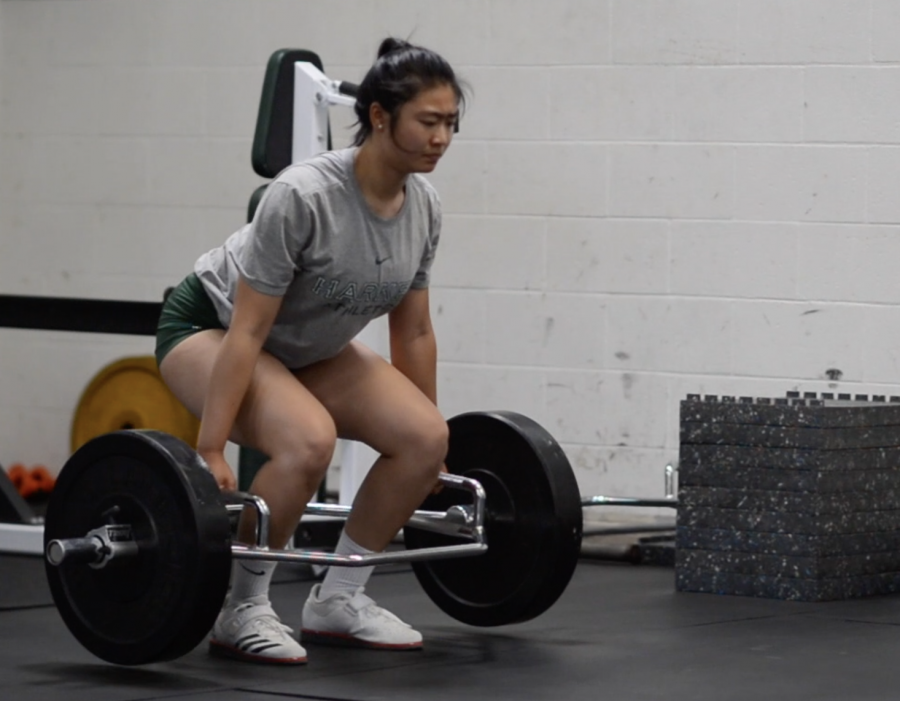
![“[Volleyball has] taught me how to fall correctly, and another thing it taught is that you don’t have to be the best at something to be good at it. If you just hit the ball in a smart way, then it still scores points and you’re good at it. You could be a background player and still make a much bigger impact on the team than you would think,” Anya Gert (’20) said.](https://harkeraquila.com/wp-content/uploads/2020/06/AnnaGert_JinTuan_HoHPhotoEdited-600x900.jpeg)
![“I'm not nearly there yet, but [my confidence has] definitely been getting better since I was pretty shy and timid coming into Harker my freshman year. I know that there's a lot of people that are really confident in what they do, and I really admire them. Everyone's so driven and that has really pushed me to kind of try to find my own place in high school and be more confident,” Alyssa Huang (’20) said.](https://harkeraquila.com/wp-content/uploads/2020/06/AlyssaHuang_EmilyChen_HoHPhoto-900x749.jpeg)


Spirit dances, banner paintings, tug of war and relay races: friendly competition or excessive rivalry?
In a school-wide survey sent out via Schoology, 88% of 142 respondents said they felt frustrated or disappointed with past spirit results. When effort goes unrecognized, dissatisfaction is inevitable. However, the current emphasis on class rankings shifts the focus away from community, instead fostering resentment or complaint when weeks of hard work are reduced to a single outcome. Spirit rankings should encourage effort and cultivate shared experiences between students, not overshadow them.
We, the student body, need to change our attitude toward spirit and use it as a chance to bond with the community rather than a source of conflict and toxicity. We should see winning as a bonus, not the end-all-be-all of the spirit season.
41.6% of respondents viewed spirit results as “sometimes” or “always” unfair, compared to 33.8% who viewed them “sometimes” or “always” fair. Four respondents voluntarily added that they believe competitions favored upperclassmen, and while three additional said they were unfair for freshmen.
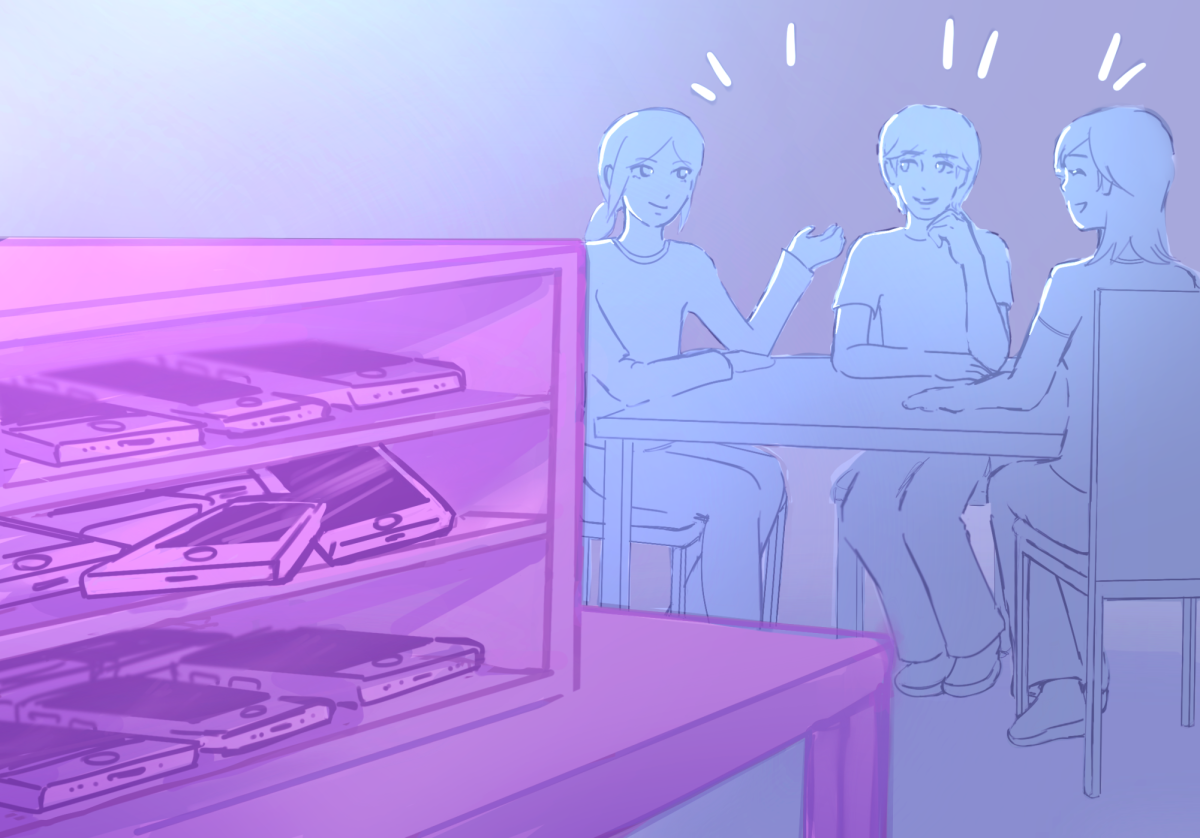
Students respond to unsatisfactory spirit results by blaming lack of spirit transparency or biased judging. This mindset can create tension between students and leadership.
Despite efforts by Harker Spirit Leadership Team and Student Activity Board to increase transparency, like publishing spirit rubrics onto spirit.harker.org, only half the respondents were aware of them. The overall atmosphere surrounding spirit is still clouded by distrust between classes.
In addition to transparency, reframing spirit also requires setting clearer expectations for student commitment. At the same time, it’s important to remember that involvement is voluntary, built up by contributions students make in their free time.
Although 53.5% of respondents believe everyone should feel a duty to participate in class spirit, all students should still respect those who make the choice not to. There are many other ways to build the community beyond spirit activities. By framing spirit as fun rather than obligatory, students can shift emphasis away from winning to enjoying the process.
In the end, the core of spirit is the effort that students and faculty dedicate to it. By respecting and recognizing those efforts, whether it be planning the logistics of a rally or preparing dances, dodgeball, banners, props and more, we can move towards a more connected and genuinely appreciative spirit environment.
Students had mixed feelings about how much winning matters. While 36.7% of respondents ranked the importance of winning spirit as “4” or “5,” another 32.4% chose “1” or “2” from a scale of “1” to “5.” This close split suggests that the time the participants contributed to spirit competitions determined the expectations they had for the outcome of the event.
Regardless of where someone falls on that scale, it’s important to respect everyone involved and accept the results with sportsmanship. Retaliating against judges, choreographers and other key players in spirit undermines the effort that makes spirit possible in the first place.
Spirit should be a medium of interpersonal connection, not division. Point values are ways to guide the school towards more spirited energy — the exact values should not matter as much as the process.
No matter what role you play in spirit, from leading the dance to cheering from the stands, let’s respect the effort behind every contribution and participate with grace and love of the game.






![“Probably the most important thing that I can do is to help raise awareness amongst youth because [students] are the ones that sadly are going to inherit this mess. It’s important for us, the people who helped take the planet to the place it is now, to really lean in and make a difference about this issue," Moss said.](https://harkeraquila.com/wp-content/uploads/2026/05/DSC_9315-e1778880890147-1200x873.jpg)