



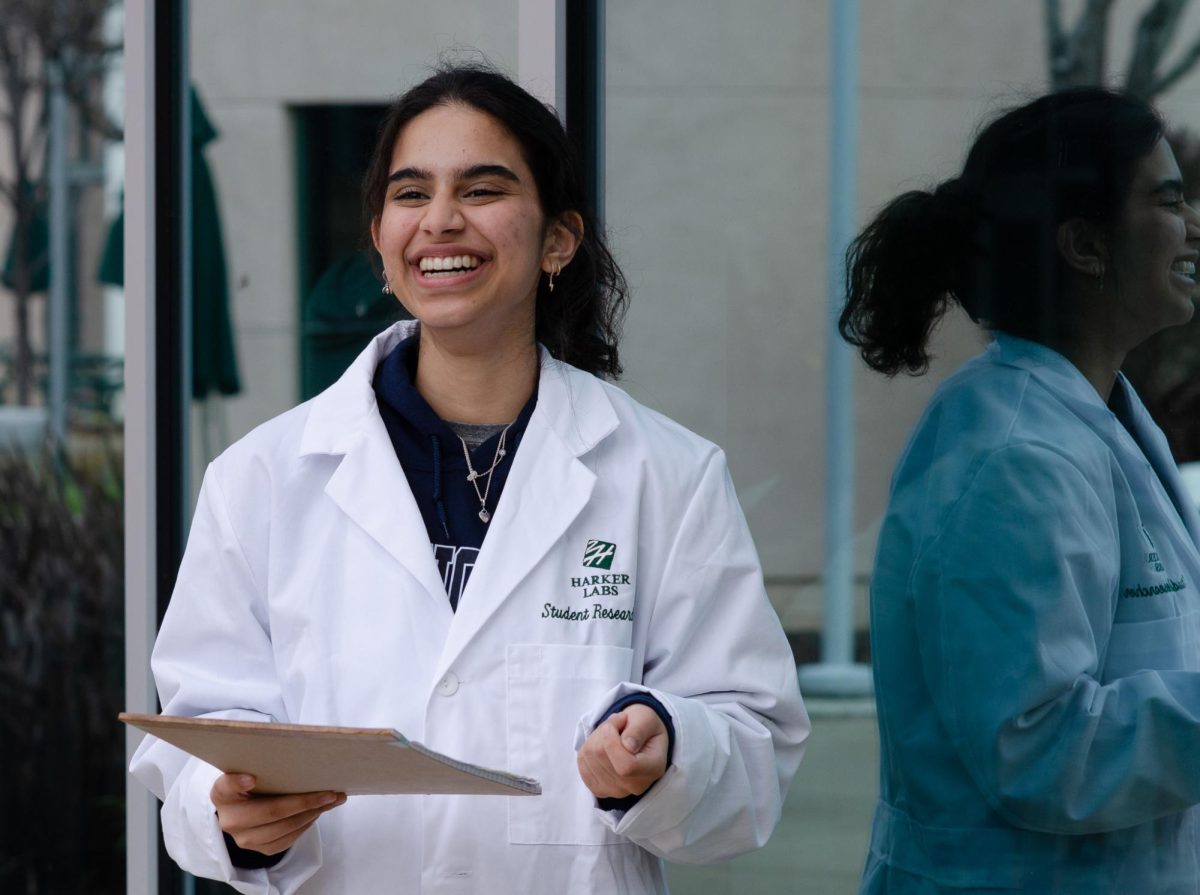
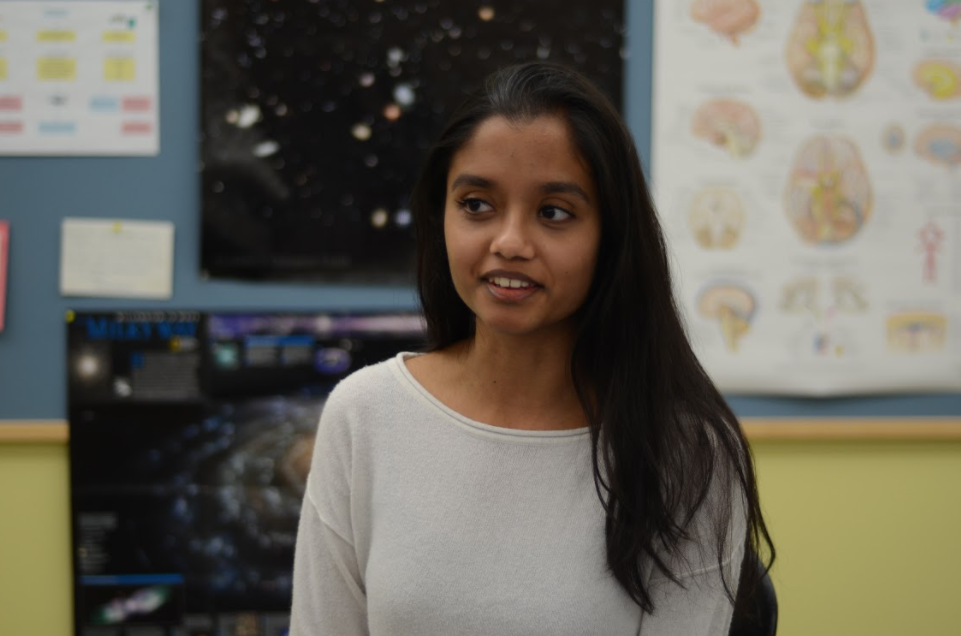
![“I wasn't discouraged by some of the obstacles we faced. I learned a lot from the leadership. I found that different people need different ways of receiving feedback — you can't [just] tell them to do something and expect the best. [Some] people needed more incentive. A large part of my role was to figure out what worked for everyone and to figure out how to lead all these separate individuals as a team,” Suhana Bhandare (’26) said.](https://harkeraquila.com/wp-content/uploads/2026/06/SuhanaBhandare_JasmineHansra-1-1200x798.jpg)
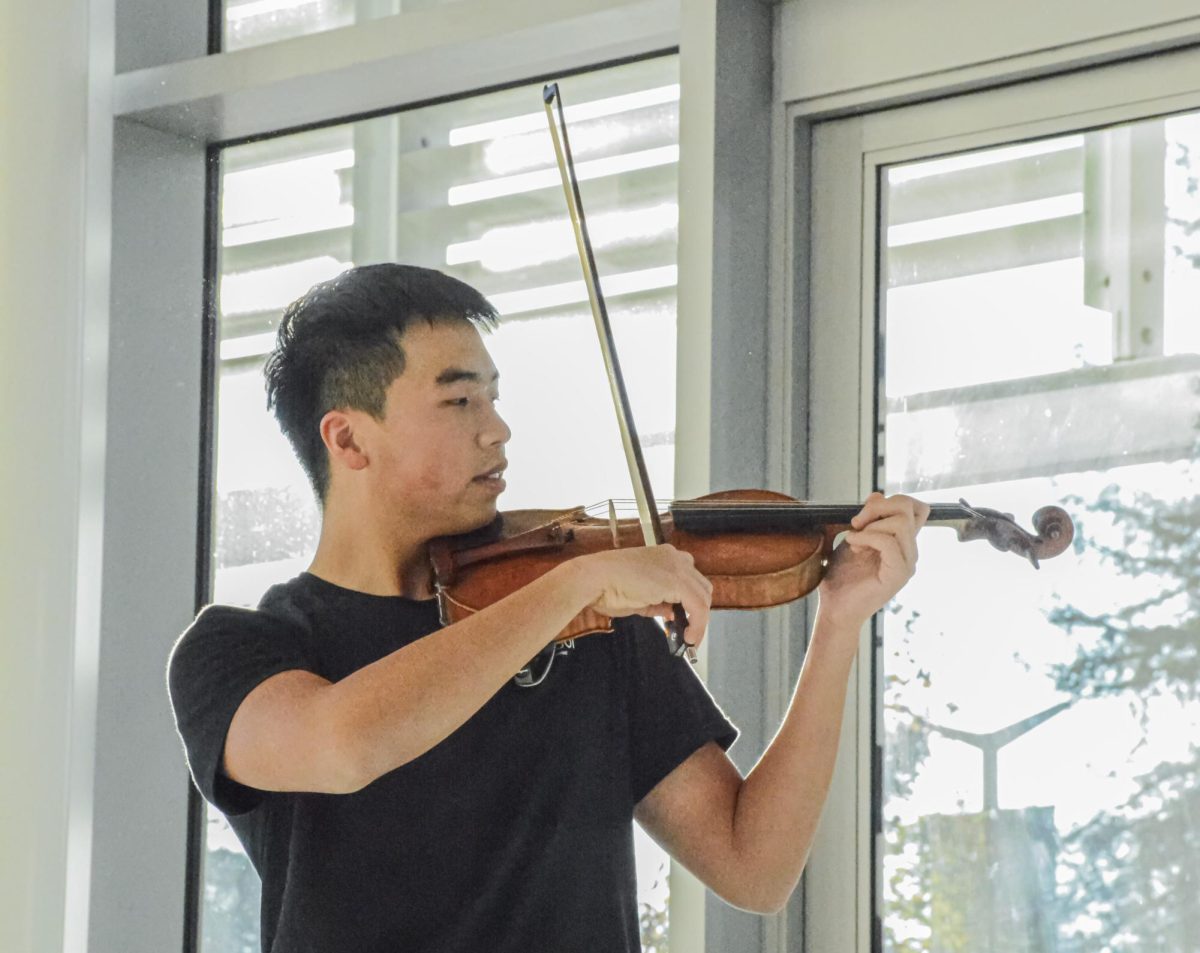

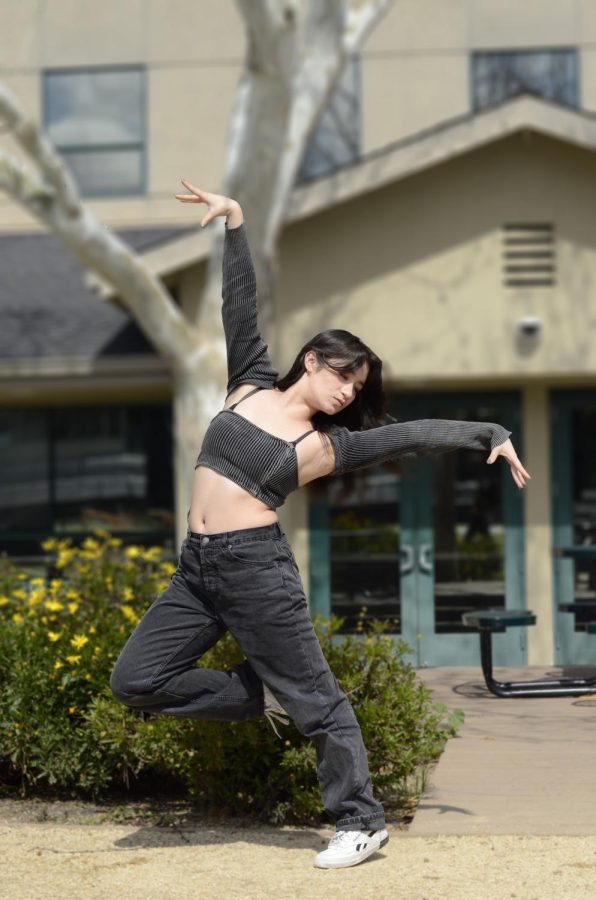
![“This is actually from Randy Pausch Randy P. Brick: ‘Walls are there for a reason. You have to show how much you want to overcome them.’ You have to show how much you want something. That's what I've always been able to do with tennis, Link Crew and getting that internship [with Kushy Baby]. It’s important pushing through that — getting around that brick wall, climbing over it or clawing through it,” Yash Sachdeva (’26) said.](https://harkeraquila.com/wp-content/uploads/2026/05/YashSachdeva_RamBatchu-copy-1200x1002.jpg)


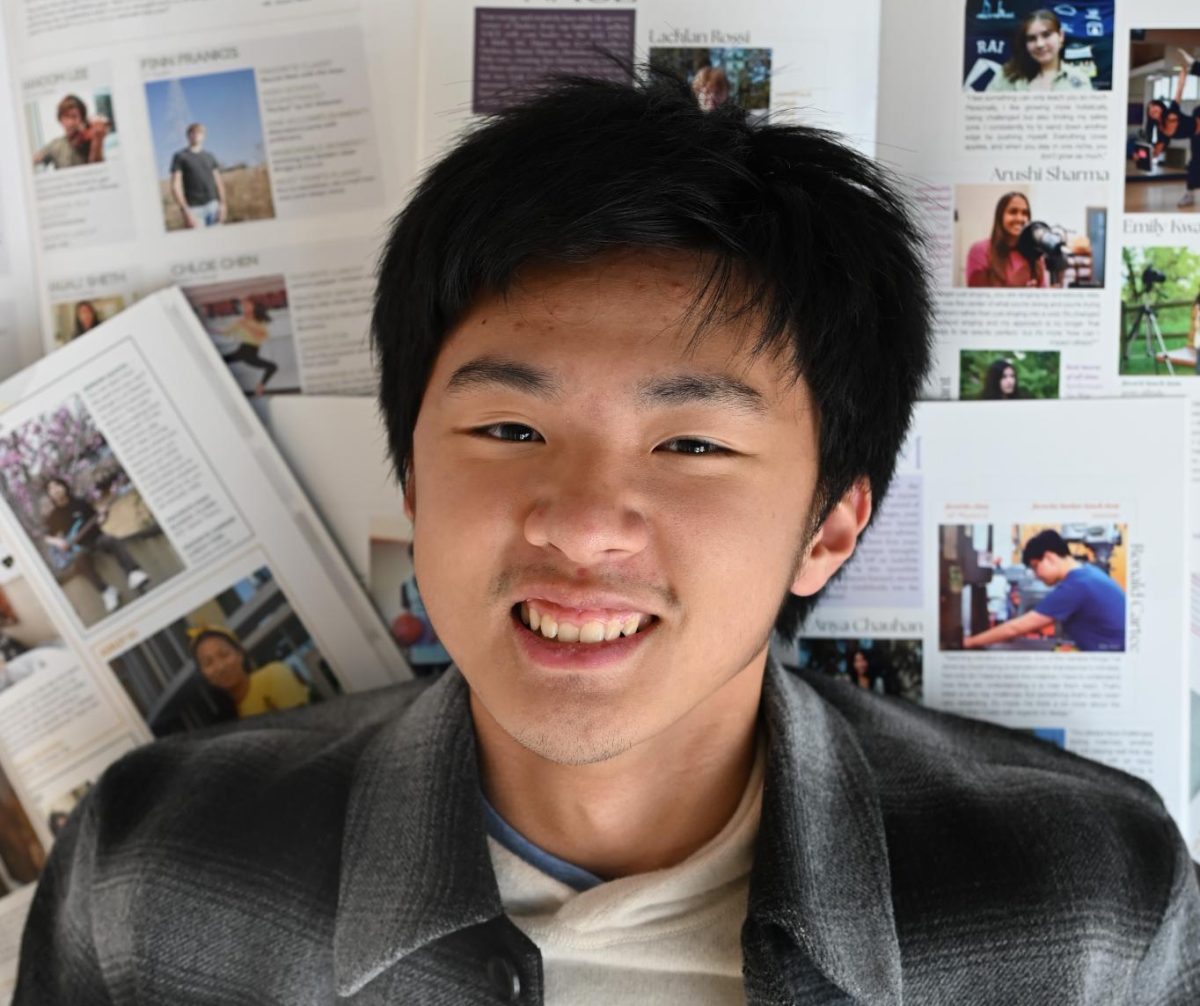
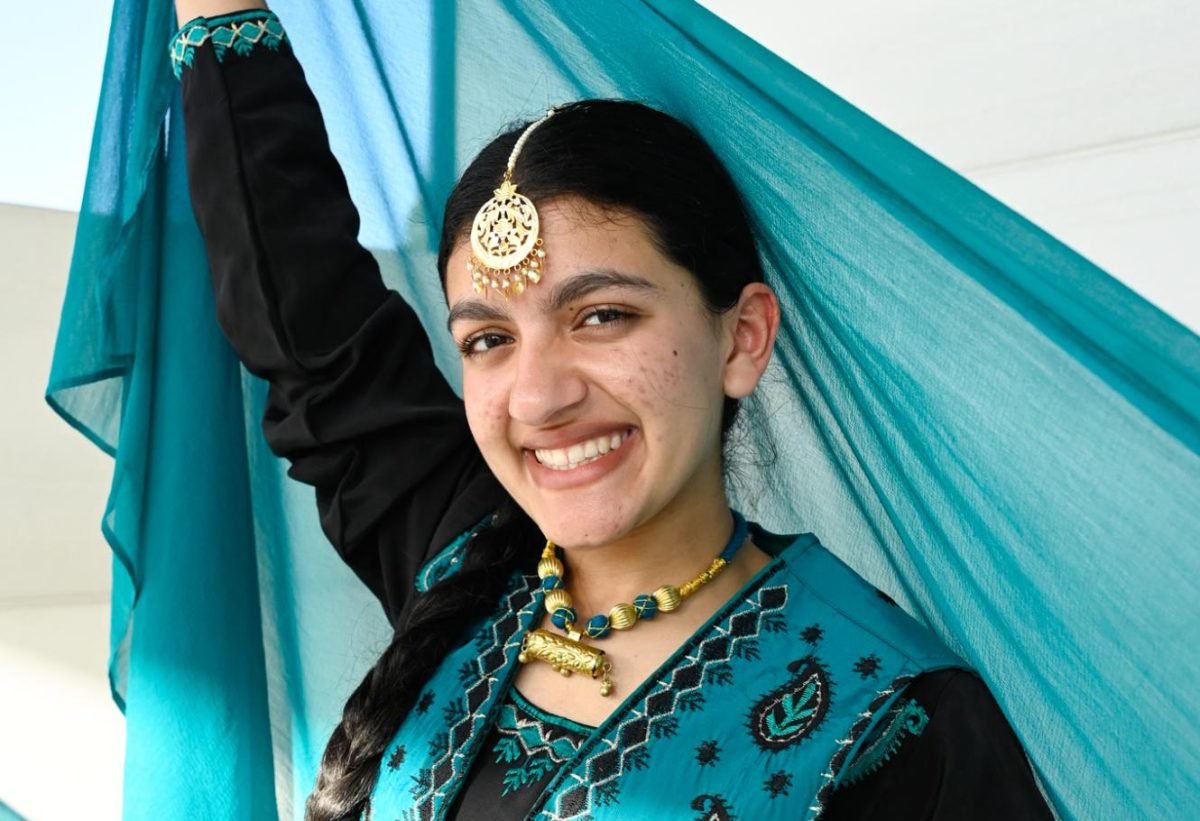





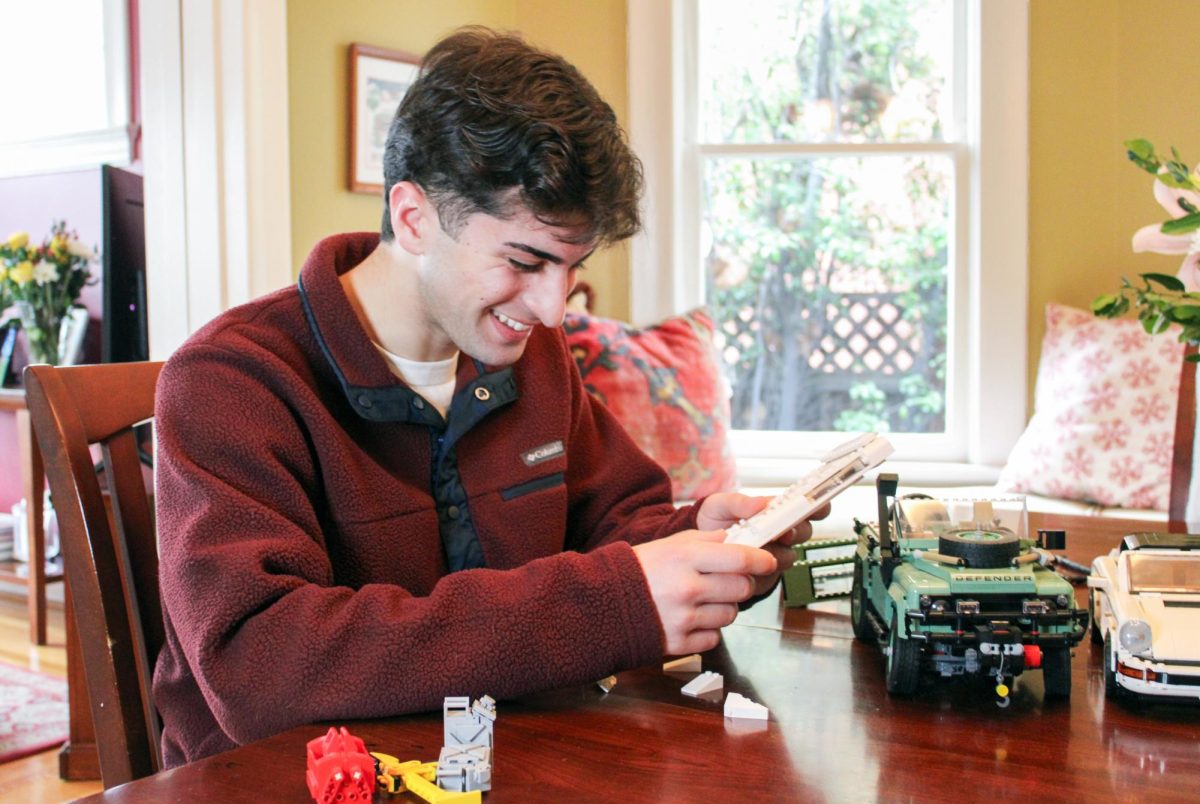

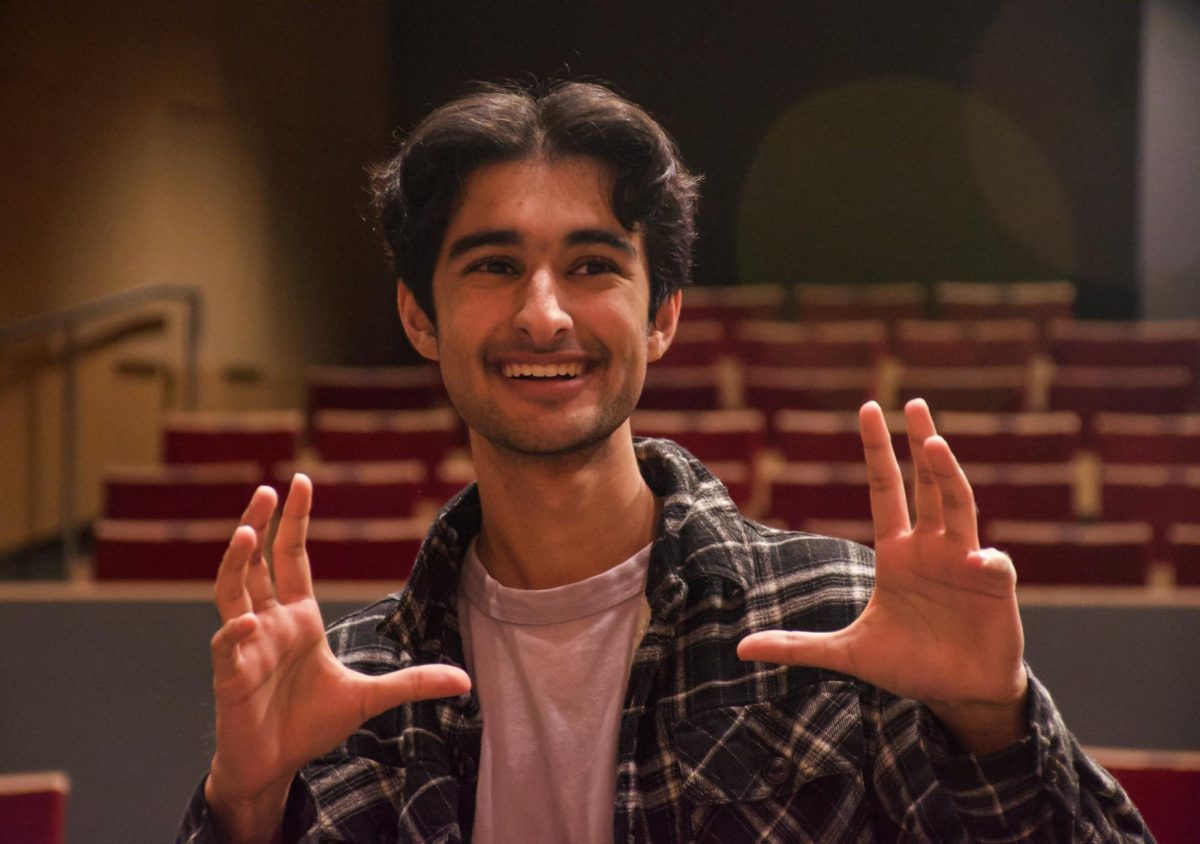


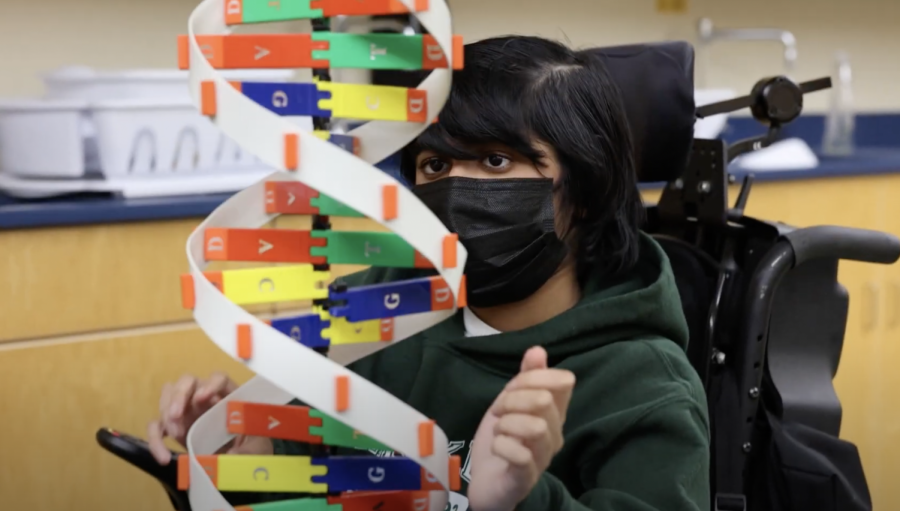
![“[Building nerf blasters] became this outlet of creativity for me that hasn't been matched by anything else. The process [of] making a build complete to your desire is such a painstakingly difficult process, but I've had to learn from [the skills needed from] soldering to proper painting. There's so many different options for everything, if you think about it, it exists. The best part is [that] if it doesn't exist, you can build it yourself," Ishaan Parate said.](https://harkeraquila.com/wp-content/uploads/2022/08/DSC_8149-900x604.jpg)
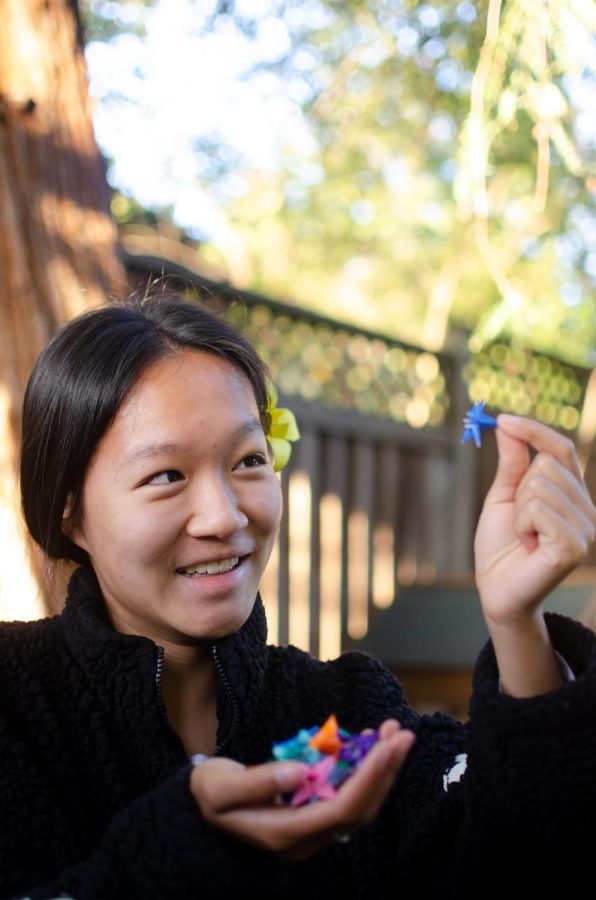

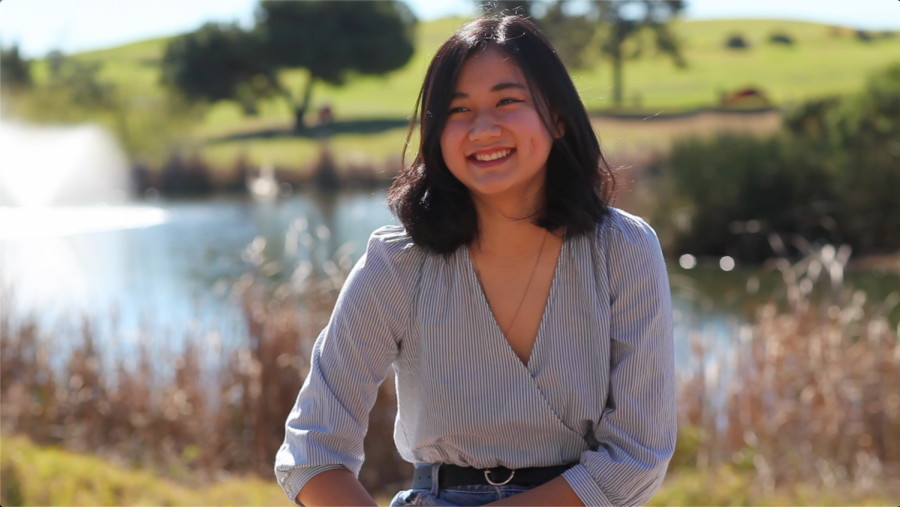
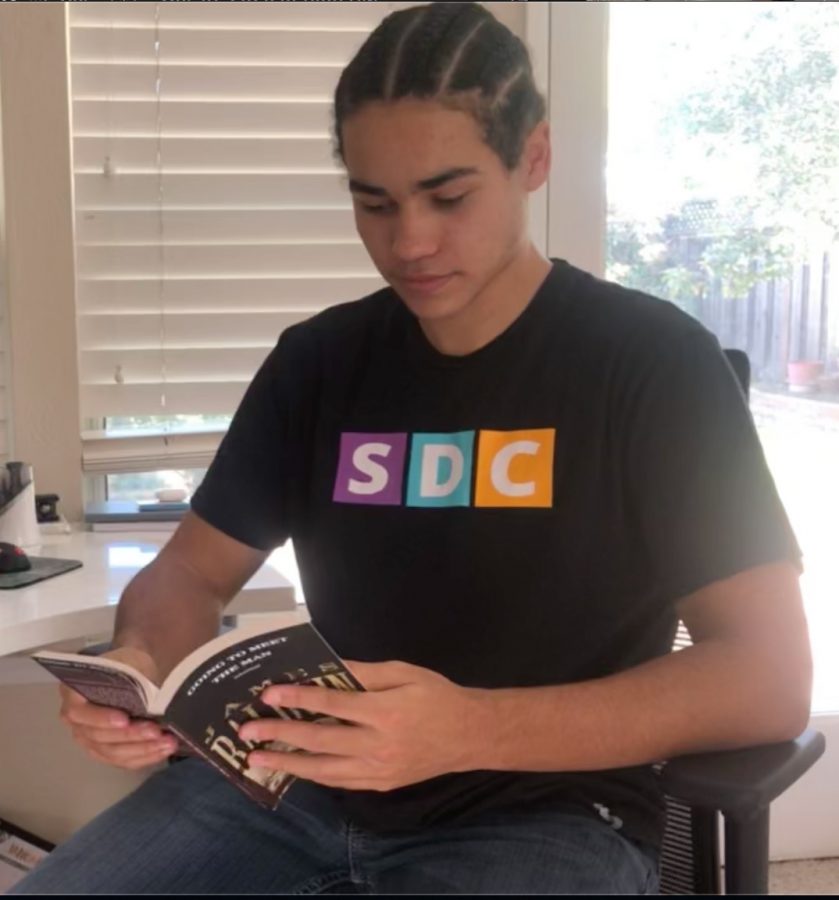
![“When I came into high school, I was ready to be a follower. But DECA was a game changer for me. It helped me overcome my fear of public speaking, and it's played such a major role in who I've become today. To be able to successfully lead a chapter of 150 students, an officer team and be one of the upperclassmen I once really admired is something I'm [really] proud of,” Anvitha Tummala ('21) said.](https://harkeraquila.com/wp-content/uploads/2021/07/Screen-Shot-2021-07-25-at-9.50.05-AM-900x594.png)





![“I think getting up in the morning and having a sense of purpose [is exciting]. I think without a certain amount of drive, life is kind of obsolete and mundane, and I think having that every single day is what makes each day unique and kind of makes life exciting,” Neymika Jain (12) said.](https://harkeraquila.com/wp-content/uploads/2017/06/Screen-Shot-2017-06-03-at-4.54.16-PM.png)



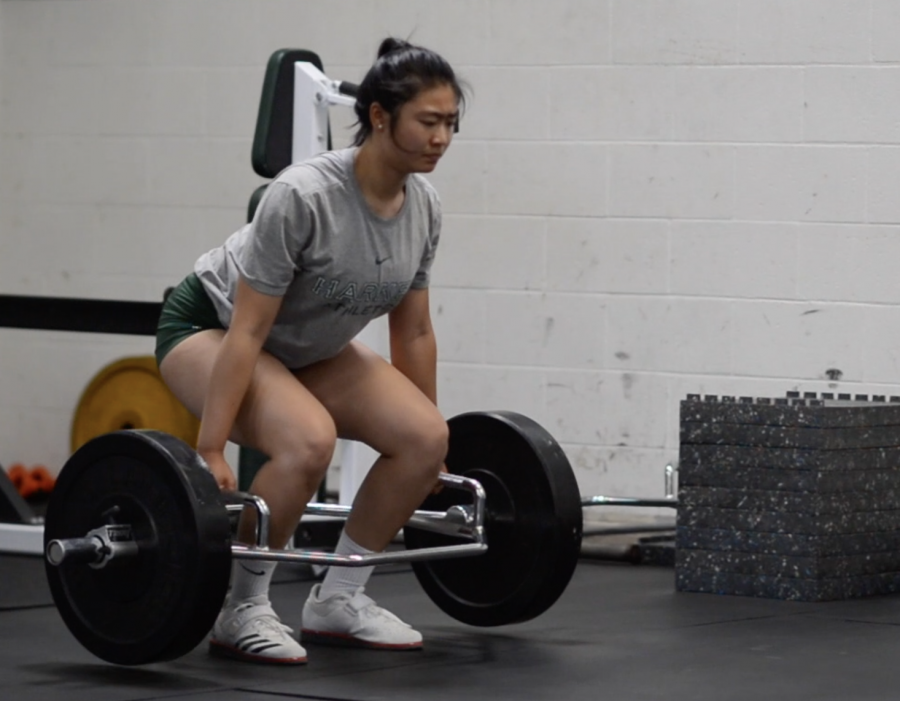

![“My slogan is ‘slow feet, don’t eat, and I’m hungry.’ You need to run fast to get where you are–you aren't going to get those championships if you aren't fast,” Angel Cervantes (12) said. “I want to do well in school on my tests and in track and win championships for my team. I live by that, [and] I can do that anywhere: in the classroom or on the field.”](https://harkeraquila.com/wp-content/uploads/2018/06/DSC5146-900x601.jpg)
![“[Volleyball has] taught me how to fall correctly, and another thing it taught is that you don’t have to be the best at something to be good at it. If you just hit the ball in a smart way, then it still scores points and you’re good at it. You could be a background player and still make a much bigger impact on the team than you would think,” Anya Gert (’20) said.](https://harkeraquila.com/wp-content/uploads/2020/06/AnnaGert_JinTuan_HoHPhotoEdited-600x900.jpeg)

![“I'm not nearly there yet, but [my confidence has] definitely been getting better since I was pretty shy and timid coming into Harker my freshman year. I know that there's a lot of people that are really confident in what they do, and I really admire them. Everyone's so driven and that has really pushed me to kind of try to find my own place in high school and be more confident,” Alyssa Huang (’20) said.](https://harkeraquila.com/wp-content/uploads/2020/06/AlyssaHuang_EmilyChen_HoHPhoto-900x749.jpeg)



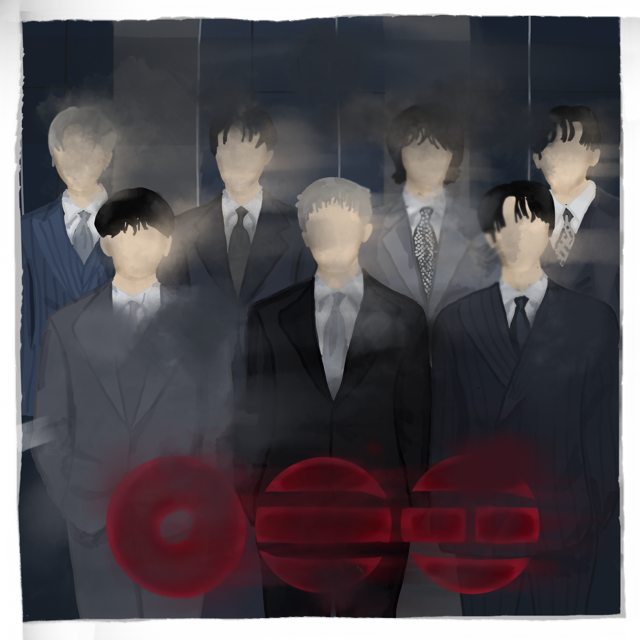
BTS is on track to shatter their previous tour records with the 2026-27 “ARIRANG” World Tour covering 34 cities over the course of 82 concerts. The North American leg of the tour alone, including three sold-out performances at Stanford Stadium on May 16, 17 and 19, attracted 840,000 attendees.
Released on March 20, “ARIRANG” marks the globally-renowned group’s first release in four years since the members’ mandatory military enlistment. The album’s title references a Korean folk song by the same name, widely considered as an unofficial national anthem.
Without a doubt, “ARIRANG” has been a commercial success, yet something feels missing. With the title’s suggestion of returning to Korean roots in mind, I initially expected the album to return to the fresh, energetic K-pop sound characteristic of their music between 2015 and 2018; however, most of “ARIRANG” turned out to be far from my anticipation. Many tracks in their latest release feel monotone and one-dimensional — or, to put it in another way — awfully Western. Westernization on its own isn’t inherently bad. For an album titled after Korea’s most beloved folk song, though, it’s rather ironic.
“ARIRANG” opens with high-energy hip-hop tracks reminiscent of BTS’s debut as a rap-centered group. The album’s first two songs, “Body to Body” and “Hooligan,” encapsulate “ARIRANG” as a whole: interesting sound effects here and there but lacking cohesion as a whole.
“Body to Body” starts off with a pronounced, catchy beat dominating band members RM and Suga’s rap verses but later fades into an excerpt of the folk song “Arirang,” during the bridge, a direct nod to the album title. I applaud BTS for featuring this reference to Korean culture so openly rather than tucking it away in the instrumentals; nevertheless, the blend of “Arirang” with the rest of the song feels abrupt at first listen. Similarly, “Hooligan”’s contrasting musical elements like violin scales, grating sounds of knives and forced laughter all contribute to the song’s discordant sound.
Although the earlier tracks wrestle with too much variation, the next few suffer from the opposite problem. Rap song “Aliens” features a never-ending beat pattern which sounds like crows cawing. Possibly the two most repetitive songs in the album, hip-hop tracks “FYA” and “2.0” repeat the same rhythmic sequences, melodies and sound effects multiple times in a row so that any excitement I gain at the introduction of a new variation in sound is quickly stifled as it soon becomes monotonous.
At “ARIRANG”’s halfway point lies the album’s most unique track. “No. 29” consists entirely of the tolling and gradual fading of King Seongdeok’s Divine Bell, Korea’s 29th national treasure, which takes exactly one minute and 38 seconds — the length of the song — to disappear. Unfortunately, this track is the last nod to Korean culture in the album, illustrating how “ARIRANG” engages minimally with Korean heritage and fails to live up to expectations generated by its name, which I found sorely disappointing.
The bell in “No. 29” also serves as a signal of change. From this track onwards, the remaining songs drop further in intensity. While the earlier tracks were at least united by their hip-hop sound, the lack of an overarching genre or theme gives the album’s second half a scattered feel.
“No. 29”’s fading bell toll segues seamlessly into “SWIM,” the generic synthetic-pop title track and arguably the worst song in the album. “SWIM” left only a vague impression on me, washing right over me like waves. What stands out the most in this song is that nothing stands out, as the uniformity makes the track feel overwhelmingly one-dimensional. The lyrics, entirely in English, further exacerbate its Western feel, clashing with my expectation that the album would feel extra Korean.
The next couple of songs are notable mostly for their sound effects, although many lack the substance to truly seem like a well fleshed out work. I enjoyed pop-ballad “Merry Go Round”’s soft, wistful tune and nostalgic lyrics and “One More Night”’s dreamy EDM sound, but I found “Into the Sun”’s use of vocoder grating and excessive.
Unlike most previous songs, hip-hop track “they don’t know ’bout us” stands out for both its sound and its lyricism. One of the only songs I liked upon first listen and continued enjoying after playing on repeat, “they don’t know ’bout us” successfully executes a chill, catchy beat, while avoiding an overly uniform sound through the big interval jumps in the post-chorus. This song also contains some of the most meaningful and personal lyrics in the album addressing the perception of BTS members as “영웅스러운 존재 [some kind of heroic beings]” who have changed as a result of their fame.
Overall, “ARIRANG” features interesting sound bites and experimentation, but these tracks fail to come together to form a cohesive album. The Western sound, especially in the title track and the second half, seems to directly contrast the return to Korean roots suggested by its title. Or, are we wrong about what “ARIRANG” really means? While many interpretations focus on the BTS’s reunion, “Arirang” tells a story about separation. Perhaps “ARIRANG” is not the symbol of re-embracing K-pop we expected and hoped from BTS: it’s a departure and a goodbye.
Rating: 2.5/5
Favorite track: they don’t know ’bout us, No. 29


Shreyas • Jun 2, 2026 at 4:12 pm
Heather — When I open a review and you’re on the byline, I know it’s going to be a good one!
Heather • Jun 3, 2026 at 6:53 pm
🤩