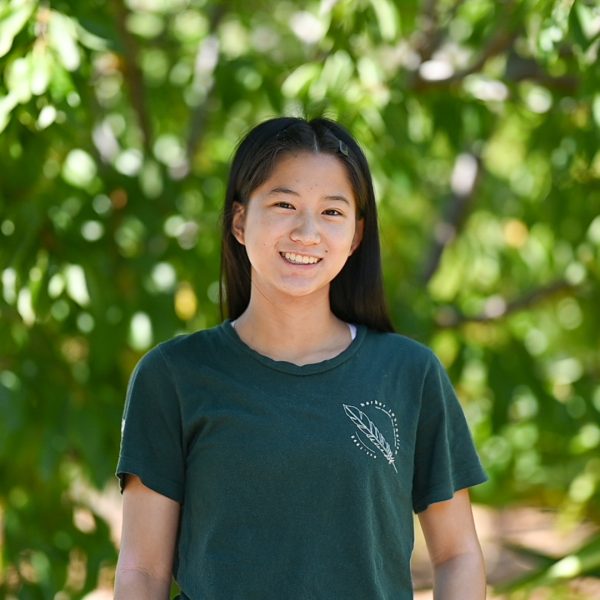
![“I wasn't discouraged by some of the obstacles we faced. I learned a lot from the leadership. I found that different people need different ways of receiving feedback — you can't [just] tell them to do something and expect the best. [Some] people needed more incentive. A large part of my role was to figure out what worked for everyone and to figure out how to lead all these separate individuals as a team,” Suhana Bhandare (’26) said.](https://harkeraquila.com/wp-content/uploads/2026/06/SuhanaBhandare_JasmineHansra-1-1200x798.jpg)
![“This is actually from Randy Pausch Randy P. Brick: ‘Walls are there for a reason. You have to show how much you want to overcome them.’ You have to show how much you want something. That's what I've always been able to do with tennis, Link Crew and getting that internship [with Kushy Baby]. It’s important pushing through that — getting around that brick wall, climbing over it or clawing through it,” Yash Sachdeva (’26) said.](https://harkeraquila.com/wp-content/uploads/2026/05/YashSachdeva_RamBatchu-copy-1200x1002.jpg)






![“[Building nerf blasters] became this outlet of creativity for me that hasn't been matched by anything else. The process [of] making a build complete to your desire is such a painstakingly difficult process, but I've had to learn from [the skills needed from] soldering to proper painting. There's so many different options for everything, if you think about it, it exists. The best part is [that] if it doesn't exist, you can build it yourself," Ishaan Parate said.](https://harkeraquila.com/wp-content/uploads/2022/08/DSC_8149-900x604.jpg)
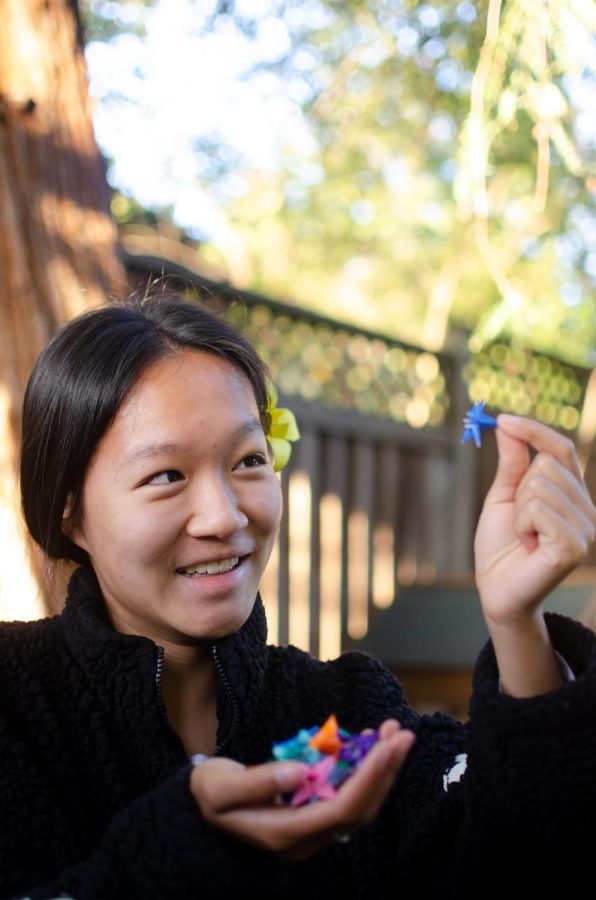
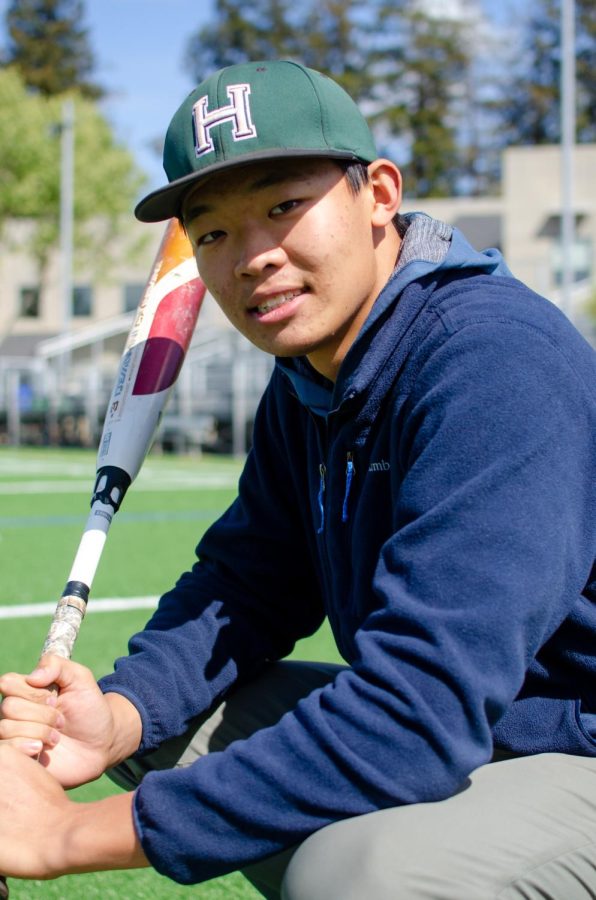

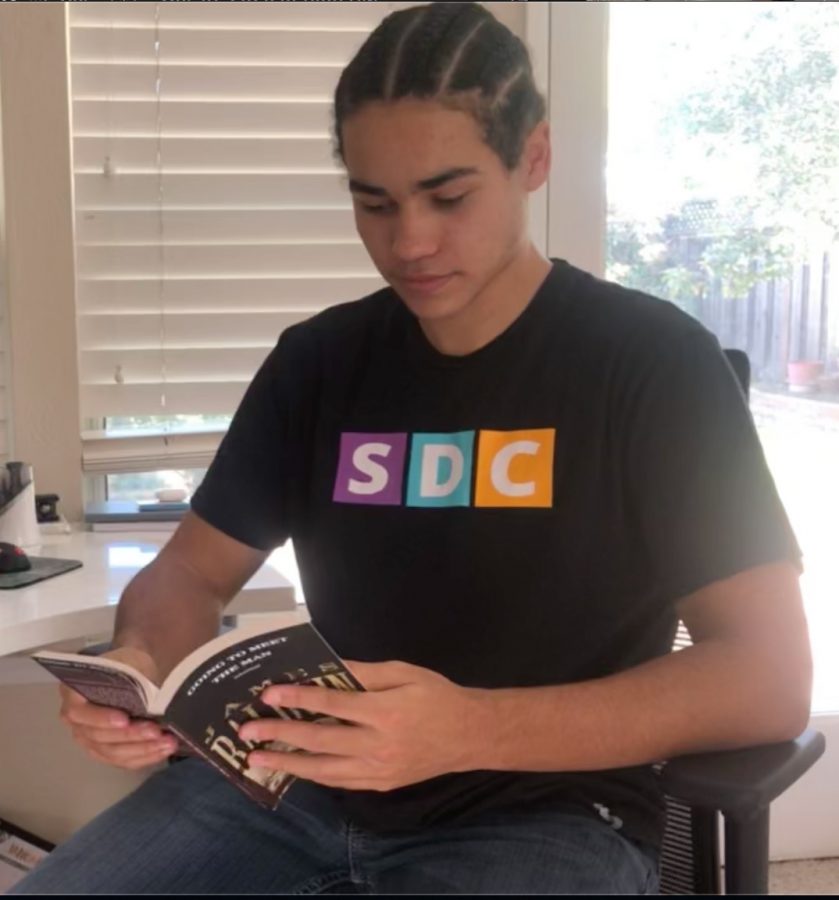
![“When I came into high school, I was ready to be a follower. But DECA was a game changer for me. It helped me overcome my fear of public speaking, and it's played such a major role in who I've become today. To be able to successfully lead a chapter of 150 students, an officer team and be one of the upperclassmen I once really admired is something I'm [really] proud of,” Anvitha Tummala ('21) said.](https://harkeraquila.com/wp-content/uploads/2021/07/Screen-Shot-2021-07-25-at-9.50.05-AM-900x594.png)

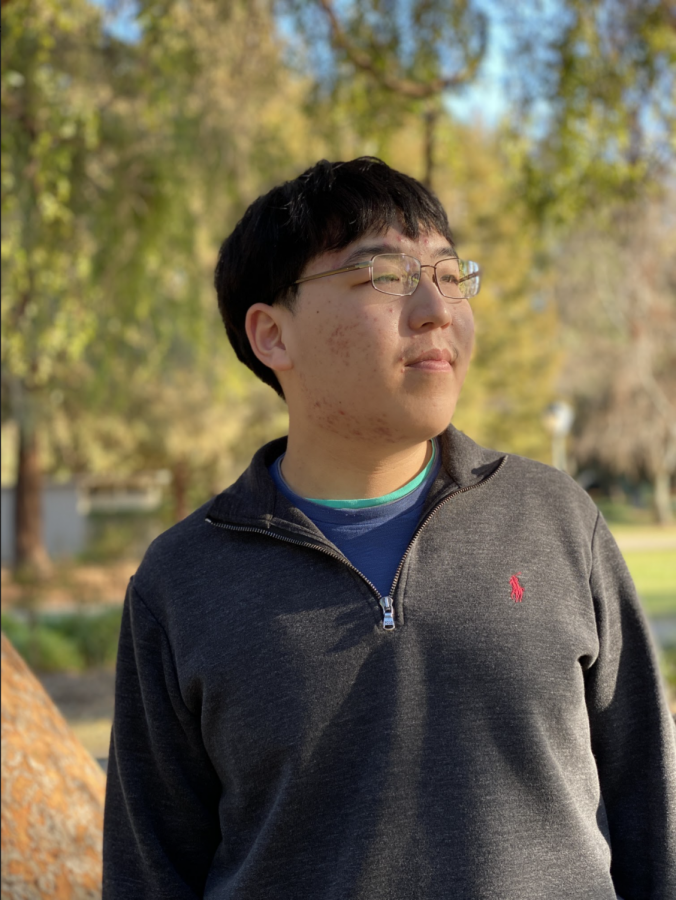

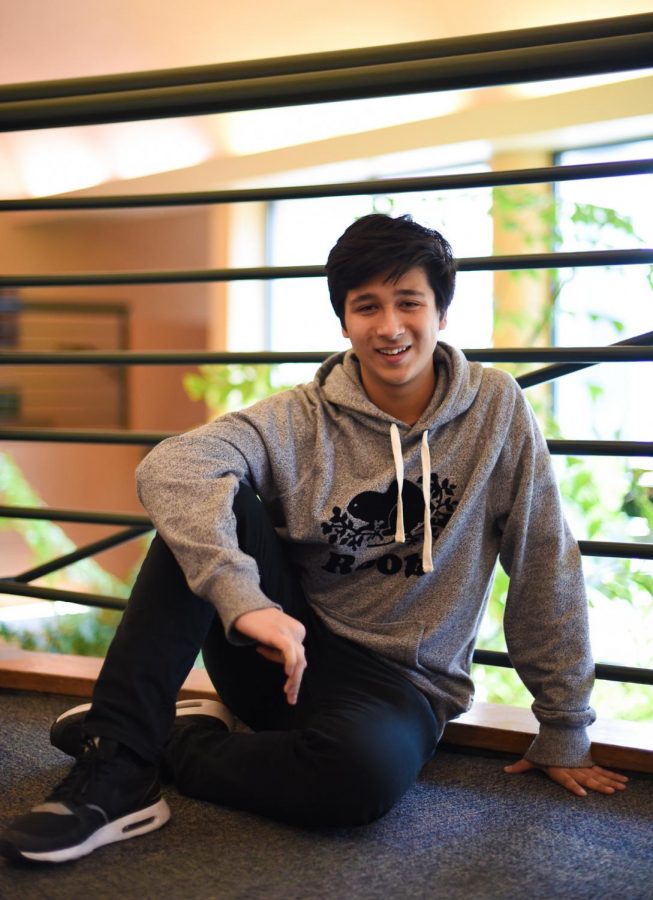
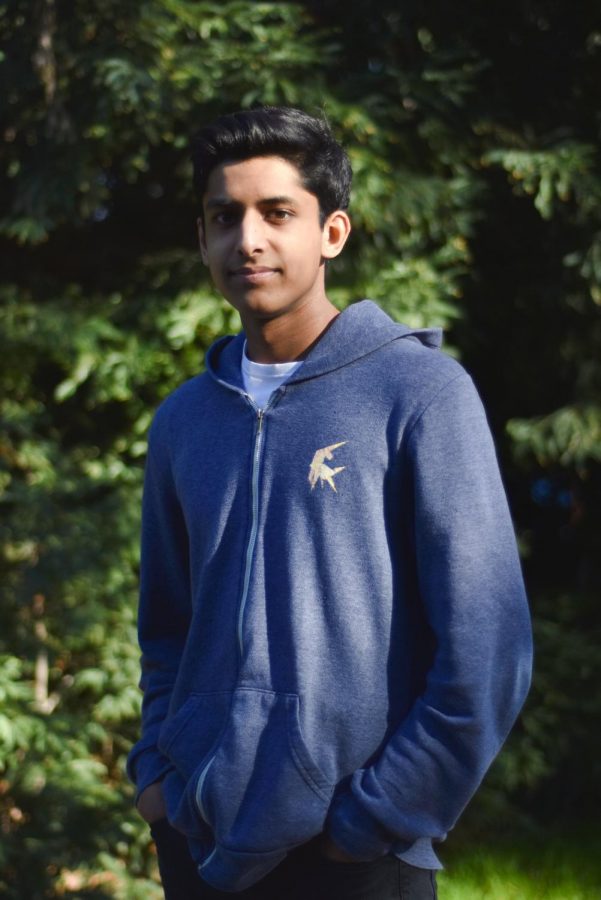

![“I think getting up in the morning and having a sense of purpose [is exciting]. I think without a certain amount of drive, life is kind of obsolete and mundane, and I think having that every single day is what makes each day unique and kind of makes life exciting,” Neymika Jain (12) said.](https://harkeraquila.com/wp-content/uploads/2017/06/Screen-Shot-2017-06-03-at-4.54.16-PM.png)
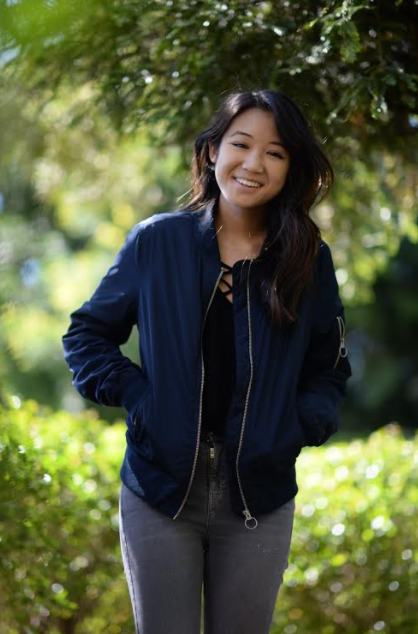
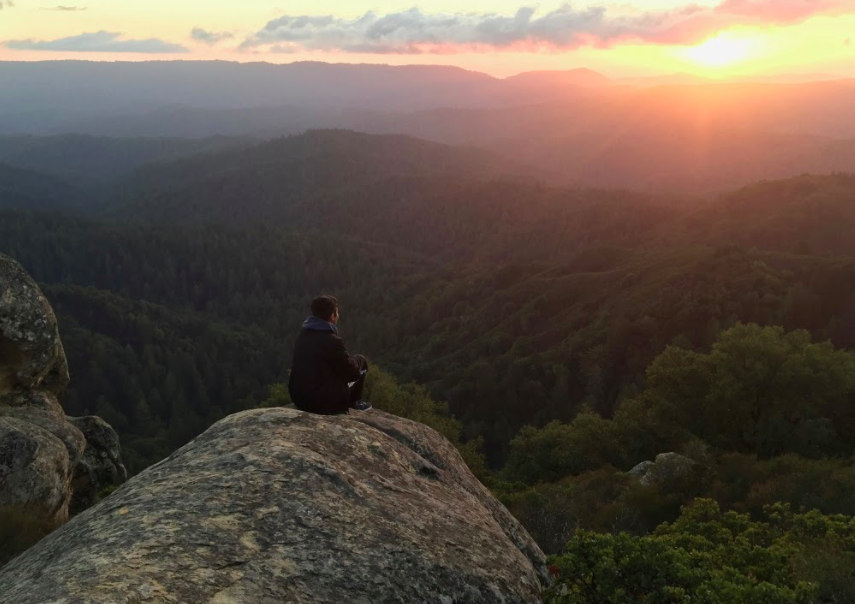


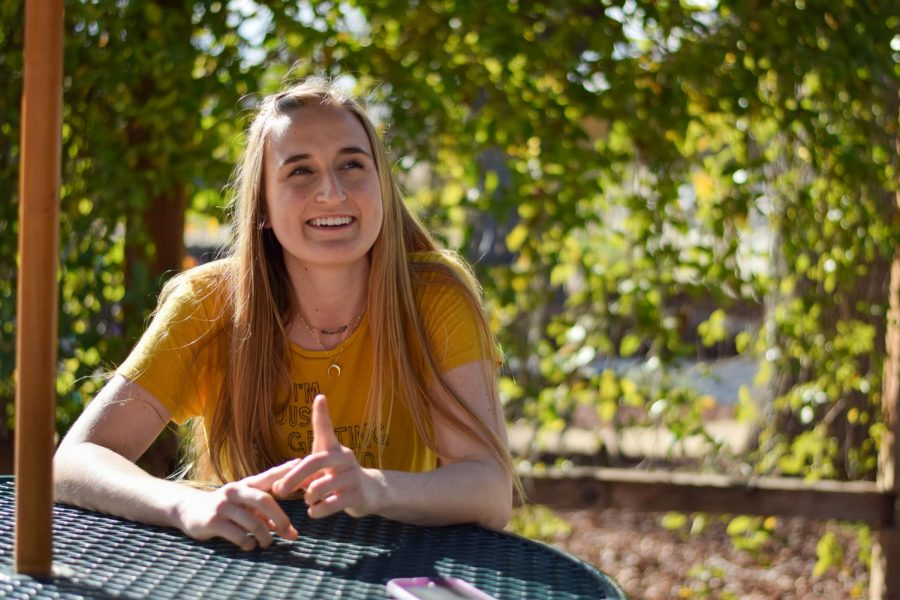

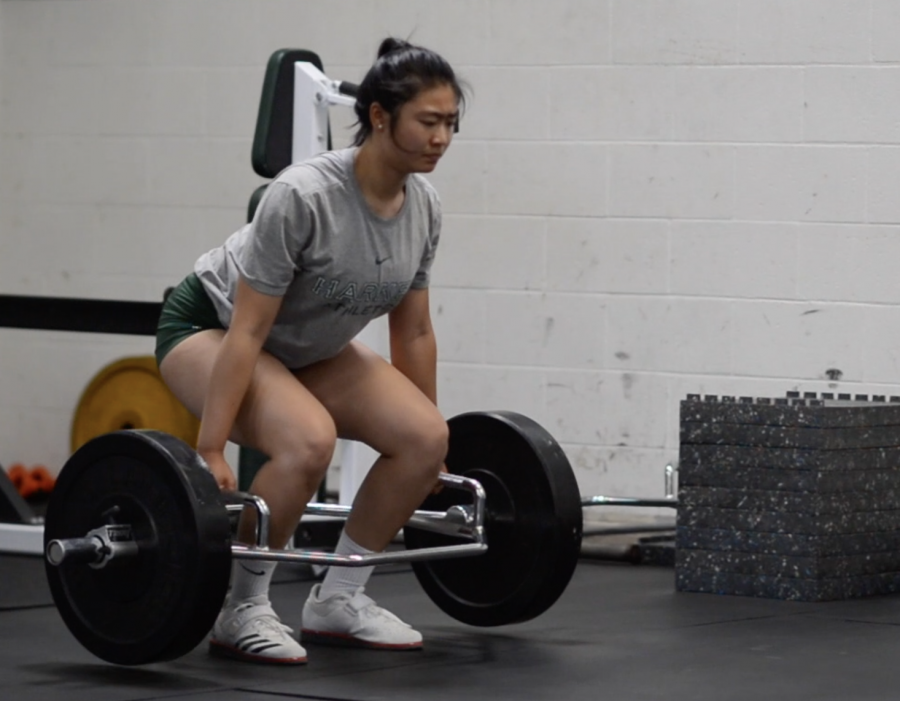

![“My slogan is ‘slow feet, don’t eat, and I’m hungry.’ You need to run fast to get where you are–you aren't going to get those championships if you aren't fast,” Angel Cervantes (12) said. “I want to do well in school on my tests and in track and win championships for my team. I live by that, [and] I can do that anywhere: in the classroom or on the field.”](https://harkeraquila.com/wp-content/uploads/2018/06/DSC5146-900x601.jpg)
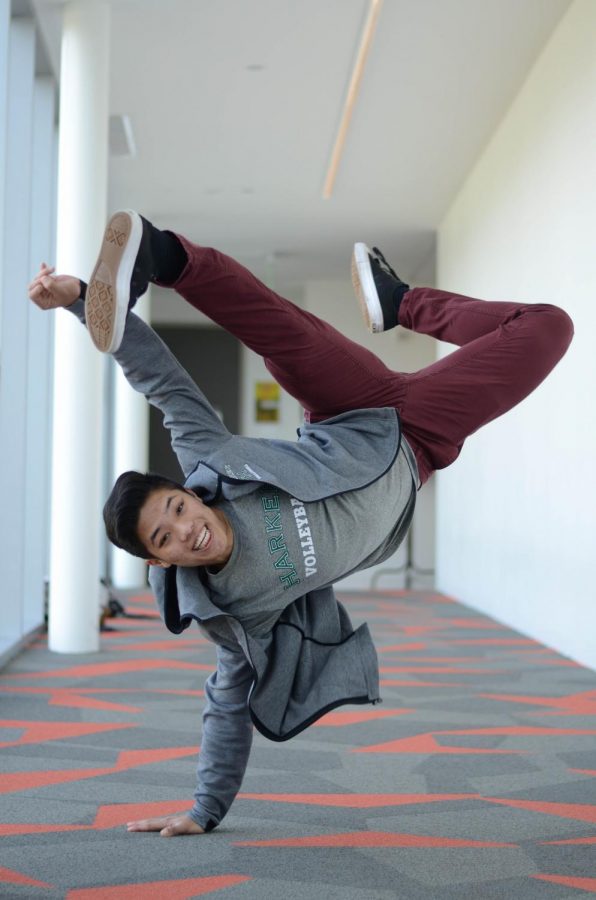
![“[Volleyball has] taught me how to fall correctly, and another thing it taught is that you don’t have to be the best at something to be good at it. If you just hit the ball in a smart way, then it still scores points and you’re good at it. You could be a background player and still make a much bigger impact on the team than you would think,” Anya Gert (’20) said.](https://harkeraquila.com/wp-content/uploads/2020/06/AnnaGert_JinTuan_HoHPhotoEdited-600x900.jpeg)
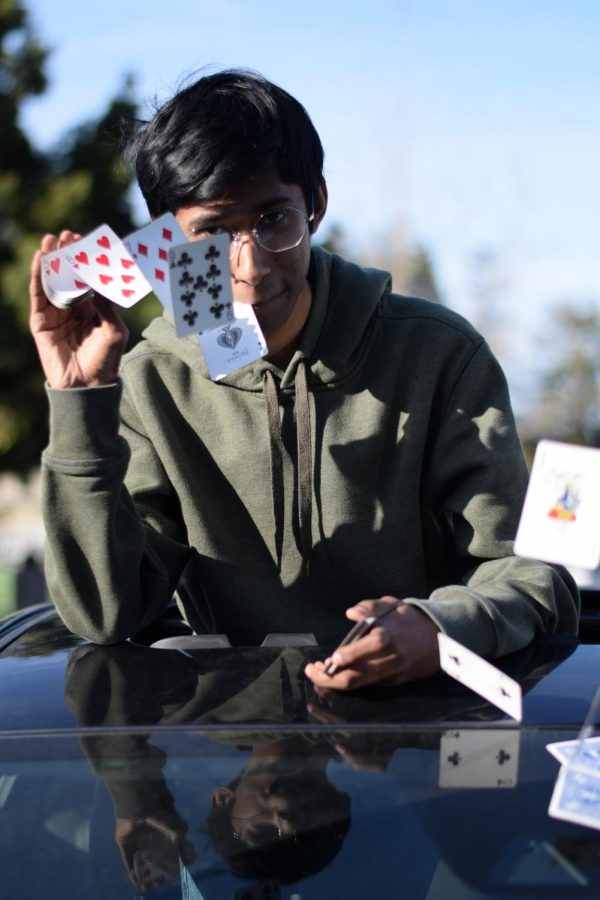
![“I'm not nearly there yet, but [my confidence has] definitely been getting better since I was pretty shy and timid coming into Harker my freshman year. I know that there's a lot of people that are really confident in what they do, and I really admire them. Everyone's so driven and that has really pushed me to kind of try to find my own place in high school and be more confident,” Alyssa Huang (’20) said.](https://harkeraquila.com/wp-content/uploads/2020/06/AlyssaHuang_EmilyChen_HoHPhoto-900x749.jpeg)


It’s Monday.
The week starts with a glance at your calendar: a bone-rattling sight that brings a sinking feeling to your stomach. Five tests, two quizzes, homework stacked on top of homework. Your heart beats a little faster, your shoulders tense and your mind starts racing.
Where does that feeling come from?
It comes from a hormone called cortisol. Often referred to as the body’s primary “stress hormone,” cortisol is released by the adrenal glands when your brain perceives a threat. When stress becomes constant, like during busy school weeks, elevated cortisol can lead to anxiety, fatigue and difficulty concentrating.
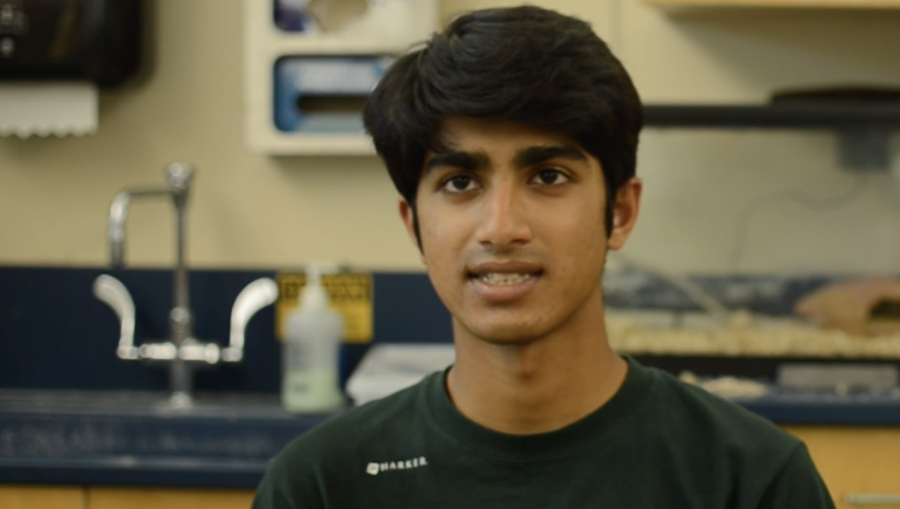
Problems arise when this system is overused, too. According to a study by Cinnamon A. Stetler on cumulative cortisol exposure, high levels of cortisol can interfere with sleep, weaken the immune system and even impact memory and learning. Student researcher Sid Gaur explained the importance of understanding both cortisol’s mental and physical effects on the body.
“People need to understand how stress affects the body physically,” Sid said. “If people know more about cortisol and its negative effects, they might have healthier habits, like better sleep and avoiding being too stressed.”
Different habits like taking routine walks, getting enough sleep, and practicing breathing exercises help immensely with decreasing cortisol levels. According to a study by the NIH, physical activity was shown to lower cortisol levels and could have multiple positive impacts like better sleep quality, lower blood pressure and reduced anxiety.
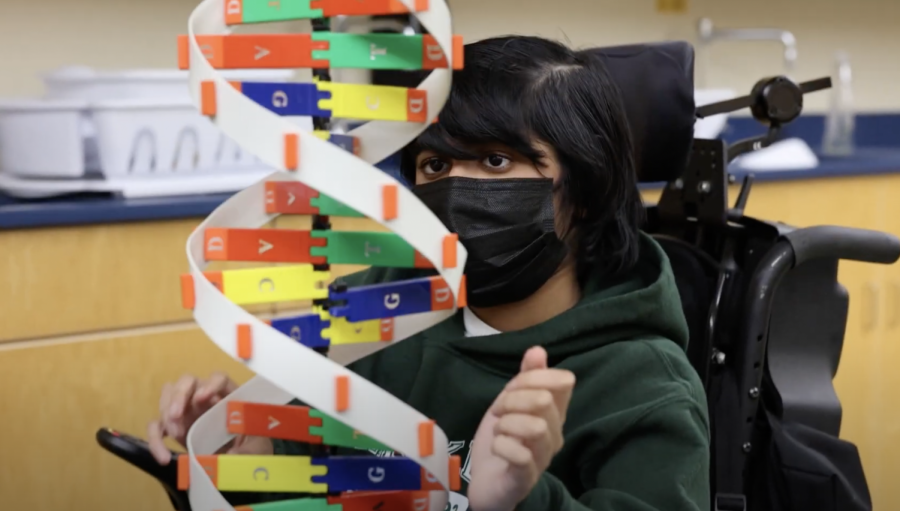
However, in small doses, cortisol is helpful: it keeps you alert, focused and ready to respond to challenges. Biology teacher Jeff Sutton mentioned how the body’s fight-or-flight response reacts to cortisol in a way that empowers the body physically. Depictions of cortisol are often oversimplified, portrayed as equaling negative effects.
“Cortisol gets a bad sort of representation in the memes,” Sutton said. “Cortisol means stress, but we can’t underestimate the power of stress being a life saving thing. It gets released into the blood and can cause muscles to contract — so you might run away faster since more of your blood’s going to be shunted through your legs.”
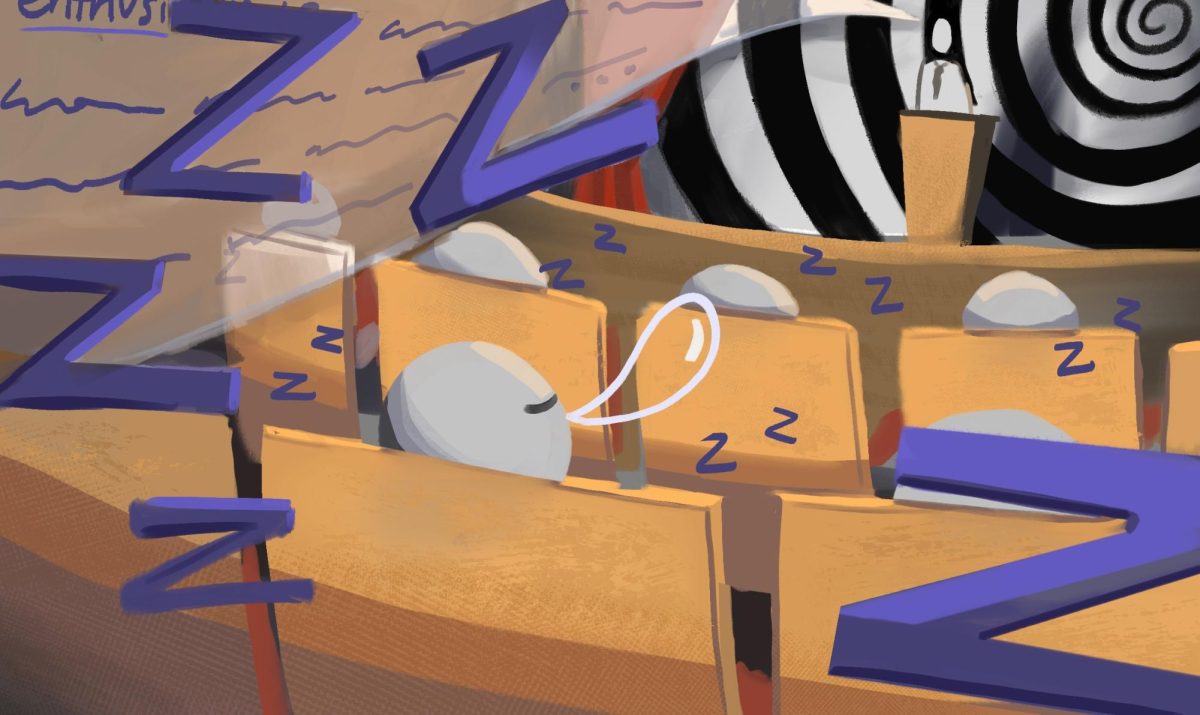
Conversations about stress have also moved beyond classrooms and into social media, especially TikTok. The “low cortisol” trend entails first showing a clip of users struggling through a “high cortisol” or stressful activity, then transitioning to nicer music, whimsical filters and the person doing a more carefree or “low cortisol” dance. A common image in these videos is a green-and-red “cortisol level” scale with the dial pointed to the “low cortisol” side. Medical Club officer Riya Samuel noted how the trend pushed her toward more relaxing activities to lower her cortisol levels.
“The trend is really funny,” Riya said. “Obviously it’s very relatable content, and Gen Z especially tends to find ways to chill out a bit more. These low cortisol activities are things that I also try to do even when I’m supposed to be doing “high cortisol” activities, and it’s interesting how information in the meaning can touch different people’s lives like that.”