


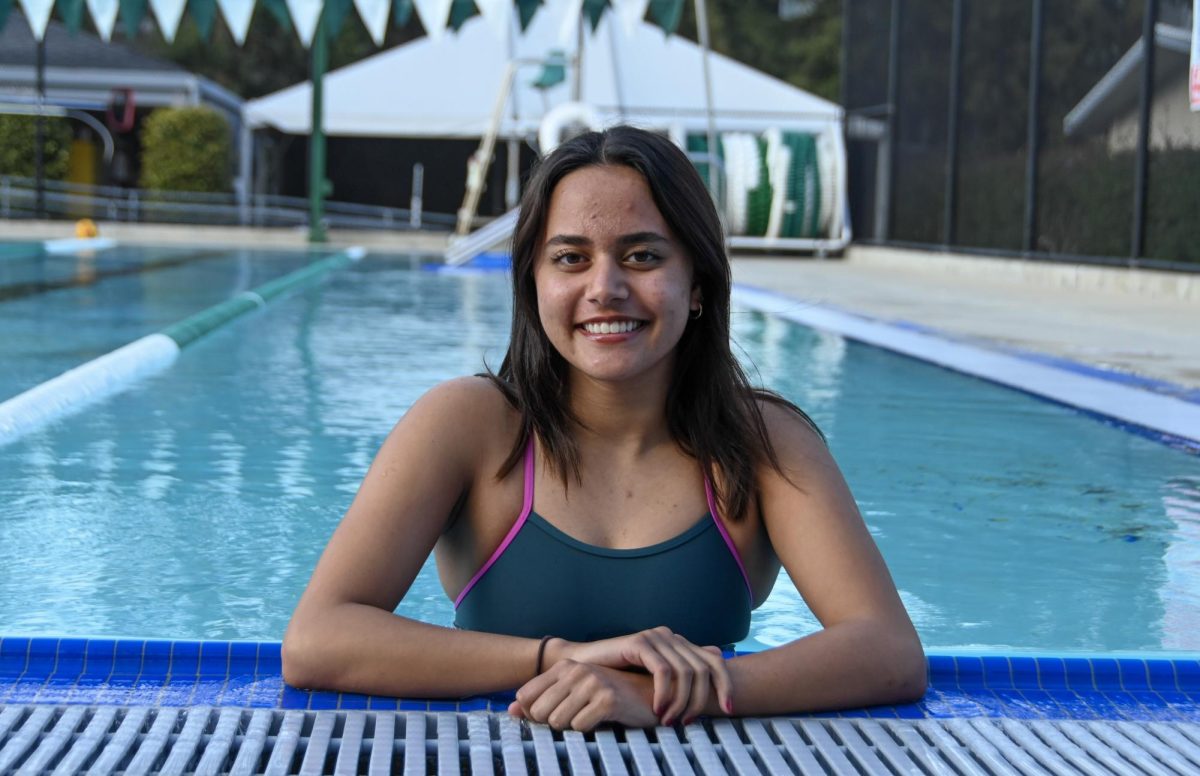
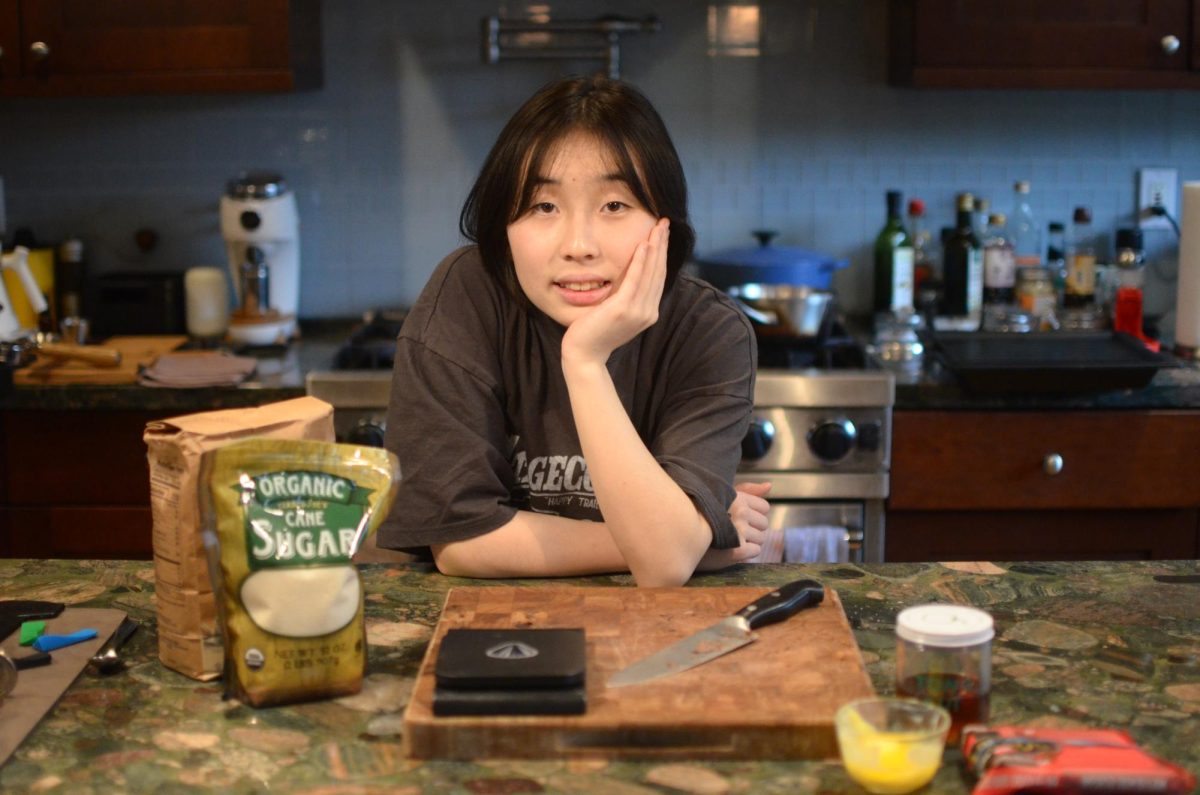
![“I wasn't discouraged by some of the obstacles we faced. I learned a lot from the leadership. I found that different people need different ways of receiving feedback — you can't [just] tell them to do something and expect the best. [Some] people needed more incentive. A large part of my role was to figure out what worked for everyone and to figure out how to lead all these separate individuals as a team,” Suhana Bhandare (’26) said.](https://harkeraquila.com/wp-content/uploads/2026/06/SuhanaBhandare_JasmineHansra-1-1200x798.jpg)
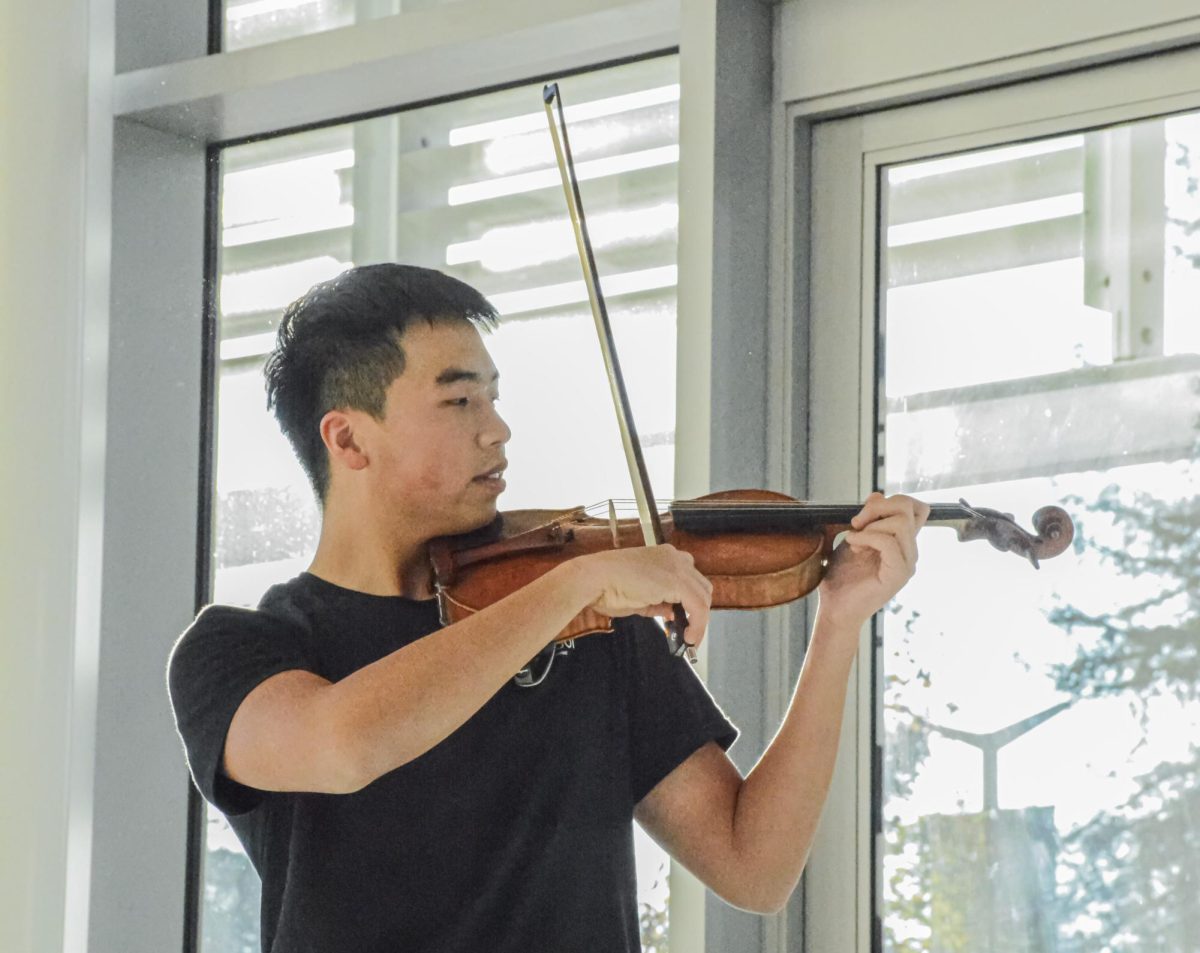
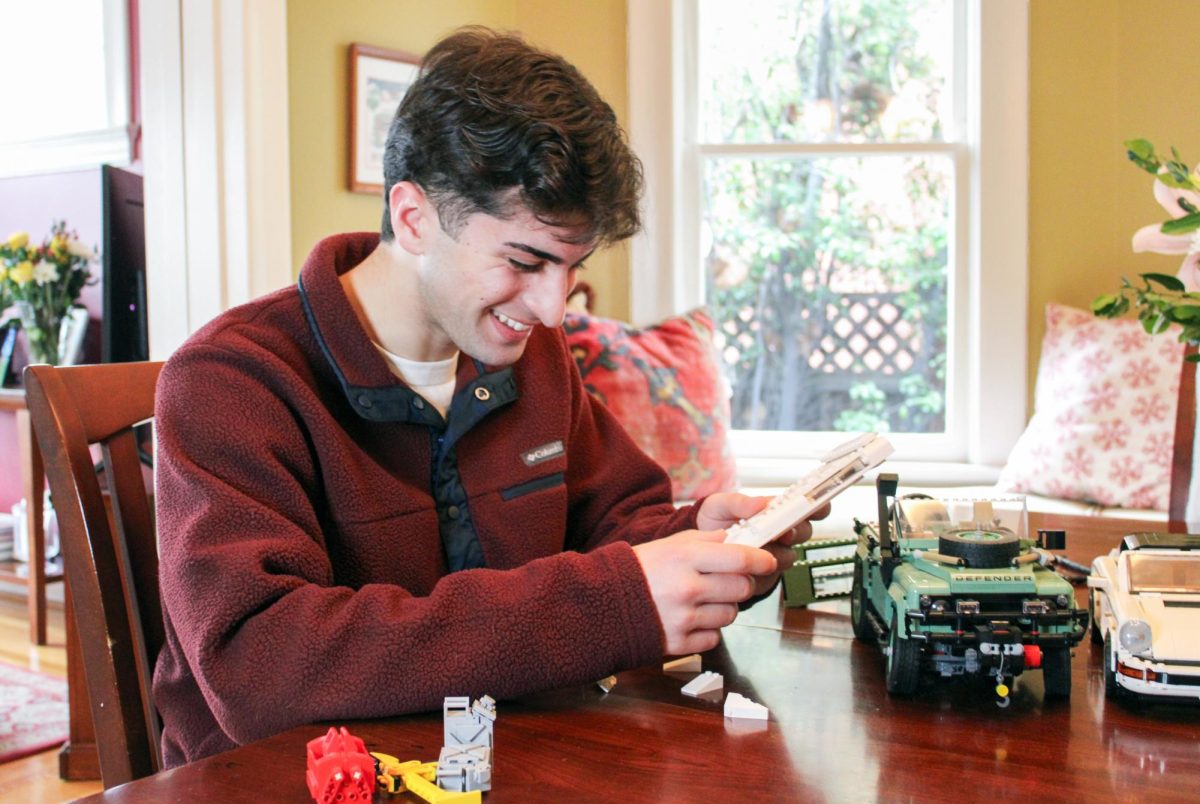
![“This is actually from Randy Pausch Randy P. Brick: ‘Walls are there for a reason. You have to show how much you want to overcome them.’ You have to show how much you want something. That's what I've always been able to do with tennis, Link Crew and getting that internship [with Kushy Baby]. It’s important pushing through that — getting around that brick wall, climbing over it or clawing through it,” Yash Sachdeva (’26) said.](https://harkeraquila.com/wp-content/uploads/2026/05/YashSachdeva_RamBatchu-copy-1200x1002.jpg)

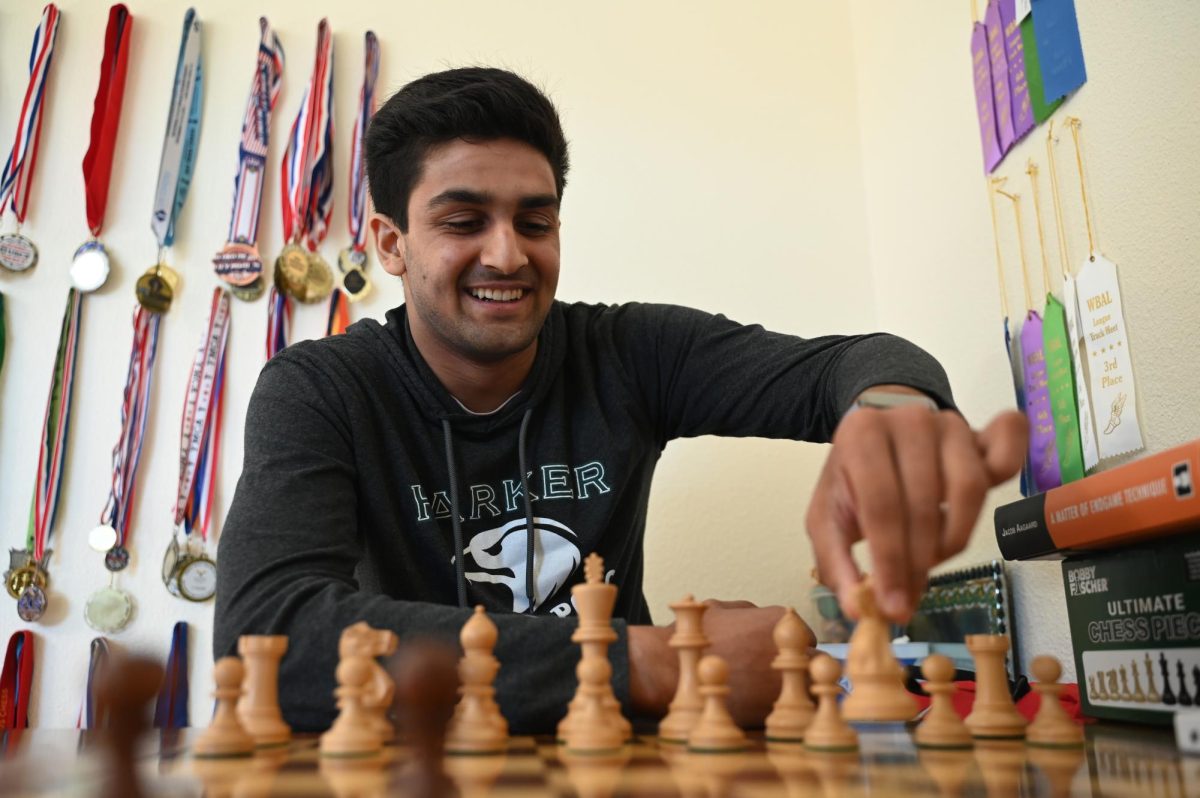







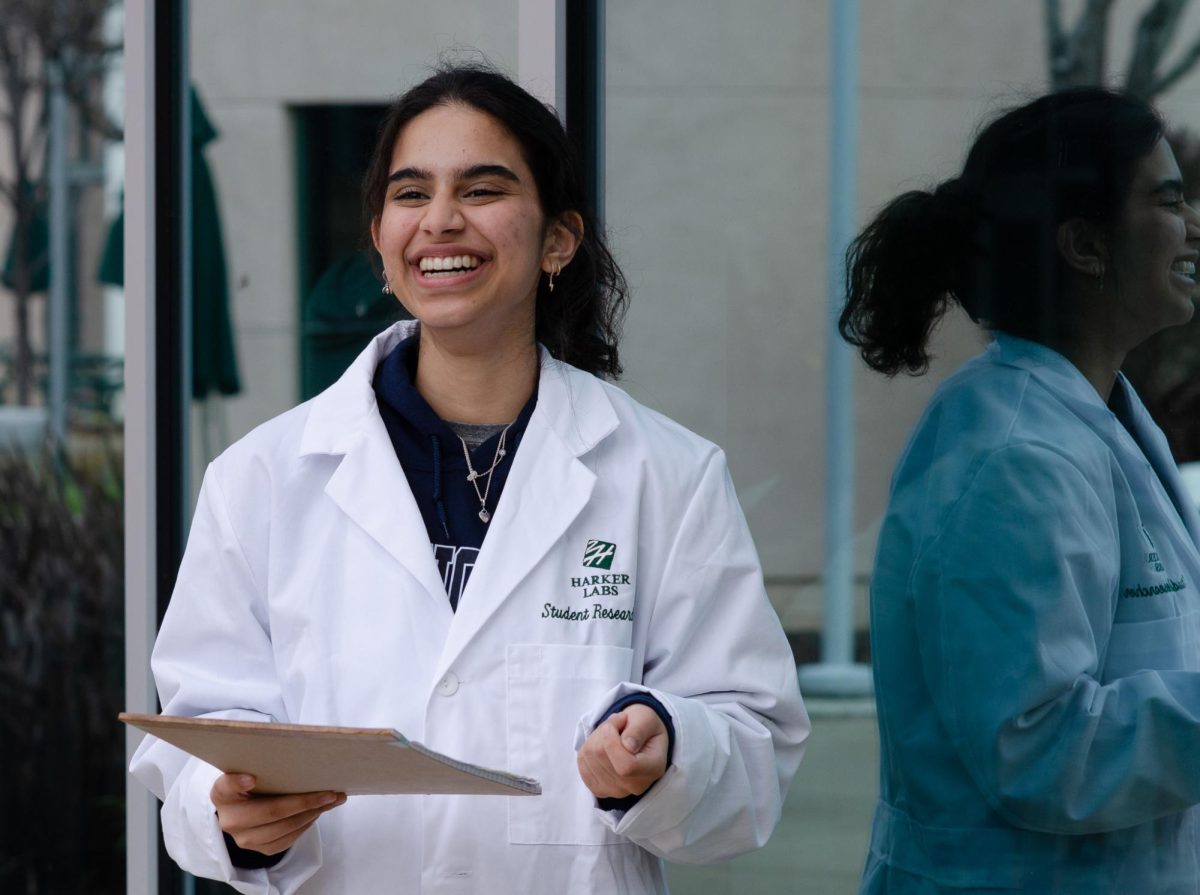
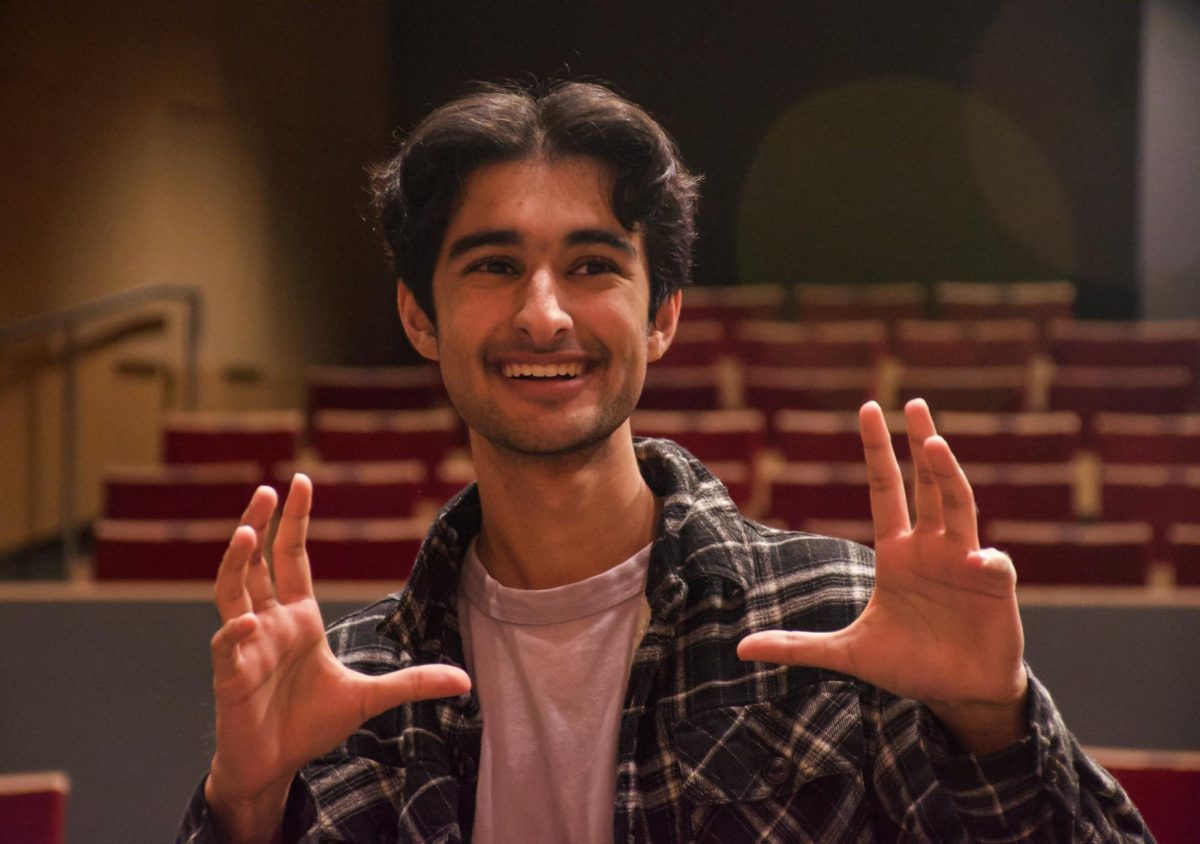

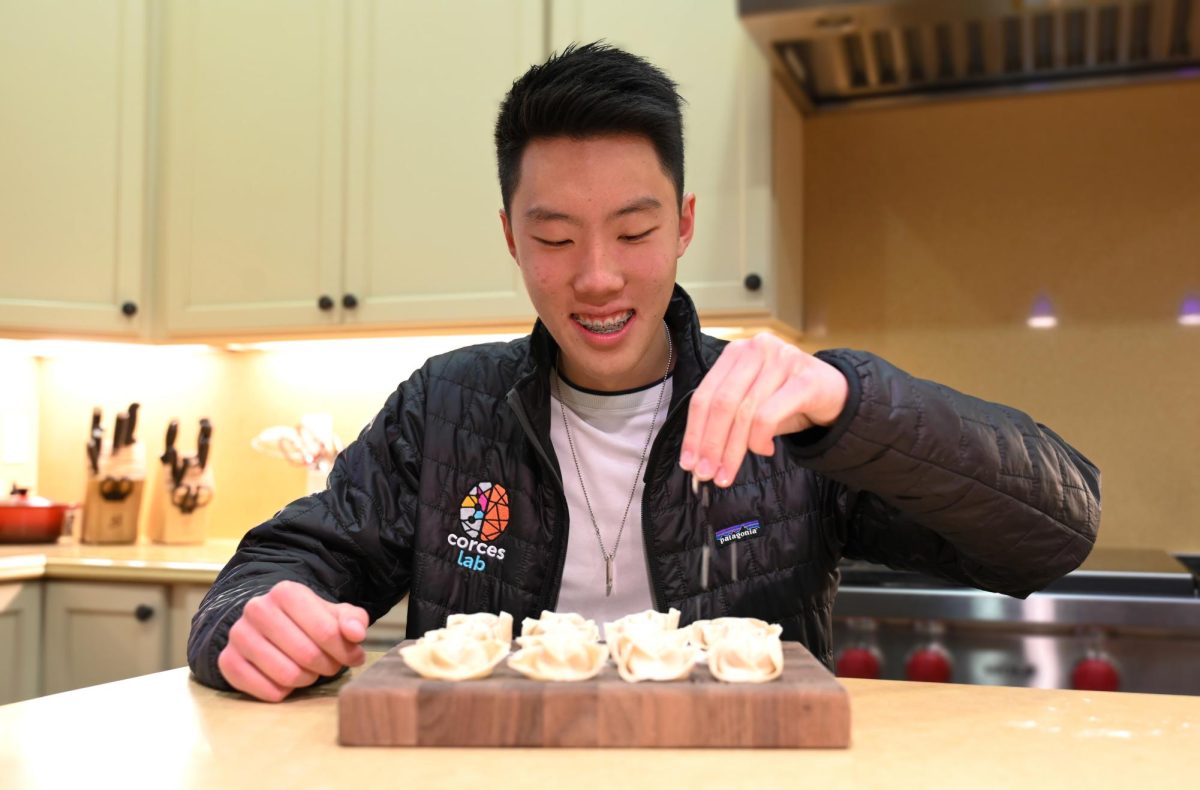
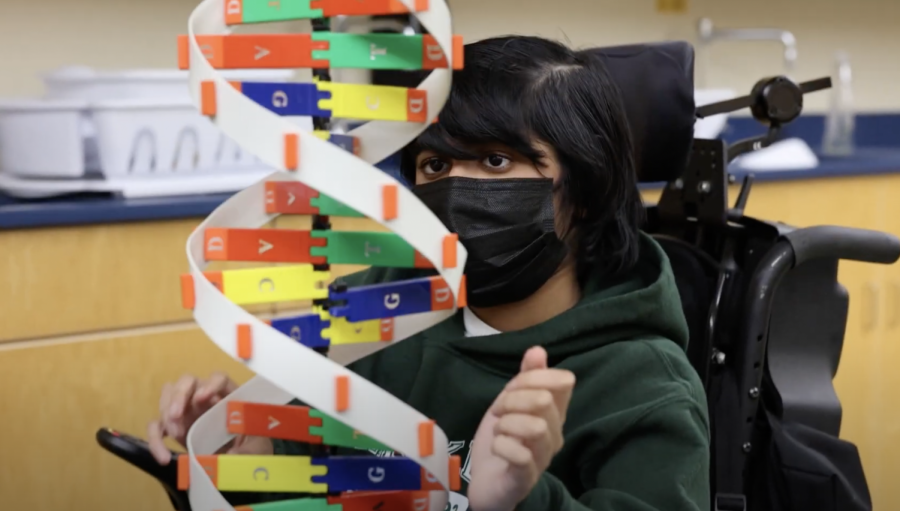
![“[Building nerf blasters] became this outlet of creativity for me that hasn't been matched by anything else. The process [of] making a build complete to your desire is such a painstakingly difficult process, but I've had to learn from [the skills needed from] soldering to proper painting. There's so many different options for everything, if you think about it, it exists. The best part is [that] if it doesn't exist, you can build it yourself," Ishaan Parate said.](https://harkeraquila.com/wp-content/uploads/2022/08/DSC_8149-900x604.jpg)
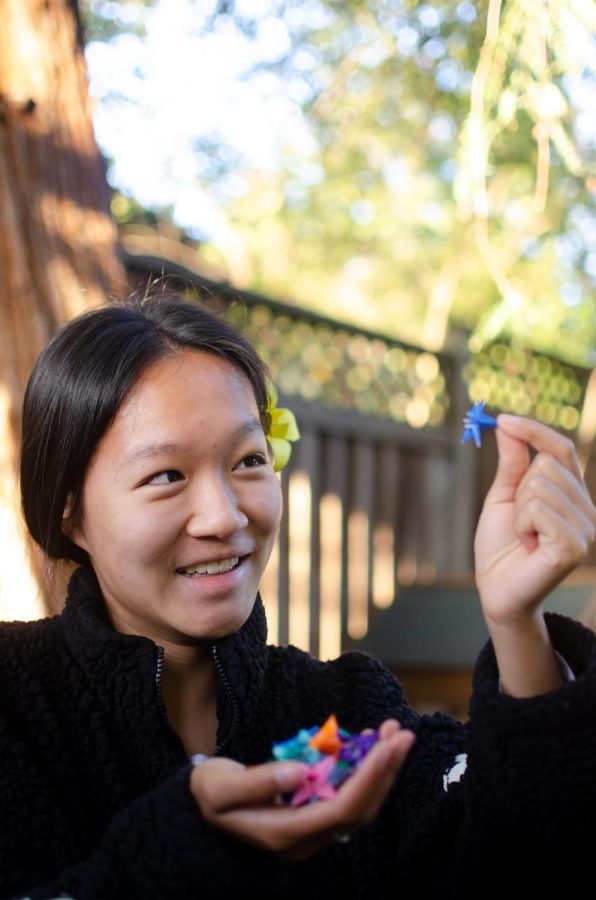
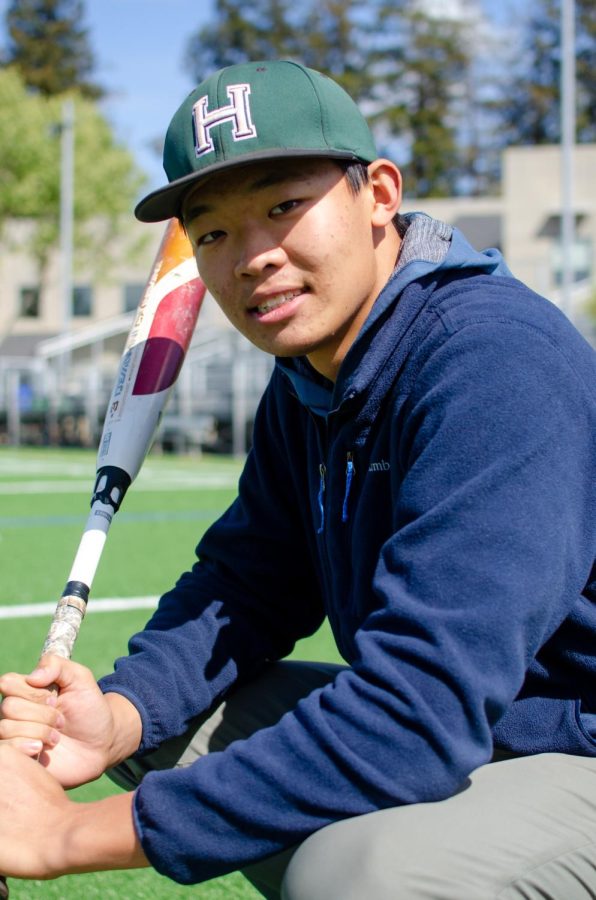

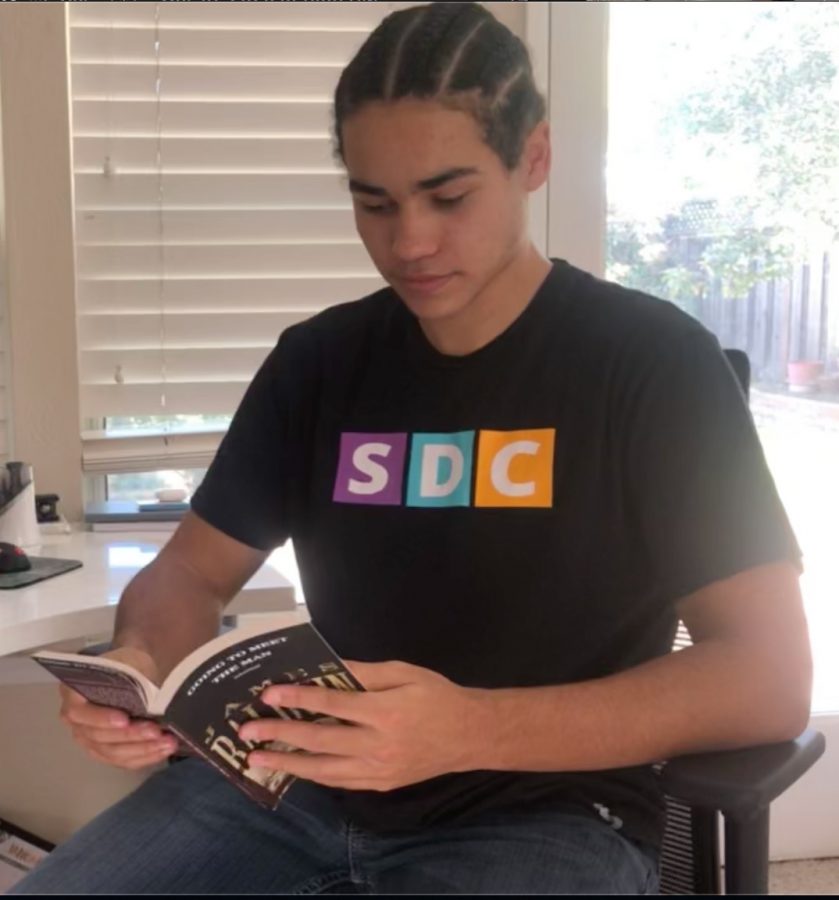
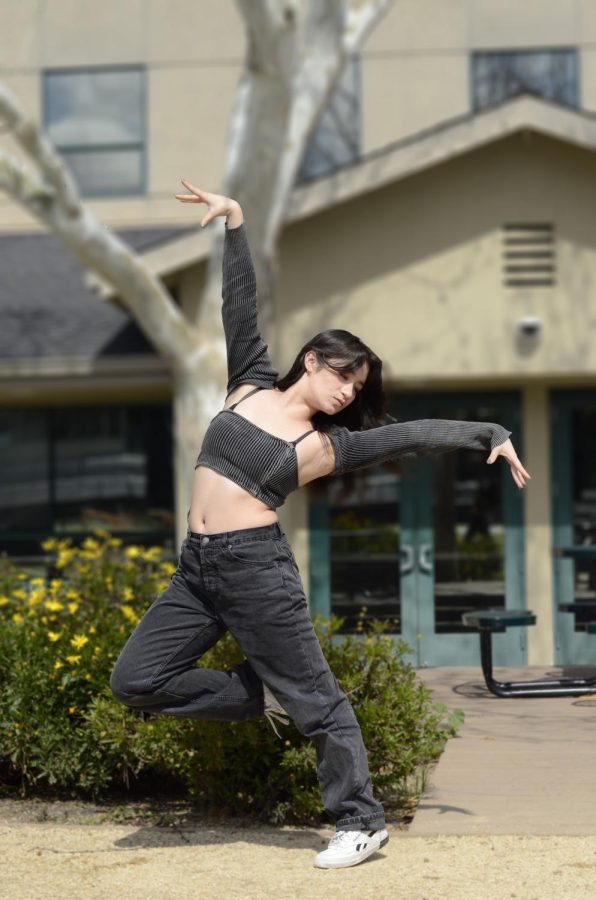
![“When I came into high school, I was ready to be a follower. But DECA was a game changer for me. It helped me overcome my fear of public speaking, and it's played such a major role in who I've become today. To be able to successfully lead a chapter of 150 students, an officer team and be one of the upperclassmen I once really admired is something I'm [really] proud of,” Anvitha Tummala ('21) said.](https://harkeraquila.com/wp-content/uploads/2021/07/Screen-Shot-2021-07-25-at-9.50.05-AM-900x594.png)

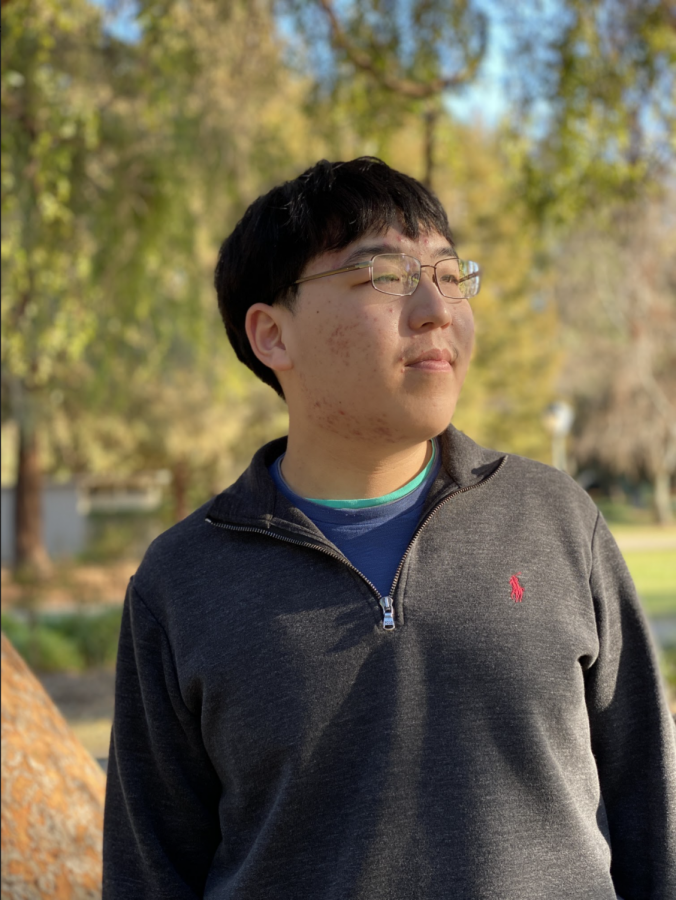


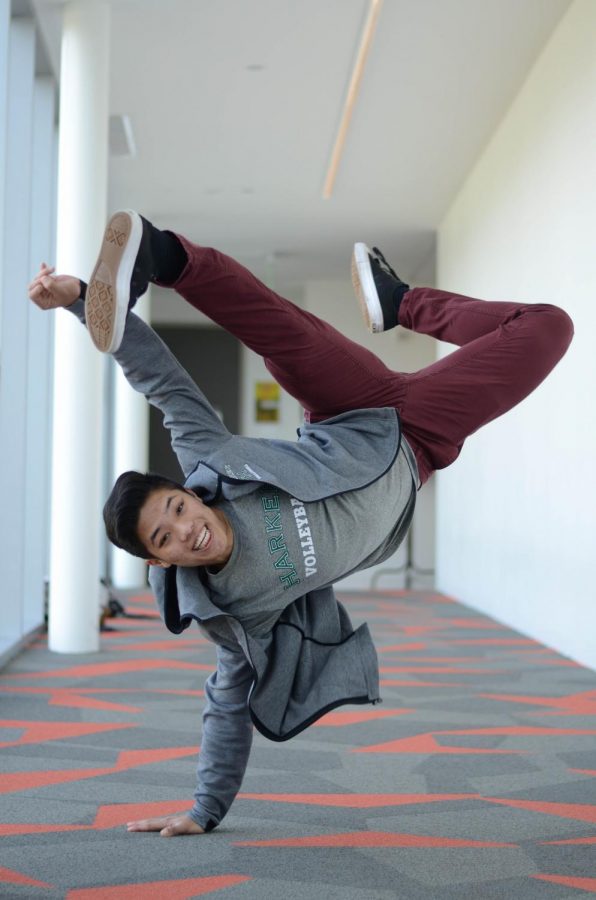


![“I think getting up in the morning and having a sense of purpose [is exciting]. I think without a certain amount of drive, life is kind of obsolete and mundane, and I think having that every single day is what makes each day unique and kind of makes life exciting,” Neymika Jain (12) said.](https://harkeraquila.com/wp-content/uploads/2017/06/Screen-Shot-2017-06-03-at-4.54.16-PM.png)

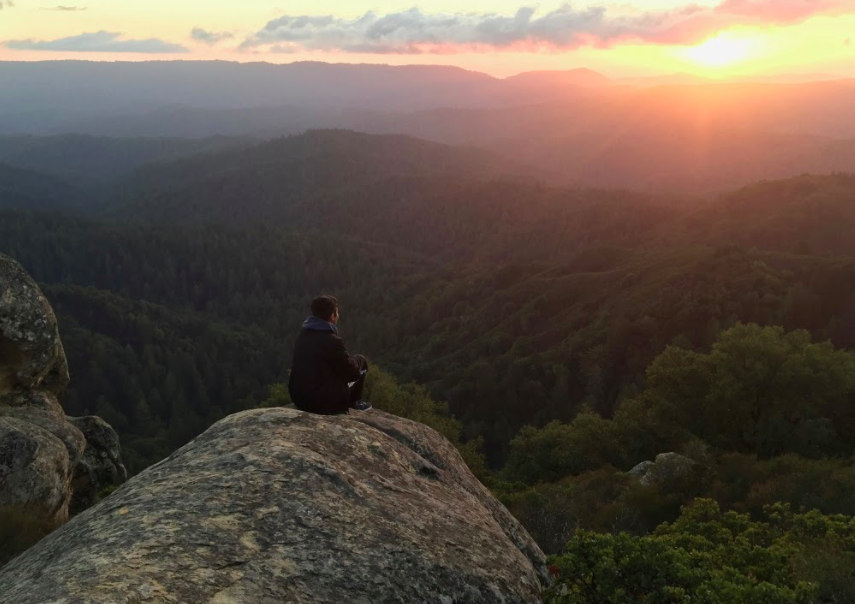




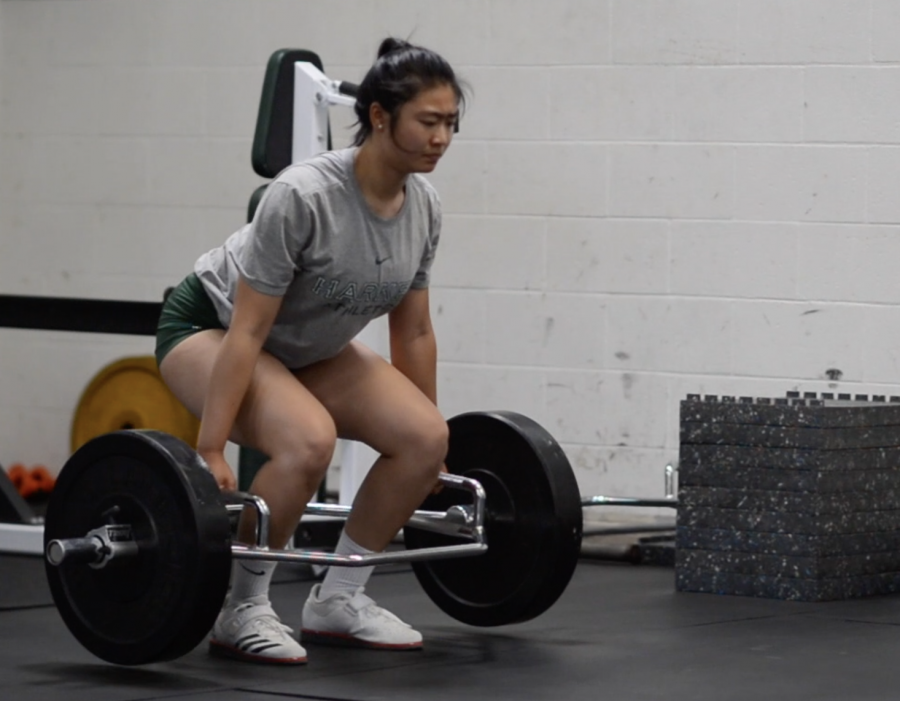

![“My slogan is ‘slow feet, don’t eat, and I’m hungry.’ You need to run fast to get where you are–you aren't going to get those championships if you aren't fast,” Angel Cervantes (12) said. “I want to do well in school on my tests and in track and win championships for my team. I live by that, [and] I can do that anywhere: in the classroom or on the field.”](https://harkeraquila.com/wp-content/uploads/2018/06/DSC5146-900x601.jpg)
![“[Volleyball has] taught me how to fall correctly, and another thing it taught is that you don’t have to be the best at something to be good at it. If you just hit the ball in a smart way, then it still scores points and you’re good at it. You could be a background player and still make a much bigger impact on the team than you would think,” Anya Gert (’20) said.](https://harkeraquila.com/wp-content/uploads/2020/06/AnnaGert_JinTuan_HoHPhotoEdited-600x900.jpeg)
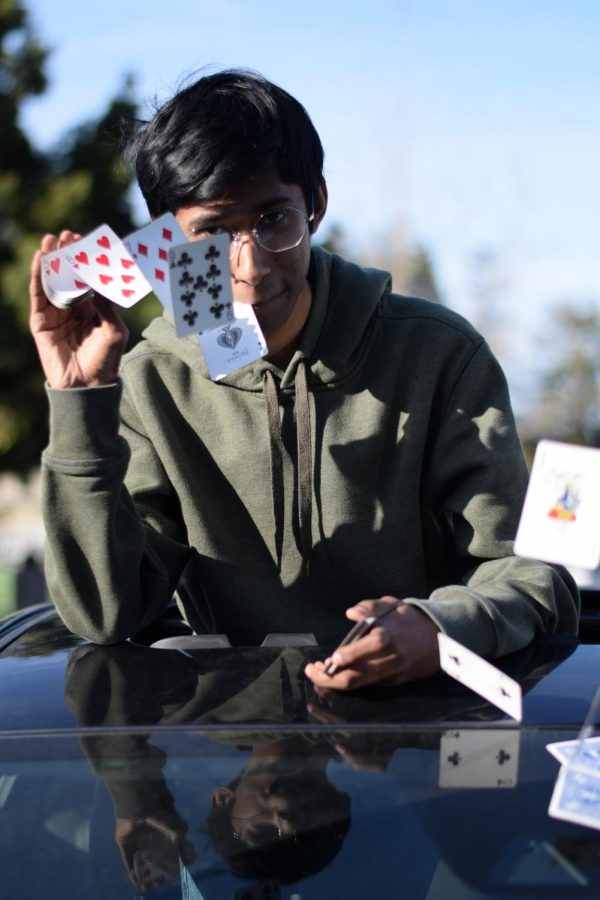
![“I'm not nearly there yet, but [my confidence has] definitely been getting better since I was pretty shy and timid coming into Harker my freshman year. I know that there's a lot of people that are really confident in what they do, and I really admire them. Everyone's so driven and that has really pushed me to kind of try to find my own place in high school and be more confident,” Alyssa Huang (’20) said.](https://harkeraquila.com/wp-content/uploads/2020/06/AlyssaHuang_EmilyChen_HoHPhoto-900x749.jpeg)


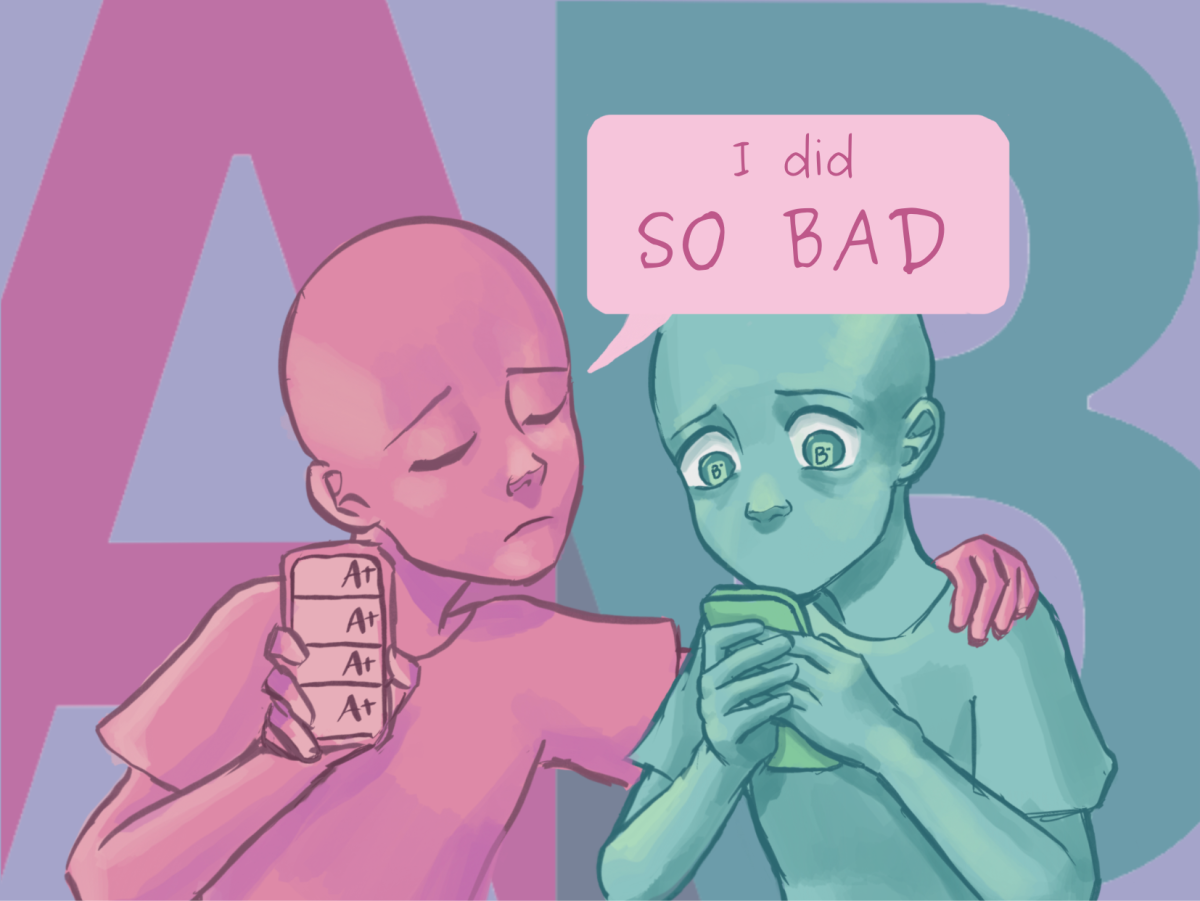
I’ll be honest — I’ve said this classic line before: “I did so bad….only a 96.” It slips out after nearly every test at Harker. But lately, with tests and assignments in full swing, I’ve started noticing just how strange and damaging it is, because, frankly, no one I know who gets a 96 truly feels like they failed.
At Harker, saying “I did so bad” when you didn’t isn’t about insecurity — it’s about subtle signaling. It’s a form of quiet and backwards bragging. There is an unwritten rule at most schools: you can’t brag outright, so why not brag in reverse?
When someone says, “I only got a 93,” what they’re really saying is: “My baseline is an A+.” The complaint itself is a flex. It tells everyone how high your standards are and reminds them how consistently well you perform.
And it works. Arrogance gets punished—people roll their eyes and say you have an ego. But self-deprecation? That gets rewarded.
I’ve watched classmates receive reassurance the moment they pretend to complain about less-than-perfect scores. Instantly, others scramble to comfort them, applauding the impressive score they’ve downplayed, all because the brag was dressed up as self-deprecation.
We must accept true pride. Admitting that someone worked hard should be as acceptable as disappointment in a grade. Being proud is not arrogance, it’s transparency. When someone starts humble-bragging, we have to stop showering them with reassurance. Just neutralize it: “That’s a good score, you don’t need to downplay it.” If we stop rewarding fake humility, this mentality will die out quickly.
It’s happened to me before. I used to say I failed just to hear someone tell me I didn’t, but then it hit me: this humble-brag culture is not about honesty or humility; instead, it’s an elaborate performance in pursuit of approval.
At Harker, excellence is expected. When everyone is already doing so well, the only way to stand out is to downplay your wins to make them look even larger. Acting like an achievement is no big deal becomes the new way of signaling high-level student success.
This is all a part of the new wave of “nonchalance culture,” the idea that effort is embarrassing, that hard work should look effortless. Nobody says, “I studied like crazy for that test and I’m proud of how I did.” That kind of vulnerability feels almost taboo. We only talk about effort when we don’t do well, not when we succeed.
For someone who truly struggled on that same test, hearing a classmate’s disappointment over a 96 feels like a slap in the face. I have been on the opposite side of humble-bragging: a classmate turns to me, disappointed about their 95 grade on their essay, while I sit in silence with my 90. It converts someone else’s goal into your failure.
Somewhere in the middle of this fake modesty, authenticity disappears. Even when we win, we can’t be honest about it. We’ve turned success into an act—something to frame and package for the public to approve.
Sure, the easy answer is to just not talk about scores. However, we all have to be realistic: at a school like Harker, people will always talk about score. The least we can do is make these conversations honest, not performative. In the end, if we are really proud of what we have achieved, we shouldn’t have to disguise it as disappointment.









Colin Campbell • Dec 17, 2025 at 10:44 pm
This is so real