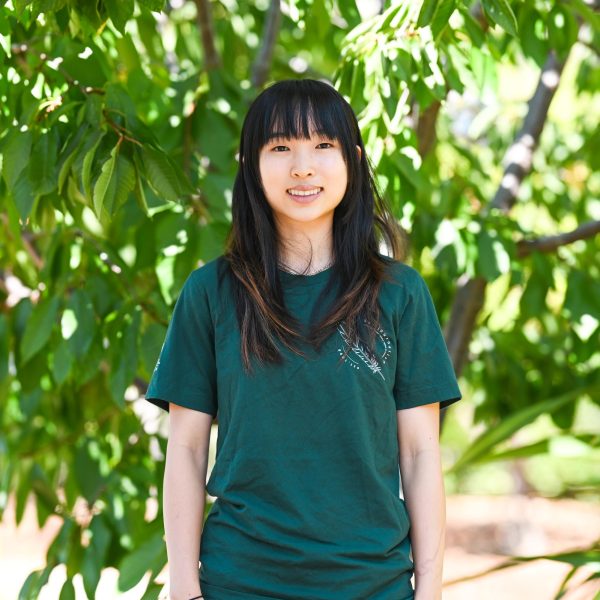
![“I wasn't discouraged by some of the obstacles we faced. I learned a lot from the leadership. I found that different people need different ways of receiving feedback — you can't [just] tell them to do something and expect the best. [Some] people needed more incentive. A large part of my role was to figure out what worked for everyone and to figure out how to lead all these separate individuals as a team,” Suhana Bhandare (’26) said.](https://harkeraquila.com/wp-content/uploads/2026/06/SuhanaBhandare_JasmineHansra-1-1200x798.jpg)
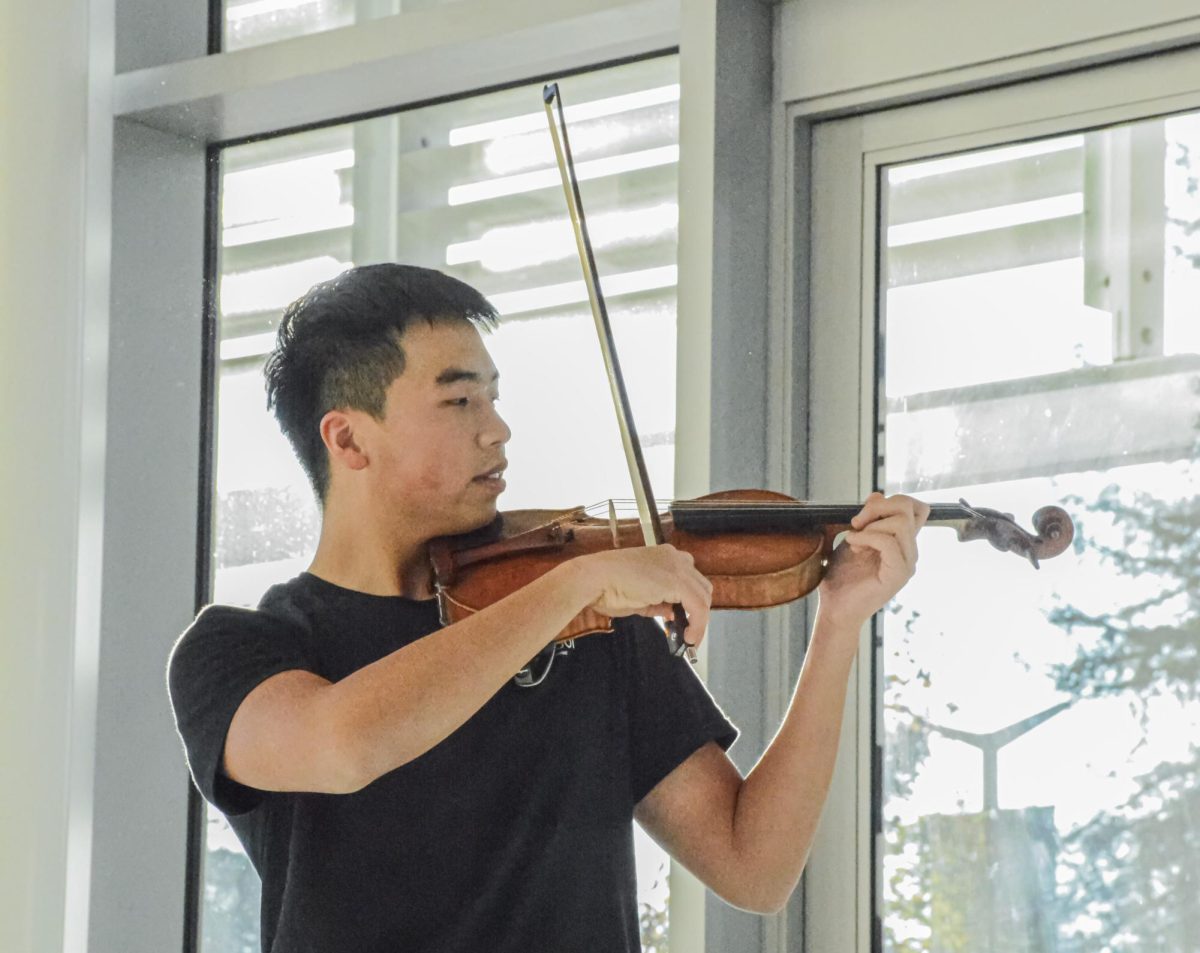
![“This is actually from Randy Pausch Randy P. Brick: ‘Walls are there for a reason. You have to show how much you want to overcome them.’ You have to show how much you want something. That's what I've always been able to do with tennis, Link Crew and getting that internship [with Kushy Baby]. It’s important pushing through that — getting around that brick wall, climbing over it or clawing through it,” Yash Sachdeva (’26) said.](https://harkeraquila.com/wp-content/uploads/2026/05/YashSachdeva_RamBatchu-copy-1200x1002.jpg)

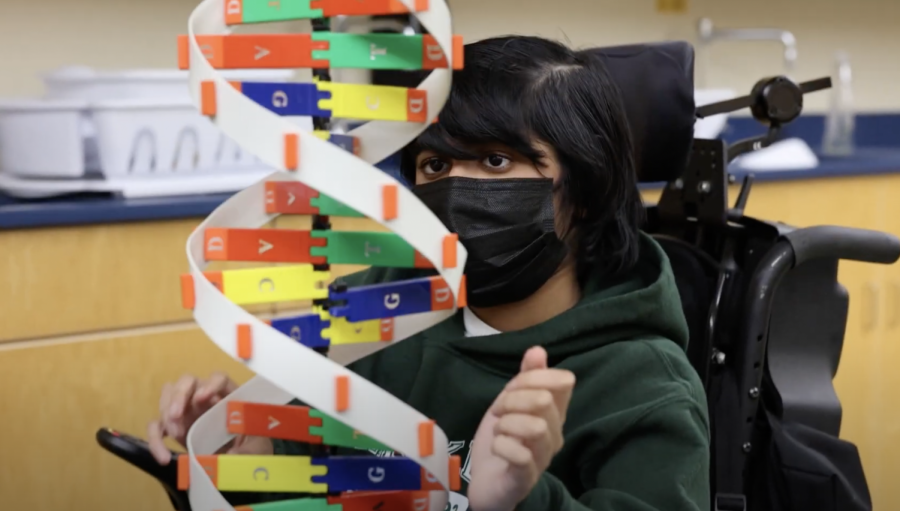
![“[Building nerf blasters] became this outlet of creativity for me that hasn't been matched by anything else. The process [of] making a build complete to your desire is such a painstakingly difficult process, but I've had to learn from [the skills needed from] soldering to proper painting. There's so many different options for everything, if you think about it, it exists. The best part is [that] if it doesn't exist, you can build it yourself," Ishaan Parate said.](https://harkeraquila.com/wp-content/uploads/2022/08/DSC_8149-900x604.jpg)
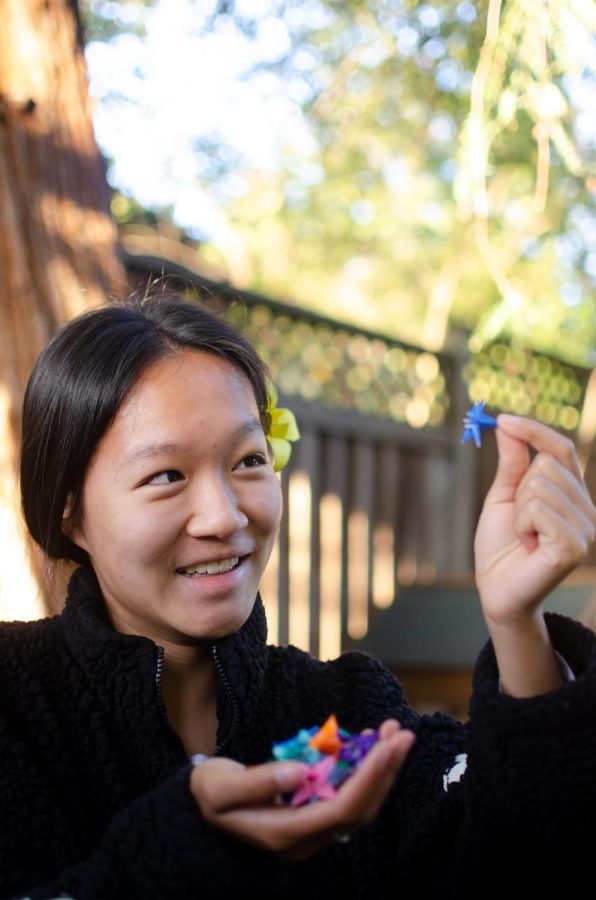
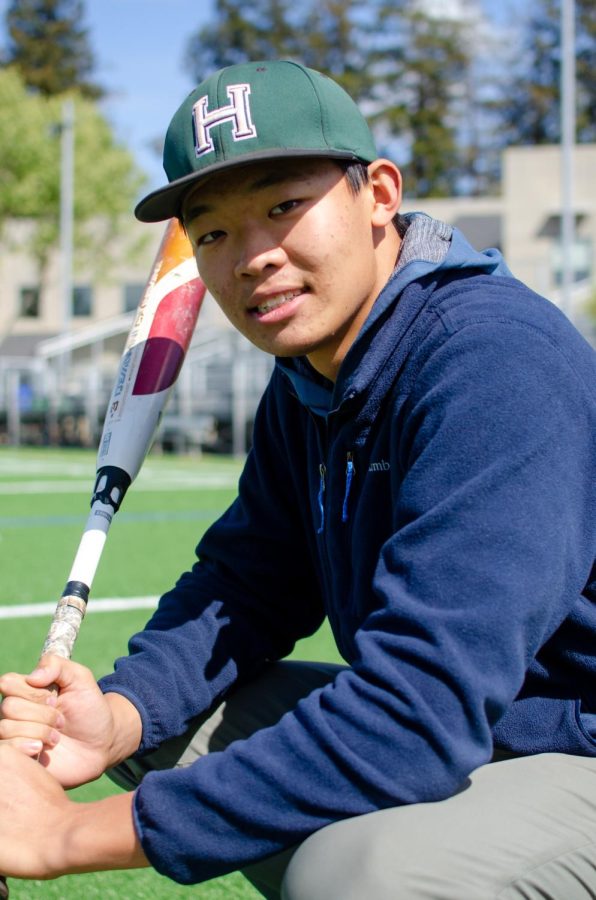
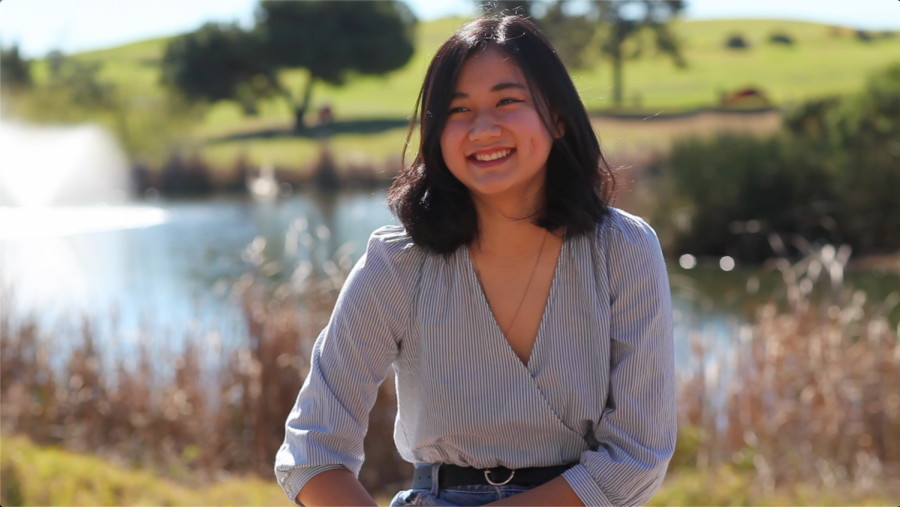
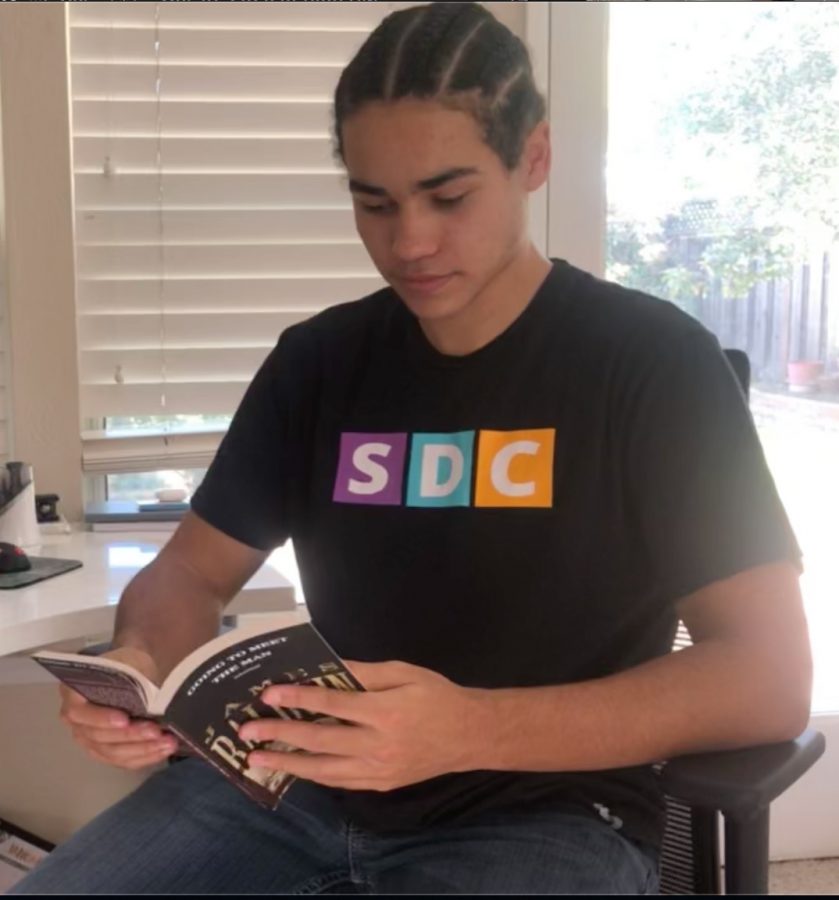
![“When I came into high school, I was ready to be a follower. But DECA was a game changer for me. It helped me overcome my fear of public speaking, and it's played such a major role in who I've become today. To be able to successfully lead a chapter of 150 students, an officer team and be one of the upperclassmen I once really admired is something I'm [really] proud of,” Anvitha Tummala ('21) said.](https://harkeraquila.com/wp-content/uploads/2021/07/Screen-Shot-2021-07-25-at-9.50.05-AM-900x594.png)
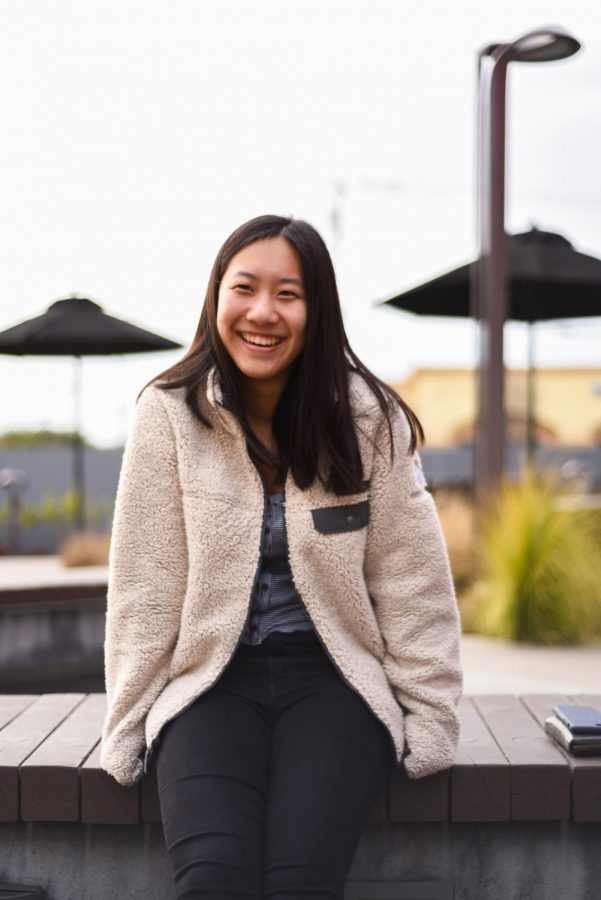
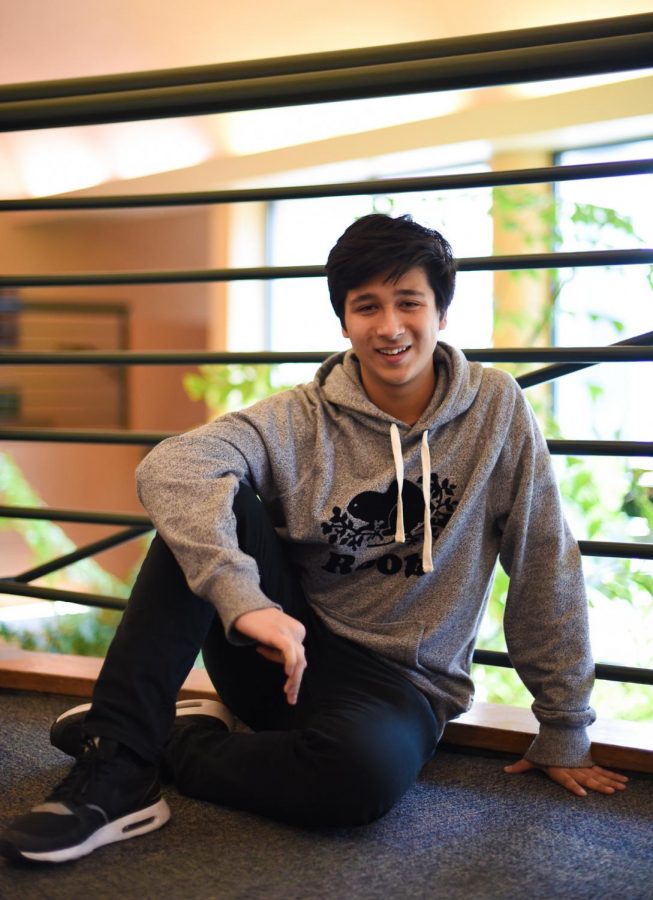
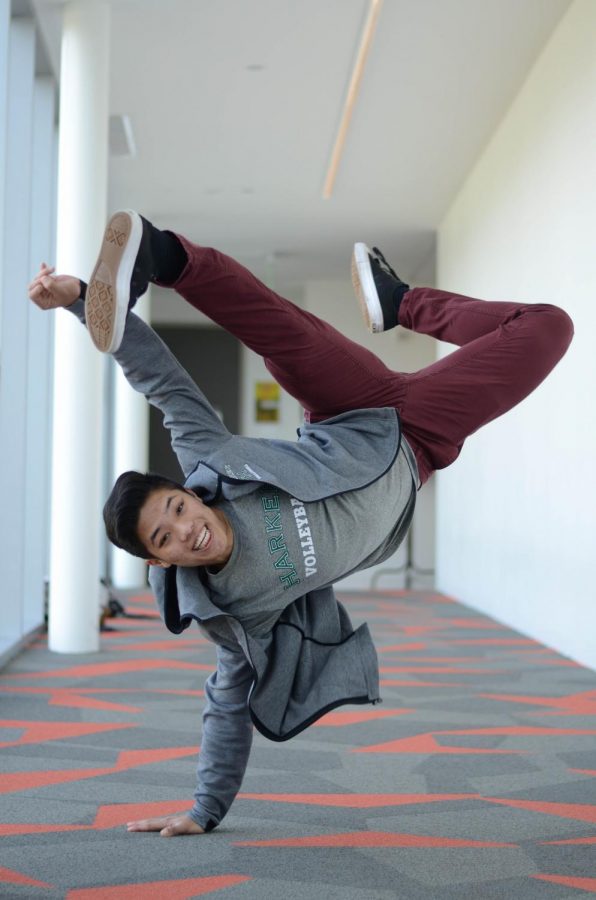
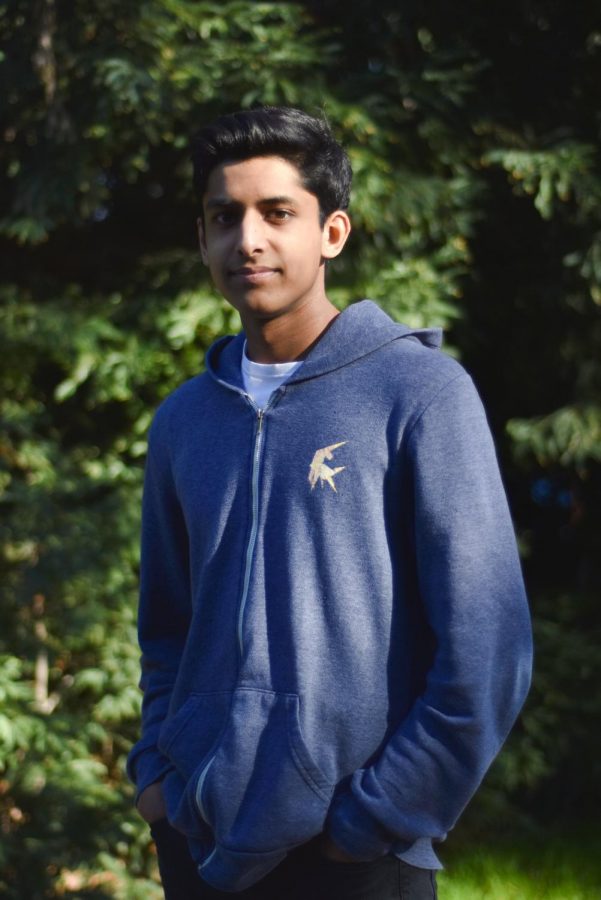

![“I think getting up in the morning and having a sense of purpose [is exciting]. I think without a certain amount of drive, life is kind of obsolete and mundane, and I think having that every single day is what makes each day unique and kind of makes life exciting,” Neymika Jain (12) said.](https://harkeraquila.com/wp-content/uploads/2017/06/Screen-Shot-2017-06-03-at-4.54.16-PM.png)
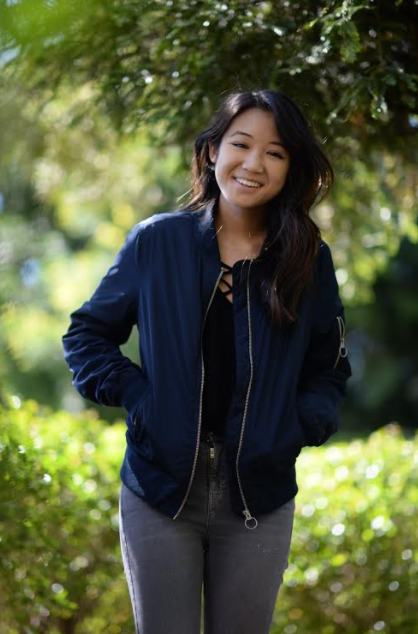
![“My slogan is ‘slow feet, don’t eat, and I’m hungry.’ You need to run fast to get where you are–you aren't going to get those championships if you aren't fast,” Angel Cervantes (12) said. “I want to do well in school on my tests and in track and win championships for my team. I live by that, [and] I can do that anywhere: in the classroom or on the field.”](https://harkeraquila.com/wp-content/uploads/2018/06/DSC5146-900x601.jpg)
![“[Volleyball has] taught me how to fall correctly, and another thing it taught is that you don’t have to be the best at something to be good at it. If you just hit the ball in a smart way, then it still scores points and you’re good at it. You could be a background player and still make a much bigger impact on the team than you would think,” Anya Gert (’20) said.](https://harkeraquila.com/wp-content/uploads/2020/06/AnnaGert_JinTuan_HoHPhotoEdited-600x900.jpeg)
![“I'm not nearly there yet, but [my confidence has] definitely been getting better since I was pretty shy and timid coming into Harker my freshman year. I know that there's a lot of people that are really confident in what they do, and I really admire them. Everyone's so driven and that has really pushed me to kind of try to find my own place in high school and be more confident,” Alyssa Huang (’20) said.](https://harkeraquila.com/wp-content/uploads/2020/06/AlyssaHuang_EmilyChen_HoHPhoto-900x749.jpeg)


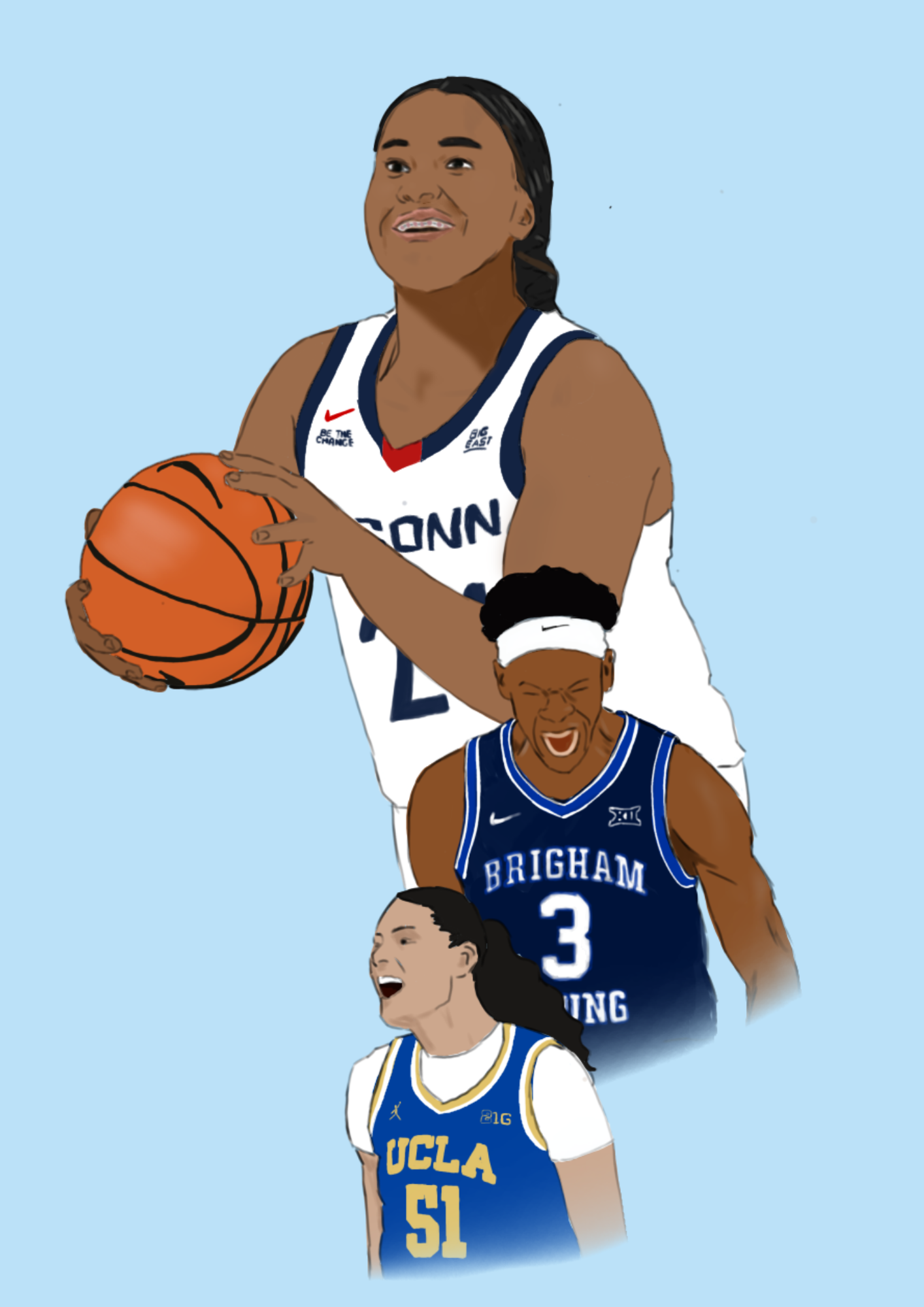
The men’s and women’s NCAA Division I March Madness competitions kicked off with their first rounds on March 19 and 20, with the competition’s final taking place on Apr. 5 and 6, respectively.
March Madness is an annual single-elimination tournament featuring the top 68 college basketball teams in the U.S. The competition started excitingly, with the first and second rounds already resulting in notable outcomes. In the men’s tournament, No. 9 seed Iowa prevailed over No. 1 seed Florida 73-72 in a second round game, knocking out the defending champions and earning their first sweet sixteen appearance since 1999. On the women’s side, Texas Christian University demolished the University of California, San Diego in the first round of the bracket, with TCU guard Olivia Miles recording double digits in points, rebounds and assists.
On campus and in celebration of the competition, FEM Club partnered with the Women in Sports Club to host a meeting where students created their own women’s March Madness brackets on March 16. The event offered an opportunity to follow women’s sports while encouraging friendly competition between peers.
“It’s a great activity to bring awareness to women’s sports,” FEM club officer and varsity girls basketball player Jillian Chen (10) said. “Especially with the growing viewership and women’s basketball specifically expanding, this is an opportunity to engage our community. Events like these help create buzz around upcoming tournaments and show that women’s sports deserve the same level of recognition as the men’s.”
This year’s first seeds for the men’s include Duke, Arizona, Michigan and Florida, with Duke holding a 25% predicted chance of winning the title according to the NCAA official website. On the women’s side, the University of Connecticut (UConn); the University of California, Los Angeles; South Carolina and Texas are the top contenders, each earning a No. 1 seed in their respective regions. UConn, in particular, stands out after a 36-0 regular season and hopes to clinch its 13th NCAA basketball title this year.
Not everyone decides to take part in the bracket making. Radice opts out, believing that filling one out can take away from the enjoyment of games due to the stress of keeping up with picks and outcomes. She also noted that the players’ increased ability to transfer teams between seasons has reshaped the landscape of collegiate basketball, making certain returning teams more unpredictable than in previous years.
“TCU is going to be interesting because the transfer portal has really changed everything about the game,” Radice said. “Notre Dame would have been a much stronger team this year if Olivia Miles had stayed there, but then she transferred and went to TCU. Because they had such an amazing season last year, it will be interesting to see if her help will be enough to go pretty far in the tournament.”
Teams can secure their spots in the bracket by winning their conference or qualify as wild cards given strong regular-season performances. March Madness is famous for dramatic upsets, making predicting a bracket perfectly near impossible. One of the most thrilling examples was in 2016, when Villanova’s Kris Jenkins hit a buzzer-beating three to defeat North Carolina 77-74 only seconds after they had tied the game. Many fans, like physics teacher Lisa Radice, root for underdog teams that may exceed public expectations despite their regular-season performance.
“The women’s Notre Dame Fighting Irish could be a sleeper team just because point-guard Hannah Hidalgo is amazing,” Radice said. “She’s one of the leading scorers in steals and all of those kinds of hustle statistics this year. They don’t necessarily have a big chance in proceeding to the championship, but I think they could go farther than most people think.”
Jillian predicts that Louisiana State University, currently led by top players Flau’jae Johnson, Mikaylah Williams and transfer MiLaysia Fulwiley, will make a deep run as well.
“They are a team that plays with a lot of energy,” Jillian said. “We’ve seen their playmaking go both good and bad this year, but when it comes down to the Final Four, they are going to pull through, especially against a formidable team like UCLA. They have a really deep roster with great freshmen like Bella Hynes, who has lots of potential.”
Senior Krish Arora, who began seriously following collegiate basketball in his frosh year, expanded on how his selections for the men’s bracket are influenced by both current performance and seeding.
“Last year I wasn’t very accurate, but it’s pretty hard to predict who’s going to win because it’s a single-game elimination,” Krish said. “My favorite is Duke. This year they’re really good, and they have Cameron Boozer, who’s one of the top 3 prospects for the NBA draft next season. I have Duke versus Michigan facing off in the championship.”
In the past history of March Madness, no individual has ever completed a verified perfect bracket. If one randomly guessed the outcome of each game, the odds of getting every pick right would be about 1 in 9.2 quintillion.
“One of the biggest mistakes people make is overthinking their bracket picks instead of going with their gut,” Jillian said. “The most important thing is to trust the process — if you’ve been following the league, you know your way around it, and you just have to trust yourself instead of stressing over every little pick.”
March Madness garners massive national attention each year, with the 2026 opening-round games averaging 9.8 million viewers across streaming platforms. The tournament showcases top collegiate talent rather than professional play, and it remains an opportunity for young athletes to prove themselves.
“It’s called March Madness because we see so many upsets and there’s so much chaos,” Radice said. “During breaks or lunch, I see a lot of people watching games and tracking what’s going on. There are a subset of our students who are very interested in March Madness. The more people watch, the more they see how amazing these players are and what kind of a fun, exciting game it is.”