![“I wasn't discouraged by some of the obstacles we faced. I learned a lot from the leadership. I found that different people need different ways of receiving feedback — you can't [just] tell them to do something and expect the best. [Some] people needed more incentive. A large part of my role was to figure out what worked for everyone and to figure out how to lead all these separate individuals as a team,” Suhana Bhandare (’26) said.](https://harkeraquila.com/wp-content/uploads/2026/06/SuhanaBhandare_JasmineHansra-1-1200x798.jpg)
![“This is actually from Randy Pausch Randy P. Brick: ‘Walls are there for a reason. You have to show how much you want to overcome them.’ You have to show how much you want something. That's what I've always been able to do with tennis, Link Crew and getting that internship [with Kushy Baby]. It’s important pushing through that — getting around that brick wall, climbing over it or clawing through it,” Yash Sachdeva (’26) said.](https://harkeraquila.com/wp-content/uploads/2026/05/YashSachdeva_RamBatchu-copy-1200x1002.jpg)



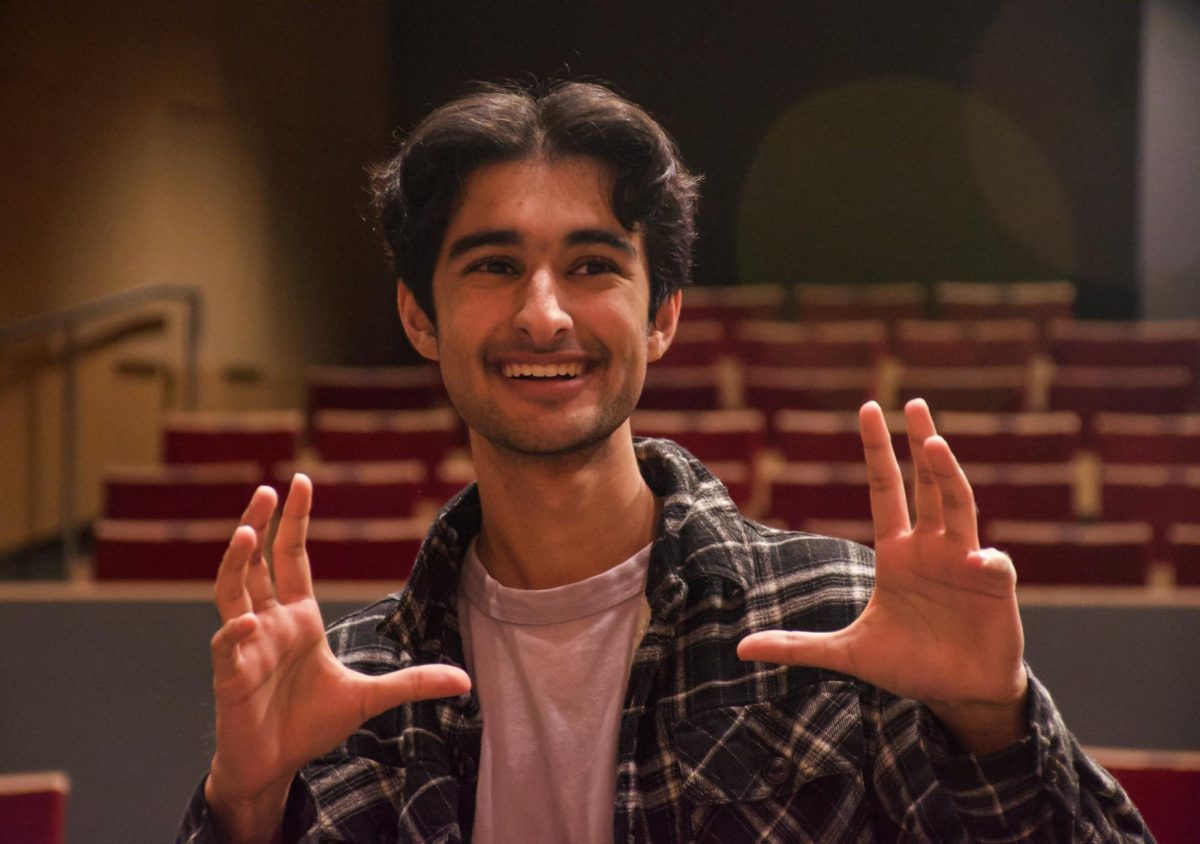

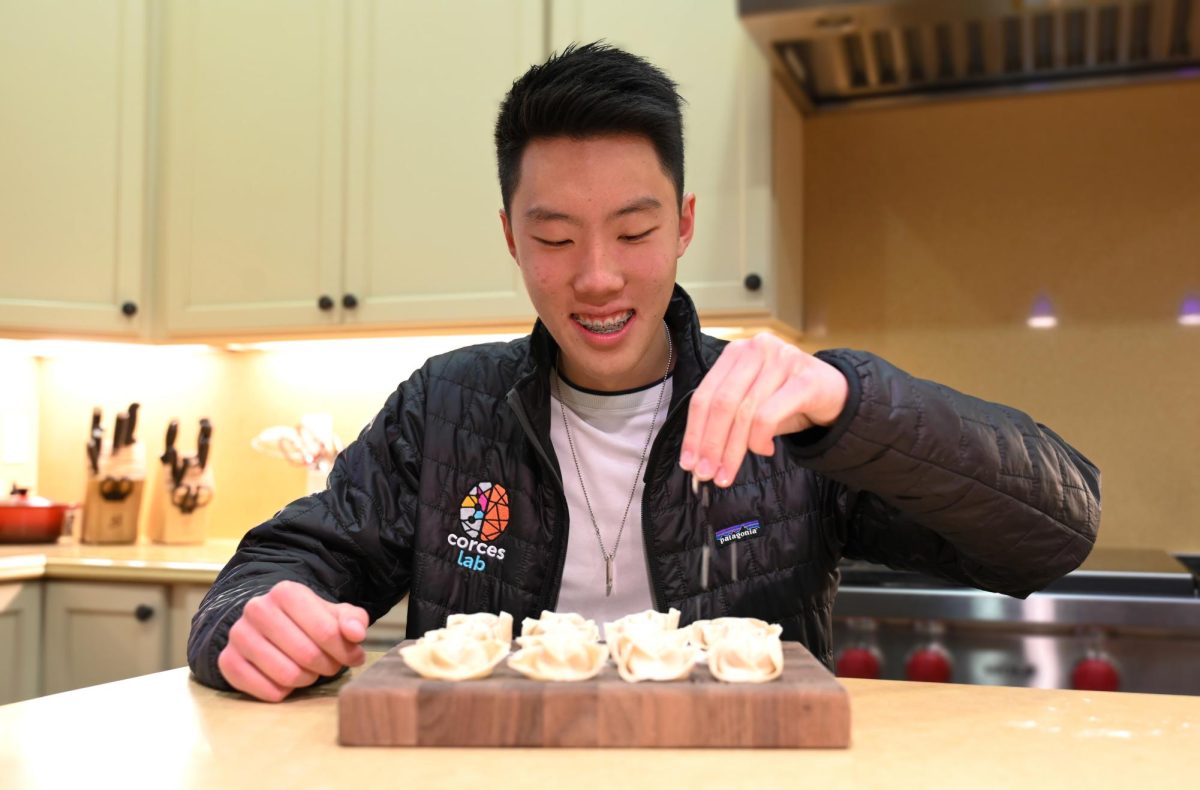
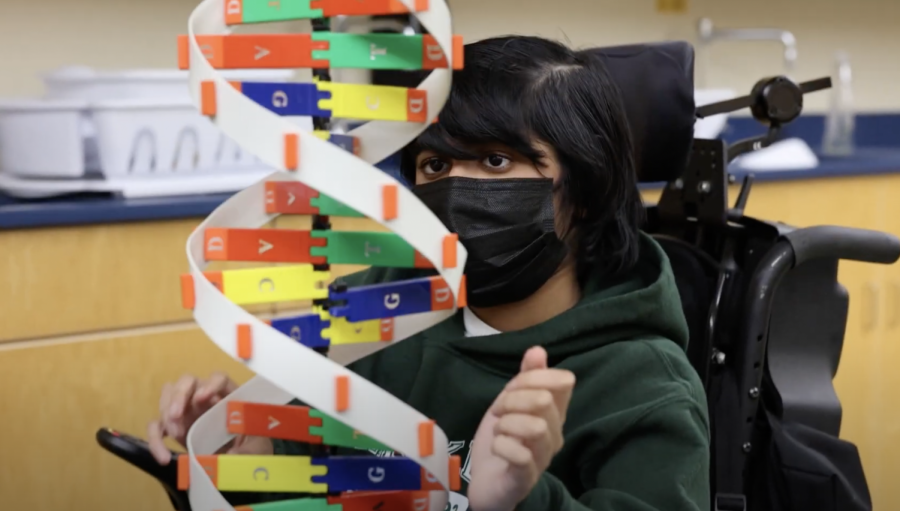
![“[Building nerf blasters] became this outlet of creativity for me that hasn't been matched by anything else. The process [of] making a build complete to your desire is such a painstakingly difficult process, but I've had to learn from [the skills needed from] soldering to proper painting. There's so many different options for everything, if you think about it, it exists. The best part is [that] if it doesn't exist, you can build it yourself," Ishaan Parate said.](https://harkeraquila.com/wp-content/uploads/2022/08/DSC_8149-900x604.jpg)
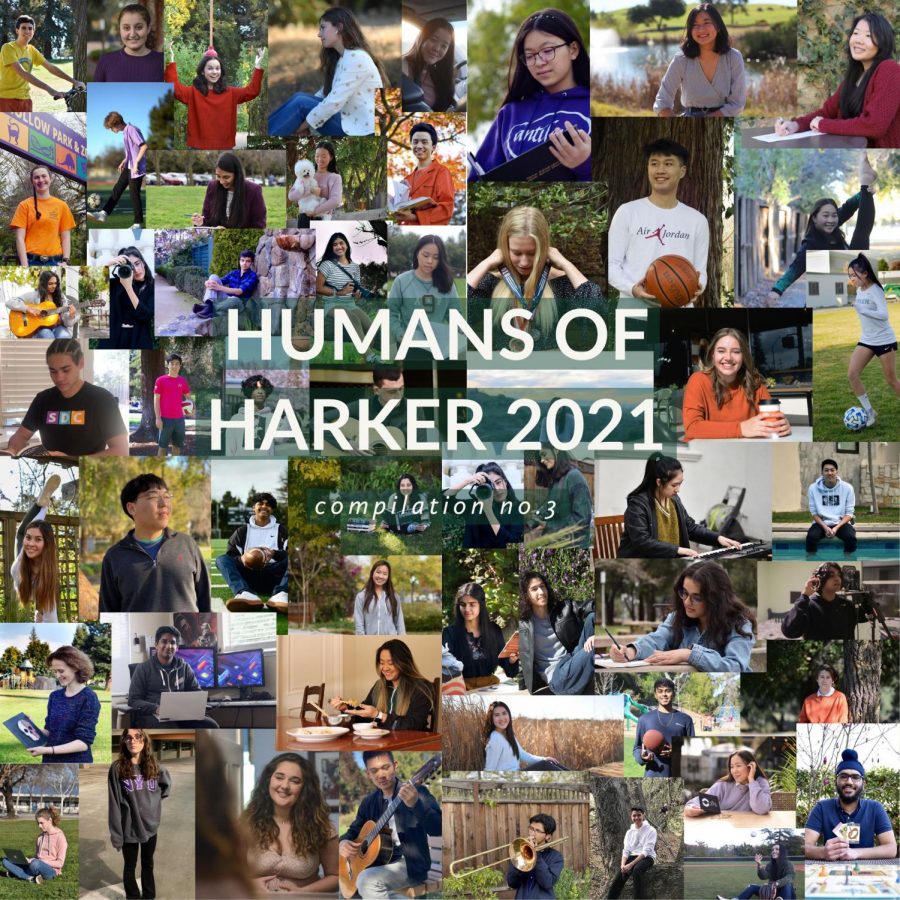
![“When I came into high school, I was ready to be a follower. But DECA was a game changer for me. It helped me overcome my fear of public speaking, and it's played such a major role in who I've become today. To be able to successfully lead a chapter of 150 students, an officer team and be one of the upperclassmen I once really admired is something I'm [really] proud of,” Anvitha Tummala ('21) said.](https://harkeraquila.com/wp-content/uploads/2021/07/Screen-Shot-2021-07-25-at-9.50.05-AM-900x594.png)
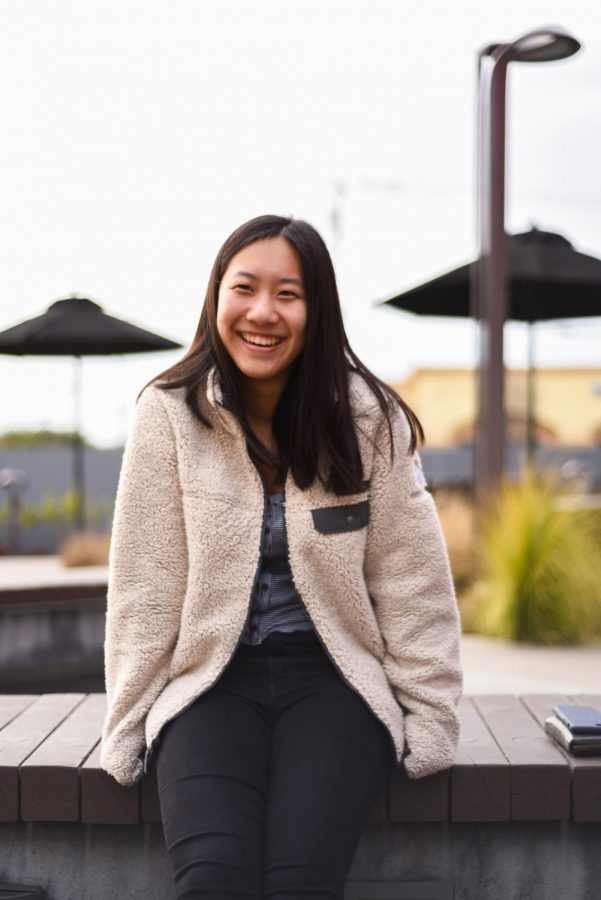



![“I think getting up in the morning and having a sense of purpose [is exciting]. I think without a certain amount of drive, life is kind of obsolete and mundane, and I think having that every single day is what makes each day unique and kind of makes life exciting,” Neymika Jain (12) said.](https://harkeraquila.com/wp-content/uploads/2017/06/Screen-Shot-2017-06-03-at-4.54.16-PM.png)
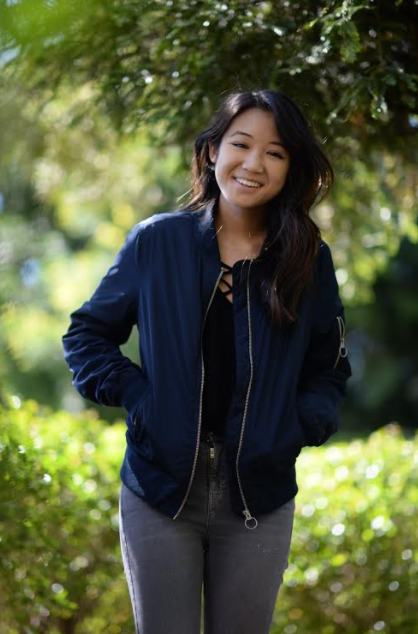
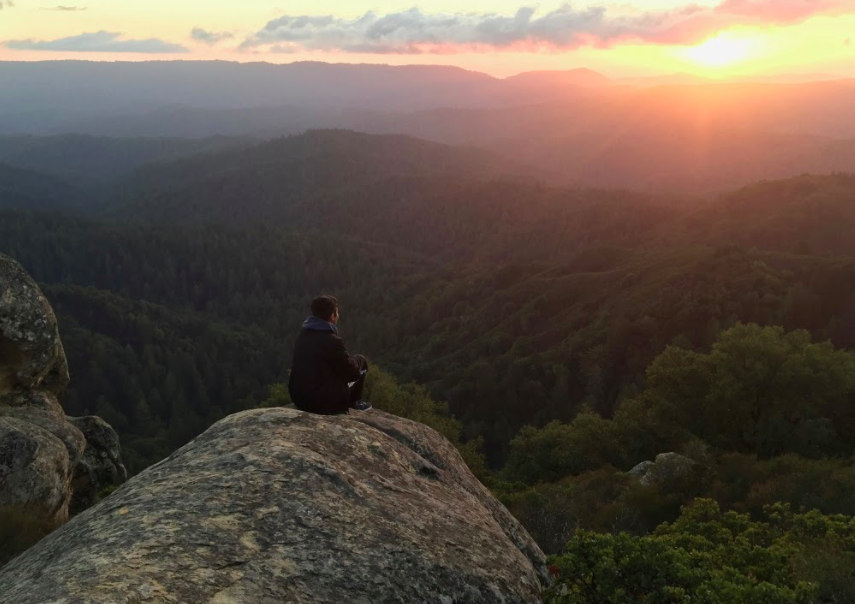

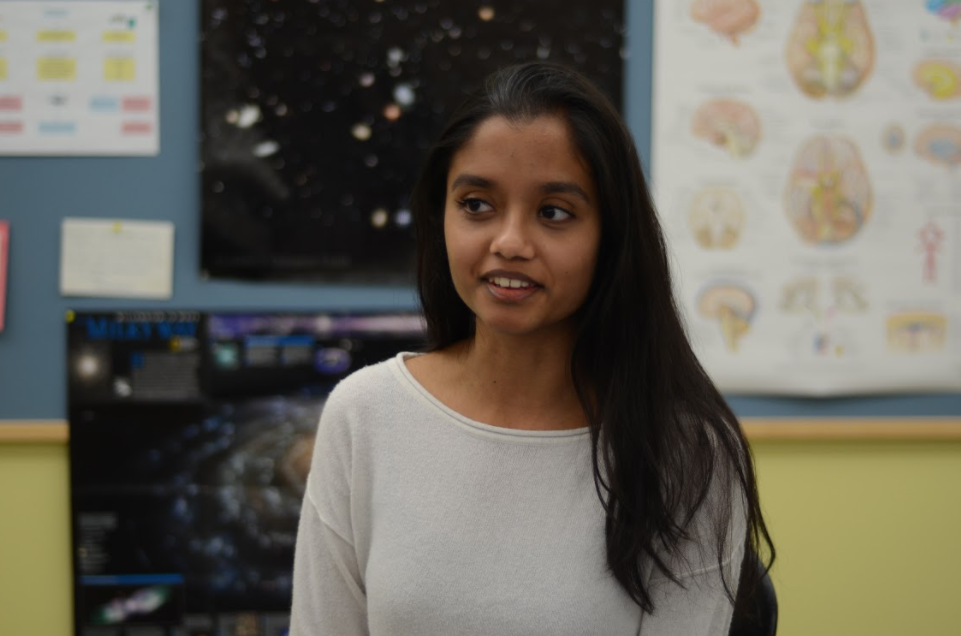
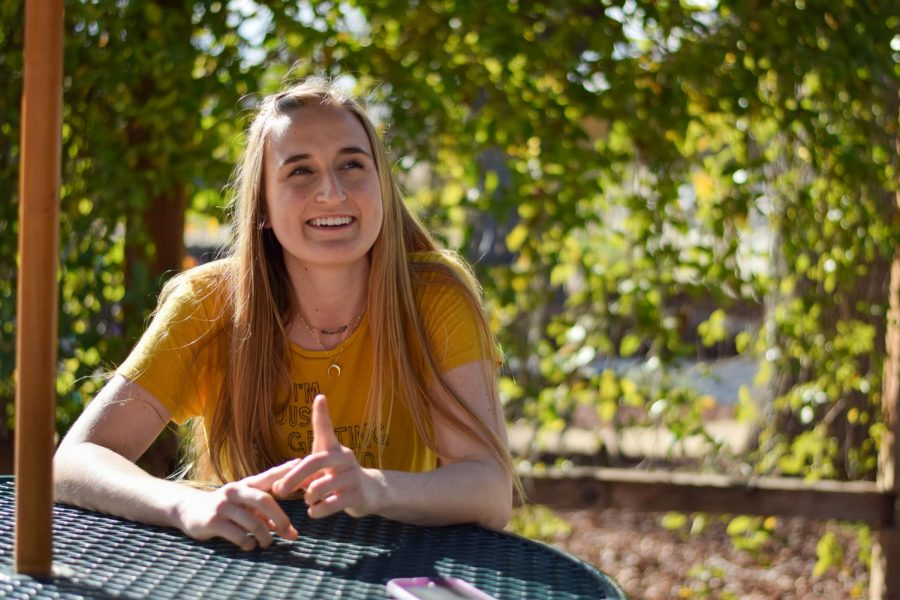
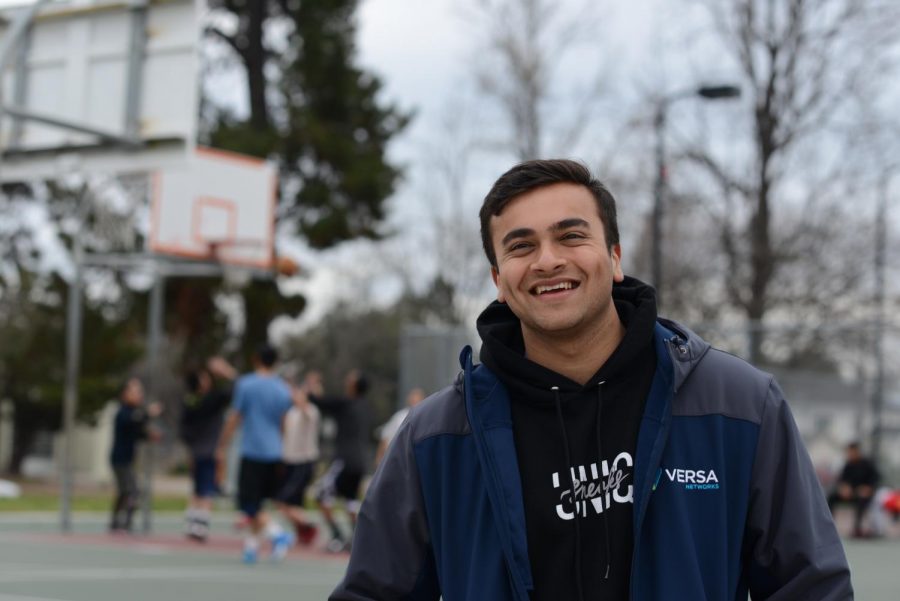
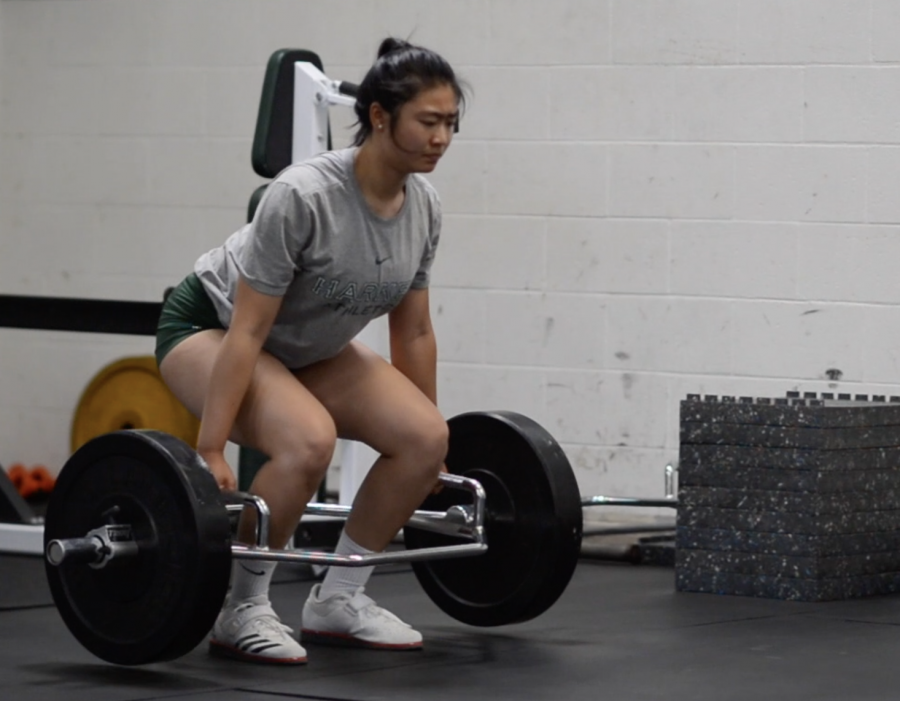
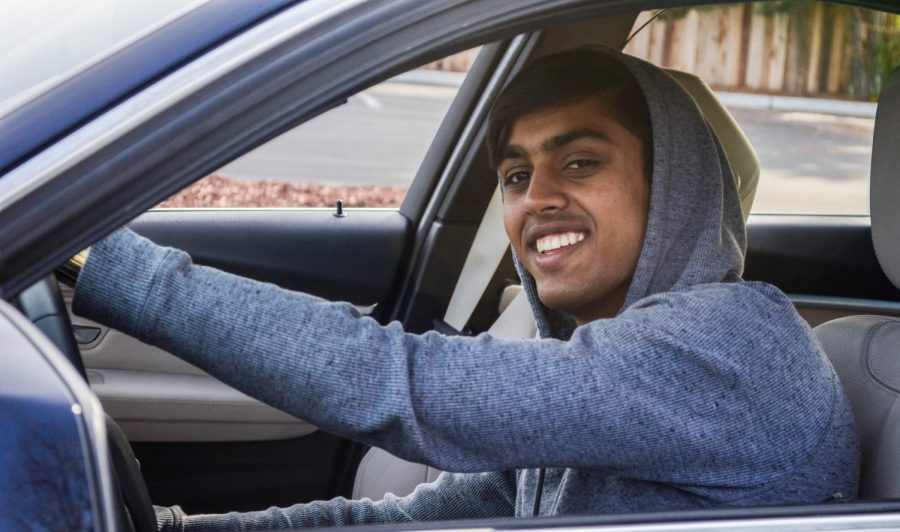
![“My slogan is ‘slow feet, don’t eat, and I’m hungry.’ You need to run fast to get where you are–you aren't going to get those championships if you aren't fast,” Angel Cervantes (12) said. “I want to do well in school on my tests and in track and win championships for my team. I live by that, [and] I can do that anywhere: in the classroom or on the field.”](https://harkeraquila.com/wp-content/uploads/2018/06/DSC5146-900x601.jpg)
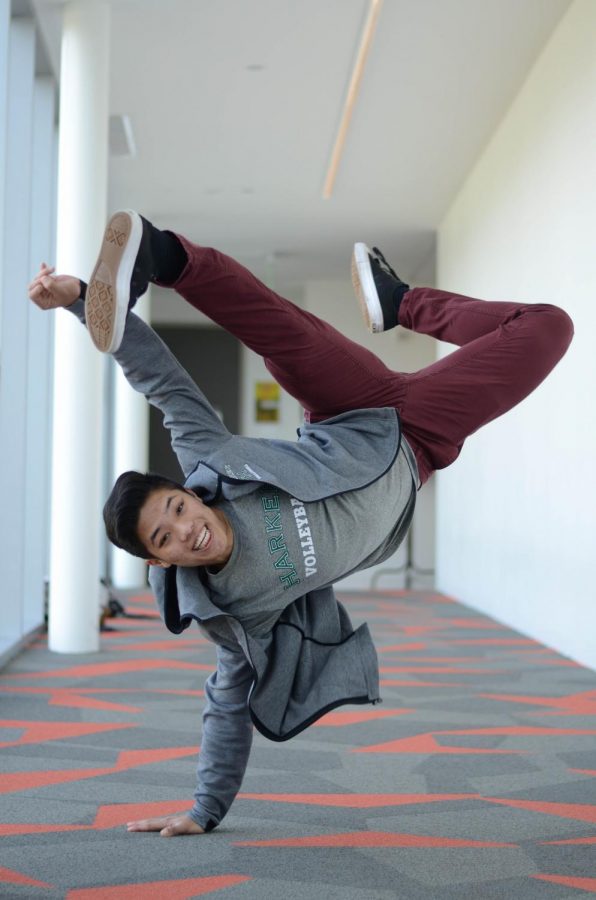
![“[Volleyball has] taught me how to fall correctly, and another thing it taught is that you don’t have to be the best at something to be good at it. If you just hit the ball in a smart way, then it still scores points and you’re good at it. You could be a background player and still make a much bigger impact on the team than you would think,” Anya Gert (’20) said.](https://harkeraquila.com/wp-content/uploads/2020/06/AnnaGert_JinTuan_HoHPhotoEdited-600x900.jpeg)
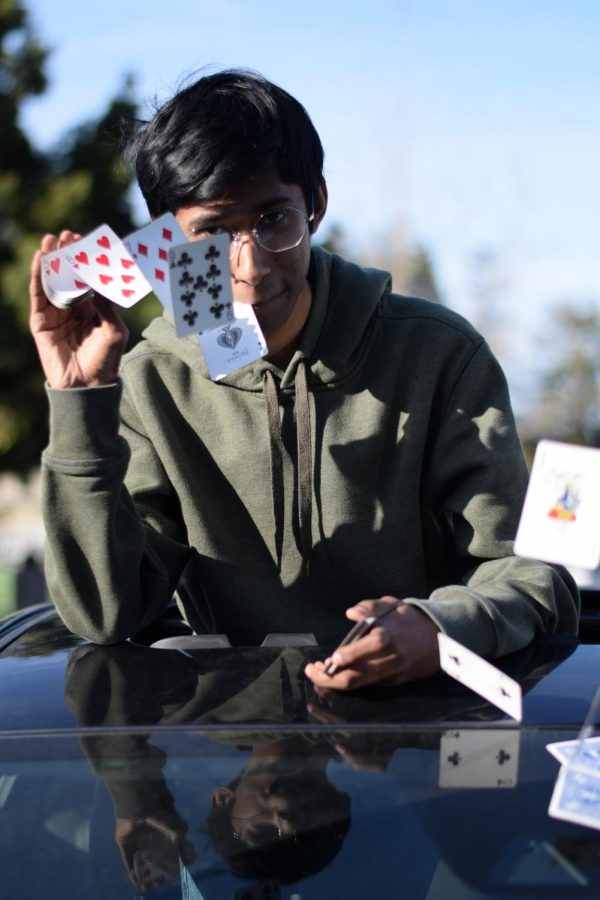
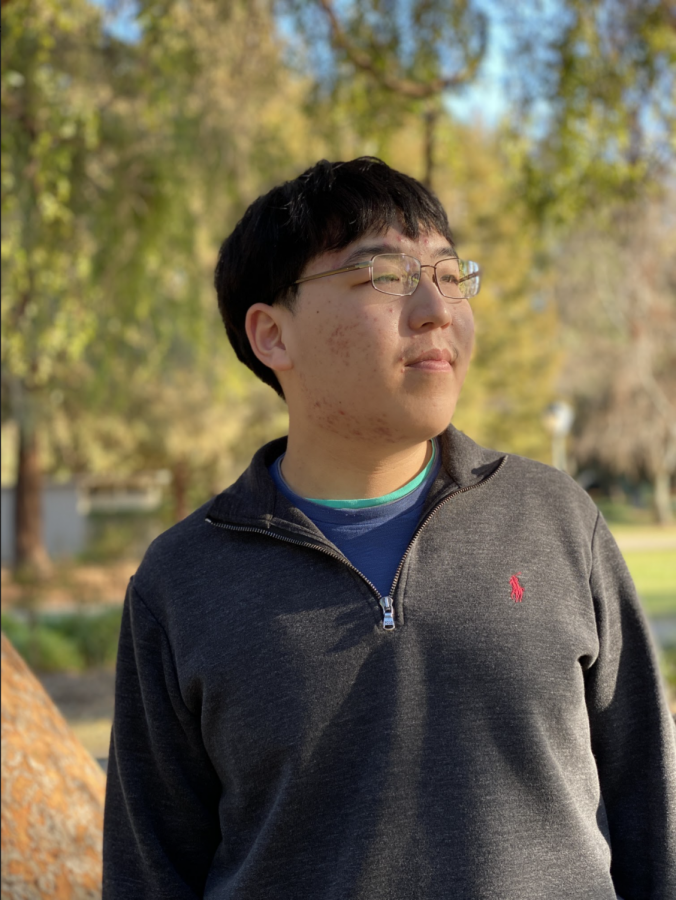
![“I'm not nearly there yet, but [my confidence has] definitely been getting better since I was pretty shy and timid coming into Harker my freshman year. I know that there's a lot of people that are really confident in what they do, and I really admire them. Everyone's so driven and that has really pushed me to kind of try to find my own place in high school and be more confident,” Alyssa Huang (’20) said.](https://harkeraquila.com/wp-content/uploads/2020/06/AlyssaHuang_EmilyChen_HoHPhoto-900x749.jpeg)


The rise of the Women’s National Basketball Association (WNBA) in recent years has been impossible to ignore. Arena attendance continues to surge and nationally televised games repeatedly expand as the 2025 season averaged a 6 percent increase over the record-breaking 2024 season, reaching 1.3 million viewers on ESPN networks. What was once a niche professional league is now part of a much larger conversation about the future of women’s sports.
Still, imbalance persists when compared to the Men’s National Basketball Association (NBA), reinforcing the idea that while progress is real, it is ongoing rather than entirely complete. Following recent collective bargaining agreements, WNBA salaries have increased significantly, with maximum contracts more than doubling compared to previous years. WNBA commissioner Cathy Engelbert worked with the players’ union to develop improvements in benefits, travel conditions and revenue-sharing structures, showing that the league is ever-evolving.
Despite the progress, questions about compensation and visibility remain central and attached to the league’s reputation. Under the latest bargaining proposals, the maximum a team is allowed to spend on their players’ salaries is $1.5 million to $5-7 million total. Additionally, super max contracts, the highest tier individual deals, reach up to $1 million or more. The median salary in the WNBA is around $600,000 compared to the 7 million median in the men’s league. For WNBA fans like physics teacher Lisa Radice, the change represents growth yet remains unfinished.
“It seemed like a good step in the right direction,” Radice said. “I can understand why they’re not on par right now, but the progress can’t happen overnight. I definitely believe that this is an improvement, even though the pay is not on par with the men’s league.”
Along with these negotiations, the use of themed merchandise has become a common trend across sports, with athletes increasingly using their televised visibility to bring attention to social issues. By wearing shirts with the slogan “Pay Us What You Owe Us,” the women’s players shift the focus of the public eye towards their unequal pay. The message not only amplifies their own wishes but also draws visible support from fans, reinforcing the growing pressure for more change.
WNBA fan sophomore Anusha Saha used to play basketball, and reflected on how fan participation on issues amplifies the amount of traction gained.
“It’s important for the players to speak up,” Anusha said. “In addition to that, it’s also really vital that the fans voice their desire for the league to pay their players more generously. This pressure makes it harder for the commissioner to remain complacent and increases the likelihood of actual progress.”
Radice followed the WNBA since its inauguration and went to the first game of the Sacramento Monarchs in 1997. She noted how dramatically the league’s presence has grown over time.
“The league is insanely more popular,” Radice said. “We used to have to go to Sacramento to watch games, and they were never sold out the way the Golden State Valkyries sell out now. The atmosphere there is amazing, and the players are very high caliber. It’s a super entertaining experience.”
While differences between the WNBA and the NBA, such as season length and overall revenue, help justify the pay gap, they do not fully justify it. The WNBA season is 38 games shorter than the NBA’s, but the difference in compensation remains drastically large. Even when accounting for the lower number of games, WNBA players still earn significantly less on average, highlighting that the issue extends beyond simple structural differences.
The pay gap still shapes how varsity athletes like basketball player Selena Chen (11) view sports. However, for Selena, sports are a time for enjoyment and these discouragements don’t take away from her motivation to play. She highlighted the key aspects of the league she wants to see expand in the years to come.
“I hope the league continues to grow,” Selena said. “I hope it expands in terms of opportunities for the players over increased visibility on the television. I want to see more support that benefits the players and indirectly helps the game develop in the long term.”
The way progress in the WNBA is viewed often reflects biases in how women’s sports are viewed. Growth is frequently framed in terms of viral moments or game attendance influxes rather than a sustained investment in the league. This can create an illusion where visibility alone is success, disregarding unsolved issues like resource distribution and pay equity