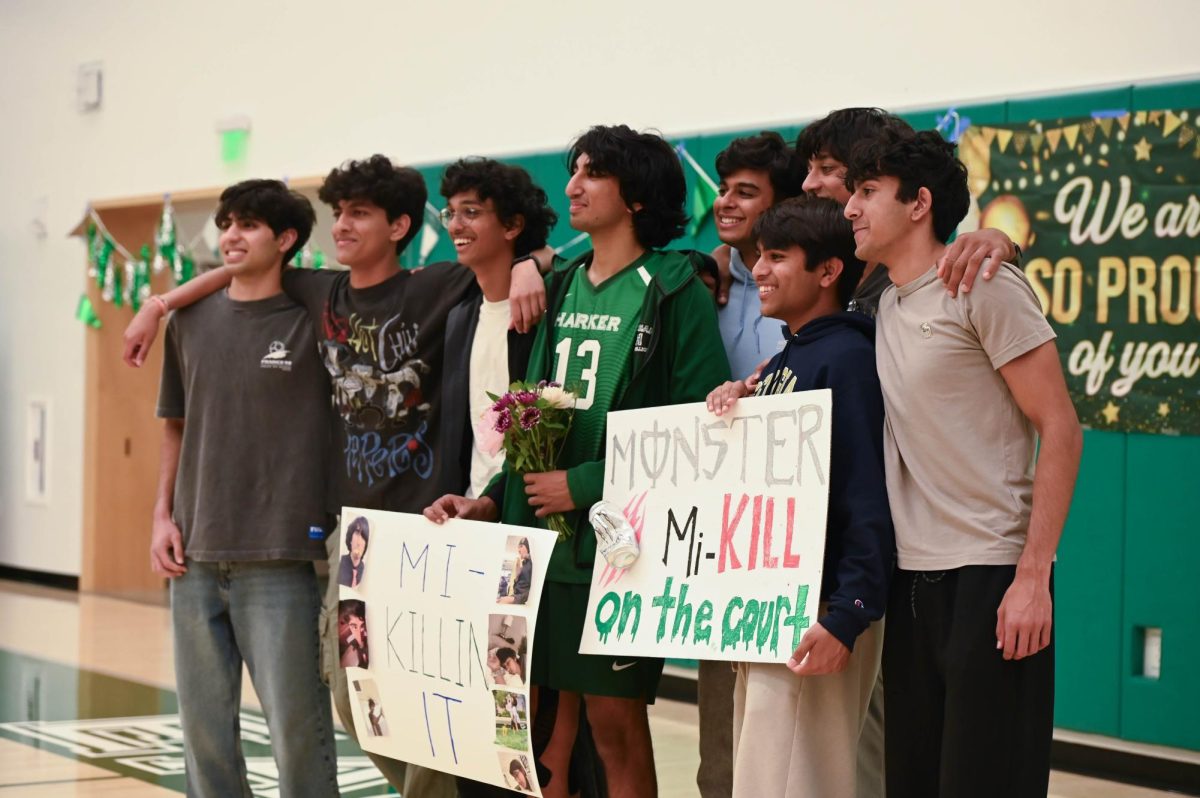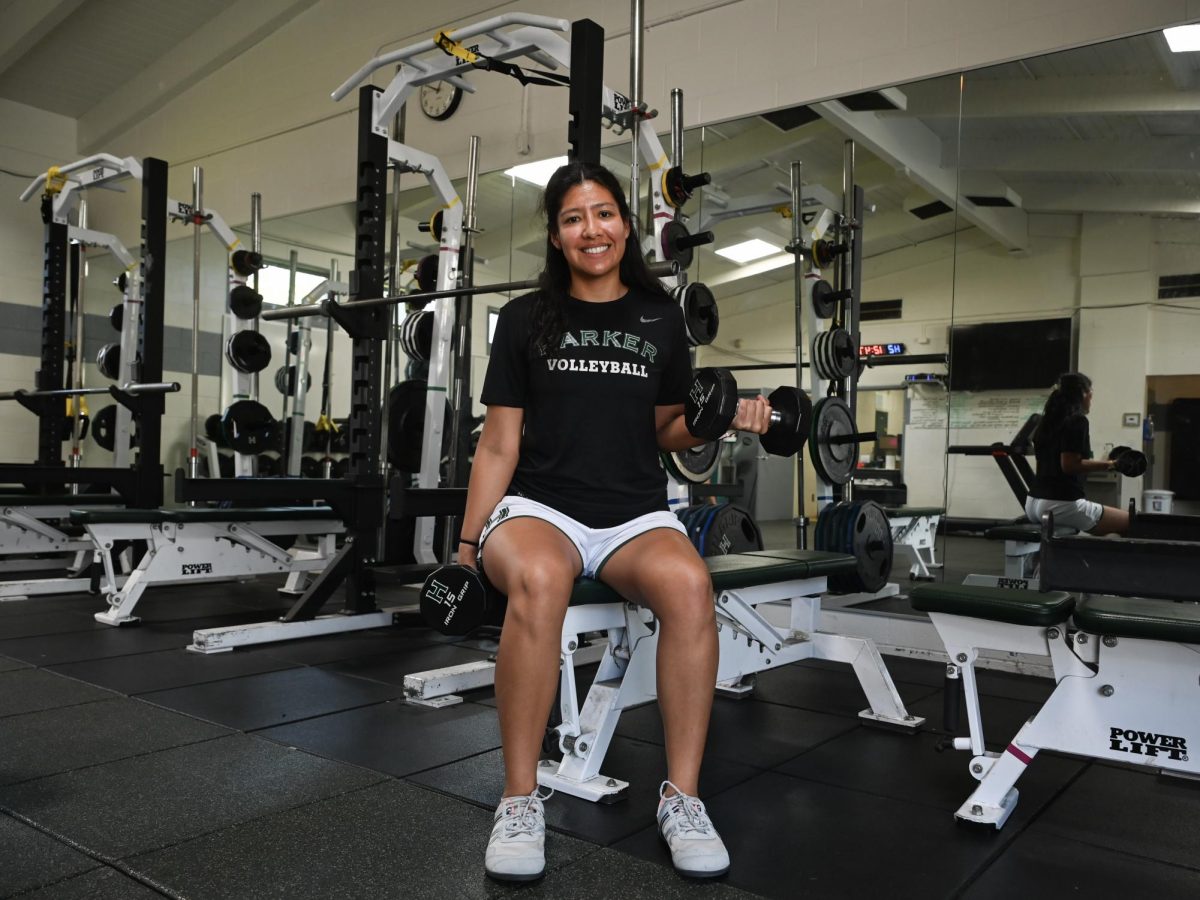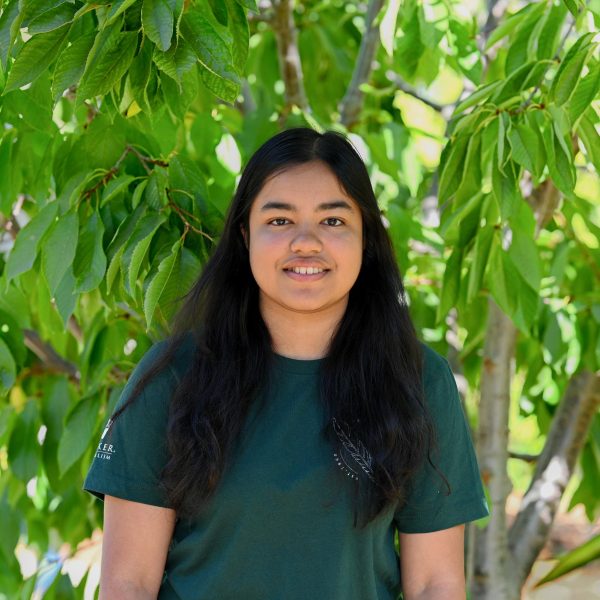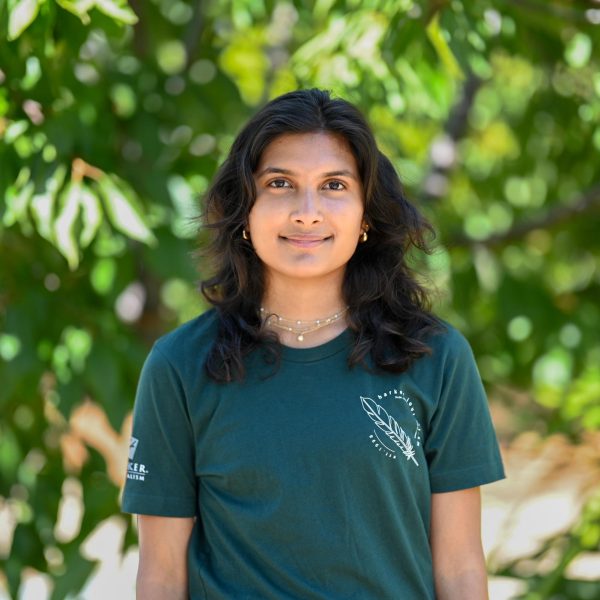
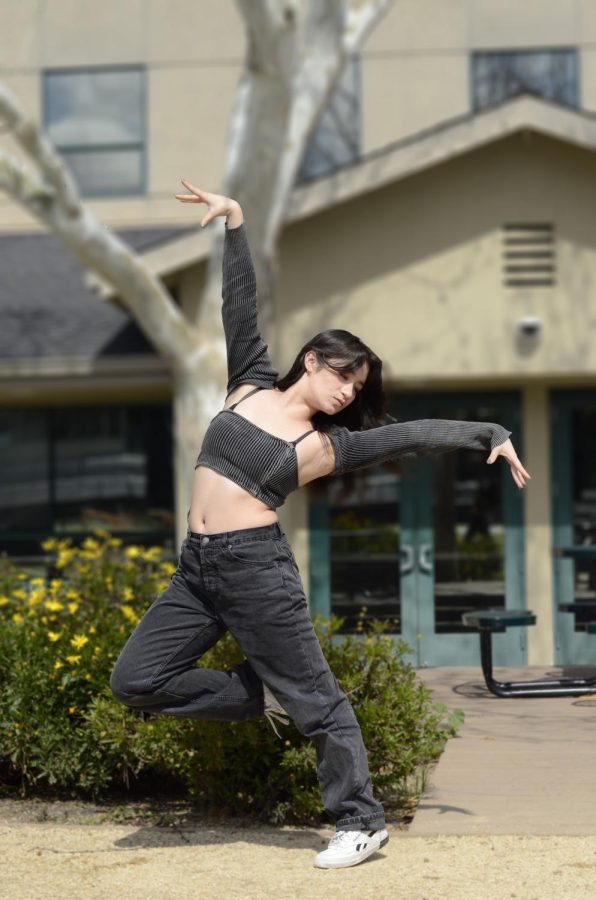
![“I wasn't discouraged by some of the obstacles we faced. I learned a lot from the leadership. I found that different people need different ways of receiving feedback — you can't [just] tell them to do something and expect the best. [Some] people needed more incentive. A large part of my role was to figure out what worked for everyone and to figure out how to lead all these separate individuals as a team,” Suhana Bhandare (’26) said.](https://harkeraquila.com/wp-content/uploads/2026/06/SuhanaBhandare_JasmineHansra-1-1200x798.jpg)
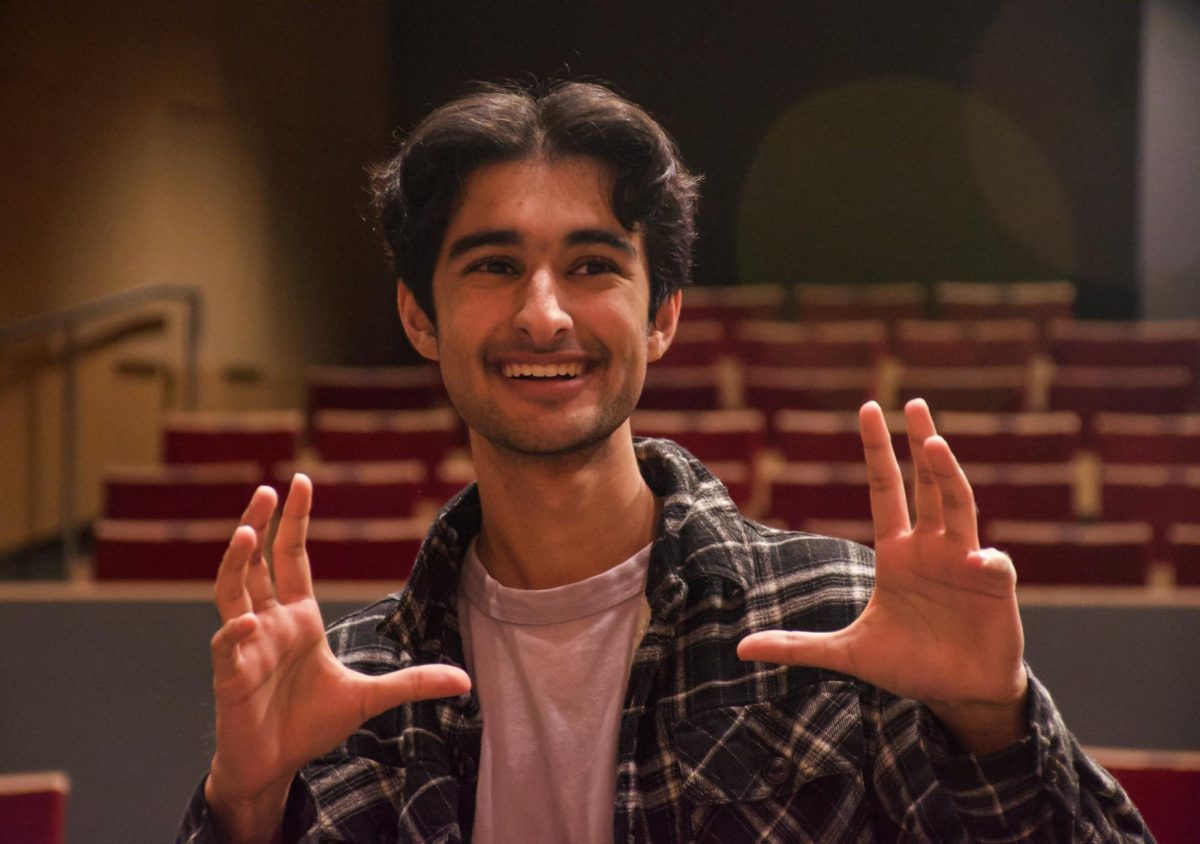
![“This is actually from Randy Pausch Randy P. Brick: ‘Walls are there for a reason. You have to show how much you want to overcome them.’ You have to show how much you want something. That's what I've always been able to do with tennis, Link Crew and getting that internship [with Kushy Baby]. It’s important pushing through that — getting around that brick wall, climbing over it or clawing through it,” Yash Sachdeva (’26) said.](https://harkeraquila.com/wp-content/uploads/2026/05/YashSachdeva_RamBatchu-copy-1200x1002.jpg)


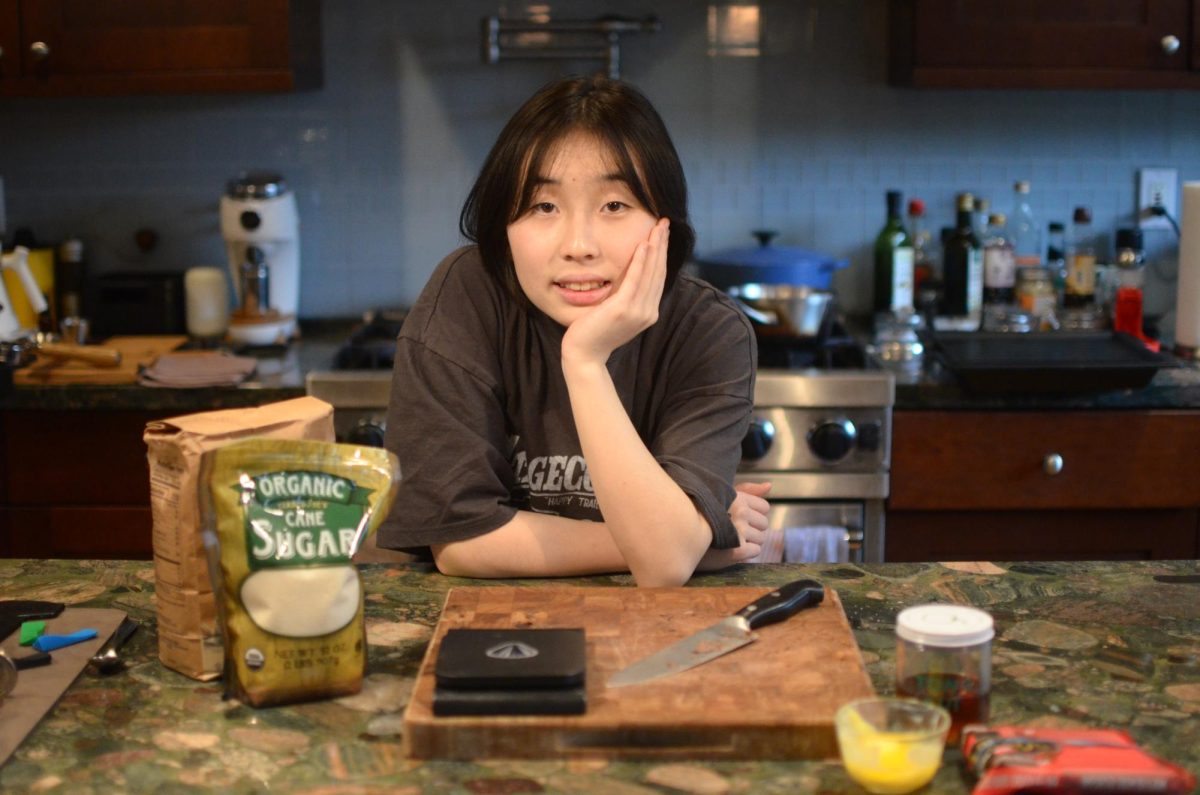



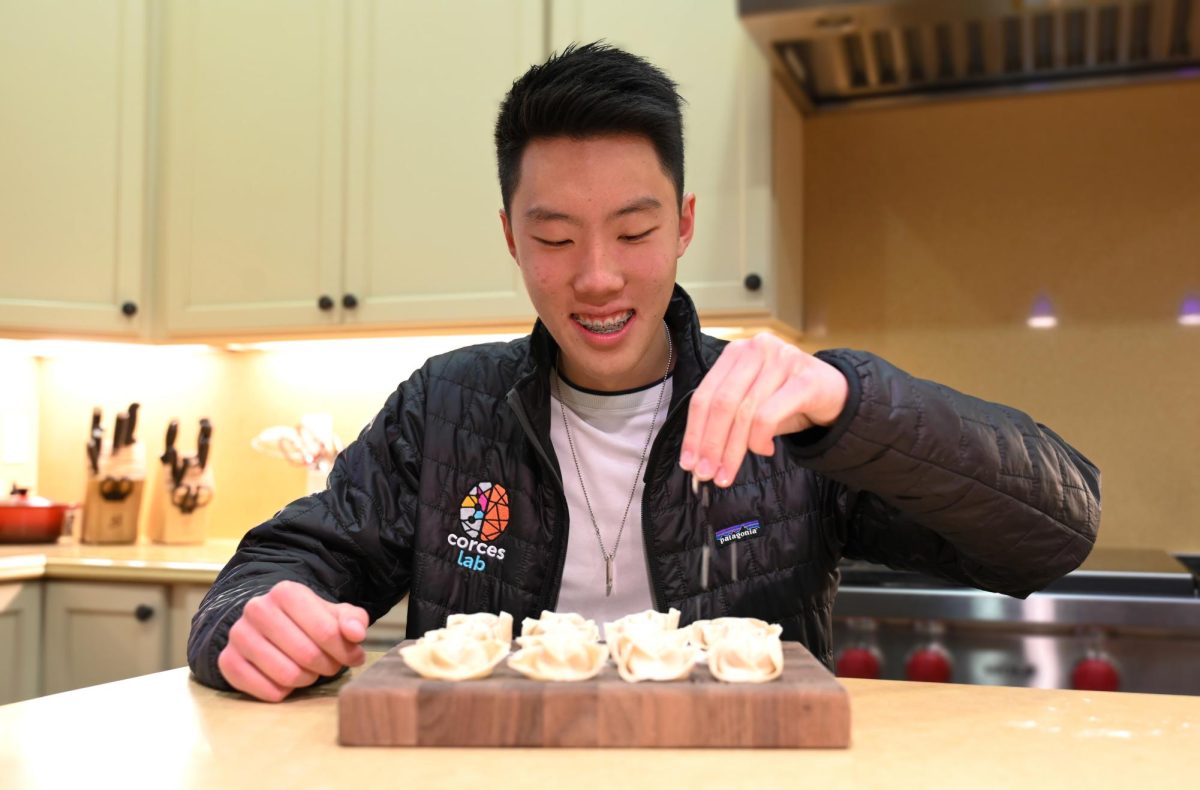
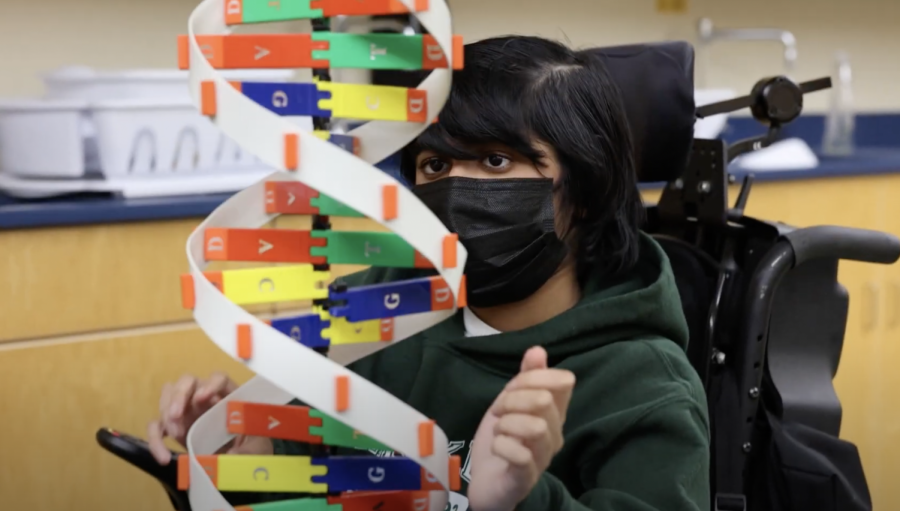
![“[Building nerf blasters] became this outlet of creativity for me that hasn't been matched by anything else. The process [of] making a build complete to your desire is such a painstakingly difficult process, but I've had to learn from [the skills needed from] soldering to proper painting. There's so many different options for everything, if you think about it, it exists. The best part is [that] if it doesn't exist, you can build it yourself," Ishaan Parate said.](https://harkeraquila.com/wp-content/uploads/2022/08/DSC_8149-900x604.jpg)
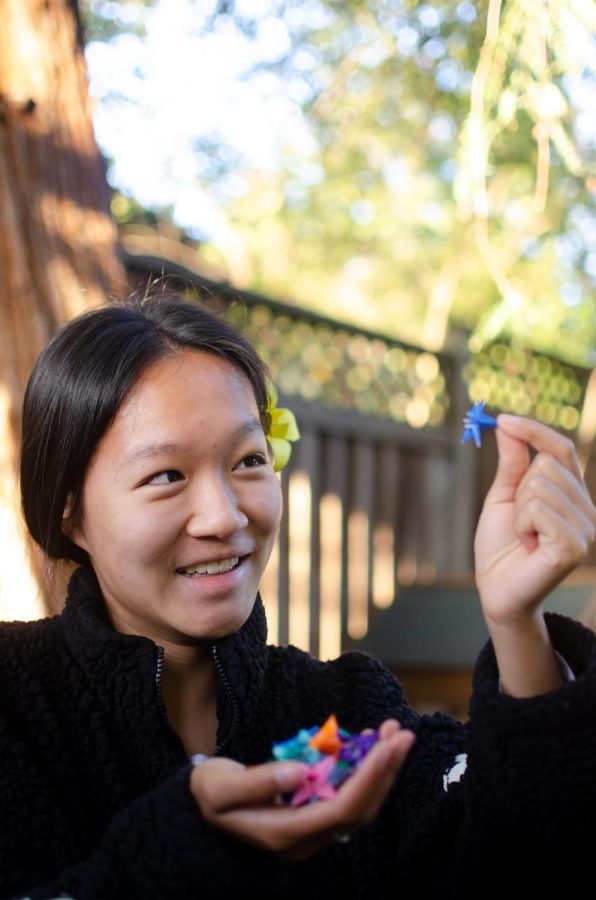
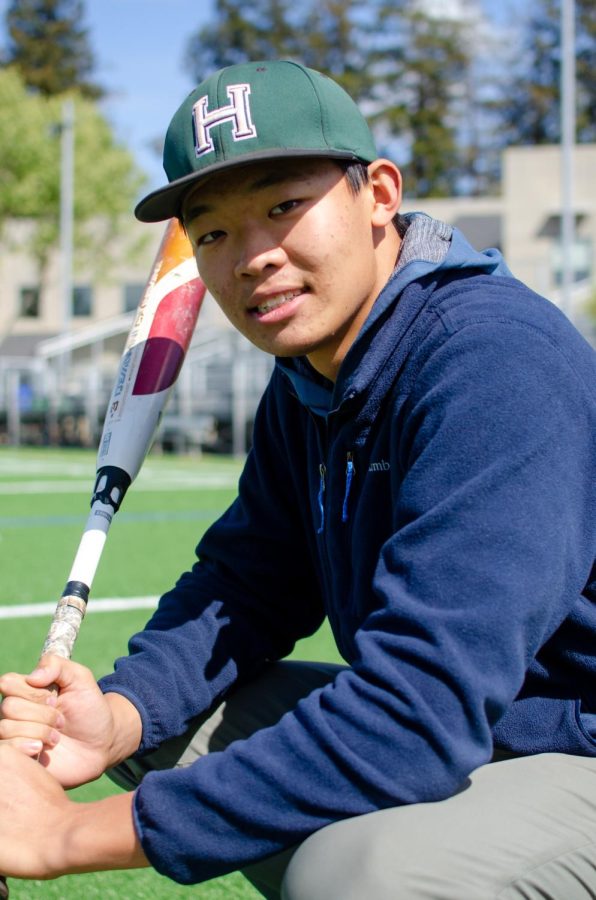

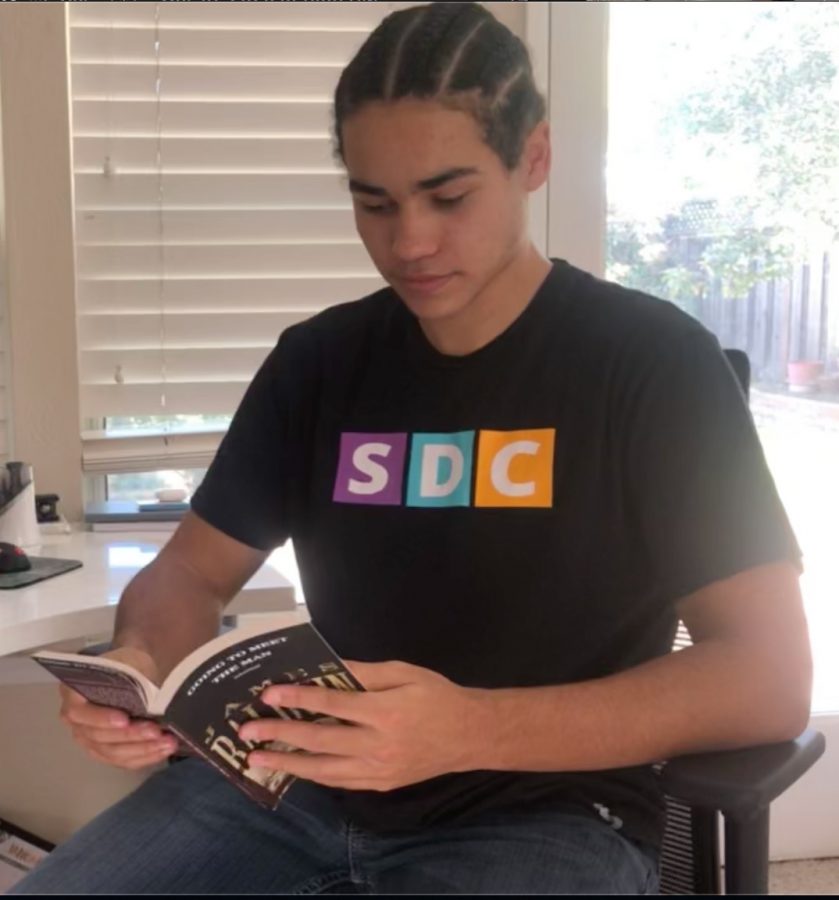
![“When I came into high school, I was ready to be a follower. But DECA was a game changer for me. It helped me overcome my fear of public speaking, and it's played such a major role in who I've become today. To be able to successfully lead a chapter of 150 students, an officer team and be one of the upperclassmen I once really admired is something I'm [really] proud of,” Anvitha Tummala ('21) said.](https://harkeraquila.com/wp-content/uploads/2021/07/Screen-Shot-2021-07-25-at-9.50.05-AM-900x594.png)

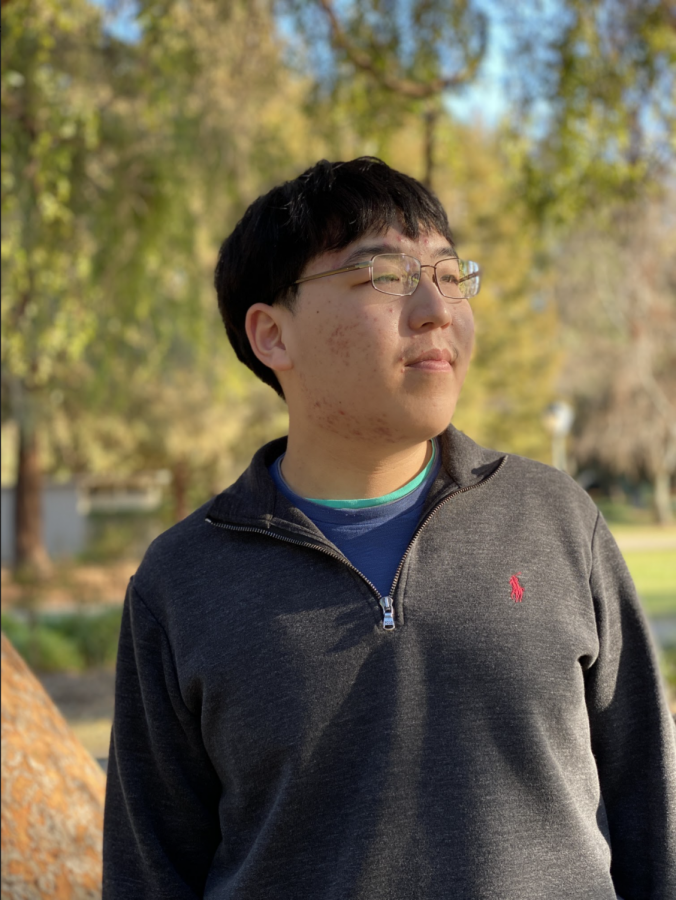
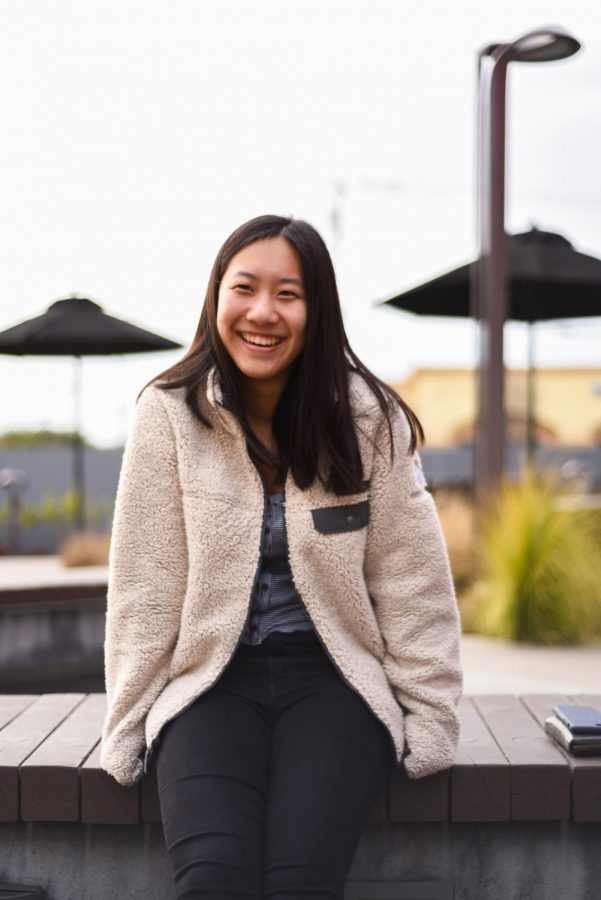
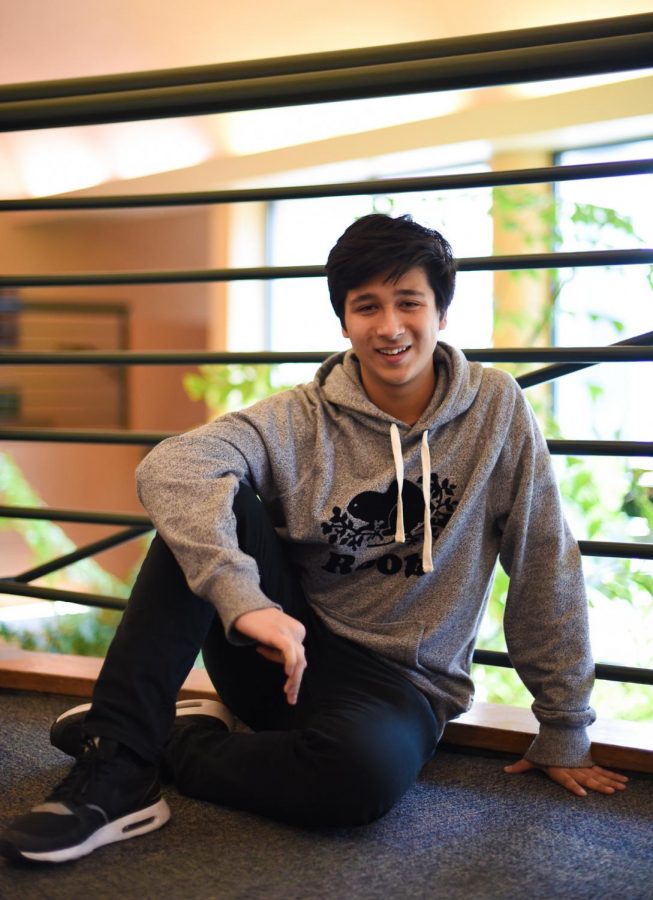
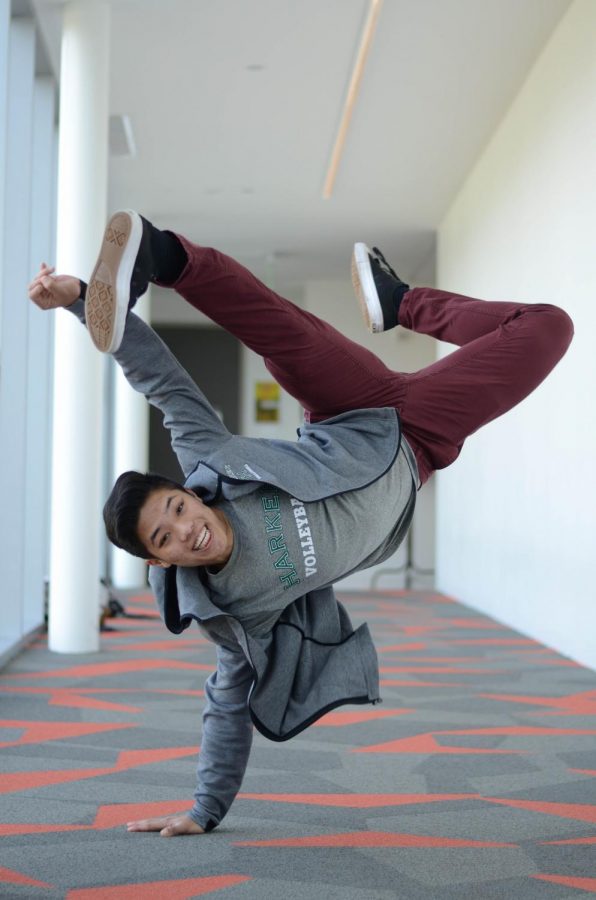
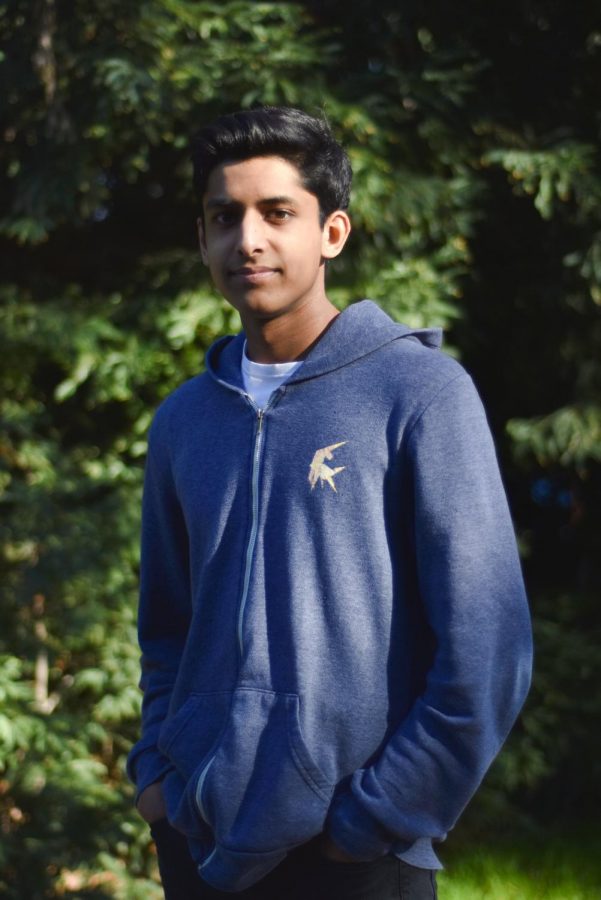

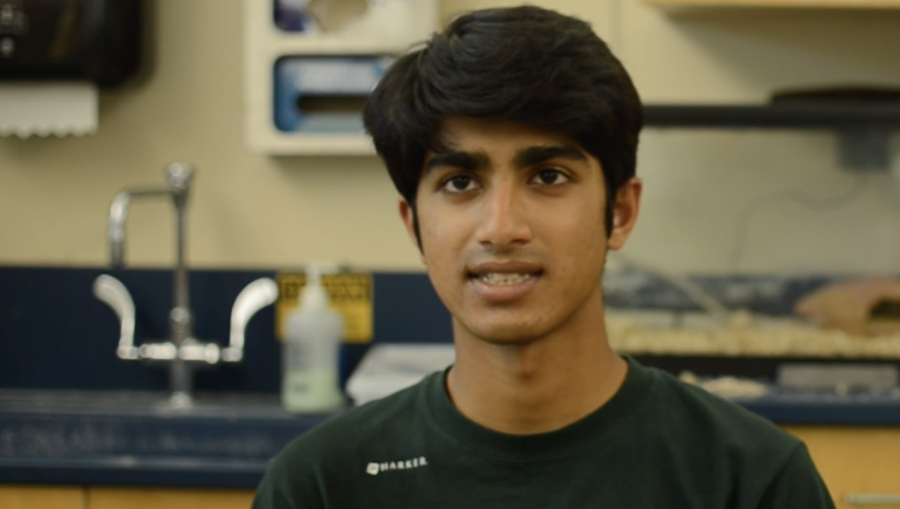
![“I think getting up in the morning and having a sense of purpose [is exciting]. I think without a certain amount of drive, life is kind of obsolete and mundane, and I think having that every single day is what makes each day unique and kind of makes life exciting,” Neymika Jain (12) said.](https://harkeraquila.com/wp-content/uploads/2017/06/Screen-Shot-2017-06-03-at-4.54.16-PM.png)
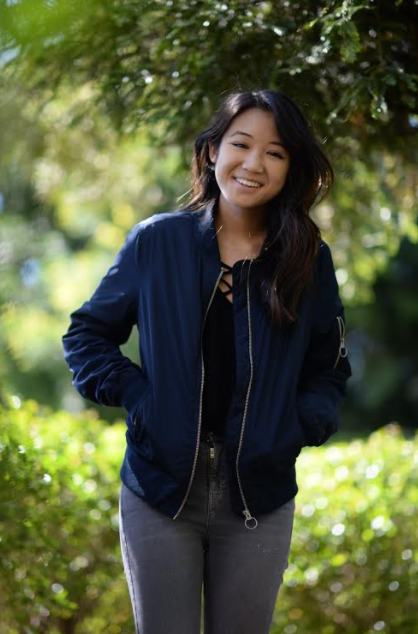
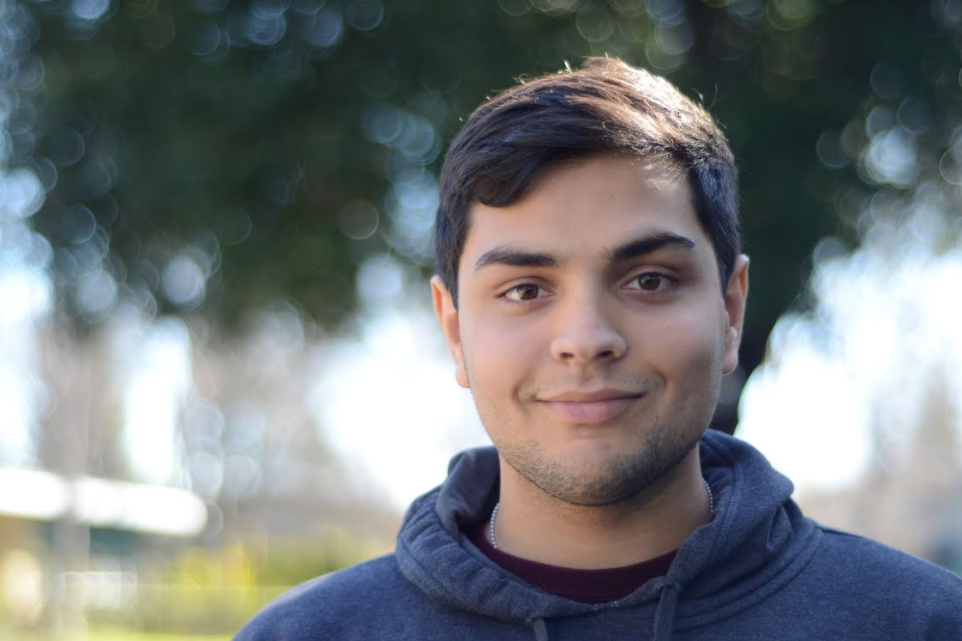
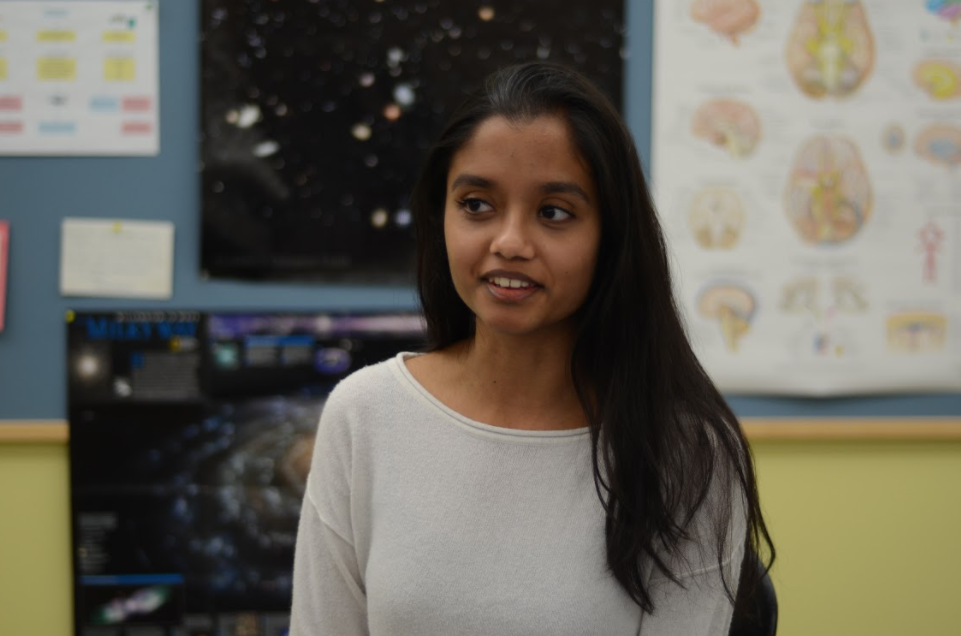
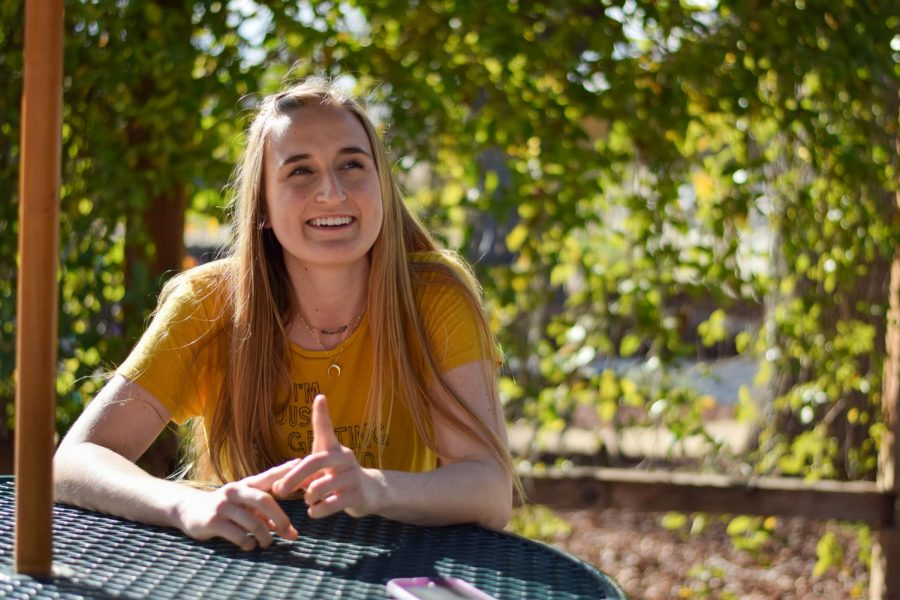
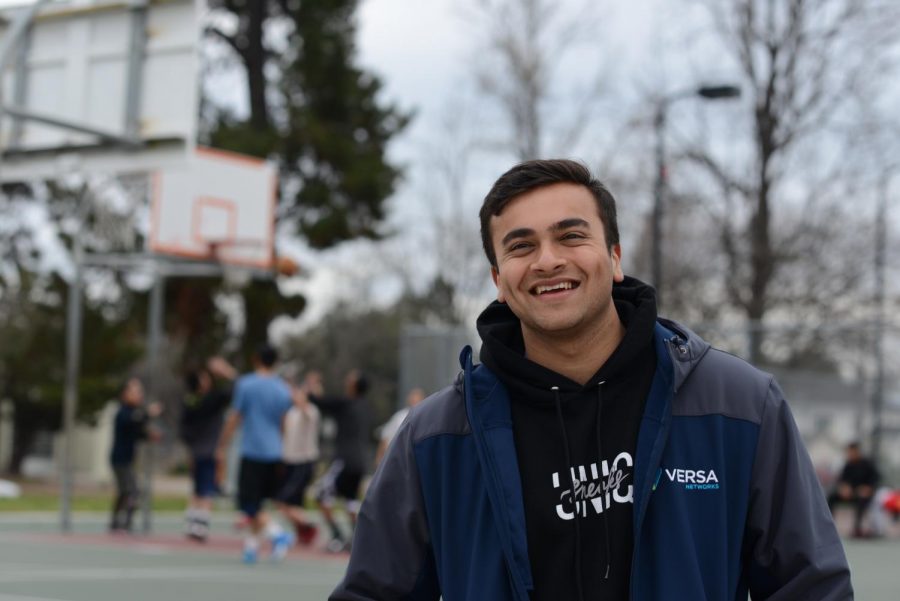
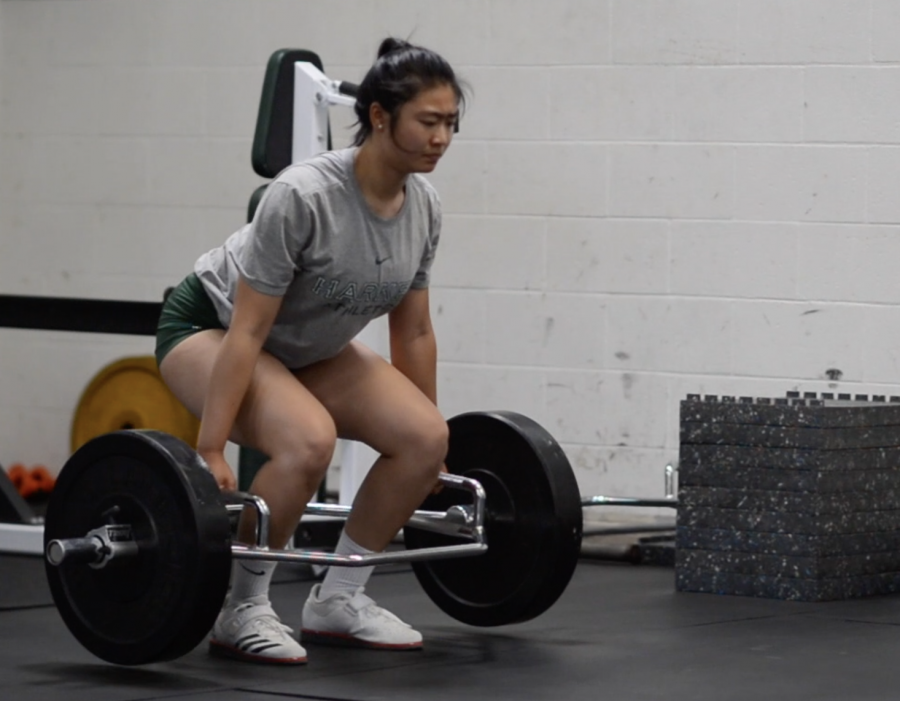
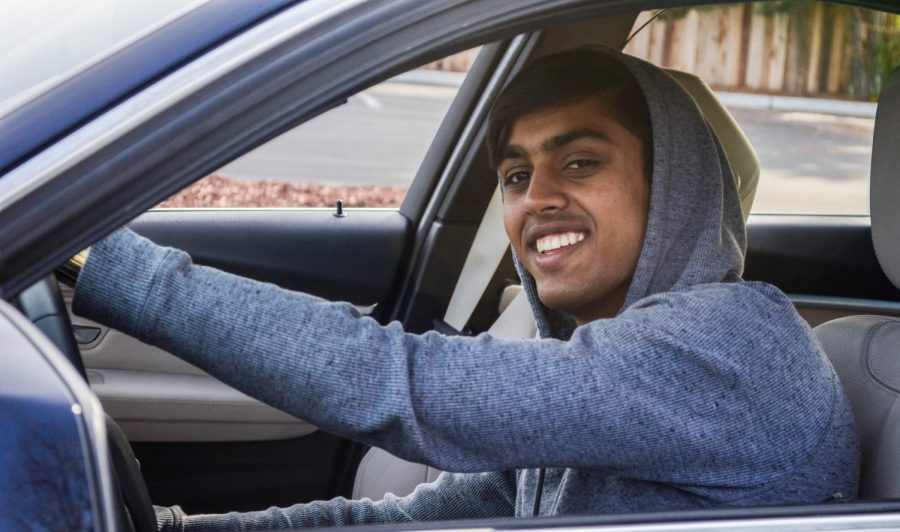
![“My slogan is ‘slow feet, don’t eat, and I’m hungry.’ You need to run fast to get where you are–you aren't going to get those championships if you aren't fast,” Angel Cervantes (12) said. “I want to do well in school on my tests and in track and win championships for my team. I live by that, [and] I can do that anywhere: in the classroom or on the field.”](https://harkeraquila.com/wp-content/uploads/2018/06/DSC5146-900x601.jpg)
![“[Volleyball has] taught me how to fall correctly, and another thing it taught is that you don’t have to be the best at something to be good at it. If you just hit the ball in a smart way, then it still scores points and you’re good at it. You could be a background player and still make a much bigger impact on the team than you would think,” Anya Gert (’20) said.](https://harkeraquila.com/wp-content/uploads/2020/06/AnnaGert_JinTuan_HoHPhotoEdited-600x900.jpeg)
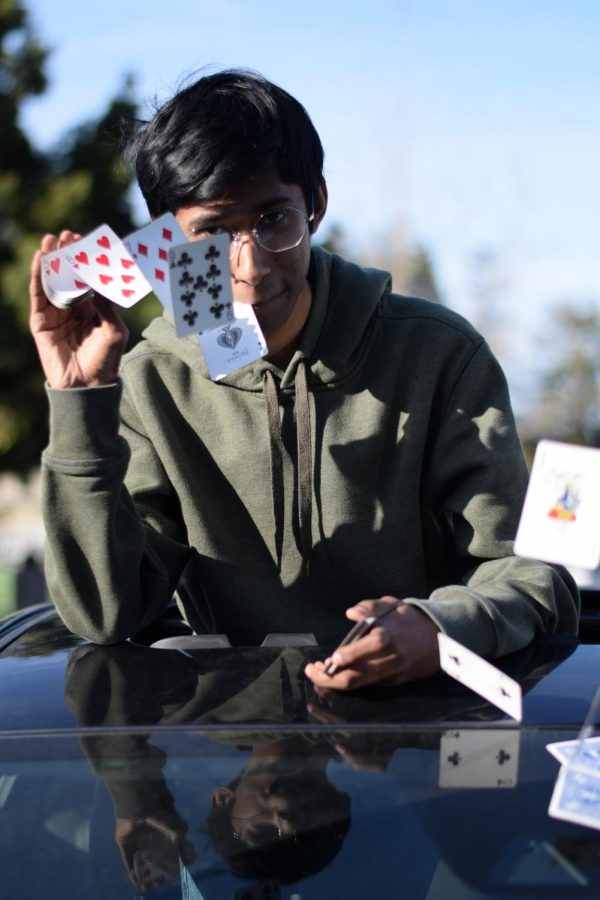
![“I'm not nearly there yet, but [my confidence has] definitely been getting better since I was pretty shy and timid coming into Harker my freshman year. I know that there's a lot of people that are really confident in what they do, and I really admire them. Everyone's so driven and that has really pushed me to kind of try to find my own place in high school and be more confident,” Alyssa Huang (’20) said.](https://harkeraquila.com/wp-content/uploads/2020/06/AlyssaHuang_EmilyChen_HoHPhoto-900x749.jpeg)

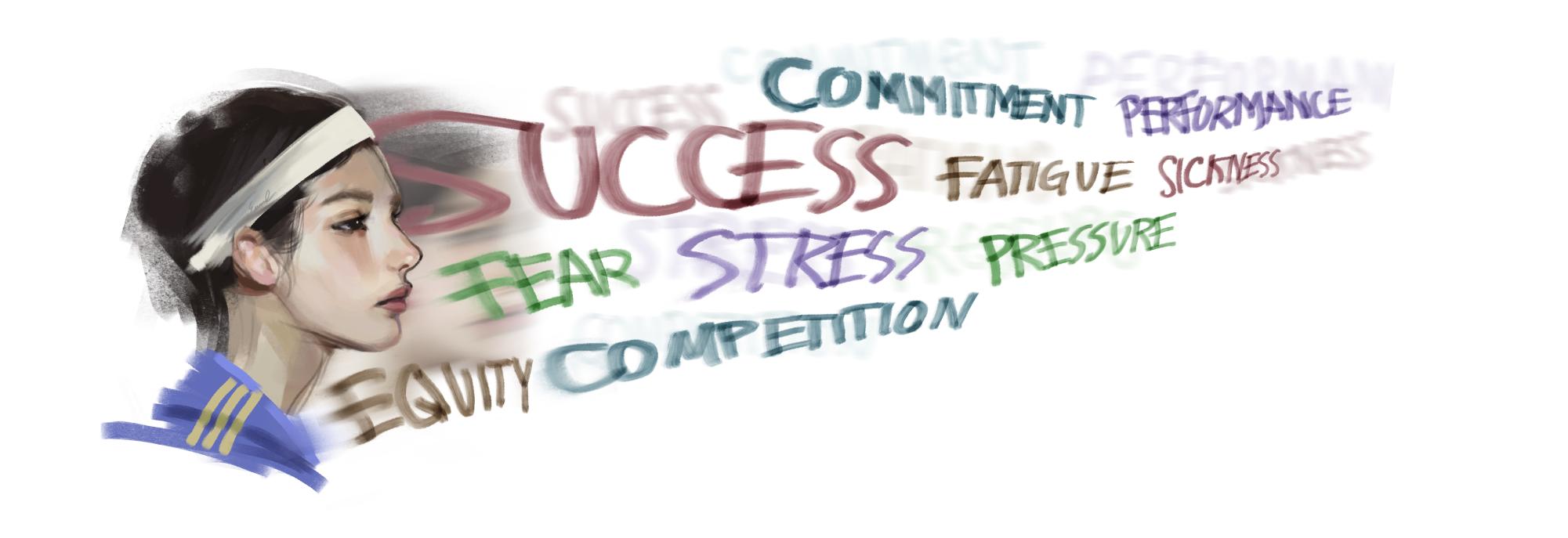
(Emma Lee)
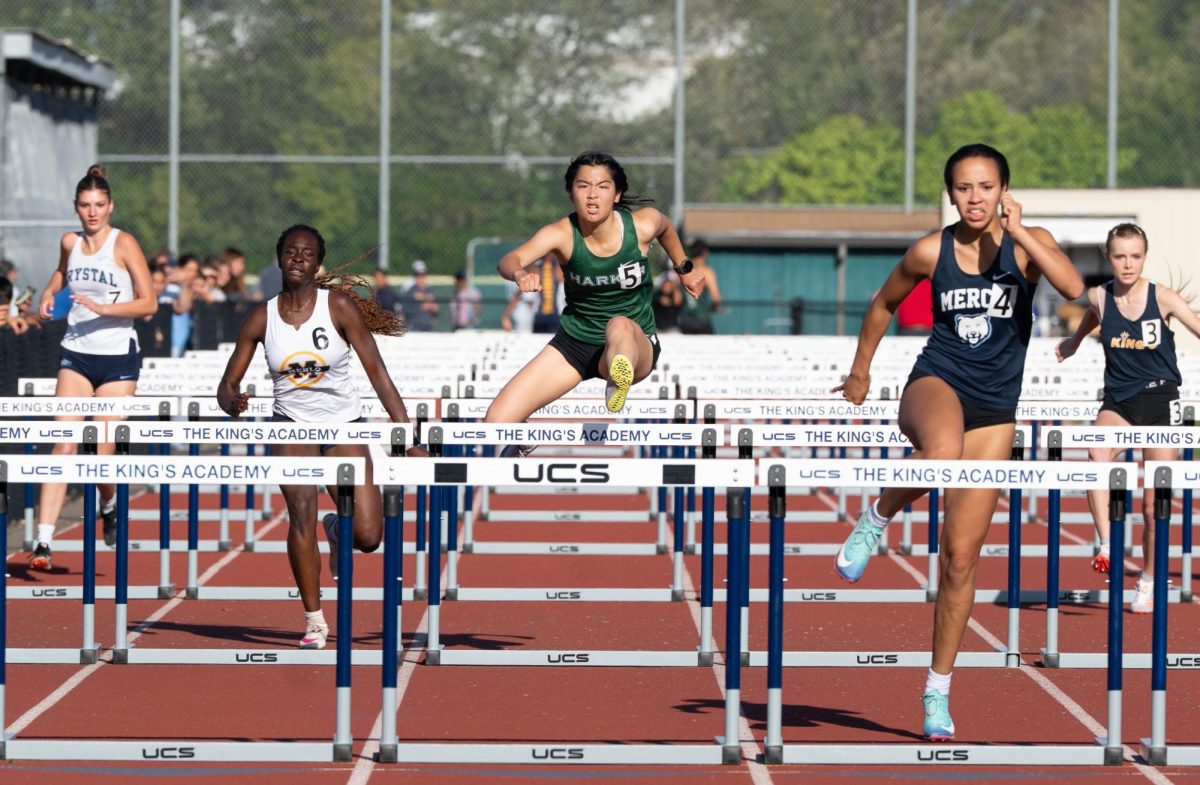
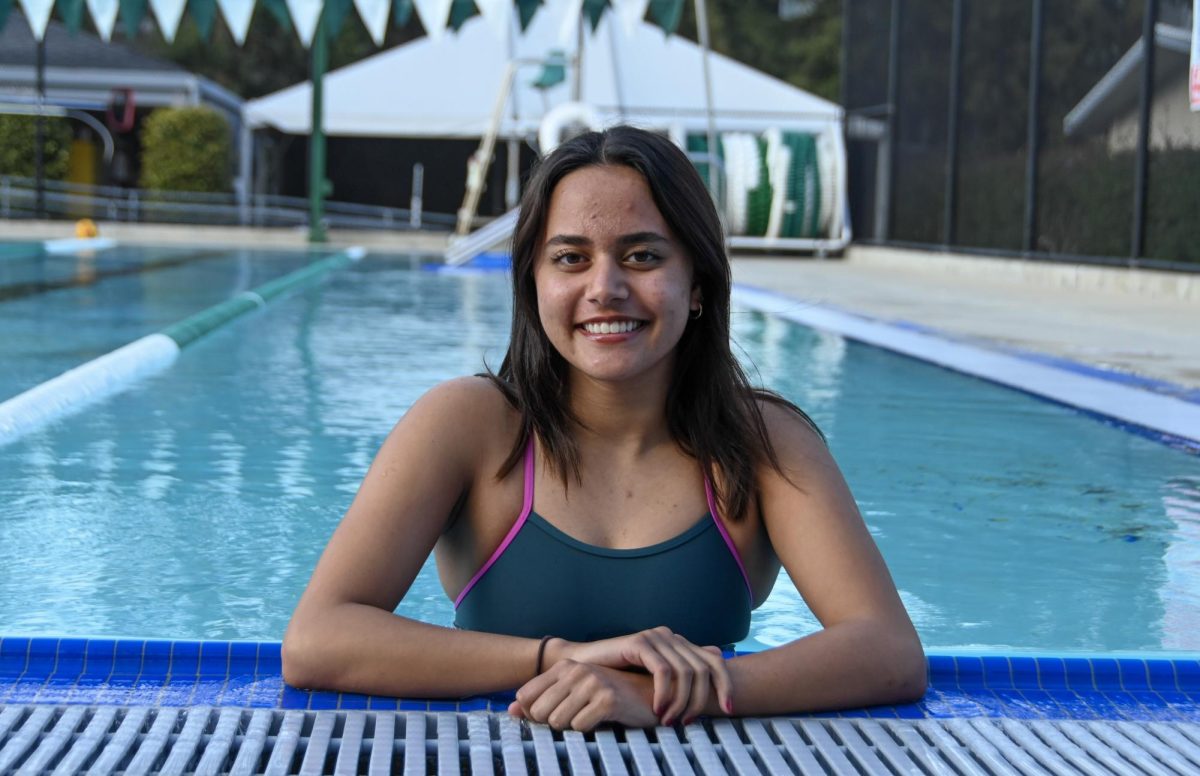
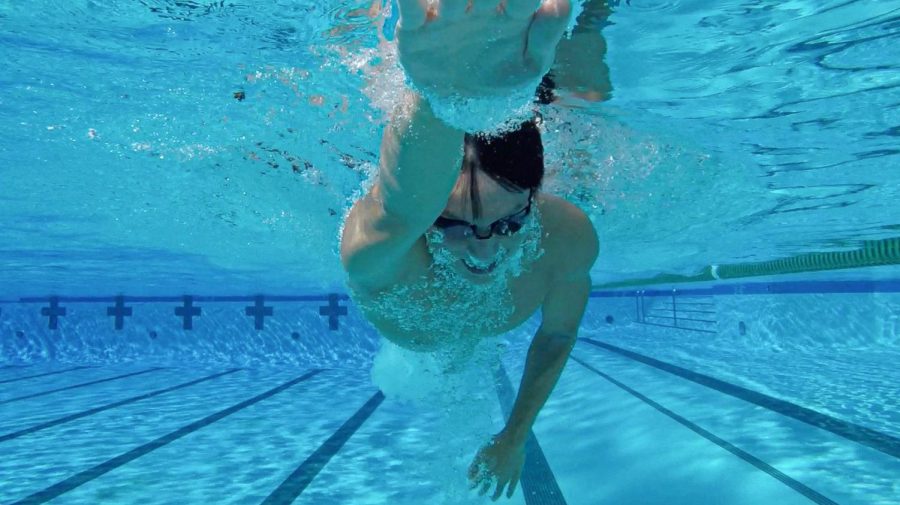
As junior Ava Alvarez wakes up, her throat scratchy and her limbs unusually heavy, a headache starts to form behind her eyes. Under any other circumstances, it would be enough to stay home, but it’s race day. Within minutes, she’s out of bed, pulling on her uniform and heading out the door, pushing aside the thought of sitting the race out.
In the sports world, athletes often develop unhealthy mindsets around illness, nutrition and physical injury, ignoring physical and mental symptoms in order to stay on the playing field.
Stigmas around these factors create unhealthy expectations that athletes should be able to perform through discomfort, even when their bodies signal otherwise.
Student-athletes in particular are often forced to resort to unhealthy habits in order to manage pressure and simultaneously meet expectations. With school responsibilities and competitive sports overlapping, many rely on poor sleep, skipped meals or overtraining in the days leading up to competitions
“You don’t really think about sacrificing vital things for the sport as unhealthy in the moment,” Varsity girls basketball player Claire Yu (12) said. “You’re just focused on doing whatever it takes to perform well and help your team win. I do realize that over time these choices can add up, ultimately affecting both people’s health and well being.”
At the same time, there is a stigma regarding vulnerability and illness in sports culture. Admitting to feeling sick or sore, especially before important games, can be viewed as letting the team down. As a result, athletes feel as though they need to downplay symptoms in order to avoid being seen as fragile. Nurse Tiffany Gelineau noted the recurring pattern of students dismissing symptoms.
“If your doctor is saying to stay out, you need to follow that or else it will make the recovery much worse,” nurse Tiffany Gelineau said. “I see a lot of people that try and push through, especially with concussions, and they don’t always realize how serious the long-term effects can be if they don’t properly rest.”
Physical stress responses are linked to the body’s nervous system becoming overactivated, especially when the stakes of the game feel high. The combination of academic demands and athletic pressure can amplify these effects, making it harder to distinguish between mental strain and concrete physical illness.
“I get really nervous before I play in a really important game,” Claire said. “That pressure can make it harder to stay calm and focused during the game. I’ve never had to sit out due to physical responses to stress, but I can imagine athletes competing at the Olympic level, in front of millions of people — that’s got to take a mental toll on them.”
Additionally, many athletes experience unhealthy relationships with food due to comparison with others or the idea that performance can be improved either through extreme dieting or eating more. Stress can drive athletes towards these practices, both of which deeply weaken the immune system and slow down injury recovery. Over time, these habits take a toll on mental health and undermine performance rather than improve it.
“I definitely went through a time where I felt like the smallest version of myself would be the best version of myself competition-wise,” Ava said. “The truth was, that time was some of my worst results. In reality, the healthiest version of yourself is the best way to have the results that you want.”





![“Probably the most important thing that I can do is to help raise awareness amongst youth because [students] are the ones that sadly are going to inherit this mess. It’s important for us, the people who helped take the planet to the place it is now, to really lean in and make a difference about this issue," Moss said.](https://harkeraquila.com/wp-content/uploads/2026/05/DSC_9315-e1778880890147-1200x873.jpg)