

History at bat


Today, that same ground is where the Harker varsity baseball team plays their home games. For head coach Jon Cvitanich, the field is more than just a place to compete.
“Washington Park is a very historic old stadium. There’s the legends of Babe Ruth allegedly being there,” Cvitanich said. “Visually, it harkens back to the 1920s, the golden era of baseball, with the wood benches. It’s very old school, which is so much fun.”
The connection runs even deeper for Cvitanich personally. His grandfather served as the head coach at Wilcox High School baseball from roughly 1970 to 1983 and played a number of games at Washington Park over the years, back when it served as Santa Clara High School’s home stadium.
“I grew up hearing about Friday nights at Washington Park from my mom, my uncles, my grandparents,” Cvitanich said. “It’s a special kind of thing to be able to have that opportunity to kind of relive those moments. The goal is you eventually try and get more and more of those Friday nights under the lights, like a big moment at the stadium.”
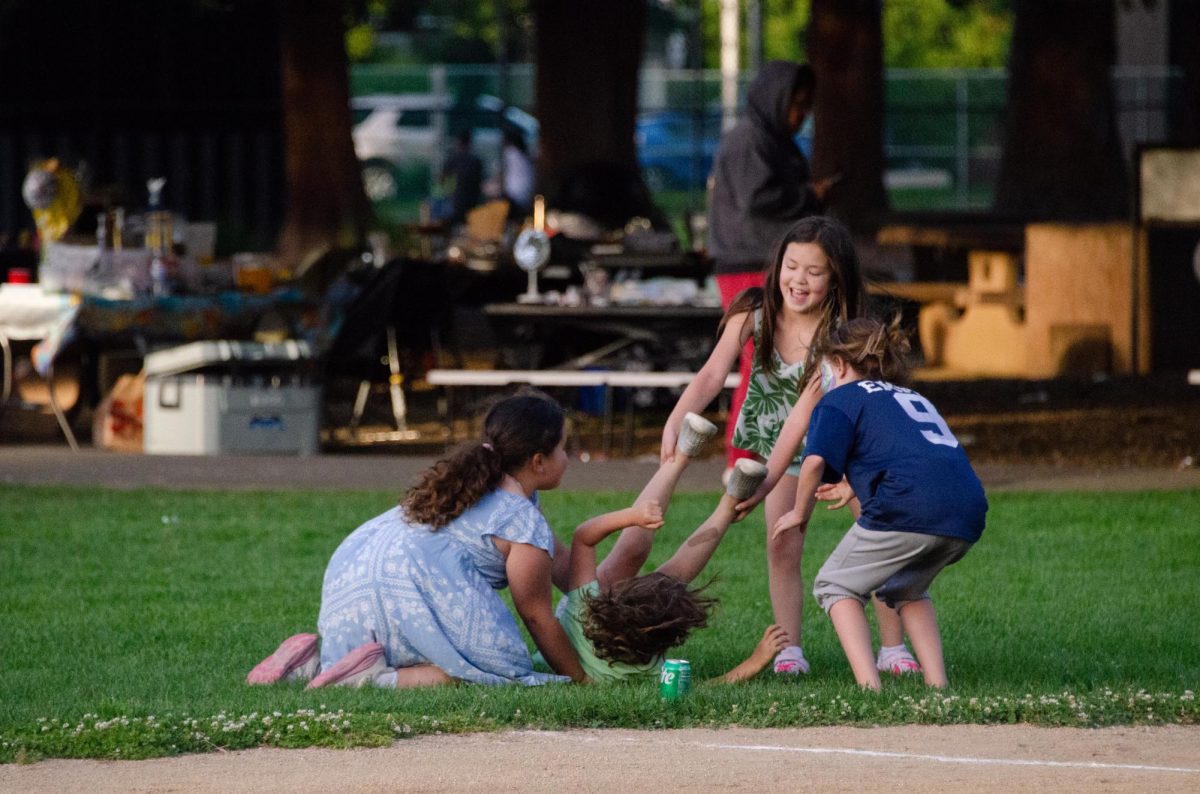
Several players on the roster grew up just blocks from the park, turning home games into something closer to a neighborhood reunion. Matt MacMillan (11) has been on the Harker varsity baseball team since freshman year, but his time with Washington Park extends beyond that.
“I grew up playing in Washington Park,” Matt said. “They have a lot bigger bleachers than most other fields we play at, and sometimes those get filled out, which is a nice play. It kind of echoes onto the field so you can hear it more. It is a really nice, beautiful field.”
The land took on a different identity during World War II. Beginning in 1942, the site became the Sunnyvale Ordinance Depot, an Army training ground where recruits drilled and units including the 40th Chemical Laboratory Company and the 607th Tank Destroyer Battalion were stationed in barracks built on the property. Soldiers became an important part of the town, even joining locals for dances at the Civic Center.

After the war, the federal government returned the land to the city of Sunnyvale, which dedicated it as the city’s first public park in the late 1940s. City officials installed a 57-mm anti-tank gun and a plaque honoring Sunnyvale’s fallen soldiers around 1947, and the memorial cannon still sits in the park today. By 1953, Washington Park was fully established, and over the decades it grew into the recreation hub it is now, with ballfields, tennis, basketball courts and playgrounds.
These ballparks carry on the site’s athletic traditions. Today, they serve as a community hub for local youth leagues, including the Harker baseball team, and adult softball games.
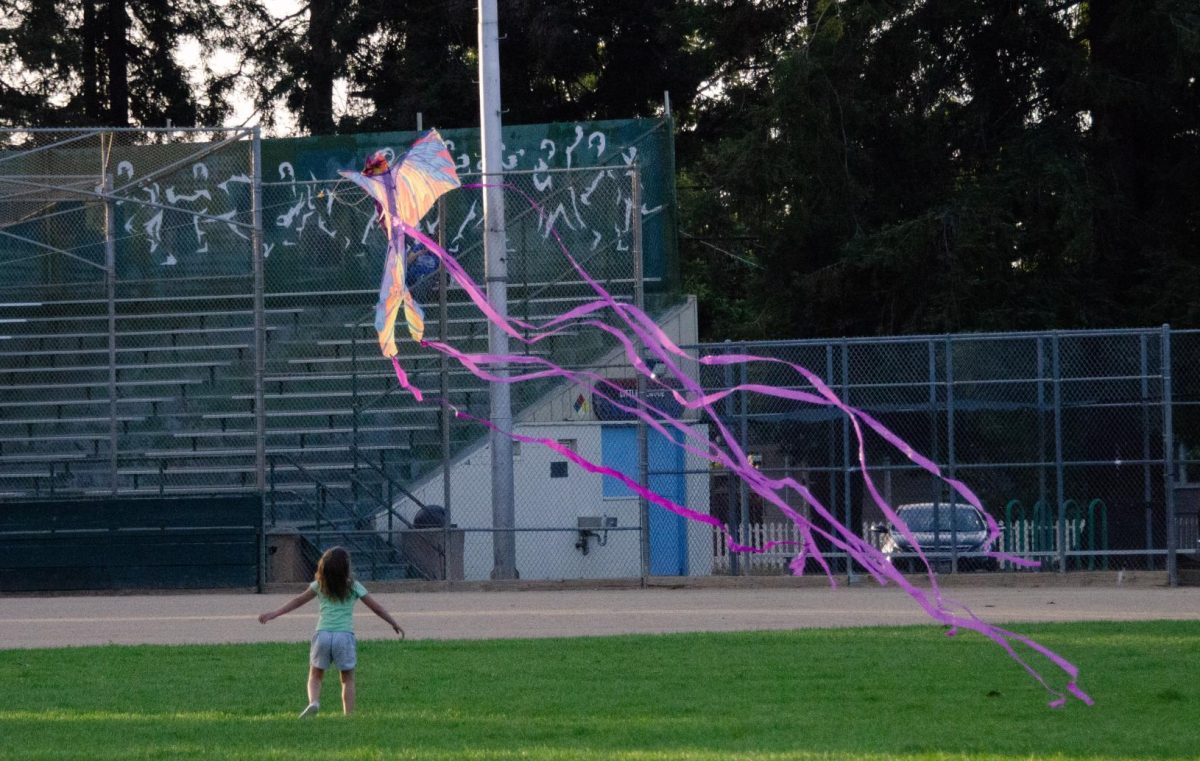
The park’s history isn’t always visible to the people who use it most. For sophomore Rishik Sehgal, who visits often, the past may not be obvious, but the sense of community it has produced is.
“I go there just to play basketball with random people,” Rishik said. “I’d go pretty early in the morning and there’d be people having parties, barbecues, and then some would just be playing basketball so I would join in. It was a nice community. I’d ask them for something like food and they would just give it to me.”
Most of the players of the Harker baseball team are unaware of the deep history behind the field they play on.
“On senior night when we had a big win, big comeback the last couple of years, the students there were so loud and it was just amplified by the stadium,” Cvitanich said. “It’s a great atmosphere that everybody should get a chance to go see.”