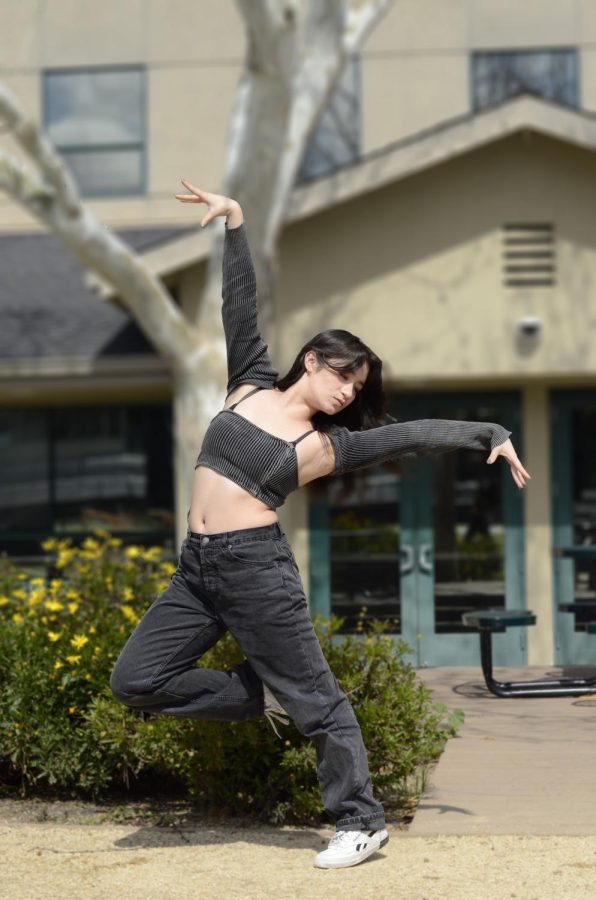
![“I wasn't discouraged by some of the obstacles we faced. I learned a lot from the leadership. I found that different people need different ways of receiving feedback — you can't [just] tell them to do something and expect the best. [Some] people needed more incentive. A large part of my role was to figure out what worked for everyone and to figure out how to lead all these separate individuals as a team,” Suhana Bhandare (’26) said.](https://harkeraquila.com/wp-content/uploads/2026/06/SuhanaBhandare_JasmineHansra-1-1200x798.jpg)
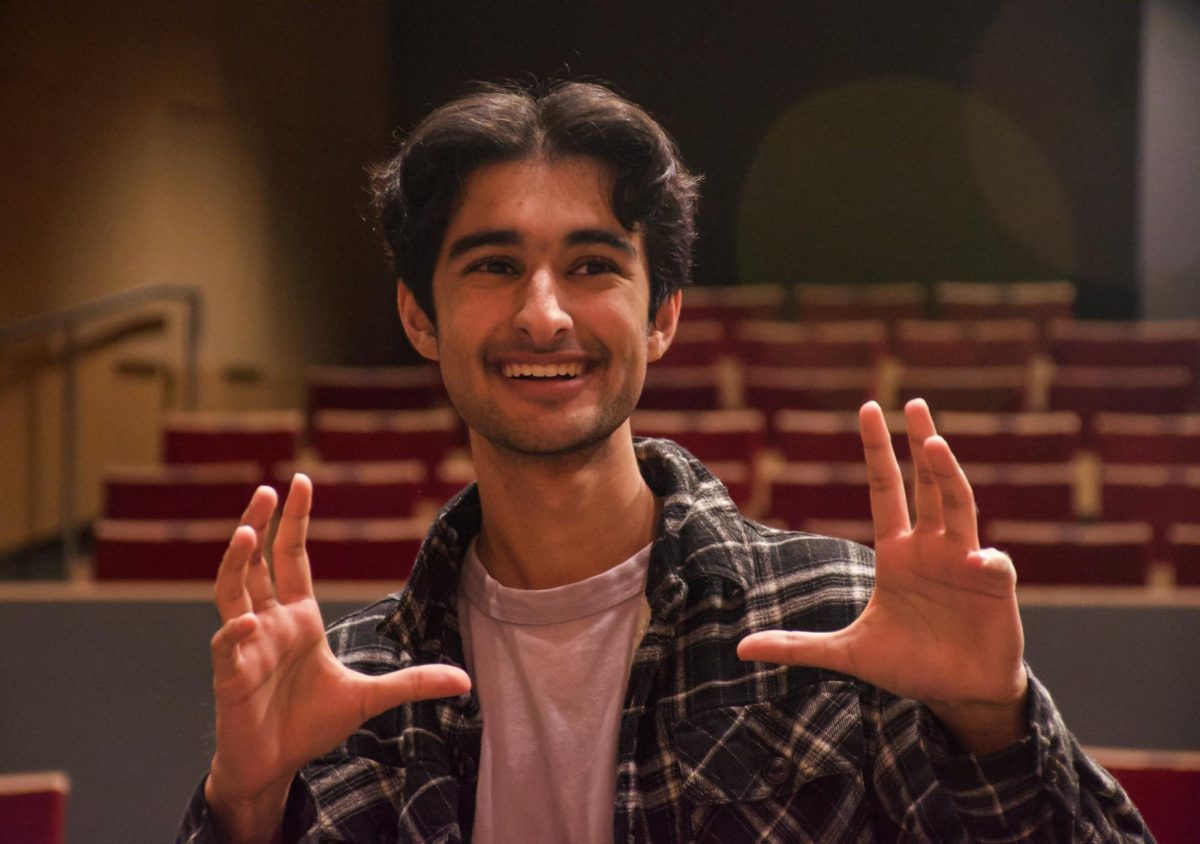
![“This is actually from Randy Pausch Randy P. Brick: ‘Walls are there for a reason. You have to show how much you want to overcome them.’ You have to show how much you want something. That's what I've always been able to do with tennis, Link Crew and getting that internship [with Kushy Baby]. It’s important pushing through that — getting around that brick wall, climbing over it or clawing through it,” Yash Sachdeva (’26) said.](https://harkeraquila.com/wp-content/uploads/2026/05/YashSachdeva_RamBatchu-copy-1200x1002.jpg)



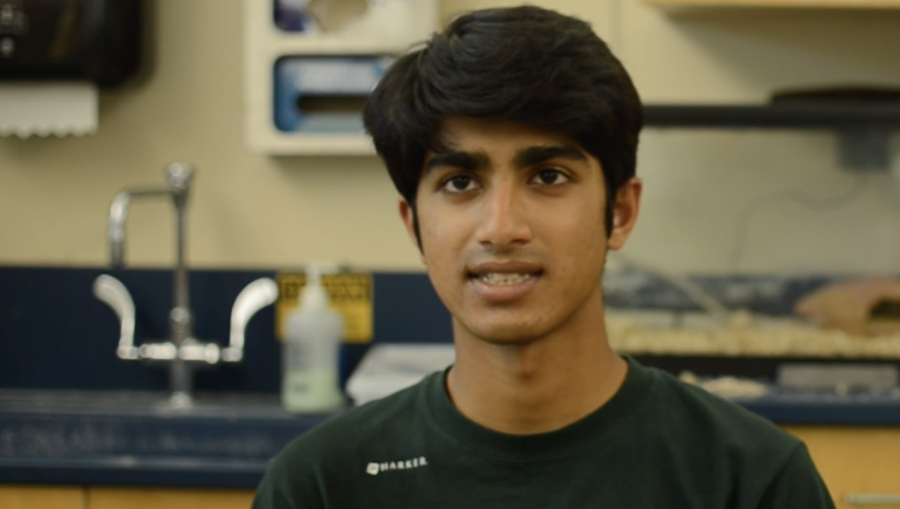
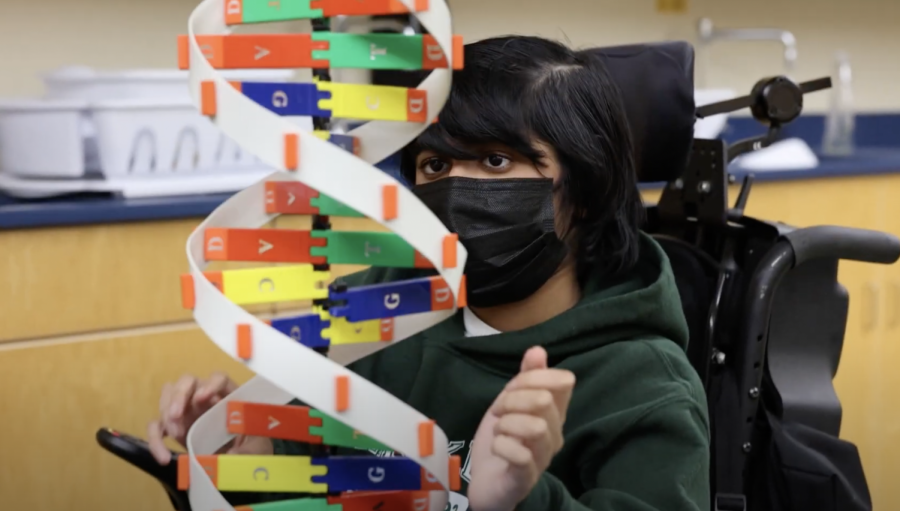
![“[Building nerf blasters] became this outlet of creativity for me that hasn't been matched by anything else. The process [of] making a build complete to your desire is such a painstakingly difficult process, but I've had to learn from [the skills needed from] soldering to proper painting. There's so many different options for everything, if you think about it, it exists. The best part is [that] if it doesn't exist, you can build it yourself," Ishaan Parate said.](https://harkeraquila.com/wp-content/uploads/2022/08/DSC_8149-900x604.jpg)
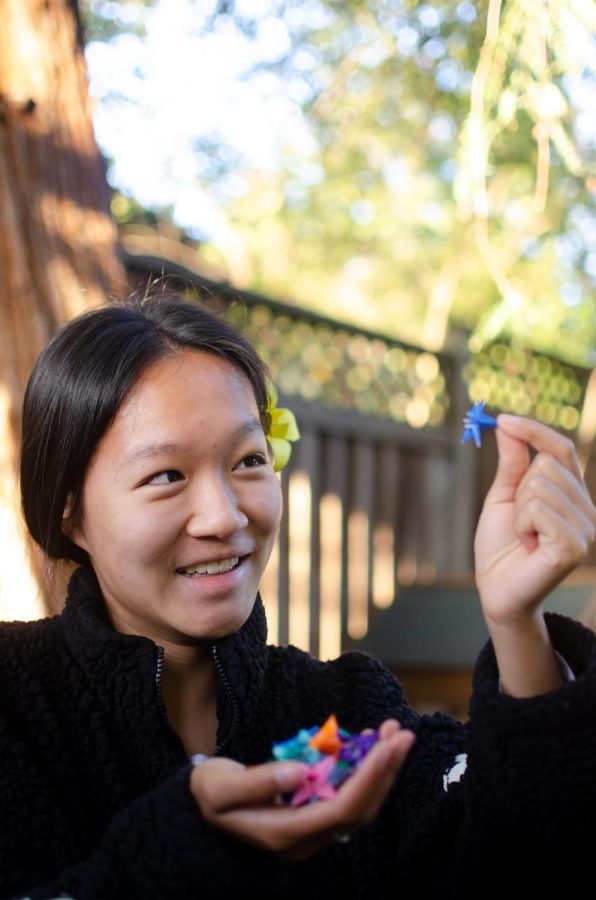
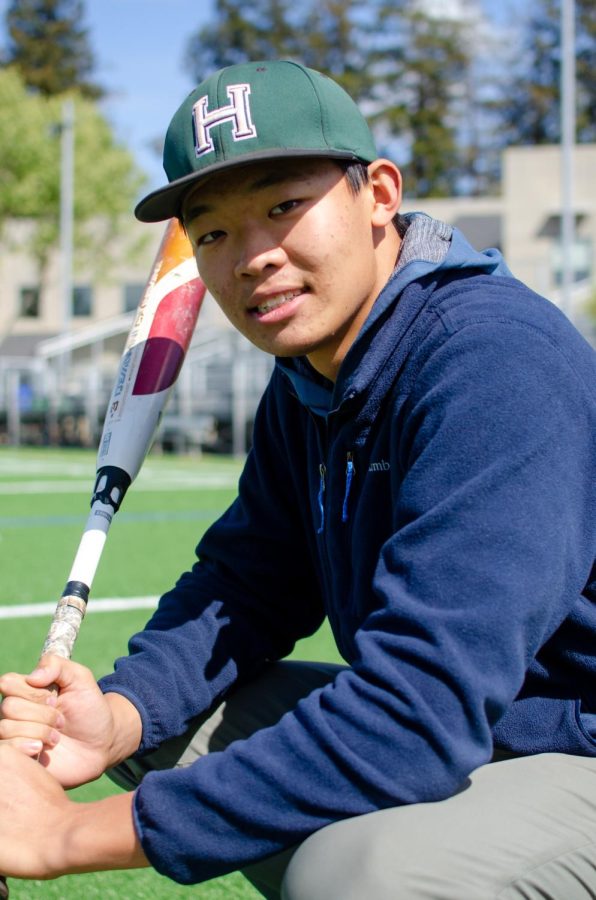
![“When I came into high school, I was ready to be a follower. But DECA was a game changer for me. It helped me overcome my fear of public speaking, and it's played such a major role in who I've become today. To be able to successfully lead a chapter of 150 students, an officer team and be one of the upperclassmen I once really admired is something I'm [really] proud of,” Anvitha Tummala ('21) said.](https://harkeraquila.com/wp-content/uploads/2021/07/Screen-Shot-2021-07-25-at-9.50.05-AM-900x594.png)

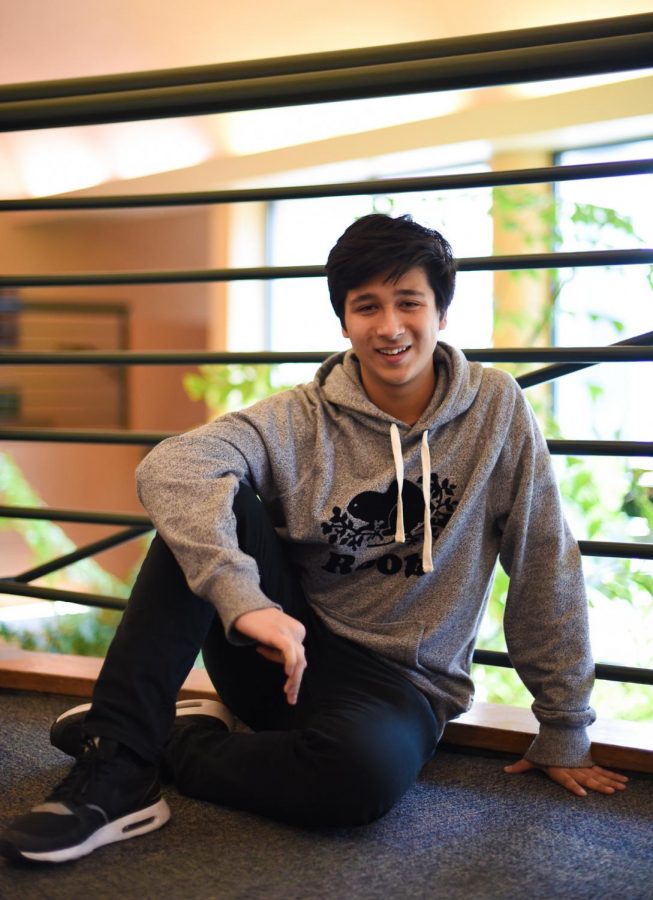
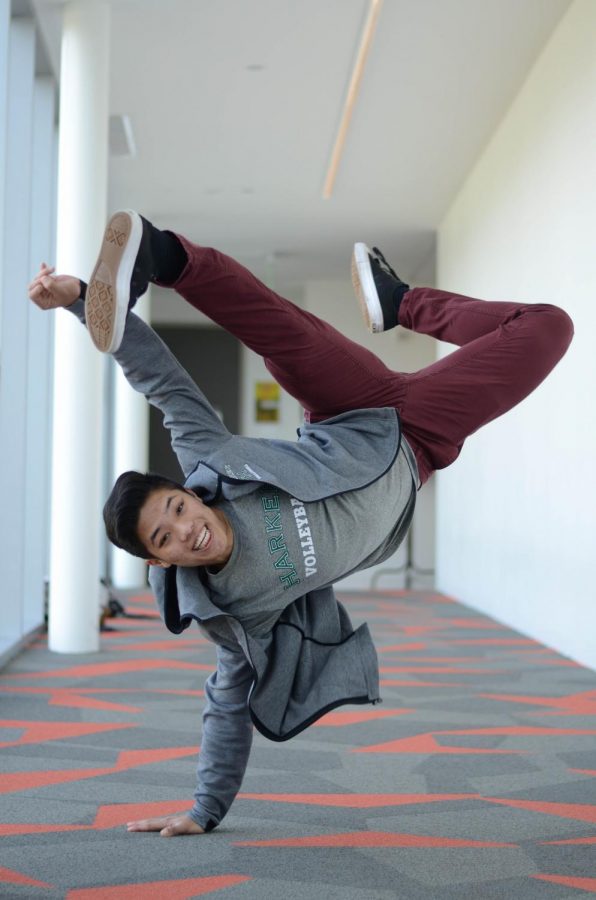
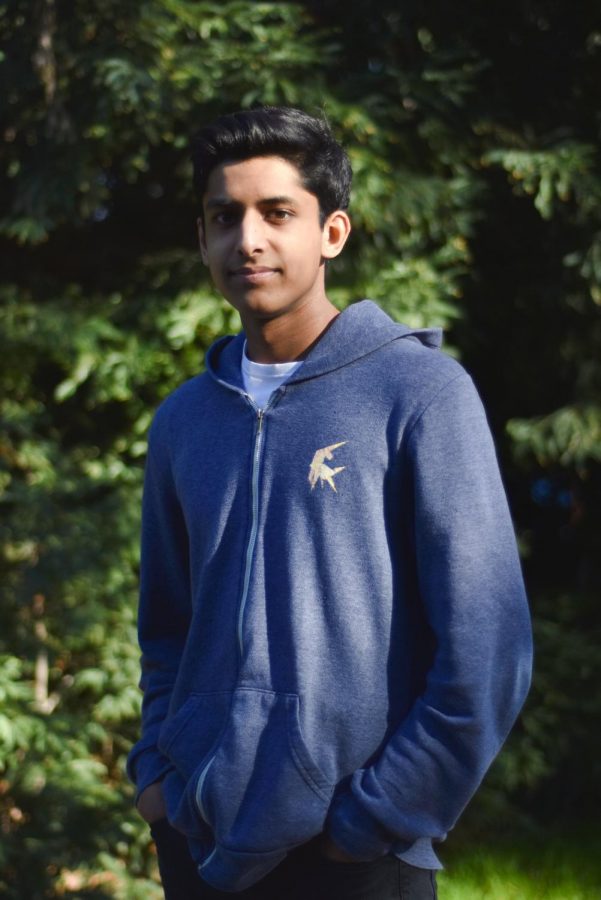

![“I think getting up in the morning and having a sense of purpose [is exciting]. I think without a certain amount of drive, life is kind of obsolete and mundane, and I think having that every single day is what makes each day unique and kind of makes life exciting,” Neymika Jain (12) said.](https://harkeraquila.com/wp-content/uploads/2017/06/Screen-Shot-2017-06-03-at-4.54.16-PM.png)

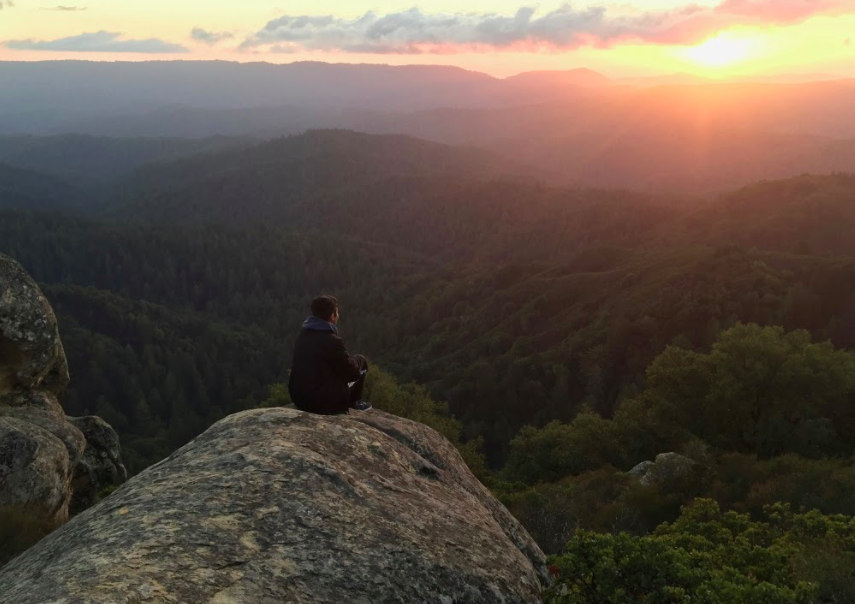
![“My slogan is ‘slow feet, don’t eat, and I’m hungry.’ You need to run fast to get where you are–you aren't going to get those championships if you aren't fast,” Angel Cervantes (12) said. “I want to do well in school on my tests and in track and win championships for my team. I live by that, [and] I can do that anywhere: in the classroom or on the field.”](https://harkeraquila.com/wp-content/uploads/2018/06/DSC5146-900x601.jpg)
![“[Volleyball has] taught me how to fall correctly, and another thing it taught is that you don’t have to be the best at something to be good at it. If you just hit the ball in a smart way, then it still scores points and you’re good at it. You could be a background player and still make a much bigger impact on the team than you would think,” Anya Gert (’20) said.](https://harkeraquila.com/wp-content/uploads/2020/06/AnnaGert_JinTuan_HoHPhotoEdited-600x900.jpeg)
![“I'm not nearly there yet, but [my confidence has] definitely been getting better since I was pretty shy and timid coming into Harker my freshman year. I know that there's a lot of people that are really confident in what they do, and I really admire them. Everyone's so driven and that has really pushed me to kind of try to find my own place in high school and be more confident,” Alyssa Huang (’20) said.](https://harkeraquila.com/wp-content/uploads/2020/06/AlyssaHuang_EmilyChen_HoHPhoto-900x749.jpeg)

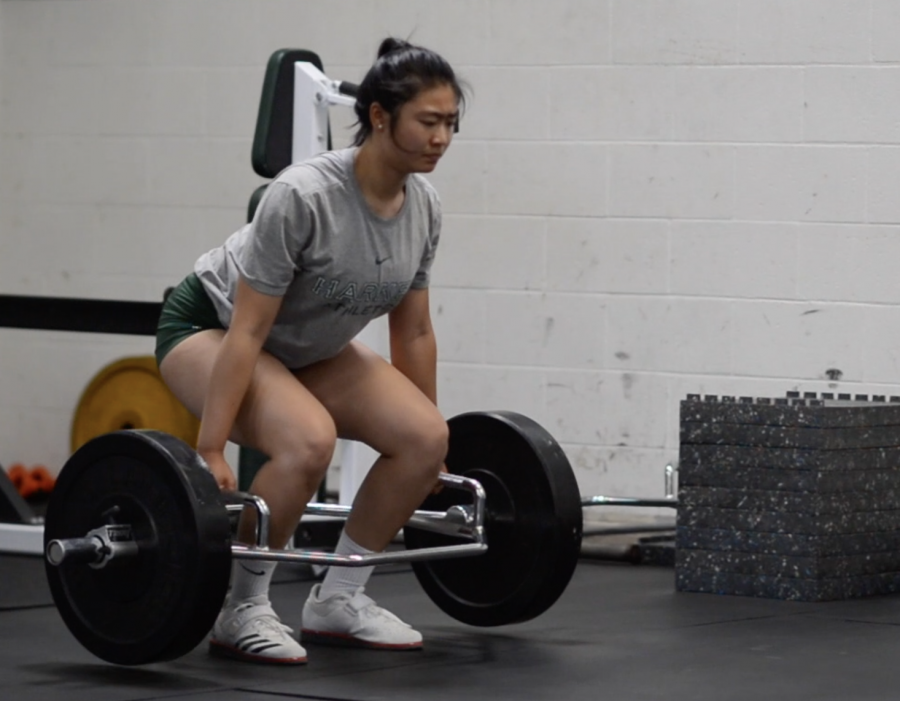
Frosh Stephen Gao stepped onto the high school basketball court for the first time expecting something familiar — three practices a week, coaches with a low-pressure mindset and a season that fits easily around homework. Instead, the competition is harder, the practices an hour longer and the expectations unmistakably higher. The easygoing rhythm of middle school sports faded quickly, replaced by the intensity and commitment that define upper school athletics.
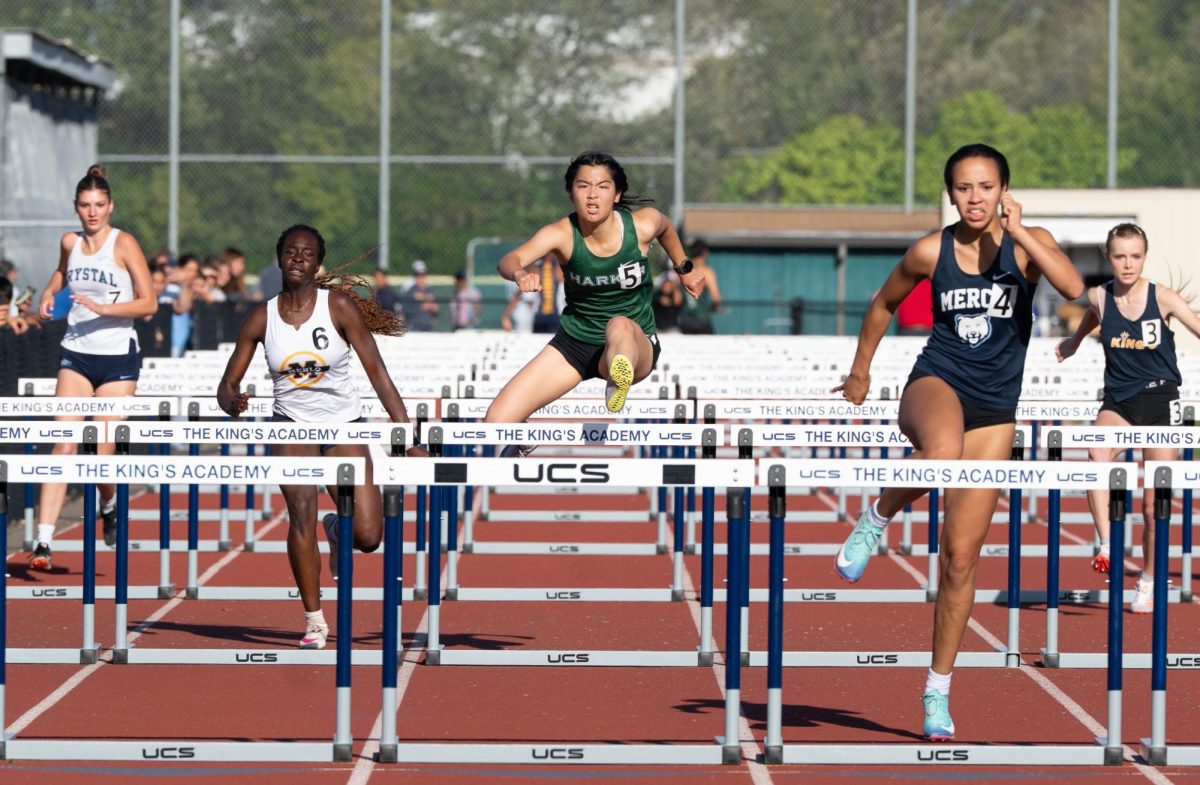
Many students feel that shift immediately. Even for middle school athletes who compete year-round outside of school, upper school athletics are more structured than middle school programs, with longer practices, more advanced leagues and regular weekend competitions.
Stephen experienced this transition firsthand when he joined the varsity boys basketball team this season. He went from practicing three days a week to five, increasing his time spent on the court by seven hours per week.
“The biggest thing is that it’s a much larger commitment outside of school,” Stephen said. “Every day I have practice and sometimes games. When I get home, I have to be focused on homework or other activities.”
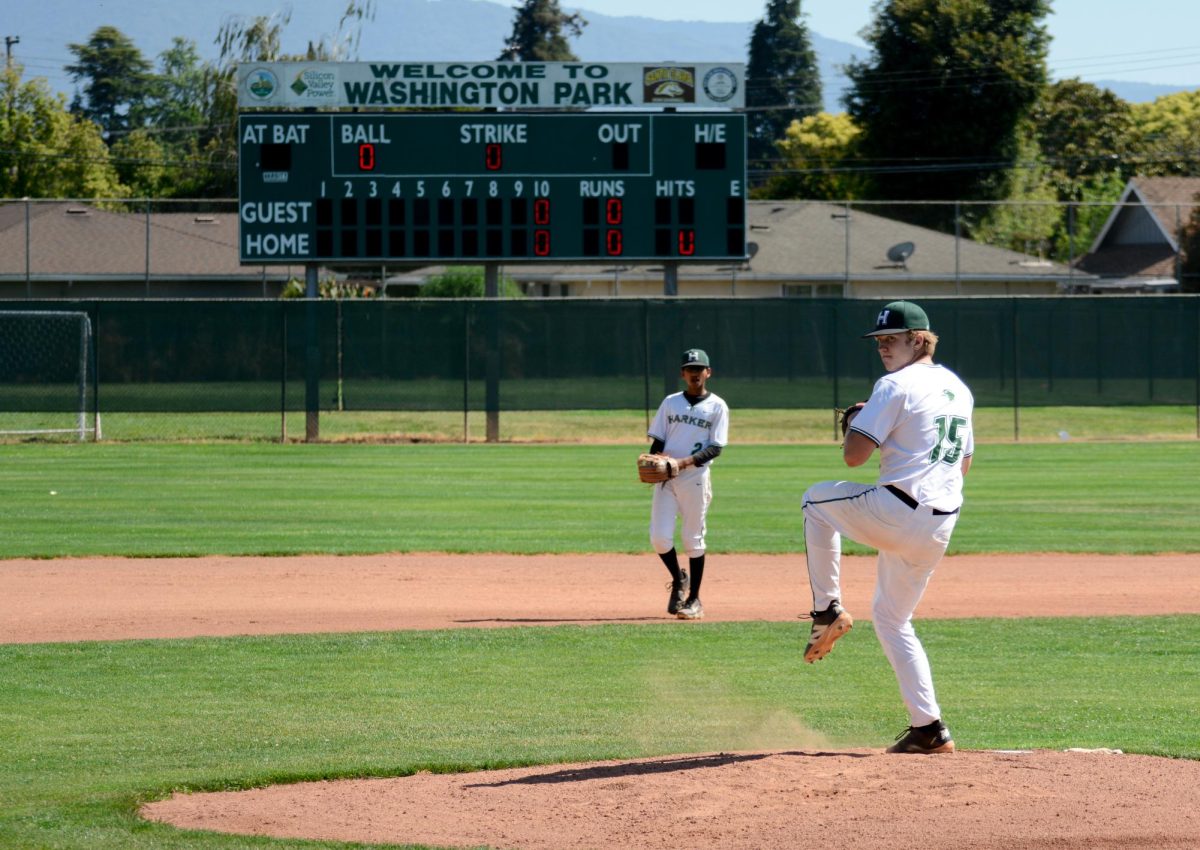
Coach Jon Cvitanich, who coaches softball, basketball and baseball across all three campuses, observed that upper school students generally manage a variety of other stressors besides sports, resulting in challenges with time management.
“There aren’t as many clubs that go into after school sports in the middle school,” Cvitanich said. “They are mostly one day a week every now and then. Whereas with high school, a lot of my students are in the Robotics club or DECA, which takes up a lot more time. I want to support them in doing that, but it’s also difficult to try and schedule practices and games around.”
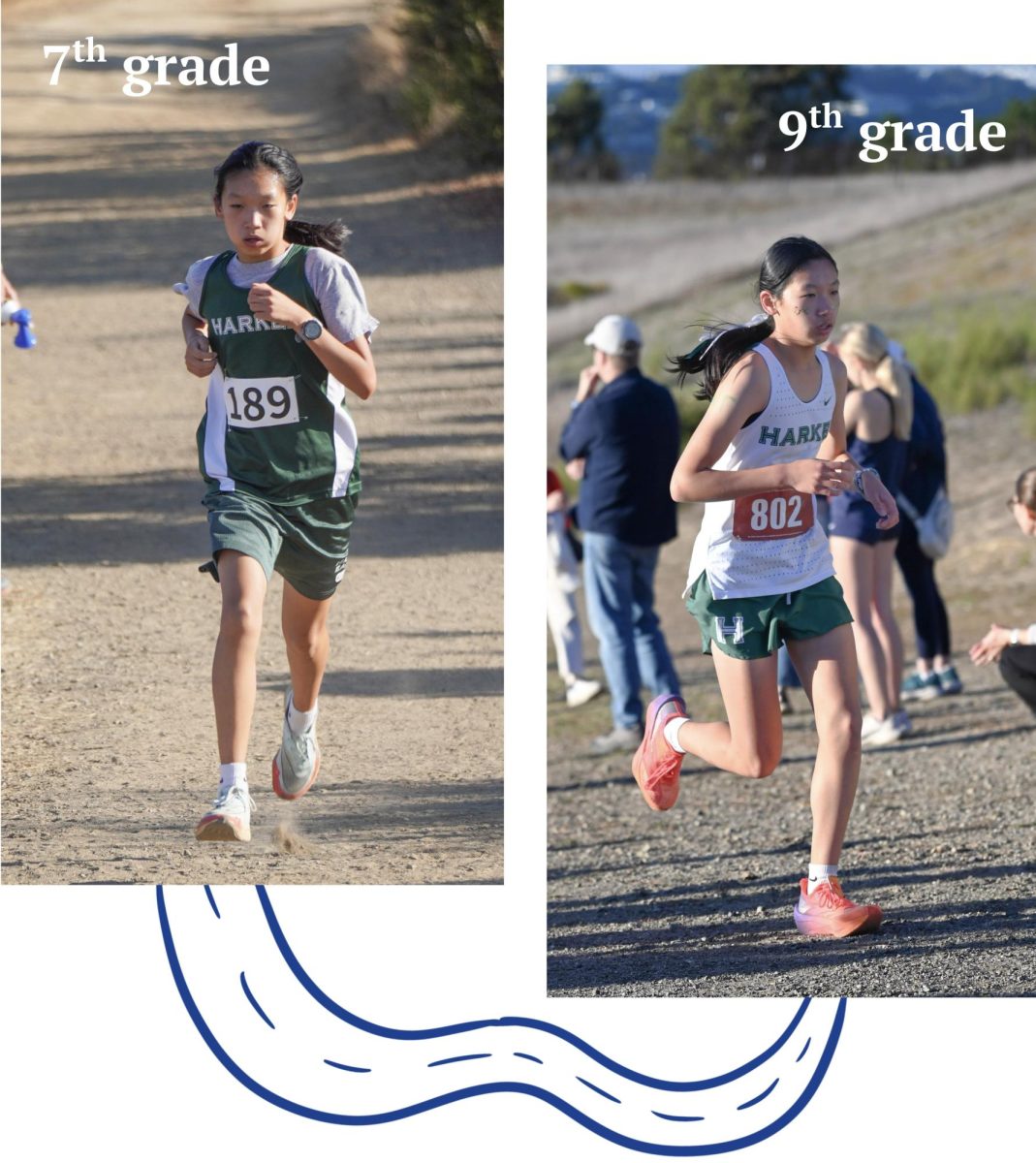
Beyond increased time, many athletes also notice a shift in coaching style and focus. Varsity cross country runner Sophie Shen (9) feels that coaches in the upper school dedicate more time to individual athletes.
“All of the middle school coaches were either part-time or coached multiple sports,” Sophie said. “We didn’t really have their full attention, but in high school, [cross country coach Jorge Chen] puts a lot of effort into the workouts and making us better. It really helps you because if coaches speak to everyone generally, it’s not as effective as one-on-one discussion.”
Coaches also tailor their approaches to training to the different demands of middle school and high school athletes. While middle school athletics may prioritize participation and enjoyment, upper school sports require more direct feedback and greater discipline due to higher stakes and competition.
“With the upper school students, you can be more direct and open with your coaching,” Cvitanich said. “Whereas with middle school, you’re still trying to make sure everybody’s having fun and still sprinkle in coaching moments here and there. Either way, you’re still teaching and it’s all about making sure everybody’s having fun and keeps coming out every day to practice.”
Along with coaching, the structure and competitiveness of sports leagues change significantly from middle school to high school. Middle school teams play fewer games on a flexible schedule against nearby schools, while high school teams compete in more competitive leagues with set divisions and standings. Stephen notes that he faces more experienced opponents in high school sports.
“One of the better things about playing in the upper school is that the season lasts for much longer,” Stephen said. “We went from having six games a season to 24. Also, at the upper school, the competition is much better, so I had to get used to their size and athleticism.”
In middle school, practices only took place during the season; however, in the upper school, athletes are expected to train year-round. During the fall, Stephen attended weekly weight room sessions, open gyms and extra workouts designed to prepare players physically for the upcoming season. With increased training and competition, Stephen perceives a shift in his teammates’ mindsets.
“In middle school, a lot of our players were just casual about basketball,” Stephen said. “They wanted to join the team for fun. When you come to the upper school, and you want to play a sport, you have to be focused and committed to that sport. So I think a lot of my teammates are much more serious, and that helps our team grow a lot faster.”
Even with the heightened pressure of varsity sports, Sophie noticed that upper school cross country created stronger team bonds. While in middle school, she saw more of a disconnect between teammates, in high school, the increased time spent training together fostered a sense of unity among the team.
“In middle school, everyone thought of cross country as an individual sport,” Sophie said. “The mindset was, ‘I need to beat you because that means I’m better, and I get a medal, and you don’t.’ But in high school, everyone is really like a team, and it’s like an extended friend group, so it’s really nice.”
Cvitanich observed that both middle and high school teams form close communities, connected by shared challenges and collective goals.
“With middle school, every now and then I’ll see my basketball team on the blacktop playing basketball with each other or eating lunch together,” Cvitanich said. “At the upper school, oftentimes after practice, it’s hard to get guys to go home because they’re hanging out in the dugout and chatting with each other and having a great time. It’s a little bit different, but it’s always great when there’s good team camaraderie.”