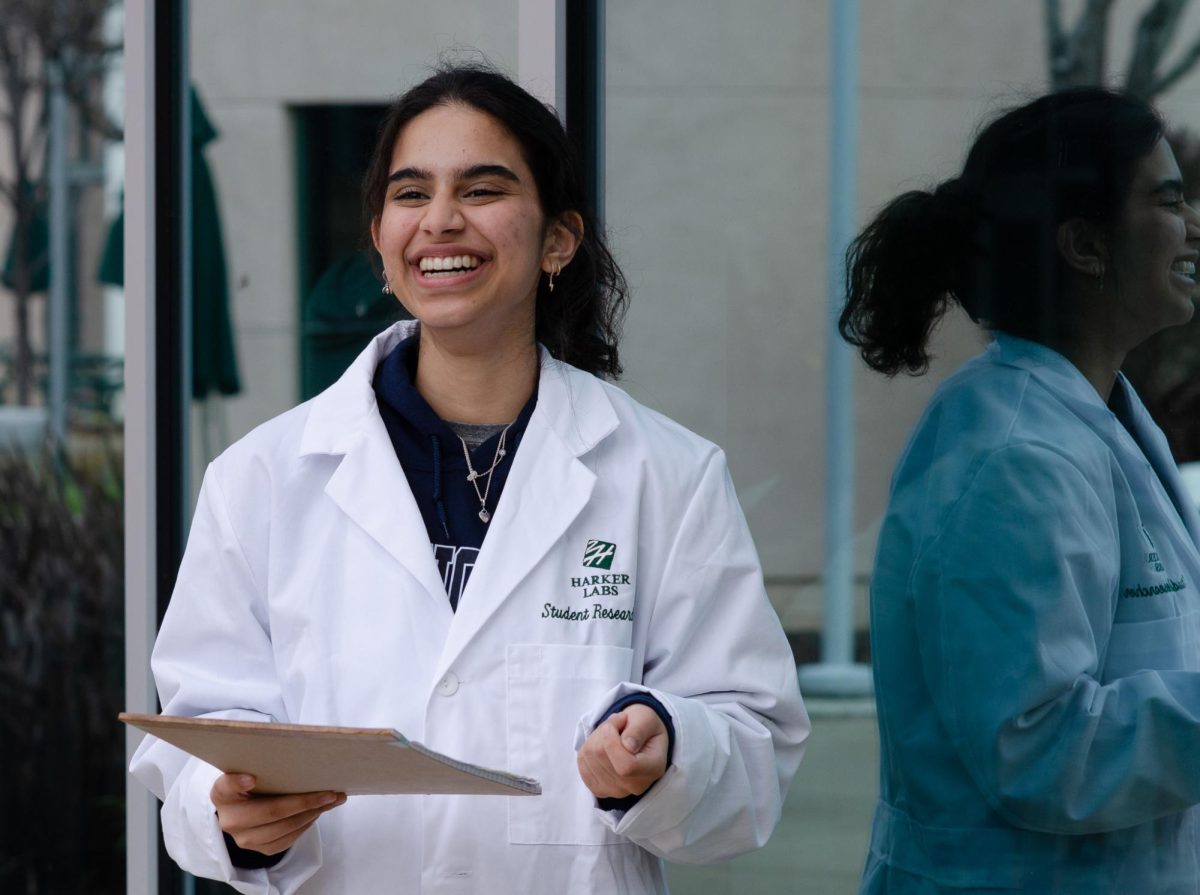
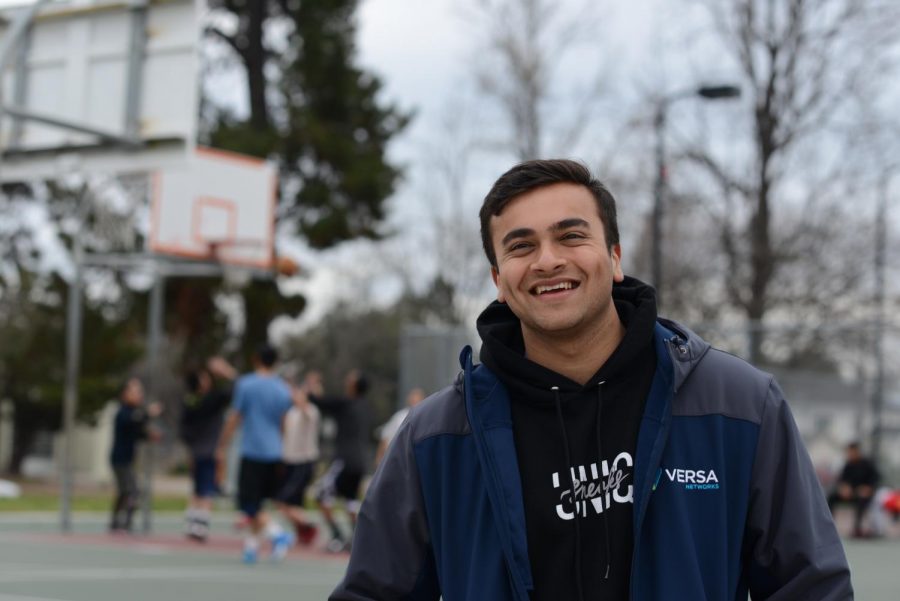
![“I wasn't discouraged by some of the obstacles we faced. I learned a lot from the leadership. I found that different people need different ways of receiving feedback — you can't [just] tell them to do something and expect the best. [Some] people needed more incentive. A large part of my role was to figure out what worked for everyone and to figure out how to lead all these separate individuals as a team,” Suhana Bhandare (’26) said.](https://harkeraquila.com/wp-content/uploads/2026/06/SuhanaBhandare_JasmineHansra-1-1200x798.jpg)
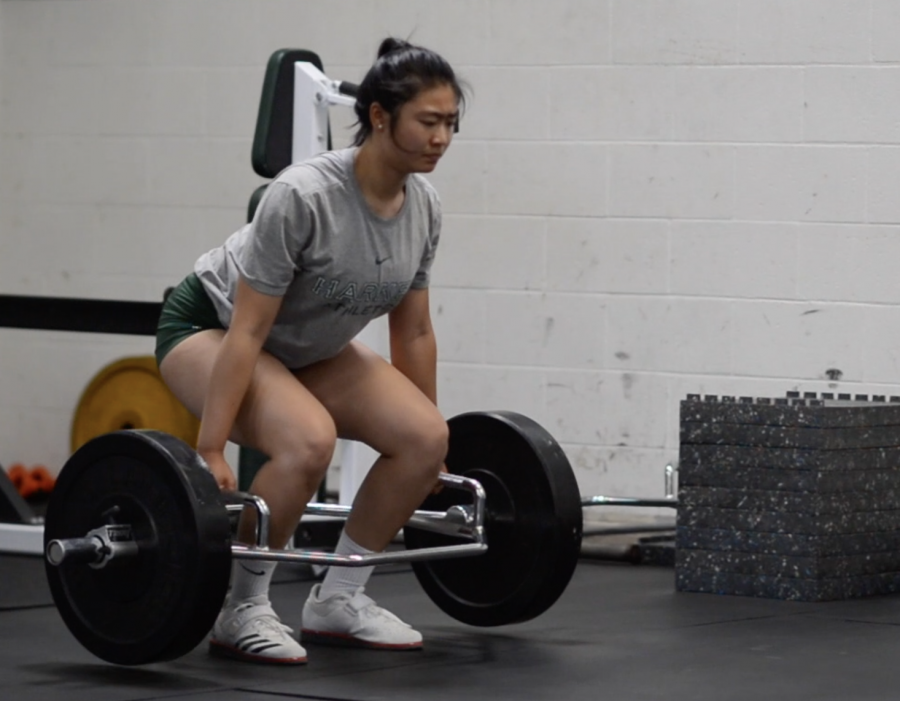
![“This is actually from Randy Pausch Randy P. Brick: ‘Walls are there for a reason. You have to show how much you want to overcome them.’ You have to show how much you want something. That's what I've always been able to do with tennis, Link Crew and getting that internship [with Kushy Baby]. It’s important pushing through that — getting around that brick wall, climbing over it or clawing through it,” Yash Sachdeva (’26) said.](https://harkeraquila.com/wp-content/uploads/2026/05/YashSachdeva_RamBatchu-copy-1200x1002.jpg)







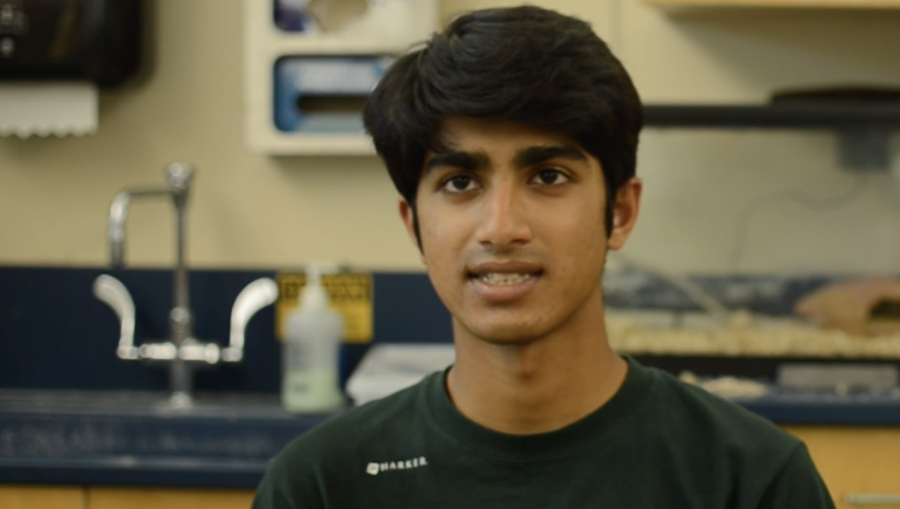
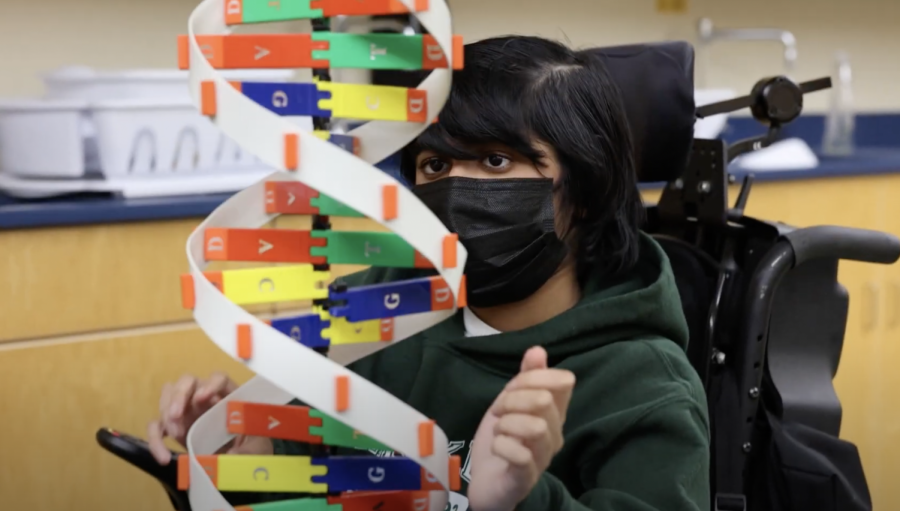
![“[Building nerf blasters] became this outlet of creativity for me that hasn't been matched by anything else. The process [of] making a build complete to your desire is such a painstakingly difficult process, but I've had to learn from [the skills needed from] soldering to proper painting. There's so many different options for everything, if you think about it, it exists. The best part is [that] if it doesn't exist, you can build it yourself," Ishaan Parate said.](https://harkeraquila.com/wp-content/uploads/2022/08/DSC_8149-900x604.jpg)
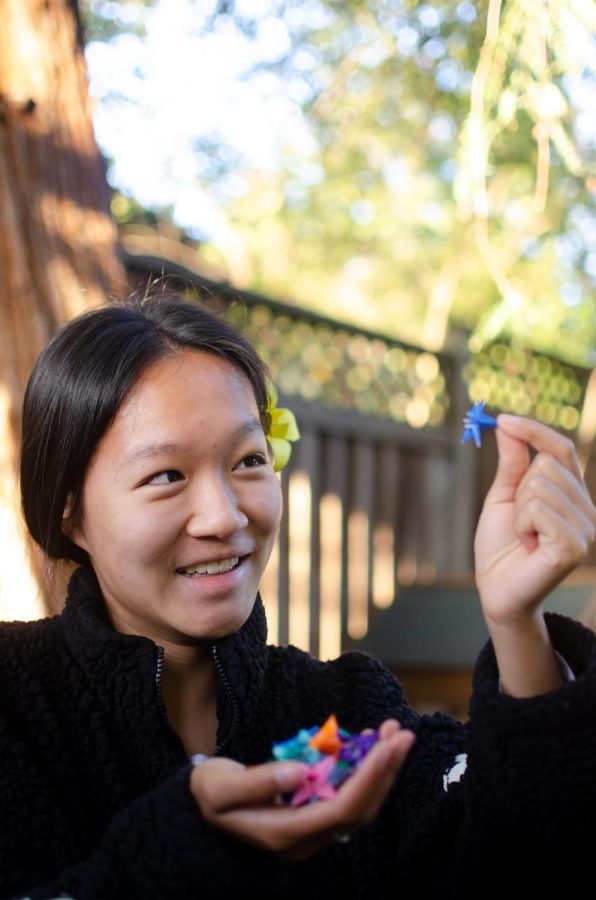
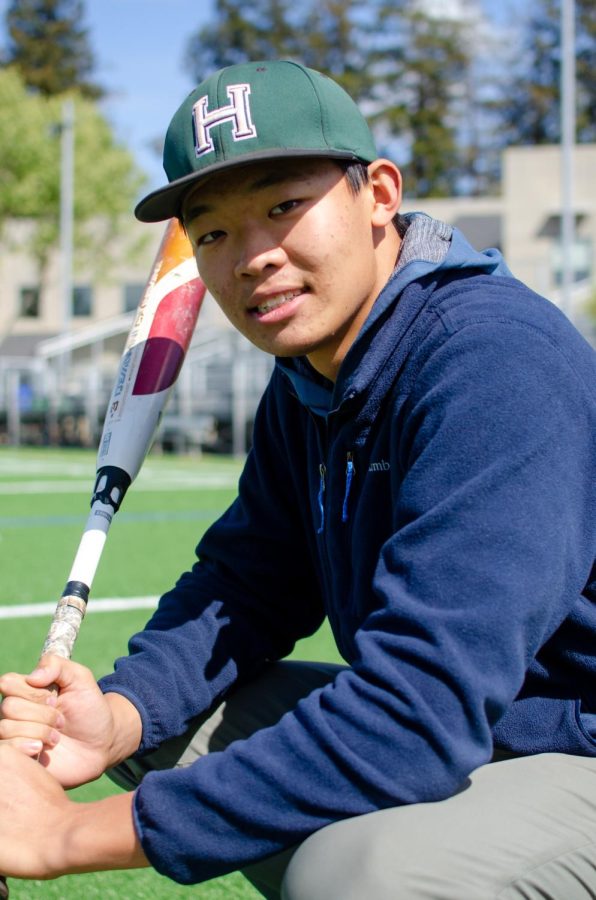
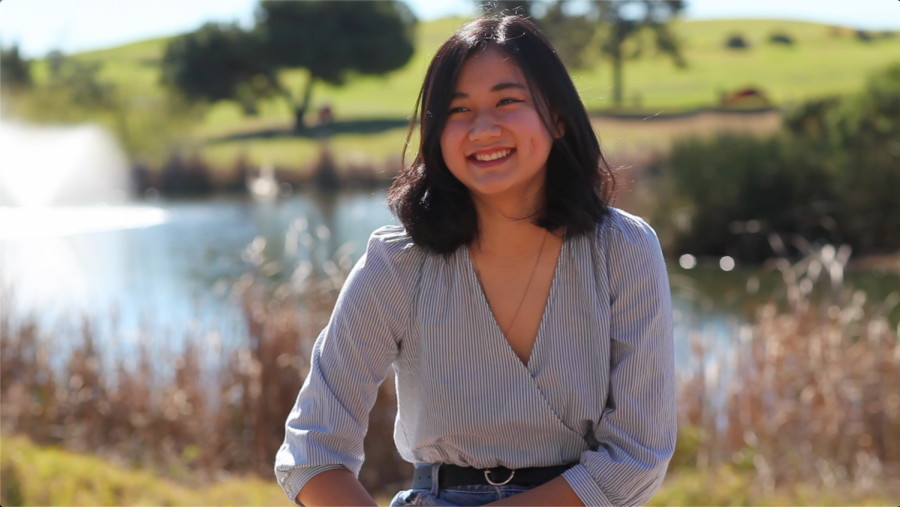
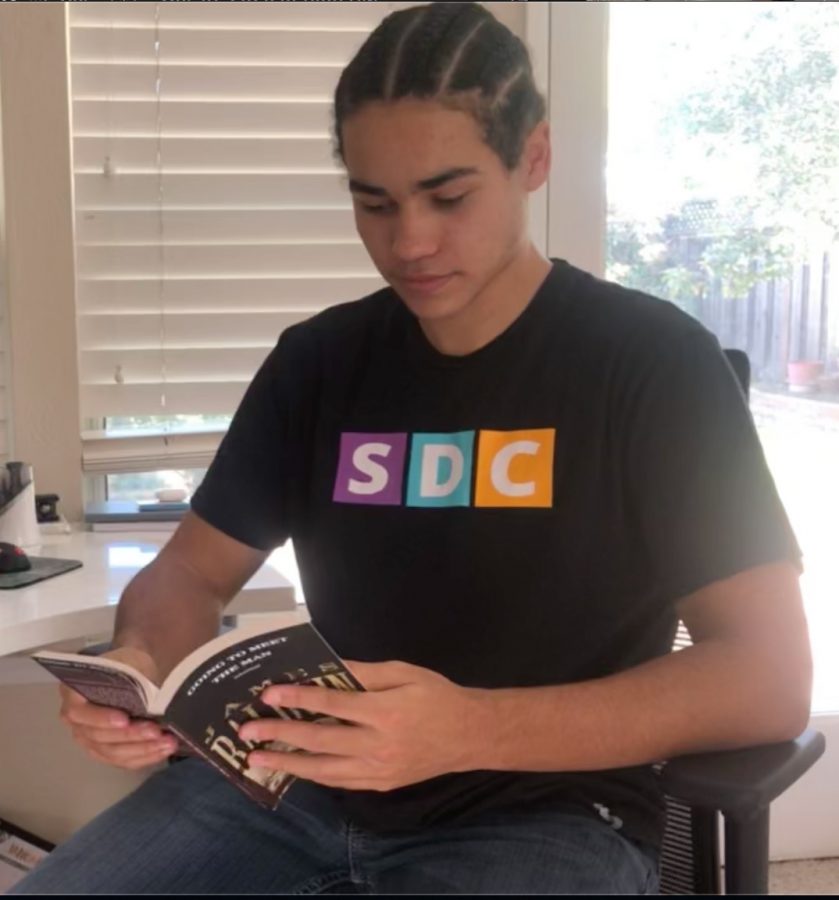
![“When I came into high school, I was ready to be a follower. But DECA was a game changer for me. It helped me overcome my fear of public speaking, and it's played such a major role in who I've become today. To be able to successfully lead a chapter of 150 students, an officer team and be one of the upperclassmen I once really admired is something I'm [really] proud of,” Anvitha Tummala ('21) said.](https://harkeraquila.com/wp-content/uploads/2021/07/Screen-Shot-2021-07-25-at-9.50.05-AM-900x594.png)
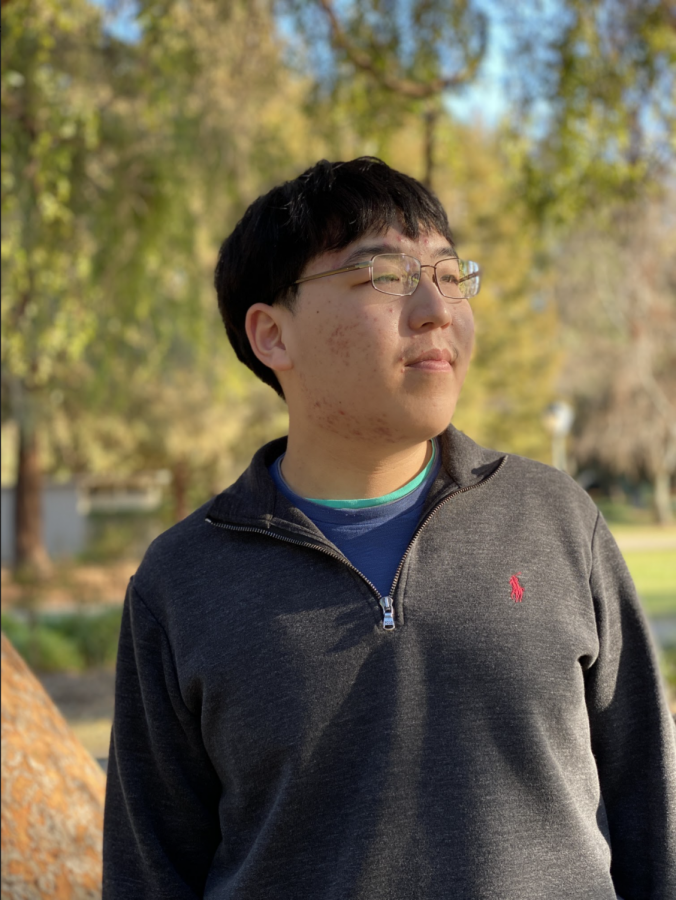

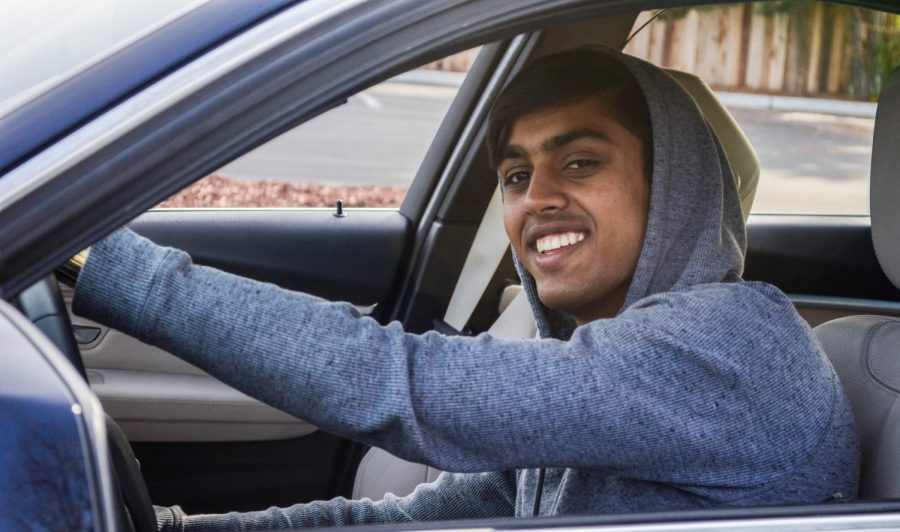
![“I think getting up in the morning and having a sense of purpose [is exciting]. I think without a certain amount of drive, life is kind of obsolete and mundane, and I think having that every single day is what makes each day unique and kind of makes life exciting,” Neymika Jain (12) said.](https://harkeraquila.com/wp-content/uploads/2017/06/Screen-Shot-2017-06-03-at-4.54.16-PM.png)

![“My slogan is ‘slow feet, don’t eat, and I’m hungry.’ You need to run fast to get where you are–you aren't going to get those championships if you aren't fast,” Angel Cervantes (12) said. “I want to do well in school on my tests and in track and win championships for my team. I live by that, [and] I can do that anywhere: in the classroom or on the field.”](https://harkeraquila.com/wp-content/uploads/2018/06/DSC5146-900x601.jpg)
![“[Volleyball has] taught me how to fall correctly, and another thing it taught is that you don’t have to be the best at something to be good at it. If you just hit the ball in a smart way, then it still scores points and you’re good at it. You could be a background player and still make a much bigger impact on the team than you would think,” Anya Gert (’20) said.](https://harkeraquila.com/wp-content/uploads/2020/06/AnnaGert_JinTuan_HoHPhotoEdited-600x900.jpeg)
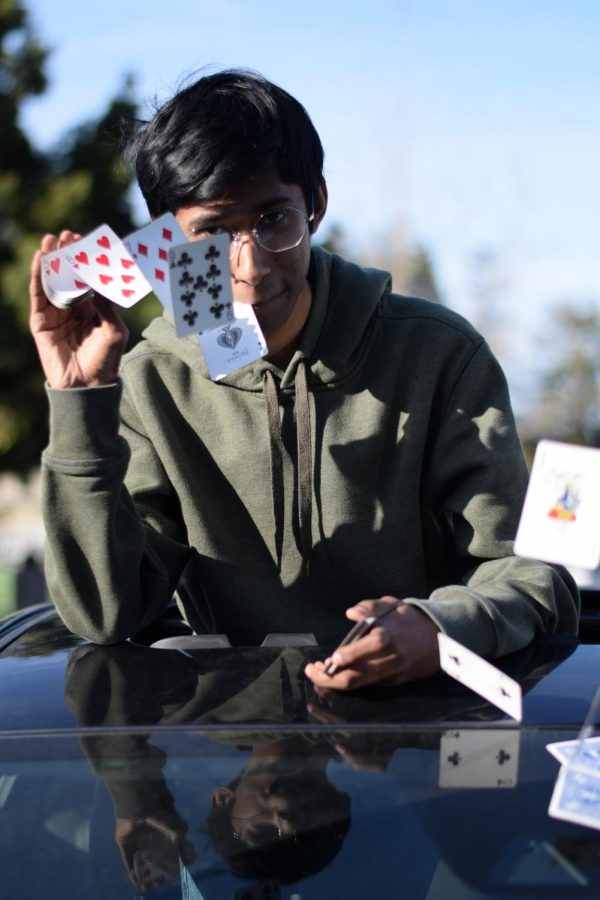
![“I'm not nearly there yet, but [my confidence has] definitely been getting better since I was pretty shy and timid coming into Harker my freshman year. I know that there's a lot of people that are really confident in what they do, and I really admire them. Everyone's so driven and that has really pushed me to kind of try to find my own place in high school and be more confident,” Alyssa Huang (’20) said.](https://harkeraquila.com/wp-content/uploads/2020/06/AlyssaHuang_EmilyChen_HoHPhoto-900x749.jpeg)


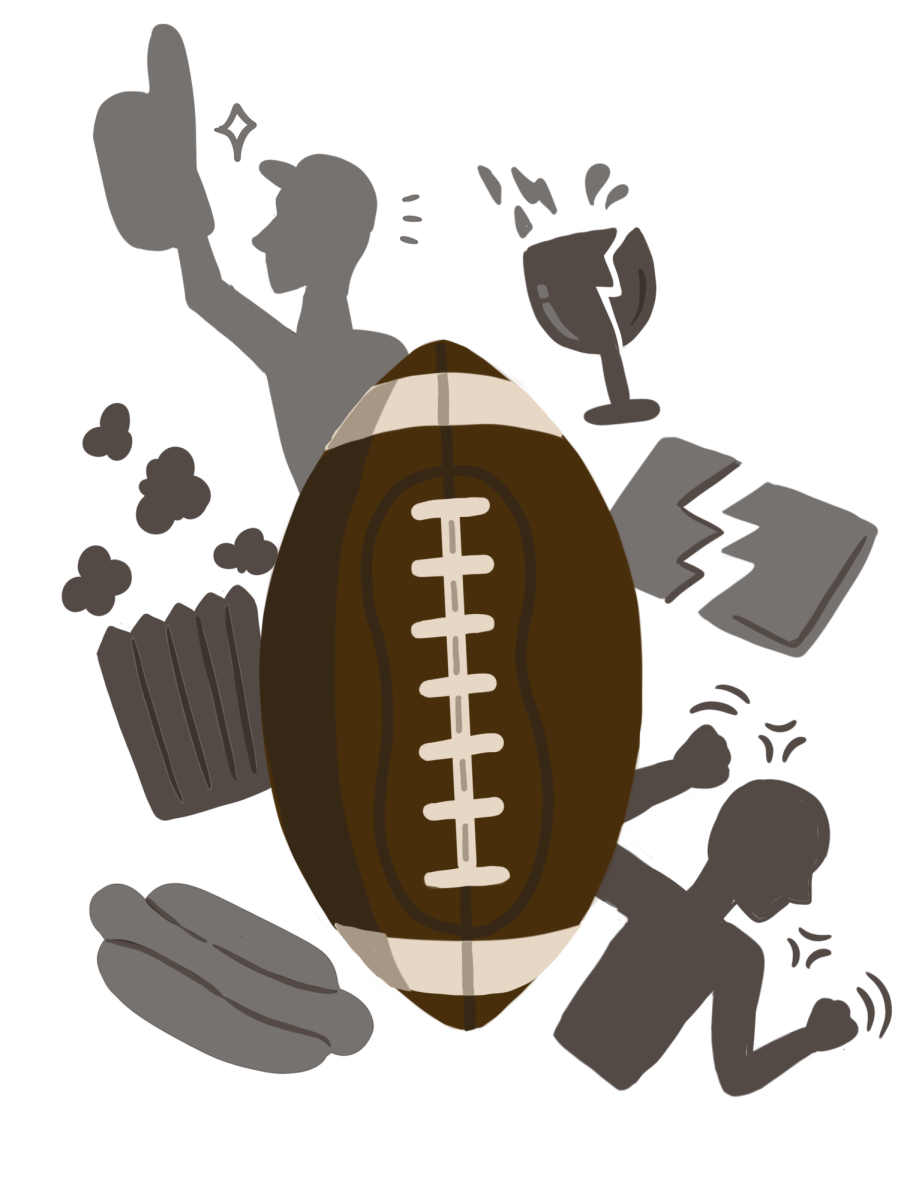
In 2024, University of Tennessee supporters tore down their stadium’s goal posts after upsetting the University of Alabama’s football team in a consequential Southeastern Conference matchup. The extreme celebration resulting from this matchup comes in the context of decades of rivalry, and the heightened excitement from supporters exemplifies a key difference between fan experiences at the collegiate and professional levels, even though the sports they watch are fundamentally the same.
University of Notre Dame alumnus and long-time Fighting Irish fan Byron Stevens expressed that, while fans of pro teams are often highly loyal, college fandom tends to be more intense.
“People are generally attached to college sports because they’re an alum of that school,” Stevens said. “So it’s much more part of their identity and their personal experience, and it can be very strong and deep for that reason.”
However, the broad appeal of mainstream sports franchises means that they’re able to accumulate millions of fans across the world. Sophomore Anusha Saha, who primarily follows teams in the NFL and NBA, noted that the accessibility of content from those leagues elevates them above college sports in the popular consciousness.
“The play in pro leagues is of a much higher caliber, so it’s usually more fun to watch,” Anusha said. “The NFL and NBA also get a lot more media coverage than colleges. The national deals that the stronger conferences have with media networks mean that they now get a lot more nationally televised games, but when I think of a football weekend, I think of NFL Sunday, not college football Saturday.”
Sports fan Hanwen Cui (10) added that level of enthusiasm and fanbase size are inversely related when comparing college and pro sports. The same loyalty to one’s alma mater that makes college fans so dedicated can also contribute to university teams being less engaging to outsiders.
“The pro sports fan base is larger, but college fandom is a lot crazier,” Hanwen said. “You see passion in pro sports too, but it doesn’t rise to the levels seen in college. Because college fans have tangible connections [with their schools], they feel a lot more spirited and passionate about their teams compared to pro teams that just happen to be nearby.”
Anusha also explained that professional leagues focus fan attention by having fewer teams than college conferences, making it more likely that people across the world watch the same games. For instance, over 350 schools currently compete in Division I basketball, while the NBA only has 30 teams.
“It’s a lot easier to engage with content from [leagues like the NBA],” Anusha said. “In college athletics, there are hundreds of teams and dozens of conferences, so people are often following entirely different things. It’s definitely easier to talk about those big leagues with your friends, even if they’re not huge sports fans.”
Stevens commented that rivalries like Alabama-Tennessee help establish community traditions beyond those seen in professional sports. Rallies and celebrations often take over cities in the lead up to such matchups, and students belt out fight songs written before they were born throughout important games.
“The rivalries in college football are stronger than the rivalries in professional sports because the rivalries in professional sports are dependent upon the quality of the teams at different points in time,” Stevens said. “It doesn’t matter how well Notre Dame or USC are playing, that game is always going to be a rivalry game. There’s always going to be a lot more energy, even if you know USC is going to win by 30 points or Notre Dame’s going to win by 30 points.”
Although collegiate teams generally have fewer fans than their professional counterparts, they make up for it through the passion and history evident in storied rivalries and in the strong ties between fans and their schools. Ultimately, whether someone follows professional leagues or cheers for their alma mater, participating in spaces where their interests and opinions are shared gives them opportunities to be part of meaningful communities.
Additional reporting by Cynthia Xie