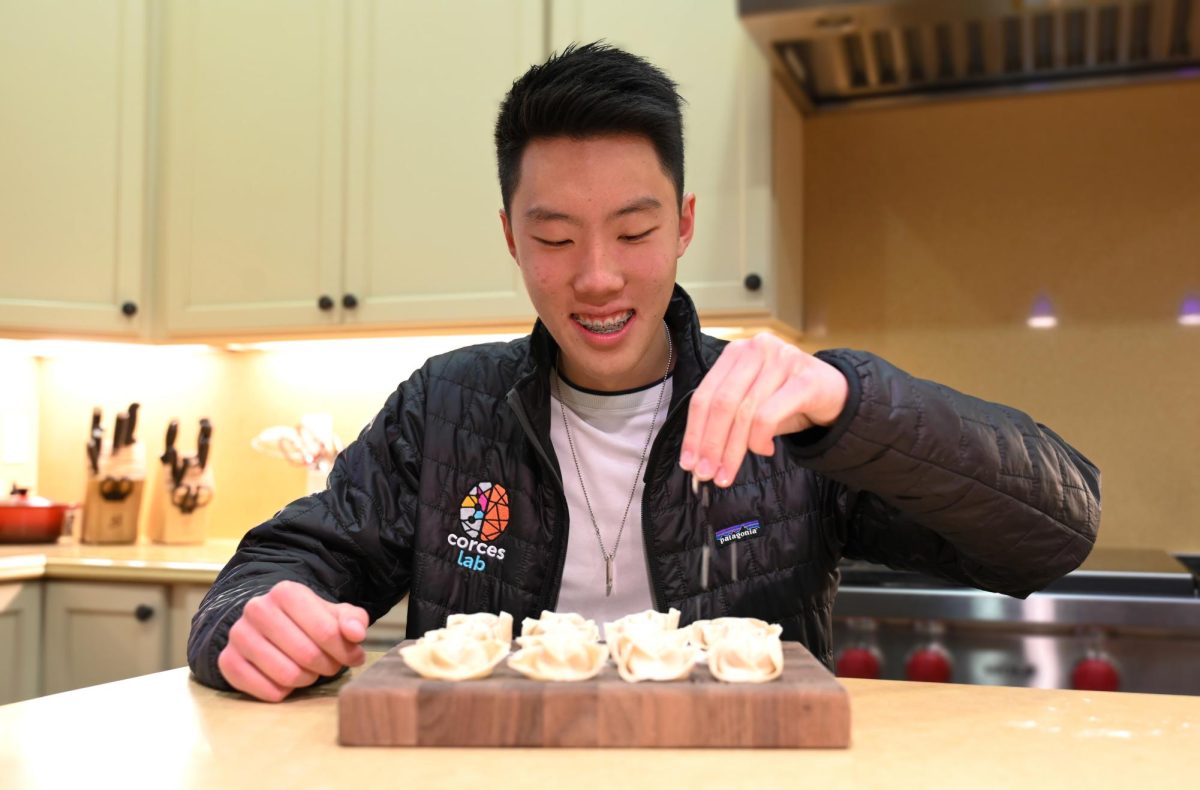
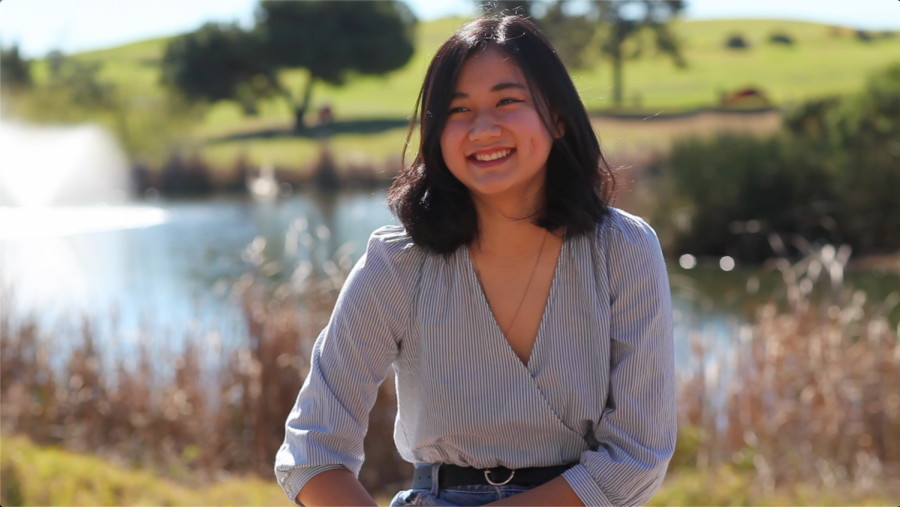
![“I wasn't discouraged by some of the obstacles we faced. I learned a lot from the leadership. I found that different people need different ways of receiving feedback — you can't [just] tell them to do something and expect the best. [Some] people needed more incentive. A large part of my role was to figure out what worked for everyone and to figure out how to lead all these separate individuals as a team,” Suhana Bhandare (’26) said.](https://harkeraquila.com/wp-content/uploads/2026/06/SuhanaBhandare_JasmineHansra-1-1200x798.jpg)
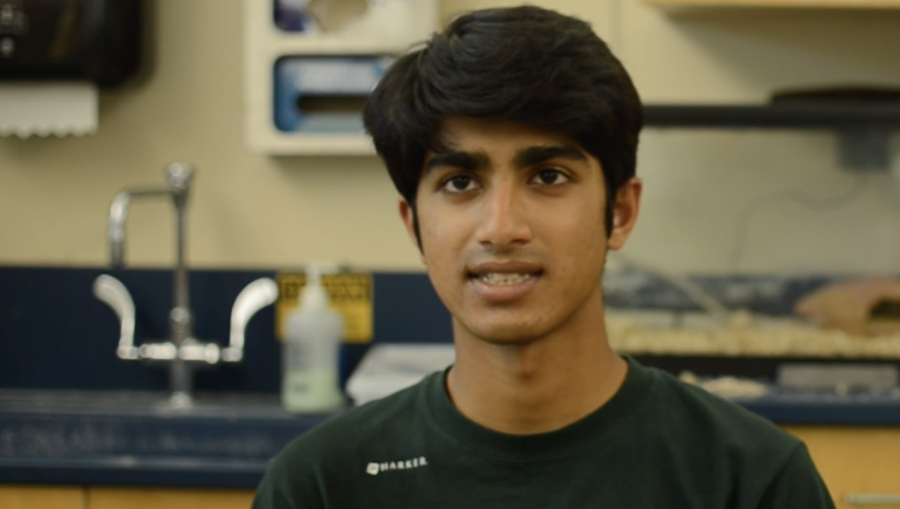
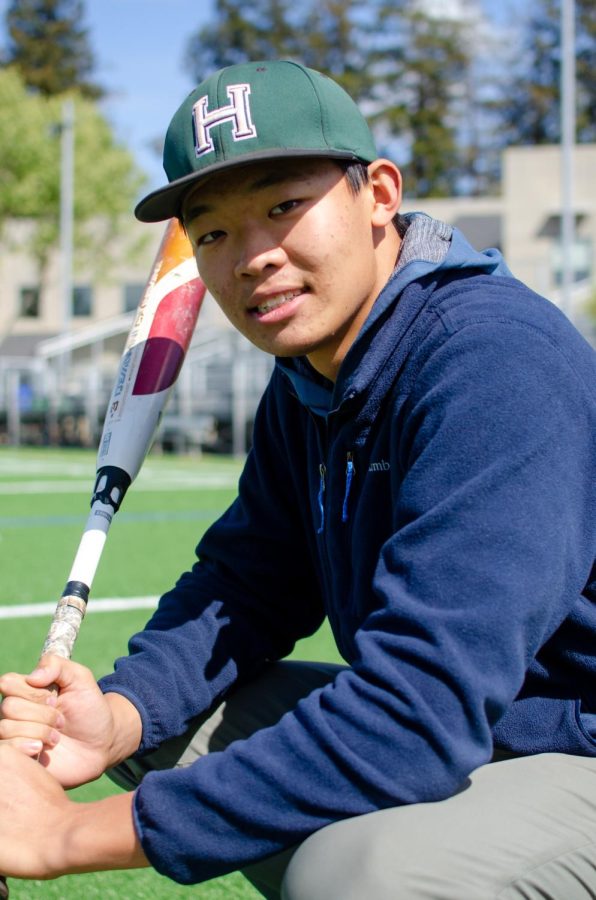
![“This is actually from Randy Pausch Randy P. Brick: ‘Walls are there for a reason. You have to show how much you want to overcome them.’ You have to show how much you want something. That's what I've always been able to do with tennis, Link Crew and getting that internship [with Kushy Baby]. It’s important pushing through that — getting around that brick wall, climbing over it or clawing through it,” Yash Sachdeva (’26) said.](https://harkeraquila.com/wp-content/uploads/2026/05/YashSachdeva_RamBatchu-copy-1200x1002.jpg)







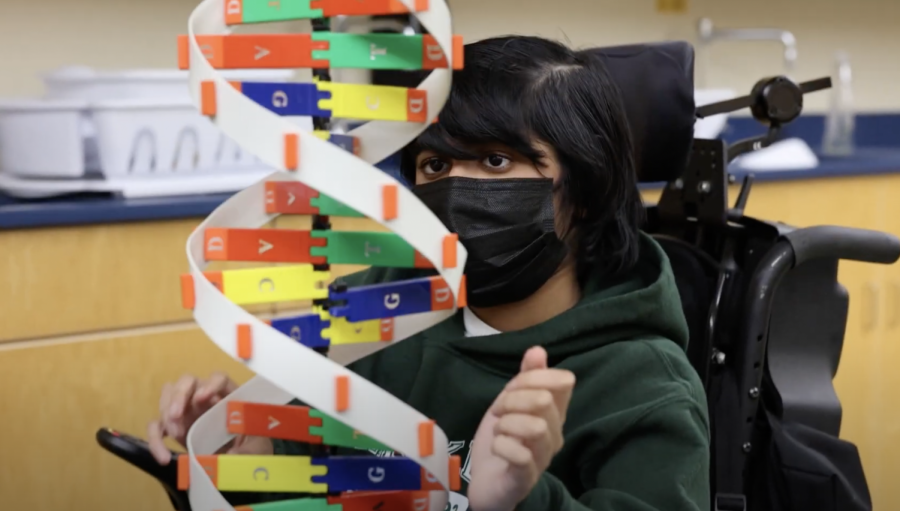
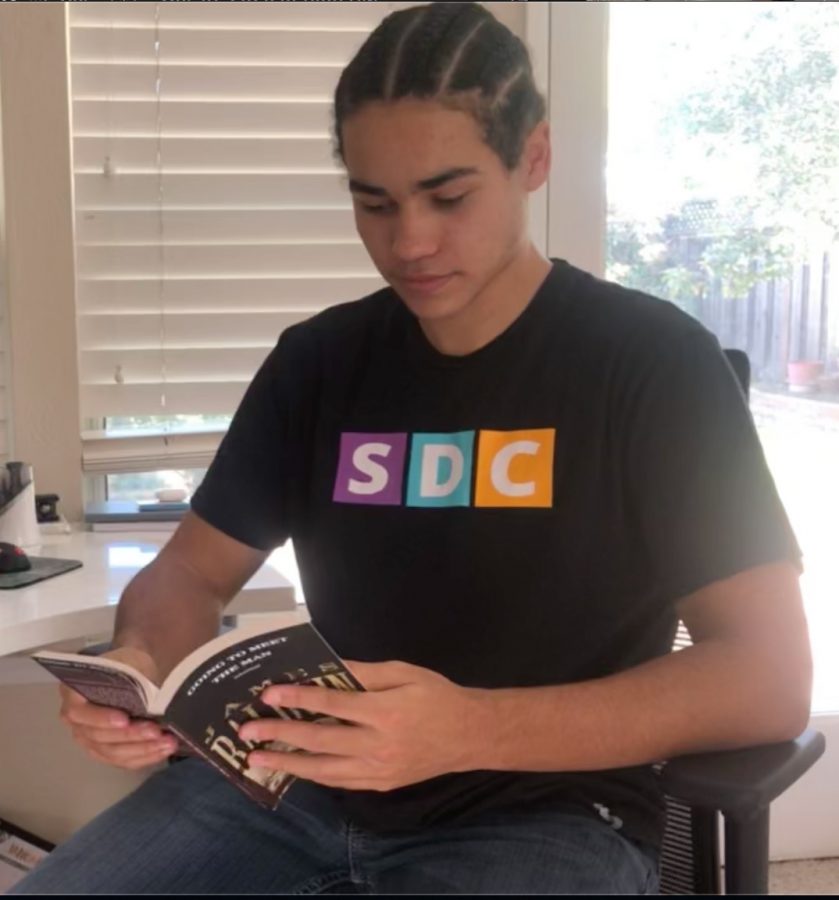
![“[Building nerf blasters] became this outlet of creativity for me that hasn't been matched by anything else. The process [of] making a build complete to your desire is such a painstakingly difficult process, but I've had to learn from [the skills needed from] soldering to proper painting. There's so many different options for everything, if you think about it, it exists. The best part is [that] if it doesn't exist, you can build it yourself," Ishaan Parate said.](https://harkeraquila.com/wp-content/uploads/2022/08/DSC_8149-900x604.jpg)
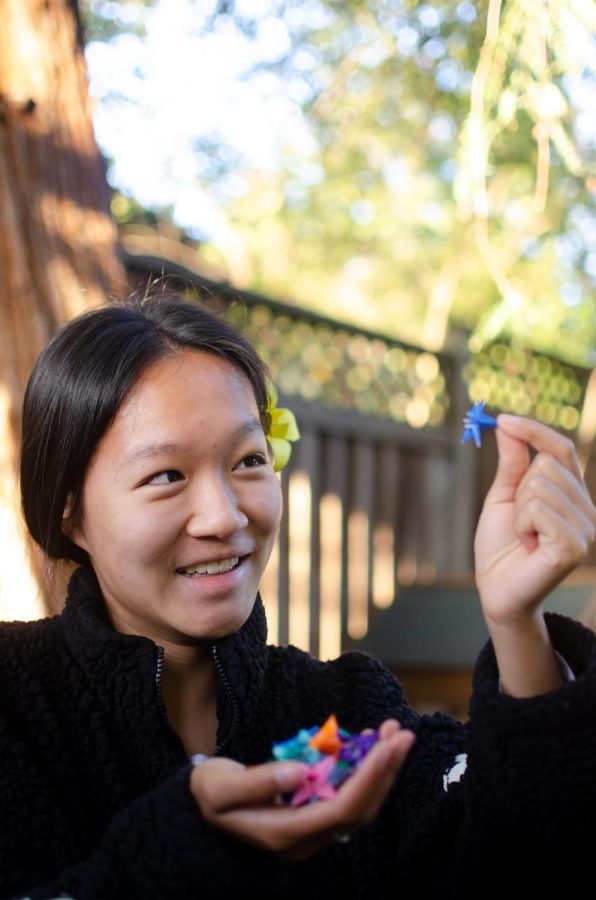
![“When I came into high school, I was ready to be a follower. But DECA was a game changer for me. It helped me overcome my fear of public speaking, and it's played such a major role in who I've become today. To be able to successfully lead a chapter of 150 students, an officer team and be one of the upperclassmen I once really admired is something I'm [really] proud of,” Anvitha Tummala ('21) said.](https://harkeraquila.com/wp-content/uploads/2021/07/Screen-Shot-2021-07-25-at-9.50.05-AM-900x594.png)

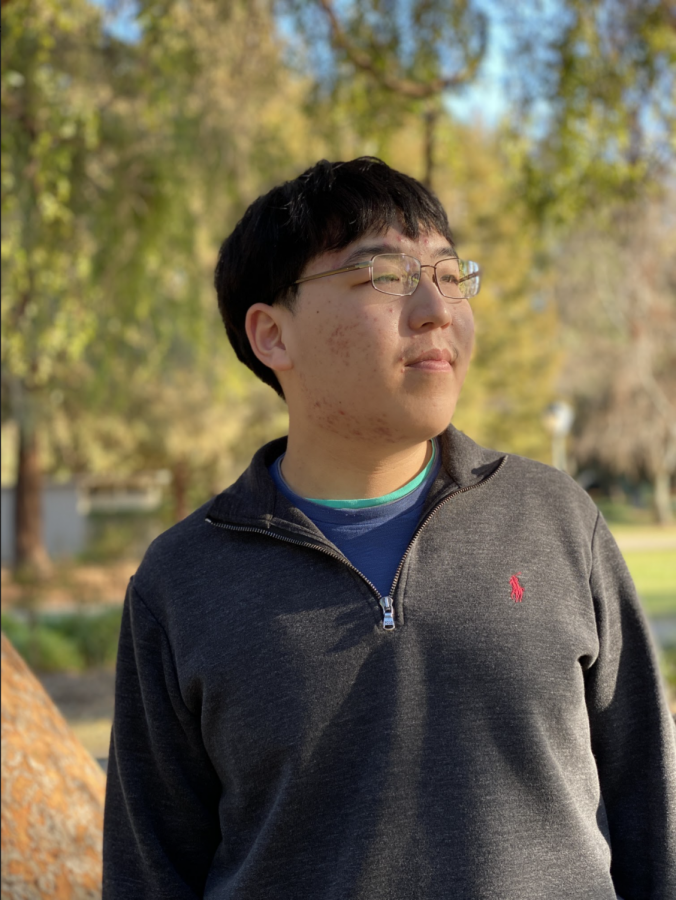


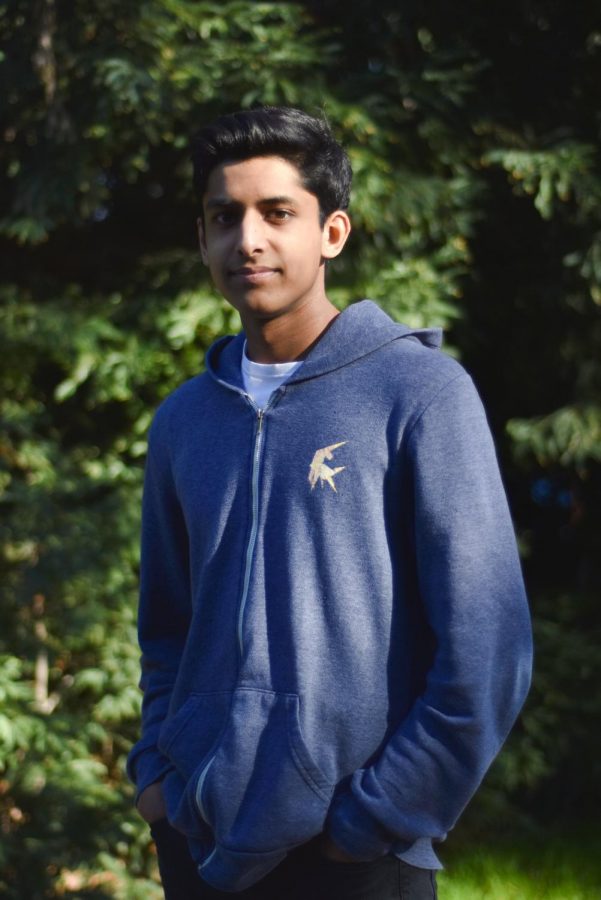

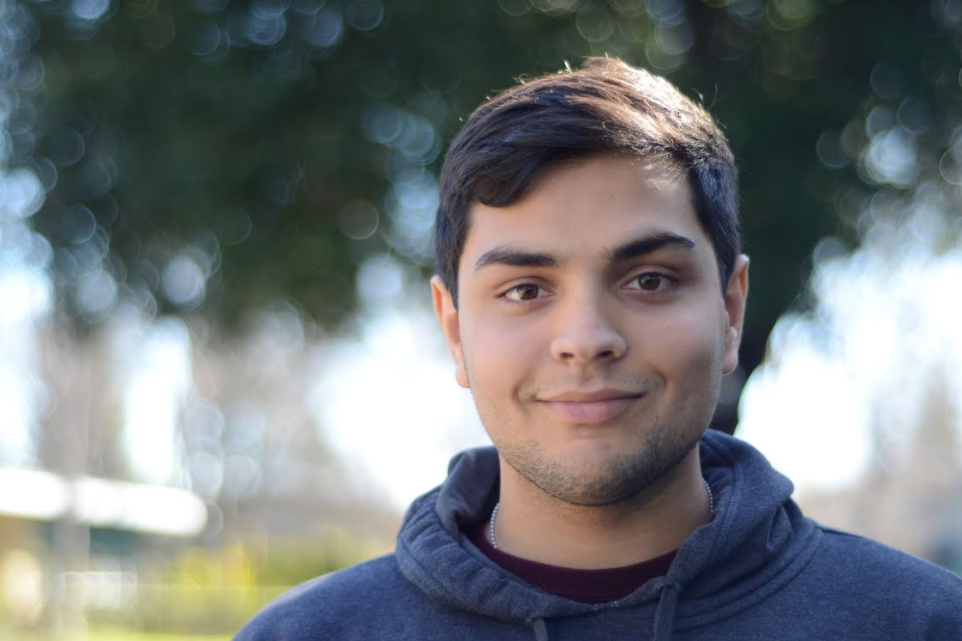
![“I think getting up in the morning and having a sense of purpose [is exciting]. I think without a certain amount of drive, life is kind of obsolete and mundane, and I think having that every single day is what makes each day unique and kind of makes life exciting,” Neymika Jain (12) said.](https://harkeraquila.com/wp-content/uploads/2017/06/Screen-Shot-2017-06-03-at-4.54.16-PM.png)



![“My slogan is ‘slow feet, don’t eat, and I’m hungry.’ You need to run fast to get where you are–you aren't going to get those championships if you aren't fast,” Angel Cervantes (12) said. “I want to do well in school on my tests and in track and win championships for my team. I live by that, [and] I can do that anywhere: in the classroom or on the field.”](https://harkeraquila.com/wp-content/uploads/2018/06/DSC5146-900x601.jpg)
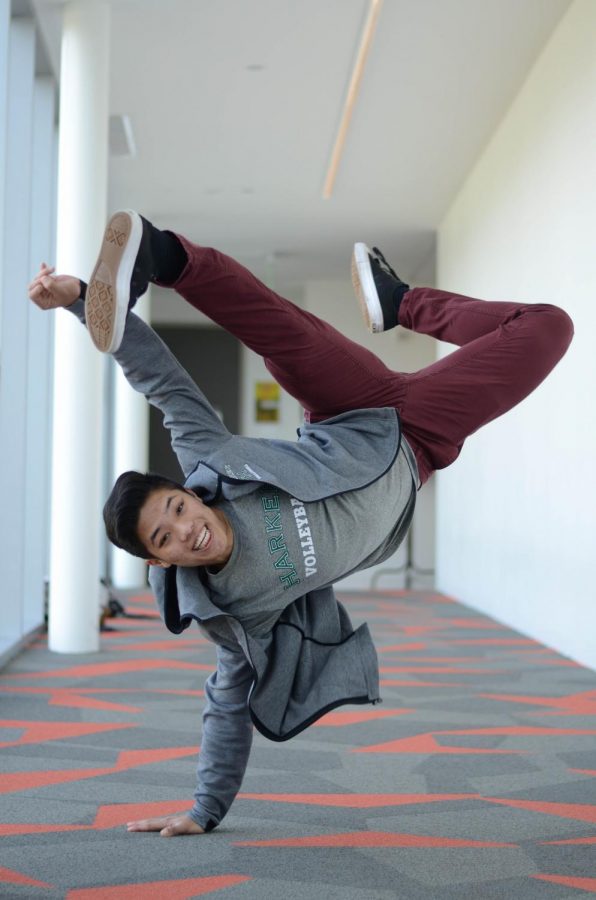
![“[Volleyball has] taught me how to fall correctly, and another thing it taught is that you don’t have to be the best at something to be good at it. If you just hit the ball in a smart way, then it still scores points and you’re good at it. You could be a background player and still make a much bigger impact on the team than you would think,” Anya Gert (’20) said.](https://harkeraquila.com/wp-content/uploads/2020/06/AnnaGert_JinTuan_HoHPhotoEdited-600x900.jpeg)
![“I'm not nearly there yet, but [my confidence has] definitely been getting better since I was pretty shy and timid coming into Harker my freshman year. I know that there's a lot of people that are really confident in what they do, and I really admire them. Everyone's so driven and that has really pushed me to kind of try to find my own place in high school and be more confident,” Alyssa Huang (’20) said.](https://harkeraquila.com/wp-content/uploads/2020/06/AlyssaHuang_EmilyChen_HoHPhoto-900x749.jpeg)




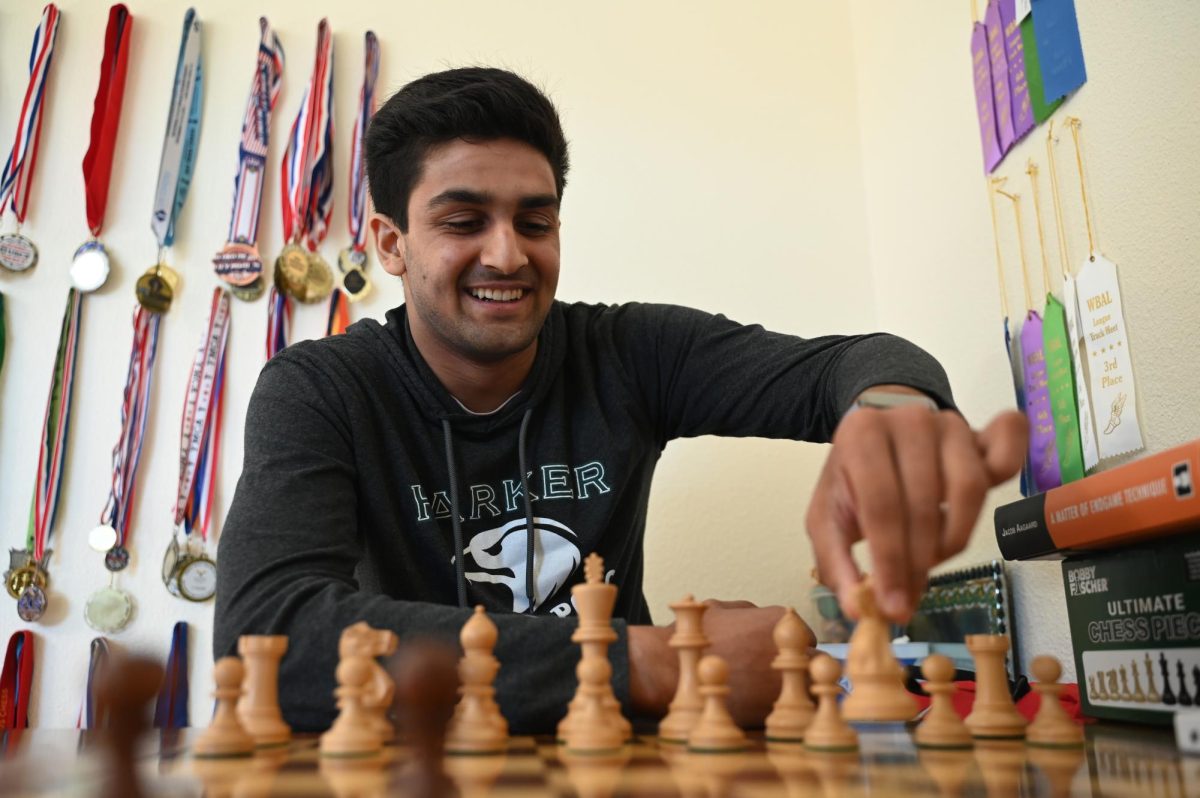
After 14 rounds of play in the 2024 FIDE World Chess Championship, Gukesh Dommaraju emerged as the youngest ever undisputed world chess champion on Dec. 12. He defeated reigning champion Ding Liren 7.5-6.5 in a close match.
The World Chess Championship was played with a classical time control, meaning that players had two hours to make 40 moves before receiving an additional 30 minutes with 30 seconds of bonus time per move.
Gukesh qualified to compete for the World Championship by winning the 2024 FIDE Candidates in April. Many analysts heavily favored him due to his exceptionally strong performances in previous events like the 2024 FIDE Chess Olympiad, in which he won an individual gold medal and led India to an overall gold in the open section. Ding, on the other hand, had struggled since winning the World Championship in 2022.
FIDE Women’s Candidate Master Anika Rajaram (11) described how many had low expectations of Ding’s play going into the match.
“After he became world champion, he started underperforming,” Anika said. “He would always make really bad blunders in tournaments. He had lots of traumatic incidents, which caused his mental health to be bad, so no one was sure how he would perform in this tournament.”
Commentators considered Ding to be a superior rapid player because his rapid rating was significantly higher than Gukesh’s. Thus, some anticipated that he would have an advantage if neither player won in the classical portion of the match and the rapid tiebreaks decided the victory.
The match began with Ding scoring a win through aggressive play, shocking fans and commentators alike. After a draw in the second game, Gukesh won game three by surprising Ding in the opening. Games four through 10 were all draws as both players found advantages but failed to capitalize. In multiple games, Ding came close to victory but settled for a draw, leading to commentators questioning his strategy.
Gukesh and Ding traded wins in games 11 and 12, and an uneventful draw in game 13 resulted in a score of 6.5-6.5 heading into the final game. Gukesh chose an unorthodox opening to start game 14 but quickly found himself in a slightly worse position. Ding played passively and seemingly tried to force a draw instead of pressing his advantage.
With little time on his clock, Ding misplayed in an equal endgame and resigned after Gukesh reached a winning position. Fans and commentators around the world were astonished by Ding’s blunder, as his desire to make a draw and reach tiebreaks resulted in him completely misevaluating the position.
United States Chess Federation (USCF) National Master Jeffery Wang (9) noted the somewhat mystifying nature of Ding’s mistake.
“I was very shocked by Ding’s blunder, mainly since the winning sequence for Gukesh wasn’t particularly hard to find, especially at Ding’s caliber,” Jeffery said. “I understand, though, that Ding was under time pressure, and it probably caused him to panic at the moment.”
USCF National Master and veteran Bay Area chess coach Michael Aigner stated that Ding’s unambitious play throughout the match reflected poorly on him as a player. He noted that while this victory is an important milestone for Gukesh, strong performances in the future will truly secure his place in chess history.
This edition of the World Chess Championship reached millions of viewers around the globe across multiple broadcasts and languages. Viewership from India was particularly high since Gukesh is seen as a national icon.
Aigner commented that Gukesh’s success reinforces the idea that prodigious talent without hard work is insufficient for victory.
“Gukesh underscored what coaches know: chess rewards the young and motivated,” Aigner said. “My students relate more easily to a role model just a few years older. Hopefully, they comprehend that Gukesh fulfilled his youthful dream only thanks to consistent effort and dedication every day for weeks, months and years.”
Additional reporting by Ella Guo.