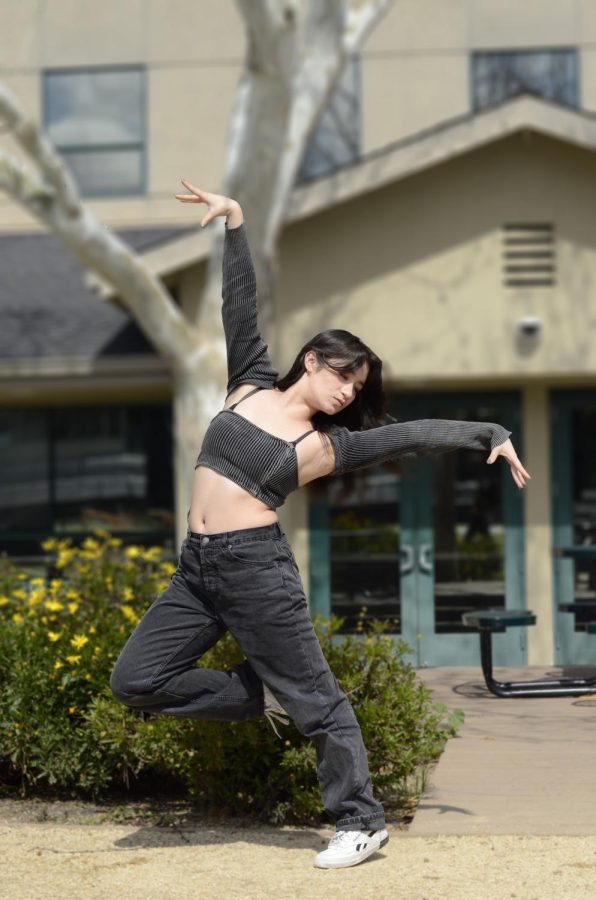
![“I wasn't discouraged by some of the obstacles we faced. I learned a lot from the leadership. I found that different people need different ways of receiving feedback — you can't [just] tell them to do something and expect the best. [Some] people needed more incentive. A large part of my role was to figure out what worked for everyone and to figure out how to lead all these separate individuals as a team,” Suhana Bhandare (’26) said.](https://harkeraquila.com/wp-content/uploads/2026/06/SuhanaBhandare_JasmineHansra-1-1200x798.jpg)
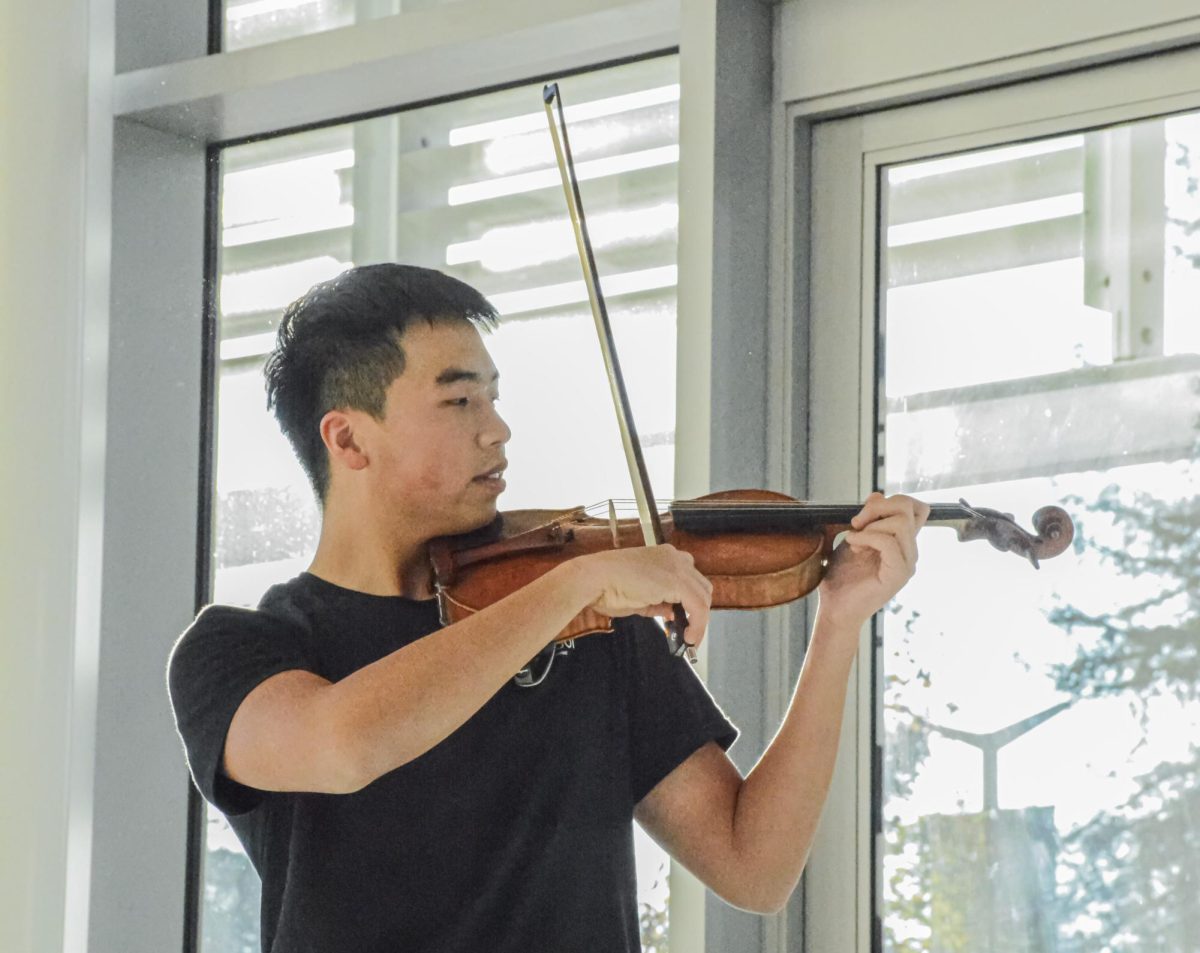
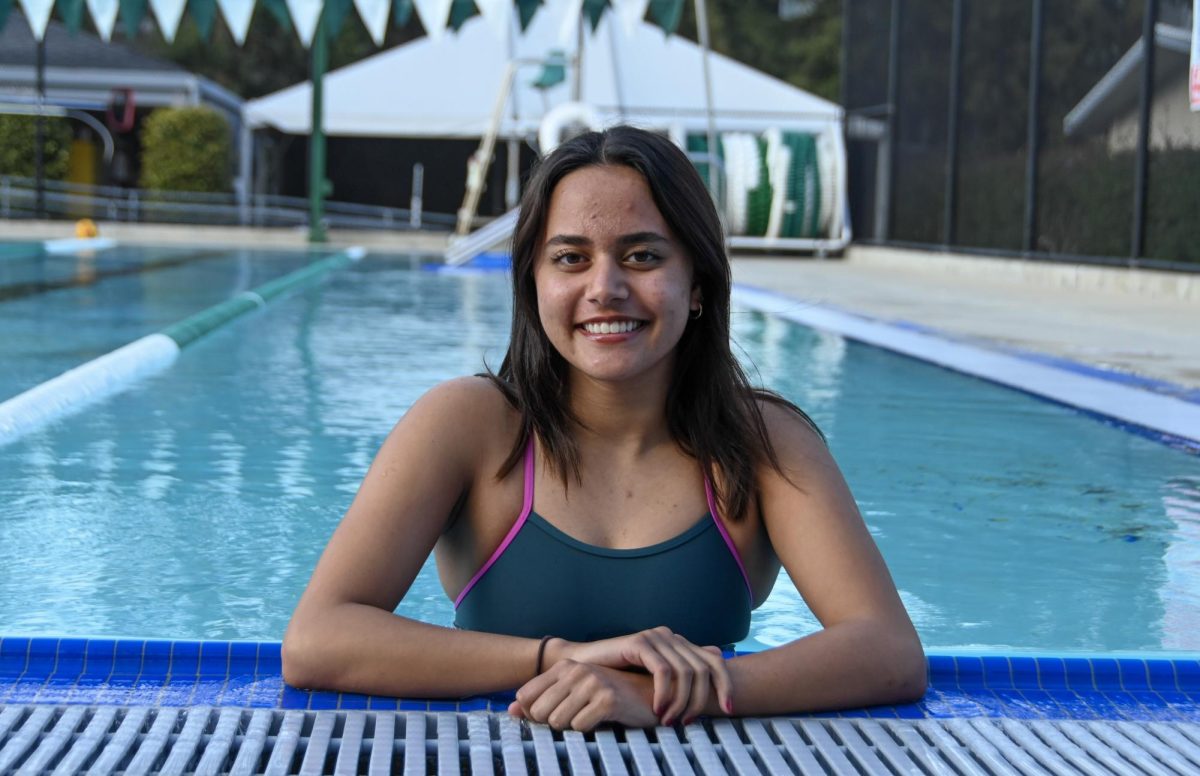
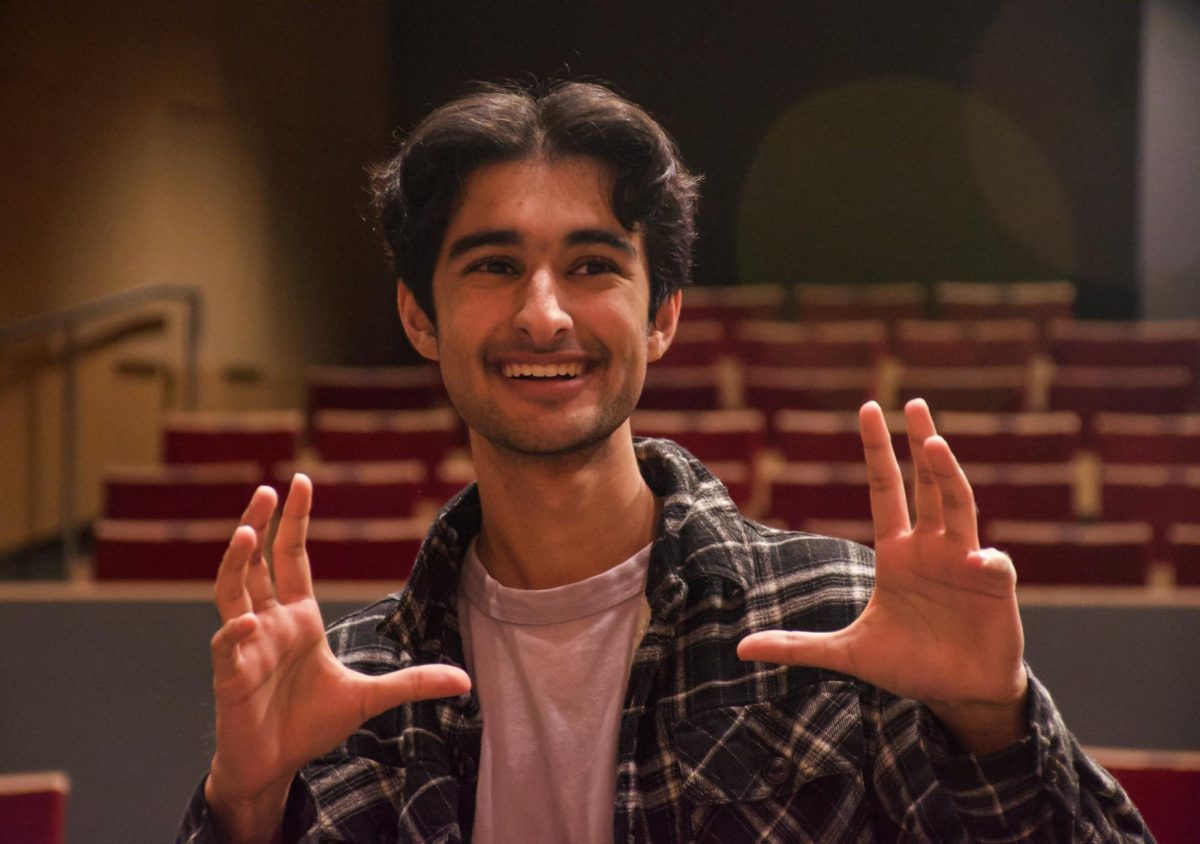
![“This is actually from Randy Pausch Randy P. Brick: ‘Walls are there for a reason. You have to show how much you want to overcome them.’ You have to show how much you want something. That's what I've always been able to do with tennis, Link Crew and getting that internship [with Kushy Baby]. It’s important pushing through that — getting around that brick wall, climbing over it or clawing through it,” Yash Sachdeva (’26) said.](https://harkeraquila.com/wp-content/uploads/2026/05/YashSachdeva_RamBatchu-copy-1200x1002.jpg)
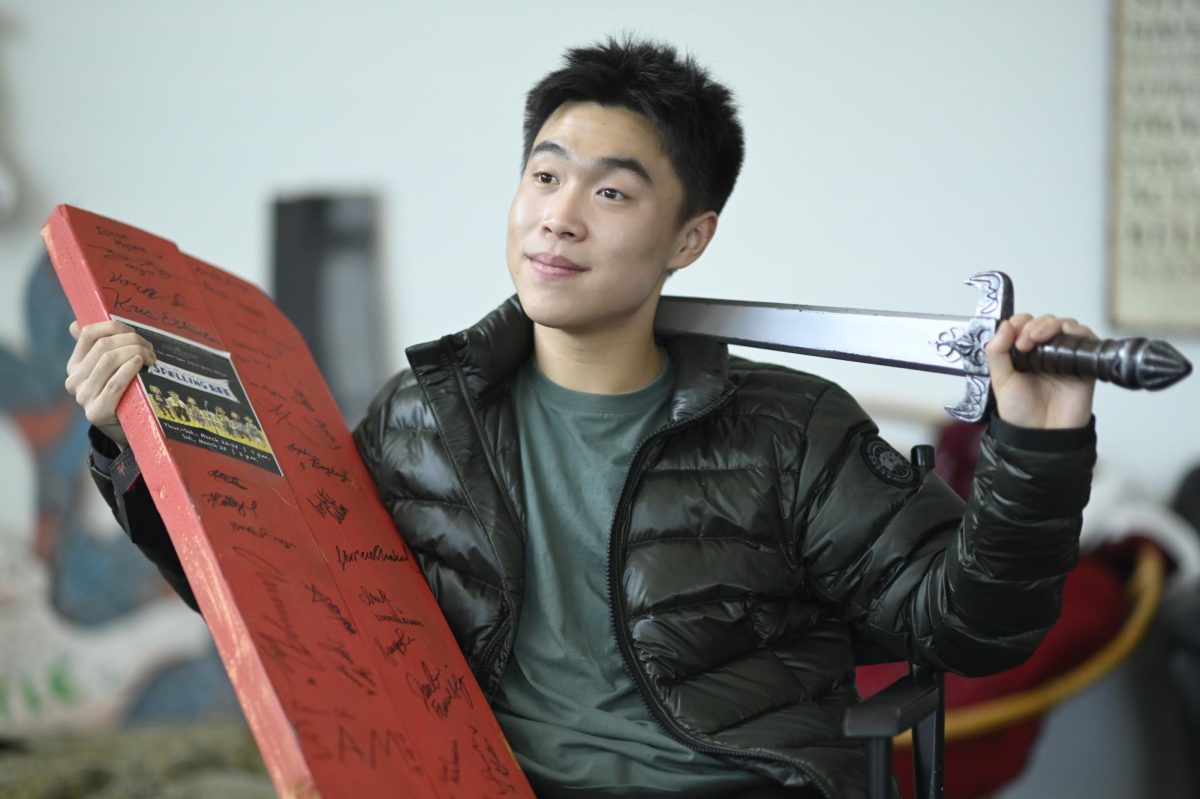
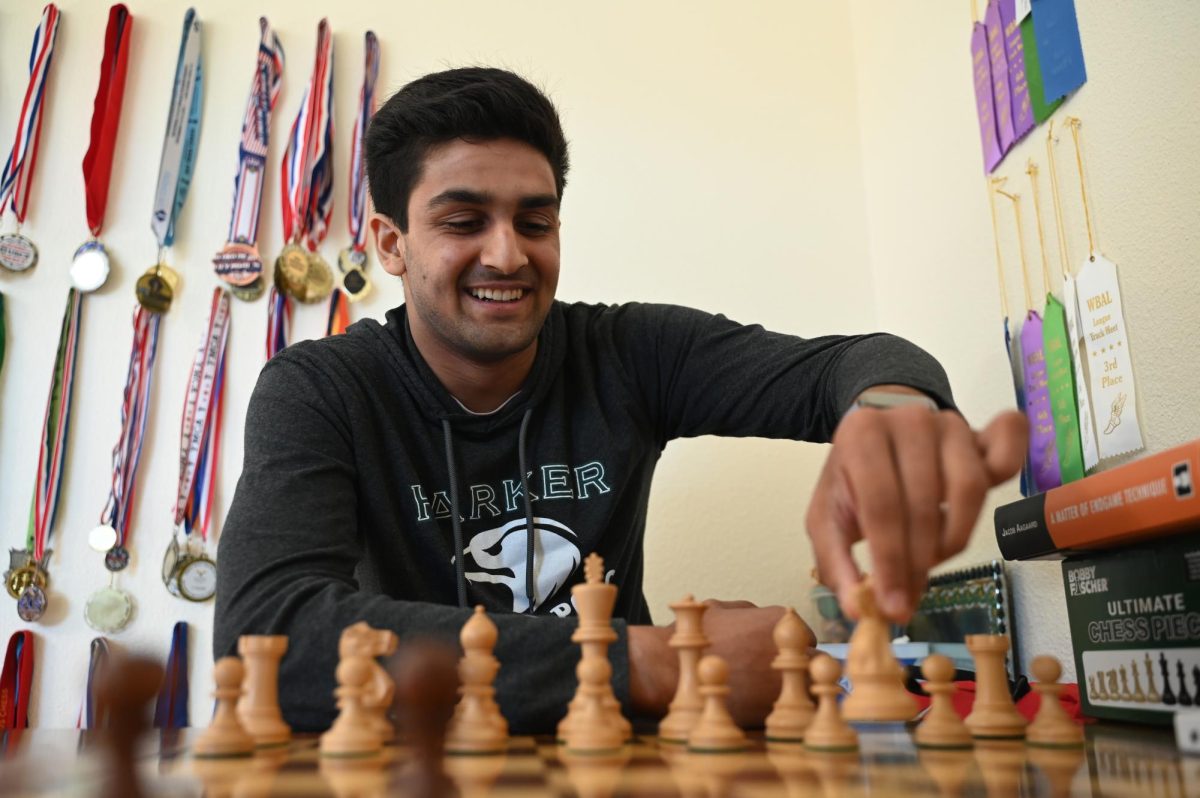
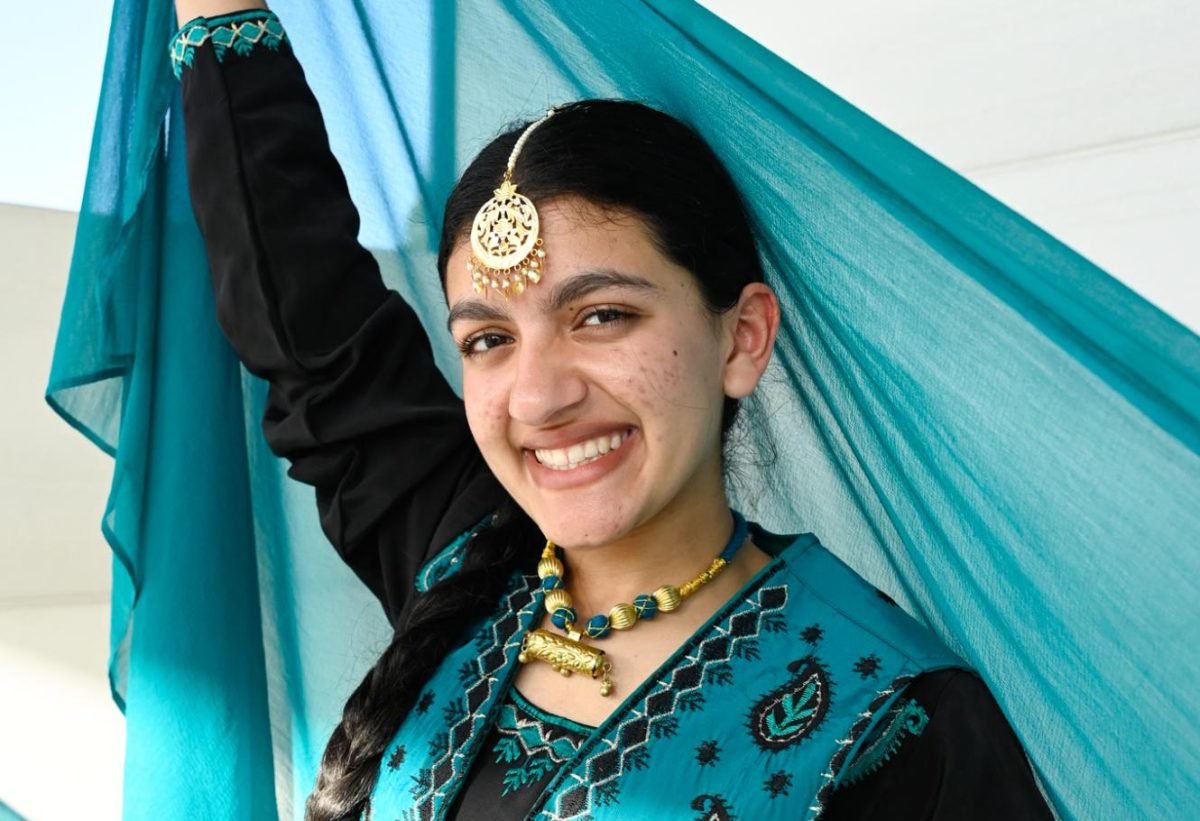

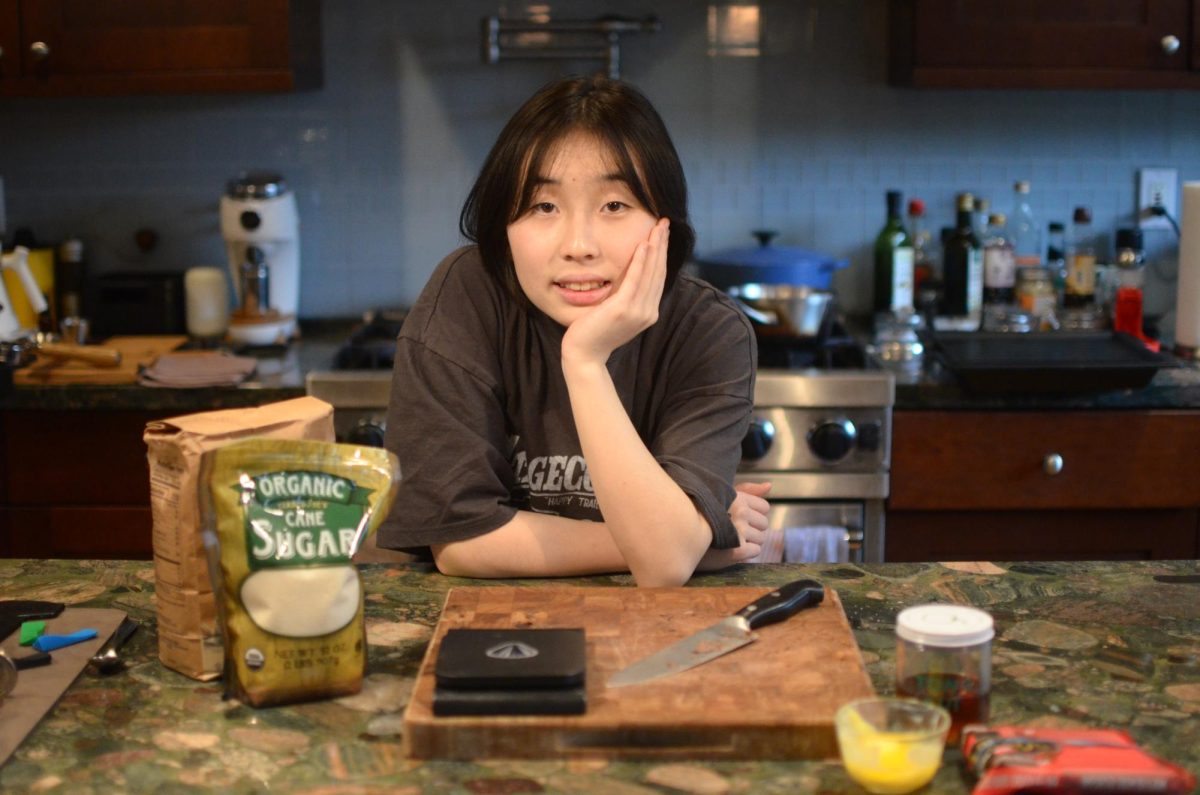
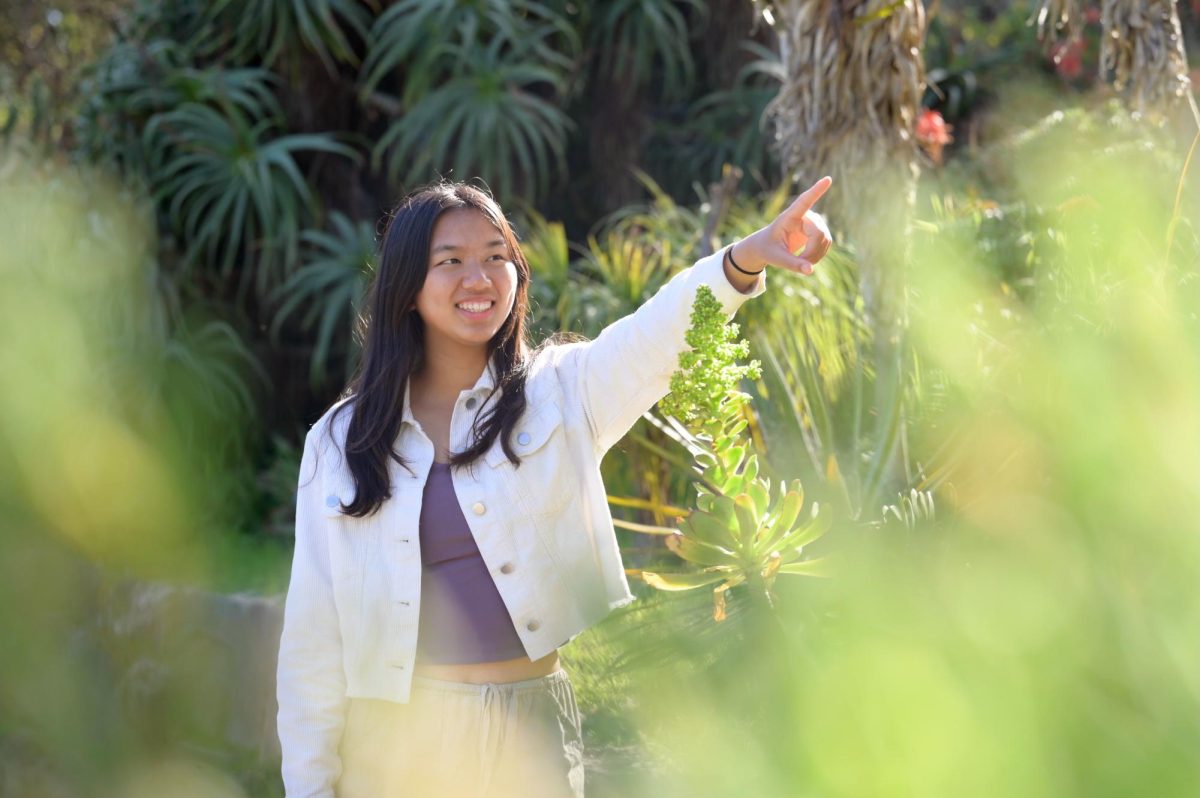

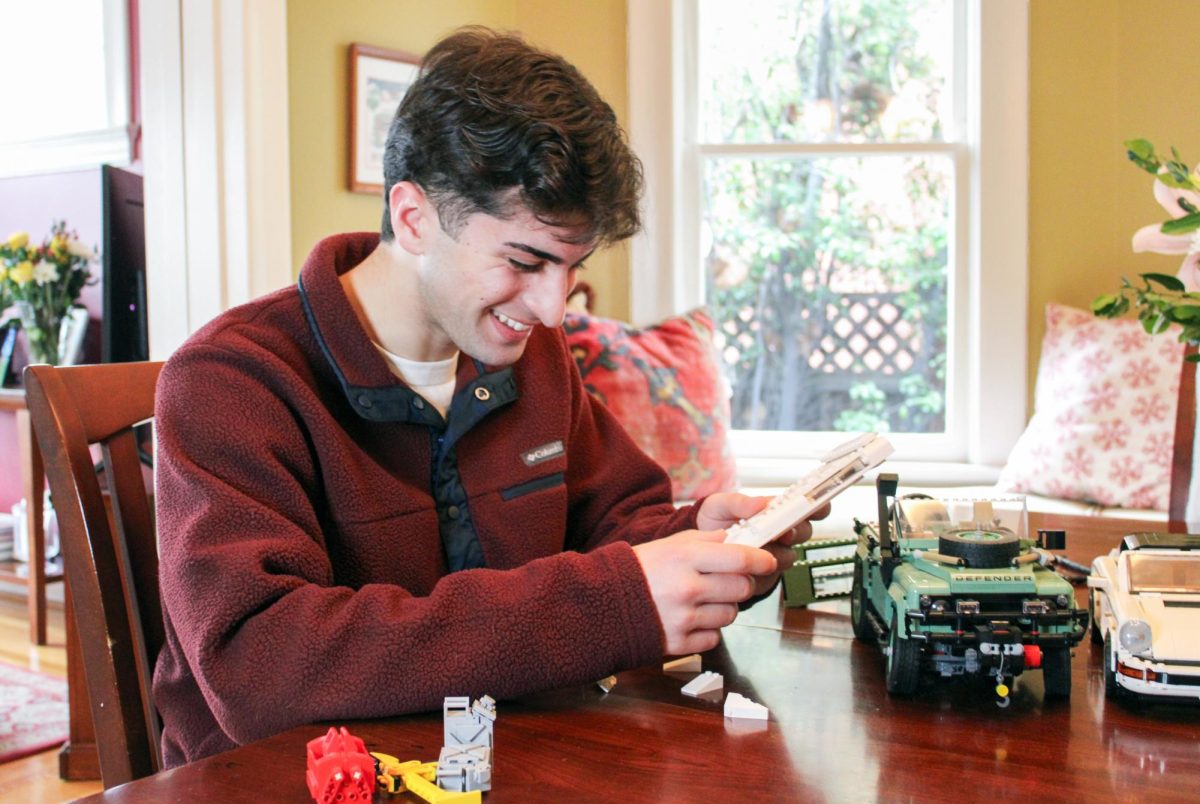

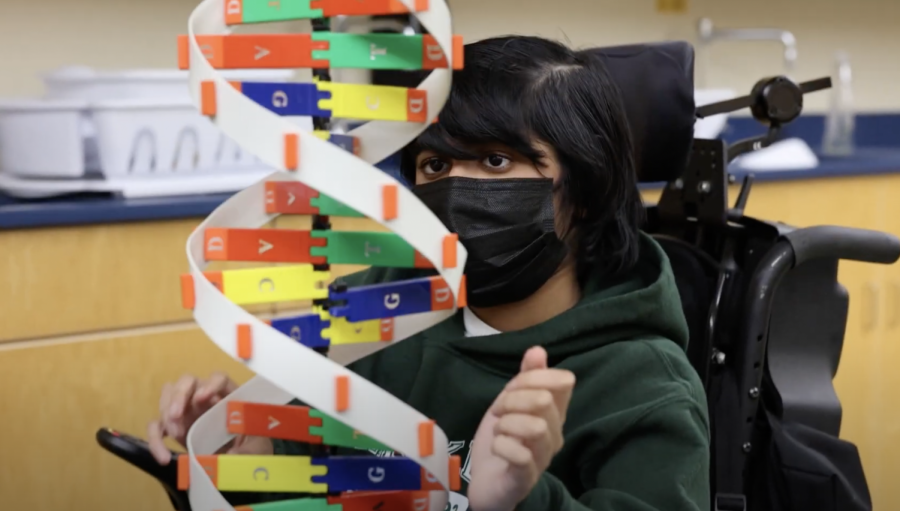
![“[Building nerf blasters] became this outlet of creativity for me that hasn't been matched by anything else. The process [of] making a build complete to your desire is such a painstakingly difficult process, but I've had to learn from [the skills needed from] soldering to proper painting. There's so many different options for everything, if you think about it, it exists. The best part is [that] if it doesn't exist, you can build it yourself," Ishaan Parate said.](https://harkeraquila.com/wp-content/uploads/2022/08/DSC_8149-900x604.jpg)
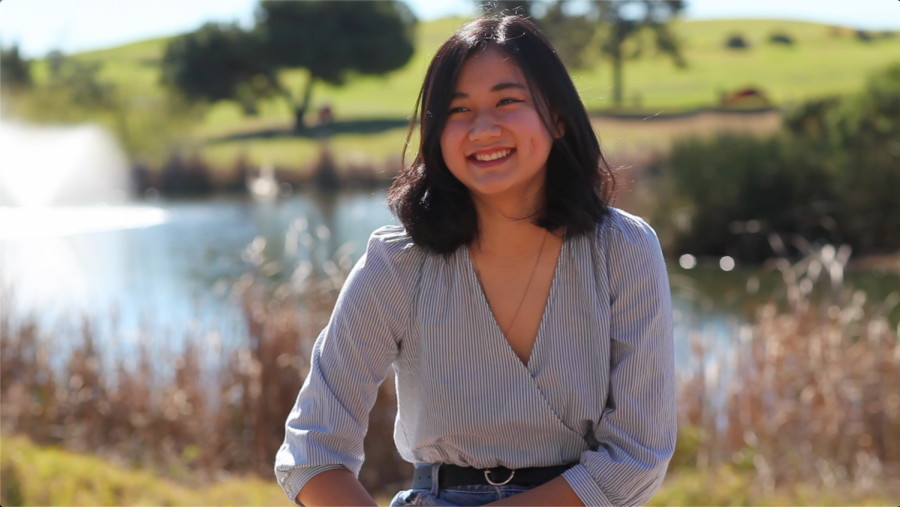
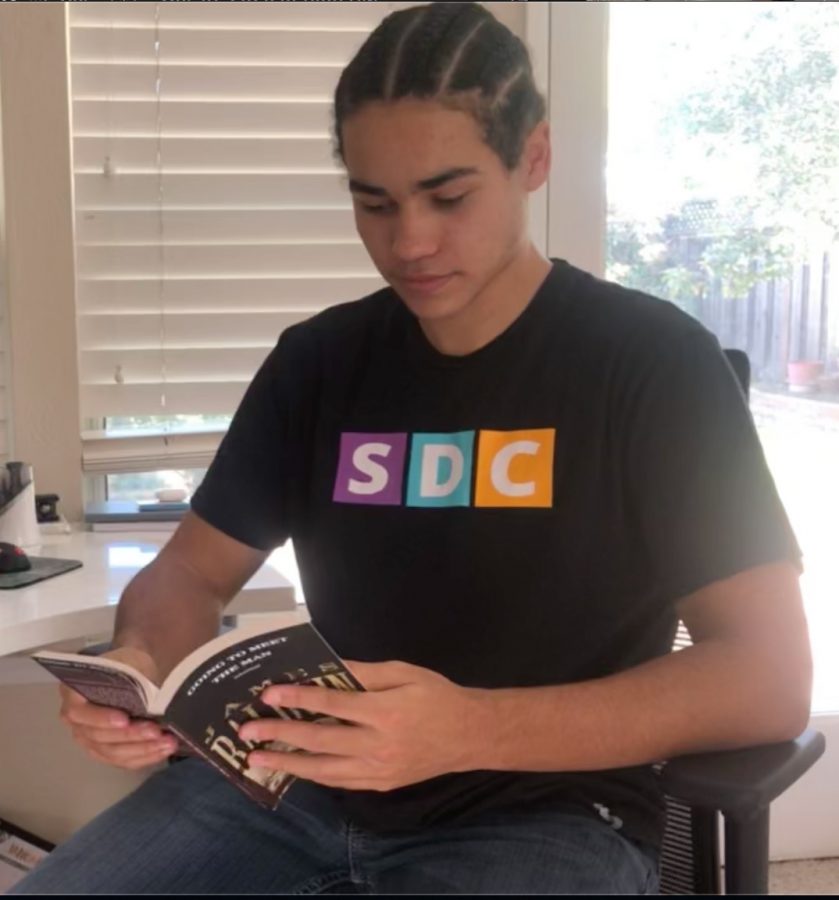
![“When I came into high school, I was ready to be a follower. But DECA was a game changer for me. It helped me overcome my fear of public speaking, and it's played such a major role in who I've become today. To be able to successfully lead a chapter of 150 students, an officer team and be one of the upperclassmen I once really admired is something I'm [really] proud of,” Anvitha Tummala ('21) said.](https://harkeraquila.com/wp-content/uploads/2021/07/Screen-Shot-2021-07-25-at-9.50.05-AM-900x594.png)
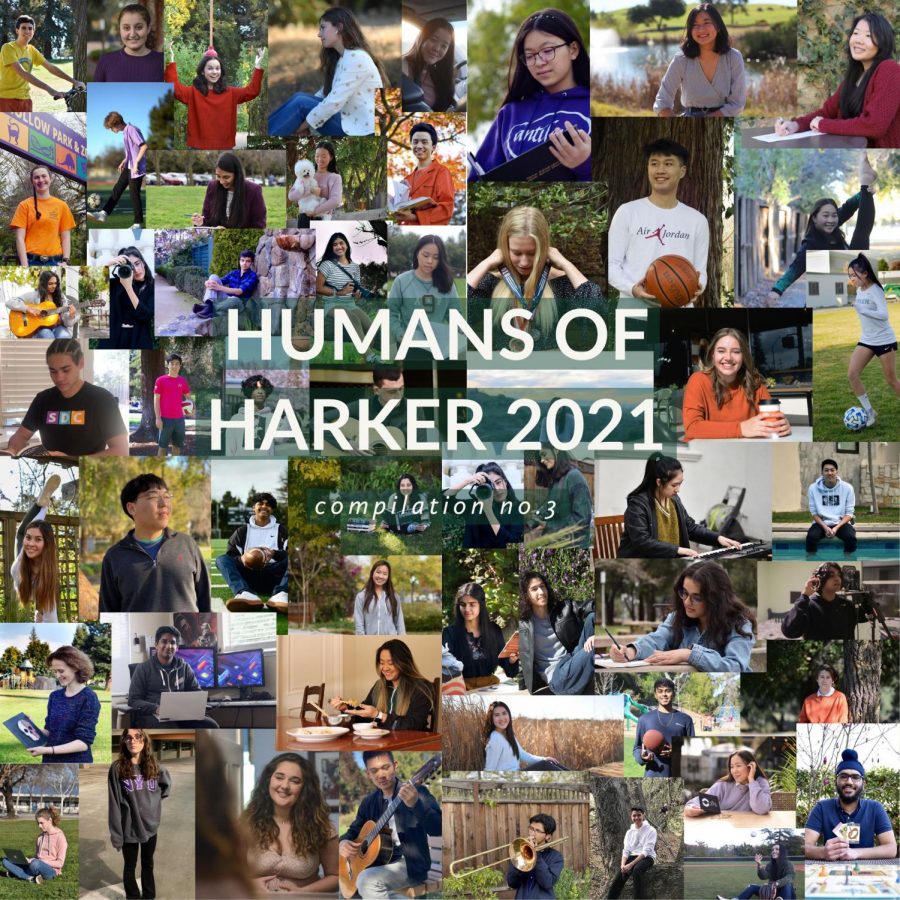
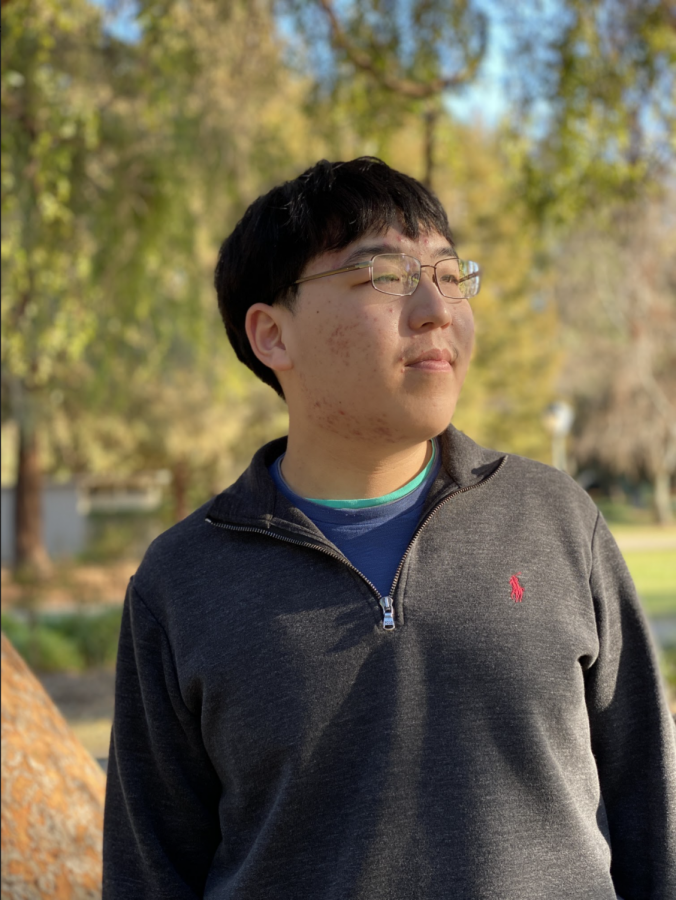

![“I think getting up in the morning and having a sense of purpose [is exciting]. I think without a certain amount of drive, life is kind of obsolete and mundane, and I think having that every single day is what makes each day unique and kind of makes life exciting,” Neymika Jain (12) said.](https://harkeraquila.com/wp-content/uploads/2017/06/Screen-Shot-2017-06-03-at-4.54.16-PM.png)
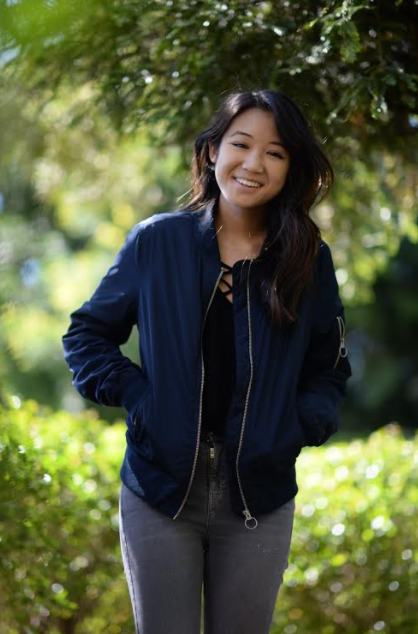
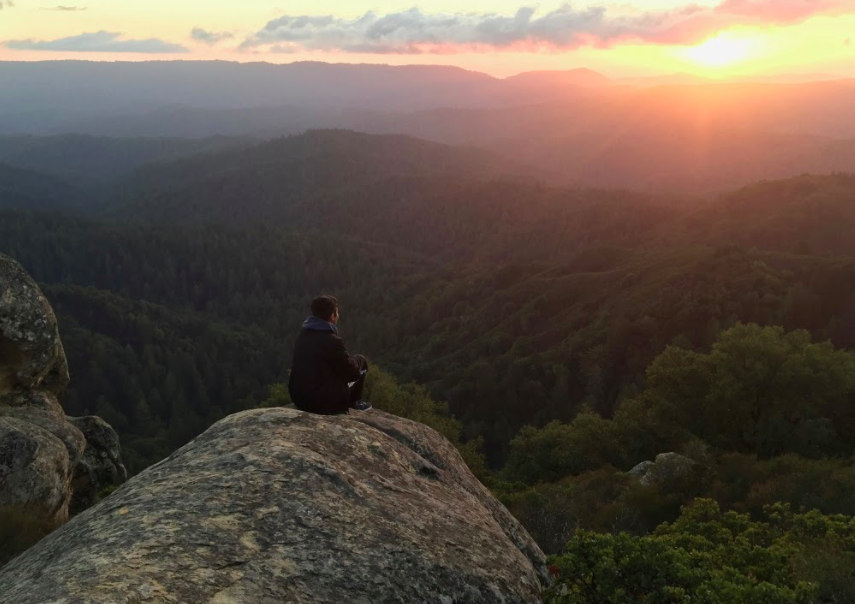
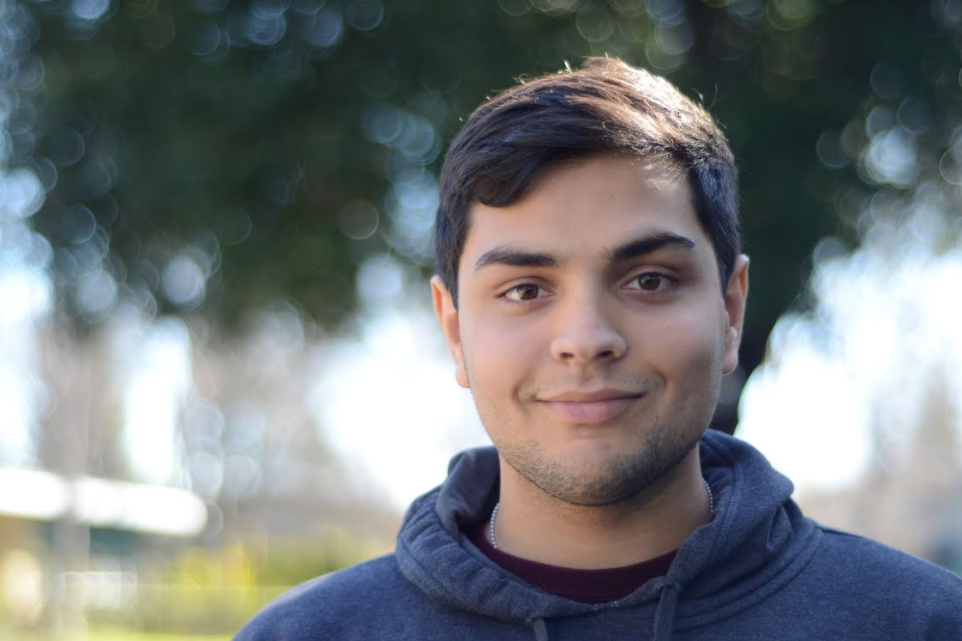
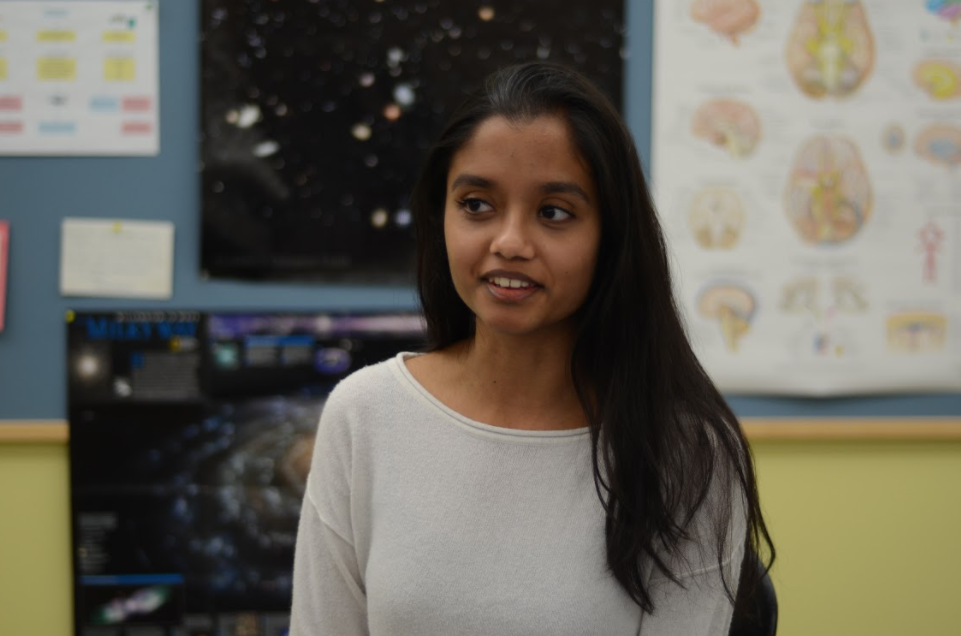
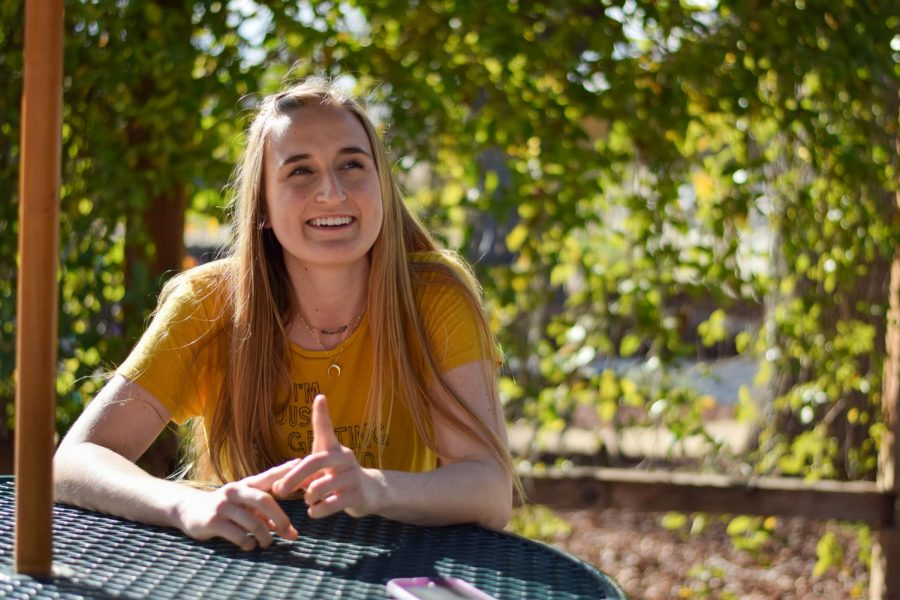
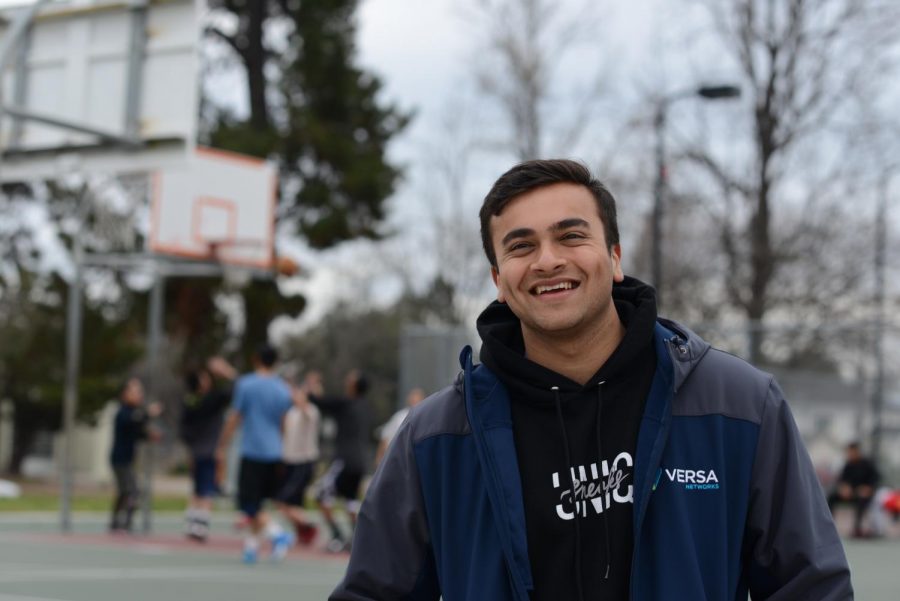
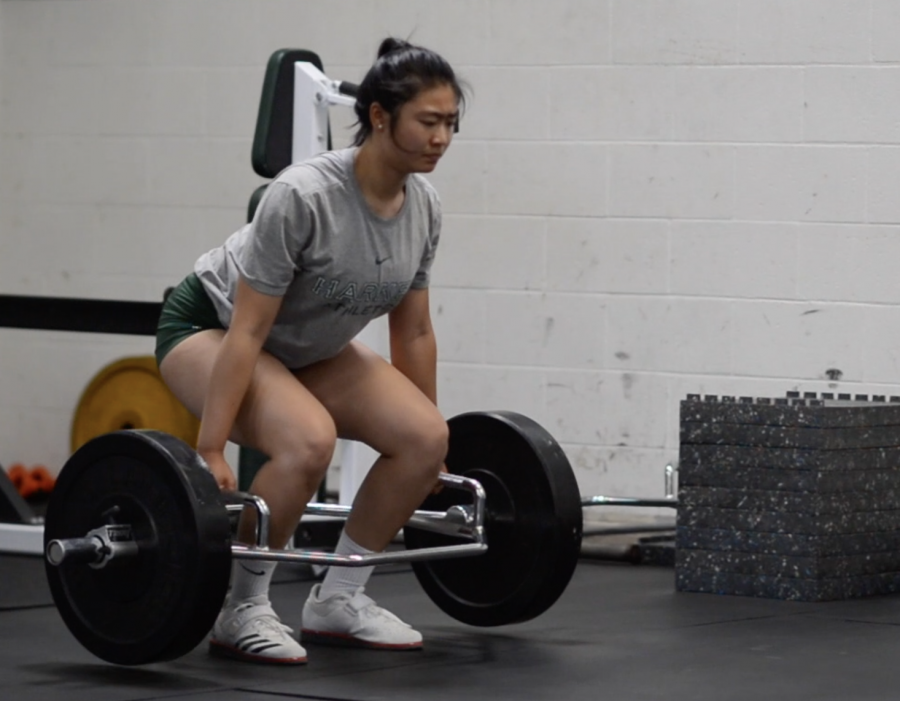

![“My slogan is ‘slow feet, don’t eat, and I’m hungry.’ You need to run fast to get where you are–you aren't going to get those championships if you aren't fast,” Angel Cervantes (12) said. “I want to do well in school on my tests and in track and win championships for my team. I live by that, [and] I can do that anywhere: in the classroom or on the field.”](https://harkeraquila.com/wp-content/uploads/2018/06/DSC5146-900x601.jpg)
![“[Volleyball has] taught me how to fall correctly, and another thing it taught is that you don’t have to be the best at something to be good at it. If you just hit the ball in a smart way, then it still scores points and you’re good at it. You could be a background player and still make a much bigger impact on the team than you would think,” Anya Gert (’20) said.](https://harkeraquila.com/wp-content/uploads/2020/06/AnnaGert_JinTuan_HoHPhotoEdited-600x900.jpeg)
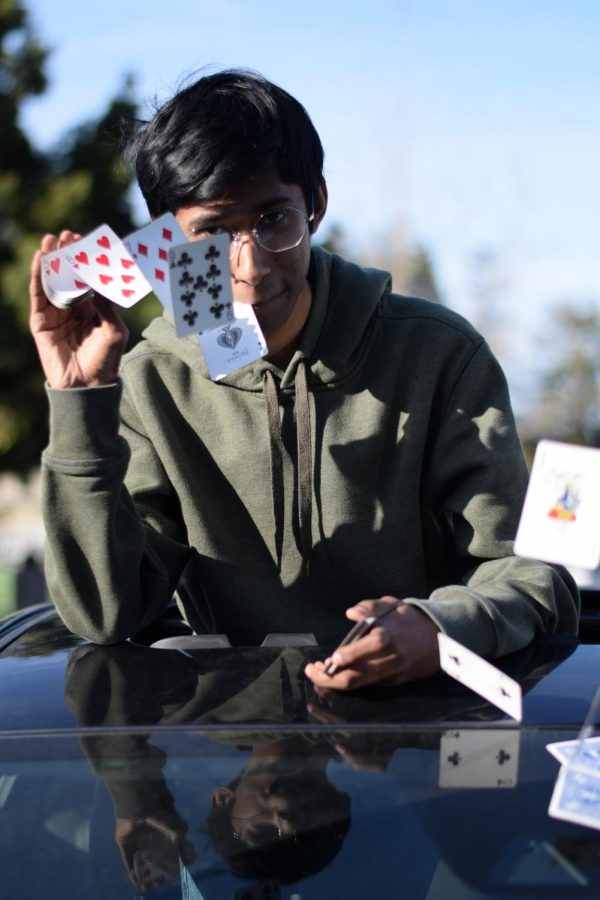
![“I'm not nearly there yet, but [my confidence has] definitely been getting better since I was pretty shy and timid coming into Harker my freshman year. I know that there's a lot of people that are really confident in what they do, and I really admire them. Everyone's so driven and that has really pushed me to kind of try to find my own place in high school and be more confident,” Alyssa Huang (’20) said.](https://harkeraquila.com/wp-content/uploads/2020/06/AlyssaHuang_EmilyChen_HoHPhoto-900x749.jpeg)


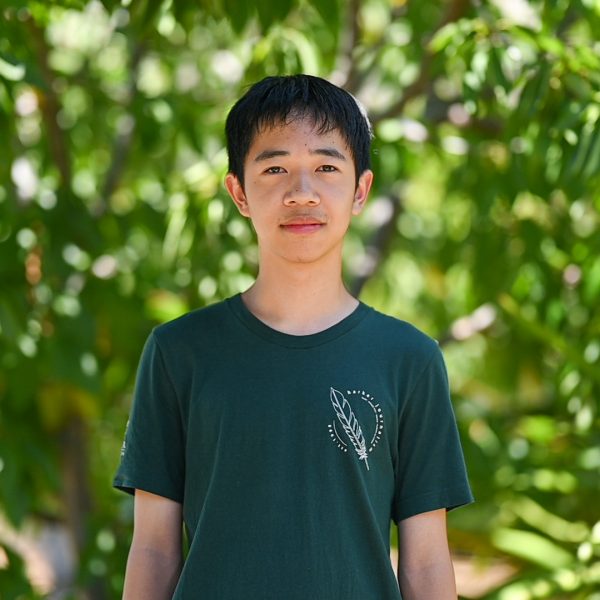
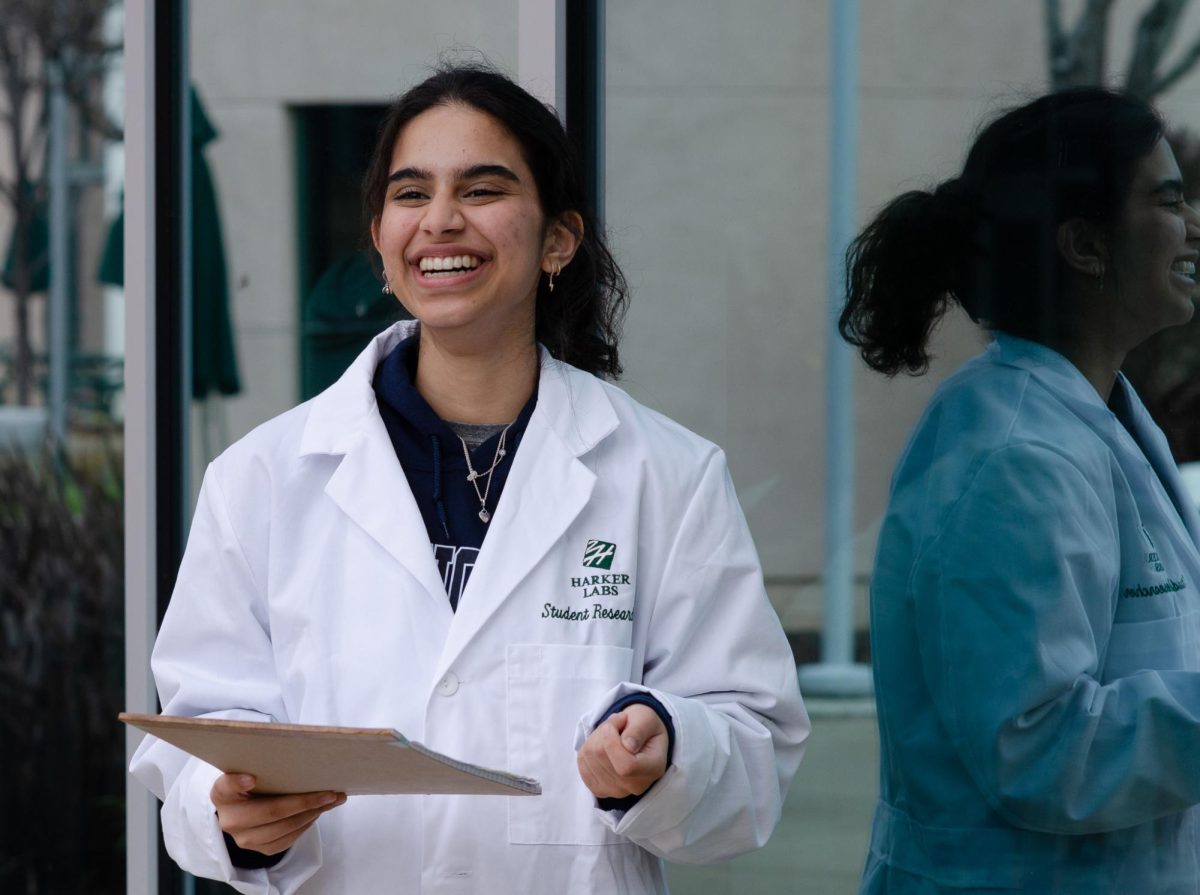
This is the 11th installment of Research Revelations: Conversations with Our Student Researchers, a podcast where Aquila staff members talk to student researchers about their projects and research goals. In this episode, Copy Editor William Jiang meets with Lucas Wu (10) to discuss his work finding novel inhibitors against cancer-regulating proteins.
William Jiang, Copy Editor: Hi everyone. I’m William, and welcome back to Research Revelations: Conversations with our student researchers. Today we’re here with sophomore Lucas Wu to talk about his work finding novel inhibitors against proteins that regulate cancer. Thanks for joining us today, Lucas. I want to first ask you, what’s your research about and how did you get started?
Lucas Wu (10): Yeah, sure, thank you for having me. Now, we all know that cancer is the leading cause of death worldwide, right? Currently, the most powerful approach to cancer drug discovery is called the proteomic approach. It involves finding inhibitors, molecules that can inhibit the activity of certain proteins. And these certain proteins, what they do is they regulate the functions of the cancer cells, right? Like reproduction or cell growth, things like that.
Now, the problem with the current approach to proteomic drug discovery is that it’s a lot of trial and error, and it’s really inefficient. It can take more than 1 billion dollars and more than 10 years to get a new drug for a certain cancer, and there’s no guarantee for success. Now there’s this emerging concept of what’s called de novo drug discovery. What it is, is it involves using automated methods and machine learning to find novel inhibitors of protein targets.
What’s so special about this is that instead of the usual approach of screening known molecules and just brute force checking whether those known molecules are able to inhibit the activity of a protein, de novo drug discovery, what it does is we try to create new molecules that haven’t been discovered before that can inhibit the protein. And the motivation for this is that currently the chemical universe has not been fully explored yet. We’ve only found a fraction of all the possible chemicals in our universe, so there’s so many undiscovered molecules with undiscovered potential that we can still find. That’s what’s so promising about de novo drug discovery.
Now, the overall goal of my project was to use de novo drug discovery methods and create this new workflow that can really efficiently find novel inhibitors of protein targets, and then apply this new workflow to finding inhibitors of what’s called a mucin 1 protein. Mucin 1 is a protein that regulates many aspects of pancreatic cancer and it’s shown that if you inhibit mucin 1, then you’re going to be able to inhibit the activity of cancer cells. The problem is mucin 1, it currently does not have any known inhibitors, so there’s a huge research gap that we need to fill in.
William: What got you interested in this topic?
Lucas: Yeah, so when I was in eighth grade, I read this really cool paper. It was how researchers, they just use machine learning and they discovered this new inhibitor against a protein target. It’s called CDK20, and what they actually did is they were actually able to take the novel molecule that they discovered and then synthesize it in a lab and test it on human cell lines, and they found that it’s really successful. So I thought that this was really unexplored potential and a really good research direction to move in, especially in this age of machine learning. It’s a really evolving field with a lot of potential, and there’s so many research gaps that we can fill in.
William: Can you walk us through the process of your research?
Lucas: Yeah, sure. The overall research process for this project was mainly in two steps. The first step was creating a mechanism for us to generate novel molecules. I did that using a variational autoencoder. What a variational autoencoder is, is that it consists of an encoder and a decoder. So it’s a machine learning algorithm. In the example of molecules, I’ll train my encoder and decoder on some big dataset of molecules, and what’s special is that if I take two points close together in the encoded space and I decode both of them, then I’ll be returning with similar molecules. And this just serves as a mechanism for me to generate novel molecules, because if I just sample points in the encoded space, I decode them, then I’ll get molecules, and because the vast majority of chemical space is unexplored, they’re most likely going to be novel. So that was the first part, just training my variational autoencoder and making sure that I had good metrics, everything was working fine.
The second part was creating this algorithm that could find the novel inhibitors of the protein targets, and how it worked was just I sample points in the encoded space of the very strong encoder, decoded them and scored them according to the scoring algorithm, and eventually, I’ll narrow down to the best molecules that are able to inhibit the protein target. And through this iterative process, the algorithm would eventually output the top scoring molecules that can inhibit the protein.
William: Did you encounter any challenges during your research, and how did you overcome them?
Lucas: Yeah, so, of course, training the models was definitely a big issue. In the beginning, you know, you need to experiment with all different architectures, especially because the variational encoder can be applied to many applications. Applying this to encoding and decoding molecules is definitely a very niche task, so you need to know what architecture you should use so that there’s the best encoding decoding combination that you can use for the generation of molecules. That was a lot of experimentation and seeing which architecture and which training parameters were the best to get the ultimate combination of the encoder and decoder. And of course, the algorithm itself for finding the novel inhibitors, that also had a lot of parameters. You can decide how many initial molecules you want to sample, how far apart the molecules are in encoded space, things like that. A lot of experimentation with the parameters and training parameters so that we can get the optimal results, right? But also, a lot of this was the conceptualization of the idea was a big part of this project, right? The overall goal of this project was to create this novel algorithm and create an ultra-efficient workflow. So I really had to do a lot of deep thinking on what’s the best combination, like why do I choose a variational autoencoder, what’s special about my algorithm, what makes the algorithm novel and what sets it apart from other algorithms, and finally at the end, whether this is actually an efficient algorithm and it can provide meaningful results.
William: And could you explain the significance of your research?
Lucas: Yeah, sure. What’s significant about my research is that, first off, it pioneered an ultra-efficient approach to de novo drug discovery, because once I applied it to finding inhibitors of the mucin 1 protein, it produced novel inhibitors that were actually very effective at inhibiting the protein target. And all these inhibitors were discovered within hours, meaning that it’s a really efficient process. So for scientists in the future, assuming that this workflow can actually be used in the future, this just accelerates the drug discovery process. Now we can find potential drug candidates in only a matter of hours, and then later we can test them in a lab, but it really cuts down the time it takes for the drug discovery to happen. Of course, it’s also the first study to identify a mucin 1 inhibitor using machine learning through de novo drug discovery, and mucin 1, as I said before, is a really significant protein in regulating aspects of cancer, yet there’s no known inhibitors, so having this study being able to find this new inhibitor that’s actually effective, that’s a really meaningful result.
William: What was your favorite part of the research process?
Lucas: Yeah, that’s a great question. I think actually applying this workflow to finding the novel inhibitors or the inhibitors of an actual protein that has like, there’s no inhibitor for it that’s like very effective, and seeing that I was able to like actually get a pretty meaningful result, I think that was very rewarding, and I think it shows that there’s a lot of research gaps in the research field that even if you’re a high schooler, you can do your best to fill in.
William: Do you have any future goals for your research?
Lucas: For this research project specifically, currently I’m not doing much work on it, but I think further directions for research on this project would definitely be, other than accounting for how well the molecules can inhibit the activity of protein and how drug-like or how synthesizable the molecules are, definitely taking into account things like toxicity, for example, like whether this will produce any adverse side effects, that’s a big part of the drug discovery process. And also I think actually synthesizing the discovered molecules from this workflow and looking at its activity against known human cell lines and measuring, actually quantifying and validating this workflow, that’s a huge part of the research process and that’s definitely a great direction to go in the future.
William: Do you have any advice for someone just starting research?
Lucas: Yeah, so I think, if you’re just starting research, definitely start out with some general interests like you might be interested in biology or like physics. But those are really general and when you’re doing research, you really have to narrow it down to something specific. So for that, I think a great idea is to sign up for the mailing list of journals. I think Nature, you can sign up for a free email list that comes every few days and you can ask them to send you papers in only certain fields. Once you read those papers every few days, you can get a sense of what you’re interested in and it inspires you in your future research. I think really understanding current research directions and reading current work in certain fields is a really good way to start doing research.
William: If you’re a student researcher and would like to be featured next, please feel free to email us at [email protected]. This is William, and we’ll see you next time.