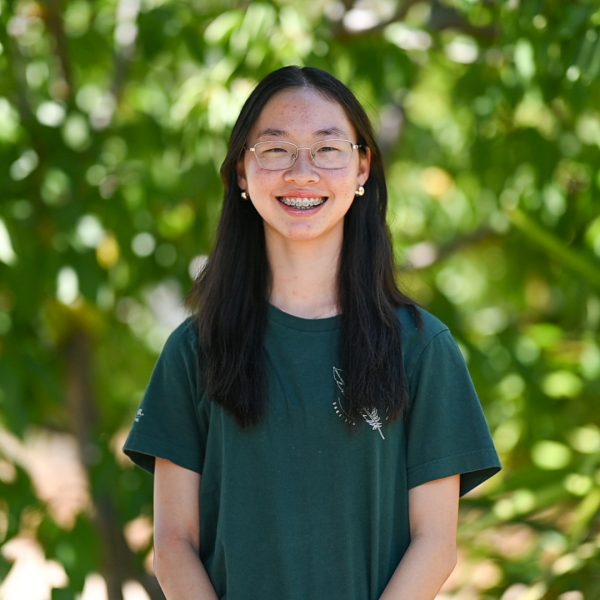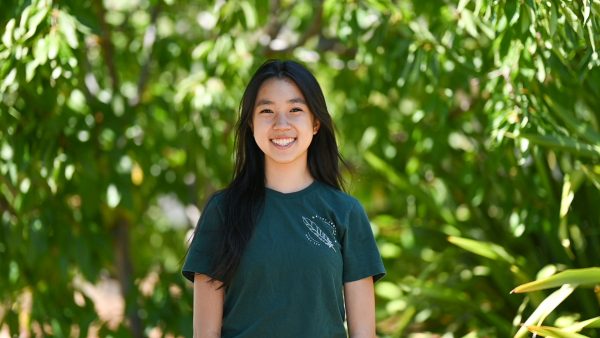
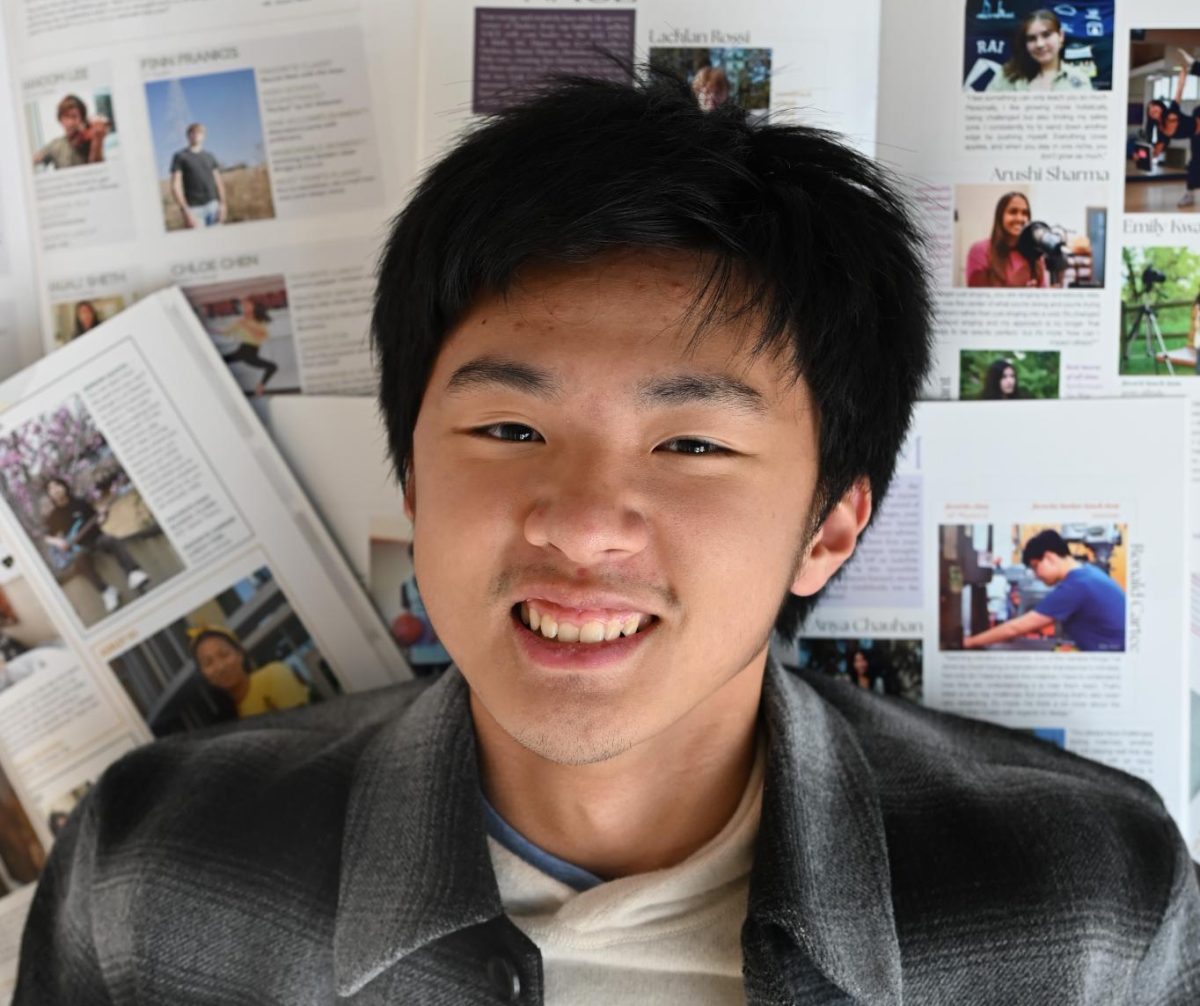
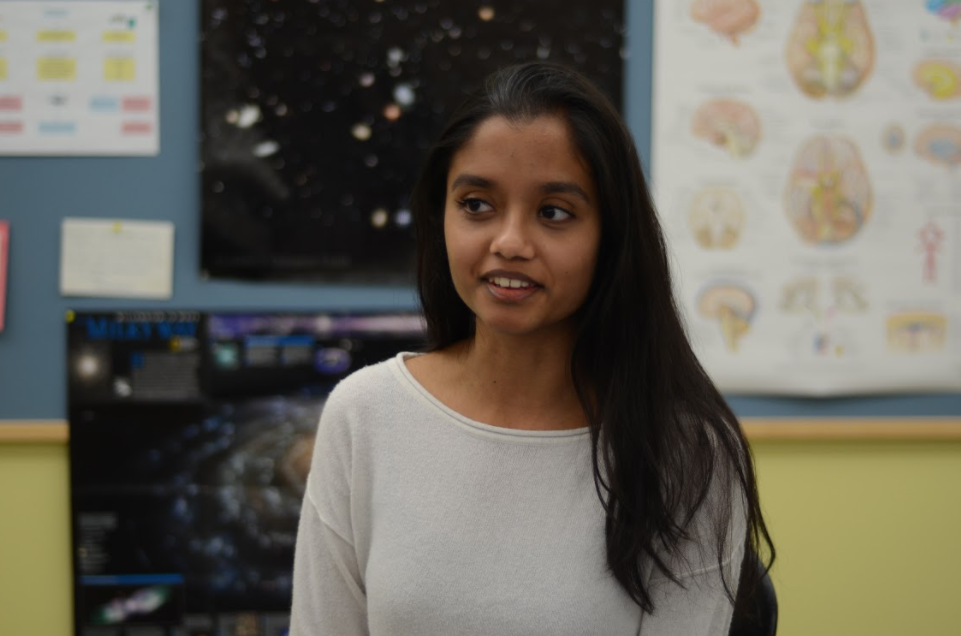
![“I wasn't discouraged by some of the obstacles we faced. I learned a lot from the leadership. I found that different people need different ways of receiving feedback — you can't [just] tell them to do something and expect the best. [Some] people needed more incentive. A large part of my role was to figure out what worked for everyone and to figure out how to lead all these separate individuals as a team,” Suhana Bhandare (’26) said.](https://harkeraquila.com/wp-content/uploads/2026/06/SuhanaBhandare_JasmineHansra-1-1200x798.jpg)
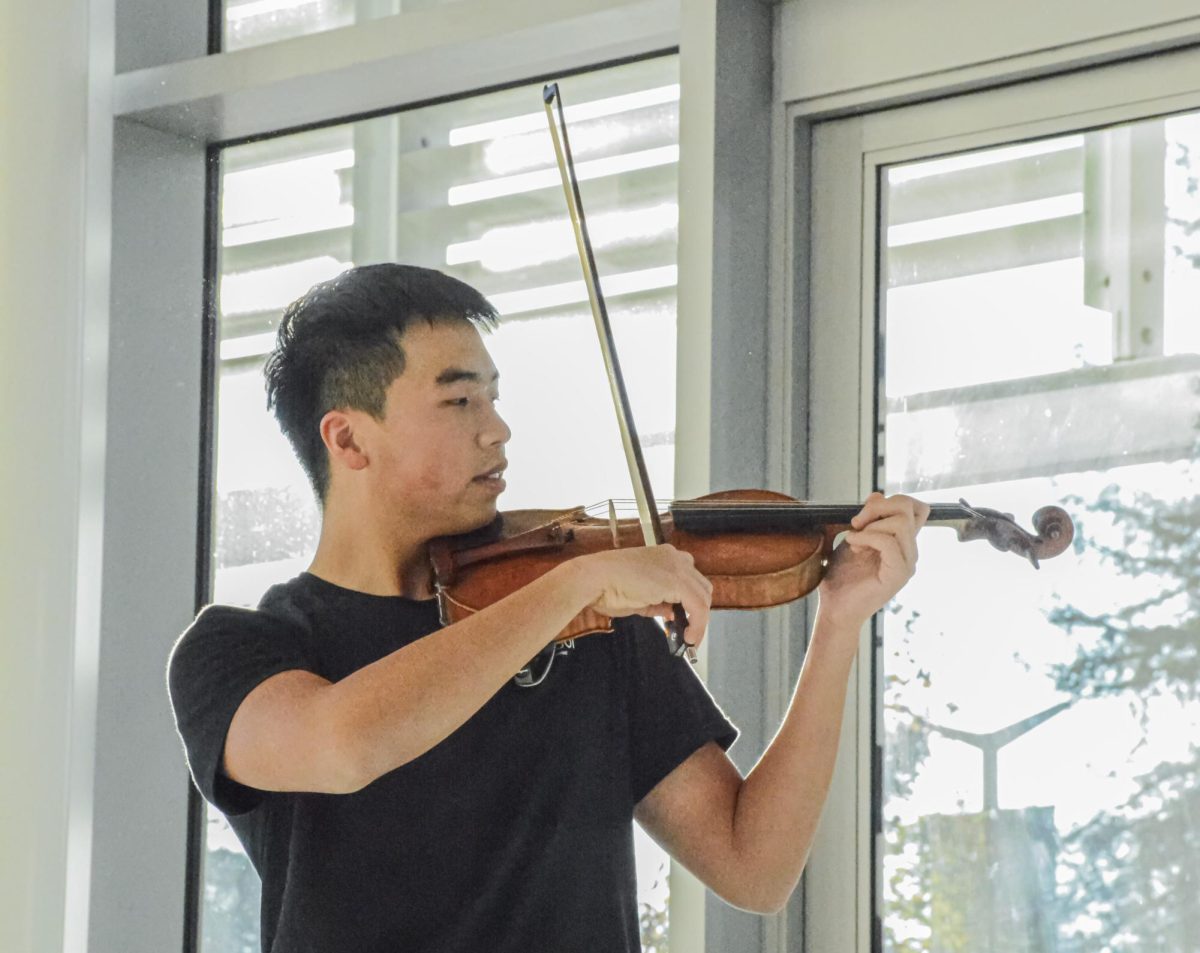

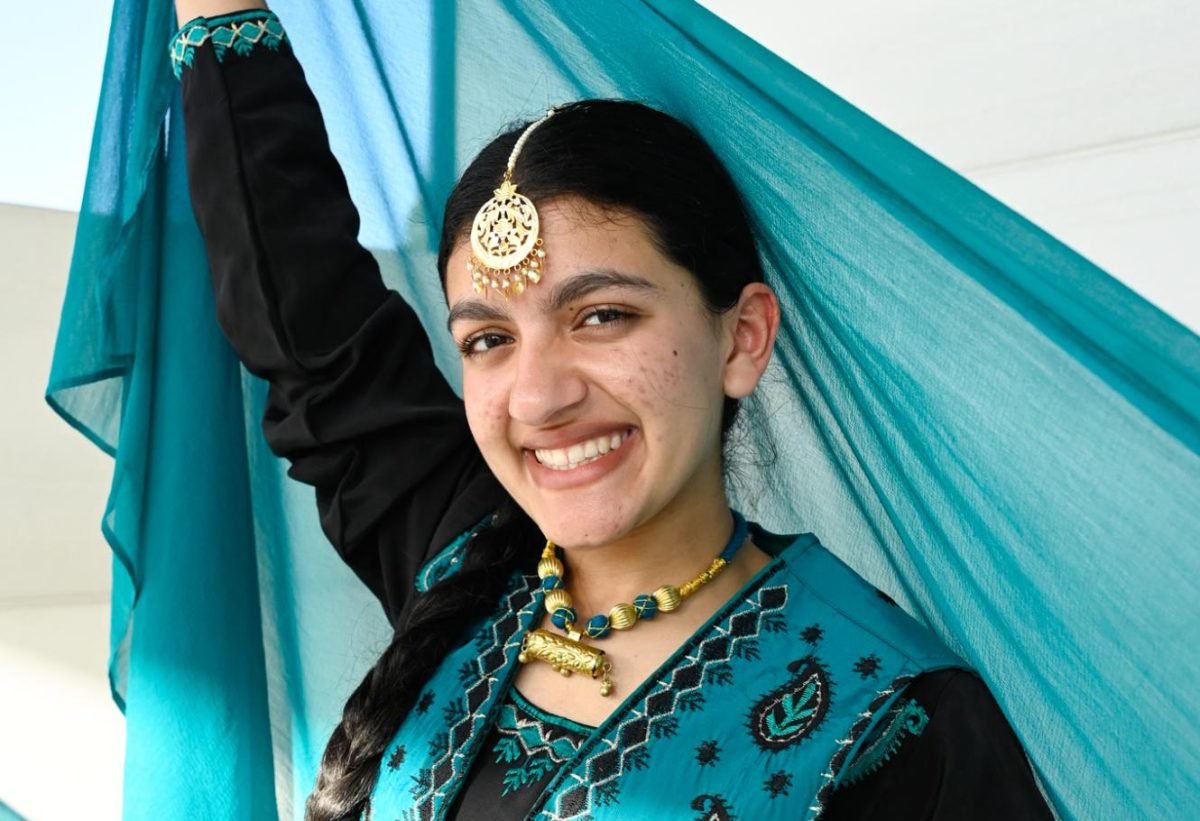
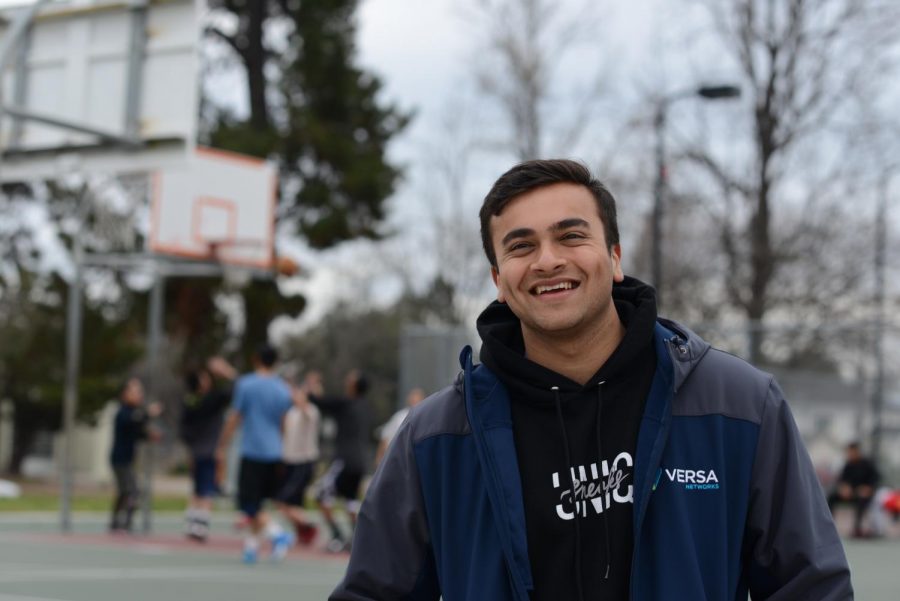
![“This is actually from Randy Pausch Randy P. Brick: ‘Walls are there for a reason. You have to show how much you want to overcome them.’ You have to show how much you want something. That's what I've always been able to do with tennis, Link Crew and getting that internship [with Kushy Baby]. It’s important pushing through that — getting around that brick wall, climbing over it or clawing through it,” Yash Sachdeva (’26) said.](https://harkeraquila.com/wp-content/uploads/2026/05/YashSachdeva_RamBatchu-copy-1200x1002.jpg)













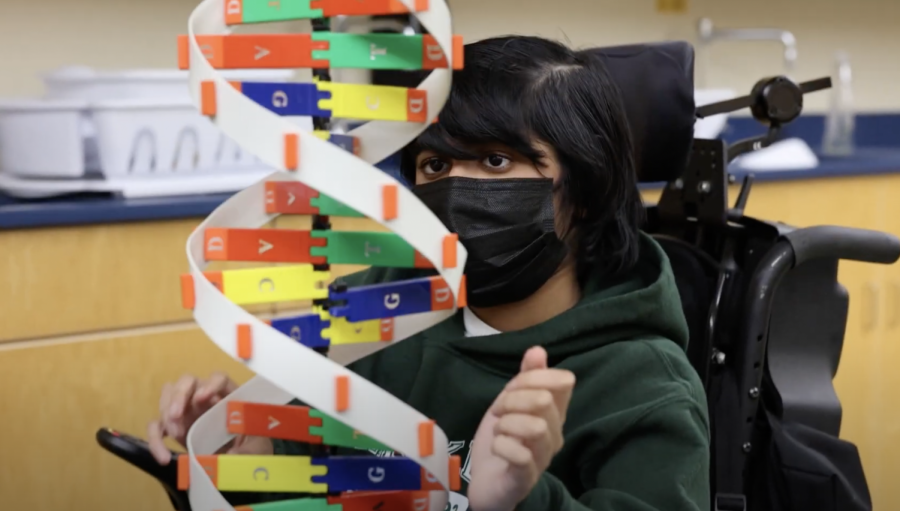
![“[Building nerf blasters] became this outlet of creativity for me that hasn't been matched by anything else. The process [of] making a build complete to your desire is such a painstakingly difficult process, but I've had to learn from [the skills needed from] soldering to proper painting. There's so many different options for everything, if you think about it, it exists. The best part is [that] if it doesn't exist, you can build it yourself," Ishaan Parate said.](https://harkeraquila.com/wp-content/uploads/2022/08/DSC_8149-900x604.jpg)
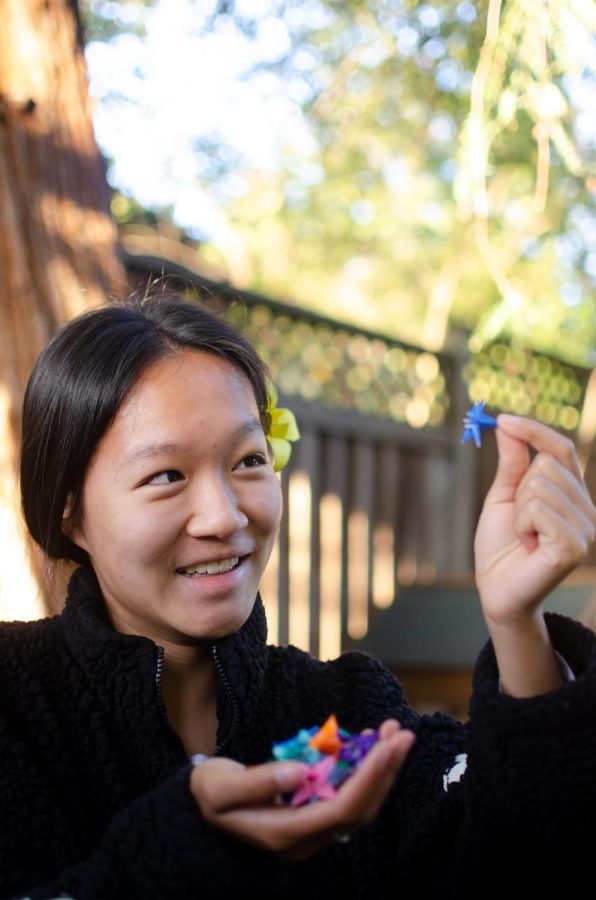

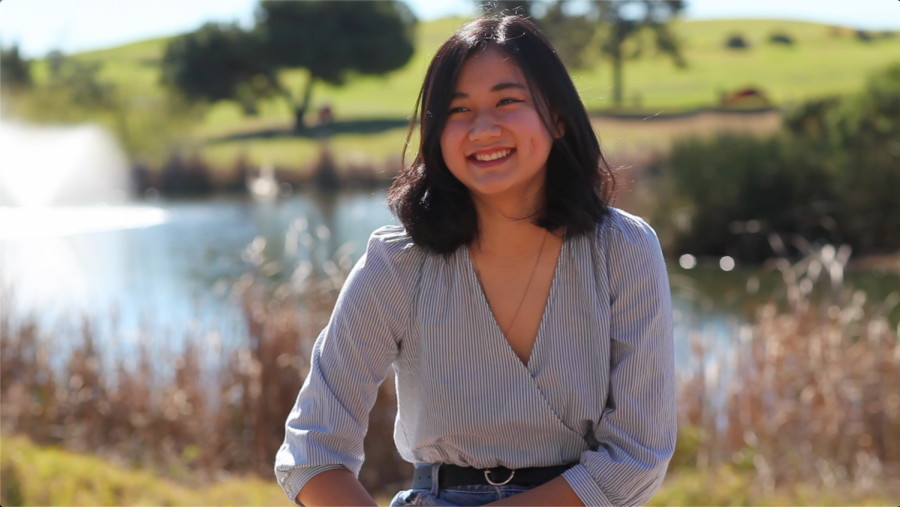
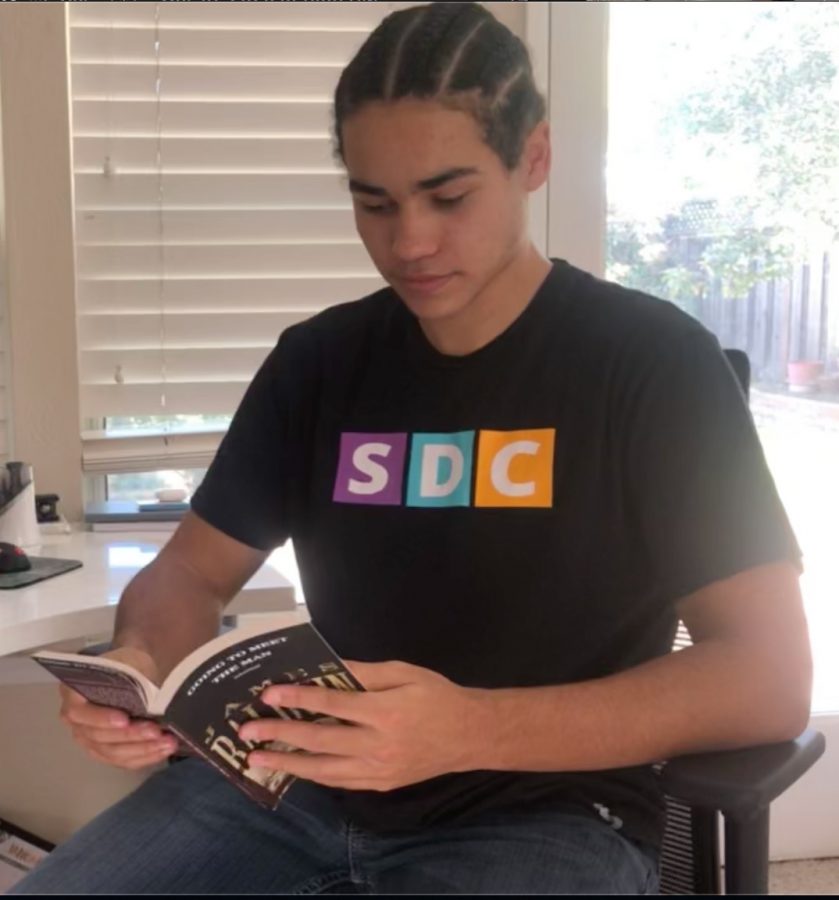
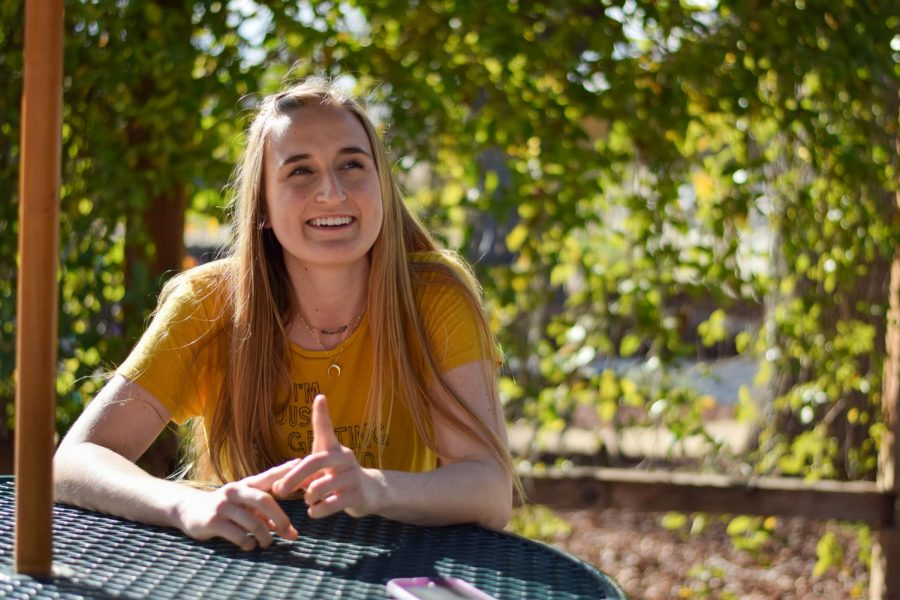
![“When I came into high school, I was ready to be a follower. But DECA was a game changer for me. It helped me overcome my fear of public speaking, and it's played such a major role in who I've become today. To be able to successfully lead a chapter of 150 students, an officer team and be one of the upperclassmen I once really admired is something I'm [really] proud of,” Anvitha Tummala ('21) said.](https://harkeraquila.com/wp-content/uploads/2021/07/Screen-Shot-2021-07-25-at-9.50.05-AM-900x594.png)
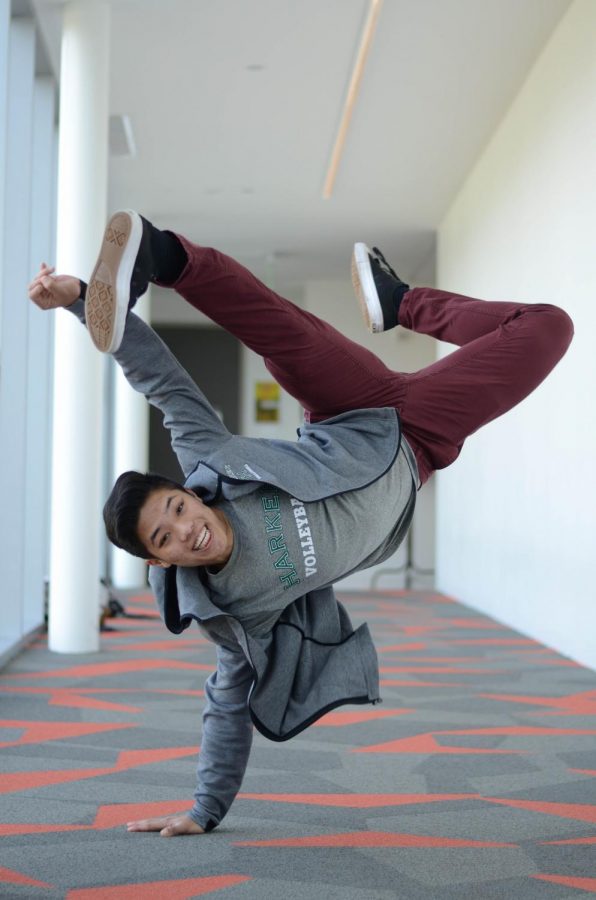
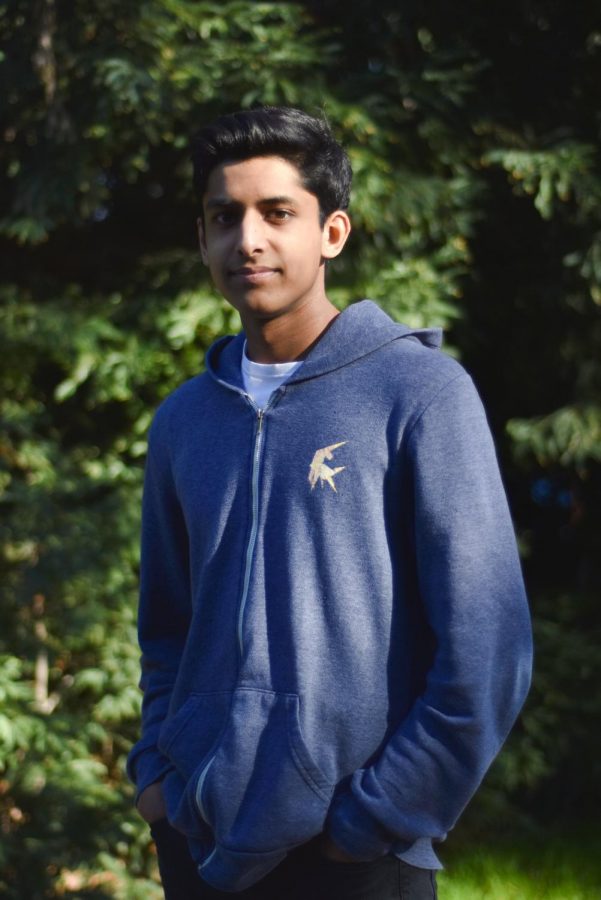

![“I think getting up in the morning and having a sense of purpose [is exciting]. I think without a certain amount of drive, life is kind of obsolete and mundane, and I think having that every single day is what makes each day unique and kind of makes life exciting,” Neymika Jain (12) said.](https://harkeraquila.com/wp-content/uploads/2017/06/Screen-Shot-2017-06-03-at-4.54.16-PM.png)

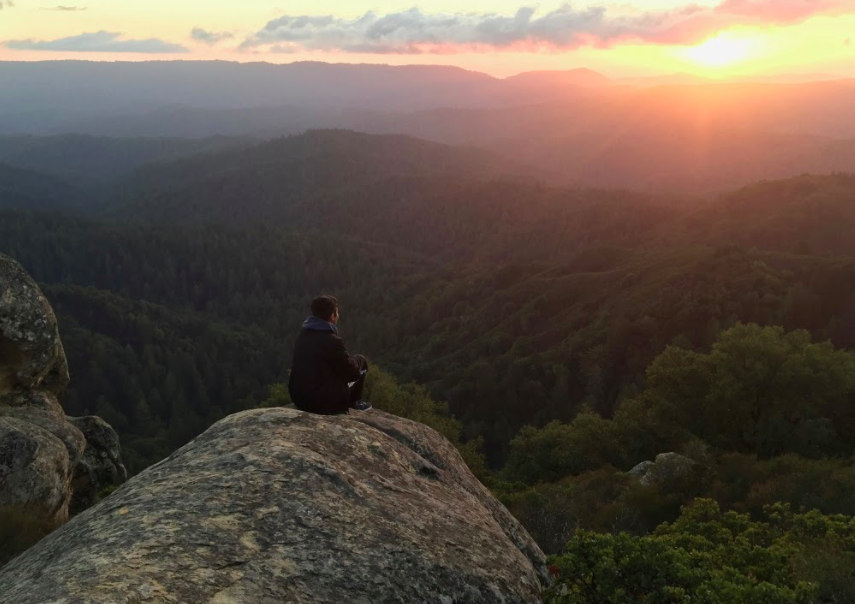
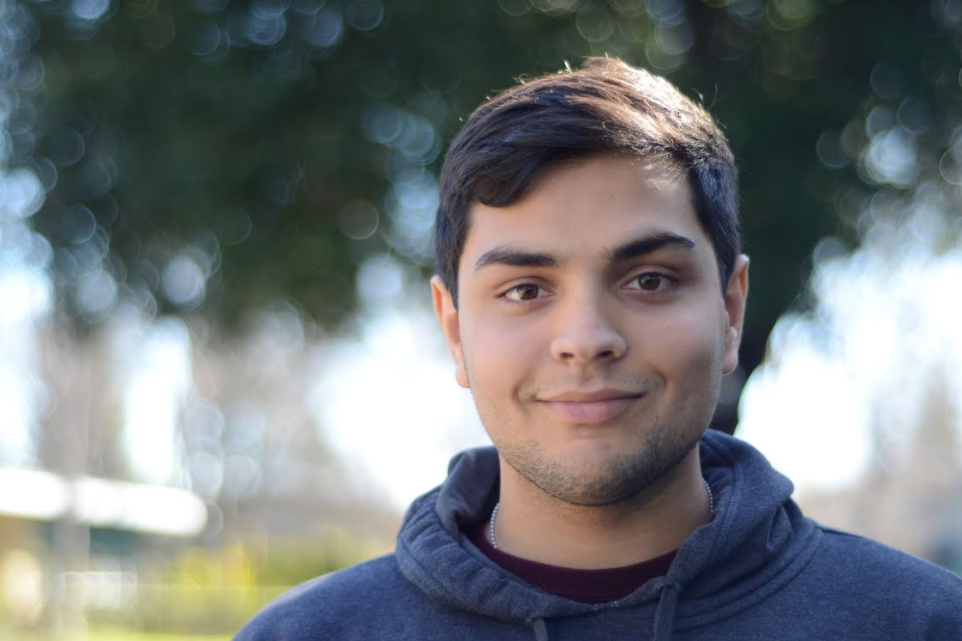
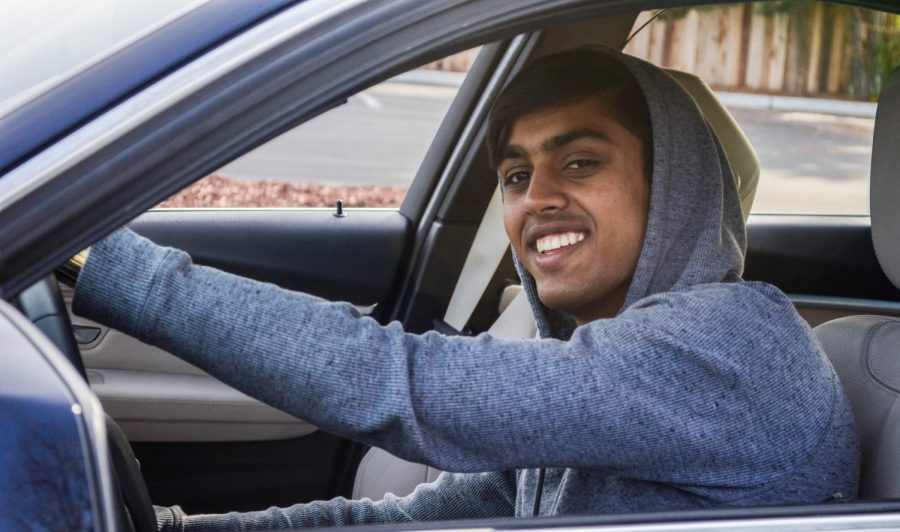
![“My slogan is ‘slow feet, don’t eat, and I’m hungry.’ You need to run fast to get where you are–you aren't going to get those championships if you aren't fast,” Angel Cervantes (12) said. “I want to do well in school on my tests and in track and win championships for my team. I live by that, [and] I can do that anywhere: in the classroom or on the field.”](https://harkeraquila.com/wp-content/uploads/2018/06/DSC5146-900x601.jpg)
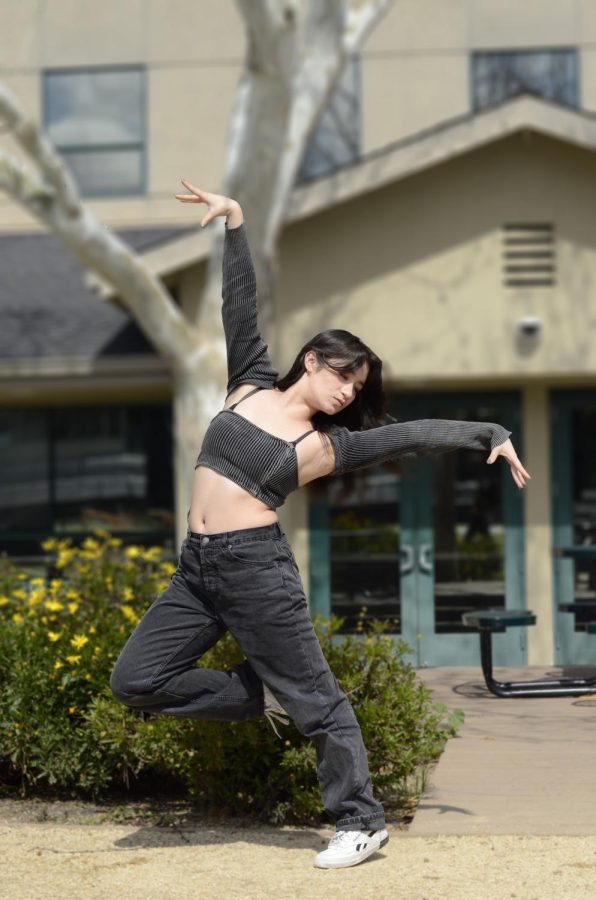
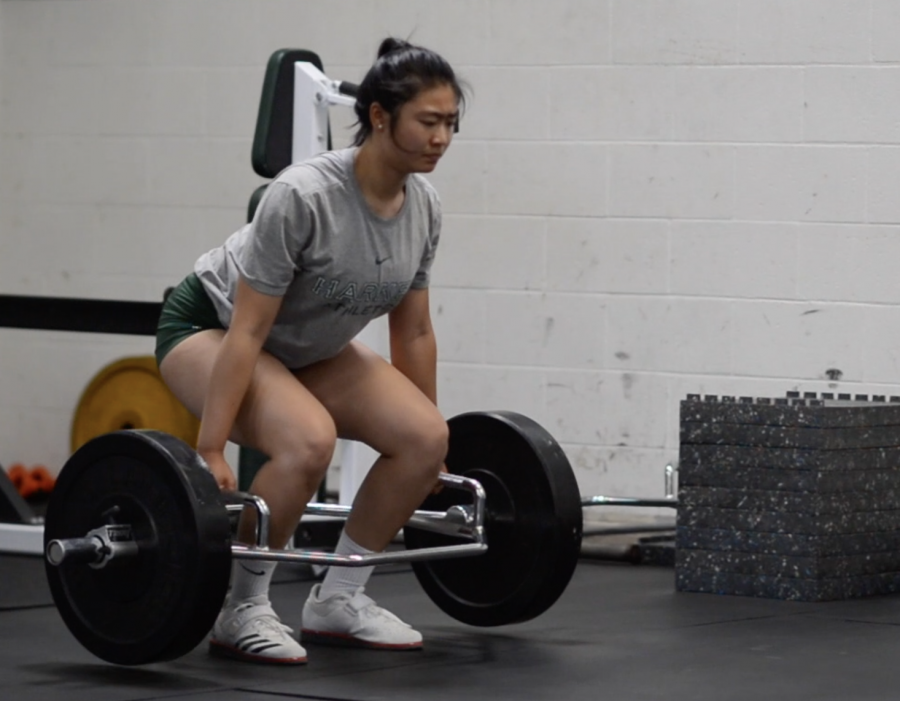
![“[Volleyball has] taught me how to fall correctly, and another thing it taught is that you don’t have to be the best at something to be good at it. If you just hit the ball in a smart way, then it still scores points and you’re good at it. You could be a background player and still make a much bigger impact on the team than you would think,” Anya Gert (’20) said.](https://harkeraquila.com/wp-content/uploads/2020/06/AnnaGert_JinTuan_HoHPhotoEdited-600x900.jpeg)
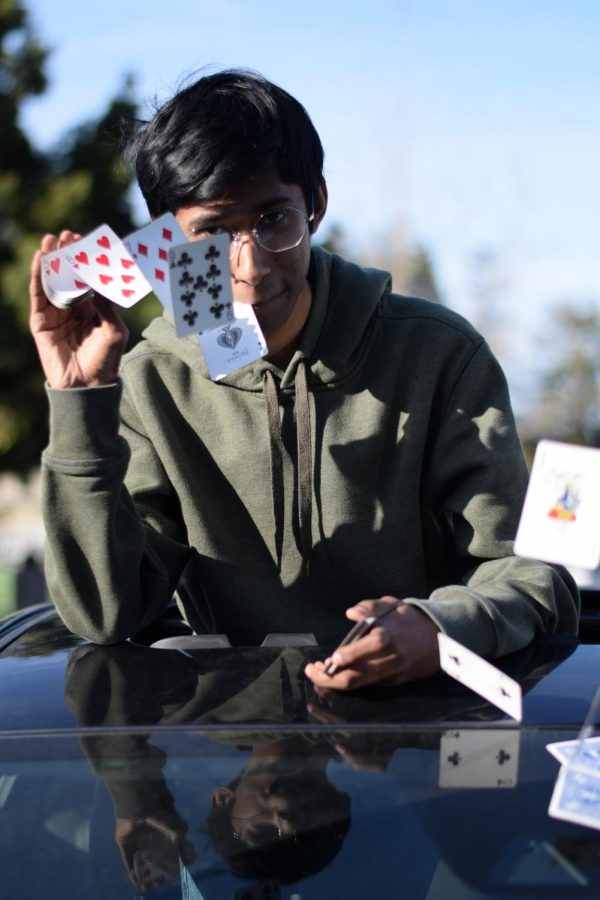
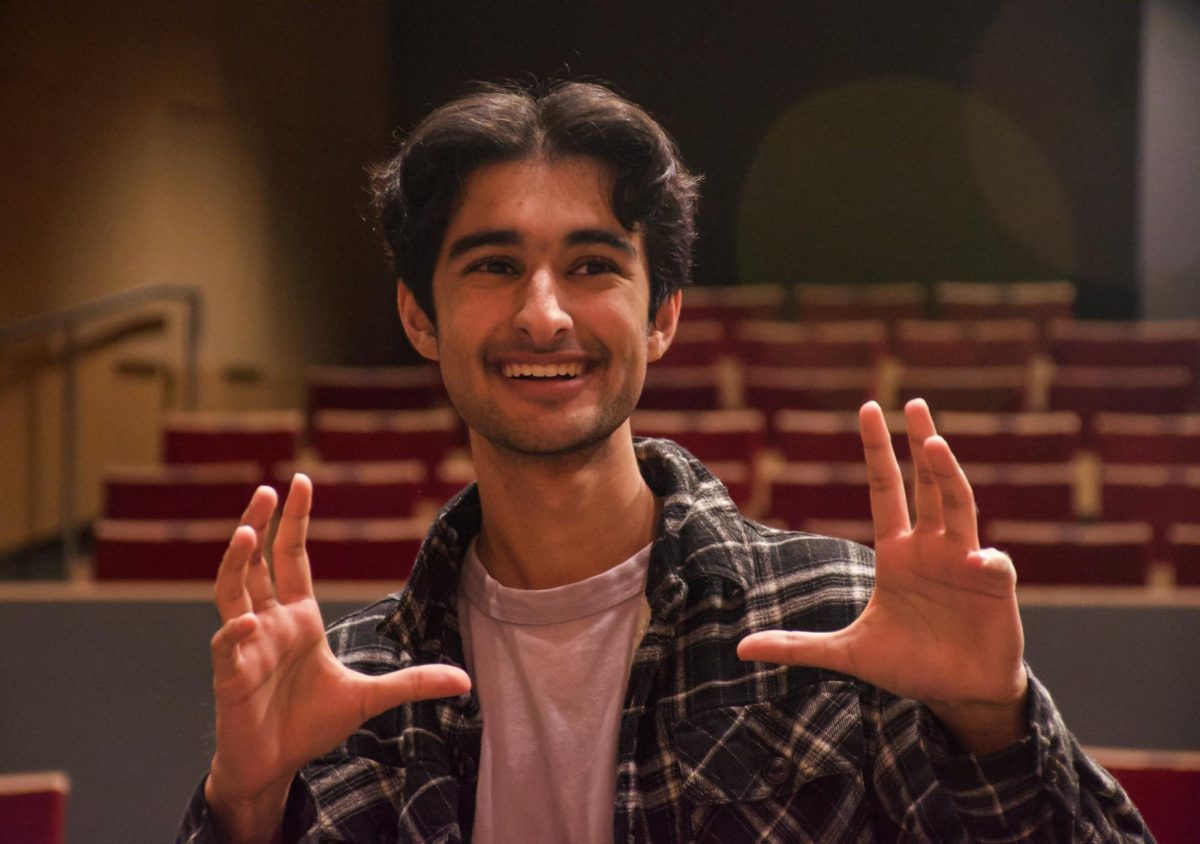
![“I'm not nearly there yet, but [my confidence has] definitely been getting better since I was pretty shy and timid coming into Harker my freshman year. I know that there's a lot of people that are really confident in what they do, and I really admire them. Everyone's so driven and that has really pushed me to kind of try to find my own place in high school and be more confident,” Alyssa Huang (’20) said.](https://harkeraquila.com/wp-content/uploads/2020/06/AlyssaHuang_EmilyChen_HoHPhoto-900x749.jpeg)

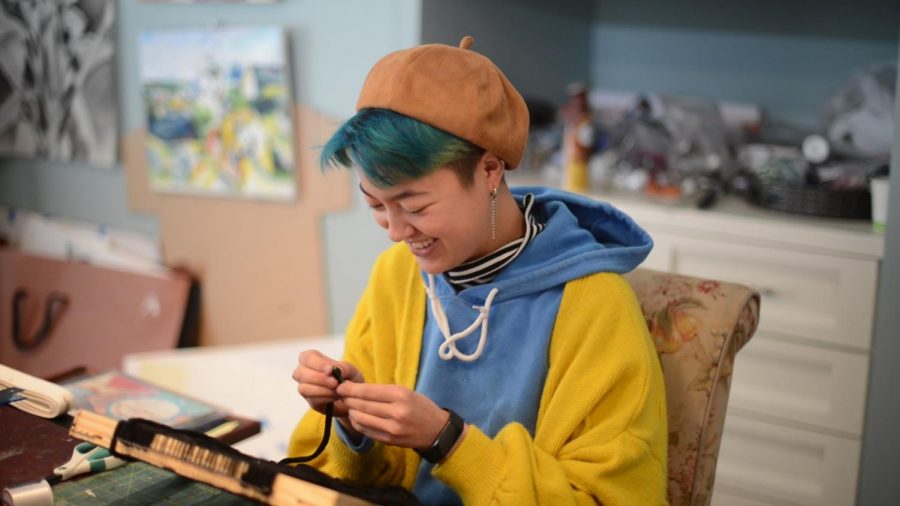

Follow along A&E/Lifestyle editors Chelsea Xie (11) and Cynthia Xie (11) as they interview rap enthusiasts Andrew Shin (11) and Pascal Qin (11) about the history, culture and impact of rap music.
View the full transcript here:
Chelsea: Welcome to AMP it up with Aquila, where we talk all things arts, music and performance!
Cynthia: Today we will be talking about rap music. We’re here with
Pascal Qin (11): Pascal
Andrew Shin (11): and Andrew.
Cynthia: You might know them from their iconic Hoscars rap performances. But first of all, we’re going to go through a brief history of rap.
Chelsea: The rap movement began in the early 1970s, around the same time as hip-hop. It originated in Bronx, New York, where the mix of African American, Afro-Carribean, and Latino cultures played a big role in developing the genre’s distinctive sound. Fun fact, gangs mainly produced rap music to challenge rival gangs; think rap battles and breakdancing!
Cynthia: The main characteristic of rap was its poetry-like verses recited with rhythm and rhyme over backing tracks of party- and DJ-style music. Lyrics were also a key aspect of rap, conveying ideas and personal experiences.
Chelsea: By the 21st century, the genre known as gangsta rap dominated much of how we think of rap today. And rap became more mainstream, with artists like Kanye West and Eminem revolutionizing the genre. And that brings us to today!
Cynthia: Yeah, wait, just out of curiosity, how long have you guys been following rap or listening to rap music?
Pascal: I think I’ve been a fan of rap music since 7th grade. I got into music in general very late. Up until like 6th grade, I thought Taylor Swift was a boy. I knew nothing, absolutely nothing about pop culture or music at all. Through 7th grade I just started listening to a lot of music. I went through a lot of EDM. I went through a lot of country pop. I went through a lot more mellow stuff, and then I found rap, and I was like, I really love these flows. I love the wordplay that a lot of rappers use, and I fell in love with the genre from there.
Andrew: Yeah, I think it’s a similar timeline because I started listening to a lot of rap in 7th grade or so, and that’s when I wanted to start listening to more and more genres outside of all the songs that you find on the radio.
Chelsea: Now that we’ve talked about some well-known eras and artists, Andrew and Pascal, what are your thoughts on some defining rap artists in the industry today?
Andrew: There are three really influential artists that we really consider mainstream right now in the rap industry, which are namely Kendrick Lamar, Drake and J. Cole. So I think those three are definitely up there with the most influential, modern day.
Cynthia: So what do you think defined the music of those big three? What specific aspects?
Pascal: J. Cole, he’s a very conscious rapper, so he’s talking about problems that people have in real life, and he’s using his lyricism to get that across. For Kendrick, he’s very versatile. He’s definitely the artist. He’s the one who has all the new inspiration, who’s always coming up with new voices, new flows. Drake is probably the hit maker. He’s got all the pop rap, he’s got some more hard stuff too, but a lot of his more famous, more well liked songs are a lot more popular.
Chelsea: What would you say marked the change from artists you talked about previously, like Eminem, to now, and how do you think these three artists have revolutionized rap since the beginning?
Pascal: The change probably came, I’d say around 2013, 2014, when, Drake, Kendrick, Cole started blowing up and Eminem was falling off at this time. Drake really blew up with “Take Care” and Kendrick blew up with “To Pimp a Butterfly” and “good kid, m.A.A.d city.” During those few years, that’s when it really shifted and these three became now our new mainstream artists.
Cynthia: What do you think are some specific songs or albums that have shaped what is rap right now, recently? They don’t have to be from the big three, but what are they and how would you describe the sound of them?
Andrew: The first album that I think has influenced a lot of the mainstream, especially a lot of the younger rappers these years, is Playboy Carti’s “Whole Lotta Red.” Once he dropped that, there was a big shift in underground sound from going from just rapping on beats to actually really focusing on creating these psychedelic beats with crazy 808 patterns. He’s definitely influenced a lot of people to experiment with the genre as well.
Pascal: A major thing about Carti’s album is that it shifted the focus of rap a lot, away from the lyrics and onto the beats and the groove of the song. It shifted rap away from what you’re saying into how you’re feeling and expressing the music, and it brought about a lot of experimentation with beats for sure.
[“Sky” by Playboi Carti plays.]
Chelsea: Can you explain what 808 is?
Pascal: 808 is a type of drumbeat that a lot of hip hop music uses.
Chelsea: Yeah, that makes sense. I had a question. For the big three, you said they do have very distinctive styles. What are good examples of songs or albums that you think really bring that out and really show why they’ve dominated the rap industry, at least until now?
Andrew: For Drake, he’s very melodic. He likes to take a lot of melodic influences into his rap music, “Marvin’s Room” or “Passion Fruit”, those two songs are really showcasing his versatility.
Pascal: I think for Kendrick, his lyrical side, you can see a lot of his lyricism in a song like “DUCKWORTH.” from “DAMN.” where his storytelling and wordplay really come out.
[“DUCKWORTH.” by Kendrick Lamar plays.]
Pascal: I’d say for J. Cole, his defining feature again is his conscious rap, and a good example of that would be “Love Yourz” or “4 Your Eyez Only.” Both of those songs have a very good quality of J. Cole’s, which is how conscious and aware he is of the world.
Cynthia: Now that we’ve talked about some songs and albums that are staples of the rap industry, what songs or albums do you think have pushed rap in a new direction and redefined it?
Andrew: Yeah, so one of the albums that we really talk about when we’re saying revolutionized rap is Kanye West’s 2009 album “My Beautiful Dark Twisted Fantasy.” That’s coming from this artist Kanye West, he’s obviously someone who is really talented as both a producer and a rapper. But that’s when we saw his magnum opus work. That’s when a lot of rap fans felt like this was a new level as to what a rap album could really be because he pushed every single, not only the beats, but his own verses and even his features’ verses to the greatest level as to where they could be.
Pascal: Yeah, like Andrew said, Kanye put a lot of effort into this album. It’s one of the most heavily funded albums. A lot of people consider Rick Ross’s and Nicki Minaj’s best verses to be from “Monster” on that album. He went for a sort of perfection where every single beat, every single verse was as best as it could be, and I think that higher standard of rap was set with this album.
[“Monster” by Kanye West, ft. JAŸ-Z, Rick Ross, Nicki Minaj, Bon Iver plays.]
Pascal: I think another album earlier that also really revolutionized rap as an industry is” Slim Shady LP.” Before, rap had always been a subgenre, something that we would consider around the like level and hype of maybe country music nowadays, not the biggest thing. But as soon as he dropped his album, when “My Name Is” came out, rap became a huge thing. Everyone loved Eminem, and it goes to show how this album demonstrates how rap can reach just about everyone and how mainstream and popular rap can be as a genre.
[“My Name Is” by Eminem plays.]
Chelsea: I have a follow up question to ask you. How do you think rap has influenced culture and how is rap itself as a genre, the environment it brings and atmosphere it creates different from other music genres?
Pascal: I think one defining feature of rap music that is different from all the other genres is that rap stems from a battle culture. You’ll often see rap artists having beef with other artists, and they’ll drop diss tracks, they’ll drop verses where they just insult and fight with each other. In terms of how rap has changed culture, I think something that’s very important is that rap stems from a revolutionary spirit. Whenever you see people who want to get a message across, or people who are trying to talk about cultural change, or they just want any change in general, some sort of revolution, you’ll always see them using rap music as a media to portray their message because rap music is very, very, at its roots at least, very emphasized on the message, on the lyrics and on what you have to say about the world.
Cynthia and Chelsea: Thank you for watching, and we hope you enjoyed AMPing it up with Aquila!