![“I wasn't discouraged by some of the obstacles we faced. I learned a lot from the leadership. I found that different people need different ways of receiving feedback — you can't [just] tell them to do something and expect the best. [Some] people needed more incentive. A large part of my role was to figure out what worked for everyone and to figure out how to lead all these separate individuals as a team,” Suhana Bhandare (’26) said.](https://harkeraquila.com/wp-content/uploads/2026/06/SuhanaBhandare_JasmineHansra-1-1200x798.jpg)


![“This is actually from Randy Pausch Randy P. Brick: ‘Walls are there for a reason. You have to show how much you want to overcome them.’ You have to show how much you want something. That's what I've always been able to do with tennis, Link Crew and getting that internship [with Kushy Baby]. It’s important pushing through that — getting around that brick wall, climbing over it or clawing through it,” Yash Sachdeva (’26) said.](https://harkeraquila.com/wp-content/uploads/2026/05/YashSachdeva_RamBatchu-copy-1200x1002.jpg)






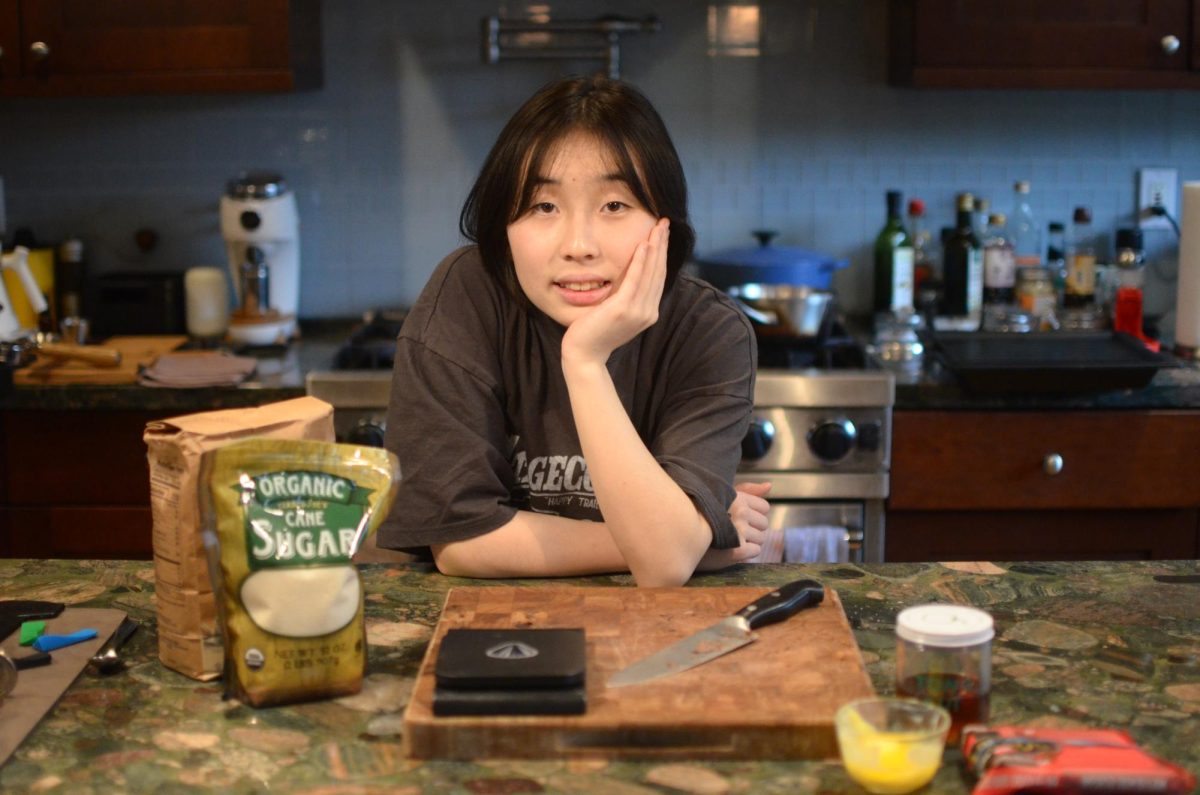


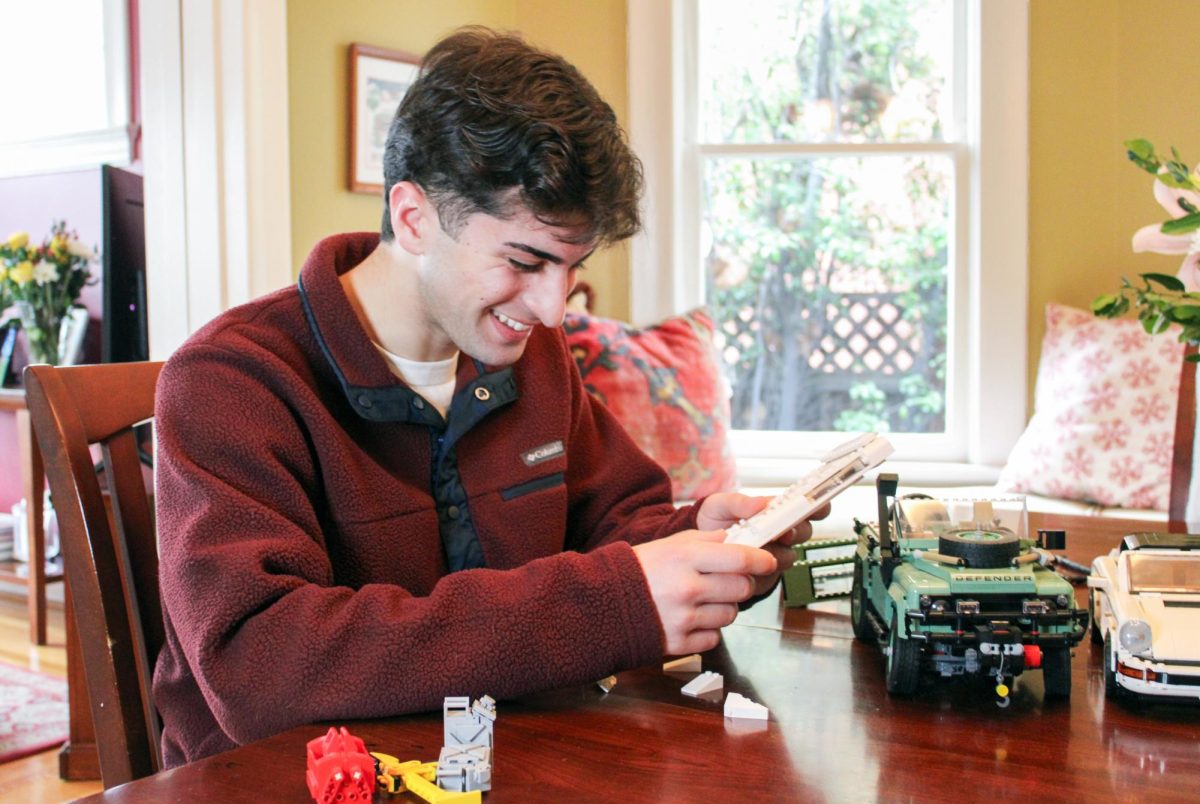





![“[Building nerf blasters] became this outlet of creativity for me that hasn't been matched by anything else. The process [of] making a build complete to your desire is such a painstakingly difficult process, but I've had to learn from [the skills needed from] soldering to proper painting. There's so many different options for everything, if you think about it, it exists. The best part is [that] if it doesn't exist, you can build it yourself," Ishaan Parate said.](https://harkeraquila.com/wp-content/uploads/2022/08/DSC_8149-900x604.jpg)



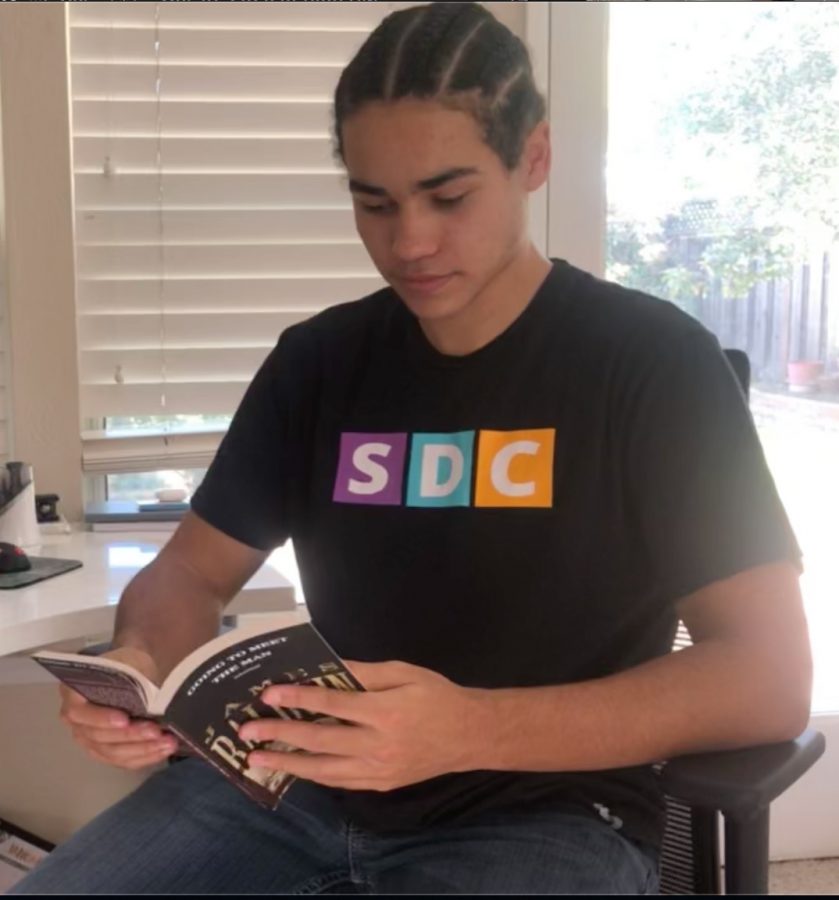
![“When I came into high school, I was ready to be a follower. But DECA was a game changer for me. It helped me overcome my fear of public speaking, and it's played such a major role in who I've become today. To be able to successfully lead a chapter of 150 students, an officer team and be one of the upperclassmen I once really admired is something I'm [really] proud of,” Anvitha Tummala ('21) said.](https://harkeraquila.com/wp-content/uploads/2021/07/Screen-Shot-2021-07-25-at-9.50.05-AM-900x594.png)

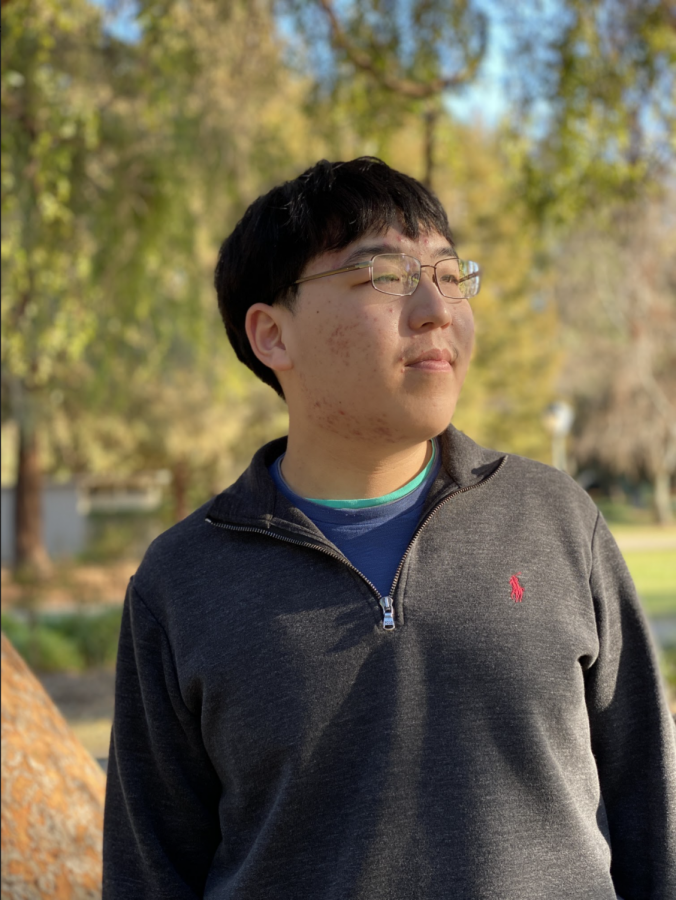





![“I think getting up in the morning and having a sense of purpose [is exciting]. I think without a certain amount of drive, life is kind of obsolete and mundane, and I think having that every single day is what makes each day unique and kind of makes life exciting,” Neymika Jain (12) said.](https://harkeraquila.com/wp-content/uploads/2017/06/Screen-Shot-2017-06-03-at-4.54.16-PM.png)



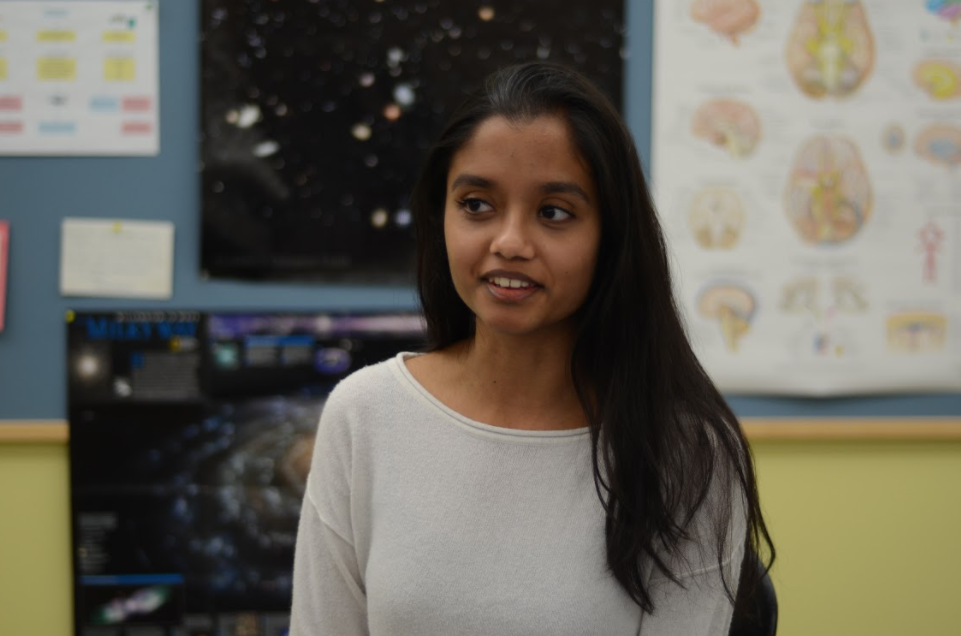
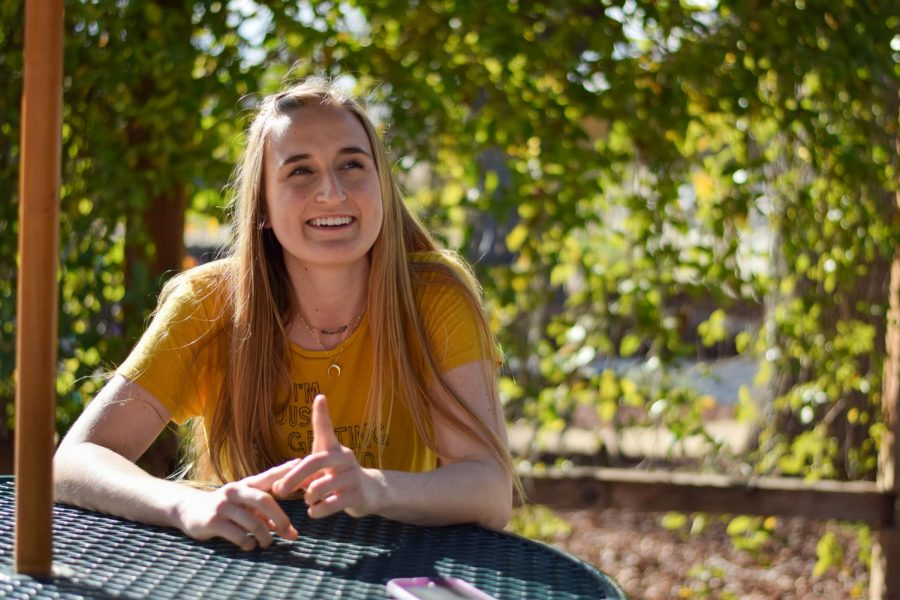

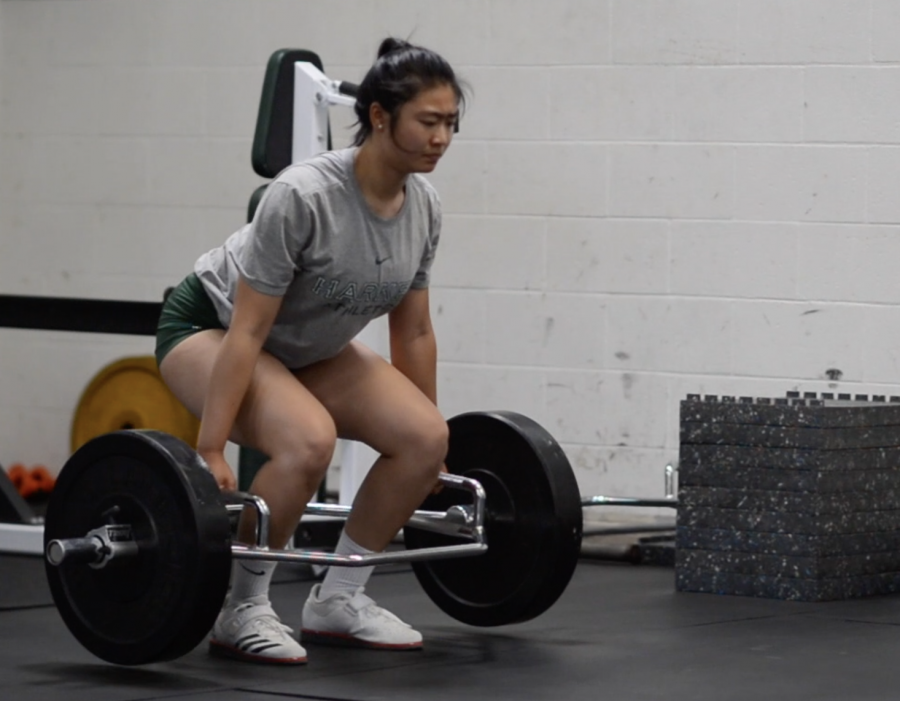

![“My slogan is ‘slow feet, don’t eat, and I’m hungry.’ You need to run fast to get where you are–you aren't going to get those championships if you aren't fast,” Angel Cervantes (12) said. “I want to do well in school on my tests and in track and win championships for my team. I live by that, [and] I can do that anywhere: in the classroom or on the field.”](https://harkeraquila.com/wp-content/uploads/2018/06/DSC5146-900x601.jpg)
![“[Volleyball has] taught me how to fall correctly, and another thing it taught is that you don’t have to be the best at something to be good at it. If you just hit the ball in a smart way, then it still scores points and you’re good at it. You could be a background player and still make a much bigger impact on the team than you would think,” Anya Gert (’20) said.](https://harkeraquila.com/wp-content/uploads/2020/06/AnnaGert_JinTuan_HoHPhotoEdited-600x900.jpeg)

![“I'm not nearly there yet, but [my confidence has] definitely been getting better since I was pretty shy and timid coming into Harker my freshman year. I know that there's a lot of people that are really confident in what they do, and I really admire them. Everyone's so driven and that has really pushed me to kind of try to find my own place in high school and be more confident,” Alyssa Huang (’20) said.](https://harkeraquila.com/wp-content/uploads/2020/06/AlyssaHuang_EmilyChen_HoHPhoto-900x749.jpeg)



The lunch bell rings, and students crowd the cafeteria, trays in hand. Pizza slices glisten under the lights; the smell of warm cookies drifts through the Auxiliary Gym, the fruit and salad bars overflow with fresh produce. At Harker, choice is abundant. However, across the nation, new federal dietary guidelines are reshaping what ends up on students’ lunch trays.
At a Jan. 7 press conference, Health Secretary Robert F. Kennedy Jr. announced new dietary guidelines centered on a food pyramid emphasizing protein, dairy, healthy fats, fruits and vegetables while reducing highly processed foods and added sugars. This marks a deviation from MyPlate, the previous nutritional guide, which was a visual plate model that portioned foods into half fruits and vegetables, a quarter whole grains, a quarter protein and a serving of low-fat dairy.
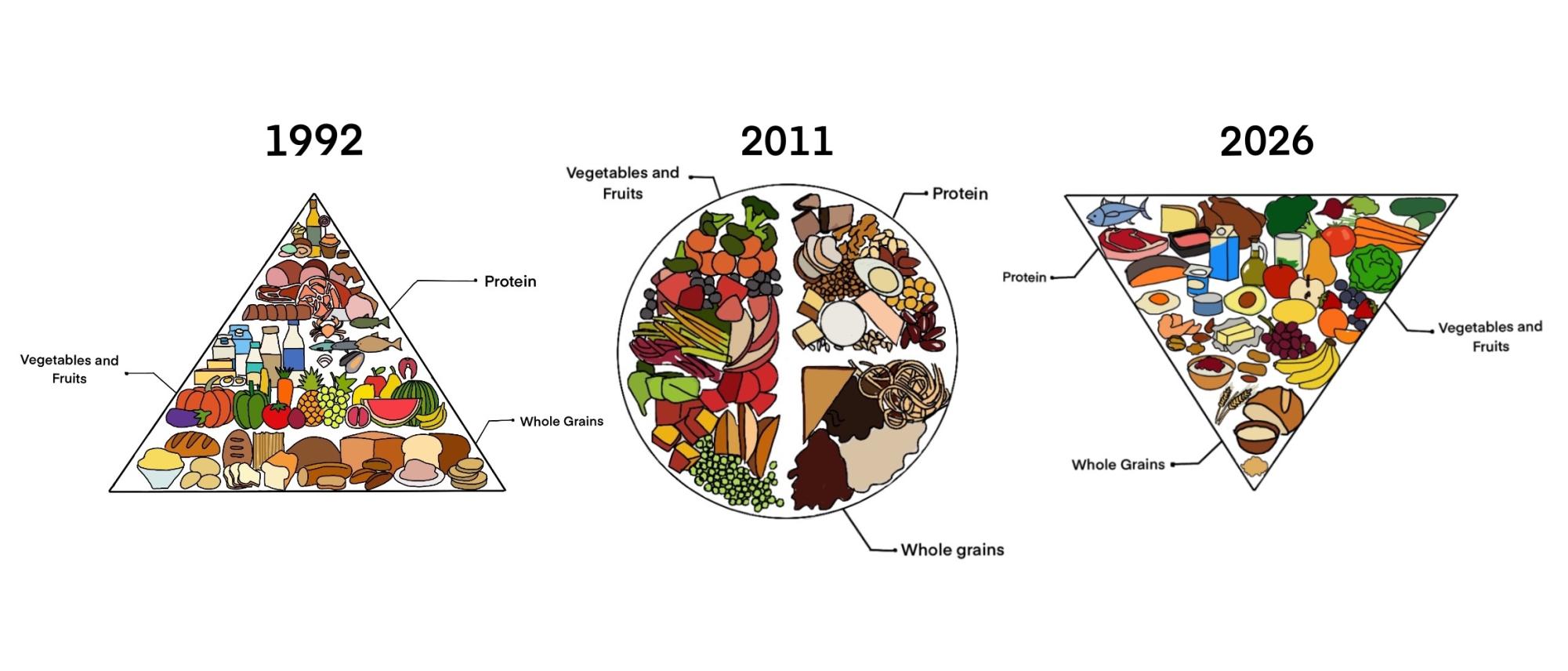
Federal officials describe the changes as a replacement of outdated nutrition guidelines. While government-funded public schools are now required to reduce added sugars and sodium and add more protein to their meals, private schools are still able to decide their own dietary guidelines. Kitchen manager Raelynn Baldwin noted that Harker cafeterias continue to prioritize having options for people with different dietary restrictions.
“In our community, we try to focus on balance,” Baldwin said. “We have the salad bar and vegetarian options to try to give everyone here an option. While we look at their guidelines and how they think people should be eating, we also look at the fact that you’re growing people who are active in sports. You have to be in class all day, so you need to be awake.”
The new guidelines place a stronger emphasis on protein to promote healthy aging and optimize muscle mass. Baldwin explained that although the new guidelines emphasize protein and red meat, people’s nutritional needs vary based on factors like physical activity and lifestyle.
“Protein intake depends on the person, your metabolism, if you’re in sports and things like that,” Baldwin said. “I like that they said we are moving away from processed sugars and syrups. I wish they had more of a scientific basis for the amounts of things they should be eating and why they chose to do what they did.”
Biology teacher Eric Johnson explained that proteins are one of several macronutrients the body depends on, alongside carbohydrates and fats, each serving distinct biological functions.
“Proteins are how I would describe a large, three-dimensional worker inside your body,” Johnson said. “Some are enzymes that speed up chemical reactions, some are antibodies in your immune system, some are structural proteins like collagen, and some are transport proteins like hemoglobin that carries oxygen in your blood.”
Johnson highlighted that although protein is important, the human body only needs a certain amount, relative to body weight and activity level, and exceeding that amount does not deliver any benefit.
“You need exactly the amount of milligrams of amino acids that’s proportional to your body weight,” Johnson said. “Every time I go into the grocery store, everything has protein. I saw a DiGiorno’s protein pizza, and I’m like, ‘What is happening?’ Cheese and pepperoni already have protein, so why are we adding more?’ When you exceed more protein than what you can use, your body washes it right out.”
Medical Club Director of Advocacy junior Riya Samuel also pointed out how while reduction of highly processed foods, added sugars and carbohydrates can reduce risk of diabetes, consuming more meat could be harmful for Americans. Increased cholesterol intake can lead to heart diseases and also negatively impact the economy.
“I think he’s really taking it to an extreme, especially with consuming steak and red meats, which are really high in cholesterol and saturated fats,” Riya said. “That can lead to really dangerous diseases for all Americans such as heart disease and stroke. This will also change our economy, because if we’re going to focus more on meat, what will happen to the farms?”
Baldwin, who believes people of all socioeconomic statuses should have access to nutritious food, emphasizes the importance of accessibility, cost and long-term sustainability.
“It’s a little ethologically irresponsible to say everyone should be protein-heavy,” Baldwin said. “Meat is expensive and growing it takes space, time, and a lot of destruction. They should focus on the balance of it all instead of trying to flip things upside down. I liked the way MyPlate was more of a ‘this is how you make a balanced diet’ versus ‘you should just eat more of this and less of this,’ because more to one person is different than what it is to another person.”