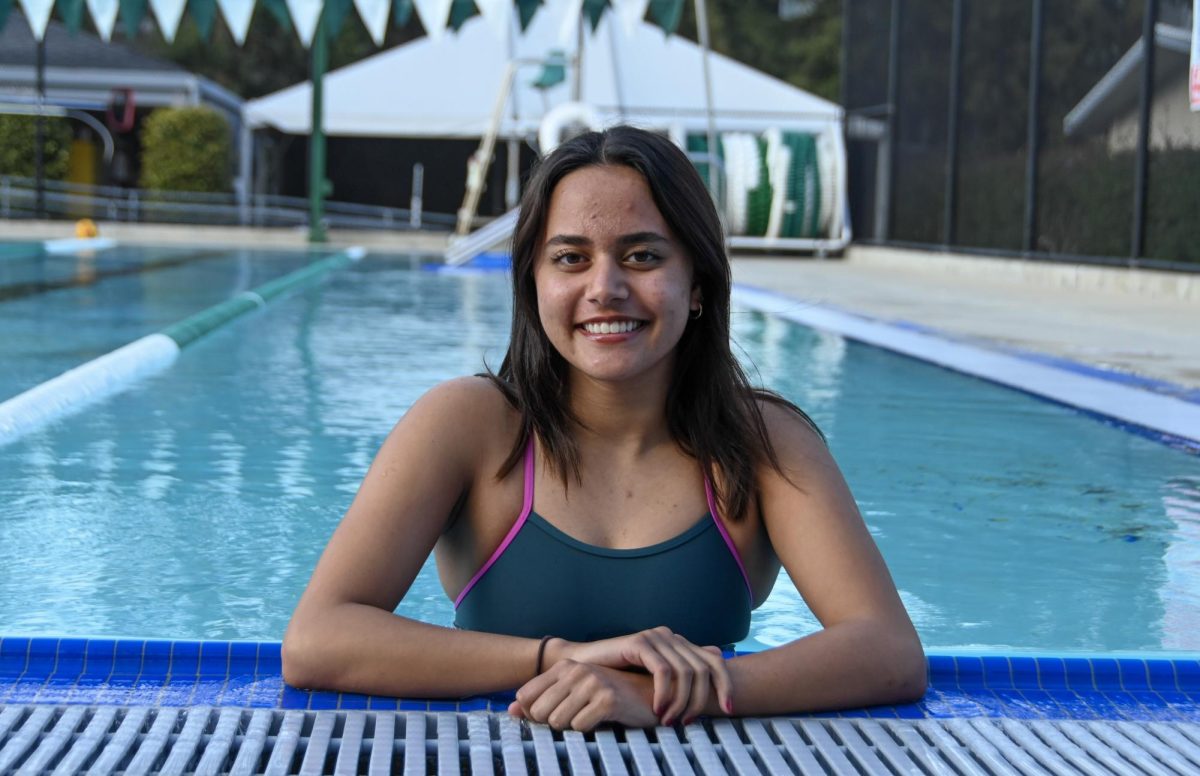
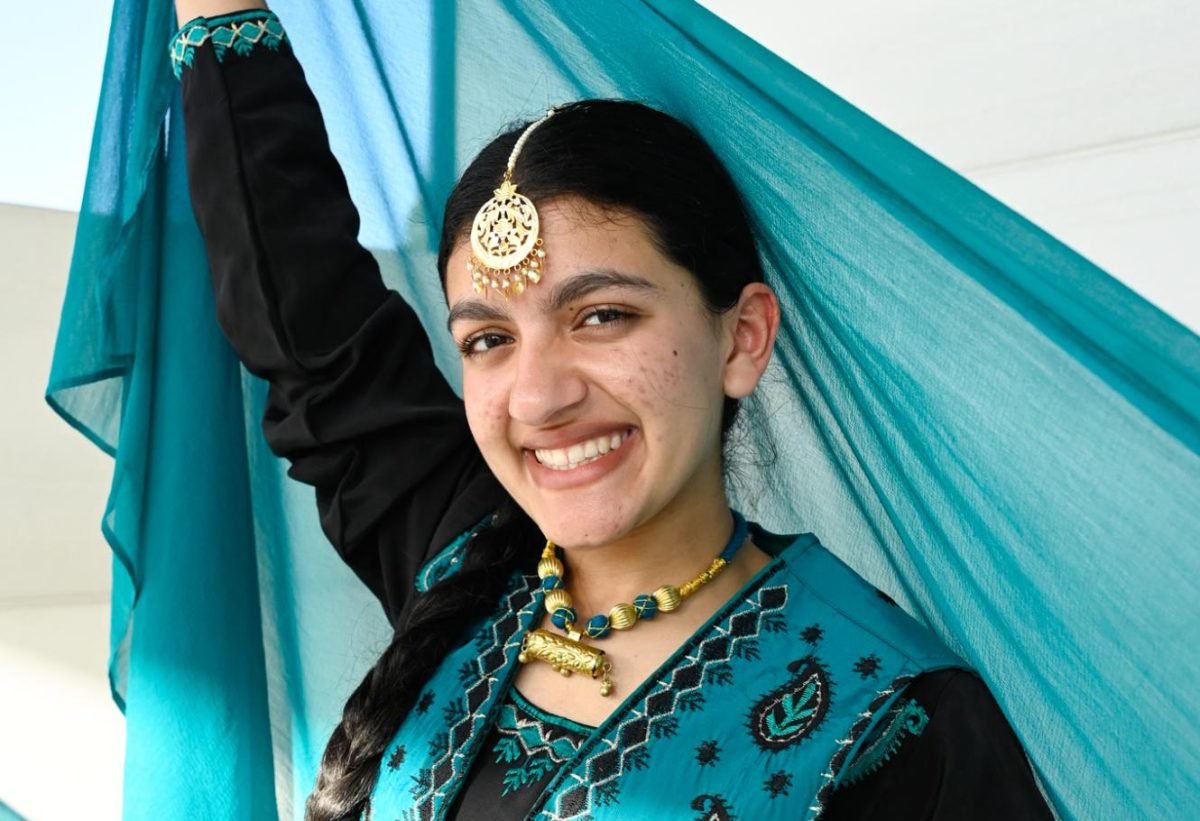
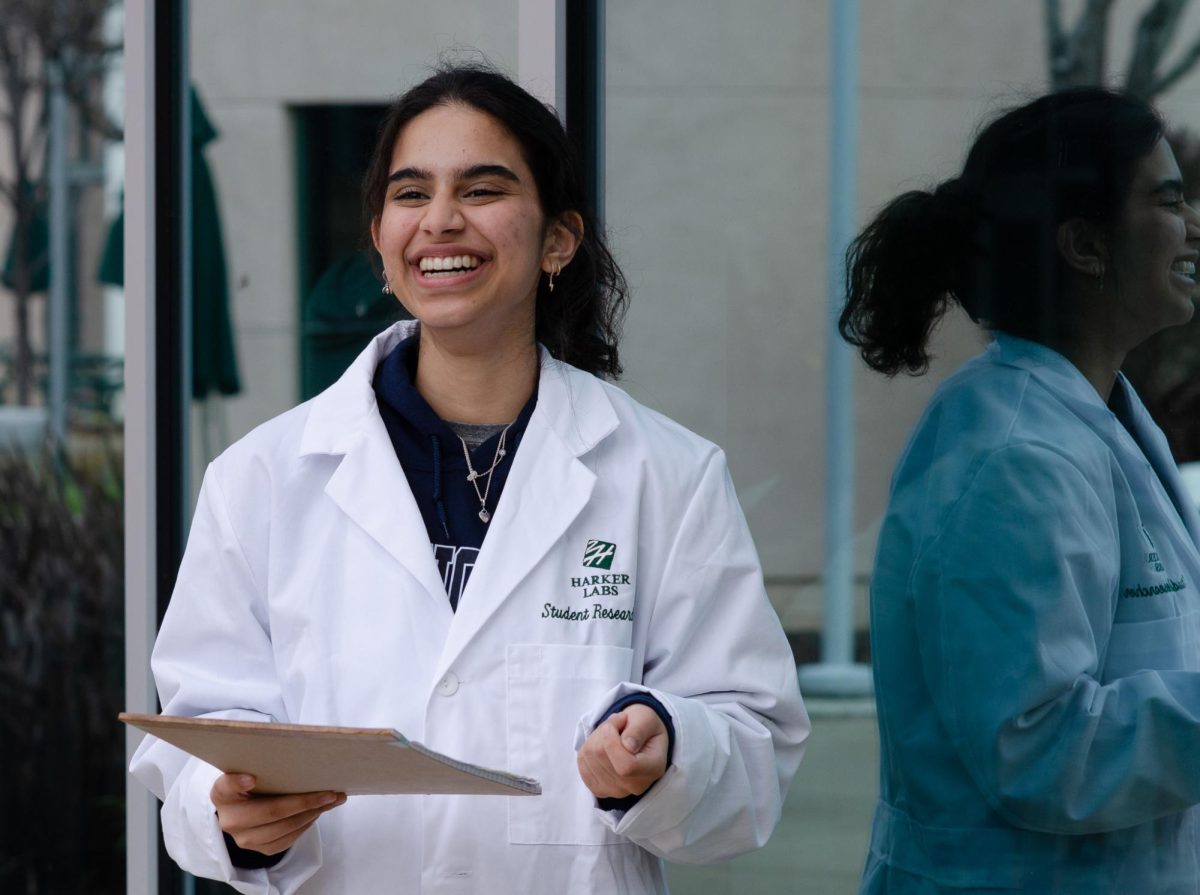
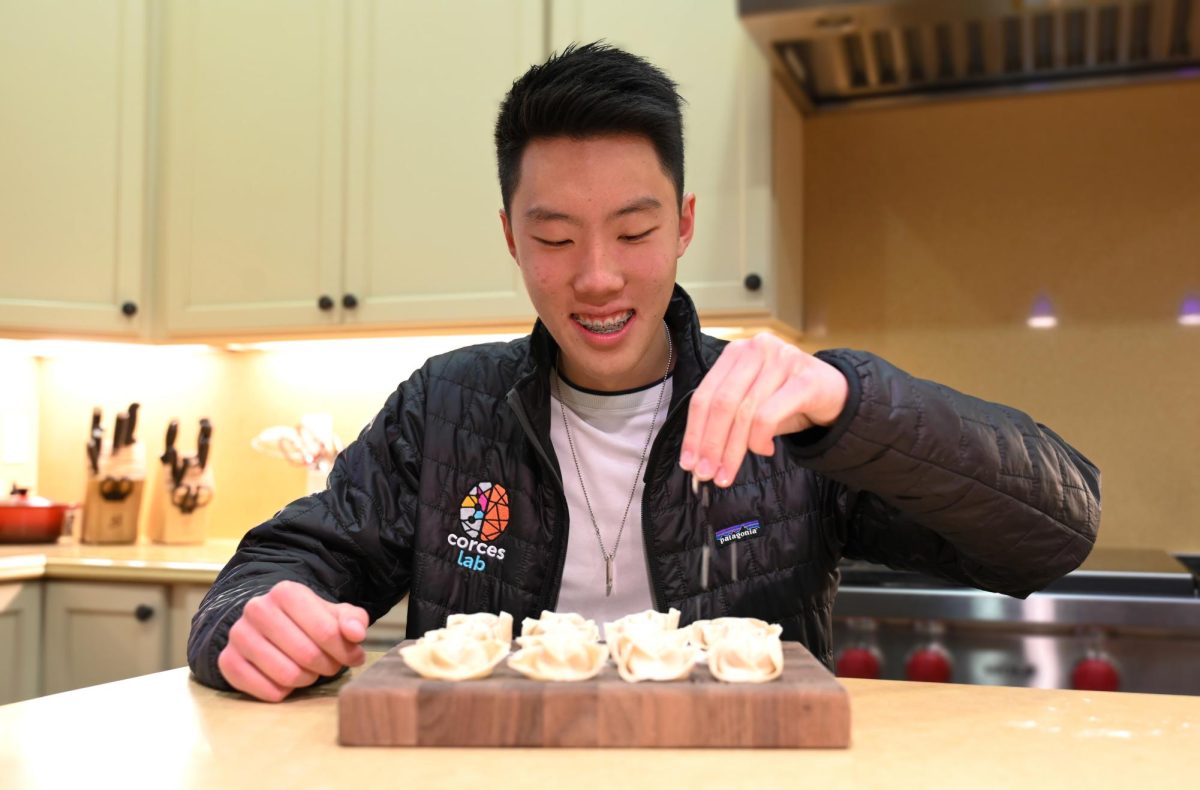
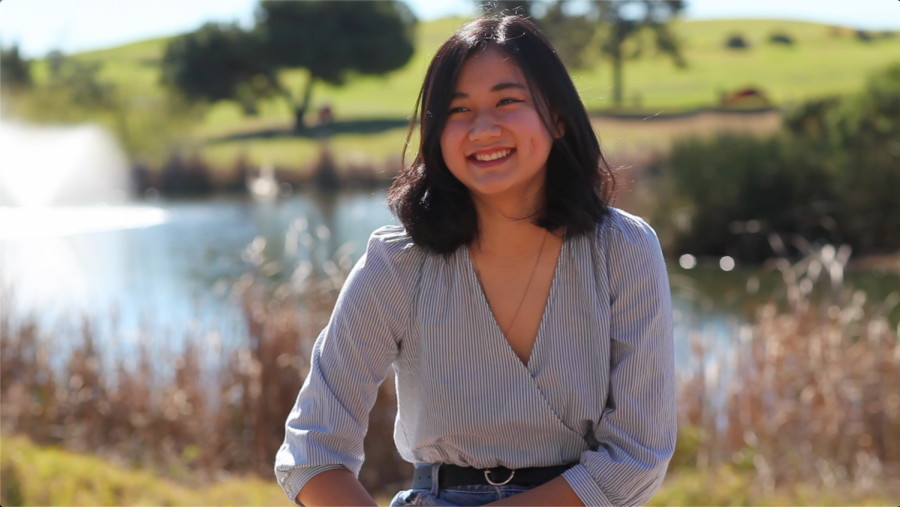
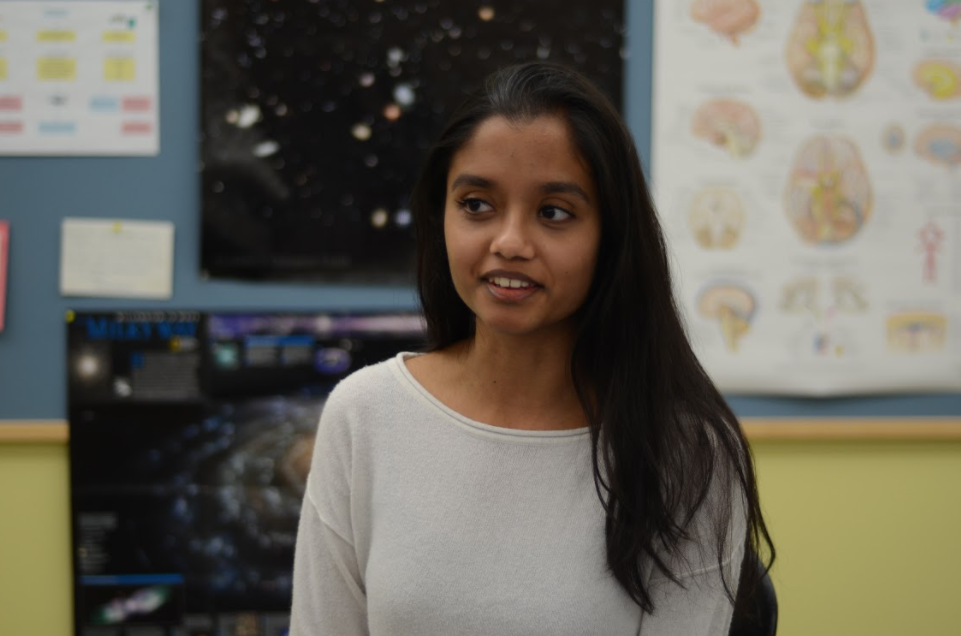
![“I wasn't discouraged by some of the obstacles we faced. I learned a lot from the leadership. I found that different people need different ways of receiving feedback — you can't [just] tell them to do something and expect the best. [Some] people needed more incentive. A large part of my role was to figure out what worked for everyone and to figure out how to lead all these separate individuals as a team,” Suhana Bhandare (’26) said.](https://harkeraquila.com/wp-content/uploads/2026/06/SuhanaBhandare_JasmineHansra-1-1200x798.jpg)
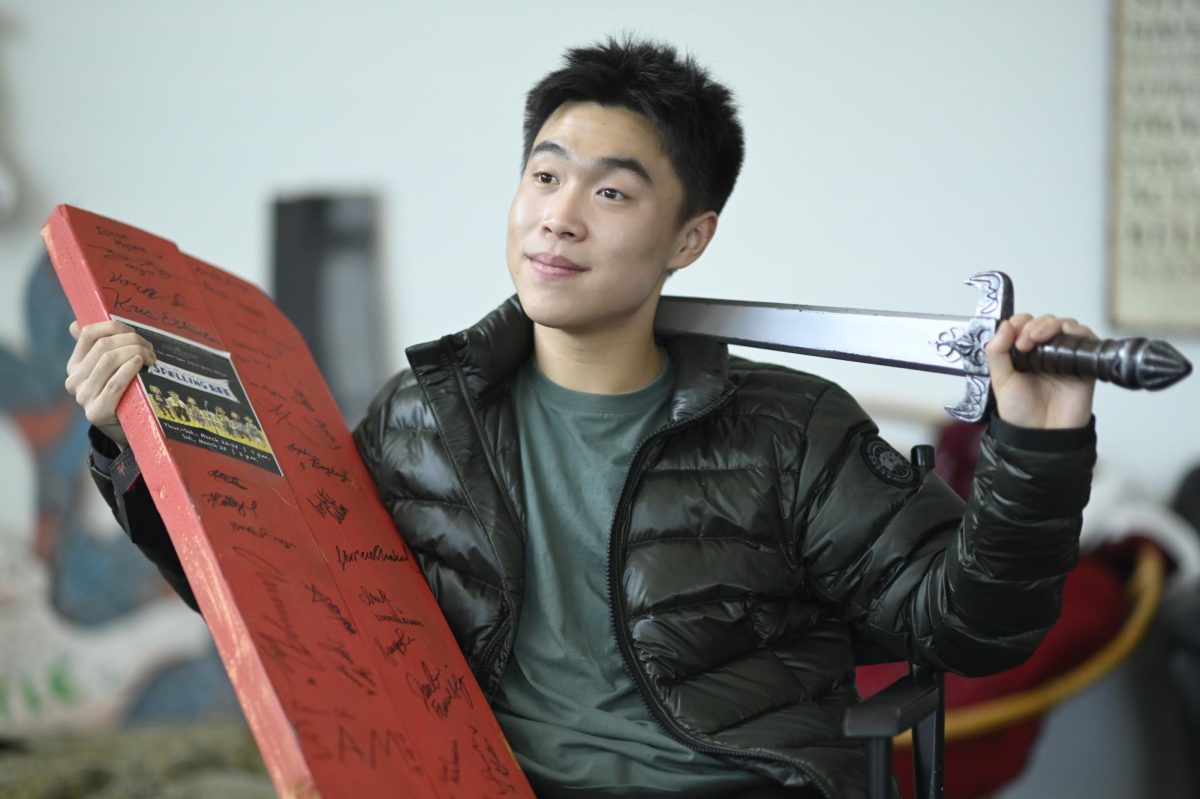
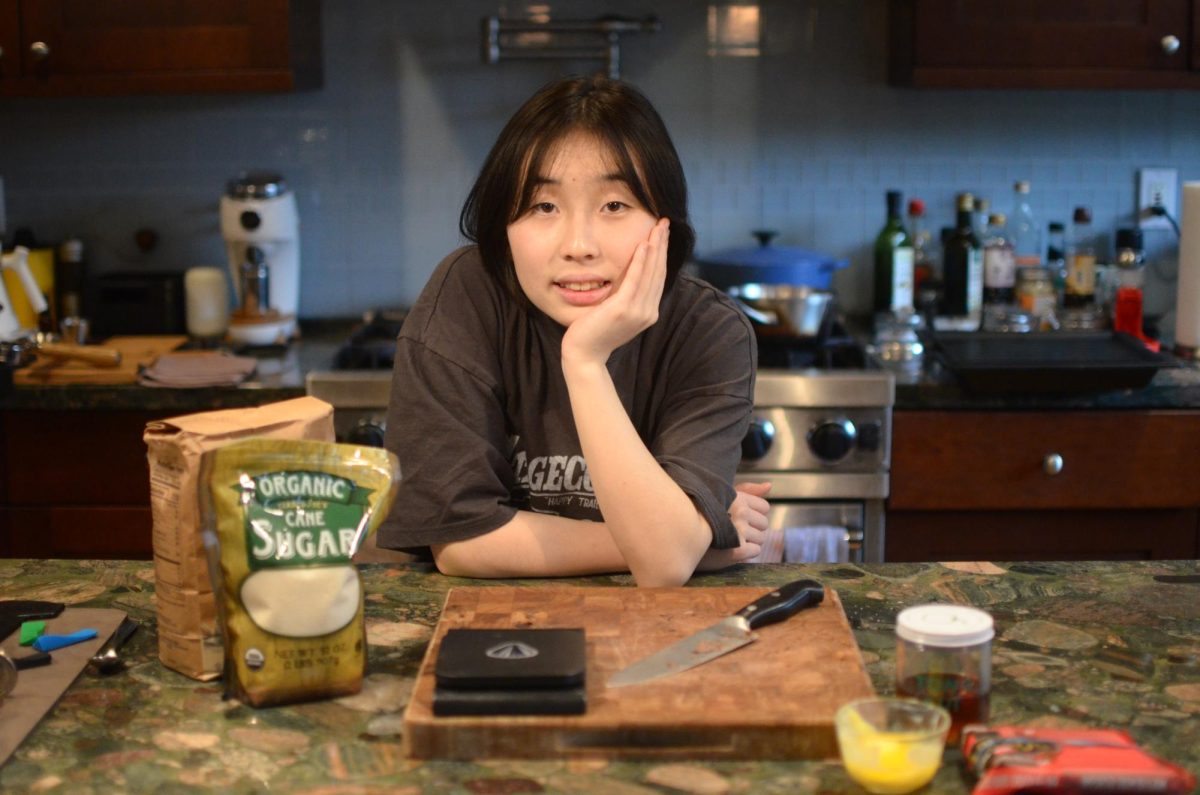
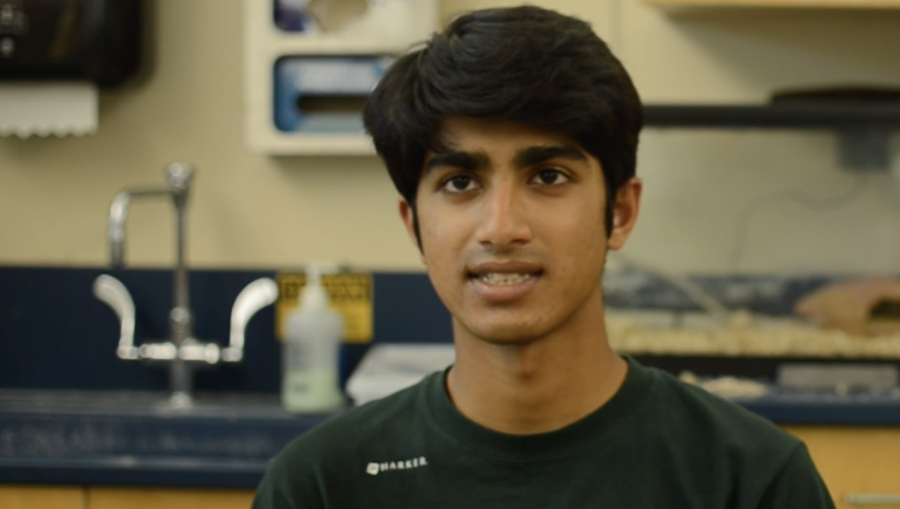
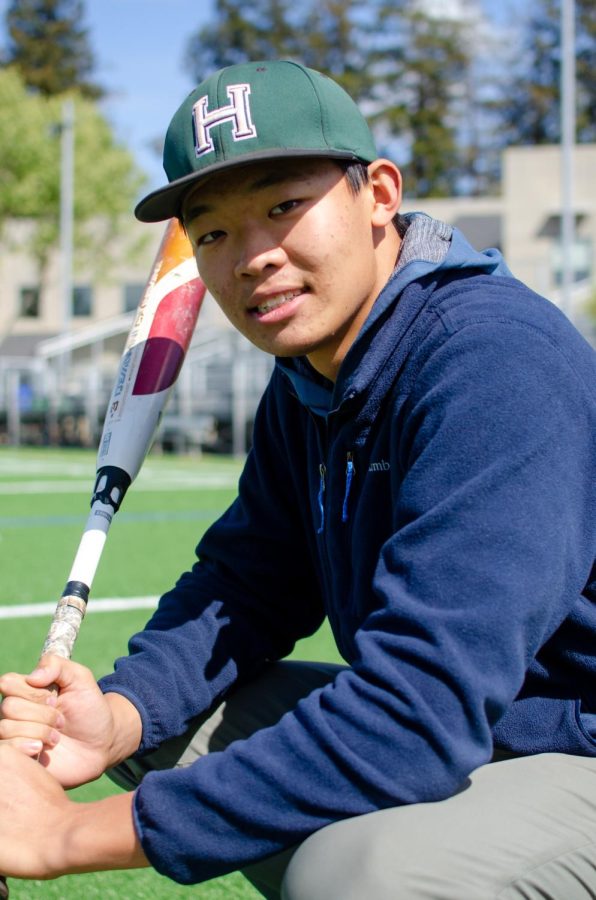
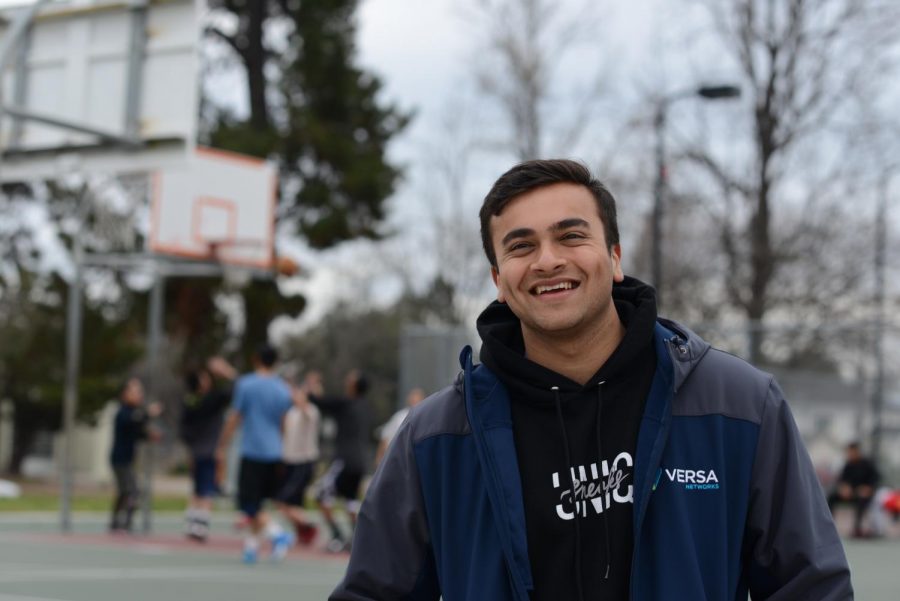
![“This is actually from Randy Pausch Randy P. Brick: ‘Walls are there for a reason. You have to show how much you want to overcome them.’ You have to show how much you want something. That's what I've always been able to do with tennis, Link Crew and getting that internship [with Kushy Baby]. It’s important pushing through that — getting around that brick wall, climbing over it or clawing through it,” Yash Sachdeva (’26) said.](https://harkeraquila.com/wp-content/uploads/2026/05/YashSachdeva_RamBatchu-copy-1200x1002.jpg)
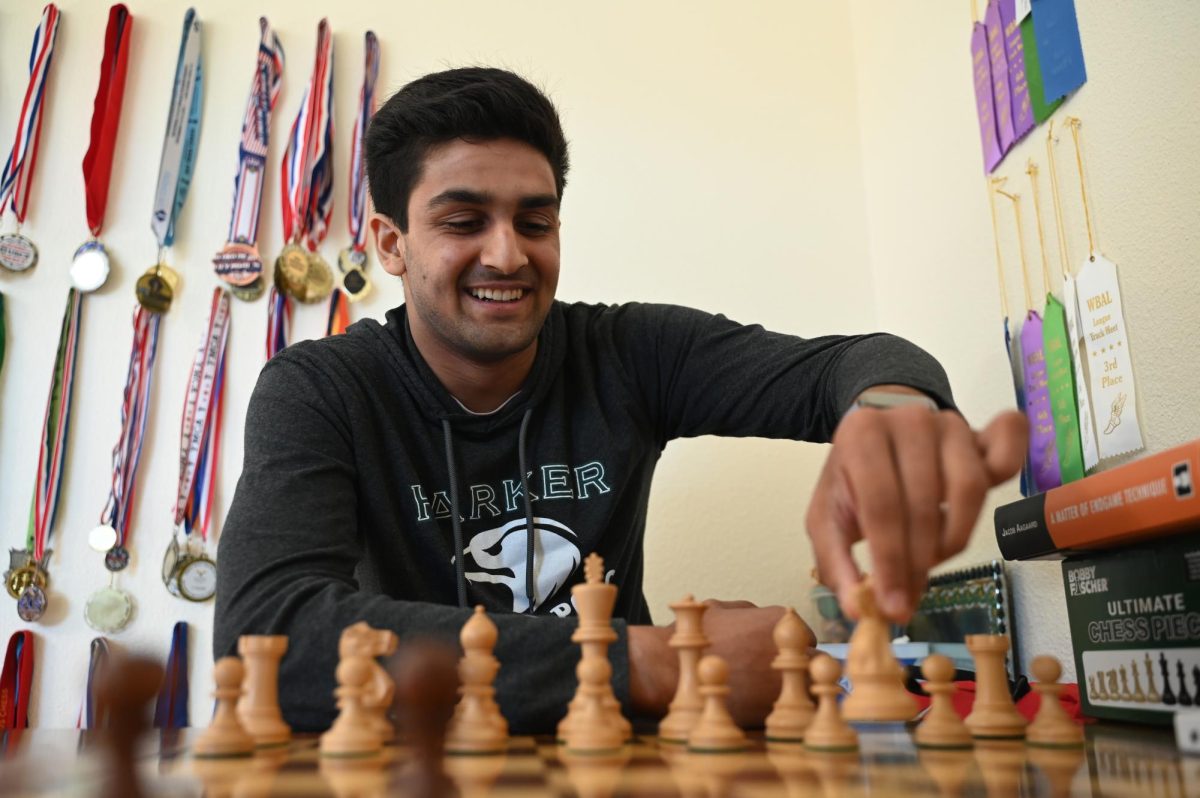



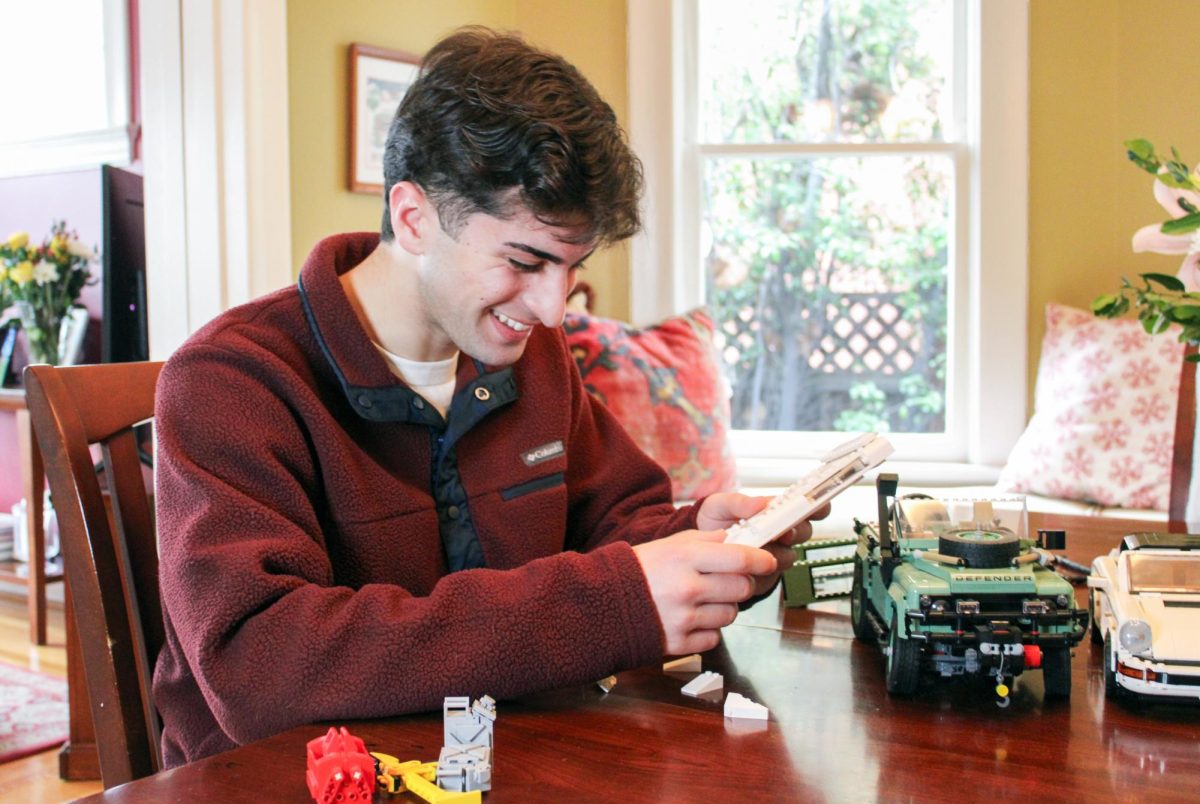

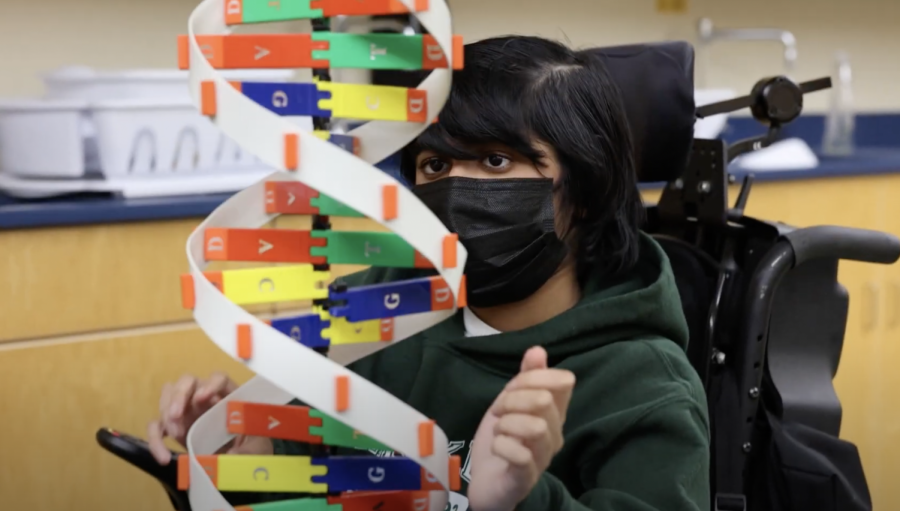
![“[Building nerf blasters] became this outlet of creativity for me that hasn't been matched by anything else. The process [of] making a build complete to your desire is such a painstakingly difficult process, but I've had to learn from [the skills needed from] soldering to proper painting. There's so many different options for everything, if you think about it, it exists. The best part is [that] if it doesn't exist, you can build it yourself," Ishaan Parate said.](https://harkeraquila.com/wp-content/uploads/2022/08/DSC_8149-900x604.jpg)
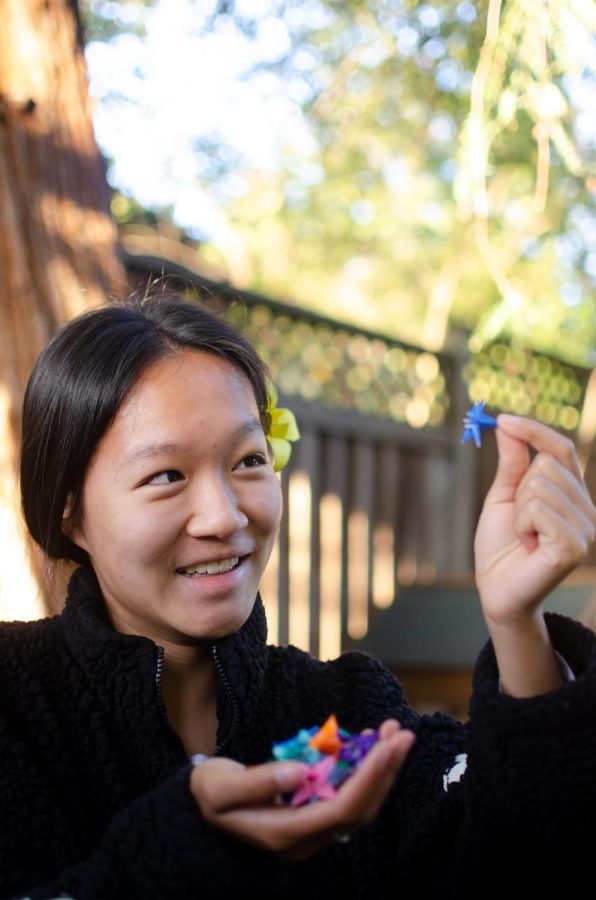
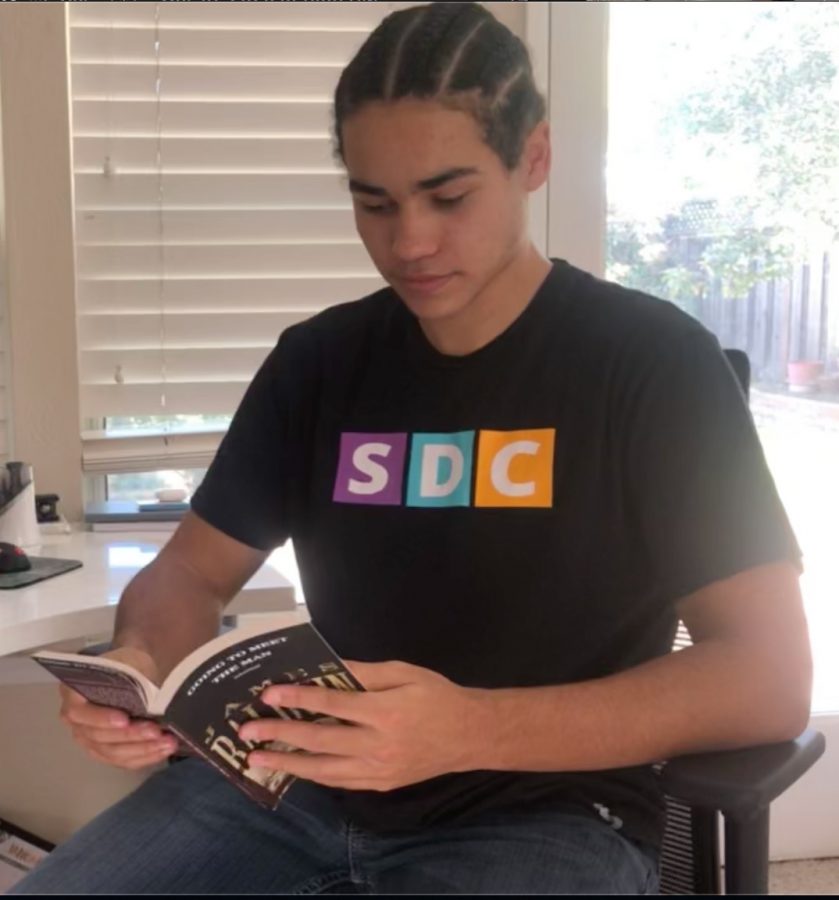
![“When I came into high school, I was ready to be a follower. But DECA was a game changer for me. It helped me overcome my fear of public speaking, and it's played such a major role in who I've become today. To be able to successfully lead a chapter of 150 students, an officer team and be one of the upperclassmen I once really admired is something I'm [really] proud of,” Anvitha Tummala ('21) said.](https://harkeraquila.com/wp-content/uploads/2021/07/Screen-Shot-2021-07-25-at-9.50.05-AM-900x594.png)

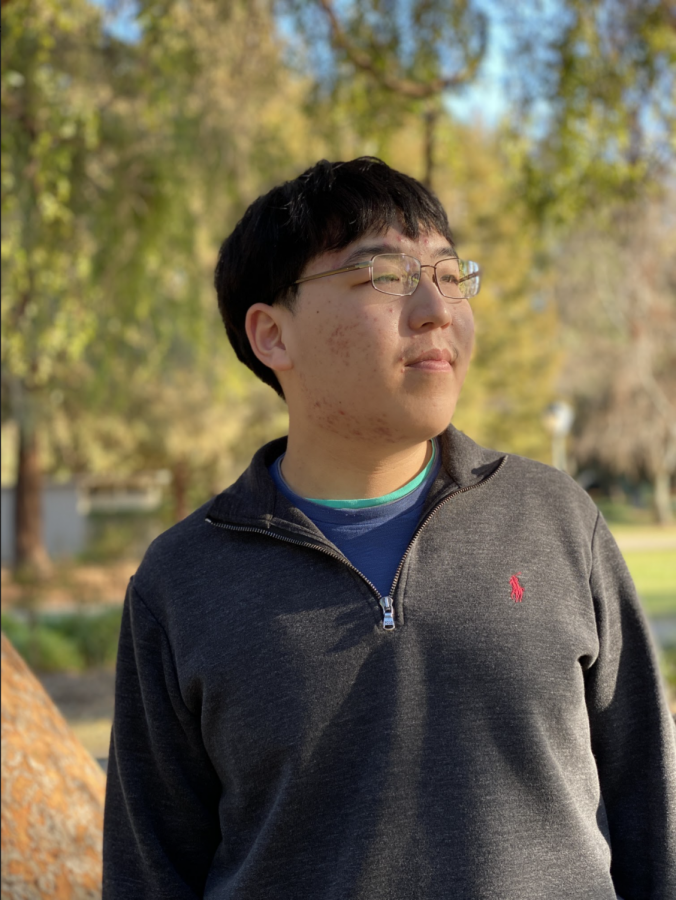
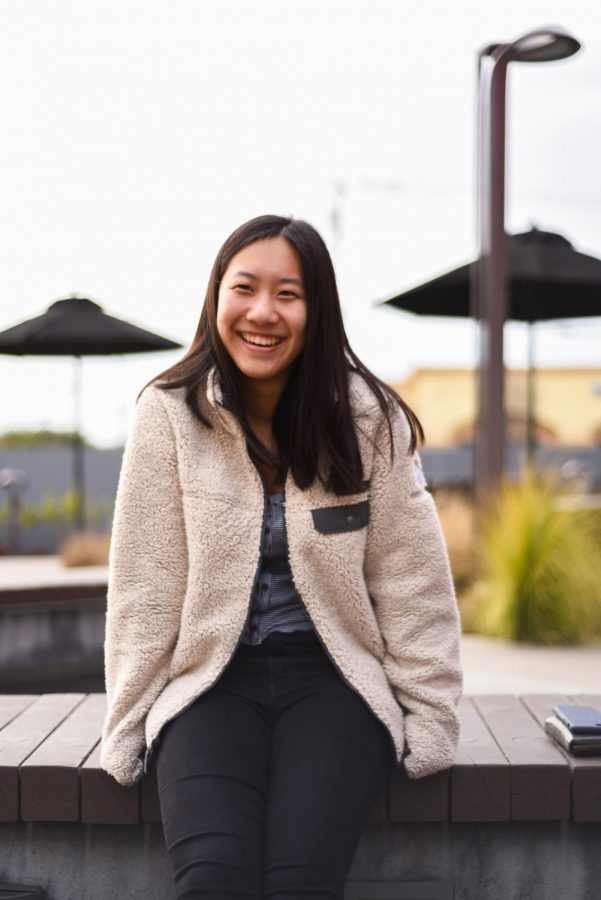

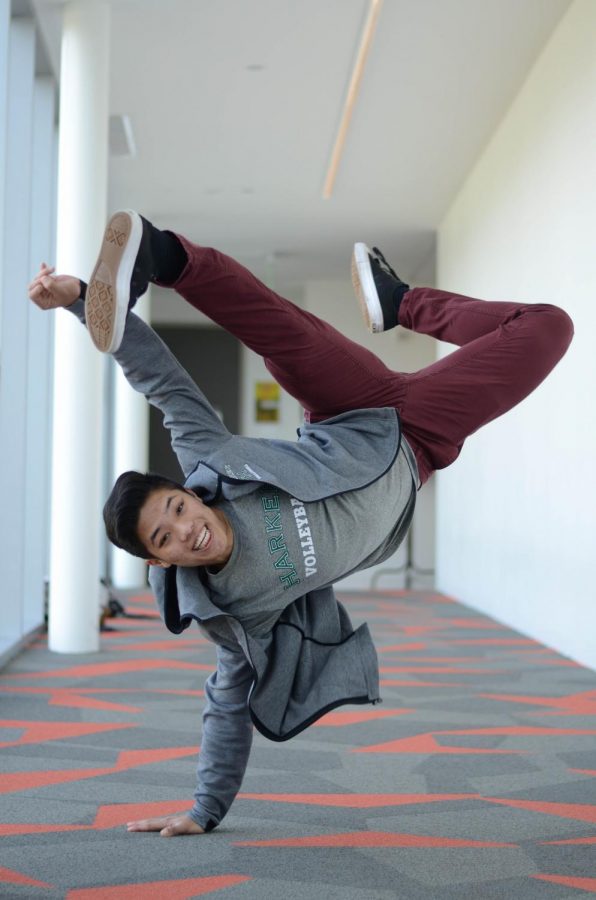
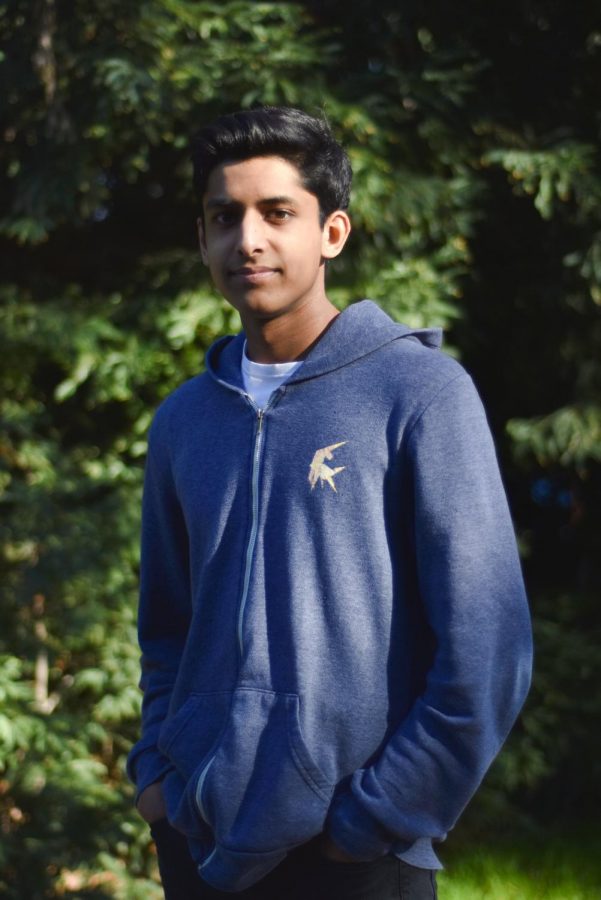

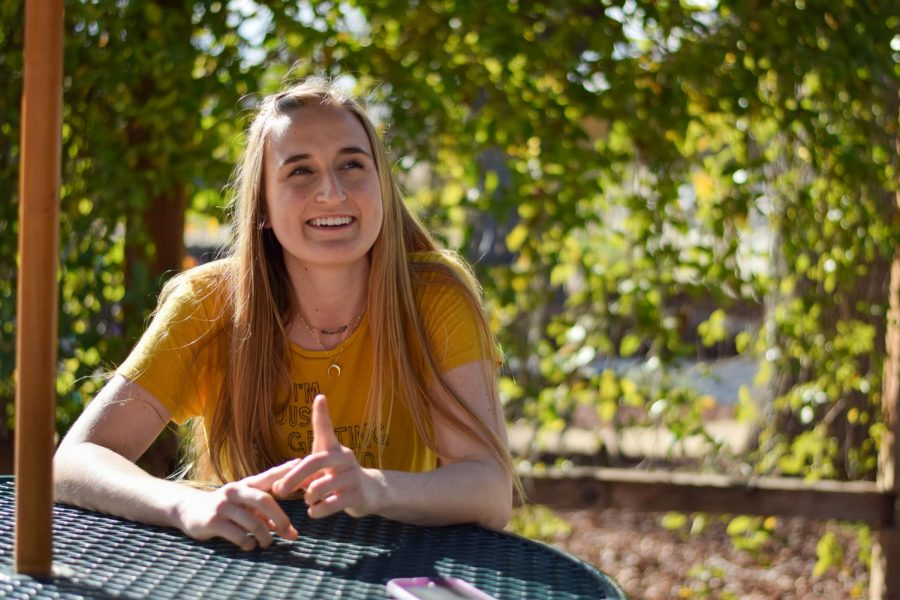
![“I think getting up in the morning and having a sense of purpose [is exciting]. I think without a certain amount of drive, life is kind of obsolete and mundane, and I think having that every single day is what makes each day unique and kind of makes life exciting,” Neymika Jain (12) said.](https://harkeraquila.com/wp-content/uploads/2017/06/Screen-Shot-2017-06-03-at-4.54.16-PM.png)
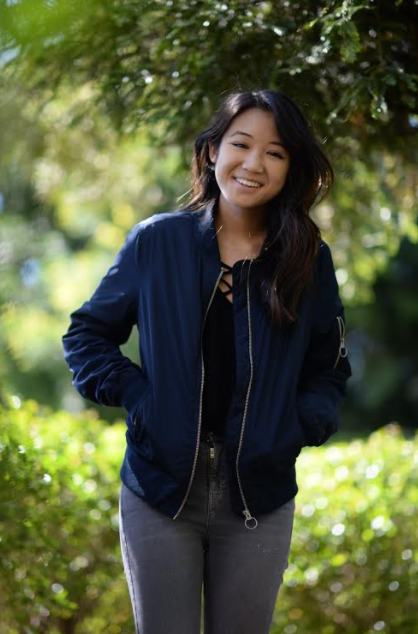
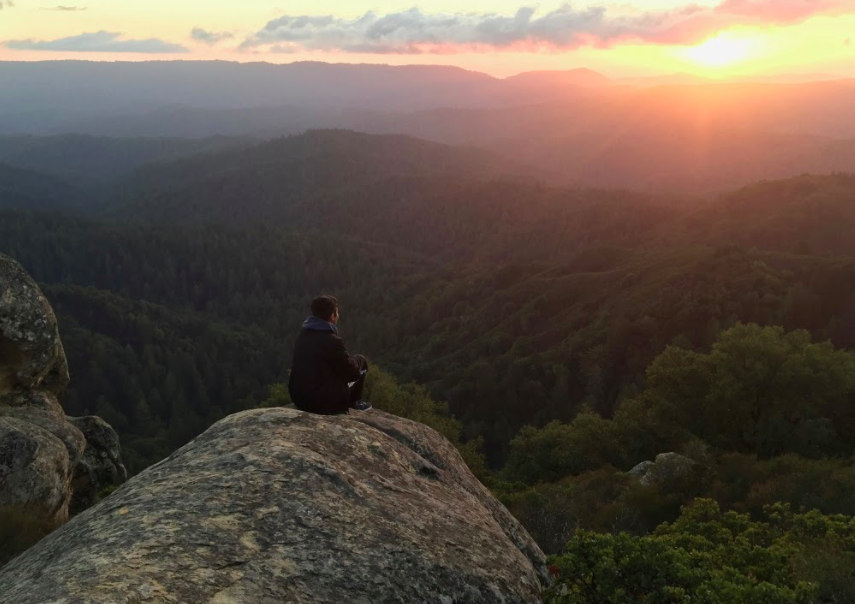

![“My slogan is ‘slow feet, don’t eat, and I’m hungry.’ You need to run fast to get where you are–you aren't going to get those championships if you aren't fast,” Angel Cervantes (12) said. “I want to do well in school on my tests and in track and win championships for my team. I live by that, [and] I can do that anywhere: in the classroom or on the field.”](https://harkeraquila.com/wp-content/uploads/2018/06/DSC5146-900x601.jpg)
![“[Volleyball has] taught me how to fall correctly, and another thing it taught is that you don’t have to be the best at something to be good at it. If you just hit the ball in a smart way, then it still scores points and you’re good at it. You could be a background player and still make a much bigger impact on the team than you would think,” Anya Gert (’20) said.](https://harkeraquila.com/wp-content/uploads/2020/06/AnnaGert_JinTuan_HoHPhotoEdited-600x900.jpeg)
![“I'm not nearly there yet, but [my confidence has] definitely been getting better since I was pretty shy and timid coming into Harker my freshman year. I know that there's a lot of people that are really confident in what they do, and I really admire them. Everyone's so driven and that has really pushed me to kind of try to find my own place in high school and be more confident,” Alyssa Huang (’20) said.](https://harkeraquila.com/wp-content/uploads/2020/06/AlyssaHuang_EmilyChen_HoHPhoto-900x749.jpeg)


In the era of social media, athletes have more influence than ever. A single post from a contender can reach millions of people in seconds. Because of this, I believe they should use their platforms to speak out on important social issues. From racial justice to healthcare inequality, their voices can bring attention to problems that are often ignored. Although some fans argue that competitors should keep their opinions to themselves, I believe that silence will allow these issues to continue.
When someone has a massive platform, remaining silent can feel like looking away. Athletes do not live separate lives from everyone else. They too face discrimination, health issues, and unequal systems. Their visibility enables them to bring awareness to issues that might otherwise be ignored or minimized.
Consider Natasha Cloud of the WNBA. During the protests that followed the murder of George Floyd, Cloud used her platform to speak openly about racial justice. She didn’t just post once and move on. She marched in protests, wrote publicly, and encouraged people to face the reality of racial violence and the harm caused by silence. In her essay “Your Silence Is a Knee on My Neck,” Cloud explains that racial justice is not a hobby or a political trend. It shapes who is treated fairly by police, who feels safe walking home, and whose voices are taken seriously.
Her actions mattered because they pushed people to think more deeply instead of staying silent. Natasha Cloud openly spoke about issues such as police brutality, racial inequality, and the lack of accountability in cases like the killings of George Floyd and Breonna Taylor. This moment stood out to me because she spoke with honesty and purpose, not for attention. She used her voice because she recognized that members of her community were being mistreated, and remaining silent would have meant ignoring their suffering. Her example showed me how public figures can use their voices to stand up for others and make important conversations harder to ignore.
Serena Williams offers another example. After experiencing a life-threatening pulmonary embolism following childbirth, she started publicly challenging how often women’s pain and health concerns are dismissed. Her experience with being ignored by the medical system is far from unique, as millions of women worldwide give birth without reliable access to trained midwives, essential medicines, clean water, or safe health facilities. UNICEF reports that 2.6 million newborns die each year (over 80 percent from preventable causes) because basic maternal and infant healthcare is lacking.
This is the reality Williams responds to through her public advocacy for maternal and women’s health. She has shared her childbirth complications in major media essays, interviews and public appearances, and uses social media to encourage women to listen to their bodies and speak up when something feels wrong, not because she claims medical expertise, but because too many women are ignored by healthcare systems before and after childbirth.
Williams’s visibility draws attention to a global health crisis that is often ignored, and by sharing her story, she supports women who have faced similar challenges and helps other audiences understand a problem they may never experience themselves. This demonstrates how public figures can use their platforms to amplify urgent health issues that might otherwise remain overlooked.
Although critics argue that public figures speak out only to gain attention, the actions of athletes like Serena Williams and Natasha Cloud show a different impact. Williams has repeatedly shared her own life-threatening childbirth experiences to push for improvements in maternal healthcare, while Cloud went beyond social media statements by sitting out a professional season to focus on social justice advocacy and speaking directly about police violence and racial inequality. Their activism stands out because it is shaped by personal experiences and direct attention to specific problems, making their advocacy about creating awareness and change.
Still, some people believe that celebrities and athletes should stay out of complex issues because they are not experts. My own perspective on whether athletes should speak openly about serious issues grew when Naomi Osaka withdrew from the French Open to protect her mental health in 2021. As a tennis player, I had always admired her game, but I had never seen a professional athlete speak so honestly about anxiety while the entire world was watching. Her choice changed how me and other students at Harker talk about stress and made me reflect on the pressure athletes carry even at the high school level.
Osaka did not claim to be a psychologist — she simply described her experience — but honesty encouraged many people, including my teammates, to admit they were struggling too. That moment showed me that expertise is not what makes someone’s voice meaningful. Sometimes a public figure’s lived experience can open conversations that would never start otherwise.
Influence is power. The question is not whether athletes should have that power — they already do. The real question is what they choose to do with it. If they decide to use it to make the world more just or more humane, that is something worth recognizing, not dismissing.