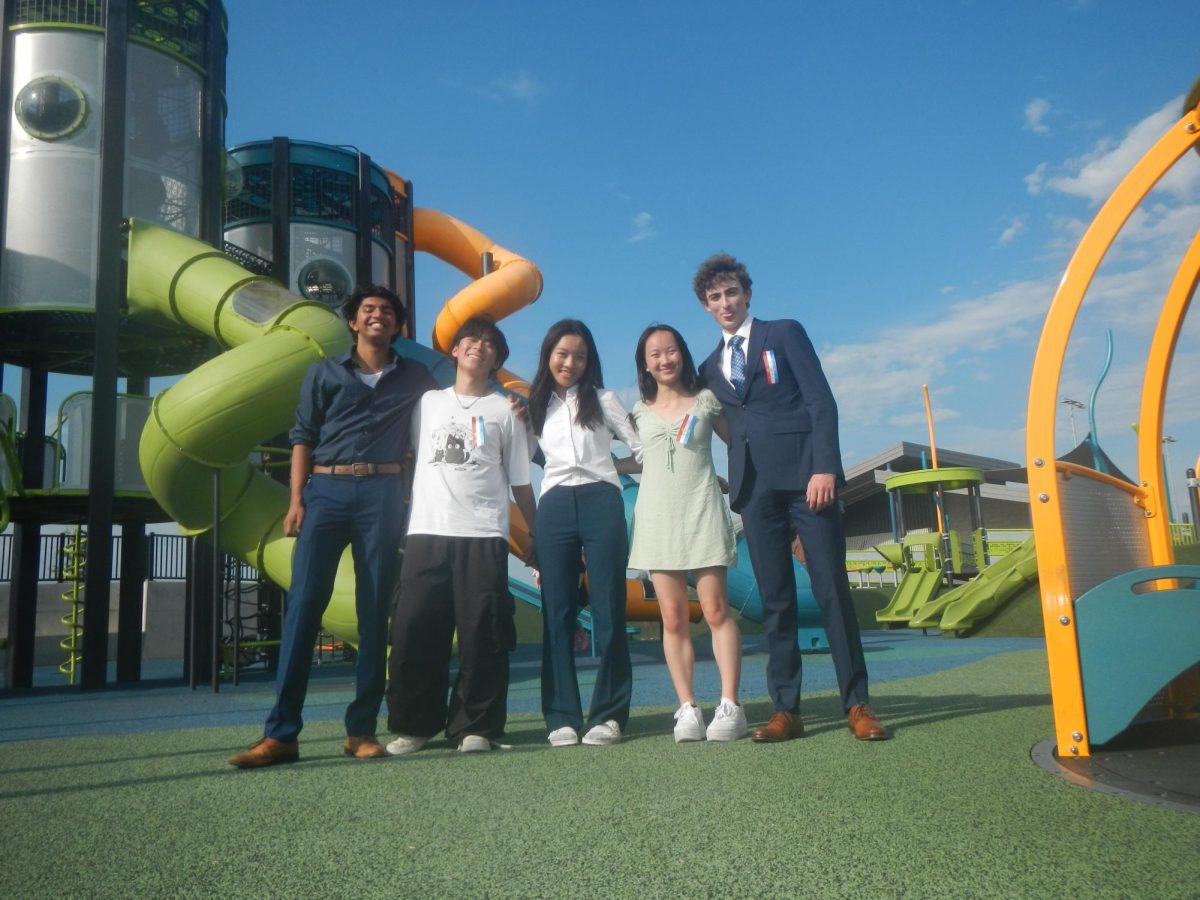
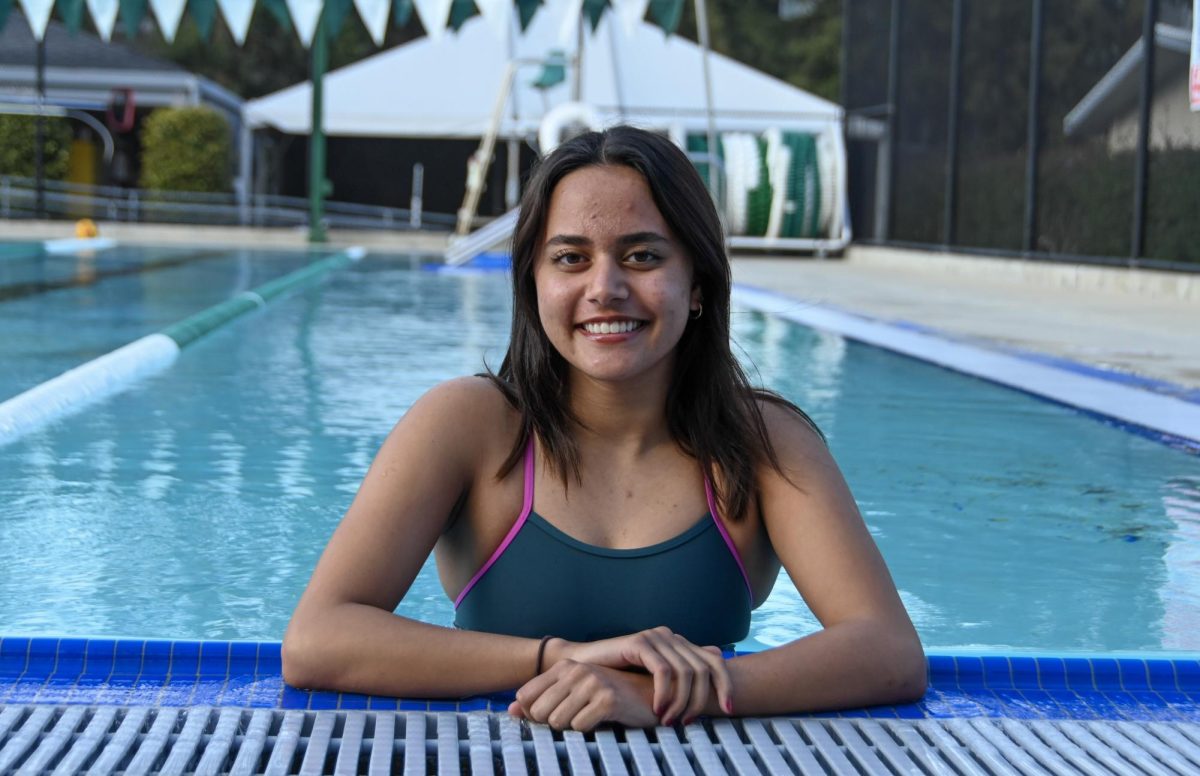
![“I wasn't discouraged by some of the obstacles we faced. I learned a lot from the leadership. I found that different people need different ways of receiving feedback — you can't [just] tell them to do something and expect the best. [Some] people needed more incentive. A large part of my role was to figure out what worked for everyone and to figure out how to lead all these separate individuals as a team,” Suhana Bhandare (’26) said.](https://harkeraquila.com/wp-content/uploads/2026/06/SuhanaBhandare_JasmineHansra-1-1200x798.jpg)
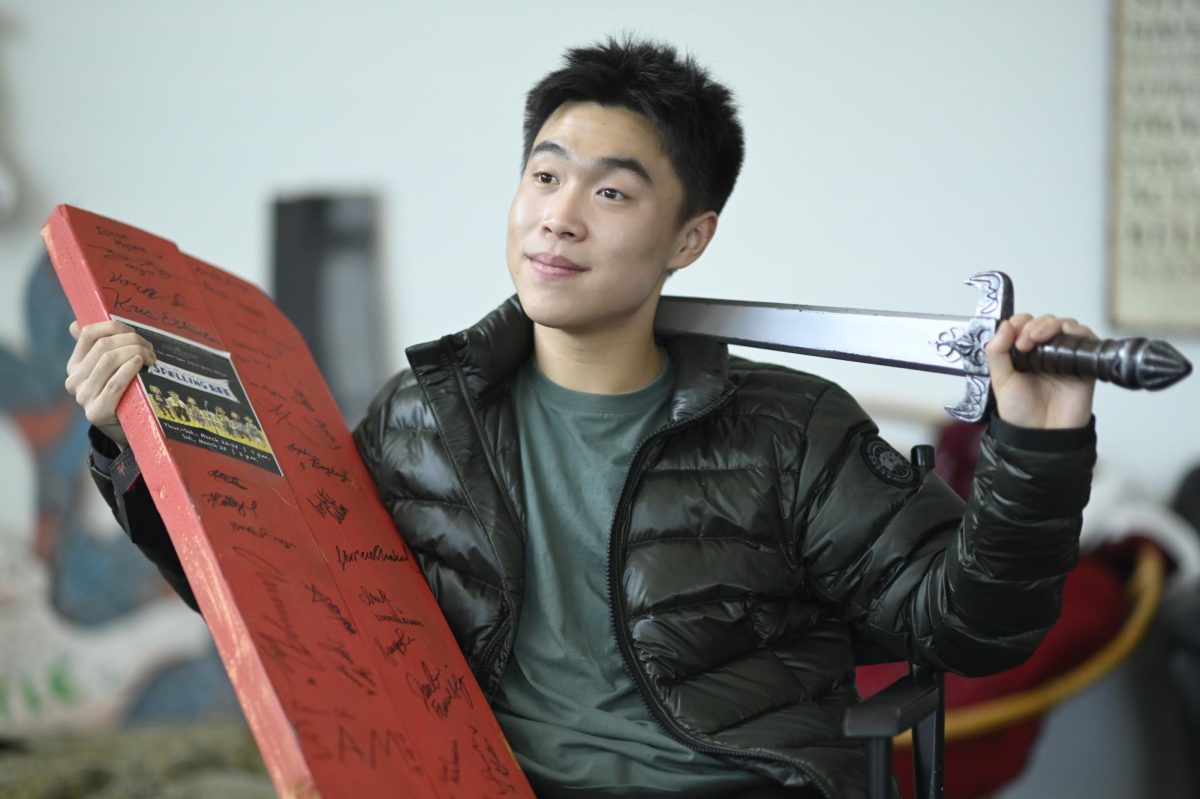
![“This is actually from Randy Pausch Randy P. Brick: ‘Walls are there for a reason. You have to show how much you want to overcome them.’ You have to show how much you want something. That's what I've always been able to do with tennis, Link Crew and getting that internship [with Kushy Baby]. It’s important pushing through that — getting around that brick wall, climbing over it or clawing through it,” Yash Sachdeva (’26) said.](https://harkeraquila.com/wp-content/uploads/2026/05/YashSachdeva_RamBatchu-copy-1200x1002.jpg)
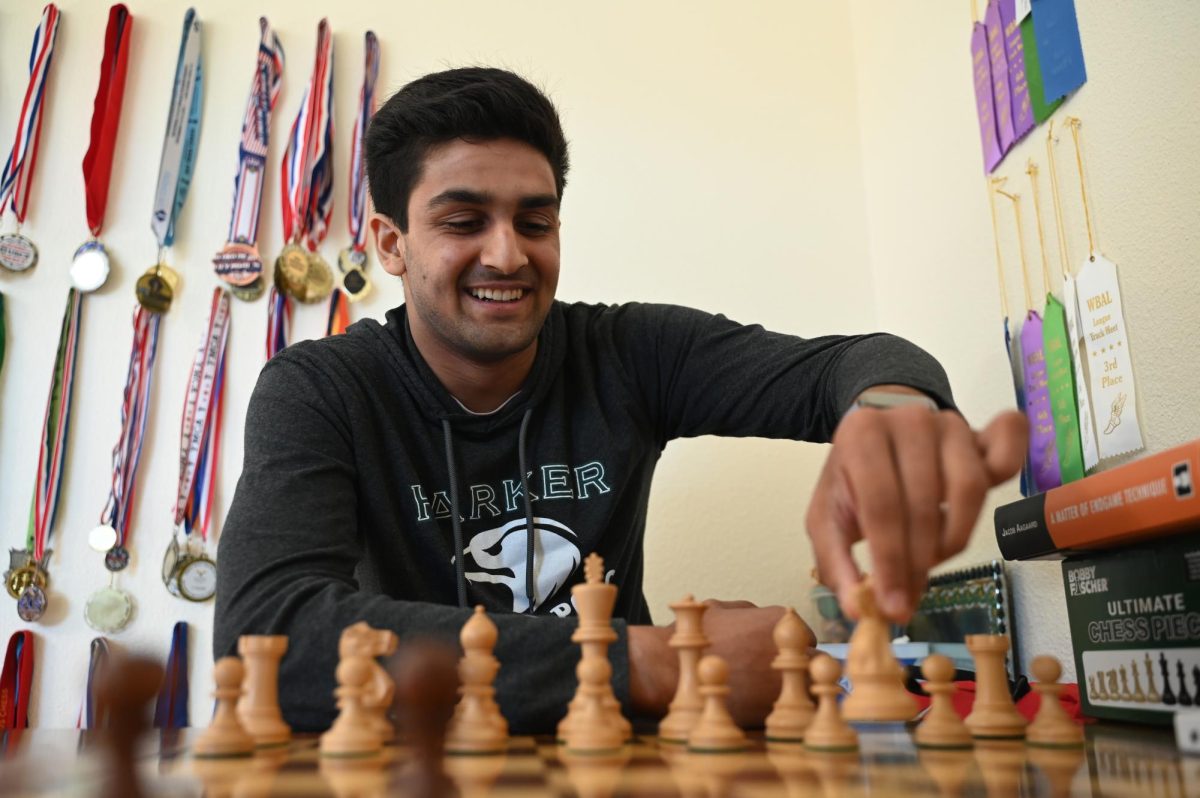




![“[Building nerf blasters] became this outlet of creativity for me that hasn't been matched by anything else. The process [of] making a build complete to your desire is such a painstakingly difficult process, but I've had to learn from [the skills needed from] soldering to proper painting. There's so many different options for everything, if you think about it, it exists. The best part is [that] if it doesn't exist, you can build it yourself," Ishaan Parate said.](https://harkeraquila.com/wp-content/uploads/2022/08/DSC_8149-900x604.jpg)
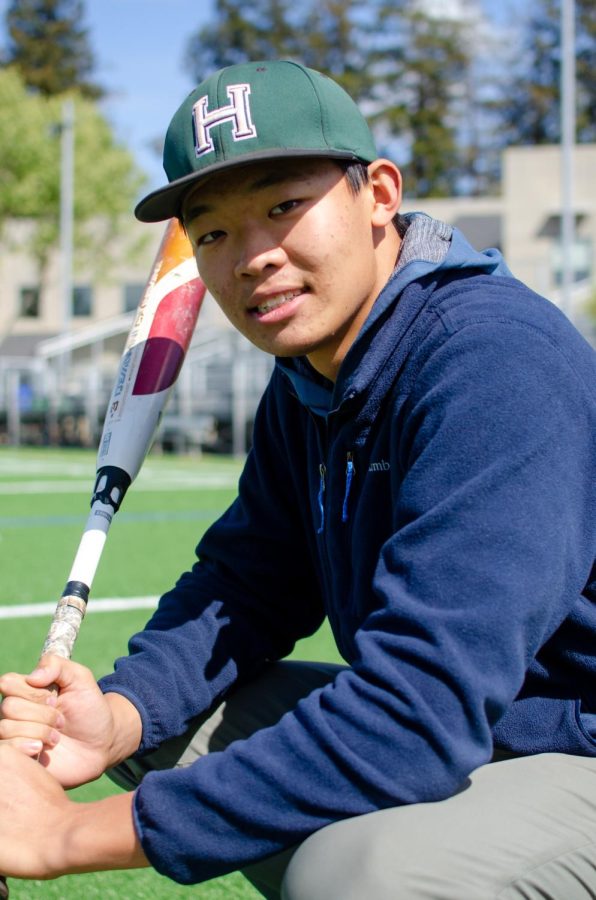
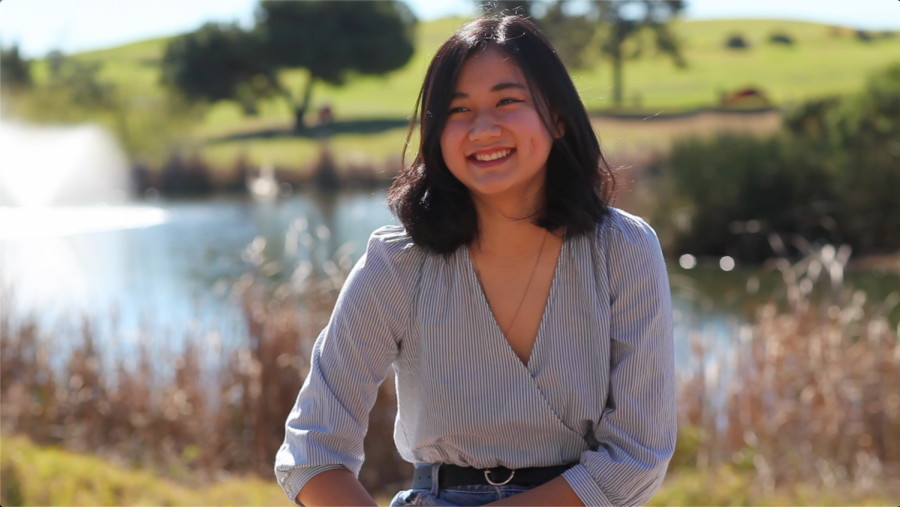
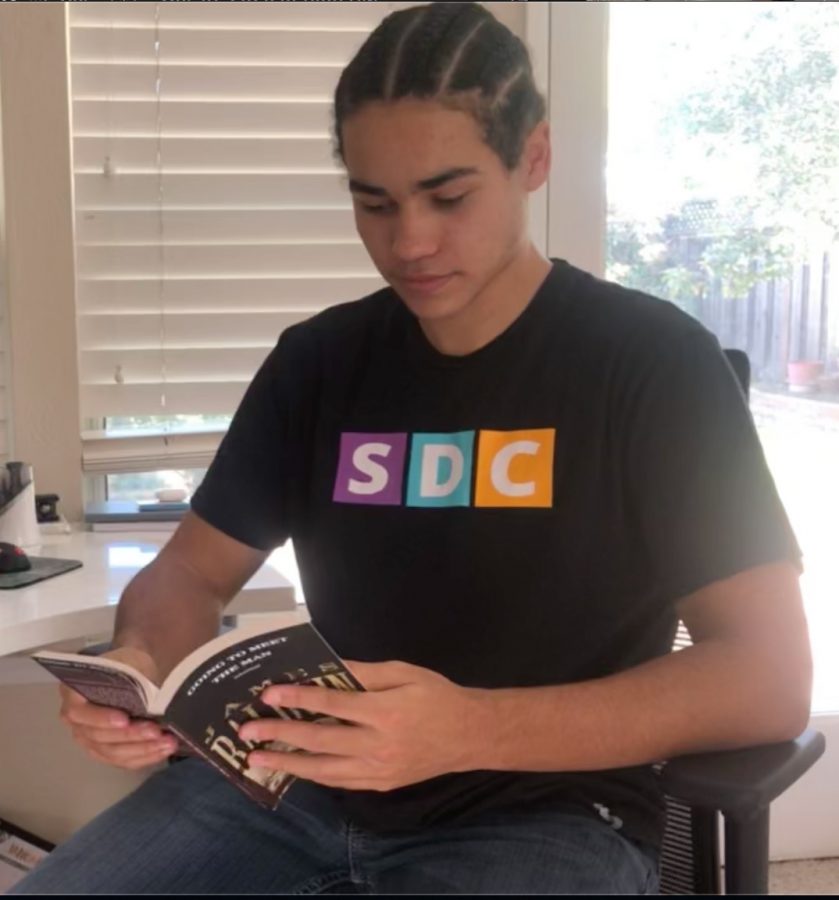
![“When I came into high school, I was ready to be a follower. But DECA was a game changer for me. It helped me overcome my fear of public speaking, and it's played such a major role in who I've become today. To be able to successfully lead a chapter of 150 students, an officer team and be one of the upperclassmen I once really admired is something I'm [really] proud of,” Anvitha Tummala ('21) said.](https://harkeraquila.com/wp-content/uploads/2021/07/Screen-Shot-2021-07-25-at-9.50.05-AM-900x594.png)
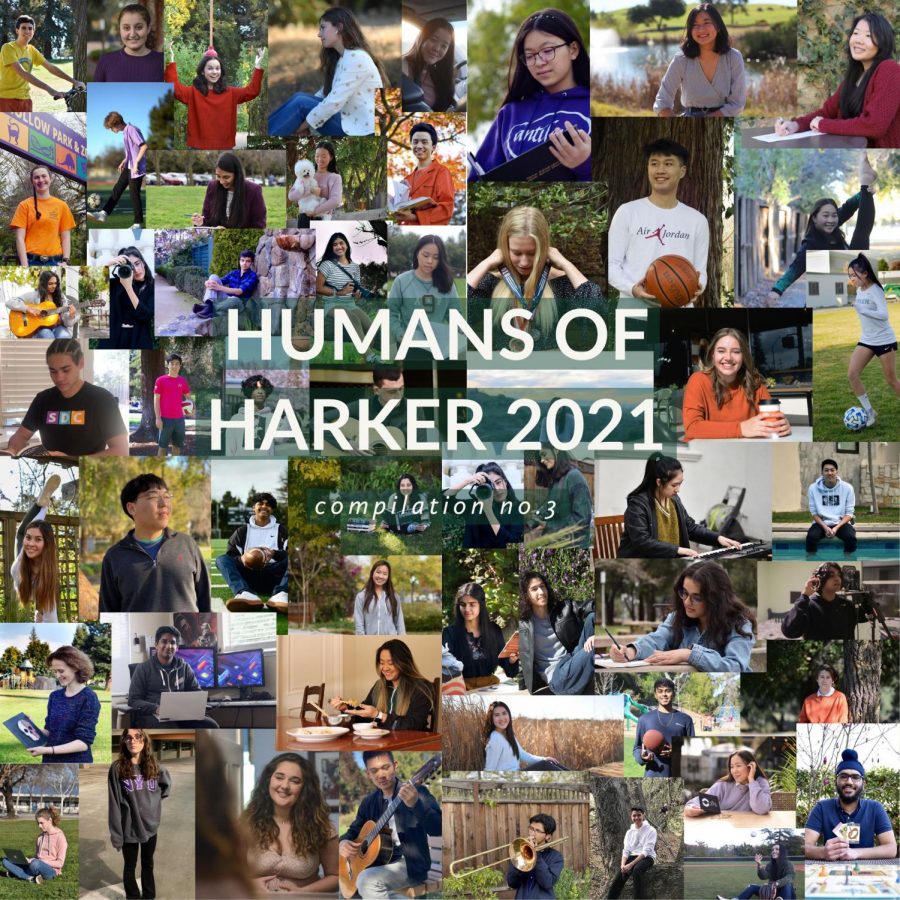
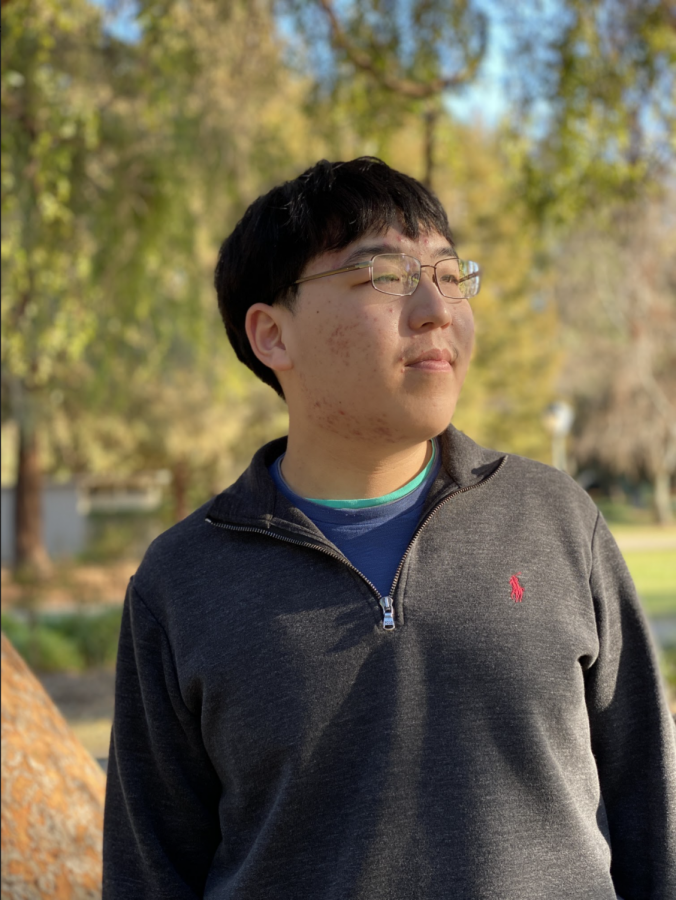
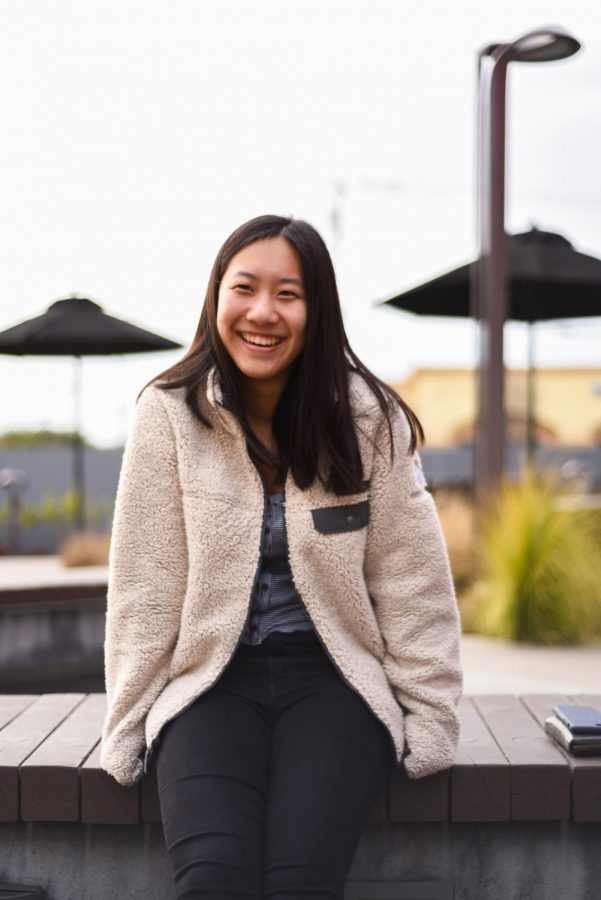
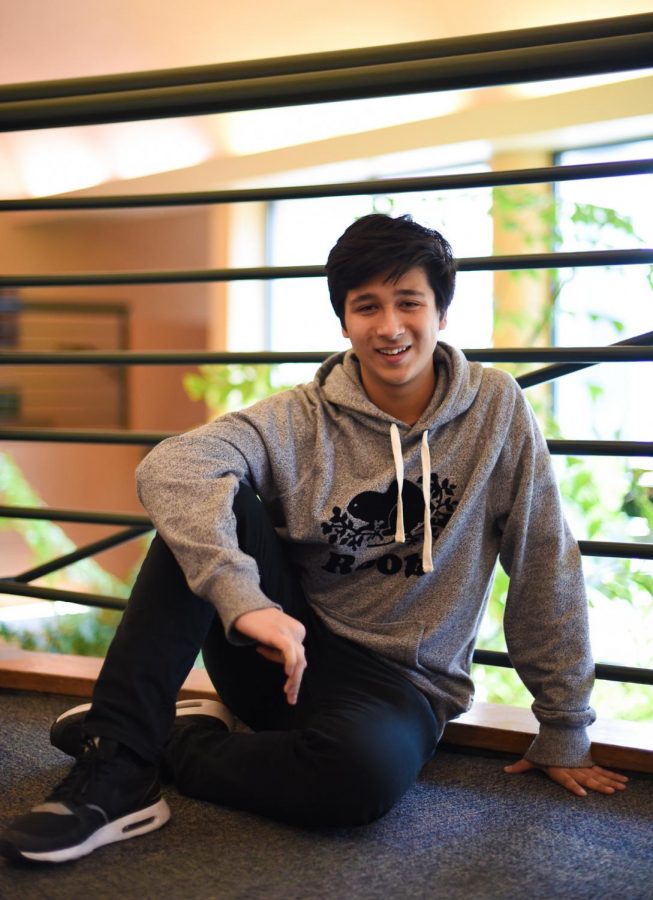
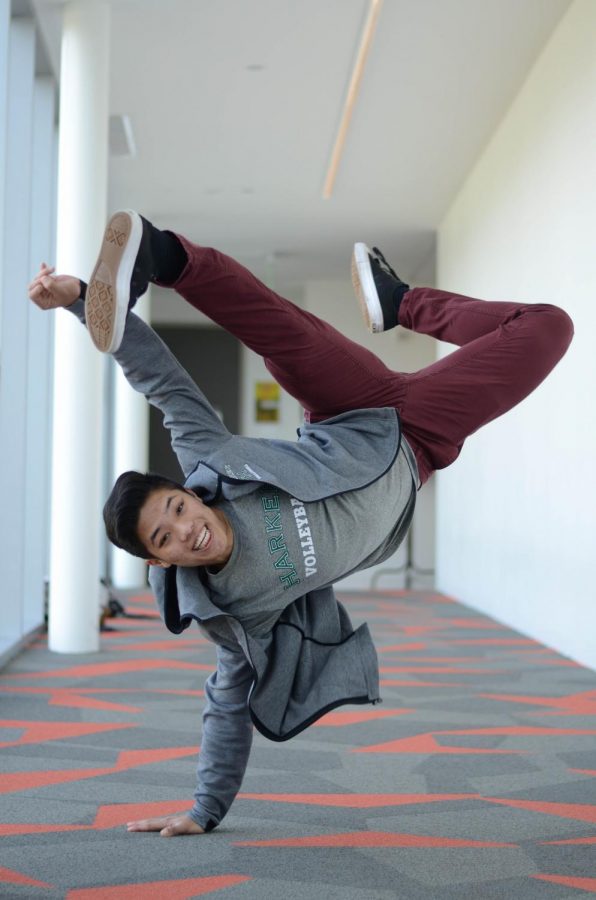
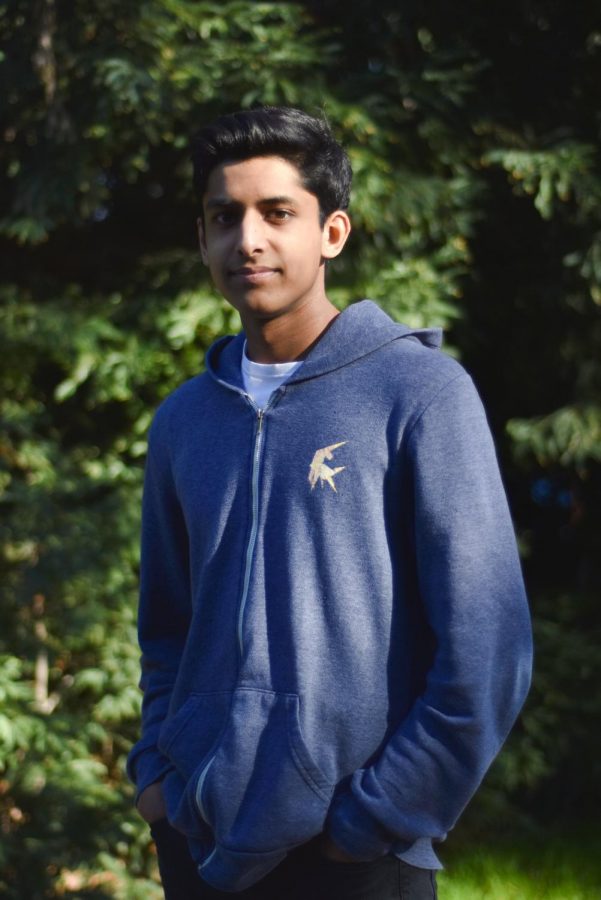

![“I think getting up in the morning and having a sense of purpose [is exciting]. I think without a certain amount of drive, life is kind of obsolete and mundane, and I think having that every single day is what makes each day unique and kind of makes life exciting,” Neymika Jain (12) said.](https://harkeraquila.com/wp-content/uploads/2017/06/Screen-Shot-2017-06-03-at-4.54.16-PM.png)
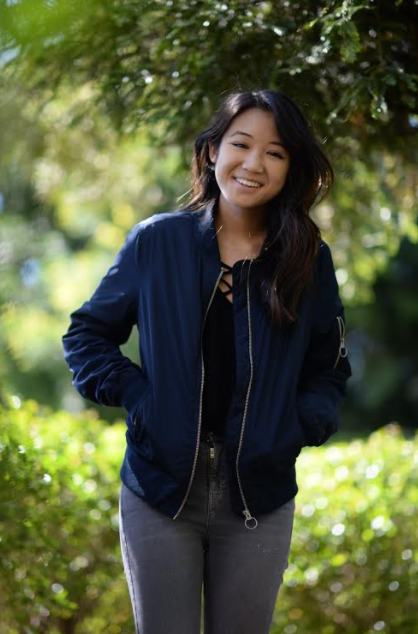
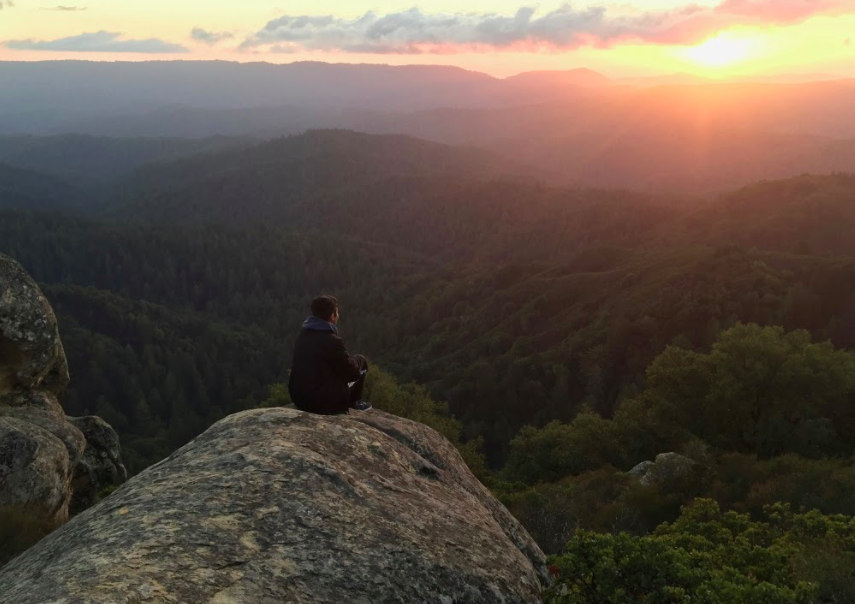
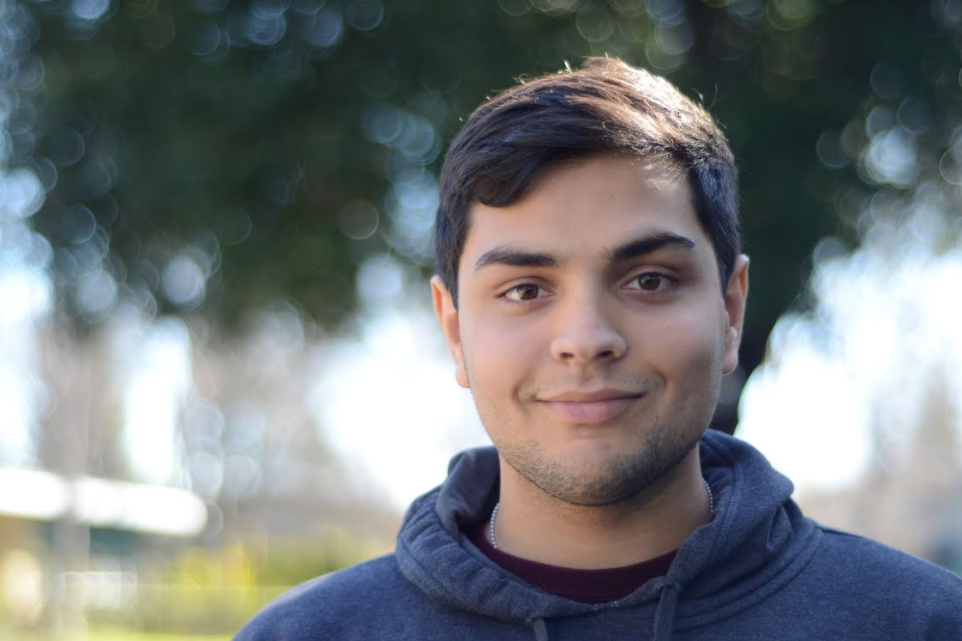
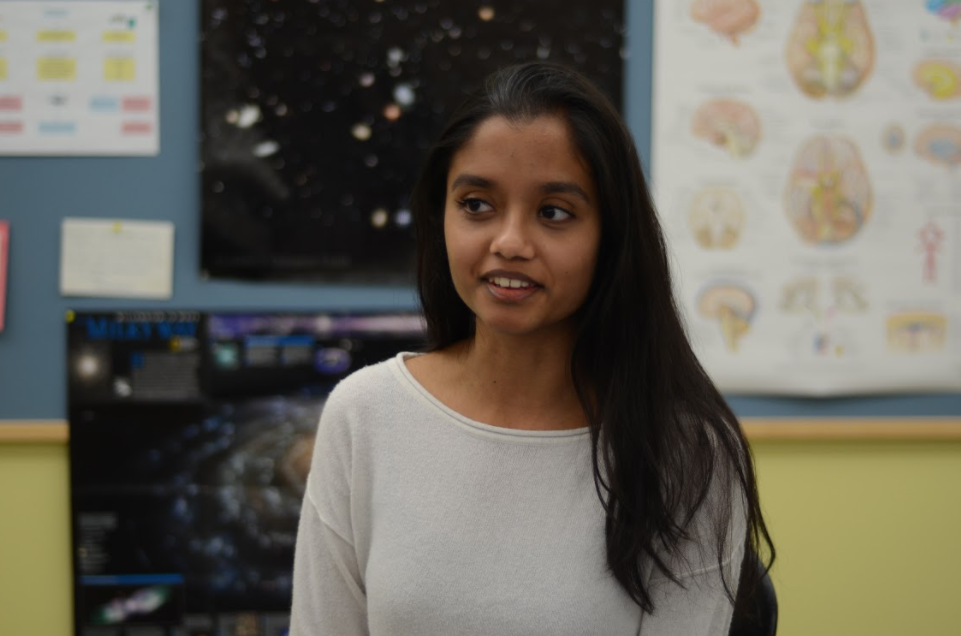
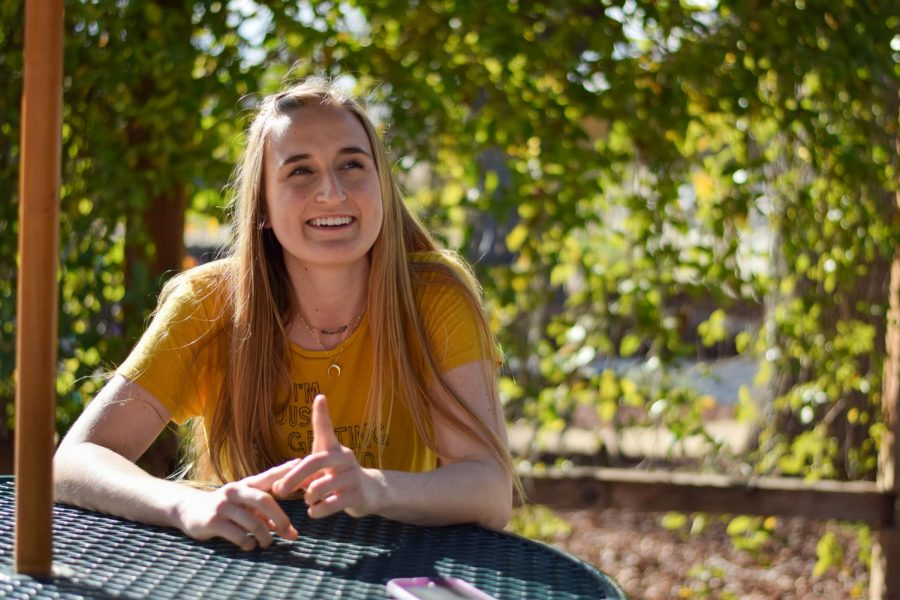
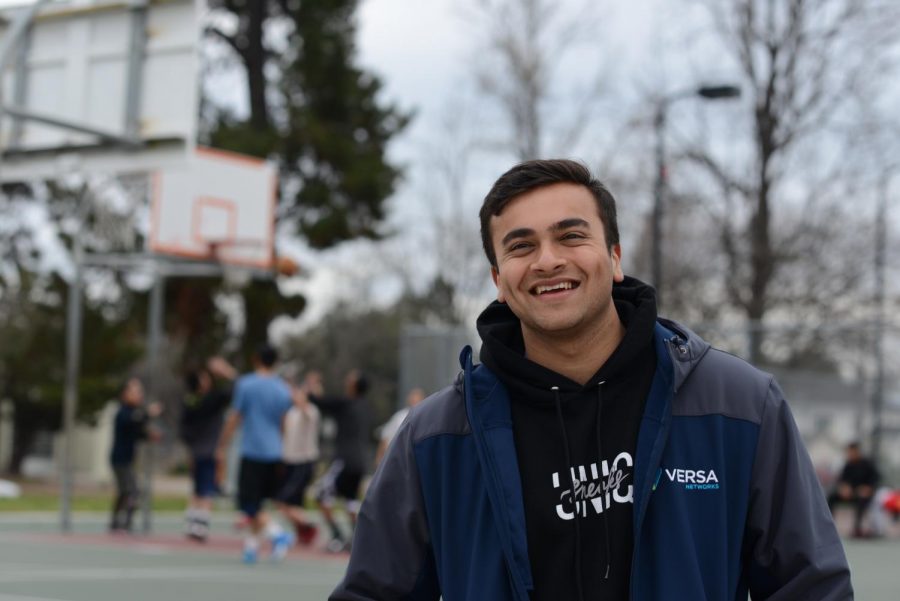
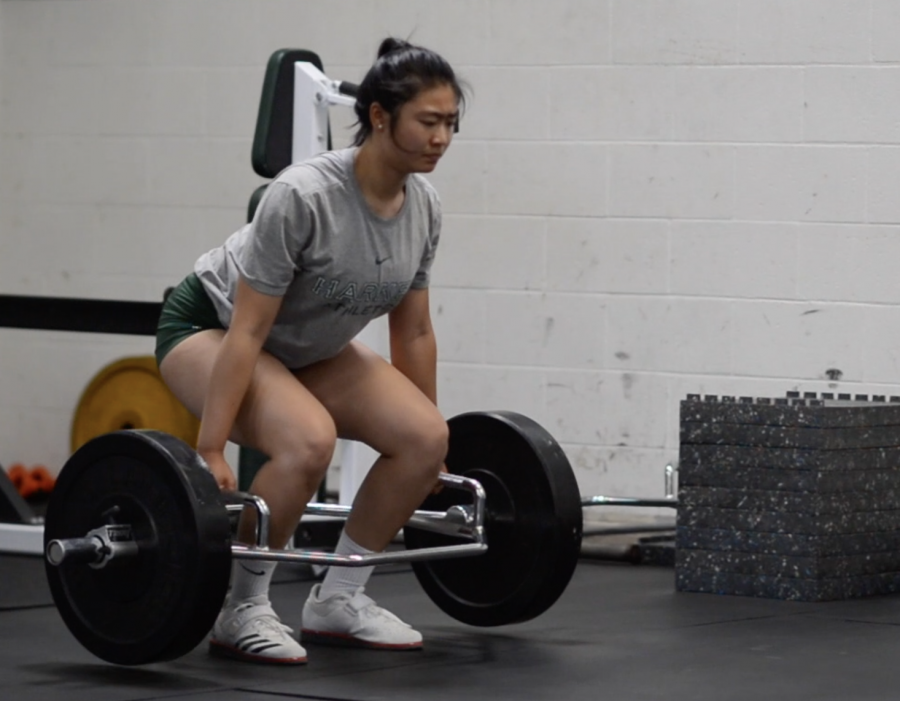

![“My slogan is ‘slow feet, don’t eat, and I’m hungry.’ You need to run fast to get where you are–you aren't going to get those championships if you aren't fast,” Angel Cervantes (12) said. “I want to do well in school on my tests and in track and win championships for my team. I live by that, [and] I can do that anywhere: in the classroom or on the field.”](https://harkeraquila.com/wp-content/uploads/2018/06/DSC5146-900x601.jpg)
![“[Volleyball has] taught me how to fall correctly, and another thing it taught is that you don’t have to be the best at something to be good at it. If you just hit the ball in a smart way, then it still scores points and you’re good at it. You could be a background player and still make a much bigger impact on the team than you would think,” Anya Gert (’20) said.](https://harkeraquila.com/wp-content/uploads/2020/06/AnnaGert_JinTuan_HoHPhotoEdited-600x900.jpeg)
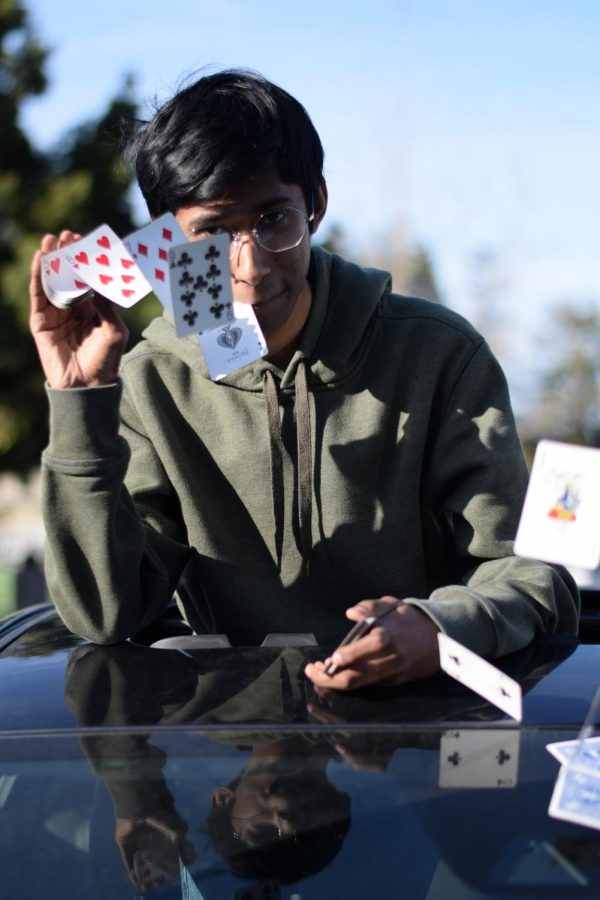
![“I'm not nearly there yet, but [my confidence has] definitely been getting better since I was pretty shy and timid coming into Harker my freshman year. I know that there's a lot of people that are really confident in what they do, and I really admire them. Everyone's so driven and that has really pushed me to kind of try to find my own place in high school and be more confident,” Alyssa Huang (’20) said.](https://harkeraquila.com/wp-content/uploads/2020/06/AlyssaHuang_EmilyChen_HoHPhoto-900x749.jpeg)



While there is still some time before summer break, most students have already begun to make summer plans for programs and travel. Like many, as I started researching interesting opportunities, I realized most of them conflicted with Harker’s required four-week biology summer course, a prerequisite for AP Biology.
The required summer coursework for AP Chemistry and AP Biology, for rising sophomores and juniors, respectively, conflicts with many summer programs, forcing students to choose between two paths of interest. Some of these summer programs include UC Santa Barbara’s Research Mentorship Program and California State Summer School for Mathematics and Science. This narrows students’ options by making two valuable situations mutually exclusive.
Summer programs outside of Harker provide students with the opportunity to interact with peers from around the world, broadening their perspectives and expanding their opportunities to learn from peers of their own age. Residential programs also give students the experience of living away from home, which helps them develop independence and practical skills.
In addition, many research camps provide special guidance that is especially beneficial to those interested in science, such as one-on-one mentorship and hands-on lab work that cannot be found in traditional high school classes during the school year.
While students have the option to take the honors course instead, this alternative can limit future flexibility. Choosing honors delays access to AP-level coursework and restricts course planning later on. In addition, some summer programs even require prior AP-level preparation, which becomes difficult to obtain if that is delayed.
In addition, I think the course’s requirements are unusually strict: students may only be permitted one absence before being dropped from the class without refund. While I understand that there is merit behind its stringent expectations, only one allowed absence is a tall order, especially when considering excused absences like sickness. These attendance policies discourage students from prioritizing their well-being, compromising both their learning experience and the health of others.
Another aspect to consider is that the AP courses only have a single start date, whereas other Harker summer classes provide more flexible time scheduling. Not only would offering more opportunities make it easier to create summer plans, but I also think it would make the learning experience more engaging. Ideally, each session would have fewer students, which would lead to a more individualized learning experience between the teacher and the student.
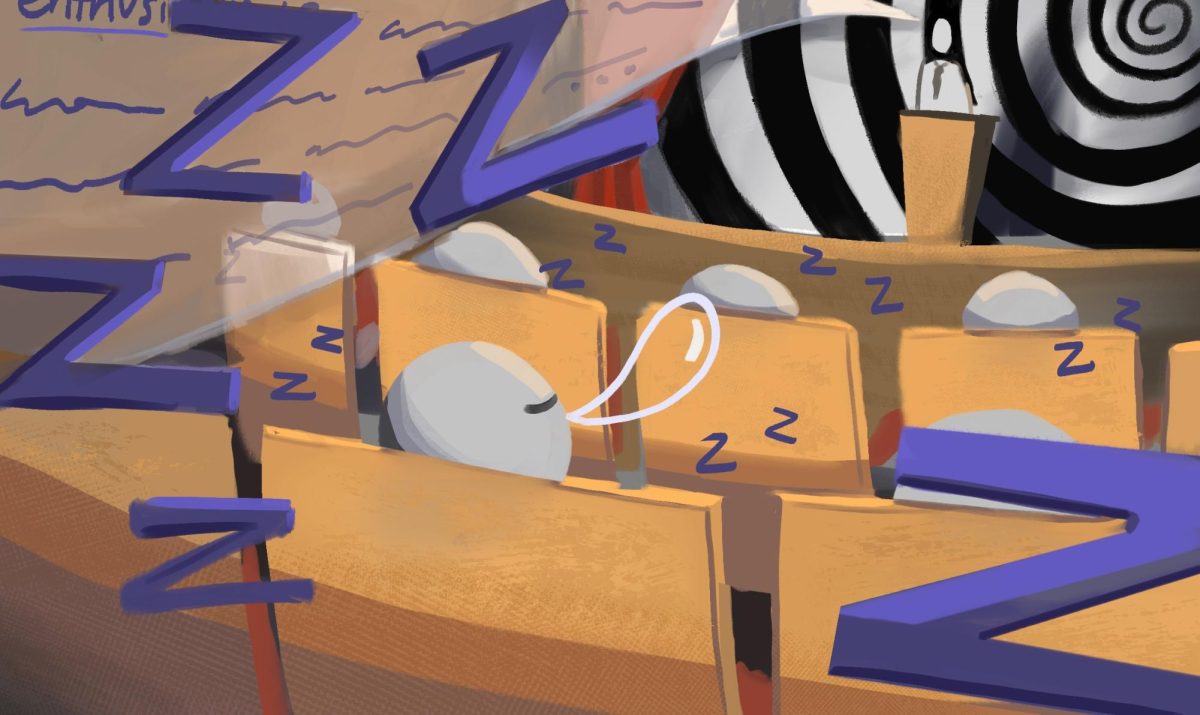
The fast pace of class creates stress around completing assignments in time and can make it difficult to actually retain the topics. The school advocates for time management and encourages smart study habits, yet these courses contradict those values by cultivating an environment for cramming. AP classes are supposed to simulate college-level pacing and work, but I think jamming a large amount of content within four weeks makes retaining information difficult and induces unnecessary stress. Instead, spreading out the intensity over the entirety of the school year and offering resources can help students ease into the concepts. In theory, the idea of prior preparation during the summer is a great plan, but its efficiency is undermined when considering the demanding nature of the summer course.
Because students have to either give up a summer program opportunity for the class or postpone taking the course until the next year, they end up having to sacrifice one for the other when being able to experience both could have been an option if either the school offered multiple start dates or taught the entire AP course during the school year, like other schools.
Rather than helping reduce workload during the school year by teaching students prior knowledge, the summer courses’ inflexible scheduling shifts unnecessary stress into the future and creates new conflicts. It forces students to have to sacrifice their interests for academic growth, or vice versa, instead of providing the opportunity to learn how to balance both pursuits.