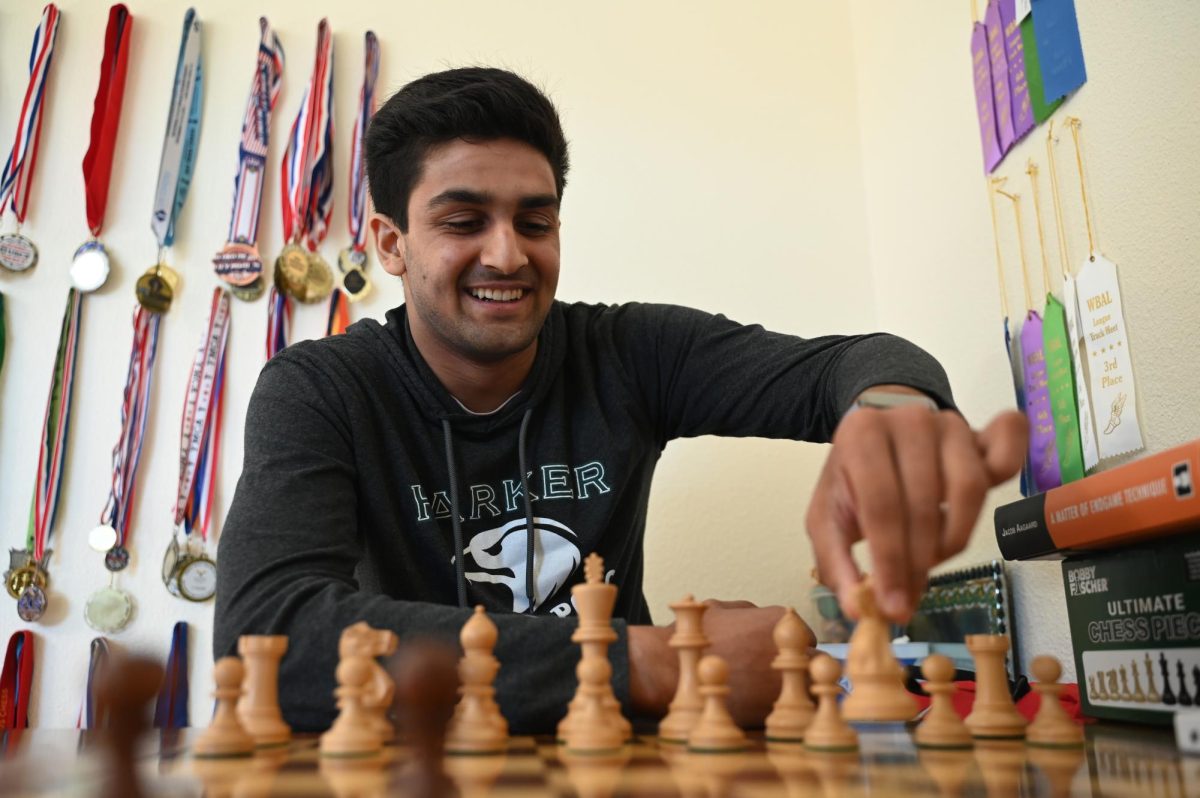
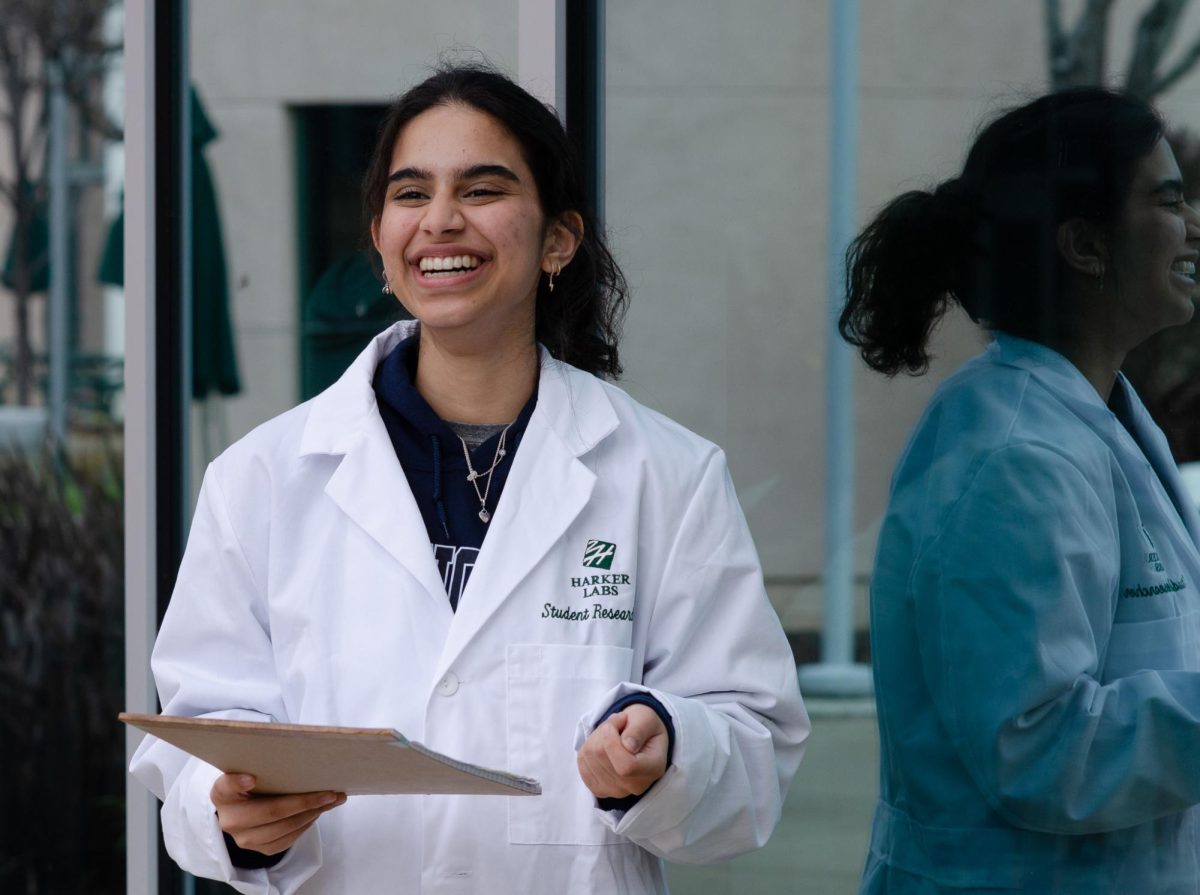
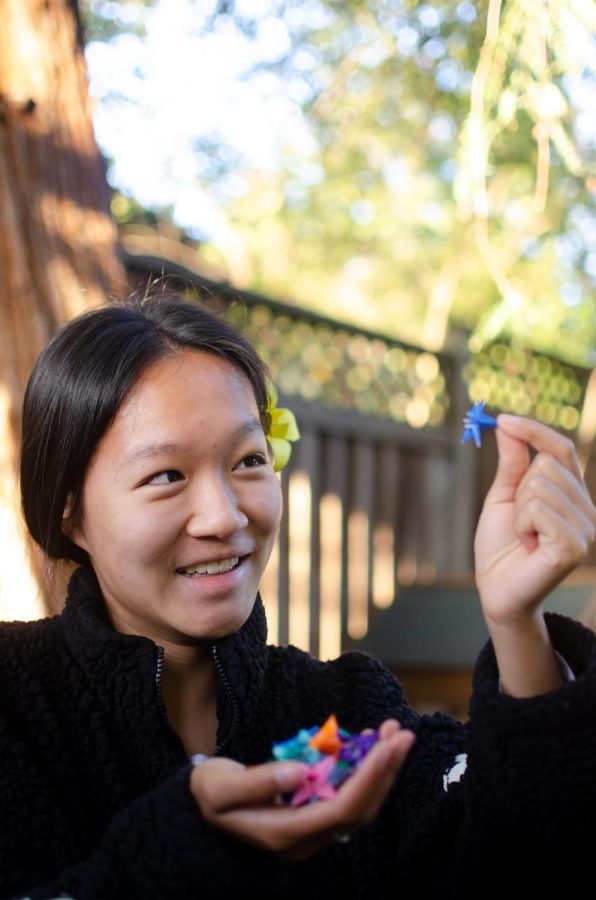
![“I wasn't discouraged by some of the obstacles we faced. I learned a lot from the leadership. I found that different people need different ways of receiving feedback — you can't [just] tell them to do something and expect the best. [Some] people needed more incentive. A large part of my role was to figure out what worked for everyone and to figure out how to lead all these separate individuals as a team,” Suhana Bhandare (’26) said.](https://harkeraquila.com/wp-content/uploads/2026/06/SuhanaBhandare_JasmineHansra-1-1200x798.jpg)
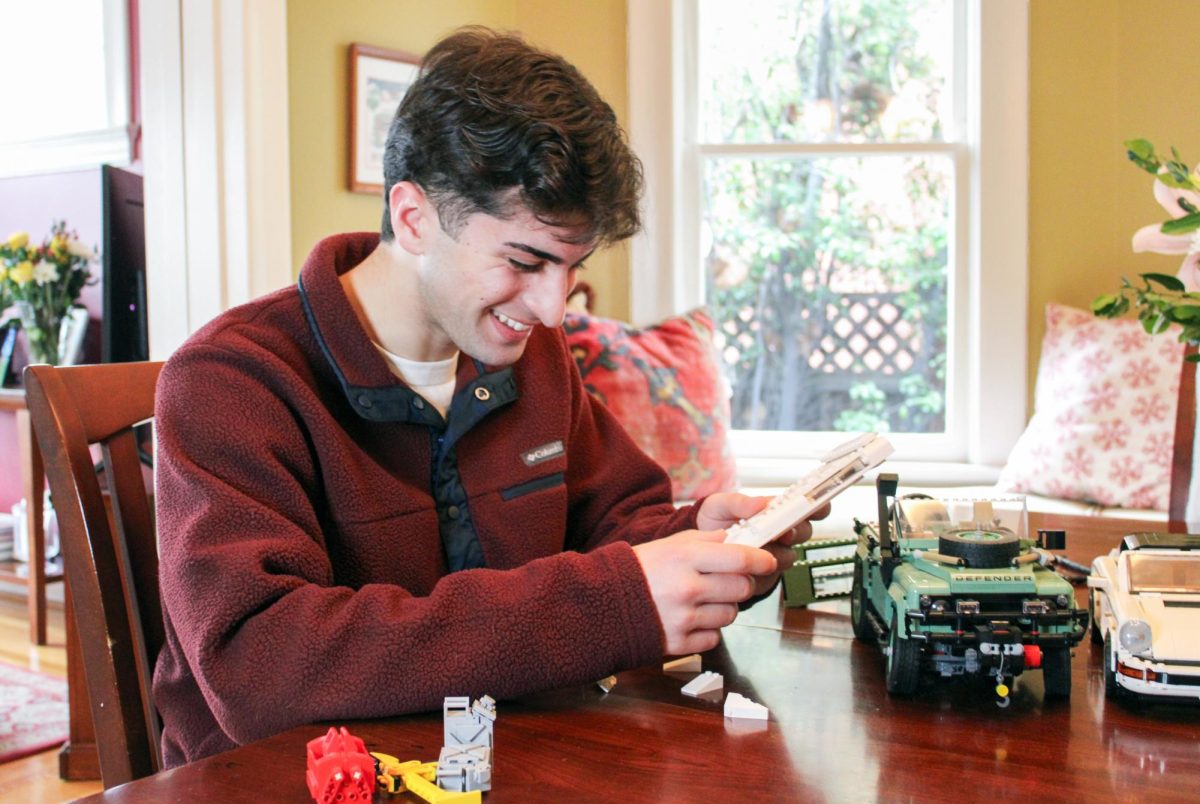
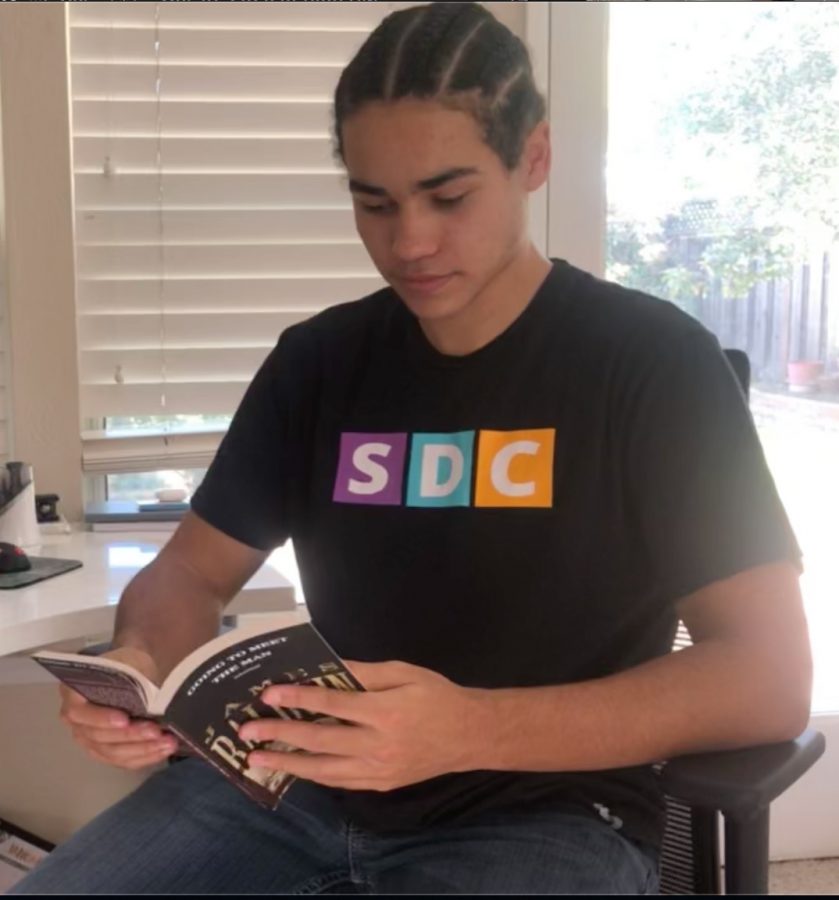
![“This is actually from Randy Pausch Randy P. Brick: ‘Walls are there for a reason. You have to show how much you want to overcome them.’ You have to show how much you want something. That's what I've always been able to do with tennis, Link Crew and getting that internship [with Kushy Baby]. It’s important pushing through that — getting around that brick wall, climbing over it or clawing through it,” Yash Sachdeva (’26) said.](https://harkeraquila.com/wp-content/uploads/2026/05/YashSachdeva_RamBatchu-copy-1200x1002.jpg)









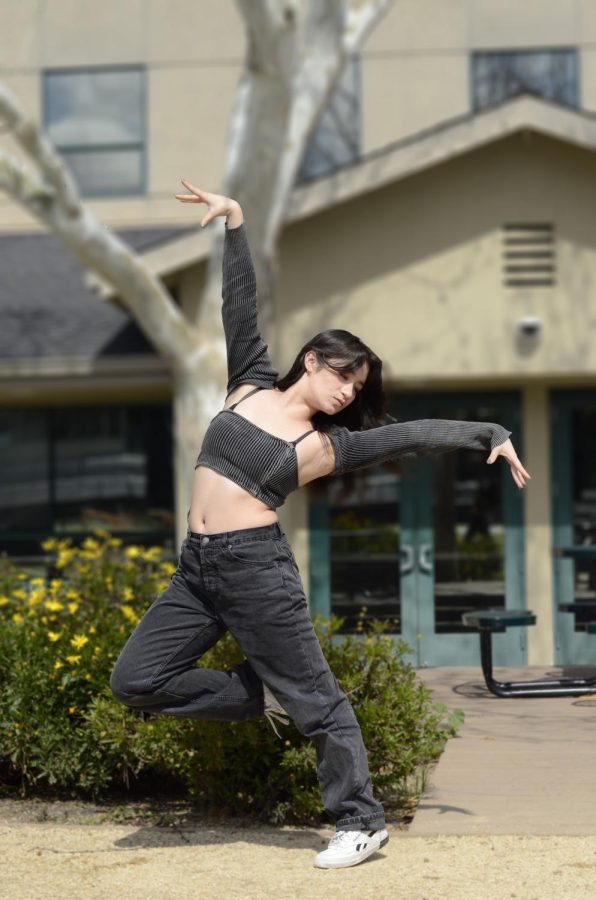

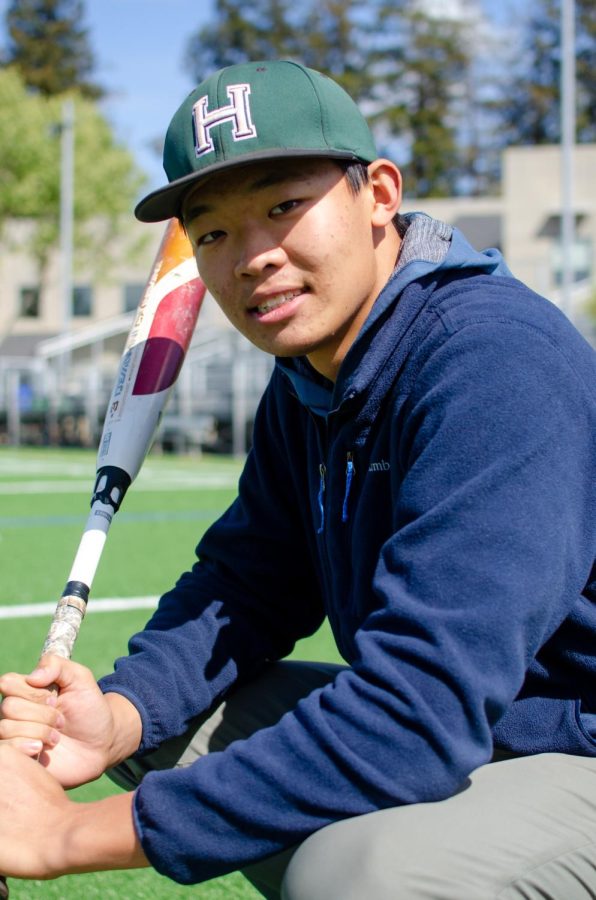
![“[Building nerf blasters] became this outlet of creativity for me that hasn't been matched by anything else. The process [of] making a build complete to your desire is such a painstakingly difficult process, but I've had to learn from [the skills needed from] soldering to proper painting. There's so many different options for everything, if you think about it, it exists. The best part is [that] if it doesn't exist, you can build it yourself," Ishaan Parate said.](https://harkeraquila.com/wp-content/uploads/2022/08/DSC_8149-900x604.jpg)
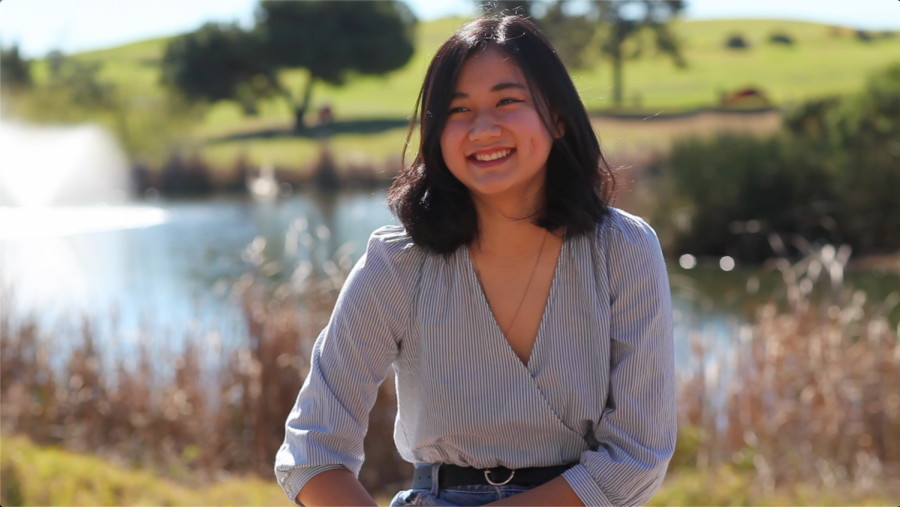
![“When I came into high school, I was ready to be a follower. But DECA was a game changer for me. It helped me overcome my fear of public speaking, and it's played such a major role in who I've become today. To be able to successfully lead a chapter of 150 students, an officer team and be one of the upperclassmen I once really admired is something I'm [really] proud of,” Anvitha Tummala ('21) said.](https://harkeraquila.com/wp-content/uploads/2021/07/Screen-Shot-2021-07-25-at-9.50.05-AM-900x594.png)

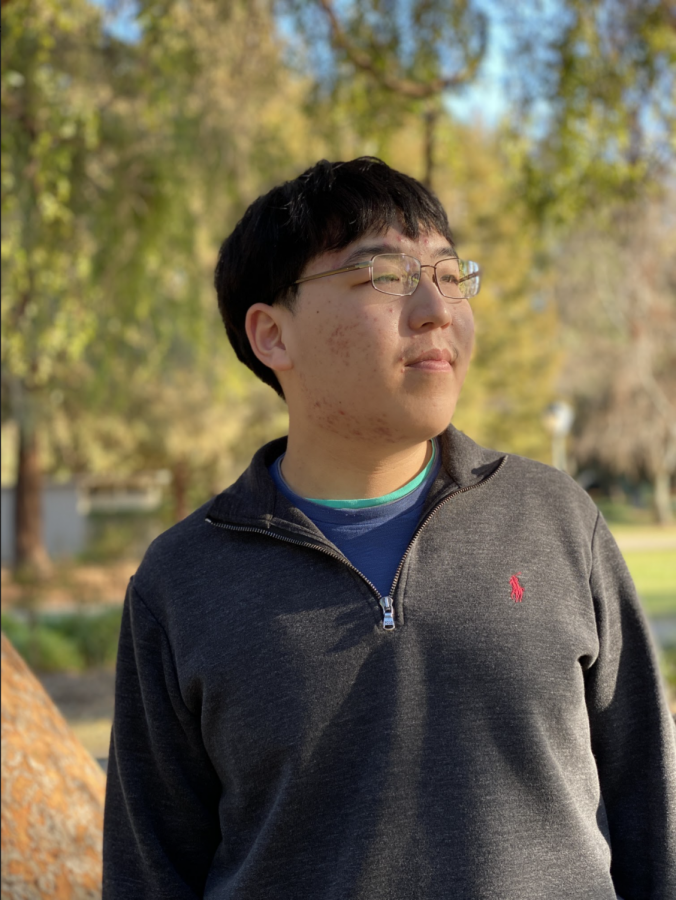

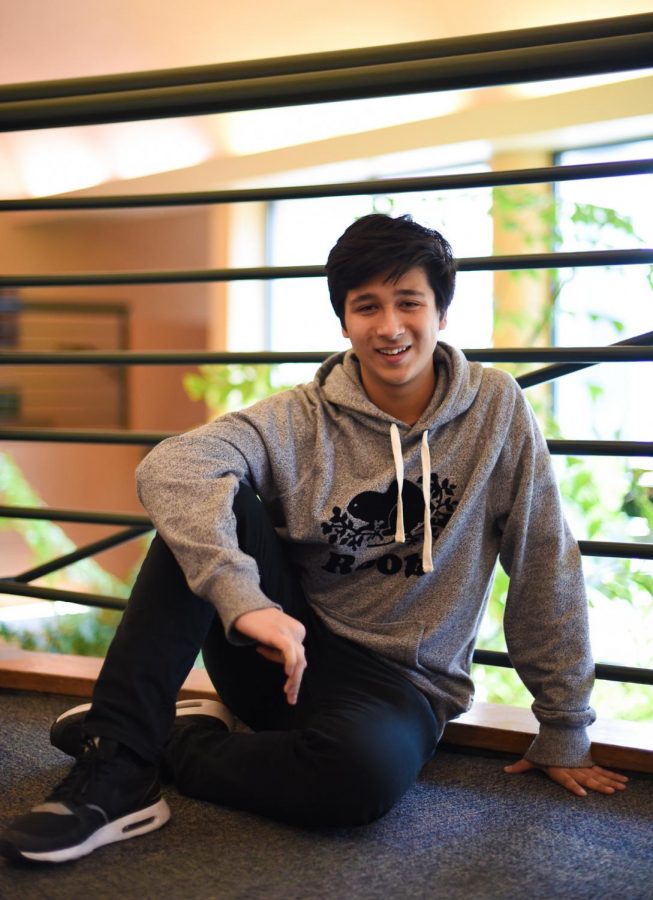
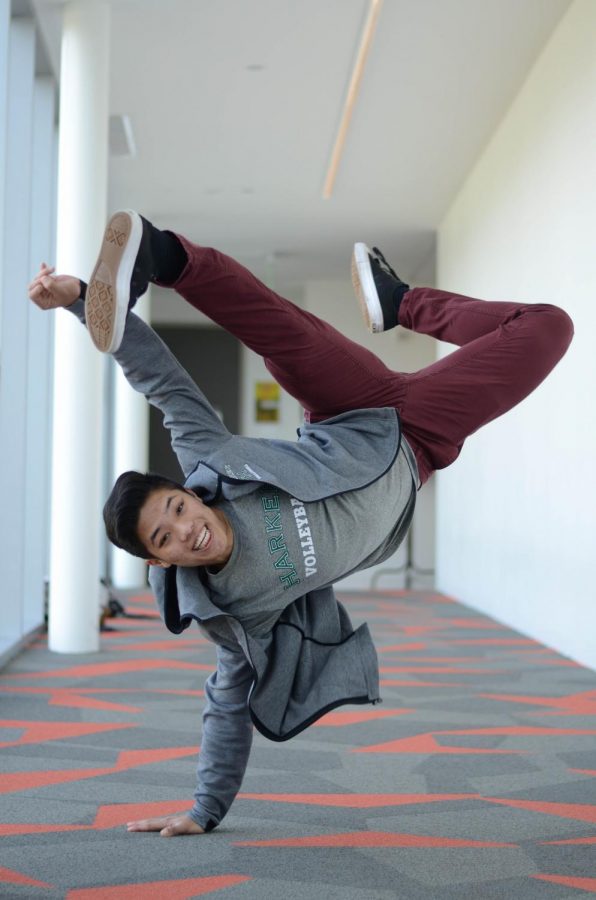


![“I think getting up in the morning and having a sense of purpose [is exciting]. I think without a certain amount of drive, life is kind of obsolete and mundane, and I think having that every single day is what makes each day unique and kind of makes life exciting,” Neymika Jain (12) said.](https://harkeraquila.com/wp-content/uploads/2017/06/Screen-Shot-2017-06-03-at-4.54.16-PM.png)

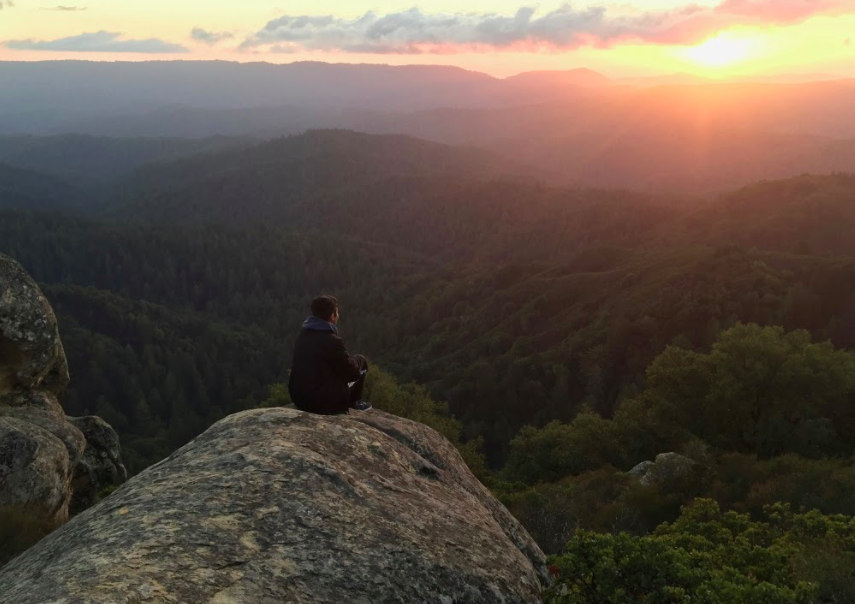




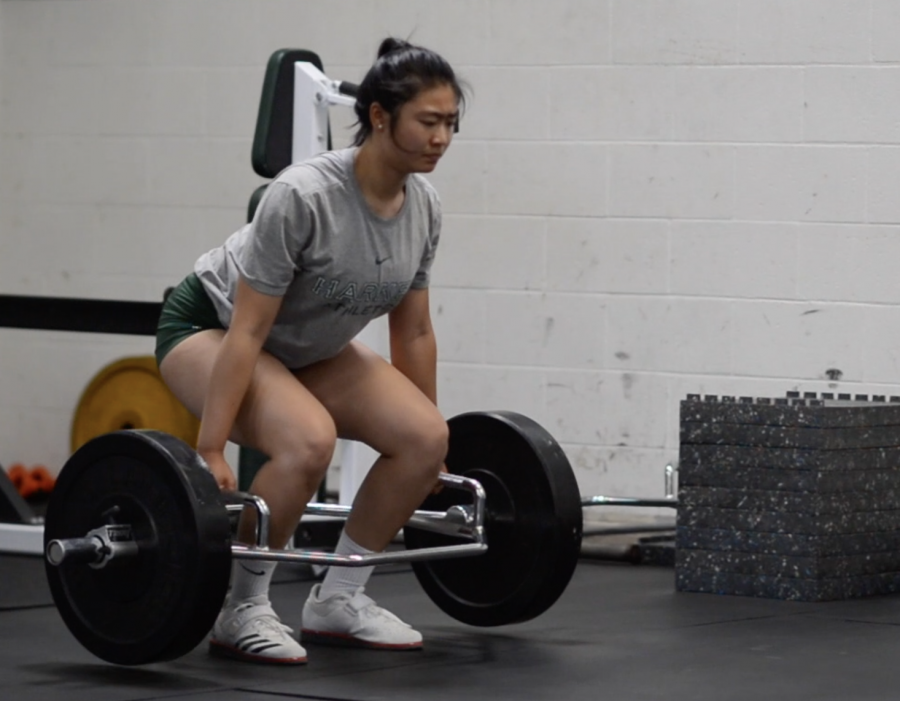

![“My slogan is ‘slow feet, don’t eat, and I’m hungry.’ You need to run fast to get where you are–you aren't going to get those championships if you aren't fast,” Angel Cervantes (12) said. “I want to do well in school on my tests and in track and win championships for my team. I live by that, [and] I can do that anywhere: in the classroom or on the field.”](https://harkeraquila.com/wp-content/uploads/2018/06/DSC5146-900x601.jpg)
![“[Volleyball has] taught me how to fall correctly, and another thing it taught is that you don’t have to be the best at something to be good at it. If you just hit the ball in a smart way, then it still scores points and you’re good at it. You could be a background player and still make a much bigger impact on the team than you would think,” Anya Gert (’20) said.](https://harkeraquila.com/wp-content/uploads/2020/06/AnnaGert_JinTuan_HoHPhotoEdited-600x900.jpeg)

![“I'm not nearly there yet, but [my confidence has] definitely been getting better since I was pretty shy and timid coming into Harker my freshman year. I know that there's a lot of people that are really confident in what they do, and I really admire them. Everyone's so driven and that has really pushed me to kind of try to find my own place in high school and be more confident,” Alyssa Huang (’20) said.](https://harkeraquila.com/wp-content/uploads/2020/06/AlyssaHuang_EmilyChen_HoHPhoto-900x749.jpeg)




It’s the end of lunch, and my friends and I are preparing to walk to our next classes. When she asks about which class I need to go to, I answer, saying “Psychology.”
“I didn’t know sophomores could take AP Psych,” she responds.
“It’s not the AP,” I say with a laugh. “I’m taking regular psychology.”
“Oh. Okay.”
I brush it off, but their confusion is familiar to me. I’ve heard the same reaction again and again. It points to a larger issue: somewhere along the way, “regular” stopped feeling regular. Taking a standard-level class now feels like something you have to explain.
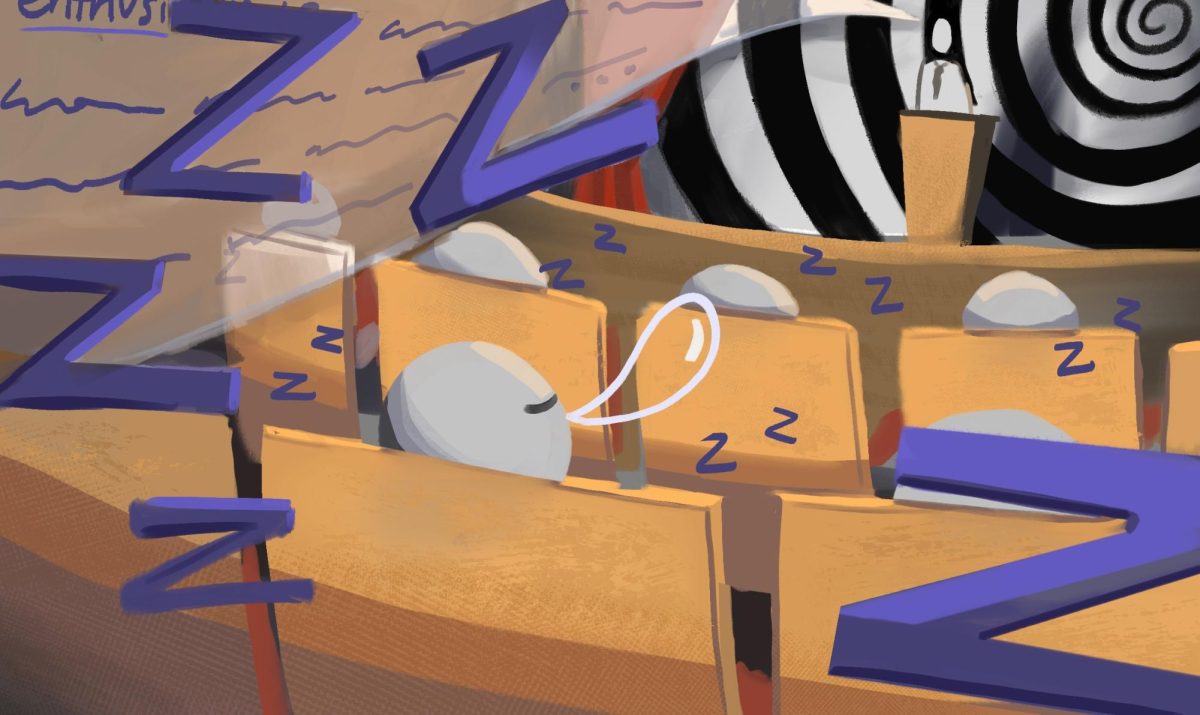
At Harker, advanced classes are the norm. During course selection season, my classmates are not debating over whether to take advanced classes, but how many they can squeeze in. “I’m only taking three APs this year,” a friend told me once — as if it was something to be ashamed of.
In this environment, looking smart seems to outweigh actually learning. I’ve watched classmates suffer through AP classes they aren’t interested in and cram information they’ll forget right after the test. Many choose AP or honors classes over their regular counterparts because they worry that not doing so might make them look less ambitious or weaken their college applications, rather than because they want to explore the subject in greater depth.
Meanwhile, students who choose regular classes to pursue other interests or because they learn better at a different pace are made to feel like they’re settling for less.
The irony is that by making advanced classes the standard, we’ve taken away what makes them special. AP and honors courses are designed for students who are genuinely excited to dive deeper and move faster, not as a default requirement.
While U.S. History is required for all juniors, most students automatically choose the hardest version, A.P. U.S. History. It’s rarely because they’re interested in the subject or have a specific academic reason for taking it. Rather, it’s often because they feel they need to in order to look competitive for college.
That same pressure shows up across departments. I’ve experienced an unfortunate attitude that if you’re in regular calculus instead of the advanced version, you must not be as smart or as serious about academics. Students who would thrive in the regular class instead feel pushed into the advanced one out of fear of judgement, not out of curiosity.
This comes at a cost. Students lose sleep and drop activities they love, all for the sake of stacking their transcript with words that signal high course rigor. As a result, course selection becomes less about building an education and more about building a resume.
It’s time we reconsidered what rigor actually looks like. There’s nothing “regular” about students who take regular courses. It means they choose classes thoughtfully, prioritize understanding and know that learning isn’t a competition, and there’s nothing wrong with taking the version of a class that matches your pace, your interests and your goals.
Advanced courses have their benefits: they challenge students who want to explore more thoroughly and can handle the increased workload. But regular classes are equally valuable, and they shouldn’t be treated like second-tier options.
The bravest academic choice isn’t how many APs you can fit into your schedule. It’s about knowing which classes will actually help you learn and having the confidence to take them, even without ‘Honors’ or ‘AP’ in the title.