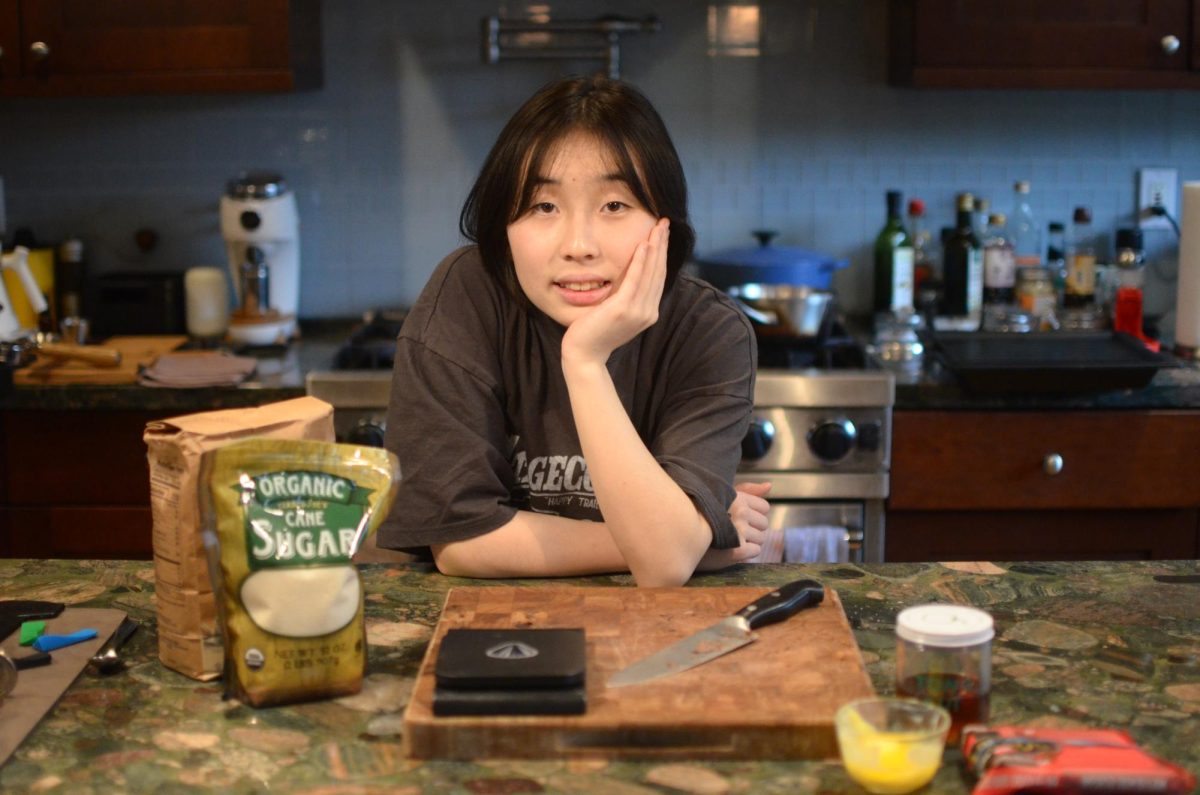
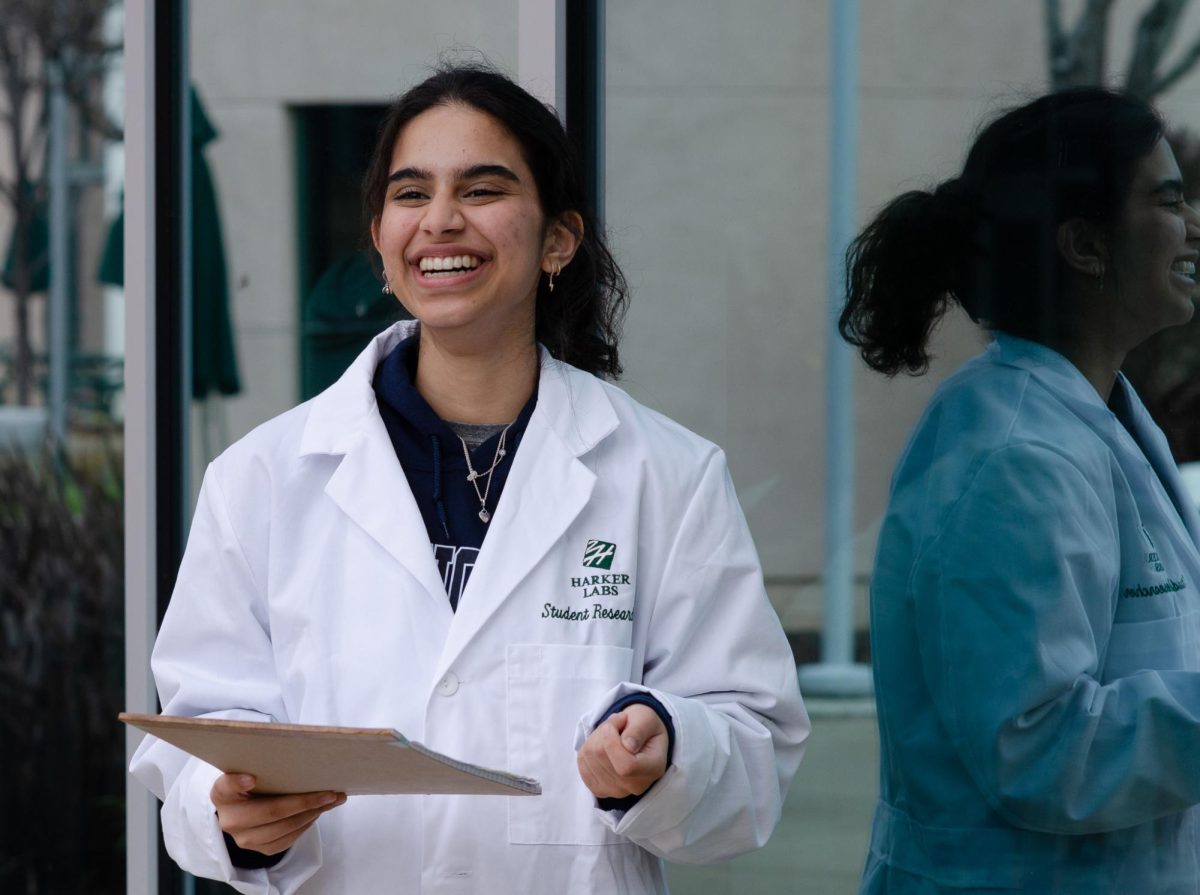
![“I wasn't discouraged by some of the obstacles we faced. I learned a lot from the leadership. I found that different people need different ways of receiving feedback — you can't [just] tell them to do something and expect the best. [Some] people needed more incentive. A large part of my role was to figure out what worked for everyone and to figure out how to lead all these separate individuals as a team,” Suhana Bhandare (’26) said.](https://harkeraquila.com/wp-content/uploads/2026/06/SuhanaBhandare_JasmineHansra-1-1200x798.jpg)
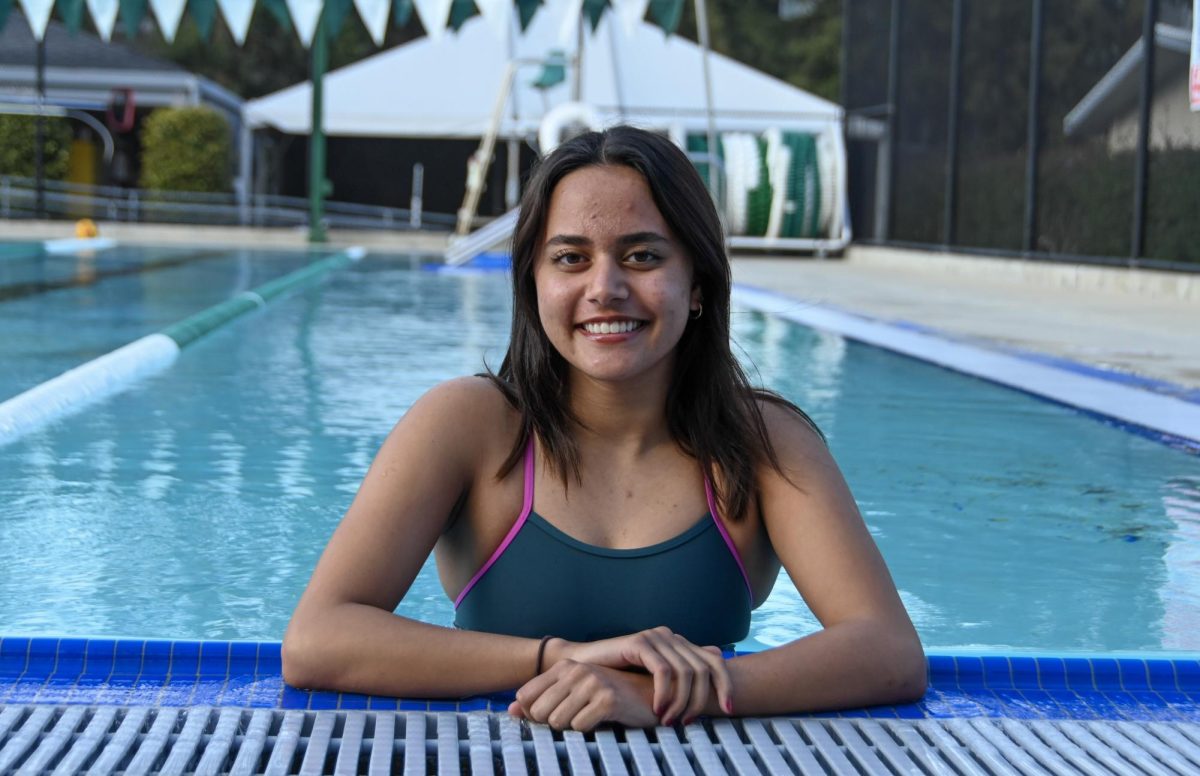
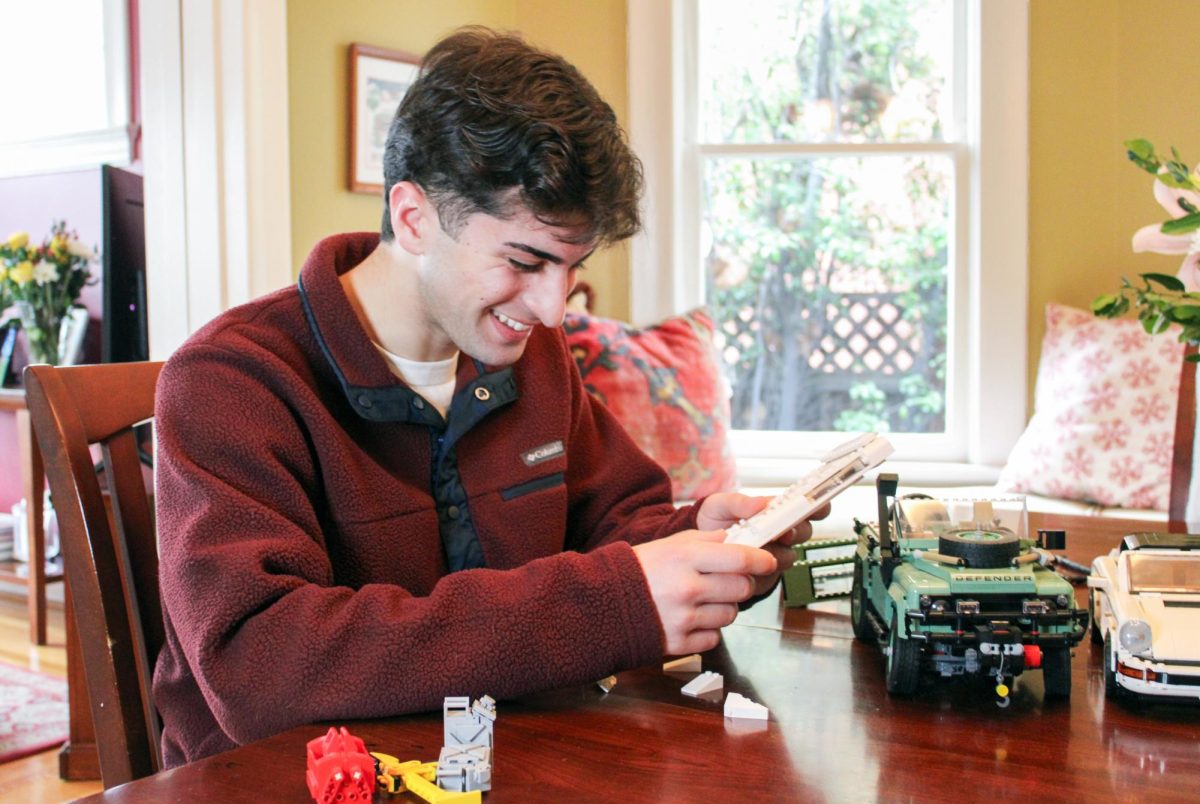
![“This is actually from Randy Pausch Randy P. Brick: ‘Walls are there for a reason. You have to show how much you want to overcome them.’ You have to show how much you want something. That's what I've always been able to do with tennis, Link Crew and getting that internship [with Kushy Baby]. It’s important pushing through that — getting around that brick wall, climbing over it or clawing through it,” Yash Sachdeva (’26) said.](https://harkeraquila.com/wp-content/uploads/2026/05/YashSachdeva_RamBatchu-copy-1200x1002.jpg)

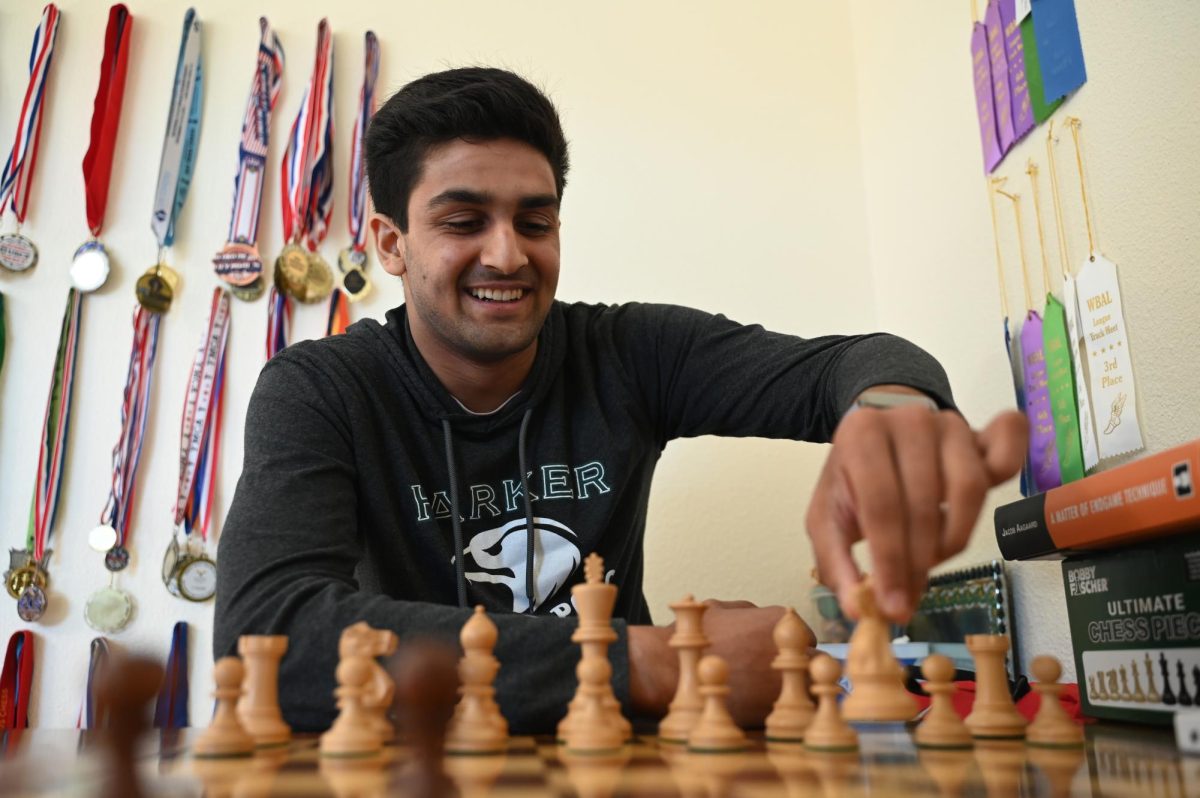






![“[Building nerf blasters] became this outlet of creativity for me that hasn't been matched by anything else. The process [of] making a build complete to your desire is such a painstakingly difficult process, but I've had to learn from [the skills needed from] soldering to proper painting. There's so many different options for everything, if you think about it, it exists. The best part is [that] if it doesn't exist, you can build it yourself," Ishaan Parate said.](https://harkeraquila.com/wp-content/uploads/2022/08/DSC_8149-900x604.jpg)
![“When I came into high school, I was ready to be a follower. But DECA was a game changer for me. It helped me overcome my fear of public speaking, and it's played such a major role in who I've become today. To be able to successfully lead a chapter of 150 students, an officer team and be one of the upperclassmen I once really admired is something I'm [really] proud of,” Anvitha Tummala ('21) said.](https://harkeraquila.com/wp-content/uploads/2021/07/Screen-Shot-2021-07-25-at-9.50.05-AM-900x594.png)

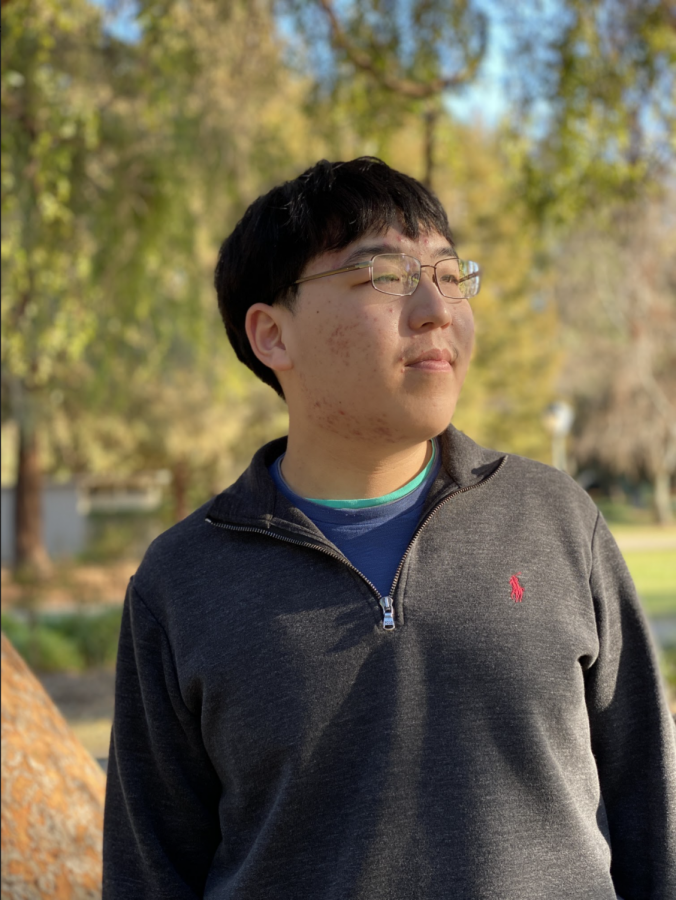
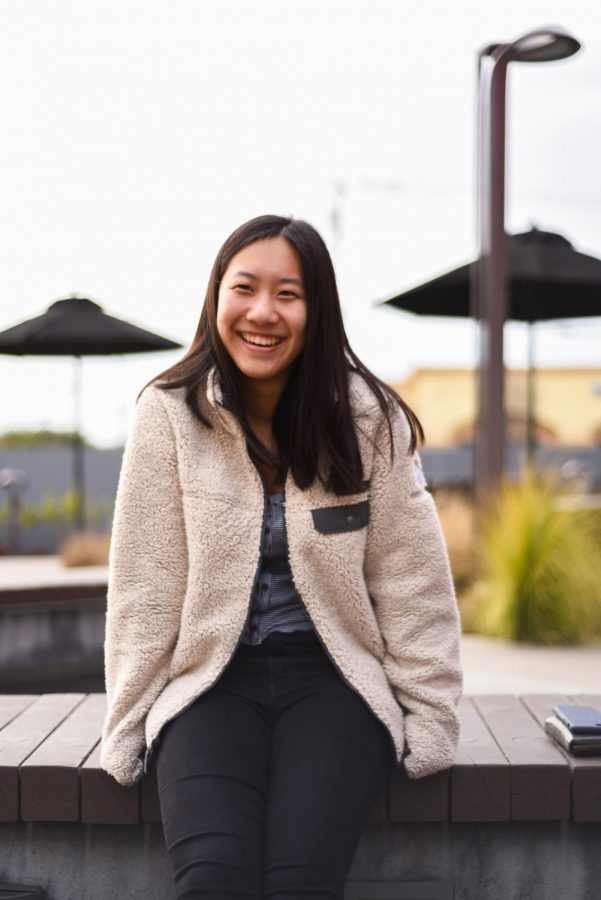

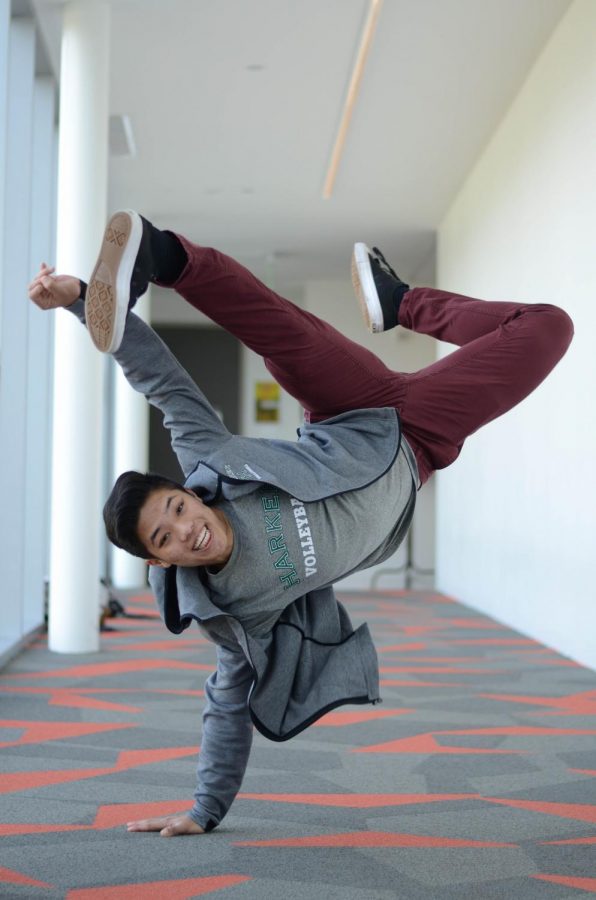


![“I think getting up in the morning and having a sense of purpose [is exciting]. I think without a certain amount of drive, life is kind of obsolete and mundane, and I think having that every single day is what makes each day unique and kind of makes life exciting,” Neymika Jain (12) said.](https://harkeraquila.com/wp-content/uploads/2017/06/Screen-Shot-2017-06-03-at-4.54.16-PM.png)
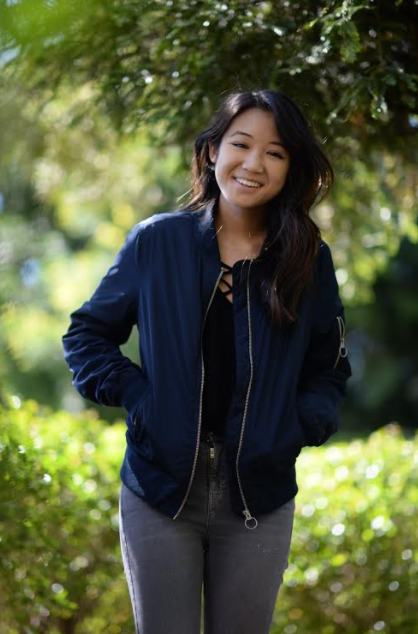


![“My slogan is ‘slow feet, don’t eat, and I’m hungry.’ You need to run fast to get where you are–you aren't going to get those championships if you aren't fast,” Angel Cervantes (12) said. “I want to do well in school on my tests and in track and win championships for my team. I live by that, [and] I can do that anywhere: in the classroom or on the field.”](https://harkeraquila.com/wp-content/uploads/2018/06/DSC5146-900x601.jpg)
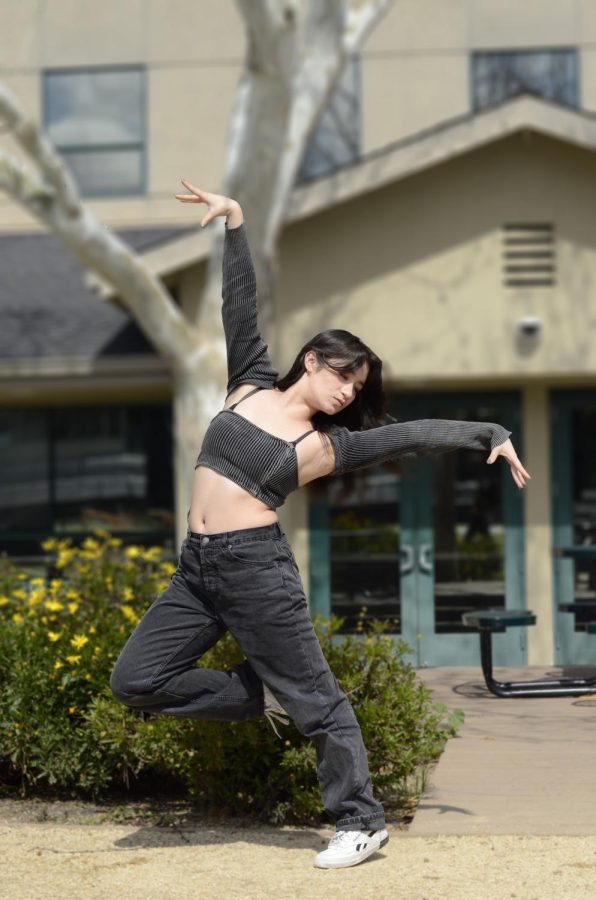
![“[Volleyball has] taught me how to fall correctly, and another thing it taught is that you don’t have to be the best at something to be good at it. If you just hit the ball in a smart way, then it still scores points and you’re good at it. You could be a background player and still make a much bigger impact on the team than you would think,” Anya Gert (’20) said.](https://harkeraquila.com/wp-content/uploads/2020/06/AnnaGert_JinTuan_HoHPhotoEdited-600x900.jpeg)

![“I'm not nearly there yet, but [my confidence has] definitely been getting better since I was pretty shy and timid coming into Harker my freshman year. I know that there's a lot of people that are really confident in what they do, and I really admire them. Everyone's so driven and that has really pushed me to kind of try to find my own place in high school and be more confident,” Alyssa Huang (’20) said.](https://harkeraquila.com/wp-content/uploads/2020/06/AlyssaHuang_EmilyChen_HoHPhoto-900x749.jpeg)


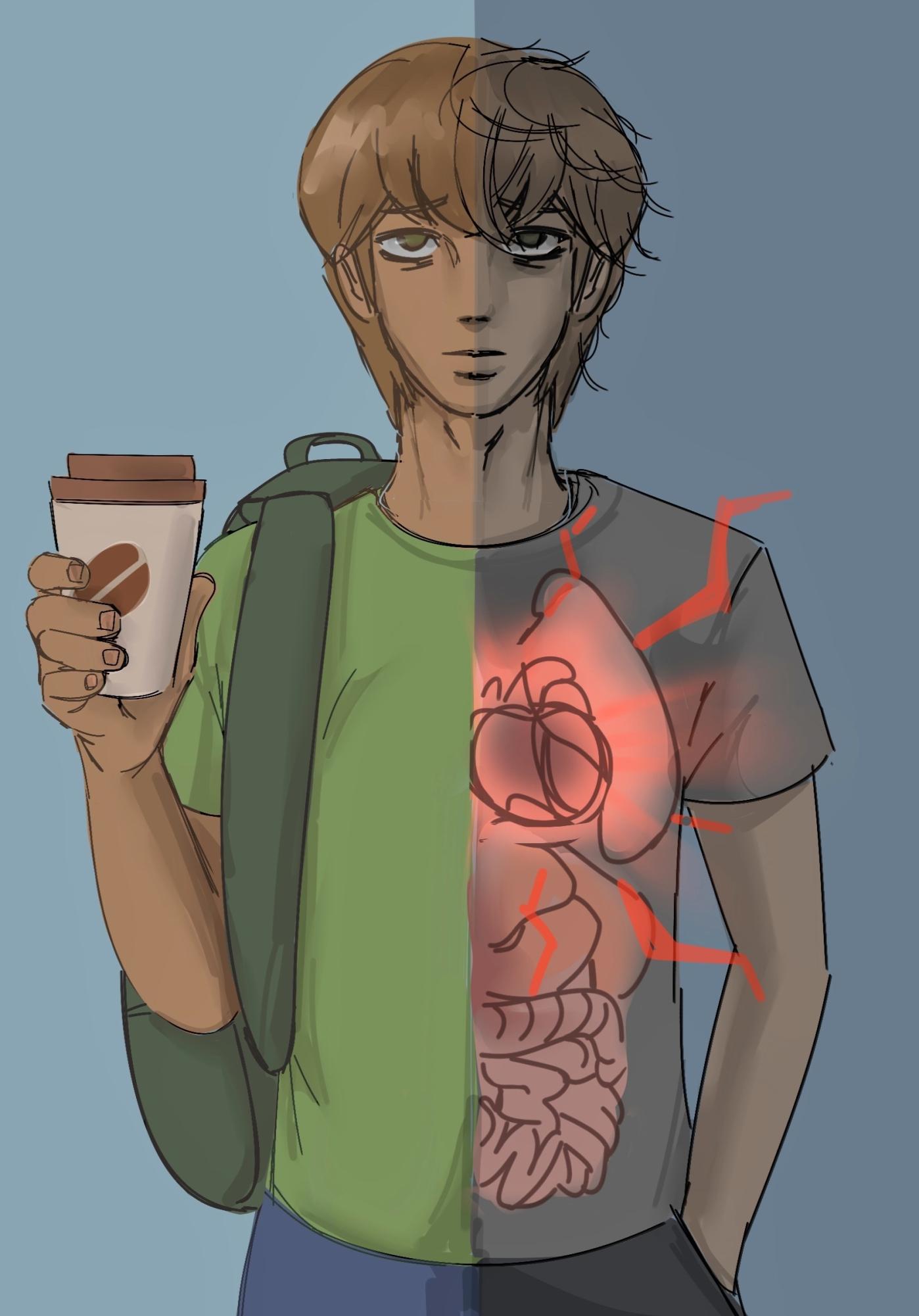
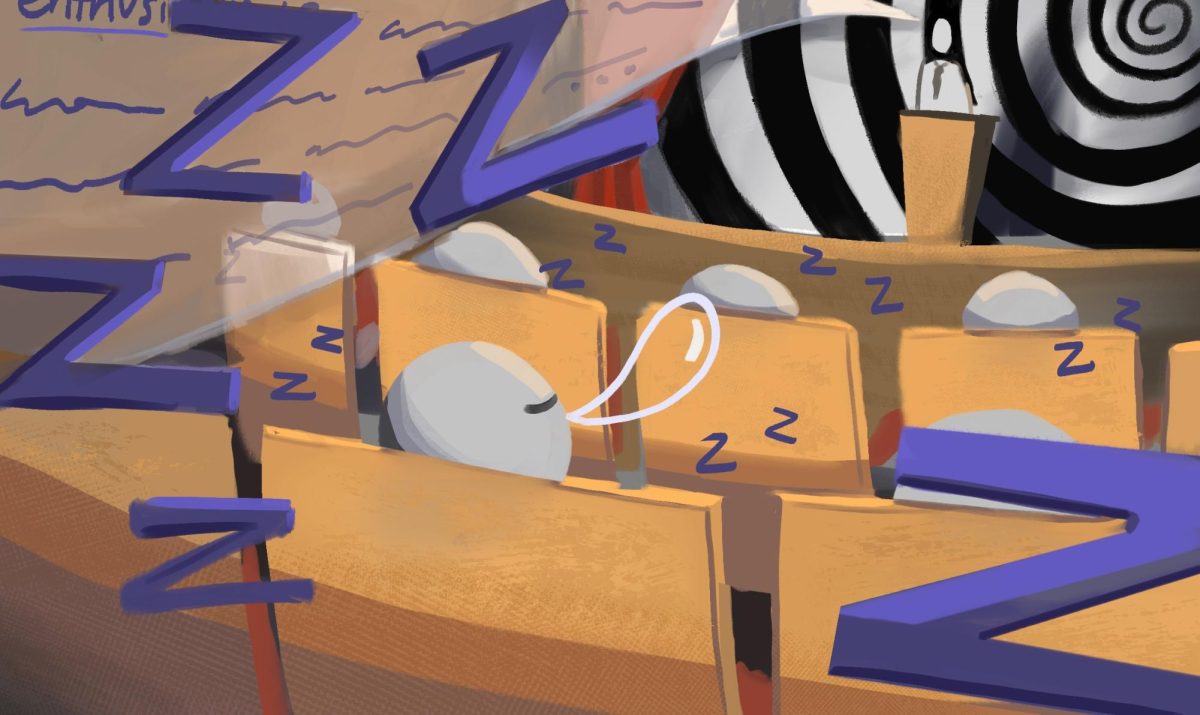
Whether it is a homemade latte or an espresso from Starbucks, amber-stained coffee cups clutter students’ desks in nearly every classroom. Coffee has become a staple of student life — in the mornings during last-minute cramming sessions, during school to stay awake during classes or late at night to power through homework. Although coffee offers short-term benefits like alertness and energy, it also leads to many negative health effects, particularly on the teenage body.
“In the morning, I have the habit of waking myself up by having a cup of coffee,” junior Angelina Antony said. “I get tired after school when I’m doing work, so I just drink another cup. In the worst-case scenario, at seven, I’ll have another one. [I’ve noticed that] my eyes twitch a lot and shake a bunch, and sometimes I can’t sleep at night.”
Routine caffeine intake can cause long-term effects on physical health. Caffeine stays in the body for several hours before metabolizing, often disrupting sleep patterns by blocking receptors to the chemical adenosine, which regulates sleep and wake behavior. With decreased levels of adenosine, people become more stimulated and energetic. However, sleep deprivation caused by caffeine can create a cycle of dependency on coffee to compensate for the lack of rest.
“At first, [coffee] was working pretty well,” sophomore Colin Li said. “I stayed awake and I was able to pay attention, but I feel like over time, the effects kind of diminish. It still does keep me awake, but it doesn’t really help my attention span. I’m also more nervous and more anxious.”
Beyond sleep issues, studies show that caffeine intake may result in involuntary muscle contractions, including in the eyelids. Drinking excessive amounts of coffee also leads to increased blood pressure and heart rate, as well as a higher chance of developing cardiovascular disease in the future.
To mitigate these risks, upper school nurse Tiffany Gelineau advises students to gradually reduce caffeine consumption, as abrupt changes in intake can cause withdrawal symptoms.
“My recommendation is just one cup of coffee, just straight up coffee,” Gelineau said. “No shots or anything like that because that [makes it] really concentrated. Just dilute it over the day, maybe with ice or milk, because caffeine headaches do happen if you don’t have it within a certain time.”
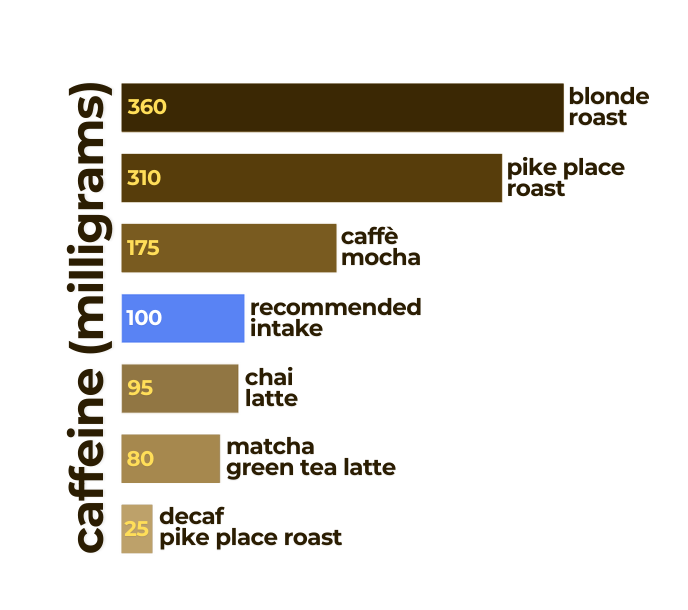
Coffee orders from popular stores like Starbucks and Dunkin’ often contain more caffeine than people realize. A typical 16-ounce Blonde Roast from Starbucks contains 360 milligrams of caffeine, while a 20-ounce Dunkin’ Coffee has 270 milligrams. The American Academy of Pediatrics recommends solely 100 milligrams of caffeine intake for teenagers 12-18 years old per day. As the school year becomes busier, students need to start managing the amount of caffeine they digest on a daily basis and watch out for the consequences that follow.
In place of coffee, registered dietitian nutritionist Amy Archer suggests that students can consume healthier alternatives that provide the same energy boost.
“The question to ask is, ‘Why are you taking caffeine?’” Archer said. “Want a warm beverage, try an herbal tea. For energy and focus, I recommend eating a whole foods diet with adequate protein and fruits and vegetables. It’s especially important to eat an adequate breakfast with protein.”