


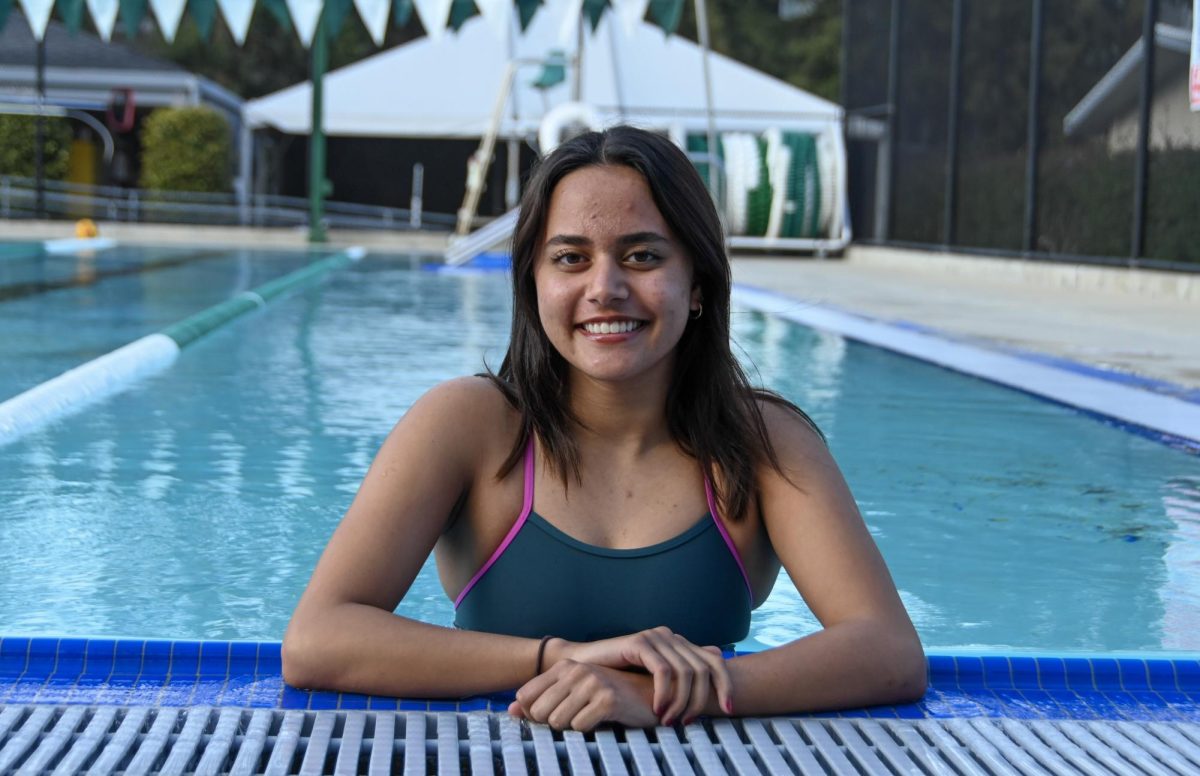
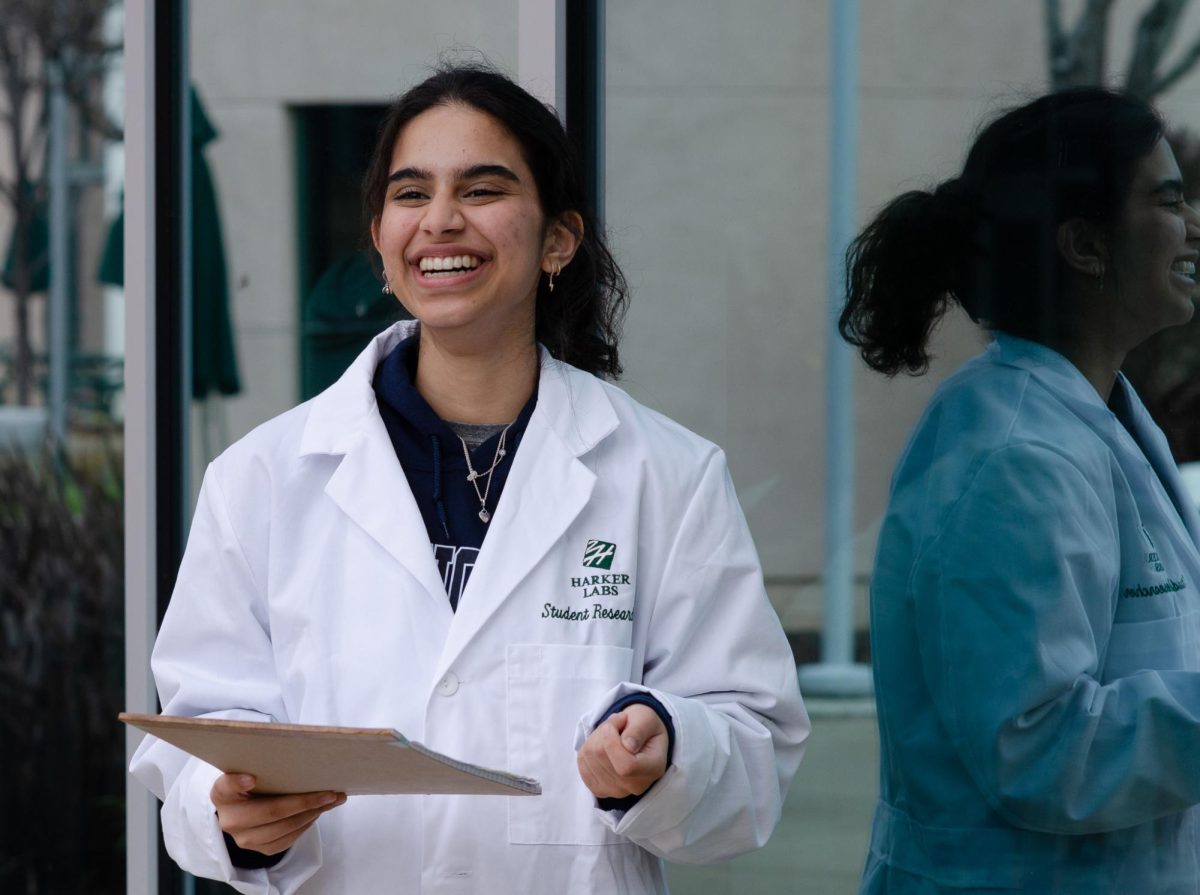
![“I wasn't discouraged by some of the obstacles we faced. I learned a lot from the leadership. I found that different people need different ways of receiving feedback — you can't [just] tell them to do something and expect the best. [Some] people needed more incentive. A large part of my role was to figure out what worked for everyone and to figure out how to lead all these separate individuals as a team,” Suhana Bhandare (’26) said.](https://harkeraquila.com/wp-content/uploads/2026/06/SuhanaBhandare_JasmineHansra-1-1200x798.jpg)
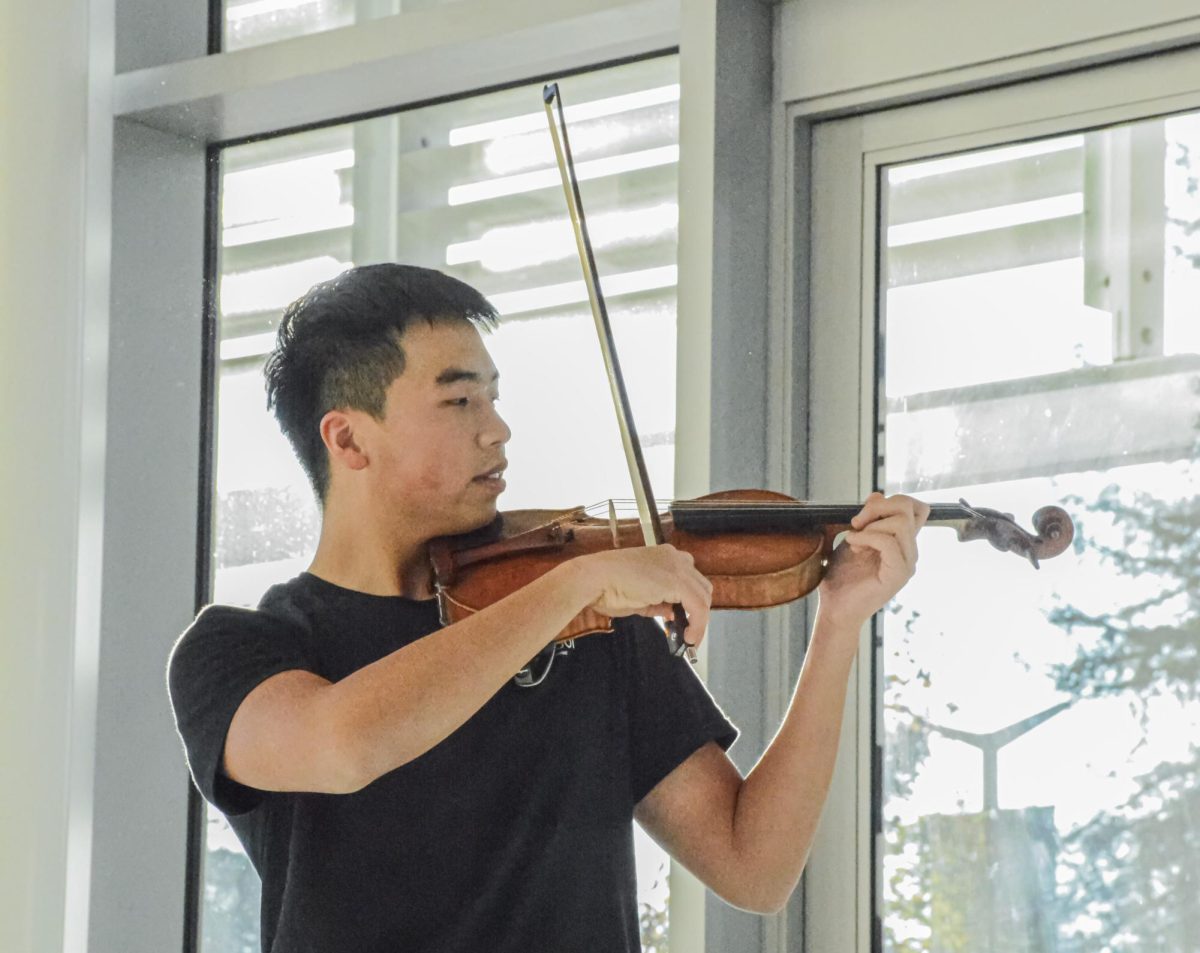
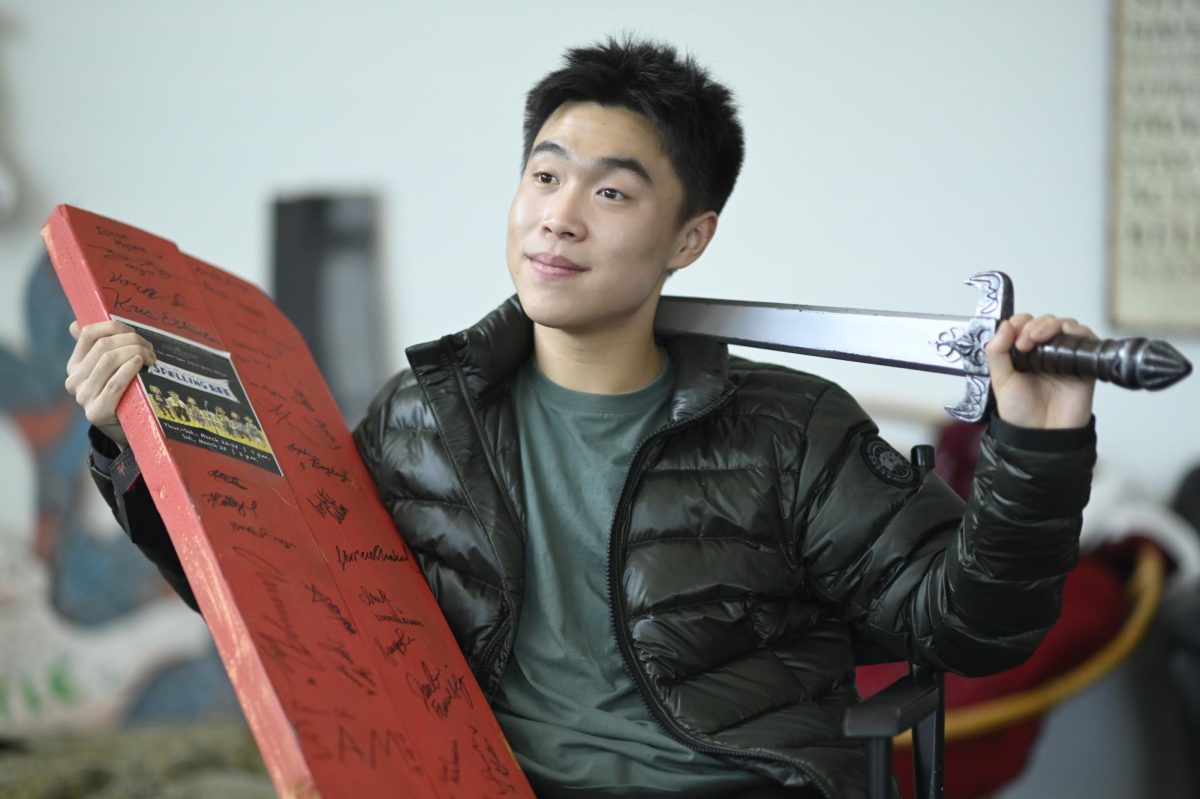
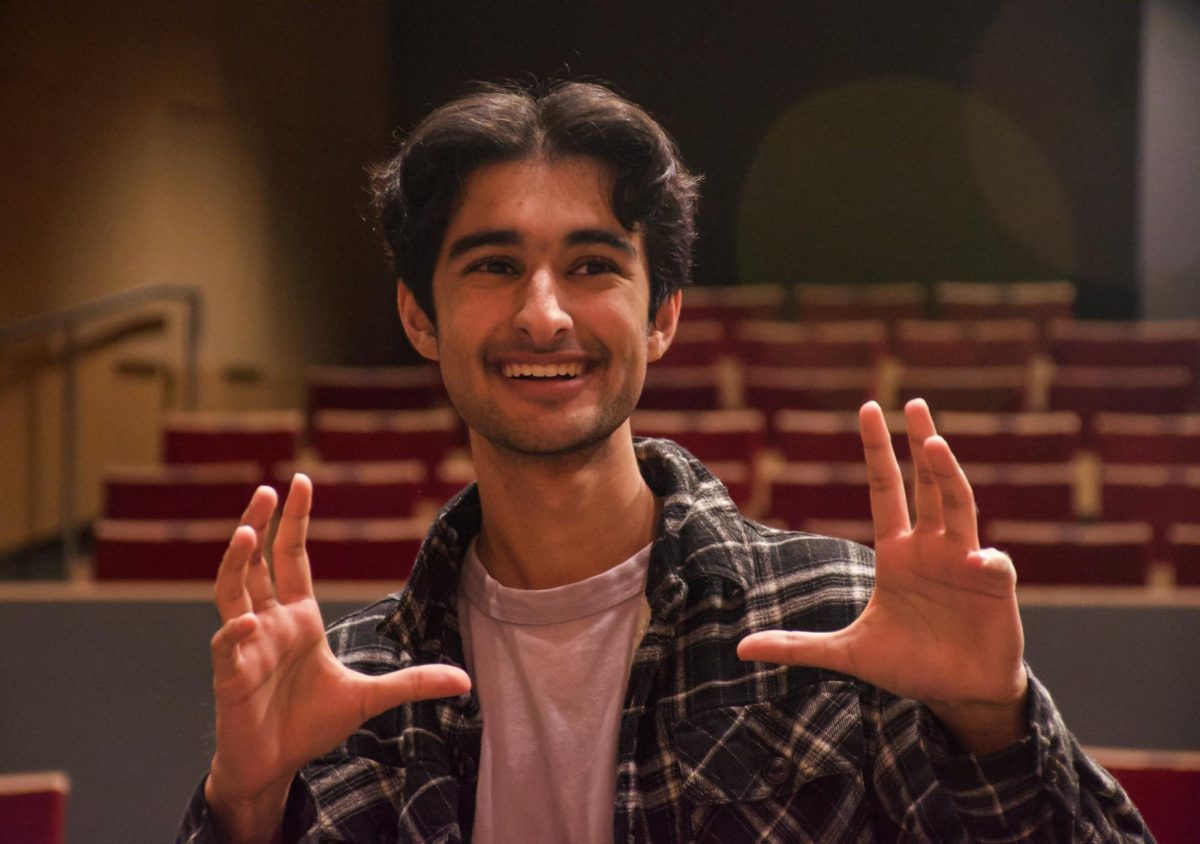
![“This is actually from Randy Pausch Randy P. Brick: ‘Walls are there for a reason. You have to show how much you want to overcome them.’ You have to show how much you want something. That's what I've always been able to do with tennis, Link Crew and getting that internship [with Kushy Baby]. It’s important pushing through that — getting around that brick wall, climbing over it or clawing through it,” Yash Sachdeva (’26) said.](https://harkeraquila.com/wp-content/uploads/2026/05/YashSachdeva_RamBatchu-copy-1200x1002.jpg)
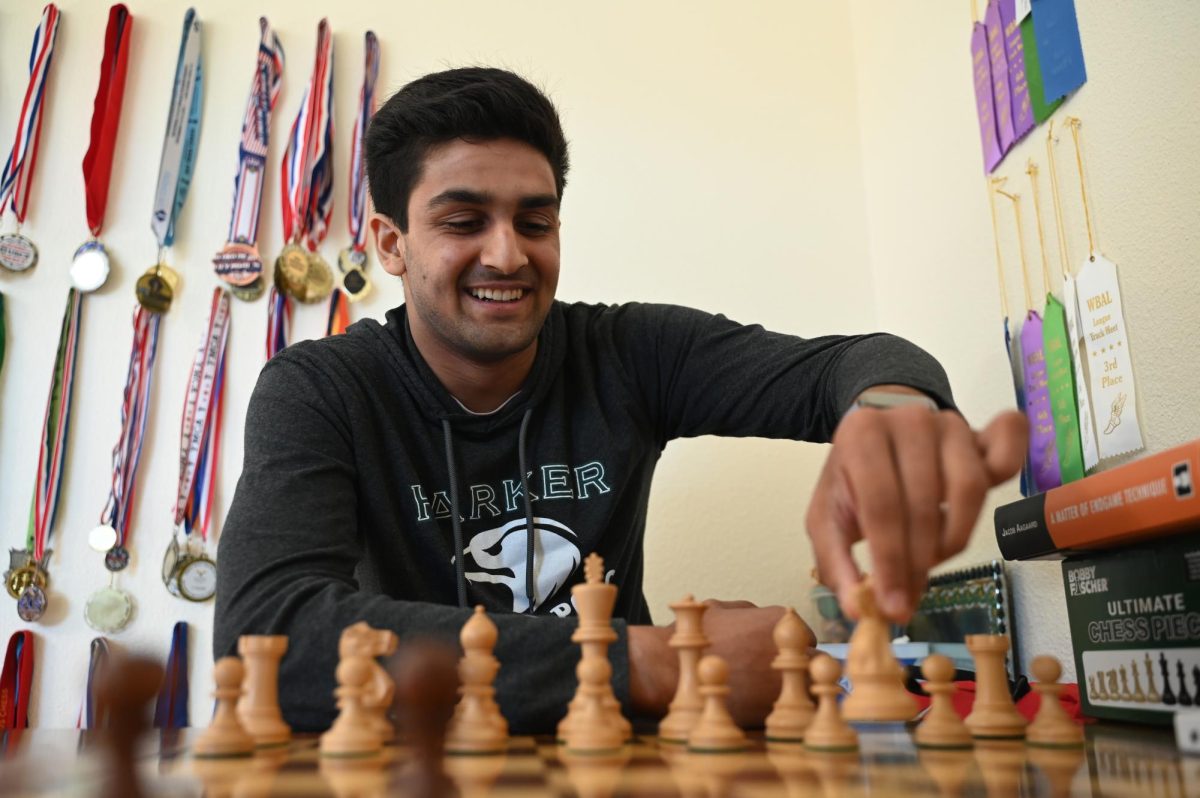
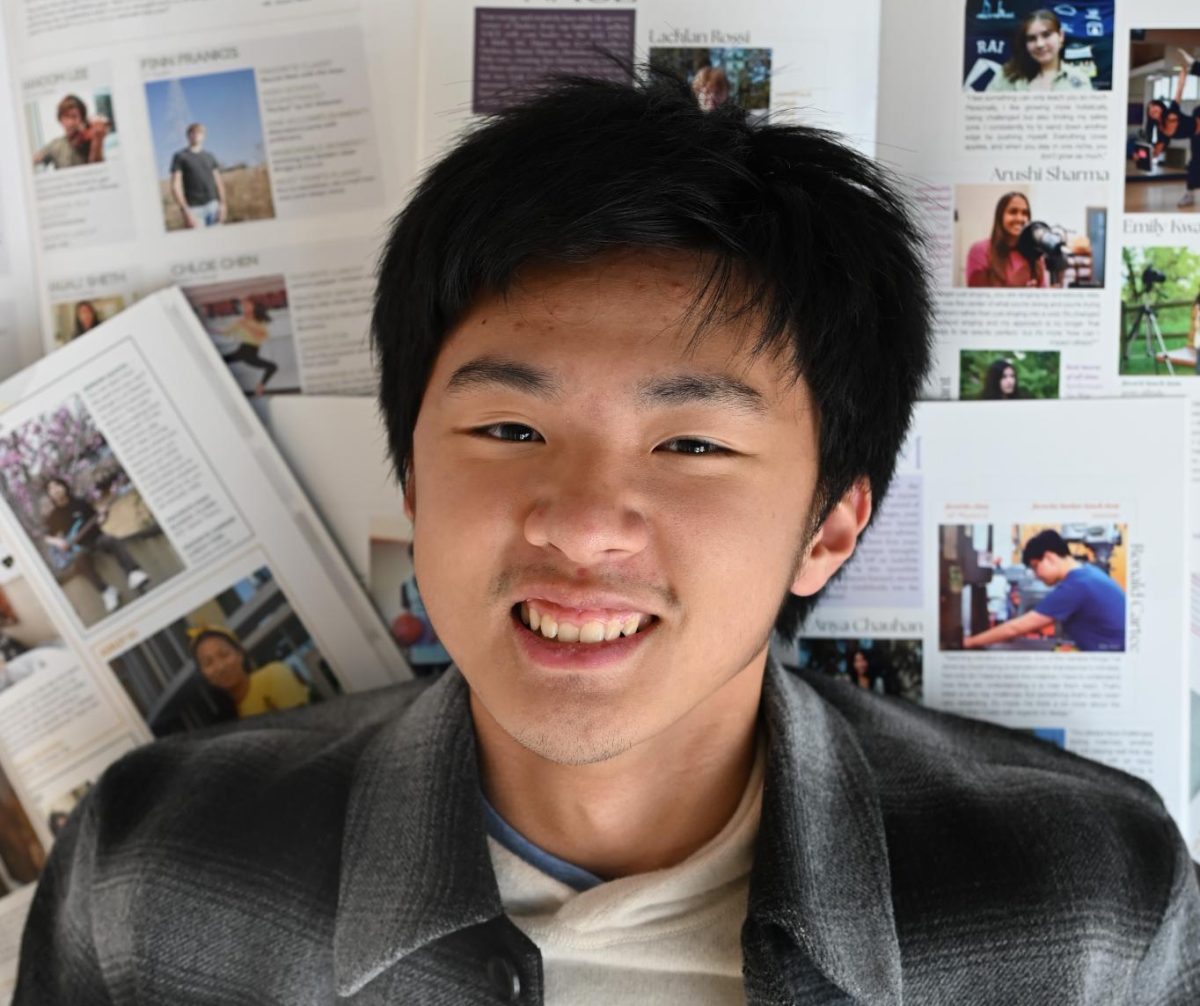



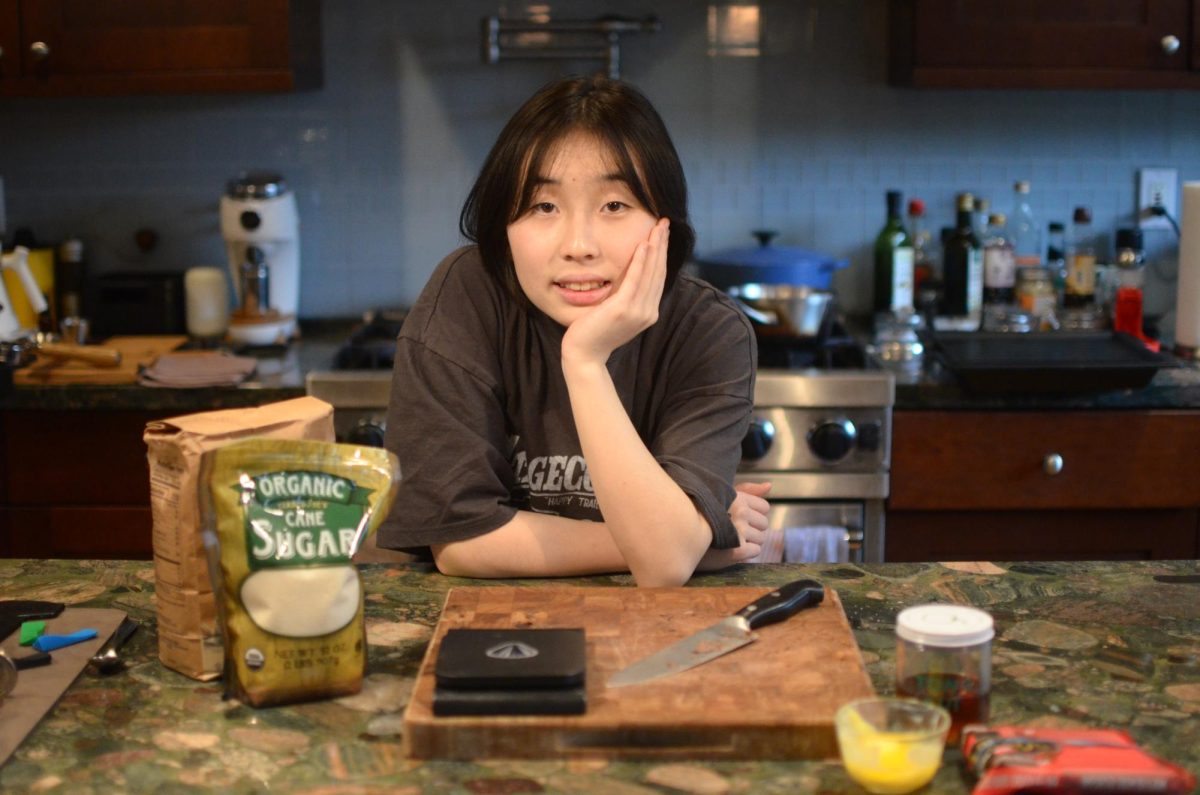


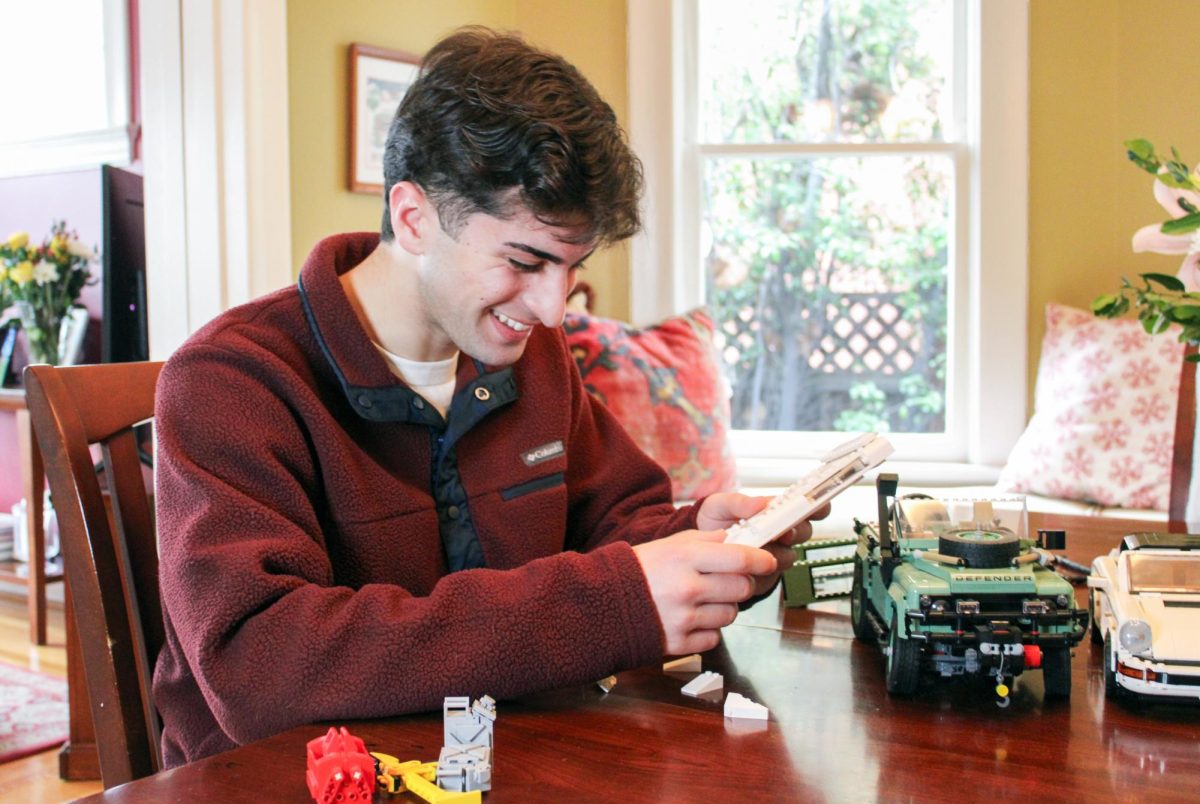

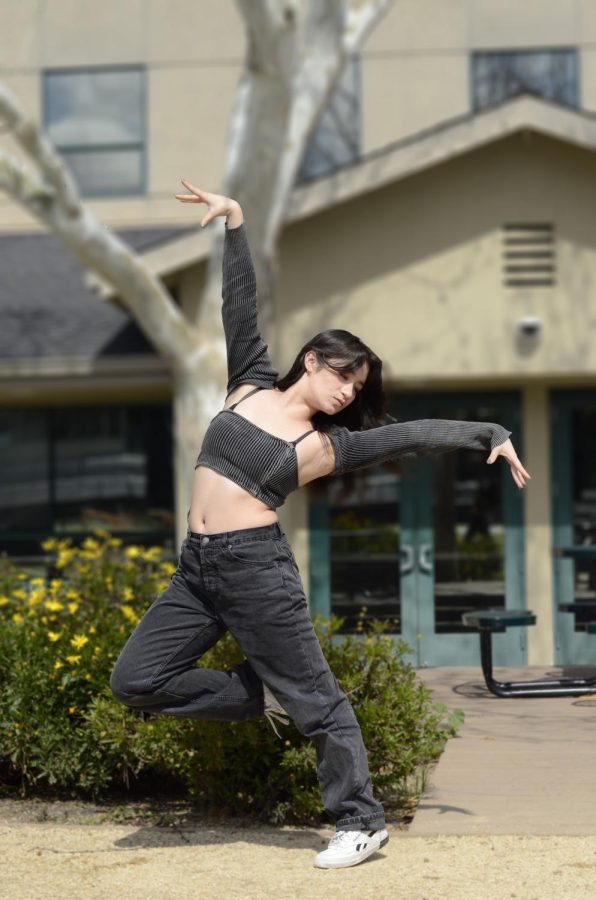
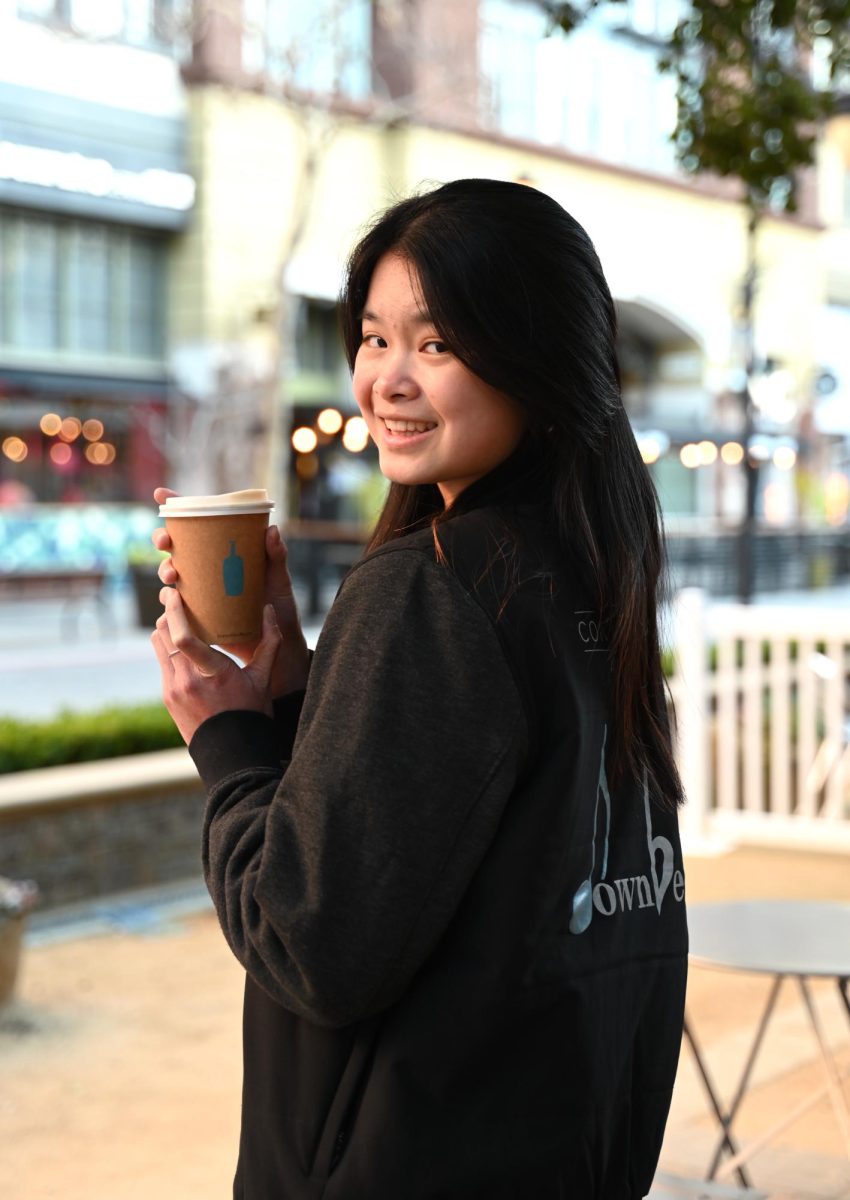

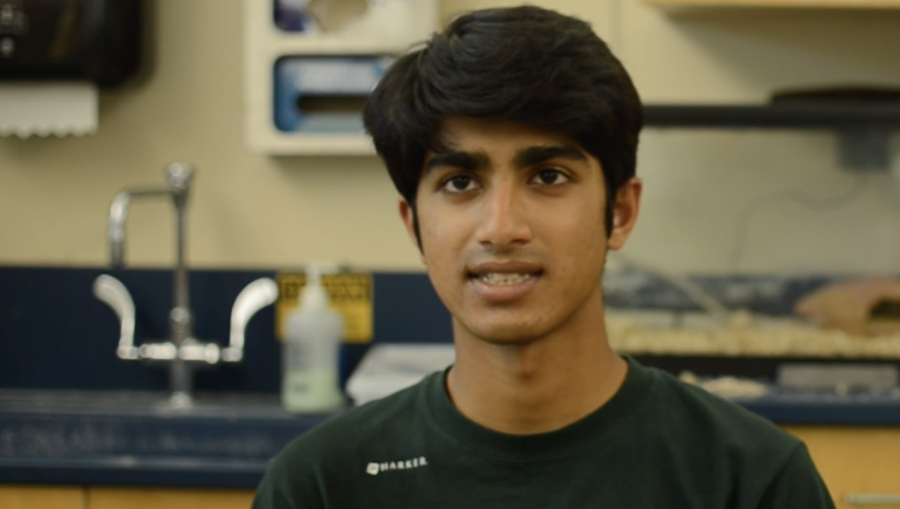
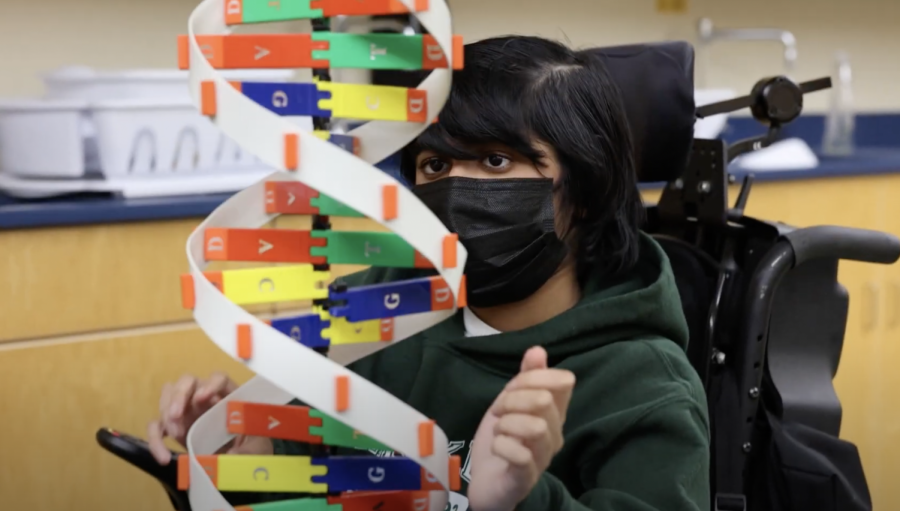
![“[Building nerf blasters] became this outlet of creativity for me that hasn't been matched by anything else. The process [of] making a build complete to your desire is such a painstakingly difficult process, but I've had to learn from [the skills needed from] soldering to proper painting. There's so many different options for everything, if you think about it, it exists. The best part is [that] if it doesn't exist, you can build it yourself," Ishaan Parate said.](https://harkeraquila.com/wp-content/uploads/2022/08/DSC_8149-900x604.jpg)
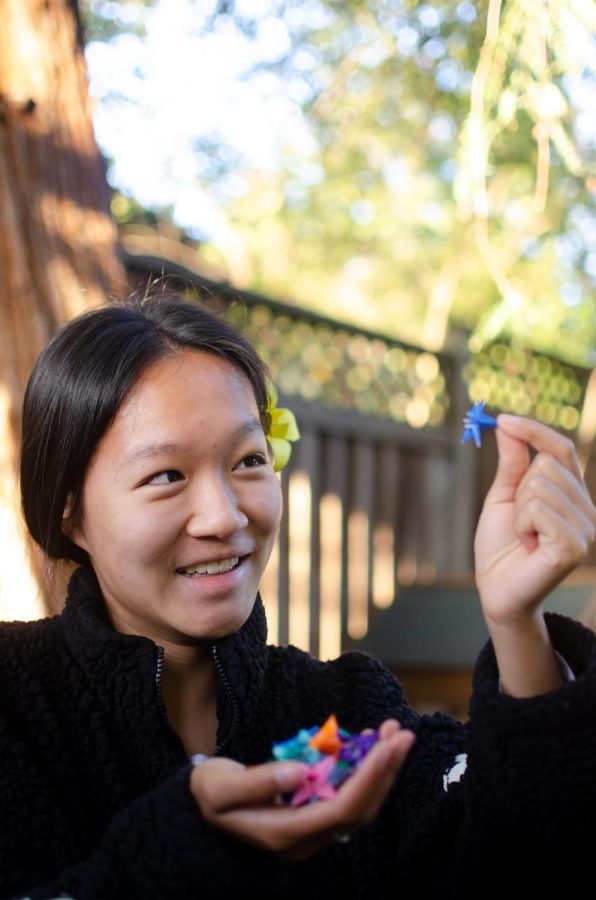
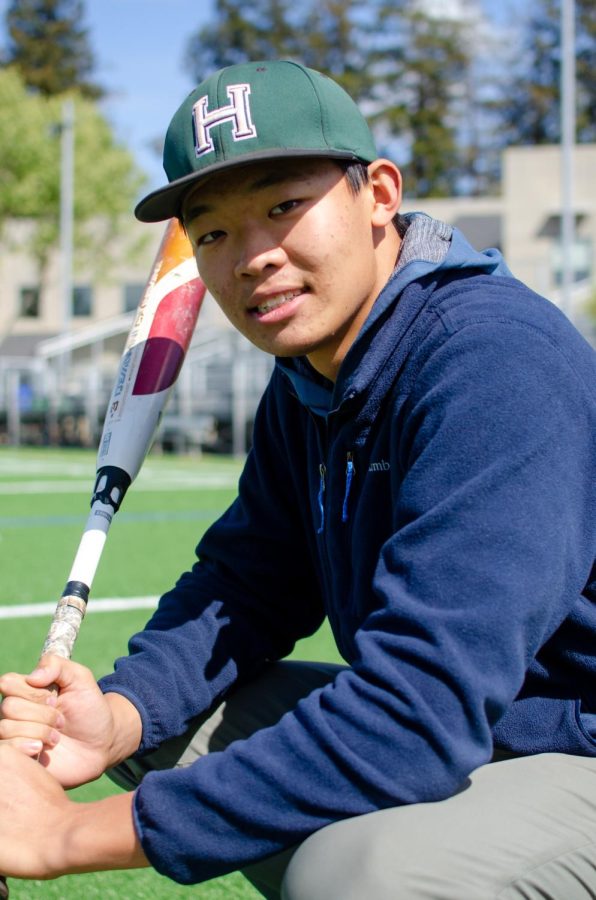
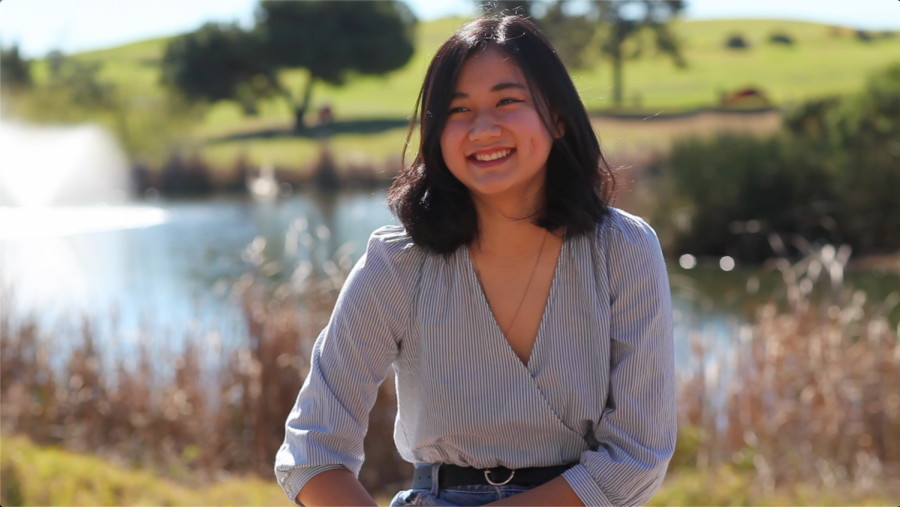
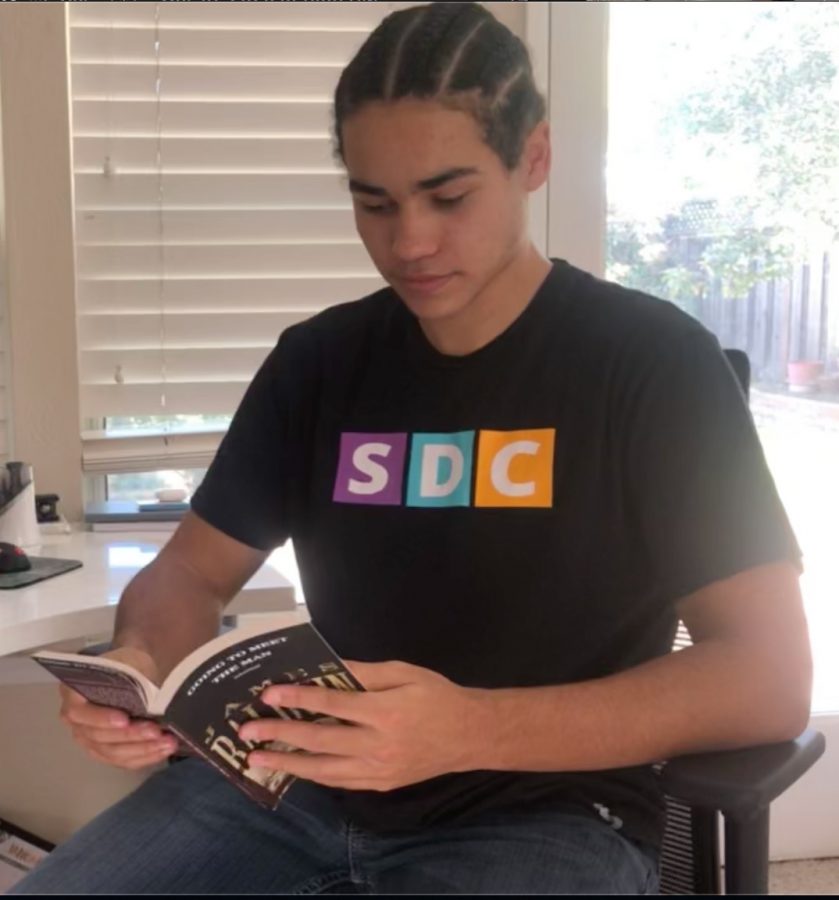
![“When I came into high school, I was ready to be a follower. But DECA was a game changer for me. It helped me overcome my fear of public speaking, and it's played such a major role in who I've become today. To be able to successfully lead a chapter of 150 students, an officer team and be one of the upperclassmen I once really admired is something I'm [really] proud of,” Anvitha Tummala ('21) said.](https://harkeraquila.com/wp-content/uploads/2021/07/Screen-Shot-2021-07-25-at-9.50.05-AM-900x594.png)

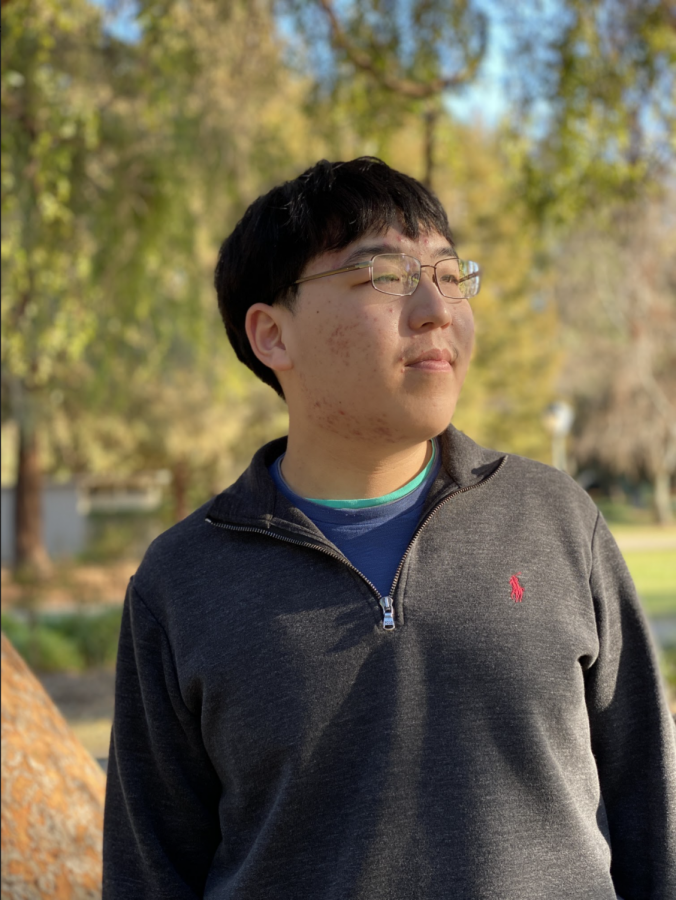
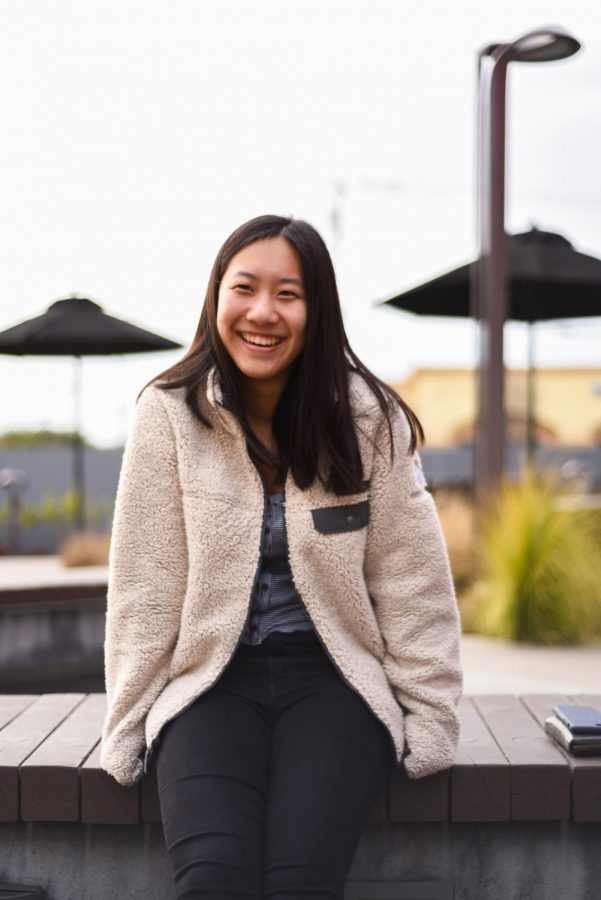
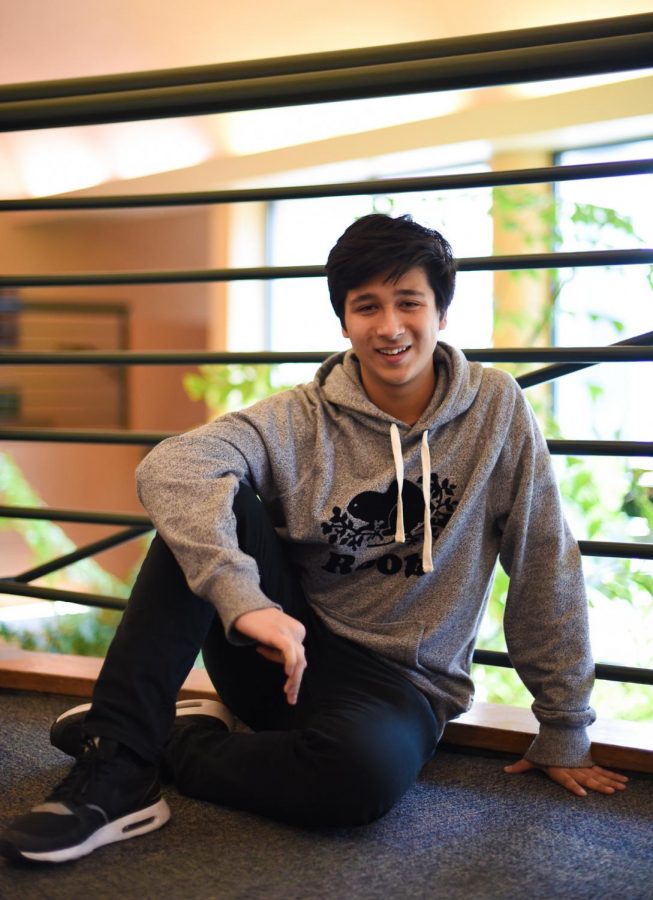
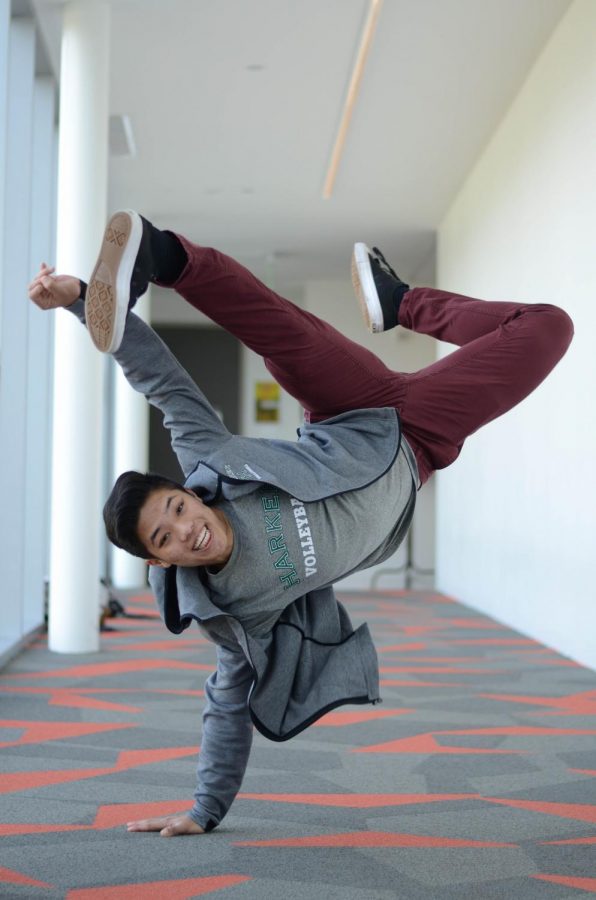
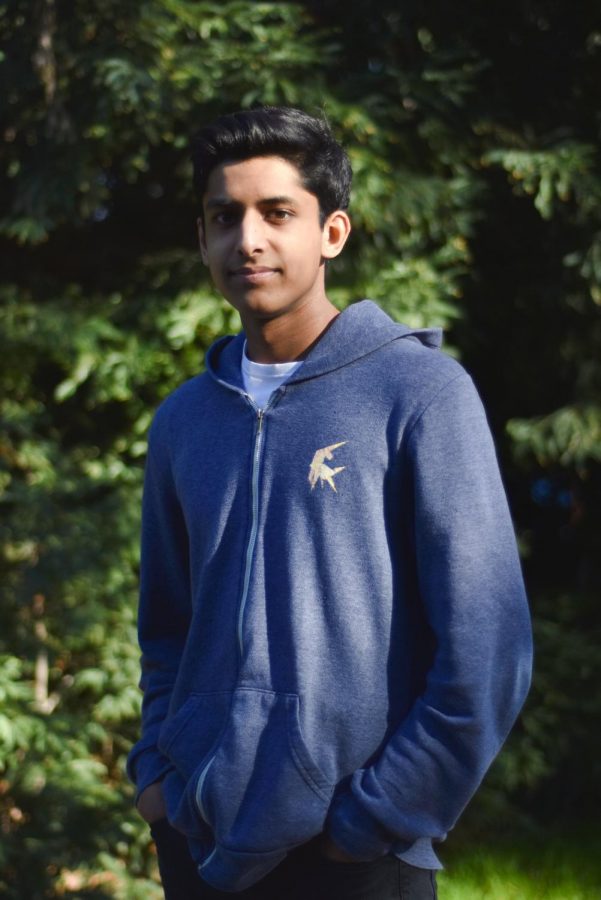

![“I think getting up in the morning and having a sense of purpose [is exciting]. I think without a certain amount of drive, life is kind of obsolete and mundane, and I think having that every single day is what makes each day unique and kind of makes life exciting,” Neymika Jain (12) said.](https://harkeraquila.com/wp-content/uploads/2017/06/Screen-Shot-2017-06-03-at-4.54.16-PM.png)
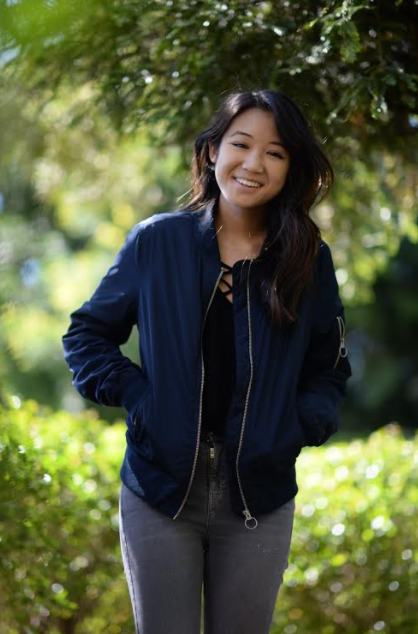
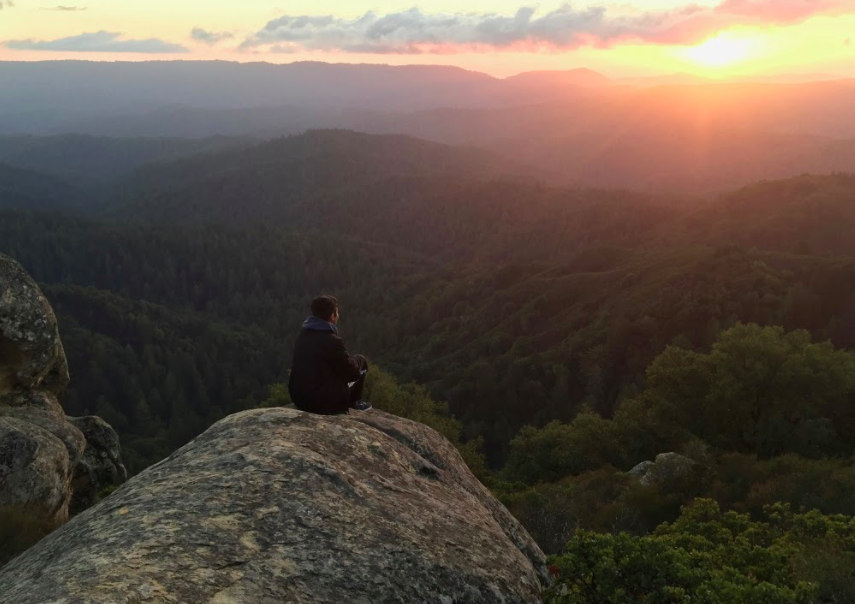
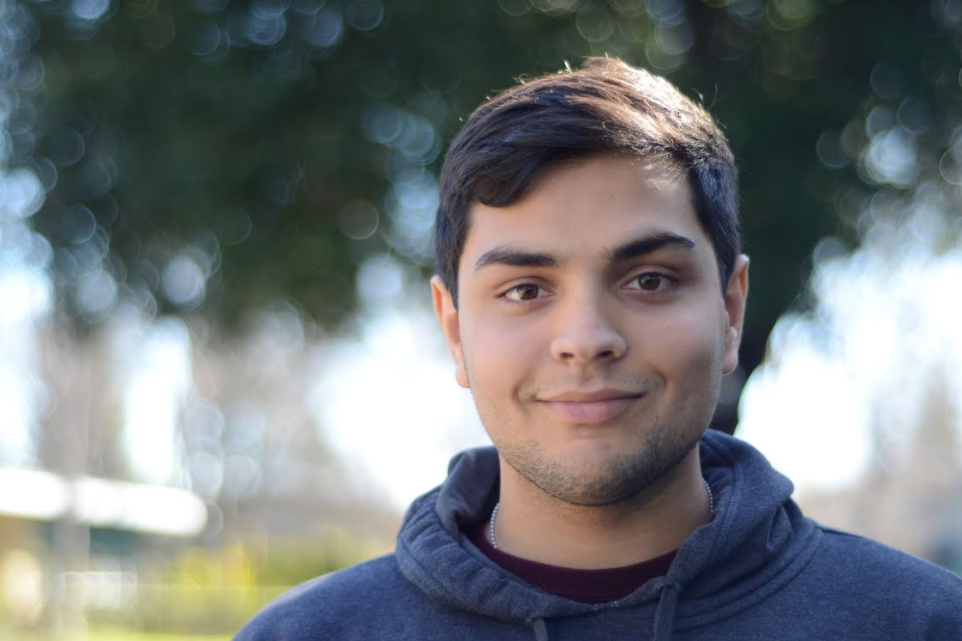

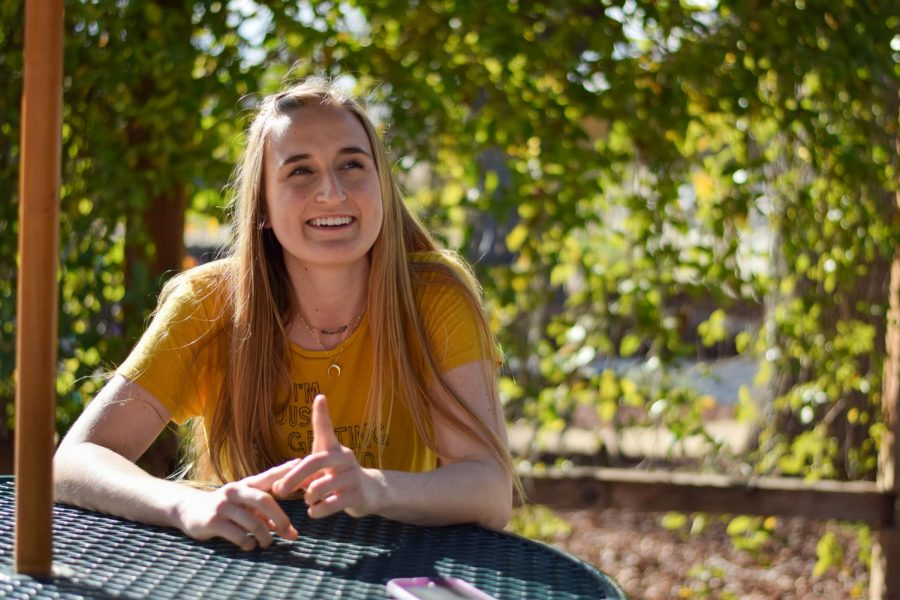
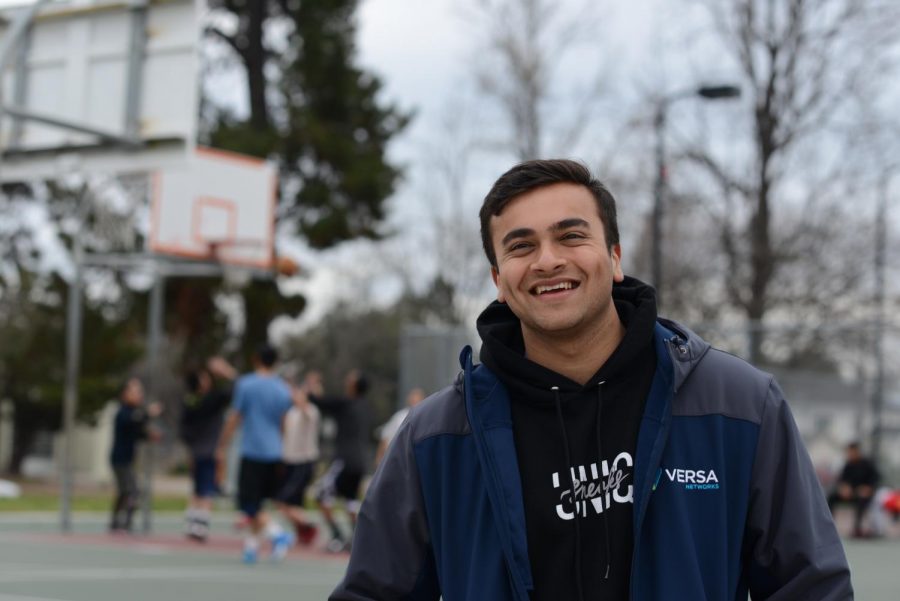

![“My slogan is ‘slow feet, don’t eat, and I’m hungry.’ You need to run fast to get where you are–you aren't going to get those championships if you aren't fast,” Angel Cervantes (12) said. “I want to do well in school on my tests and in track and win championships for my team. I live by that, [and] I can do that anywhere: in the classroom or on the field.”](https://harkeraquila.com/wp-content/uploads/2018/06/DSC5146-900x601.jpg)
![“[Volleyball has] taught me how to fall correctly, and another thing it taught is that you don’t have to be the best at something to be good at it. If you just hit the ball in a smart way, then it still scores points and you’re good at it. You could be a background player and still make a much bigger impact on the team than you would think,” Anya Gert (’20) said.](https://harkeraquila.com/wp-content/uploads/2020/06/AnnaGert_JinTuan_HoHPhotoEdited-600x900.jpeg)
![“I'm not nearly there yet, but [my confidence has] definitely been getting better since I was pretty shy and timid coming into Harker my freshman year. I know that there's a lot of people that are really confident in what they do, and I really admire them. Everyone's so driven and that has really pushed me to kind of try to find my own place in high school and be more confident,” Alyssa Huang (’20) said.](https://harkeraquila.com/wp-content/uploads/2020/06/AlyssaHuang_EmilyChen_HoHPhoto-900x749.jpeg)



Editorial: Responses for school safety require an update
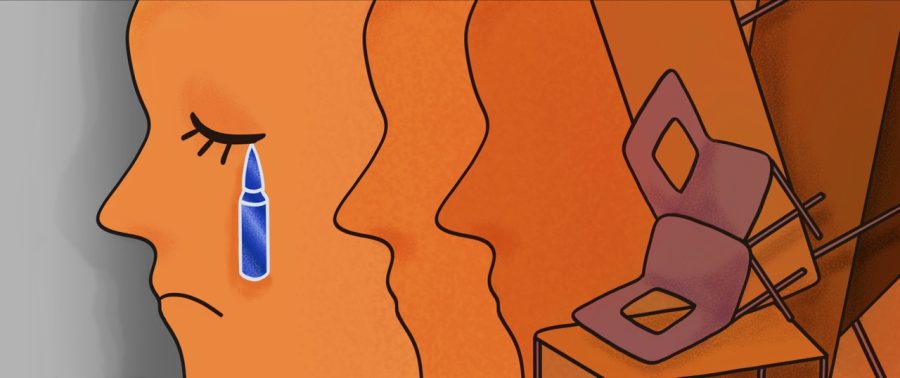
In the aftermath of countless mass shootings and an intrusion on our own campus, we cannot be passive bystanders and wait for a more dangerous situation to happen to us in order to enact change. Our system for responding to school shootings needs an update.
This June, Harker encountered an unarmed intruder on campus — one of the rare times when a shelter-in-place was not a drill. With this incident and the heartbreaking school shooting at Robb Elementary School in Uvalde, Texas on May 24, where 19 students and two teachers were killed, the threat of a school shooting has become more salient.
While we as students have little impact on nationwide gun reform, we can still turn our attention inward and consider what we can do as a community to decrease the risk of gun violence at Harker with proactive measures and increase our preparedness with more detailed and thorough drills and procedures.
Proactive measures to prevent school shootings usually focus on treating student mental health. A primary cause of students turning to violence is bullying: according to a 2004 study conducted by the United States Secret Service and the United States Department of Education, 73% of school shooters had a grievance against their target, and 71% felt threatened or bullied. Other models attribute such violence to negative feelings like loss or loneliness according to a literature review from 2015.
If Harker students are feeling bullied they can talk with Harker’s counselors and receive emotional support. To resolve the situation, they can anonymously contact the Division Head or Dean of Students with the name of the aggressor and the names of anyone else involved with the bullying, including the victim and when the incident occurred.
Harker has many counselors and caring adults at school who can give support to students who feel unsafe or otherwise need help, and, through events like Challenge Day, we have an abundance of options if we feel distressed. However, choosing to seek help can be a challenging decision to make, which is why some schools have turned to screening.
Screenings are exams which try to detect mental disorders and assess mental health. Conducting these screenings can identify students who need help the most. It can also accurately and effectively connect students to mental health services.
Screening students at Harker could be mandatory or non-mandatory, but the most important part is making the tool simple to find and use. Some websites dedicated to mental health like Mental Health America have free screening tools for schools to use, so making it accessible could be as easy as creating a resource in the student portal or promoting them in school-wide meetings.
Although screening can be used to prevent potential violence, it is important to acknowledge that most people with mental health issues are not violent, and supporting mental health efforts has benefits beyond limiting school shootings.
Ultimately, we need to have more comprehensive discussions on the general mental health of the student body, working to provide discreet, safe options for students who are struggling with mental health. Preventative measures such as screening can be incredibly effective in keeping a healthy environment and maintaining school safety, but drills are still important in order to keep ourselves safe in the event of a school shooting.
The main way we prepare ourselves for a violent threat on campus is a lockdown drill. Unfortunately, these drills can sometimes be ineffective, for a variety of reasons.
We frequently hear the phrase “run, hide, defend” when discussing active shooter protocols, yet we only practice “hide.” Knowing when to run or defend and how to do so are crucial details that require more guidance than a simple statement.
Each time there is a lockdown drill, we have the opportunity to practice our defense in case of a real school shooting situation, yet students don’t often take these drills seriously. For the sake of protecting the lives of ourselves and others in case of a shooting, we have to practice with focus and intent.
Students are not the only ones responsible for knowing and executing drills, though. Teachers are the authority in the classroom, and as such, should be trained on coordinating lockdown procedures confidently and with composure, but the only training they receive is the school-wide presentation and feedback on the lockdown setup after the drill has already happened.
Last school year, Harker practiced the annual lockdown drill in April — what would have happened if we had a shooter threat in the fall, when half of the student body had never experienced such a drill at the upper school? Additionally, there is nowhere online to access the slideshow about the lockdown procedure or any other relevant information discussing the drill.
In the aftermath of countless mass shootings and an intrusion on our own campus, we cannot be passive bystanders and wait for a more dangerous situation to happen to us in order to enact change. Our system for responding to school shootings needs an update.
Margaret Cartee 12) is a co-managing editor for Harker Aquila, and this is her fourth year on staff. This year, Margaret wants to do more illustrations...