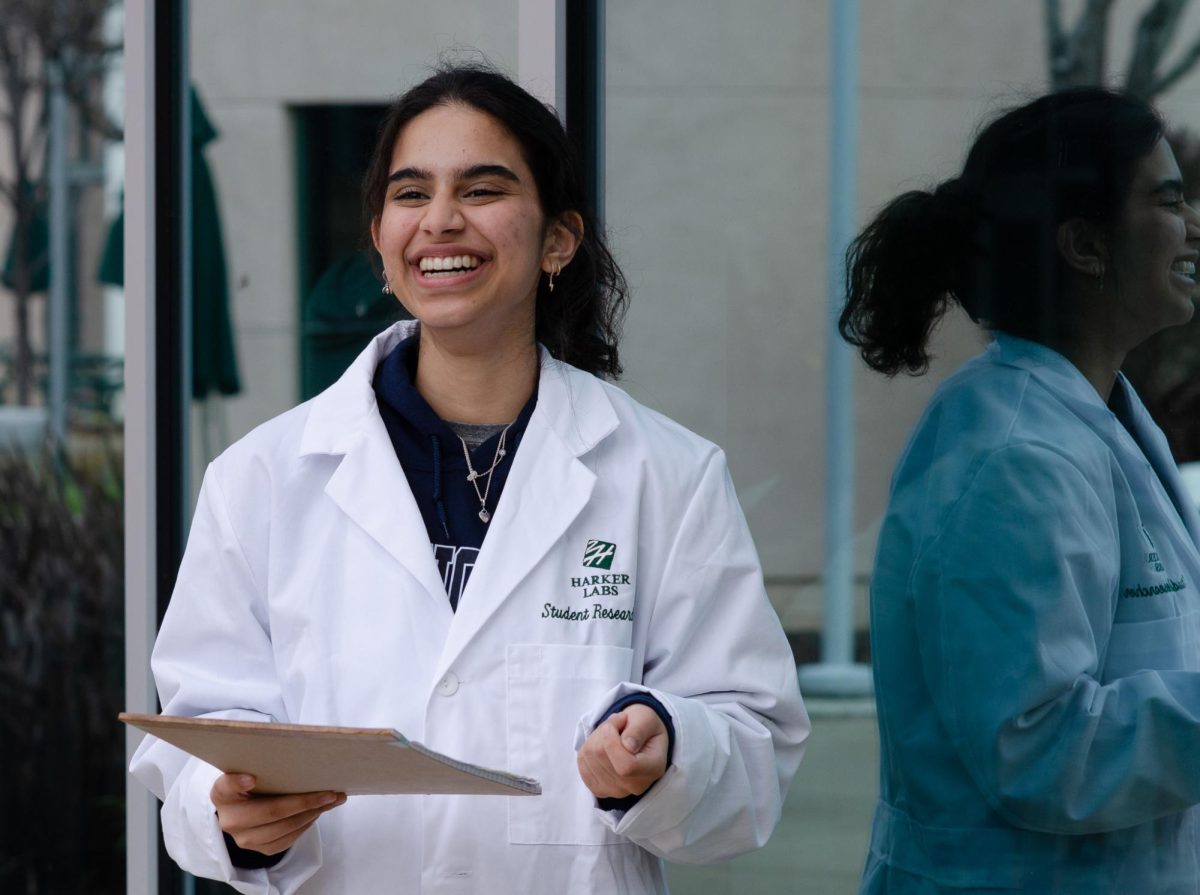
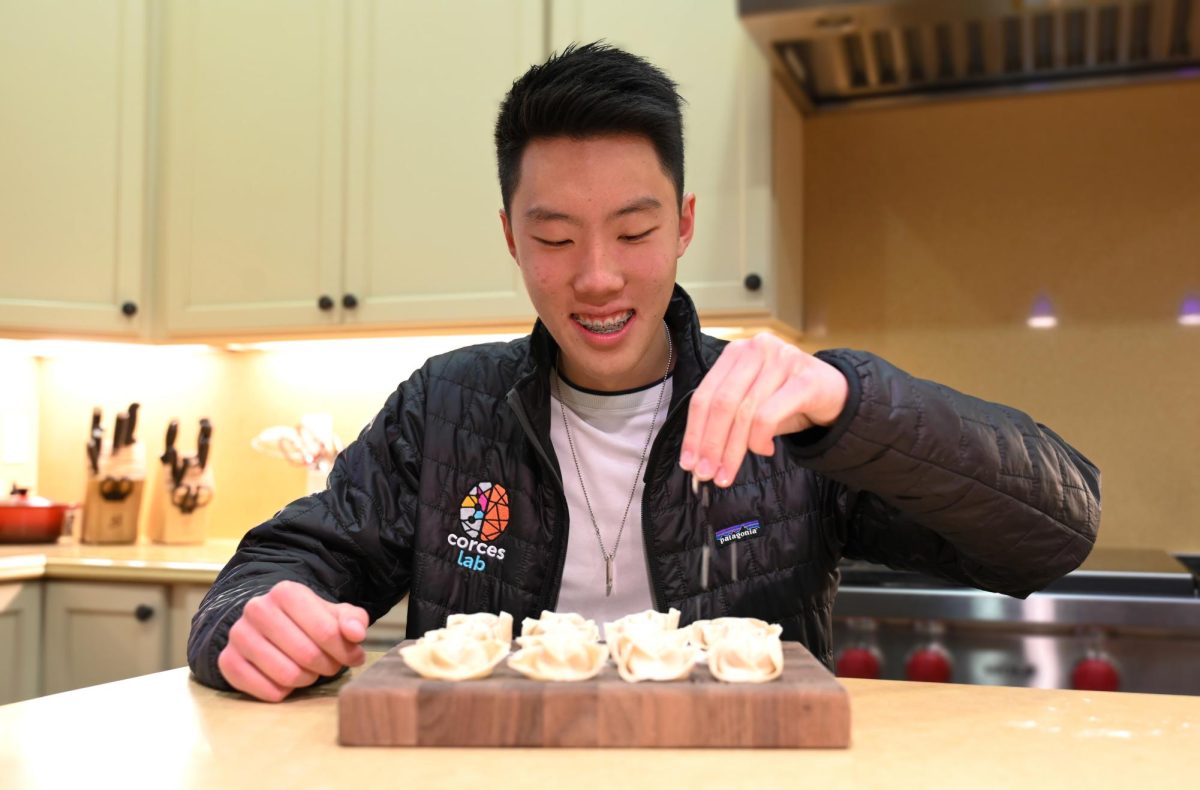
![“I wasn't discouraged by some of the obstacles we faced. I learned a lot from the leadership. I found that different people need different ways of receiving feedback — you can't [just] tell them to do something and expect the best. [Some] people needed more incentive. A large part of my role was to figure out what worked for everyone and to figure out how to lead all these separate individuals as a team,” Suhana Bhandare (’26) said.](https://harkeraquila.com/wp-content/uploads/2026/06/SuhanaBhandare_JasmineHansra-1-1200x798.jpg)
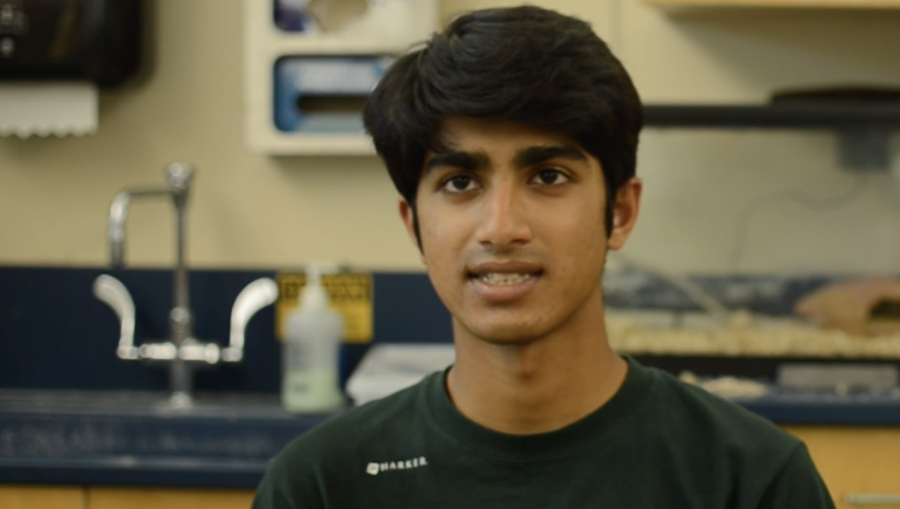
![“This is actually from Randy Pausch Randy P. Brick: ‘Walls are there for a reason. You have to show how much you want to overcome them.’ You have to show how much you want something. That's what I've always been able to do with tennis, Link Crew and getting that internship [with Kushy Baby]. It’s important pushing through that — getting around that brick wall, climbing over it or clawing through it,” Yash Sachdeva (’26) said.](https://harkeraquila.com/wp-content/uploads/2026/05/YashSachdeva_RamBatchu-copy-1200x1002.jpg)





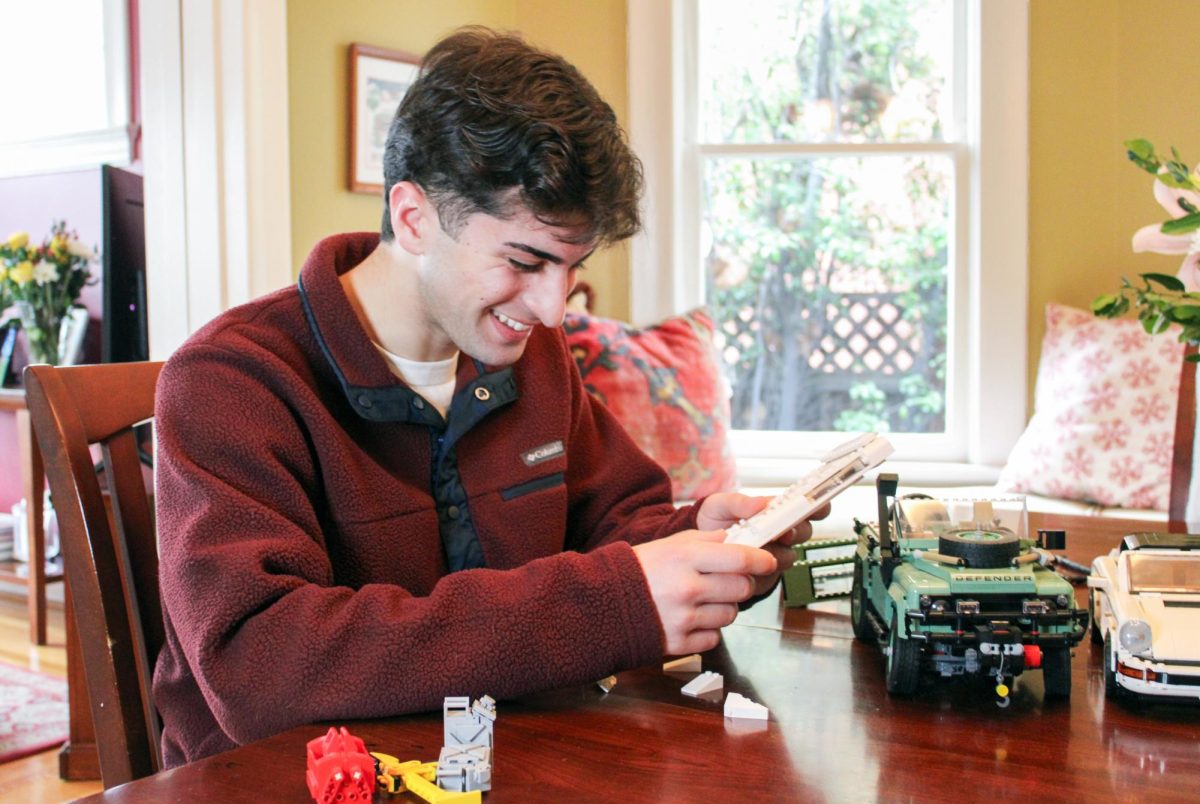


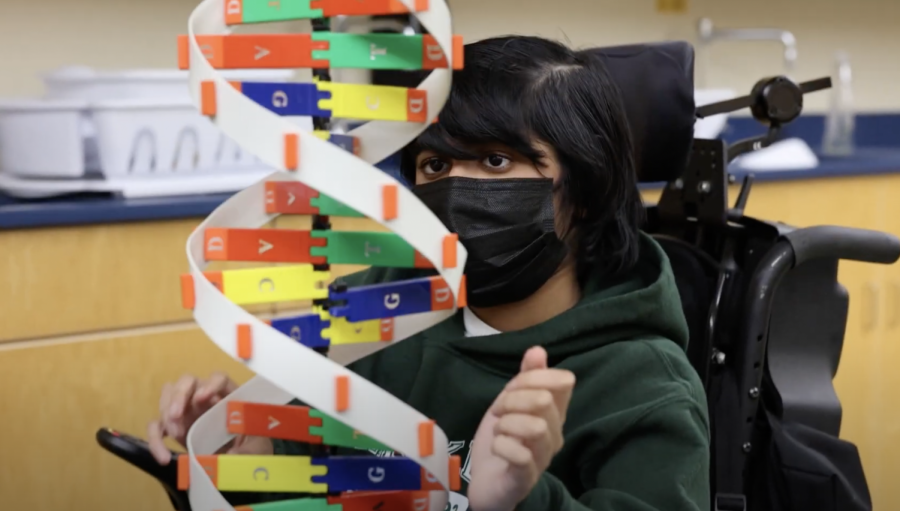
![“[Building nerf blasters] became this outlet of creativity for me that hasn't been matched by anything else. The process [of] making a build complete to your desire is such a painstakingly difficult process, but I've had to learn from [the skills needed from] soldering to proper painting. There's so many different options for everything, if you think about it, it exists. The best part is [that] if it doesn't exist, you can build it yourself," Ishaan Parate said.](https://harkeraquila.com/wp-content/uploads/2022/08/DSC_8149-900x604.jpg)
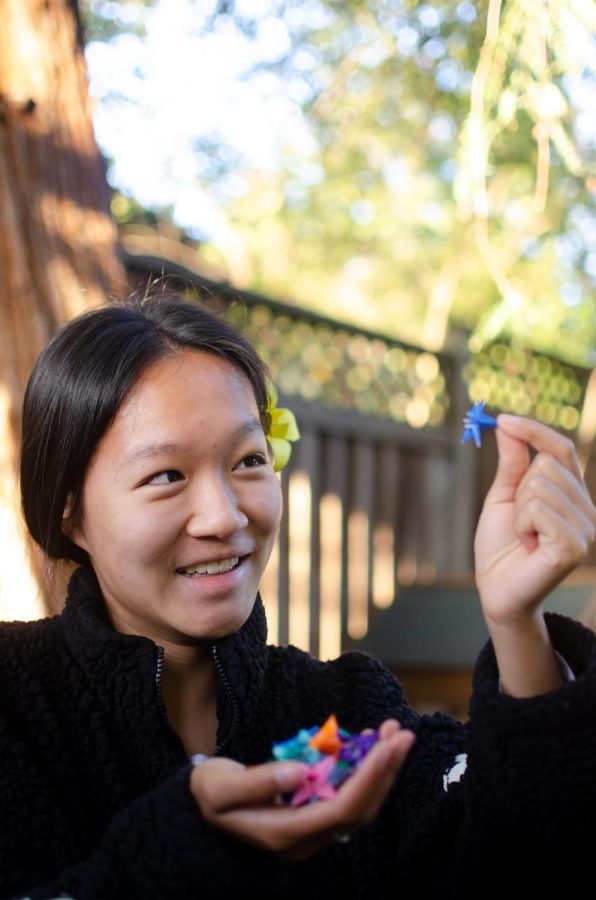
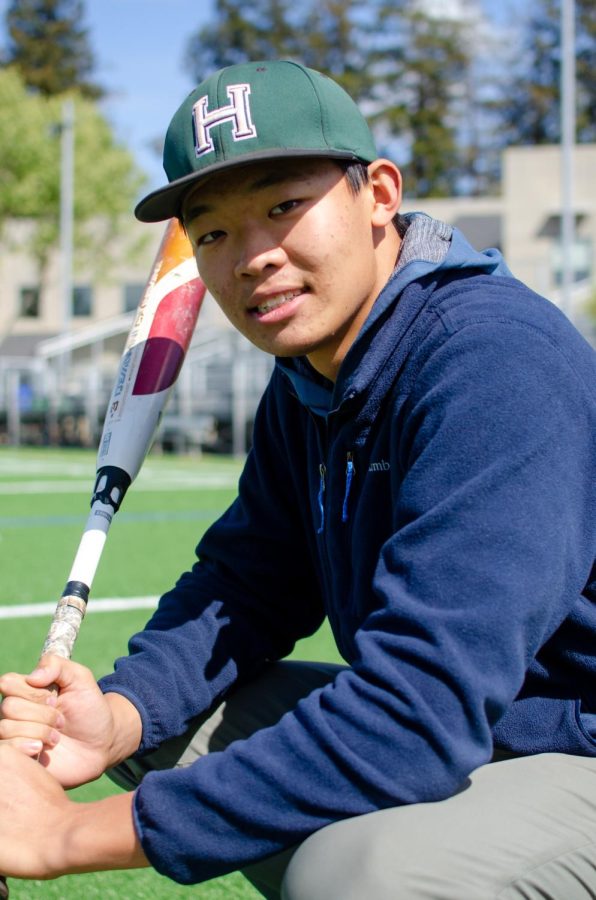

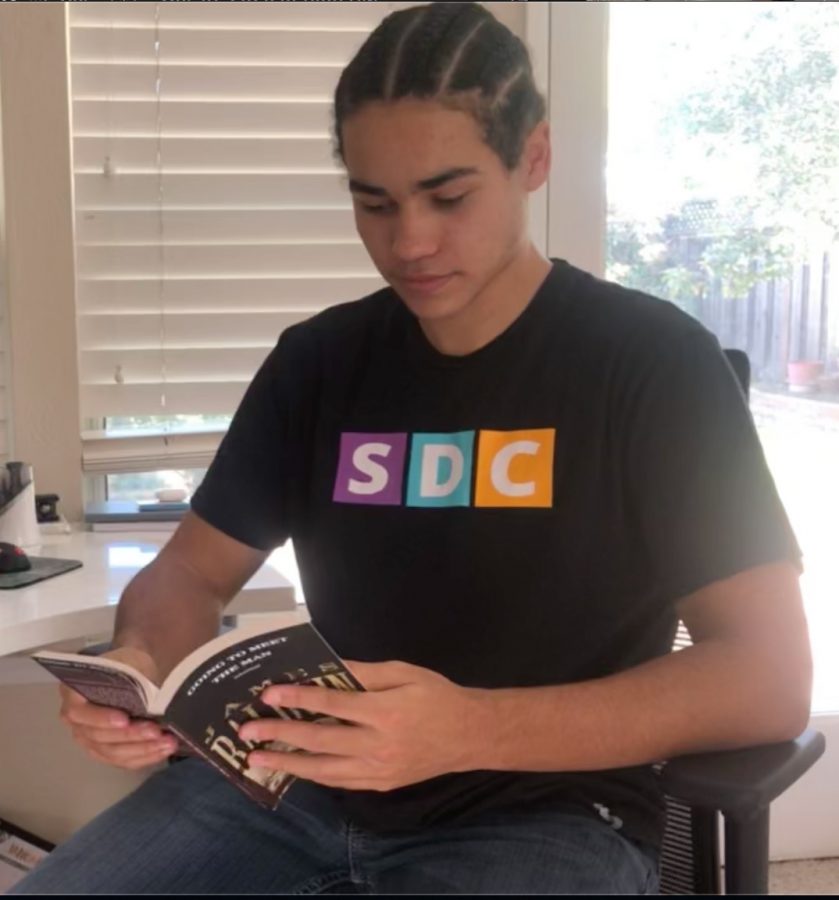
![“When I came into high school, I was ready to be a follower. But DECA was a game changer for me. It helped me overcome my fear of public speaking, and it's played such a major role in who I've become today. To be able to successfully lead a chapter of 150 students, an officer team and be one of the upperclassmen I once really admired is something I'm [really] proud of,” Anvitha Tummala ('21) said.](https://harkeraquila.com/wp-content/uploads/2021/07/Screen-Shot-2021-07-25-at-9.50.05-AM-900x594.png)
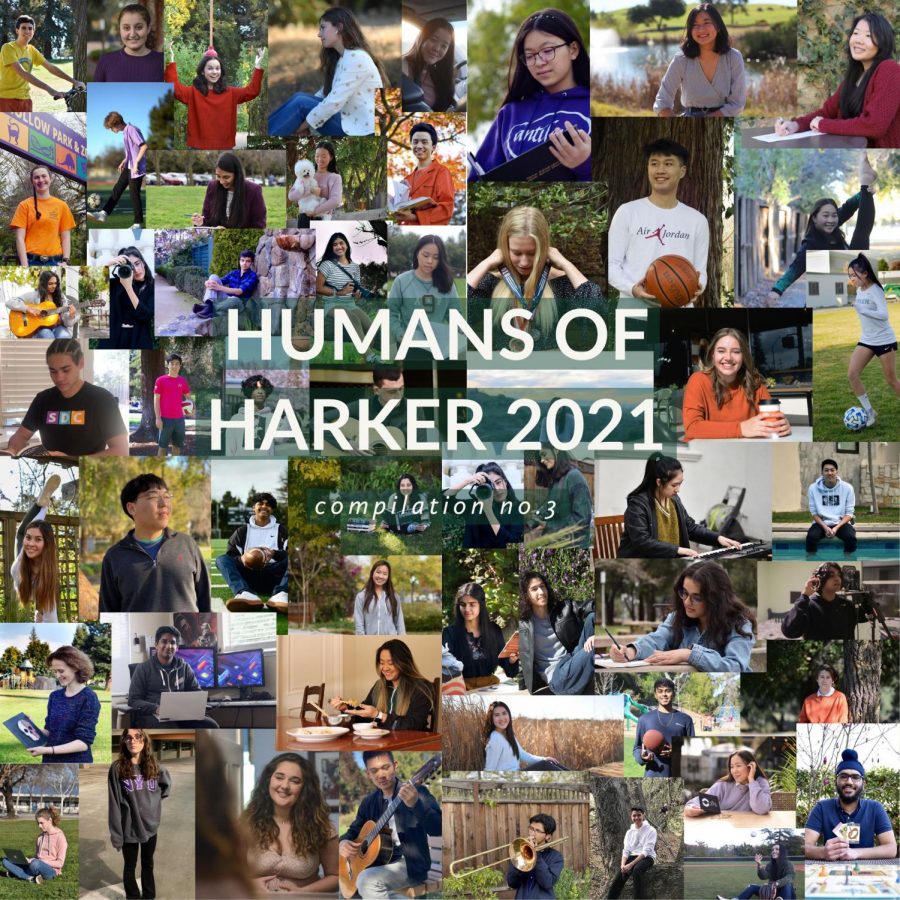
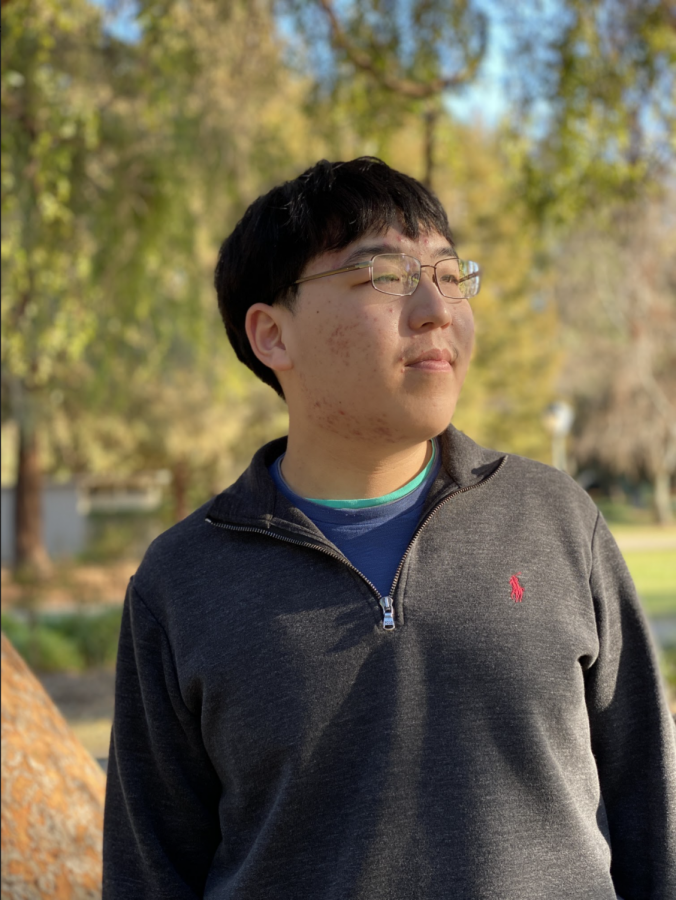

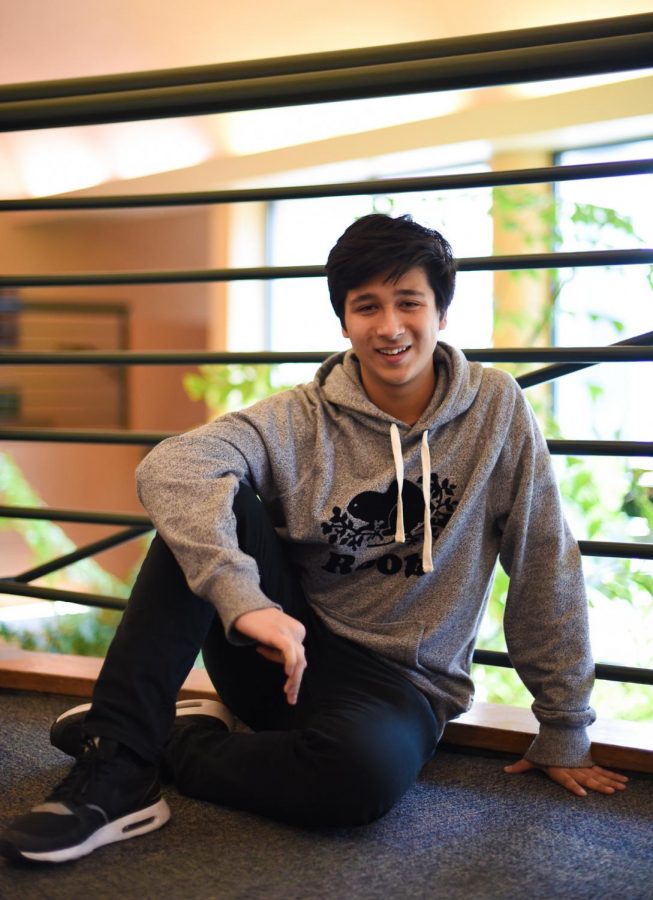
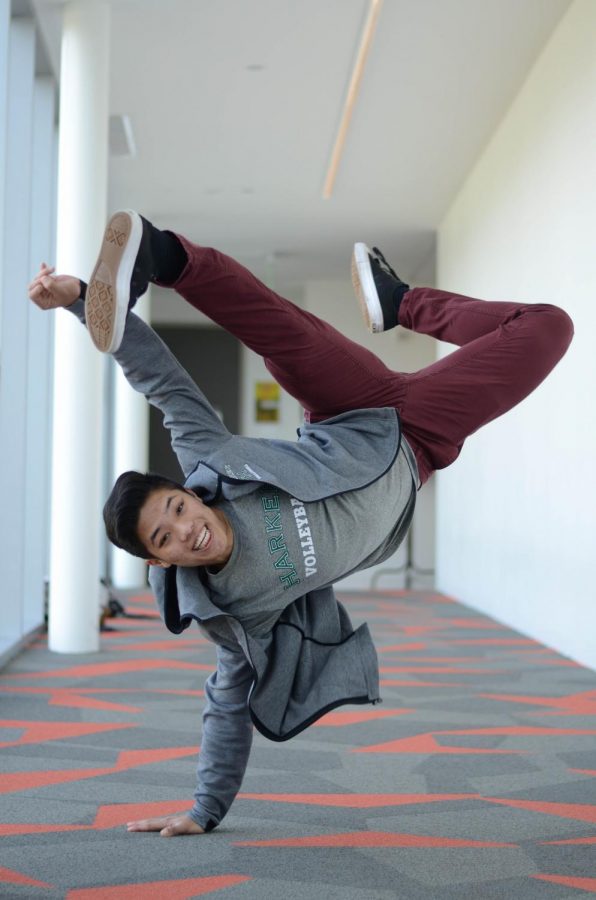
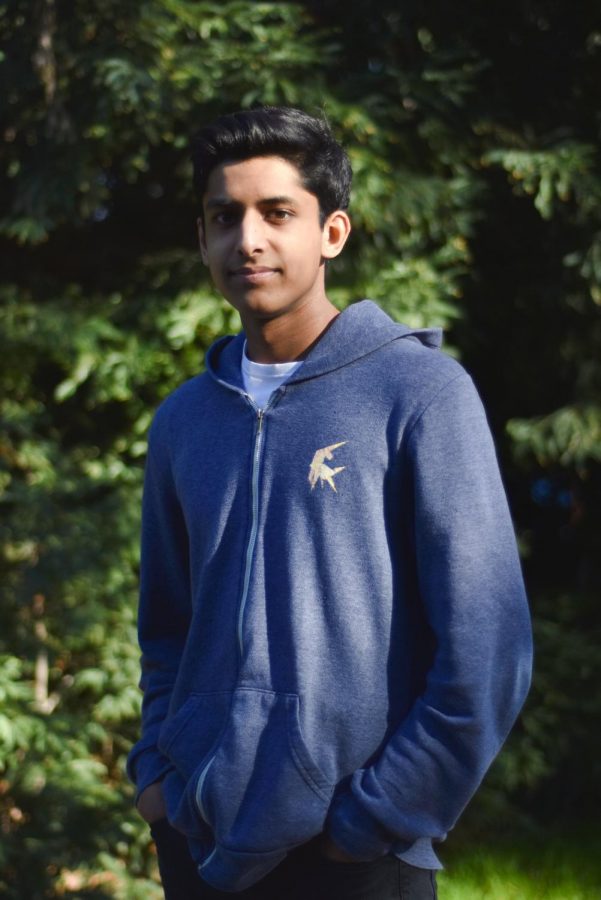

![“I think getting up in the morning and having a sense of purpose [is exciting]. I think without a certain amount of drive, life is kind of obsolete and mundane, and I think having that every single day is what makes each day unique and kind of makes life exciting,” Neymika Jain (12) said.](https://harkeraquila.com/wp-content/uploads/2017/06/Screen-Shot-2017-06-03-at-4.54.16-PM.png)

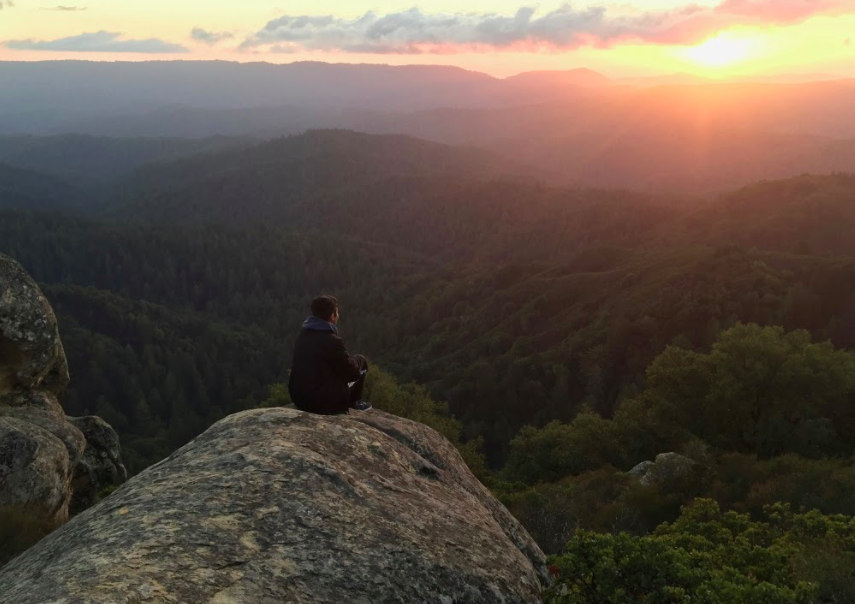
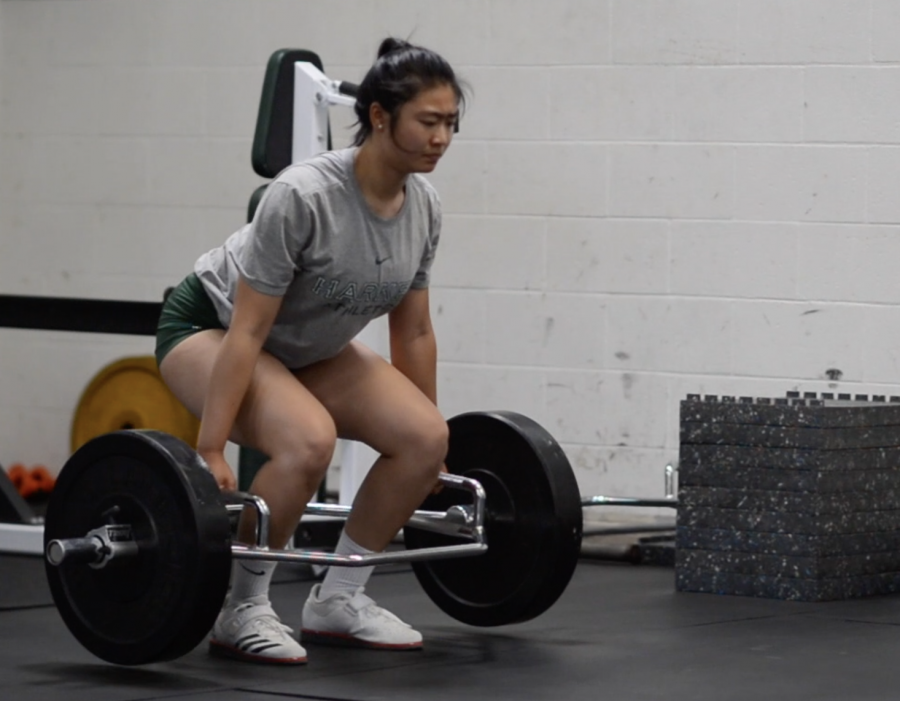

![“My slogan is ‘slow feet, don’t eat, and I’m hungry.’ You need to run fast to get where you are–you aren't going to get those championships if you aren't fast,” Angel Cervantes (12) said. “I want to do well in school on my tests and in track and win championships for my team. I live by that, [and] I can do that anywhere: in the classroom or on the field.”](https://harkeraquila.com/wp-content/uploads/2018/06/DSC5146-900x601.jpg)
![“[Volleyball has] taught me how to fall correctly, and another thing it taught is that you don’t have to be the best at something to be good at it. If you just hit the ball in a smart way, then it still scores points and you’re good at it. You could be a background player and still make a much bigger impact on the team than you would think,” Anya Gert (’20) said.](https://harkeraquila.com/wp-content/uploads/2020/06/AnnaGert_JinTuan_HoHPhotoEdited-600x900.jpeg)
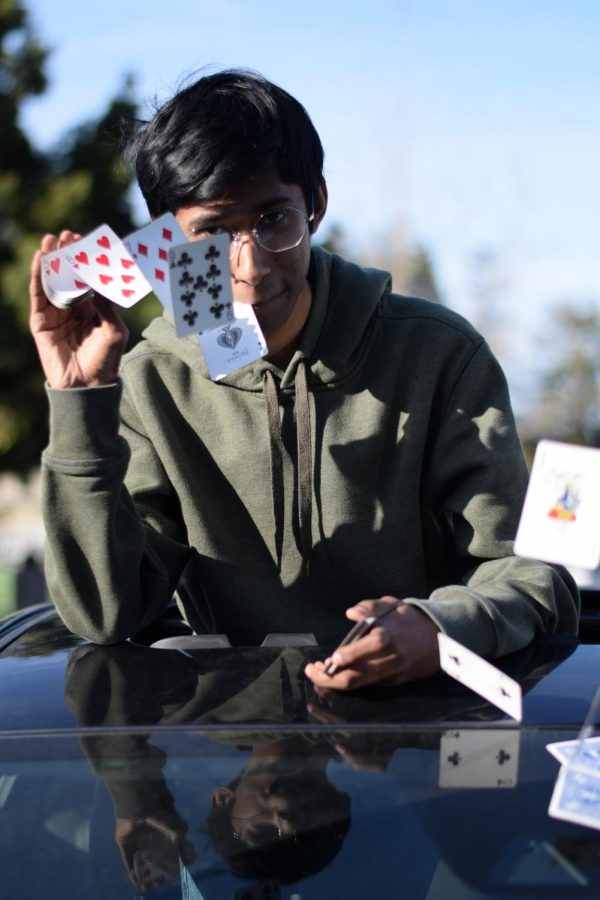
![“I'm not nearly there yet, but [my confidence has] definitely been getting better since I was pretty shy and timid coming into Harker my freshman year. I know that there's a lot of people that are really confident in what they do, and I really admire them. Everyone's so driven and that has really pushed me to kind of try to find my own place in high school and be more confident,” Alyssa Huang (’20) said.](https://harkeraquila.com/wp-content/uploads/2020/06/AlyssaHuang_EmilyChen_HoHPhoto-900x749.jpeg)

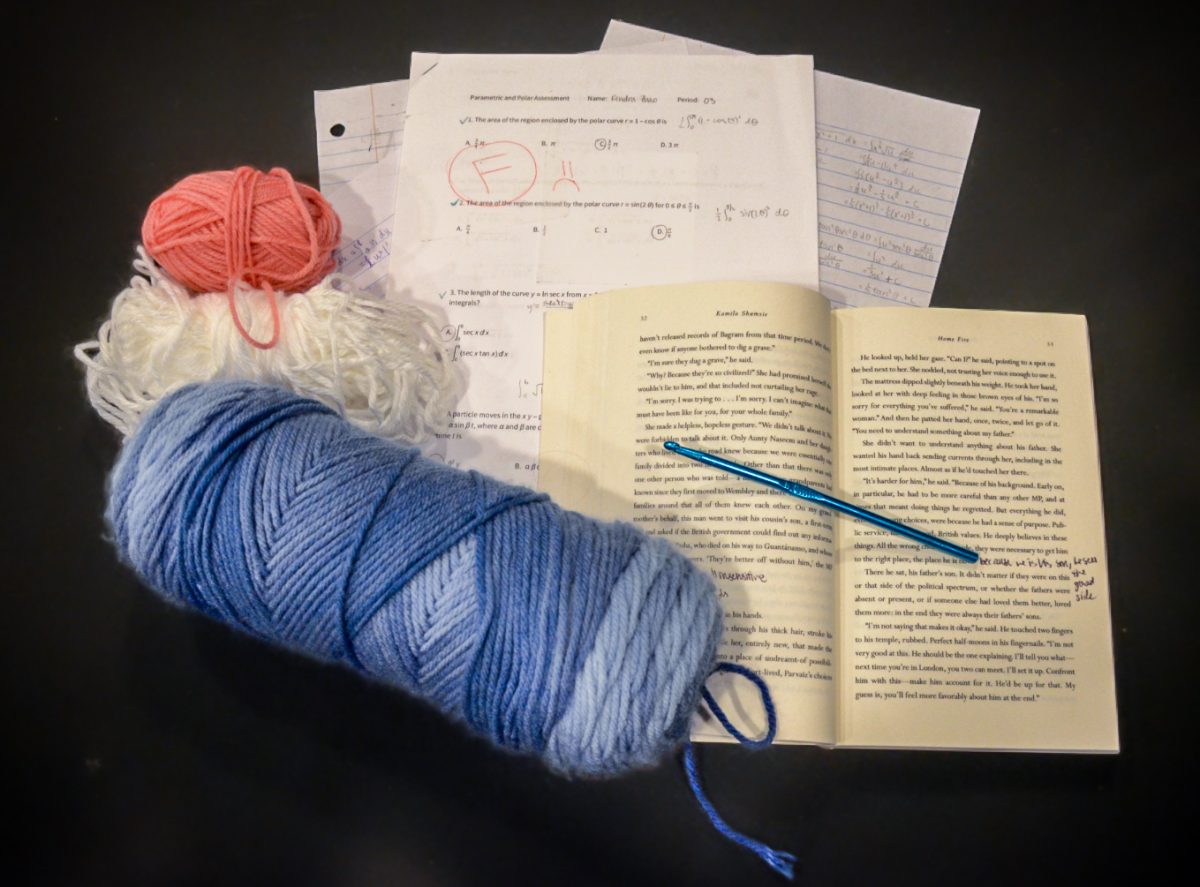
Ever since I started high school, I’ve felt a constant need to be productive. Every free hour that wasn’t spent checking something off my to-do list and every second I don’t spend working toward a more impressive resume or a perfect transcript is time wasted. However, I found myself wondering, is that really the right way to think?
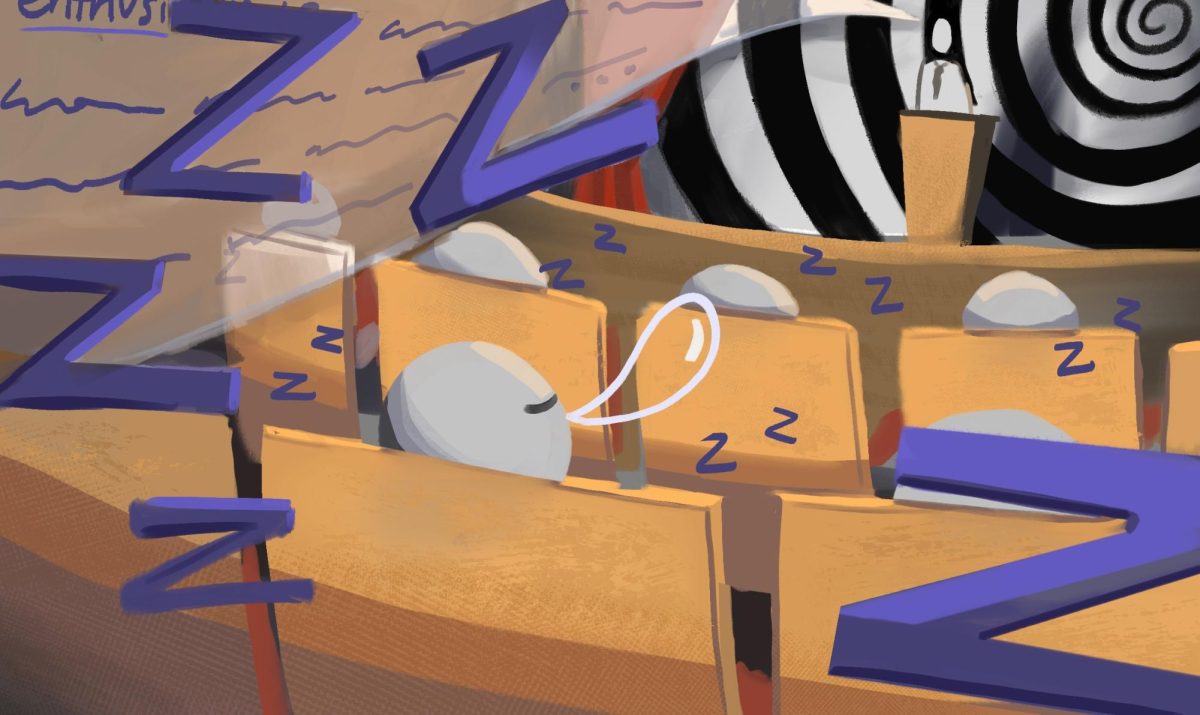
In my freshman year, I faced an important math test that stood between me and the grade I had been aiming for the entire semester. I spent an entire week constantly reviewing, staying up well past midnight to stuff my brain with every practice problem I could find. However, when I finally sat down for the assessment, my exhaustion caught up with me in the form of a thick mental fog. Despite the amount of time I spent studying, my performance was mediocre, as I made careless mistakes on concepts I had mastered days prior.
Following many tests with similar performances, I came to realize that my dedication had actually been my downfall. The test grades taught me that sometimes, the most productive thing I can do for myself isn’t another hour of parametric equations, but the simple act of taking a break and going to sleep. By approaching my next assessments with the latter approach, I found that, for me, a good night’s sleep was more effective than multiple hours of continuous cramming.
Rest is important because the optimization mindset eventually hits a point of diminishing return. When we treat our minds like machines that must run at maximum capacity 24/7, we don’t actually get more done. Rather, we tire our brains, leading to burnout and a loss of mental clarity needed to be the most efficient.
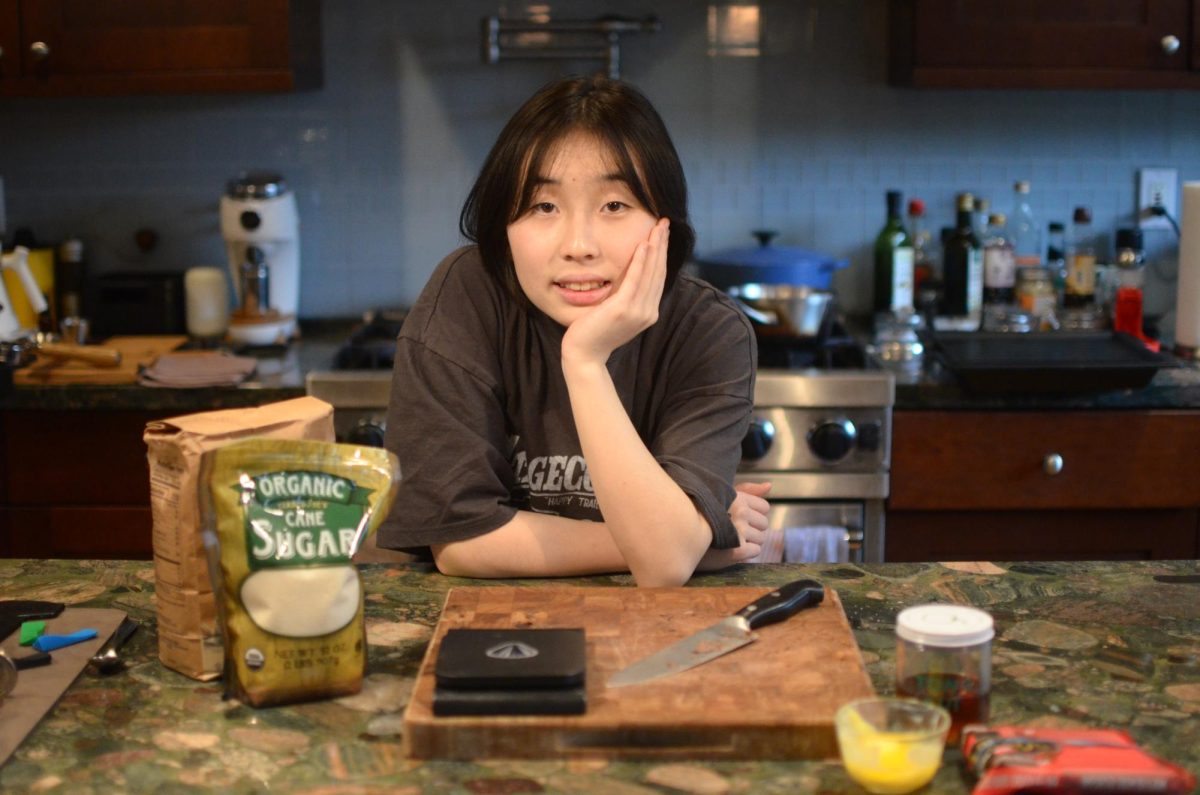
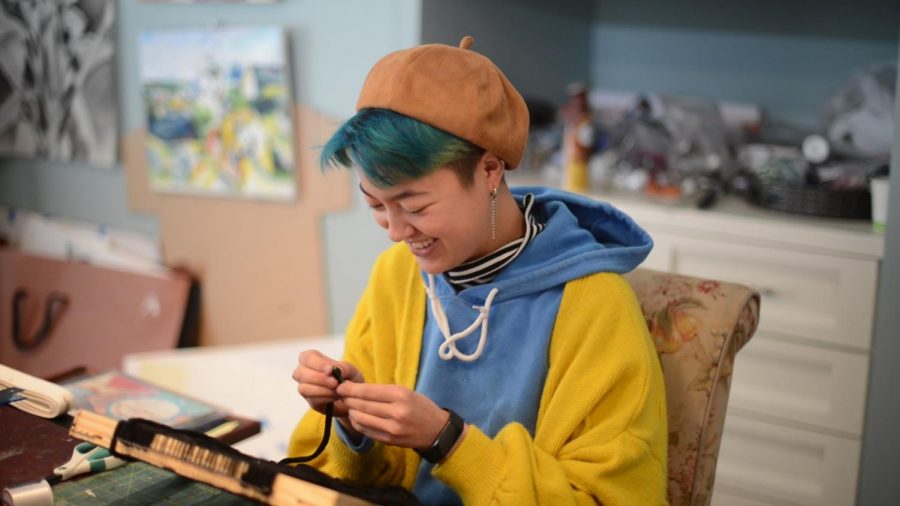
Sleep isn’t the only “unproductive” activity that improves the quality of my work. I have found that by simply pursuing hobbies like crocheting or reading sci-fi novels, going on walks and taking the time to sit in silence to reflect on my actions (pursuits with zero resume value), I temporarily distance myself from the growing burdens of high school. What reinforced my ideas was listening to Dino Ambrosi’s talk regarding the use of our time and how we often trade our most valuable hours for nothing in return. Ambrosi is a tech-wellness expert who teaches people how to reclaim their time by minimizing use of technology to only what is necessary, and hearing his thoughts encouraged me more to find the most efficient use of my time.
Now, when I hit a wall while reviewing for math, I stop. I’ve found that a few minutes of the simple and repetitive patterns of crocheting does more for me than an hour of staring at an unsolved problem. These breaks allow my mind to reset, making the seemingly impossible solutions suddenly obvious. By prioritizing this rest, I’ve traded academic burnout for a healthy pace of studying.
I’ve come to realize that my previous mentality is ultimately a flaw in logic. High performance isn’t about grinding for hours and hours; rather, it’s about having a clear head when it actually counts. By trading the non-stop hustle for a rhythm I can actually keep up with, I’ve stopped trying to be the person who works the longest and started focusing on being the one who works with the most intent.