


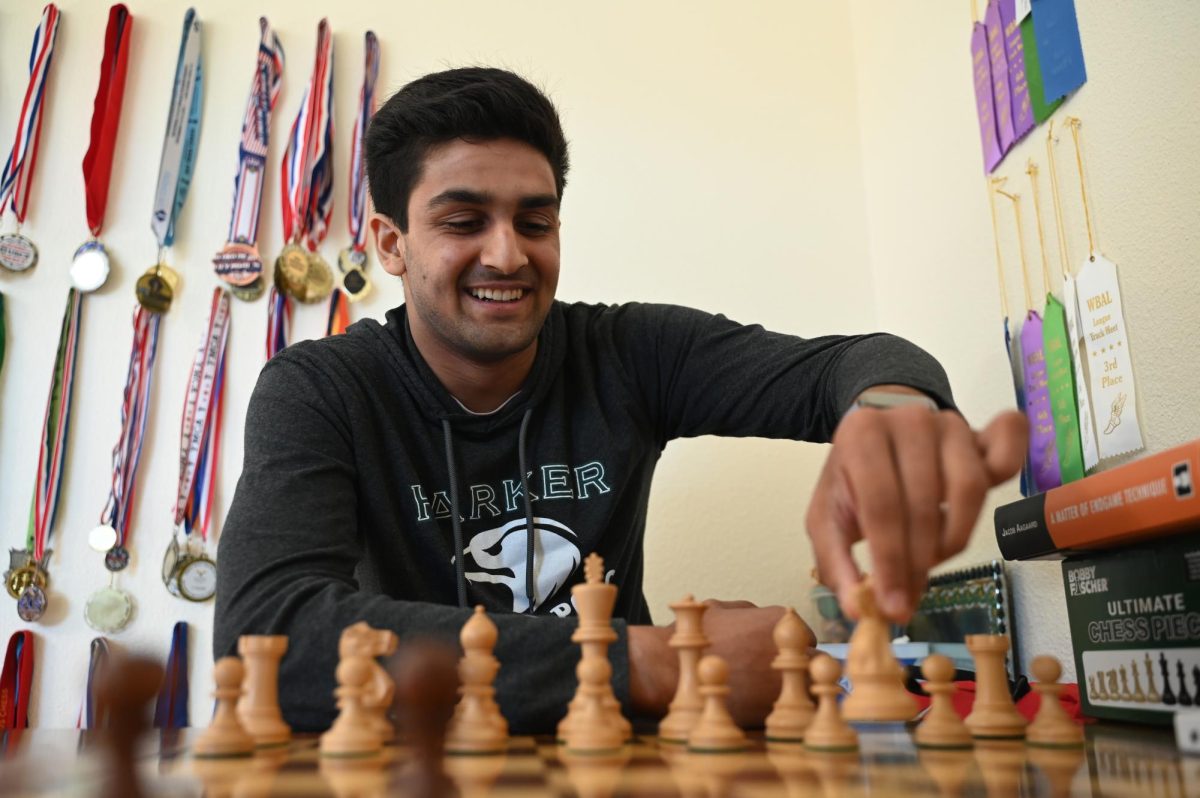
![“I wasn't discouraged by some of the obstacles we faced. I learned a lot from the leadership. I found that different people need different ways of receiving feedback — you can't [just] tell them to do something and expect the best. [Some] people needed more incentive. A large part of my role was to figure out what worked for everyone and to figure out how to lead all these separate individuals as a team,” Suhana Bhandare (’26) said.](https://harkeraquila.com/wp-content/uploads/2026/06/SuhanaBhandare_JasmineHansra-1-1200x798.jpg)
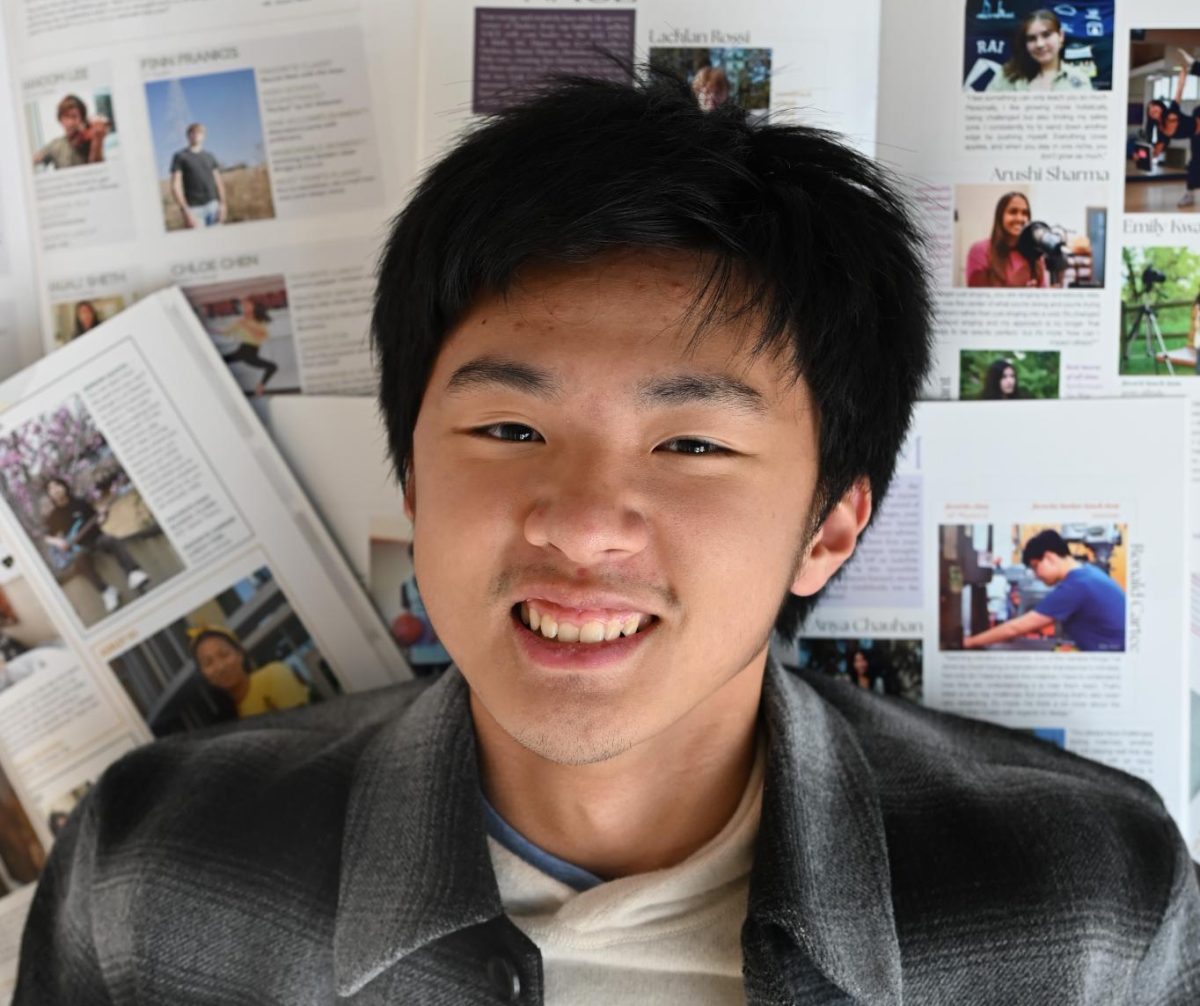
![“This is actually from Randy Pausch Randy P. Brick: ‘Walls are there for a reason. You have to show how much you want to overcome them.’ You have to show how much you want something. That's what I've always been able to do with tennis, Link Crew and getting that internship [with Kushy Baby]. It’s important pushing through that — getting around that brick wall, climbing over it or clawing through it,” Yash Sachdeva (’26) said.](https://harkeraquila.com/wp-content/uploads/2026/05/YashSachdeva_RamBatchu-copy-1200x1002.jpg)
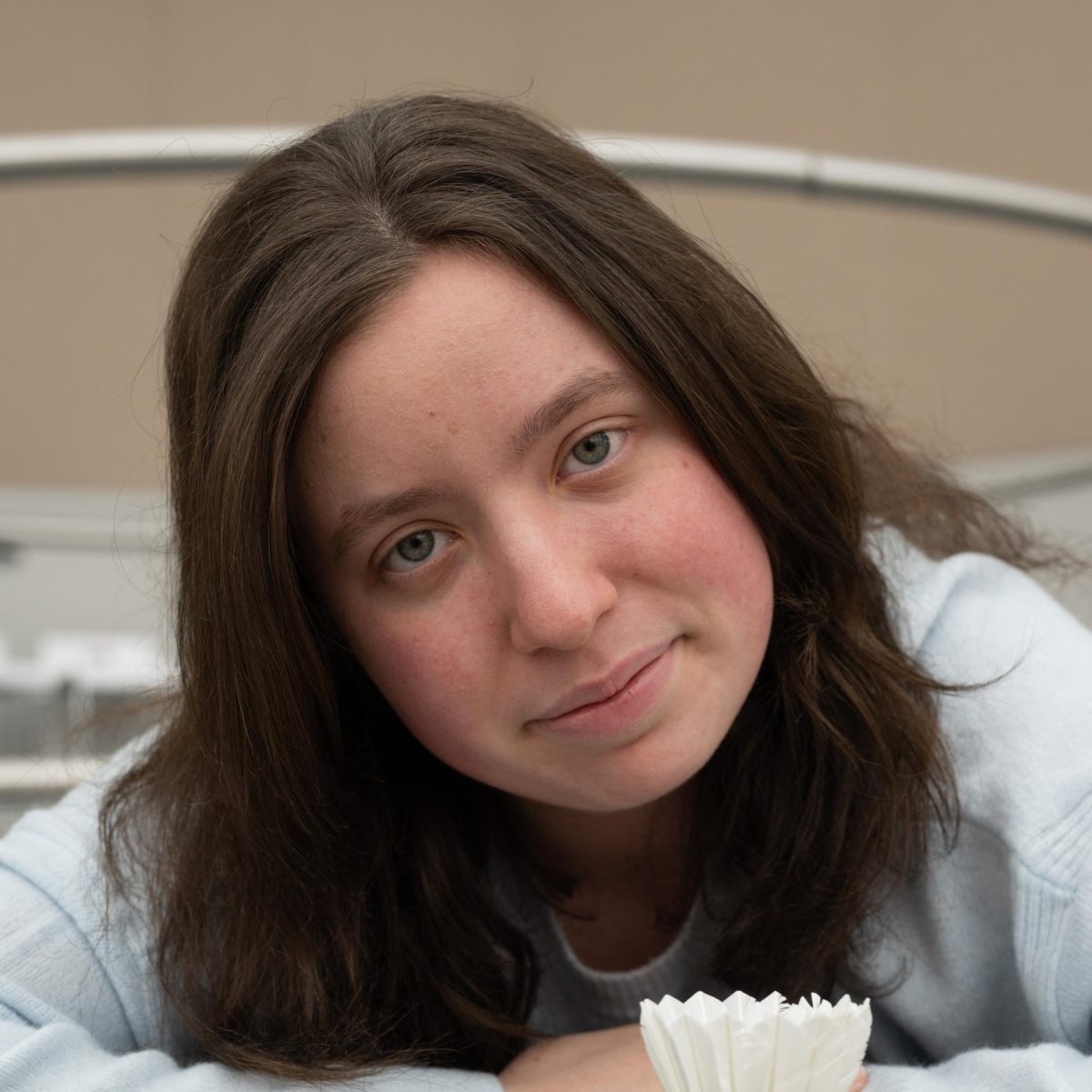
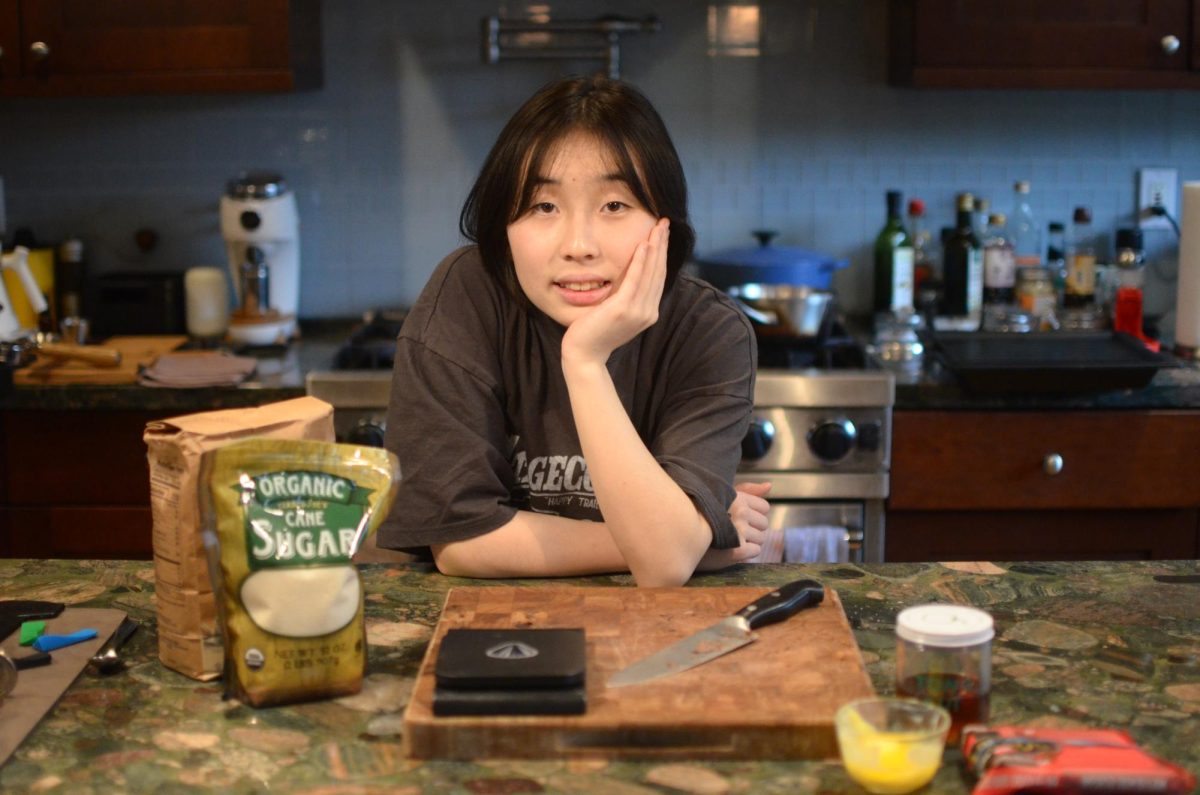
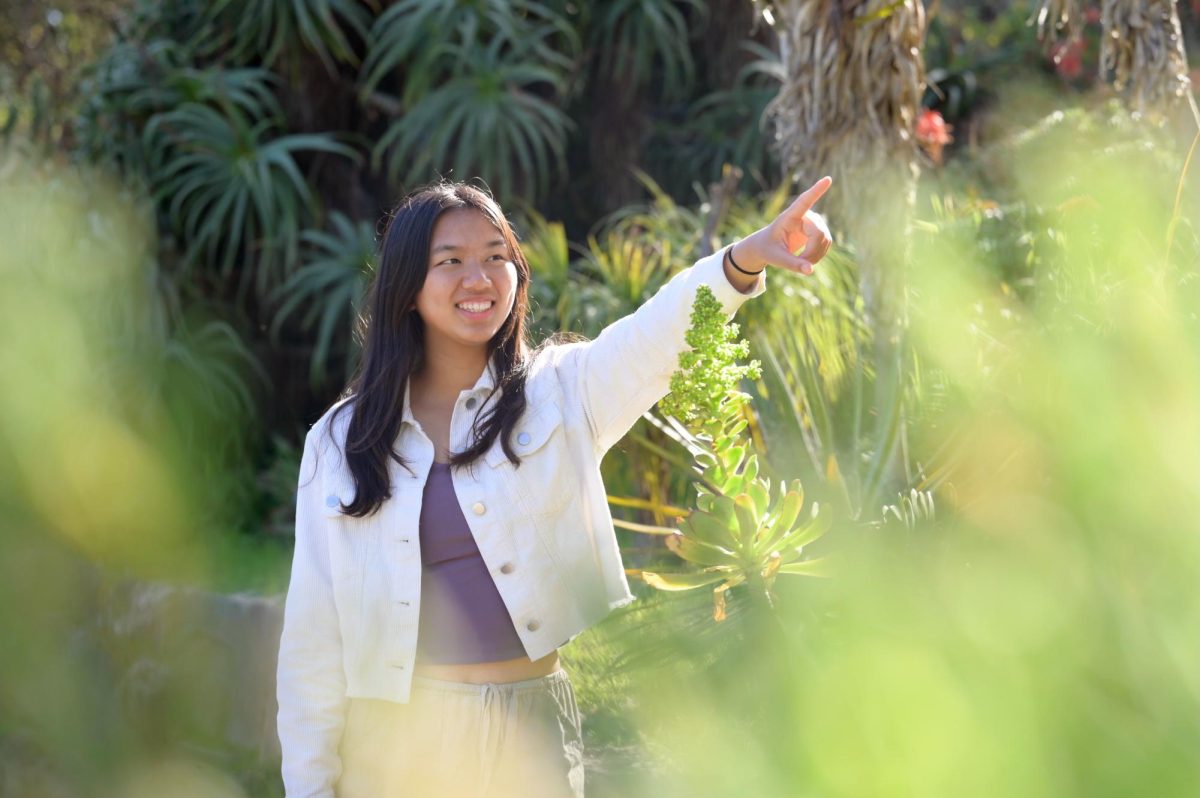

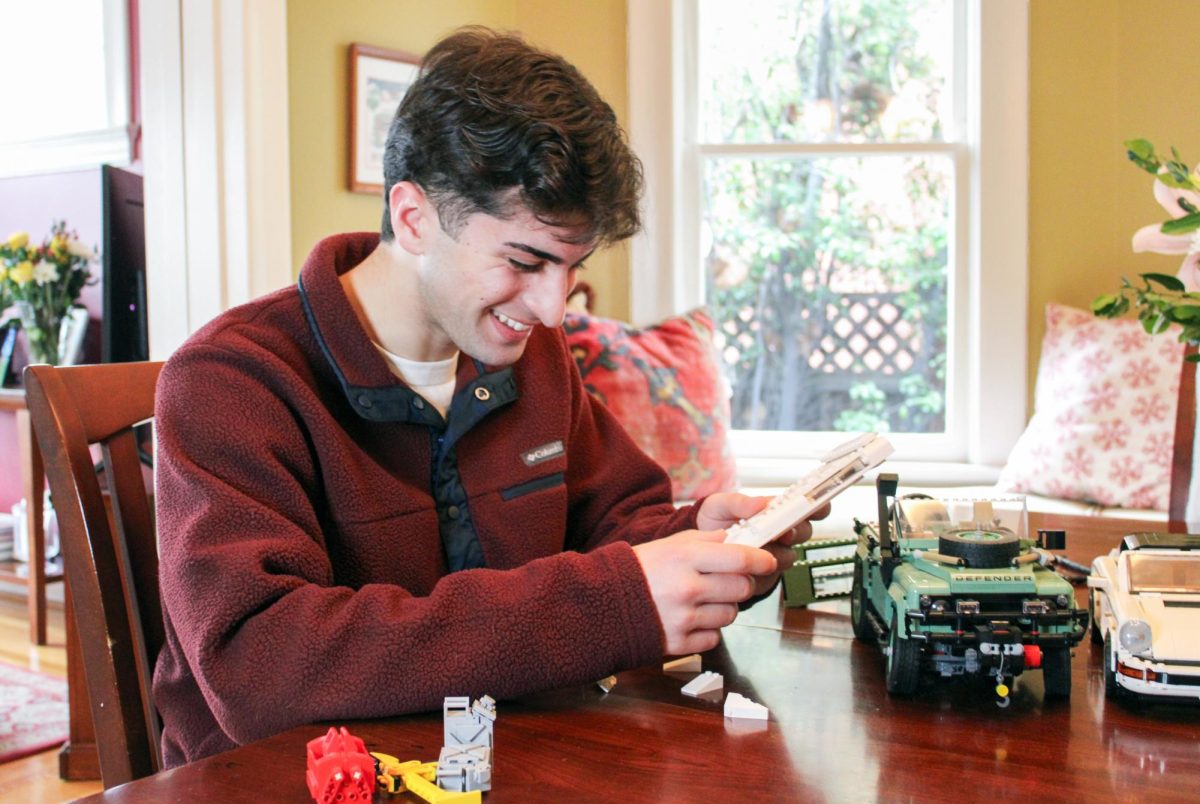
![“[Building nerf blasters] became this outlet of creativity for me that hasn't been matched by anything else. The process [of] making a build complete to your desire is such a painstakingly difficult process, but I've had to learn from [the skills needed from] soldering to proper painting. There's so many different options for everything, if you think about it, it exists. The best part is [that] if it doesn't exist, you can build it yourself," Ishaan Parate said.](https://harkeraquila.com/wp-content/uploads/2022/08/DSC_8149-900x604.jpg)
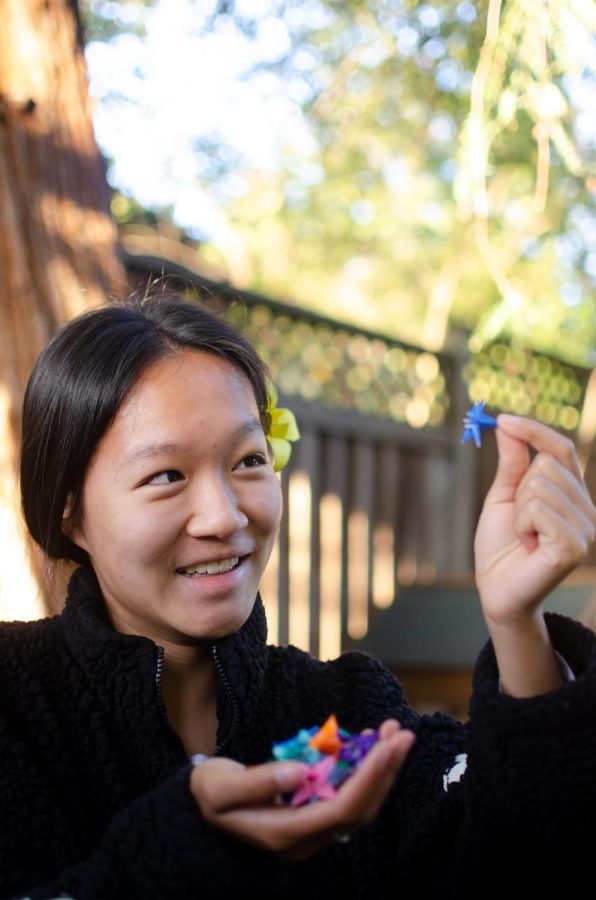
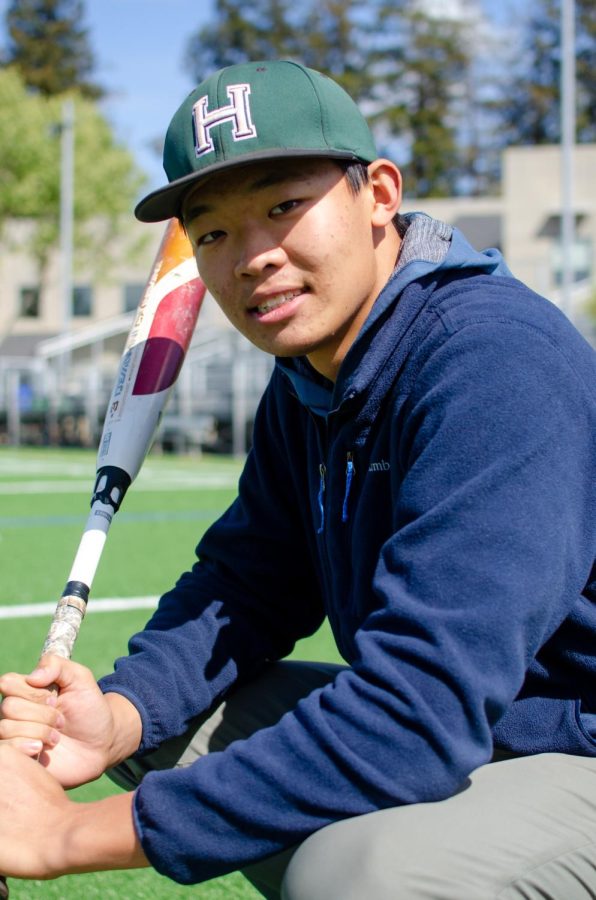
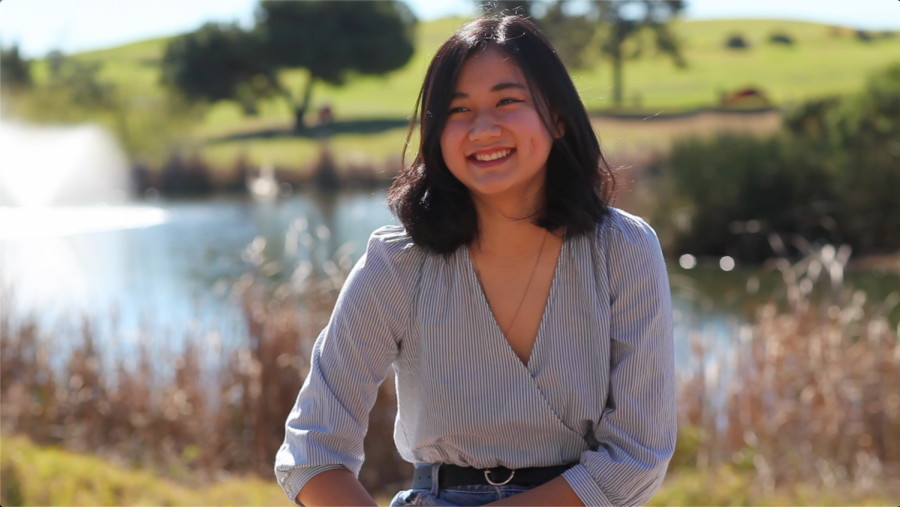
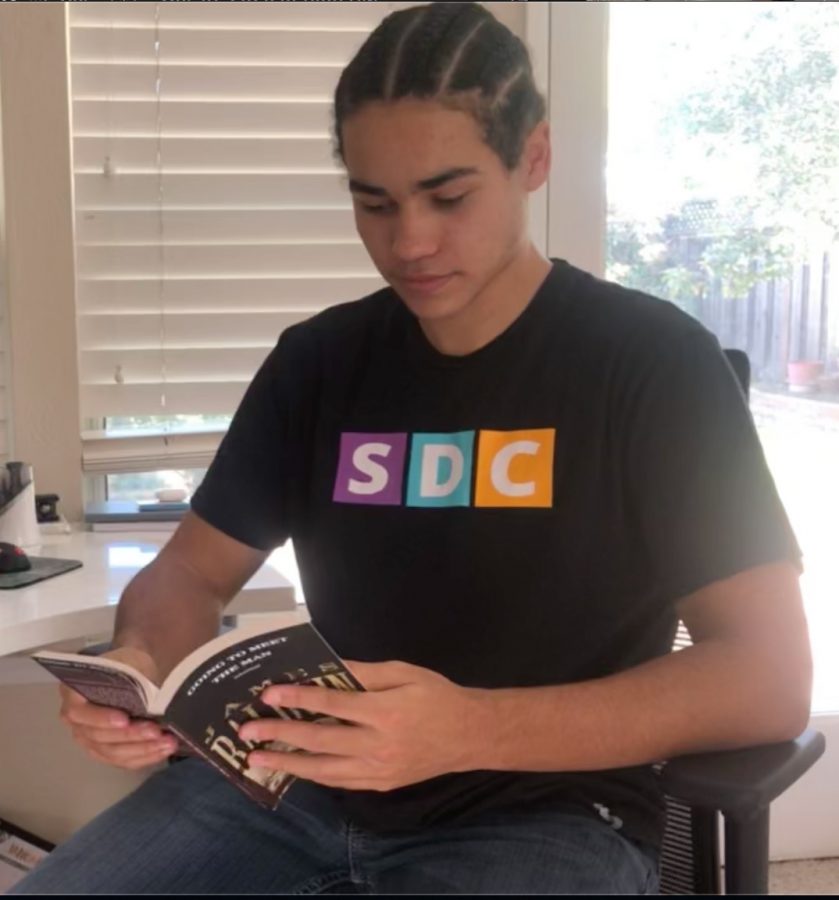
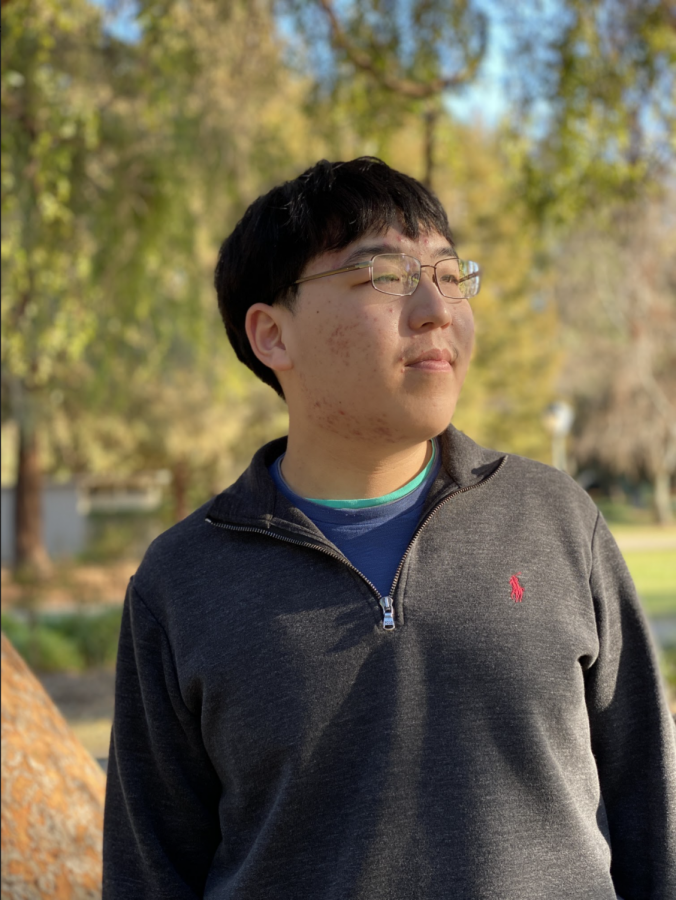
![“When I came into high school, I was ready to be a follower. But DECA was a game changer for me. It helped me overcome my fear of public speaking, and it's played such a major role in who I've become today. To be able to successfully lead a chapter of 150 students, an officer team and be one of the upperclassmen I once really admired is something I'm [really] proud of,” Anvitha Tummala ('21) said.](https://harkeraquila.com/wp-content/uploads/2021/07/Screen-Shot-2021-07-25-at-9.50.05-AM-900x594.png)
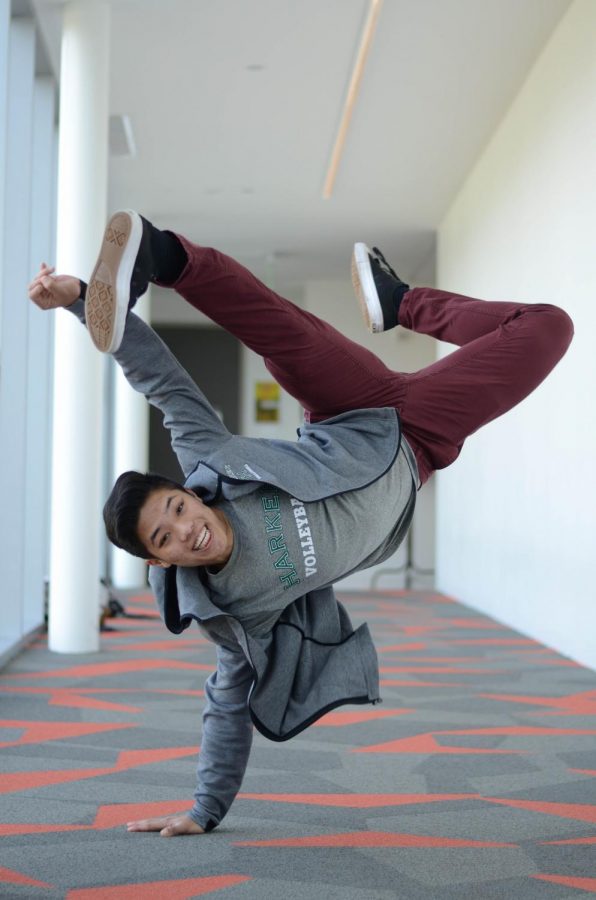
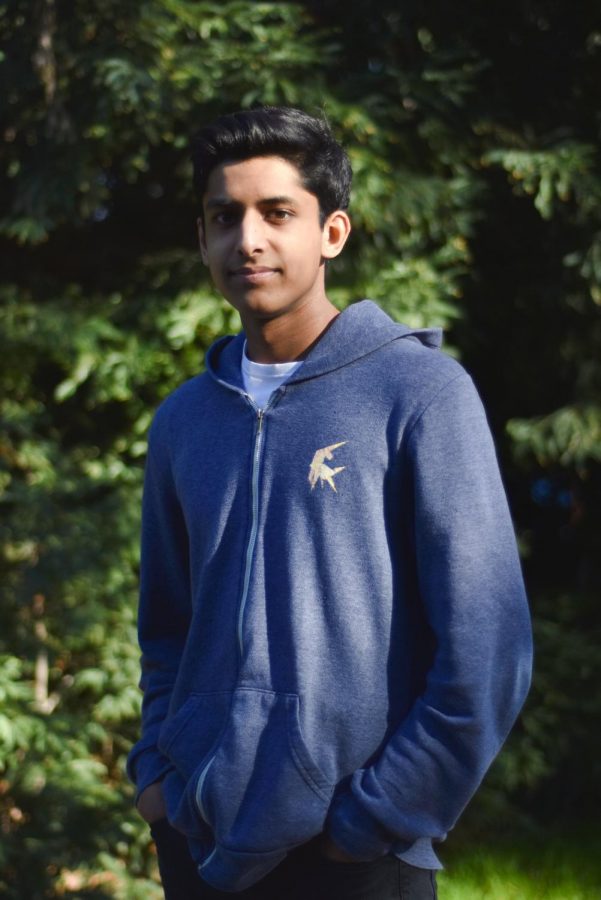
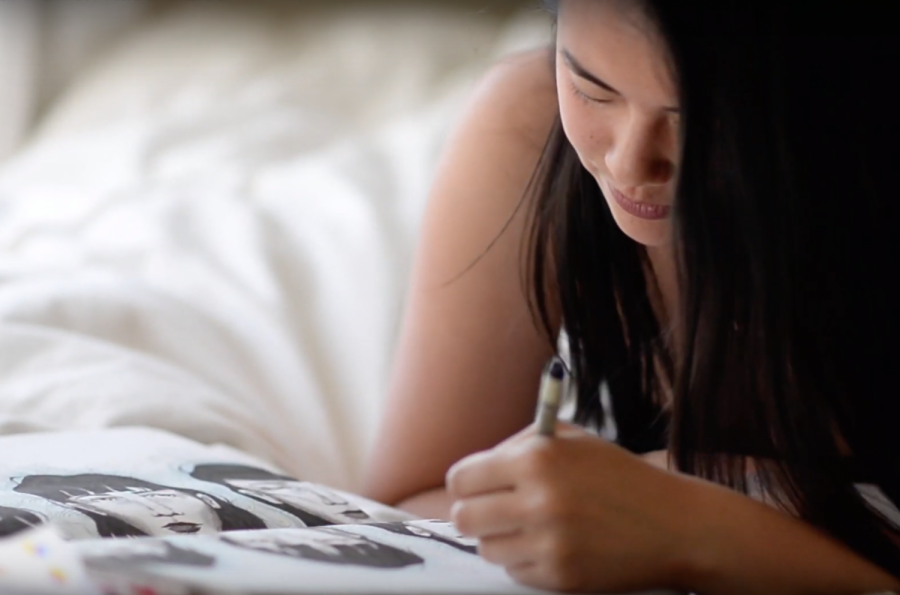
![“I think getting up in the morning and having a sense of purpose [is exciting]. I think without a certain amount of drive, life is kind of obsolete and mundane, and I think having that every single day is what makes each day unique and kind of makes life exciting,” Neymika Jain (12) said.](https://harkeraquila.com/wp-content/uploads/2017/06/Screen-Shot-2017-06-03-at-4.54.16-PM.png)
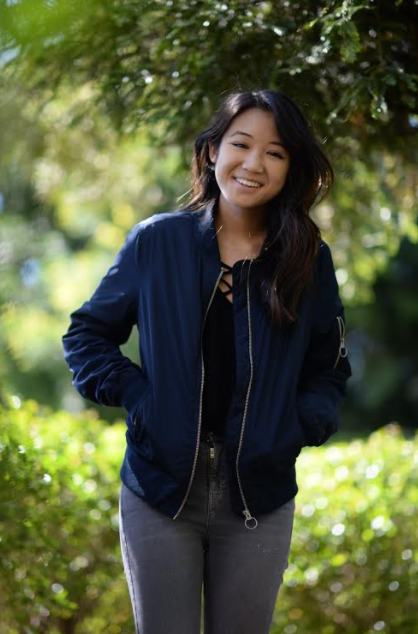
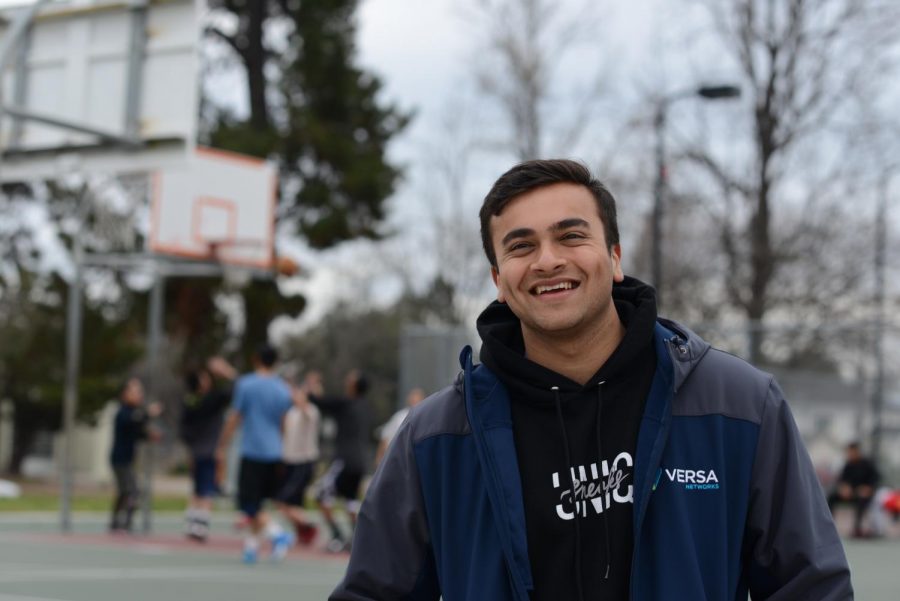
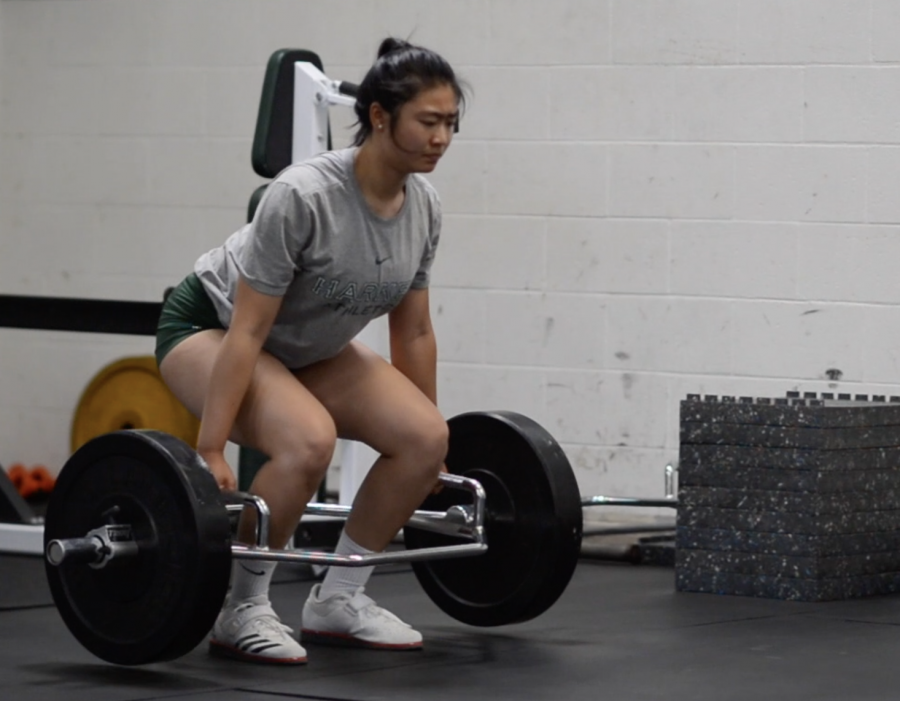
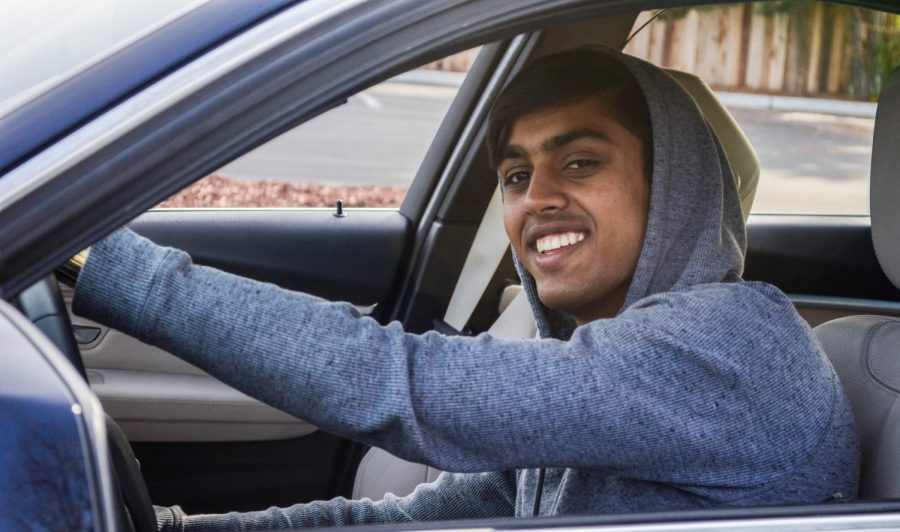
![“My slogan is ‘slow feet, don’t eat, and I’m hungry.’ You need to run fast to get where you are–you aren't going to get those championships if you aren't fast,” Angel Cervantes (12) said. “I want to do well in school on my tests and in track and win championships for my team. I live by that, [and] I can do that anywhere: in the classroom or on the field.”](https://harkeraquila.com/wp-content/uploads/2018/06/DSC5146-900x601.jpg)
![“[Volleyball has] taught me how to fall correctly, and another thing it taught is that you don’t have to be the best at something to be good at it. If you just hit the ball in a smart way, then it still scores points and you’re good at it. You could be a background player and still make a much bigger impact on the team than you would think,” Anya Gert (’20) said.](https://harkeraquila.com/wp-content/uploads/2020/06/AnnaGert_JinTuan_HoHPhotoEdited-600x900.jpeg)
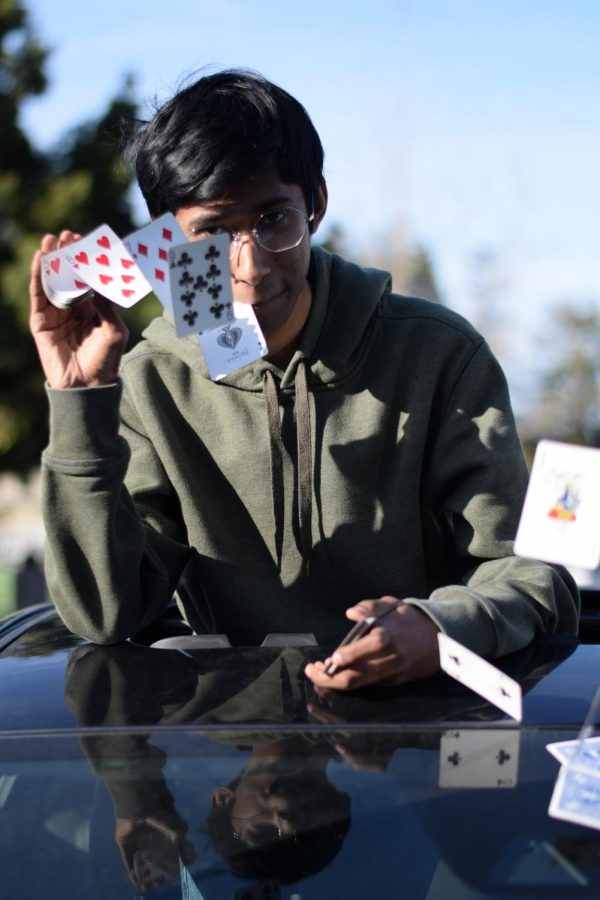
![“I'm not nearly there yet, but [my confidence has] definitely been getting better since I was pretty shy and timid coming into Harker my freshman year. I know that there's a lot of people that are really confident in what they do, and I really admire them. Everyone's so driven and that has really pushed me to kind of try to find my own place in high school and be more confident,” Alyssa Huang (’20) said.](https://harkeraquila.com/wp-content/uploads/2020/06/AlyssaHuang_EmilyChen_HoHPhoto-900x749.jpeg)


Outbursts erupt the second I press the button. My friends scream something along the lines of “AAH! My eyes” and “Where was the flash warning?!” I laugh as they recover from the bursts of light, blinking dramatically and sarcastically complaining. I hold my Polaroid steady, hand hovering over the film slot, waiting. Then: the soft, mechanical whir as the small white square emerges. I catch it immediately, shielding it from the light, afraid to let any light distort its development phase. My friends tease me for control over the film’s developing phase every time, but I never stop.
When I get home, I walk eagerly over to my shelf. My fingers trace the edges of all my photo albums, their pages so full they can barely stay shut. I pull out my junior year album, slide the new photo into place and admire it in the sleeve with satisfaction. Four albums. Over 700 polaroids. Every one of them a moment I decided was worth keeping.
In a world where everything is instant, we’ve forgotten what it means for something to be irreplaceable. Photos on your phones blur together. One photo, ten photos, a hundred photos, they can all look the same and suddenly none of them feel like anything at all. You can retake, edit, delete and repeat. Perfection of the photo is expected and because of that, nothing feels truly special. But with a Polaroid, you don’t get another chance. You can take another photo, but it won’t be the same.
For a polaroid, you have to choose the moment before it happens. You have to believe the moment will be worth it. Film is expensive, yes, but that is only one of the reasons. The film is finite, with only ten pieces of film fitting in the camera at a time, and that changes everything.
The angle might be slightly off. Someone might blink. The camera might shake, leaving a giant blur around the edges. But those imperfections don’t ruin the photo, they make it yours. They prove that the moment happened exactly once, exactly that way.
There’s something different about holding a memory in your hand. Watching it slowly appear, the image bleeding into existence. It’s like watching time settle into something permanent. Not just the picture, but the moment behind it. The moment we all tried to squeeze into the frame. The moment we held our breath as I counted down from three. The moment we burst out laughing after the flash hit. The moment we passed the photo around and all of us saw it for the first time together.
People often confuse sentimentality with being stuck in the past. I don’t see it that way. I think it means caring enough not to let something disappear. When I flip through my albums, I don’t just see faces, I see the people as they were in that second. The friends who didn’t waver by my side, the friends who were lost to time. The smiles that are genuine because they were not filtered, retaken or perfected. Just captured.
To some, Polaroids are just a trend or something cute to stick on the wall. But to me, they’re proof. Proof that a moment existed beyond a screen. Proof that we were there and it mattered enough to keep it.
I still take photos on my phone, and I enjoy scrolling through the thousands of photos I’ve accumulated, some of which I don’t even remember taking. But nothing compares to the quiet weight of a Poalroid in my hand or the soft satisfying sound of album pages turning, each one allowing me to step into an old version of my life.
Not everything’s meant to be retaken, some moments are meant to be kept as they were. In the end, it isn’t really about the picture. It’s about choosing the moment. Some memories you scroll past, but I want to make sure that I have memories I can hold onto.





aahana • Apr 6, 2026 at 11:43 am
what a well-written piece!