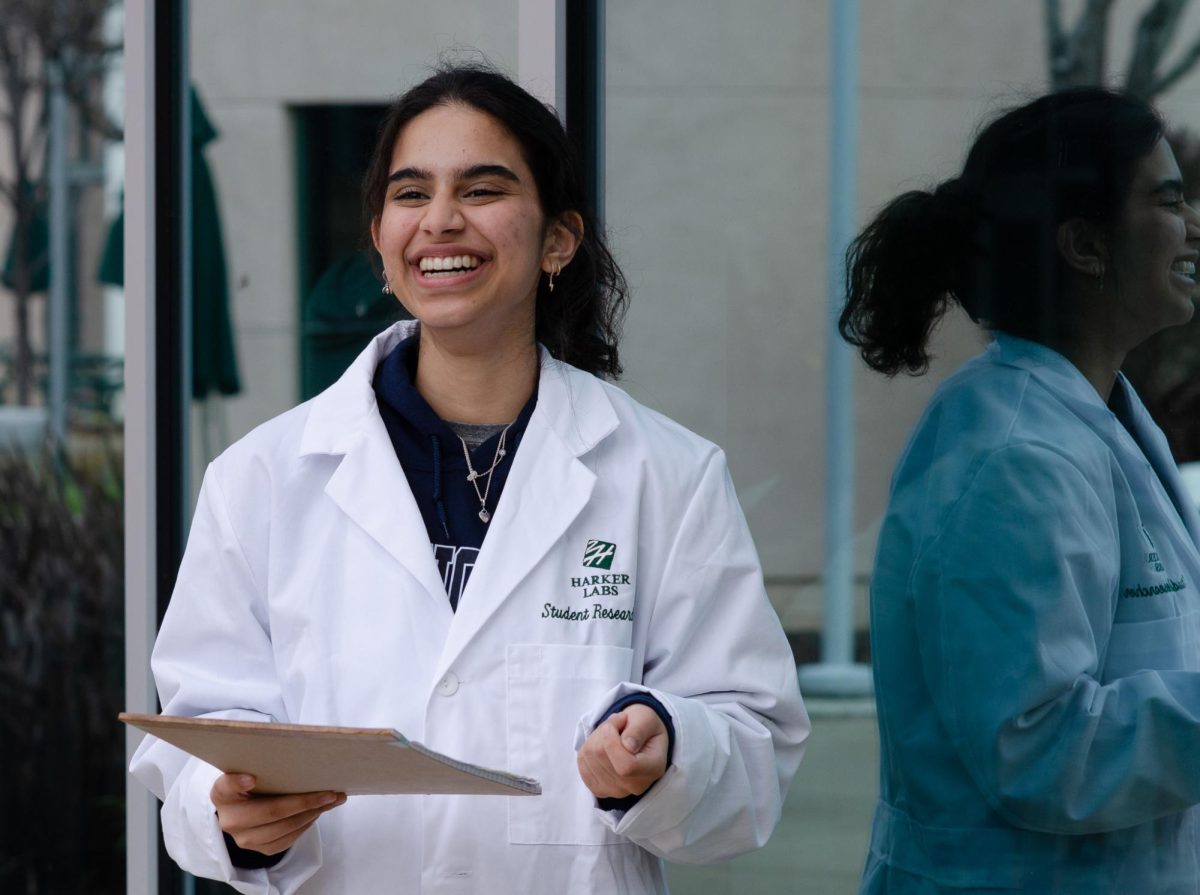
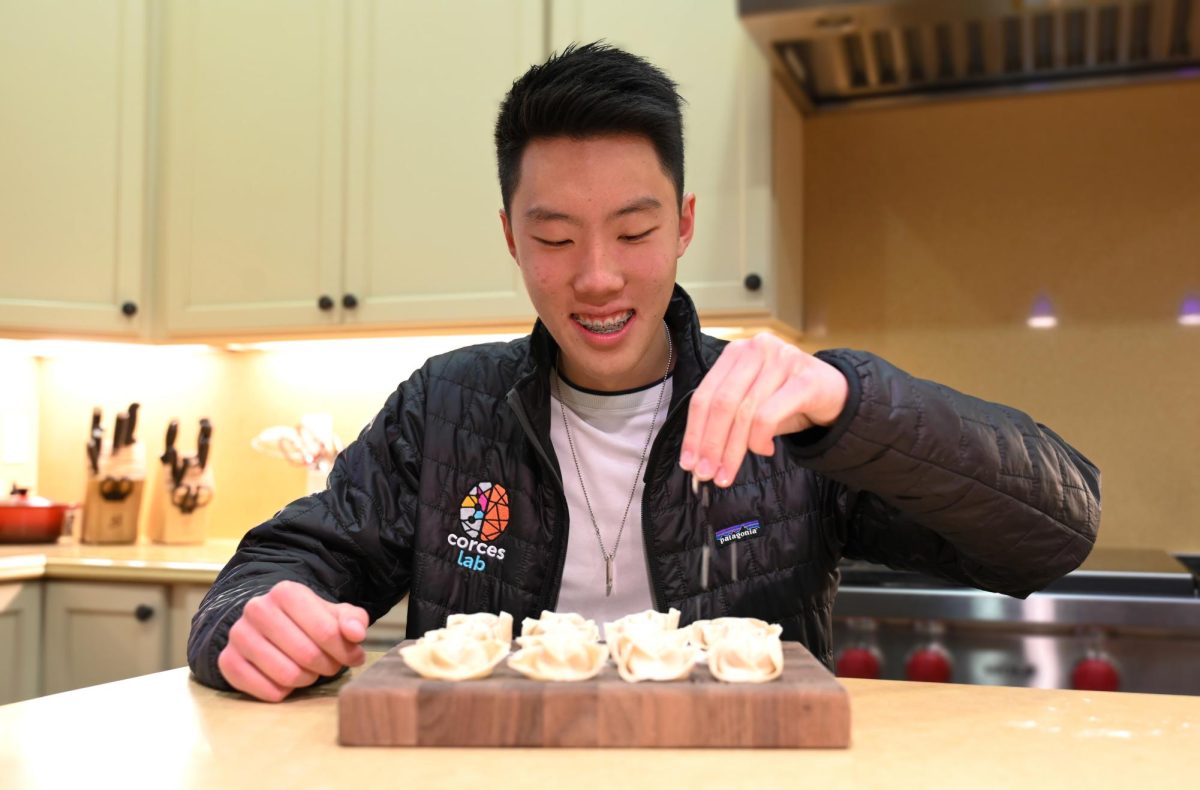
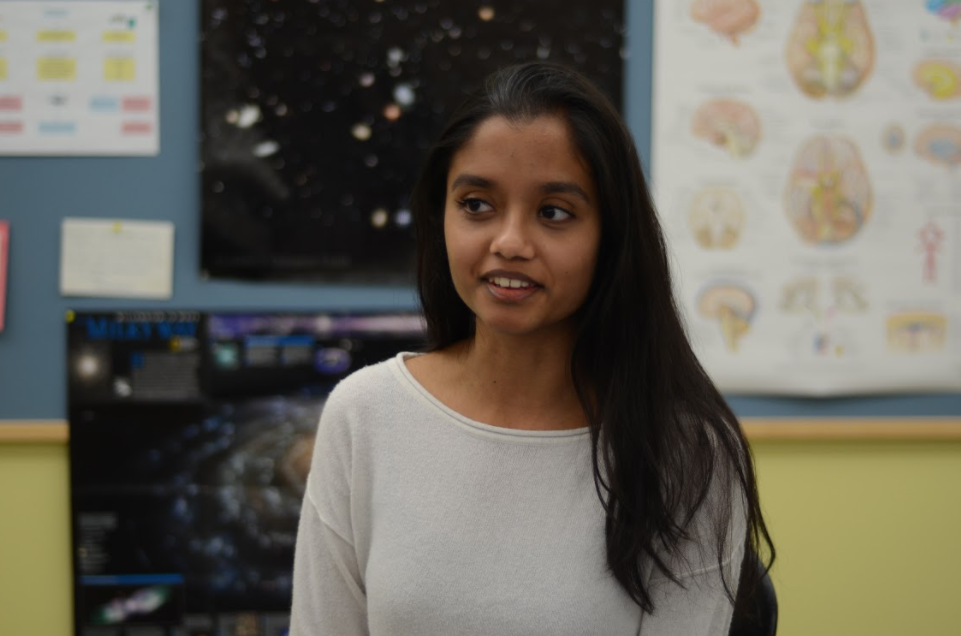
![“I wasn't discouraged by some of the obstacles we faced. I learned a lot from the leadership. I found that different people need different ways of receiving feedback — you can't [just] tell them to do something and expect the best. [Some] people needed more incentive. A large part of my role was to figure out what worked for everyone and to figure out how to lead all these separate individuals as a team,” Suhana Bhandare (’26) said.](https://harkeraquila.com/wp-content/uploads/2026/06/SuhanaBhandare_JasmineHansra-1-1200x798.jpg)
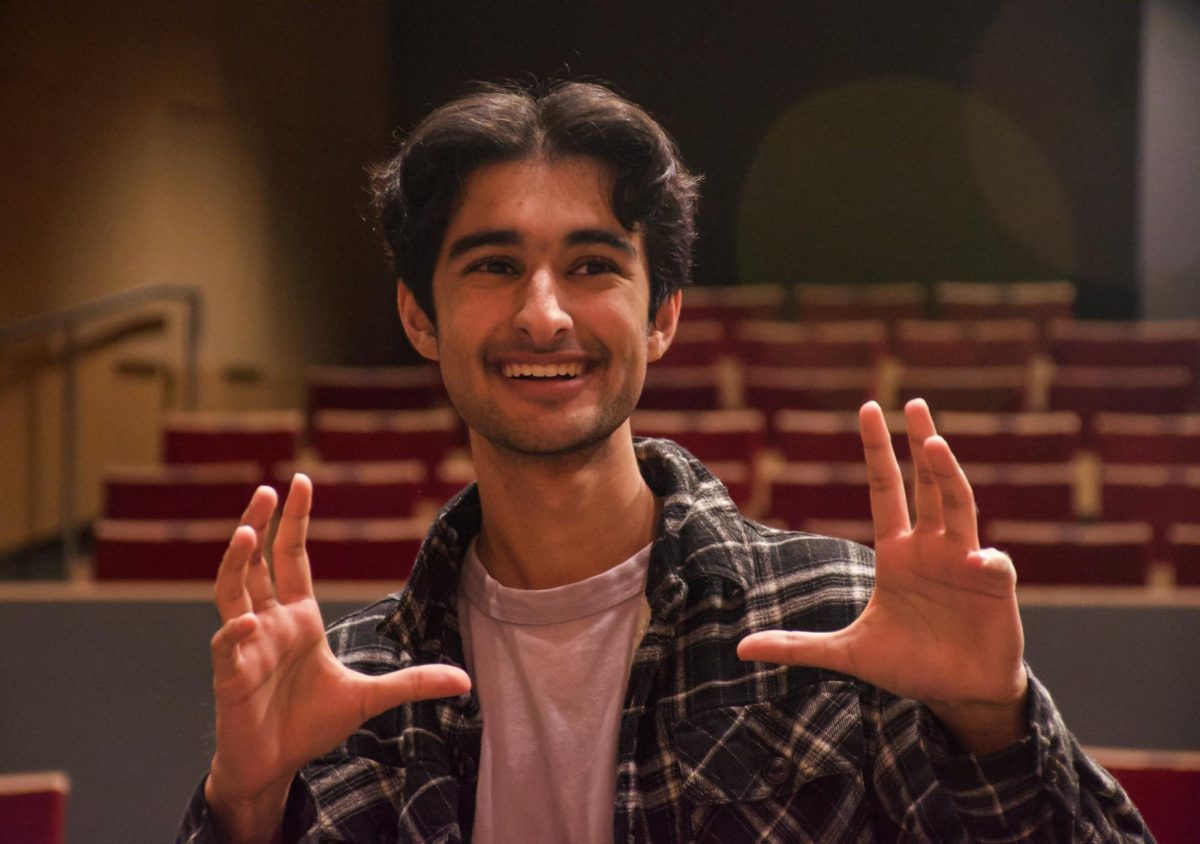
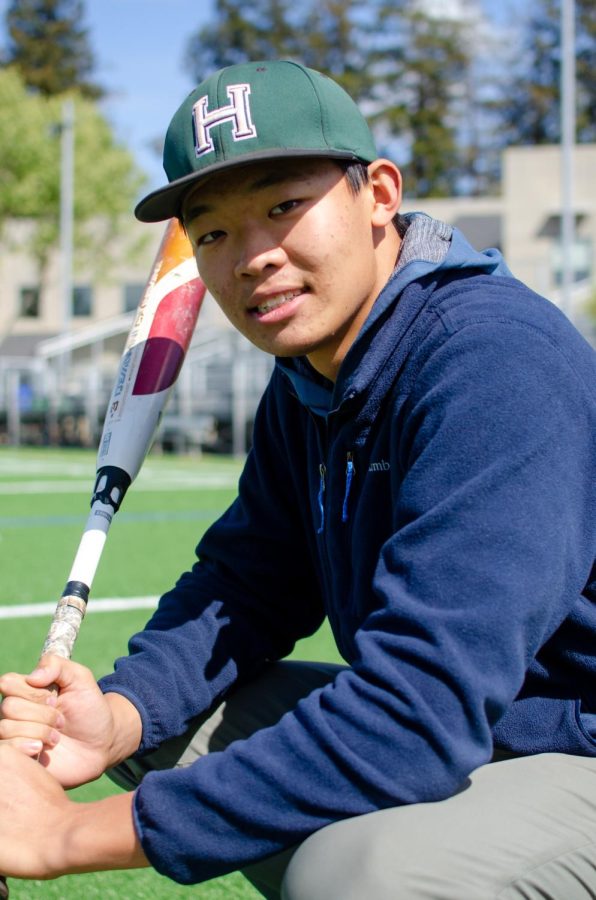
![“This is actually from Randy Pausch Randy P. Brick: ‘Walls are there for a reason. You have to show how much you want to overcome them.’ You have to show how much you want something. That's what I've always been able to do with tennis, Link Crew and getting that internship [with Kushy Baby]. It’s important pushing through that — getting around that brick wall, climbing over it or clawing through it,” Yash Sachdeva (’26) said.](https://harkeraquila.com/wp-content/uploads/2026/05/YashSachdeva_RamBatchu-copy-1200x1002.jpg)
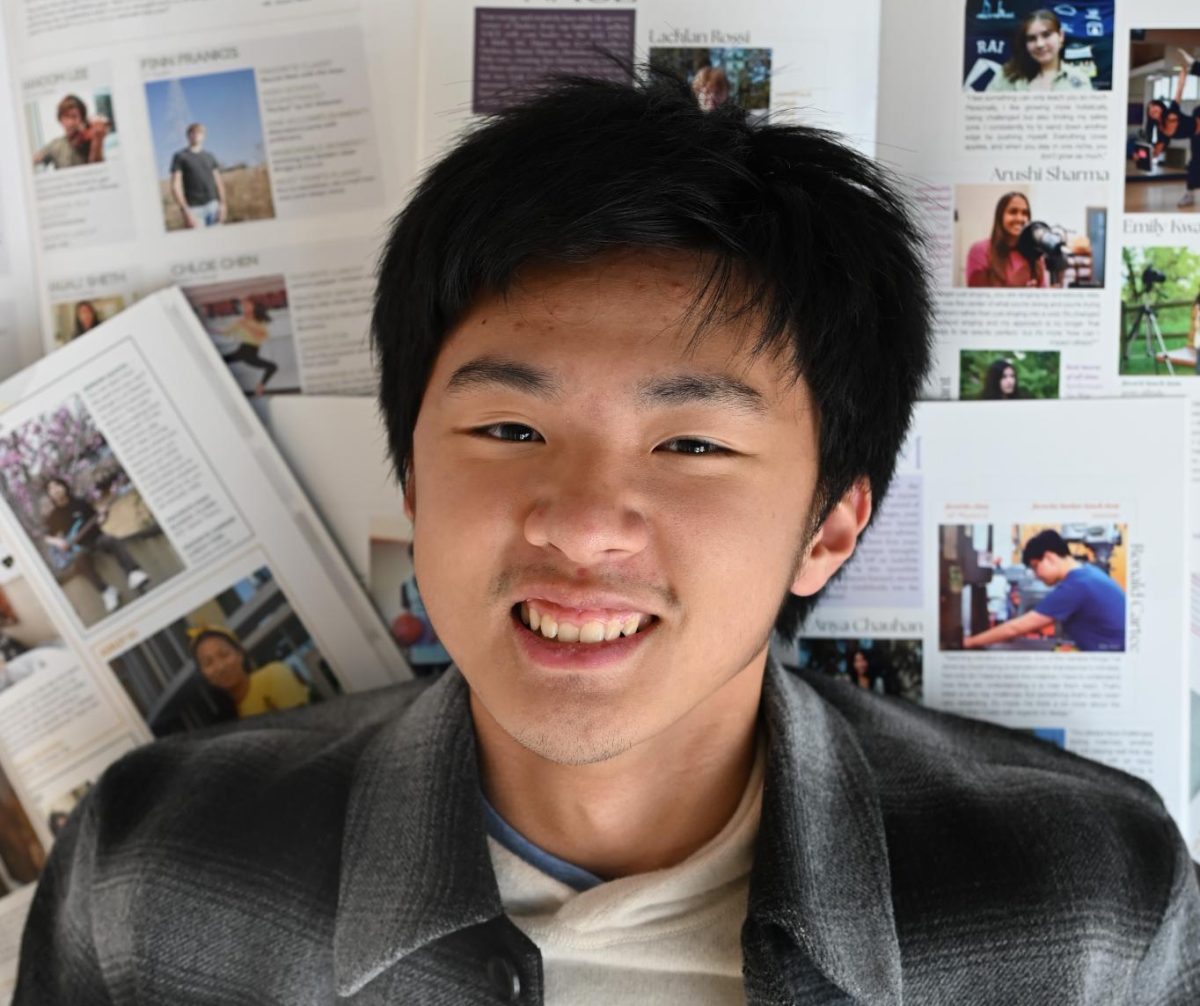



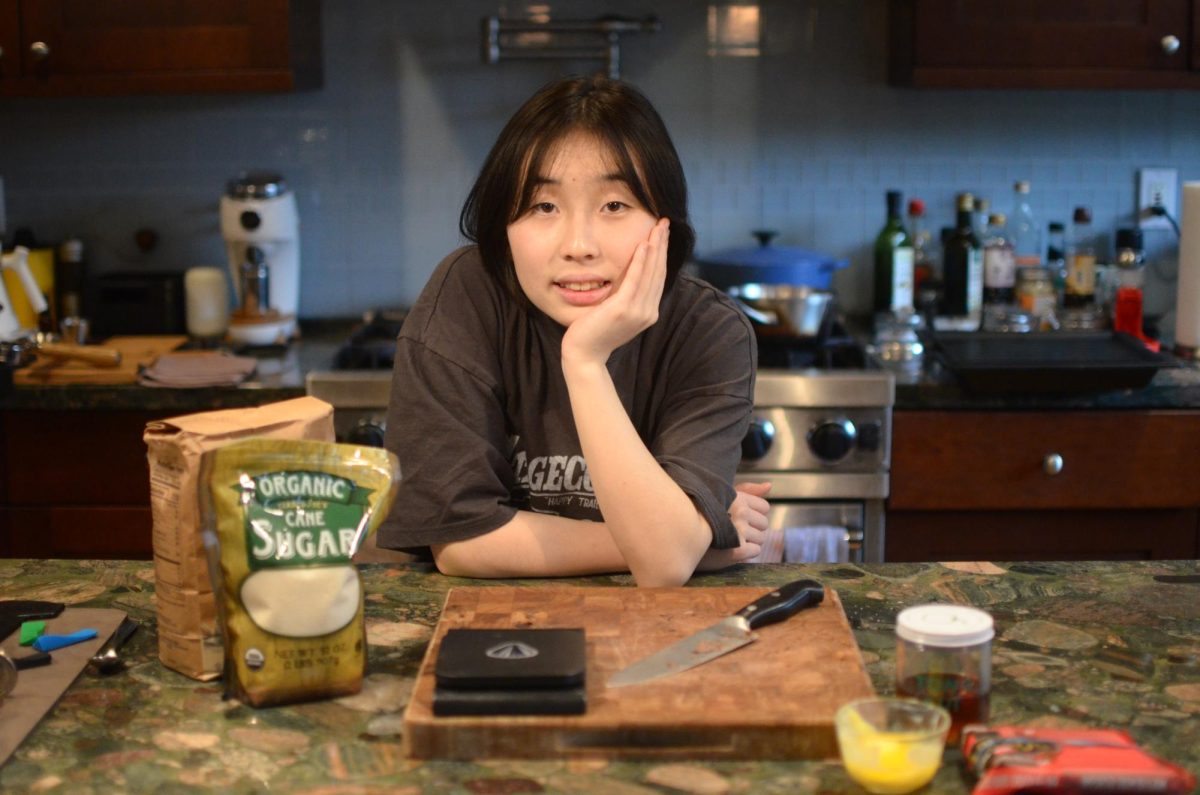

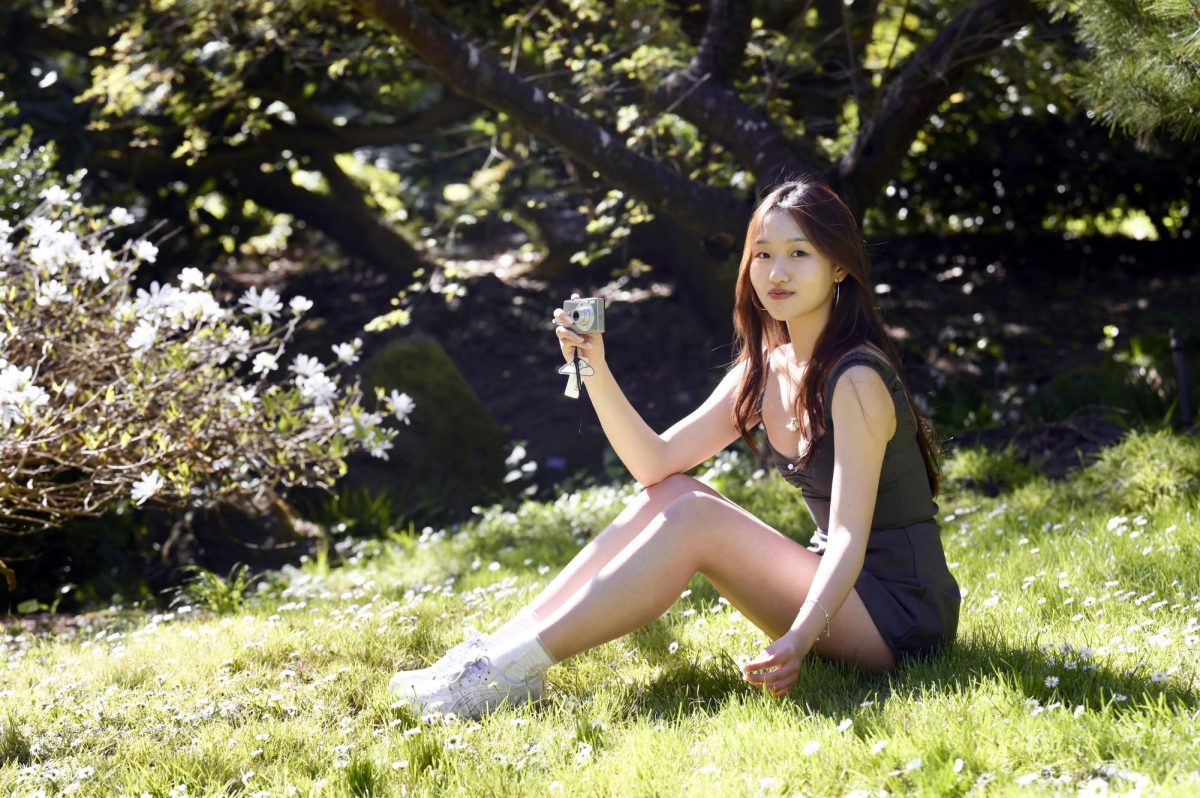
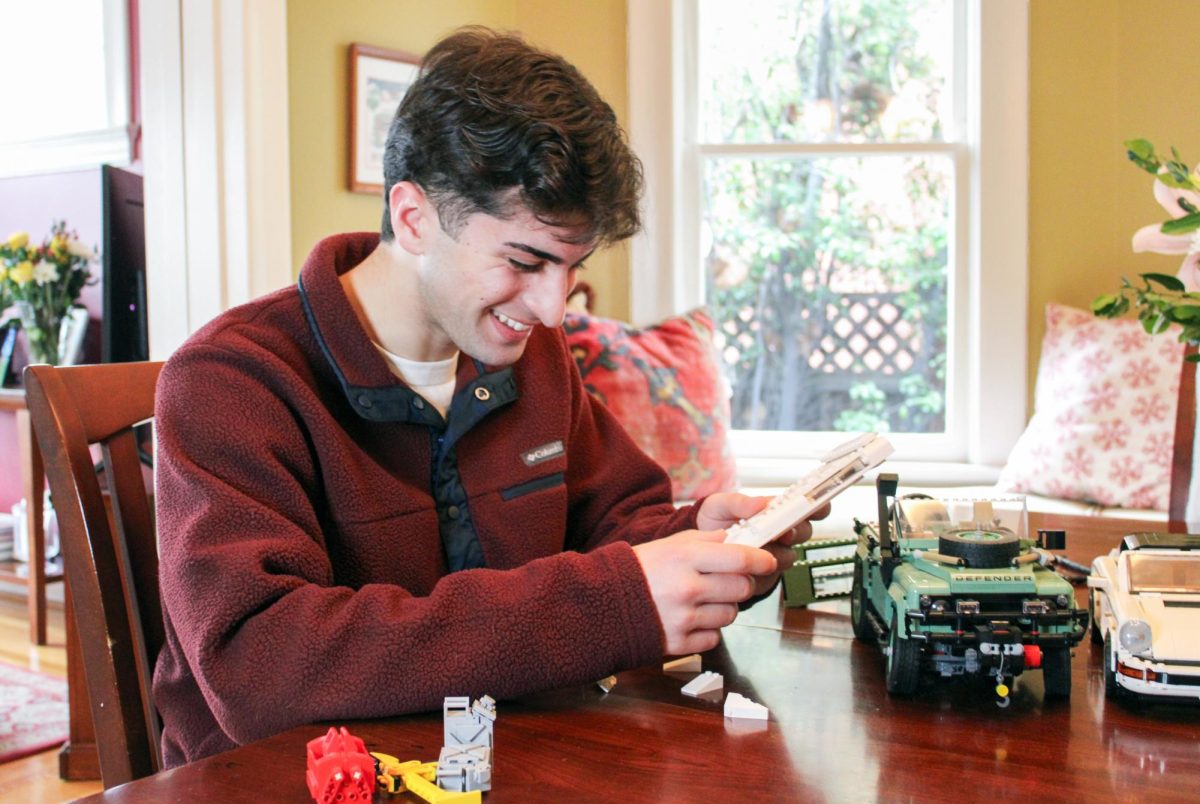

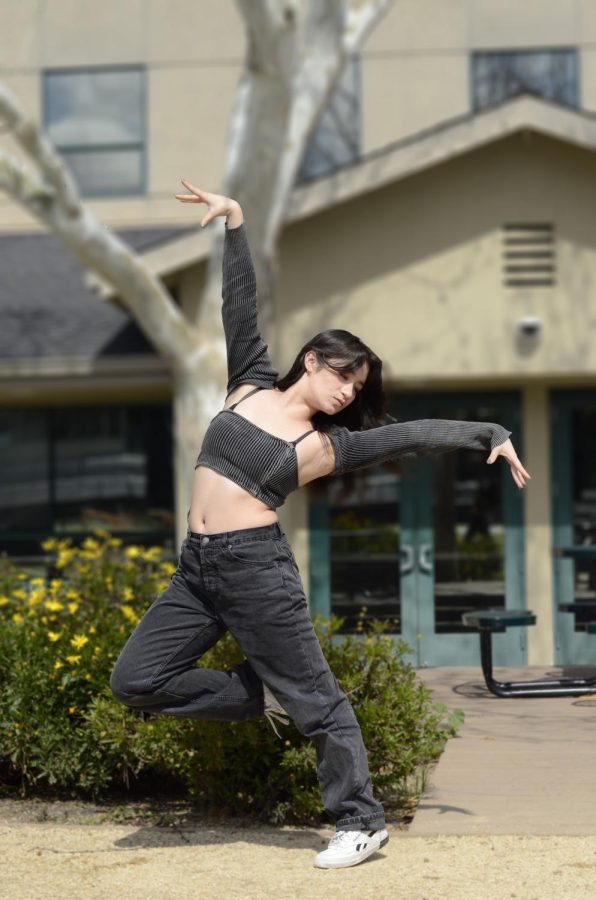
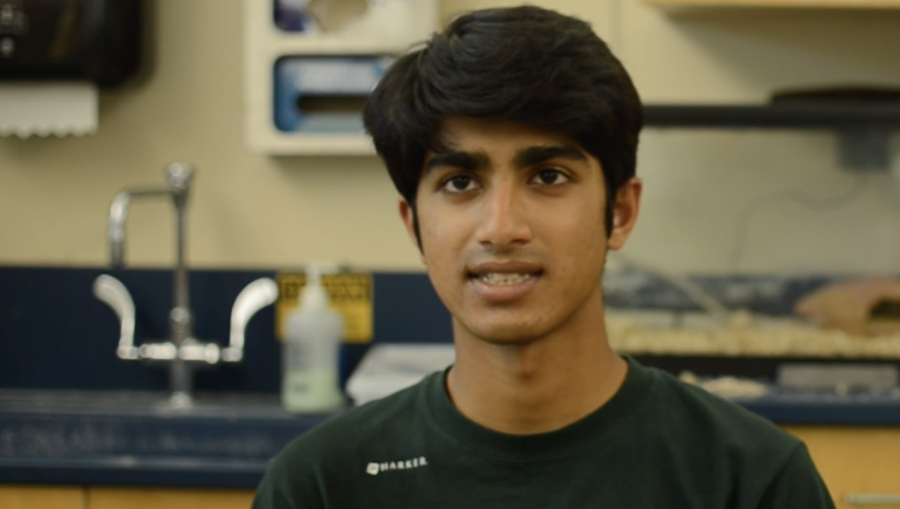
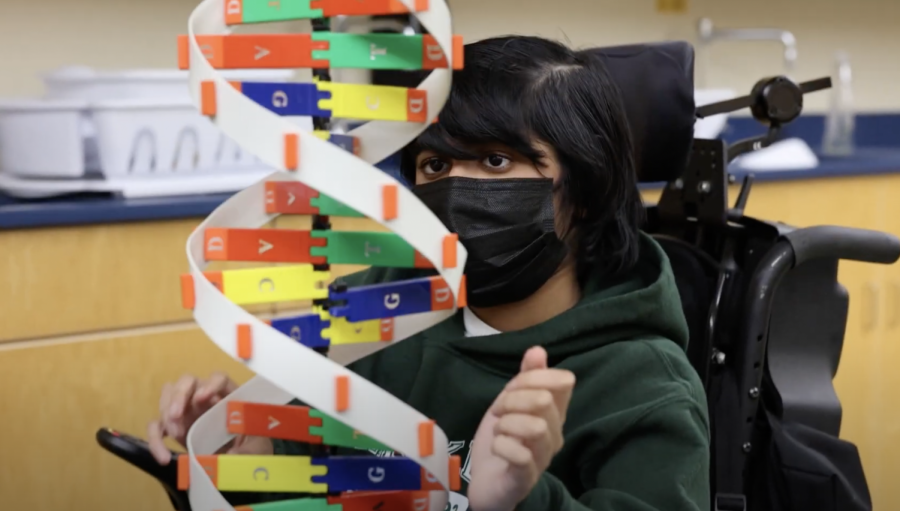
![“[Building nerf blasters] became this outlet of creativity for me that hasn't been matched by anything else. The process [of] making a build complete to your desire is such a painstakingly difficult process, but I've had to learn from [the skills needed from] soldering to proper painting. There's so many different options for everything, if you think about it, it exists. The best part is [that] if it doesn't exist, you can build it yourself," Ishaan Parate said.](https://harkeraquila.com/wp-content/uploads/2022/08/DSC_8149-900x604.jpg)
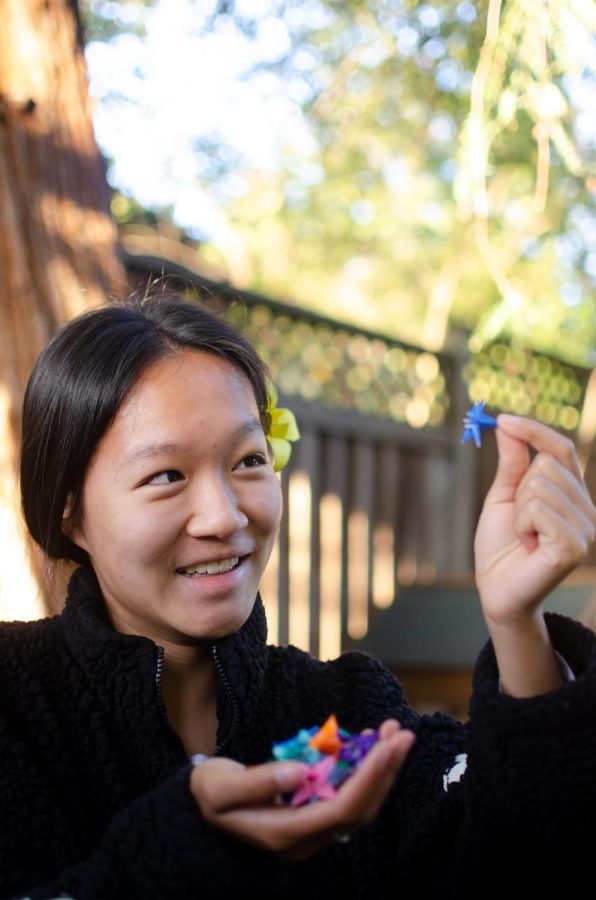
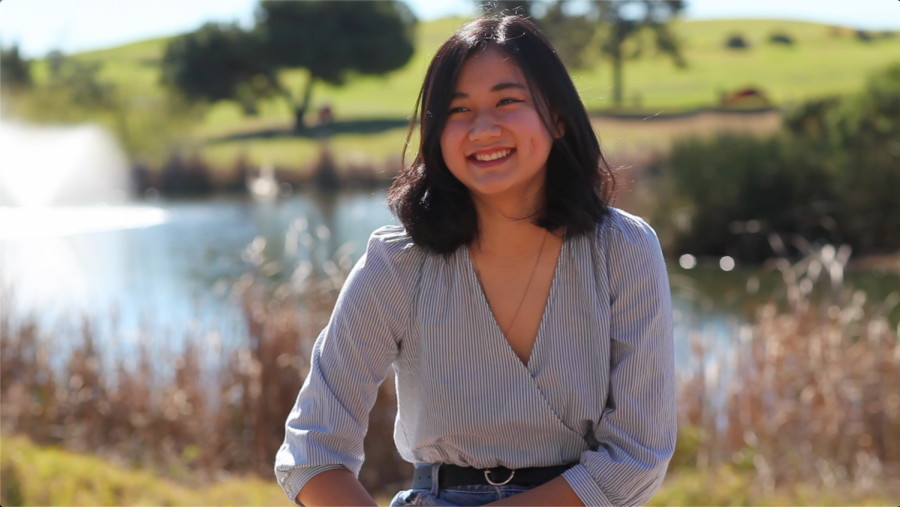
![“When I came into high school, I was ready to be a follower. But DECA was a game changer for me. It helped me overcome my fear of public speaking, and it's played such a major role in who I've become today. To be able to successfully lead a chapter of 150 students, an officer team and be one of the upperclassmen I once really admired is something I'm [really] proud of,” Anvitha Tummala ('21) said.](https://harkeraquila.com/wp-content/uploads/2021/07/Screen-Shot-2021-07-25-at-9.50.05-AM-900x594.png)
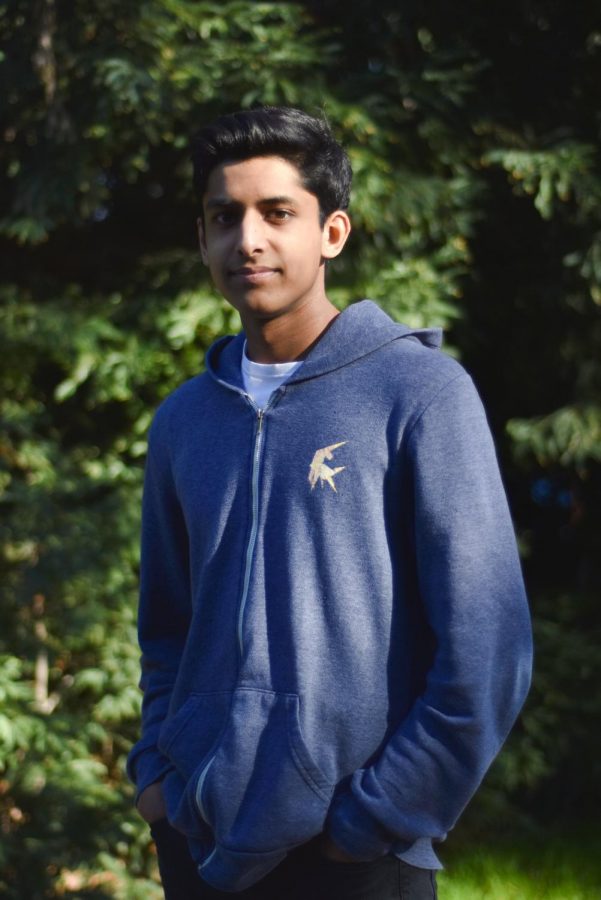

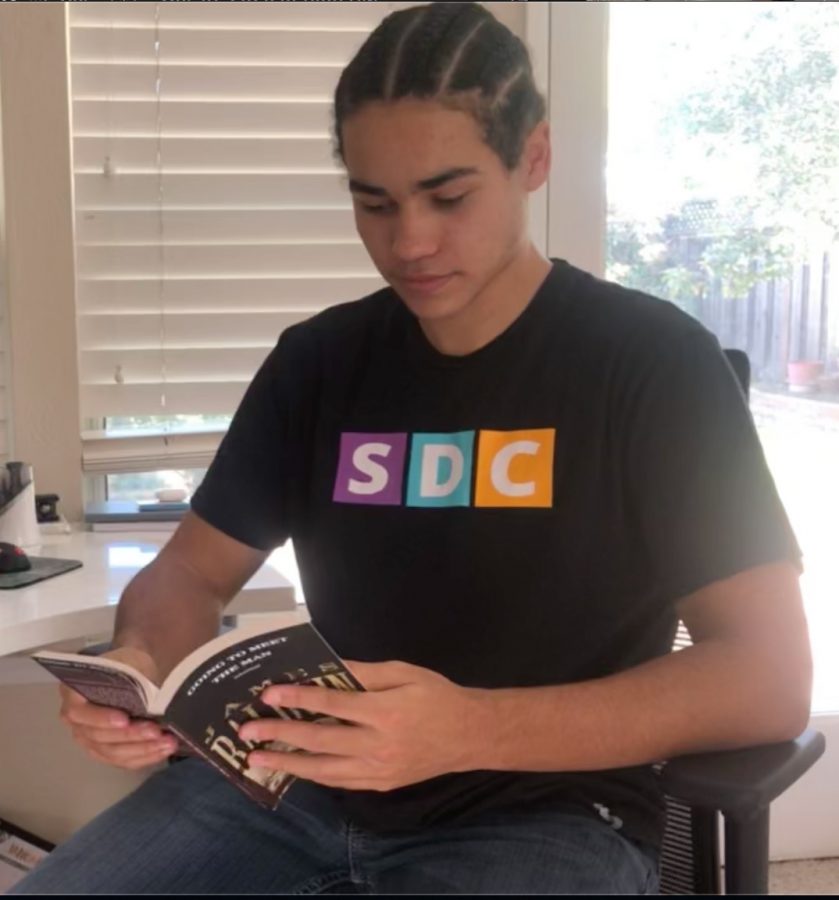
![“I think getting up in the morning and having a sense of purpose [is exciting]. I think without a certain amount of drive, life is kind of obsolete and mundane, and I think having that every single day is what makes each day unique and kind of makes life exciting,” Neymika Jain (12) said.](https://harkeraquila.com/wp-content/uploads/2017/06/Screen-Shot-2017-06-03-at-4.54.16-PM.png)
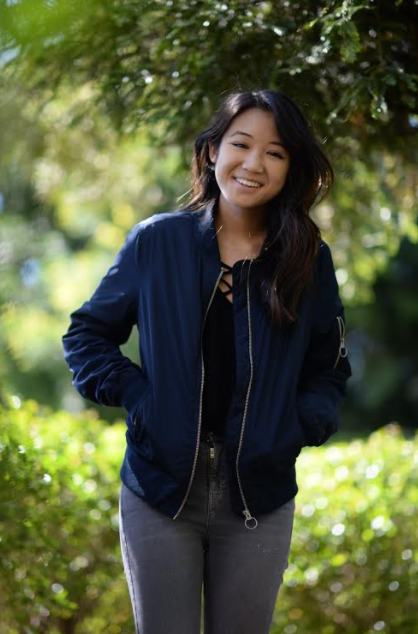
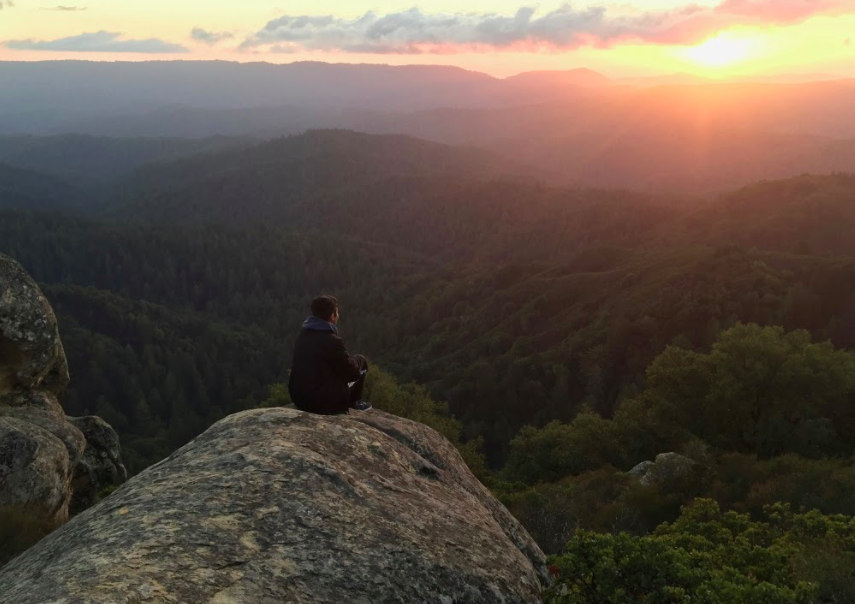
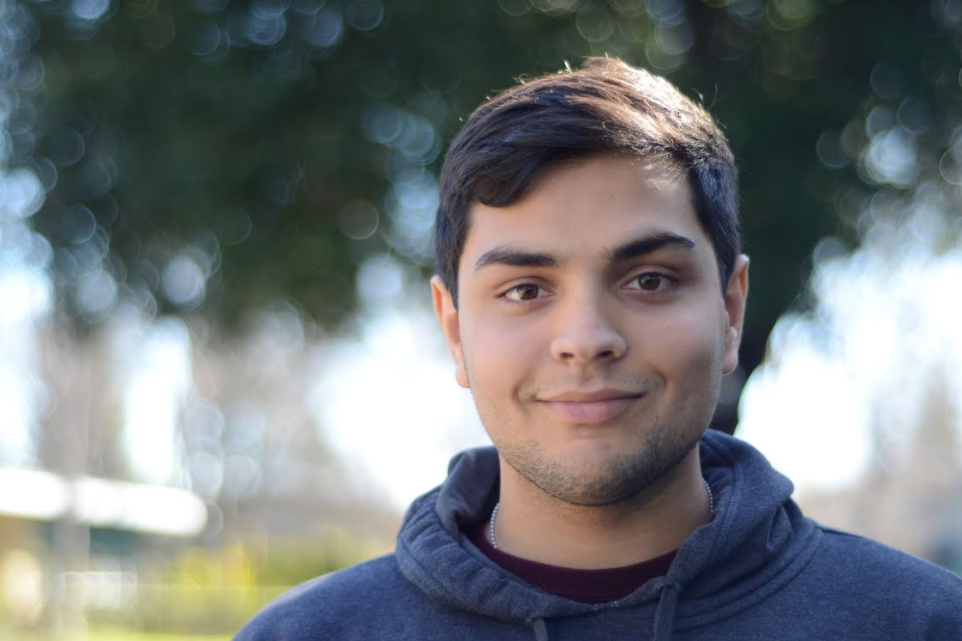

![“My slogan is ‘slow feet, don’t eat, and I’m hungry.’ You need to run fast to get where you are–you aren't going to get those championships if you aren't fast,” Angel Cervantes (12) said. “I want to do well in school on my tests and in track and win championships for my team. I live by that, [and] I can do that anywhere: in the classroom or on the field.”](https://harkeraquila.com/wp-content/uploads/2018/06/DSC5146-900x601.jpg)
![“[Volleyball has] taught me how to fall correctly, and another thing it taught is that you don’t have to be the best at something to be good at it. If you just hit the ball in a smart way, then it still scores points and you’re good at it. You could be a background player and still make a much bigger impact on the team than you would think,” Anya Gert (’20) said.](https://harkeraquila.com/wp-content/uploads/2020/06/AnnaGert_JinTuan_HoHPhotoEdited-600x900.jpeg)
![“I'm not nearly there yet, but [my confidence has] definitely been getting better since I was pretty shy and timid coming into Harker my freshman year. I know that there's a lot of people that are really confident in what they do, and I really admire them. Everyone's so driven and that has really pushed me to kind of try to find my own place in high school and be more confident,” Alyssa Huang (’20) said.](https://harkeraquila.com/wp-content/uploads/2020/06/AlyssaHuang_EmilyChen_HoHPhoto-900x749.jpeg)


Over winter break, my calendar was completely empty. It was the first time in months that my days felt free. But, when I came back to school, after talking to my friends and classmates, I realized that everyone else was being “productive.” Was I falling behind by actually relaxing?
I spent my winter break traveling, eating and most often, sleeping. I took a real break from school. Thoughts of assignments and tests didn’t even cross my mind, and I was repulsed just by seeing Schoology in my bookmarks bar as I navigated to Netflix on my laptop.
When school started again, I realized how different my break was from many of my friends. While my teachers assigned little work and encouraged us to relax, many of my friends never really stopped working at all, instead tackling work for the second semester.
The problem with this mindset is that needed rest is treated as weakness. Us students are often expected to operate at full capacity year-round, juggling rigorous academics, extracurriculars and social lives. Breaks exist because this is unsustainable, but we’ve convinced ourselves that slowing down means losing ground. The result is guilt attached to rest, even when no one is asking us to be productive in the first place.
We’ve internalized the idea that free time is wasted time, and every moment not spent advancing is a moment our competition is using to surpass us. At Harker, this self-imposed productivity has turned winter break into a way for people to get a head start. When someone spends their break finishing work early, they are admired, not questioned. Meanwhile, rest is treated like laziness, leading to a culture where doing nothing feels like slacking off.
Engaging in leisure activities, especially those that are enjoyable and freely chosen, is linked to improved mental health and positive emotions, according to a study conducted by Yuta Takiguchi and others. When people participate in these activities, they feel better mentally and build better stress management habits. During time off, we learn to disconnect from constant pressure and practice being present in the moment, which is a valuable skill during stressful periods. This is why downtime is such a great investment in our long-term well-being.
Time affluence, or the feeling that you have enough time, is a psychological term that describes what many of us are missing. Research by Tim Kasser shows that people who feel time-affluent report higher well-being and life satisfaction, even when achievement is held constant. Other studies find that constant time pressure increases stress and burnout, while unstructured time supports autonomy, creativity and mental health. Nonstop productivity is neither healthy nor sustainable.
During Thanksgiving break, I spent most of my time studying for finals and stressing about upcoming deadlines. When I returned to school, I was so exhausted, it didn’t feel like I took a break at all. I was more burned out than when I left. But after winter break, when I actually rested, I felt energized and excited to learn again. I was mentally ready to tackle the new semester.
I tried to remember the last time I did nothing productive without guilt. Maybe middle school? Elementary school? At some point, we collectively decided that rest was wasteful and we needed to spend every moment building our resumes.
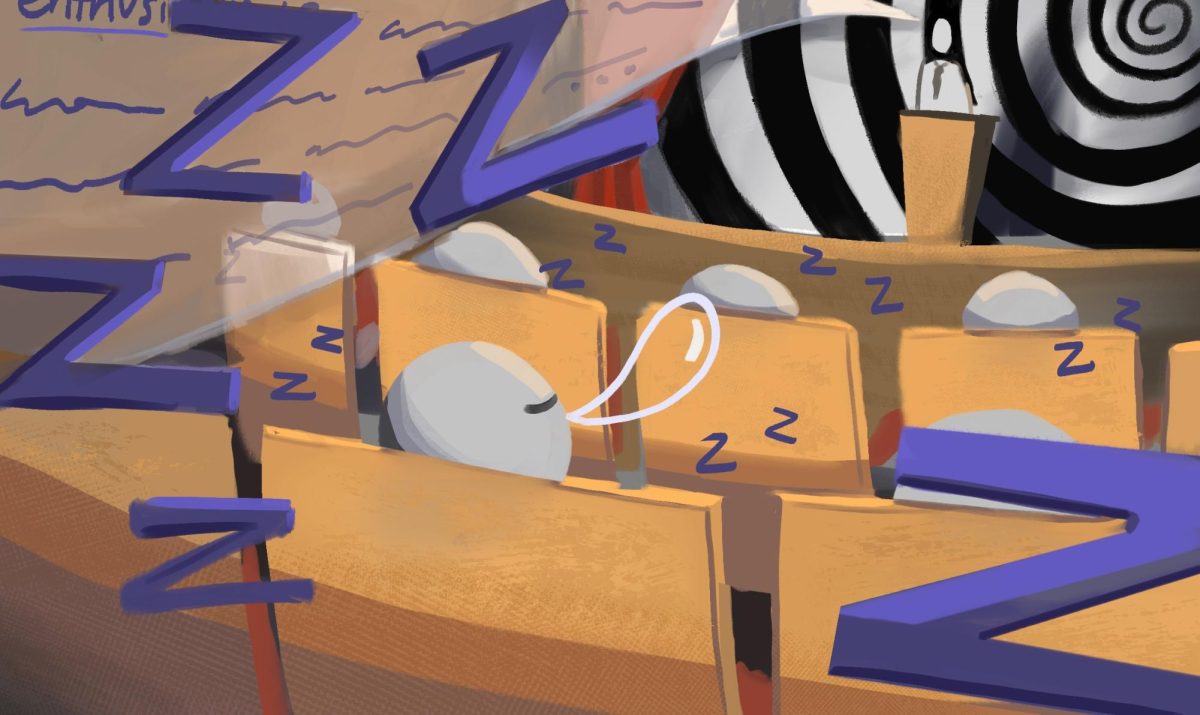
We’ve forgotten why breaks exist in the first place. We need time to recharge and be bored. We’ve turned what should be a pause into another arena for achievement. Until we learn to value rest as much as we value rigor, break will remain what it currently is: an opportunity to build on more self-imposed stress.
Breaks are designed for rest, yet students often feel compelled to remain productive even when no work is required. This mindset can undermine the purpose of time off and leave students returning to school exhausted rather than recharged.