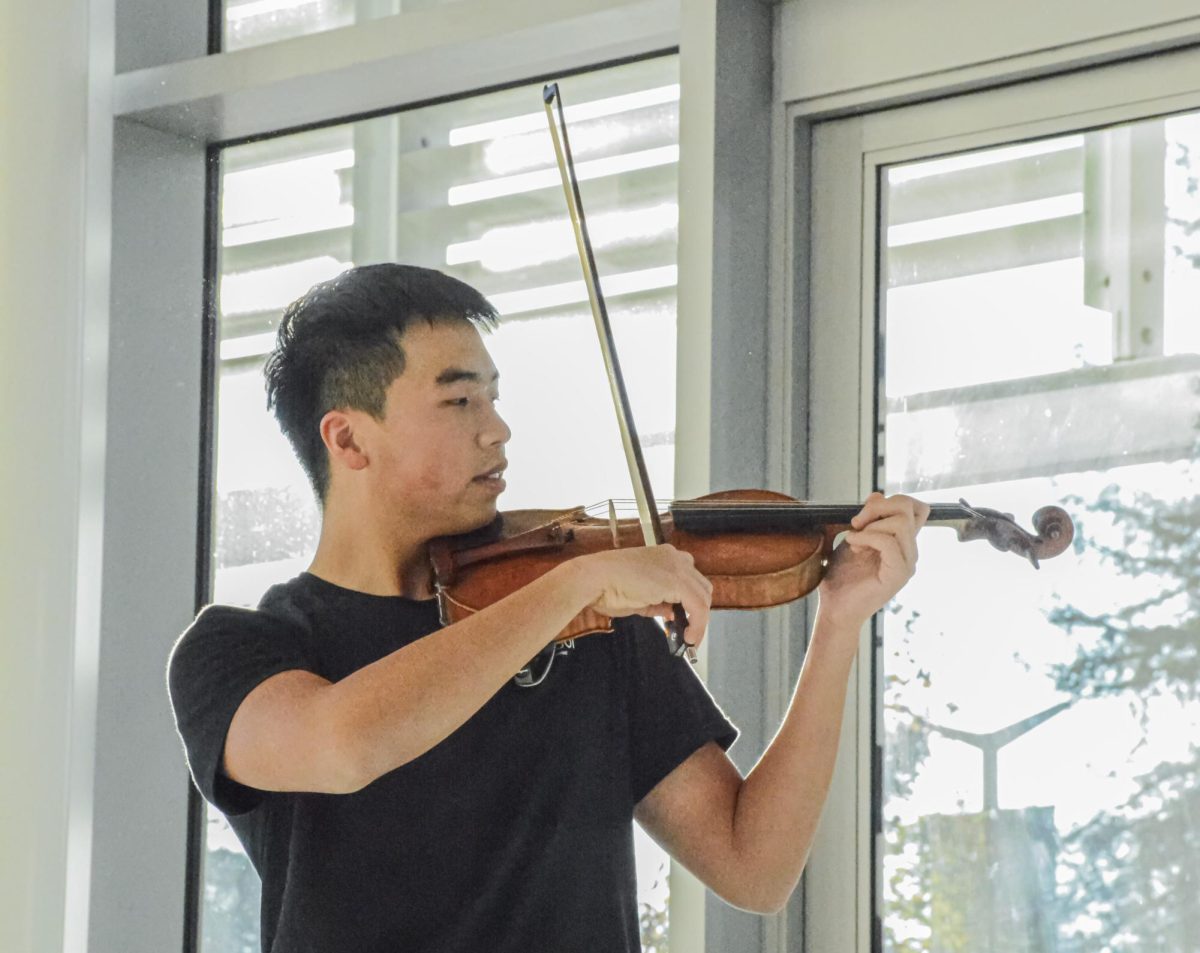
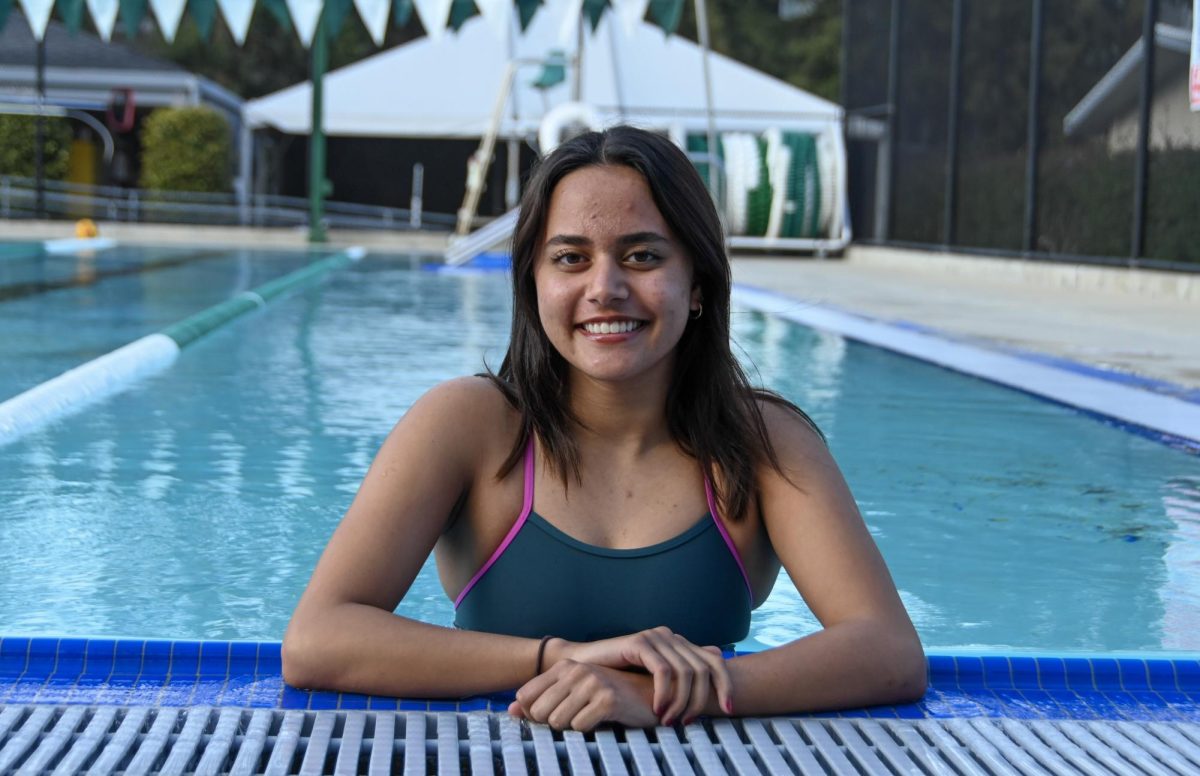
![“I wasn't discouraged by some of the obstacles we faced. I learned a lot from the leadership. I found that different people need different ways of receiving feedback — you can't [just] tell them to do something and expect the best. [Some] people needed more incentive. A large part of my role was to figure out what worked for everyone and to figure out how to lead all these separate individuals as a team,” Suhana Bhandare (’26) said.](https://harkeraquila.com/wp-content/uploads/2026/06/SuhanaBhandare_JasmineHansra-1-1200x798.jpg)
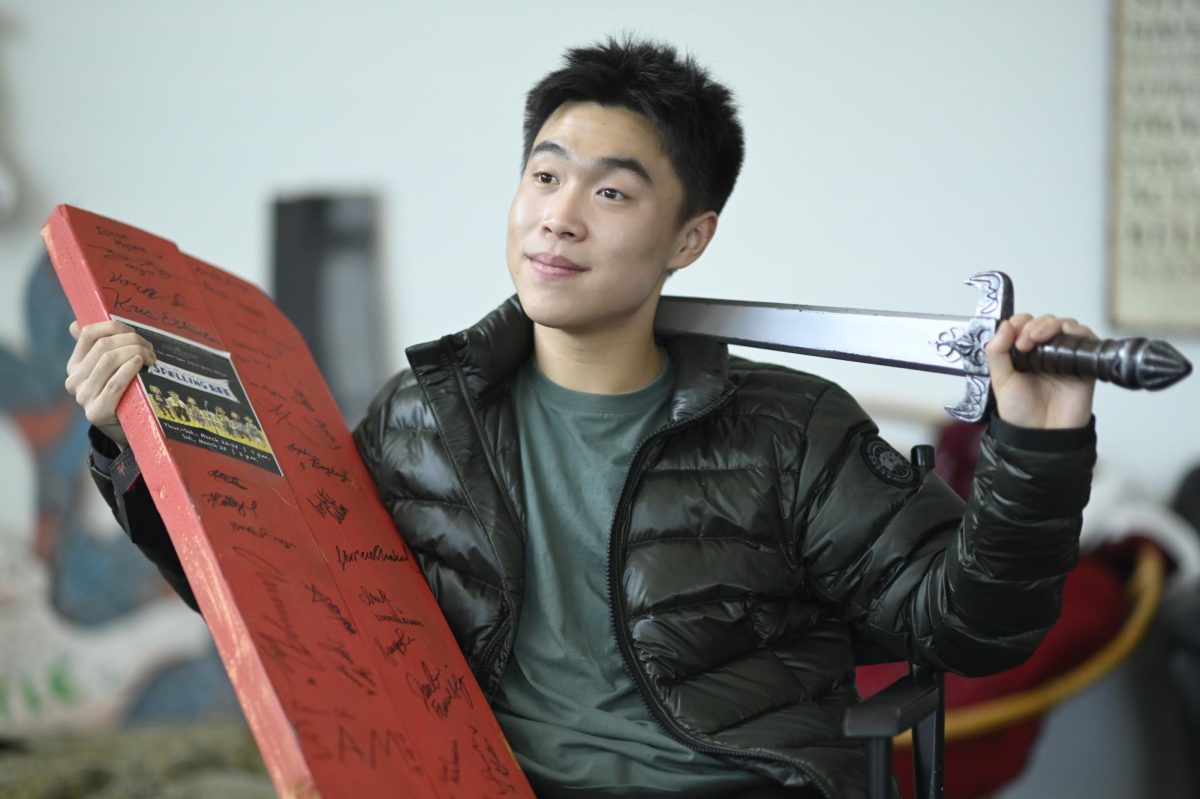
![“This is actually from Randy Pausch Randy P. Brick: ‘Walls are there for a reason. You have to show how much you want to overcome them.’ You have to show how much you want something. That's what I've always been able to do with tennis, Link Crew and getting that internship [with Kushy Baby]. It’s important pushing through that — getting around that brick wall, climbing over it or clawing through it,” Yash Sachdeva (’26) said.](https://harkeraquila.com/wp-content/uploads/2026/05/YashSachdeva_RamBatchu-copy-1200x1002.jpg)
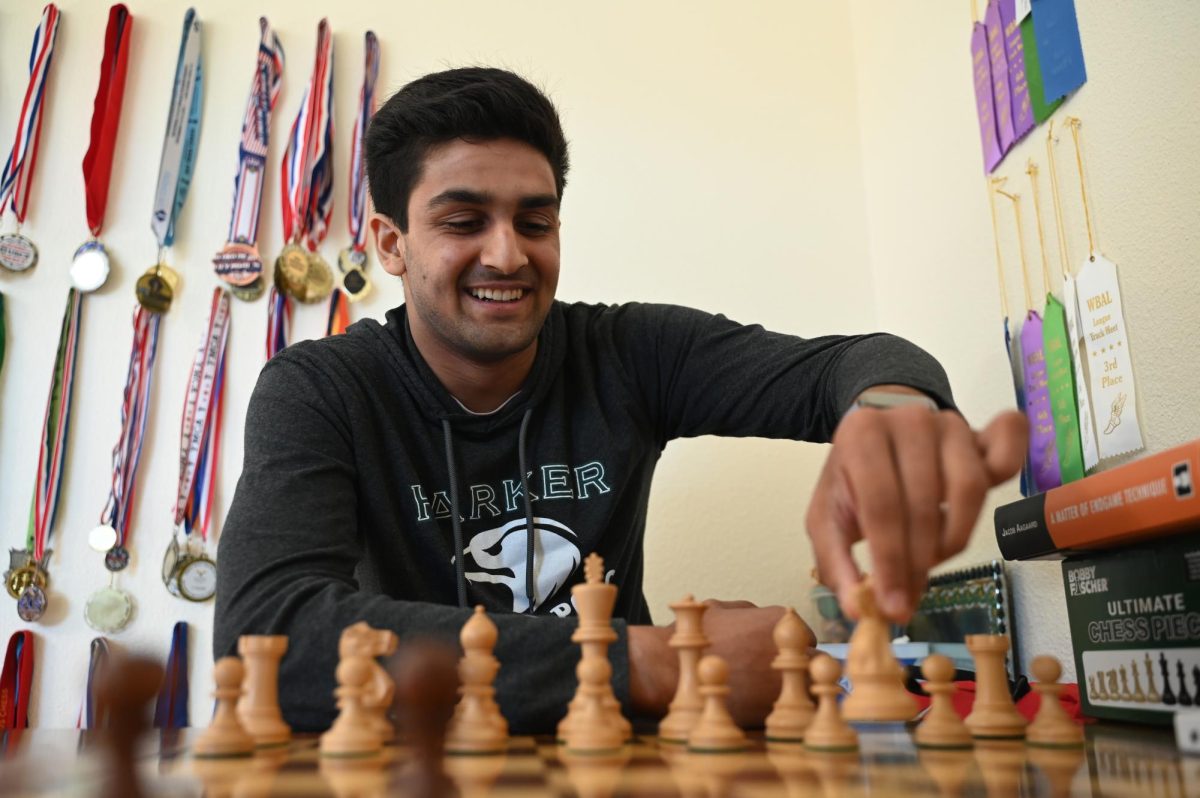



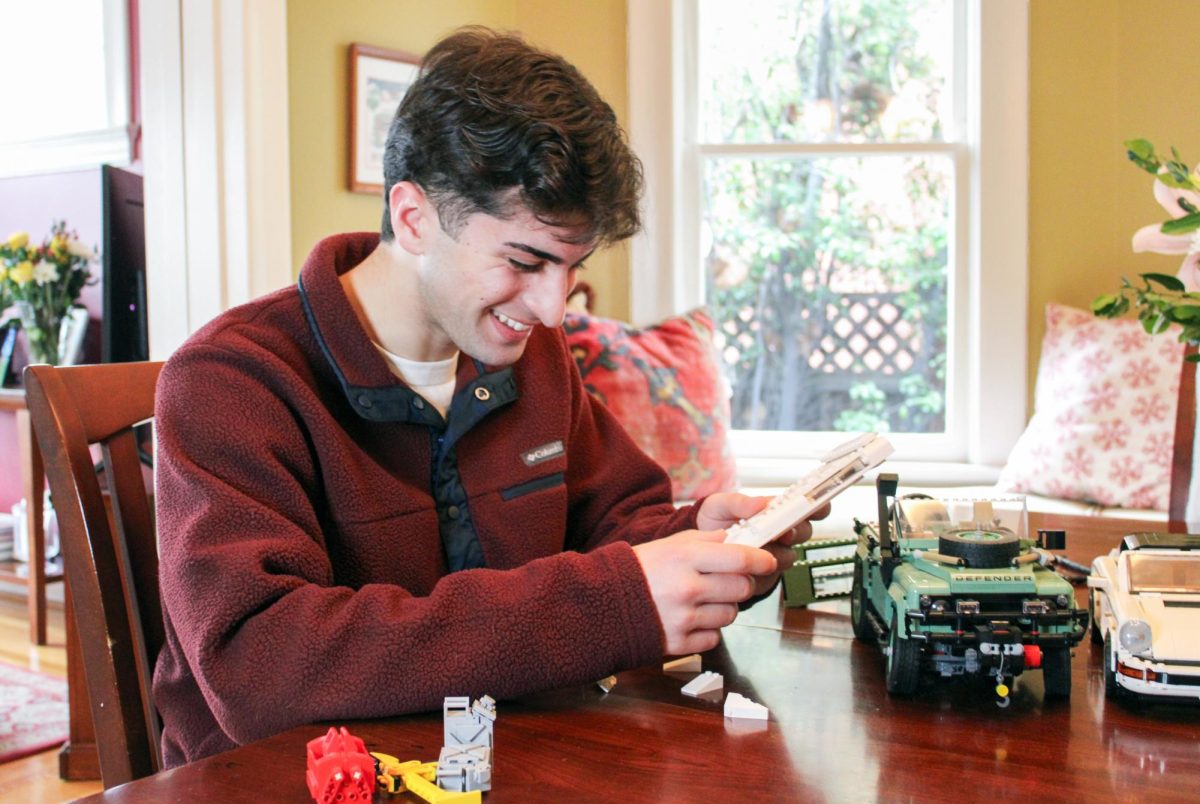
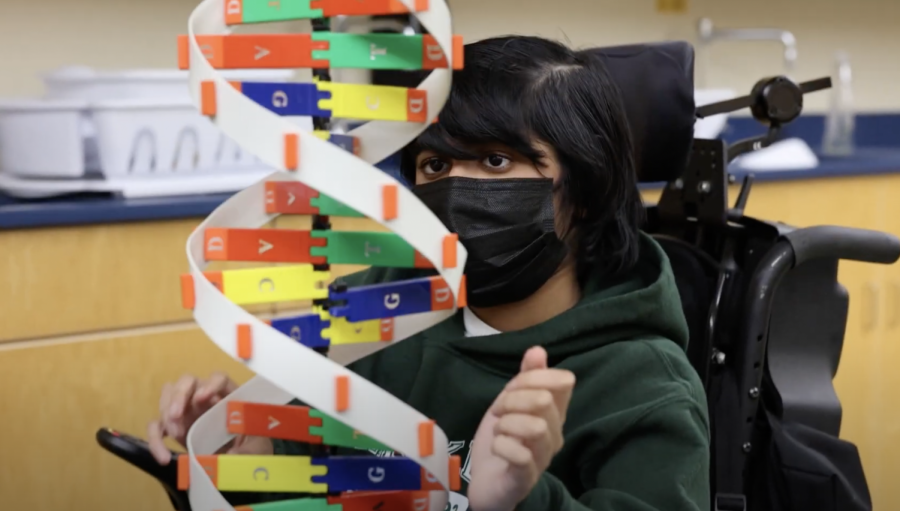
![“[Building nerf blasters] became this outlet of creativity for me that hasn't been matched by anything else. The process [of] making a build complete to your desire is such a painstakingly difficult process, but I've had to learn from [the skills needed from] soldering to proper painting. There's so many different options for everything, if you think about it, it exists. The best part is [that] if it doesn't exist, you can build it yourself," Ishaan Parate said.](https://harkeraquila.com/wp-content/uploads/2022/08/DSC_8149-900x604.jpg)
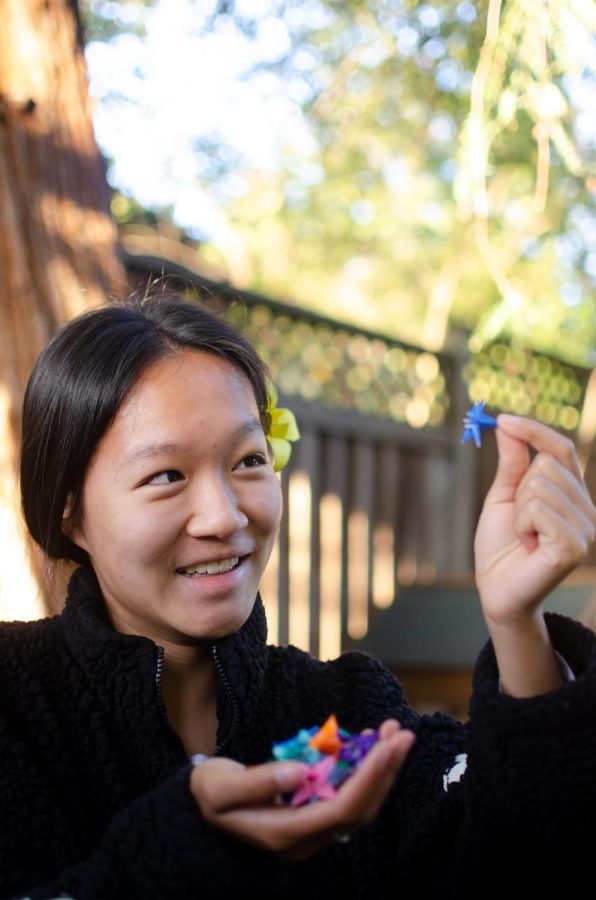
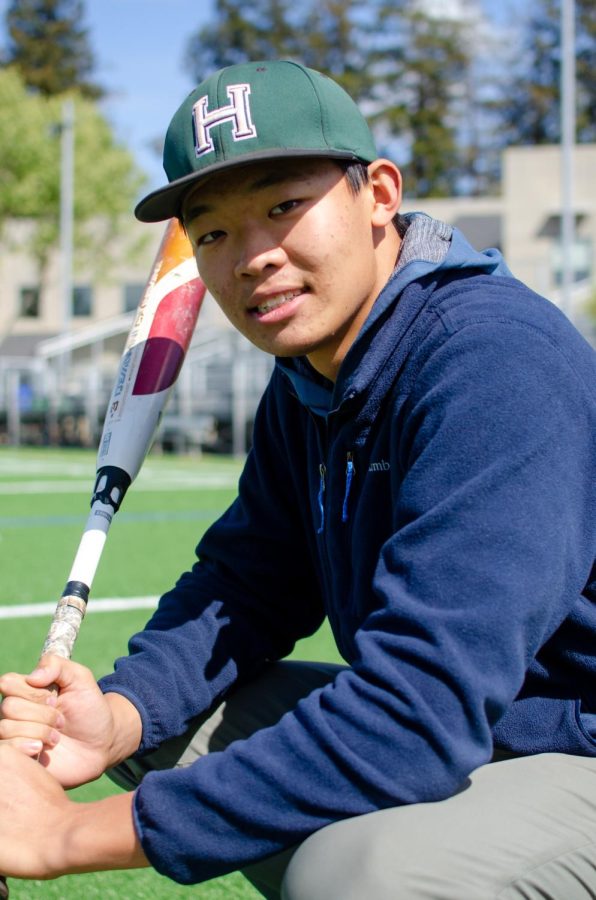
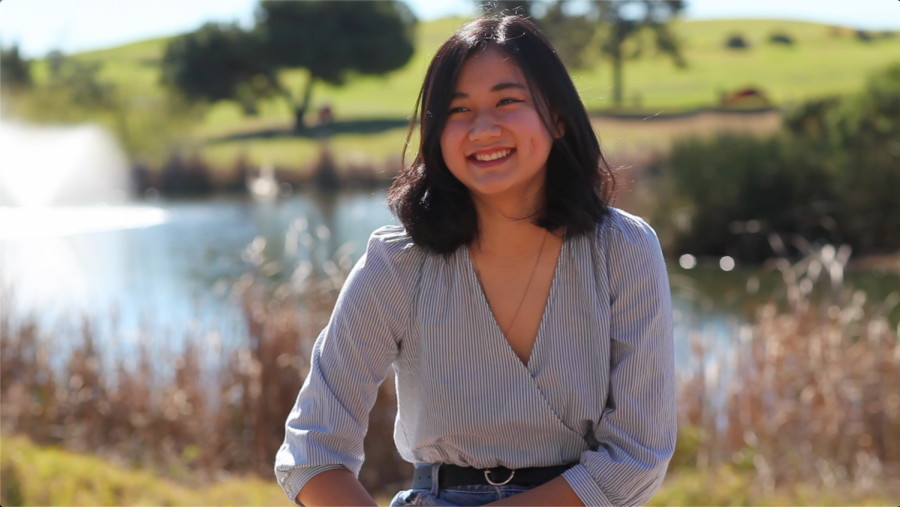
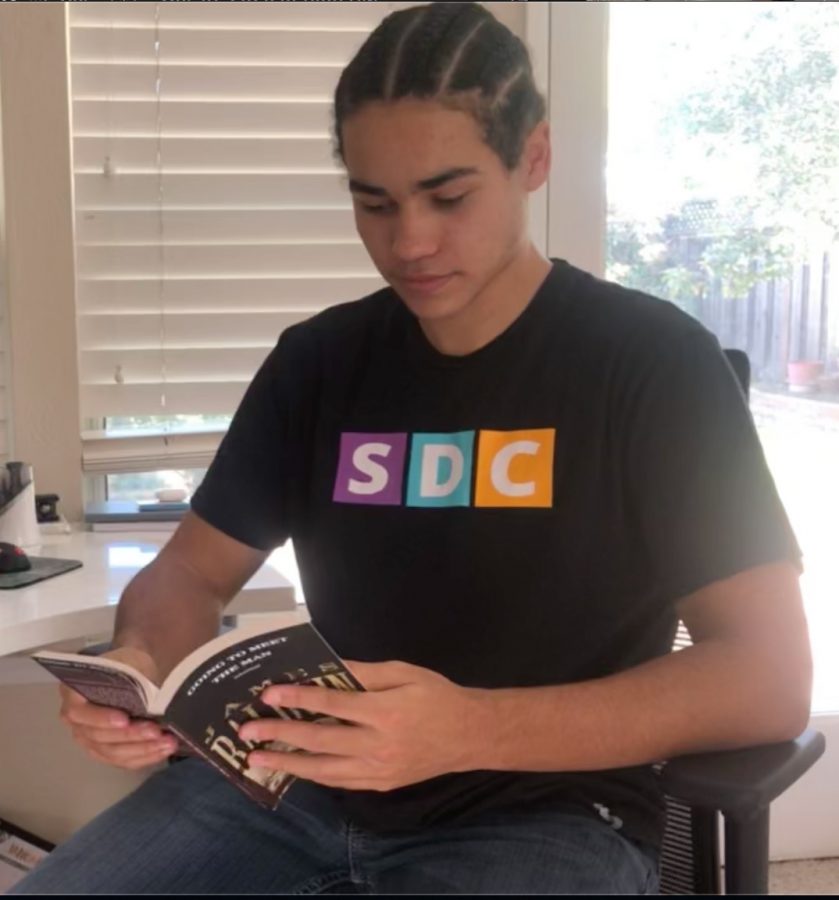
![“When I came into high school, I was ready to be a follower. But DECA was a game changer for me. It helped me overcome my fear of public speaking, and it's played such a major role in who I've become today. To be able to successfully lead a chapter of 150 students, an officer team and be one of the upperclassmen I once really admired is something I'm [really] proud of,” Anvitha Tummala ('21) said.](https://harkeraquila.com/wp-content/uploads/2021/07/Screen-Shot-2021-07-25-at-9.50.05-AM-900x594.png)

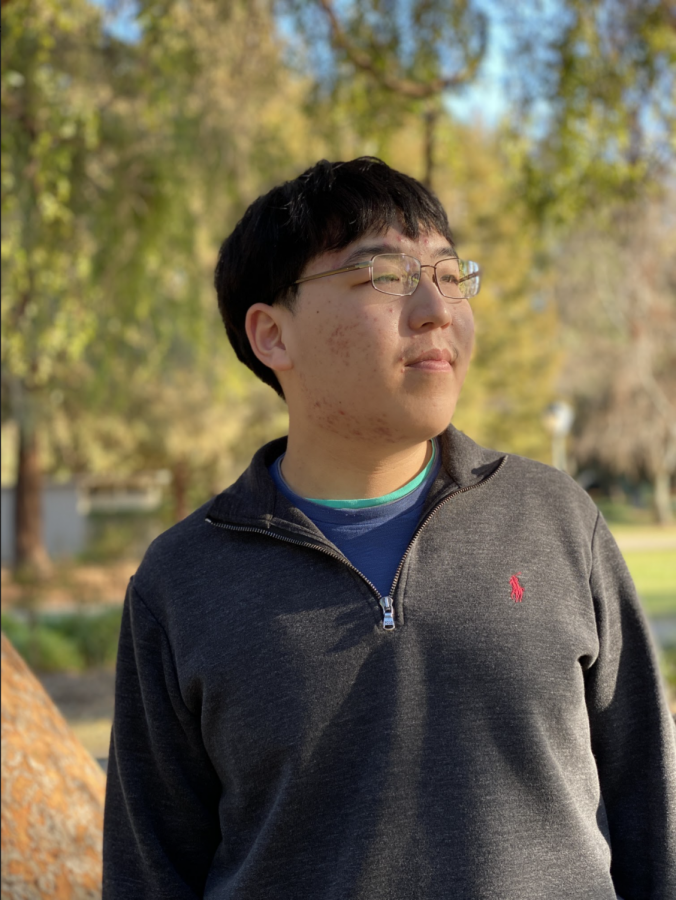
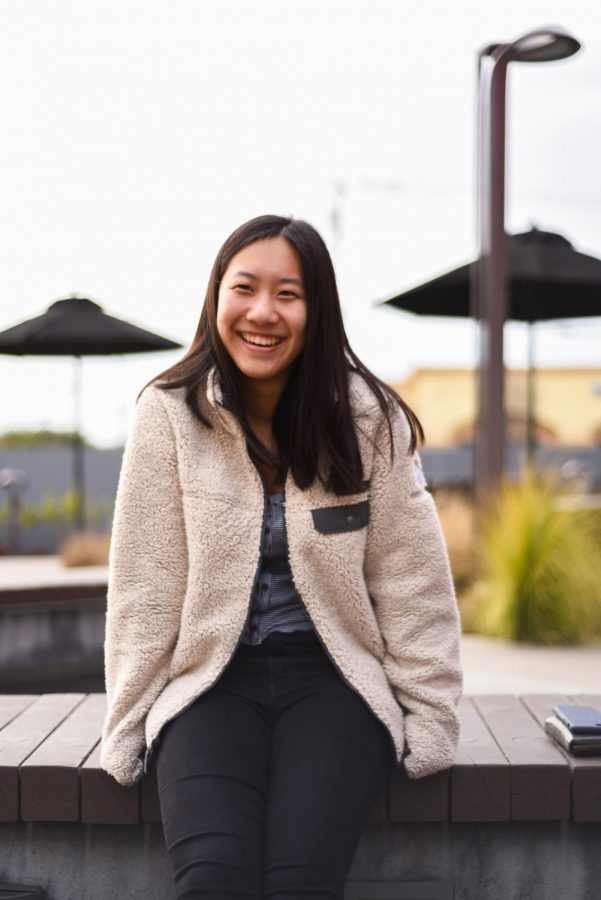
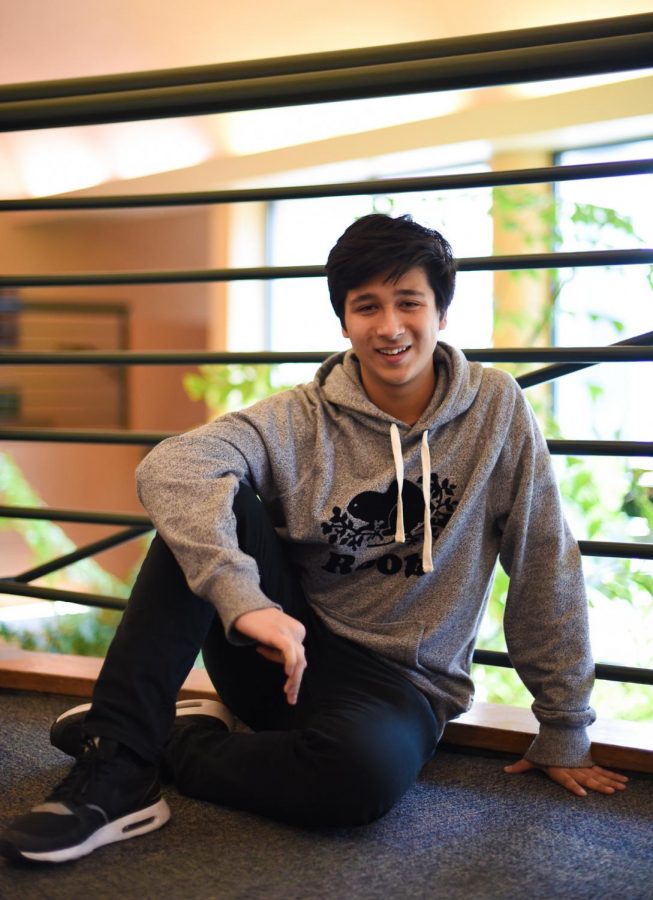
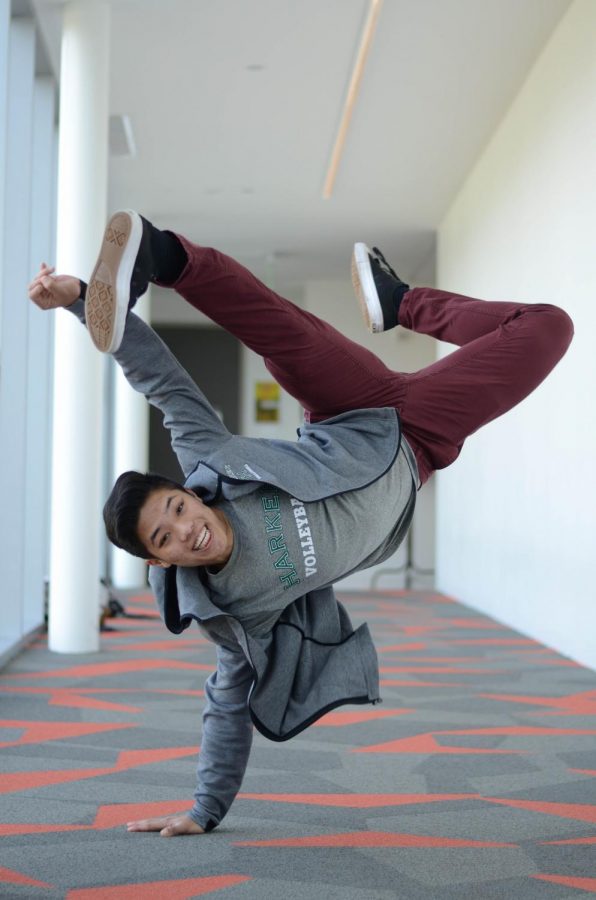
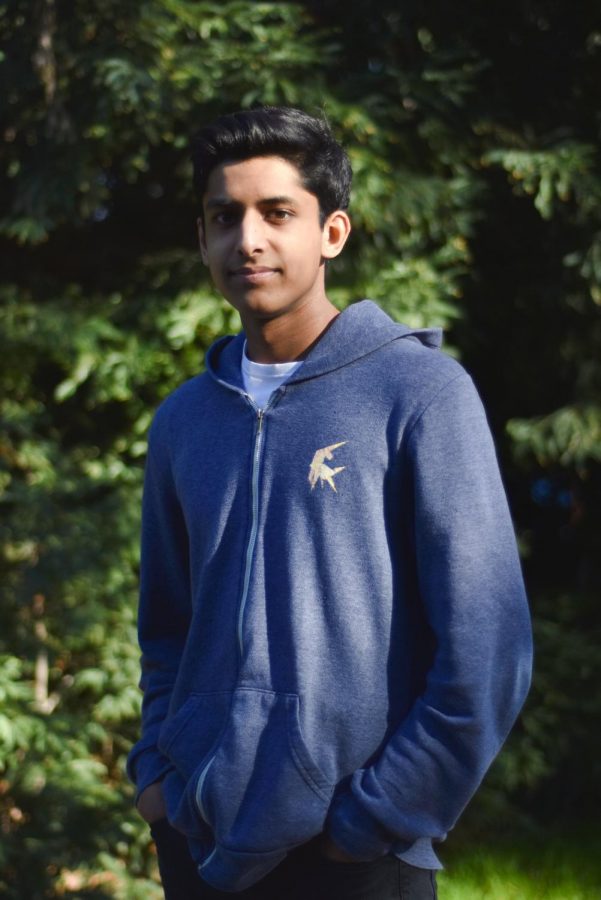

![“I think getting up in the morning and having a sense of purpose [is exciting]. I think without a certain amount of drive, life is kind of obsolete and mundane, and I think having that every single day is what makes each day unique and kind of makes life exciting,” Neymika Jain (12) said.](https://harkeraquila.com/wp-content/uploads/2017/06/Screen-Shot-2017-06-03-at-4.54.16-PM.png)
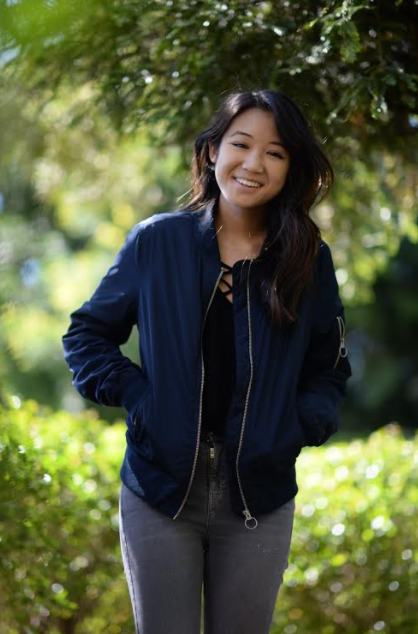
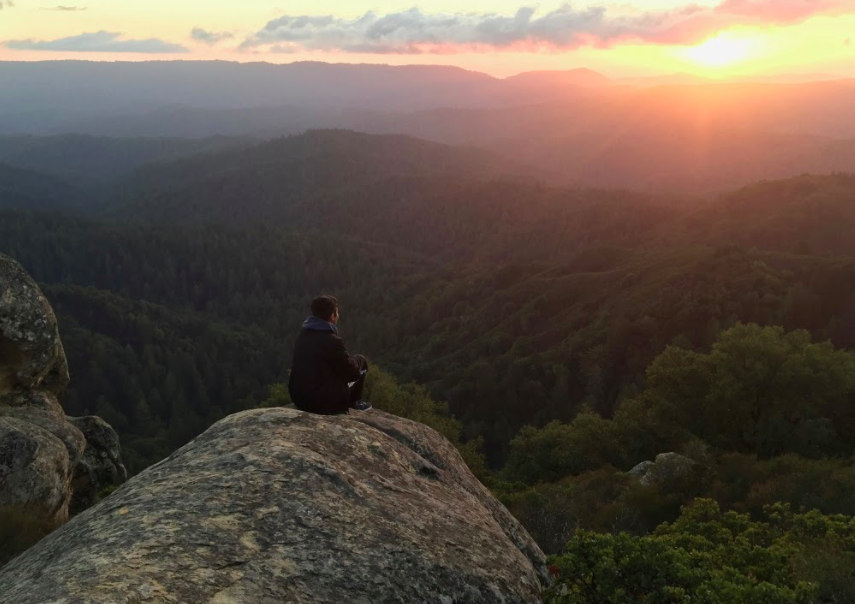
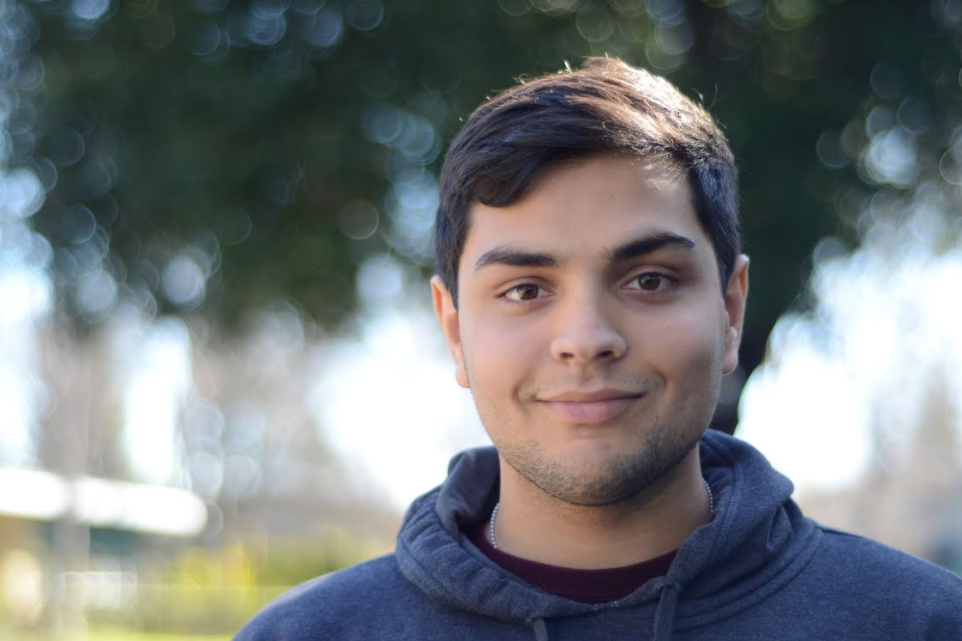
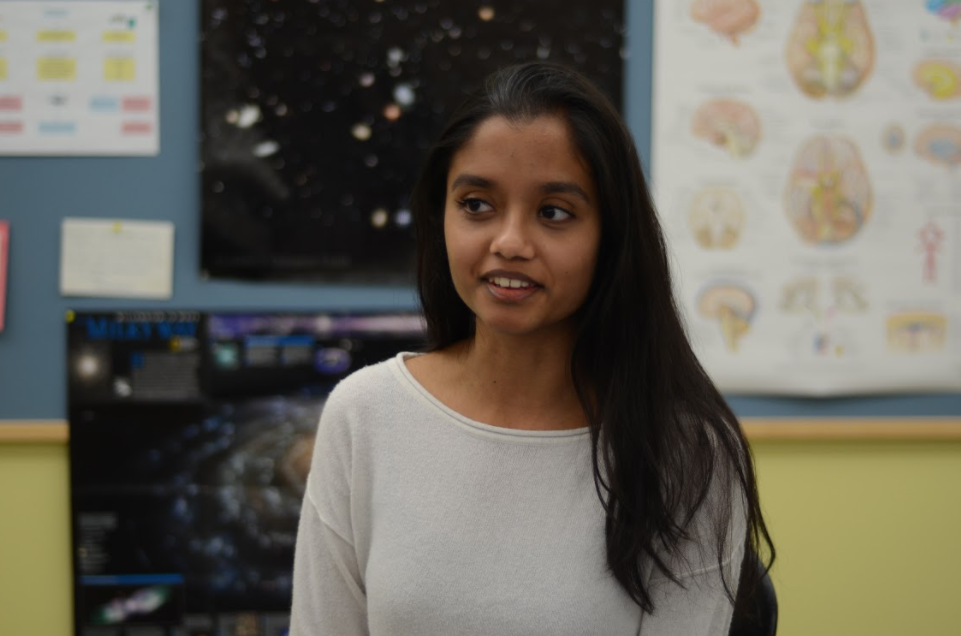
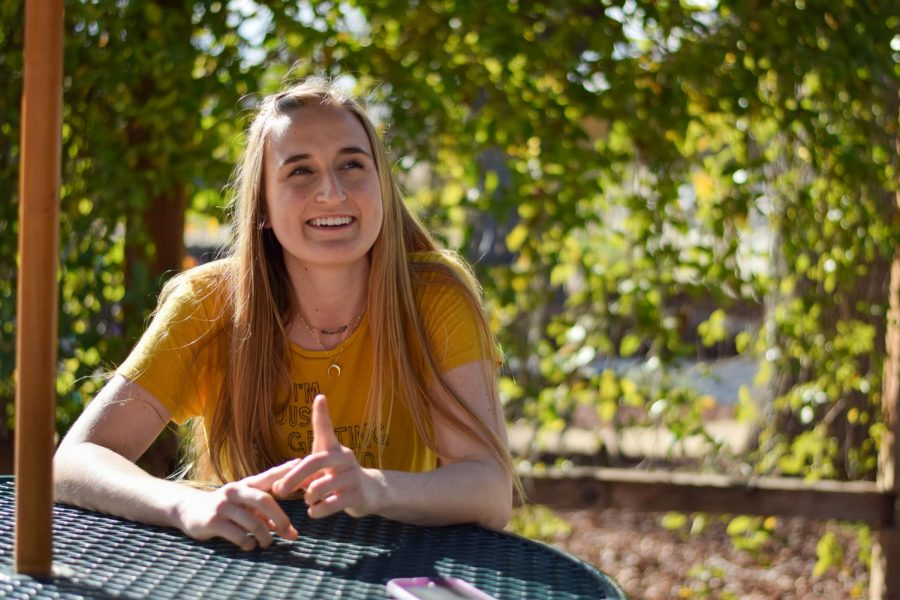
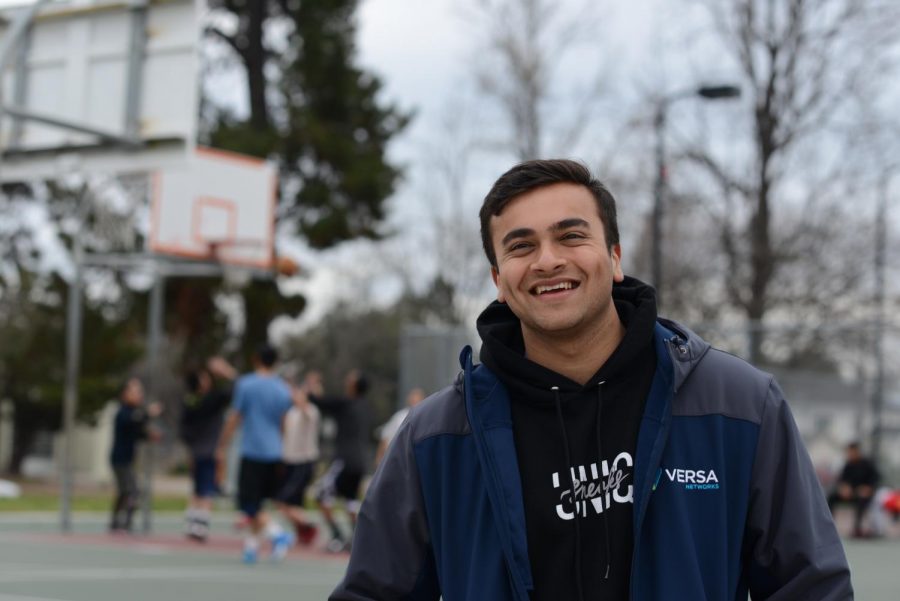
![“My slogan is ‘slow feet, don’t eat, and I’m hungry.’ You need to run fast to get where you are–you aren't going to get those championships if you aren't fast,” Angel Cervantes (12) said. “I want to do well in school on my tests and in track and win championships for my team. I live by that, [and] I can do that anywhere: in the classroom or on the field.”](https://harkeraquila.com/wp-content/uploads/2018/06/DSC5146-900x601.jpg)
![“[Volleyball has] taught me how to fall correctly, and another thing it taught is that you don’t have to be the best at something to be good at it. If you just hit the ball in a smart way, then it still scores points and you’re good at it. You could be a background player and still make a much bigger impact on the team than you would think,” Anya Gert (’20) said.](https://harkeraquila.com/wp-content/uploads/2020/06/AnnaGert_JinTuan_HoHPhotoEdited-600x900.jpeg)
![“I'm not nearly there yet, but [my confidence has] definitely been getting better since I was pretty shy and timid coming into Harker my freshman year. I know that there's a lot of people that are really confident in what they do, and I really admire them. Everyone's so driven and that has really pushed me to kind of try to find my own place in high school and be more confident,” Alyssa Huang (’20) said.](https://harkeraquila.com/wp-content/uploads/2020/06/AlyssaHuang_EmilyChen_HoHPhoto-900x749.jpeg)


The gym was nearly empty except for the echo of volleyballs hitting the floor and the squeak of my shoes as I stayed late after practice. I had been running the same drill over and over, still making the same mistakes, and it felt frustrating to put in so much effort without seeing immediate improvement. Moments like that made me want to quit early, but I didn’t. I stayed, reset, and tried again.
I came to believe that personal growth comes from sticking with something even when it’s hard, especially when progress feels slow or unfair. I didn’t learn this from a quote or advice; I learned it from playing volleyball.
I’ve been playing club and school volleyball for five years, and every season has its own challenges. Early-morning tournaments, late-night practices, long drives, and trying to keep up with schoolwork sometimes made me feel like I was juggling too much. There were moments when my passes went wrong, my team wasn’t clicking, or I felt like I wasn’t improving at all. But looking back, those are the moments that taught me the most.
When I began playing volleyball at ten, my biggest challenge was not simply being inexperienced but being physically overmatched. I was shorter, weaker, and slower than most players on the court, which meant I was often the first to be subbed out and the last picked when rotations were set.
During tournaments, I would sit through entire matches in uniform without touching the court, replaying mistakes from warm-ups and wondering why I kept showing up. Practices were not easy; drills that my teammates completed easily left my arms sore and my confidence bruised, and coaches rarely corrected me because expectations were low. There were practices where my only role was to retrieve balls and keep score, which made quitting feel like a must.
What kept me playing was not sudden improvement but the discipline of doing the unglamorous work anyway. I trained alone after practice to build strength, repeated passing drills against a wall, and learned to study the game from the bench so I could anticipate plays rather than rely on raw athleticism. Progress was slow and uneven, but it accumulated.
Last year, I earned a starting position and was named to the All-Tournament Team at Girls Junior Nationals, an honor given to players who stand out across the tournament for their performance and consistency. After attending the same tournament for five years without recognition, the moment felt exhilarating, but the real value came from realizing how many small, often unnoticed steps had led me there.
Volleyball showed me that the journey is what shapes you, not the destination. Even when I eventually earned a starting position and was named to the All-Tournament Team at Girls Junior Nationals, I realized that the award itself wasn’t what mattered most. What mattered were the early mornings, the long drives, the mistakes I had to work through, and the quiet practice sessions where progress felt invisible. Those moments taught me resilience, patience, and self-belief in a way that any trophy or recognition never could. Showing up, reflecting on mistakes, and putting in the effort even when it was hard became the lessons I carried beyond the court.
The journey will not always be easy, but it is where growth happens. Volleyball taught me to embrace the process, to value what I learn along the way, and to trust that the skills and confidence I build through effort matter more than any award. I’ve realized that this mindset carries over into every part of my life—whether tackling a difficult class, exploring a new culture, or stepping into unfamiliar experiences, the lessons I’ve learned about patience, persistence, and self-belief continue to guide me. Success is still rewarding, but I’ve come to understand that the real growth comes from showing up, committing fully, and learning from the work itself.