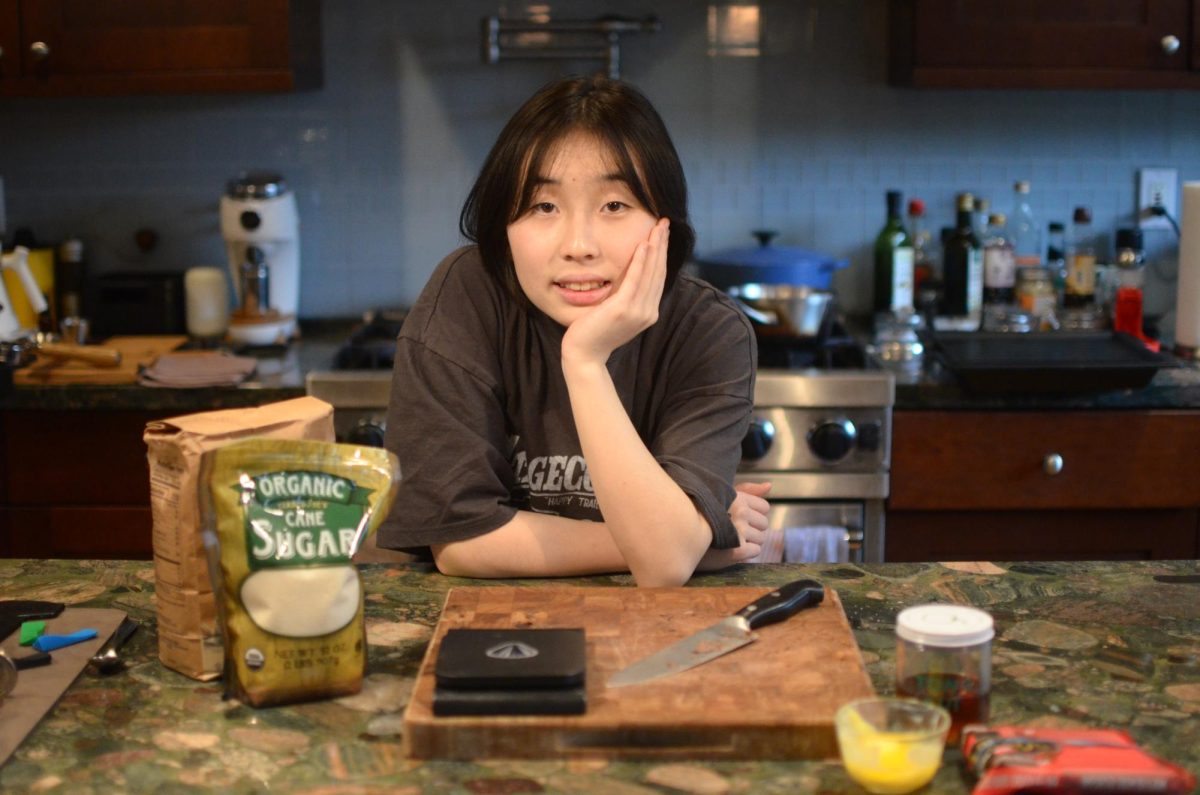
![“I wasn't discouraged by some of the obstacles we faced. I learned a lot from the leadership. I found that different people need different ways of receiving feedback — you can't [just] tell them to do something and expect the best. [Some] people needed more incentive. A large part of my role was to figure out what worked for everyone and to figure out how to lead all these separate individuals as a team,” Suhana Bhandare (’26) said.](https://harkeraquila.com/wp-content/uploads/2026/06/SuhanaBhandare_JasmineHansra-1-1200x798.jpg)


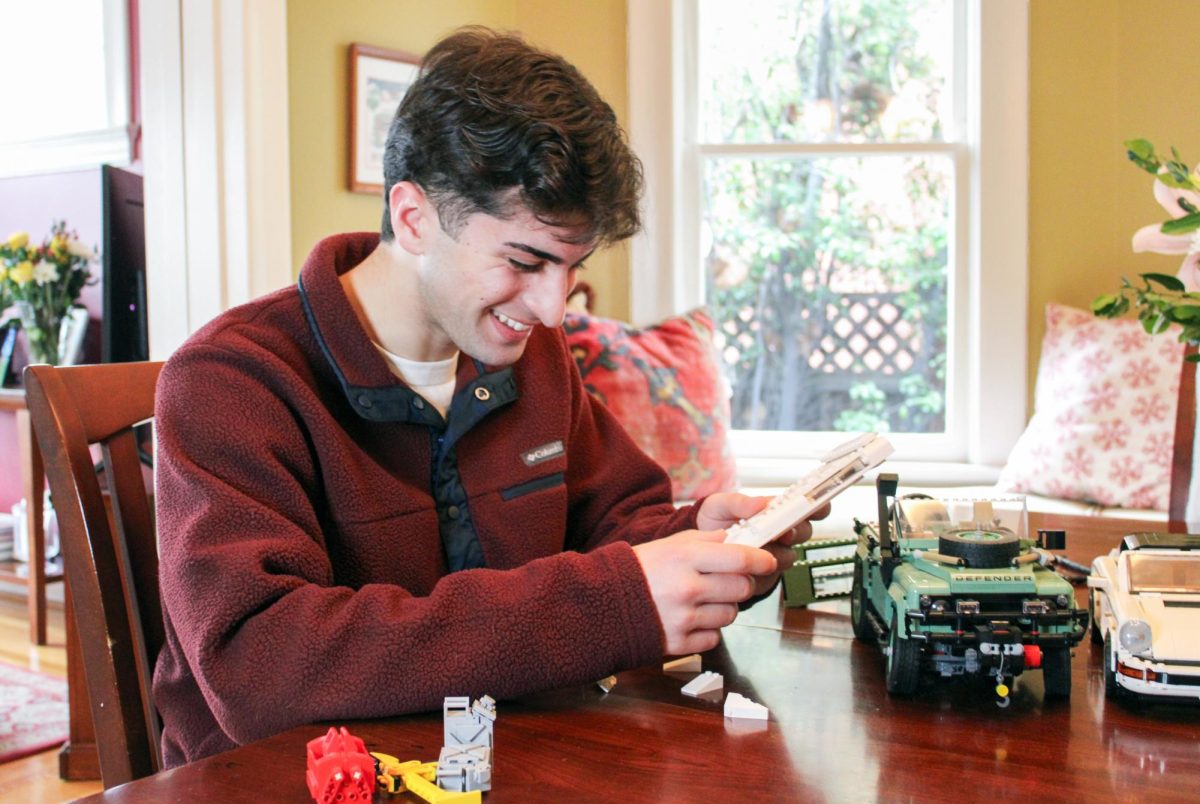
![“This is actually from Randy Pausch Randy P. Brick: ‘Walls are there for a reason. You have to show how much you want to overcome them.’ You have to show how much you want something. That's what I've always been able to do with tennis, Link Crew and getting that internship [with Kushy Baby]. It’s important pushing through that — getting around that brick wall, climbing over it or clawing through it,” Yash Sachdeva (’26) said.](https://harkeraquila.com/wp-content/uploads/2026/05/YashSachdeva_RamBatchu-copy-1200x1002.jpg)













![“[Building nerf blasters] became this outlet of creativity for me that hasn't been matched by anything else. The process [of] making a build complete to your desire is such a painstakingly difficult process, but I've had to learn from [the skills needed from] soldering to proper painting. There's so many different options for everything, if you think about it, it exists. The best part is [that] if it doesn't exist, you can build it yourself," Ishaan Parate said.](https://harkeraquila.com/wp-content/uploads/2022/08/DSC_8149-900x604.jpg)

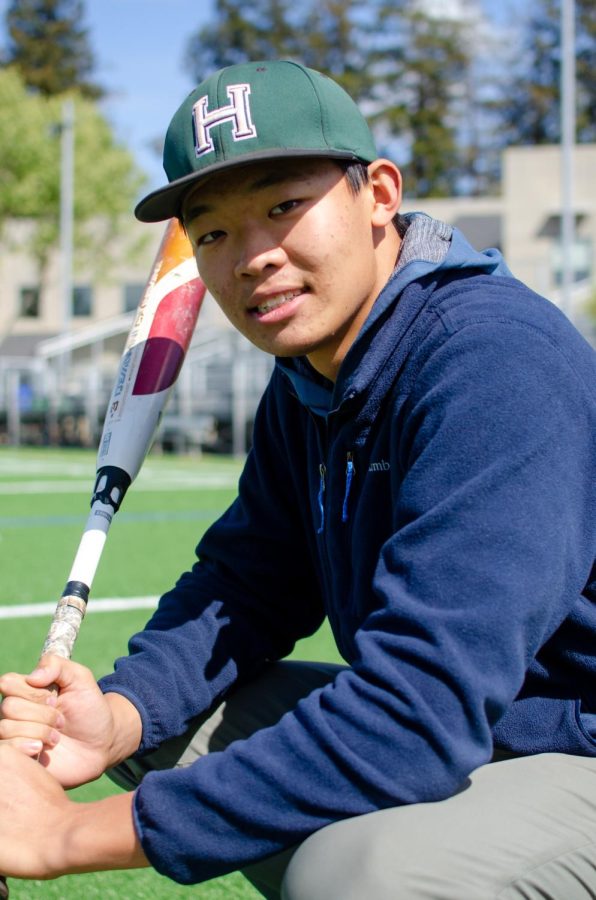

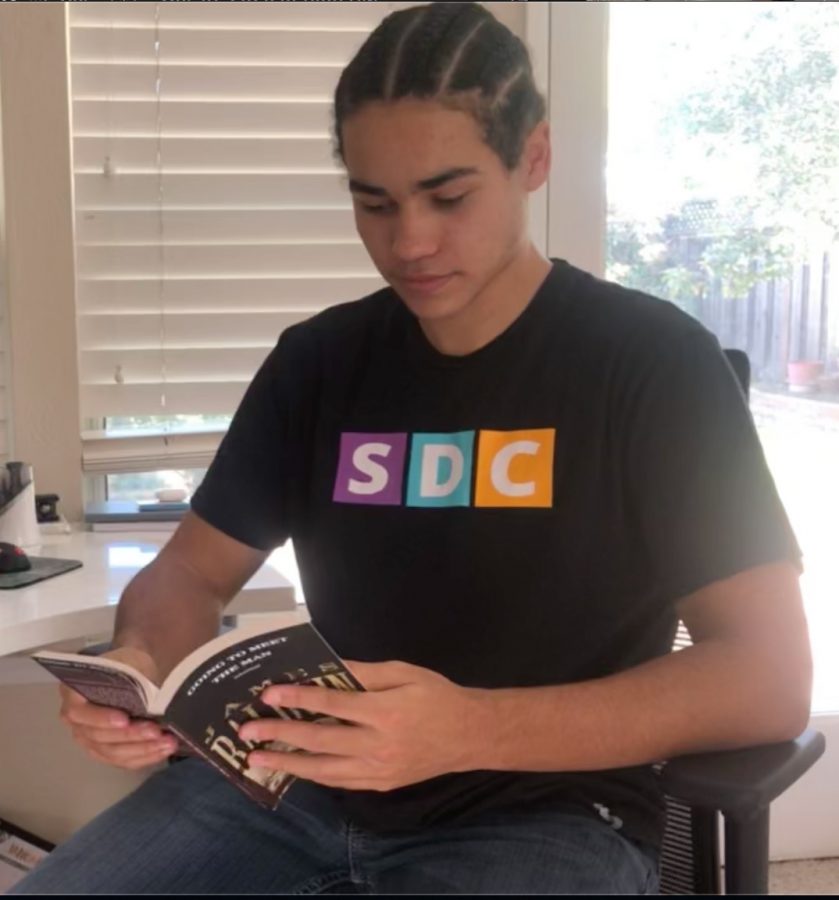
![“When I came into high school, I was ready to be a follower. But DECA was a game changer for me. It helped me overcome my fear of public speaking, and it's played such a major role in who I've become today. To be able to successfully lead a chapter of 150 students, an officer team and be one of the upperclassmen I once really admired is something I'm [really] proud of,” Anvitha Tummala ('21) said.](https://harkeraquila.com/wp-content/uploads/2021/07/Screen-Shot-2021-07-25-at-9.50.05-AM-900x594.png)

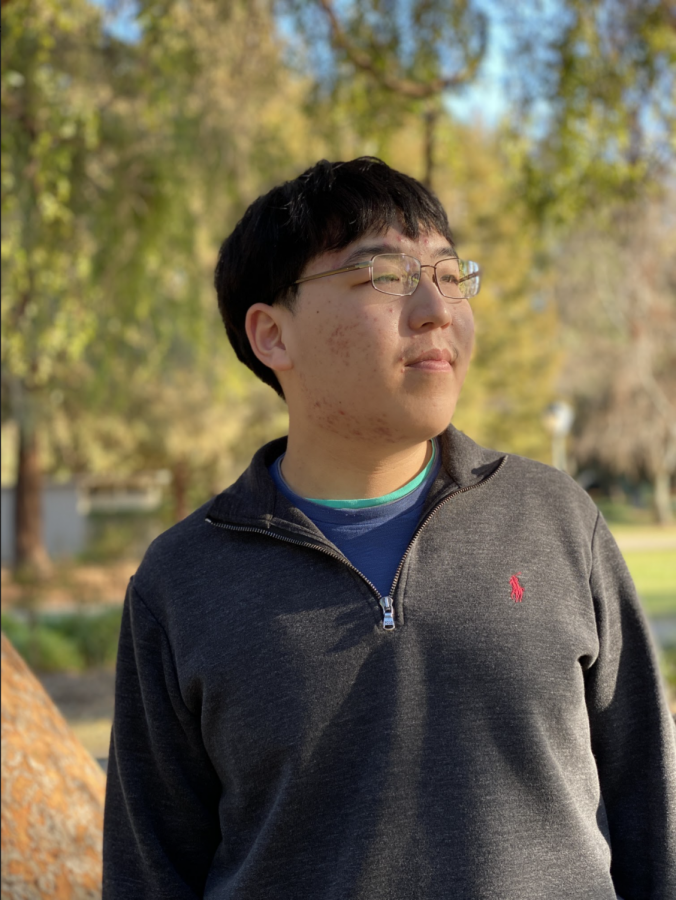


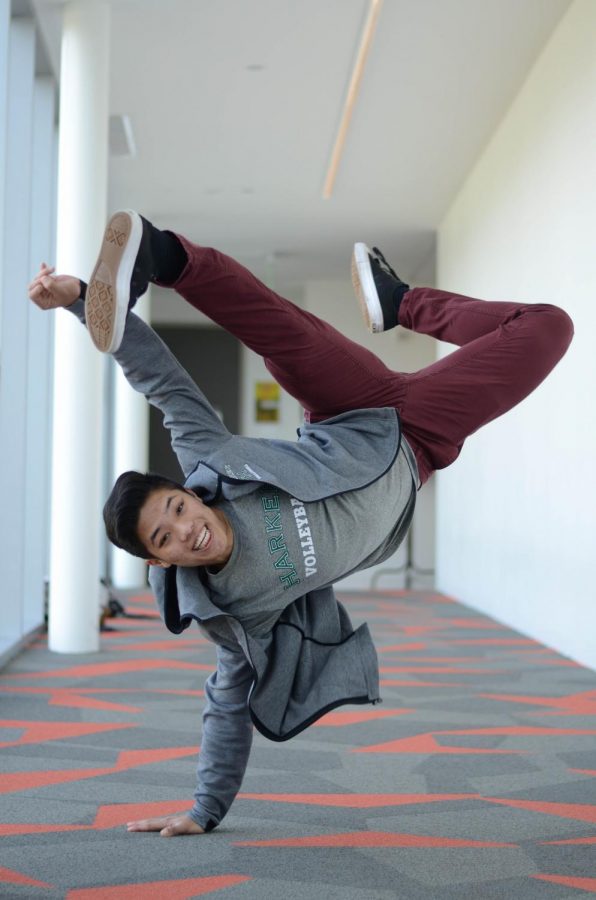


![“I think getting up in the morning and having a sense of purpose [is exciting]. I think without a certain amount of drive, life is kind of obsolete and mundane, and I think having that every single day is what makes each day unique and kind of makes life exciting,” Neymika Jain (12) said.](https://harkeraquila.com/wp-content/uploads/2017/06/Screen-Shot-2017-06-03-at-4.54.16-PM.png)






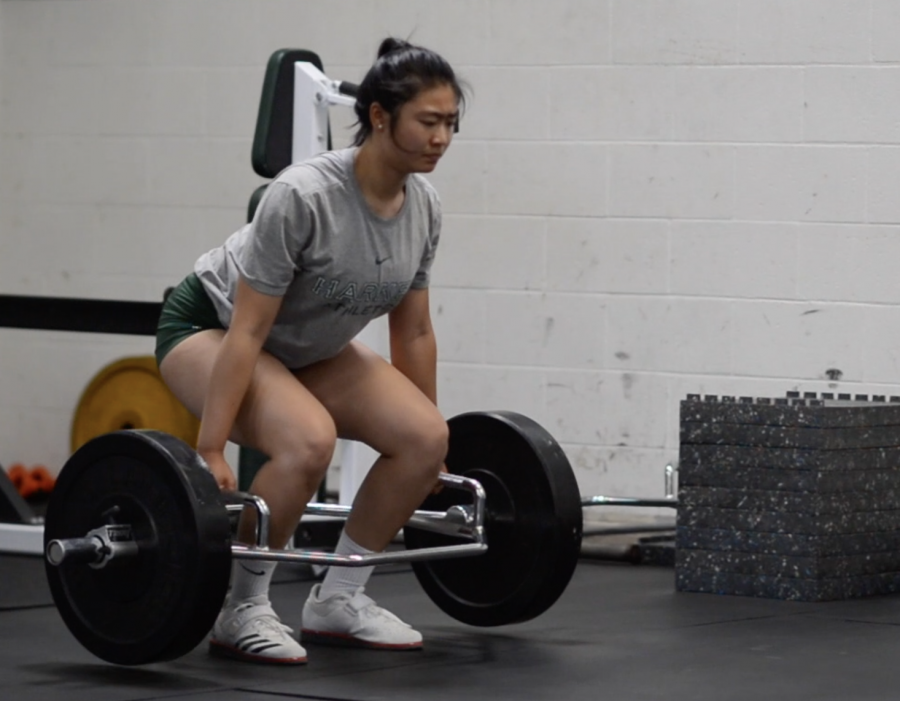

![“My slogan is ‘slow feet, don’t eat, and I’m hungry.’ You need to run fast to get where you are–you aren't going to get those championships if you aren't fast,” Angel Cervantes (12) said. “I want to do well in school on my tests and in track and win championships for my team. I live by that, [and] I can do that anywhere: in the classroom or on the field.”](https://harkeraquila.com/wp-content/uploads/2018/06/DSC5146-900x601.jpg)
![“[Volleyball has] taught me how to fall correctly, and another thing it taught is that you don’t have to be the best at something to be good at it. If you just hit the ball in a smart way, then it still scores points and you’re good at it. You could be a background player and still make a much bigger impact on the team than you would think,” Anya Gert (’20) said.](https://harkeraquila.com/wp-content/uploads/2020/06/AnnaGert_JinTuan_HoHPhotoEdited-600x900.jpeg)

![“I'm not nearly there yet, but [my confidence has] definitely been getting better since I was pretty shy and timid coming into Harker my freshman year. I know that there's a lot of people that are really confident in what they do, and I really admire them. Everyone's so driven and that has really pushed me to kind of try to find my own place in high school and be more confident,” Alyssa Huang (’20) said.](https://harkeraquila.com/wp-content/uploads/2020/06/AlyssaHuang_EmilyChen_HoHPhoto-900x749.jpeg)



One of the deadliest residential fires in Hong Kong’s history swept through the Wang Fuk Court housing complex in Tai Po, Hong Kong on Nov. 26 and 27. As of Dec. 3, 159 people have been found dead, about 30 people are still missing and 19 bodies remain unidentified.
The blaze began on Nov. 26 and burned through seven of the complex’s eight towers, displacing thousands of residents. Because the complex was undergoing a major renovation, bamboo scaffolding surrounded the building, and plastic construction netting and foam panels covering windows fueled the fire’s spread throughout the complex.
Harker parent Vivian Lum, who grew up in Hong Kong and still has close family members living in the city, said that flammable construction materials are common across the city.
“When I heard about the potential hazard caused by the bamboo scaffolding, the styrofoam used to protect the windows and nets that were covering the building, I was like, ‘Oh my God, isn’t that what every other building is doing?’” Lum said. “I am concerned because it seems as though the whole construction and real estate system is not very well regulated. It’s up to the bidders and the building owners what they want to do and what material they use. Even if the government has some regulations, they are not there to actually enforce them.”
In the days following the fires, hundreds of volunteers, including nurses and social workers, arrived to deliver water, food and essential supplies. Community members offered help to the thousands displaced before government assistance reached the area.
Max Lai, a student at Renaissance College, an international school in Hong Kong, donated resources and time to help victims. He reflected on his feelings toward the disaster.
“I live in Tai Po, and witnessing the fire with my own eyes every single day and night really hit my heart,” Max said. “I told my friends to come with me today, and we all showed up to donate resources and move them around. Being a residential building, this fire affected thousands of people, which means that we need to give our support to them to help them out.”
Relative of a Harker student Diana Wei, who lived in Hong Kong for 15 years, said the city’s housing conditions and aging infrastructure heightened the danger.
“I initially didn’t realize how severe fires could be,” Wei said. “But thinking about Hong Kong’s living conditions, there are so many areas that have similarly high building density and lack adequate maintenance. There were no fire alarms sounding at the beginning of the fire, so many people didn’t realize there’s a severe fire and lost the precious chance to escape.”
Authorities have arrested 15 people in connection with the incident, including building directors accused of negligence and corruption-related offenses. Investigators are examining whether the scaffolding netting met safety standards, why foam boards had been installed over the windows and whether falsified safety reports contributed to unsafe conditions.

“There’s a lot of speculation around what could have prevented the fire,” Lum said. “For example, better regulation of construction bidding, safety validation of these projects and also ongoing maintenance of the buildings themselves. These are all regulated by different departments of the government, and we don’t know whether they did not do their job, or whether something else was responsible [for the safety failure]. There probably needs to be a huge investigation to get to the bottom of what exactly happened, because there are so many parties involved.”
Government officials have pledged to conduct a full investigation into building practices and to determine whether systemic failures contributed to the disaster. Authorities are also assessing how to support the families displaced by the fire. However, Wei believes broader policy changes will be necessary to prevent future tragedies.
“Some of the people doing the refurbishment played tricks to fool the government inspectors about whether the materials met requirements,” Wei said. “But on the other hand, I think the government themselves have some responsibility to check more thoroughly. What we care about right now is determining exactly why the fire became so severe, how many families have been affected and how the government will help them to rebuild their homes. But afterwards, the bigger issue is how to prevent similar things from happening again.”
The range of failures has raised questions about fire safety standards across Hong Kong, where most people live in high-rises built decades ago. Many residents worry that the safety hazards at Wang Fuk Court exist elsewhere. Lum said the emotional impact of the blaze extended far beyond Tai Po.

“Many people in Hong Kong feel as though their home is being burned because Tai Po is very connected to the rest of Hong Kong,” Lum said. “A lot of my friends and family could have gone to Tai Po on any given day. Hearing about so many deaths in a place you’re so familiar with definitely has a major emotional impact. It’s not just the people that have a relative or a friend who live there, but pretty much everybody in Hong Kong.”
A Hong Kong resident and post-fire volunteer who identified himself as Anderson said civilian-led action was the most effective way to help.
“Everyone is sending a lot of water,” Anderson said. “Some government officials said they can help the residents, but I don’t think so. That’s why what we are doing here is important. We can directly send out the water to the people who really need our help.”
Residents reported alarms inside the buildings failed to activate, leaving many unaware that the fire had already engulfed multiple stories. Some workers allegedly shut off alarms during maintenance, and authorities are now investigating whether malfunctioning systems contributed to the high death toll.
Despite the devastation, Wei said the volunteer response reflects Hong Kong’s long-standing culture of mutual support. Donations ranging from clothing to medical supplies arrived quickly, and blood donor centers also received many donations following the fire.
“Hong Kong’s community is always warm, and people help each other and that’s a good tradition,” Wei said. “A huge amount of money has already been raised, and in the first few days people rushed to donate blood for those injured. I believe the whole community will continue supporting those affected and also think about how to avoid such tragedies in the future. I have confidence that Hong Kong people will react positively and make life better going forward.”
Additional reporting by the Associated Press.