![“I wasn't discouraged by some of the obstacles we faced. I learned a lot from the leadership. I found that different people need different ways of receiving feedback — you can't [just] tell them to do something and expect the best. [Some] people needed more incentive. A large part of my role was to figure out what worked for everyone and to figure out how to lead all these separate individuals as a team,” Suhana Bhandare (’26) said.](https://harkeraquila.com/wp-content/uploads/2026/06/SuhanaBhandare_JasmineHansra-1-1200x798.jpg)

![“This is actually from Randy Pausch Randy P. Brick: ‘Walls are there for a reason. You have to show how much you want to overcome them.’ You have to show how much you want something. That's what I've always been able to do with tennis, Link Crew and getting that internship [with Kushy Baby]. It’s important pushing through that — getting around that brick wall, climbing over it or clawing through it,” Yash Sachdeva (’26) said.](https://harkeraquila.com/wp-content/uploads/2026/05/YashSachdeva_RamBatchu-copy-1200x1002.jpg)








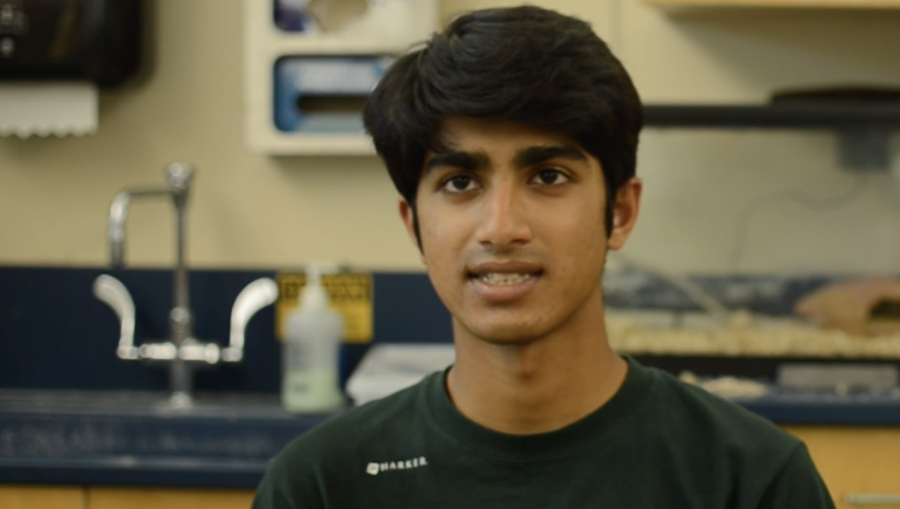
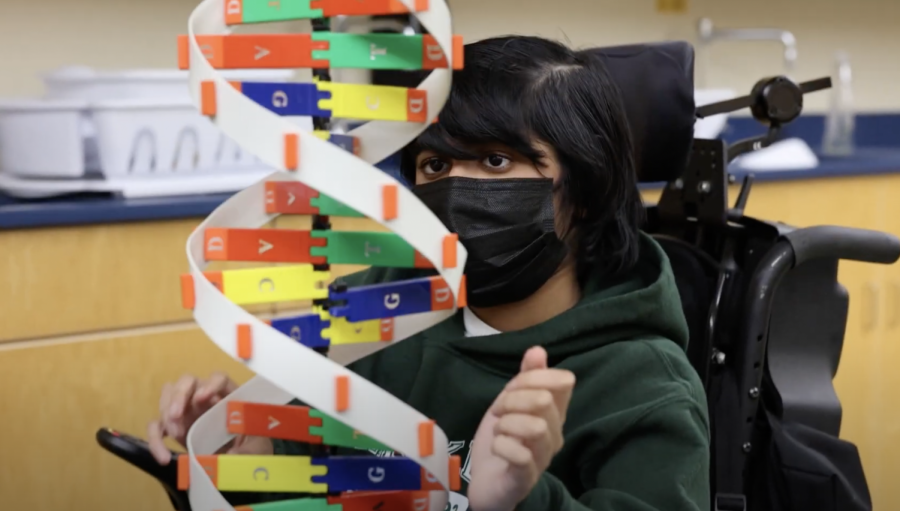
![“[Building nerf blasters] became this outlet of creativity for me that hasn't been matched by anything else. The process [of] making a build complete to your desire is such a painstakingly difficult process, but I've had to learn from [the skills needed from] soldering to proper painting. There's so many different options for everything, if you think about it, it exists. The best part is [that] if it doesn't exist, you can build it yourself," Ishaan Parate said.](https://harkeraquila.com/wp-content/uploads/2022/08/DSC_8149-900x604.jpg)



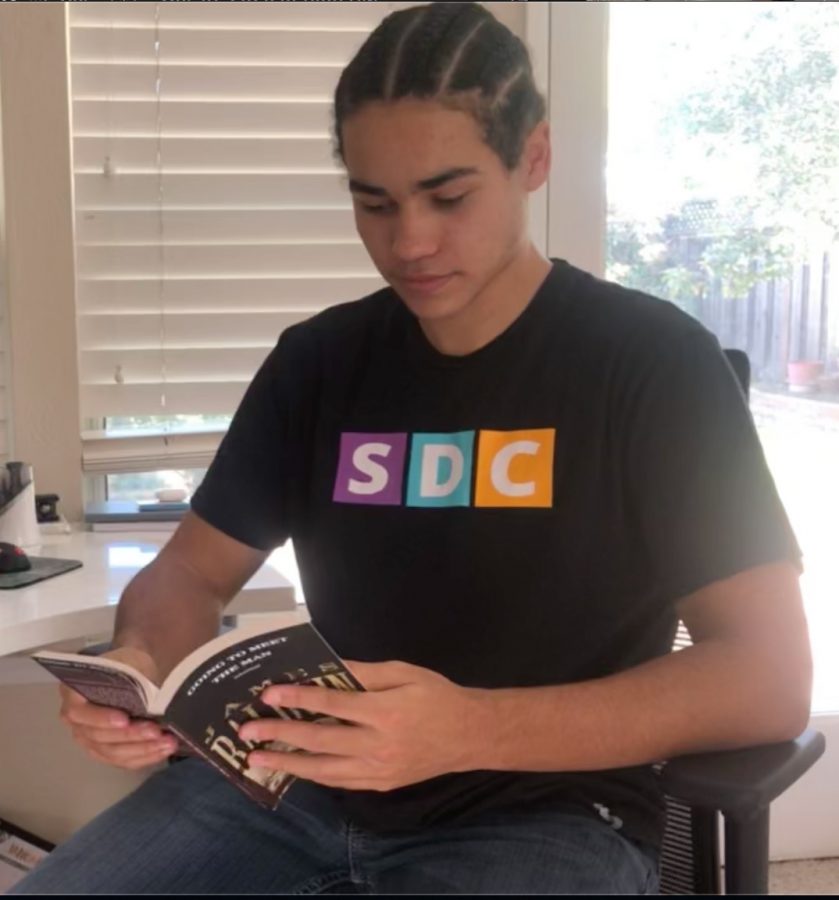
![“When I came into high school, I was ready to be a follower. But DECA was a game changer for me. It helped me overcome my fear of public speaking, and it's played such a major role in who I've become today. To be able to successfully lead a chapter of 150 students, an officer team and be one of the upperclassmen I once really admired is something I'm [really] proud of,” Anvitha Tummala ('21) said.](https://harkeraquila.com/wp-content/uploads/2021/07/Screen-Shot-2021-07-25-at-9.50.05-AM-900x594.png)

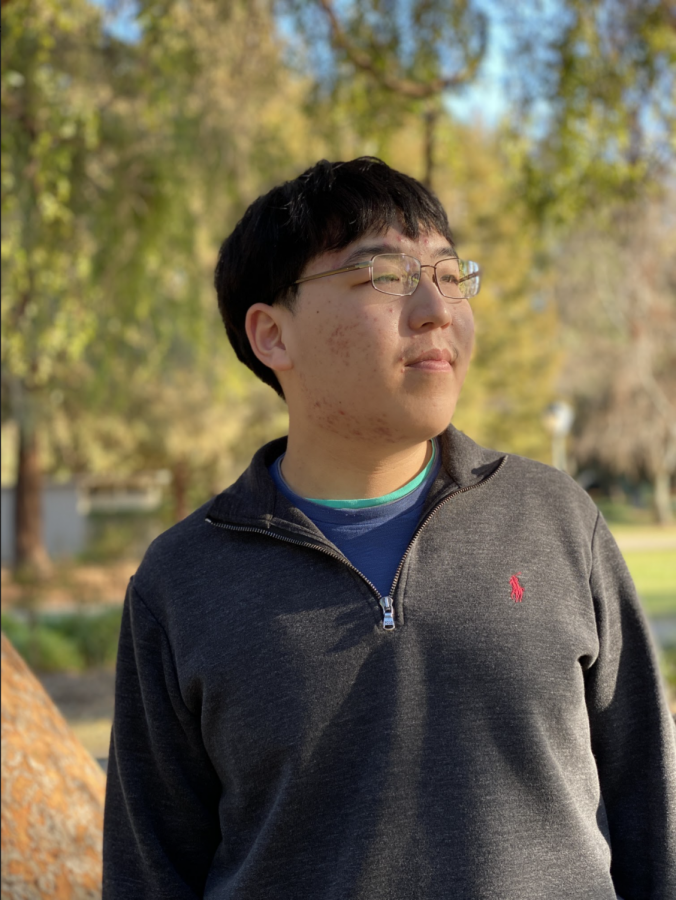


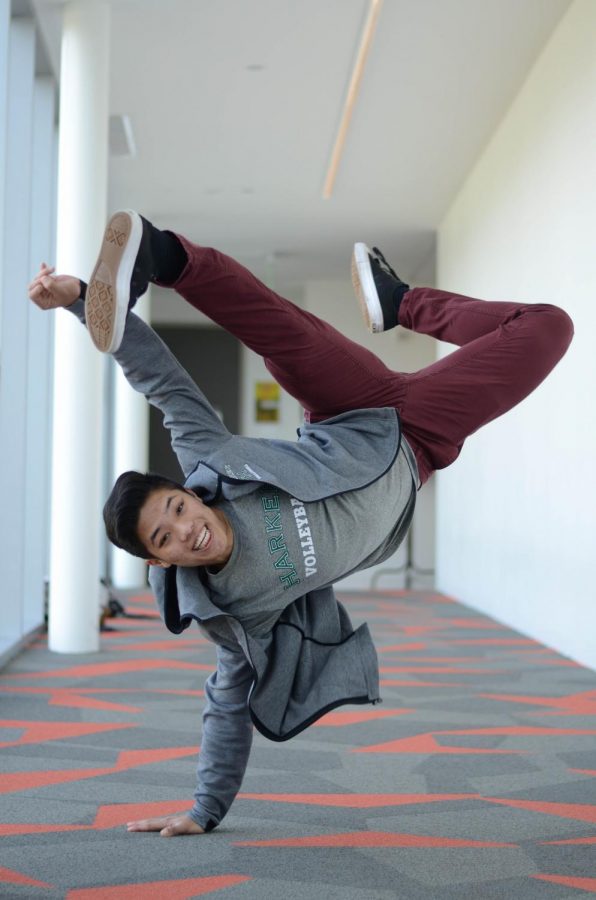


![“I think getting up in the morning and having a sense of purpose [is exciting]. I think without a certain amount of drive, life is kind of obsolete and mundane, and I think having that every single day is what makes each day unique and kind of makes life exciting,” Neymika Jain (12) said.](https://harkeraquila.com/wp-content/uploads/2017/06/Screen-Shot-2017-06-03-at-4.54.16-PM.png)



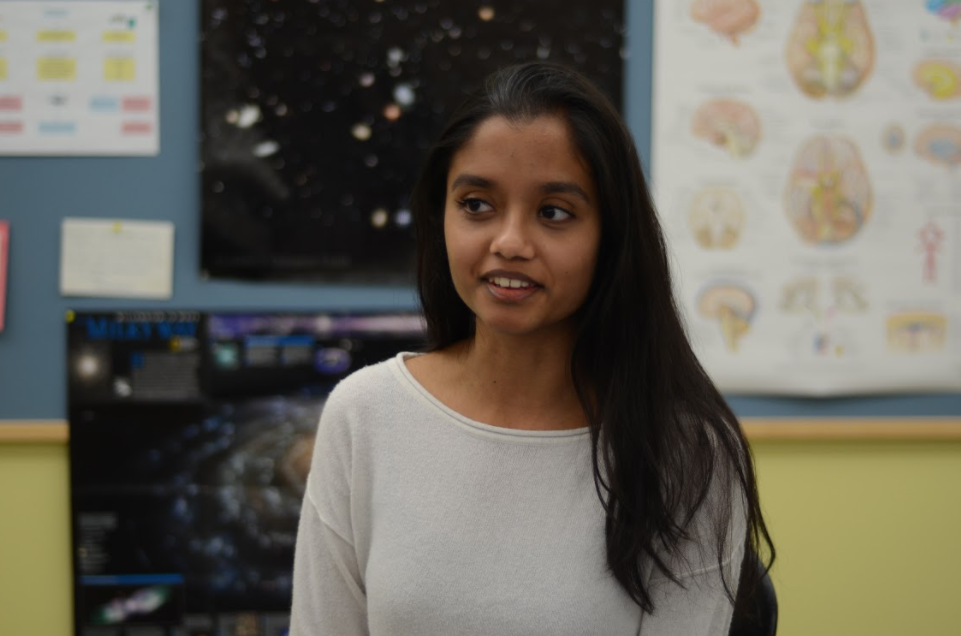
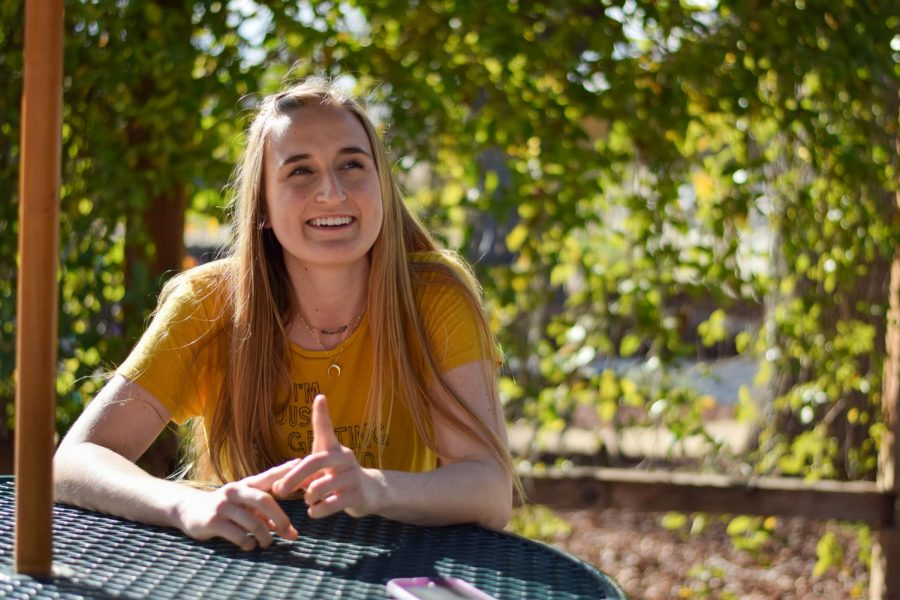

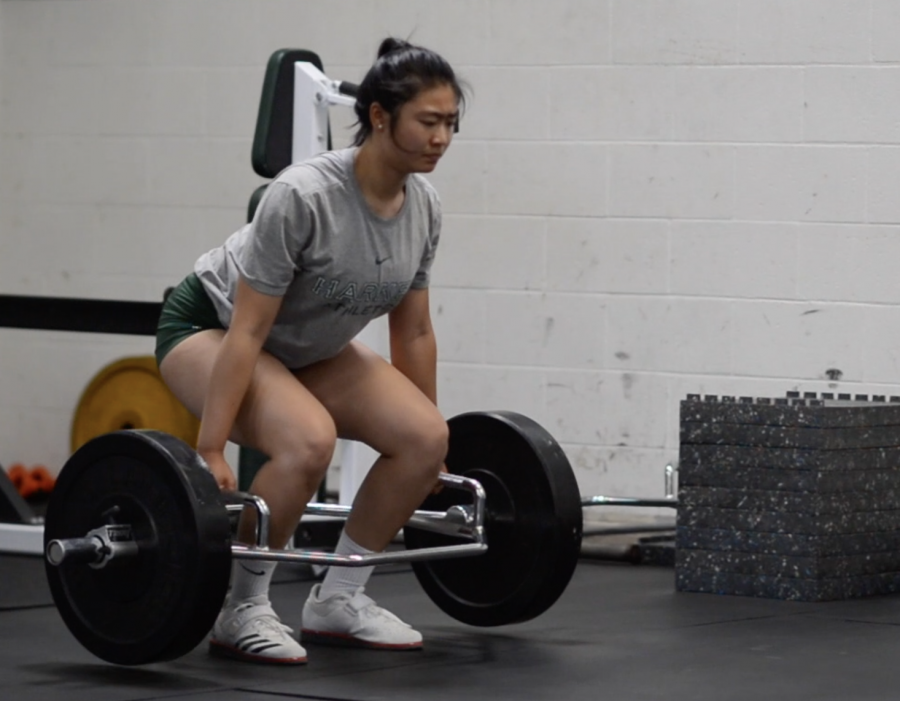

![“My slogan is ‘slow feet, don’t eat, and I’m hungry.’ You need to run fast to get where you are–you aren't going to get those championships if you aren't fast,” Angel Cervantes (12) said. “I want to do well in school on my tests and in track and win championships for my team. I live by that, [and] I can do that anywhere: in the classroom or on the field.”](https://harkeraquila.com/wp-content/uploads/2018/06/DSC5146-900x601.jpg)
![“[Volleyball has] taught me how to fall correctly, and another thing it taught is that you don’t have to be the best at something to be good at it. If you just hit the ball in a smart way, then it still scores points and you’re good at it. You could be a background player and still make a much bigger impact on the team than you would think,” Anya Gert (’20) said.](https://harkeraquila.com/wp-content/uploads/2020/06/AnnaGert_JinTuan_HoHPhotoEdited-600x900.jpeg)

![“I'm not nearly there yet, but [my confidence has] definitely been getting better since I was pretty shy and timid coming into Harker my freshman year. I know that there's a lot of people that are really confident in what they do, and I really admire them. Everyone's so driven and that has really pushed me to kind of try to find my own place in high school and be more confident,” Alyssa Huang (’20) said.](https://harkeraquila.com/wp-content/uploads/2020/06/AlyssaHuang_EmilyChen_HoHPhoto-900x749.jpeg)


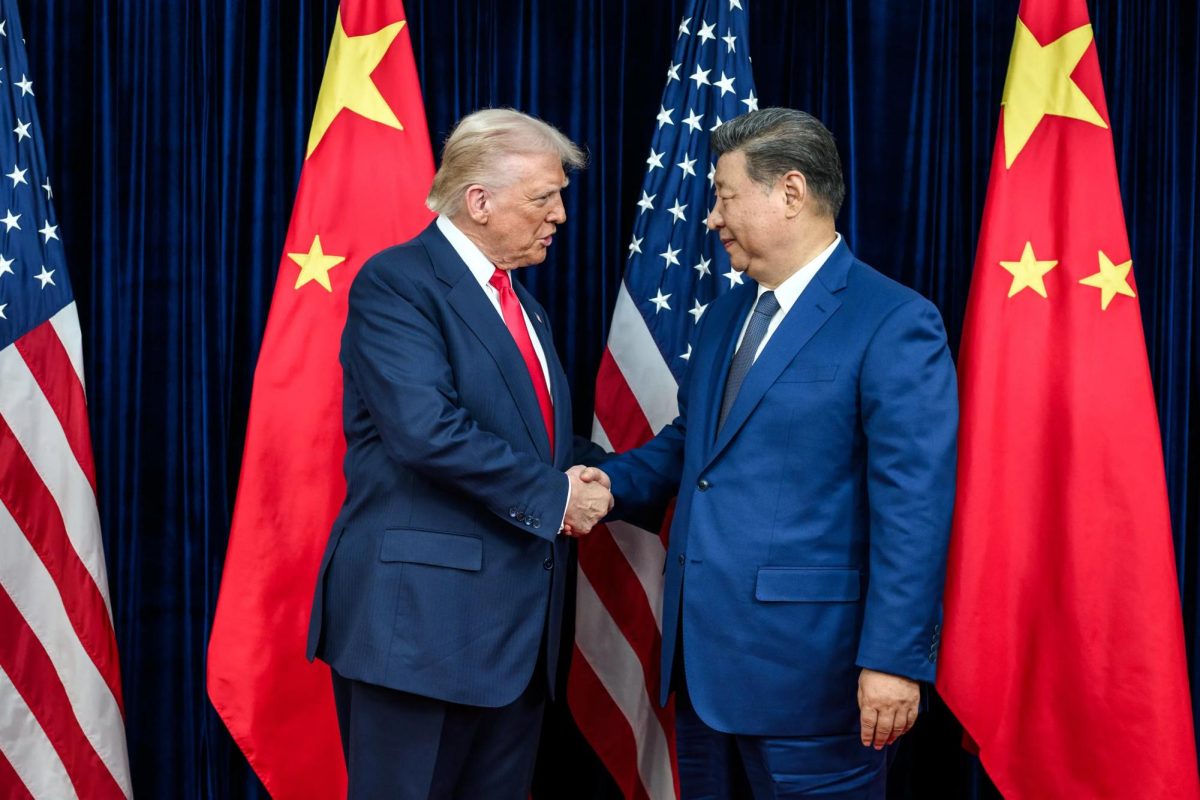
U.S. President Donald Trump and Chinese leader Xi Jinping met to ease trade disputes on Oct. 30, marking the first formal meeting between the two leaders since the U.S. raised taxes on Chinese imports earlier this year.
The two reached multiple economic agreements, including a one-year pause on China’s export restrictions for rare earth minerals, reductions in U.S. tariffs on Chinese goods and a commitment by China to stop sending chemicals used to make fentanyl in the U.S.
China leads in exports of rare earth elements, which are essential to modern electronics and defense technologies. Economics teacher Sam Lepler highlighted how Americans will benefit economically from loosened controls on rare earth exports.
“Free trade tends to get the most stuff at the lowest price,” Lepler said. “If rare earths are part of every chip, then every chip is gonna be less expensive with more of a free market trade between the U.S. and China. If there are lower tariffs, then that’s less tax on imported goods that you would buy.”
With the decrease of tariffs from 57% to 47% and China’s pause on rare earth restrictions, manufacturers will face lower costs for materials critical to our everyday technology like iPhones and laptops, thus improving their prices and increasing their availability for those in the Bay Area.
Additionally, with an over 800% increase in fentanyl-caused California deaths over recent years, the decision to halt the export of chemicals used to produce the drug marks an important step toward addressing the public health crisis.
Debater Manan Gupta (11) believes that these deals mark an important step in reducing economic frictions between the two nations.
“Geopolitics is very turbulent at the moment,” Manan said. “There are several methods to resolve these crises, but specifically the agreements like the fentanyl shipping that’s happening between the two were resolved, which is very good. Also, agreements on tariffs where China conceded some stuff and Trump conceded some stuff were very constructive.”
While the meeting saw economic progress, it also left many political tensions unresolved. Manan argues that the meeting felt more like showmanship than substantive diplomacy.
“Trump says that ‘everybody loves me,’” Manan said. “The issue is Xi Jinping does not love him. Although the facade is that it was peaceful, tensions are just beginning to escalate. There was no concession of the South China Sea or the East China Sea. It was more stuff like tariffs, and all that sort of panic has already blown over in the Chinese cabinet.”
Civil Discourse Club President Timothy Deng (12) echoes concerns about existing conflicts, noting that despite the publicity surrounding the meeting, it hardly influenced the long-term relationship between the two countries.
“It seems more like a symbolic occasion than one that actually delivers any practical outcomes,” Timothy said. “The fundamental relationship between the U.S. and China still hasn’t shifted. We’re still contending as rivals on the global stage. Both of us are trying to increase our independence from each other, so the rift between the U.S. and China is likely only going to widen.”