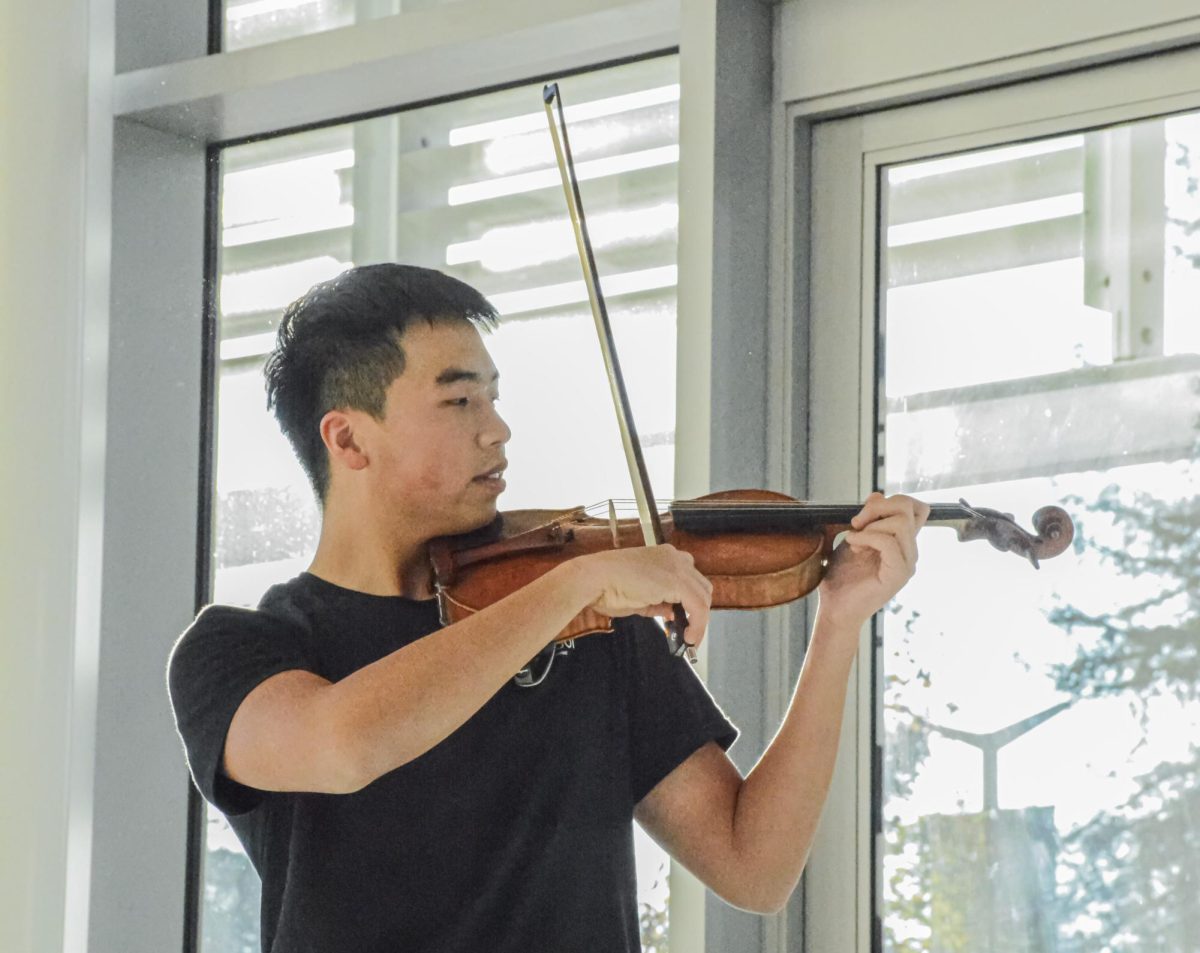
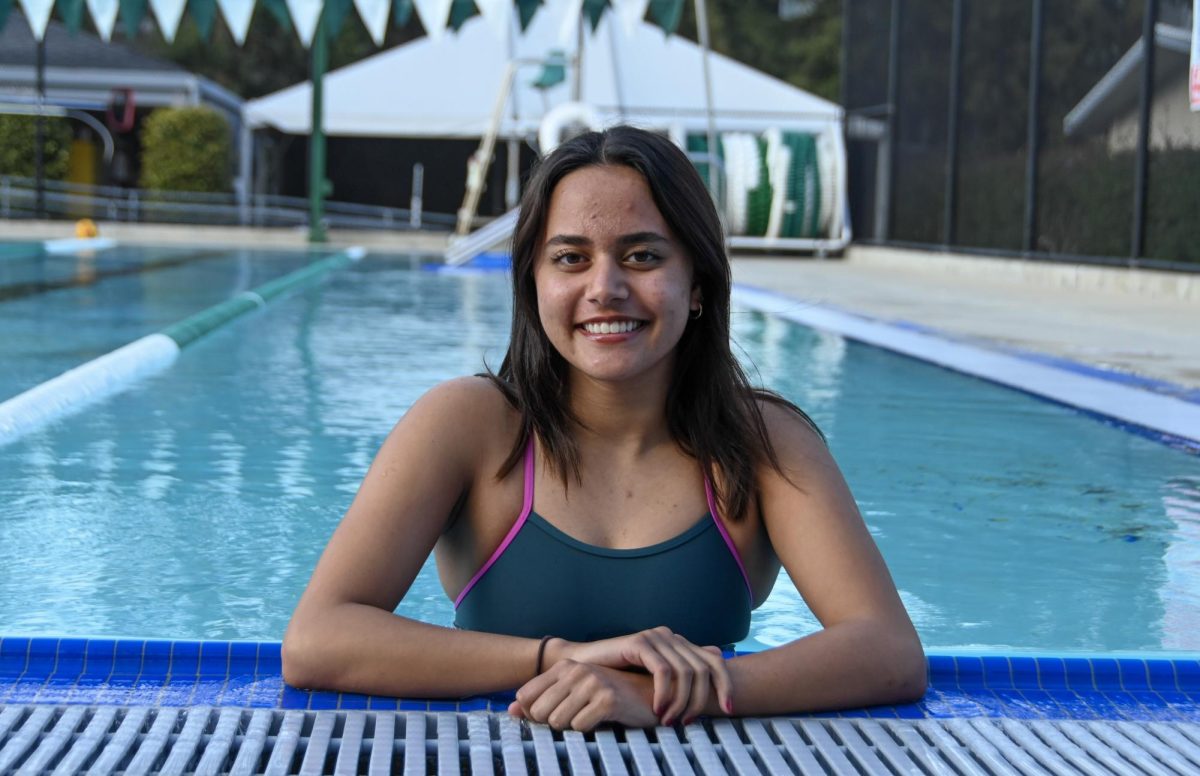
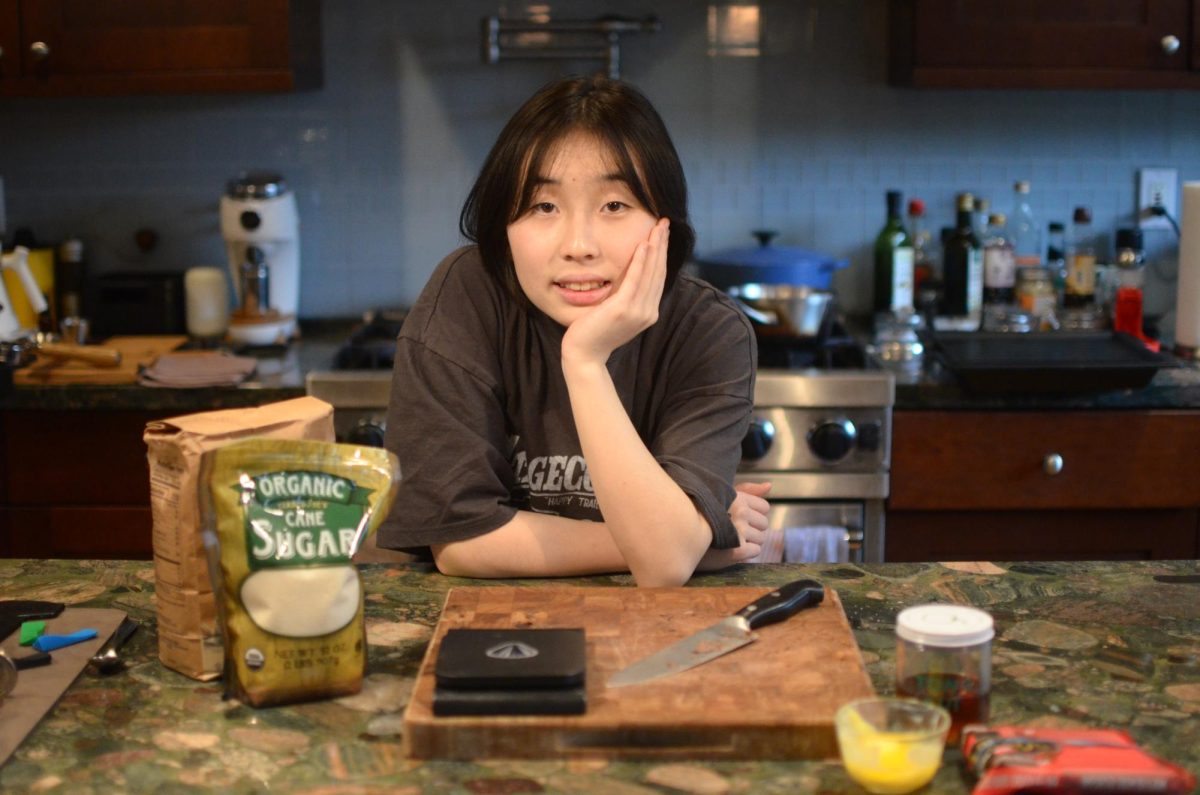
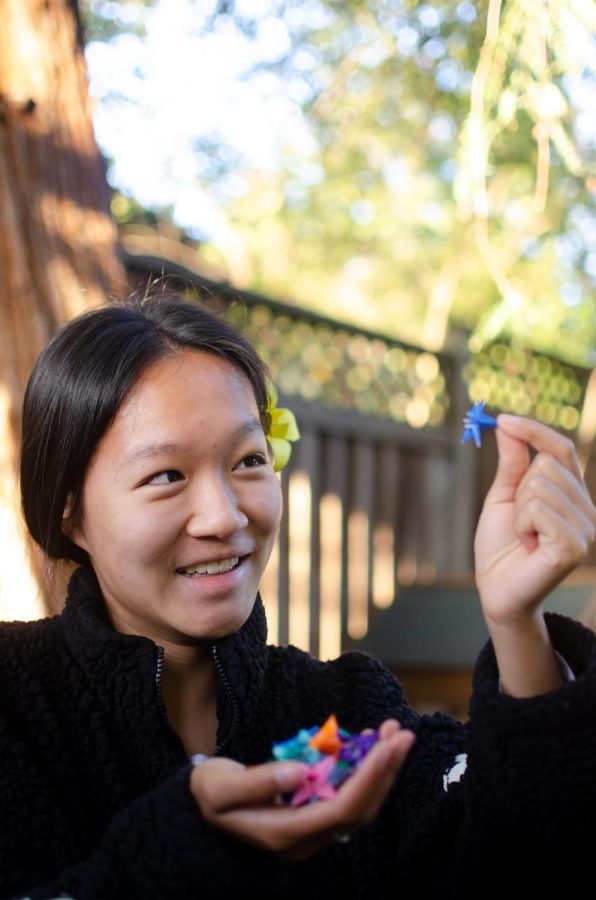
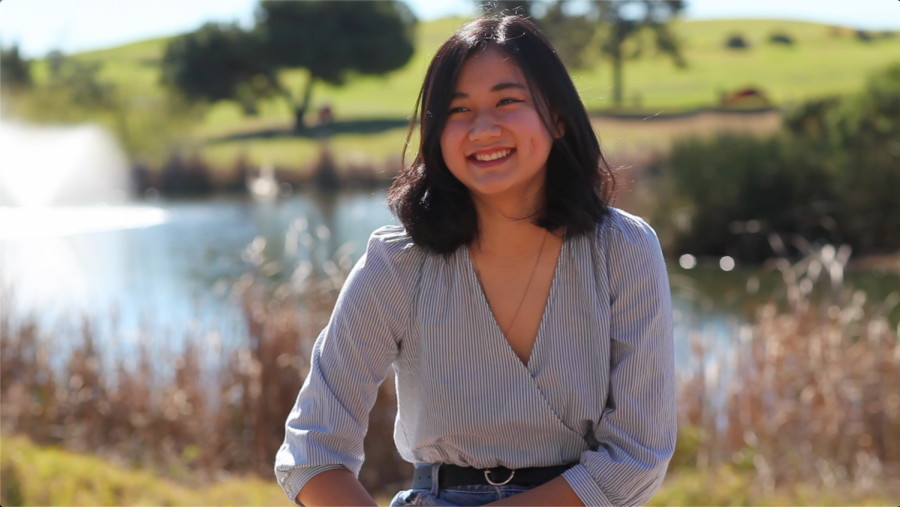
![“I wasn't discouraged by some of the obstacles we faced. I learned a lot from the leadership. I found that different people need different ways of receiving feedback — you can't [just] tell them to do something and expect the best. [Some] people needed more incentive. A large part of my role was to figure out what worked for everyone and to figure out how to lead all these separate individuals as a team,” Suhana Bhandare (’26) said.](https://harkeraquila.com/wp-content/uploads/2026/06/SuhanaBhandare_JasmineHansra-1-1200x798.jpg)
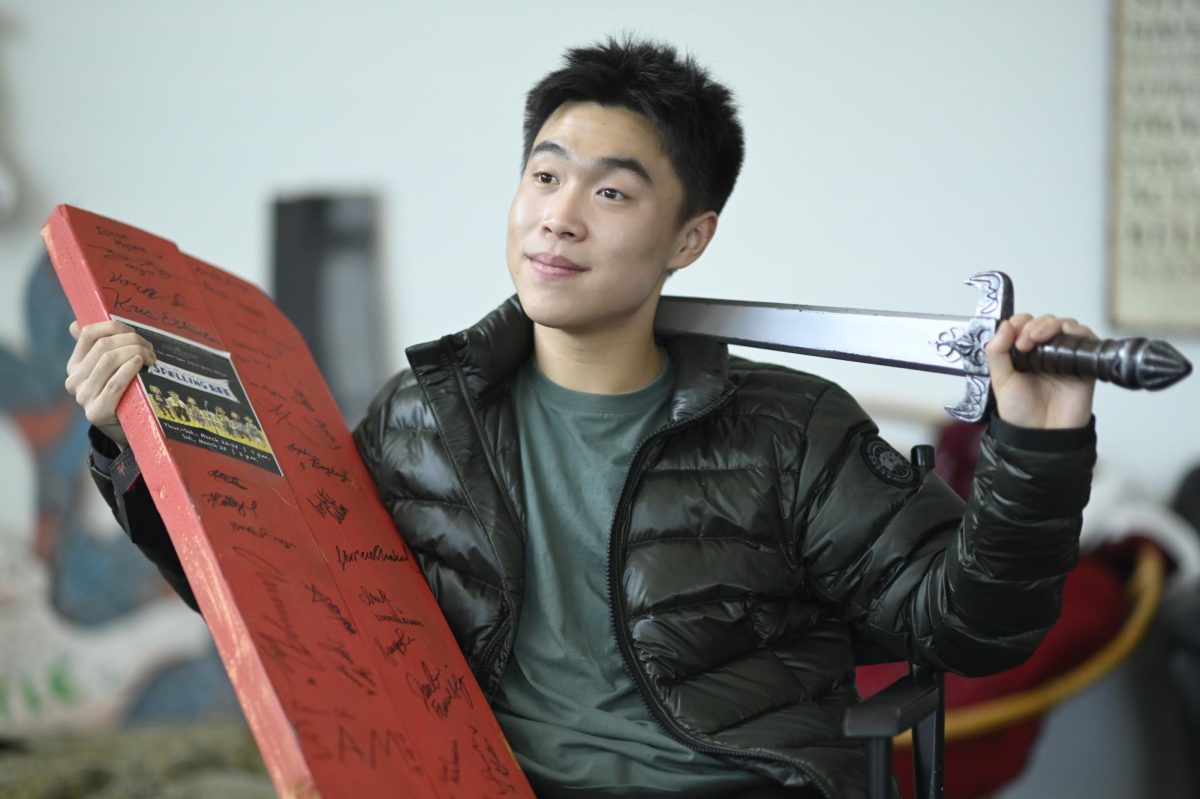
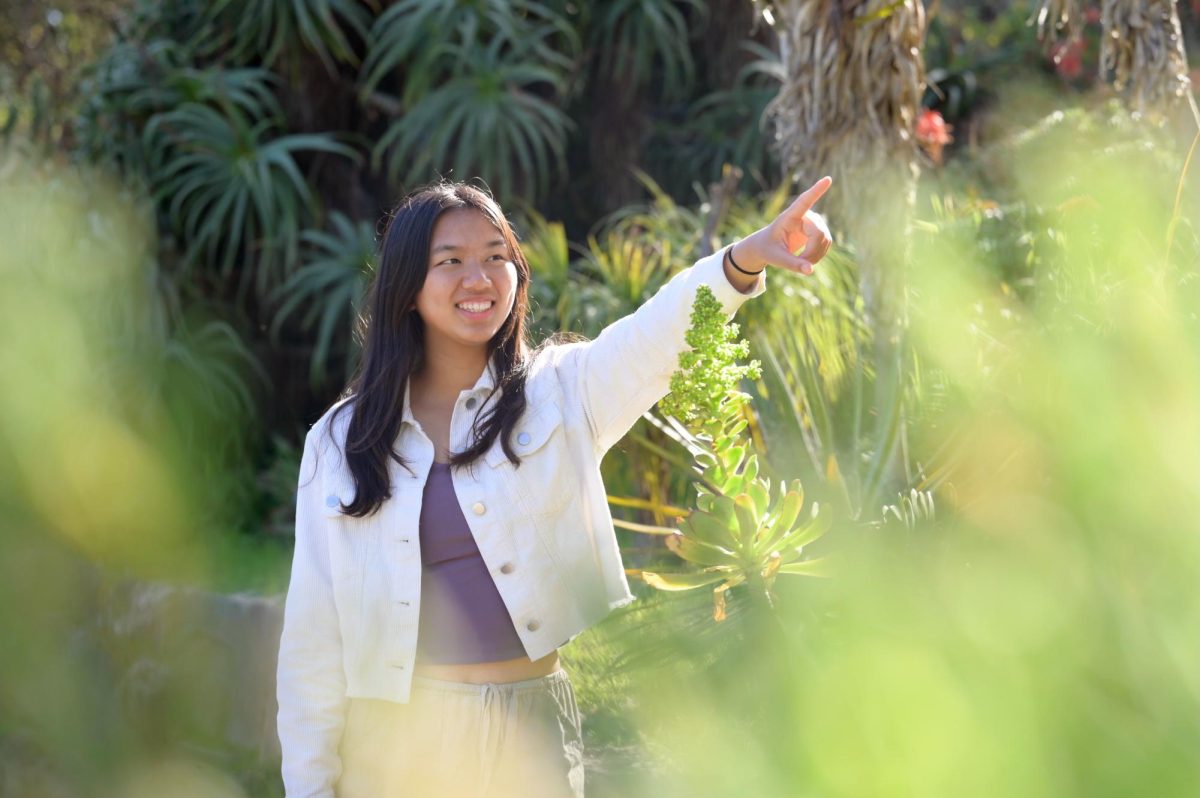
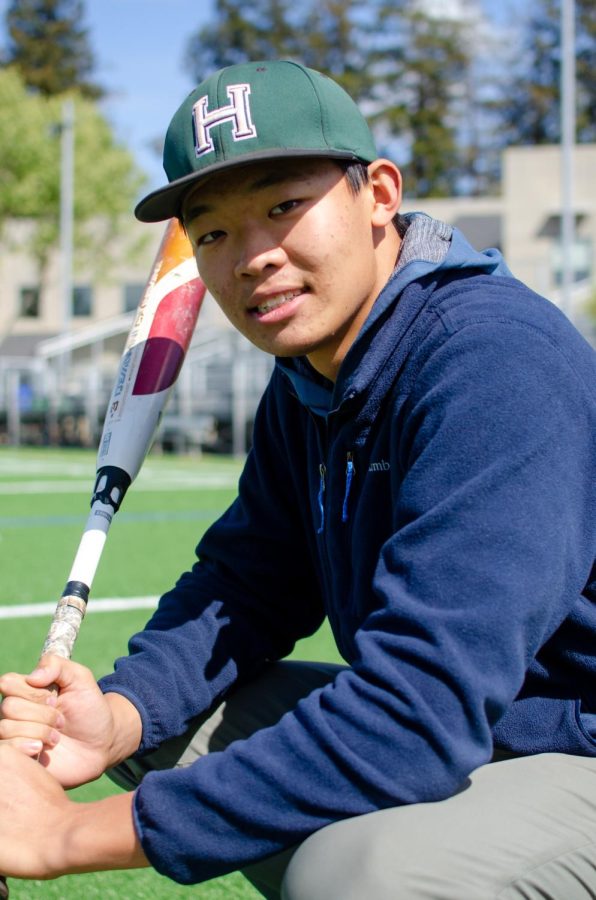
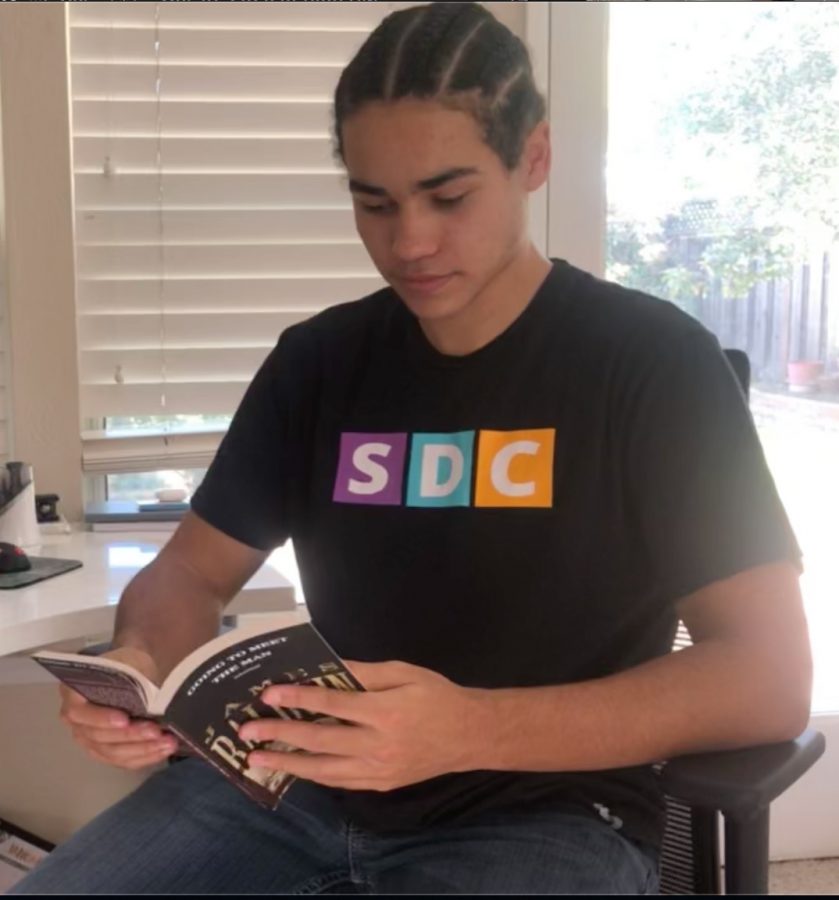
![“This is actually from Randy Pausch Randy P. Brick: ‘Walls are there for a reason. You have to show how much you want to overcome them.’ You have to show how much you want something. That's what I've always been able to do with tennis, Link Crew and getting that internship [with Kushy Baby]. It’s important pushing through that — getting around that brick wall, climbing over it or clawing through it,” Yash Sachdeva (’26) said.](https://harkeraquila.com/wp-content/uploads/2026/05/YashSachdeva_RamBatchu-copy-1200x1002.jpg)
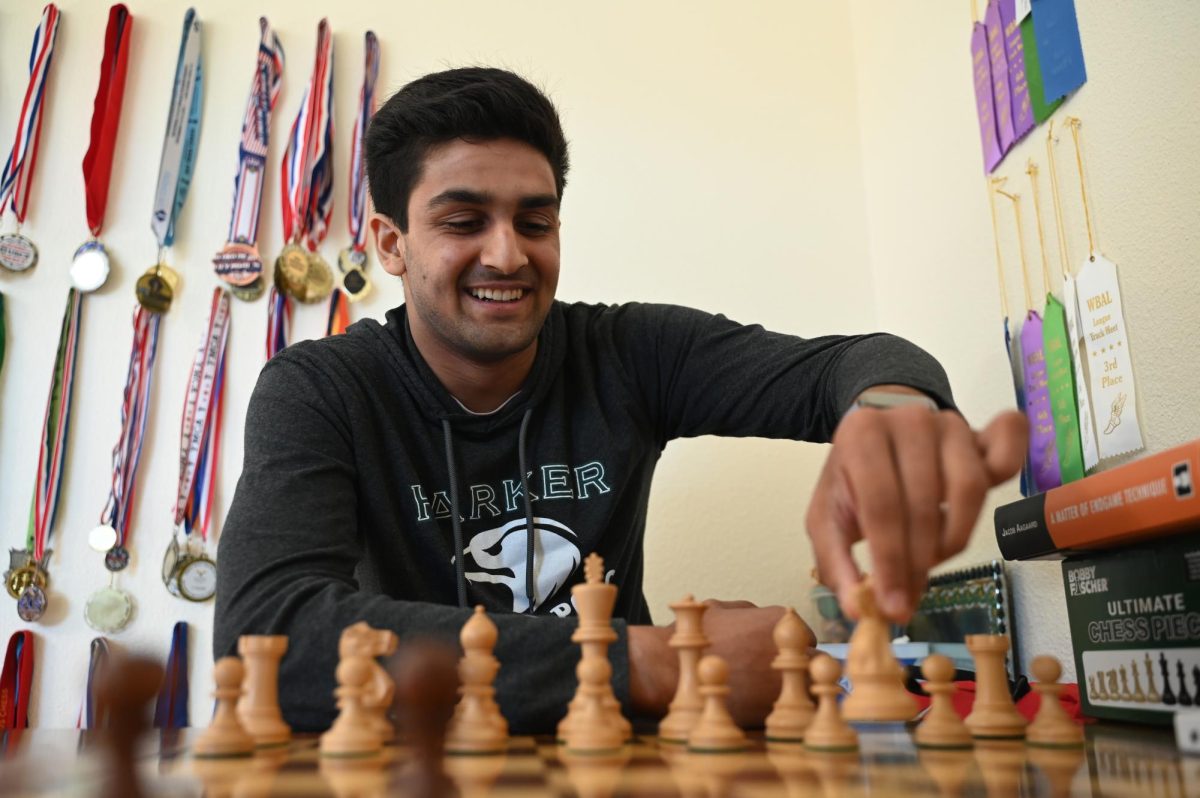
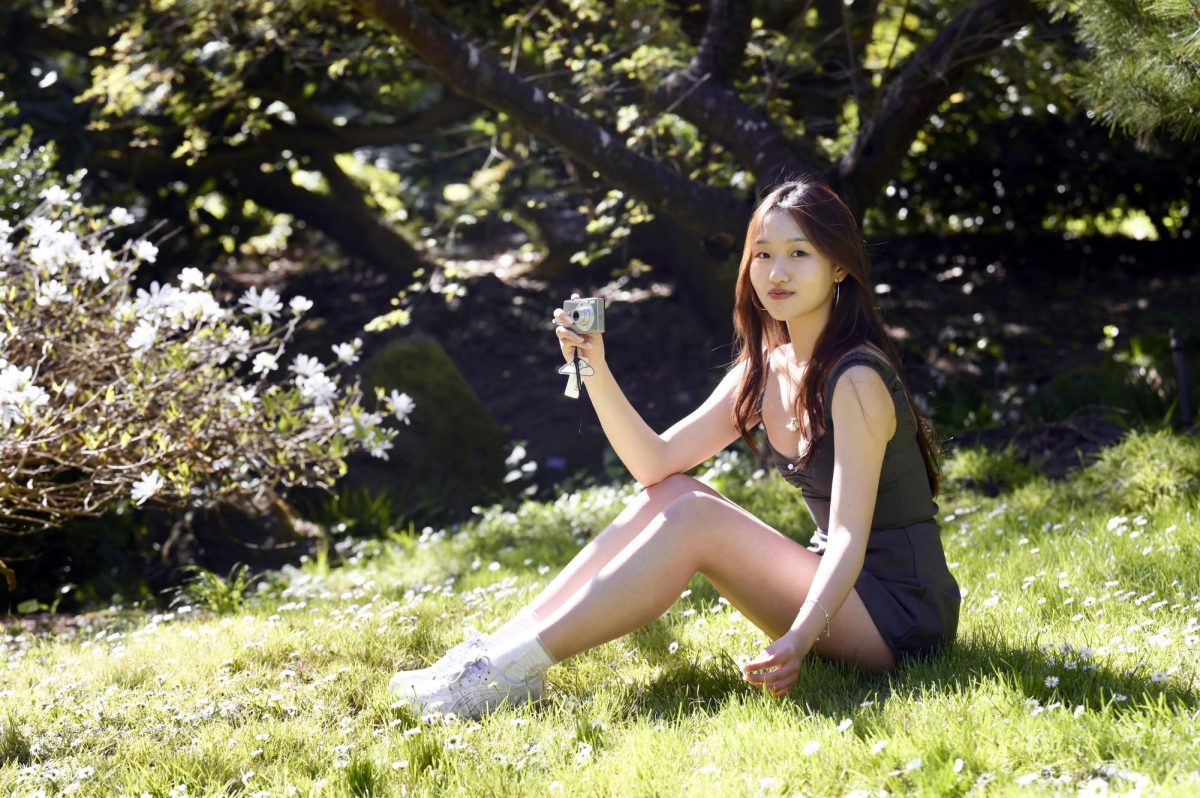
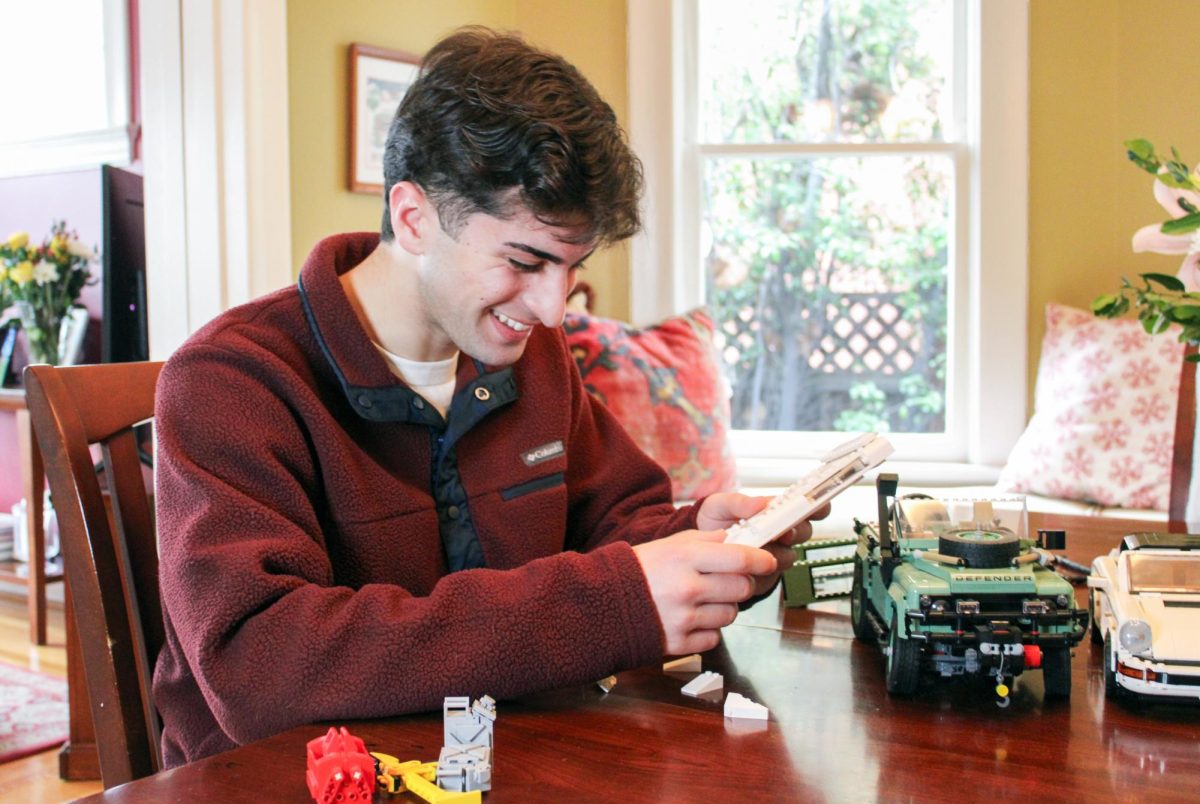
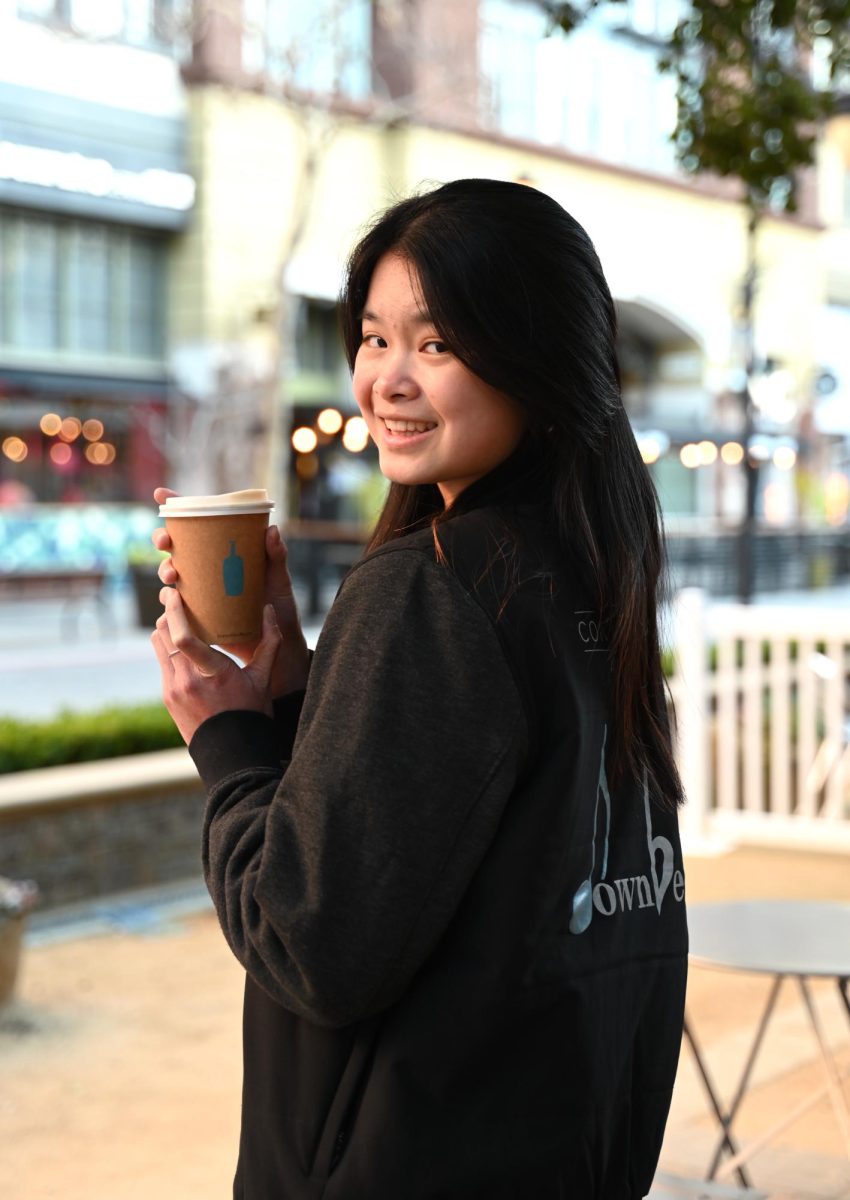
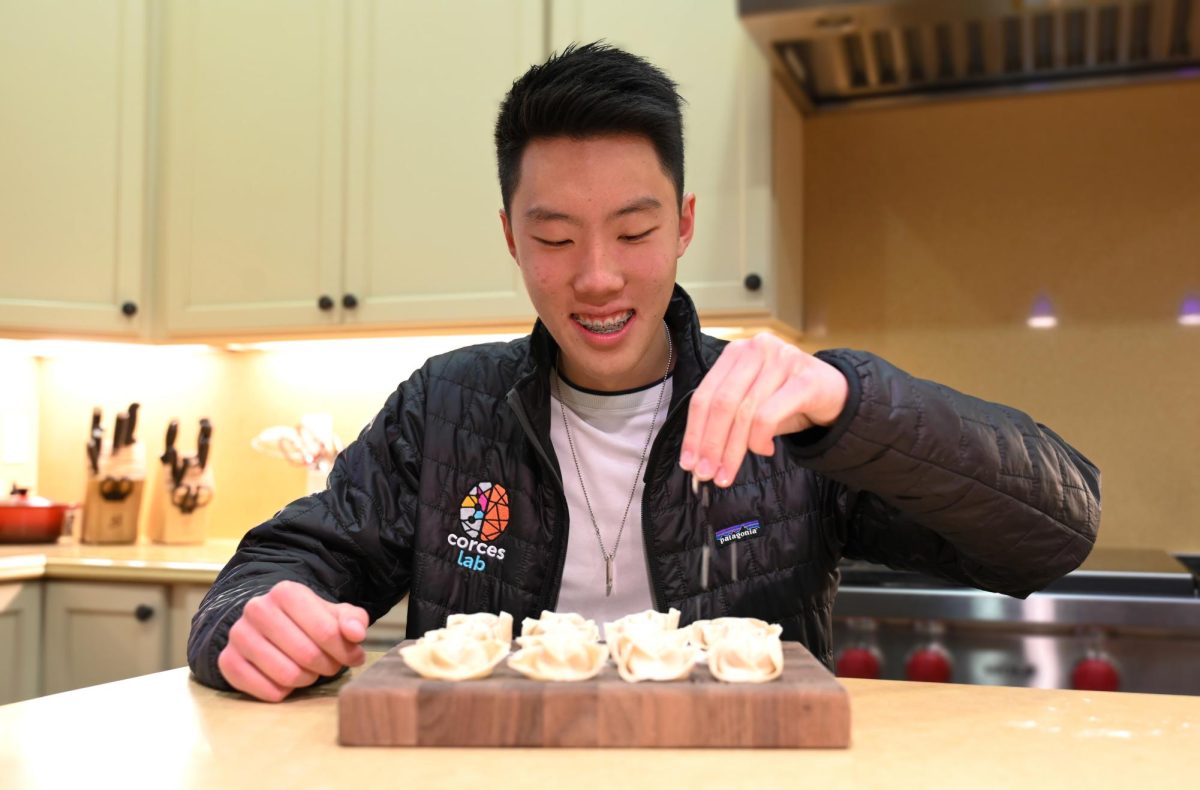
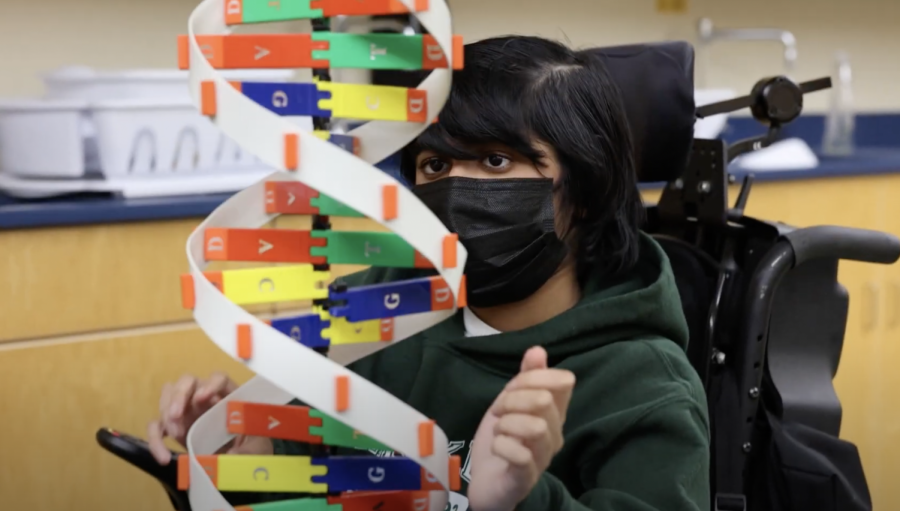
![“[Building nerf blasters] became this outlet of creativity for me that hasn't been matched by anything else. The process [of] making a build complete to your desire is such a painstakingly difficult process, but I've had to learn from [the skills needed from] soldering to proper painting. There's so many different options for everything, if you think about it, it exists. The best part is [that] if it doesn't exist, you can build it yourself," Ishaan Parate said.](https://harkeraquila.com/wp-content/uploads/2022/08/DSC_8149-900x604.jpg)
![“When I came into high school, I was ready to be a follower. But DECA was a game changer for me. It helped me overcome my fear of public speaking, and it's played such a major role in who I've become today. To be able to successfully lead a chapter of 150 students, an officer team and be one of the upperclassmen I once really admired is something I'm [really] proud of,” Anvitha Tummala ('21) said.](https://harkeraquila.com/wp-content/uploads/2021/07/Screen-Shot-2021-07-25-at-9.50.05-AM-900x594.png)
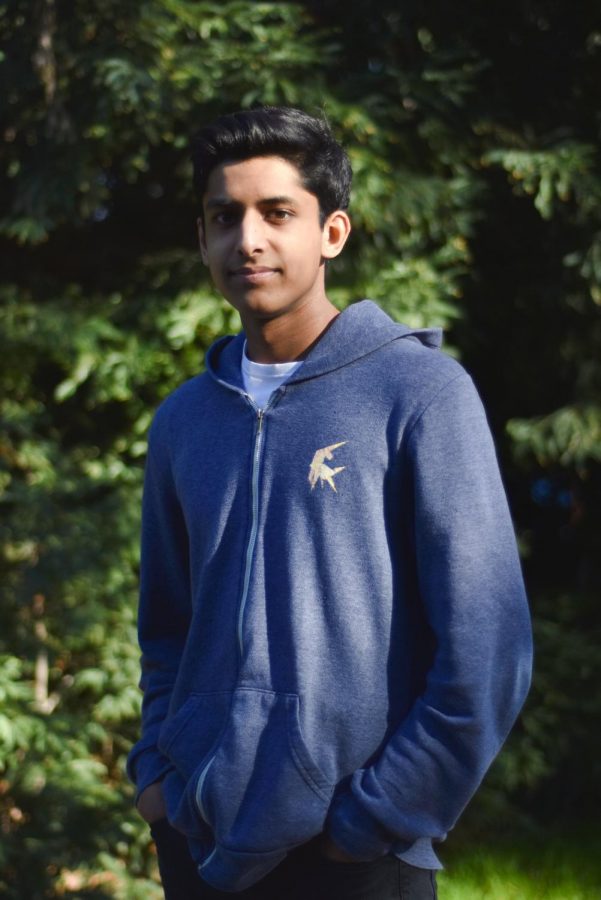
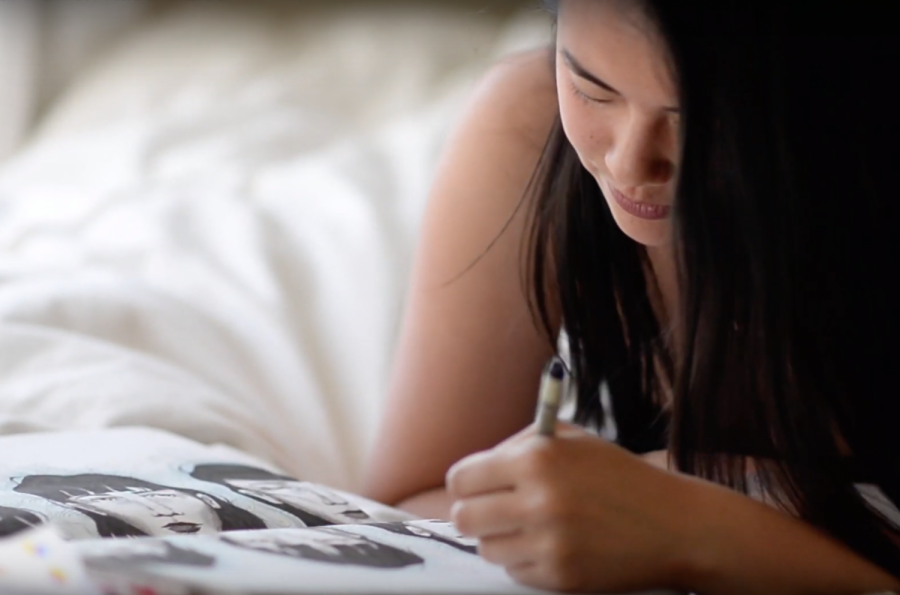
![“I think getting up in the morning and having a sense of purpose [is exciting]. I think without a certain amount of drive, life is kind of obsolete and mundane, and I think having that every single day is what makes each day unique and kind of makes life exciting,” Neymika Jain (12) said.](https://harkeraquila.com/wp-content/uploads/2017/06/Screen-Shot-2017-06-03-at-4.54.16-PM.png)
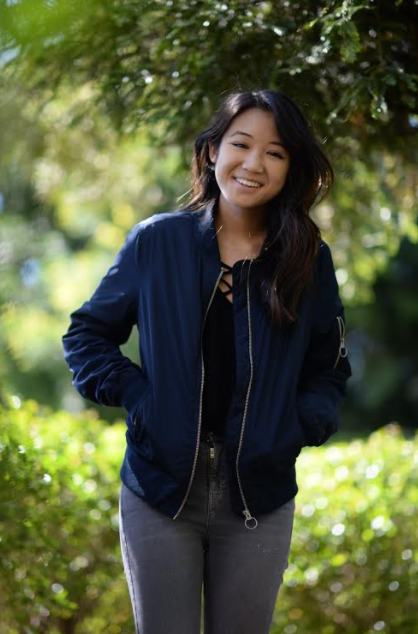
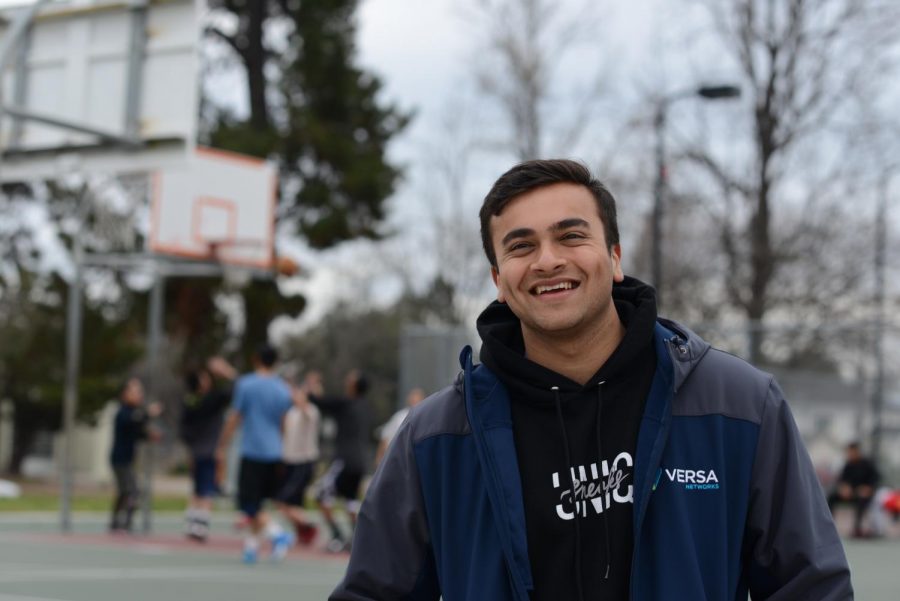
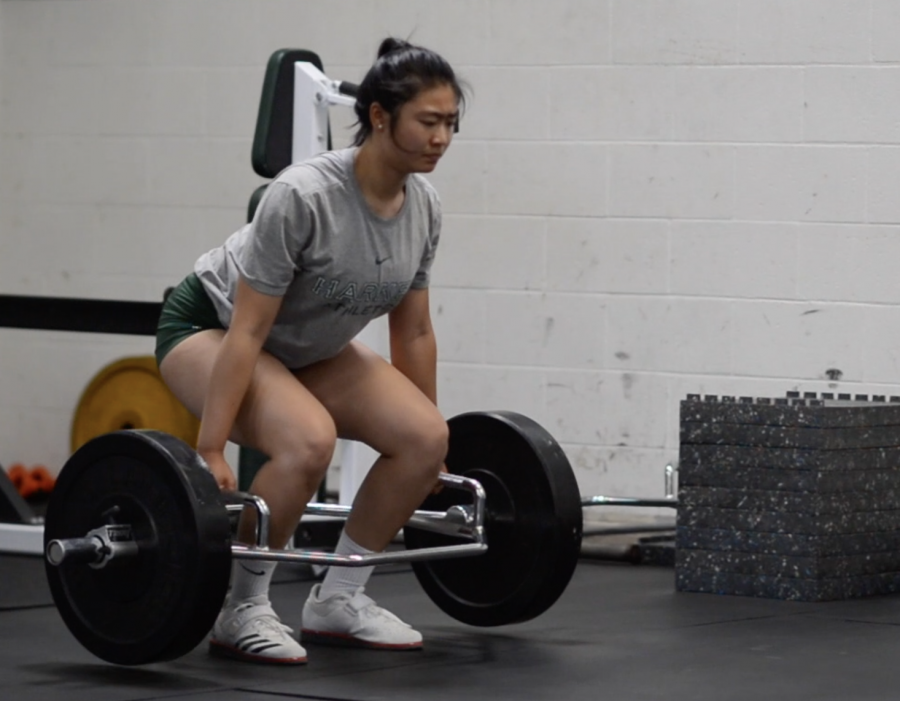
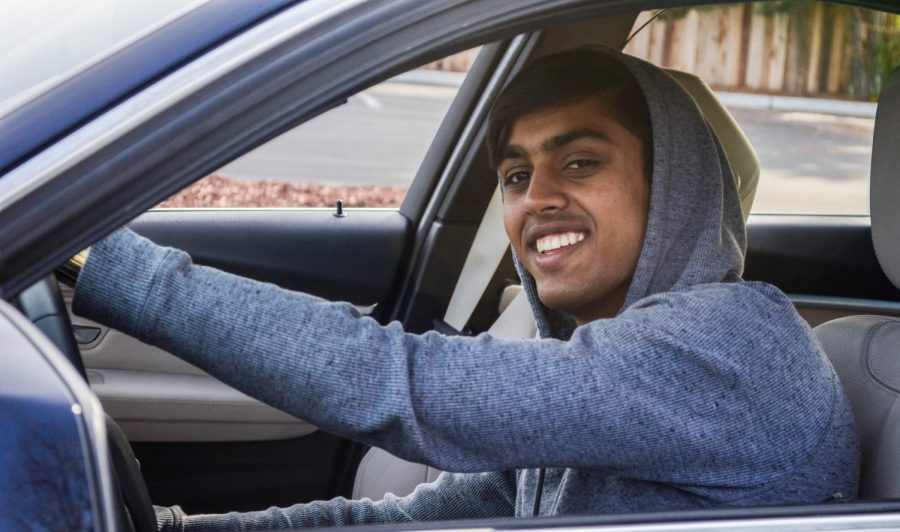
![“My slogan is ‘slow feet, don’t eat, and I’m hungry.’ You need to run fast to get where you are–you aren't going to get those championships if you aren't fast,” Angel Cervantes (12) said. “I want to do well in school on my tests and in track and win championships for my team. I live by that, [and] I can do that anywhere: in the classroom or on the field.”](https://harkeraquila.com/wp-content/uploads/2018/06/DSC5146-900x601.jpg)
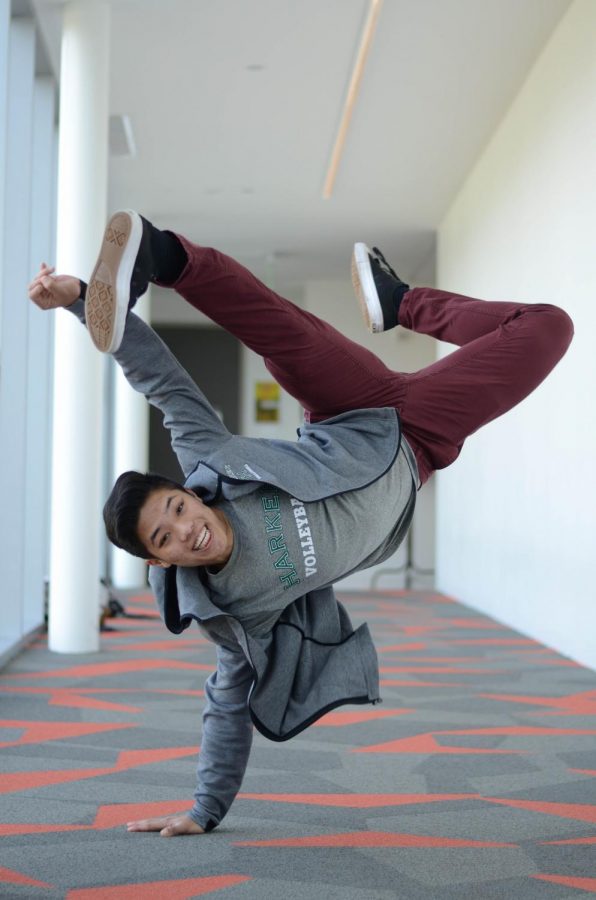
![“[Volleyball has] taught me how to fall correctly, and another thing it taught is that you don’t have to be the best at something to be good at it. If you just hit the ball in a smart way, then it still scores points and you’re good at it. You could be a background player and still make a much bigger impact on the team than you would think,” Anya Gert (’20) said.](https://harkeraquila.com/wp-content/uploads/2020/06/AnnaGert_JinTuan_HoHPhotoEdited-600x900.jpeg)
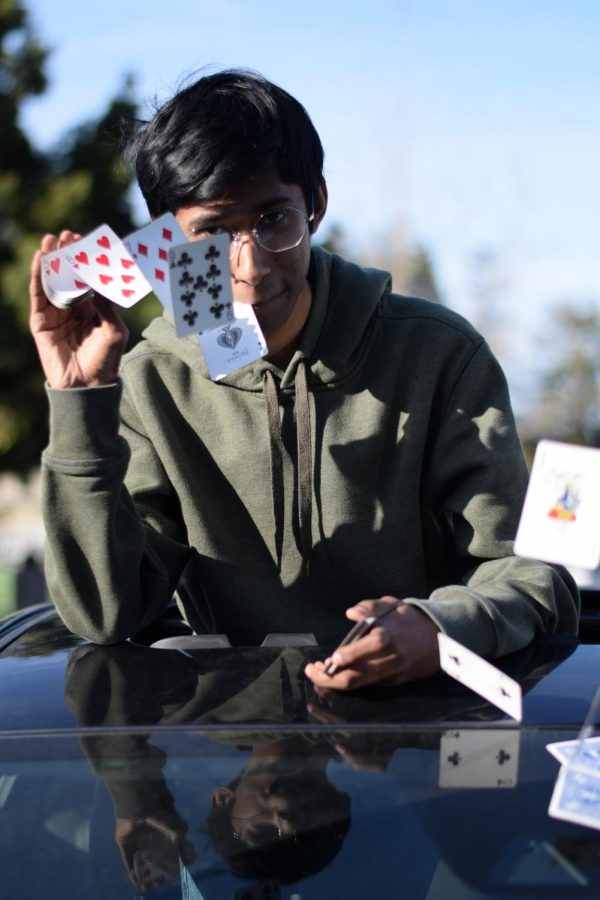
![“I'm not nearly there yet, but [my confidence has] definitely been getting better since I was pretty shy and timid coming into Harker my freshman year. I know that there's a lot of people that are really confident in what they do, and I really admire them. Everyone's so driven and that has really pushed me to kind of try to find my own place in high school and be more confident,” Alyssa Huang (’20) said.](https://harkeraquila.com/wp-content/uploads/2020/06/AlyssaHuang_EmilyChen_HoHPhoto-900x749.jpeg)



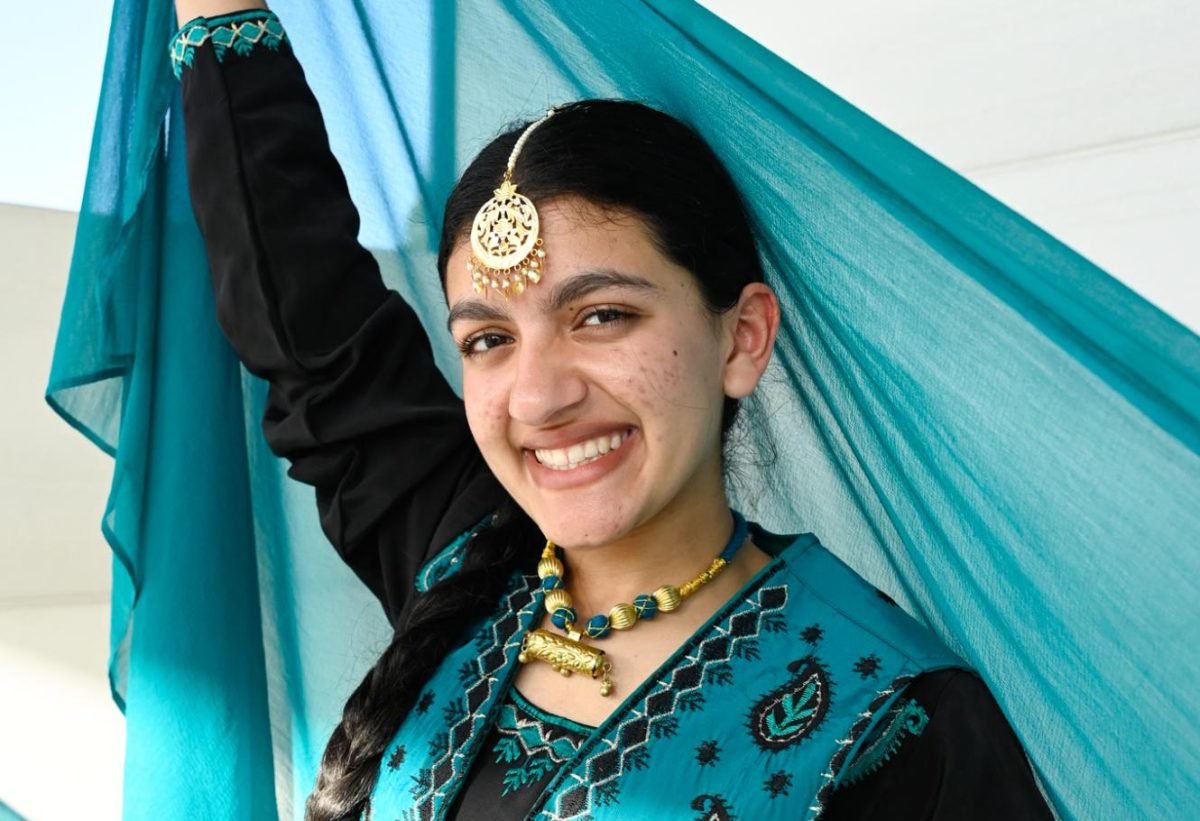
On Diwali night this year, familiar sounds of celebration filled my house. In the kitchen, plates clattered as my mom rushed to set out plates of mithais and namkeen, sweets and snacks. In the living room, the hum of overlapping conversations grew louder with each new guest’s arrival. Diyas glowed in the windows, casting a warm aura through the house, and bright rangoli, a colorful sand design, at the door welcomed relatives and family friends into our home. It should have been impossible to feel alone on a night like that – yet all of the celebration was taking place a floor beneath me. While the sounds of Diwali drifted up the stairs, I hunched over my desk, my face lit up by the harsh glow of my laptop screen. From where I was sitting, the festival of lights felt dim in a way it had never before.
That night, I felt a continuously growing disconnect from my culture, and I realized that my situation wasn’t atypical. When major assessments or assignments fall on or near significant cultural or religious holidays, students are quietly forced to choose between academic expectations and family traditions. Students should not have to make that choice.
Ethnic and religious holidays are often the few days in the year where students feel deeply connected to their heritage. On Diwali, I’m normally downstairs helping light diyas or helping my mom in the kitchen, small rituals that make the holiday feel whole. Missing those moments, even once, made it clear how deeply these holidays shape a sense of belonging. When schoolwork intrudes on these rare occasions, students begin to feel removed from their traditions. That sense of disconnect lingers long after the event passes, influencing how students view their place within their communities.
In a community that values diversity, overlooking cultural and religious holidays when assigning major deadlines unintentionally creates unequal expectations for students. Even with careful planning, students observing these holidays face a unique challenge: their academic responsibilities overlap with cultural obligations in ways their peers do not experience. When academic schedules make time for mainstream holidays but overlook others, it creates an imbalance in whose celebrations are acknowledged. Genuine inclusivity requires recognizing these variations in student’s lives and ensuring that academic demands do not come at the cost of being present with their families and communities.
Heavy academic demands during cultural or religious holidays also take a toll on students’ mental and emotional well-being. Trying to balance both at once creates stress that overshadows celebrations that are meant to be joyous. The pressure to be academically present often overshadows the chance to be emotionally present with family. Supporting students’ well-being means acknowledging that cultural and religious observances deserve protected space.