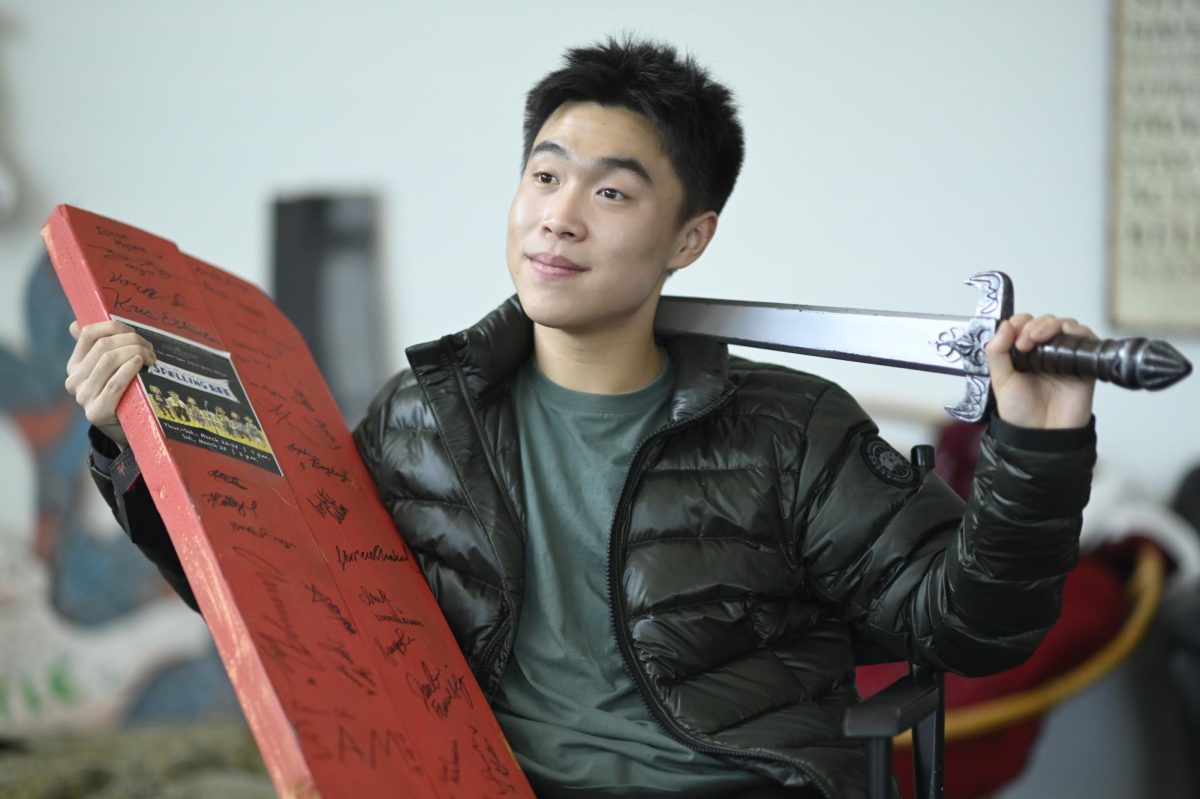
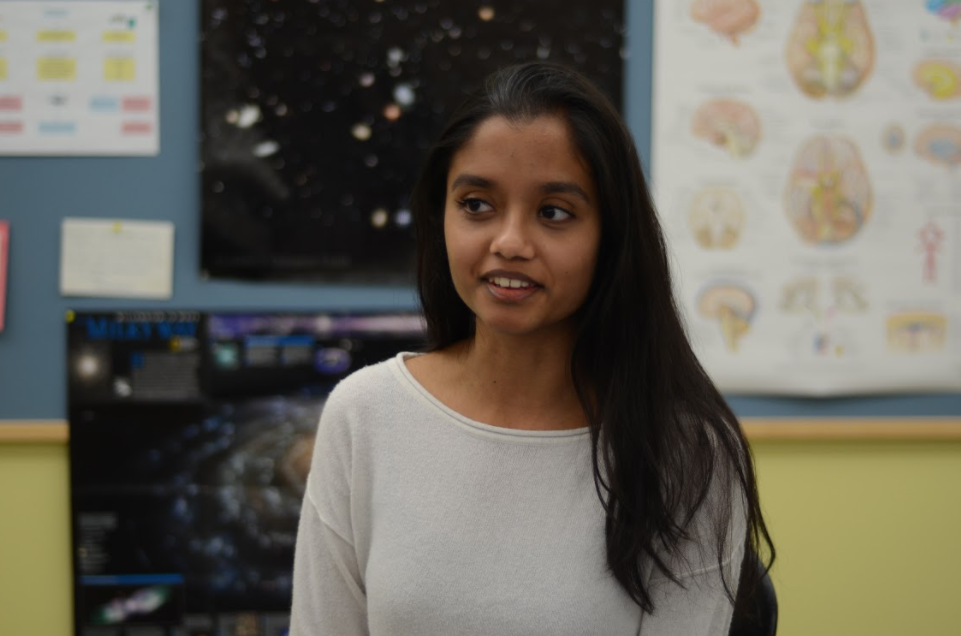
![“I wasn't discouraged by some of the obstacles we faced. I learned a lot from the leadership. I found that different people need different ways of receiving feedback — you can't [just] tell them to do something and expect the best. [Some] people needed more incentive. A large part of my role was to figure out what worked for everyone and to figure out how to lead all these separate individuals as a team,” Suhana Bhandare (’26) said.](https://harkeraquila.com/wp-content/uploads/2026/06/SuhanaBhandare_JasmineHansra-1-1200x798.jpg)
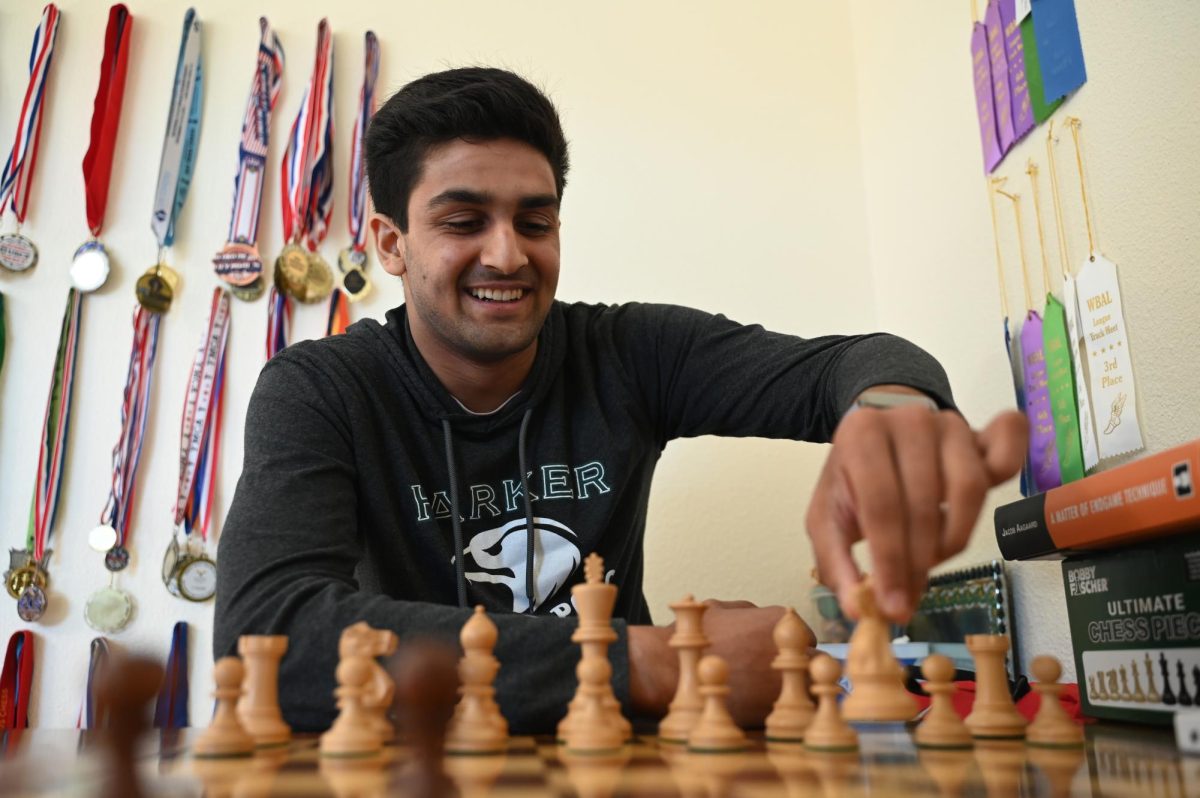
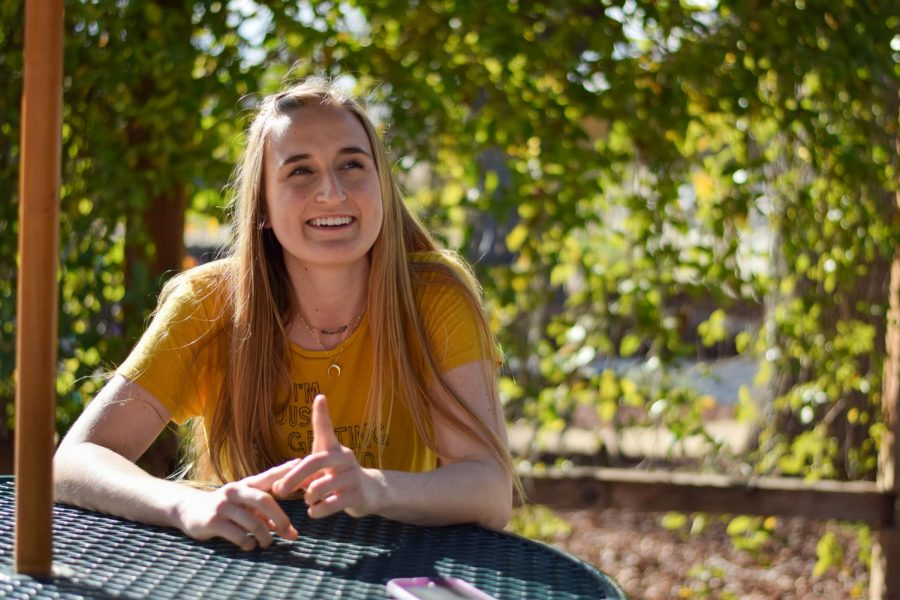
![“This is actually from Randy Pausch Randy P. Brick: ‘Walls are there for a reason. You have to show how much you want to overcome them.’ You have to show how much you want something. That's what I've always been able to do with tennis, Link Crew and getting that internship [with Kushy Baby]. It’s important pushing through that — getting around that brick wall, climbing over it or clawing through it,” Yash Sachdeva (’26) said.](https://harkeraquila.com/wp-content/uploads/2026/05/YashSachdeva_RamBatchu-copy-1200x1002.jpg)


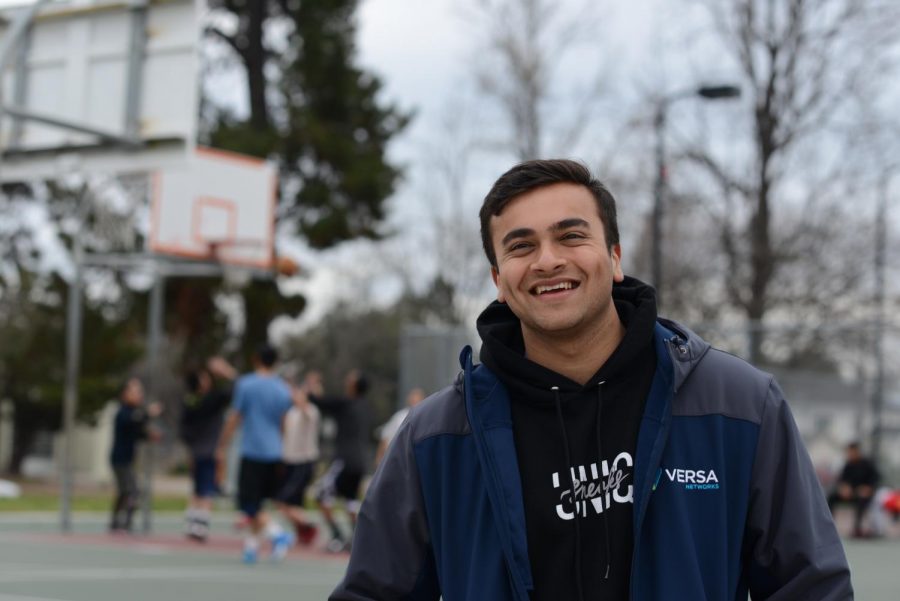
![“[Building nerf blasters] became this outlet of creativity for me that hasn't been matched by anything else. The process [of] making a build complete to your desire is such a painstakingly difficult process, but I've had to learn from [the skills needed from] soldering to proper painting. There's so many different options for everything, if you think about it, it exists. The best part is [that] if it doesn't exist, you can build it yourself," Ishaan Parate said.](https://harkeraquila.com/wp-content/uploads/2022/08/DSC_8149-900x604.jpg)
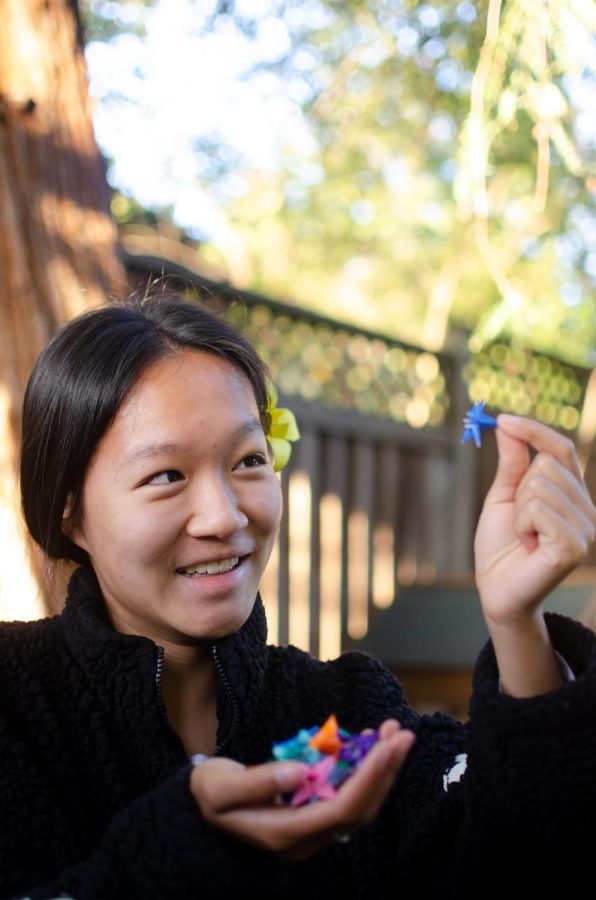
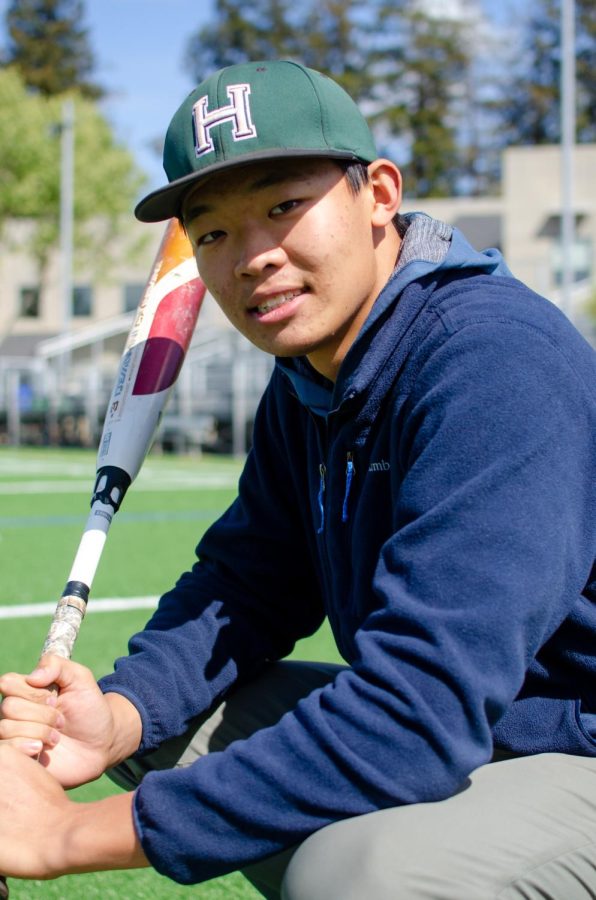
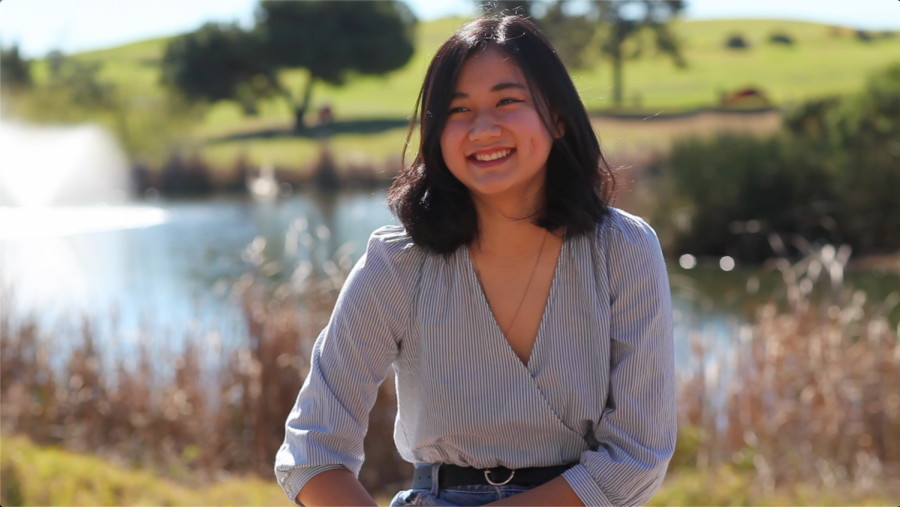
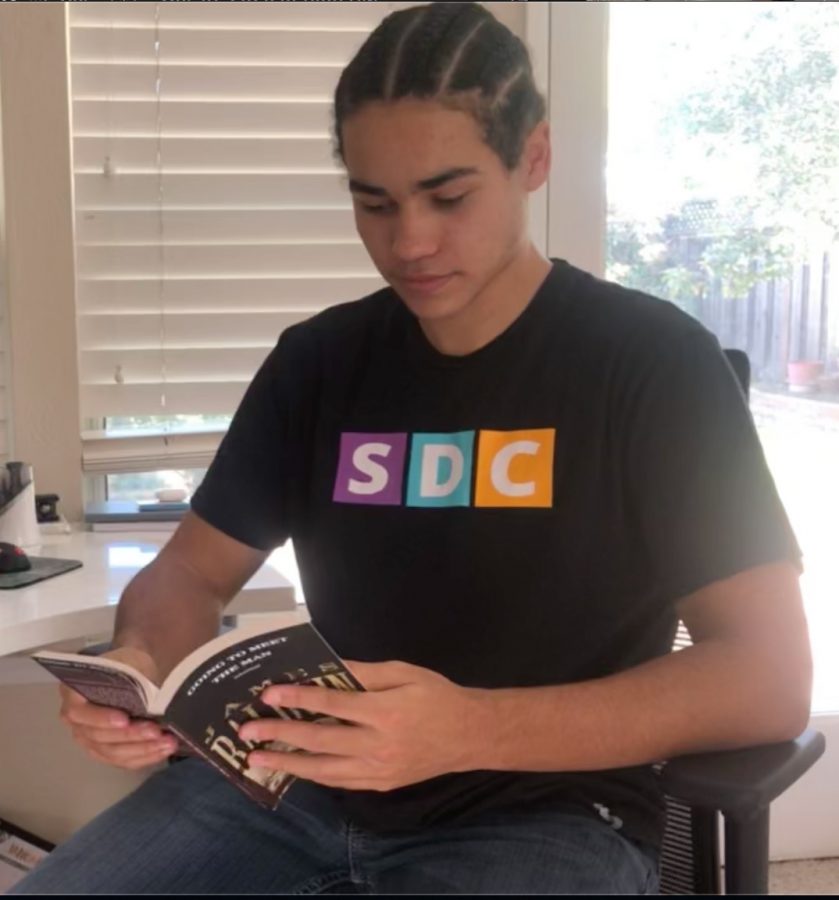
![“When I came into high school, I was ready to be a follower. But DECA was a game changer for me. It helped me overcome my fear of public speaking, and it's played such a major role in who I've become today. To be able to successfully lead a chapter of 150 students, an officer team and be one of the upperclassmen I once really admired is something I'm [really] proud of,” Anvitha Tummala ('21) said.](https://harkeraquila.com/wp-content/uploads/2021/07/Screen-Shot-2021-07-25-at-9.50.05-AM-900x594.png)


![“I think getting up in the morning and having a sense of purpose [is exciting]. I think without a certain amount of drive, life is kind of obsolete and mundane, and I think having that every single day is what makes each day unique and kind of makes life exciting,” Neymika Jain (12) said.](https://harkeraquila.com/wp-content/uploads/2017/06/Screen-Shot-2017-06-03-at-4.54.16-PM.png)
![“My slogan is ‘slow feet, don’t eat, and I’m hungry.’ You need to run fast to get where you are–you aren't going to get those championships if you aren't fast,” Angel Cervantes (12) said. “I want to do well in school on my tests and in track and win championships for my team. I live by that, [and] I can do that anywhere: in the classroom or on the field.”](https://harkeraquila.com/wp-content/uploads/2018/06/DSC5146-900x601.jpg)
![“[Volleyball has] taught me how to fall correctly, and another thing it taught is that you don’t have to be the best at something to be good at it. If you just hit the ball in a smart way, then it still scores points and you’re good at it. You could be a background player and still make a much bigger impact on the team than you would think,” Anya Gert (’20) said.](https://harkeraquila.com/wp-content/uploads/2020/06/AnnaGert_JinTuan_HoHPhotoEdited-600x900.jpeg)
![“I'm not nearly there yet, but [my confidence has] definitely been getting better since I was pretty shy and timid coming into Harker my freshman year. I know that there's a lot of people that are really confident in what they do, and I really admire them. Everyone's so driven and that has really pushed me to kind of try to find my own place in high school and be more confident,” Alyssa Huang (’20) said.](https://harkeraquila.com/wp-content/uploads/2020/06/AlyssaHuang_EmilyChen_HoHPhoto-900x749.jpeg)


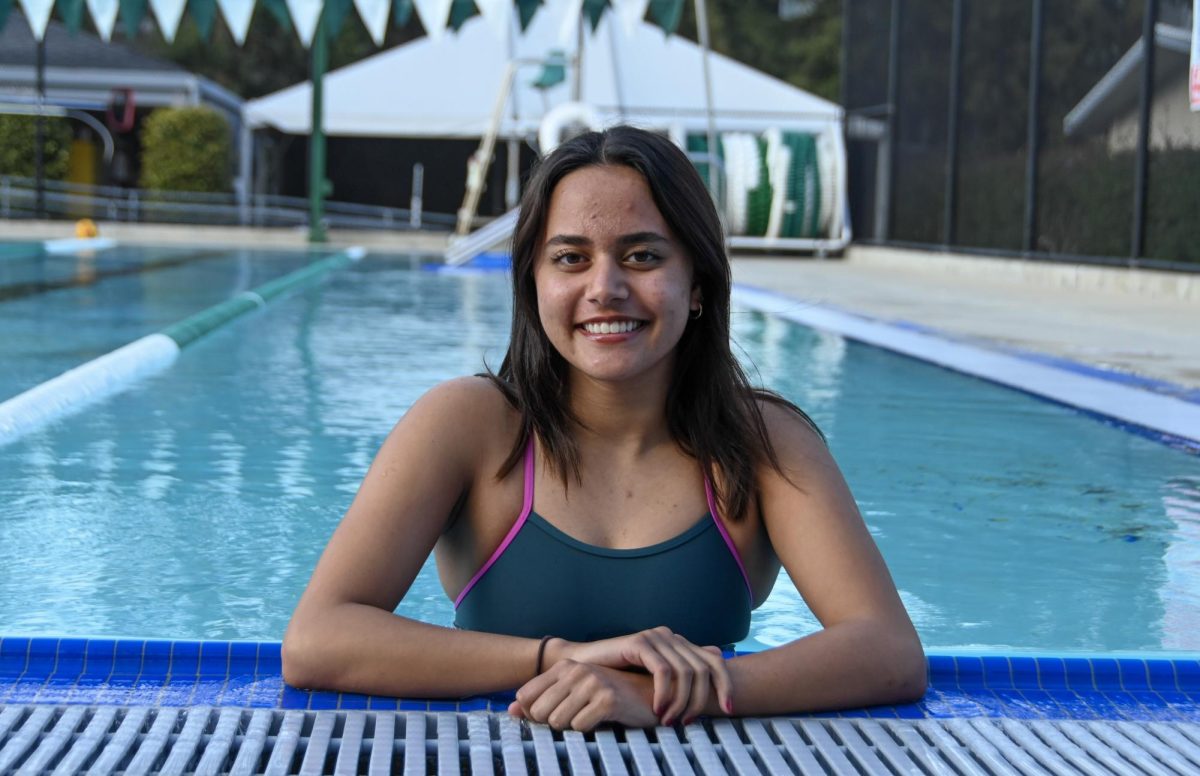
When the final whistle blows for one sport, multisport athletes are already gearing up for the next season. Moving from the pool to the field and the court to the track, they must learn to develop not just physical endurance but mental fortitude.
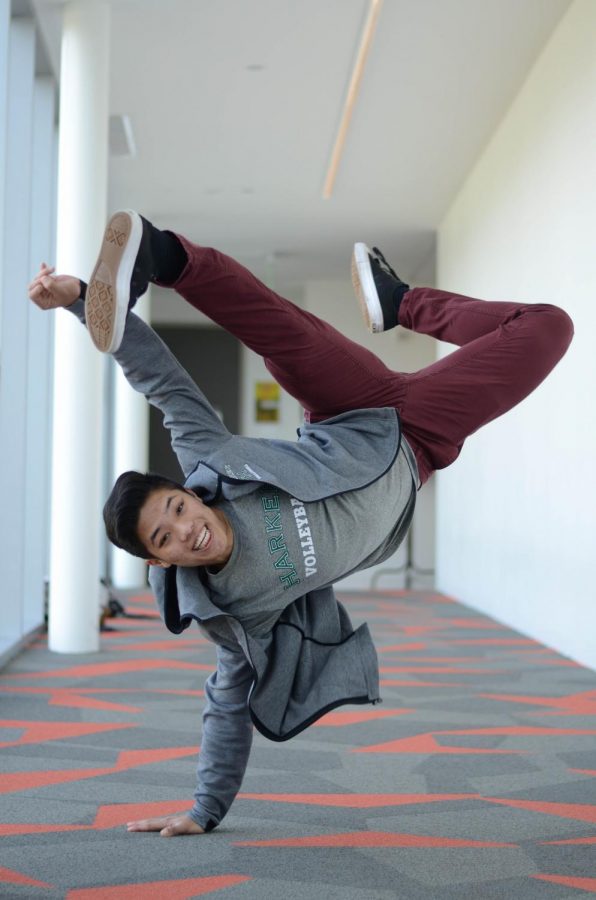
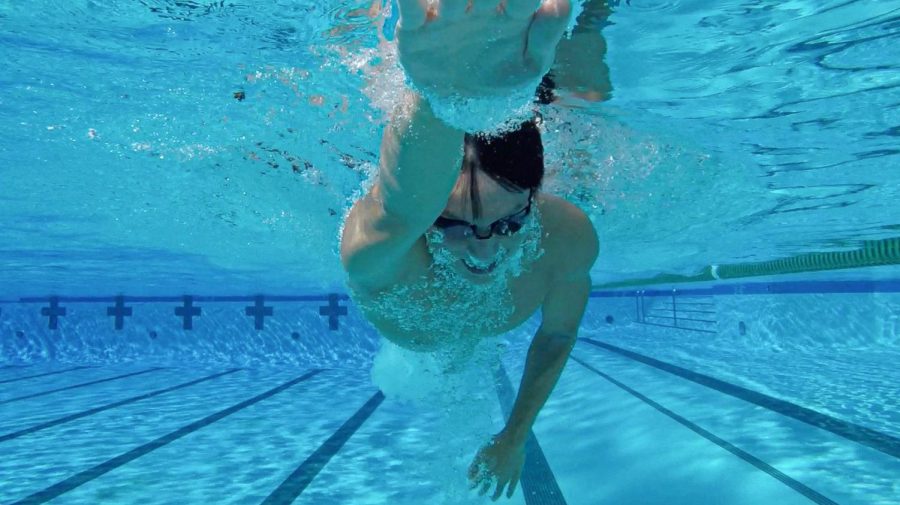
Each sport demands distinct types of athleticism, forcing athletes to adapt quickly between seasons. Junior David Tang plays water polo in the fall and volleyball in the spring, with only the winter season to rest. This transition from water polo to volleyball requires a change in mindset — first reading opponents’ moves underwater to anticipating sets and spikes on court. He notes that each sport helps with the other.
“Each time I play volleyball or go back to water polo, my muscles always feel sore,” David said. “The swimming muscles and the jumping muscles are pretty different. But in general, athleticism has helped with cardio.”
For sophomore Omya Vidyarthi, who does track, rowing and tennis, switching between sports also means adjusting to different team dynamics and skills.
“Tennis has been a great experience,” Omya said. “I’ve gotten to know a lot of upperclassmen through it, and I’ve made a lot of friends and great memories with them. Track is more individual, but I’ve made close friends. Because there are not too many jumpers, it is a very tight community. For rowing, I have gotten to know a lot of people from other schools that I do not interact with as much.”
Regardless of the setting, these transitions sharpen adaptability and growth. David always trains with an eye for improvement.
“What I like about sports is that there’s always a higher level that you can achieve,” David said. “For example, in water polo, you have to achieve court awareness. You have to see where the ball is and see where your teammates are. You have to build active habits where you can think without doing, which is something that’s really important.”
Multisport athletes have to balance overlapping practices and games throughout the year, making athletics a near-constant responsibility. Junior Grace Fu plays softball and archery, two sports which share the spring season. She explained that she stays on top of rigorous schoolwork by taking advantage of every free moment.
“Spring season is rough. I have my finals and all my APs, so it definitely forces me to be more efficient with my time,” Grace said. “When softball season rolls around, I’m forced to not spend as much time on my phone and to be at my most efficient.”
Despite the packed schedule, the bonds Grace builds through sports makes it all worth it. She enjoys the rituals and camaraderie that comes with each game and practice, from braiding teammates’ hair and putting on eye black to celebrating together afterward with trips to In-N-Out.
“I’ve made so many friends, especially inter-grade friends, from softball,” Grace said. “Our coaches are all so nice, and they’re also my friends. Whenever something comes up, I’m not scared to talk to them about it at all. The combination of all the friends I make on the team and how fun our coach is makes softball a really awesome experience.”
That sense of belonging on the softball team contrasts with the independence she feels in archery. At times, archery left Grace with a sense of isolation and loneliness, and forced her to confront mental challenges head-on. Still, Grace finds that archery builds discipline for softball.
“I think archery helps more with softball than softball would for archery,” Grace said. “Honestly, archery helps with everything. It forces you to think about your mental strength. Once you learn how to calm yourself down and how to diagnose why you’re scared, it can be applicable to everything, even a math test, for example.”
Like Grace, many multisport athletes find that each sport offers something unique — whether it’s teamwork, focus or mentorship. For Omya, that lesson comes through training alongside more experienced teammates.
“Playing with upperclassmen who are way better than me at the sport really made me look up to them, and it is a really great opportunity,” Omya said. “Especially for track, I would say the upperclassmen step up to a coaching type of role and help fix different forms.”