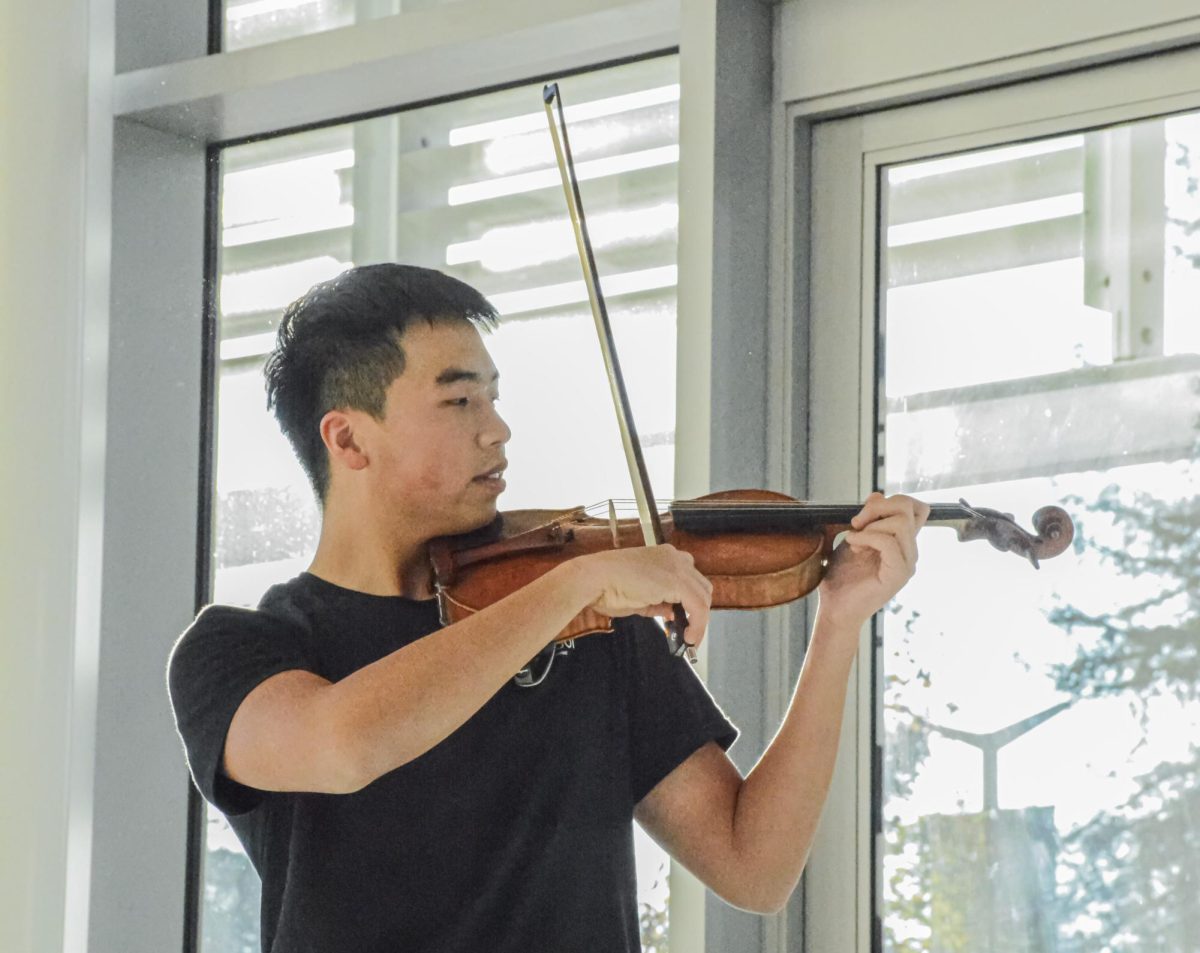
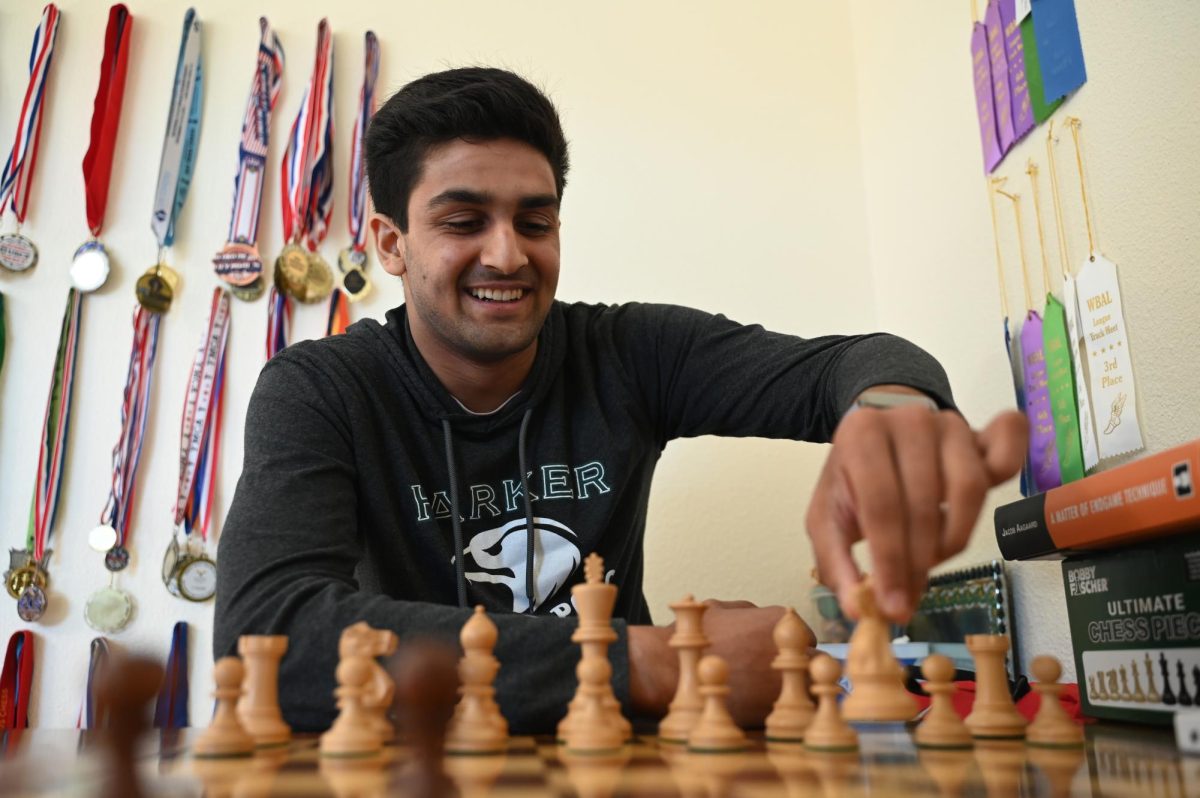
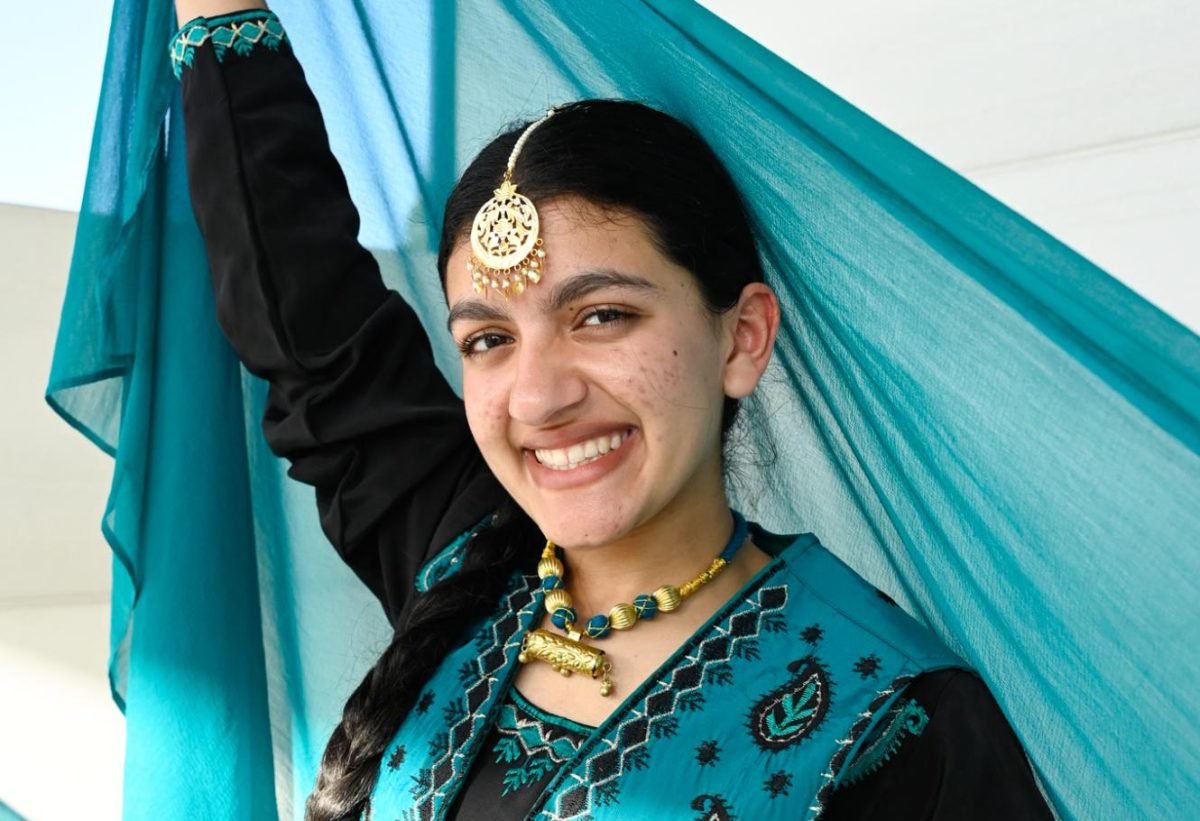
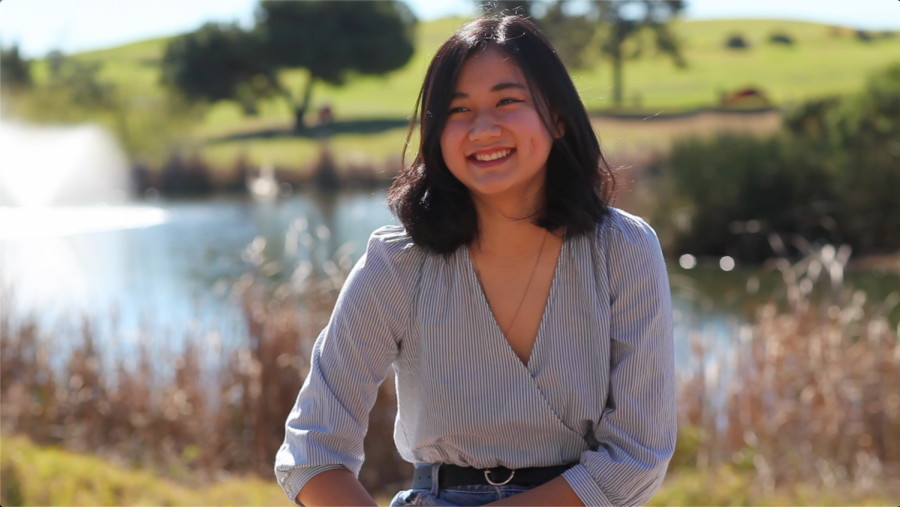
![“I wasn't discouraged by some of the obstacles we faced. I learned a lot from the leadership. I found that different people need different ways of receiving feedback — you can't [just] tell them to do something and expect the best. [Some] people needed more incentive. A large part of my role was to figure out what worked for everyone and to figure out how to lead all these separate individuals as a team,” Suhana Bhandare (’26) said.](https://harkeraquila.com/wp-content/uploads/2026/06/SuhanaBhandare_JasmineHansra-1-1200x798.jpg)

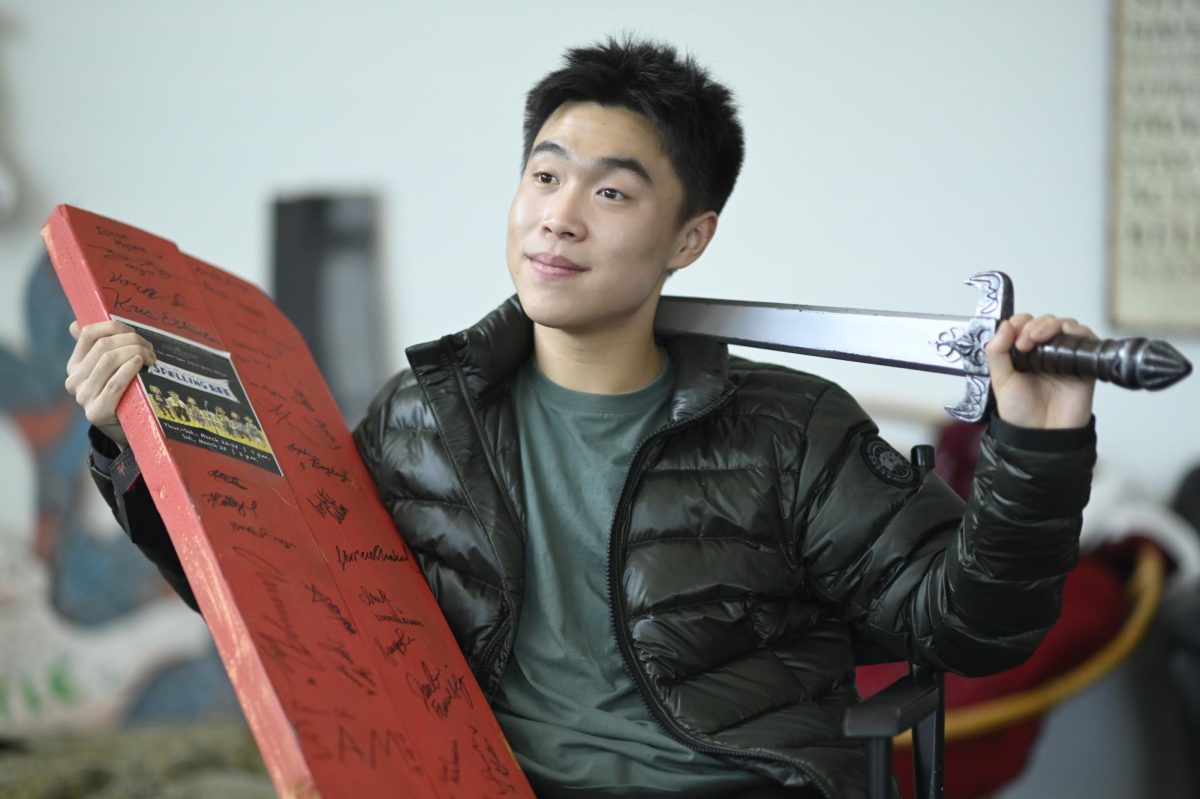
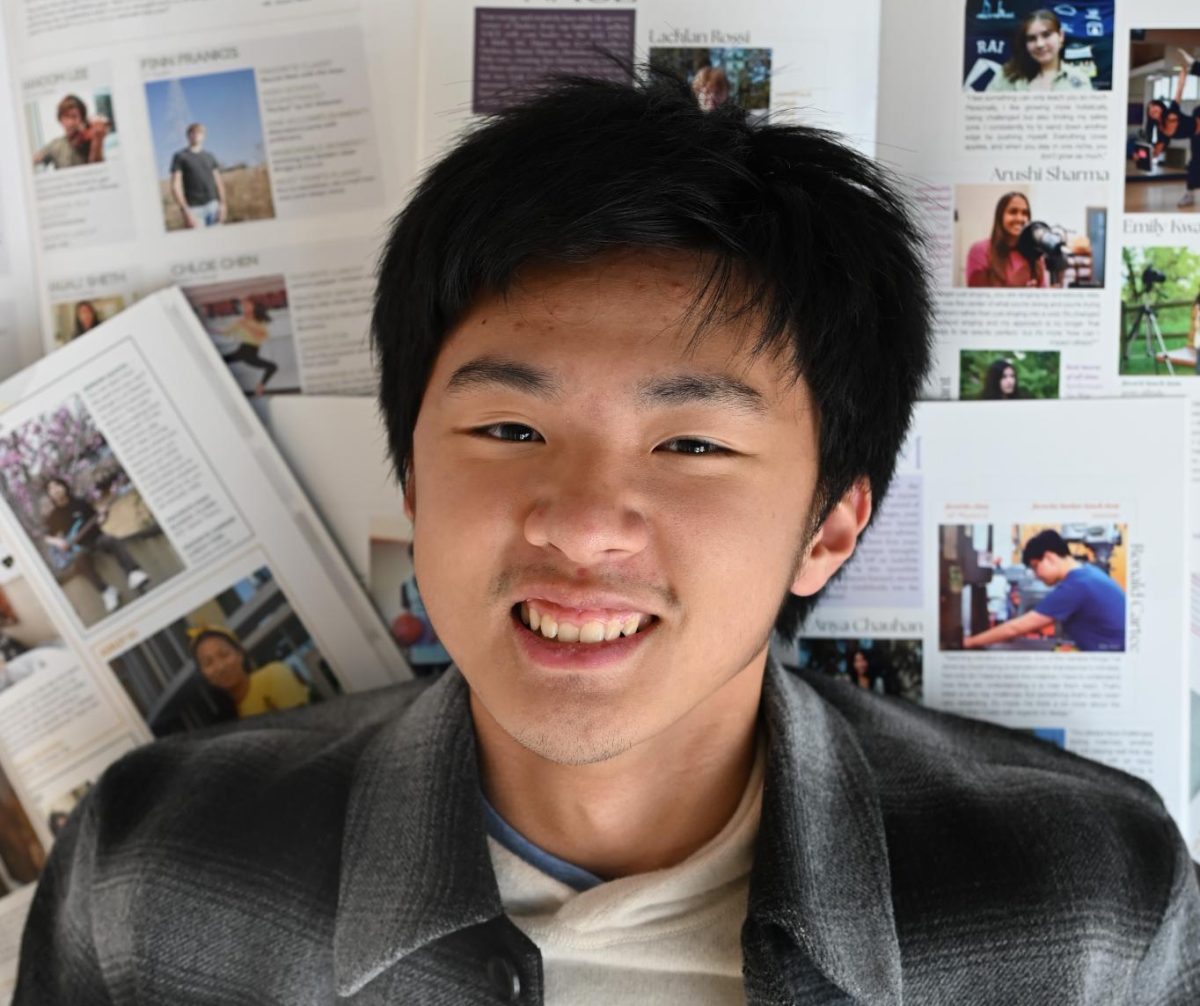
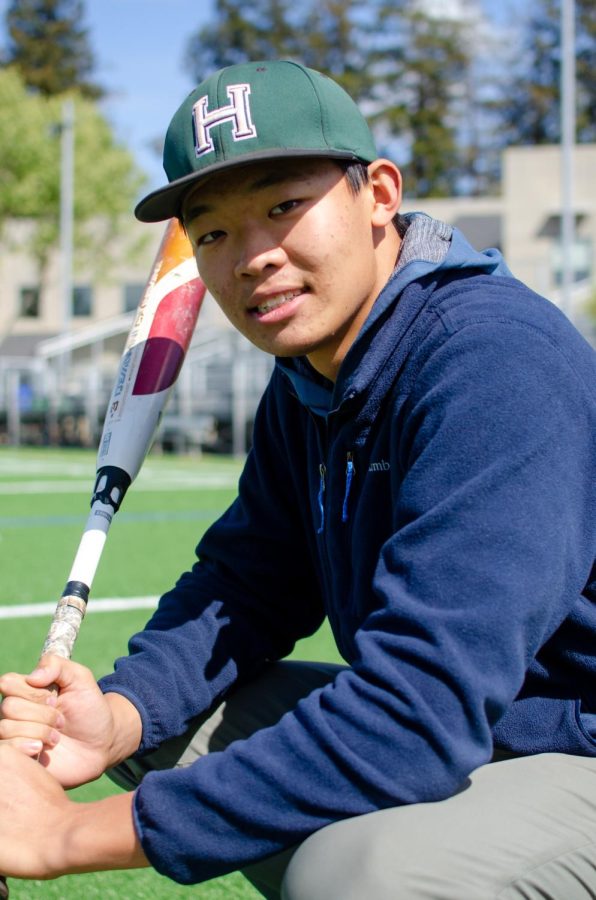
![“This is actually from Randy Pausch Randy P. Brick: ‘Walls are there for a reason. You have to show how much you want to overcome them.’ You have to show how much you want something. That's what I've always been able to do with tennis, Link Crew and getting that internship [with Kushy Baby]. It’s important pushing through that — getting around that brick wall, climbing over it or clawing through it,” Yash Sachdeva (’26) said.](https://harkeraquila.com/wp-content/uploads/2026/05/YashSachdeva_RamBatchu-copy-1200x1002.jpg)


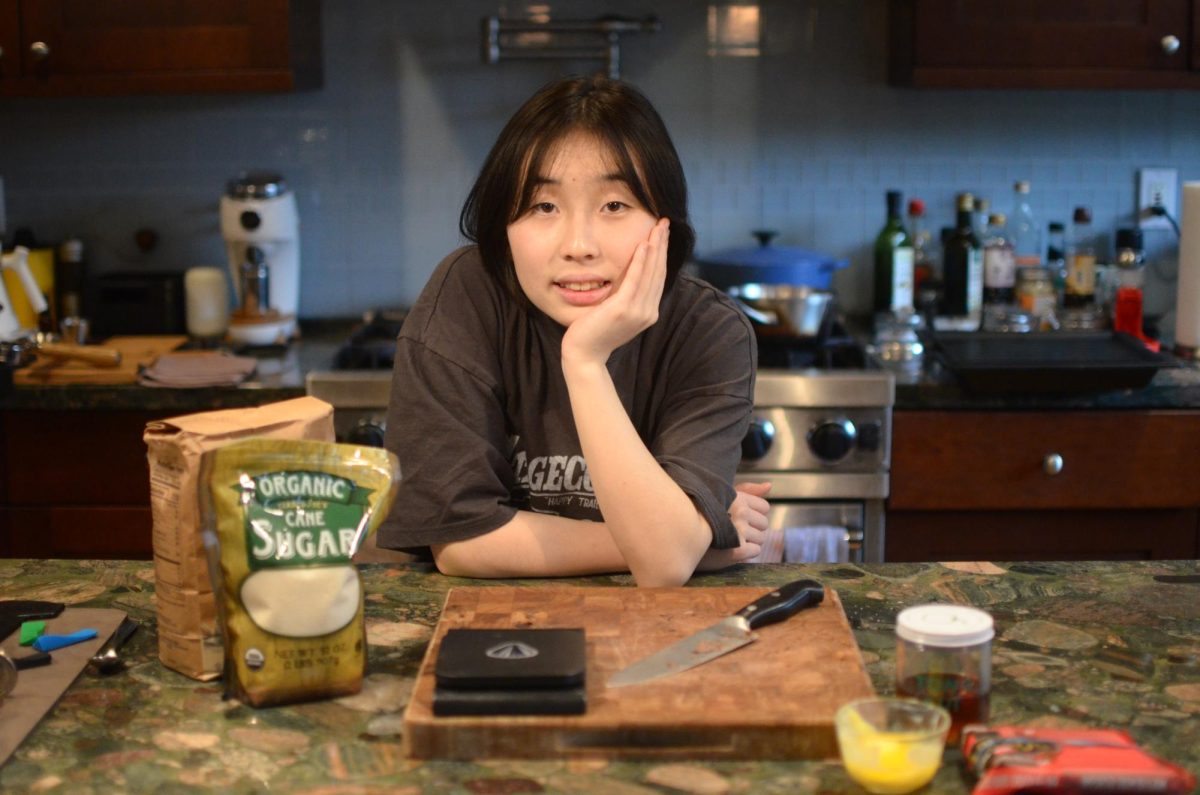




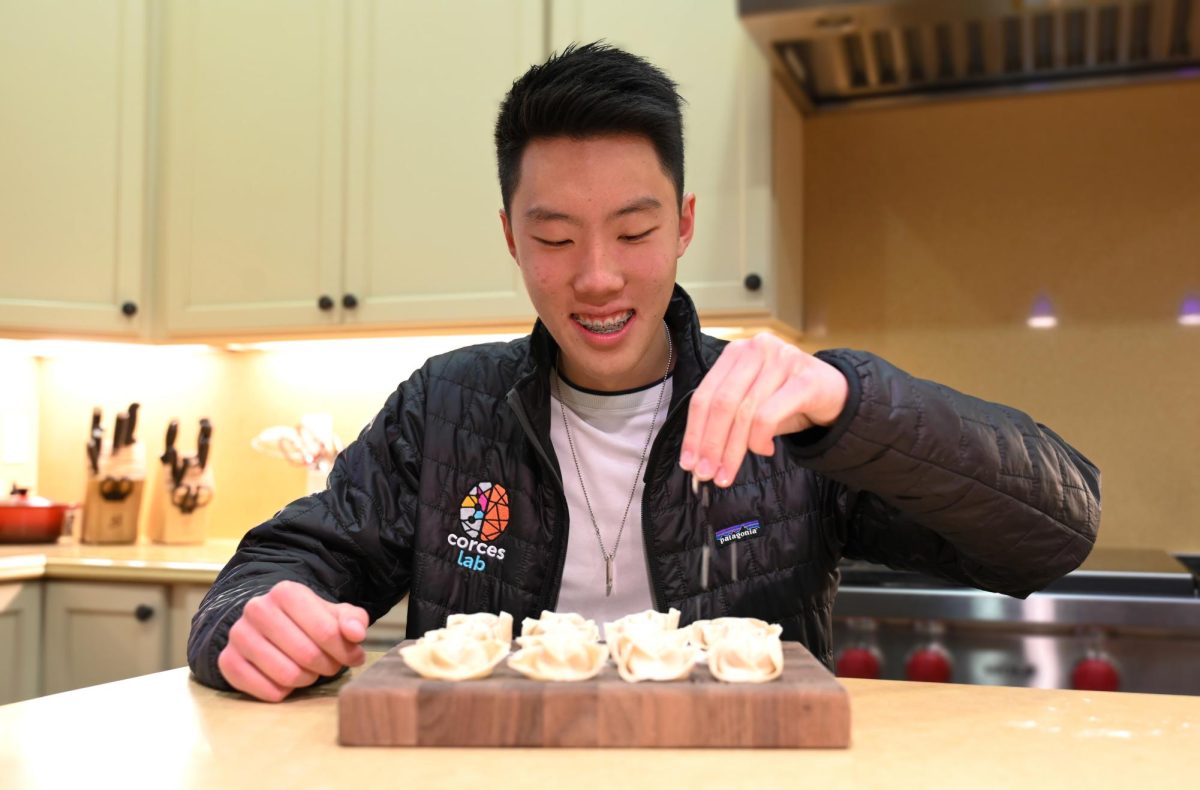
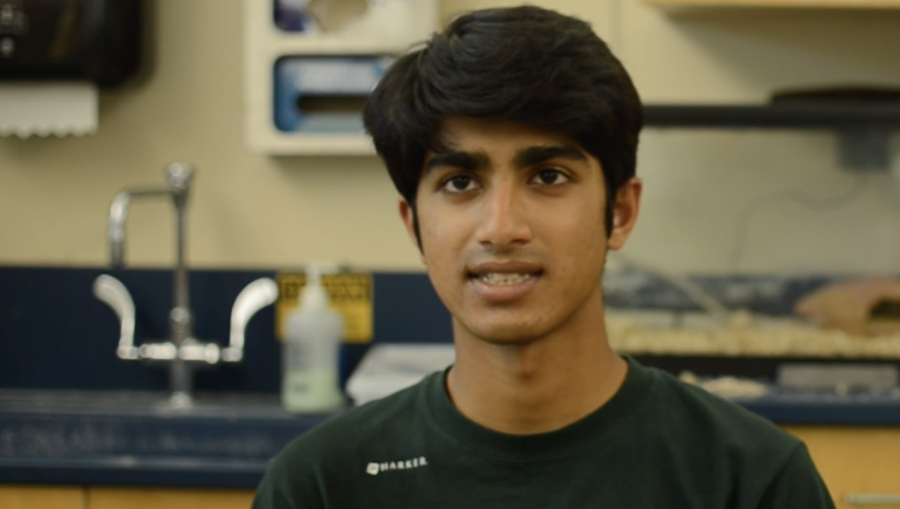
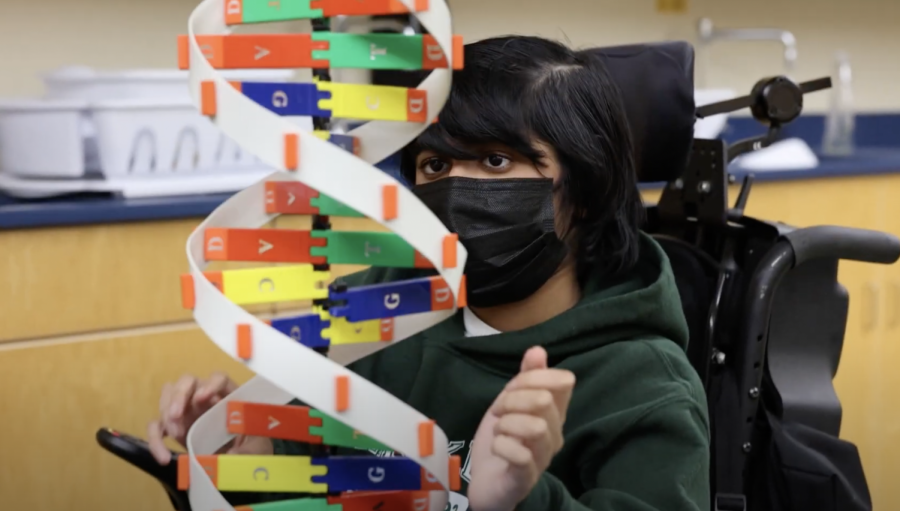
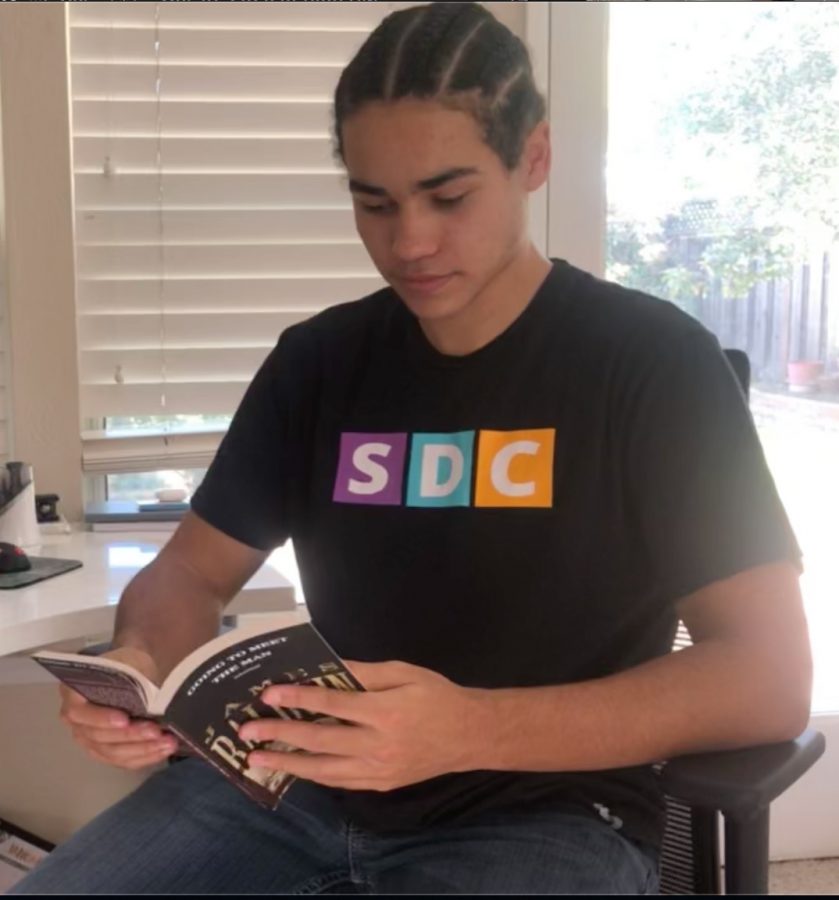
![“[Building nerf blasters] became this outlet of creativity for me that hasn't been matched by anything else. The process [of] making a build complete to your desire is such a painstakingly difficult process, but I've had to learn from [the skills needed from] soldering to proper painting. There's so many different options for everything, if you think about it, it exists. The best part is [that] if it doesn't exist, you can build it yourself," Ishaan Parate said.](https://harkeraquila.com/wp-content/uploads/2022/08/DSC_8149-900x604.jpg)
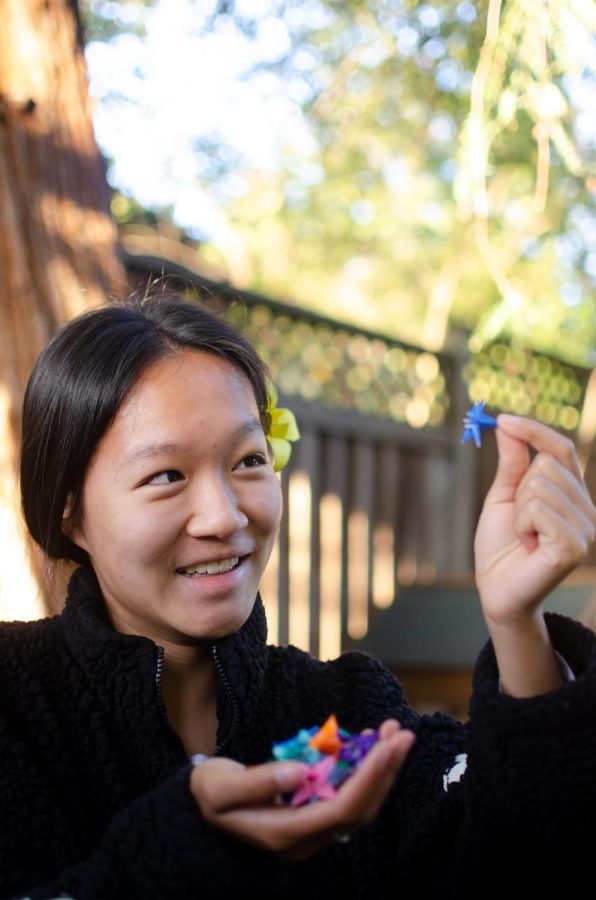
![“When I came into high school, I was ready to be a follower. But DECA was a game changer for me. It helped me overcome my fear of public speaking, and it's played such a major role in who I've become today. To be able to successfully lead a chapter of 150 students, an officer team and be one of the upperclassmen I once really admired is something I'm [really] proud of,” Anvitha Tummala ('21) said.](https://harkeraquila.com/wp-content/uploads/2021/07/Screen-Shot-2021-07-25-at-9.50.05-AM-900x594.png)

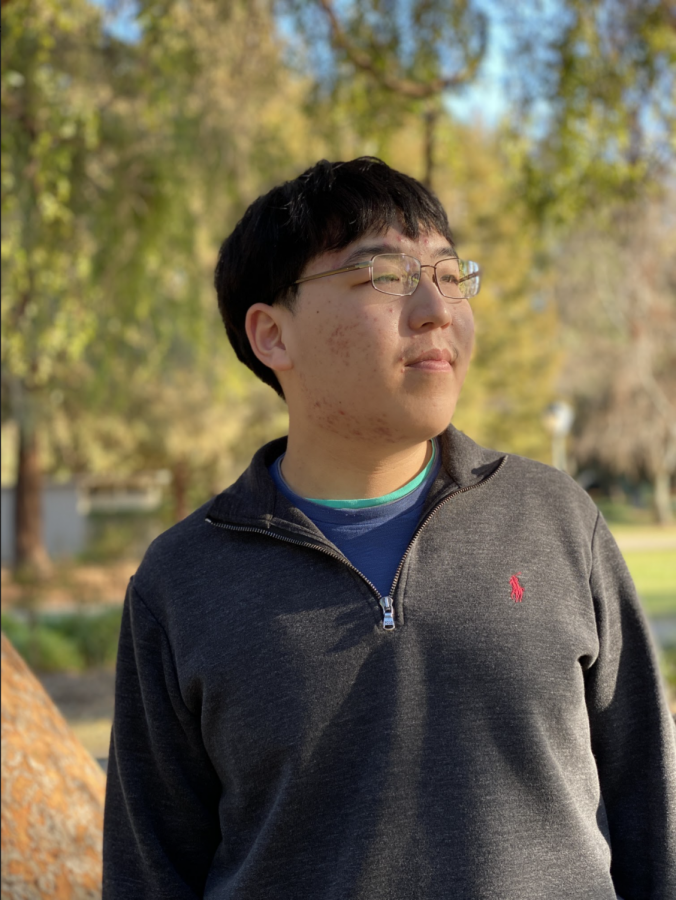

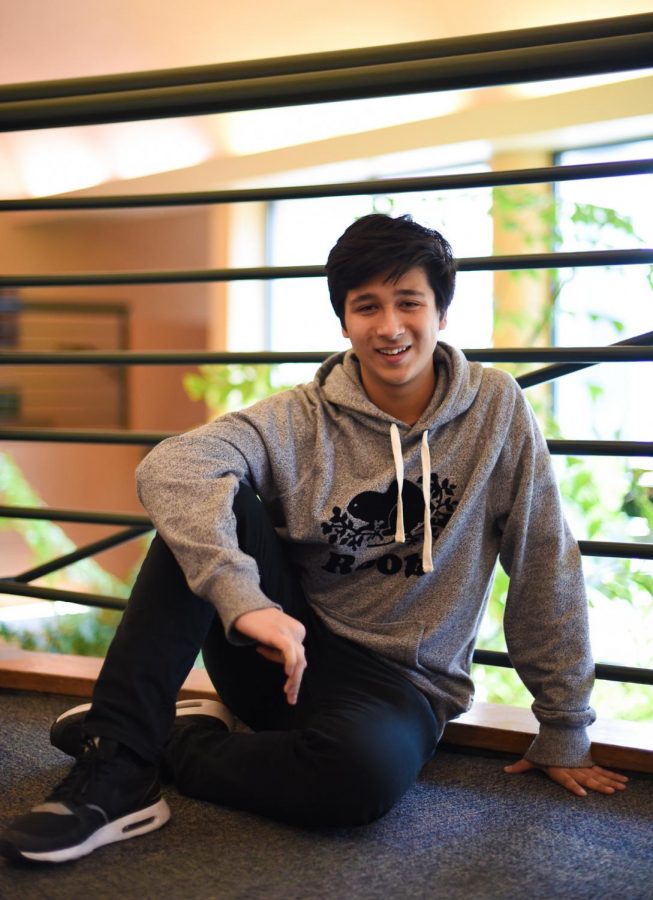
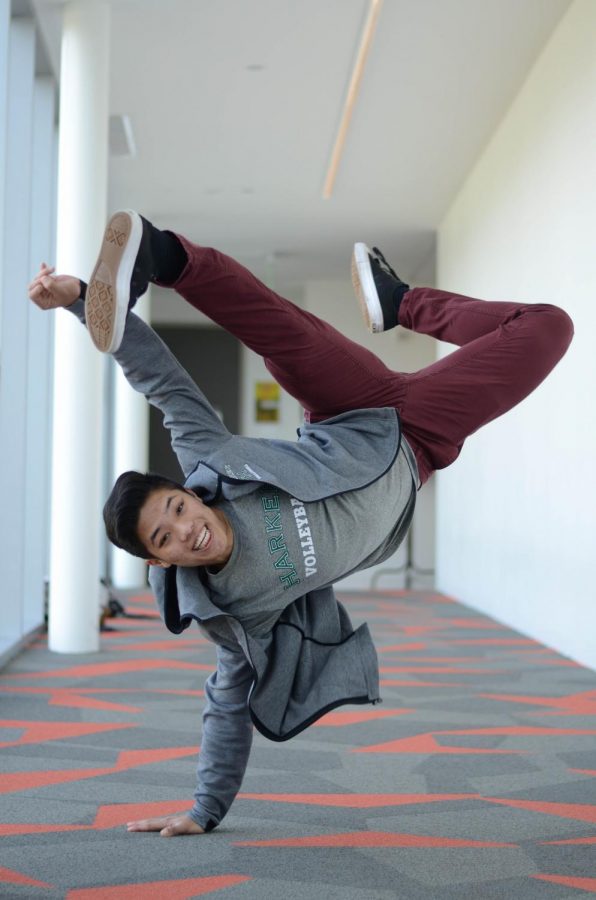
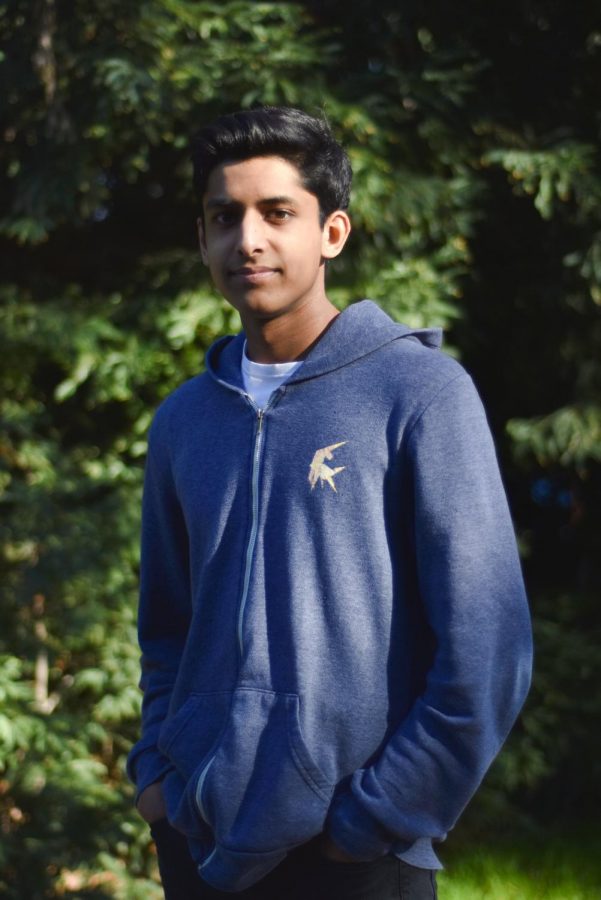

![“I think getting up in the morning and having a sense of purpose [is exciting]. I think without a certain amount of drive, life is kind of obsolete and mundane, and I think having that every single day is what makes each day unique and kind of makes life exciting,” Neymika Jain (12) said.](https://harkeraquila.com/wp-content/uploads/2017/06/Screen-Shot-2017-06-03-at-4.54.16-PM.png)

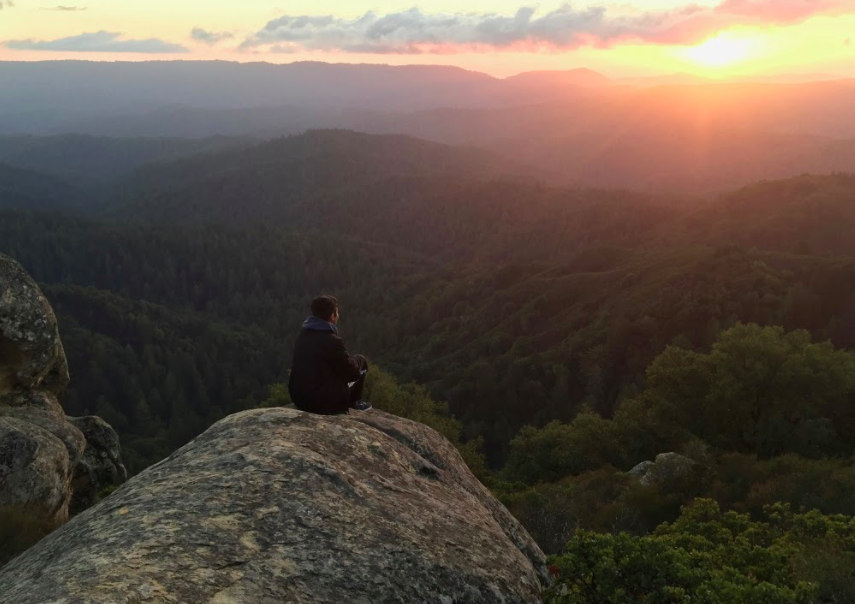





![“My slogan is ‘slow feet, don’t eat, and I’m hungry.’ You need to run fast to get where you are–you aren't going to get those championships if you aren't fast,” Angel Cervantes (12) said. “I want to do well in school on my tests and in track and win championships for my team. I live by that, [and] I can do that anywhere: in the classroom or on the field.”](https://harkeraquila.com/wp-content/uploads/2018/06/DSC5146-900x601.jpg)
![“[Volleyball has] taught me how to fall correctly, and another thing it taught is that you don’t have to be the best at something to be good at it. If you just hit the ball in a smart way, then it still scores points and you’re good at it. You could be a background player and still make a much bigger impact on the team than you would think,” Anya Gert (’20) said.](https://harkeraquila.com/wp-content/uploads/2020/06/AnnaGert_JinTuan_HoHPhotoEdited-600x900.jpeg)
![“I'm not nearly there yet, but [my confidence has] definitely been getting better since I was pretty shy and timid coming into Harker my freshman year. I know that there's a lot of people that are really confident in what they do, and I really admire them. Everyone's so driven and that has really pushed me to kind of try to find my own place in high school and be more confident,” Alyssa Huang (’20) said.](https://harkeraquila.com/wp-content/uploads/2020/06/AlyssaHuang_EmilyChen_HoHPhoto-900x749.jpeg)



While preparing a gift for a departing teacher last year, I suggested a bouquet of flowers, only to have it dismissed by my classmates with a casual “that’s doing too much.” Years earlier, a classmate’s excitement over an intense capture the flag match drew whispers of “that’s so dramatic” from others. These little moments happened too many times to count, revealing a broader cultural trend of “not caring,” where genuine enthusiasm and hard work are increasingly dismissed as “extra.”
Unsurprisingly, much of this mindset has actively spread through social media. The phrases “doing too much” or even “it’s not that deep” on social media reveal how online culture fosters a toxic, judgmental environment where showing passion or enthusiasm is seen as weak or over-the-top.
This ideal surfaces in the way we dress and present ourselves as well.
Minimalistic trends, like the clean girl aesthetic and “no-makeup” makeup looks, further reinforce this attitude by celebrating a simple appearance that appears effortless when it really is not. Seeing influencers live this way can create the impression that success and style require little effort, pressuring viewers to downplay their own efforts and appear equally unbothered.
This perspective becomes especially obvious whenever I come across some college students’ vlogs on YouTube. Whenever they post about earning 100% on a final exam but only show themselves relaxing or engaging in “self-care,” it makes the hours I actually spend studying feel almost embarrassing, as if my hard work is unworthy of recognition. Sometimes, when I am unsatisfied with my own academic performance, I lose myself in a rabbit hole of these vlogs, each addictive video making me feel a little bit worse.
Perhaps even more relevant for students is the mindset that success achieved through natural talent is somehow more impressive than success earned through hard work. At Harker, where academics are heavily emphasized, I’ve noticed classmates playing off their hard work or casually brushing off high achievements with dismissive phrases like “I barely studied” or “I just got lucky.” Though some might call it humility, the broader cultural tendency to downplay effort can make others feel as if their hard work is undervalued or “not worth it.”
Beyond fear of showing effort to further personal goals, this mindset fosters a fear of showing genuine care for others. Nowadays, overt displays of affection or service are often ridiculed by bystanders, especially online, making people hesitant to express that they care. Some of this reluctance stems from a natural fear of rejection or getting hurt, which is completely valid. But when it starts shaping how you present yourself to the world, it slowly distances you from forming authentic connections.
Once, while giving advice to a friend about a crush, I was asked whether a phrase as simple as “thank you so much” was “too chalant.” I was shocked. I had always known that vulnerability takes time, but I had never considered that showing sincere gratitude could be a negative thing.
Since when did being cold and impassive become “cool”? Everyone experiences insecurity and self-doubt, but when these feelings become so magnified that they interfere with genuine connections, they hold us back from meaningful relationships.
When not caring becomes the trend, even simple displays of passion, kindness or effort start to feel out of place. We need to challenge this mindset before human interaction turns into a performance, focused more on preserving an image rather than expressing sincerity.
It could start with something as simple as saying “thank you” for even the little things, or something harder, like working towards saying or thinking, “I did well because I work hard and I care” and not “I did well because I got lucky.” Though it’s easy to blame social media as a breeding ground for toxicity, the power to make a change towards caring more, smiling more and sharing more ultimately lies in our hands.