![“I wasn't discouraged by some of the obstacles we faced. I learned a lot from the leadership. I found that different people need different ways of receiving feedback — you can't [just] tell them to do something and expect the best. [Some] people needed more incentive. A large part of my role was to figure out what worked for everyone and to figure out how to lead all these separate individuals as a team,” Suhana Bhandare (’26) said.](https://harkeraquila.com/wp-content/uploads/2026/06/SuhanaBhandare_JasmineHansra-1-1200x798.jpg)


![“This is actually from Randy Pausch Randy P. Brick: ‘Walls are there for a reason. You have to show how much you want to overcome them.’ You have to show how much you want something. That's what I've always been able to do with tennis, Link Crew and getting that internship [with Kushy Baby]. It’s important pushing through that — getting around that brick wall, climbing over it or clawing through it,” Yash Sachdeva (’26) said.](https://harkeraquila.com/wp-content/uploads/2026/05/YashSachdeva_RamBatchu-copy-1200x1002.jpg)

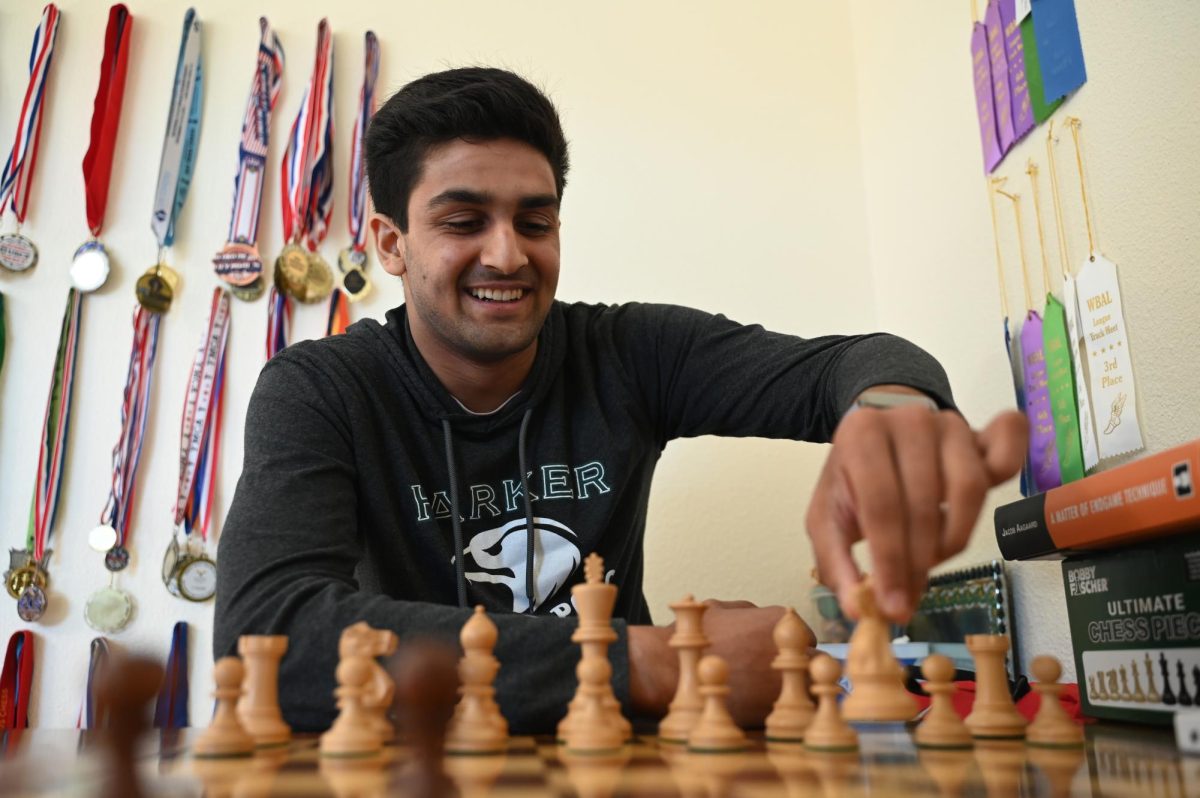
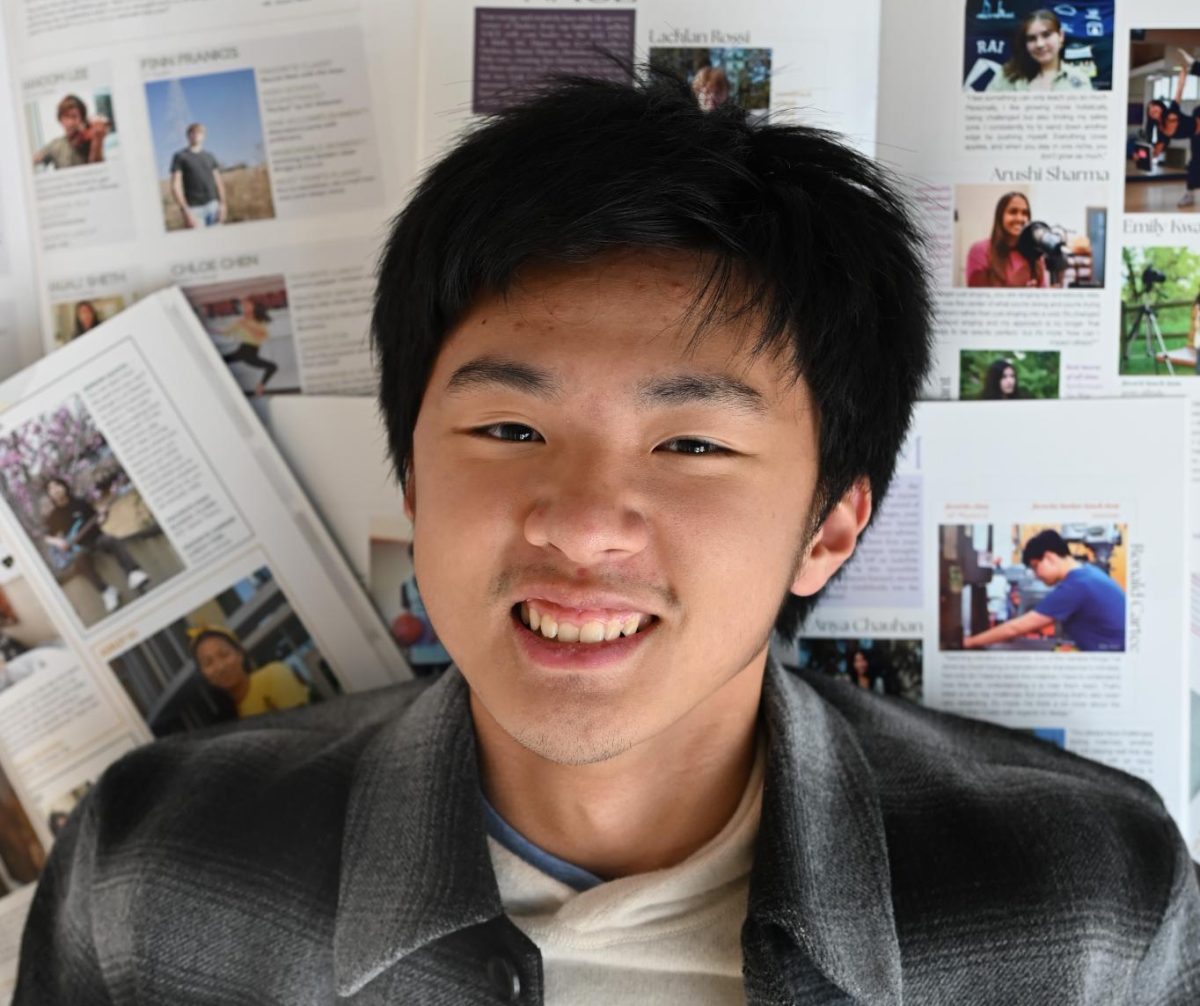



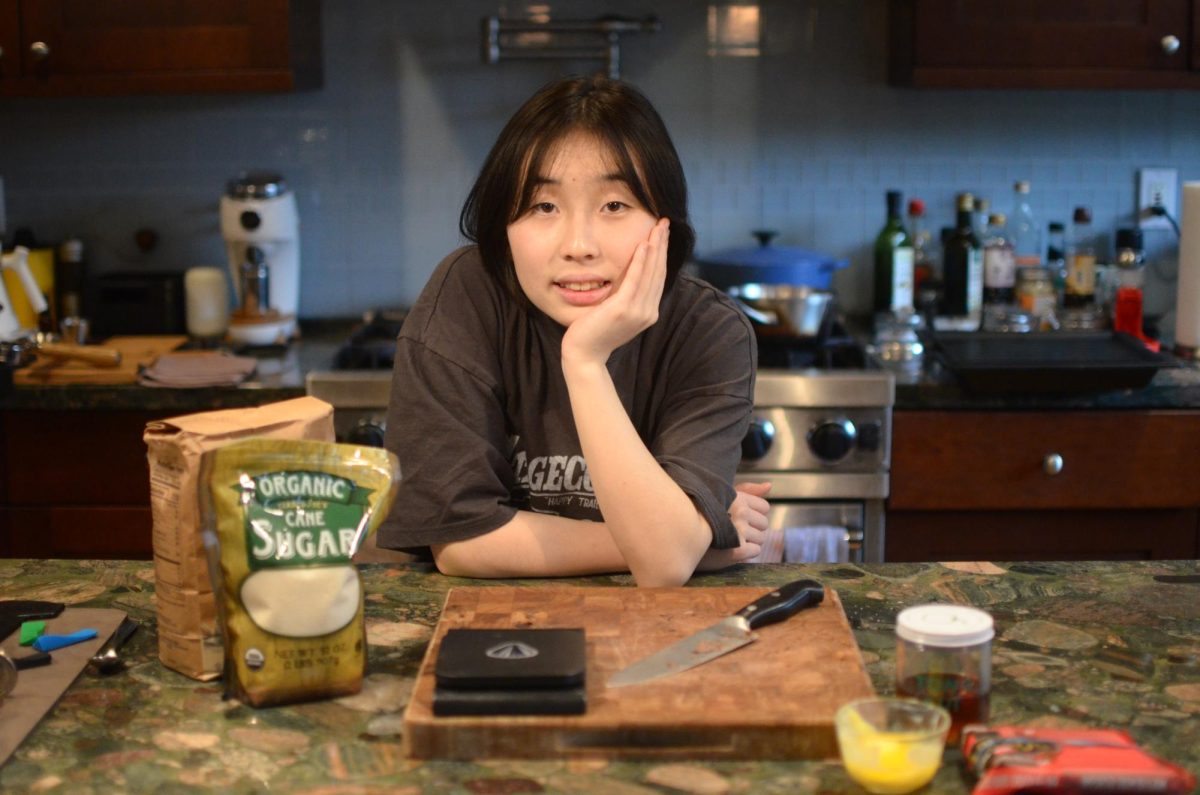


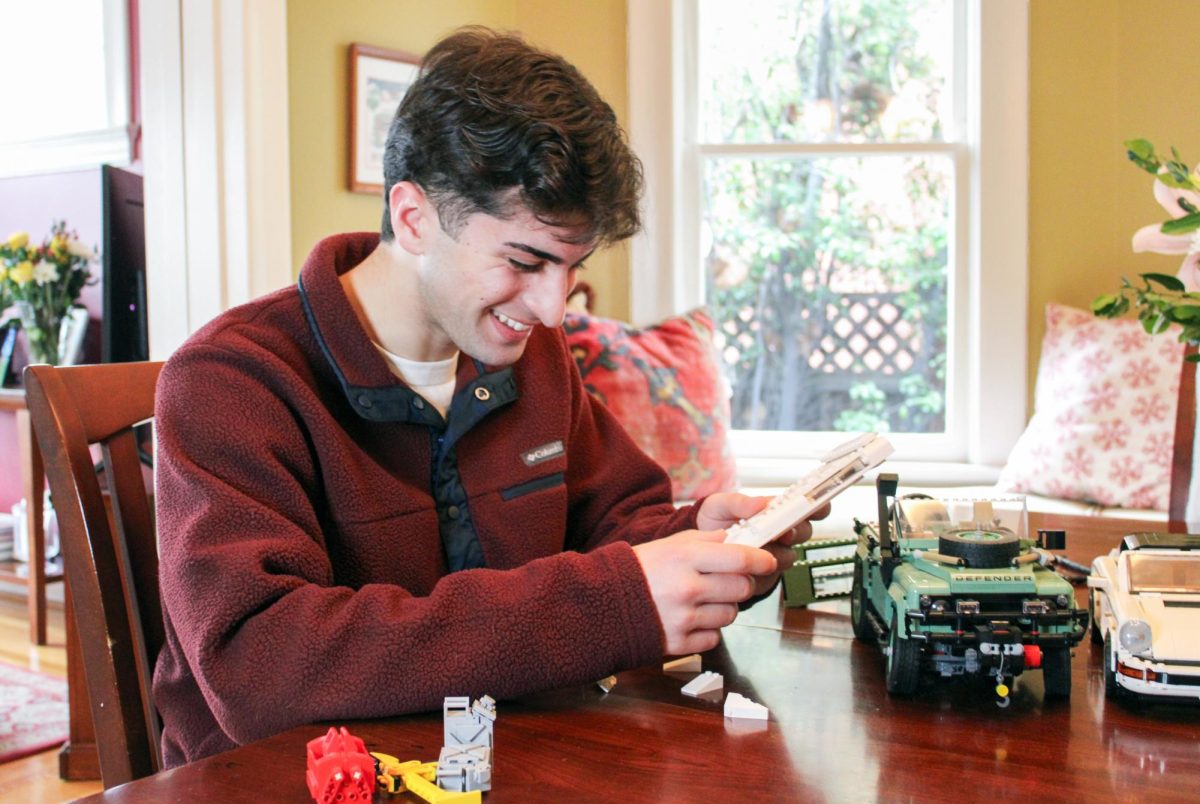





![“[Building nerf blasters] became this outlet of creativity for me that hasn't been matched by anything else. The process [of] making a build complete to your desire is such a painstakingly difficult process, but I've had to learn from [the skills needed from] soldering to proper painting. There's so many different options for everything, if you think about it, it exists. The best part is [that] if it doesn't exist, you can build it yourself," Ishaan Parate said.](https://harkeraquila.com/wp-content/uploads/2022/08/DSC_8149-900x604.jpg)
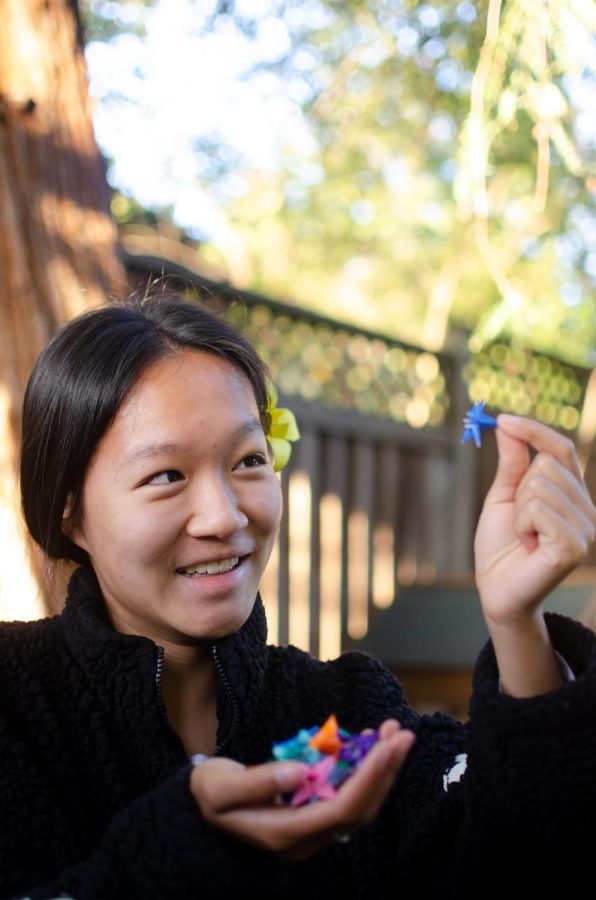


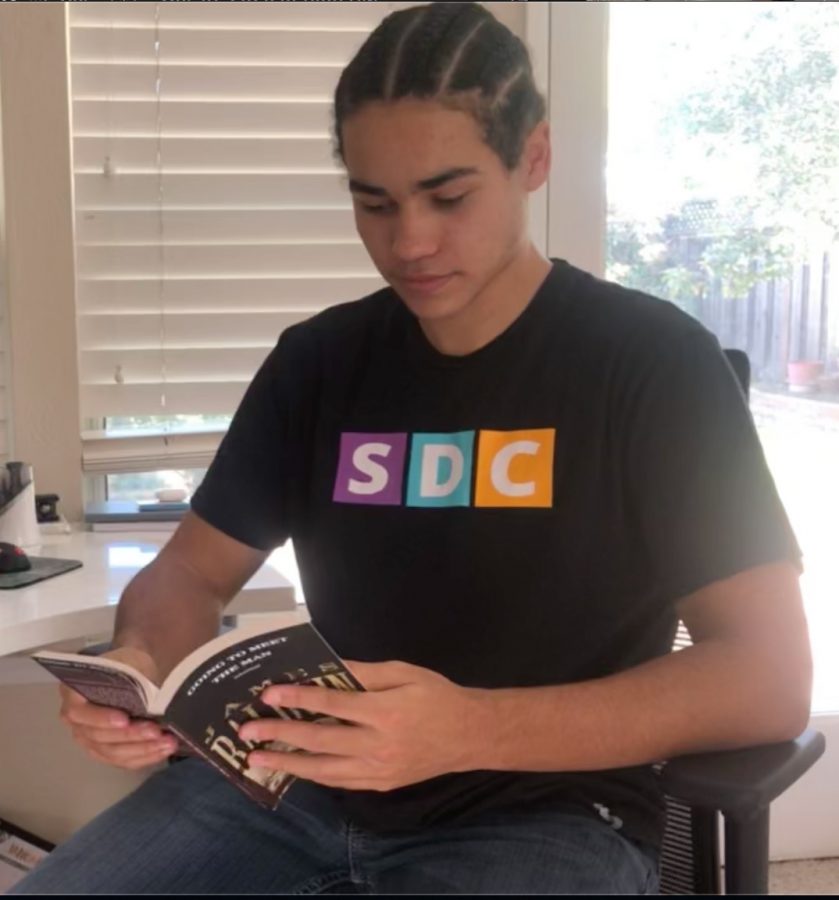
![“When I came into high school, I was ready to be a follower. But DECA was a game changer for me. It helped me overcome my fear of public speaking, and it's played such a major role in who I've become today. To be able to successfully lead a chapter of 150 students, an officer team and be one of the upperclassmen I once really admired is something I'm [really] proud of,” Anvitha Tummala ('21) said.](https://harkeraquila.com/wp-content/uploads/2021/07/Screen-Shot-2021-07-25-at-9.50.05-AM-900x594.png)

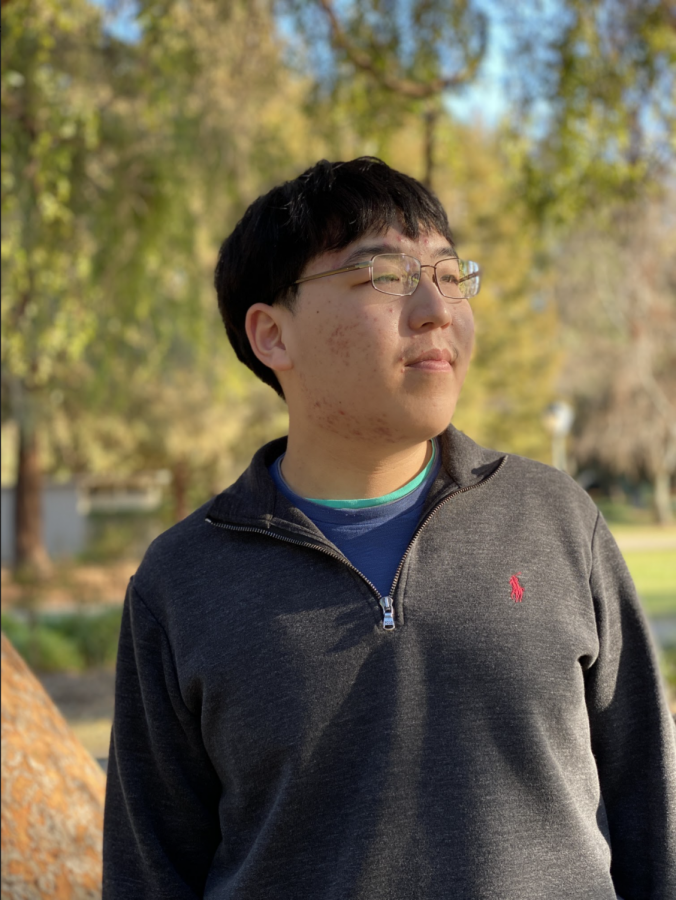


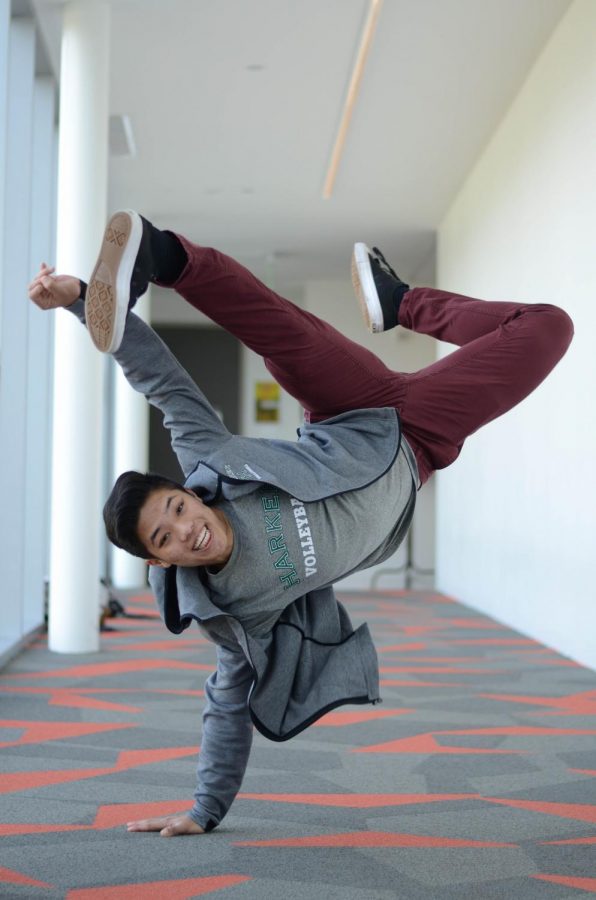


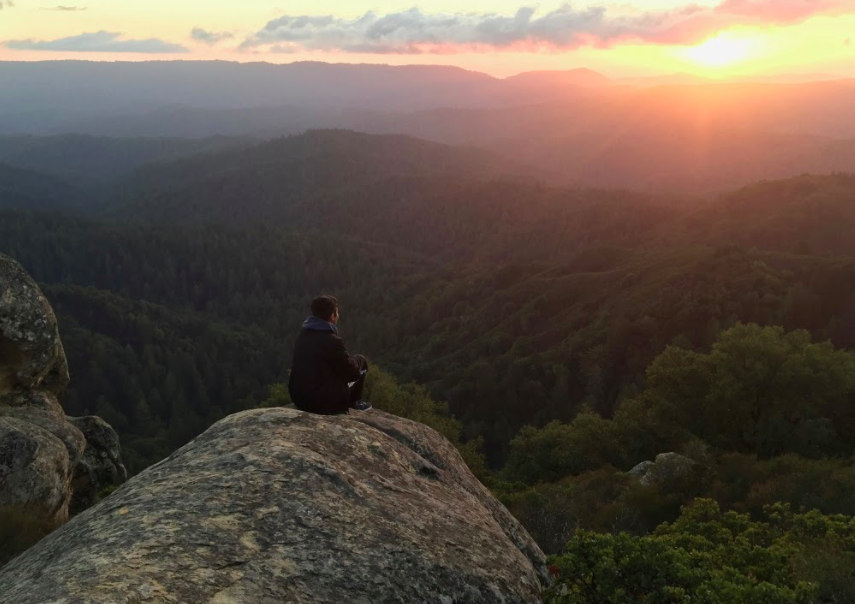
![“I think getting up in the morning and having a sense of purpose [is exciting]. I think without a certain amount of drive, life is kind of obsolete and mundane, and I think having that every single day is what makes each day unique and kind of makes life exciting,” Neymika Jain (12) said.](https://harkeraquila.com/wp-content/uploads/2017/06/Screen-Shot-2017-06-03-at-4.54.16-PM.png)





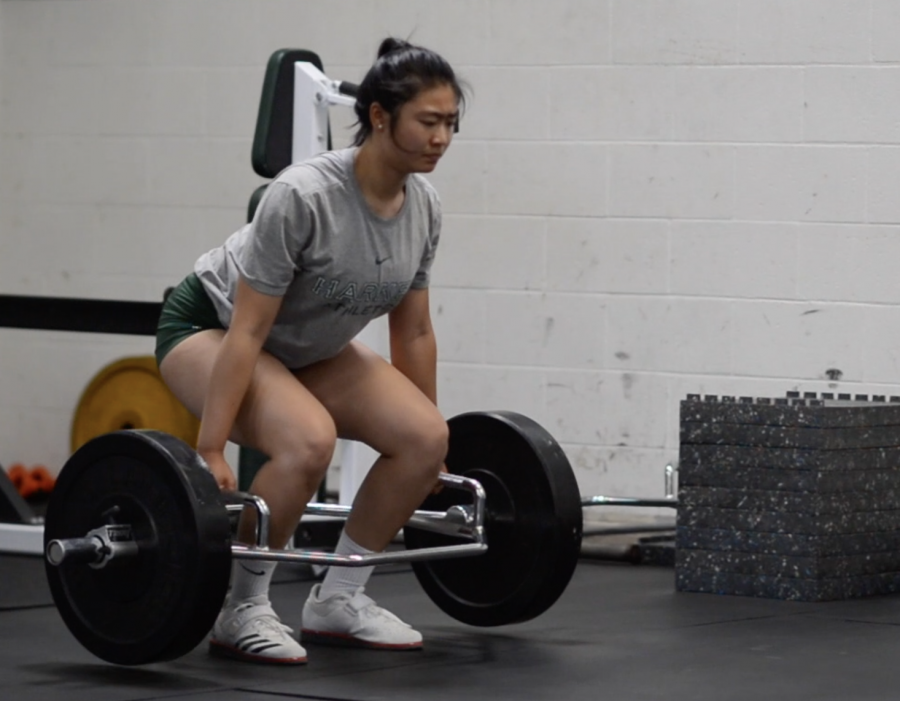

![“My slogan is ‘slow feet, don’t eat, and I’m hungry.’ You need to run fast to get where you are–you aren't going to get those championships if you aren't fast,” Angel Cervantes (12) said. “I want to do well in school on my tests and in track and win championships for my team. I live by that, [and] I can do that anywhere: in the classroom or on the field.”](https://harkeraquila.com/wp-content/uploads/2018/06/DSC5146-900x601.jpg)
![“[Volleyball has] taught me how to fall correctly, and another thing it taught is that you don’t have to be the best at something to be good at it. If you just hit the ball in a smart way, then it still scores points and you’re good at it. You could be a background player and still make a much bigger impact on the team than you would think,” Anya Gert (’20) said.](https://harkeraquila.com/wp-content/uploads/2020/06/AnnaGert_JinTuan_HoHPhotoEdited-600x900.jpeg)

![“I'm not nearly there yet, but [my confidence has] definitely been getting better since I was pretty shy and timid coming into Harker my freshman year. I know that there's a lot of people that are really confident in what they do, and I really admire them. Everyone's so driven and that has really pushed me to kind of try to find my own place in high school and be more confident,” Alyssa Huang (’20) said.](https://harkeraquila.com/wp-content/uploads/2020/06/AlyssaHuang_EmilyChen_HoHPhoto-900x749.jpeg)

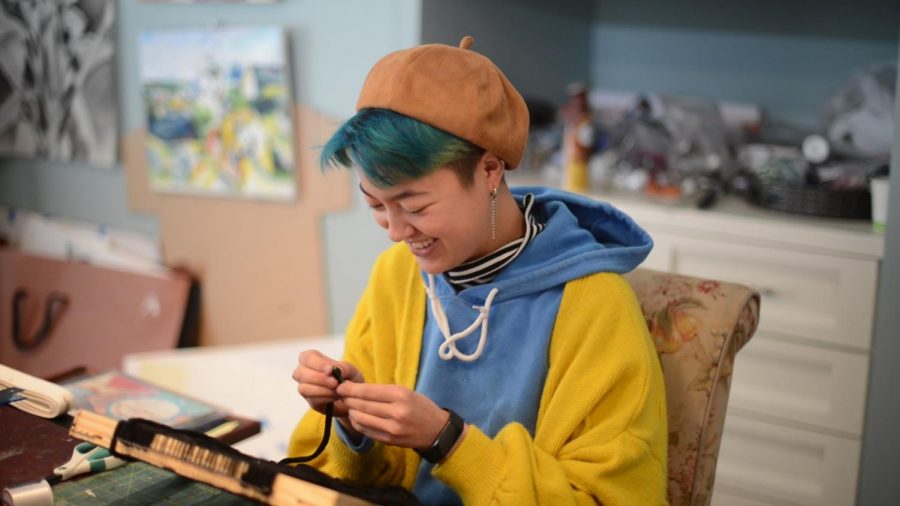

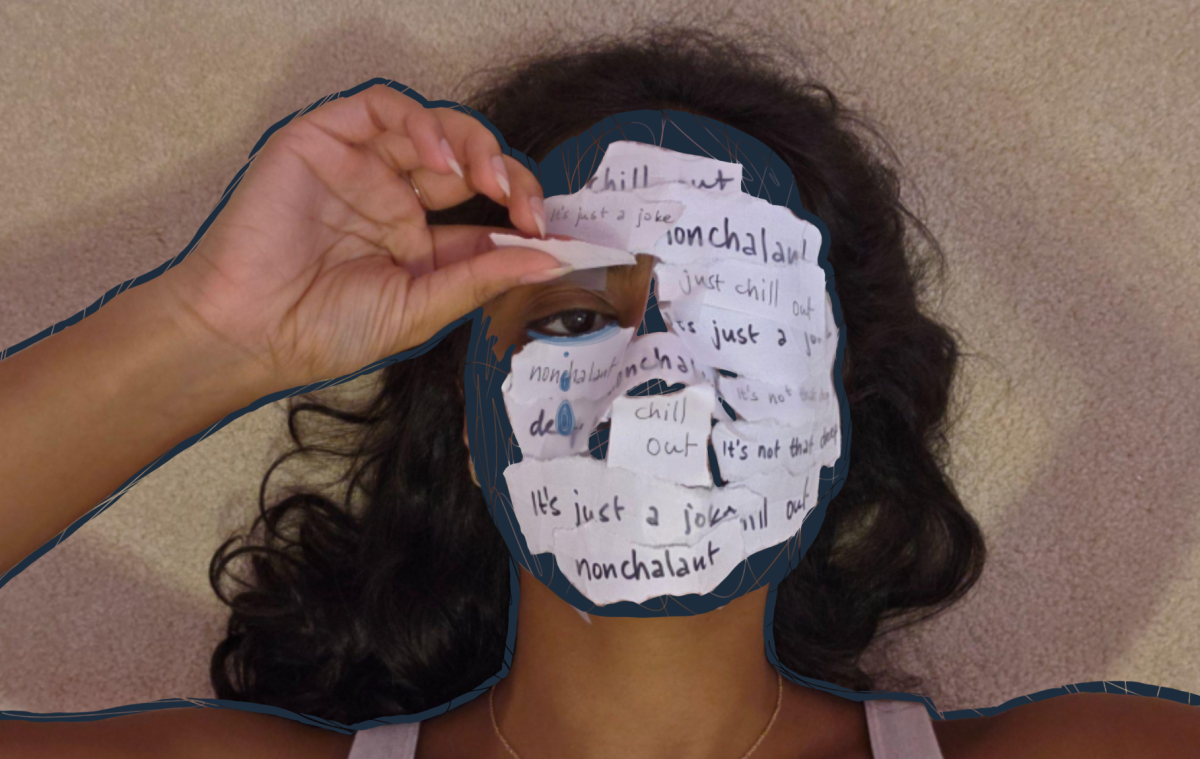
“It’s not that deep.”
This message constantly permeates my social media feed. Have too many opinions on a piece of media? It’s not that deep. Don’t want to mindlessly consume while turning off your brain? It’s not that deep. Concerned about someone discriminating against you? It’s just a joke, it’s not that deep!
Commenters often use phrases indicating detachment in response to analysis of art and media, including film and even advertising. One TikTok I saw discussed harmful misogynistic protagonists in popular sitcoms like the Big Bang Theory. In response, many users commented “it’s just comedy,” effectively dismissing the critique and signaling their superiority through their cool impassivity.
The culture of indifference that arose in our generation stems from the curated world created by social media. Expressing strong opinions or showing care can feel vulnerable or “cringe,” and vulnerability is a weakness in a world that rewards perfection. Appearing nonchalant and unbothered has become a form of self-preservation against the anxiety of being judged.
However, this mindset harms the people who use it. Recently when my friend said something that I found offensive, I feigned indifference instead of communicating my feelings because the “it’s not that deep mentality” wormed its way into my mindset. While I avoided an uncomfortable conversation in the moment, it sowed deeper resentment in our relationship.
Phrases like “It’s not that deep” represent an even more harmful extension of nonchalance culture. They illustrate how we expect not only ourselves but also the people around us to conform to an uncaring attitude. “It’s not that deep” lets you dismiss the passions or anxieties of others without having to engage with them. The phrase equates to a shrug, a way to signify that you are above a certain conversation.
When you imply that someone is overreacting, you’re attempting to invalidate their perspective and emotional response. Imagine yourself on the receiving end: hearing that you’re over the top when all you are trying to do is connect with someone feels like a stripping away of dignity. We should not interact with people in a way that tears them down.
In response to media, the phrase indicates a deeper anti-intellectualism. Thoughtless consumption contradicts the point of media, which is supposed to make us think and feel. To demand that we should consume content without deeper scrutiny diminishes its purpose.
Art, relationships and life in general are, in fact, that deep. Conforming to an apathetic culture isolates me. Instead, caring sets me free, allowing me to connect deeply with those around me. Underneath the stoic facade, we all care, and we all want our voices to be heard. “It’s not that deep” can act as a momentary painkiller, but empathy addresses the problem of feeling disconnected at its root.