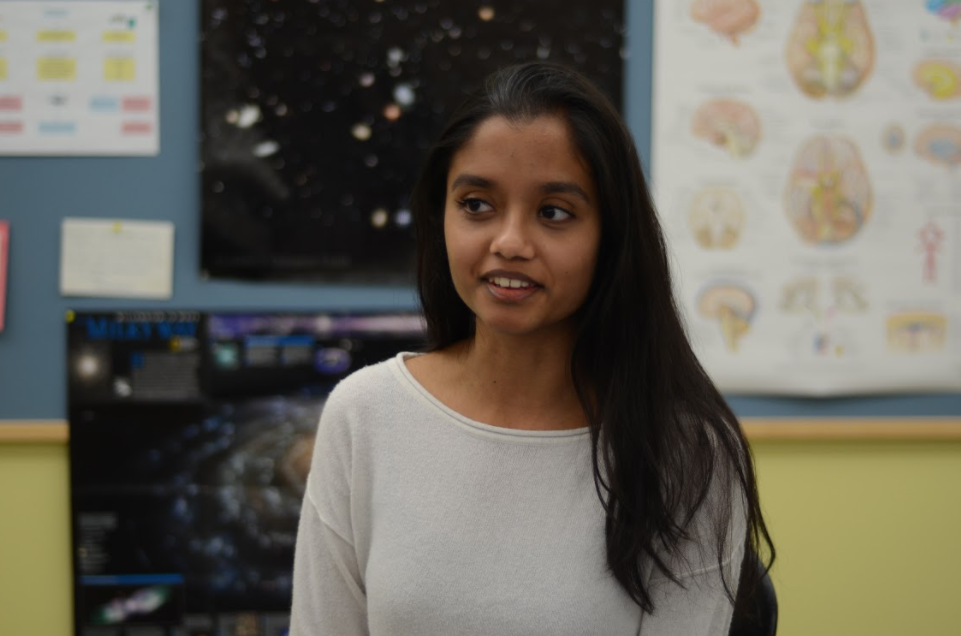
![“I wasn't discouraged by some of the obstacles we faced. I learned a lot from the leadership. I found that different people need different ways of receiving feedback — you can't [just] tell them to do something and expect the best. [Some] people needed more incentive. A large part of my role was to figure out what worked for everyone and to figure out how to lead all these separate individuals as a team,” Suhana Bhandare (’26) said.](https://harkeraquila.com/wp-content/uploads/2026/06/SuhanaBhandare_JasmineHansra-1-1200x798.jpg)
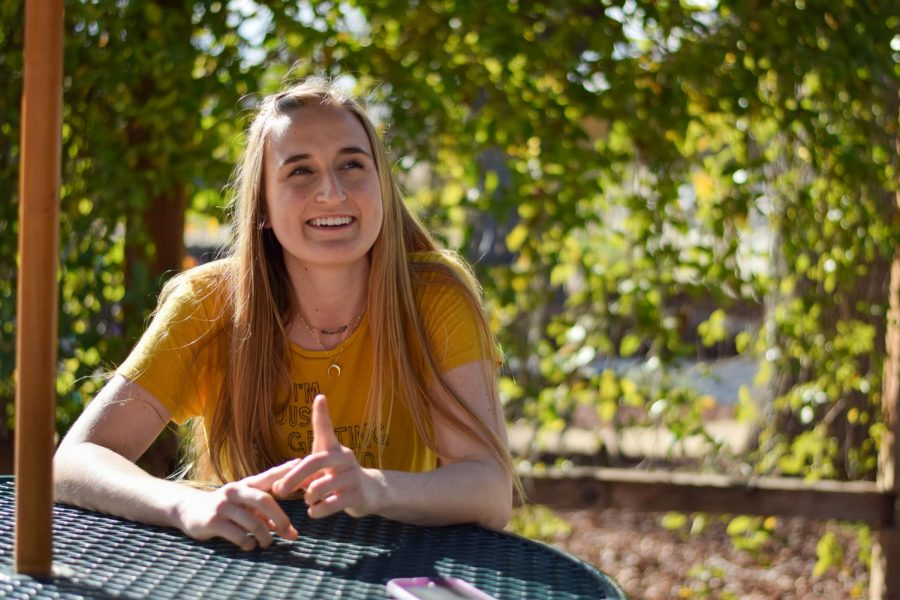
![“This is actually from Randy Pausch Randy P. Brick: ‘Walls are there for a reason. You have to show how much you want to overcome them.’ You have to show how much you want something. That's what I've always been able to do with tennis, Link Crew and getting that internship [with Kushy Baby]. It’s important pushing through that — getting around that brick wall, climbing over it or clawing through it,” Yash Sachdeva (’26) said.](https://harkeraquila.com/wp-content/uploads/2026/05/YashSachdeva_RamBatchu-copy-1200x1002.jpg)





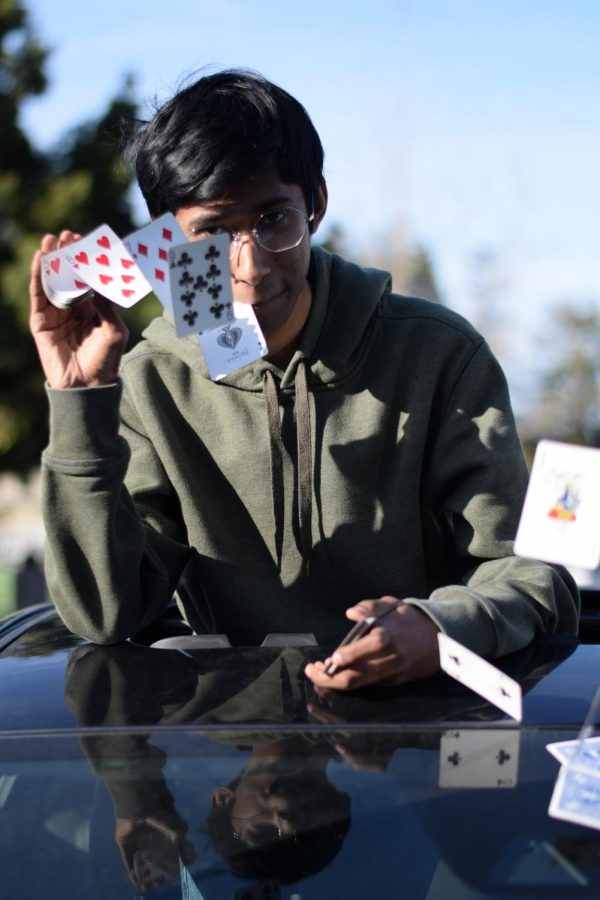
![“[Building nerf blasters] became this outlet of creativity for me that hasn't been matched by anything else. The process [of] making a build complete to your desire is such a painstakingly difficult process, but I've had to learn from [the skills needed from] soldering to proper painting. There's so many different options for everything, if you think about it, it exists. The best part is [that] if it doesn't exist, you can build it yourself," Ishaan Parate said.](https://harkeraquila.com/wp-content/uploads/2022/08/DSC_8149-900x604.jpg)
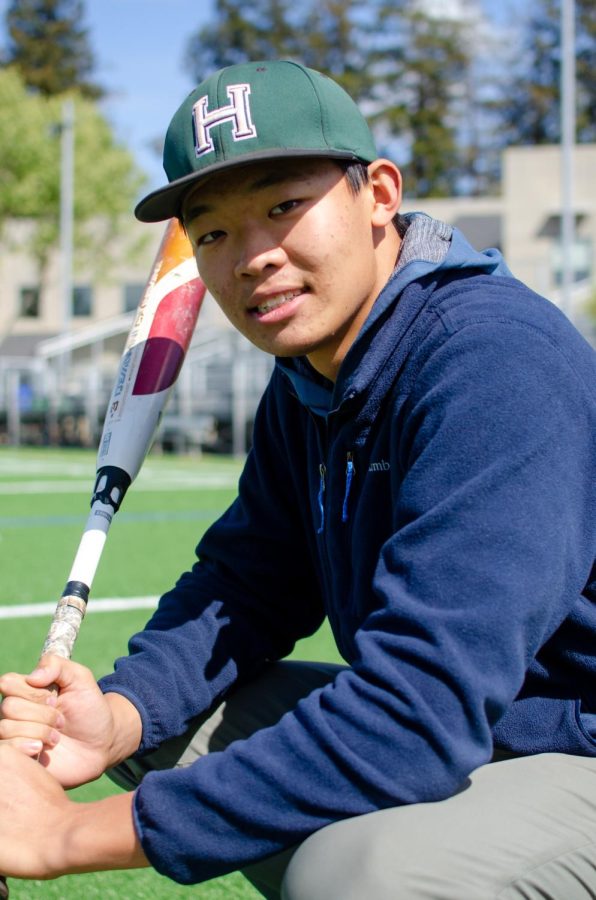
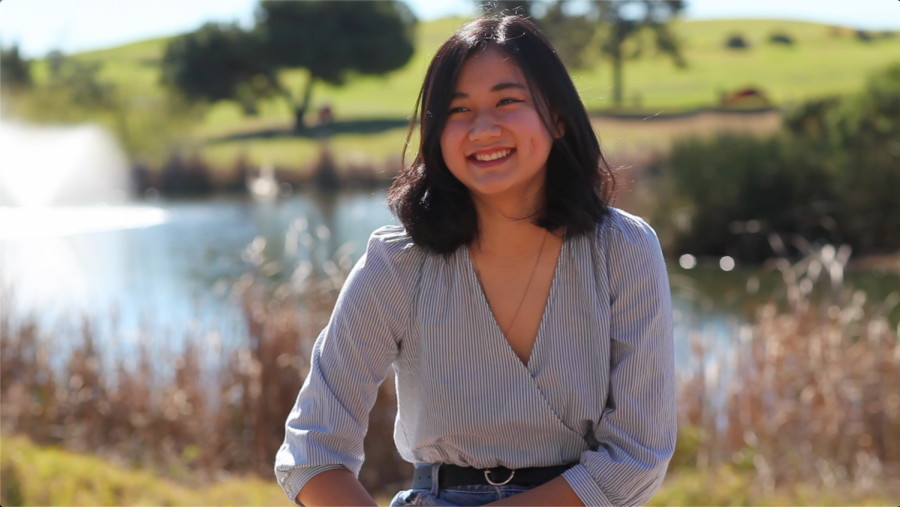
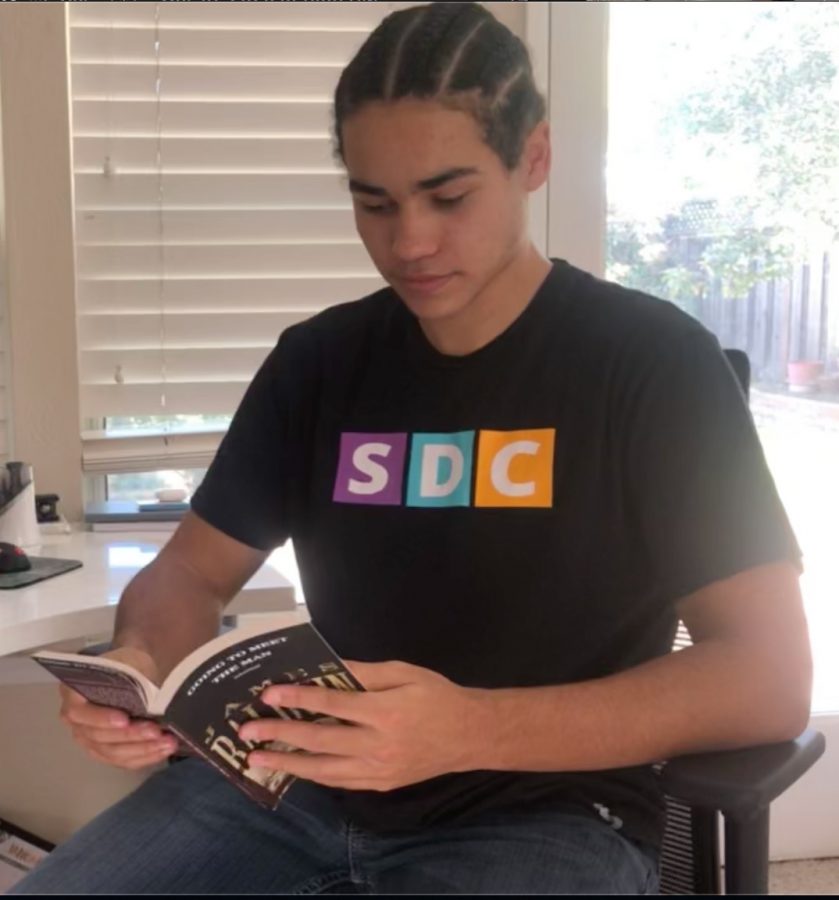
![“When I came into high school, I was ready to be a follower. But DECA was a game changer for me. It helped me overcome my fear of public speaking, and it's played such a major role in who I've become today. To be able to successfully lead a chapter of 150 students, an officer team and be one of the upperclassmen I once really admired is something I'm [really] proud of,” Anvitha Tummala ('21) said.](https://harkeraquila.com/wp-content/uploads/2021/07/Screen-Shot-2021-07-25-at-9.50.05-AM-900x594.png)
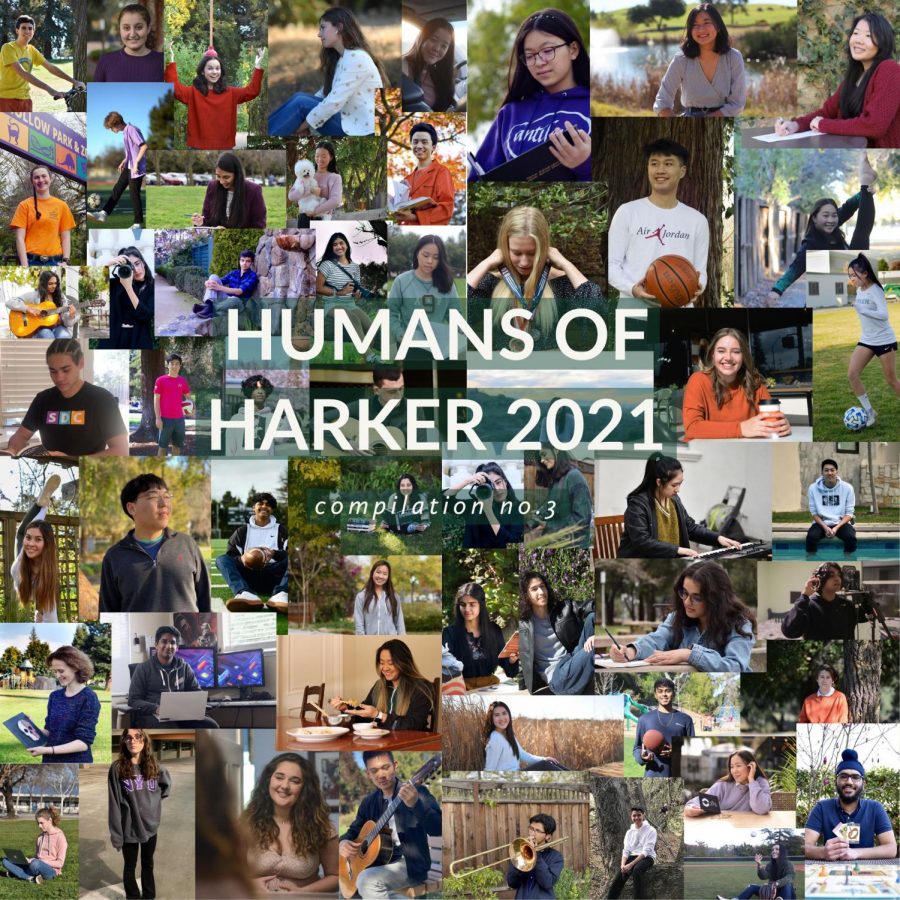
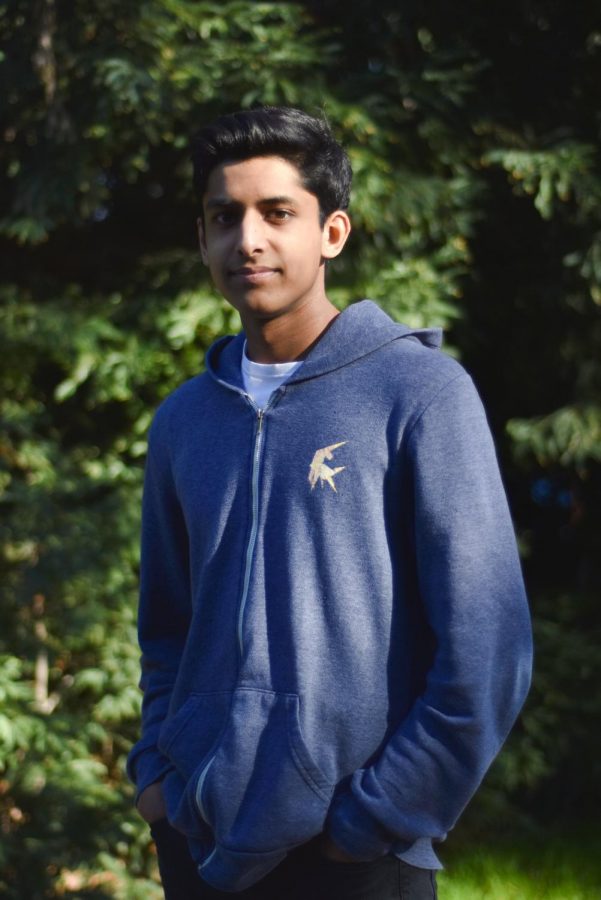

![“I think getting up in the morning and having a sense of purpose [is exciting]. I think without a certain amount of drive, life is kind of obsolete and mundane, and I think having that every single day is what makes each day unique and kind of makes life exciting,” Neymika Jain (12) said.](https://harkeraquila.com/wp-content/uploads/2017/06/Screen-Shot-2017-06-03-at-4.54.16-PM.png)
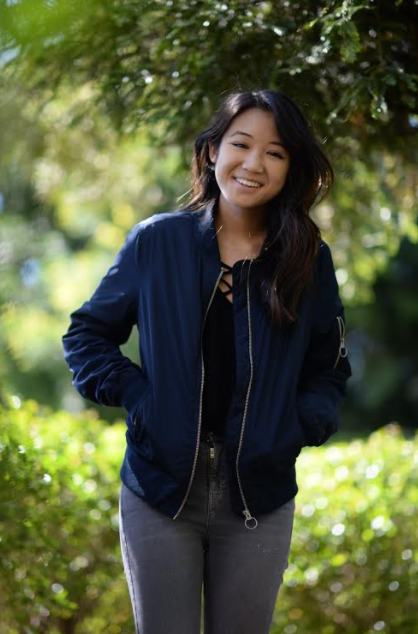
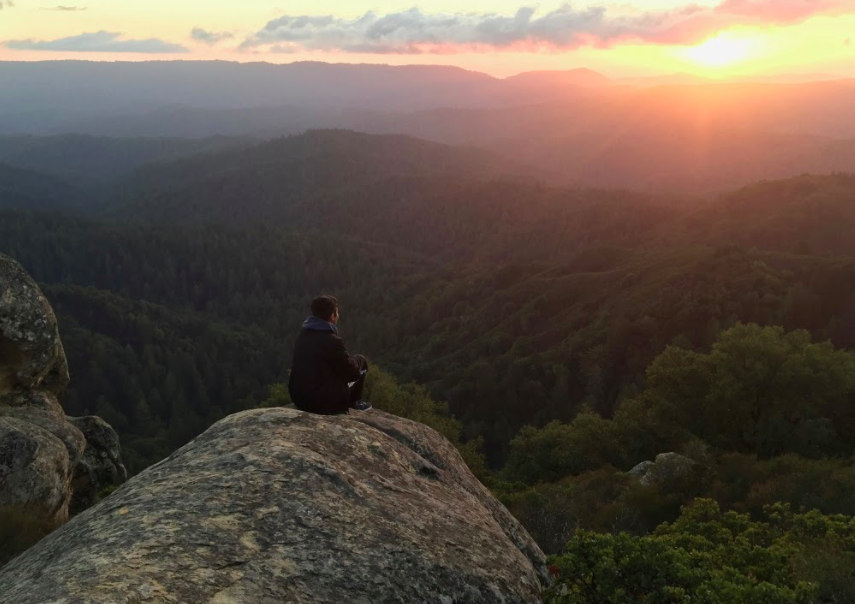
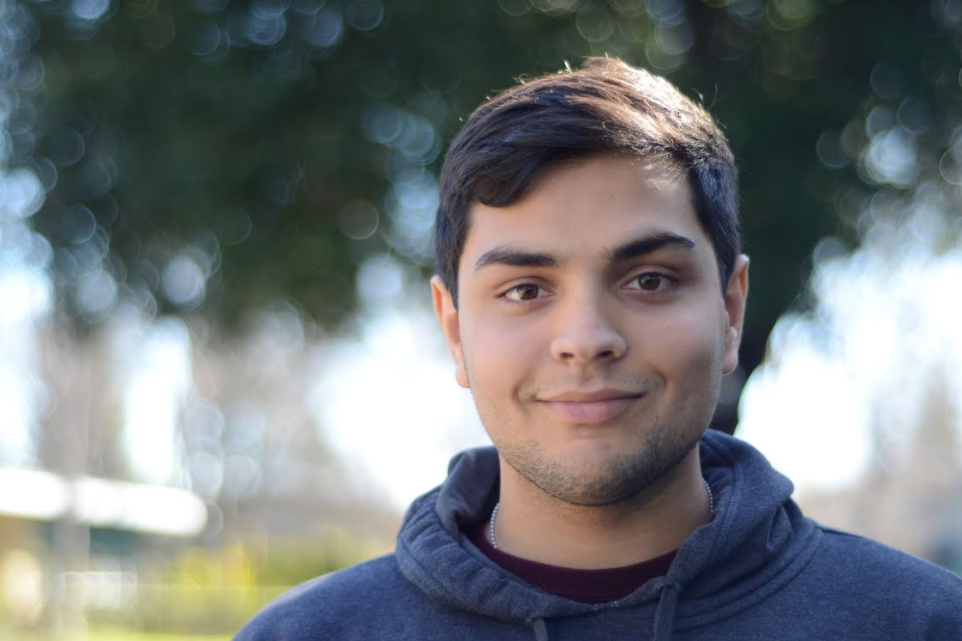

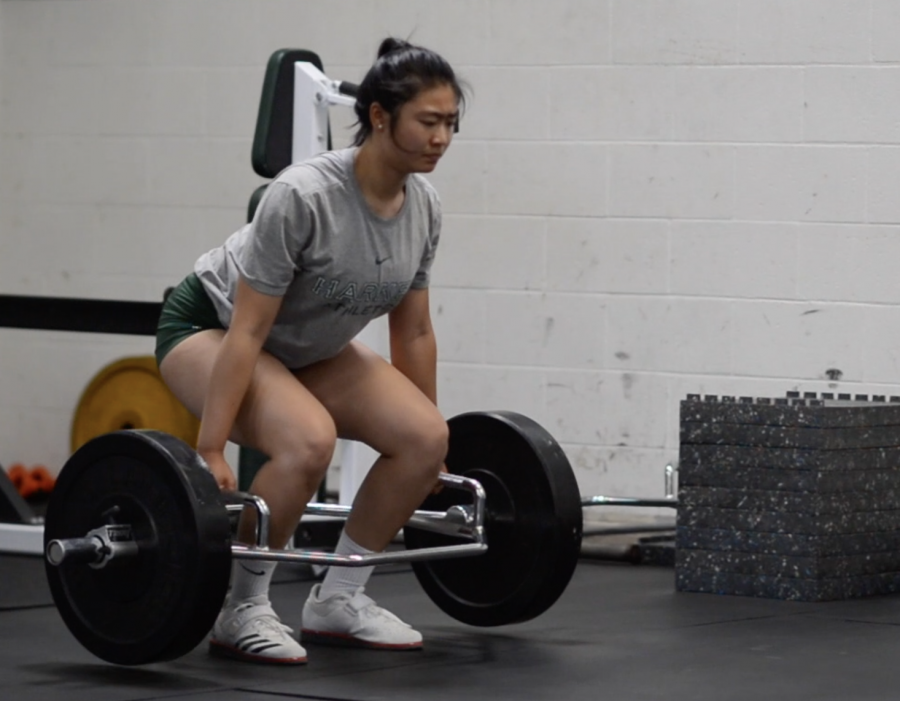

![“My slogan is ‘slow feet, don’t eat, and I’m hungry.’ You need to run fast to get where you are–you aren't going to get those championships if you aren't fast,” Angel Cervantes (12) said. “I want to do well in school on my tests and in track and win championships for my team. I live by that, [and] I can do that anywhere: in the classroom or on the field.”](https://harkeraquila.com/wp-content/uploads/2018/06/DSC5146-900x601.jpg)
![“[Volleyball has] taught me how to fall correctly, and another thing it taught is that you don’t have to be the best at something to be good at it. If you just hit the ball in a smart way, then it still scores points and you’re good at it. You could be a background player and still make a much bigger impact on the team than you would think,” Anya Gert (’20) said.](https://harkeraquila.com/wp-content/uploads/2020/06/AnnaGert_JinTuan_HoHPhotoEdited-600x900.jpeg)
![“I'm not nearly there yet, but [my confidence has] definitely been getting better since I was pretty shy and timid coming into Harker my freshman year. I know that there's a lot of people that are really confident in what they do, and I really admire them. Everyone's so driven and that has really pushed me to kind of try to find my own place in high school and be more confident,” Alyssa Huang (’20) said.](https://harkeraquila.com/wp-content/uploads/2020/06/AlyssaHuang_EmilyChen_HoHPhoto-900x749.jpeg)



Astronomy Club members learned a range of techniques for finding exoplanets and experimented with these methods through Google Colab’s online Python development environment during a workshop held during lunch on Nov. 10.
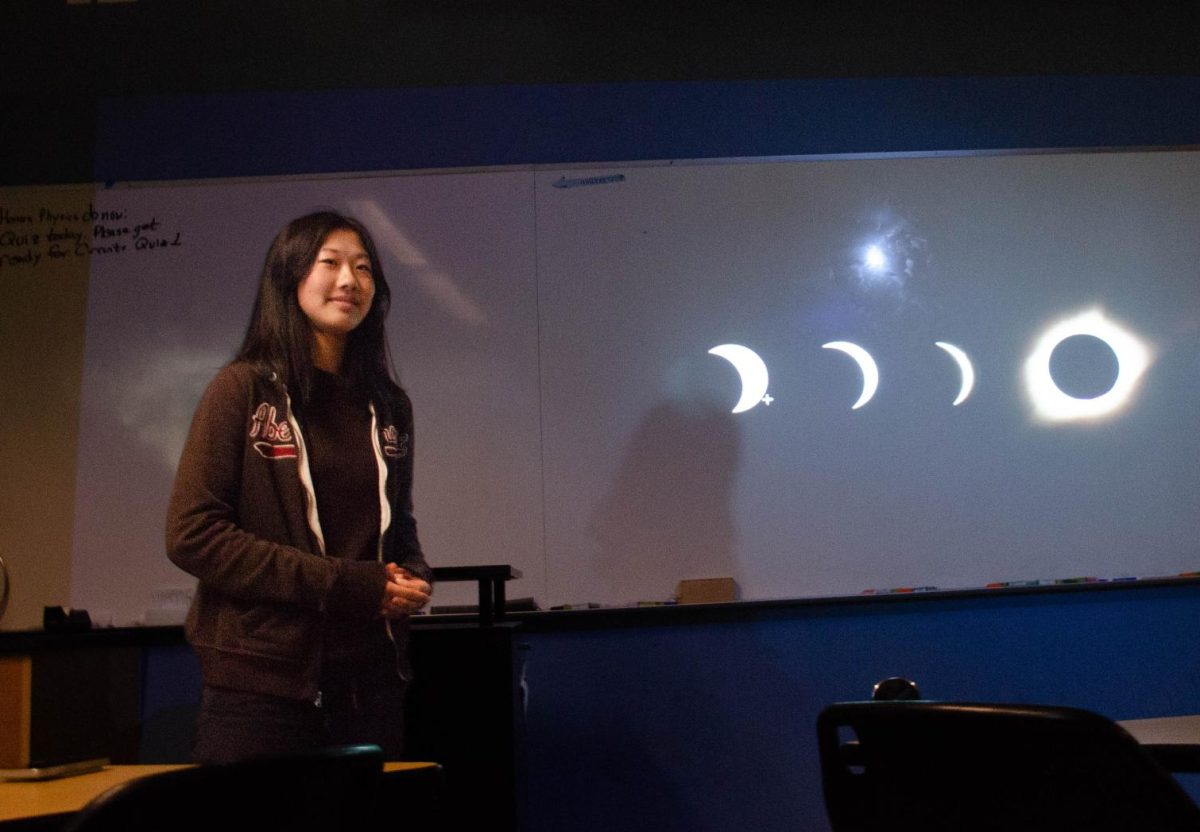
Director of Internal Affairs Elizabeth Zhang (11) described detection methods ranging from the transit method, which involves looking for periodic dips in star brightness caused by obscuring exoplanets, to astrometry, which requires directly measuring a celestial body’s position and velocity over time. She laid out the advantages and disadvantages of each approach and explained that open source software for analyzing publicly available astronomical data has made exoplanet research very approachable.
“Normally when people do astronomy, they think of needing to act as a telescope or needing to go outside when it’s really dark and look at the sky,” Elizabeth said. “In fact, astronomy can be much closer to Harker life. It can just be you coding on your computer. I wanted to make it clear that you can still do astronomy without having resources like expensive telescopes.”
Using a Google Colab notebook to manipulate data from NASA’s exoplanet archive, attendees looked into the properties of exoplanets utilizing the transit method. Astronomy Club Committee Member Lucas Wu (10) pointed out the workshop portion of the lecture as his favorite part.
“When a planet passes in front of a star in front of our vision, then light flux is going to decrease, because it’s blocking some of the light,” Lucas said. “So then you look at how often the light flux is going down and coming back up. [Through the activity], you actually got to explore an exoplanet, and it made you feel like you made a cool scientific discovery.”

Exoplanet research is a growing field of study. Astronomy Club President Eric Dong (12) explained that studying exoplanets allows scientists to learn more about the possibility of life beyond Earth.
“Exoplanets are worth studying, not just because they’re inherently interesting, but because they have the potential to harbor life,” Eric said. “Learning about life beyond the solar system gives us a better idea of how life develops and how we should be approaching space exploration.”
Elizabeth added that the relative ease of exoplanet detection reflects the growing accessibility of science research due to the increased availability of information online.
“I hope the attendees learned that as long as you put your mind to some project, you can get it done,” Elizabeth said. “The internet is such a big space, and there is so much out there for you to learn that if you were to really just sit down and try to make something happen, like find an exoplanet, it is doable for a high schooler. Anything’s possible.”