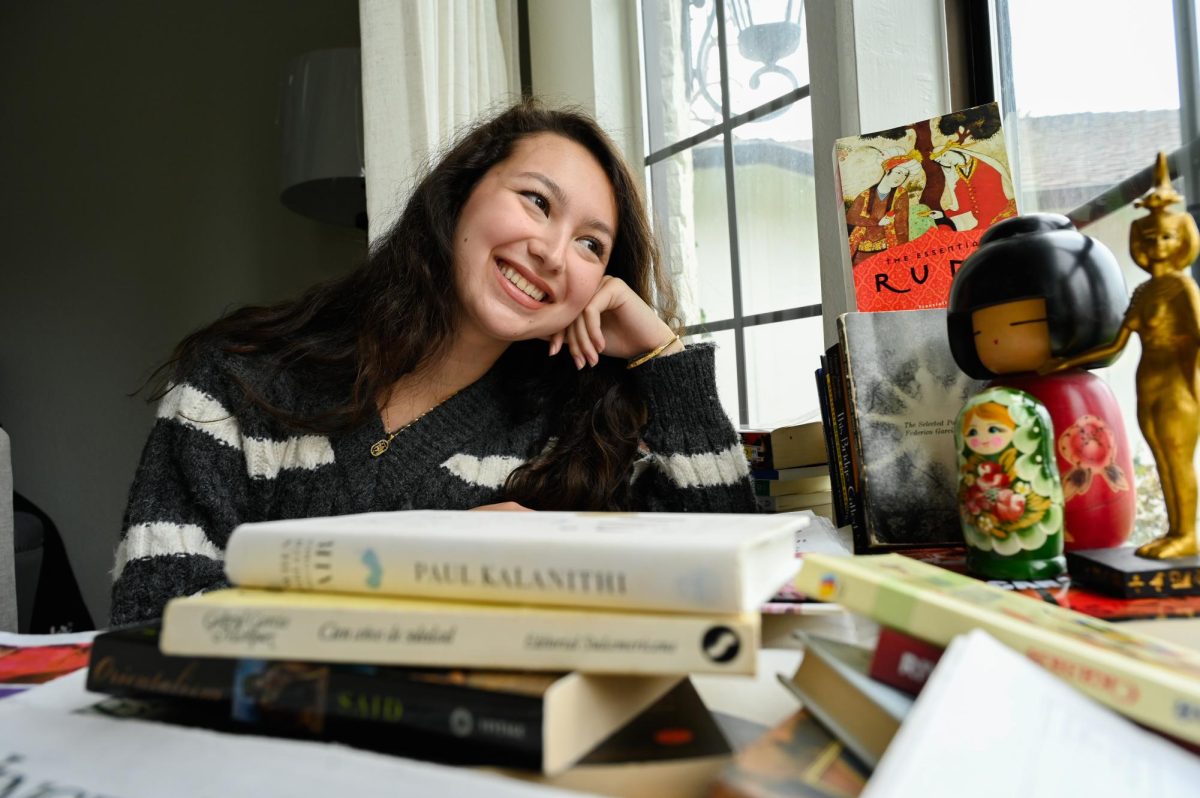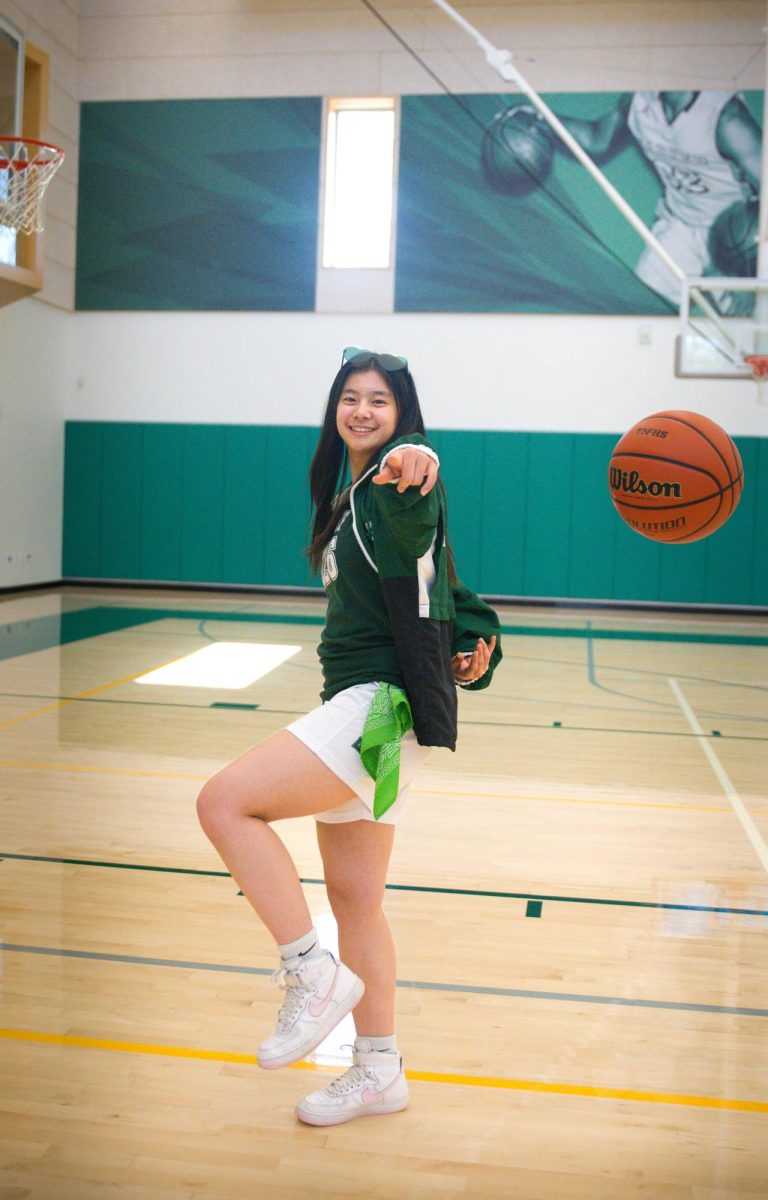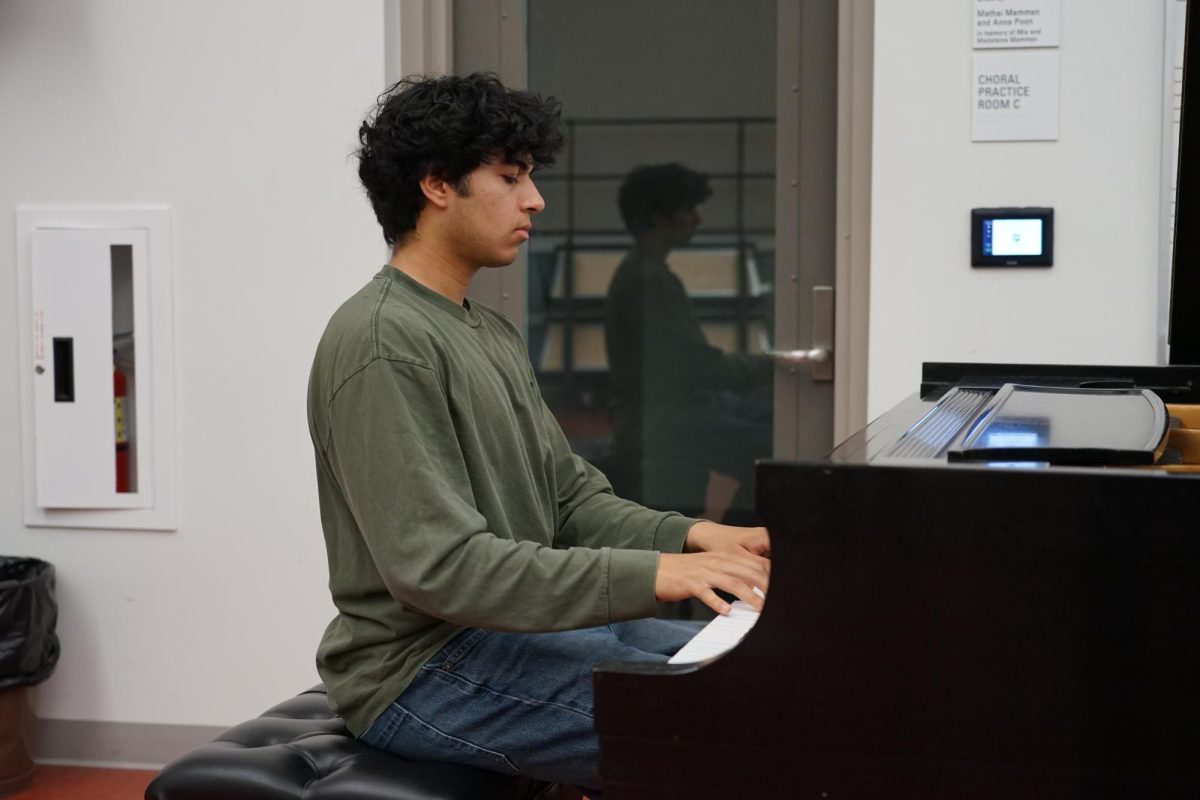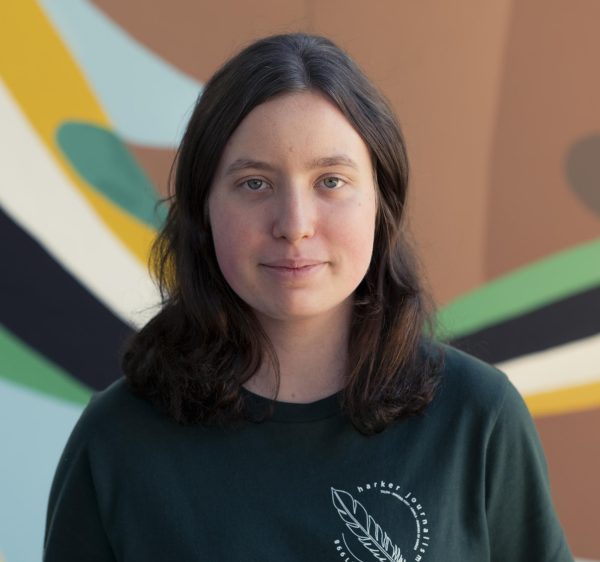
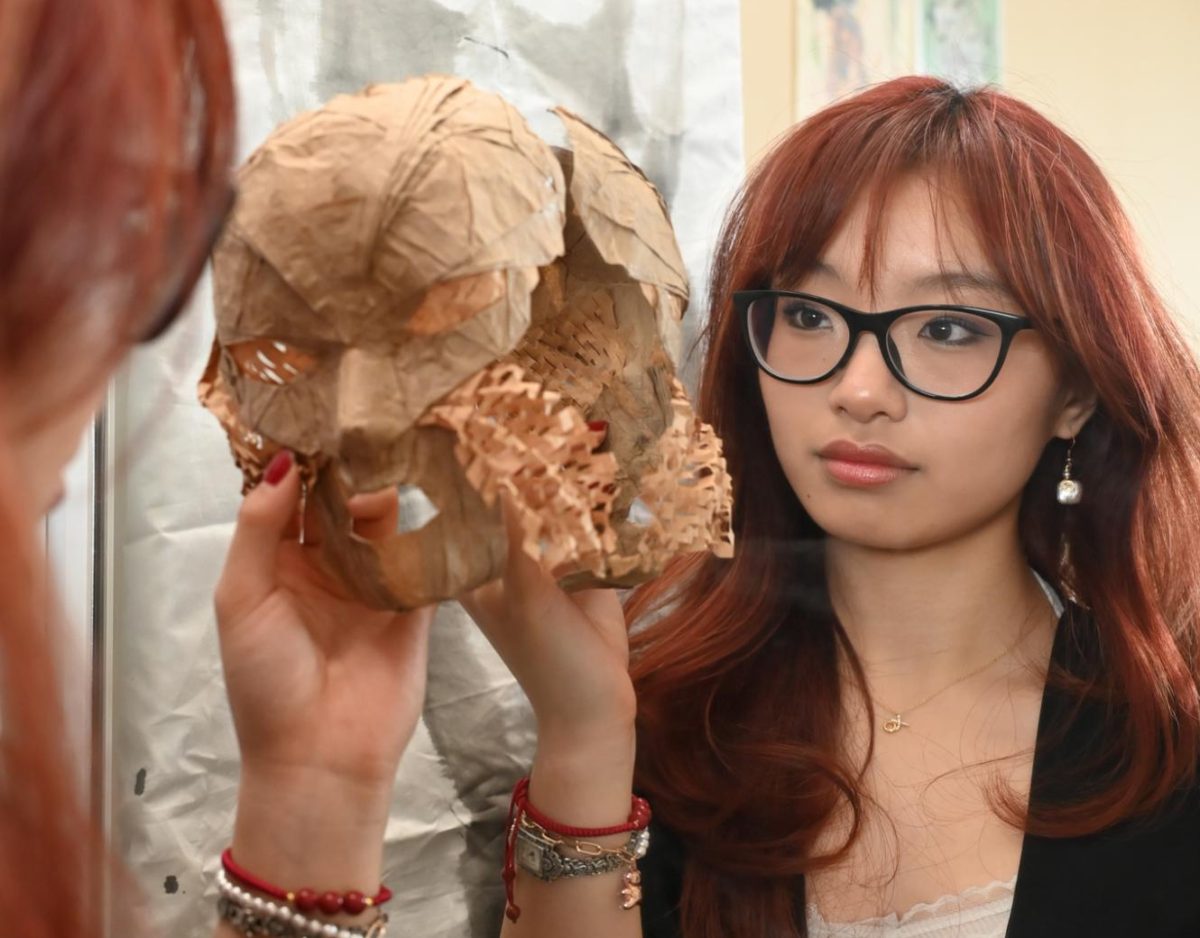
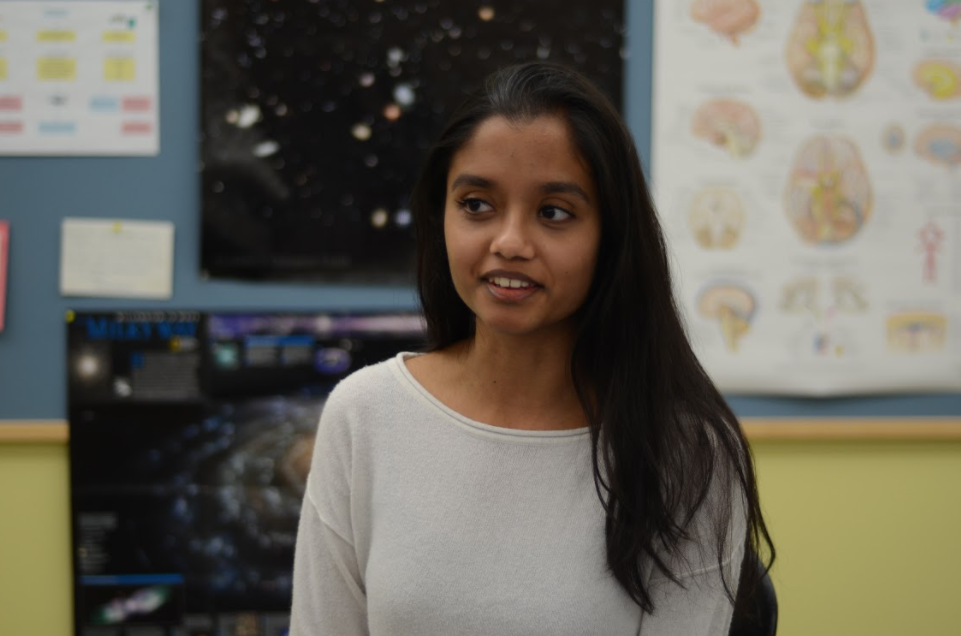
![“I wasn't discouraged by some of the obstacles we faced. I learned a lot from the leadership. I found that different people need different ways of receiving feedback — you can't [just] tell them to do something and expect the best. [Some] people needed more incentive. A large part of my role was to figure out what worked for everyone and to figure out how to lead all these separate individuals as a team,” Suhana Bhandare (’26) said.](https://harkeraquila.com/wp-content/uploads/2026/06/SuhanaBhandare_JasmineHansra-1-1200x798.jpg)
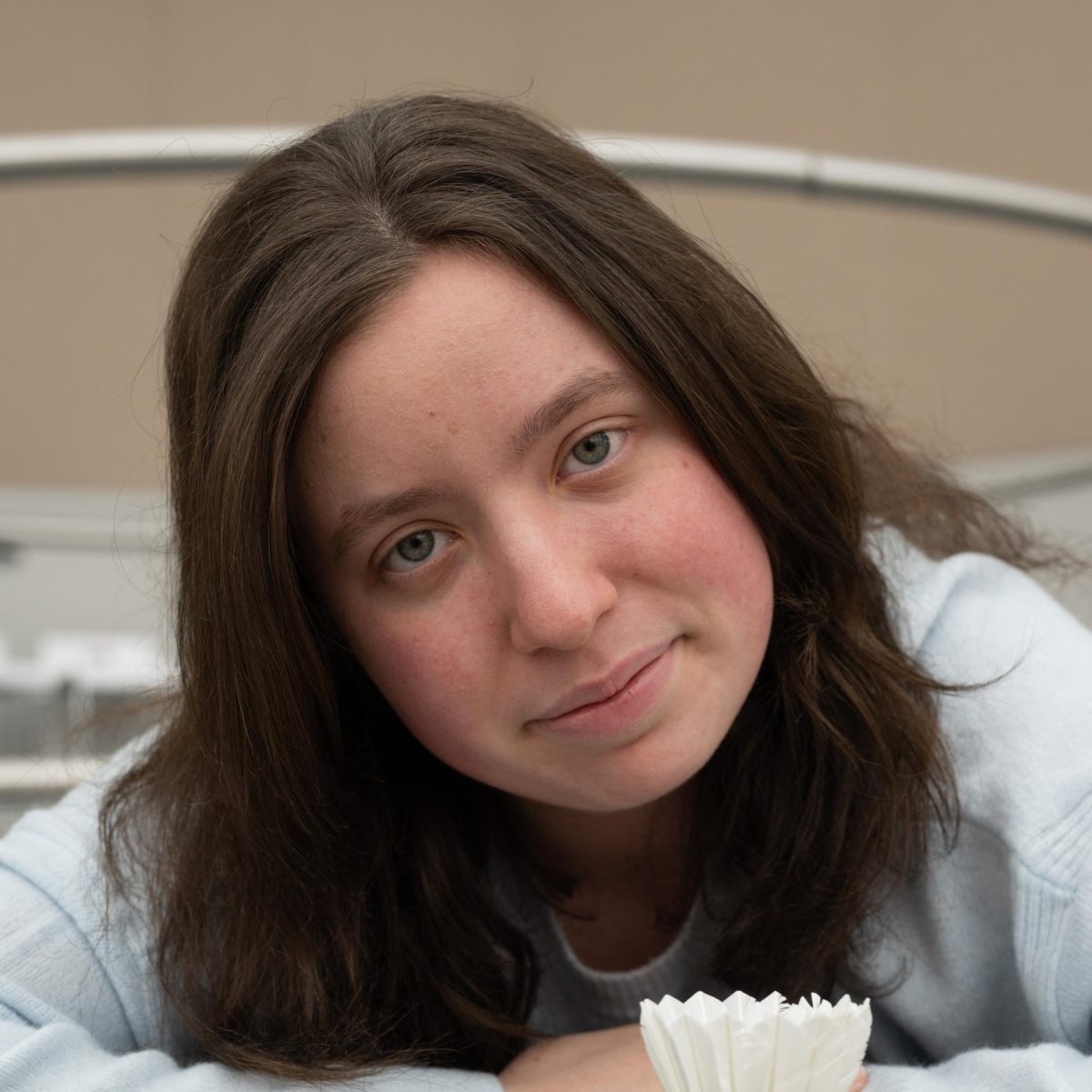
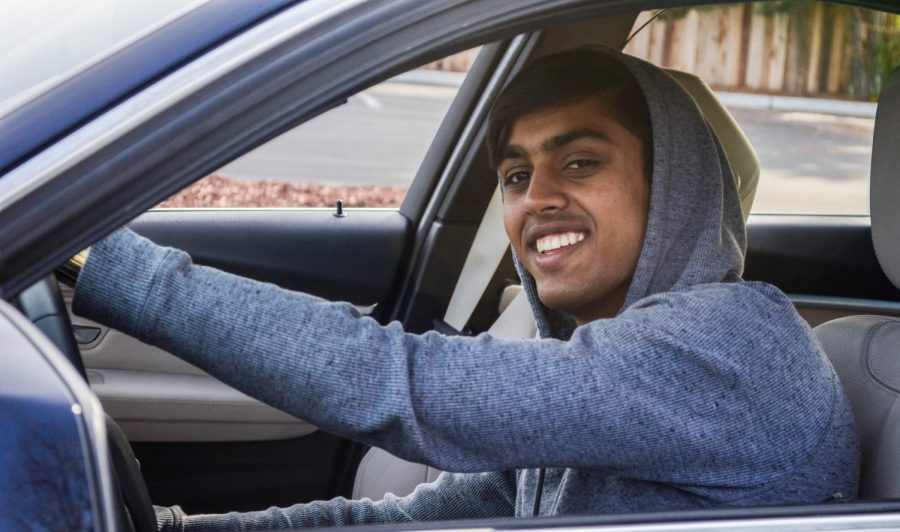
![“This is actually from Randy Pausch Randy P. Brick: ‘Walls are there for a reason. You have to show how much you want to overcome them.’ You have to show how much you want something. That's what I've always been able to do with tennis, Link Crew and getting that internship [with Kushy Baby]. It’s important pushing through that — getting around that brick wall, climbing over it or clawing through it,” Yash Sachdeva (’26) said.](https://harkeraquila.com/wp-content/uploads/2026/05/YashSachdeva_RamBatchu-copy-1200x1002.jpg)
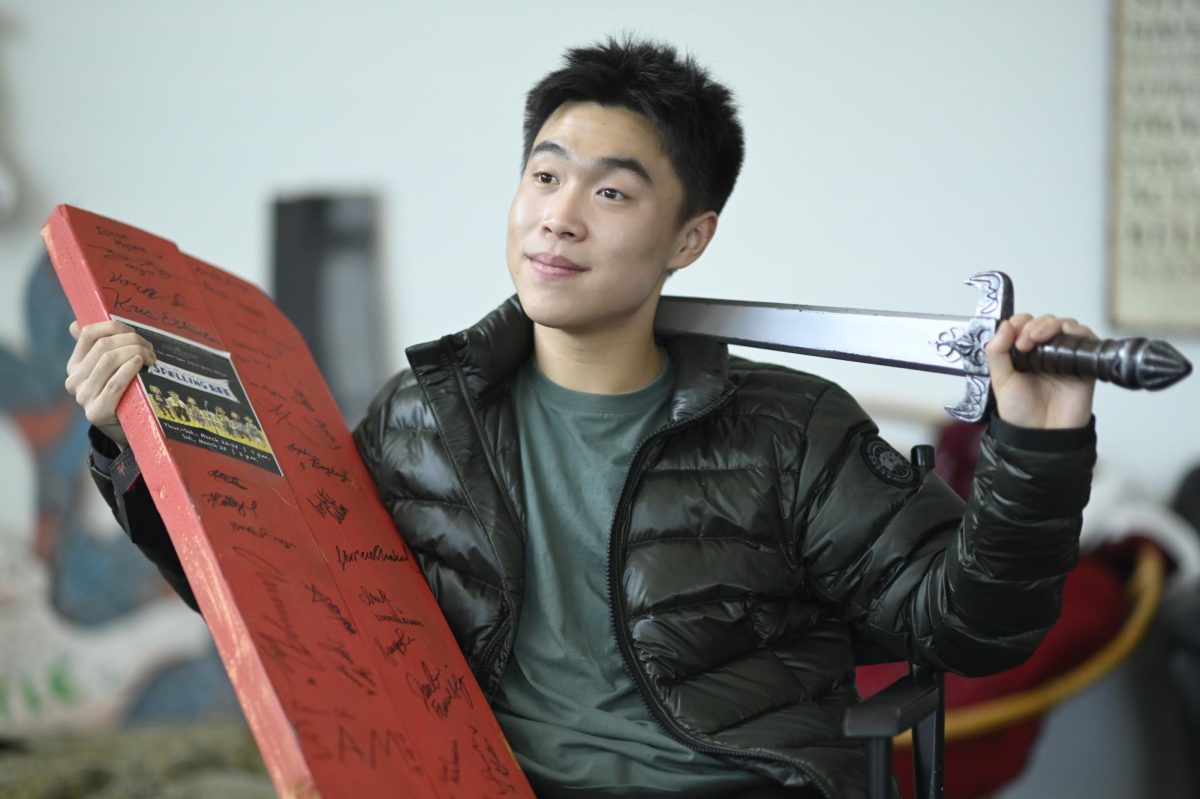
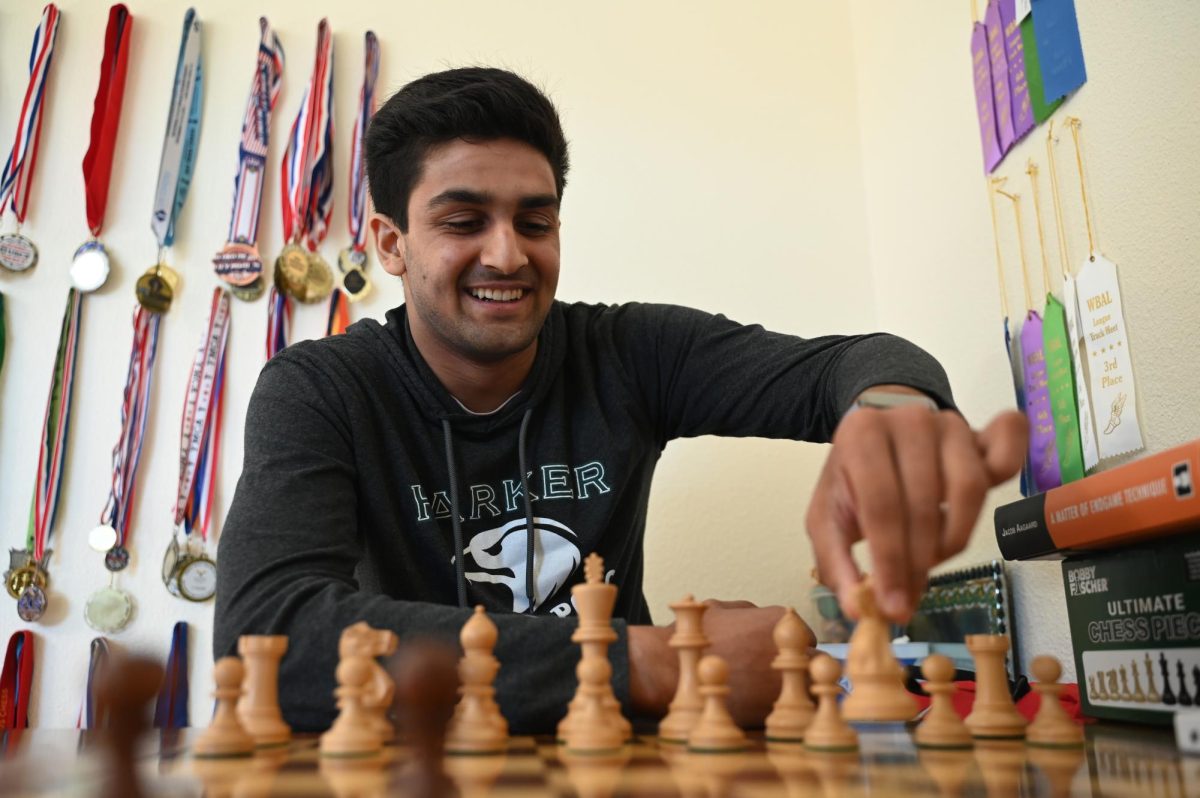
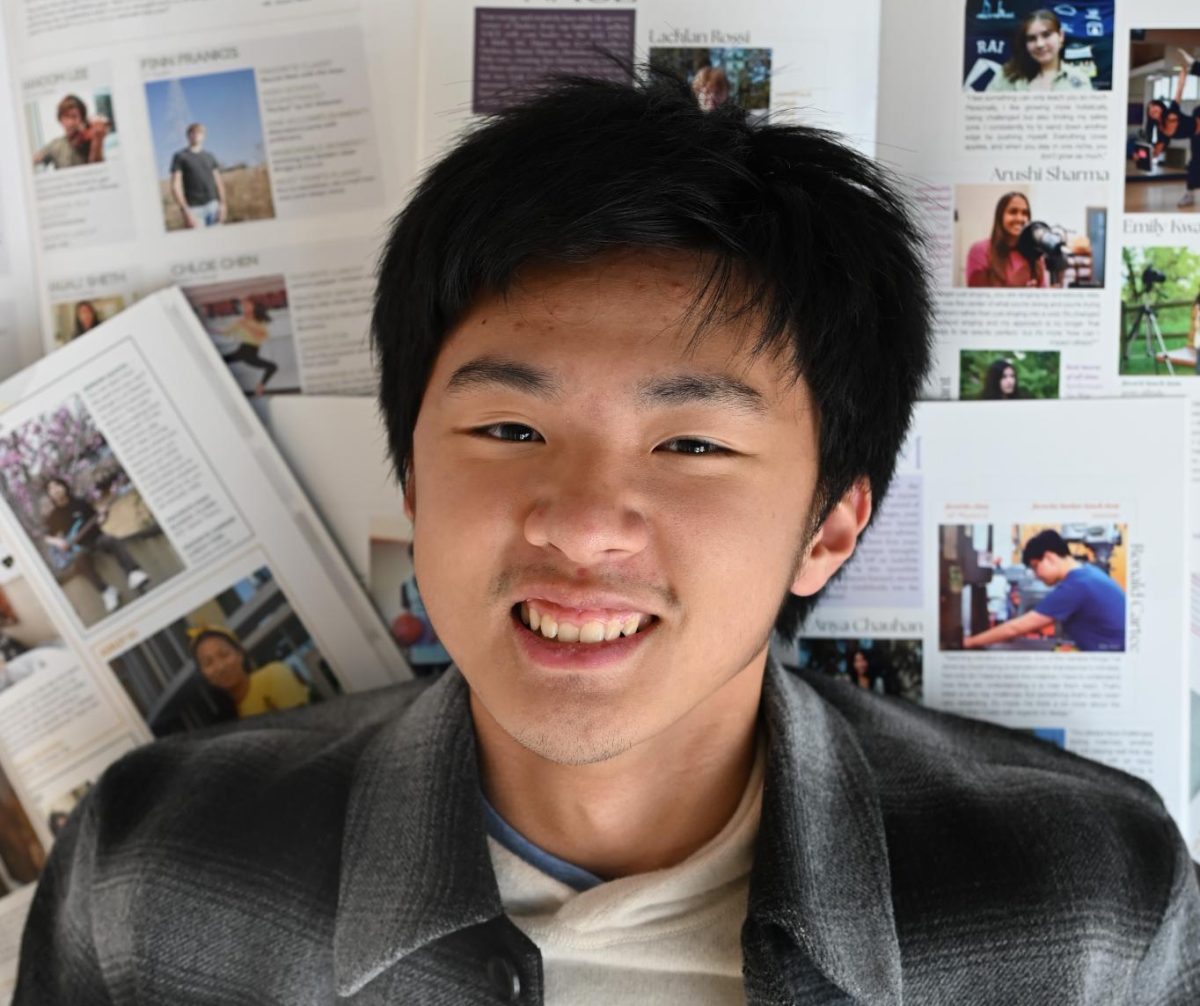
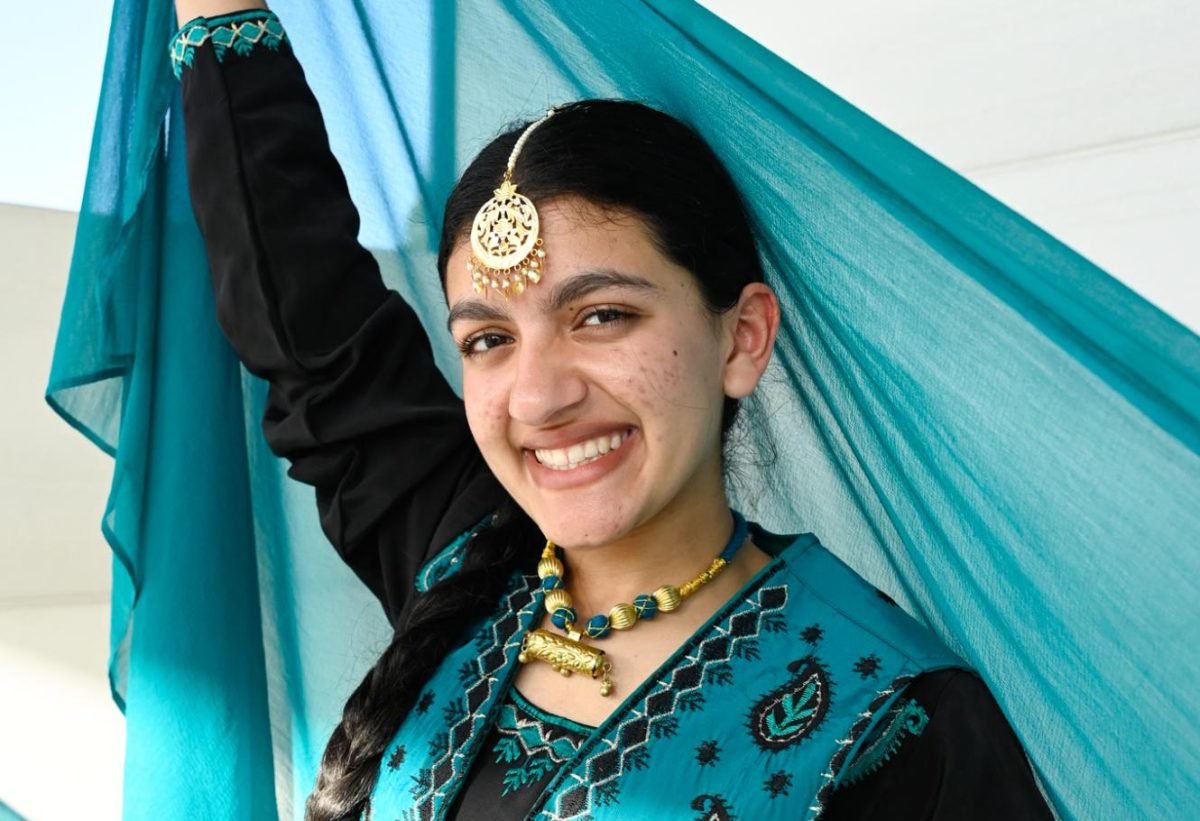
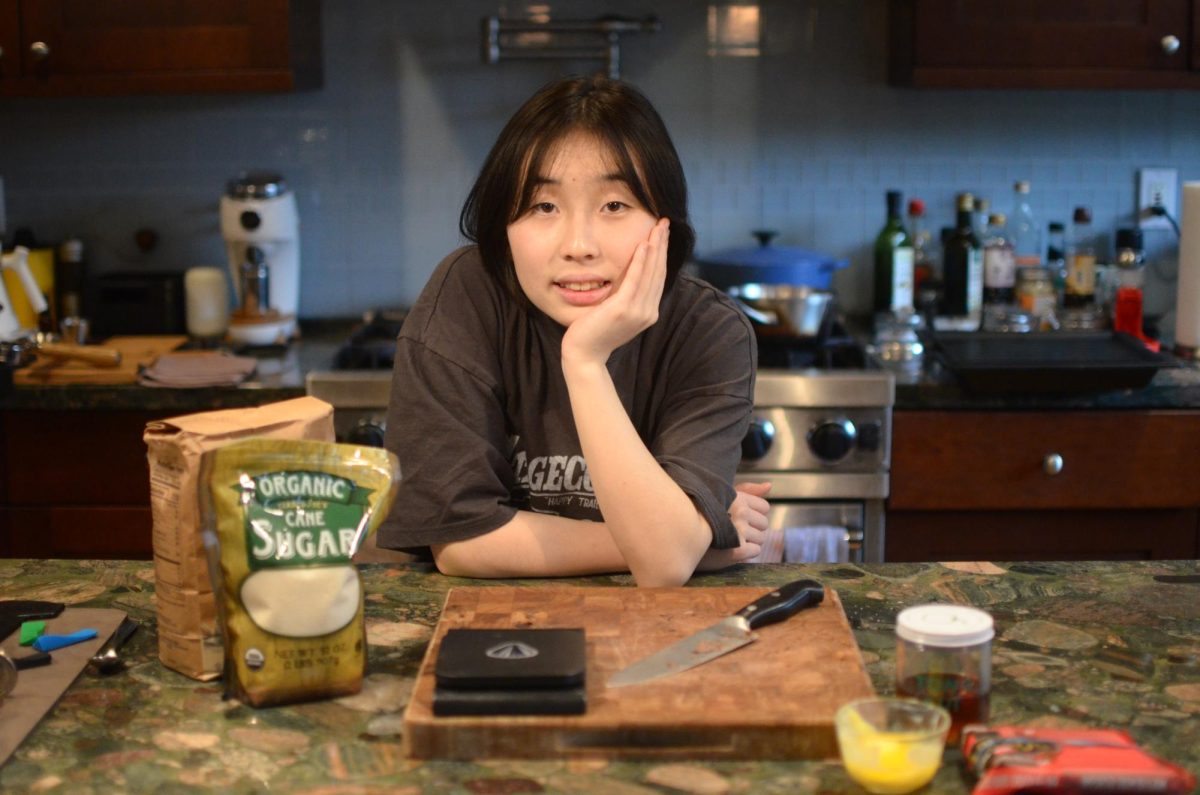
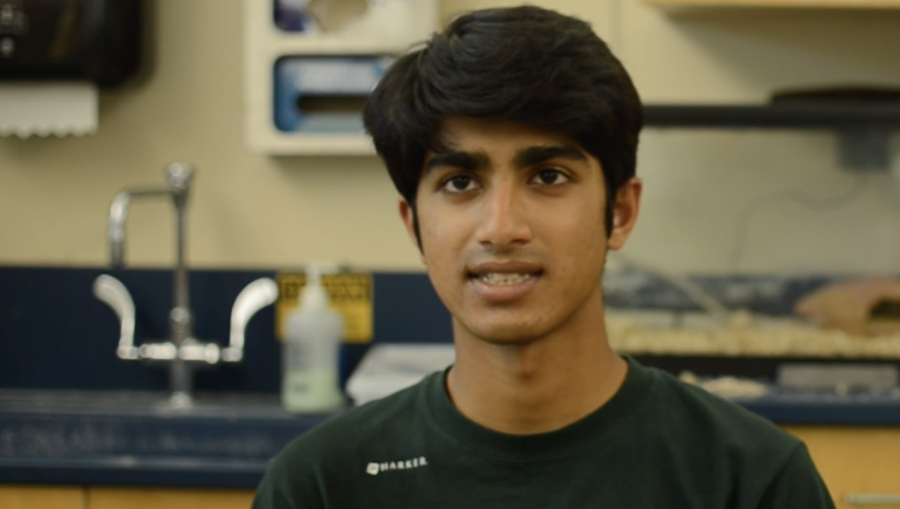
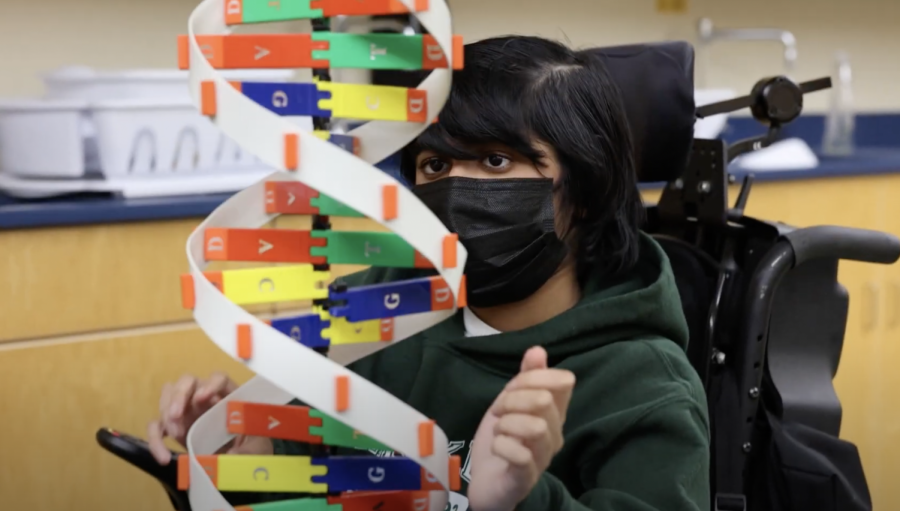
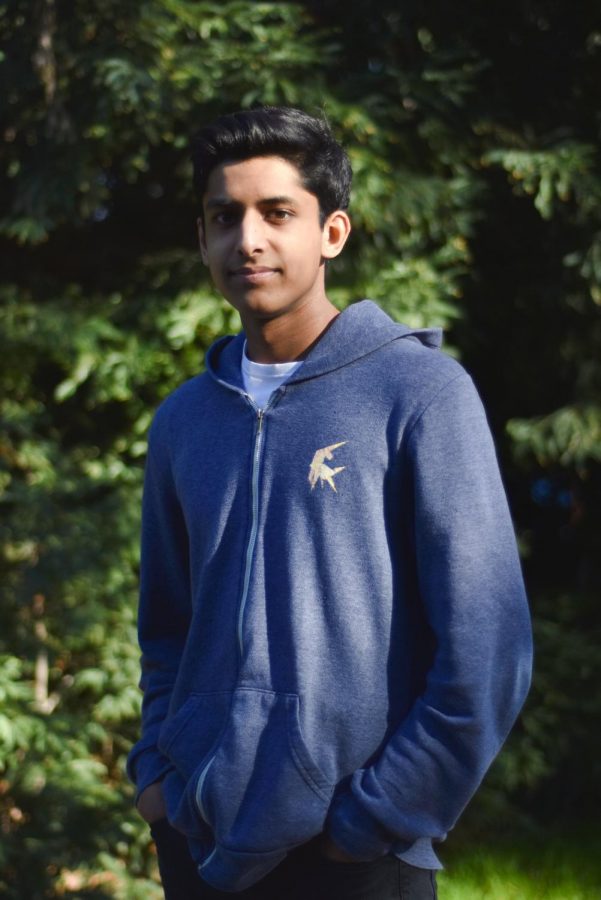
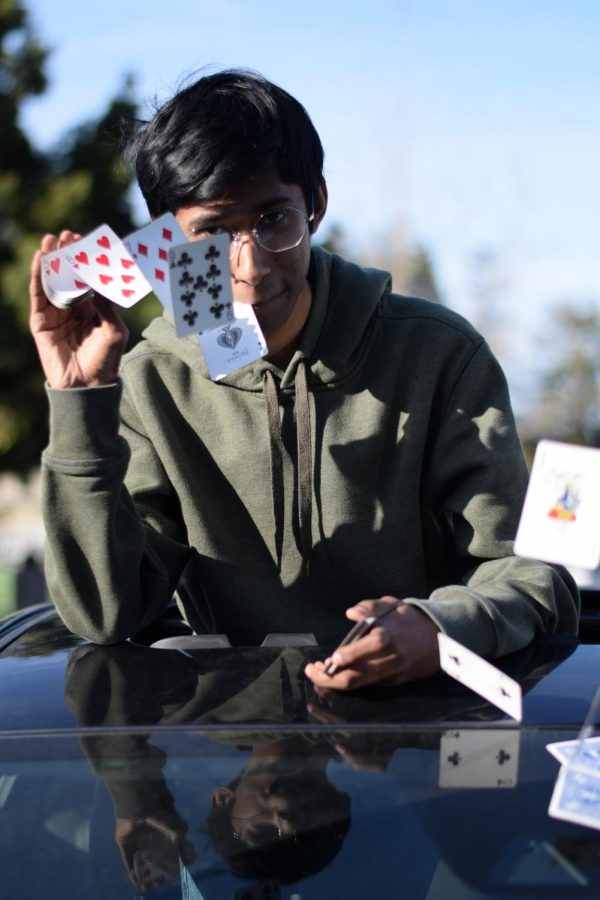
![“[Building nerf blasters] became this outlet of creativity for me that hasn't been matched by anything else. The process [of] making a build complete to your desire is such a painstakingly difficult process, but I've had to learn from [the skills needed from] soldering to proper painting. There's so many different options for everything, if you think about it, it exists. The best part is [that] if it doesn't exist, you can build it yourself," Ishaan Parate said.](https://harkeraquila.com/wp-content/uploads/2022/08/DSC_8149-900x604.jpg)
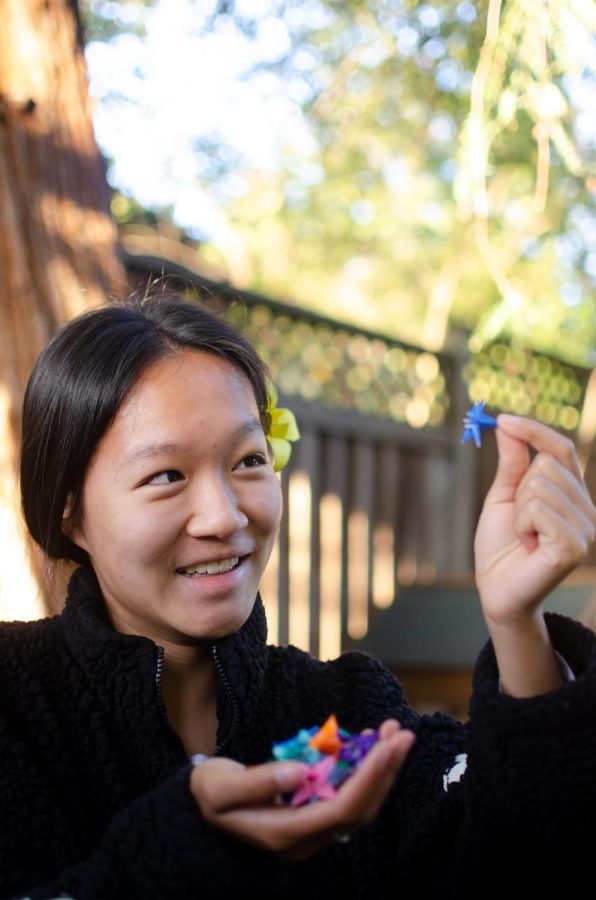
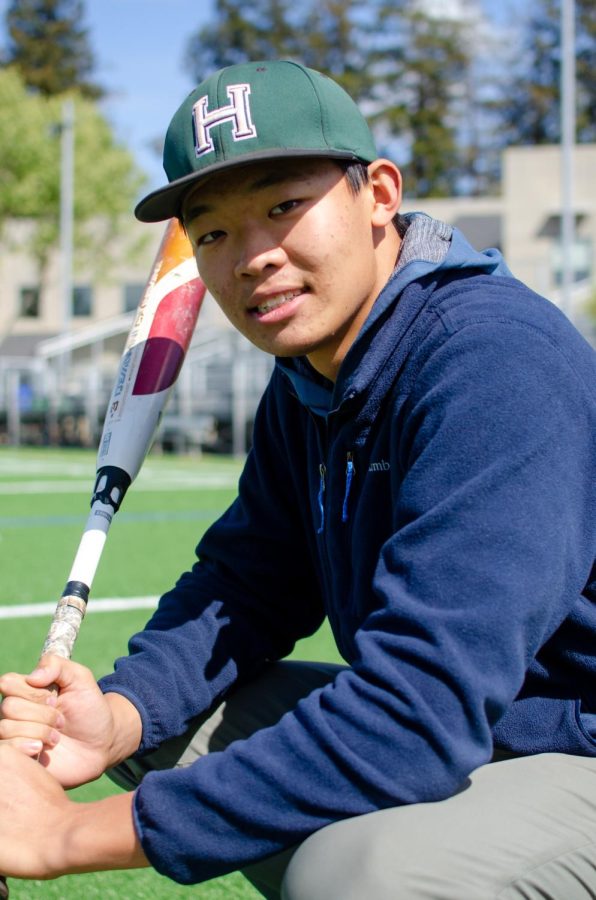
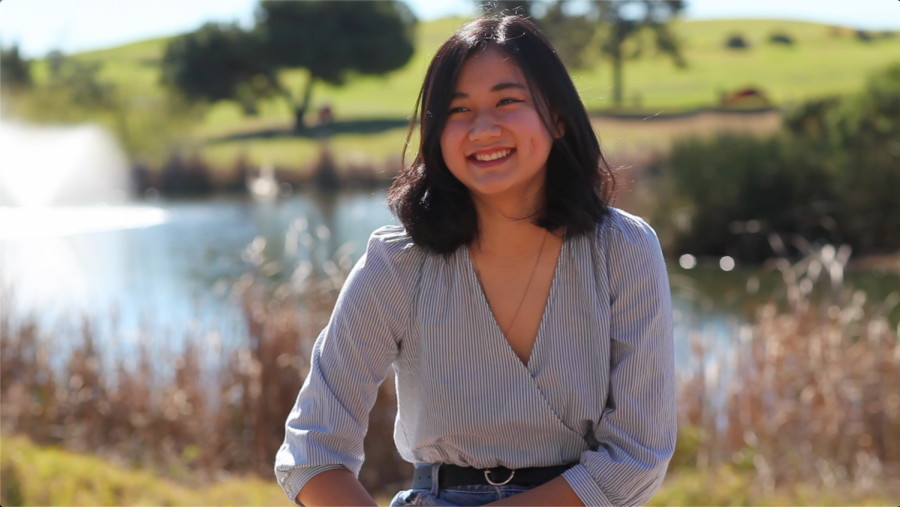
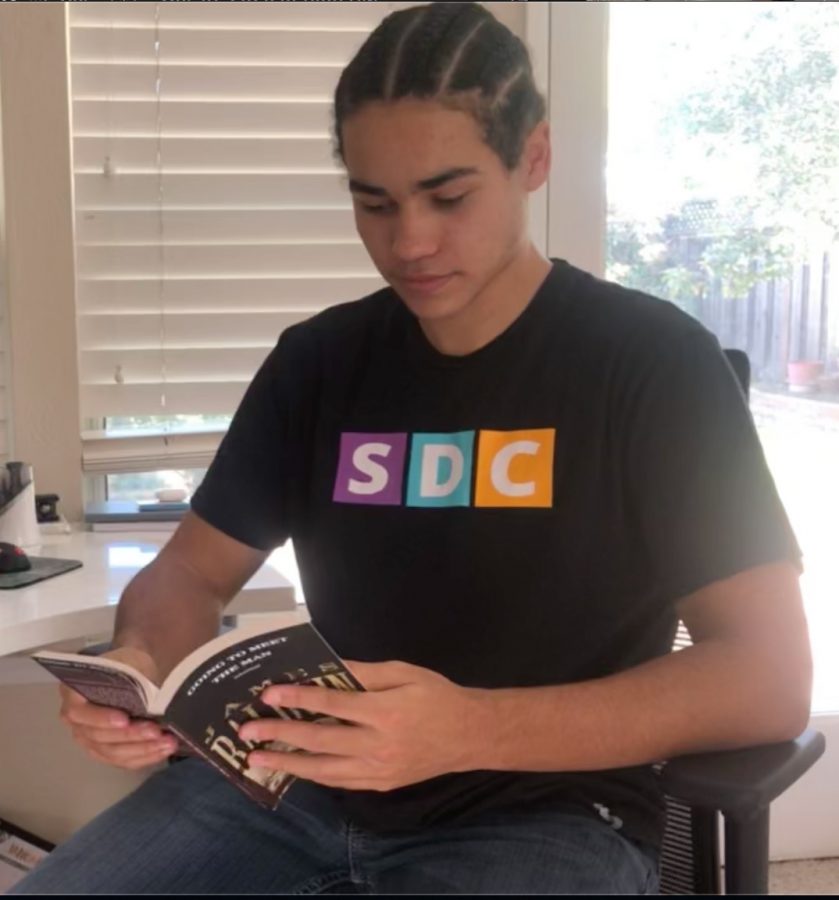
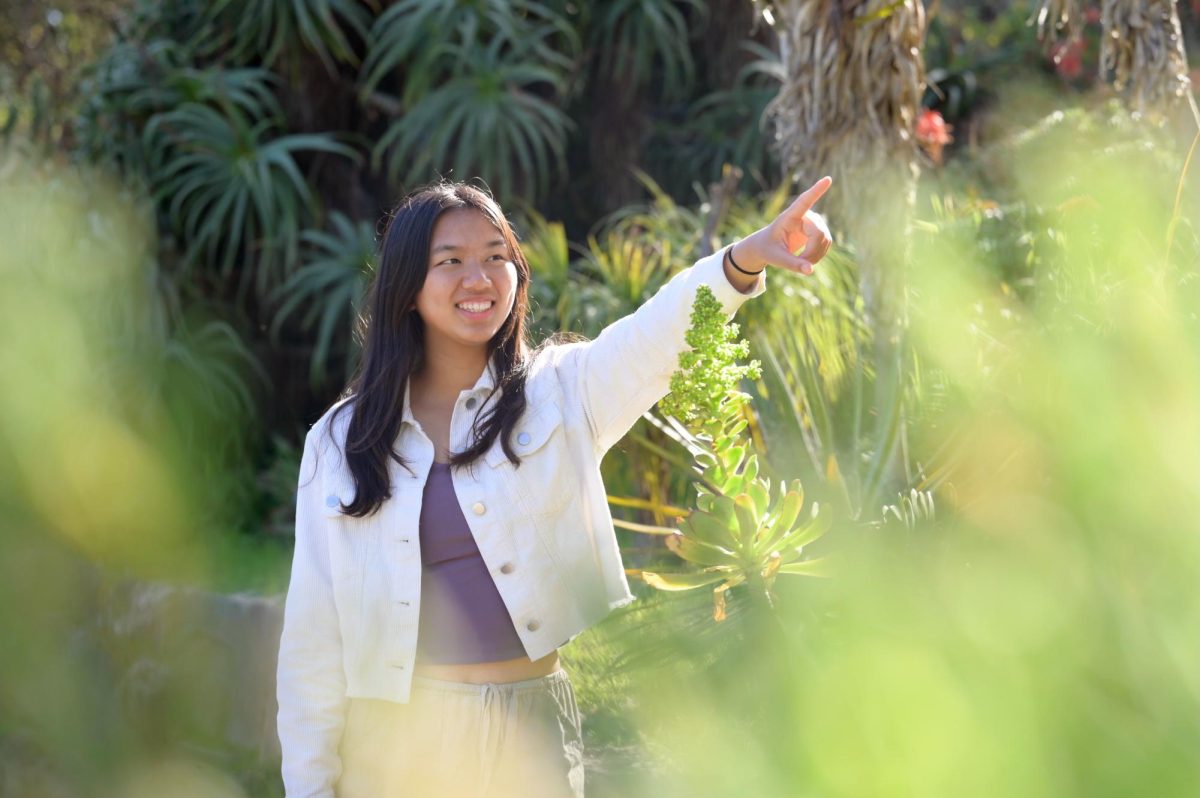
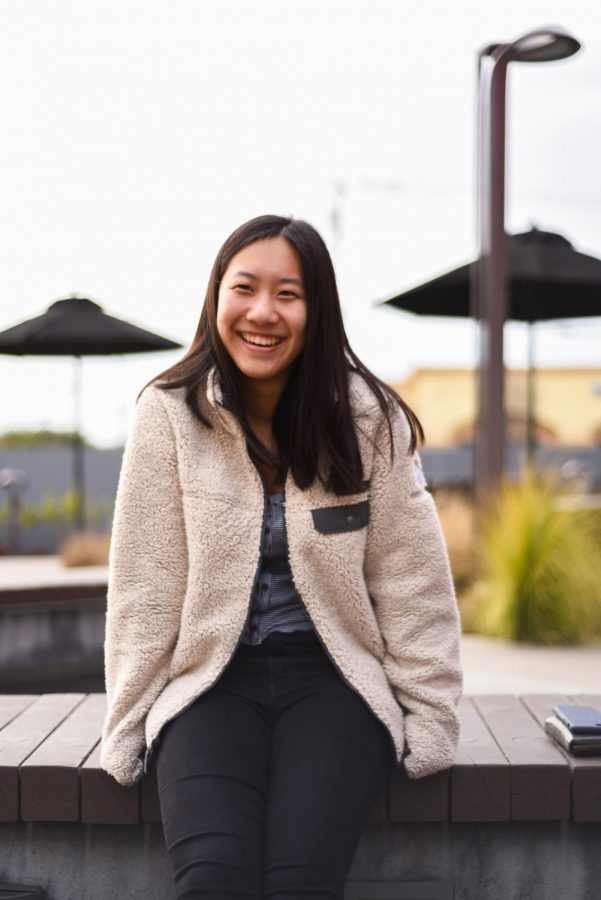
![“When I came into high school, I was ready to be a follower. But DECA was a game changer for me. It helped me overcome my fear of public speaking, and it's played such a major role in who I've become today. To be able to successfully lead a chapter of 150 students, an officer team and be one of the upperclassmen I once really admired is something I'm [really] proud of,” Anvitha Tummala ('21) said.](https://harkeraquila.com/wp-content/uploads/2021/07/Screen-Shot-2021-07-25-at-9.50.05-AM-900x594.png)
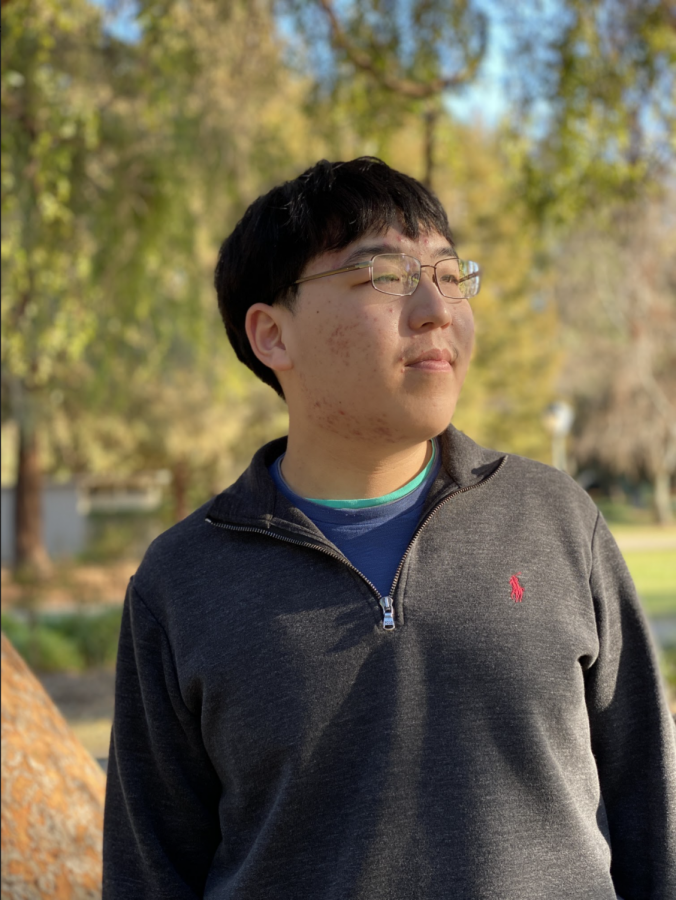
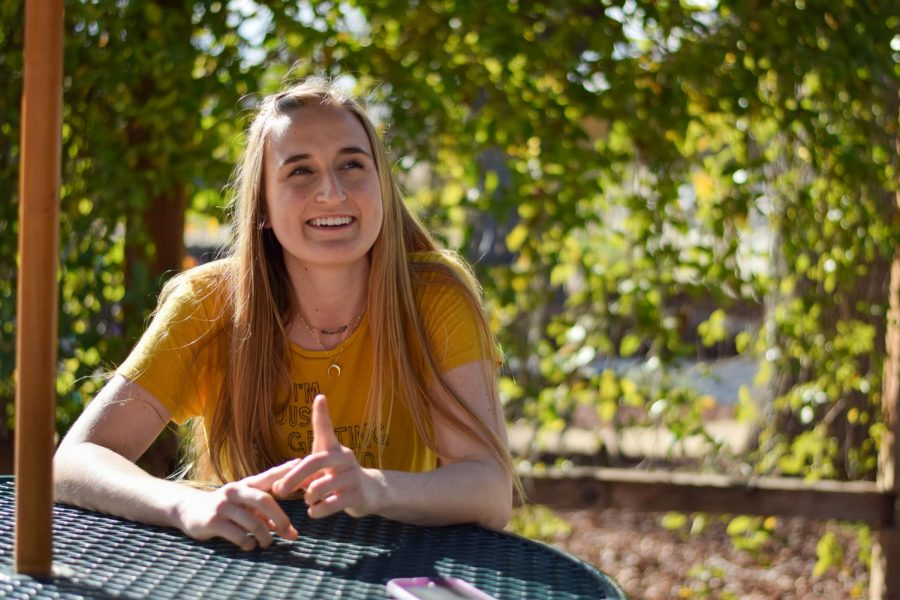
![“I think getting up in the morning and having a sense of purpose [is exciting]. I think without a certain amount of drive, life is kind of obsolete and mundane, and I think having that every single day is what makes each day unique and kind of makes life exciting,” Neymika Jain (12) said.](https://harkeraquila.com/wp-content/uploads/2017/06/Screen-Shot-2017-06-03-at-4.54.16-PM.png)

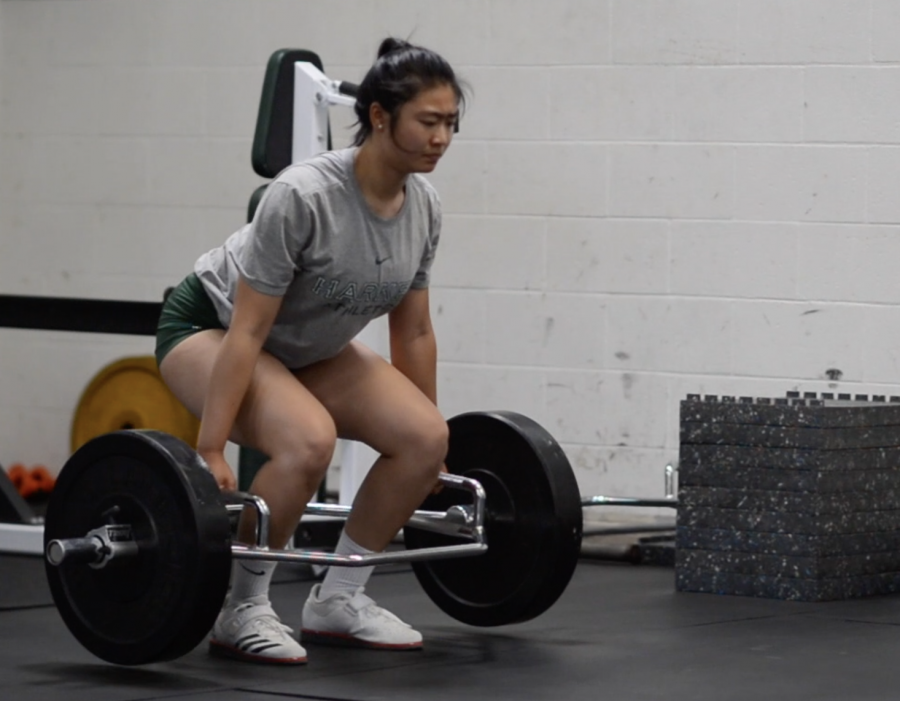
![“My slogan is ‘slow feet, don’t eat, and I’m hungry.’ You need to run fast to get where you are–you aren't going to get those championships if you aren't fast,” Angel Cervantes (12) said. “I want to do well in school on my tests and in track and win championships for my team. I live by that, [and] I can do that anywhere: in the classroom or on the field.”](https://harkeraquila.com/wp-content/uploads/2018/06/DSC5146-900x601.jpg)
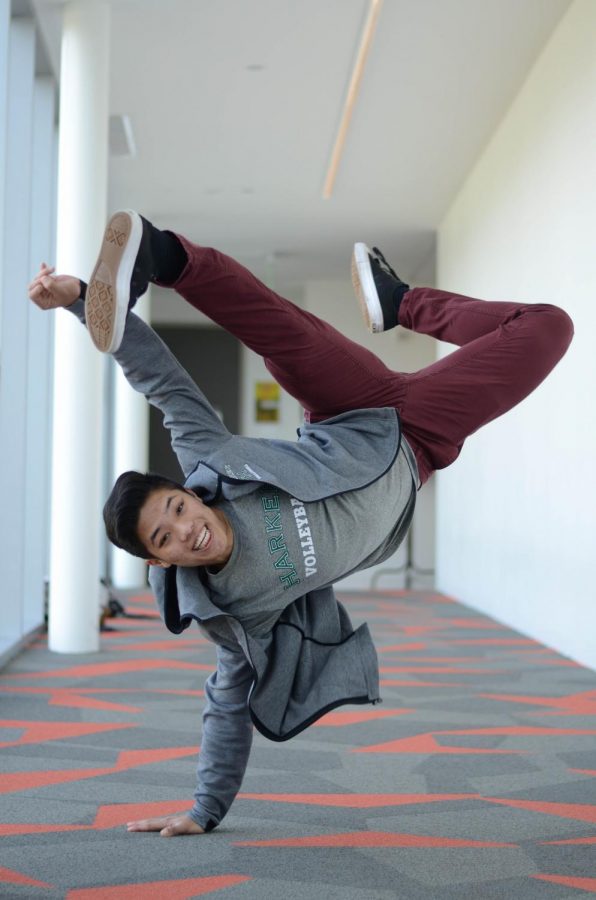
![“[Volleyball has] taught me how to fall correctly, and another thing it taught is that you don’t have to be the best at something to be good at it. If you just hit the ball in a smart way, then it still scores points and you’re good at it. You could be a background player and still make a much bigger impact on the team than you would think,” Anya Gert (’20) said.](https://harkeraquila.com/wp-content/uploads/2020/06/AnnaGert_JinTuan_HoHPhotoEdited-600x900.jpeg)
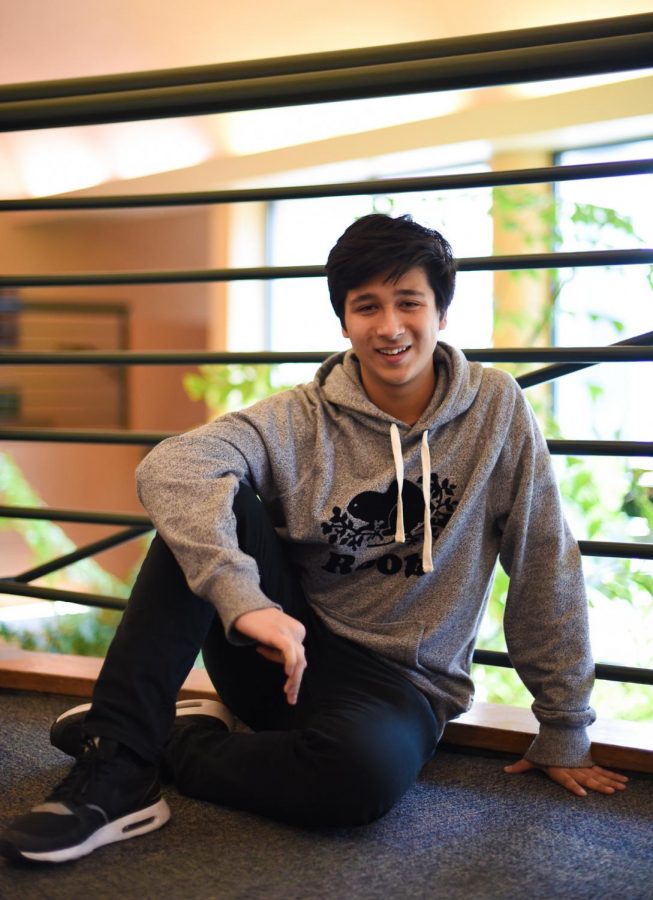
![“I'm not nearly there yet, but [my confidence has] definitely been getting better since I was pretty shy and timid coming into Harker my freshman year. I know that there's a lot of people that are really confident in what they do, and I really admire them. Everyone's so driven and that has really pushed me to kind of try to find my own place in high school and be more confident,” Alyssa Huang (’20) said.](https://harkeraquila.com/wp-content/uploads/2020/06/AlyssaHuang_EmilyChen_HoHPhoto-900x749.jpeg)

View the full transcript here:
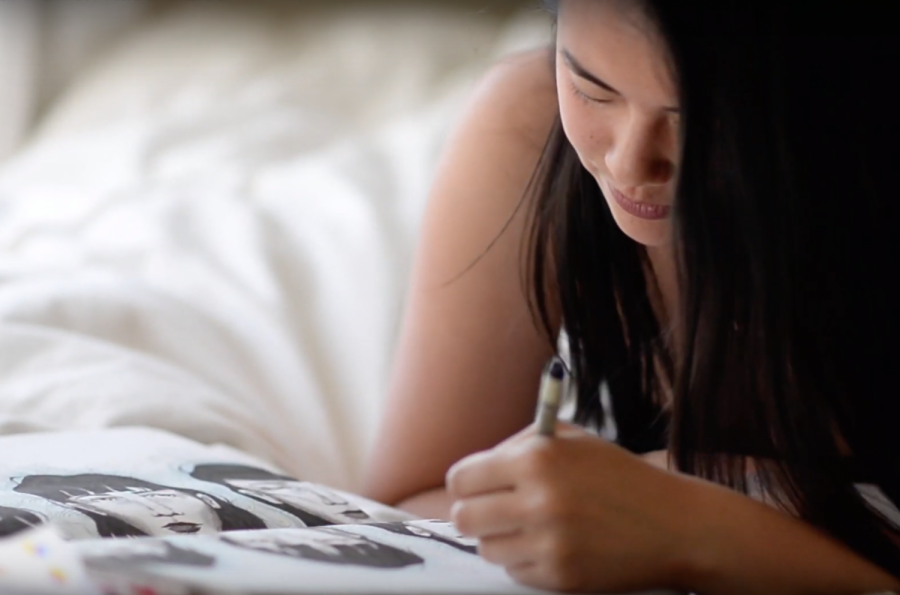
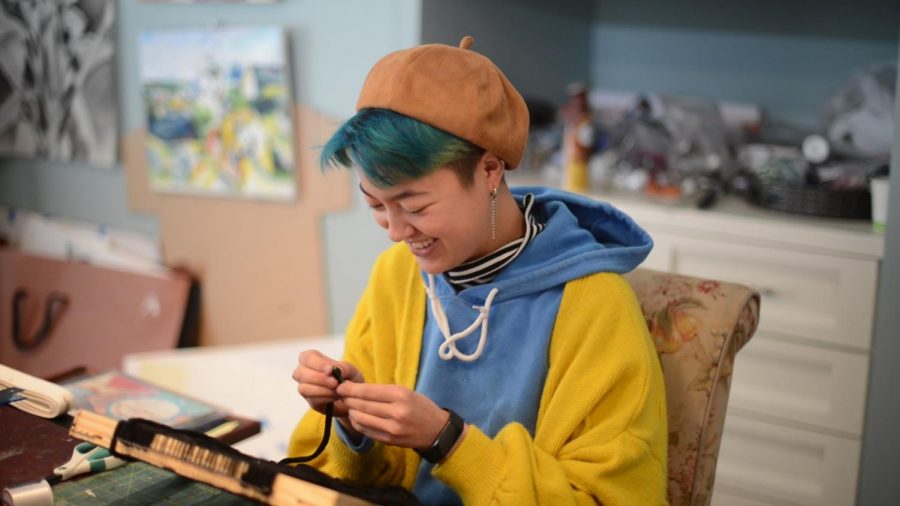
Rumi Gupta (‘25): I was forced to go to art class when I was four, and then I started drawing on my own when I was nine. Once I started branching out into different mediums, like watercolor, I did gouache, oil. Then I started to put more effort into it to hone my skills more and just get better at it overall. Like watching YouTube videos online, tutorials, because I only had art classes on the weekends. And so every day after that, it wasn’t just me talking to a teacher. I was literally searching up things online with tutorials just to learn by myself.
When you copy from an image, it’s very line by line. You don’t really know what you’re drawing, but you’re just trying to draw as best as you possibly can from the image. But after I started learning more anatomy in a sense, how the face works or how body proportions are, then it became easier to draw from memory or without a reference. I think after that I started to draw my own characters, design a bit more. That was when I was a teenager, so a couple years ago.
And now I really like drawing sculptures, and I don’t know why, but I just think it’s really amazing, the sculpture, the marble, it’s so cold and hard but people like Michelangelo can sculpt it into something so soft like a human face or a leg or just the body in general. In drawing the face or with shadows, it’s honestly not just about that one thing that you’re trying to draw, like that one eye or a nose. It’s about how the whole thing comes together which I think it’s really nice. It kind of also shows you have to look at the bigger perspective, don’t just focus or nitpick on the smaller ones.
So I think it kind of teaches me that you don’t have to copy exactly, you don’t have to strive for perfection every time. But it does have to be your own, whatever you draw has to be your own, and you have to make it smooth together with how you think of it, not ‘Oh, I want to copy that other person.’
Samhita Parupudi (‘25): I think Rumi is a very genuine, comfortable person to be around. You can always be yourself around her. You can always tell her anything and she’ll match your energy and then she’ll also give some herself. She’s a very reciprocal person.
Rumi: I think giving art especially is something really meaningful to me. Like just drawing things for people for Christmas or their birthday and just seeing how they light up in that fact. Or when I give them something because I remember ‘Oh, they like this thing or they like this TV show,’ and I draw them something and I give it to them. And I guess just seeing how they’re happy that I caught on to that part and made it meaningful for them, it just makes me really happy.
I think it’s something where I know if all else fails or if things don’t work out at least I can make something with my hands. I can make something that’s my own. And I think that’s nice to be able to do that. It gives me confidence to do other things as well. I started posting on social media my art. And when people I didn’t even know obviously around the world, when they started commenting and kind of sharing their interest, I thought that made me want to draw more, just being able to connect with people in that way. Honestly it does mean a lot because it’s a place when I know I can be authentic and genuine and there will be people there to connect with that part of me. So it’s nice to be able to know that the hours I put into drawing can lead me somewhere and can make a difference in other people’s lives.
Melody Yin (‘25): I think one of the things that I admire about her is how hardworking and passionate she is. She’s always constantly drawing something or asking when we hang out, ‘Hey, do you want to draw with me?’ so that we can hang out a little more, and it’s just so inspiring to see.
Rumi: I think a lot of people think drawing takes years and years and years of dedication. ‘Oh, you just draw every single day,’ like force yourself to draw. I really wouldn’t say that’s the case. I know people say this is kind of cliche, but you pick up a pencil and make something that’s already art. You don’t have to say ‘Oh, I got 13 years under my belt.’ Like there’s nothing like that with art. It’s just creating what you love and you will find people that love it as well. So I would encourage everyone to draw. It’s a good de-stressor and making something you love there’s never any harm in doing that.