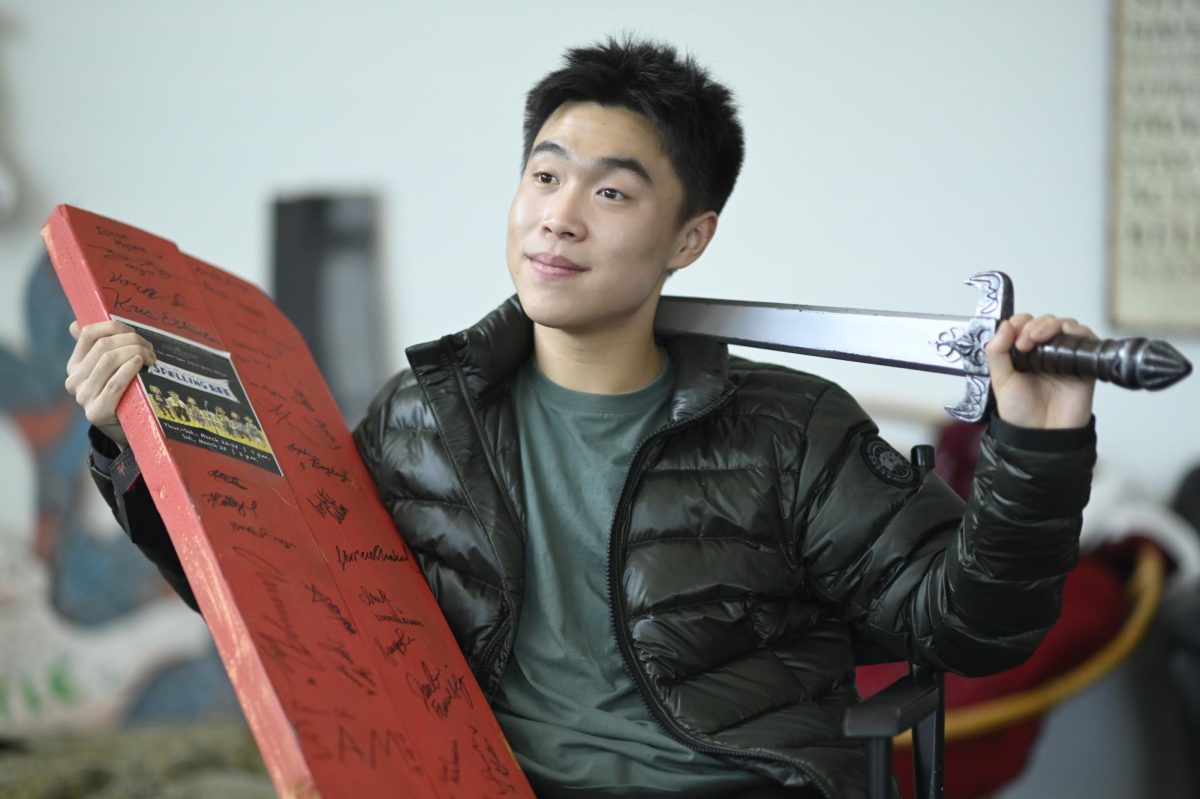
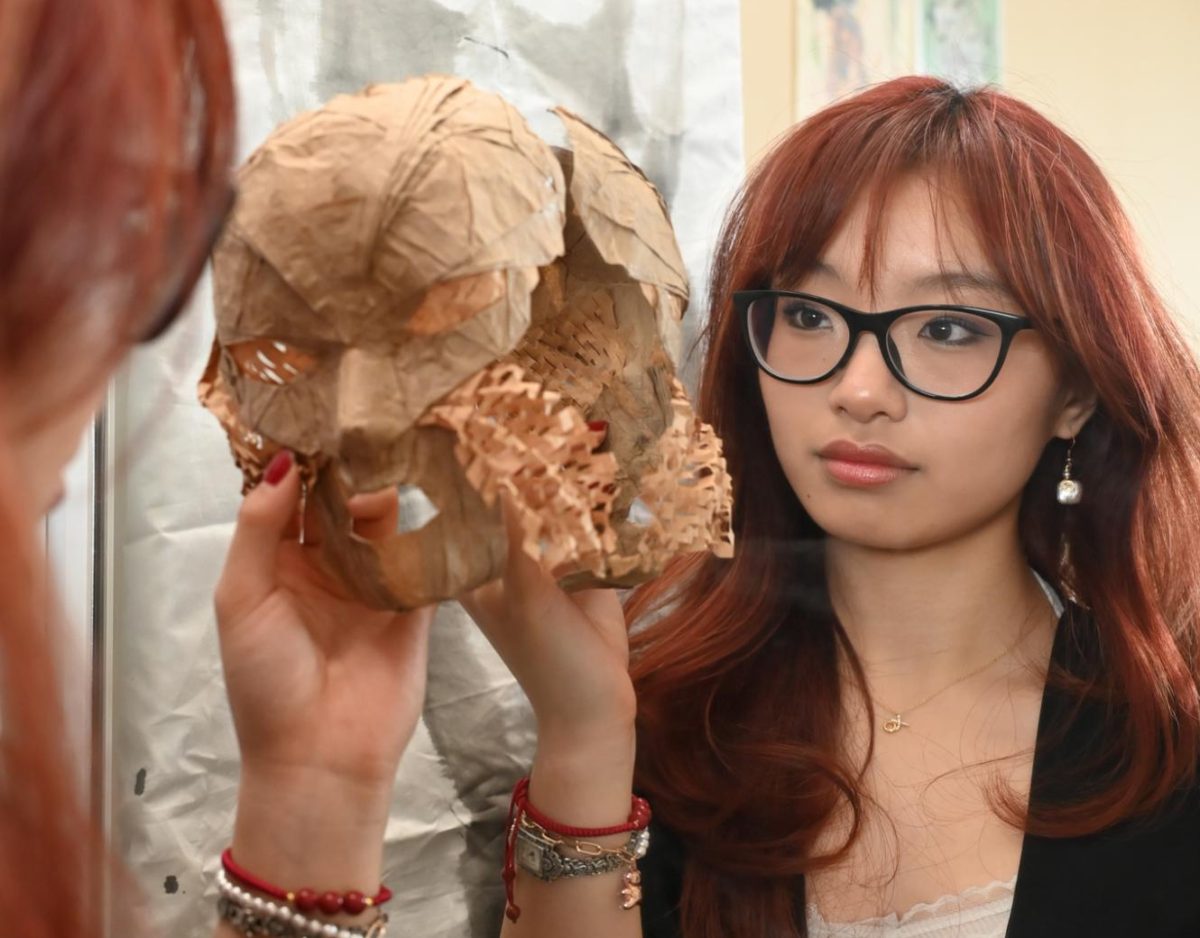
![“I wasn't discouraged by some of the obstacles we faced. I learned a lot from the leadership. I found that different people need different ways of receiving feedback — you can't [just] tell them to do something and expect the best. [Some] people needed more incentive. A large part of my role was to figure out what worked for everyone and to figure out how to lead all these separate individuals as a team,” Suhana Bhandare (’26) said.](https://harkeraquila.com/wp-content/uploads/2026/06/SuhanaBhandare_JasmineHansra-1-1200x798.jpg)
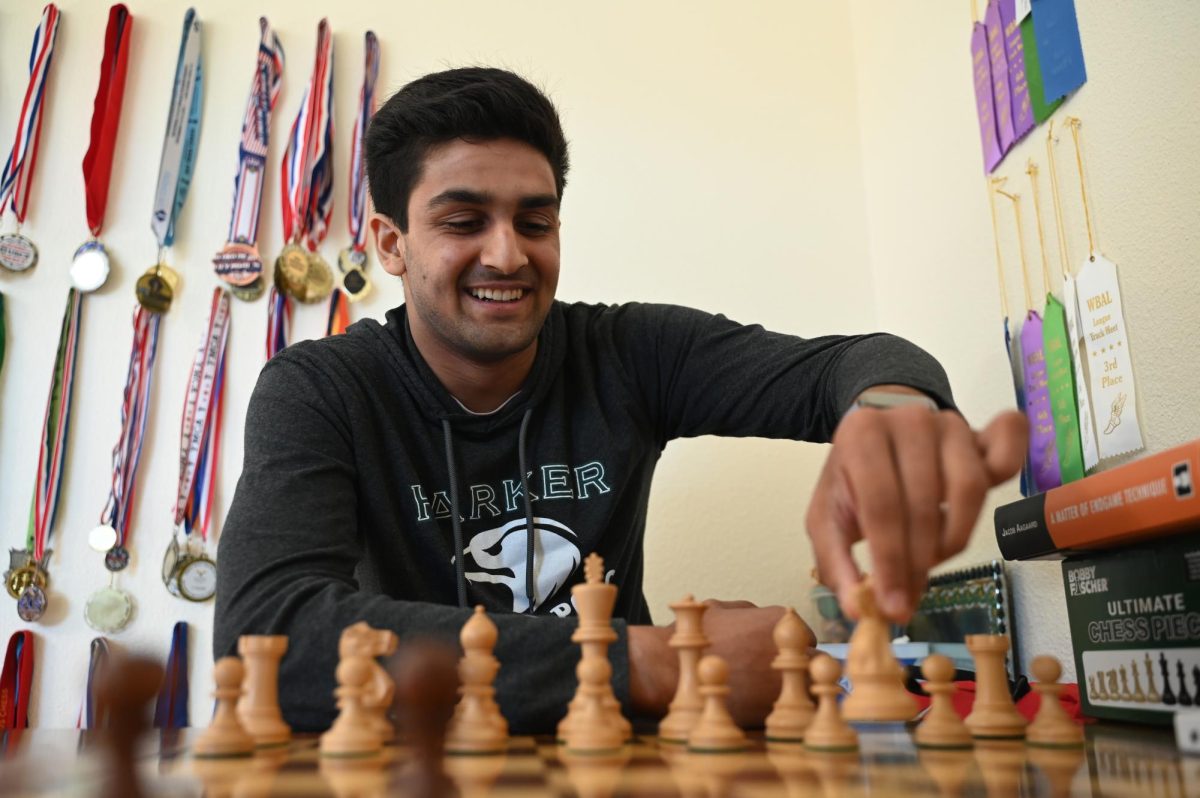
![“This is actually from Randy Pausch Randy P. Brick: ‘Walls are there for a reason. You have to show how much you want to overcome them.’ You have to show how much you want something. That's what I've always been able to do with tennis, Link Crew and getting that internship [with Kushy Baby]. It’s important pushing through that — getting around that brick wall, climbing over it or clawing through it,” Yash Sachdeva (’26) said.](https://harkeraquila.com/wp-content/uploads/2026/05/YashSachdeva_RamBatchu-copy-1200x1002.jpg)

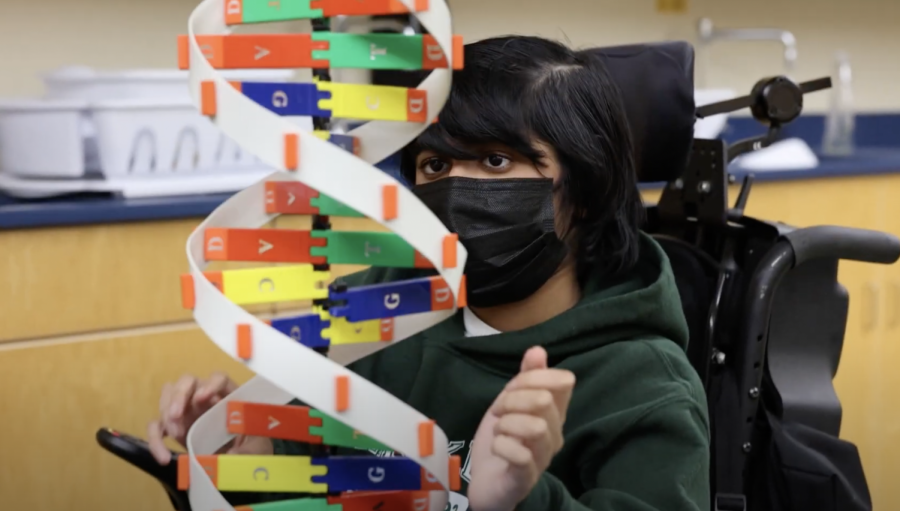
![“[Building nerf blasters] became this outlet of creativity for me that hasn't been matched by anything else. The process [of] making a build complete to your desire is such a painstakingly difficult process, but I've had to learn from [the skills needed from] soldering to proper painting. There's so many different options for everything, if you think about it, it exists. The best part is [that] if it doesn't exist, you can build it yourself," Ishaan Parate said.](https://harkeraquila.com/wp-content/uploads/2022/08/DSC_8149-900x604.jpg)
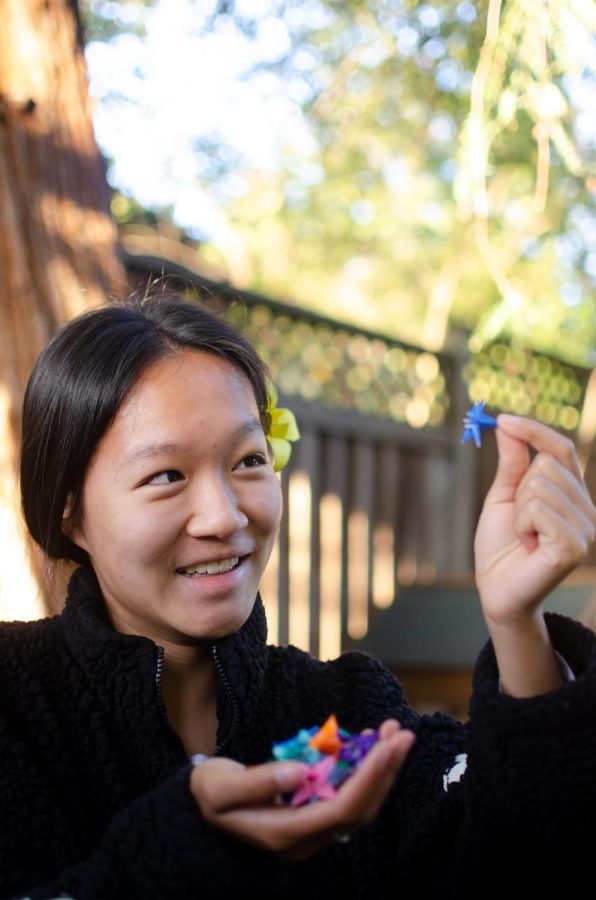
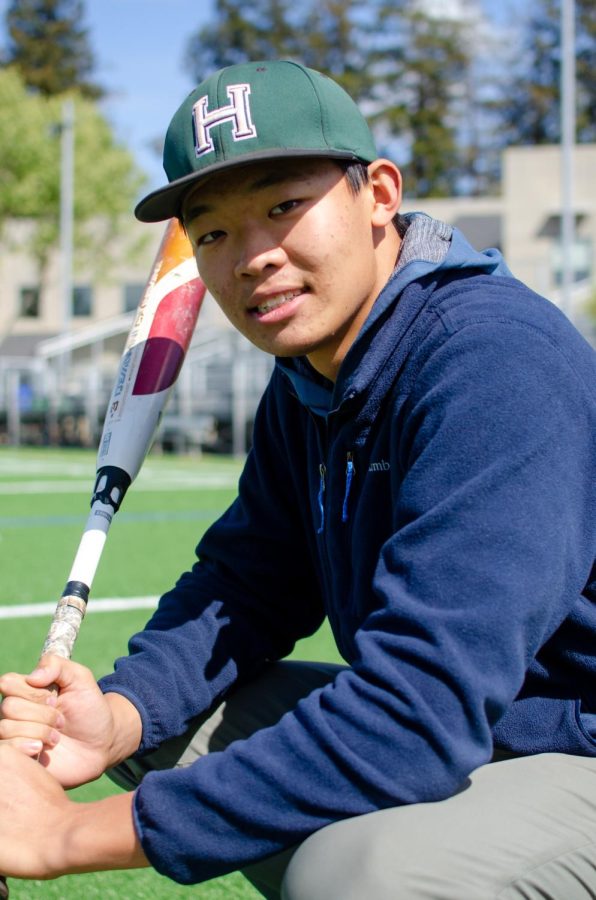
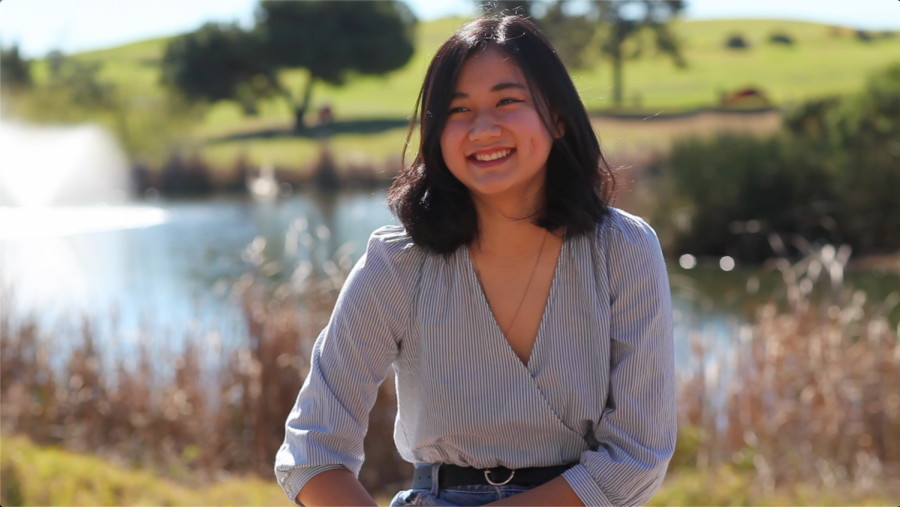
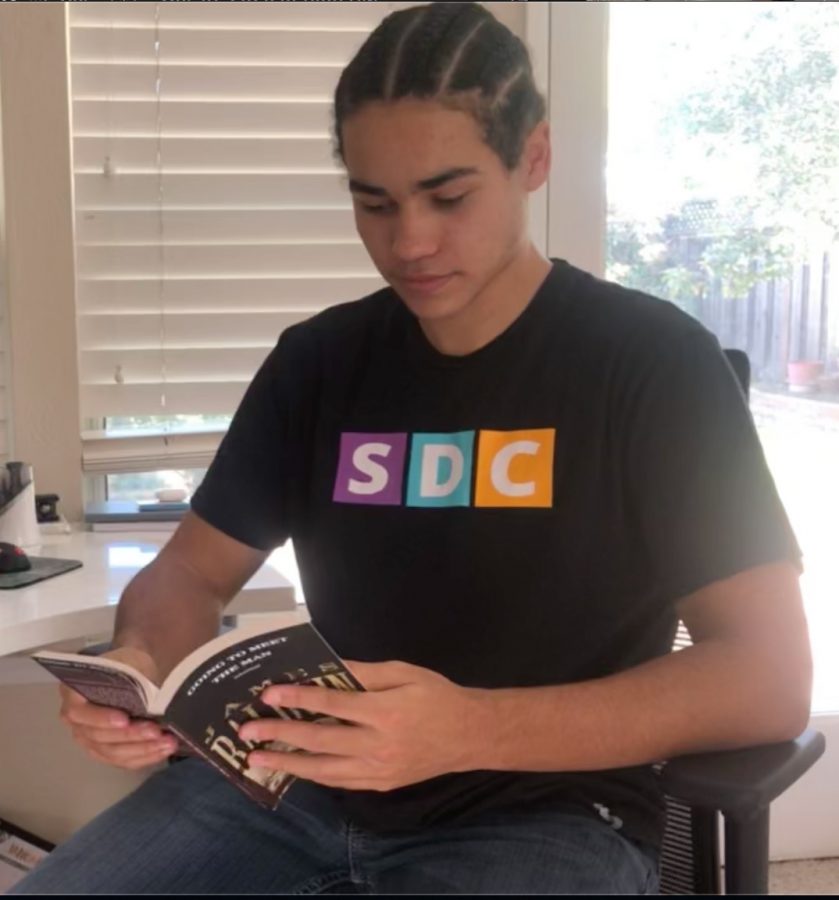
![“When I came into high school, I was ready to be a follower. But DECA was a game changer for me. It helped me overcome my fear of public speaking, and it's played such a major role in who I've become today. To be able to successfully lead a chapter of 150 students, an officer team and be one of the upperclassmen I once really admired is something I'm [really] proud of,” Anvitha Tummala ('21) said.](https://harkeraquila.com/wp-content/uploads/2021/07/Screen-Shot-2021-07-25-at-9.50.05-AM-900x594.png)
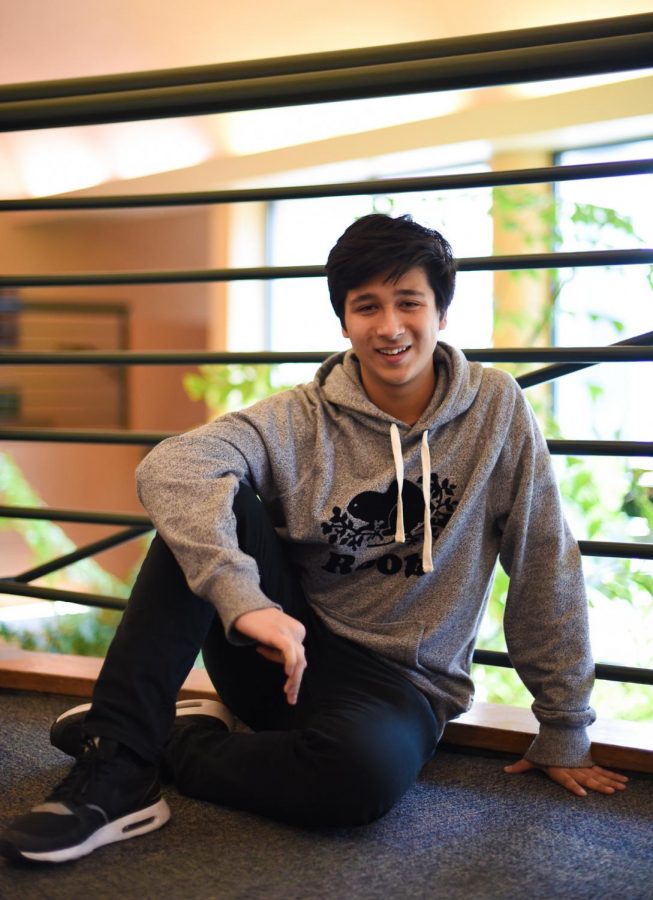
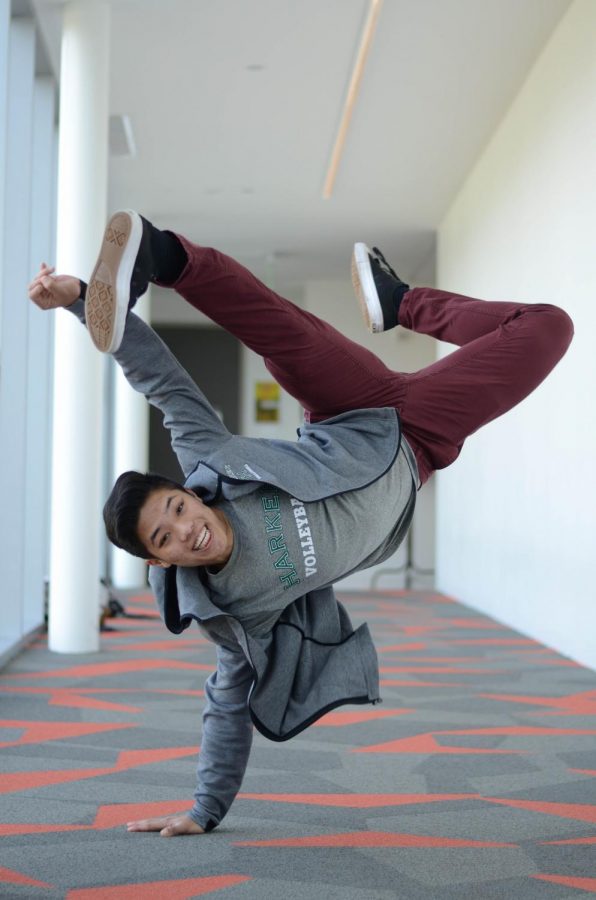
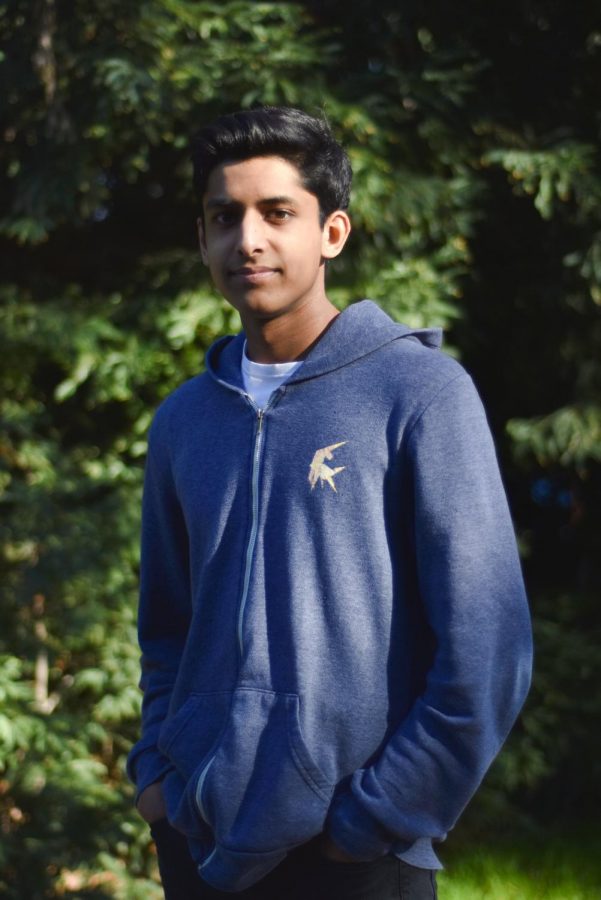

![“I think getting up in the morning and having a sense of purpose [is exciting]. I think without a certain amount of drive, life is kind of obsolete and mundane, and I think having that every single day is what makes each day unique and kind of makes life exciting,” Neymika Jain (12) said.](https://harkeraquila.com/wp-content/uploads/2017/06/Screen-Shot-2017-06-03-at-4.54.16-PM.png)
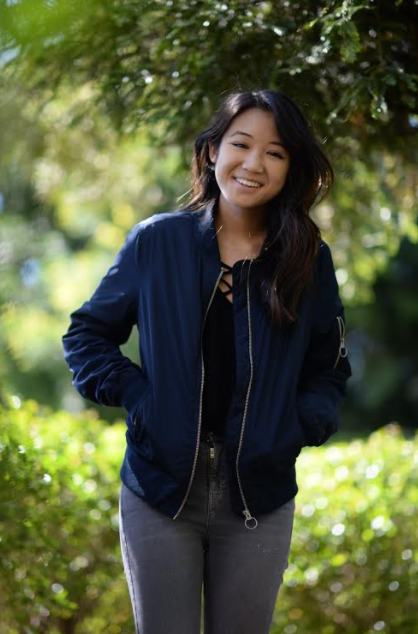
![“My slogan is ‘slow feet, don’t eat, and I’m hungry.’ You need to run fast to get where you are–you aren't going to get those championships if you aren't fast,” Angel Cervantes (12) said. “I want to do well in school on my tests and in track and win championships for my team. I live by that, [and] I can do that anywhere: in the classroom or on the field.”](https://harkeraquila.com/wp-content/uploads/2018/06/DSC5146-900x601.jpg)
![“[Volleyball has] taught me how to fall correctly, and another thing it taught is that you don’t have to be the best at something to be good at it. If you just hit the ball in a smart way, then it still scores points and you’re good at it. You could be a background player and still make a much bigger impact on the team than you would think,” Anya Gert (’20) said.](https://harkeraquila.com/wp-content/uploads/2020/06/AnnaGert_JinTuan_HoHPhotoEdited-600x900.jpeg)
![“I'm not nearly there yet, but [my confidence has] definitely been getting better since I was pretty shy and timid coming into Harker my freshman year. I know that there's a lot of people that are really confident in what they do, and I really admire them. Everyone's so driven and that has really pushed me to kind of try to find my own place in high school and be more confident,” Alyssa Huang (’20) said.](https://harkeraquila.com/wp-content/uploads/2020/06/AlyssaHuang_EmilyChen_HoHPhoto-900x749.jpeg)


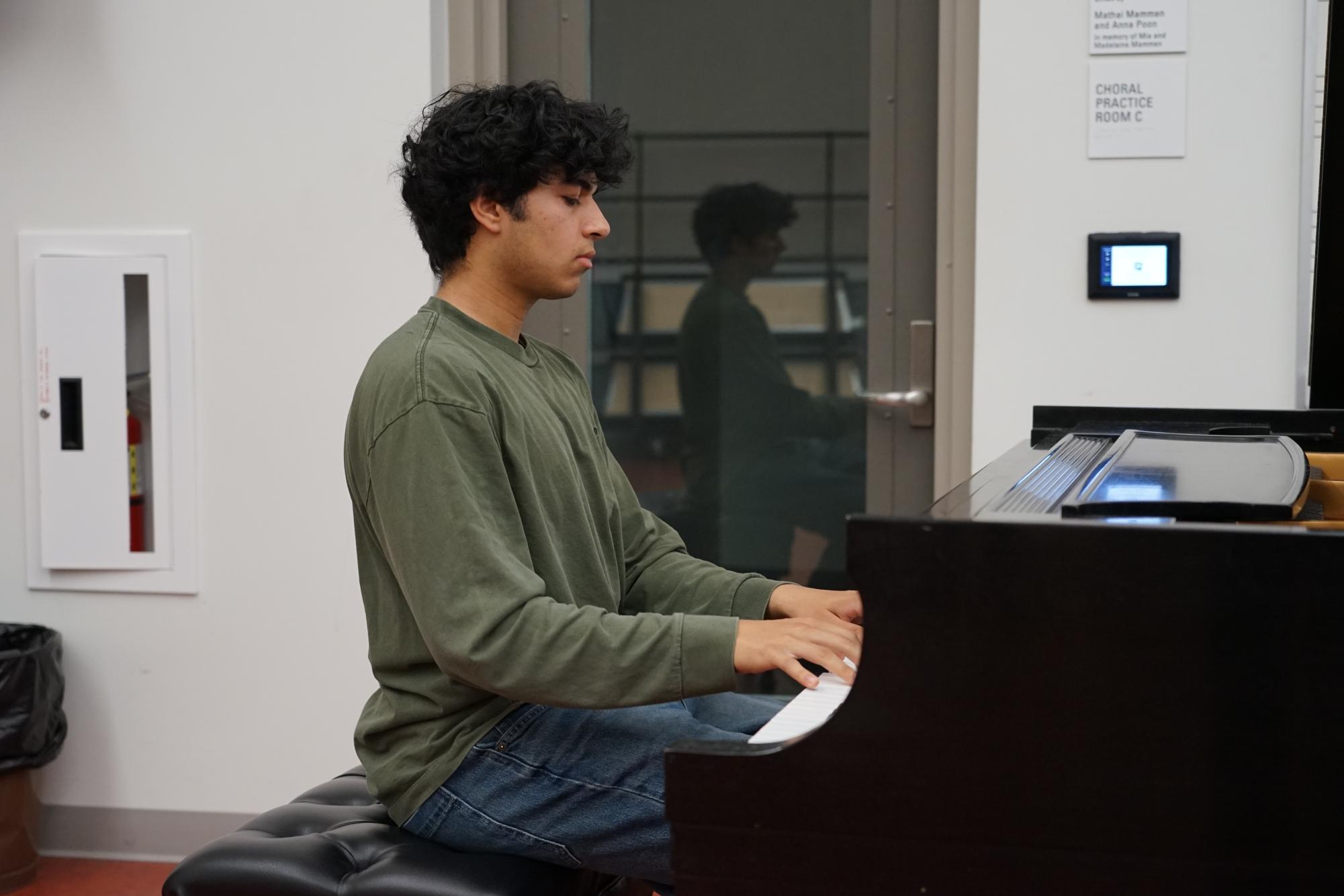
Soft notes echo through the practice room as senior Ritik Raman leans slightly into the piano keys. As he transitions between passages, he pauses — not to consider what play next, but how it should feel. Over the years, this mindset has shaped his growth both as a pianist and as a person, allowing him to develop a relationship with music rooted in curiosity, discipline and self-expression.
Ritik’s connection to music began at home, long before he ever seriously considered playing the piano himself. After watching and observing, he slowly grew to love the instrument.
“One of the main things that I’ve enjoyed is music, since my mom used to play piano for me when I was a kid,” Ritik said. “That made me curious about the instrument more so than the music at first.”
As Ritik began to explore different instruments, he found himself drawn back to the piano for the sound it produced and its range of possibilities.
“Pretty quickly, I realized that the piano spoke to me in a different way than the other instruments,” Ritik said. “There’s so much depth you can get out of the instrument that it’s rare to find in any other instrument. It allowed me to both have the freedom to compete with super technical repertoire and also just have fun with the piano.”
As he continued developing his skills, Ritik’s understanding of music shifted from simply playing accurately to interpreting the notes meaningfully. Lessons became less about replication and more about exploration, encouraged by his teacher.
“One of the things my teacher always emphasized to me is that you have to be yourself when you’re playing,” Ritik said. “That doesn’t take the form of changing the notes, because the notes are what’s written. In terms of interpretation, she never really let me copy something I’d heard. She always said that you needed to feel it for yourself.”
For those that have worked closely with him, Ritik’s natural sense of drive and motivation is immediately evident. Kairui Sun (’26) recalls being struck by the intentionality behind his gradual improvement as a musician back in frosh year and the high standards he set for himself.
“One of the first things I learned about Ritik was that he started piano late,” Kairui said. “But Ritik has this sense of self drive to make his playing better for himself. He wasn’t satisfied with just playing okay, and he really pushed himself to have command over the emotions he conveyed.”
Beyond competitions and individual practice, Ritik’s commitment to music extends into the broader community around him. Whether it’s attending masterclasses or observing his peers perform, music teacher Jaco Wong noticed that he consistently seeks opportunities to learn, even when he is not directly participating.
“Ritik really wanted to be a better musician,” Wong said. “When artists came in to teach for a masterclass, he came to all of the classes to watch his friends play even though he wasn’t part of the ensemble. He’s not only looking how to advance his own piano career and music understanding, but goes far beyond to help others.”
In collaborative settings, Ritik’s mindset translates into preparation and adaptability. Rather than approaching rehearsals passively, Ritik consistently arrives with a clear plan, while still remaining flexible enough to adjust in the moment.
Even when things don’t go his way, however, it’s not a reason for Ritik to compromise emotion for technicality. Fellow musician George Yang (’26) describes his ability to maintain this balance as one of his most defining qualities. During a community performance of Christmas carols for the holidays, where preparation for the arranged music was minimal, Ritik displayed his adaptability and the importance of taking things not too seriously.
“Whenever we had a rehearsal, he always had a game plan going in,” George said. “Even when we were sight reading for Silent Night, playing at different key signatures, we just laughed it off. He’s definitely a role model for me in terms of his work ethic in music.”
Ritik’s ability to fully control and communicate emotion became especially significant during one of his most memorable competition experiences. In a setting where precision is prioritized above all else, he made a conscious decision to focus on expression, even at the risk of making mistakes. Winning the competition ultimately reinforced the values he had been developing throughout his musical journey.
As he prepares to move beyond high school, Ritik carries with him a perspective that goes beyond the piano. As he looks ahead, Ritik’s philosophy remains simple yet powerful: the best performances aren’t the most perfect ones, but the ones that feel the most true.
“The reason I won that competition is because I played it the way I wanted to hear it,” Ritik said. “I made a mistake because I was trying really hard to express a certain thing. That experience really taught me that there’s more to appreciating music than perfection.”