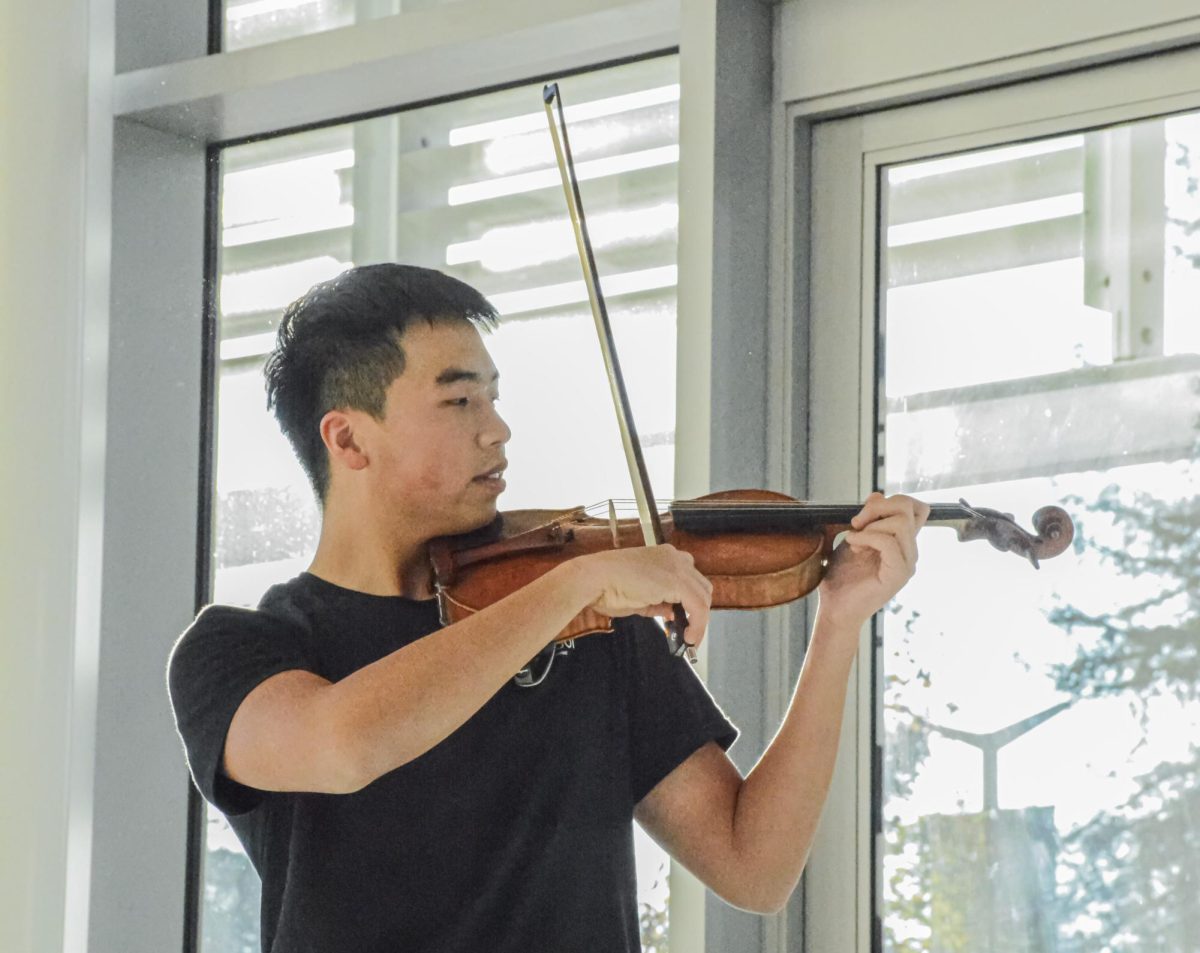
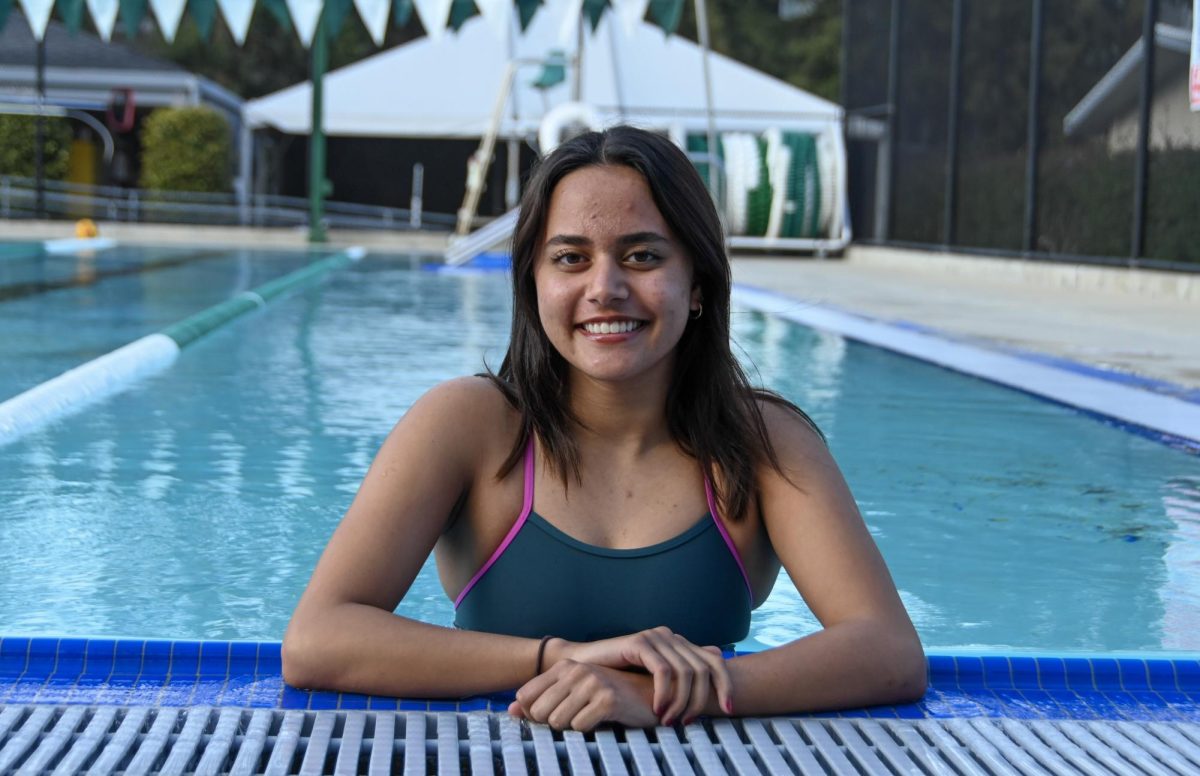
![“I wasn't discouraged by some of the obstacles we faced. I learned a lot from the leadership. I found that different people need different ways of receiving feedback — you can't [just] tell them to do something and expect the best. [Some] people needed more incentive. A large part of my role was to figure out what worked for everyone and to figure out how to lead all these separate individuals as a team,” Suhana Bhandare (’26) said.](https://harkeraquila.com/wp-content/uploads/2026/06/SuhanaBhandare_JasmineHansra-1-1200x798.jpg)
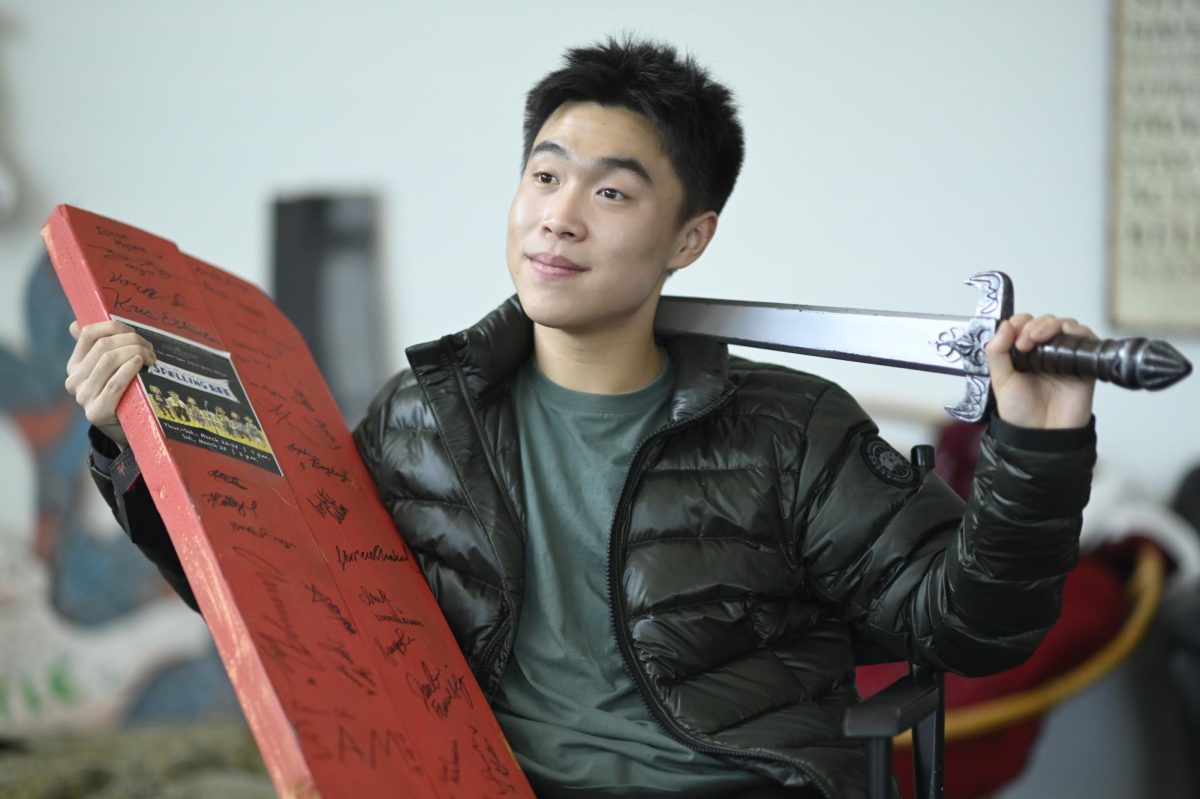
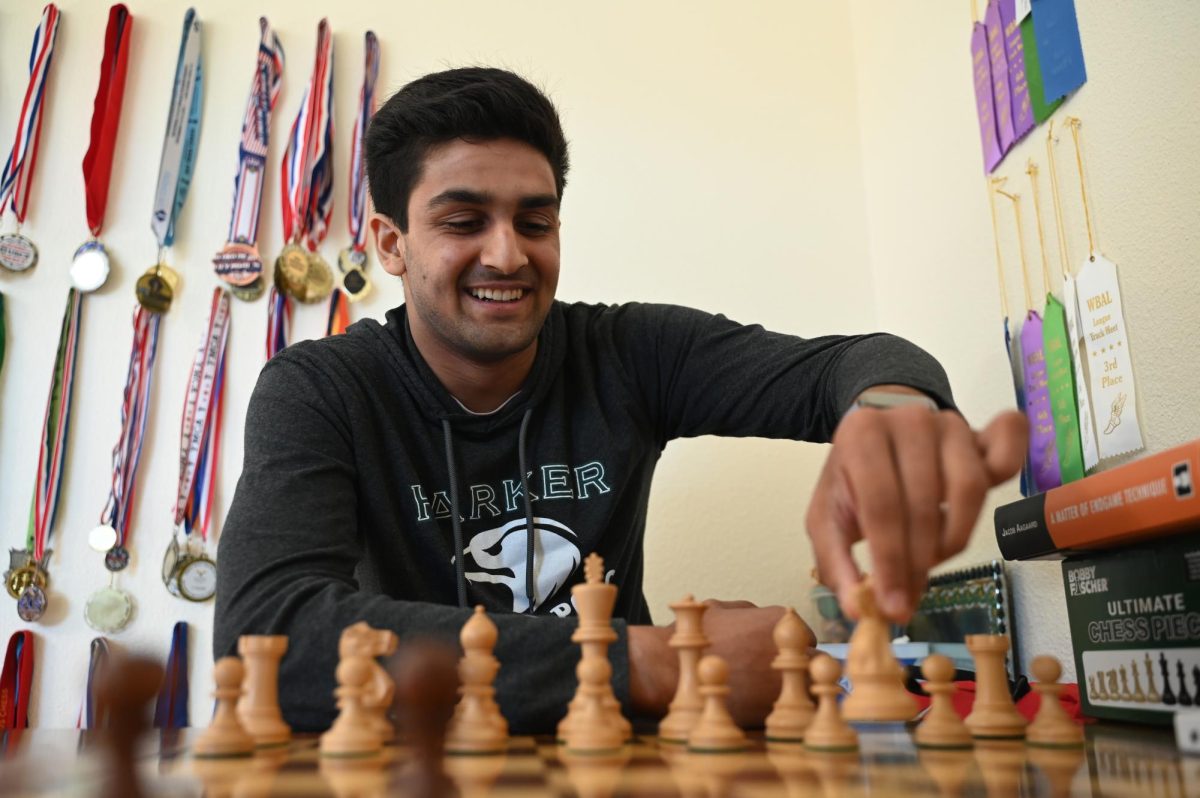
![“This is actually from Randy Pausch Randy P. Brick: ‘Walls are there for a reason. You have to show how much you want to overcome them.’ You have to show how much you want something. That's what I've always been able to do with tennis, Link Crew and getting that internship [with Kushy Baby]. It’s important pushing through that — getting around that brick wall, climbing over it or clawing through it,” Yash Sachdeva (’26) said.](https://harkeraquila.com/wp-content/uploads/2026/05/YashSachdeva_RamBatchu-copy-1200x1002.jpg)









![“[Building nerf blasters] became this outlet of creativity for me that hasn't been matched by anything else. The process [of] making a build complete to your desire is such a painstakingly difficult process, but I've had to learn from [the skills needed from] soldering to proper painting. There's so many different options for everything, if you think about it, it exists. The best part is [that] if it doesn't exist, you can build it yourself," Ishaan Parate said.](https://harkeraquila.com/wp-content/uploads/2022/08/DSC_8149-900x604.jpg)
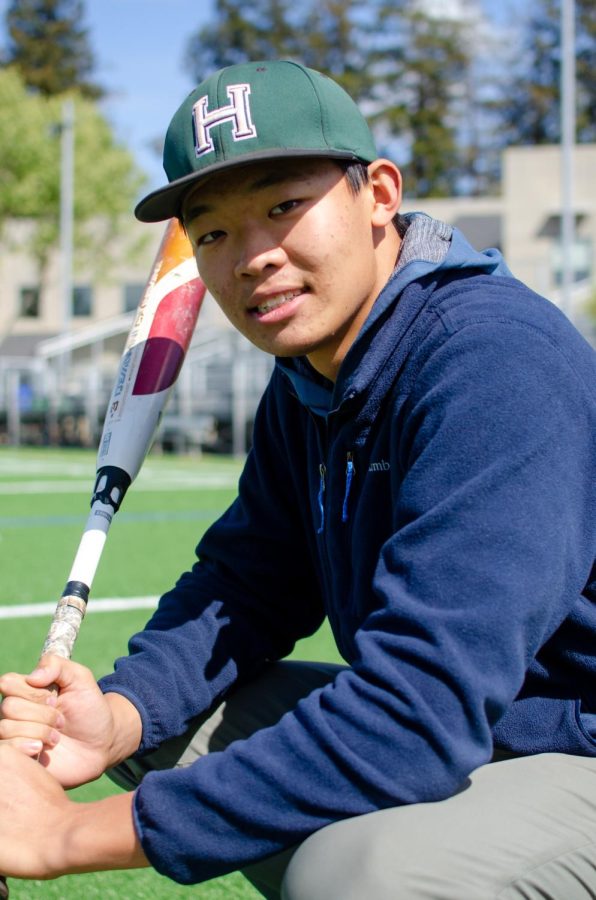

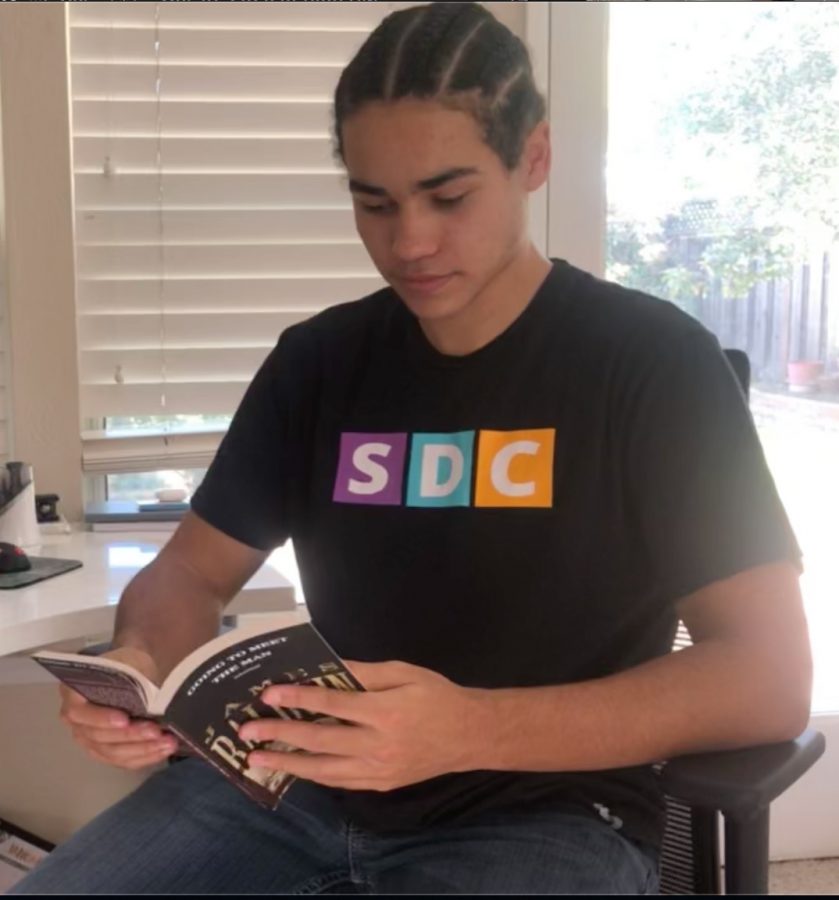
![“When I came into high school, I was ready to be a follower. But DECA was a game changer for me. It helped me overcome my fear of public speaking, and it's played such a major role in who I've become today. To be able to successfully lead a chapter of 150 students, an officer team and be one of the upperclassmen I once really admired is something I'm [really] proud of,” Anvitha Tummala ('21) said.](https://harkeraquila.com/wp-content/uploads/2021/07/Screen-Shot-2021-07-25-at-9.50.05-AM-900x594.png)

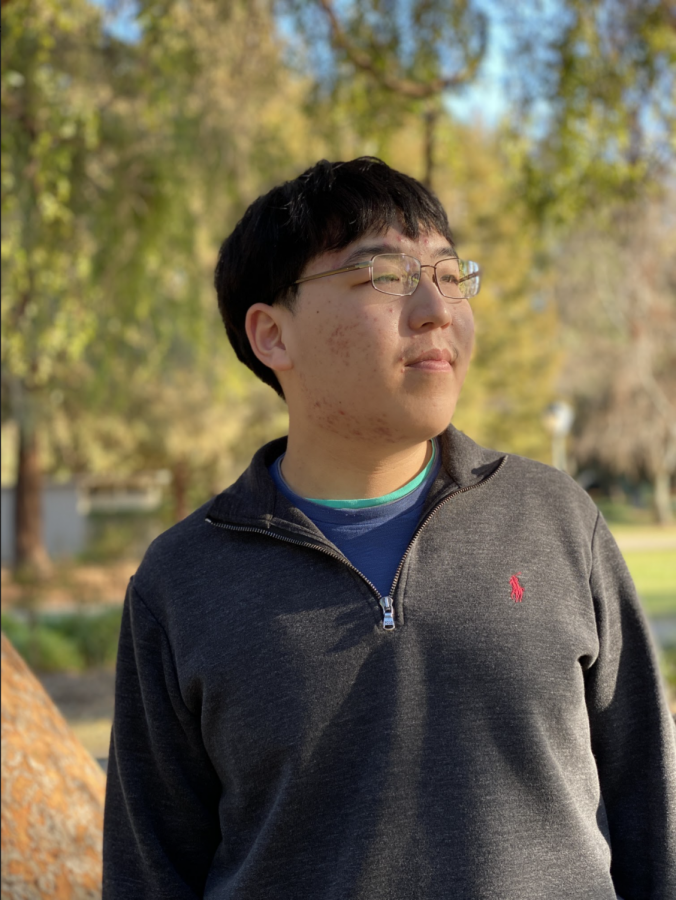

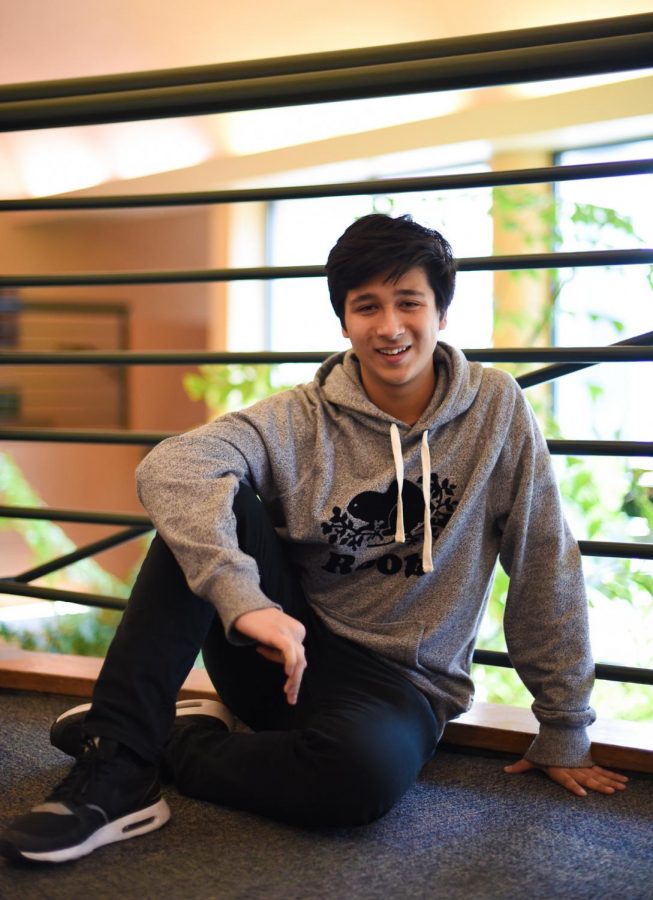
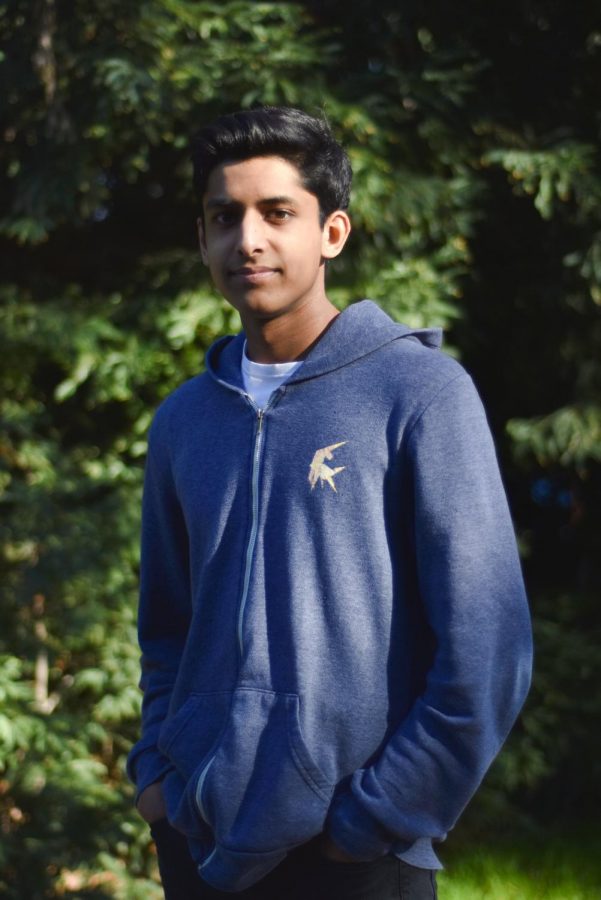

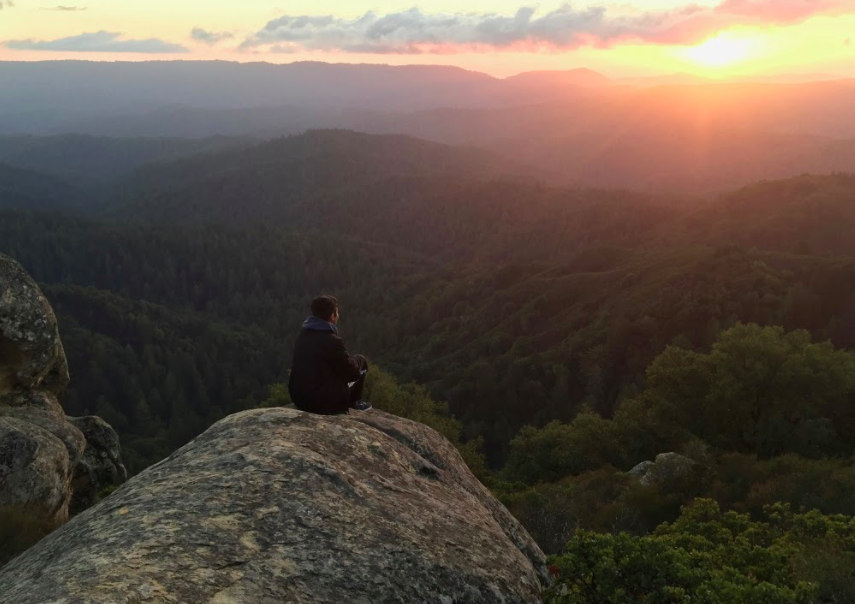
![“I think getting up in the morning and having a sense of purpose [is exciting]. I think without a certain amount of drive, life is kind of obsolete and mundane, and I think having that every single day is what makes each day unique and kind of makes life exciting,” Neymika Jain (12) said.](https://harkeraquila.com/wp-content/uploads/2017/06/Screen-Shot-2017-06-03-at-4.54.16-PM.png)

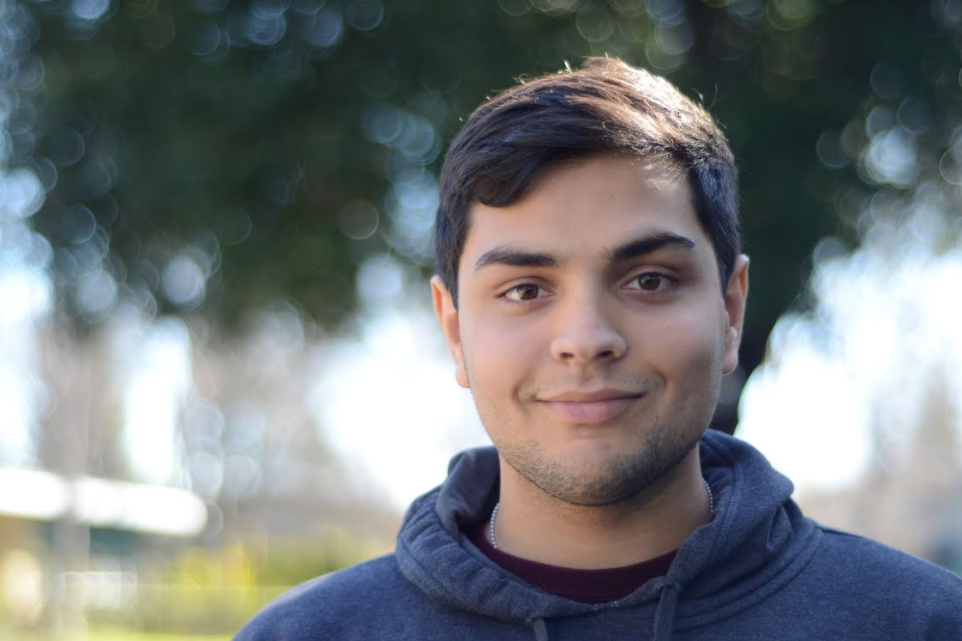


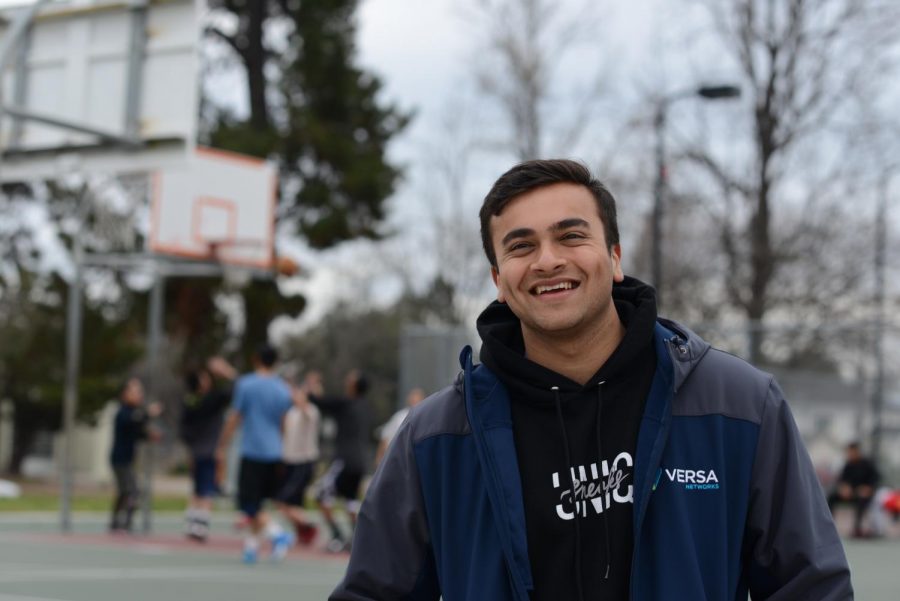
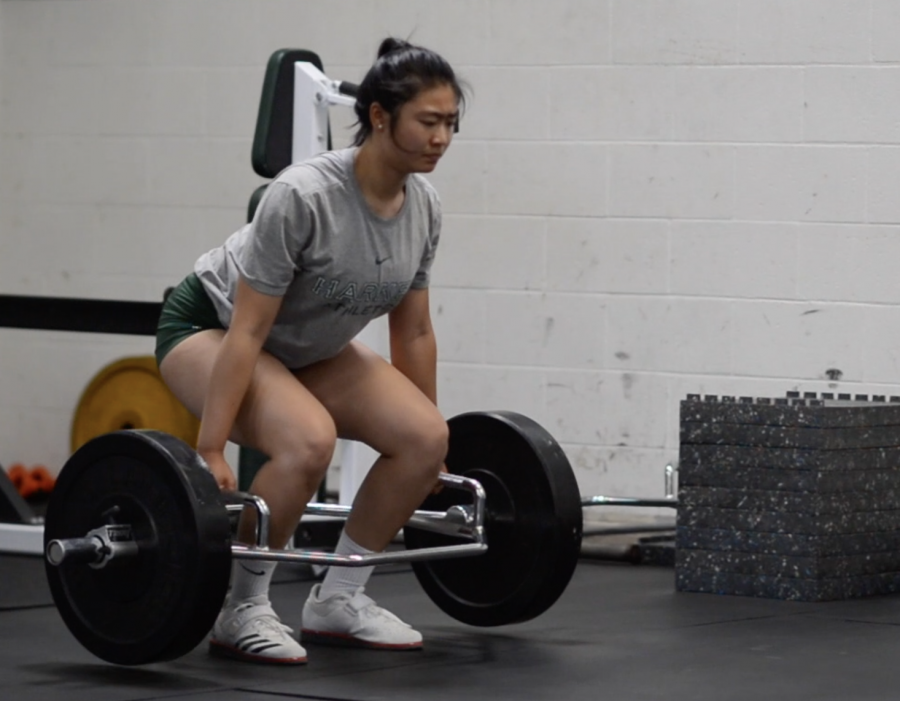

![“My slogan is ‘slow feet, don’t eat, and I’m hungry.’ You need to run fast to get where you are–you aren't going to get those championships if you aren't fast,” Angel Cervantes (12) said. “I want to do well in school on my tests and in track and win championships for my team. I live by that, [and] I can do that anywhere: in the classroom or on the field.”](https://harkeraquila.com/wp-content/uploads/2018/06/DSC5146-900x601.jpg)
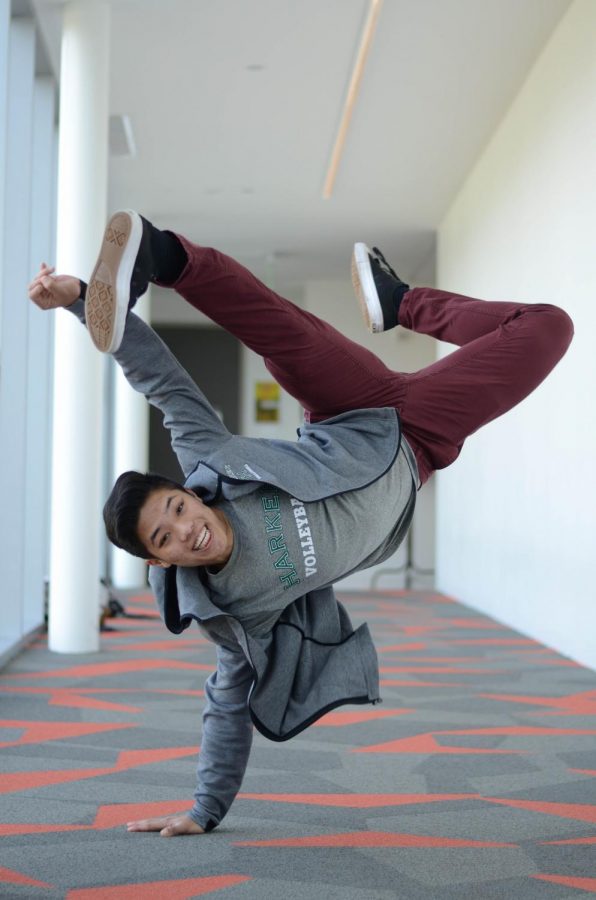
![“[Volleyball has] taught me how to fall correctly, and another thing it taught is that you don’t have to be the best at something to be good at it. If you just hit the ball in a smart way, then it still scores points and you’re good at it. You could be a background player and still make a much bigger impact on the team than you would think,” Anya Gert (’20) said.](https://harkeraquila.com/wp-content/uploads/2020/06/AnnaGert_JinTuan_HoHPhotoEdited-600x900.jpeg)
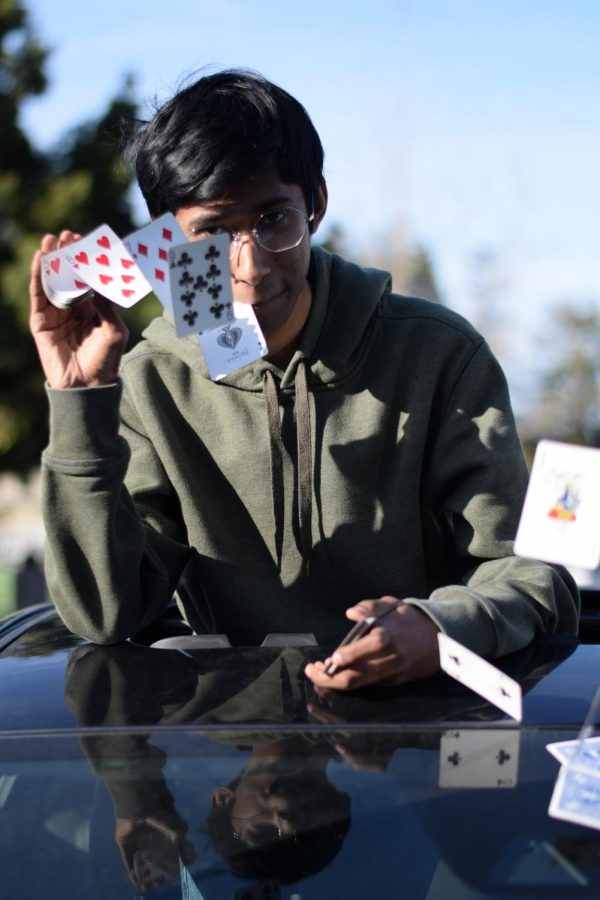
![“I'm not nearly there yet, but [my confidence has] definitely been getting better since I was pretty shy and timid coming into Harker my freshman year. I know that there's a lot of people that are really confident in what they do, and I really admire them. Everyone's so driven and that has really pushed me to kind of try to find my own place in high school and be more confident,” Alyssa Huang (’20) said.](https://harkeraquila.com/wp-content/uploads/2020/06/AlyssaHuang_EmilyChen_HoHPhoto-900x749.jpeg)

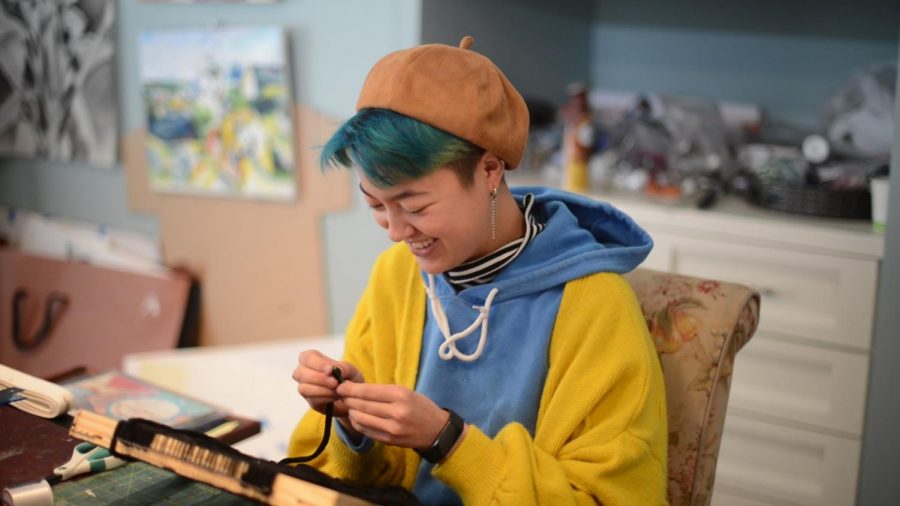

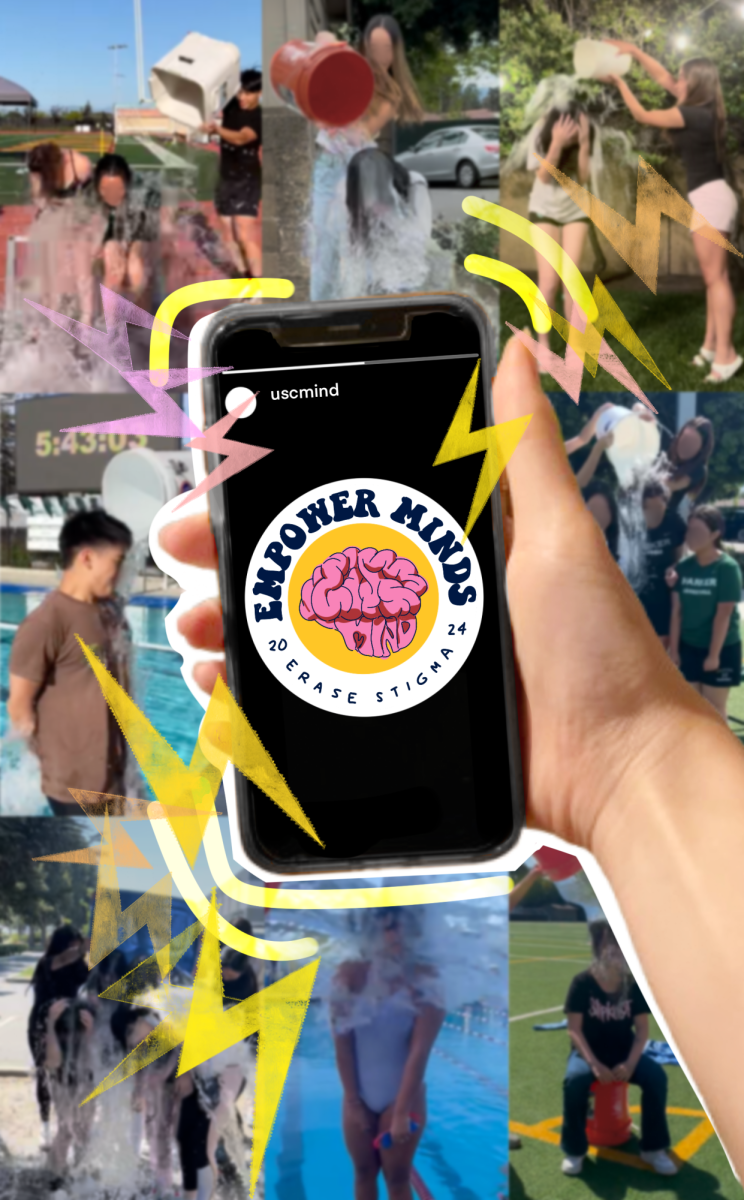
During a class break, sophomore Ryan Pham opens his phone and clicks into his friend’s Instagram story. “Thank you for nominating me…” With a sigh of annoyance, he watches the video of his classmate getting drenched with water after calling out a few peers to join the trend. Ryan swipes again and again, but the videos are all the same: “USC Speak Your Mind Ice Bucket Challenge.”
The origin and even the purpose of the challenge are difficult to discern from the videos that have flooded almost every teen’s Instagram feeds since mid April. In the trend, someone thanks the people that nominated them for the challenge, calls out some friends and has a bucket of water dumped on their head.
Ryan quickly grew frustrated by the excessive amount of identical videos flooding his Instagram feed, to the point that he stopped watching stories altogether. He questioned the effectiveness of the social media challenge in raising awareness for the original cause.
“The trend does spread awareness, but it depends on how the person words it,” Ryan said. “If they don’t explain what exactly it’s for, then it loses the meaning. I saw people who explained it and gave links to where you can support those causes, but some people just won’t do that because it takes too much work.”
University of South Carolina’s Mental Illness Needs Discussion (MIND) club initiated the trend in late March to raise money for Active Minds, a nonprofit supporting mental health awareness. The challenge went viral in just a few days and spread from South Carolina to the rest of the U.S.
The speed and reach of the trend may seem inexplicable, but it all comes down to a concept known as the bandwagon effect. This effect describes a psychological phenomenon where someone adopts a specific behavior or belief, or in this case, joins a trend, simply because everyone around them is doing the same.
Frosh Grace Yao participated in the ice bucket challenge along with her friends and noted that peer pressure and FOMO influenced her decision in joining the trend.
“I didn’t want to feel left out when all my friends were excited and talking about it,” Grace said. “It made me feel like if I didn’t join in, I’d be missing out on something fun and important to our group. Even though I was unsure at first, seeing everyone else so into it made it harder to say no, and I didn’t want to be the only one not part of the experience.”
Three friends Pat Quinn, Pete Frates and Anthony Senerchia first launched the ice bucket challenge in 2014 to raise awareness and money for research and treatment of ALS. The challenge was a huge success, raising over $115 million in less than two months as millions joined in after seeing others take part in the trend.
With the internet and social media connecting a global network of individuals, trends like USC Speak Your Mind have the potential to reach millions of people. In fact, in just over a month, the trend has raised over $400,000 in online donations. However, out of the over 800,000 participants on Instagram alone, only about 2,300 donated to Active Minds.
Junior Amishi Gupta emphasized the difference between participating in a trend and actively raising awareness.
“For these types of challenges, it’s important to take actual action,” Amishi said. “Sometimes, when you do the ice bucket challenge, you’re informed and you spread it, but there’s no actual action being taken, like donations or other things that can actually benefit the cause. Out of the people that were informed, maybe 10% of them donated or did something towards the cause, but the other 90% of videos can be a little performative.”
Donate to Active Minds: https://support.activeminds.org/fundraiser/6221101