![“I wasn't discouraged by some of the obstacles we faced. I learned a lot from the leadership. I found that different people need different ways of receiving feedback — you can't [just] tell them to do something and expect the best. [Some] people needed more incentive. A large part of my role was to figure out what worked for everyone and to figure out how to lead all these separate individuals as a team,” Suhana Bhandare (’26) said.](https://harkeraquila.com/wp-content/uploads/2026/06/SuhanaBhandare_JasmineHansra-1-1200x798.jpg)

![“This is actually from Randy Pausch Randy P. Brick: ‘Walls are there for a reason. You have to show how much you want to overcome them.’ You have to show how much you want something. That's what I've always been able to do with tennis, Link Crew and getting that internship [with Kushy Baby]. It’s important pushing through that — getting around that brick wall, climbing over it or clawing through it,” Yash Sachdeva (’26) said.](https://harkeraquila.com/wp-content/uploads/2026/05/YashSachdeva_RamBatchu-copy-1200x1002.jpg)




![“[Building nerf blasters] became this outlet of creativity for me that hasn't been matched by anything else. The process [of] making a build complete to your desire is such a painstakingly difficult process, but I've had to learn from [the skills needed from] soldering to proper painting. There's so many different options for everything, if you think about it, it exists. The best part is [that] if it doesn't exist, you can build it yourself," Ishaan Parate said.](https://harkeraquila.com/wp-content/uploads/2022/08/DSC_8149-900x604.jpg)
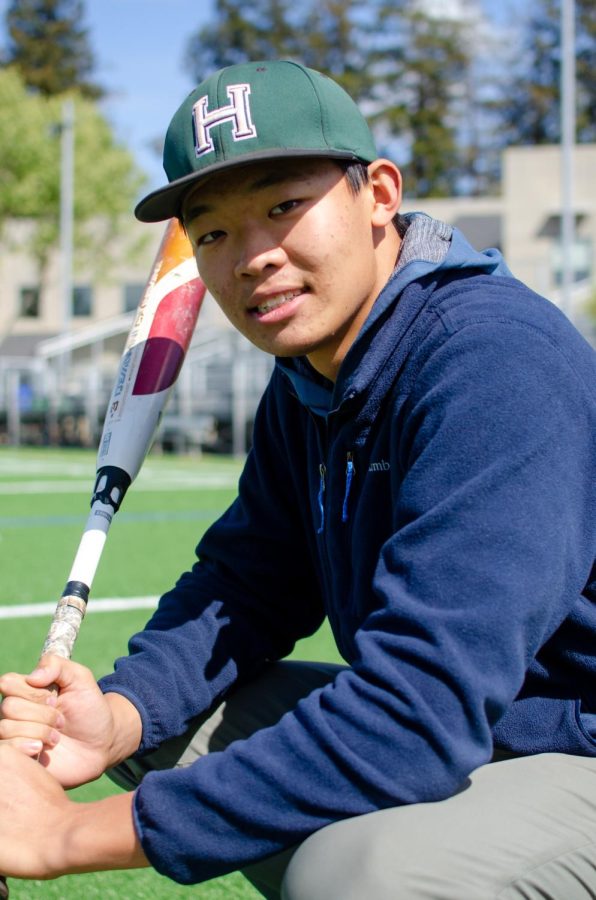
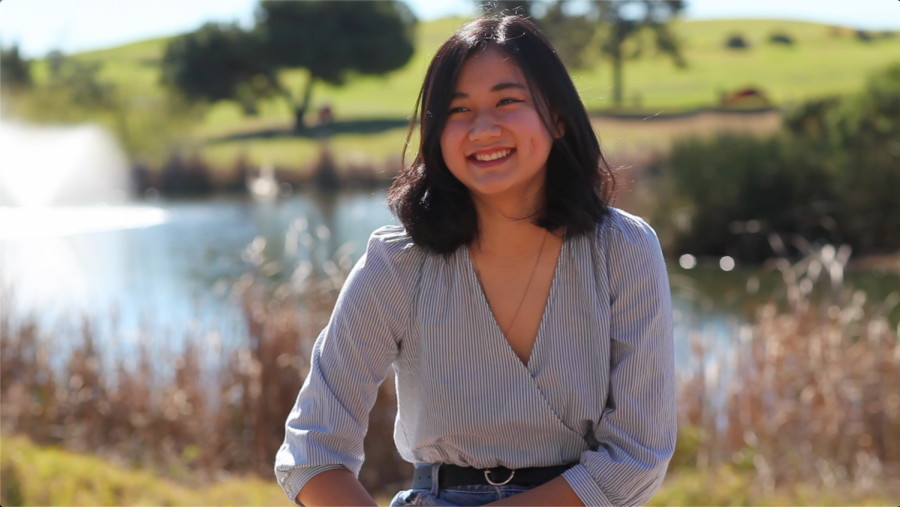
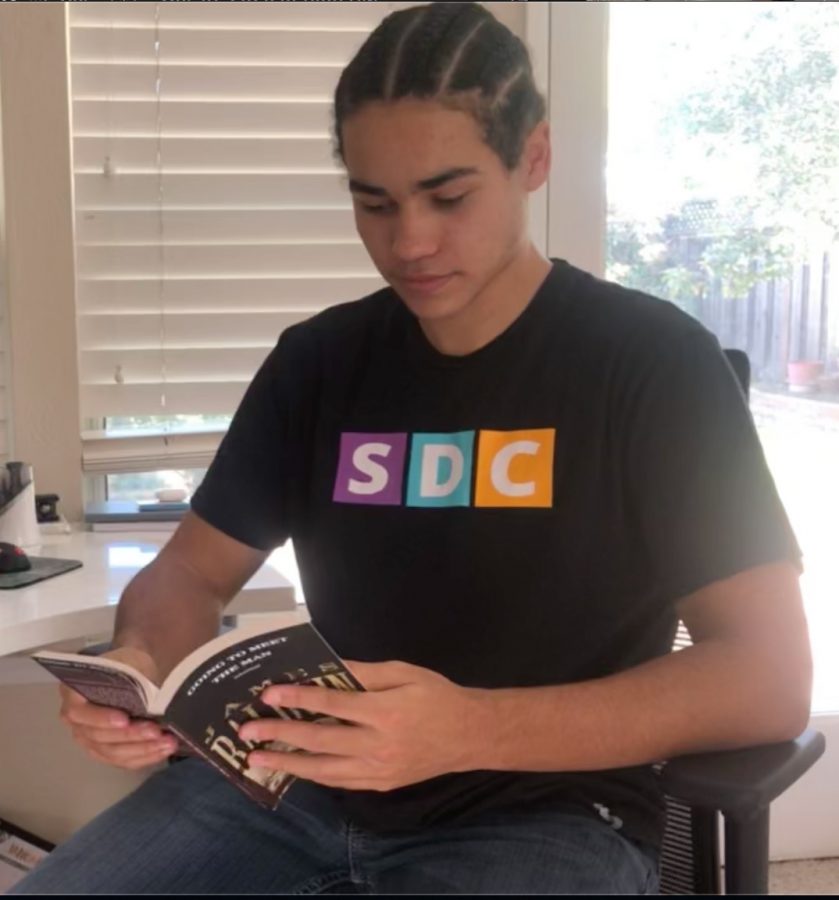
![“When I came into high school, I was ready to be a follower. But DECA was a game changer for me. It helped me overcome my fear of public speaking, and it's played such a major role in who I've become today. To be able to successfully lead a chapter of 150 students, an officer team and be one of the upperclassmen I once really admired is something I'm [really] proud of,” Anvitha Tummala ('21) said.](https://harkeraquila.com/wp-content/uploads/2021/07/Screen-Shot-2021-07-25-at-9.50.05-AM-900x594.png)

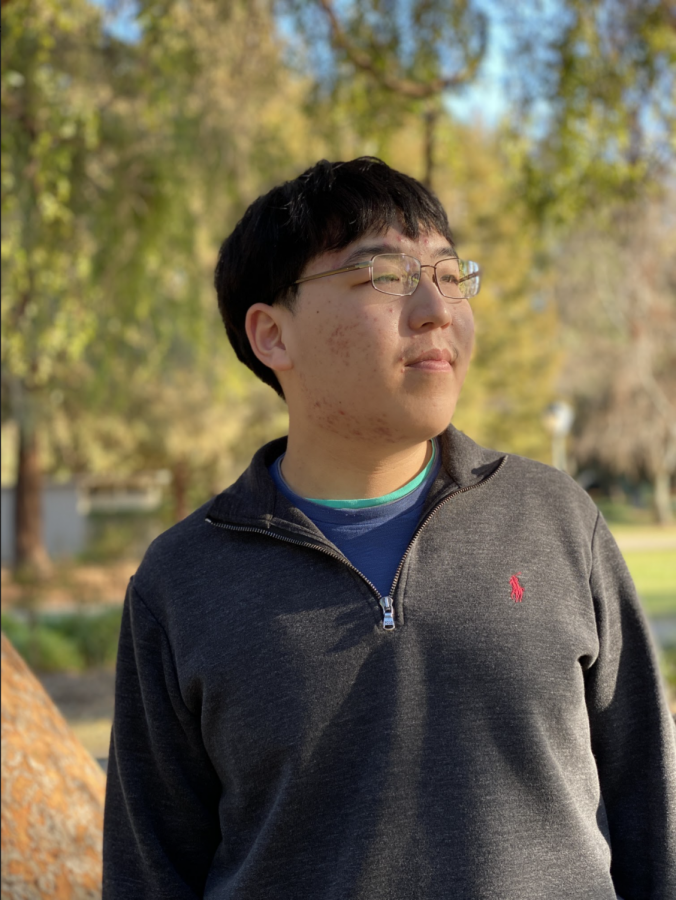
![“I think getting up in the morning and having a sense of purpose [is exciting]. I think without a certain amount of drive, life is kind of obsolete and mundane, and I think having that every single day is what makes each day unique and kind of makes life exciting,” Neymika Jain (12) said.](https://harkeraquila.com/wp-content/uploads/2017/06/Screen-Shot-2017-06-03-at-4.54.16-PM.png)


![“My slogan is ‘slow feet, don’t eat, and I’m hungry.’ You need to run fast to get where you are–you aren't going to get those championships if you aren't fast,” Angel Cervantes (12) said. “I want to do well in school on my tests and in track and win championships for my team. I live by that, [and] I can do that anywhere: in the classroom or on the field.”](https://harkeraquila.com/wp-content/uploads/2018/06/DSC5146-900x601.jpg)
![“[Volleyball has] taught me how to fall correctly, and another thing it taught is that you don’t have to be the best at something to be good at it. If you just hit the ball in a smart way, then it still scores points and you’re good at it. You could be a background player and still make a much bigger impact on the team than you would think,” Anya Gert (’20) said.](https://harkeraquila.com/wp-content/uploads/2020/06/AnnaGert_JinTuan_HoHPhotoEdited-600x900.jpeg)
![“I'm not nearly there yet, but [my confidence has] definitely been getting better since I was pretty shy and timid coming into Harker my freshman year. I know that there's a lot of people that are really confident in what they do, and I really admire them. Everyone's so driven and that has really pushed me to kind of try to find my own place in high school and be more confident,” Alyssa Huang (’20) said.](https://harkeraquila.com/wp-content/uploads/2020/06/AlyssaHuang_EmilyChen_HoHPhoto-900x749.jpeg)



A small stud. A line of ink. A symbol etched into the skin. What may seem like a simple style choice often carries a deeper story. Body modifications, whether they’re intricate tattoos or delicate piercings, are becoming a defining form of self-expression for teenagers and young adults. What was once seen as rebellious or unconventional is now embraced as art, identity, and storytelling.
For students, piercings are often one of the most accessible forms of body modification. With no legal age requirement and seemingly limitless jewelry combinations, some students at Harker sport nose rings and belly button piercings. Out of all piercing types, ear lobes are the most common. Sophomore Mara Pistacchi has multiple lobe piercings.
“My piercings are another element I can use to style myself and be more fashionable,” Mara said. “If you’re deciding whether or not to get it, I would just get it. Getting a lobe piercing is like getting a shot, and you can always take it out and have it heal over.”
Believed to be one of the more painless piercings due to fewer nerve endings in ear lobes, students can get lobe piercings as early as infancy. In Latin American and Indian cultures, ear piercings are often performed shortly after birth or during childhood, signifying cultural identity, femininity or spiritual protection.
Another form of body art is tattooing, which is legal in California at 18. Director of Learning, Innovation and Design Diane Main has nine tattoos, with her latest being a St. Brigid’s Cross, an Irish symbol synonymous with protection against evil.
“Each of my tattoos has its own story and it’s connected to a significant event in my life or something about who I am or what I believe,” Main said. “I’m a quarter Irish and I’ve just become an Irish citizen, so it represents that part of my heritage. Our family was forced to leave Ireland on my mother’s mother’s side, and I felt like it was a way for me to begin to reclaim my Irish heritage that I hadn’t had much about.”
While motivations behind body modifications vary, they can involve risk because they alter the skin in some way. Physical activities, especially contact sports, can affect whether a person get a piercing due to the possibility of injury or interference with equipment. Even a simple ear piercing involves creating a small, open wound that needs time to heal.
Sophomore Vivian Zhang considered these risks before choosing to get her helix piercing this summer, a cartilage piercing located on the upper outer rim of the ear. These piercings take 3-12 months to heal, and pain in the piercing and healing process varies from person to person.
“I do taekwondo, so I had the fear of getting kicked and having the piercing ripped out,” Vivian said. “But I thought I would be able to heal pretty quickly, and it wouldn’t get in the way of anything.”
After getting the piercing, Vivian found that the experience was easier than she expected. Recognizing that her body heals more quickly than others when she got her earlobe piercings in the past, she felt ready to face the risk. With any body modification, proper aftercare is immensely important to ensure its longevity and health.
While piercings offer flexibility and are often temporary, other forms of body modification carry a greater sense of permanence. Tattoos, for example, require long-term commitment and are often chosen with deeper meaning in mind, whether to mark an important moment or represent a part of someone’s identity.
“My tattoos felt like it was a way for me to begin to reclaim my Irish heritage that I hadn’t thought much about,” said Main. “Each one has its own significant meaning. And the variety and the range of what not only tattoos can show, but the styles and all these different things, make it in and of itself its own art form.”
As body modifications become more normalized in mainstream culture, public attitudes toward them continue to evolve into more welcoming ones. Main believes that what was once considered to be unusual or rebellious is now widely accepted in many social settings.
“In the past, it was a rebellious thing to do — it was like saying to society, ‘I’m not going to conform,’” Main said. “A lot of it has to do with past purity culture and having a restrictive view of social norms. Now, there’s a much more relaxed approach to it where it is recognized as art, which some people choose to show on their bodies. There’s a lot more that can be acceptable, and it doesn’t always have to be one certain set of values.”