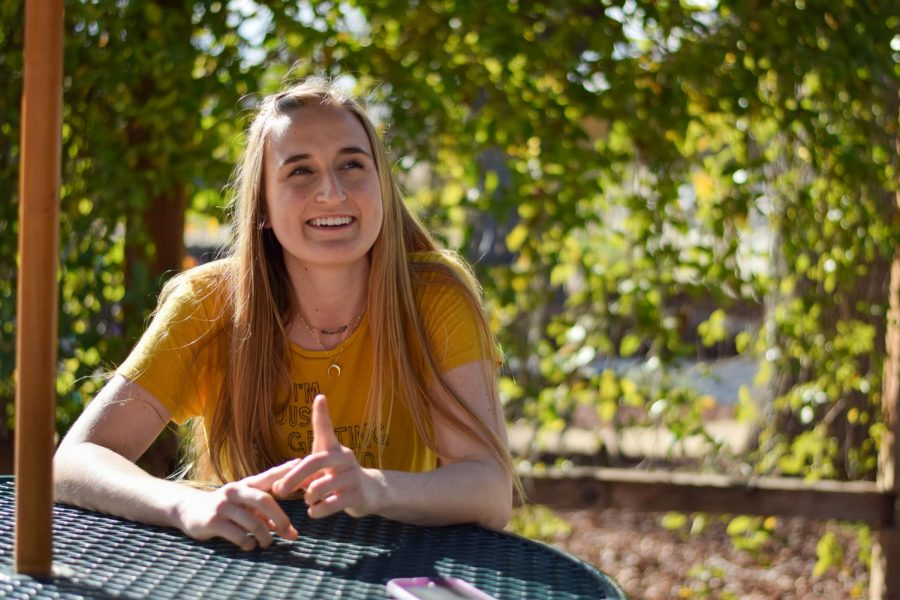
![“I wasn't discouraged by some of the obstacles we faced. I learned a lot from the leadership. I found that different people need different ways of receiving feedback — you can't [just] tell them to do something and expect the best. [Some] people needed more incentive. A large part of my role was to figure out what worked for everyone and to figure out how to lead all these separate individuals as a team,” Suhana Bhandare (’26) said.](https://harkeraquila.com/wp-content/uploads/2026/06/SuhanaBhandare_JasmineHansra-1-1200x798.jpg)
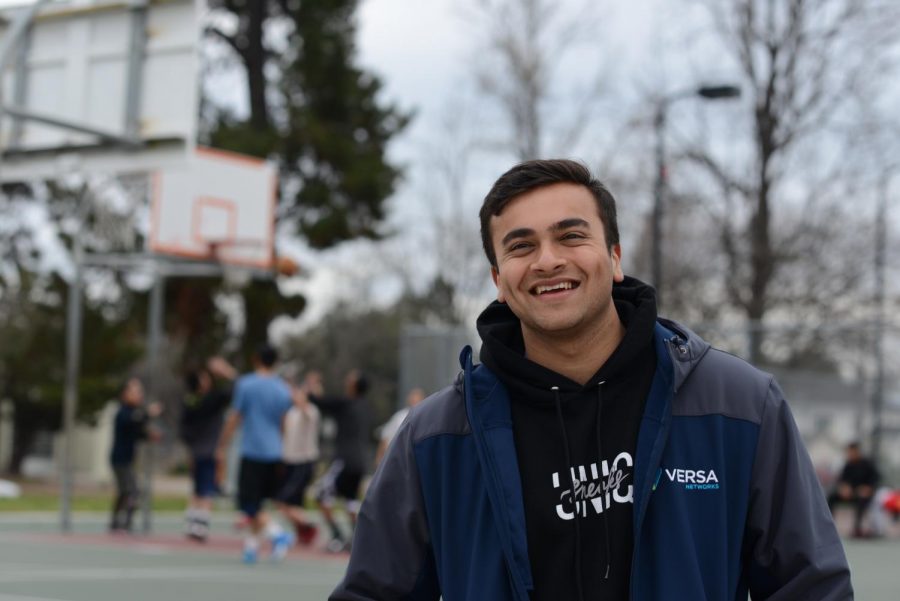
![“This is actually from Randy Pausch Randy P. Brick: ‘Walls are there for a reason. You have to show how much you want to overcome them.’ You have to show how much you want something. That's what I've always been able to do with tennis, Link Crew and getting that internship [with Kushy Baby]. It’s important pushing through that — getting around that brick wall, climbing over it or clawing through it,” Yash Sachdeva (’26) said.](https://harkeraquila.com/wp-content/uploads/2026/05/YashSachdeva_RamBatchu-copy-1200x1002.jpg)


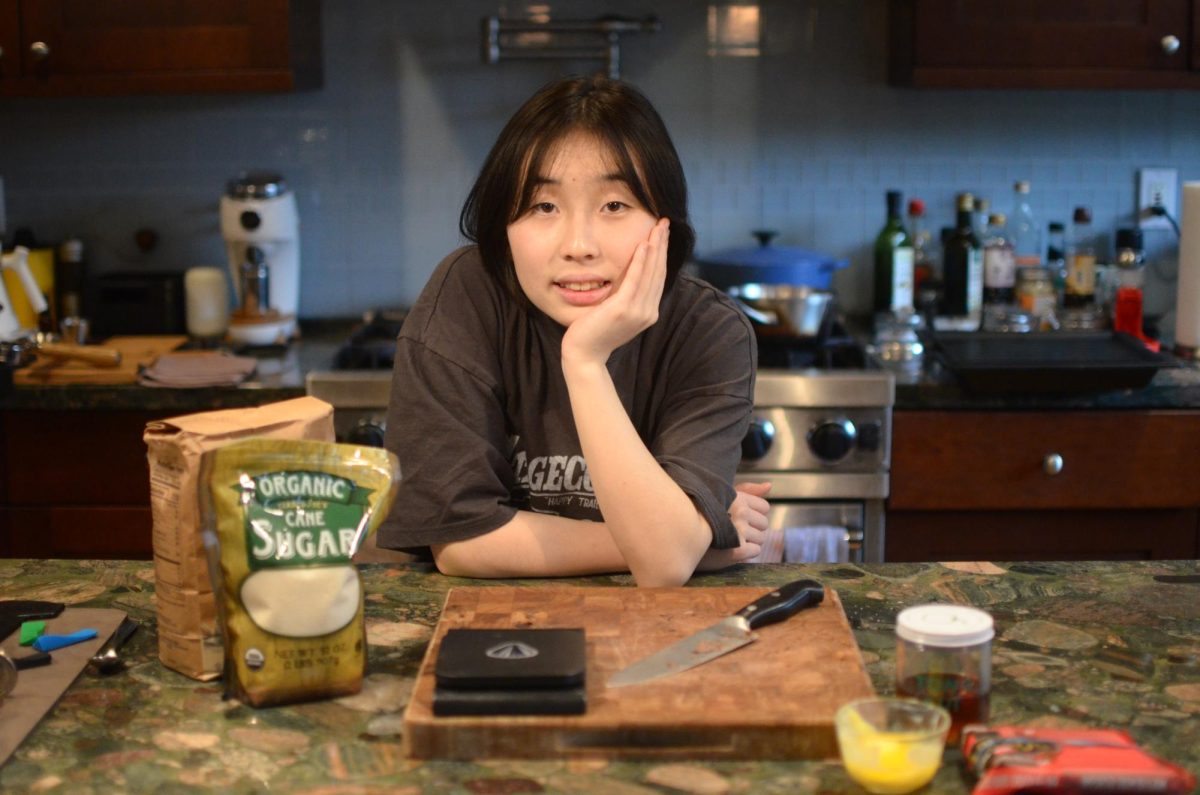


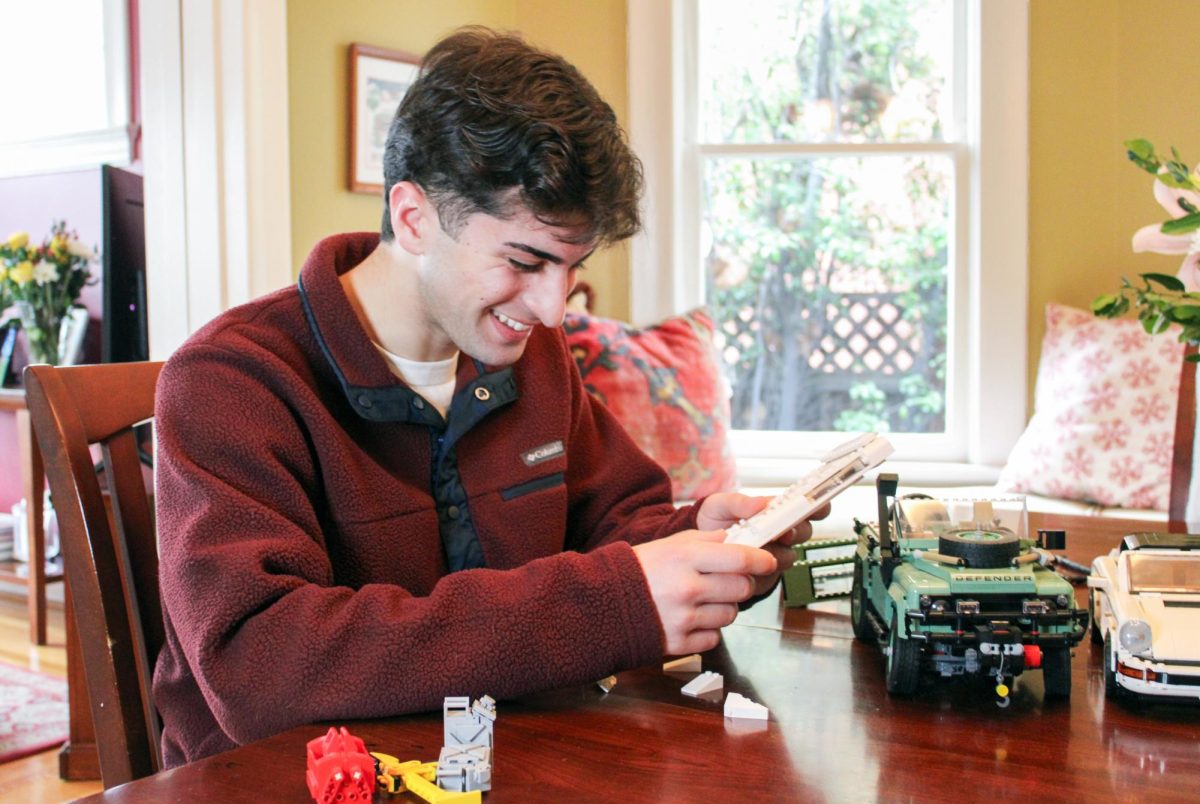

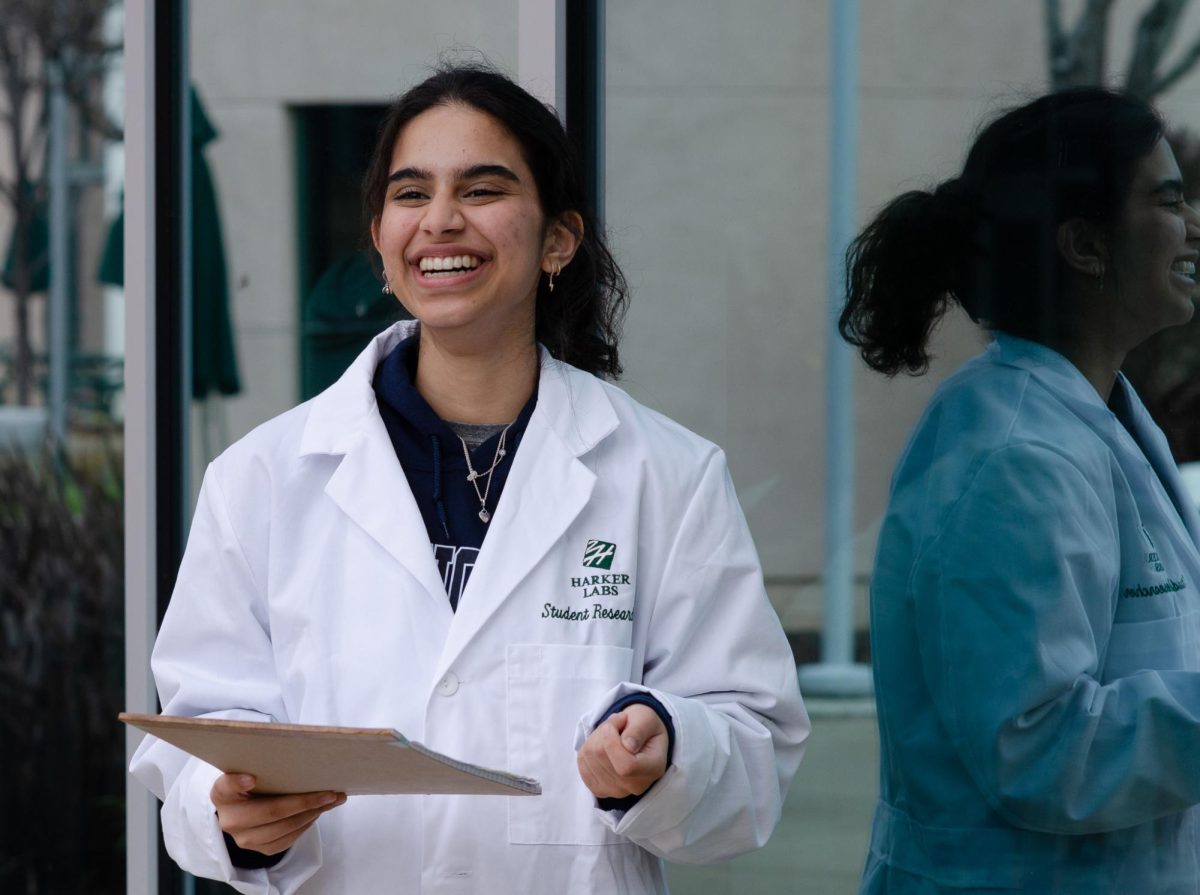
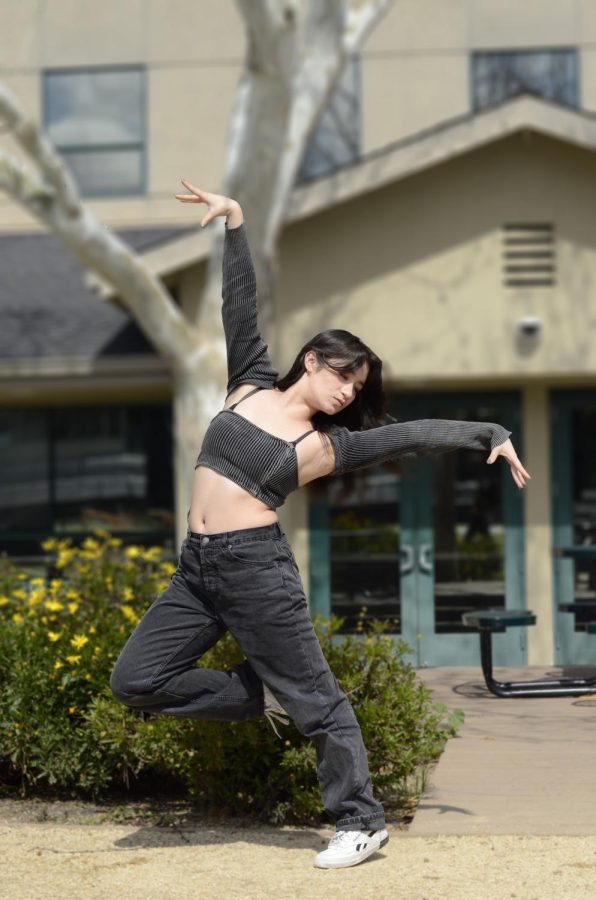
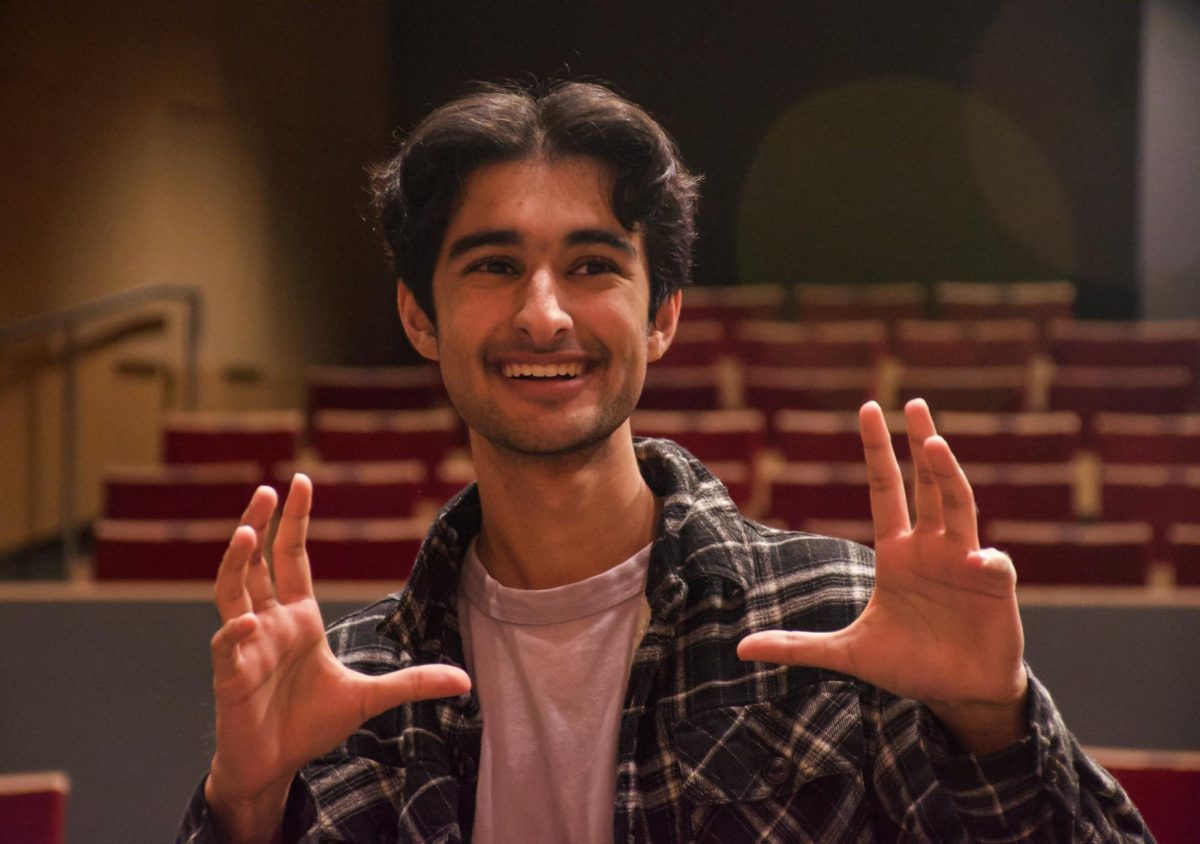

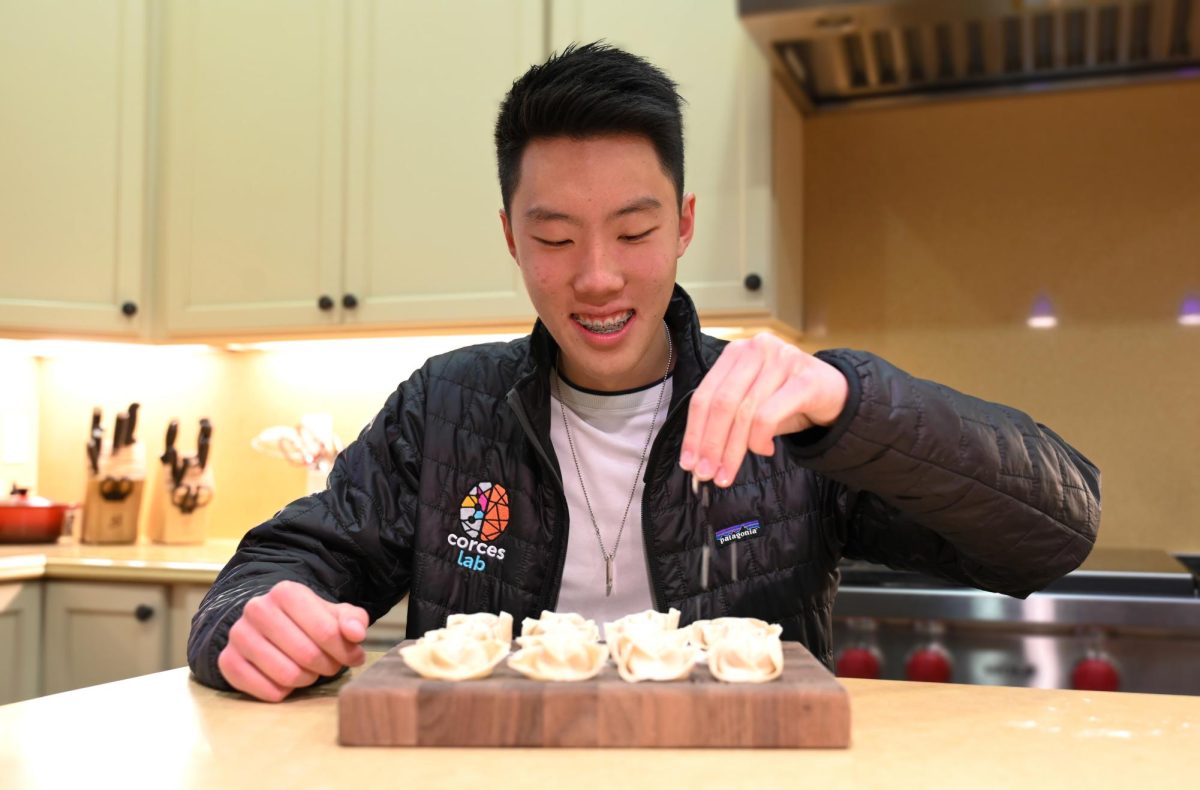
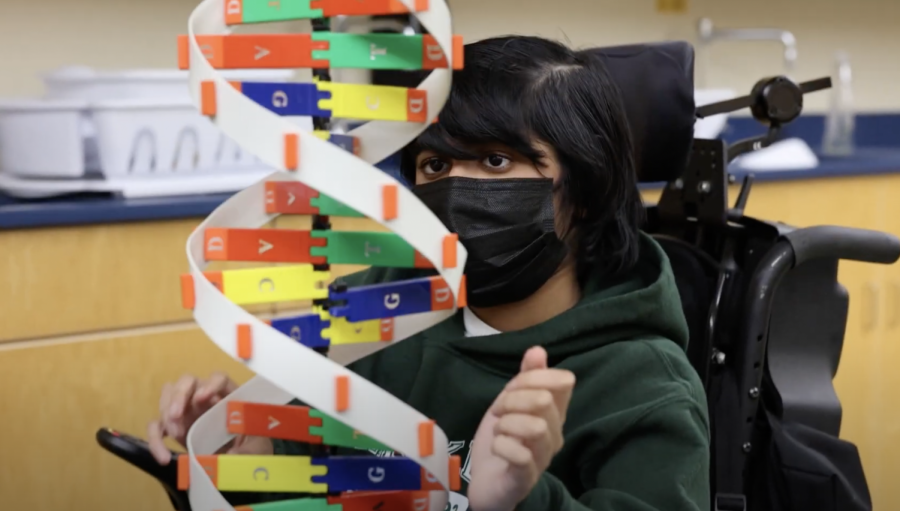
![“[Building nerf blasters] became this outlet of creativity for me that hasn't been matched by anything else. The process [of] making a build complete to your desire is such a painstakingly difficult process, but I've had to learn from [the skills needed from] soldering to proper painting. There's so many different options for everything, if you think about it, it exists. The best part is [that] if it doesn't exist, you can build it yourself," Ishaan Parate said.](https://harkeraquila.com/wp-content/uploads/2022/08/DSC_8149-900x604.jpg)
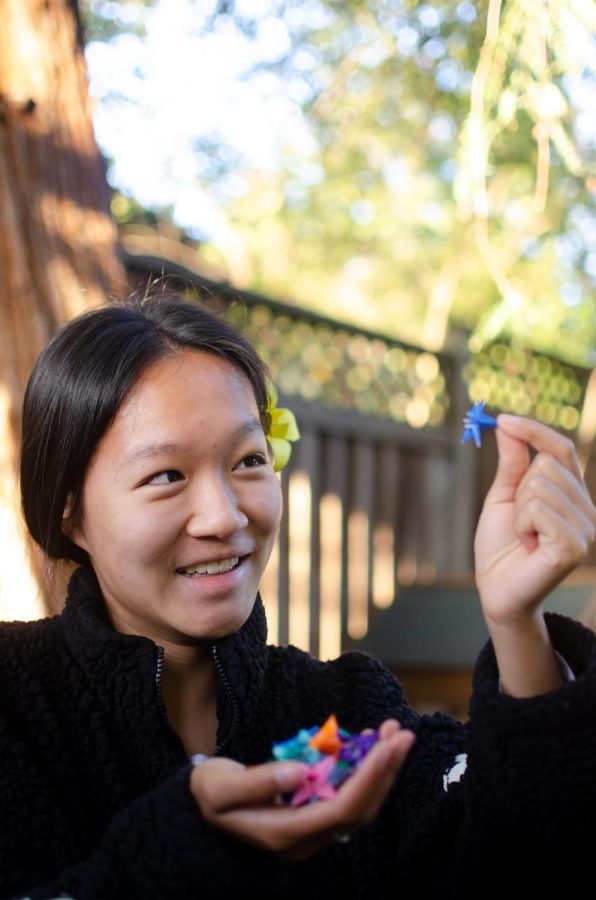
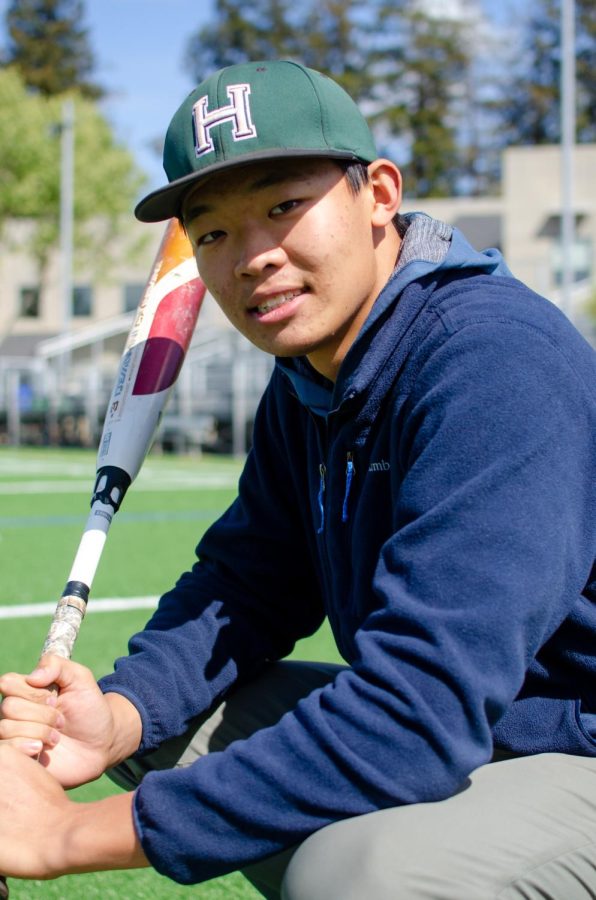

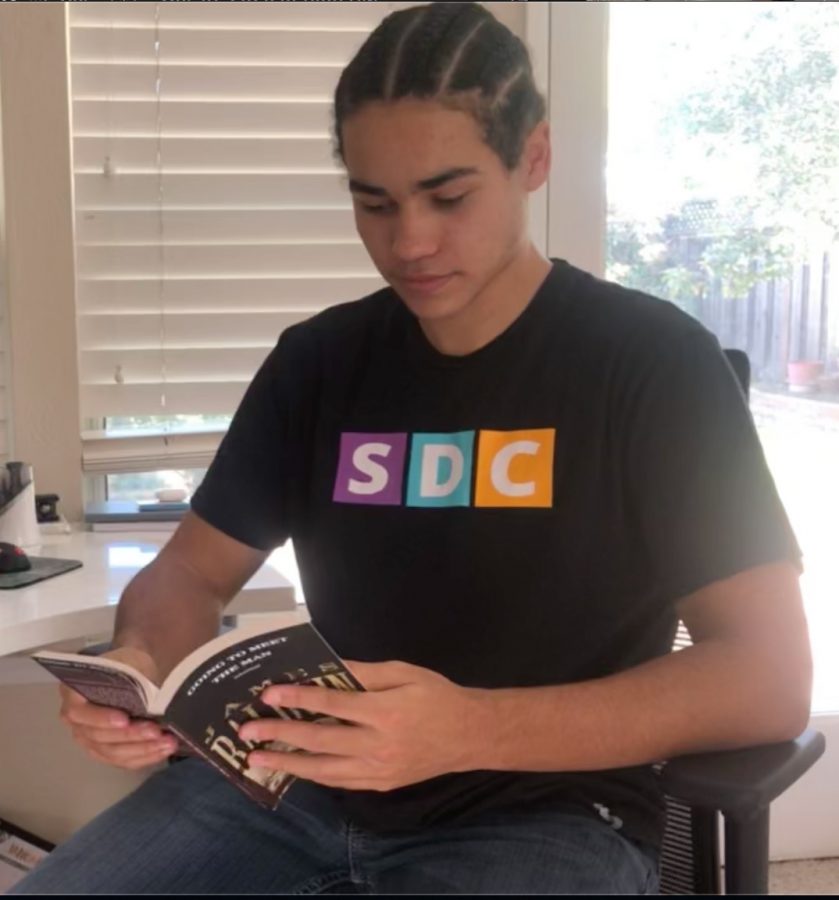
![“When I came into high school, I was ready to be a follower. But DECA was a game changer for me. It helped me overcome my fear of public speaking, and it's played such a major role in who I've become today. To be able to successfully lead a chapter of 150 students, an officer team and be one of the upperclassmen I once really admired is something I'm [really] proud of,” Anvitha Tummala ('21) said.](https://harkeraquila.com/wp-content/uploads/2021/07/Screen-Shot-2021-07-25-at-9.50.05-AM-900x594.png)

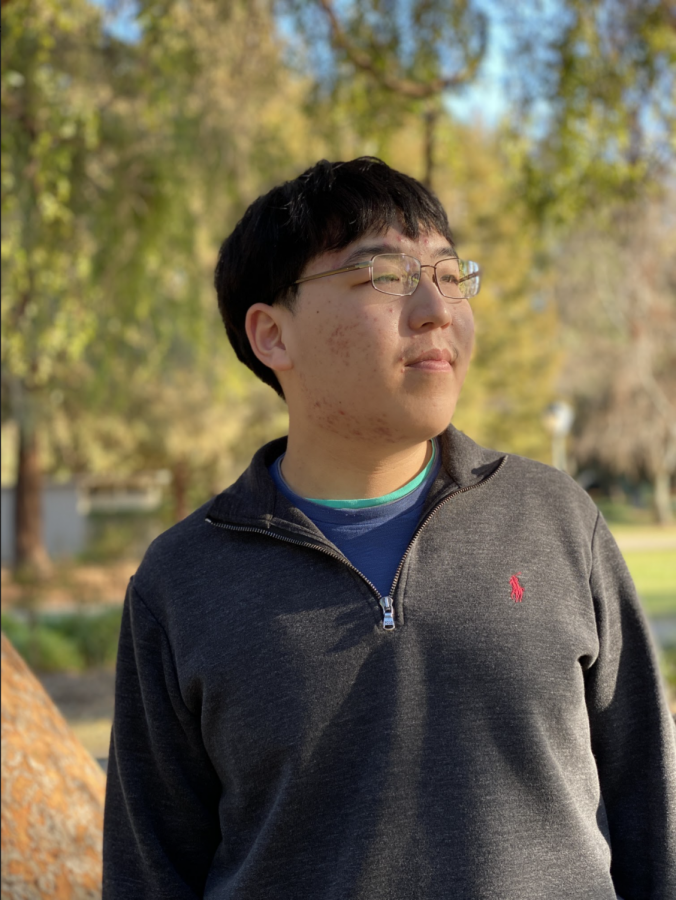

![“I think getting up in the morning and having a sense of purpose [is exciting]. I think without a certain amount of drive, life is kind of obsolete and mundane, and I think having that every single day is what makes each day unique and kind of makes life exciting,” Neymika Jain (12) said.](https://harkeraquila.com/wp-content/uploads/2017/06/Screen-Shot-2017-06-03-at-4.54.16-PM.png)
![“My slogan is ‘slow feet, don’t eat, and I’m hungry.’ You need to run fast to get where you are–you aren't going to get those championships if you aren't fast,” Angel Cervantes (12) said. “I want to do well in school on my tests and in track and win championships for my team. I live by that, [and] I can do that anywhere: in the classroom or on the field.”](https://harkeraquila.com/wp-content/uploads/2018/06/DSC5146-900x601.jpg)
![“[Volleyball has] taught me how to fall correctly, and another thing it taught is that you don’t have to be the best at something to be good at it. If you just hit the ball in a smart way, then it still scores points and you’re good at it. You could be a background player and still make a much bigger impact on the team than you would think,” Anya Gert (’20) said.](https://harkeraquila.com/wp-content/uploads/2020/06/AnnaGert_JinTuan_HoHPhotoEdited-600x900.jpeg)
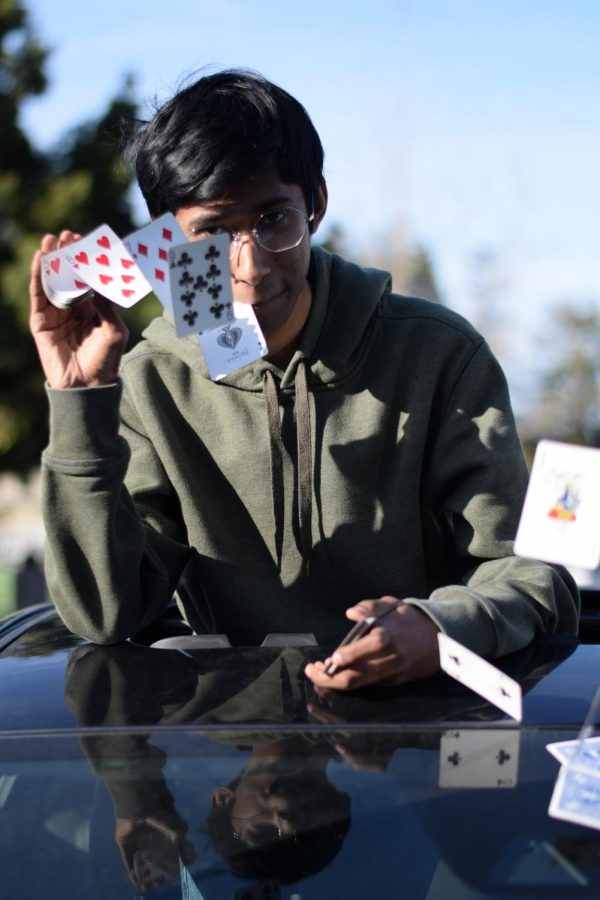
![“I'm not nearly there yet, but [my confidence has] definitely been getting better since I was pretty shy and timid coming into Harker my freshman year. I know that there's a lot of people that are really confident in what they do, and I really admire them. Everyone's so driven and that has really pushed me to kind of try to find my own place in high school and be more confident,” Alyssa Huang (’20) said.](https://harkeraquila.com/wp-content/uploads/2020/06/AlyssaHuang_EmilyChen_HoHPhoto-900x749.jpeg)
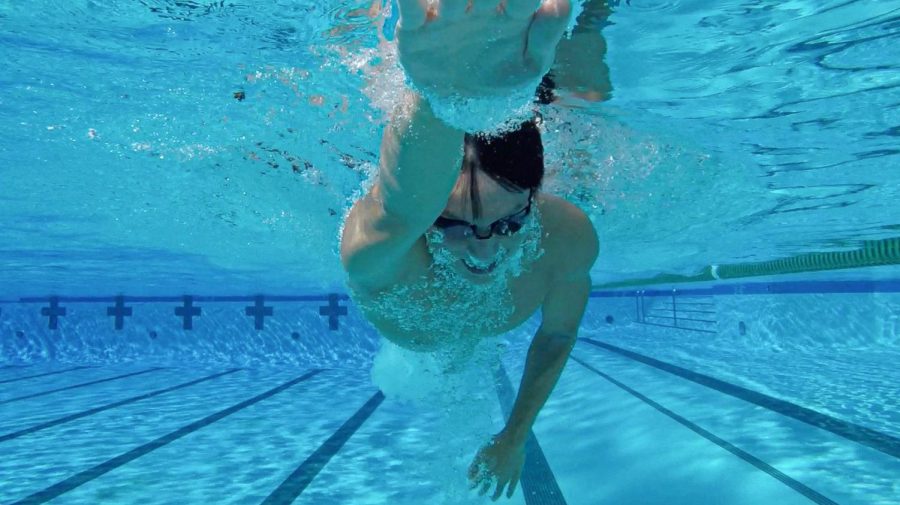

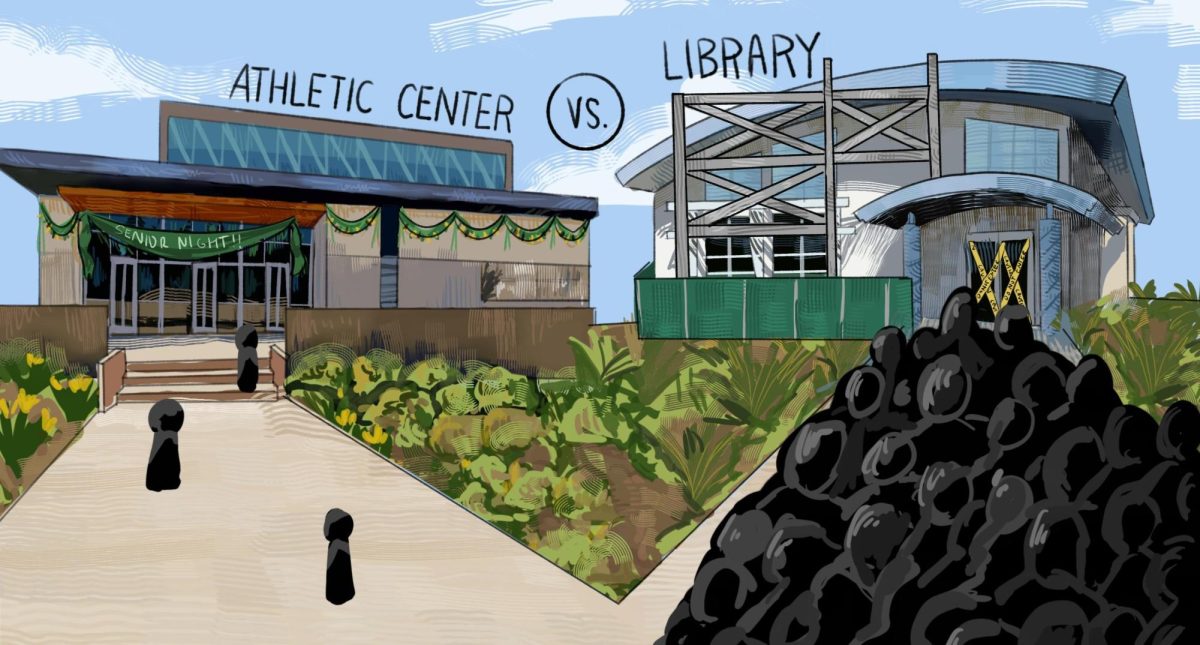
Shoulder pads collide as a Harker football player drives against their opponent to break a tackle in a close game. To an observer, it looks as if the sideline has been frozen in time. Teammates hold their breath. Coaches clutch their play sheets. A moment passes. The Eagles player completes the play, cheers ringing out from their fellow players and coaches. However, as the jubilation on the field rings out through the Davis Field, the excitement of the team falls flat. Near-empty stands surround the playing field, dampening the atmosphere. No matter what sport Harker athletes participate in, their classmates’ absence is an all-too-common sight.
In the years since remote learning, students have slowly but surely returned to the everyday activities of in-person school, from after school Spirit Kickoffs to club guest speaker events. Even so, sports rarely feature the same turnout, with the home bleachers nearly empty save for players’ parents and a few faithful fans. In a 24-hour survey conducted on Harker Aquila’s Instagram on Sept. 8, 32.7% of the 110 Harker students and alumni surveyed reported that they on average attend zero games per semester, and 41.8% attend between one and three. Only 18.2% of those surveyed attend between four and six games a semester, and 7.3% attend at least seven.
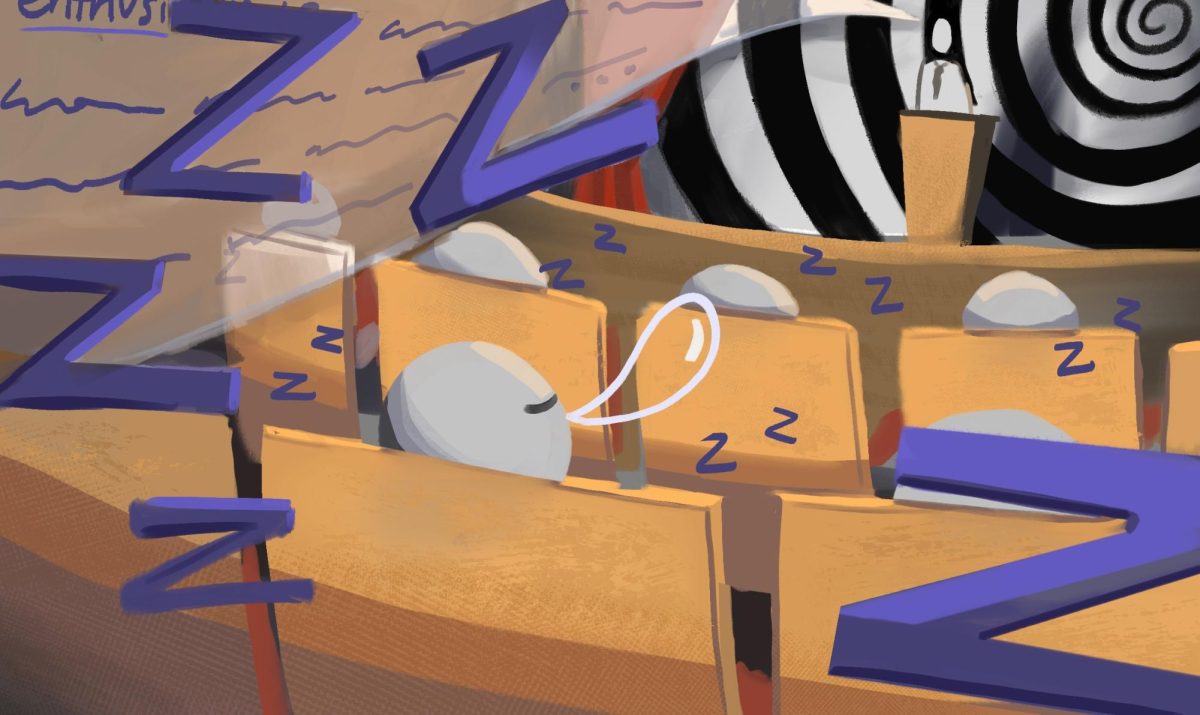
This low student involvement reflects a much deeper issue than simple disinterest. In a school with a culture that heavily prioritizes academics, recreational activities like cheering on a friend at their game after school may seem like an unreasonable ask in the face of looming homework assignments and tests. When teams play in critical Central Coast Section (CCS) games, which often are not hosted at Harker, the added commute time only augments this obstacle.
Similarly, the competitive nature of our community can at times hinder support for one another, as one classmate’s success can be viewed as another’s disadvantage. Even outside of academic settings, these pressures can arise, especially as teams advance and become more competitive. The individualism promoted by this sense of constant rivalry also proves detrimental to overall school spirit, taking away from the unity and teamwork athletics strives to promote.
While it would be unrealistic to ask students to deprioritize academics, maintaining a high academic standard does not require forgoing activities like sports games. Instead, students can attend games in part or plan ahead on homework and studying to ensure they have the time to support their fellow Eagles. Student-athletes work exceptionally hard over the course of their season, and in attending their matches we not only recognize their efforts but also contribute to our school community at large. This extends even outside of the athletics sphere, to activities like student research and the performing arts. Starting with sports, we can all develop a greater sense of unity and support for one another.
As a result of Harker’s demanding curriculum, students should not feel forced to disengage from community events such as sports games to maintain their academic standards. Instead, students should try to recognize the value in these opportunities to invest in their community and make room for sports games in their schedule.