


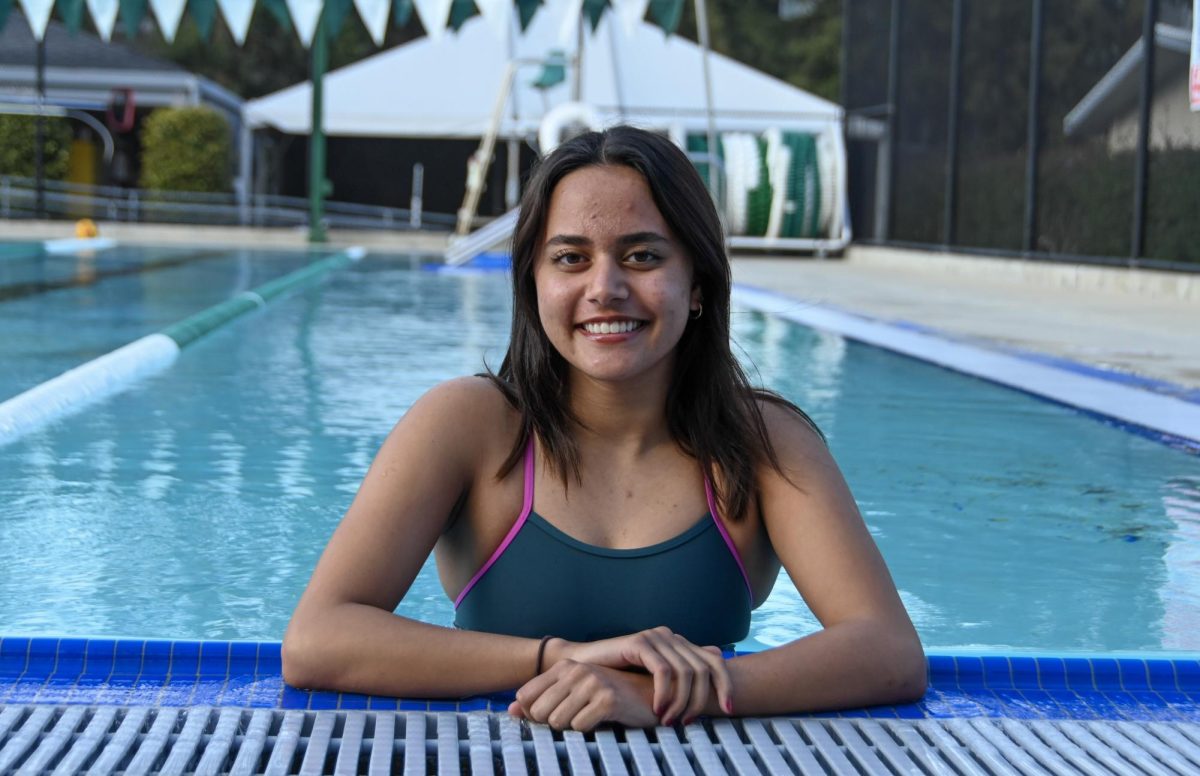
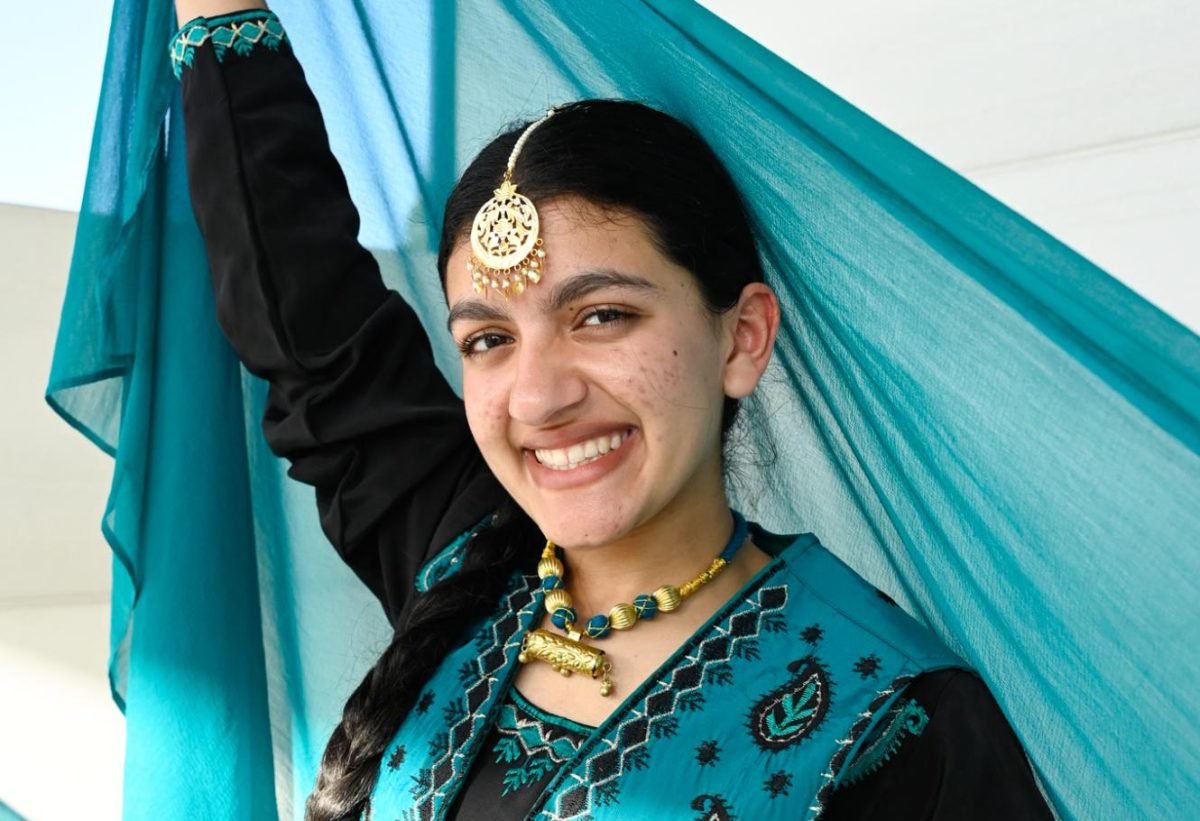
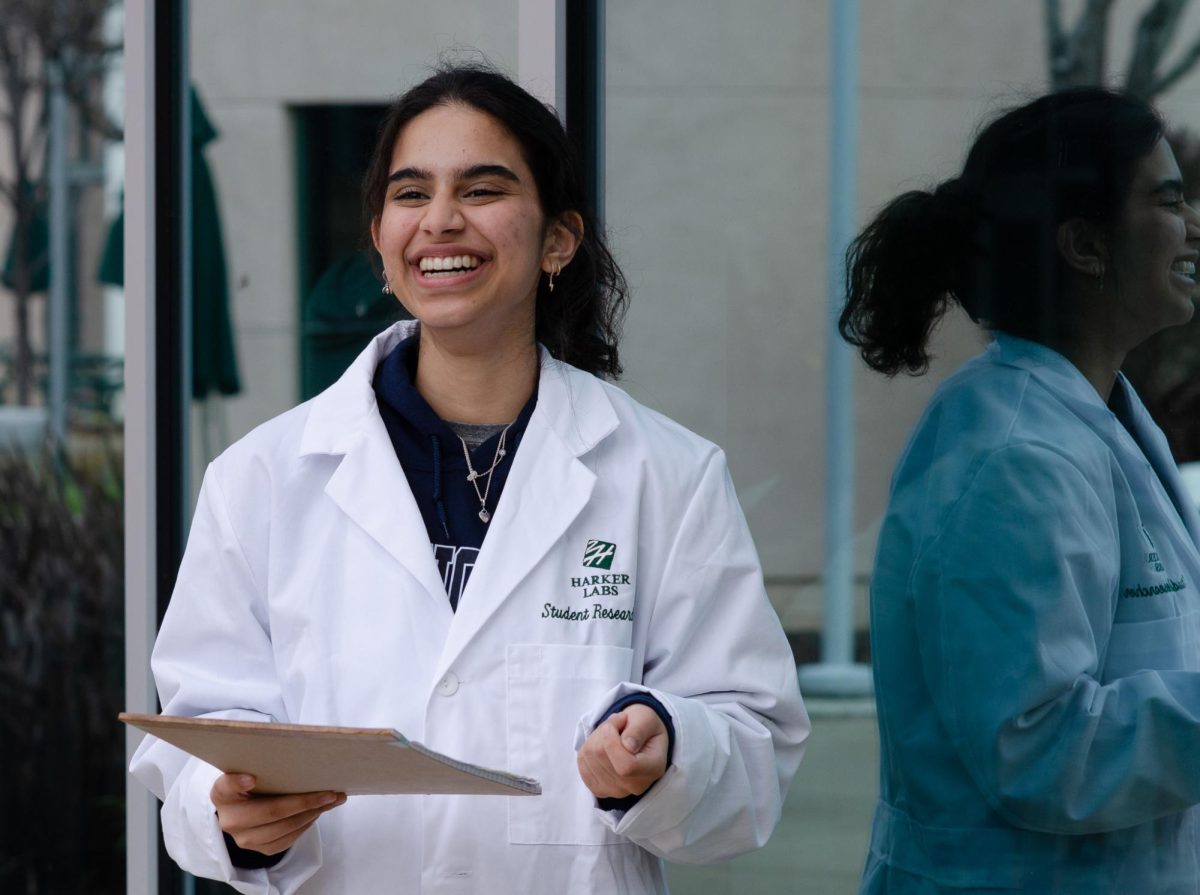
![“I wasn't discouraged by some of the obstacles we faced. I learned a lot from the leadership. I found that different people need different ways of receiving feedback — you can't [just] tell them to do something and expect the best. [Some] people needed more incentive. A large part of my role was to figure out what worked for everyone and to figure out how to lead all these separate individuals as a team,” Suhana Bhandare (’26) said.](https://harkeraquila.com/wp-content/uploads/2026/06/SuhanaBhandare_JasmineHansra-1-1200x798.jpg)
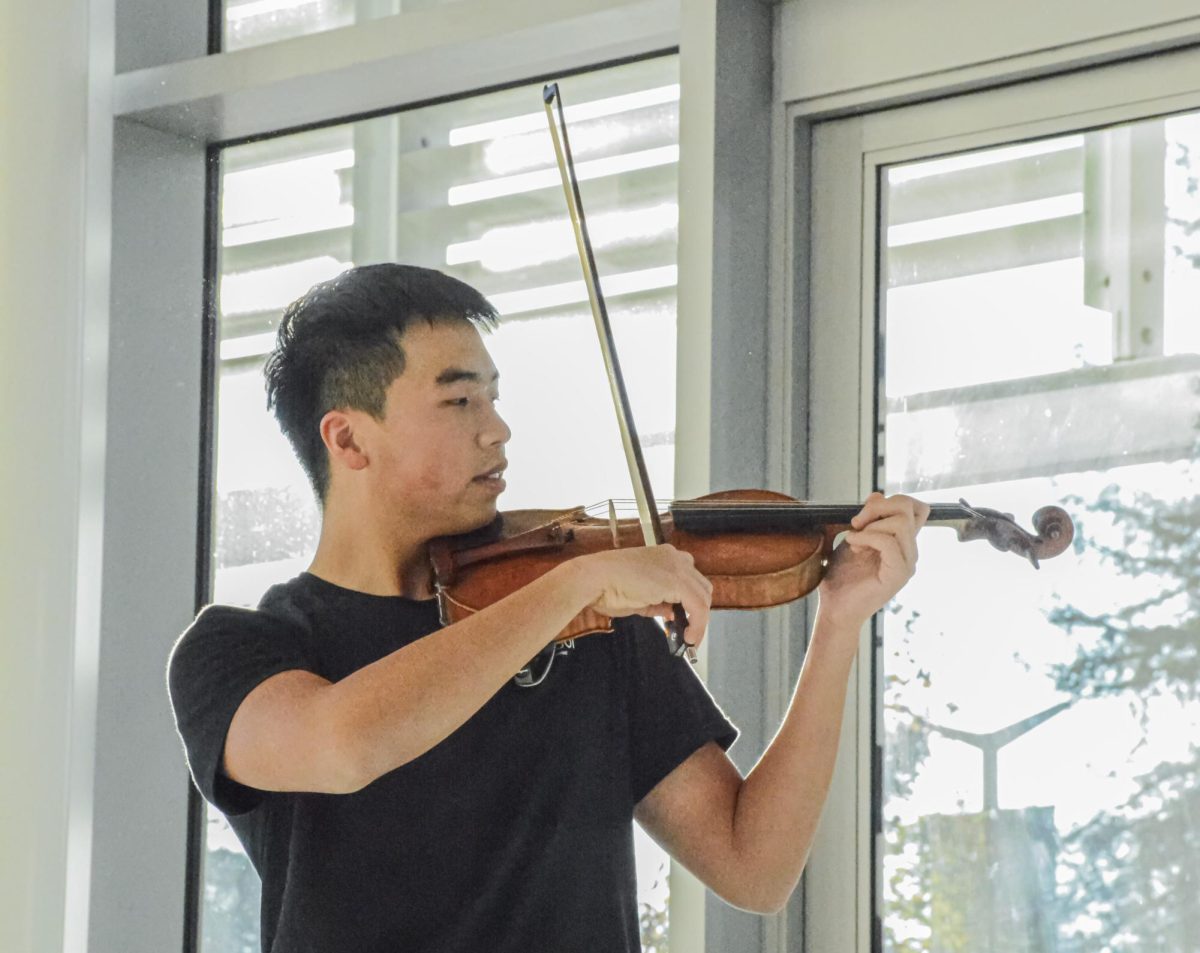
![“This is actually from Randy Pausch Randy P. Brick: ‘Walls are there for a reason. You have to show how much you want to overcome them.’ You have to show how much you want something. That's what I've always been able to do with tennis, Link Crew and getting that internship [with Kushy Baby]. It’s important pushing through that — getting around that brick wall, climbing over it or clawing through it,” Yash Sachdeva (’26) said.](https://harkeraquila.com/wp-content/uploads/2026/05/YashSachdeva_RamBatchu-copy-1200x1002.jpg)

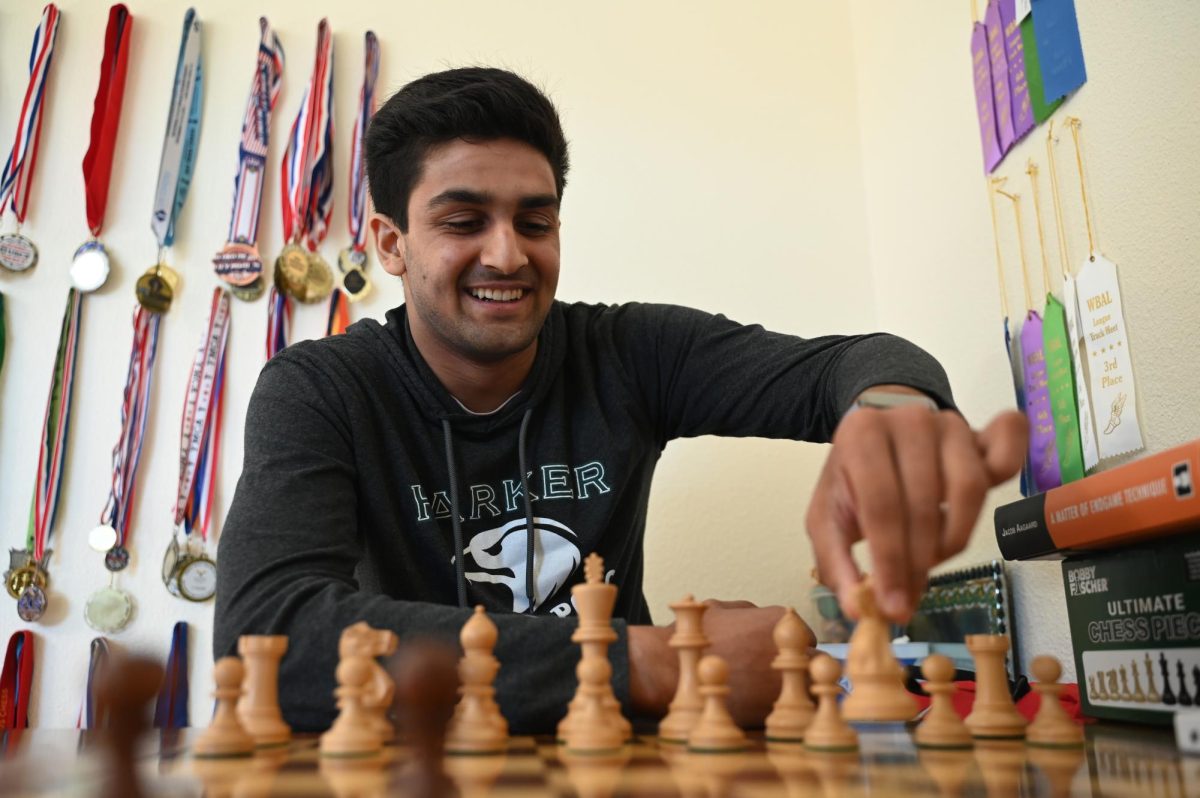





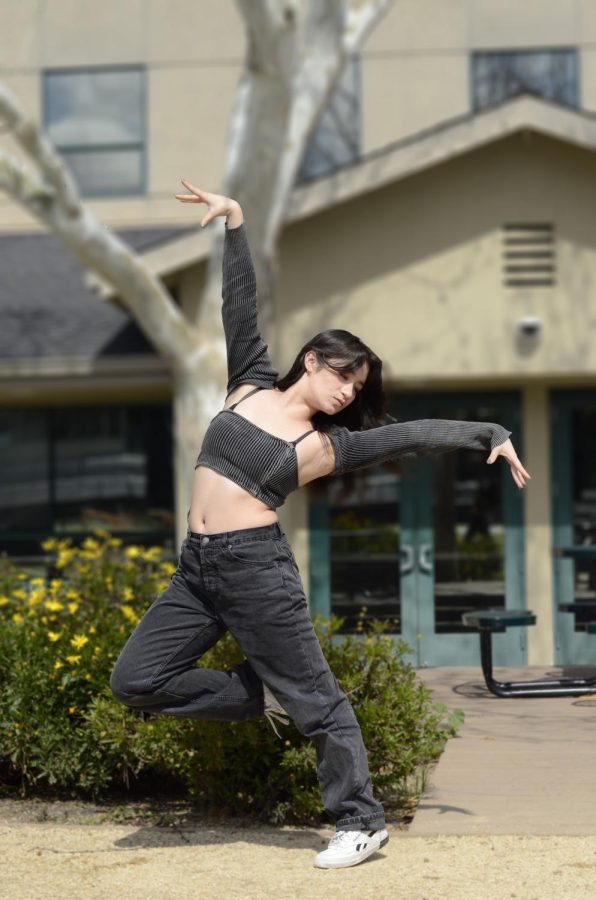
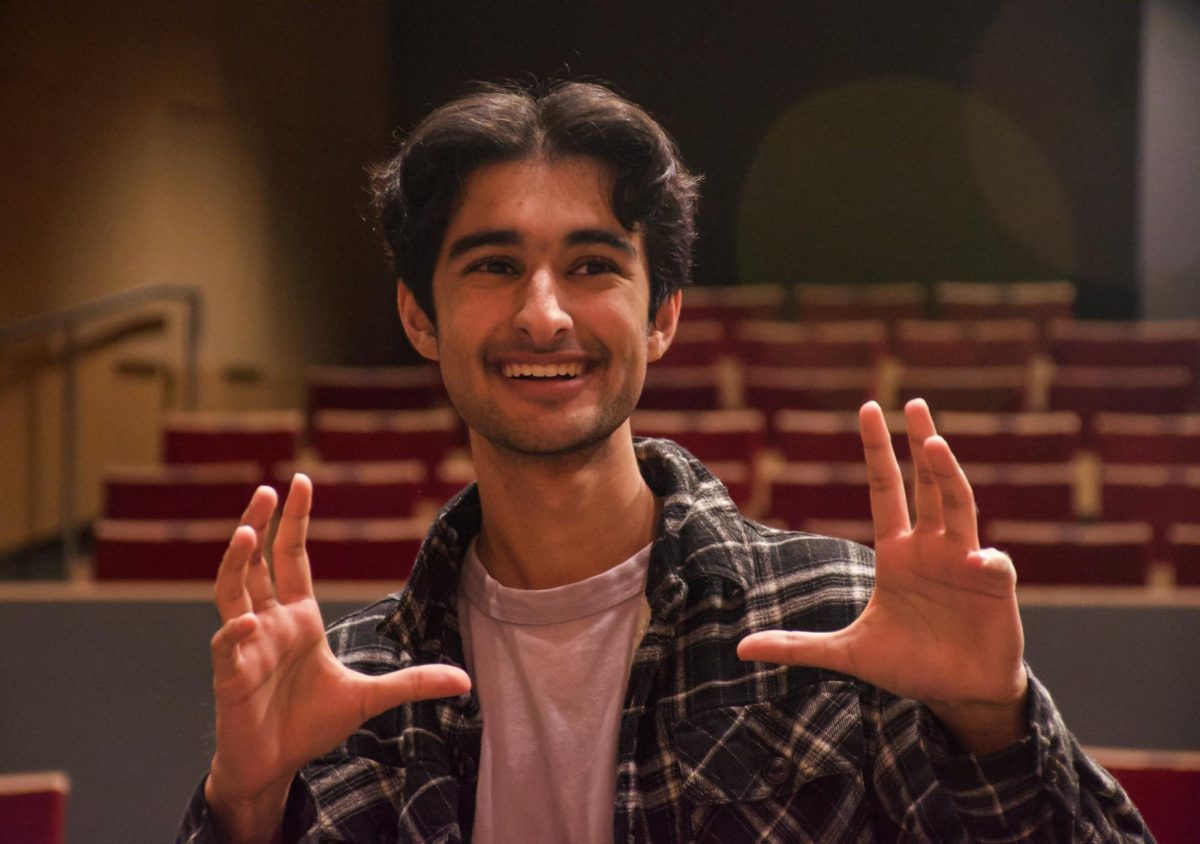

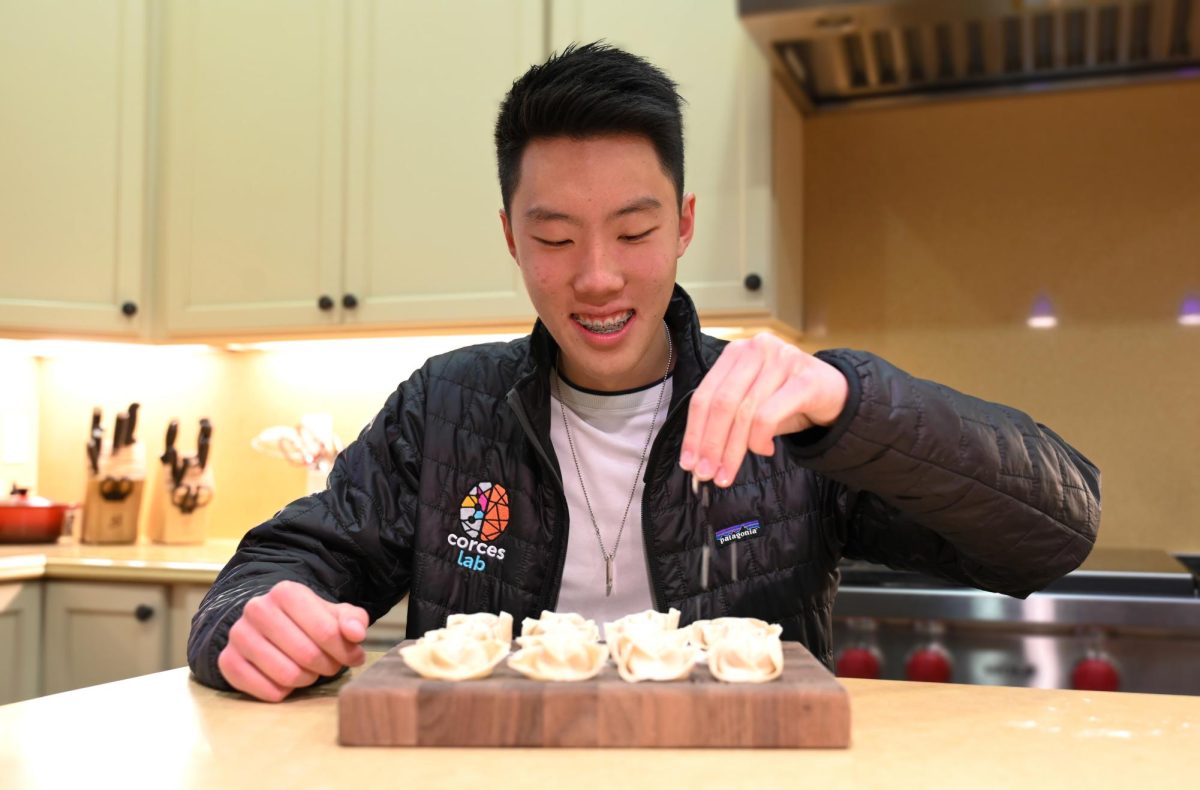
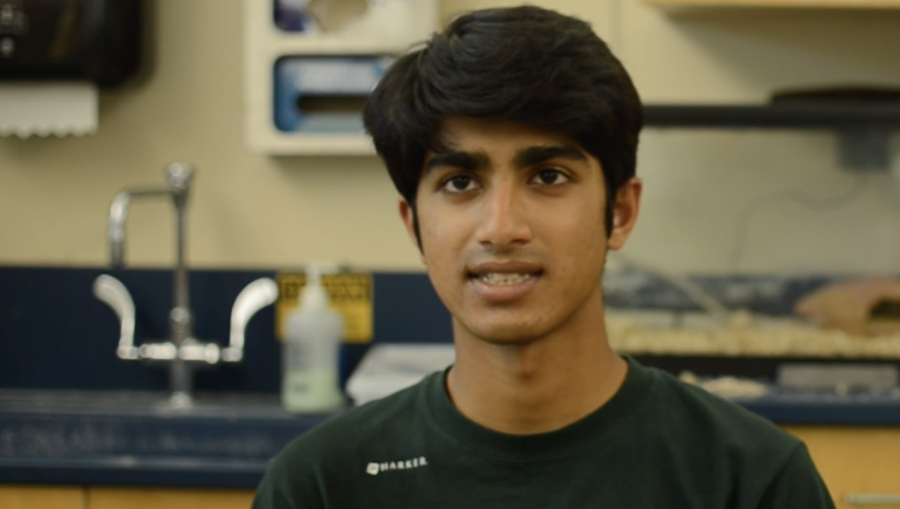
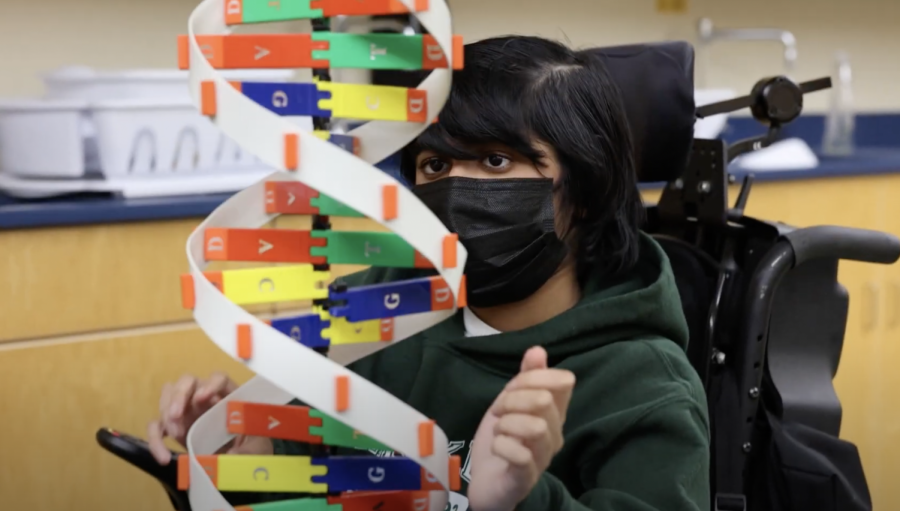
![“[Building nerf blasters] became this outlet of creativity for me that hasn't been matched by anything else. The process [of] making a build complete to your desire is such a painstakingly difficult process, but I've had to learn from [the skills needed from] soldering to proper painting. There's so many different options for everything, if you think about it, it exists. The best part is [that] if it doesn't exist, you can build it yourself," Ishaan Parate said.](https://harkeraquila.com/wp-content/uploads/2022/08/DSC_8149-900x604.jpg)
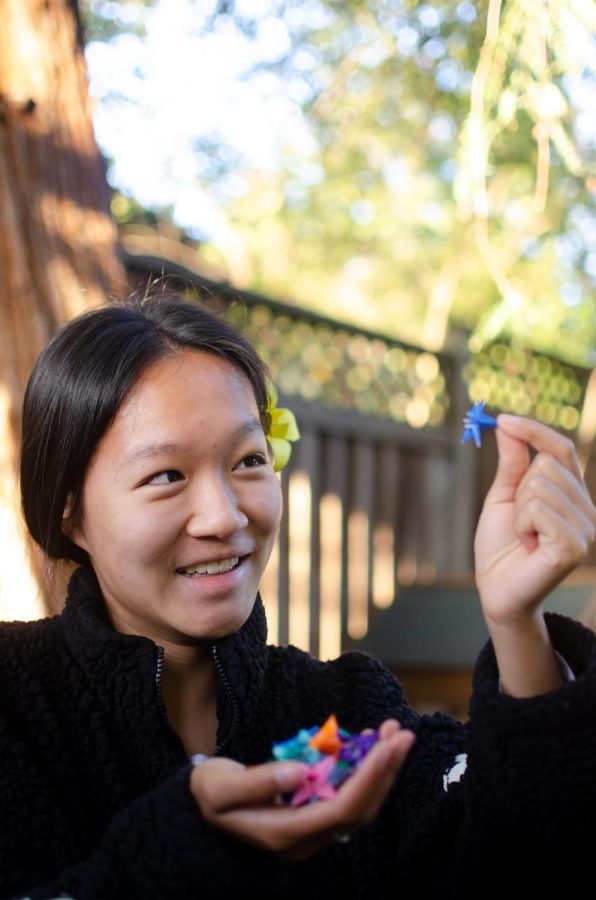
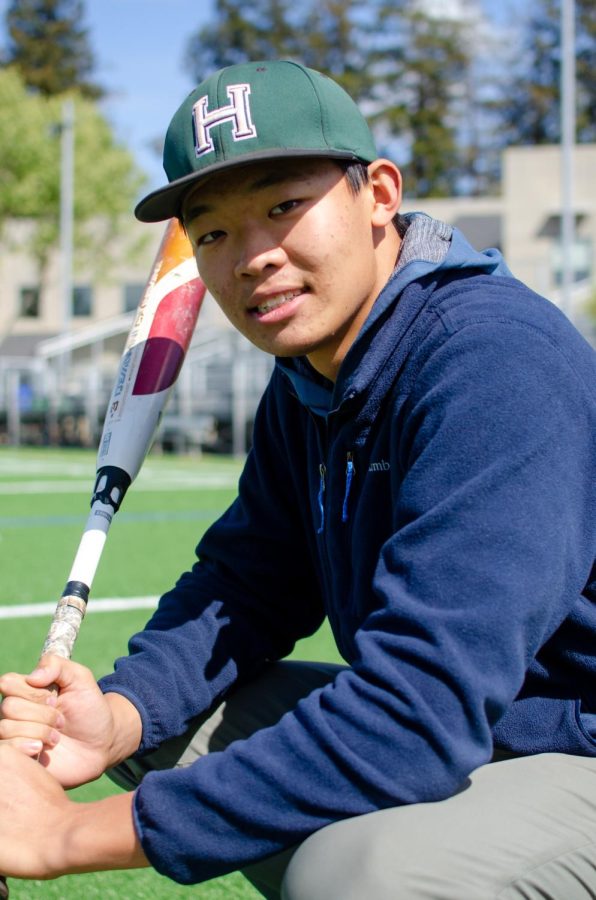
![“When I came into high school, I was ready to be a follower. But DECA was a game changer for me. It helped me overcome my fear of public speaking, and it's played such a major role in who I've become today. To be able to successfully lead a chapter of 150 students, an officer team and be one of the upperclassmen I once really admired is something I'm [really] proud of,” Anvitha Tummala ('21) said.](https://harkeraquila.com/wp-content/uploads/2021/07/Screen-Shot-2021-07-25-at-9.50.05-AM-900x594.png)

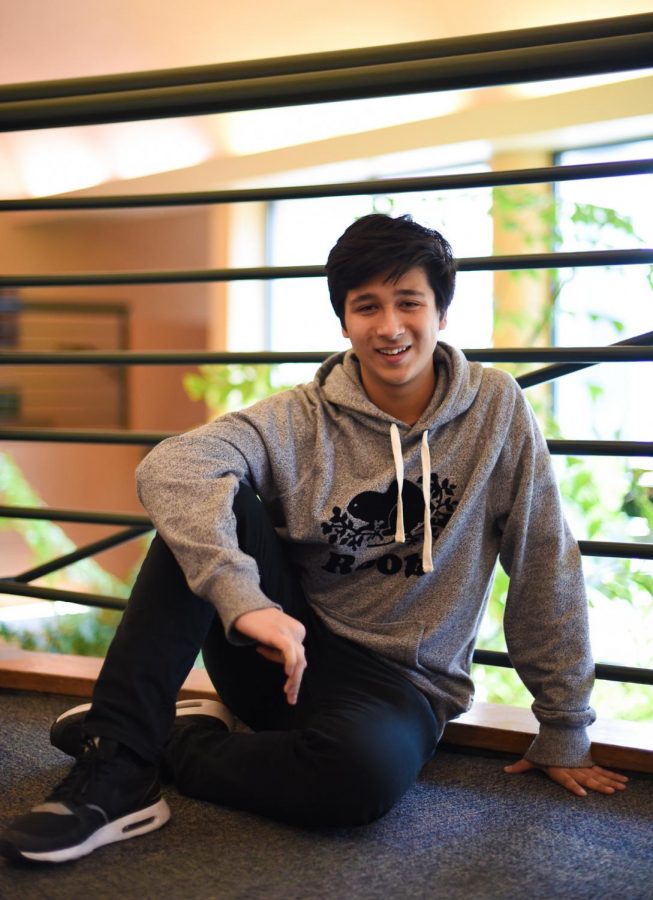
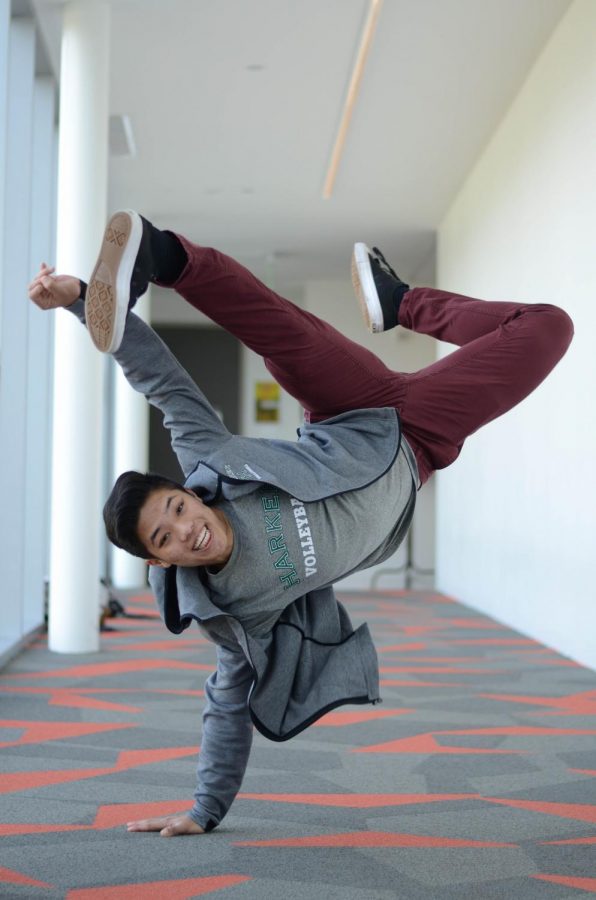
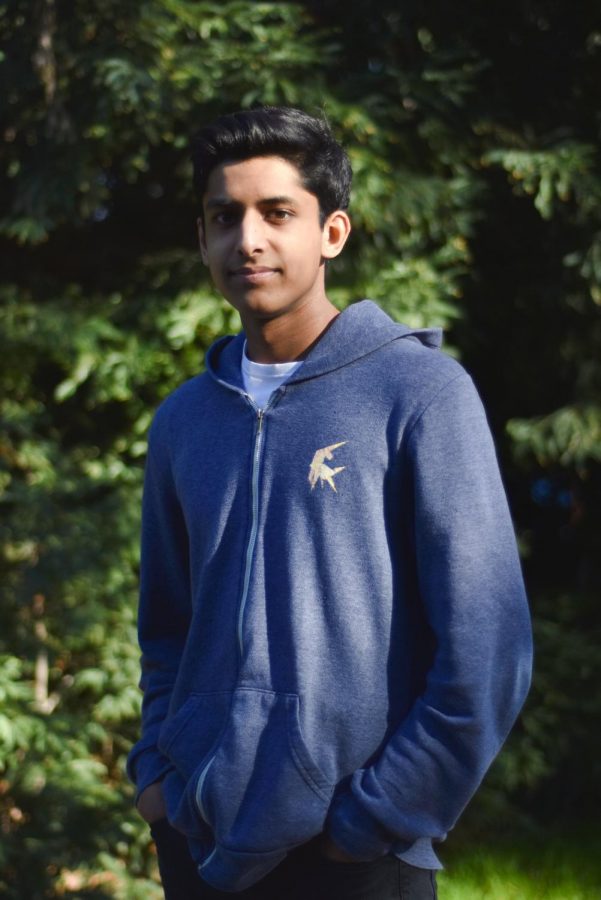

![“I think getting up in the morning and having a sense of purpose [is exciting]. I think without a certain amount of drive, life is kind of obsolete and mundane, and I think having that every single day is what makes each day unique and kind of makes life exciting,” Neymika Jain (12) said.](https://harkeraquila.com/wp-content/uploads/2017/06/Screen-Shot-2017-06-03-at-4.54.16-PM.png)
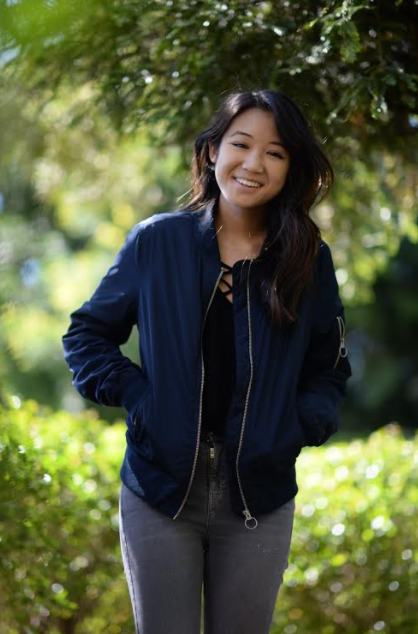
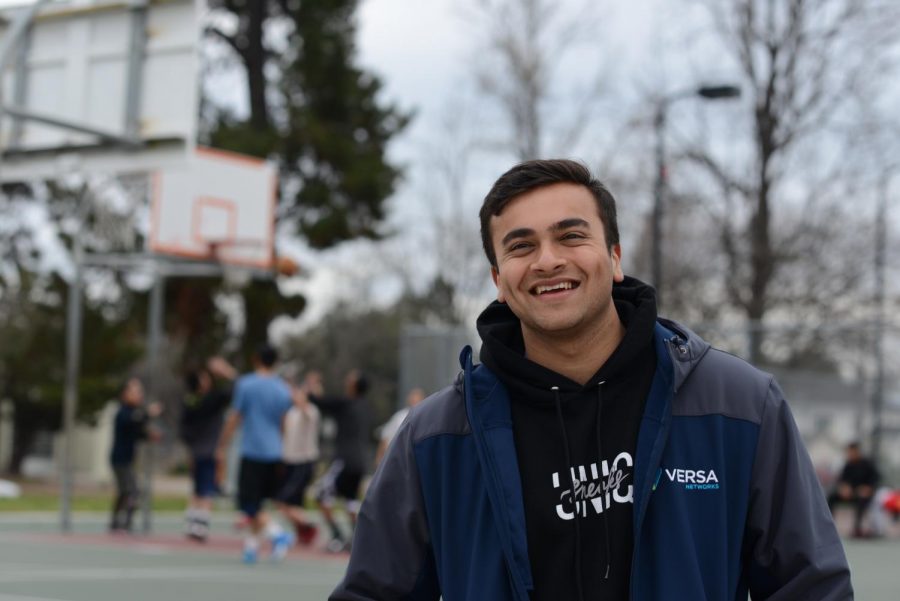
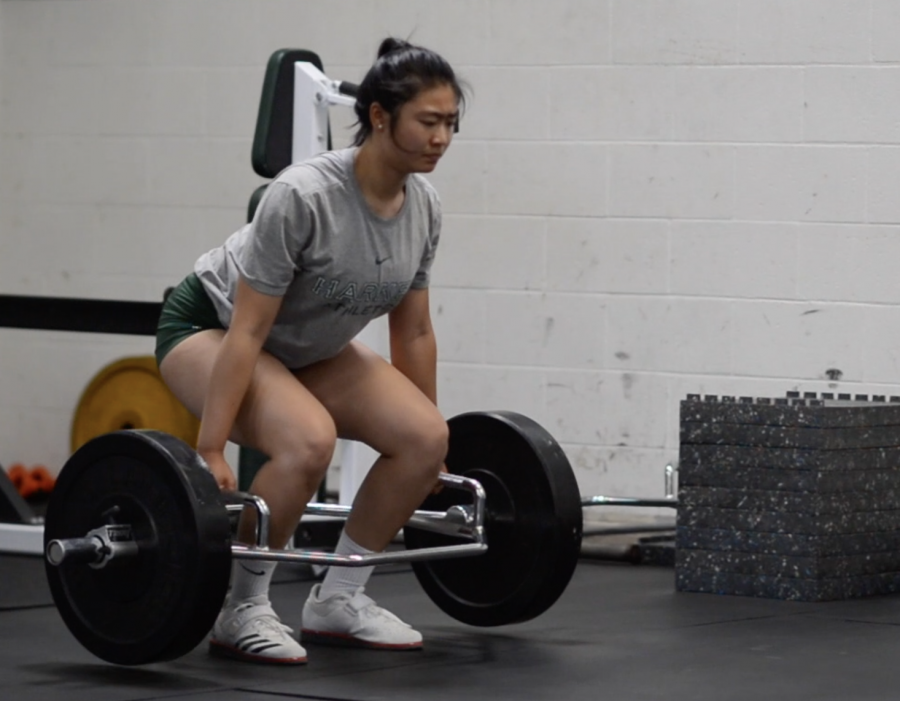

![“My slogan is ‘slow feet, don’t eat, and I’m hungry.’ You need to run fast to get where you are–you aren't going to get those championships if you aren't fast,” Angel Cervantes (12) said. “I want to do well in school on my tests and in track and win championships for my team. I live by that, [and] I can do that anywhere: in the classroom or on the field.”](https://harkeraquila.com/wp-content/uploads/2018/06/DSC5146-900x601.jpg)
![“[Volleyball has] taught me how to fall correctly, and another thing it taught is that you don’t have to be the best at something to be good at it. If you just hit the ball in a smart way, then it still scores points and you’re good at it. You could be a background player and still make a much bigger impact on the team than you would think,” Anya Gert (’20) said.](https://harkeraquila.com/wp-content/uploads/2020/06/AnnaGert_JinTuan_HoHPhotoEdited-600x900.jpeg)
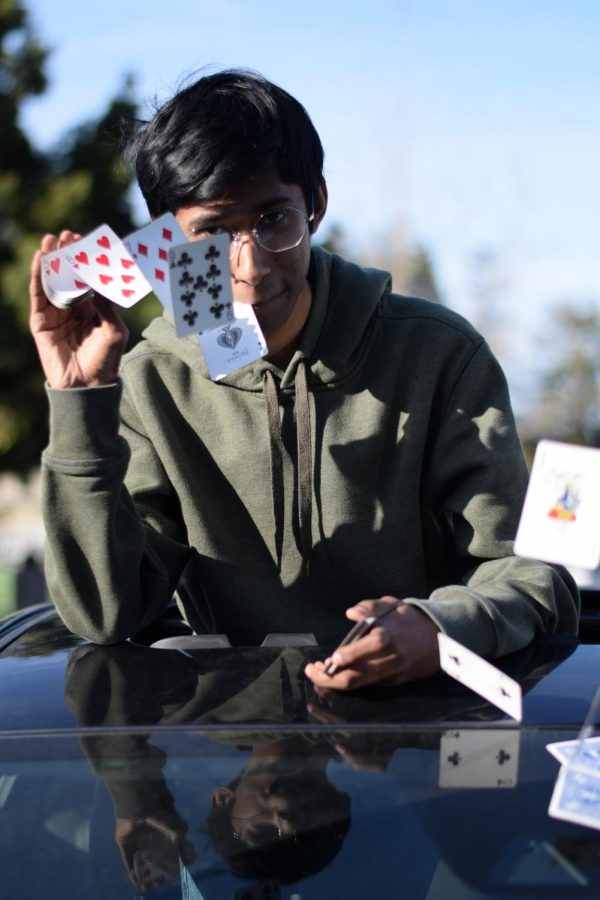
![“I'm not nearly there yet, but [my confidence has] definitely been getting better since I was pretty shy and timid coming into Harker my freshman year. I know that there's a lot of people that are really confident in what they do, and I really admire them. Everyone's so driven and that has really pushed me to kind of try to find my own place in high school and be more confident,” Alyssa Huang (’20) said.](https://harkeraquila.com/wp-content/uploads/2020/06/AlyssaHuang_EmilyChen_HoHPhoto-900x749.jpeg)

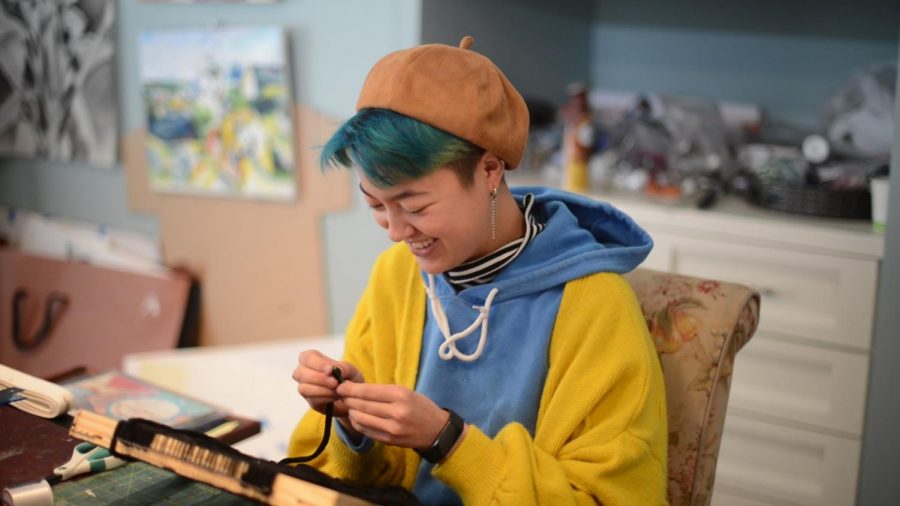

Derogatory slang perpetuates prejudice
Stop excusing the casual use of slurs

By normalizing these insults and comments and allowing them to circulate, we normalize casual homophobia and ableism and allow the seeds of prejudice to grow in our environment.
Standing in the lunch line outside of Manzanita Hall, I stare intently at my phone, focused on the daily Wordle puzzle. Even though I’m mostly absorbed in thought, I can make out the sound of a senior behind me saying the r-slur. His friend asks him to repeat what he said, and he says the word again, this time louder. Before I can react or say anything, I’m pushed forward into the chaos of the cafeteria with a stunned look on my face.
This was the first time I had heard someone use a derogatory term so casually and openly at school. Before, I had heard stories of fellow students dropping slurs in group chats. When I would hear students use derogatory language in private settings, I would try to explain to them why it was wrong. The general response is that it’s just slang, or they didn’t mean it as an insult — it has a different definition to them.
Although most students do not use derogatory language like this, pejorative remarks and slurs such as “that’s so gay,” “r*tarded” or “that’s autistic” are still not unheard of among Harker students, whether it’s in online chatrooms or in-person settings.
Last week marked Neurodiversity Celebration Week, with the assembly on March 14 featuring physics and astronomy professor Lynn Cominsky and twice exceptional advocate Jordan O’Kelley. Neurodiversity Celebration Week works to increase acceptance, and educate people about neurodiversity. Changing our language to be more respectful and inclusive is a part of creating a healthier environment and celebrating and honoring our mental diversity.
When I was in middle school, I would overhear boys making snide remarks, calling each other or their video games “gay” or “r*tarded.” Although I wouldn’t use those slurs, I would let them slip by me; I would allow others to make these derogatory comments, becoming compliant in their ignorance. I, too, thought that it was “just slang,” yet I knew that those words didn’t sit right with me. After learning more about the usage of derogatory slang by researching the topic more thoroughly and seeing other peoples’ points of view, I started to actively call people out for using offensive language, but that doesn’t change how long I let people around me spew slurs and potentially harm others without speaking up.
By normalizing these insults and comments and allowing them to circulate, we normalize casual homophobia and ableism and allow the seeds of prejudice to grow in our environment.
Ultimately, whether an individual’s intentions with these words are harmless or not, they reinforce negative stereotypes about marginalized groups. Such slang can be classified as microaggressions, which are comments or actions that act as unintentional discrimination, often targeted towards minority groups. Using derogatory language as slang perpetuates pre-existing prejudices and creates an environment in which people don’t feel comfortable expressing who they are.
Minority groups such as queer and neurodivergent people are often already victims of bullying and harassment, and making microaggressions commonplace only serves to further ostracize and marginalize people. According to the Special Olympics, an organization dedicated to giving athletes with intellectual disabilities competition and training experience, seven out of 10 social media posts about neurodivergent individuals are negative in nature, and six out of 10 contain a slur. Even in our home state of California, 64% of LGBTQ+ identifying students were verbally harassed; 89% commonly heard “gay” being used in a pejorative manner.
Additionally, these slurs leave a negative impact on people who are part of these marginalized communities even if the person using the language believes that their words mean nothing or are only slang. 84% of gay students say that they feel distressed when their classmates use “gay” as an insult according to Stonewall, an advocate for LGBTQ+ acceptance.
Some believe that using slurs in a context unrelated to their original meaning takes away the harm and hurt. However, those words still carry that derogatory definition with them even in another context and can lead to feelings of isolation and pain.
Attributing these terms to negative definitions, once again, only harms people who are already mistreated by society. These connotations stick with the word, whether it’s used in different ways or not, and they especially stick to people who are queer and closeted, are still exploring their identities or mask their neurodivergence well.
As Harker students, we all have the vocabulary to express our emotions in a manner that does not insult already marginalized groups. As Harker students, our mission is to “foster kindness, respect, and integrity within a safe and nurturing environment.” Throwing around derogatory insults and microaggressions under the guise of casual slang undermines that goal, and we should hold each other accountable to strive for an accepting environment. Everyone can flourish and thrive when they feel comfortable in their identities, and by understanding why and how our words can affect others, we better each other as a result.
Margaret Cartee 12) is a co-managing editor for Harker Aquila, and this is her fourth year on staff. This year, Margaret wants to do more illustrations...

Angelina Hu (12) is the co-editor-in-chief of the TALON Yearbook, and this is her fourth year on staff. This year, Angelina wishes to meet all of her deadlines...