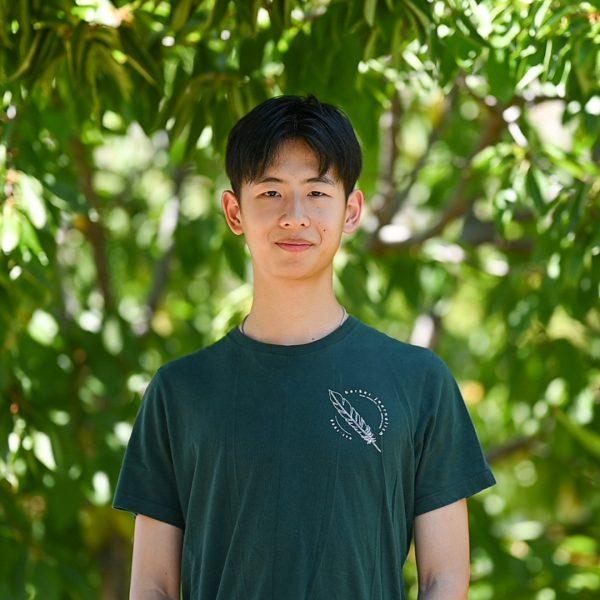
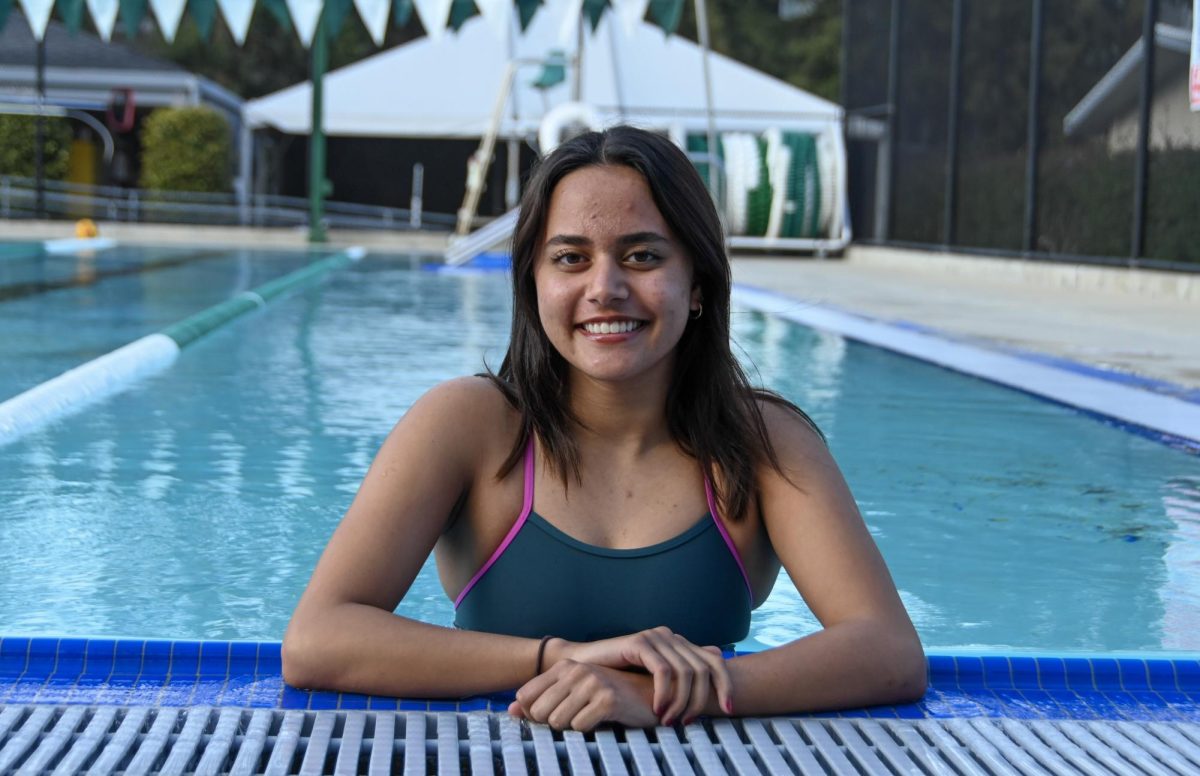
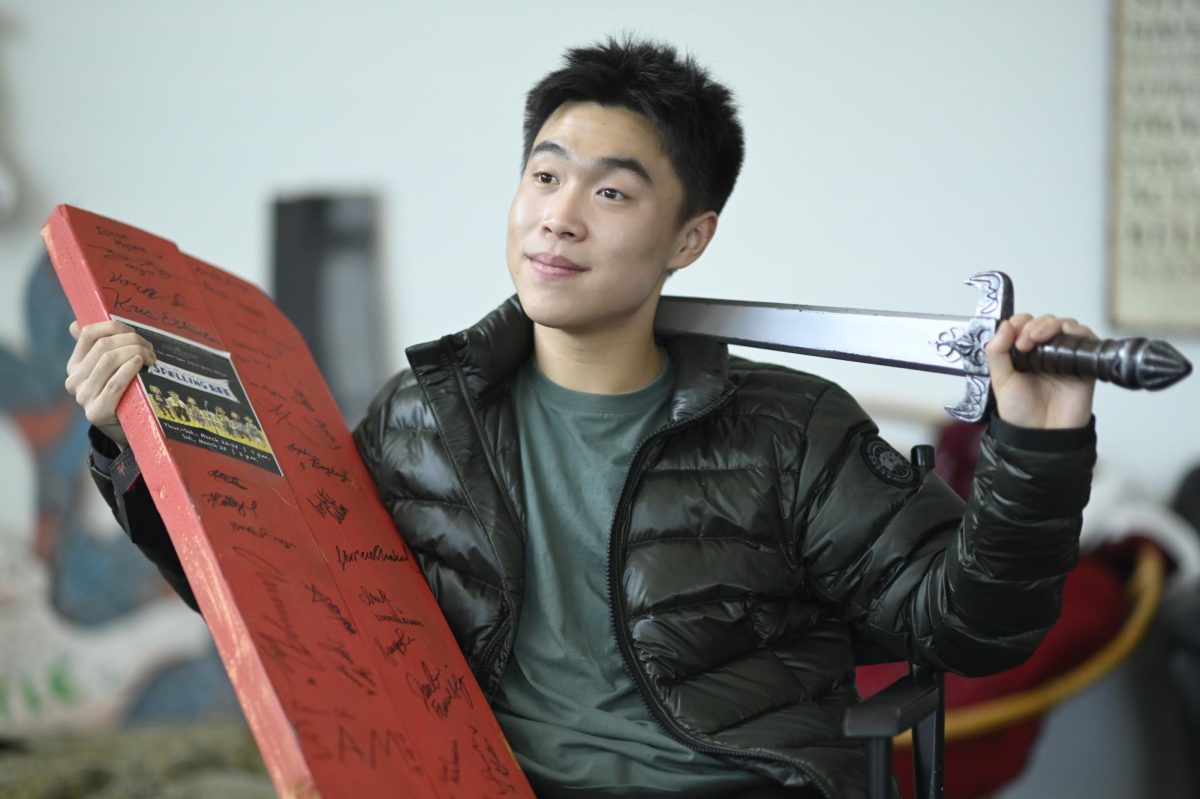
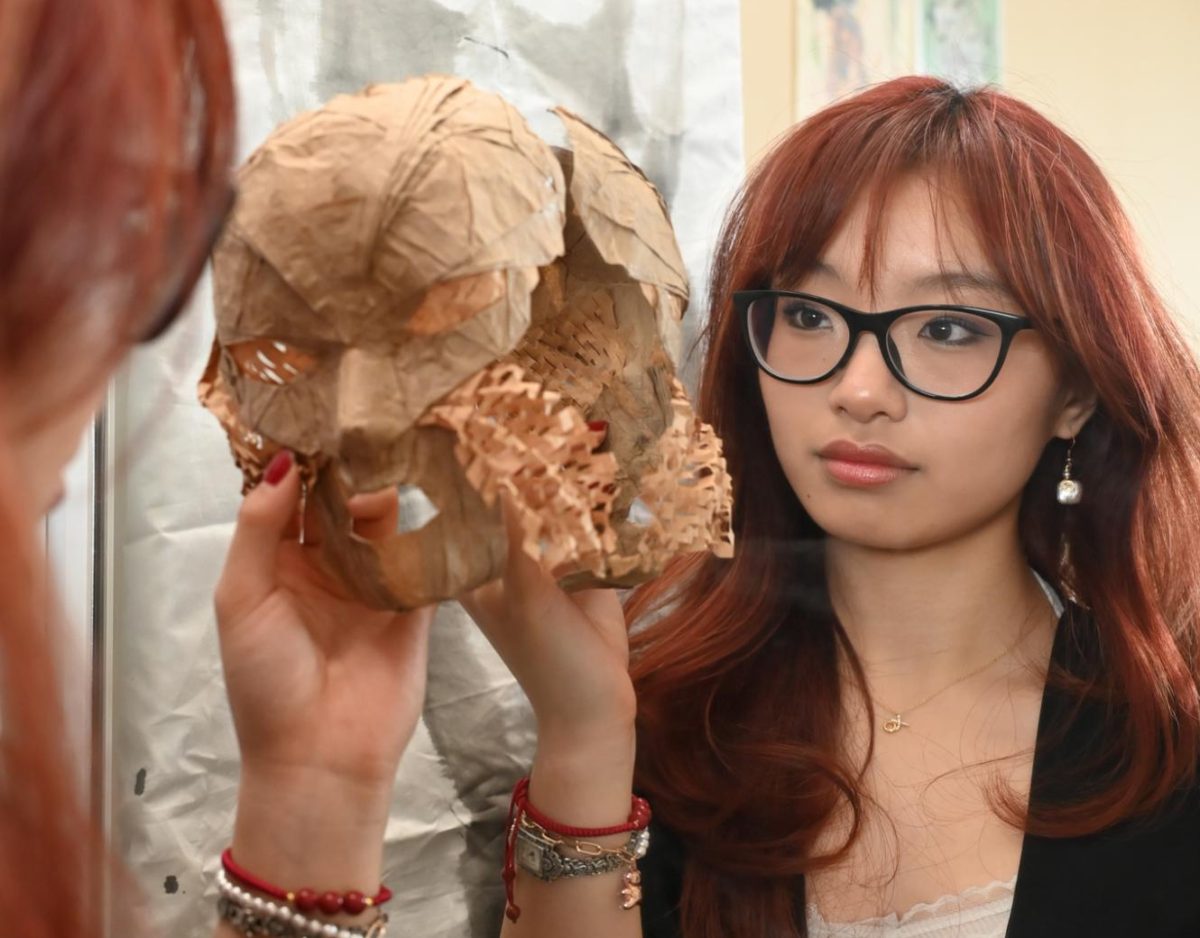
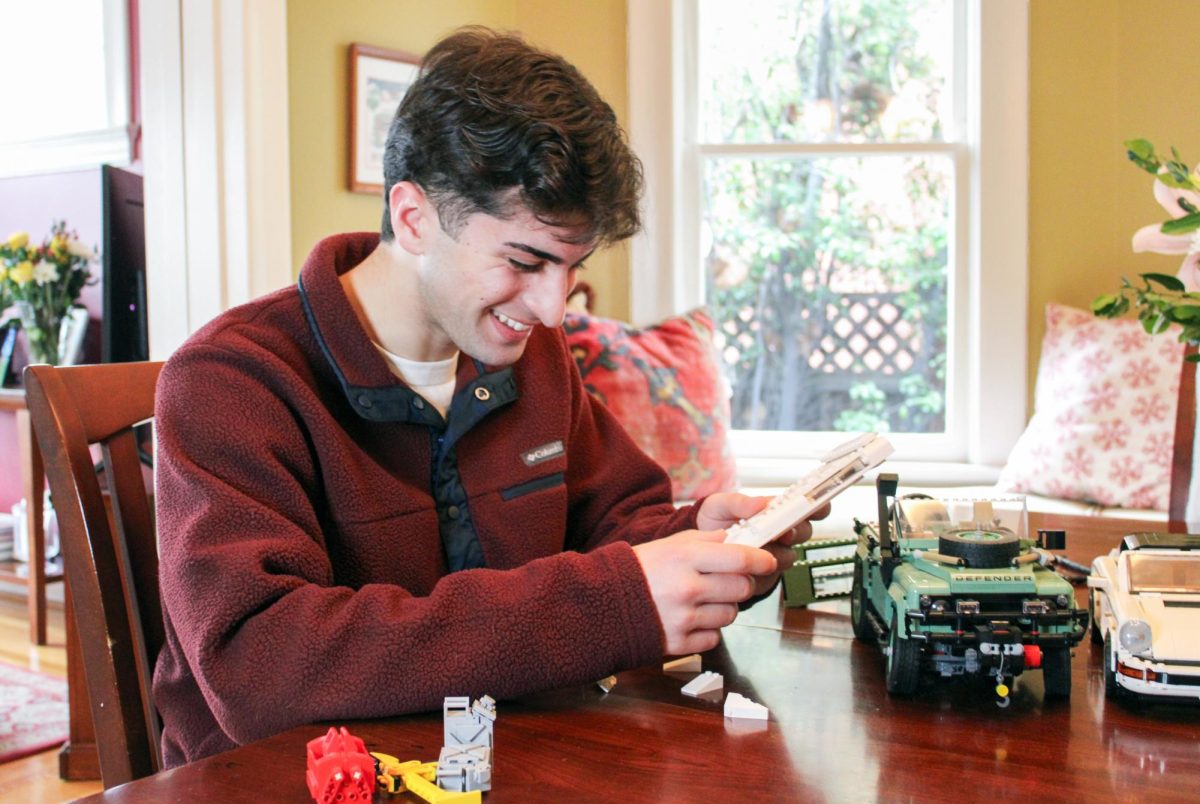
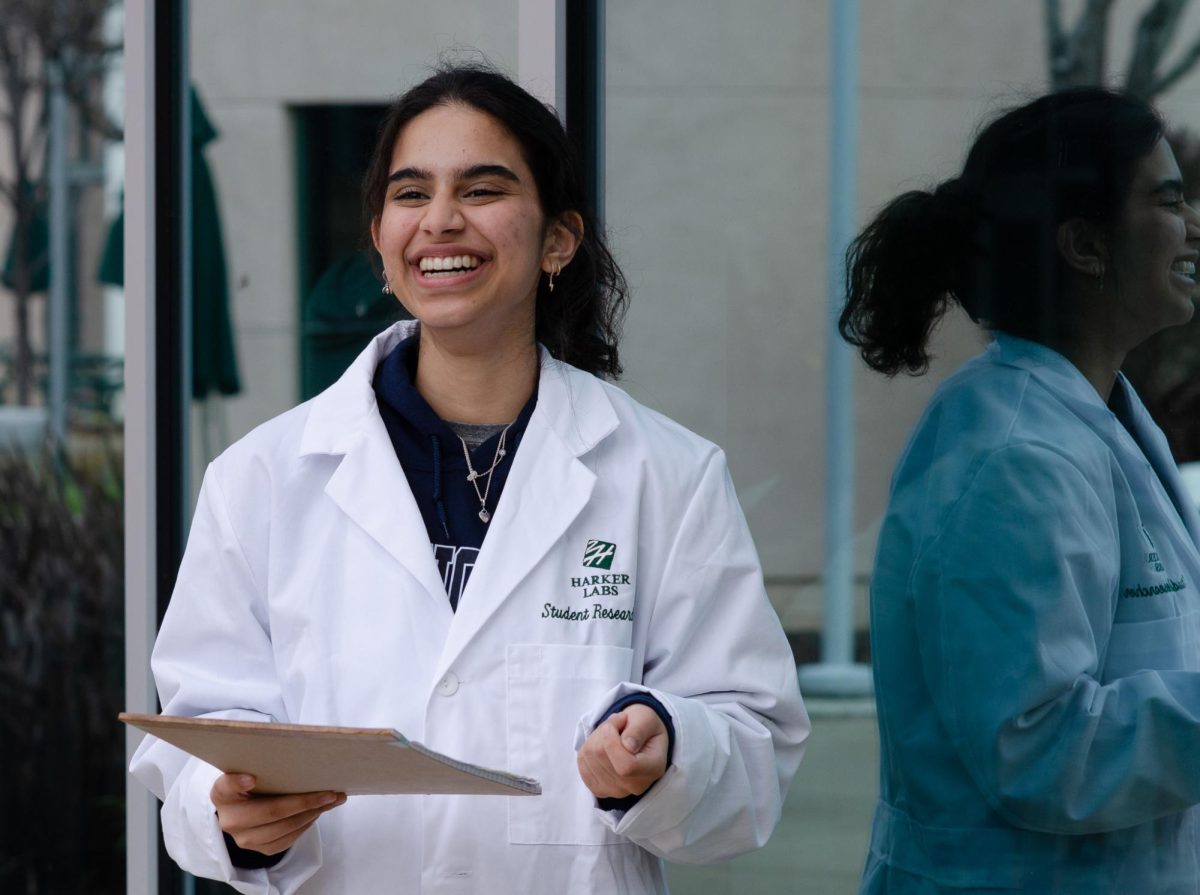
![“I wasn't discouraged by some of the obstacles we faced. I learned a lot from the leadership. I found that different people need different ways of receiving feedback — you can't [just] tell them to do something and expect the best. [Some] people needed more incentive. A large part of my role was to figure out what worked for everyone and to figure out how to lead all these separate individuals as a team,” Suhana Bhandare (’26) said.](https://harkeraquila.com/wp-content/uploads/2026/06/SuhanaBhandare_JasmineHansra-1-1200x798.jpg)
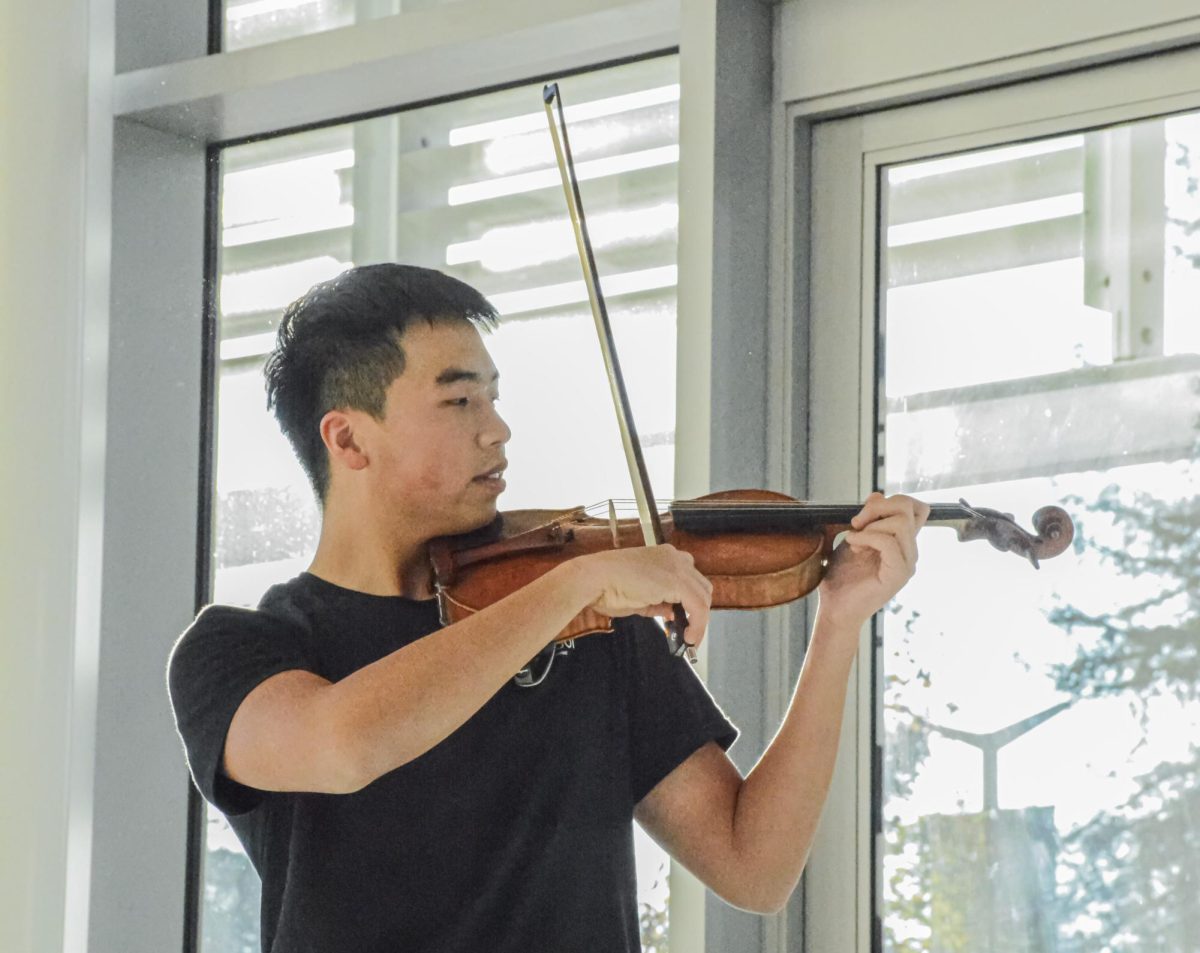
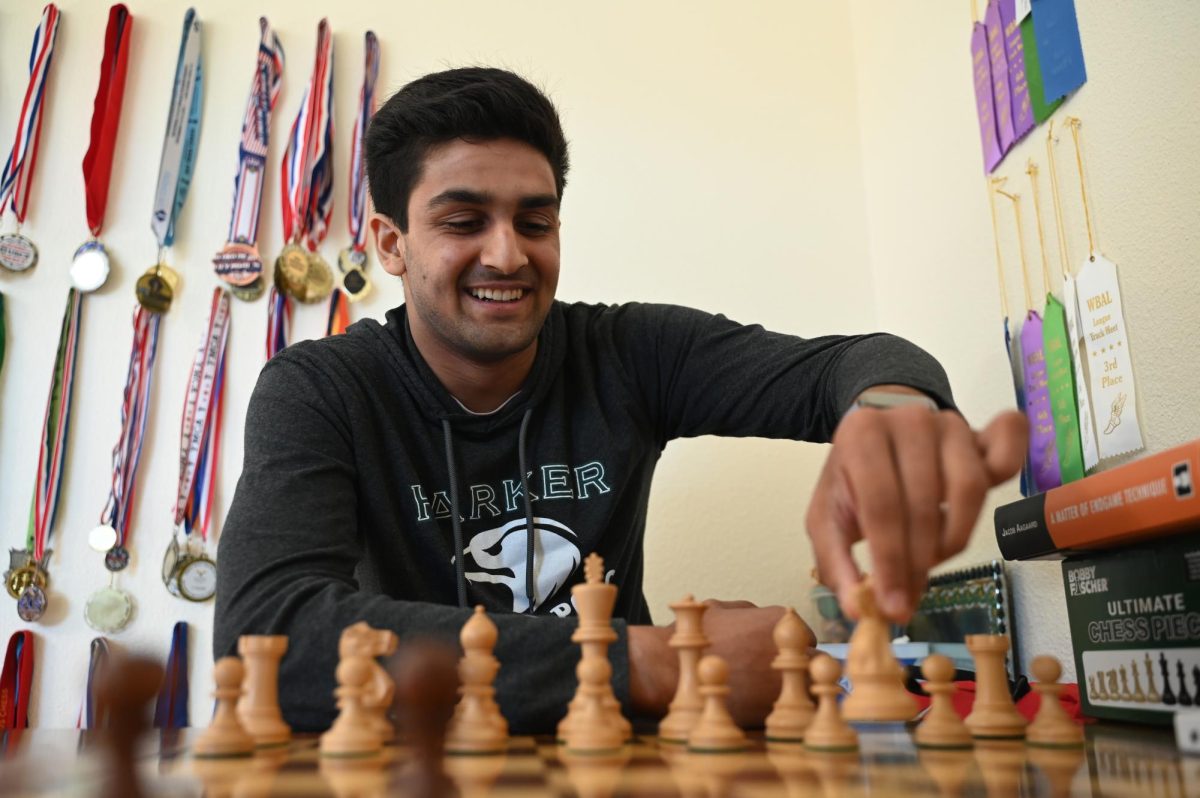
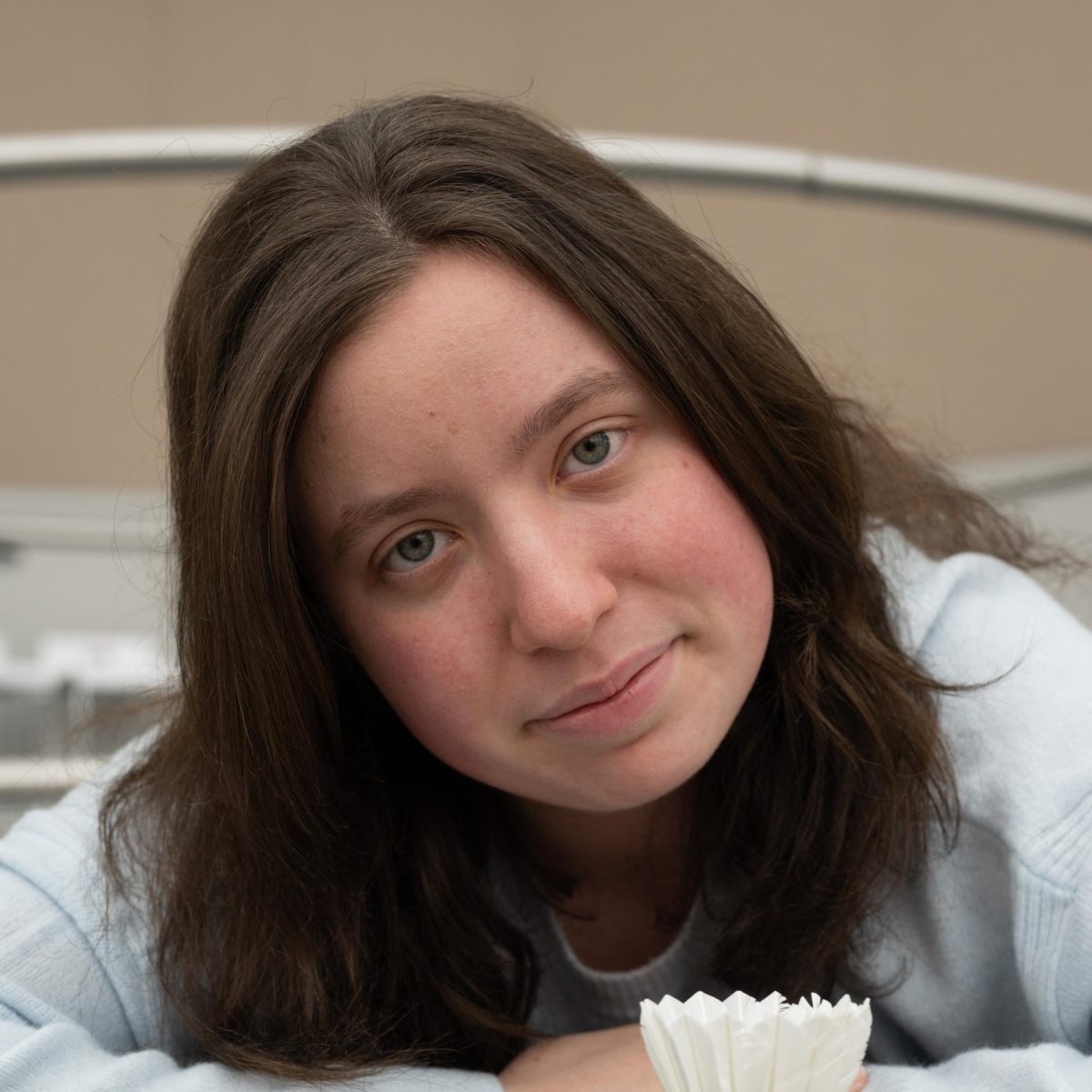
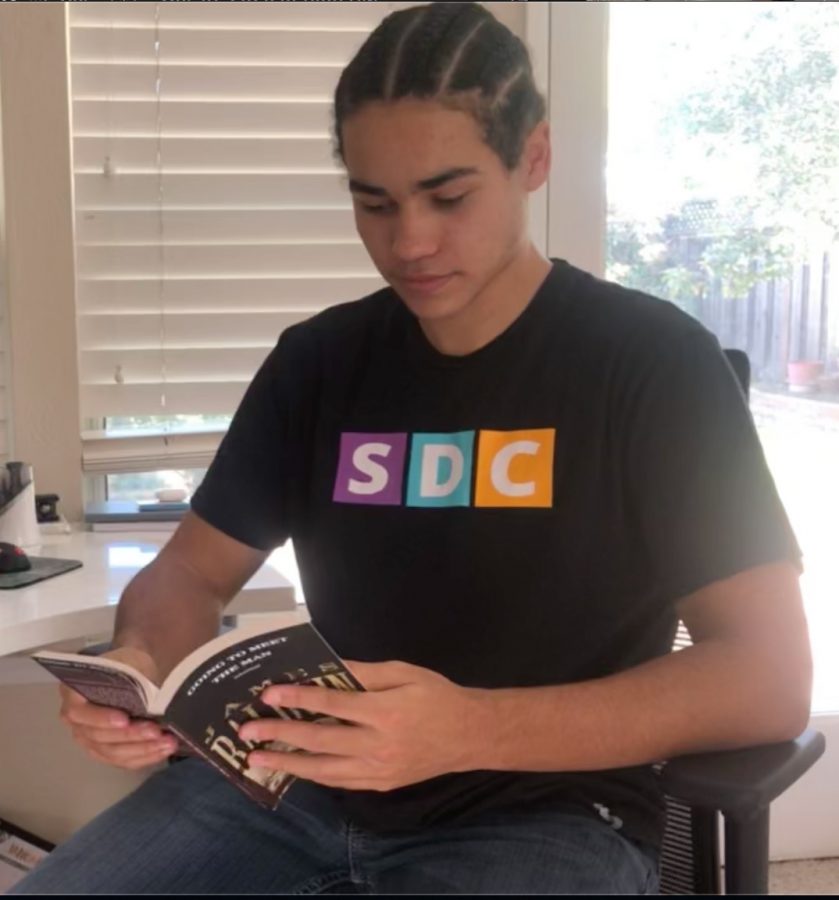
![“This is actually from Randy Pausch Randy P. Brick: ‘Walls are there for a reason. You have to show how much you want to overcome them.’ You have to show how much you want something. That's what I've always been able to do with tennis, Link Crew and getting that internship [with Kushy Baby]. It’s important pushing through that — getting around that brick wall, climbing over it or clawing through it,” Yash Sachdeva (’26) said.](https://harkeraquila.com/wp-content/uploads/2026/05/YashSachdeva_RamBatchu-copy-1200x1002.jpg)
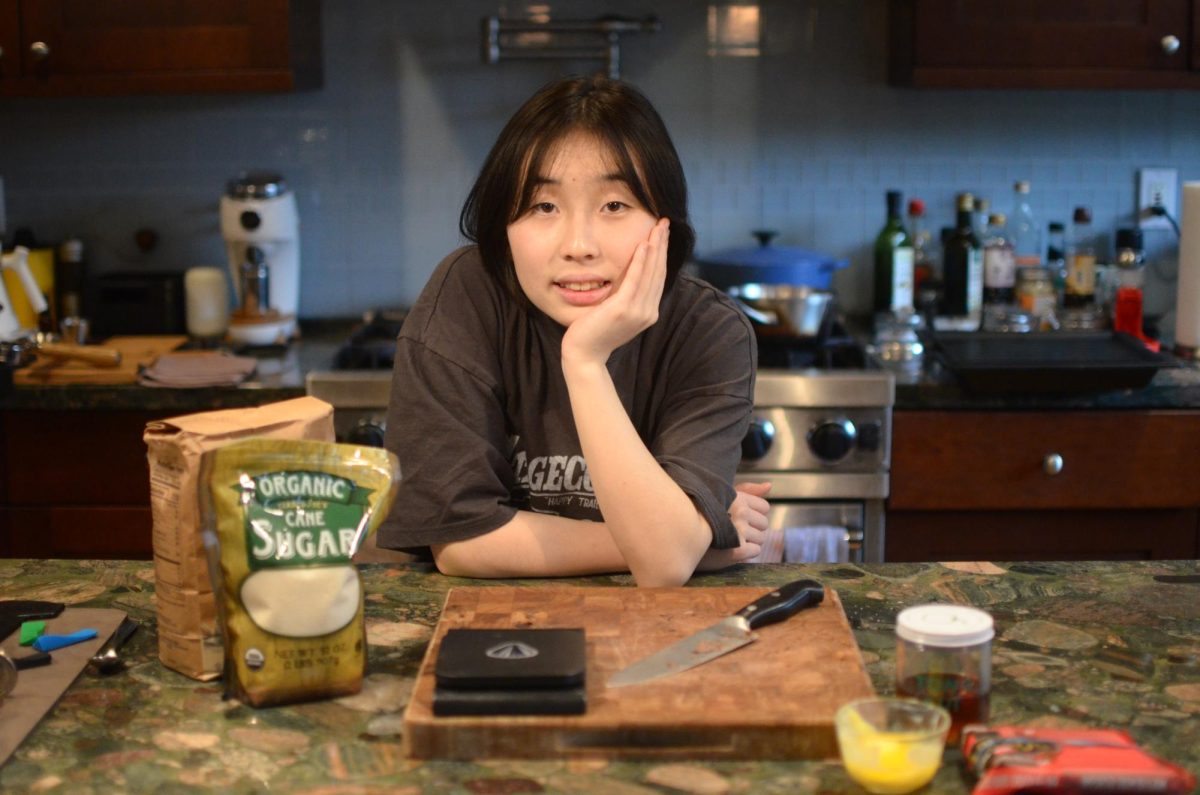

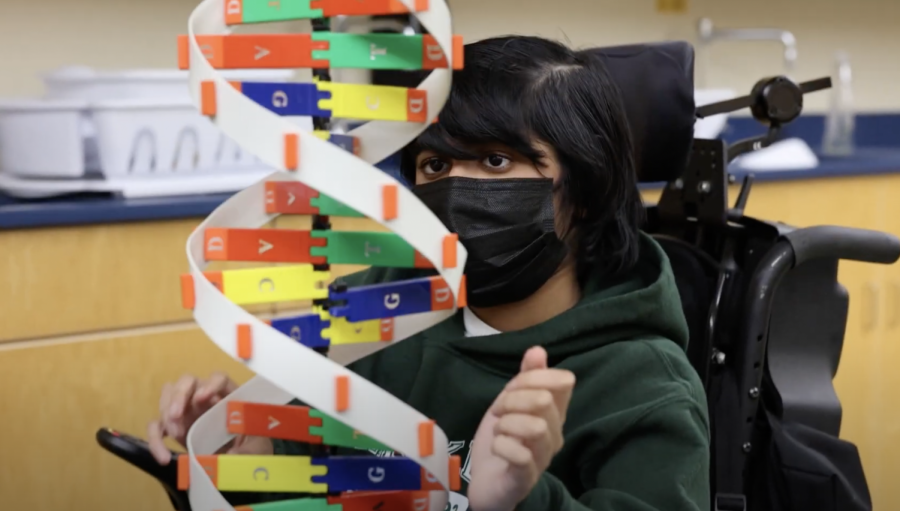
![“[Building nerf blasters] became this outlet of creativity for me that hasn't been matched by anything else. The process [of] making a build complete to your desire is such a painstakingly difficult process, but I've had to learn from [the skills needed from] soldering to proper painting. There's so many different options for everything, if you think about it, it exists. The best part is [that] if it doesn't exist, you can build it yourself," Ishaan Parate said.](https://harkeraquila.com/wp-content/uploads/2022/08/DSC_8149-900x604.jpg)
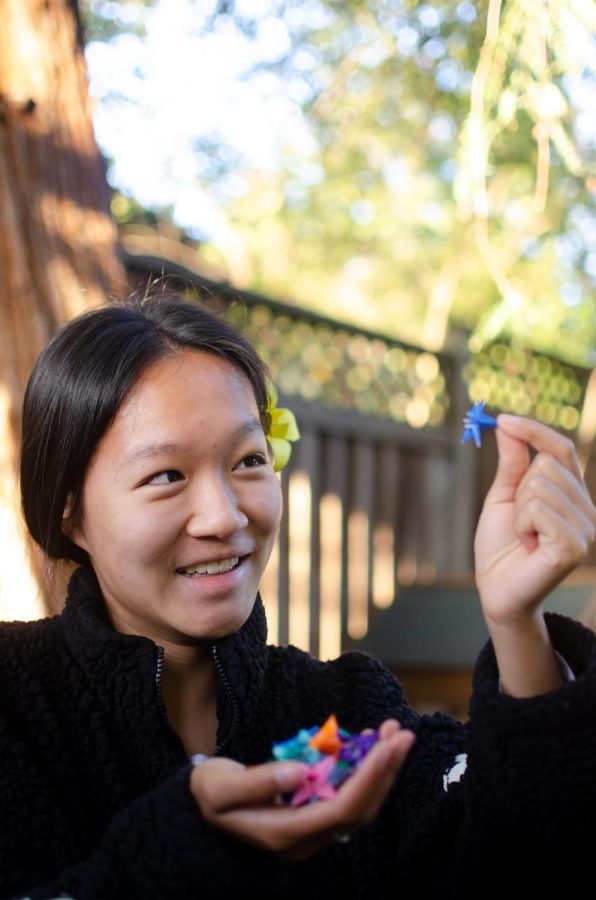
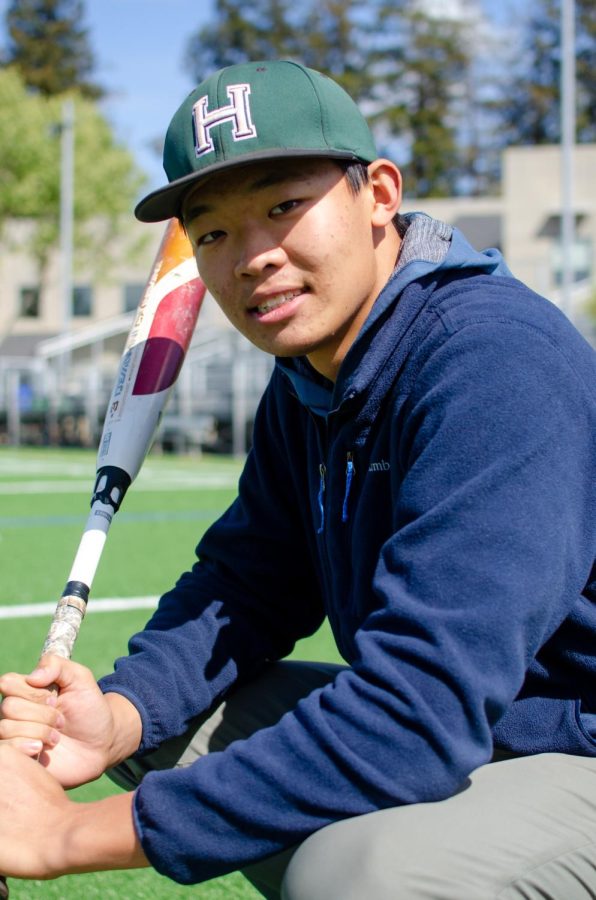
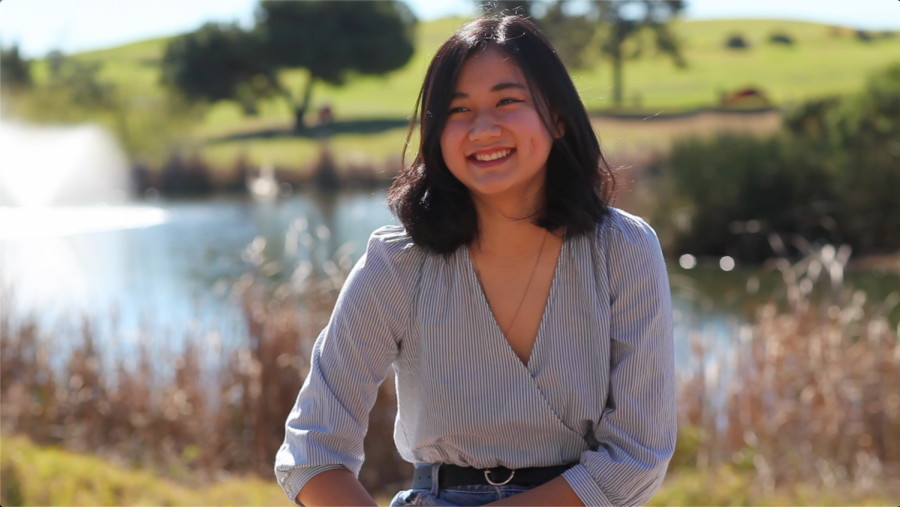
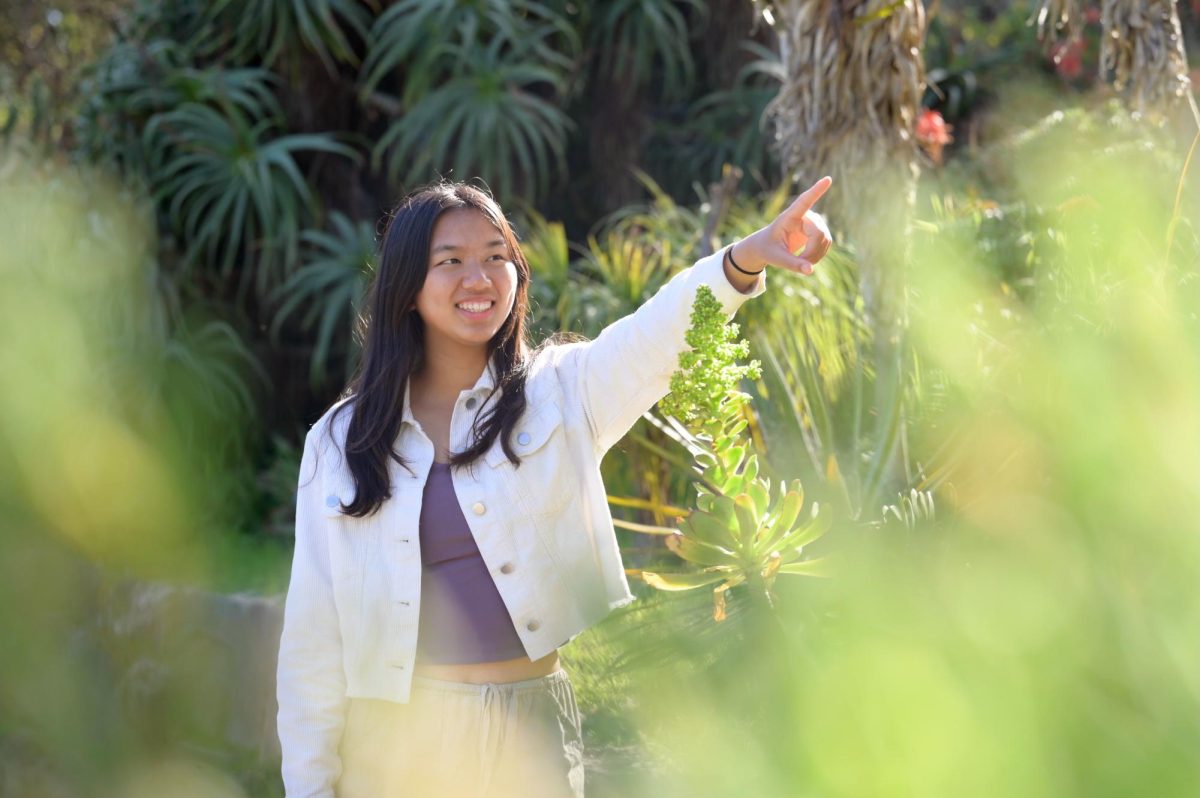
![“When I came into high school, I was ready to be a follower. But DECA was a game changer for me. It helped me overcome my fear of public speaking, and it's played such a major role in who I've become today. To be able to successfully lead a chapter of 150 students, an officer team and be one of the upperclassmen I once really admired is something I'm [really] proud of,” Anvitha Tummala ('21) said.](https://harkeraquila.com/wp-content/uploads/2021/07/Screen-Shot-2021-07-25-at-9.50.05-AM-900x594.png)
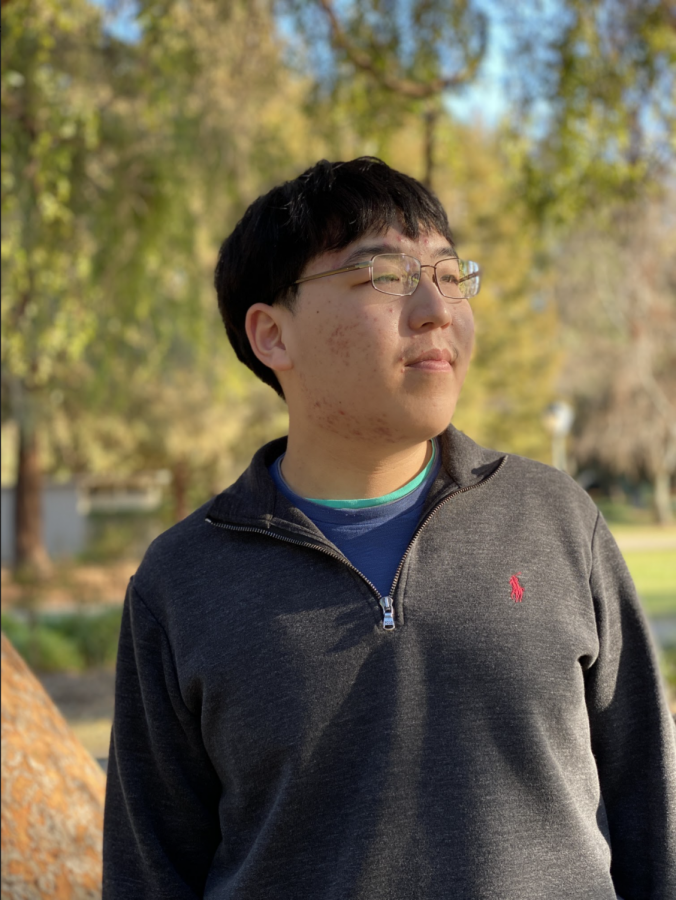
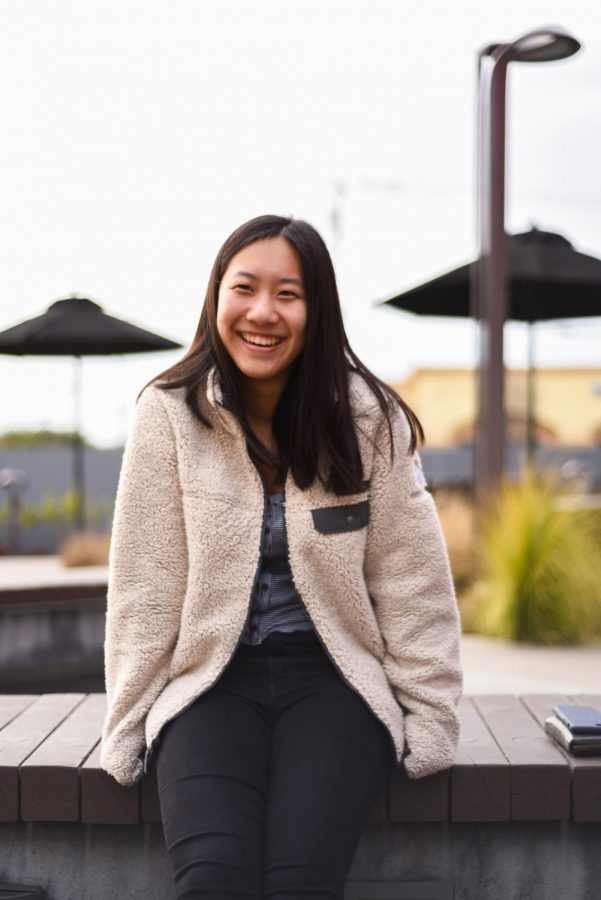
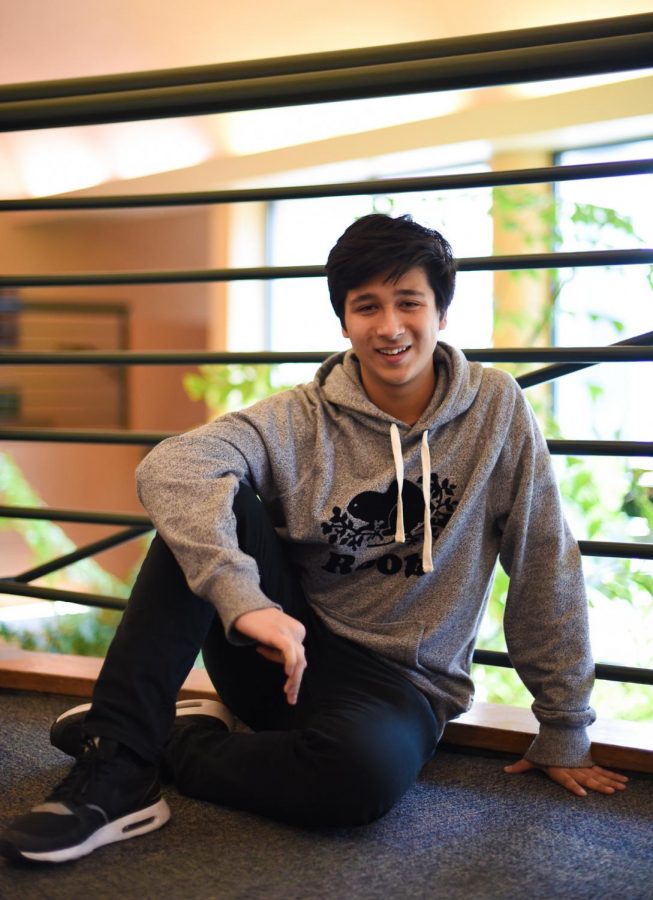
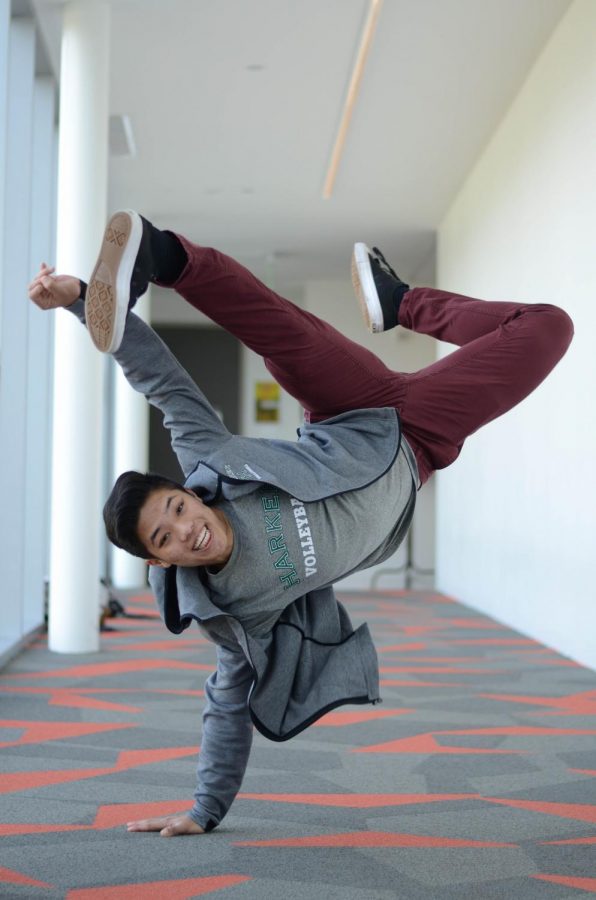
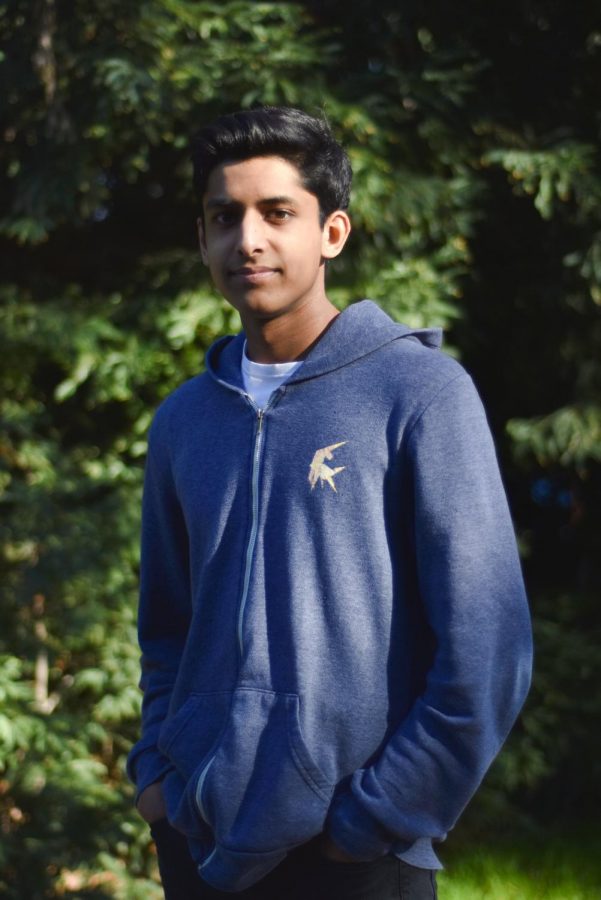

![“I think getting up in the morning and having a sense of purpose [is exciting]. I think without a certain amount of drive, life is kind of obsolete and mundane, and I think having that every single day is what makes each day unique and kind of makes life exciting,” Neymika Jain (12) said.](https://harkeraquila.com/wp-content/uploads/2017/06/Screen-Shot-2017-06-03-at-4.54.16-PM.png)
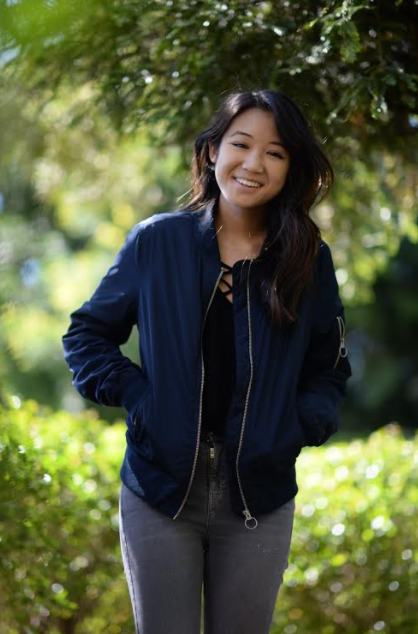
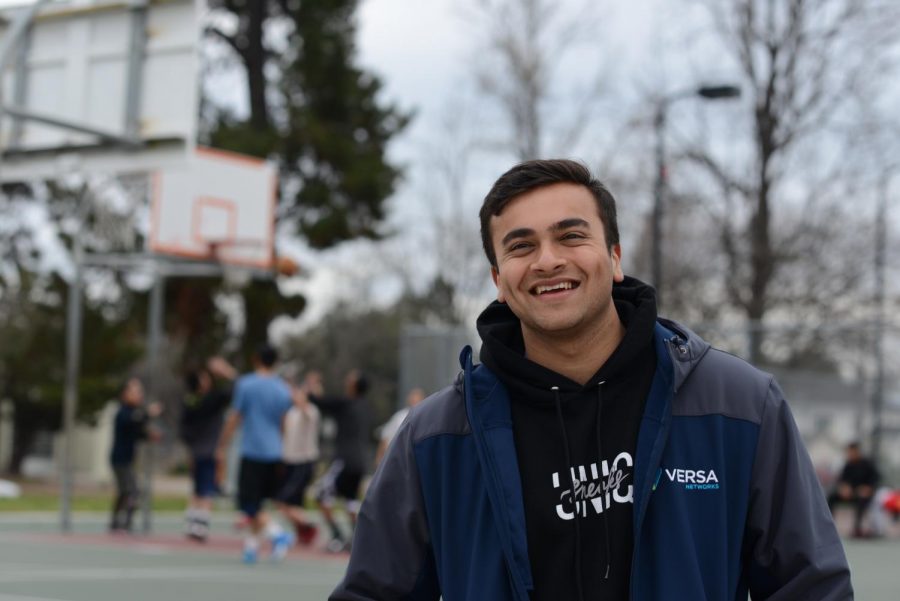
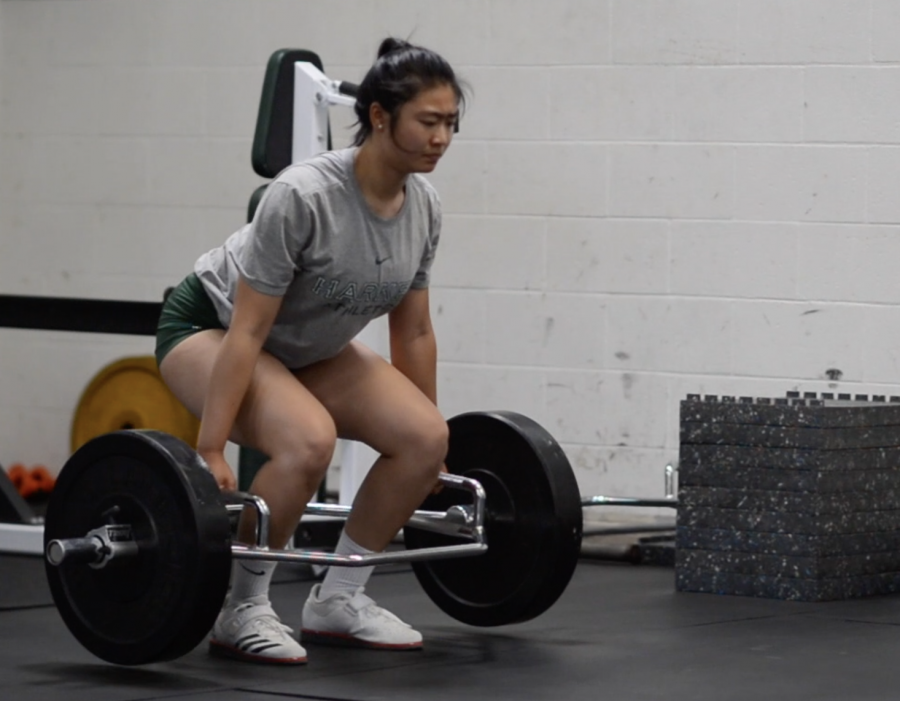
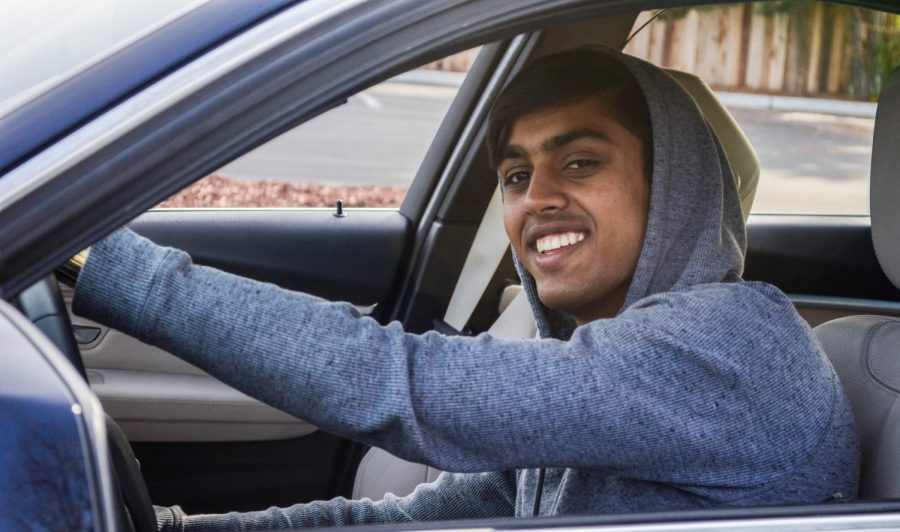
![“My slogan is ‘slow feet, don’t eat, and I’m hungry.’ You need to run fast to get where you are–you aren't going to get those championships if you aren't fast,” Angel Cervantes (12) said. “I want to do well in school on my tests and in track and win championships for my team. I live by that, [and] I can do that anywhere: in the classroom or on the field.”](https://harkeraquila.com/wp-content/uploads/2018/06/DSC5146-900x601.jpg)
![“[Volleyball has] taught me how to fall correctly, and another thing it taught is that you don’t have to be the best at something to be good at it. If you just hit the ball in a smart way, then it still scores points and you’re good at it. You could be a background player and still make a much bigger impact on the team than you would think,” Anya Gert (’20) said.](https://harkeraquila.com/wp-content/uploads/2020/06/AnnaGert_JinTuan_HoHPhotoEdited-600x900.jpeg)
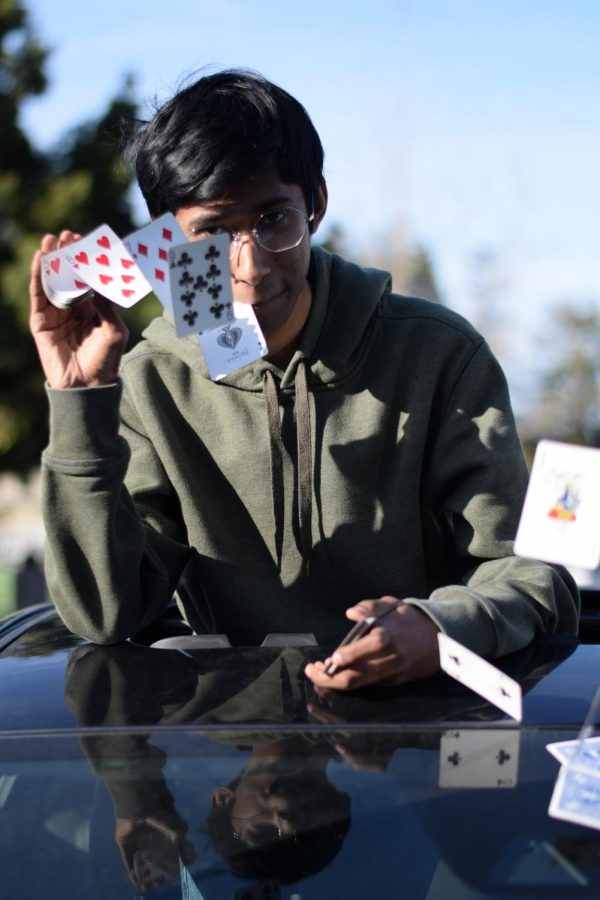
![“I'm not nearly there yet, but [my confidence has] definitely been getting better since I was pretty shy and timid coming into Harker my freshman year. I know that there's a lot of people that are really confident in what they do, and I really admire them. Everyone's so driven and that has really pushed me to kind of try to find my own place in high school and be more confident,” Alyssa Huang (’20) said.](https://harkeraquila.com/wp-content/uploads/2020/06/AlyssaHuang_EmilyChen_HoHPhoto-900x749.jpeg)


Before the Class of 2026 tosses their grad caps on May 21, Harvard Medical School Assistant Professor Humsa Venkatesh (’04) will deliver a few words of wisdom. Since graduating from Harker herself, Dr. Venkatesh has explored countless facets of medicine, from research to patient care to student instruction.
As a Harker student, Dr. Venkatesh found herself deeply interested in the field of STEM yet staring down an uncertain path ahead. She temporarily chose to envision herself as a doctor, a profession many adults had recommended in passing.
“Very early on, I knew I had a love for biology,” Dr. Venkatesh said. “But at that time in high school, if you loved biology, you were going to be a doctor. So I definitely saw myself as more of a physician, a practicing clinical doctor.”
As Dr. Venkatesh entered her junior and senior years of high school, her interest in biology deepened to specific subfields such as DNA extraction and evolution. Harker’s science department even contacted Cold Spring Labs for Dr. Venkatesh, where she sequenced and analyzed various patient DNA.
“Working with Cold Spring labs was so, so fun,” Dr. Venkatesh said. “The work I did there is just not something you would ever get to do at any other place. I will always credit Harker for giving us so many opportunities to kind of follow our passions.”
Dr. Venkatesh went on to study at University of California, Berkeley, a wholly different environment from Harker.
“Berkeley was definitely a change: it’s a massive public school that’s very academically rigorous,” Dr. Venkatesh said. “But the fact that Harker gave us the opportunity to explore different passions really gave me a handle on coming into Berkeley. I joined different clubs, tried different things and met different types of people. It was certainly a very different environment, but there wasn’t any lack of ability to thrive.”
Despite always wishing to pursue a career related to medicine, Dr. Venkatesh chose to major in chemical biology at Berkeley in the College of Chemistry, since the curriculum focused more on the “why” behind the biological reactions. She credits this choice as a key factor that shifted her outlook on medical research and laid the foundation for her future career.
“I was more interested not just in the memorization of biology, but also the theory behind what was going on,” Dr. Venkatesh said. “I had a friend who was a chemistry major, and I saw that in myself. In the College of Chemistry, the faculty were really big on students actively helping with research so we could truly apply the principles we learned in class.”
Around this time, Dr. Venkatesh joined Berkeley professor and eventual 2020 Nobel Prize Winner Jennifer Doudna’s lab. There, Dr. Venkatesh worked on enhancing how ribosomes recruit mRNA to begin protein synthesis.
“It was my very first foray into research,” Dr. Venkatesh said. “It was basic biology, and I realized very quickly that though I loved the research, I was a pre-med major, and the goal was really to have an impact on patients’ lives, so I realized I was more interested in more translational research. [mRNA recruitment] is the foundation of everything that we know about any disease, but I switched into focusing more on cancer research.”
This switch shaped the trajectory of Dr. Venkatesh’s career: two decades later, she boasts nearly 5,000 citations, acting as first author of papers exploring the link between neuronal activity and tumors.
When choosing to pursue oncology, Dr. Venkatesh thought back to a time in high school when her uncle was fighting renal cell carcinoma. Marveling at how the medical field developed and pushed out increasingly more effective treatments for renal cell carcinoma, Dr. Venkatesh felt inspired to spend her Ph.D. focusing on cancer biology.
Yet Dr. Venkatesh had to further specialize. After trying several subfields, she found how much research had already been conducted on how the environment surrounding a tumor impacts its growth. From a conversation with her Ph.D. adviser, Dr. Venkatesh decided on connecting neuroscience with her interest in oncology: studying how surrounding neurons would impact brain tumor activity.
“For anyone getting into research, ‘What should I focus on?’ is a very big question that you have to answer,” Dr. Venkatesh said. “Especially as a younger person, you don’t know the space as well as others. You don’t know the holes. You could do literature review — but for me, just talking with people for example, helps you get a quick handle on where the gaping holes are.”
Today, Dr. Venkatesh balances attending to patients at the Brigham and Women’s Hospital in Boston while conducting research at her own Harvard laboratory. Dr. Venkatesh pursues a combination of theoretical understanding with human impact, grounding her treatment in knowledge gained from her undergraduate and graduate studies.
“Being a doctor is the exact opposite of research,” Dr. Venkatesh said. “Research is facing what happens when things don’t work, having creative solutions, learning something from nothing. Whereas being a doctor is diagnosing and treating a patient based upon what we already know. But by doing both, you can use what you know to help move into the unknown, and then you can use what you have learned from the unknown to help then treat patients in the future.”
Reflecting on her journey, Dr. Venkatesh embraced how she took paths that seemed unconventional and uncertain. Always willing to simply learn more, Dr. Venkatesh recalled an astronomy class she took at Berkeley as one of her fondest college memories.
“Try everything,” Dr. Venkatesh said. “It’s really easy to go into undergrad saying, ‘This is what I was meant to do.’ But keeping an open mind is what made now possible. I never thought in high school I’d be both a practicing physician but also a researcher running my own lab and a professor. My life now speaks to how I function and my true passions, and I wouldn’t have gotten here if I didn’t keep an open mind along the way.”

![“Probably the most important thing that I can do is to help raise awareness amongst youth because [students] are the ones that sadly are going to inherit this mess. It’s important for us, the people who helped take the planet to the place it is now, to really lean in and make a difference about this issue," Moss said.](https://harkeraquila.com/wp-content/uploads/2026/05/DSC_9315-e1778880890147-1200x873.jpg)