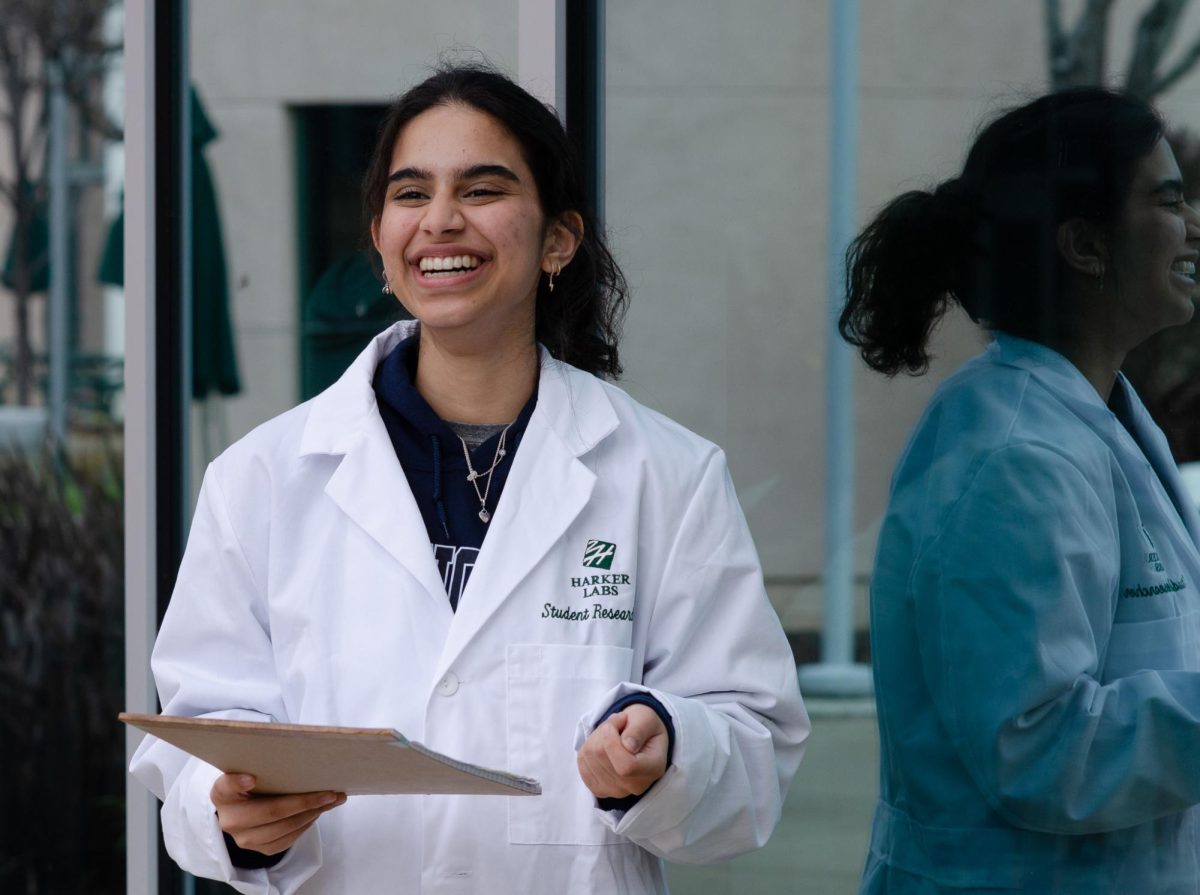
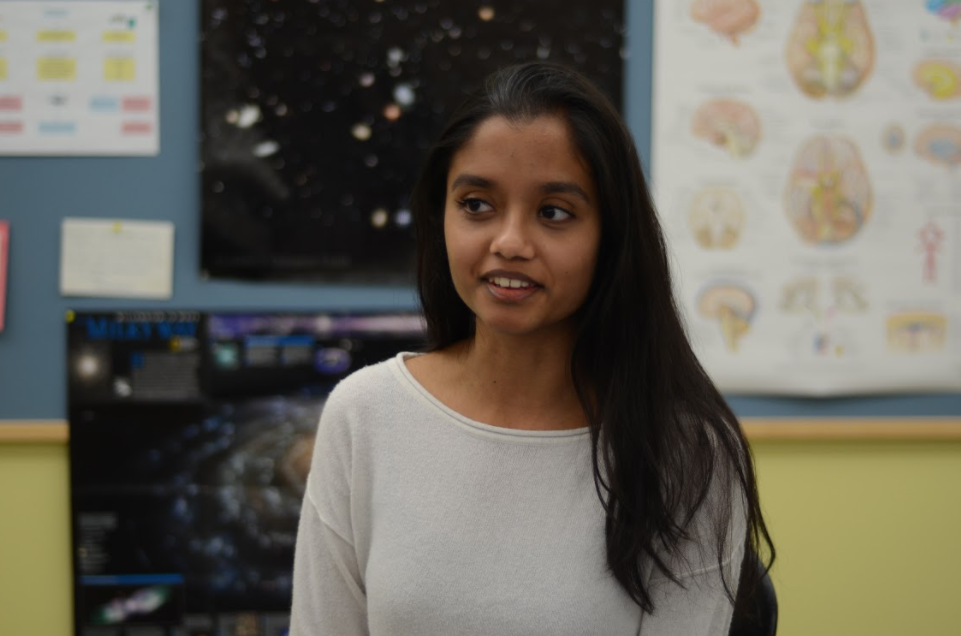
![“I wasn't discouraged by some of the obstacles we faced. I learned a lot from the leadership. I found that different people need different ways of receiving feedback — you can't [just] tell them to do something and expect the best. [Some] people needed more incentive. A large part of my role was to figure out what worked for everyone and to figure out how to lead all these separate individuals as a team,” Suhana Bhandare (’26) said.](https://harkeraquila.com/wp-content/uploads/2026/06/SuhanaBhandare_JasmineHansra-1-1200x798.jpg)

![“This is actually from Randy Pausch Randy P. Brick: ‘Walls are there for a reason. You have to show how much you want to overcome them.’ You have to show how much you want something. That's what I've always been able to do with tennis, Link Crew and getting that internship [with Kushy Baby]. It’s important pushing through that — getting around that brick wall, climbing over it or clawing through it,” Yash Sachdeva (’26) said.](https://harkeraquila.com/wp-content/uploads/2026/05/YashSachdeva_RamBatchu-copy-1200x1002.jpg)






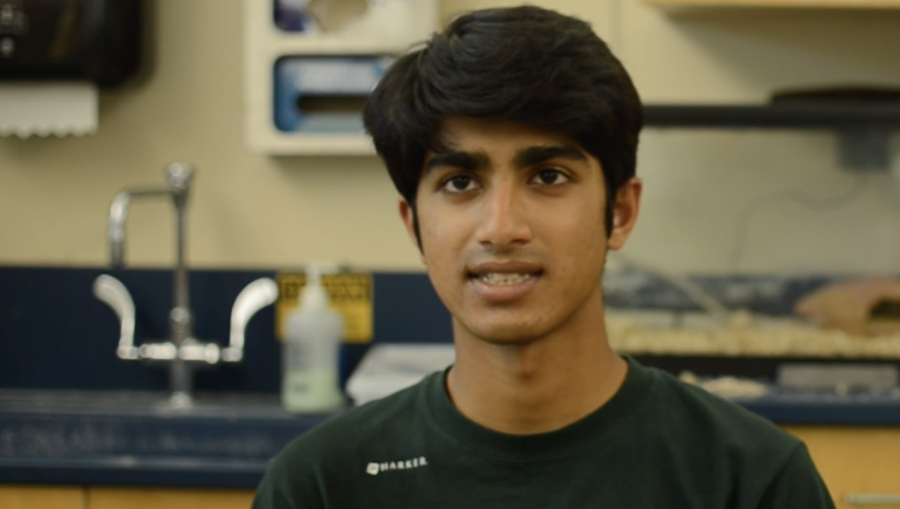
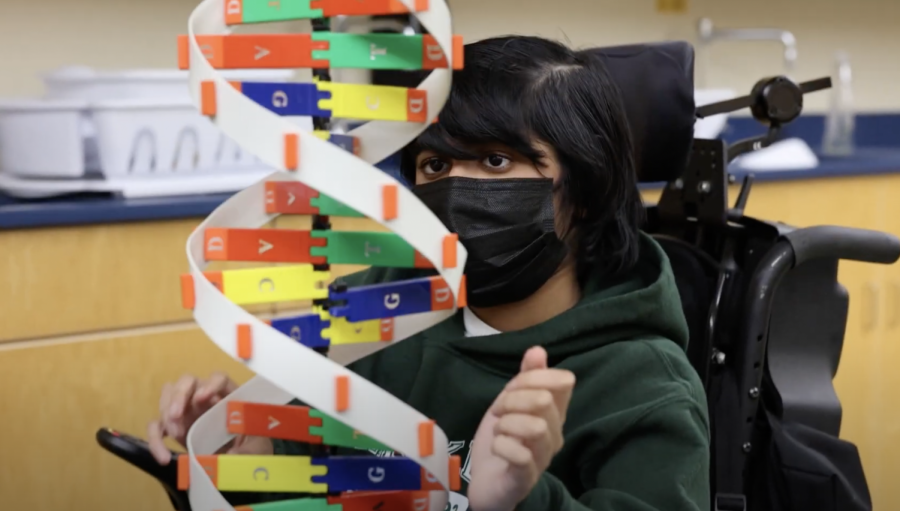
![“[Building nerf blasters] became this outlet of creativity for me that hasn't been matched by anything else. The process [of] making a build complete to your desire is such a painstakingly difficult process, but I've had to learn from [the skills needed from] soldering to proper painting. There's so many different options for everything, if you think about it, it exists. The best part is [that] if it doesn't exist, you can build it yourself," Ishaan Parate said.](https://harkeraquila.com/wp-content/uploads/2022/08/DSC_8149-900x604.jpg)
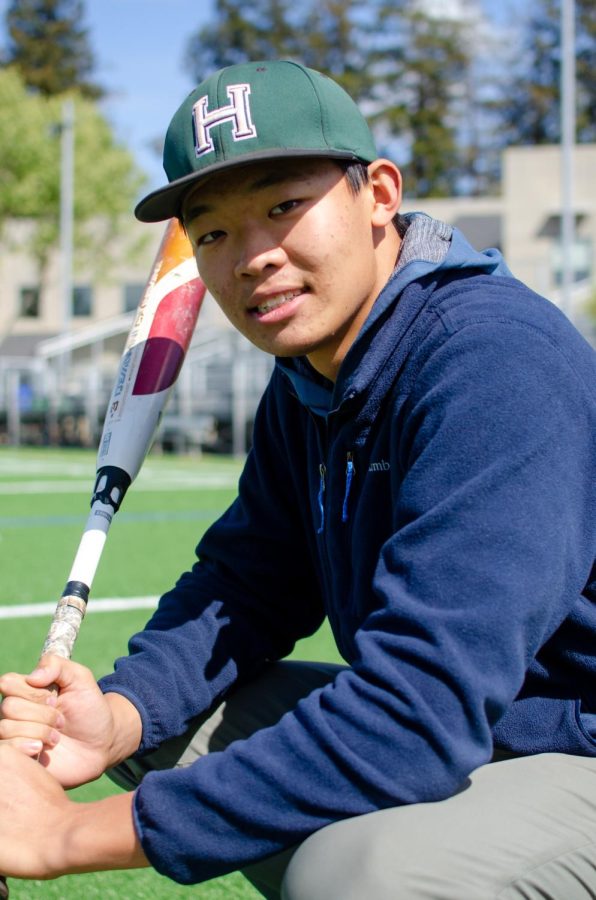

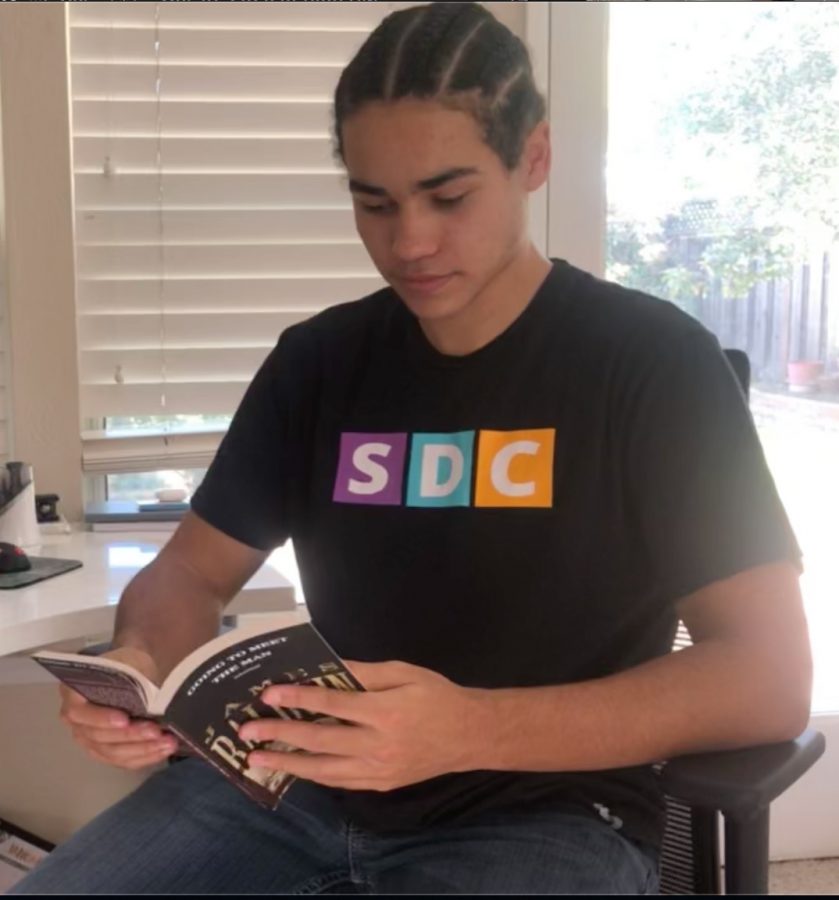
![“When I came into high school, I was ready to be a follower. But DECA was a game changer for me. It helped me overcome my fear of public speaking, and it's played such a major role in who I've become today. To be able to successfully lead a chapter of 150 students, an officer team and be one of the upperclassmen I once really admired is something I'm [really] proud of,” Anvitha Tummala ('21) said.](https://harkeraquila.com/wp-content/uploads/2021/07/Screen-Shot-2021-07-25-at-9.50.05-AM-900x594.png)
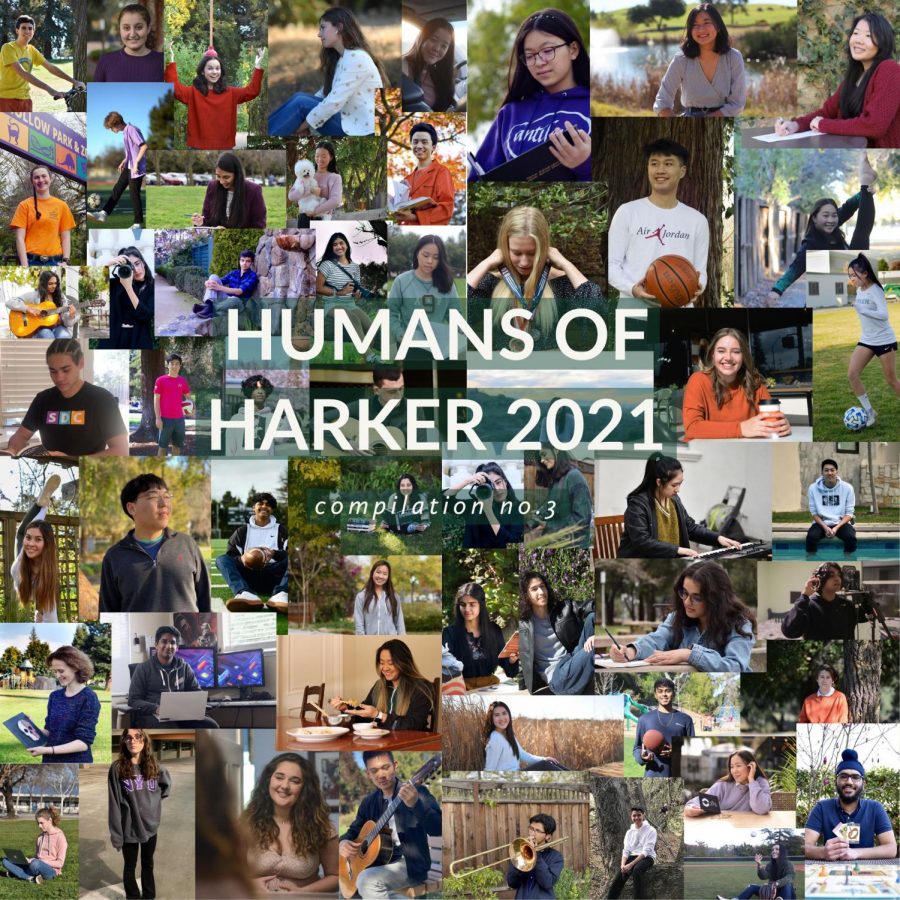
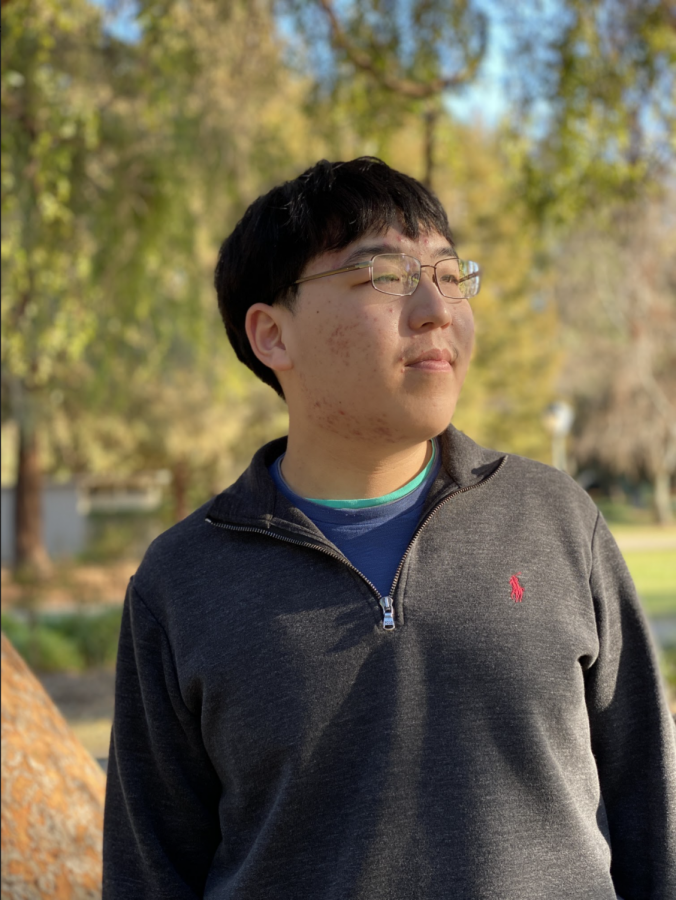
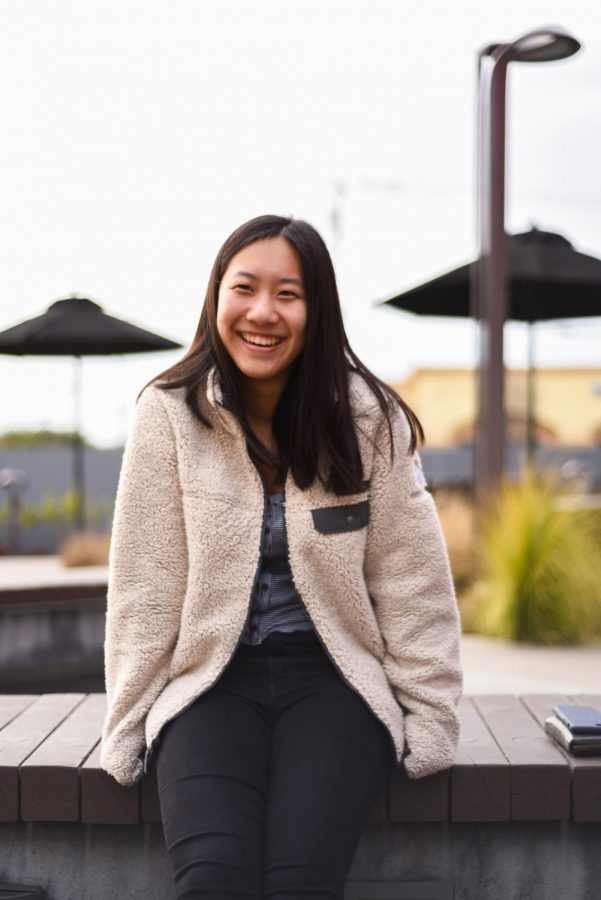
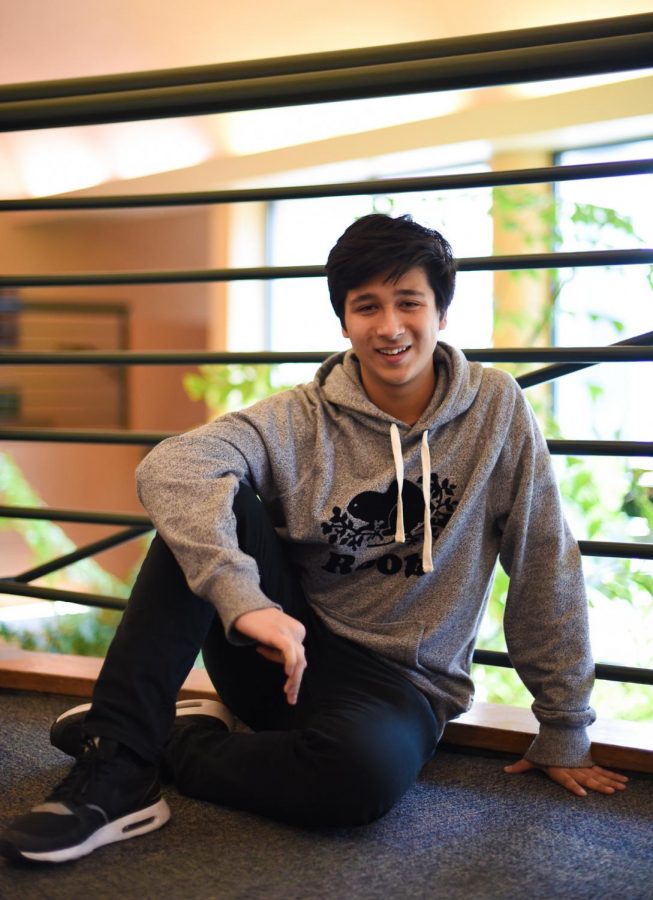
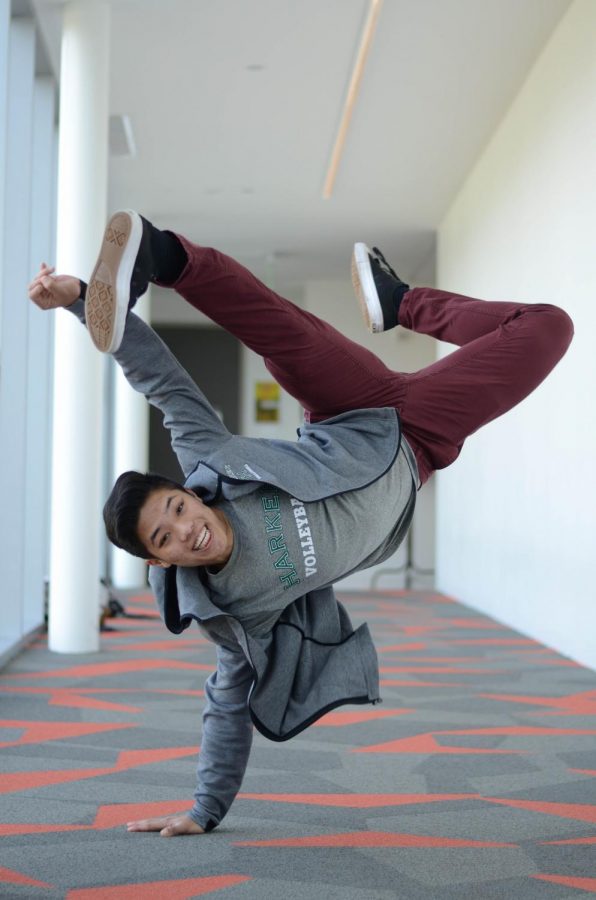
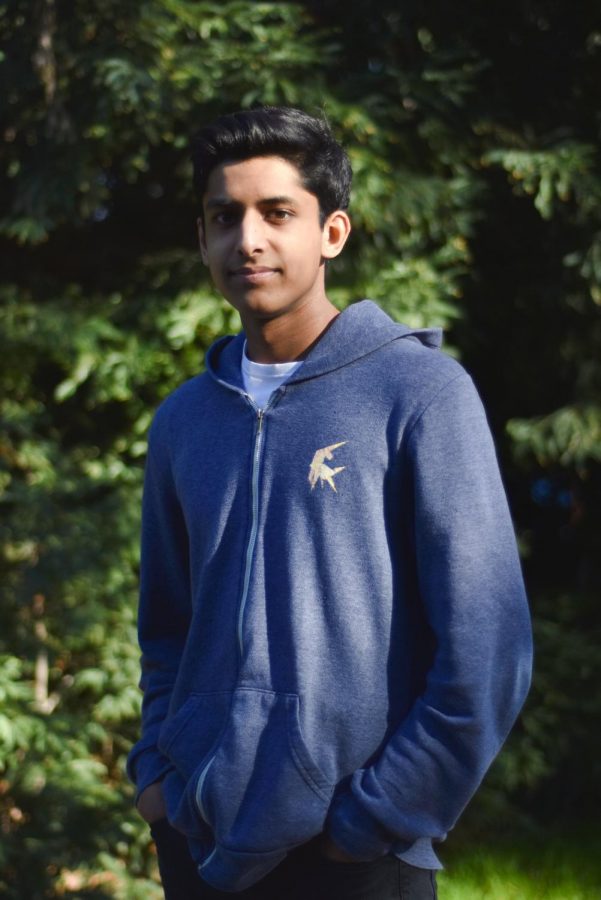

![“I think getting up in the morning and having a sense of purpose [is exciting]. I think without a certain amount of drive, life is kind of obsolete and mundane, and I think having that every single day is what makes each day unique and kind of makes life exciting,” Neymika Jain (12) said.](https://harkeraquila.com/wp-content/uploads/2017/06/Screen-Shot-2017-06-03-at-4.54.16-PM.png)





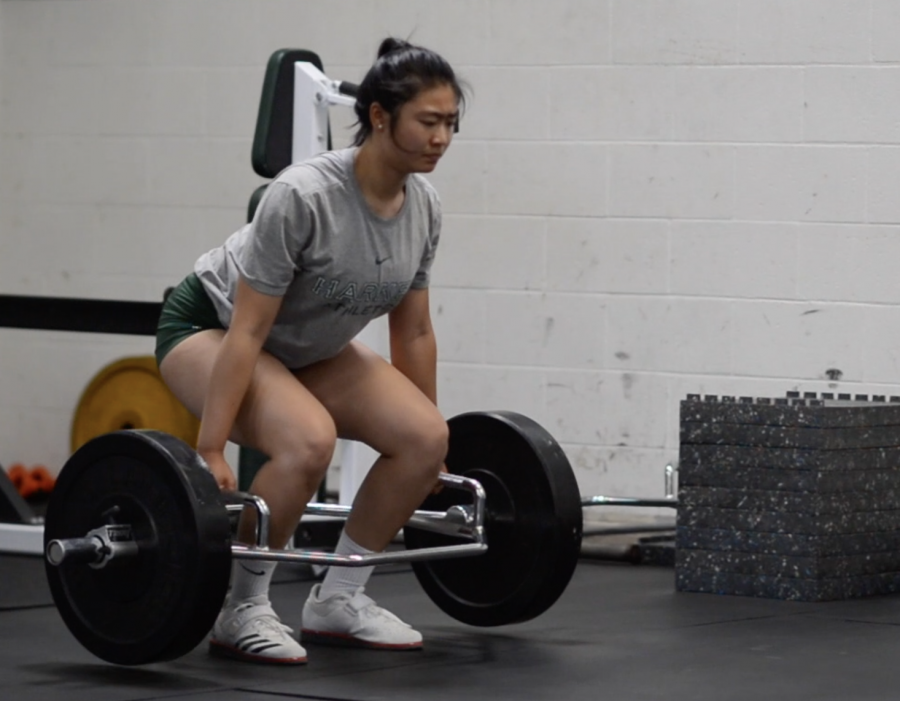

![“My slogan is ‘slow feet, don’t eat, and I’m hungry.’ You need to run fast to get where you are–you aren't going to get those championships if you aren't fast,” Angel Cervantes (12) said. “I want to do well in school on my tests and in track and win championships for my team. I live by that, [and] I can do that anywhere: in the classroom or on the field.”](https://harkeraquila.com/wp-content/uploads/2018/06/DSC5146-900x601.jpg)
![“[Volleyball has] taught me how to fall correctly, and another thing it taught is that you don’t have to be the best at something to be good at it. If you just hit the ball in a smart way, then it still scores points and you’re good at it. You could be a background player and still make a much bigger impact on the team than you would think,” Anya Gert (’20) said.](https://harkeraquila.com/wp-content/uploads/2020/06/AnnaGert_JinTuan_HoHPhotoEdited-600x900.jpeg)
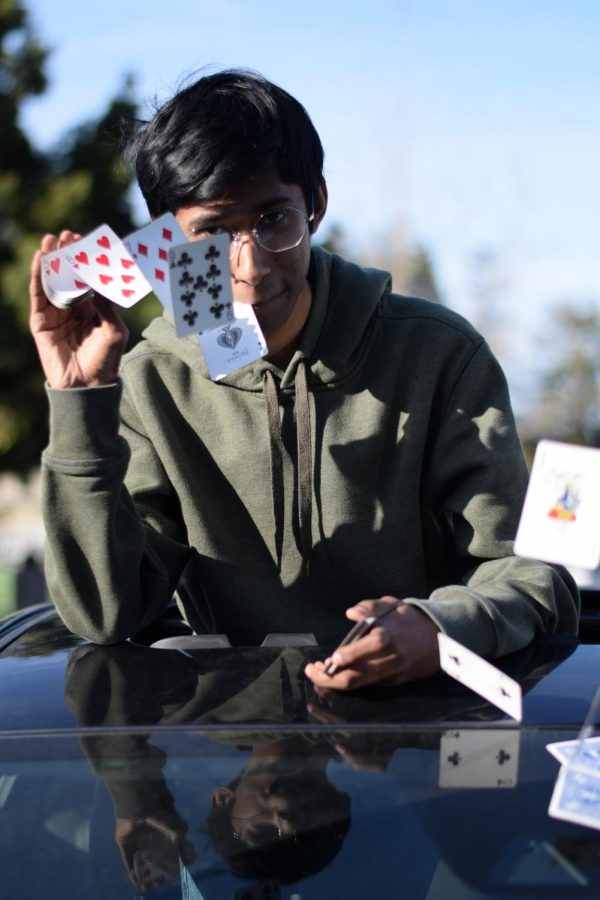
![“I'm not nearly there yet, but [my confidence has] definitely been getting better since I was pretty shy and timid coming into Harker my freshman year. I know that there's a lot of people that are really confident in what they do, and I really admire them. Everyone's so driven and that has really pushed me to kind of try to find my own place in high school and be more confident,” Alyssa Huang (’20) said.](https://harkeraquila.com/wp-content/uploads/2020/06/AlyssaHuang_EmilyChen_HoHPhoto-900x749.jpeg)


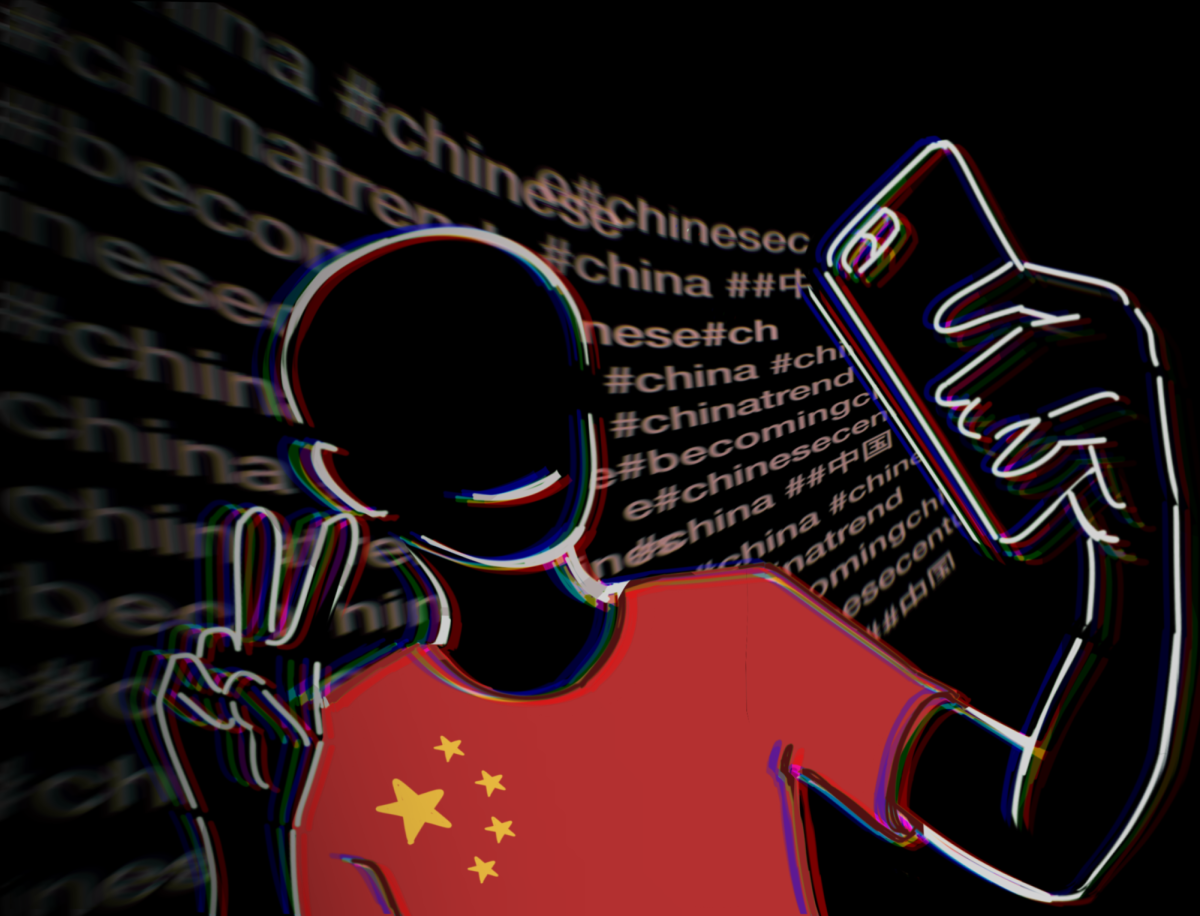
Do you remember “Bing chilling?” How about “Super idol?” When countless memes surrounding China circulated the internet in 2022, I laughed along, feeling a vague sense of happiness that China was getting its time in the spotlight of popular internet culture. At first, I found these China-centric memes lighthearted and harmless, but as I kept seeing “social credit” or “bing chilling” spammed in the comment sections of any random East Asian person, it truly began to feel like mockery.
Not long after the widespread hatred towards people of East Asian ethnicity following the COVID-19 pandemic, memes highlighting and emphasizing the otherness of Chinese people were widespread from 2021 to 2022. But now, just 4 years later, meme culture seems to love China, and “becoming Chinese” is suddenly the new desirable thing, with the phrase “being in a very Chinese time of one’s life” circulating widely online.
Hypothetically, one could argue that these Chinese memes are simply cultural appreciation. To some extent, I agree, but making appreciating Chinese culture into a joke or trend of sorts can feel gimmicky and ingenuine. Furthermore, reflecting on a past only four years ago where widespread consensus was to mock China and Chinese people, it’s all too easy to remember that this wave of praise is nothing but a trend. It will eventually come to pass, and a new ethnicity may eventually take its place, whether to be mocked or seemingly sought after.
The Western world’s current fixation on East Asian countries highlights how strange it is that we as a society choose to make certain ethnicities and cultures a trend. Japan and South Korea both became cultural favorites of the West when anime went mainstream, or when Hallyu (the Korean Wave) went global in the late 2010s. But only a few years ago, China was still being looked down upon by the West and especially America, perhaps due in part to government actions fueling an anti-China sentiment.
Now that China has seemingly joined the ranks of its fellow East Asian countries, it receives the same level of praise that Japan and South Korea, with soft power through music and animated shows, have received from youth and Western media for years. But even as Chinese culture gets its time in the apparent spotlight, South and Southeast Asian countries continue to face prejudice and stereotyping online, and the cycle of hatred continues.
This social media praise towards China also oversimplifies geopolitical tensions. In a time where the United States government faces widespread criticism from its own citizens, the China trend glosses over China’s own flaws in order to compare it favorably against the U.S.’s shortcomings.
I’m all for highlighting Chinese culture and bringing it to western mainstream media, as well as recognizing the technological and infrastructural achievements of the nation. However, by offering exaggerated and oftentimes humorous praise, this trend has created an environment where any discussion about China is monolithically positive. Regardless of whether the memes’ complete praise is just another form of mockery, it still ultimately makes any of its Chinese-U.S. comparisons lack nuance. People have made images editing Chinese president Xi Jinping into a gigachad face alongside the phrase “the Chinese century.” In doing so, they overlook the CCP’s flaws—from the oppression of minority groups and intolerance of political dissent to surveillance—in order to be comedic.
Overall, we shouldn’t be treating cultures as a trend to suddenly start praising and partaking in (e.g. drinking warm water in the mornings and wearing jade bracelets in order to “be Chinese”). We must keep in mind that memes and internet humor tend to oversimplify topics as complex as cultural appreciation, and that we really shouldn’t be looking to trends to educate oneself about other cultures. There is nothing wrong with wanting to appreciate and learn about foreign traditions, but we should be doing this all the time, regardless of what’s currently in vogue.