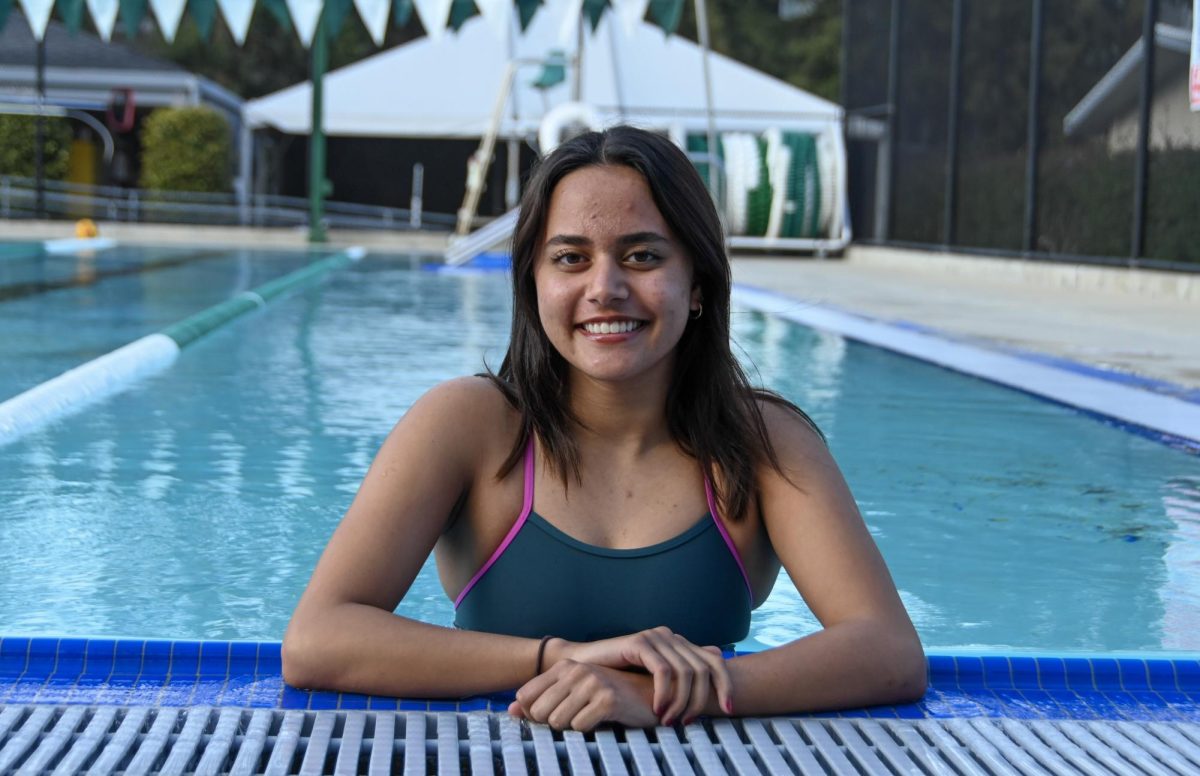
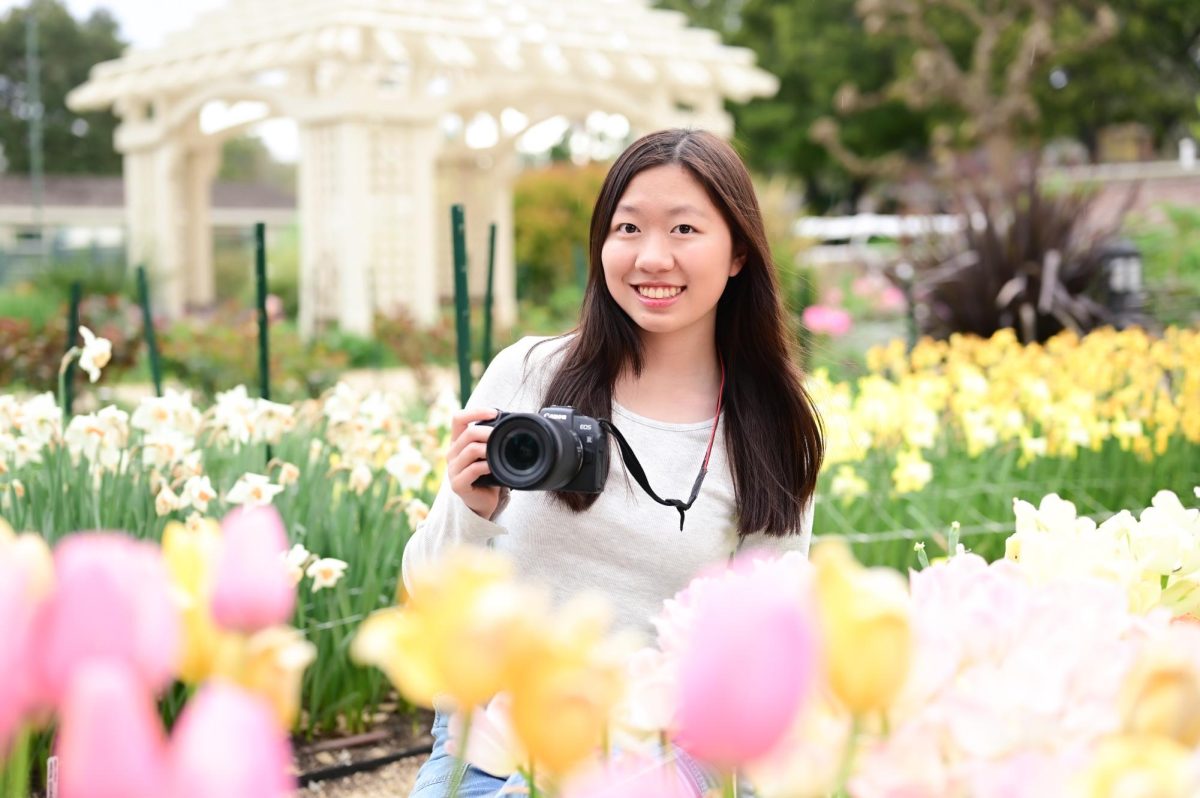
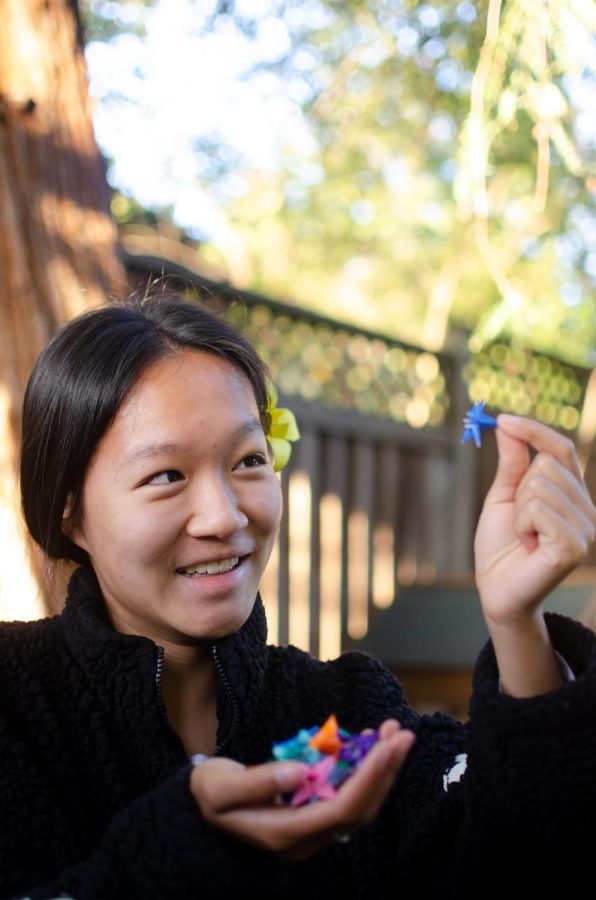
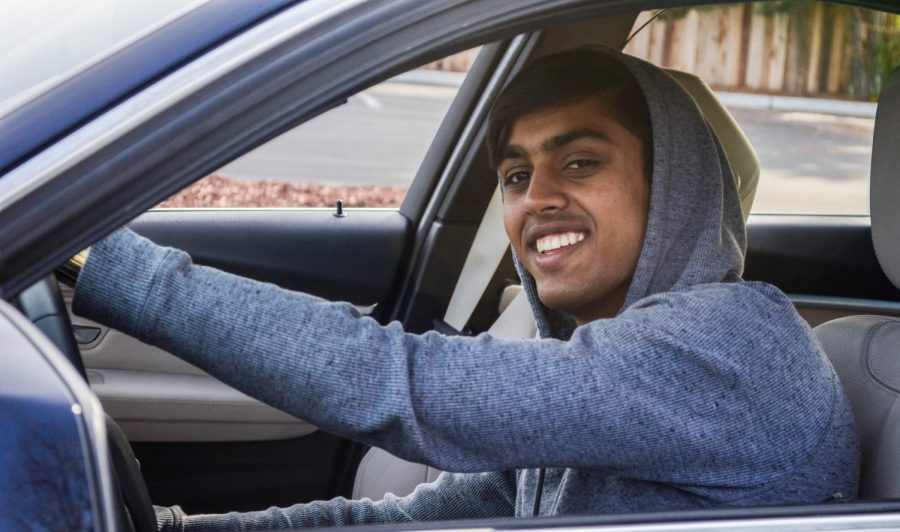
![“I wasn't discouraged by some of the obstacles we faced. I learned a lot from the leadership. I found that different people need different ways of receiving feedback — you can't [just] tell them to do something and expect the best. [Some] people needed more incentive. A large part of my role was to figure out what worked for everyone and to figure out how to lead all these separate individuals as a team,” Suhana Bhandare (’26) said.](https://harkeraquila.com/wp-content/uploads/2026/06/SuhanaBhandare_JasmineHansra-1-1200x798.jpg)
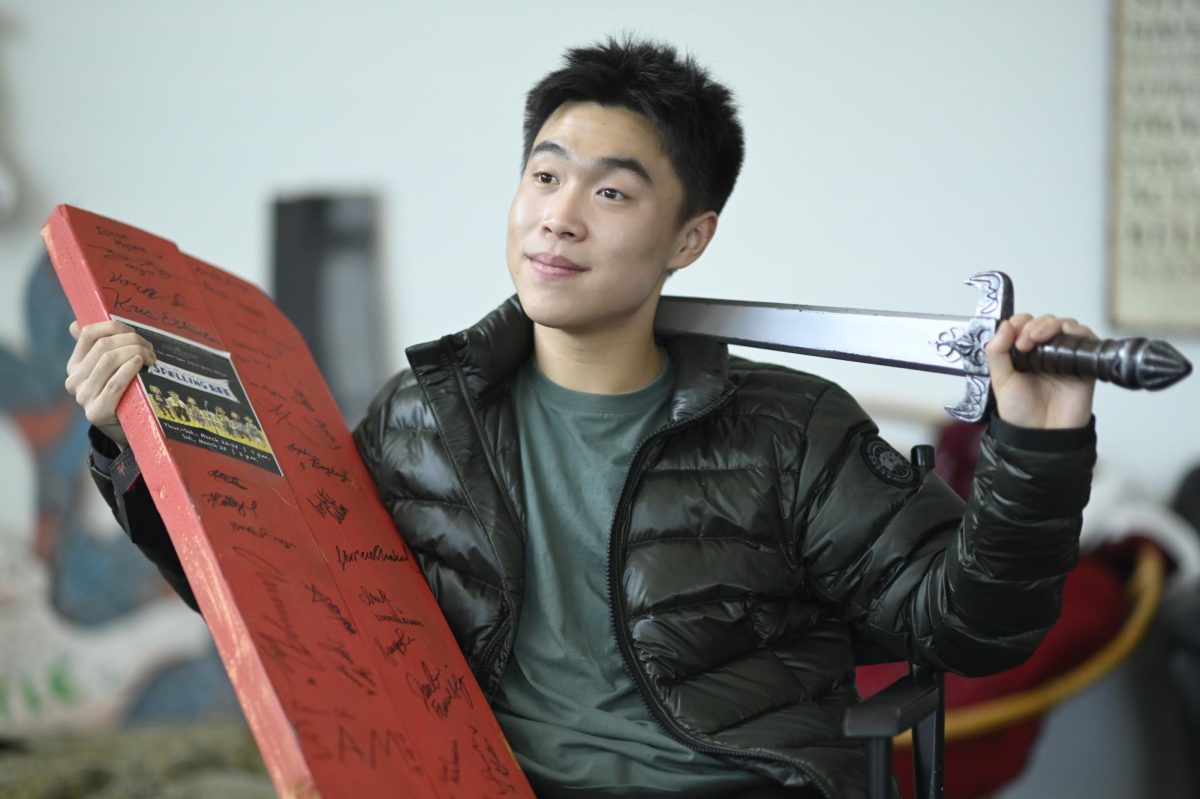
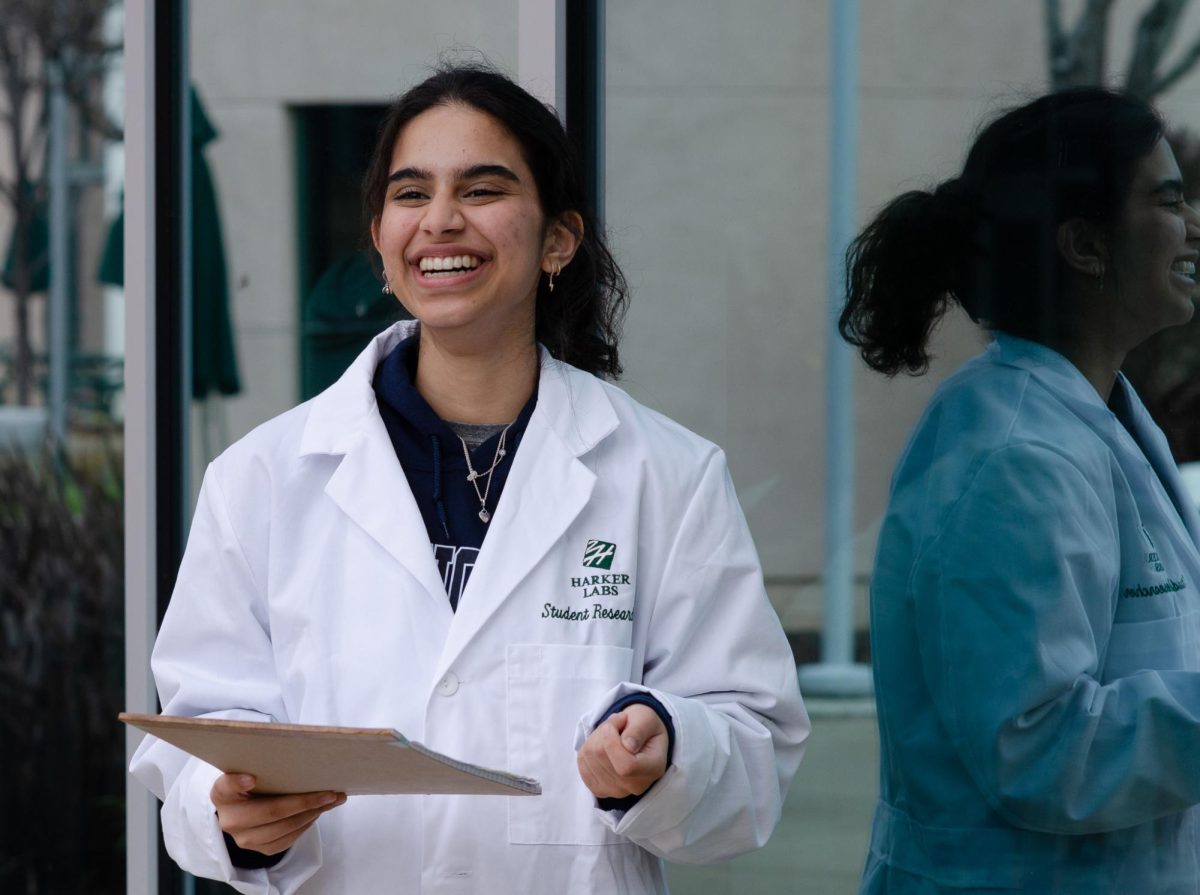
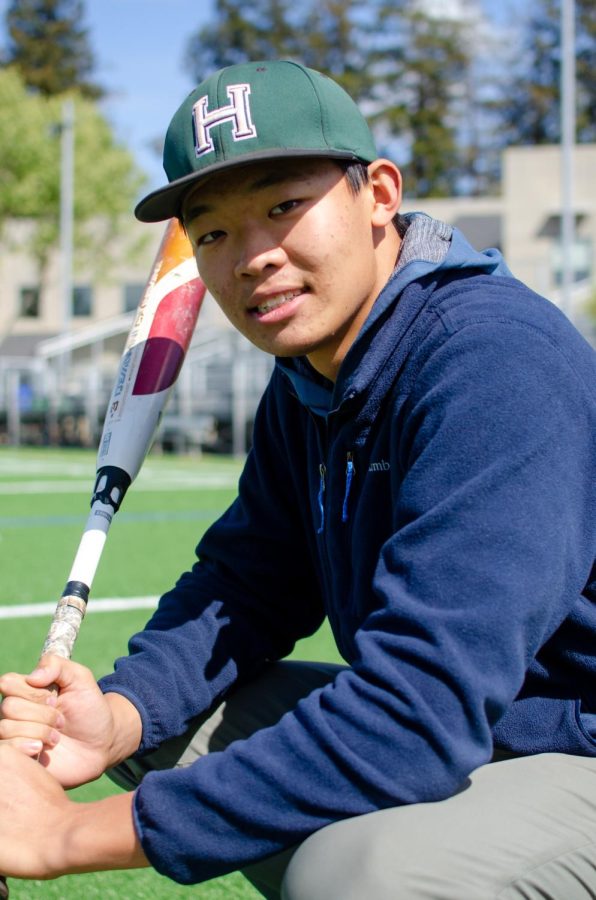
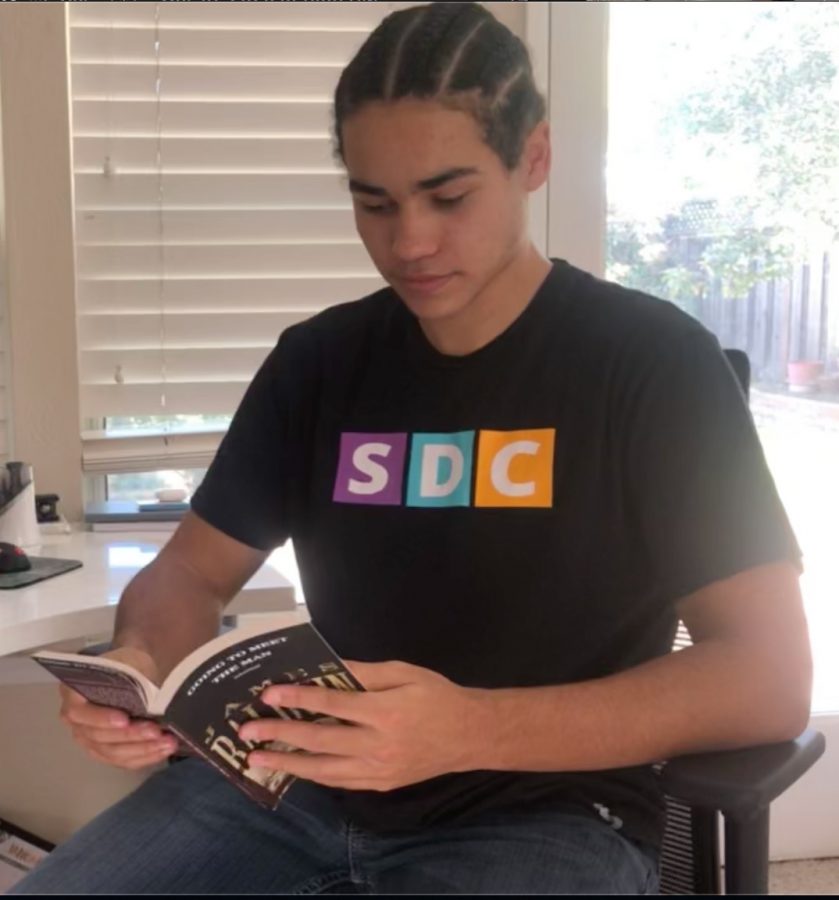
![“This is actually from Randy Pausch Randy P. Brick: ‘Walls are there for a reason. You have to show how much you want to overcome them.’ You have to show how much you want something. That's what I've always been able to do with tennis, Link Crew and getting that internship [with Kushy Baby]. It’s important pushing through that — getting around that brick wall, climbing over it or clawing through it,” Yash Sachdeva (’26) said.](https://harkeraquila.com/wp-content/uploads/2026/05/YashSachdeva_RamBatchu-copy-1200x1002.jpg)
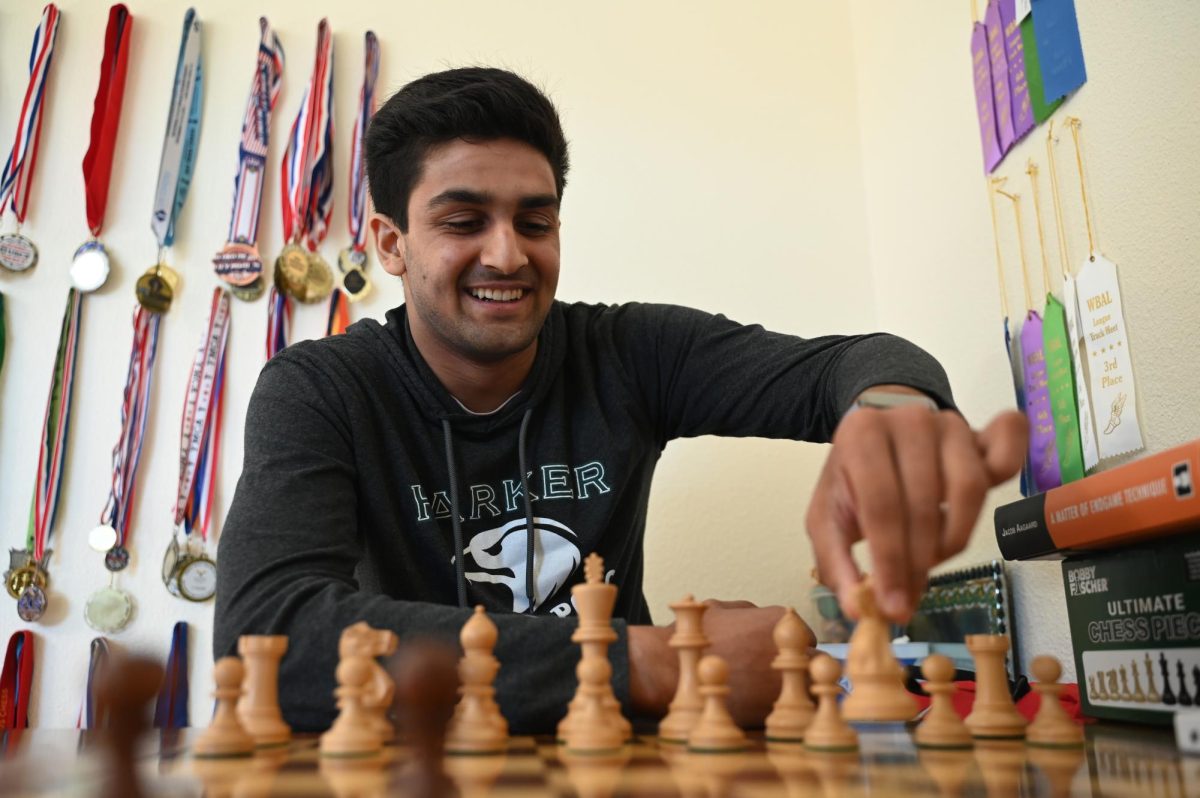



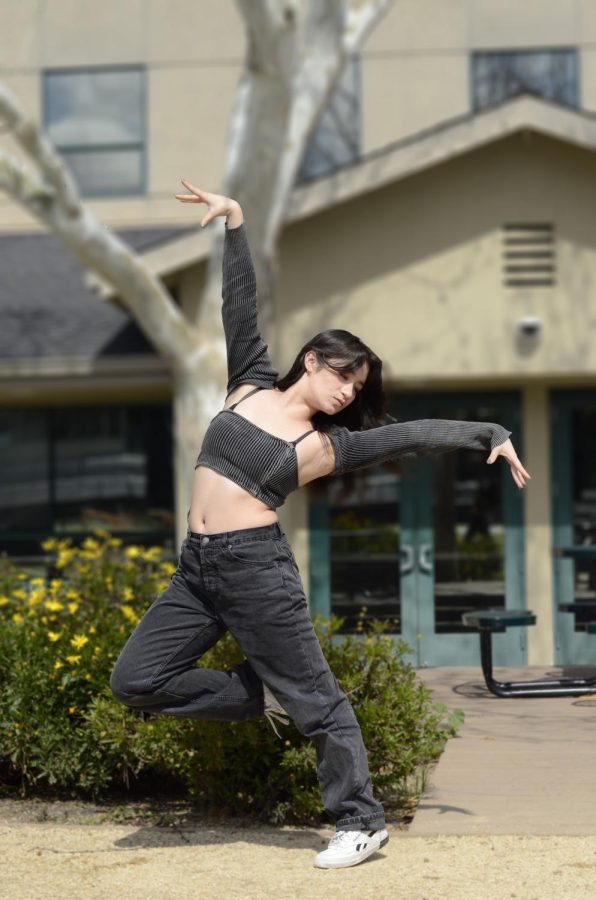
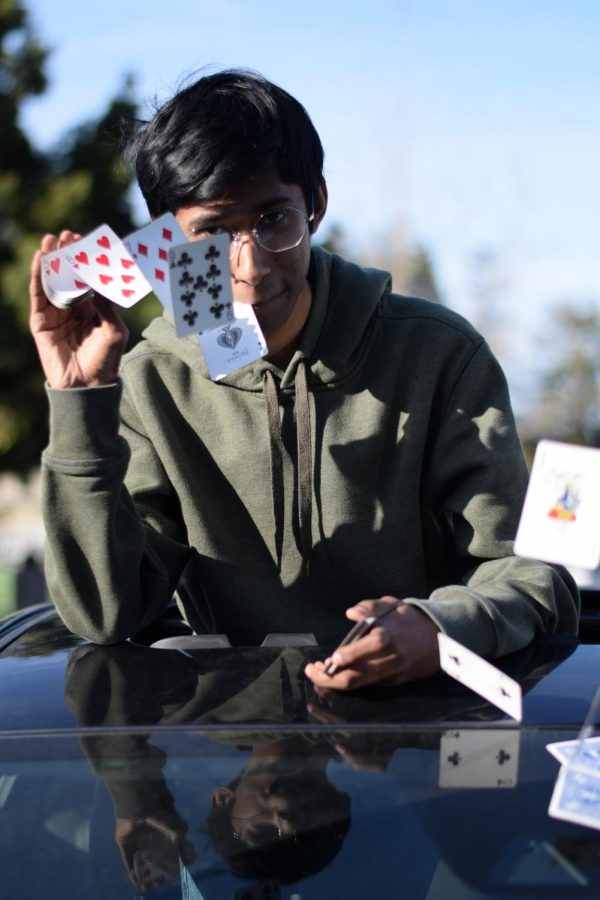
![“[Building nerf blasters] became this outlet of creativity for me that hasn't been matched by anything else. The process [of] making a build complete to your desire is such a painstakingly difficult process, but I've had to learn from [the skills needed from] soldering to proper painting. There's so many different options for everything, if you think about it, it exists. The best part is [that] if it doesn't exist, you can build it yourself," Ishaan Parate said.](https://harkeraquila.com/wp-content/uploads/2022/08/DSC_8149-900x604.jpg)
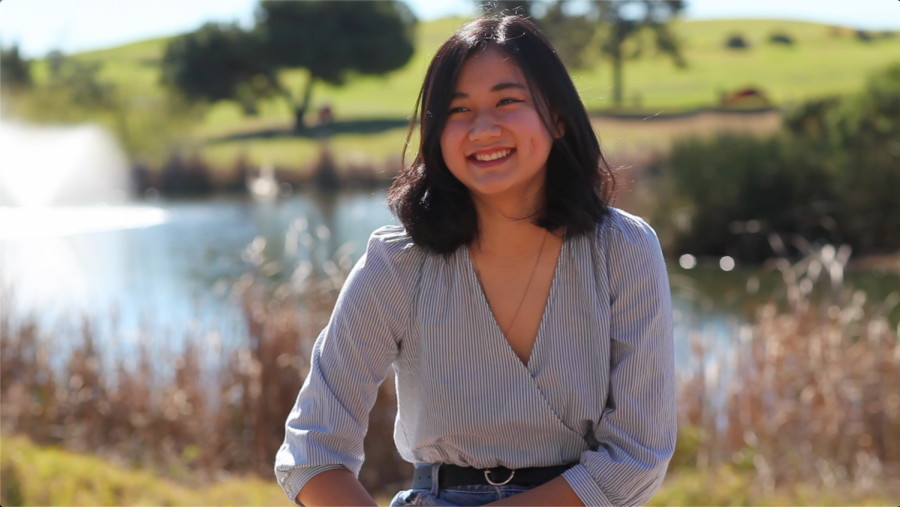
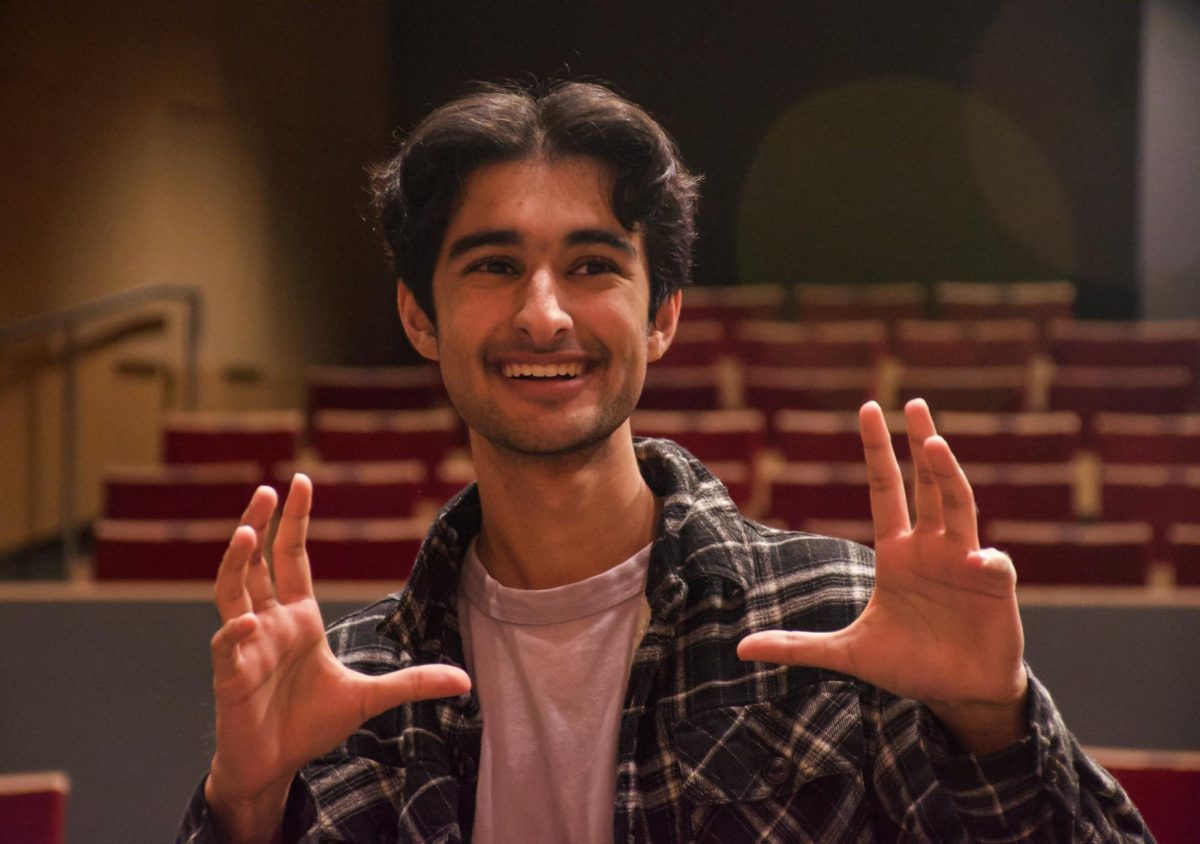
![“When I came into high school, I was ready to be a follower. But DECA was a game changer for me. It helped me overcome my fear of public speaking, and it's played such a major role in who I've become today. To be able to successfully lead a chapter of 150 students, an officer team and be one of the upperclassmen I once really admired is something I'm [really] proud of,” Anvitha Tummala ('21) said.](https://harkeraquila.com/wp-content/uploads/2021/07/Screen-Shot-2021-07-25-at-9.50.05-AM-900x594.png)
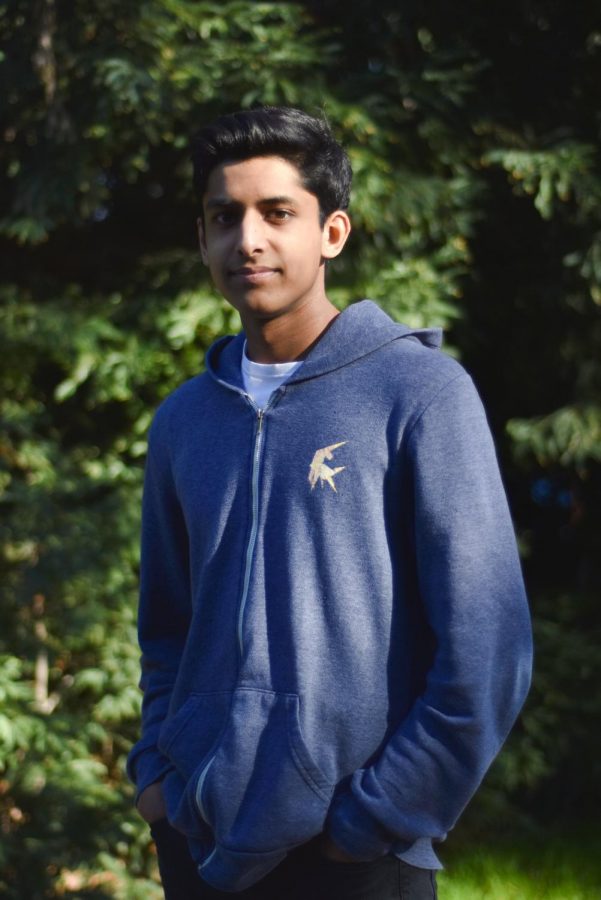

![“I think getting up in the morning and having a sense of purpose [is exciting]. I think without a certain amount of drive, life is kind of obsolete and mundane, and I think having that every single day is what makes each day unique and kind of makes life exciting,” Neymika Jain (12) said.](https://harkeraquila.com/wp-content/uploads/2017/06/Screen-Shot-2017-06-03-at-4.54.16-PM.png)
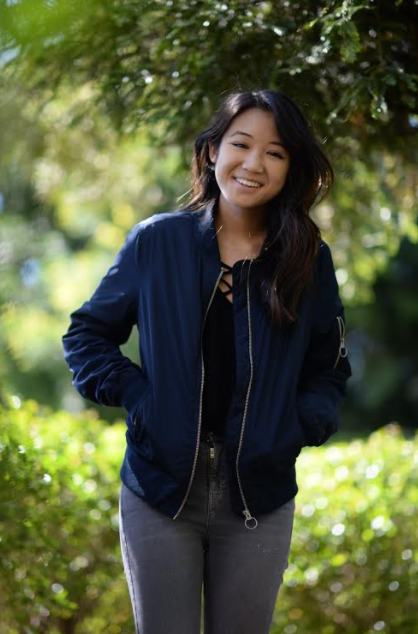
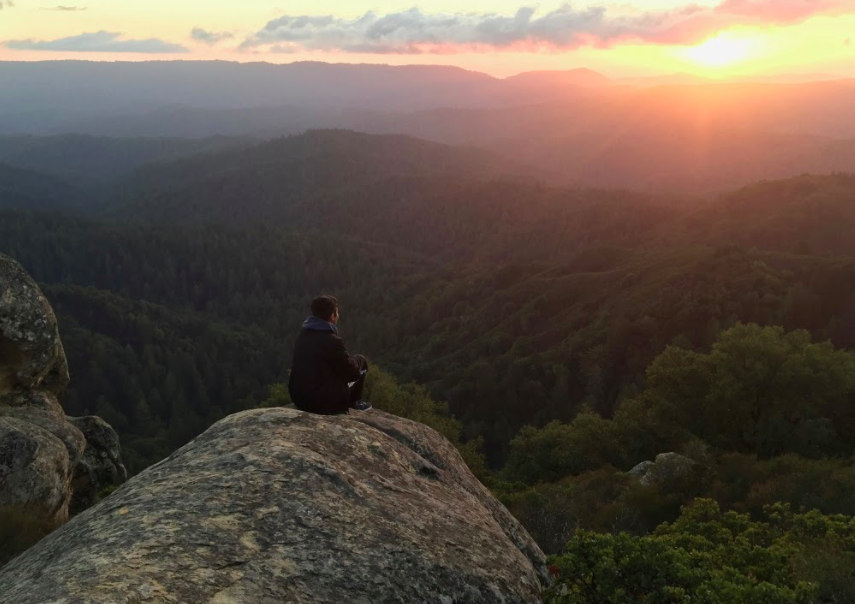
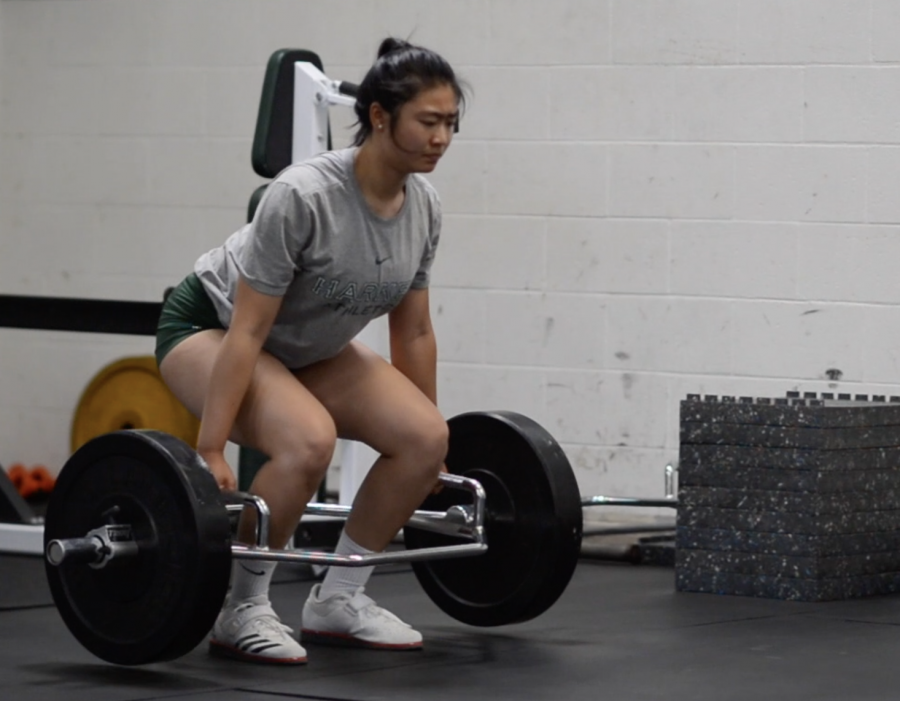
![“My slogan is ‘slow feet, don’t eat, and I’m hungry.’ You need to run fast to get where you are–you aren't going to get those championships if you aren't fast,” Angel Cervantes (12) said. “I want to do well in school on my tests and in track and win championships for my team. I live by that, [and] I can do that anywhere: in the classroom or on the field.”](https://harkeraquila.com/wp-content/uploads/2018/06/DSC5146-900x601.jpg)
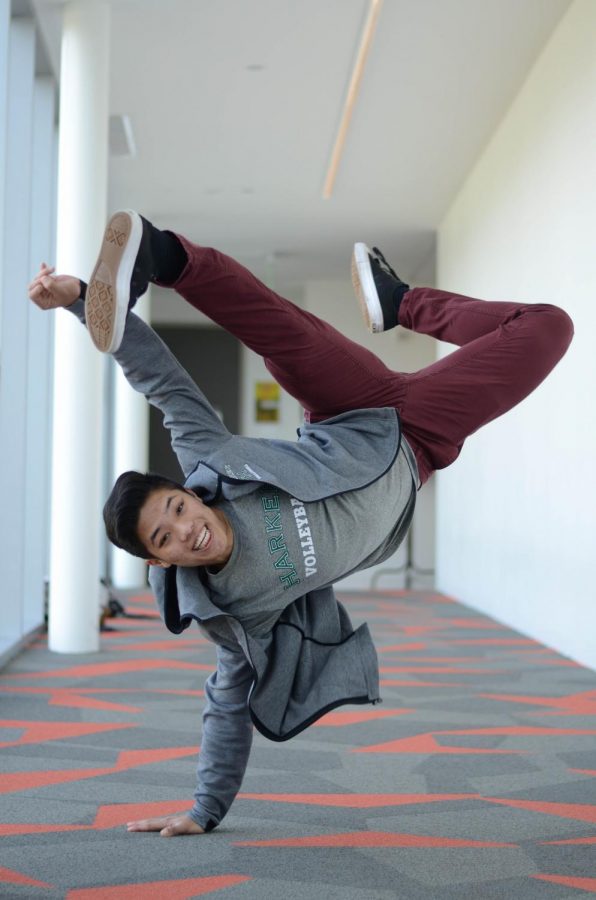
![“[Volleyball has] taught me how to fall correctly, and another thing it taught is that you don’t have to be the best at something to be good at it. If you just hit the ball in a smart way, then it still scores points and you’re good at it. You could be a background player and still make a much bigger impact on the team than you would think,” Anya Gert (’20) said.](https://harkeraquila.com/wp-content/uploads/2020/06/AnnaGert_JinTuan_HoHPhotoEdited-600x900.jpeg)
![“I'm not nearly there yet, but [my confidence has] definitely been getting better since I was pretty shy and timid coming into Harker my freshman year. I know that there's a lot of people that are really confident in what they do, and I really admire them. Everyone's so driven and that has really pushed me to kind of try to find my own place in high school and be more confident,” Alyssa Huang (’20) said.](https://harkeraquila.com/wp-content/uploads/2020/06/AlyssaHuang_EmilyChen_HoHPhoto-900x749.jpeg)



The first time I launched a business idea in Incubator a few months ago, I felt both excitement and fear about developing the product. This class challenges us to take an idea from concept to a fully launched product at the end of the year. I had put it on my sophomore course list because I was drawn to its core principle: embracing uncertainty by venturing into an unknown alley of financials and market research. When the school funded my idea, it made me feel as though they were betting on me, and I couldn’t shake the worry that it might all go to waste.
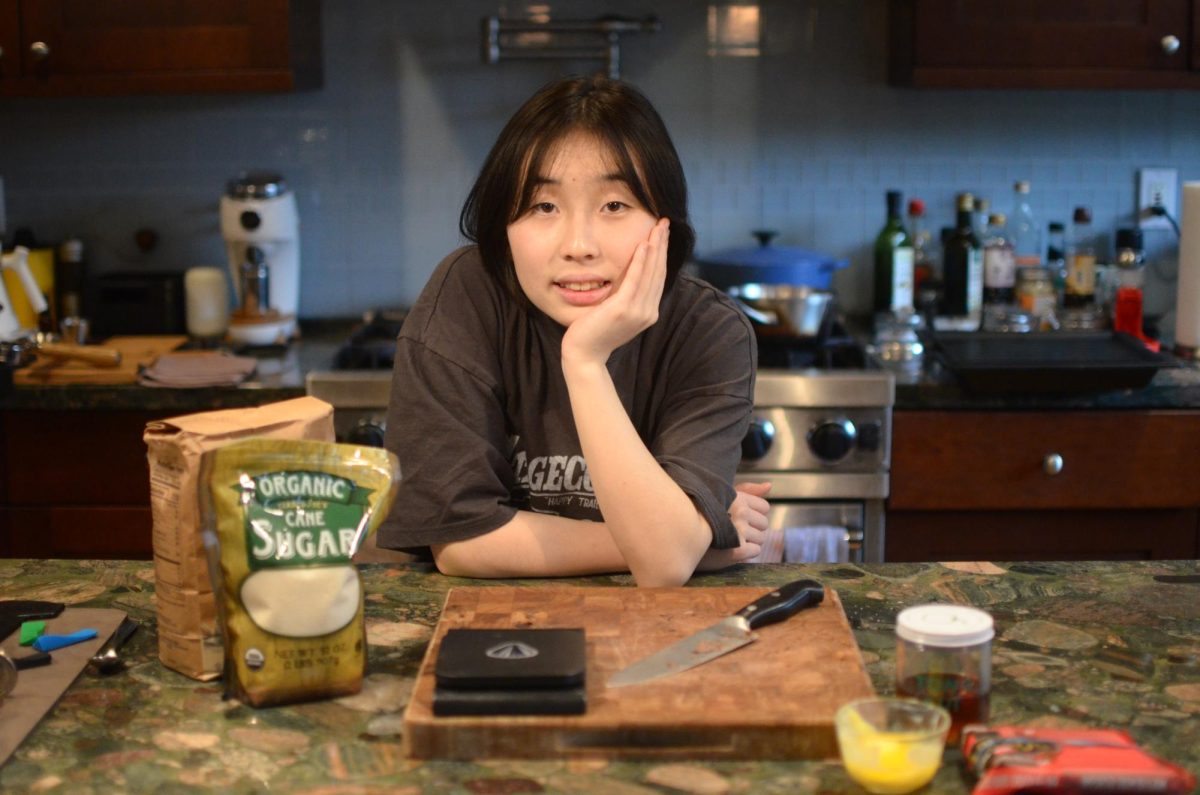
Although I have made it past some milestones like initial stages of funding, the future of my company is still far from guaranteed—and that unknown makes every decision both thrilling and terrifying. I am building a modular kitchen tool for campers, with interchangeable heads like spatulas and ladles, but I am still unsure on how well it will be received in untested markets
However, even without a concrete outcome, I have learned that uncertainty can fuel determination. Knowing that failure is very possible has made me more emotionally invested in the process, forcing me to focus on understanding my users’ real needs, iterating on prototypes and committing fully to the ideation stages. The same suspense that made me anxious also made the journey to now even more meaningful. Every choice I make mattered in a way that it wouldn’t have if my success was guaranteed.
This principle isn’t just personal— it’s also visible in some of the most iconic innovators in the world. For example, Steve Jobs dropped out of college and launched a business, trusting in himself despite the risks. His willingness to take bold steps and learn from mistakes fueled his success that might not have been possible otherwise.
At every stage, there were no guarantees, and each product launch carried enormous risks, financially and reputationally. It was not luck or certainty that shaped his success, but it was the combination of daring decisions and a clear vision of his future
By embracing uncertainty we allow ourselves to experiment, fail and learn in a healthy environment. Understanding how uncertainty can benefit situations is preparation for future success and a way to live life fully invested in the process.
Many people around me talk about college plans and career plans — projections for almost everything in their future. But how would one really know what’s in store for them? None of us can predict what lies ahead, and having uncertainty in some areas is not only normal but healthy. It keeps humans curious and adaptable to unexpected possibilities. Having a vision is important as it gives direction, but setting rigid parameters for the future can be limiting. Life rarely unfolds exactly according to plan, and trying to control it too tightly often limits growth.
To me, embracing uncertainty reveals that it is not an obstacle, but a source of meaning to every achievement that I have accomplished. Every milestone that I accomplish in my business journey holds weight because I was not sure if I would even make it this far.
Not everyone has to become a high-profile CEO like Steve Jobs or launch a billion dollar company for uncertainty to really matter. It’s about how uncertainty shapes the way that you approach challenges and goals. Embracing the unknown not only prepares me for the unexpected, but also allows me to discover the freedom and resilience that make every experience meaningful.