![“I wasn't discouraged by some of the obstacles we faced. I learned a lot from the leadership. I found that different people need different ways of receiving feedback — you can't [just] tell them to do something and expect the best. [Some] people needed more incentive. A large part of my role was to figure out what worked for everyone and to figure out how to lead all these separate individuals as a team,” Suhana Bhandare (’26) said.](https://harkeraquila.com/wp-content/uploads/2026/06/SuhanaBhandare_JasmineHansra-1-1200x798.jpg)
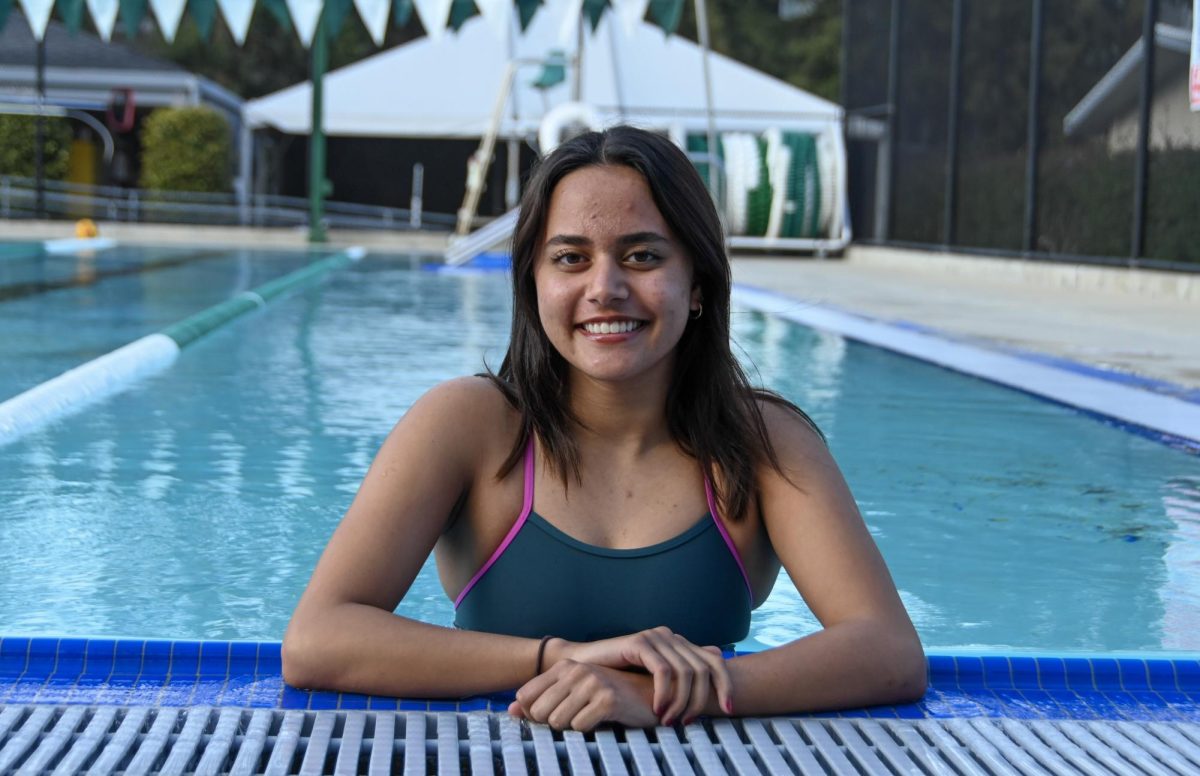
![“This is actually from Randy Pausch Randy P. Brick: ‘Walls are there for a reason. You have to show how much you want to overcome them.’ You have to show how much you want something. That's what I've always been able to do with tennis, Link Crew and getting that internship [with Kushy Baby]. It’s important pushing through that — getting around that brick wall, climbing over it or clawing through it,” Yash Sachdeva (’26) said.](https://harkeraquila.com/wp-content/uploads/2026/05/YashSachdeva_RamBatchu-copy-1200x1002.jpg)
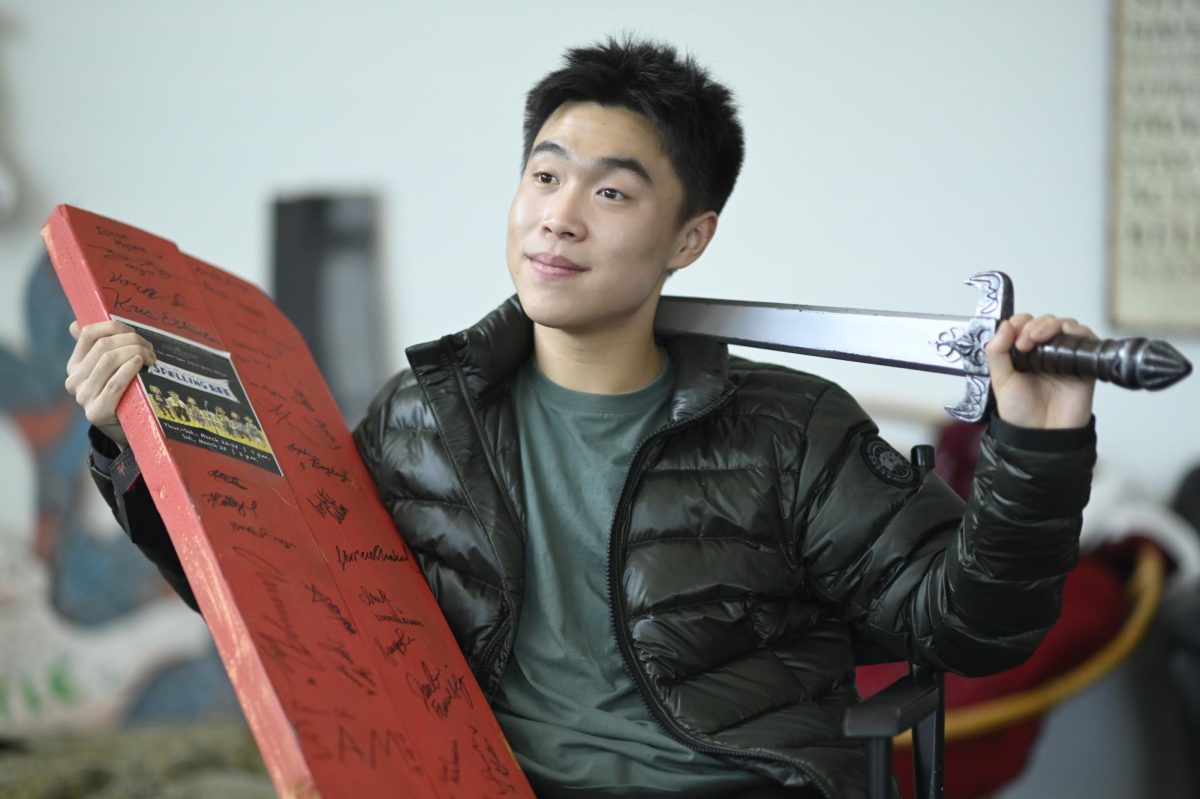
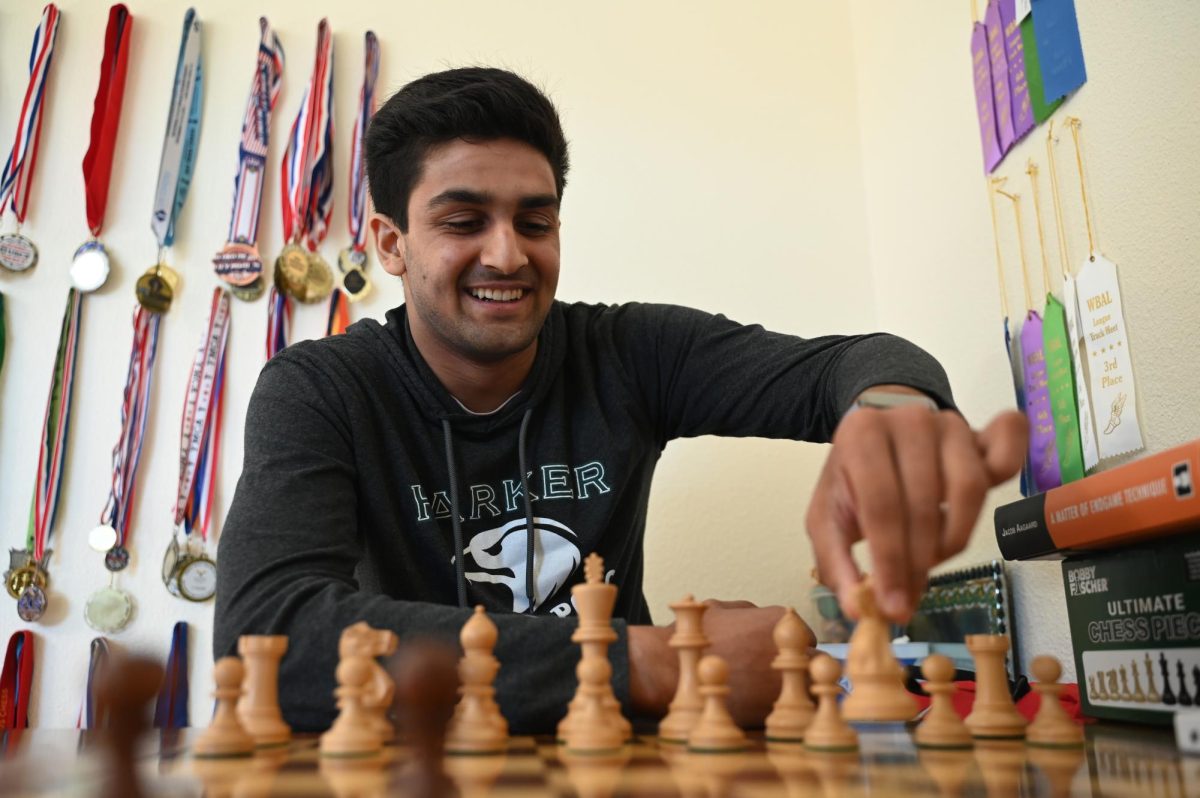
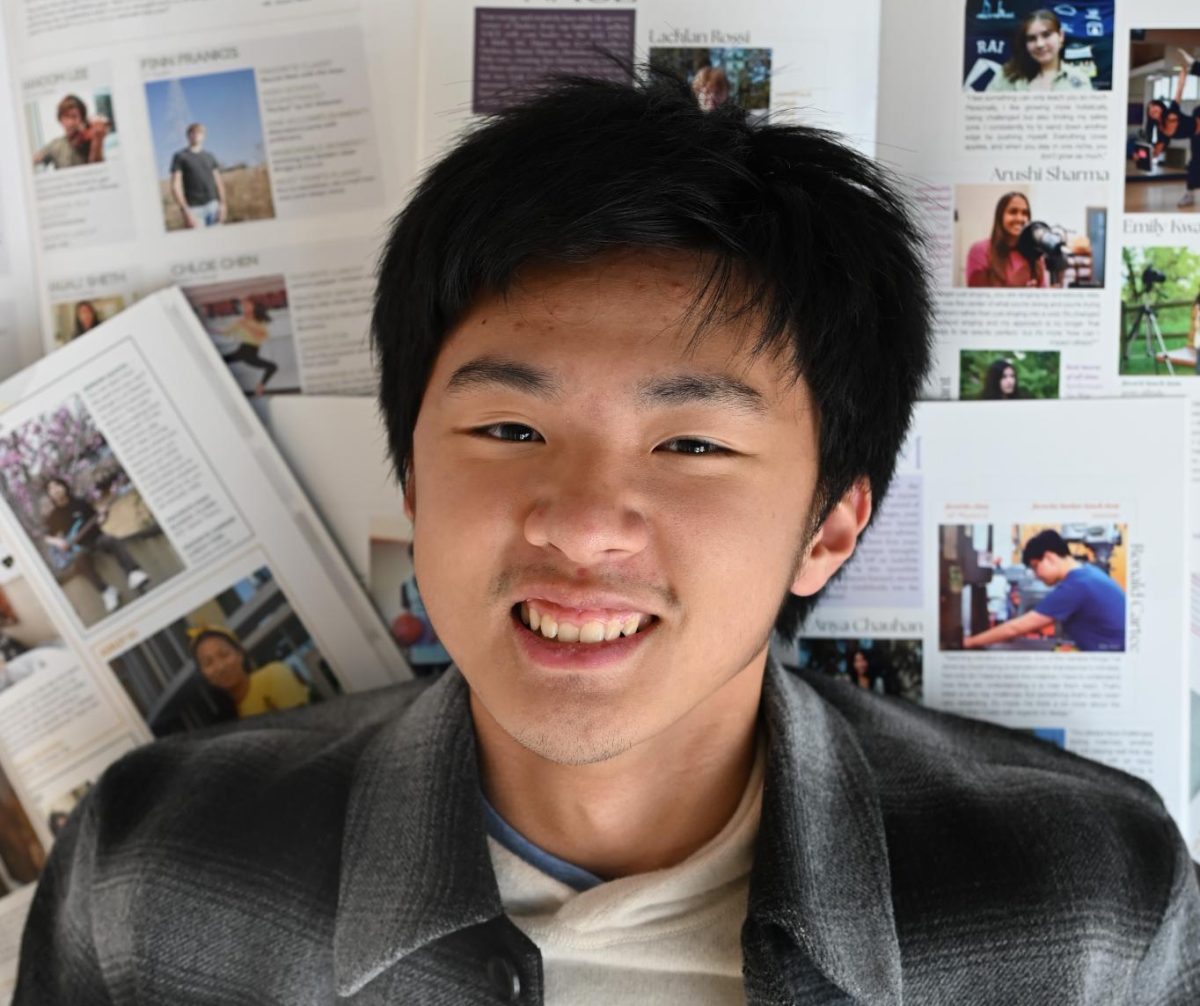







![“[Building nerf blasters] became this outlet of creativity for me that hasn't been matched by anything else. The process [of] making a build complete to your desire is such a painstakingly difficult process, but I've had to learn from [the skills needed from] soldering to proper painting. There's so many different options for everything, if you think about it, it exists. The best part is [that] if it doesn't exist, you can build it yourself," Ishaan Parate said.](https://harkeraquila.com/wp-content/uploads/2022/08/DSC_8149-900x604.jpg)

![“When I came into high school, I was ready to be a follower. But DECA was a game changer for me. It helped me overcome my fear of public speaking, and it's played such a major role in who I've become today. To be able to successfully lead a chapter of 150 students, an officer team and be one of the upperclassmen I once really admired is something I'm [really] proud of,” Anvitha Tummala ('21) said.](https://harkeraquila.com/wp-content/uploads/2021/07/Screen-Shot-2021-07-25-at-9.50.05-AM-900x594.png)


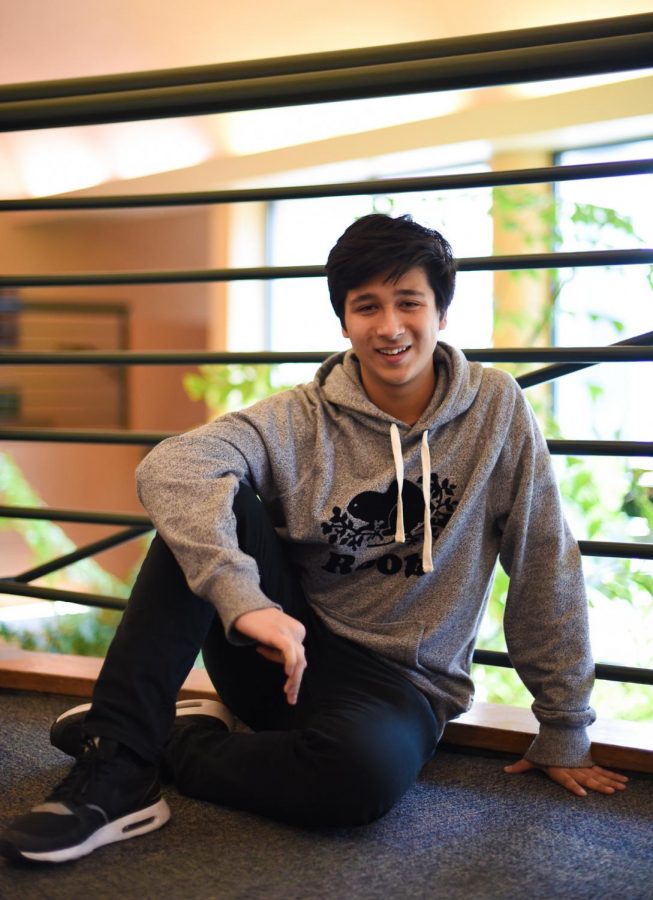
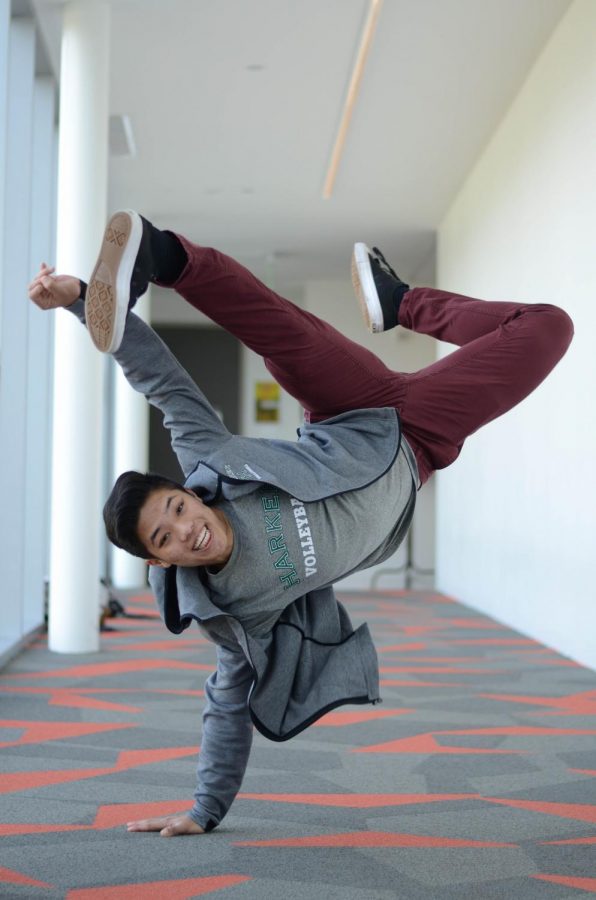


![“I think getting up in the morning and having a sense of purpose [is exciting]. I think without a certain amount of drive, life is kind of obsolete and mundane, and I think having that every single day is what makes each day unique and kind of makes life exciting,” Neymika Jain (12) said.](https://harkeraquila.com/wp-content/uploads/2017/06/Screen-Shot-2017-06-03-at-4.54.16-PM.png)

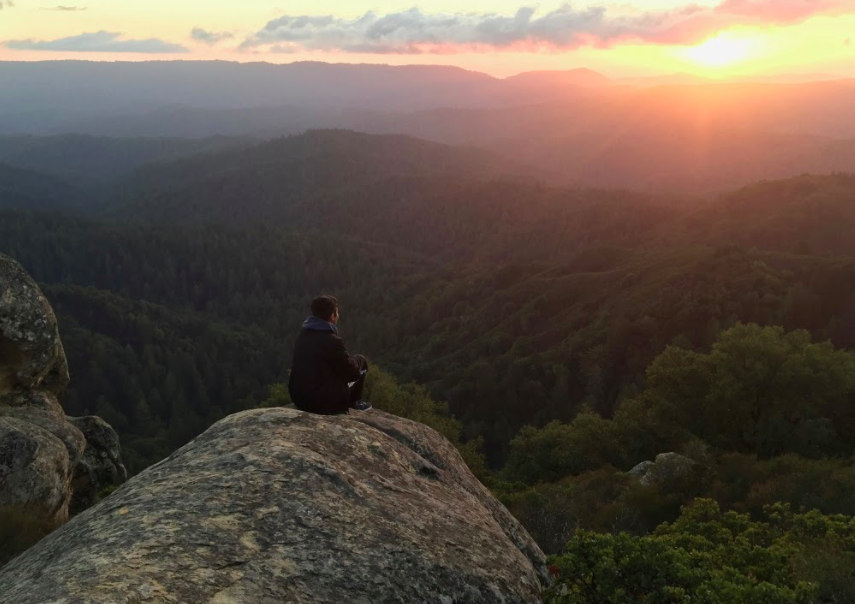
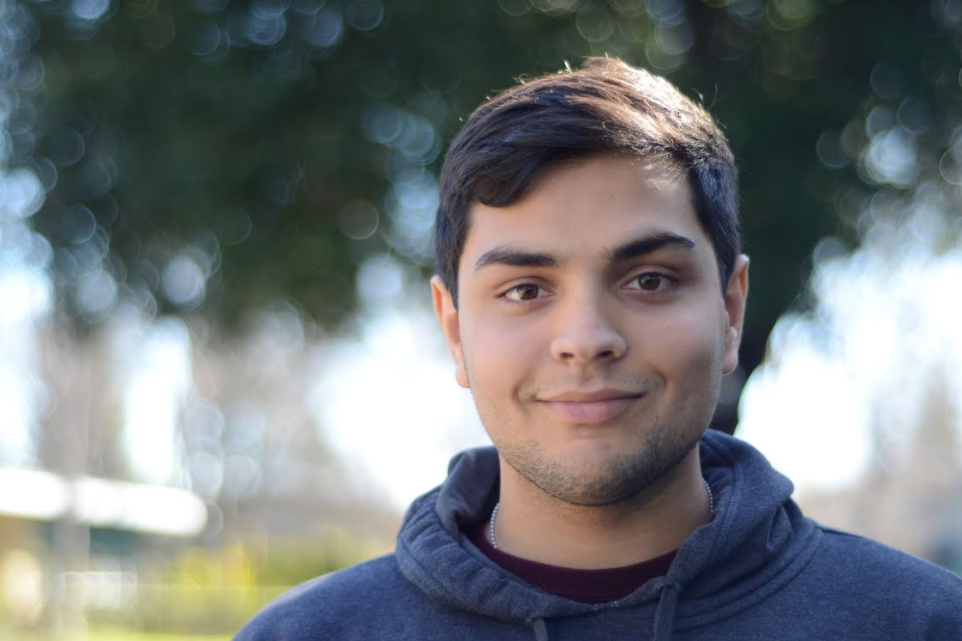

![“My slogan is ‘slow feet, don’t eat, and I’m hungry.’ You need to run fast to get where you are–you aren't going to get those championships if you aren't fast,” Angel Cervantes (12) said. “I want to do well in school on my tests and in track and win championships for my team. I live by that, [and] I can do that anywhere: in the classroom or on the field.”](https://harkeraquila.com/wp-content/uploads/2018/06/DSC5146-900x601.jpg)
![“[Volleyball has] taught me how to fall correctly, and another thing it taught is that you don’t have to be the best at something to be good at it. If you just hit the ball in a smart way, then it still scores points and you’re good at it. You could be a background player and still make a much bigger impact on the team than you would think,” Anya Gert (’20) said.](https://harkeraquila.com/wp-content/uploads/2020/06/AnnaGert_JinTuan_HoHPhotoEdited-600x900.jpeg)
![“I'm not nearly there yet, but [my confidence has] definitely been getting better since I was pretty shy and timid coming into Harker my freshman year. I know that there's a lot of people that are really confident in what they do, and I really admire them. Everyone's so driven and that has really pushed me to kind of try to find my own place in high school and be more confident,” Alyssa Huang (’20) said.](https://harkeraquila.com/wp-content/uploads/2020/06/AlyssaHuang_EmilyChen_HoHPhoto-900x749.jpeg)


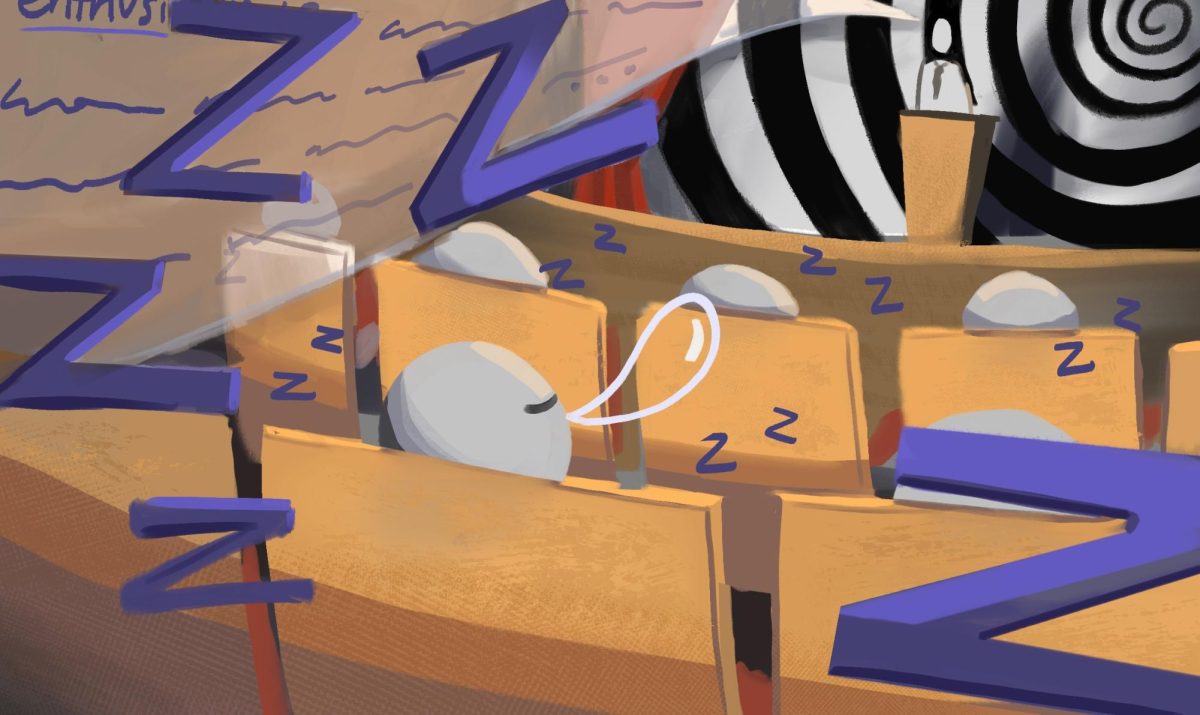
Why is it easier to scroll, chat or even plan a study schedule than simply start an assignment you know you need to finish?
Procrastination might seem like nothing more than bad time management, but beneath the surface, it is driven by a series of neurological processes that lead people to put off work for hours or even days.
Neuroscience Club president and neurodegenerative disease researcher Danielle Steinbach (12) learned through her research that deeply interconnected neurological pathways can cause even small decisions to cascade into harmful habits.
“The long-term executive function part of the brain that is responsible for overriding the urge to procrastinate gets more developed as you grow older, which is why procrastination tends to be a bigger issue among adolescents,” Danielle said. “The limbic system, which drives procrastination, is the emotional center of the brain, and is deeply connected with the reward system.”
Procrastination typically occurs when someone’s desire for short-term rewards leads to decisions that trigger the release of high levels of dopamine, often at the cost of long-term benefits. Inside the brain, the limbic system can override executive control centers like the prefrontal cortex, which serves as “responsible” decision-making hub that urges individuals to complete work on time.
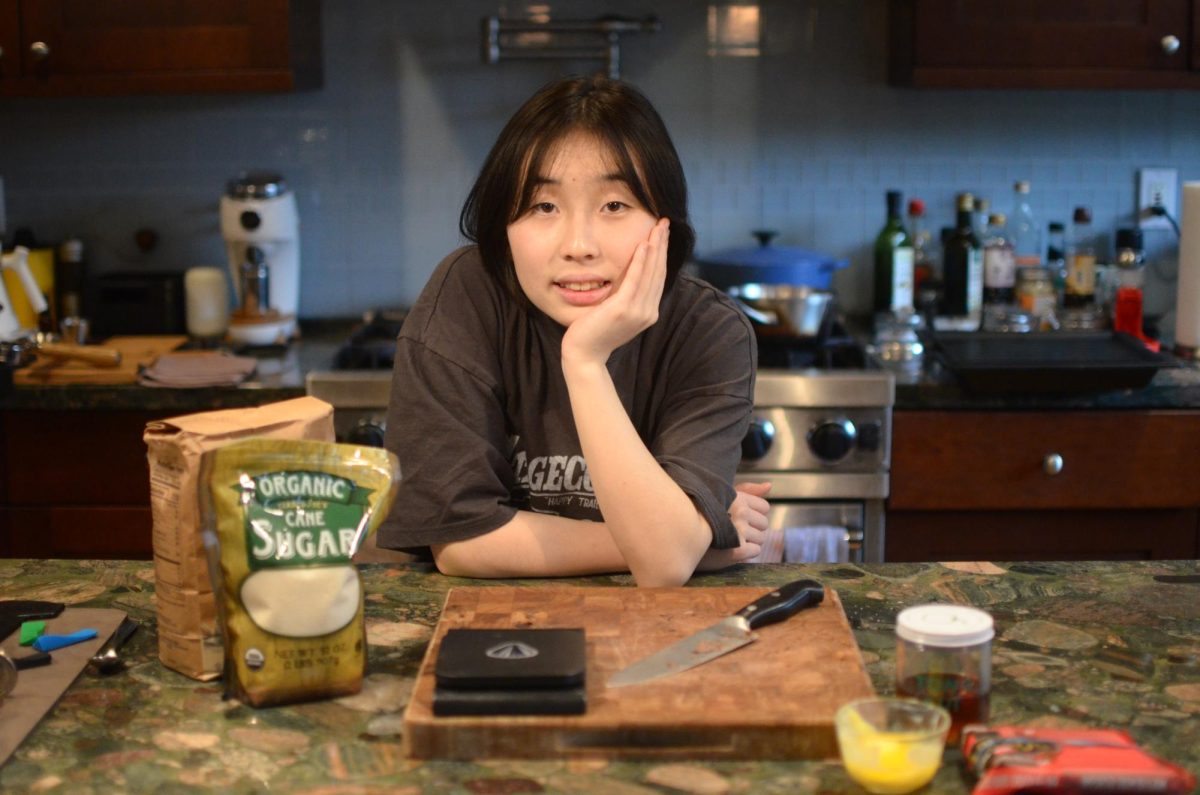
Sophomore Ameya Choudhary often struggles with falling into the cycle of procrastination and stress despite knowing that reaping short-term pleasures can cause an accumulation of harm in the future.
“While procrastinating, you lose your clarity of thought and don’t know exactly what you should be doing anymore,” Ameya said. “It’s a mix of losing track of your immediate focus and goals, and at the same time being frustrated, anxious and worried about how the rest of the day is going to go after you just wasted so much time.”
Many students, like Ameya, believe that unscheduled free time leads to procrastination because the lack of concrete goals leaves more space for distractions.
“When I’m able to make a calendar or some sort of plan of what I need to do, I’m procrastinating the least,” Ameya said. “But in those random intervals of time when I can actually be very productive, I don’t have deadlines set for myself, and that’s probably when I procrastinate the most.”
Especially in competitive academic environments like Harker, students may procrastinate as a response to pressure or stress. When faced with multiple assignments, students often choose simpler tasks like doing practice problems over writing an essay because they feel more manageable and less daunting.
“For a lot of people, especially if you’re a perfectionist, the drive to procrastinate can’t be boiled down to just laziness or being tired,” Danielle said. “It might be a fear of failure. A lot of people want to put off assignments because they don’t feel like they can do them well in the given moment. A region of the brain called the amygdala, which is the fear center of the brain, could override any executive functioning and reasoning telling you to finish your homework.”
Project Reboot founder Dino Ambrosi frequently works with students who struggle to break out of the cycle of procrastination. He emphasized that often, a lack of productive relaxation and mindless screen time during free time leads to losing motivation and putting off important tasks.
“You don’t always need to be doing things,” Ambrosi said. “Sometimes students stress themselves out and feel they need to do so much that they don’t take the time to engage in leisure with intention. When you don’t give yourself the permission to hang out with friends or go outside, you put yourself in a physiological state where it is hard for you to sit down and focus.”
Ambrosi created Project Reboot to combat issues of teens procrastinating by means of technology and devices. To avoid procrastination, he recommends that students set realistic goals and overcome the mental barrier of fear.
“People feel really overwhelmed because they have this mountain of work that they have to do,” Ambrosi said. “You don’t want to climb that mountain, but instead, ask yourself, ‘would it actually be that painful to physically take my laptop out of my bag and pull up my math homework?’ It’s only when you psych yourself out that it really becomes a big problem.”
Danielle emphasized the importance of understanding reasons behind why people procrastinate on a biological level. From there, she believes people can rework their personal system of managing work and plan in a way that best suits their own needs.
“If you’re someone who struggles with procrastination, there has to be a day where you force yourself to do your assignments,” Danielle said. “Once you push through that initial barrier, you start changing neural pathways in your reward system that prioritize short term rewards, because now it’s had the taste of long term rewards. That’s what your brain will operate on and tune itself.”